15 Days in Egypt: Three Routes, and How to Structure Them
Fifteen days is the first length at which Egypt stops being a race. A week barely covers the classic sites; ten days covers them with some slack. Two weeks lets you either do the standard route without hurrying or add a whole second region to it. Below are three ways to structure the time, each built from places we actually run, with a day-by-day outline and honest notes on who each one suits.
Is 15 days enough for Egypt?
More than enough for the classic route, and the right length to add something to it. The standard trip almost everyone takes first is Cairo, then the Nile between Luxor and Aswan, with Abu Simbel on the end. That fits into eight days if you move briskly and into ten comfortably. Fifteen days is where you get a genuine choice: run that same route slowly and add the bits most trips cut, or keep the pace and bolt on a second region entirely, usually the Red Sea or the Western Desert.
Be honest about what fifteen days means from Europe. The arrival and departure days go largely to airports, so you are realistically looking at thirteen days on the ground and perhaps twelve useful ones. That is still a lot. The failure mode at this length is not running out of time, it is stacking: adding a fourth region because the days appear to exist, and spending half of them in transit between places that do not sit near each other. Every addition costs a travel day at each end, and two weeks run at a ten-day pace beats two weeks run flat out.
What fifteen days genuinely buys over ten is mornings and margin. A tight trip starts early every day because the heat forces it and the schedule allows nothing else. Spread the same sites over more days and two or three of those mornings become yours: a slow second visit to the Grand Egyptian Museum, a felucca afternoon in Aswan with nothing after it, a rest day in the middle when the early starts catch up with you. It also survives a delayed internal flight without losing the Valley of the Kings, which a seven-day trip does not.
What it does not do is turn Egypt into a relaxing holiday by itself. The cultural half is tiring whichever route you take: heat, dawn starts, long days, and guides who will fill every hour you give them. The two routes below that add a beach or the desert exist partly for that reason. Six days of temples is already plenty for most people, and what you do with the rest of the fortnight is the real decision.
Route A: the classic route, taken slowly
This is the standard Cairo-and-the-Nile trip with the compression taken out and the usual casualties put back in: a second Cairo day, land nights in Luxor and Aswan, Abu Simbel as an overnight rather than a dawn dash, and a couple of the great temples that short trips never reach. No beach, no desert. It is the route for someone whose interest is ancient Egypt and who would rather see it properly than see more of the country.
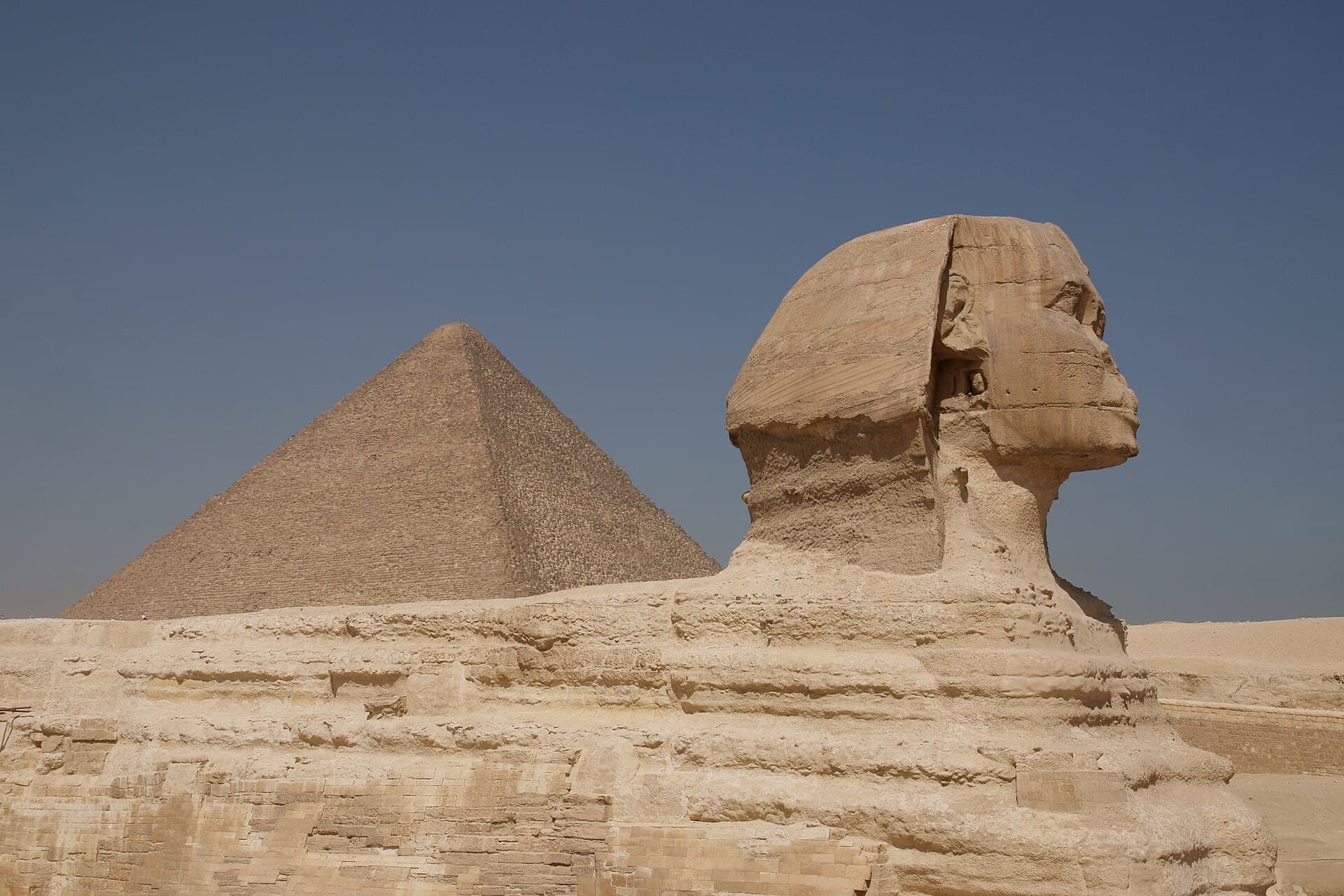
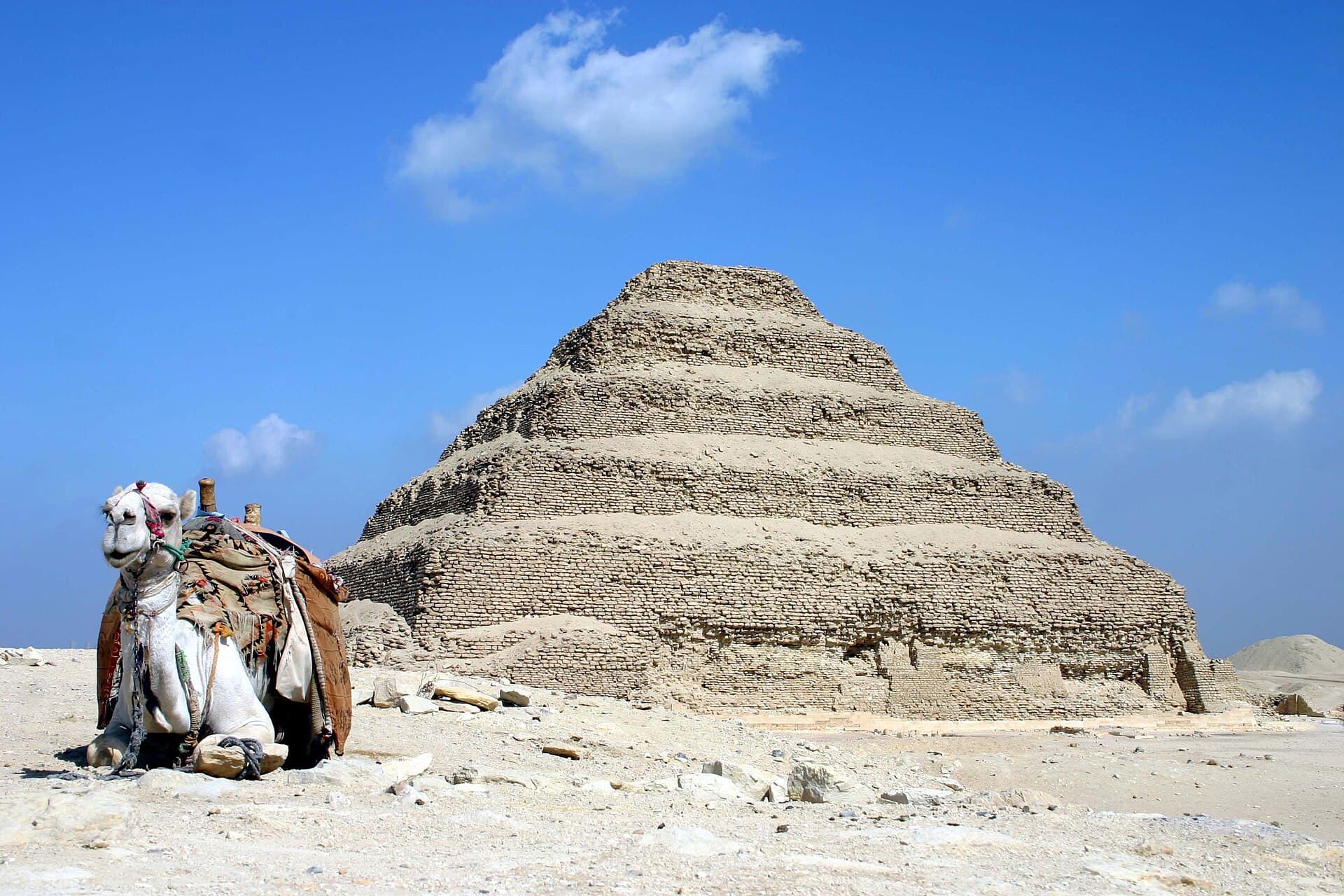
Days 1 to 4, Cairo and Giza. Arrive and settle on the first day, which usually goes to the transfer and a first walk along the river. Give the second day to the Pyramids and the Sphinx at opening, before the coaches and the heat, then the Grand Egyptian Museum, which needs three hours as a floor and rewards a slow visit since it now holds the whole Tutankhamun burial together. Do not pair the museum with Giza in the same afternoon. The third day goes south to Saqqara and Dahshur, the half most trips miss, where the Step Pyramid and the painted mastaba tombs are quieter and often better than the Giza plateau. The fourth is Islamic and Coptic Cairo on foot, al-Muizz street and Khan el-Khalili in the late afternoon when the heat has gone. Three nights in Cairo.
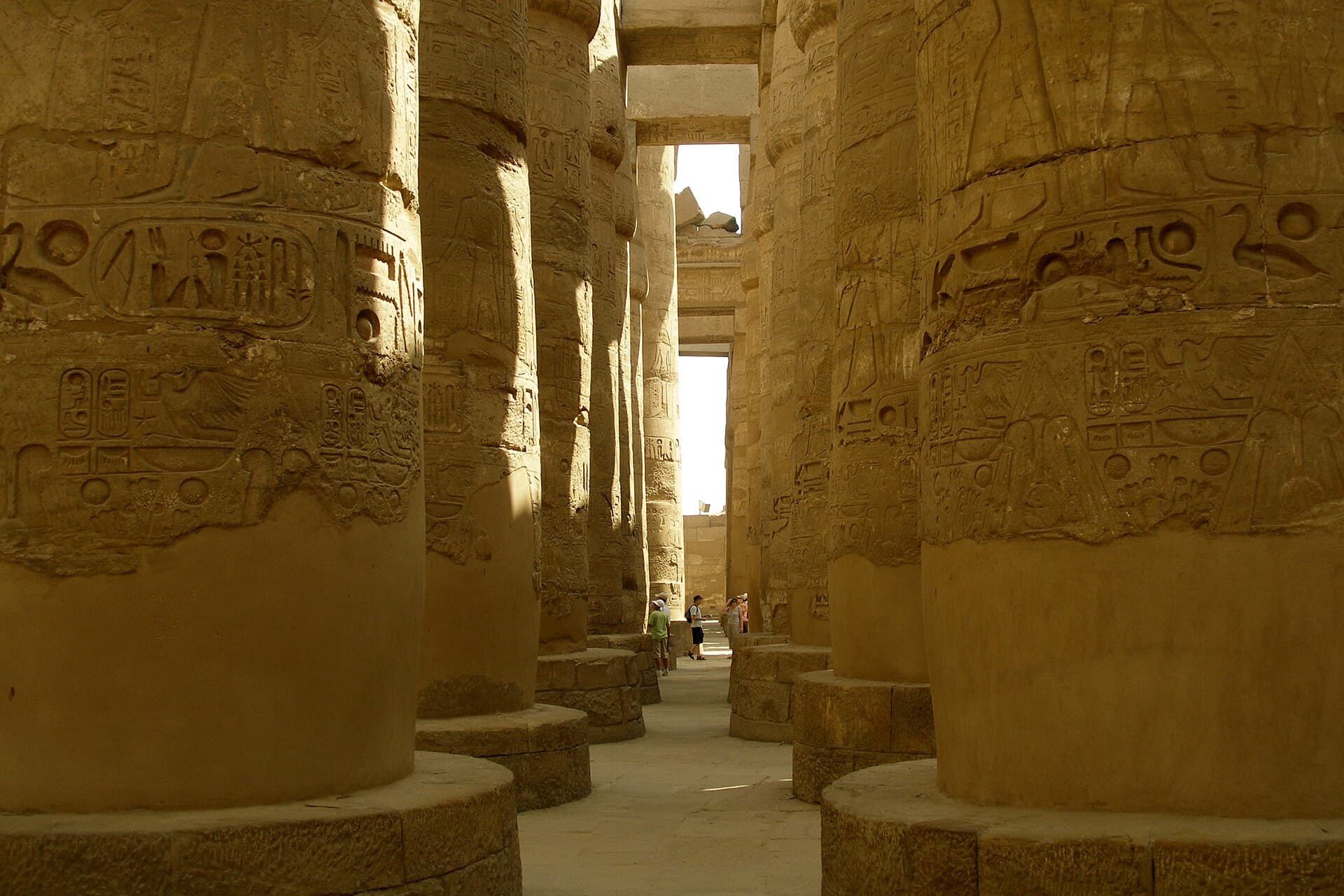
Days 5 to 6, Luxor on land. Fly south in the morning rather than drive; the road is most of a day and shows little, the flight is about an hour. Stay in a hotel rather than boarding straight away, because a boat gives you neither the hour before the coaches arrive nor the evening, and Luxor Temple is worth seeing after dark when it is lit and the crowds have thinned. Give one morning to the west bank, early, before the tombs fill with the heat of every group that has walked through them, and an afternoon to Karnak in low light. A sunrise balloon over the west bank on the spare morning is one of the few aerial add-ons in Egypt that earns its price.
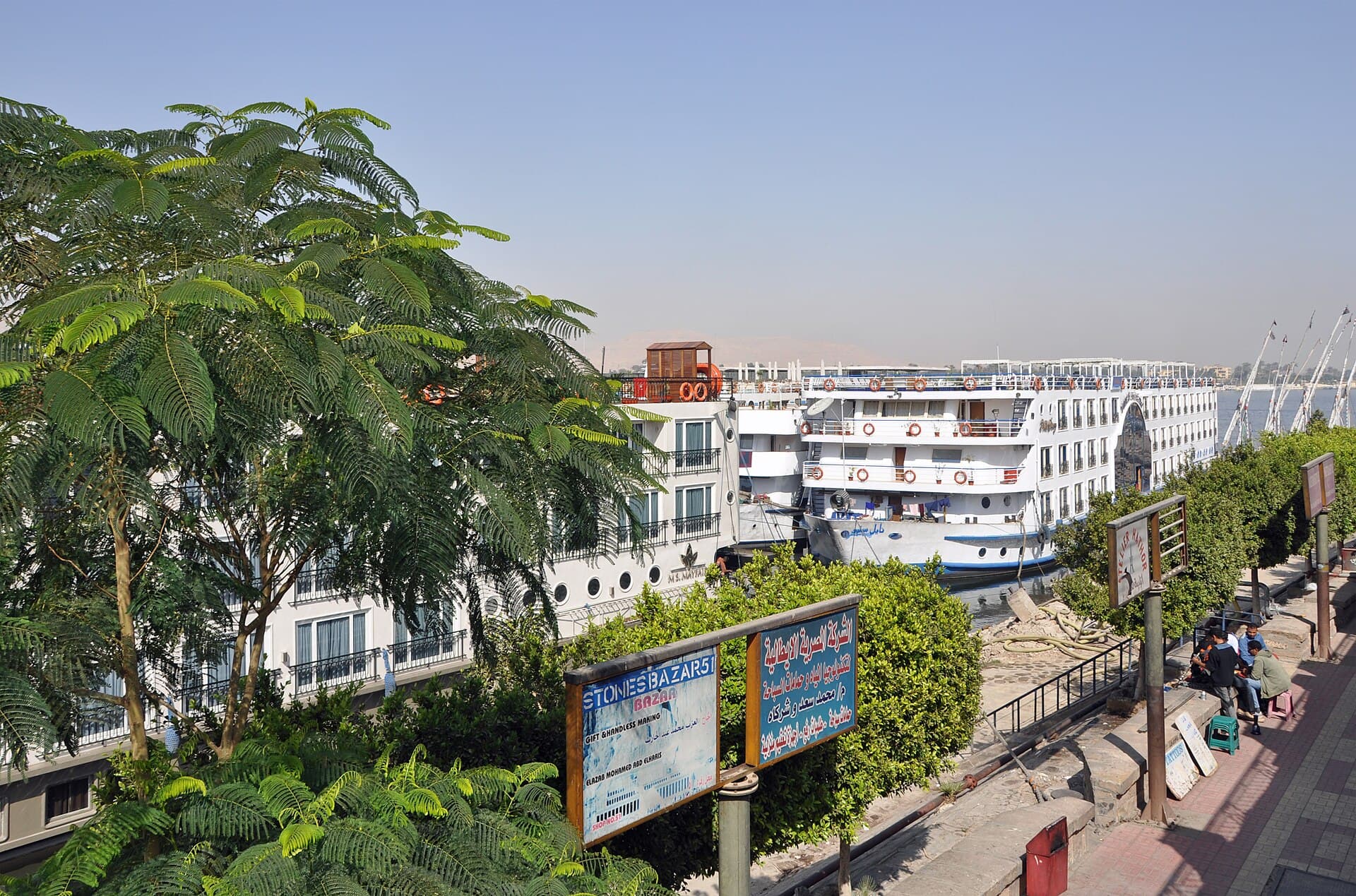
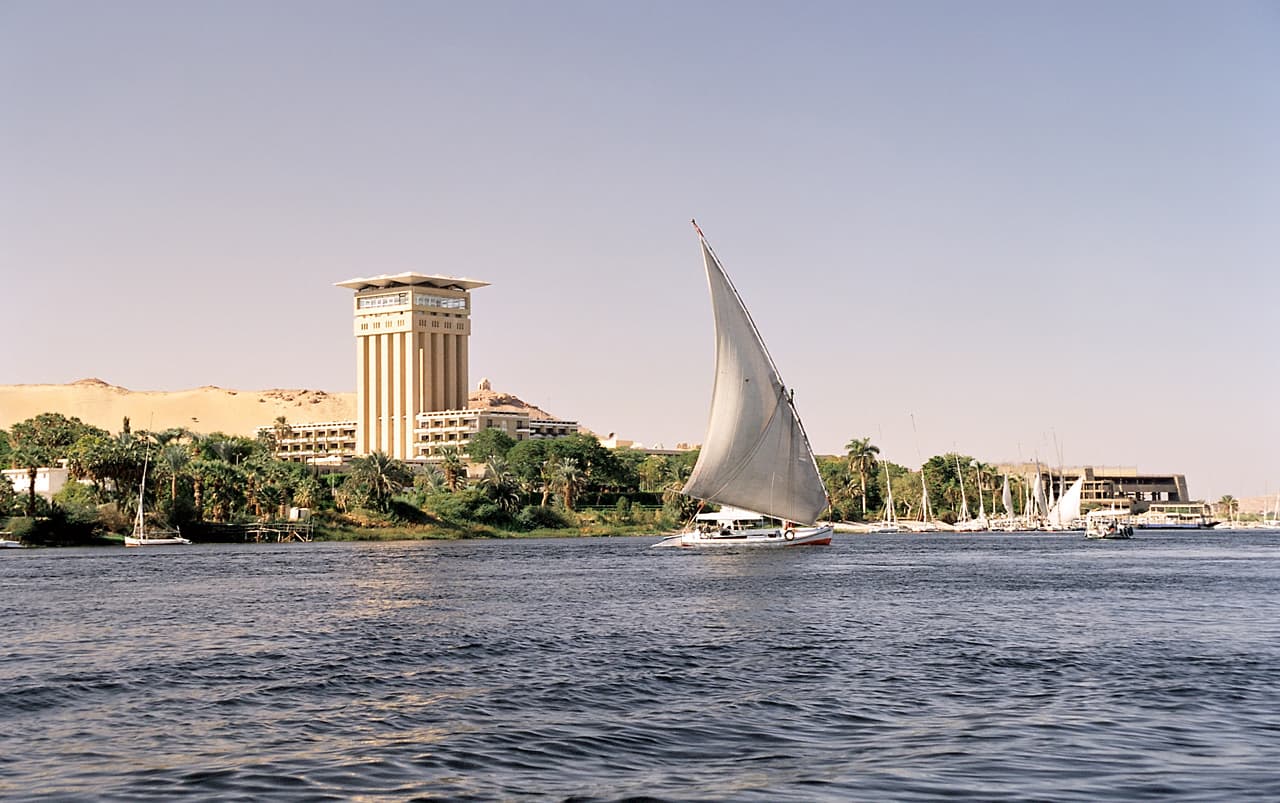
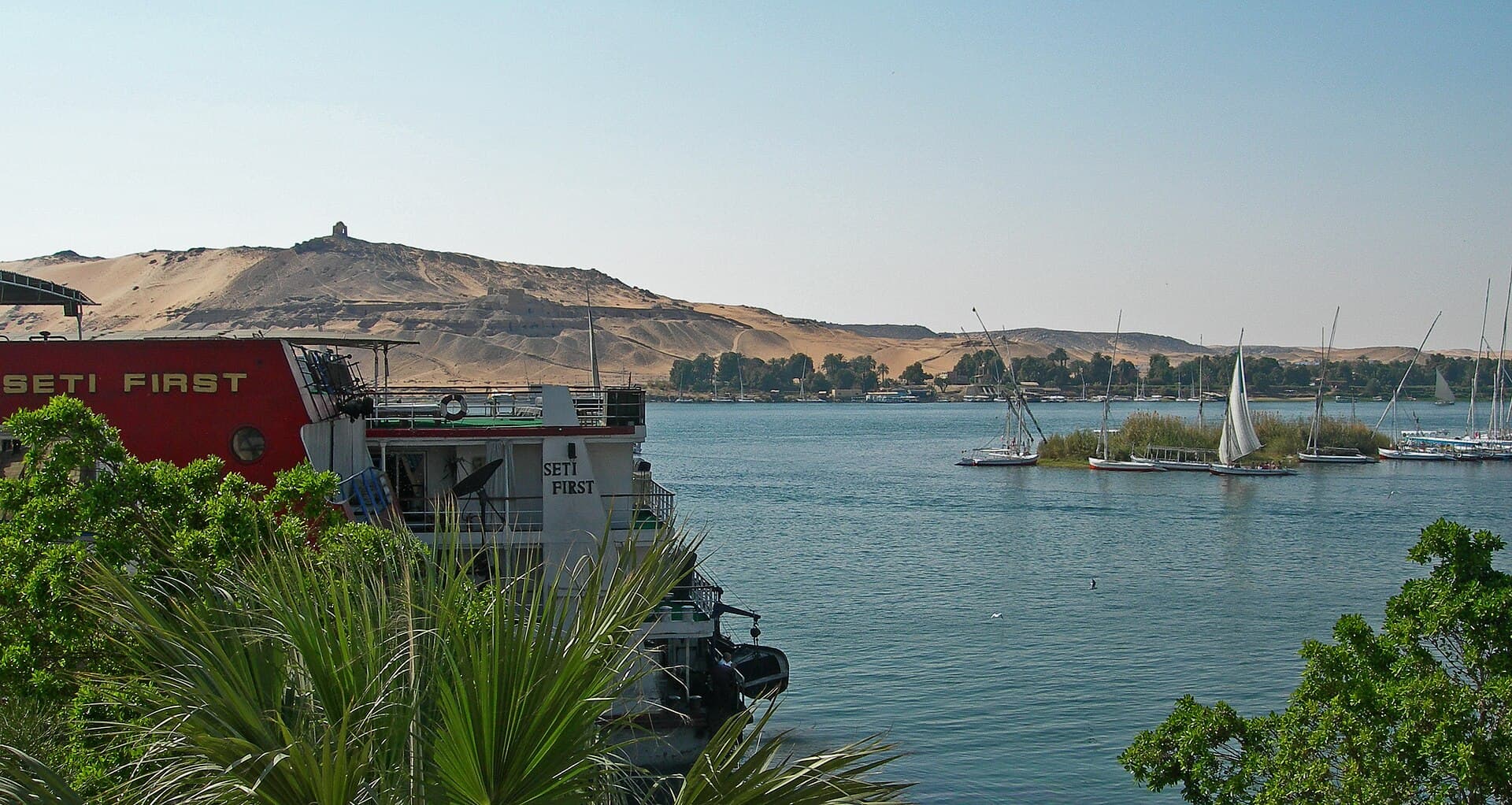
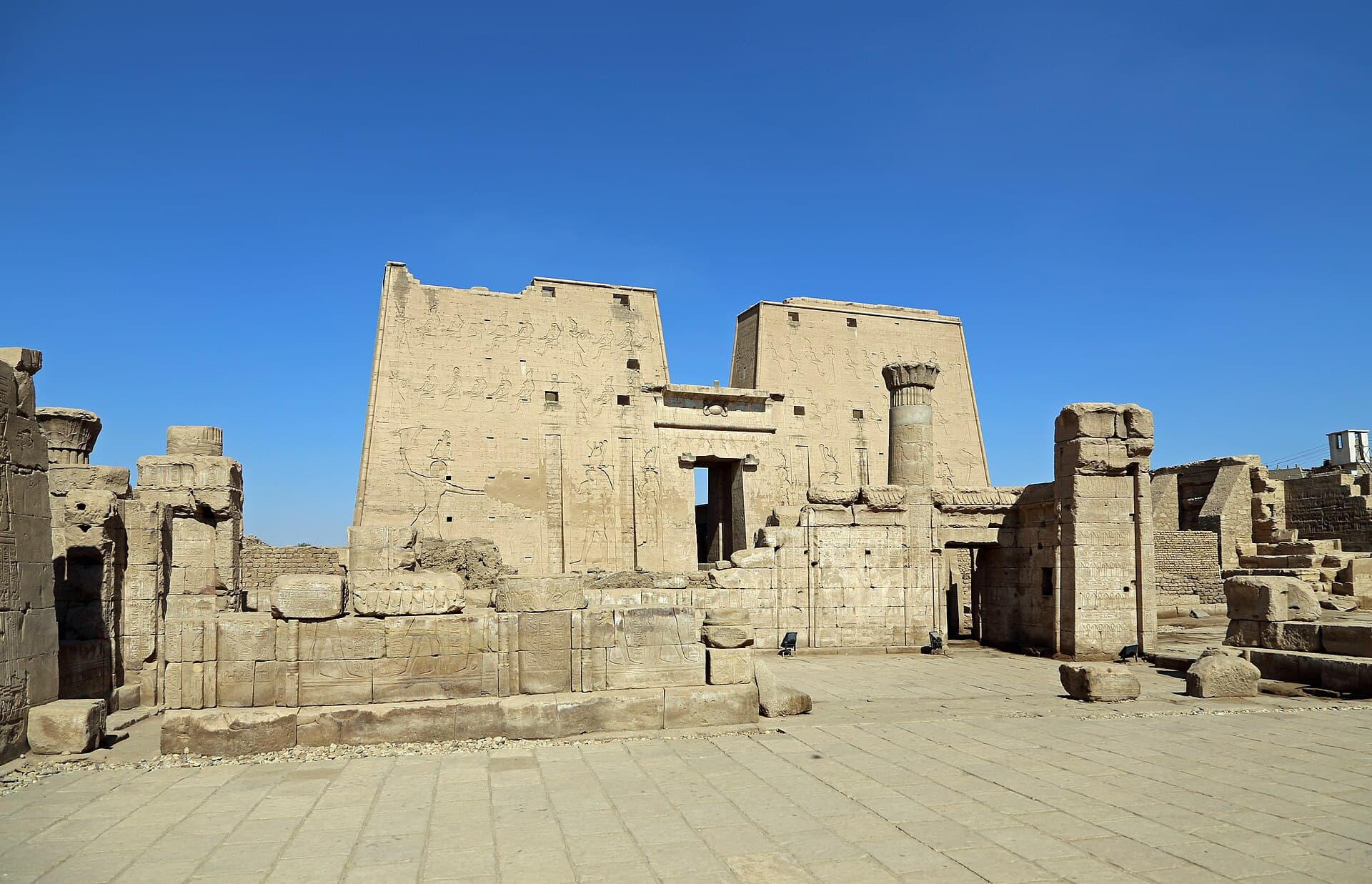
Days 7 to 10, the Nile cruise to Aswan. Board at Luxor and sail upstream, Luxor to Aswan, which is the classic direction and the more relaxed one: the current is against you, so the sailing stretches are longer and slower, and you finish in the calmest of the three cities rather than the busiest. Four nights covers Esna, the well-preserved temple of Horus at Edfu, and Kom Ombo on its riverbank at dusk, with long quiet afternoons on deck in between. If the budget stretches, a dahabiya, a small sailing boat with a handful of cabins, is slower and quieter again and moors where the big boats raft three deep.
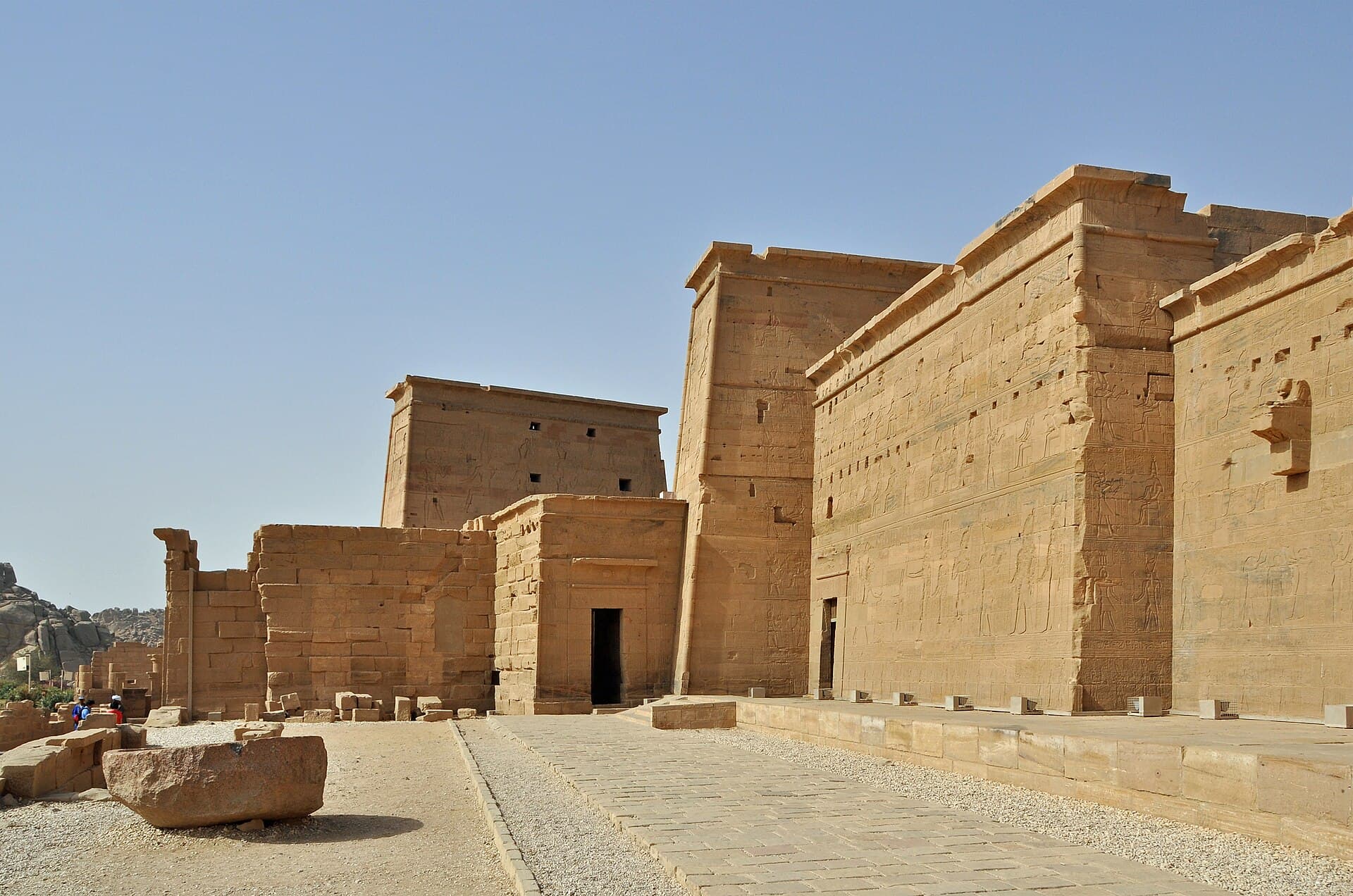
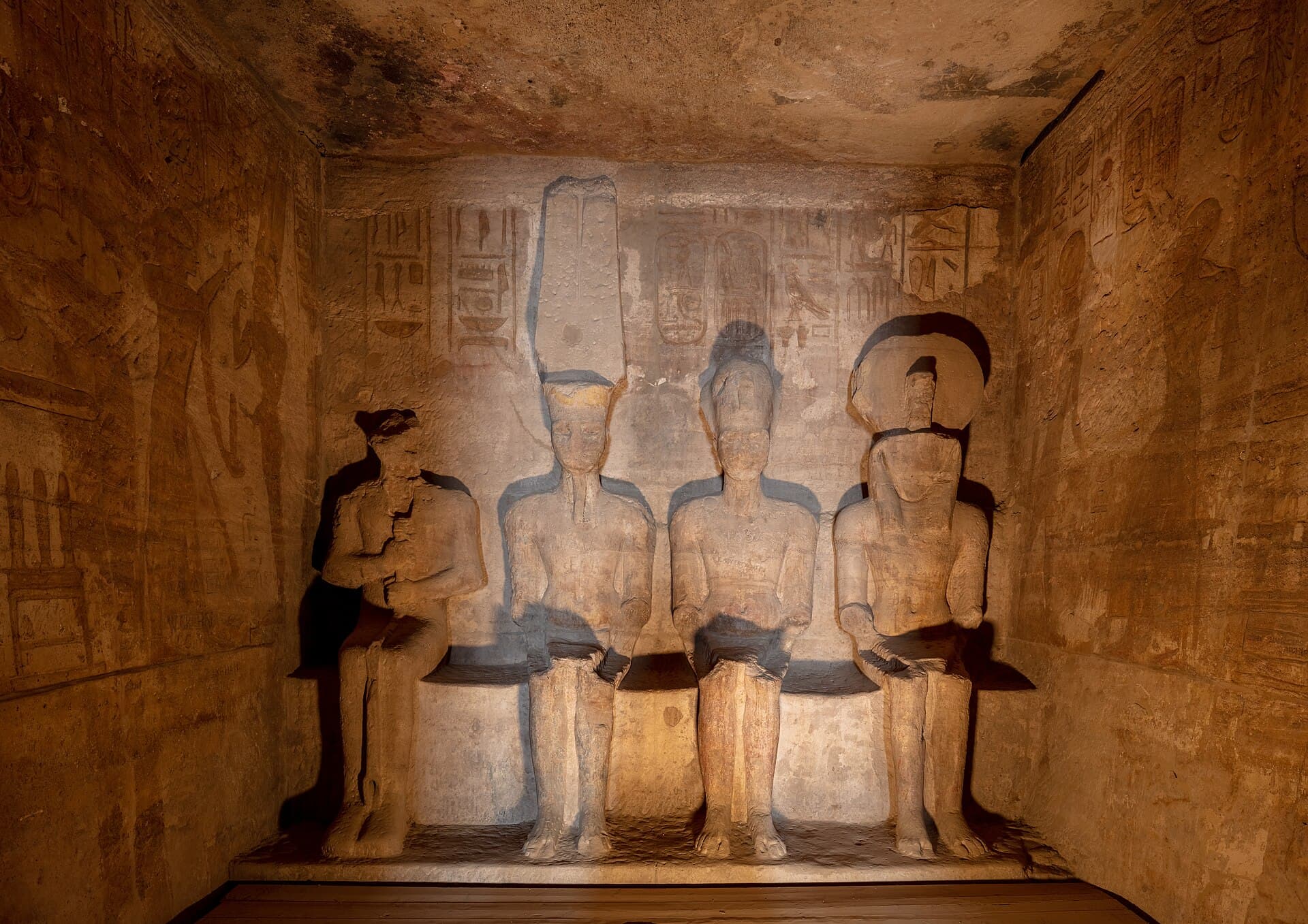
Days 11 to 13, Aswan and Abu Simbel. Disembark and stay on land rather than flying out the morning the boat docks, which is the single change that improves most Nile trips. Aswan is the prettiest stretch of the river and the most relaxed city in the country: Philae Temple on its rebuilt island, the unfinished obelisk in the granite quarry early before the trench bakes, a felucca out to Elephantine at sunset. Then take Abu Simbel as an overnight rather than the four-in-the-morning convoy dash. You reach the temples in late afternoon once the coaches have gone, and again at opening before they return, and see the facade in the low light it was cut for.
Days 14 to 15, the Delta or a second Cairo layer, then home. Fly back north and use the last full day on what the standard trip never reaches. The honest options are Alexandria by the fast train for the Graeco-Roman layer and a wetter, different climate, which is worth an overnight rather than a six-hour day return, or a second unhurried day around Cairo for the Tahrir museum and a slow afternoon in Zamalek. Dendera and Abydos out of Luxor, two of the best-preserved temples in the country with a fraction of the crowds, are the alternative if you would rather add them earlier in the Luxor leg. Transfer out whenever the flight leaves.
Who it suits. First-time visitors whose reason for coming is the archaeology, couples who want depth over breadth, and anyone who found six days of temples on a shorter trip too rushed and wants the version with room to breathe. It is the wrong route for families with young children, who will not do this many temples without mutiny, and for anyone hoping for beach time, which this route deliberately leaves out.
Route B: culture first, then the Red Sea
This is the combination most German and Italian travellers book, and for good reason: the classic sites first, then a week doing very little on the coast. It turns a demanding cultural trip into a holiday, and it works geographically because Hurghada sits on the coast roughly opposite Luxor, about four hours by road, so the Nile half can finish at the sea without another internal flight. It is the version that works with children, and the safest choice if you do not yet know how much ancient Egypt you actually want.
Days 1 to 3, Cairo. The essentials without the extra day: arrive and settle, then Giza and the Grand Egyptian Museum across a morning and an afternoon split by the drive, then Saqqara and a late-afternoon walk through Islamic Cairo and the bazaar. Two or three nights depending on whether you want Dahshur. Fly to Luxor on the morning of the third or fourth day.
Days 4 to 8, the Nile cruise. Board at Luxor, Karnak and the west bank on the land side, then sail the classic route upstream to Aswan over four nights through Edfu and Kom Ombo. This is the same river stretch as Route A, run at the standard pace rather than slowly, because the coast is where the slack goes on this trip. Philae and a felucca at Aswan on the final day. If you would rather finish the culture faster and lengthen the beach, a three-night boat running downstream from Aswan to Luxor covers the identical temples and saves a day, at the cost of ending in the hotter, busier city.
Day 9, transfer to the coast. Overland from Luxor to Hurghada, roughly four hours across the desert on a good, dull road. Most people find it straightforward, and it is the reason this combination sells so well: you end the cruise, cross in a morning, and finish the holiday without backtracking through Cairo. Marsa Alam, a few hours further south, is the quieter alternative with its own airport, which can save the return drive if you fly home from there.
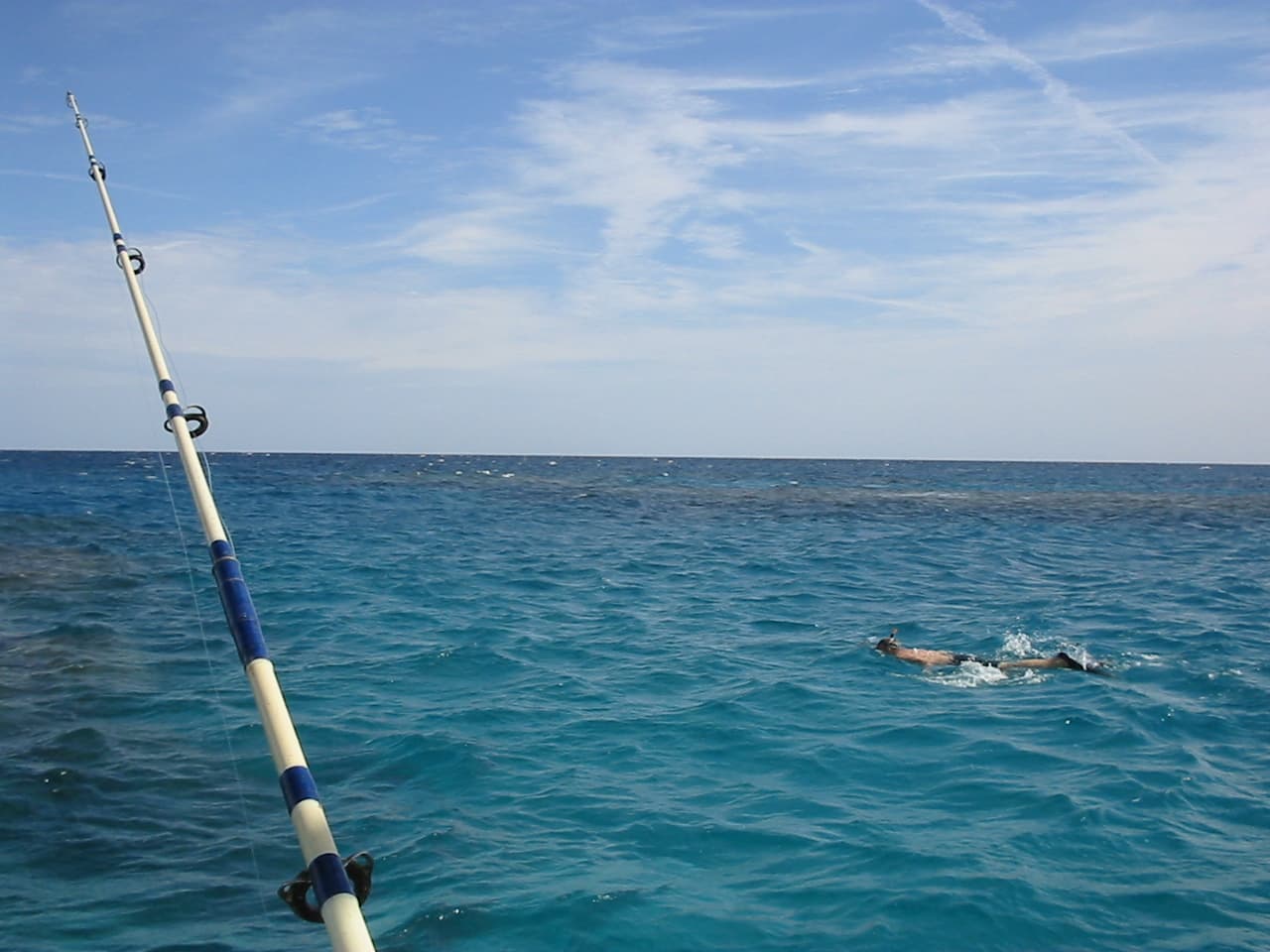
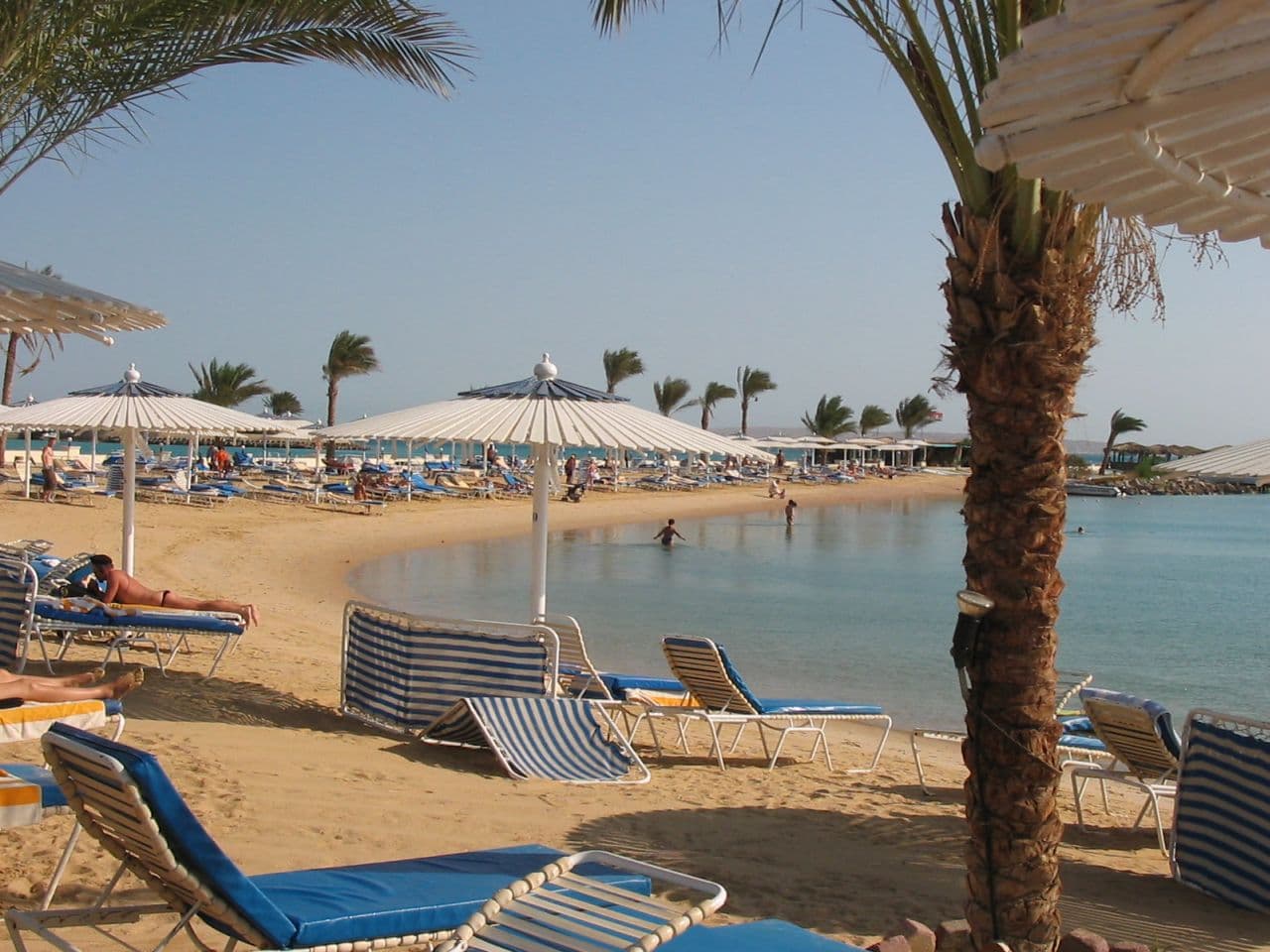
Days 10 to 14, the Red Sea. Five nights on the coast, which is the point of choosing this route over the others. The water is the reason to go, not the towns: the reef is genuinely good and unusually easy to reach, with short boat rides, reliable visibility and warm water most of the year. The standard Giftun Island boat trip covers snorkelling stops manageable for complete beginners; divers can reach the offshore pinnacles and, on a longer day, the wrecks off Abu Nuhas. Or do nothing at all, which after a week of dawn starts is a perfectly respectable use of five days. Stay nearer Dahar or the marina if you want any feel for the country, rather than sealed inside a resort twenty kilometres from anywhere.
Day 15, home. Fly out direct from Hurghada, which takes far more charter flights from Europe than Luxor does, usually cheaper ones, and removes the need to return to Cairo at the end.
Who it suits. Families, couples who do not agree about holidays, and first-timers hedging their bets: one of you gets the temples, the other gets the water, and both get a fortnight rather than a compromise. It is the weakest route for a committed history traveller, who will resent five days on a beach, and it depends on the season more than the others, since the coast is at its best in spring and autumn while midsummer is bearable only with a sea breeze.
Route C: the Nile and the Western Desert
The third angle swaps the beach for the desert. Instead of finishing horizontally on the coast, you add the chalk formations and black volcanic hills of the Western Desert out of Cairo, camping a night under the sky, then run the classic Nile route afterwards. It is a harder trip than the other two and a cool-season one only, but it is the version that shows you an Egypt most visitors never see, and it reads as a genuine contrast rather than an add-on.
Days 1 to 2, Cairo. Arrive and settle, then a full day on Giza and the Grand Egyptian Museum. Keep Cairo tight at the start because the desert leg comes next and you return to the city afterwards anyway, which is when Saqqara and Islamic Cairo fit better.
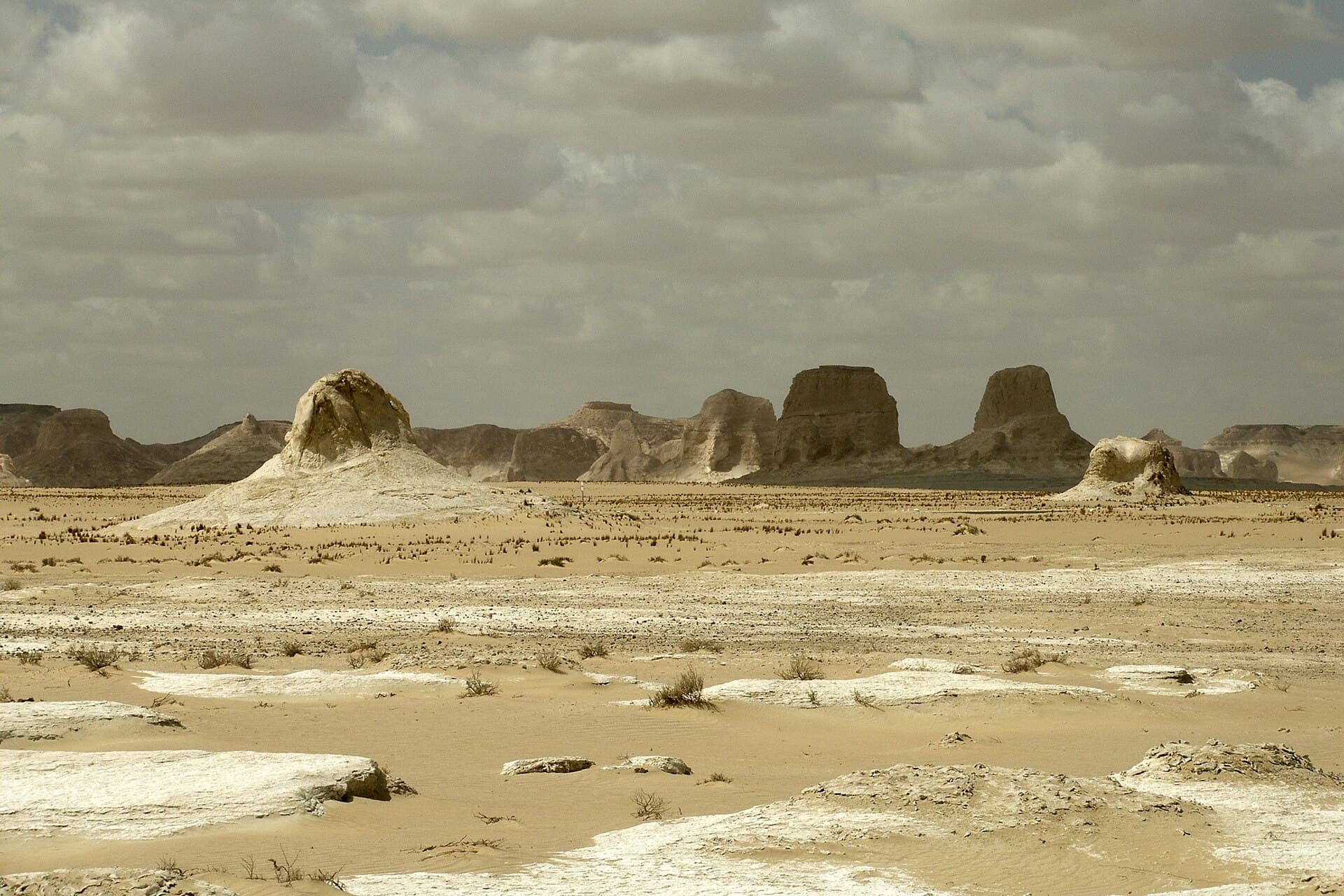
Days 3 to 5, Bahariya and the White Desert. Drive southwest from Cairo, about four hours to Bahariya oasis, arriving for lunch. The Black Desert and its volcanic hills and hot springs on the first afternoon, then deeper in past Crystal Mountain to camp among the chalk formations of the White Desert, which is the reason to come and is best at dawn and dusk. Farafra oasis and its palm gardens before a slow return along the escarpment. The camping is basic by design: mattresses and blankets in the open, food over a fire, no plumbing, and desert nights that get cold enough to want a proper jacket and in winter approach freezing. The point is the setting, not the comfort.
Days 6 to 7, back to Cairo and south. Return to Cairo and pick up what the opening days skipped: Saqqara and Dahshur, or Coptic and Islamic Cairo, on the way through. Then fly to Luxor. A night in Cairo here also buffers the desert leg against a late return before an onward flight.
Days 8 to 9, Luxor. The west bank early, Karnak in the afternoon, Luxor Temple after dark, on land before the cruise. The same Luxor as Route A but given two days rather than folded into the boat, because the desert has already used the slack that Route A spends on a third Cairo day.
Days 10 to 13, the Nile cruise to Aswan. Board at Luxor and sail upstream over four nights through Edfu and Kom Ombo to Aswan, finishing with Philae and a felucca. The classic, relaxed direction, as on the other routes.
Days 14 to 15, Aswan and home. A land night in Aswan for the unfinished obelisk and an unhurried morning on the water, or Abu Simbel as a flight rather than the long road if the days are tight after the desert. Fly out through Cairo. If you would rather not retrace, ending the cultural half in Aswan and flying home via Cairo keeps the whole route moving in one direction.
Who it suits. Returners who have already done the classic route and want a different Egypt, active travellers, and couples who find a beach boring. It is the least suitable route for very young families, who find the long four-by-four drives and the spade-and-firelight camp harder than older children do, and it is genuinely seasonal: summer daytime temperatures in the Western Desert make the drives and the camping unpleasant, so it runs roughly October to April only.
Which route suits you?
Start with what the trip is for. If you came for ancient Egypt and the monuments are the point, take Route A. Fifteen days of the classic route run slowly is the deepest version of the standard trip, and the extra days go where they are worth most: a second museum morning, Abu Simbel without the dawn convoy, the Delta or Alexandria that shorter trips always cut. You will come home tired but not cheated, and you will have seen the things people regret missing.
If the group does not agree about holidays, take Route B. The culture-plus-beach fortnight is the default choice for a reason: it gives the history traveller their temples and the other half of the party their water, and nobody has to pretend a fortnight of ruins or a fortnight of sunbeds was the plan. It is also the right hedge for a first visit, because five days of temples will tell you honestly whether you would come back for a fortnight of them.
If you have been before, or the idea of five days on a sunbed makes you restless, take Route C. The Western Desert is the part of the country the classic route never touches, and a night camped in the White Desert is the thing people remember longest. It asks more of you in return, in drive time and in comfort, and it locks you into the cool half of the year.
Two cross-cutting calls. First-timers should lean toward A or B; the desert is a better second trip than a first, because it makes more sense once you have the Nile for contrast. Families should lean hard toward B and away from C. Couples split by pace rather than by interest: the slow, site-heavy A suits people who read the walls, while B suits people who want the holiday to end flat on a lounger. And if your dates fall between May and September, B is the only one of the three that is genuinely comfortable, because the desert is out and the Nile cities are punishing by early afternoon.
What shapes the price of a 15-day trip
No two fifteen-day trips cost the same, and the sightseeing is a small part of the total either way. The biggest lever is the standard of the Nile boat. Cruise boats vary far more than the photographs suggest, and the year a boat was last refitted matters more than its star rating, which is a local rating and not equivalent to European hotel stars. A dahabiya, the small sailing boat, sits well above a standard cruise; a tired four-star sits well below a refurbished five. Cabin choice on the same boat moves the price too, an upper deck or a balcony costing noticeably more than a lower-deck cabin.
After the boat, the shape of the trip decides the rest. Route B carries a week of Red Sea hotel nights, which can be cheap all-inclusive or expensive depending on the resort, while Route A carries more guided touring days, which is where a private guide and driver cost more than a shared group. Route C adds a four-by-four, a desert guide and camping logistics for its middle leg, which is a specialist cost the other two do not have. Whether the guide and vehicle are private throughout or a group departure is the other big split: private costs more per person but often removes nights and transfers you would otherwise pay for.
Then the season, which moves everything. The same route costs noticeably less in the summer heat than over Christmas and New Year, when the better boats and the good guides book out months ahead and prices peak. The Cairo hotel category, the number of domestic flights you take rather than trains, and whether Abu Simbel is a flight or the road all add up on top. Our own trips are built and priced by request rather than sold at a fixed checkout price, precisely because these levers pull in different directions on every booking; we would rather quote the real number for your dates than publish one that is wrong for most people.
When to do this trip
October to April is the season for everything inland, which is most of all three routes. December and January are the coolest and the busiest, with Luxor and Aswan prices peaking over Christmas and New Year. February and March give the best balance of weather and crowds and are the months to aim for. May and September are hot but noticeably quieter and cheaper, a fair trade if you can start early and stop by mid-morning.
June to August is the hard season inland. Luxor and Aswan routinely pass forty degrees in the afternoon, and sightseeing shrinks to the early mornings, which is a real constraint rather than an impossibility. This is the one window where the three routes diverge sharply on timing. Route C is simply out, because summer in the Western Desert makes the drives and the camping unpleasant. Route A is doable but punishing. Route B is the summer-proof option, since the Red Sea is at its warmest then and a sea breeze keeps the coast bearable even while the temples are not.
Two dated notes worth planning around. Abu Simbel has its twice-yearly sun alignment on the inner sanctuary in late February and late October, which brings crowds and a queue in the dark; if it is not the reason you came, avoid those mornings. And Ramadan shifts the rhythm of the day and some opening hours across the whole country, which is worth planning around rather than avoiding. Our month-by-month guide at the link above sets out the trade-offs in more detail.
How to pace 15 days
Fly the long legs, do not drive them. The Cairo to Luxor road is roughly 650 kilometres and most of a day, and it shows you little; the flight is about an hour with several a day. The overnight sleeper train is the honest alternative, cheaper and saving a hotel night, but the cabins are basic and sleep is patchy, so take it for the economics rather than the comfort. Never connect a domestic arrival straight into a long-haul departure, because internal flights do delay; leave a night in Cairo at the end when the timing is tight, which a fifteen-day trip has room for.
Sail upstream if you can. Luxor to Aswan is against the current, which makes it slower and usually a night longer than the same stretch coming down, and that is the point: longer, calmer stretches on deck, and you finish in Aswan, the nicest and quietest of the three cities, with its airport and the road to Abu Simbel so nothing is retraced. The shorter northbound sailing is cheaper and ends in Luxor, which suits Route B if you are pushing straight on to Hurghada afterwards.
Respect the daily rhythm the heat imposes. Two major sites in a day is realistic; four is a fantasy that ends with everyone tired and nobody looking at anything. The usable hours at the Nile cities and at Abu Simbel are early morning and late afternoon, with the middle of the day lost to the heat, so plan around that rather than against it. Build Cairo traffic into the plan as well: judge trips across the city by the hour of departure, not the distance, and pair sites by which side of the river they sit on.
Finally, spend the slack that fifteen days gives you on rest, not on one more site. The thing that separates a good fortnight from an exhausting one is the empty afternoon, the felucca with nothing after it, the morning that starts when you wake rather than when the guide knocks. Every addition you make costs a travel day at both ends and a degree of tiredness that compounds. The routes above all leave one or two days unaccounted for on purpose; that is the feature, not a gap to fill.
Common questions
Can you see the pyramids and do a Nile cruise in 15 days?+
Comfortably, with room to spare. All three routes above include Giza and a four-night Nile cruise, and still have days left over for a second region, a slower pace or both. Fifteen days is the length at which that pairing stops being a race and becomes a proper trip.
Is 15 days too long for Egypt?+
Only if you try to fill every day with a new site. Six days of temples is already plenty for most people, which is why two of the three routes add a beach or the desert rather than more ruins. Run at a ten-day pace with rest built in and fifteen days is not too long; run it flat out and it will feel it.
Should I add the Red Sea or the Western Desert to a two-week trip?+
The Red Sea if you want the cultural half to end as a holiday, which suits families and mixed groups and works in summer. The Western Desert if you have been to Egypt before, want a genuine contrast, and are travelling between October and April. They are different trips, not interchangeable add-ons.
How many days should I spend in Cairo on a 15-day trip?+
Three full days is the comfortable number: one for Giza and the Grand Egyptian Museum, one for Saqqara and Dahshur, one for Islamic and Coptic Cairo. The slow classic route can stretch to four with the Tahrir museum or a day in Zamalek; the beach and desert routes keep it to two or three to free days for the other region.
Is 15 days enough to include Abu Simbel?+
Yes, and at this length you can do it properly. Rather than the four-in-the-morning convoy dash from Aswan, stay overnight at Abu Simbel and see the temples in late afternoon and at opening, outside the coach window and in the light the facade was cut for. A short flight from Aswan is the alternative if you would rather not lose a day to the road.
Do I need internal flights, or can I take the train?+
You need at least the Cairo to Luxor hop, which is an hour by air against most of a day by road. The overnight sleeper train is a cheaper alternative that saves a hotel night, but it is basic and sleep is patchy. Within the Nile leg the cruise does the travelling; Abu Simbel can be road or a short flight.
Which direction should the Nile cruise sail on a longer trip?+
Upstream, Luxor to Aswan, for all three routes unless you are rushing on to the Red Sea. It is the classic direction, usually a night longer, with slower and calmer stretches on the water, and it finishes in Aswan, the nicest of the three cities and the jumping-off point for Abu Simbel. The shorter, cheaper northbound sailing ends in Luxor.
When is the best time for a 15-day Egypt trip?+
February and March give the best balance of weather and crowds for all three routes. October to April is the broad season for anything inland. If your dates fall between May and September, take the Red Sea route, since the desert is out and the Nile cities are punishing by early afternoon, while the coast stays bearable.
Official sources
Entry rules, opening hours, security advice and exchange rates all move. Check them at the source, not here.
Written and checked by the Nile Trip Guide editorial team · Last reviewed . Entry rules, prices and opening hours change — check anything critical against the official sources linked on this page.
Plan this trip
Tell us your dates and we will price it
A real itinerary with real prices, usually within 24 hours. Nothing is booked and nothing is charged until you say yes.
The route most people take first, at the length it was built for: Giza and the Grand Egyptian Museum, then a flight to Luxor and four nights sailing down to Aswan.
No boat on this one. Giza and the Grand Egyptian Museum, a night in Luxor for both banks, two nights on the Red Sea, then back to Cairo for the Citadel, Coptic Cairo and the Royal Mummies.
Five nights in Cairo either side of a four-night sail from Luxor to Aswan. The Cairo days are private, just your party and a guide; the sightseeing off the boat is shared with a small group.