Egypt tour packages: what you get, and what you pay for
Most Egypt tour packages sell the same core route: Cairo and Giza, a flight south, and a few nights between Luxor and Aswan. The difference is how you travel it, private or in a group, five days or fourteen, and how much of each day is yours. This page covers what you are actually buying and what to check first.
What do Egypt tour packages usually include?
A standard package covers airport transfers, hotels with breakfast, transport between sites in a private air-conditioned car or coach, a licensed Egyptologist guide, and entry tickets to the sites named on the itinerary. Domestic flights or an overnight train between Cairo and the south are usually included too. If a Nile cruise is part of it, that covers the cabin and all meals on board.
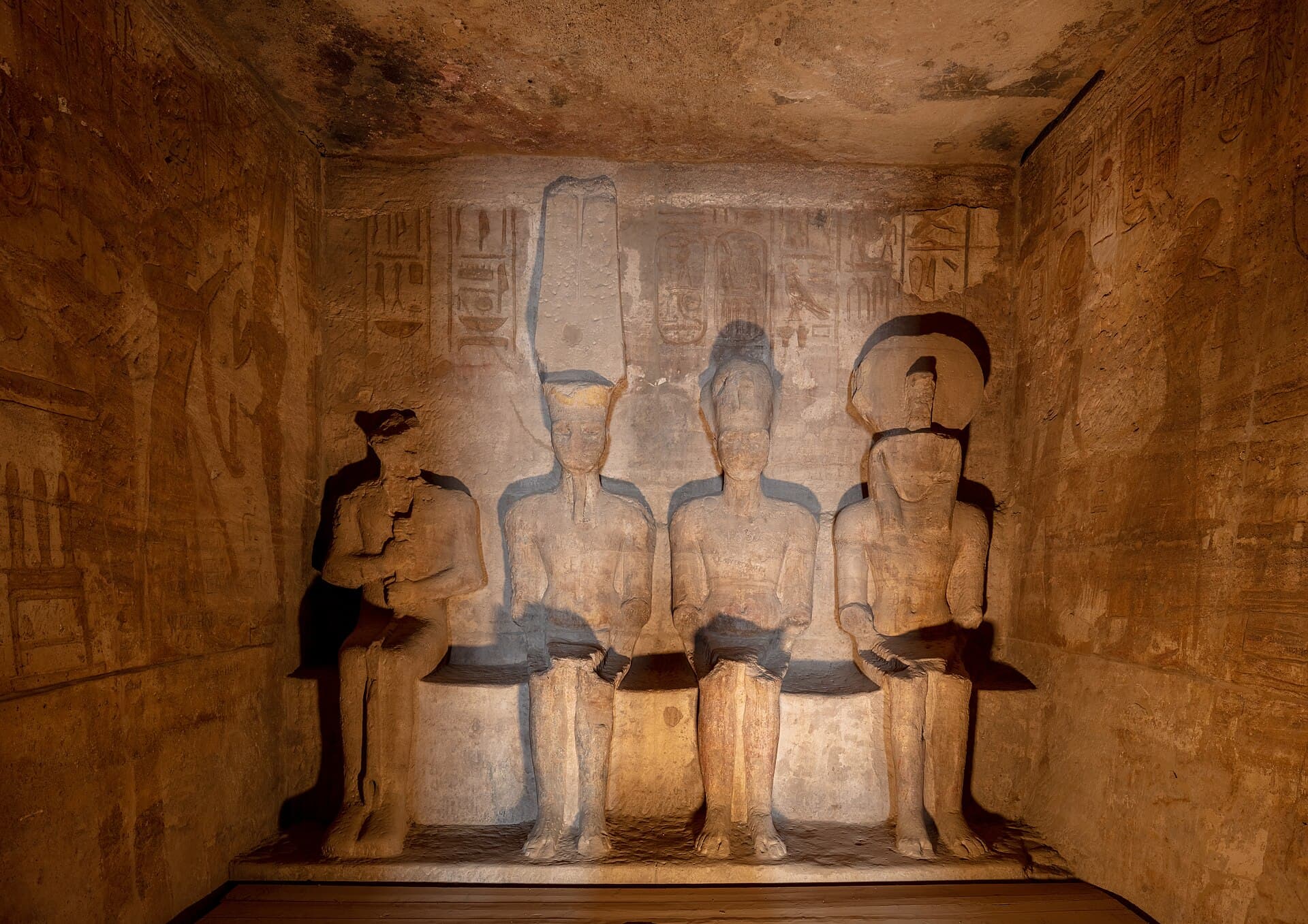
What is left out matters more. International flights, your visa, travel insurance, tips, and most lunches and dinners on land are normally extra. So are the paid add-ons: the chamber inside the Great Pyramid, the tombs of Seti I and Nefertari, Abu Simbel, a balloon flight over Luxor. Tipping is a real part of the cost in Egypt, not a rounding error, so find out what is customary and budget for it.
Private tour or small group: which suits you?
Private means your own guide and driver. You set the start times, skip what bores you, and stay an hour in one tomb if you want. It costs more per person, and the gap is widest for solo travellers and couples. At four or more people sharing a car and a guide, private pricing often lands close to group pricing.
Group departures are cheaper and fixed. You go when the group goes, at the group's pace, which in practice means early starts and some waiting. Two things worth knowing. Group sizes vary a lot, from a handful of people to a full coach, so ask for the maximum in writing rather than trusting the word small. And both group and private itineraries often include shopping stops at papyrus, perfume or alabaster workshops. Those stops pay commission, and you can ask for them to be dropped.
How many days do you need?
Five days is Cairo, Giza and either a fast run to Luxor or a short cruise. It works, but you will feel the travel. Eight days is the common shape: Cairo, then Luxor to Aswan with three or four nights on a boat. That covers the headline sites without a punishing schedule, and it is the length most itineraries are built around.
Ten days lets you add Abu Simbel properly, Alexandria, or a few slow days on the Red Sea. Fourteen opens up the White Desert, Siwa, or diving, and buys you mornings without a 5am alarm. Below five days, most of your time goes on transfers and airports. A three or four day highlights trip is not worth the flight unless you are already in the region.
What drives the price?
Season first. October to April is high season and priced accordingly, with Christmas and New Year the peak of the peak. Summer in Luxor and Aswan regularly passes 40C in the shade and prices drop hard, which is a real option if you can handle very early mornings and long afternoons indoors.
After that: hotel category, the standard of the cruise boat, private or group, how many of you share a car, flying to Abu Simbel rather than driving, and the single supplement if you travel alone. The same itinerary, the same sites, the same guide hours can vary widely in price on hotel and boat class alone. Decide which of those you actually care about before comparing quotes.
The route almost every package follows
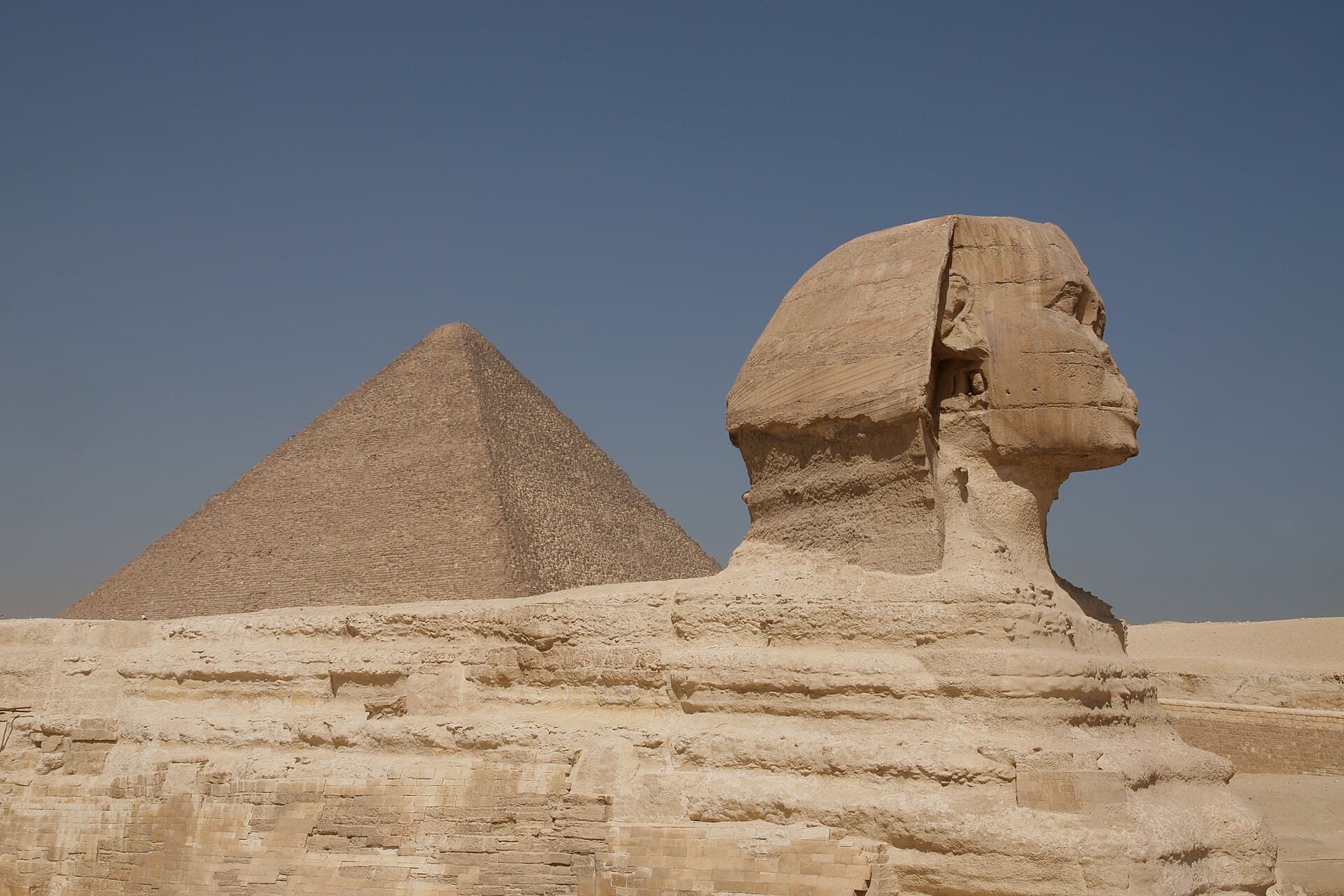
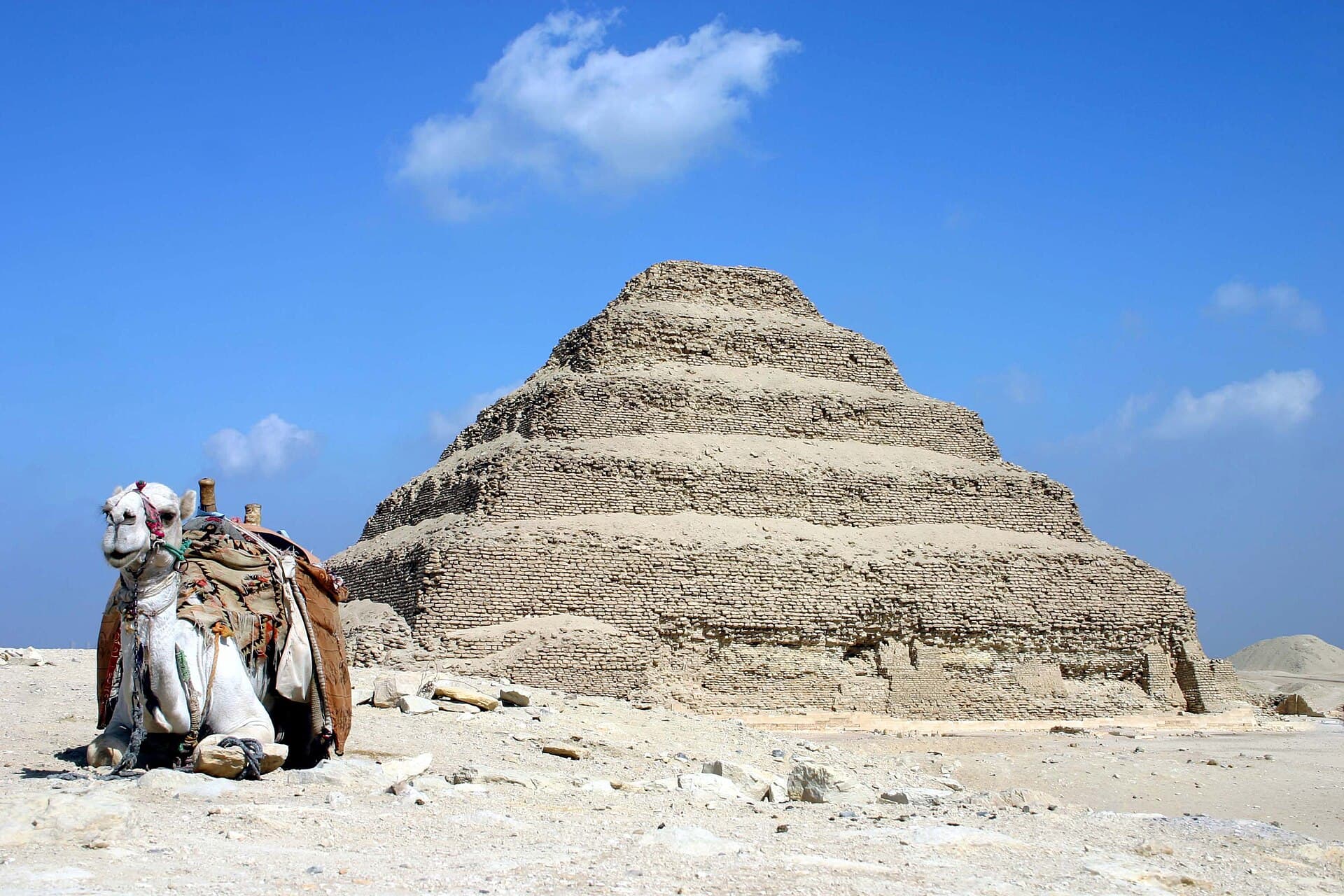
Understanding the standard loop tells you what you are comparing before you read a single quote. It opens in Cairo, with Giza and the Sphinx one morning and the Grand Egyptian Museum another; allow three hours for the museum, it rewards a slow visit. Many packages fold in Saqqara, the Step Pyramid, and old Memphis on the same side of the city. Then a short flight carries you south to Luxor, where the temple half of the trip begins.
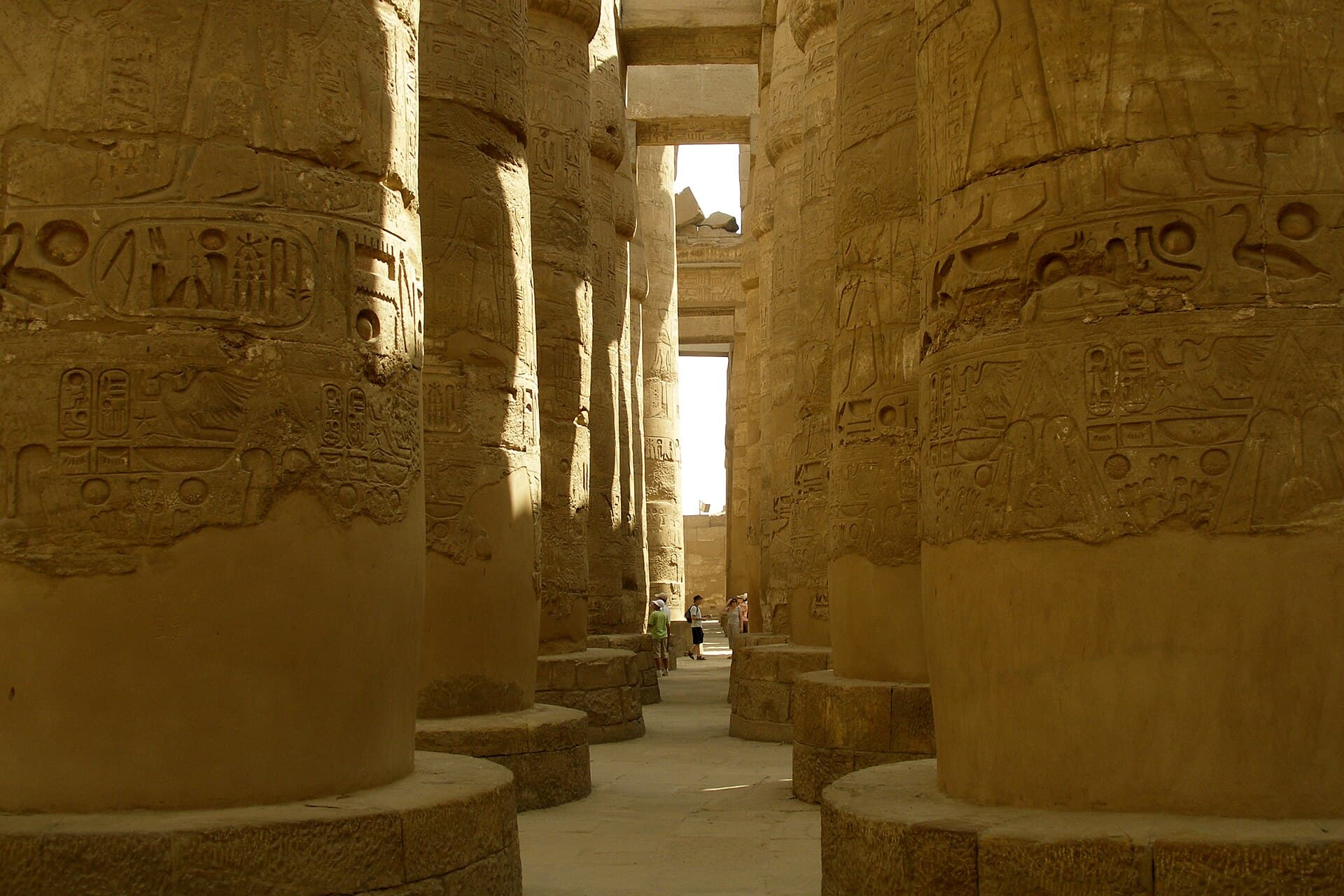
Luxor splits in two. On the east bank stand Karnak and Luxor Temple, best late in the afternoon once the coaches have thinned. The west bank holds the Valley of the Kings, the terraced temple of Hatshepsut and the Colossi of Memnon, which is why so many itineraries give Luxor a full day at each end of the cruise rather than a single rushed morning.
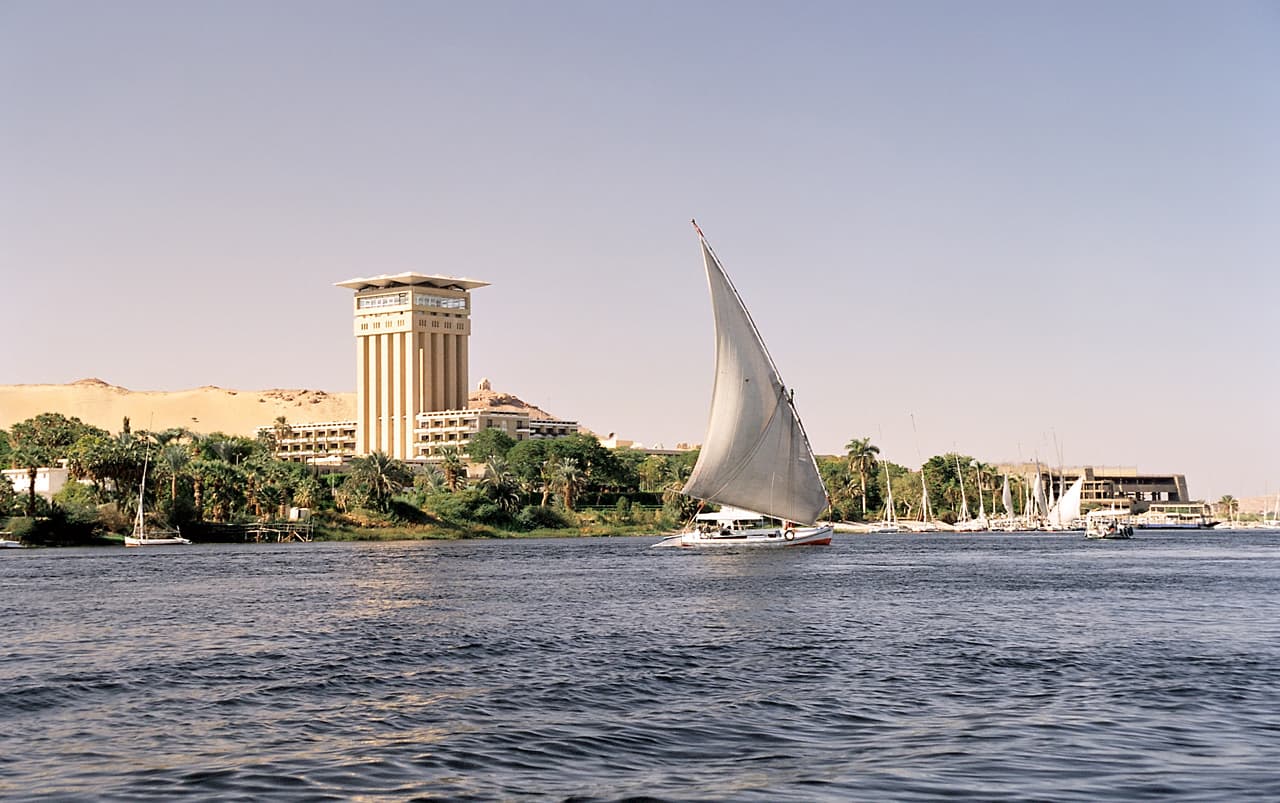
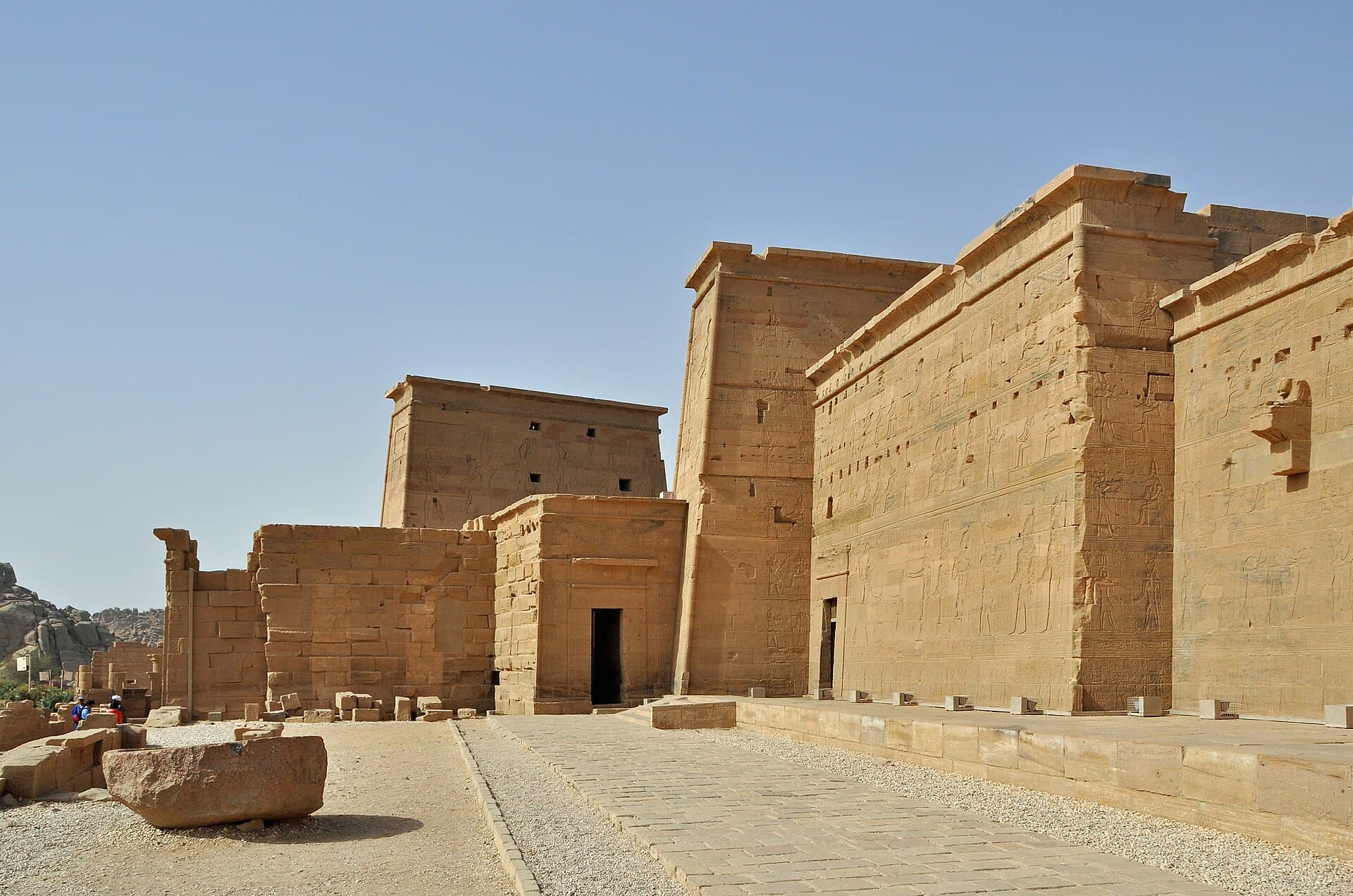
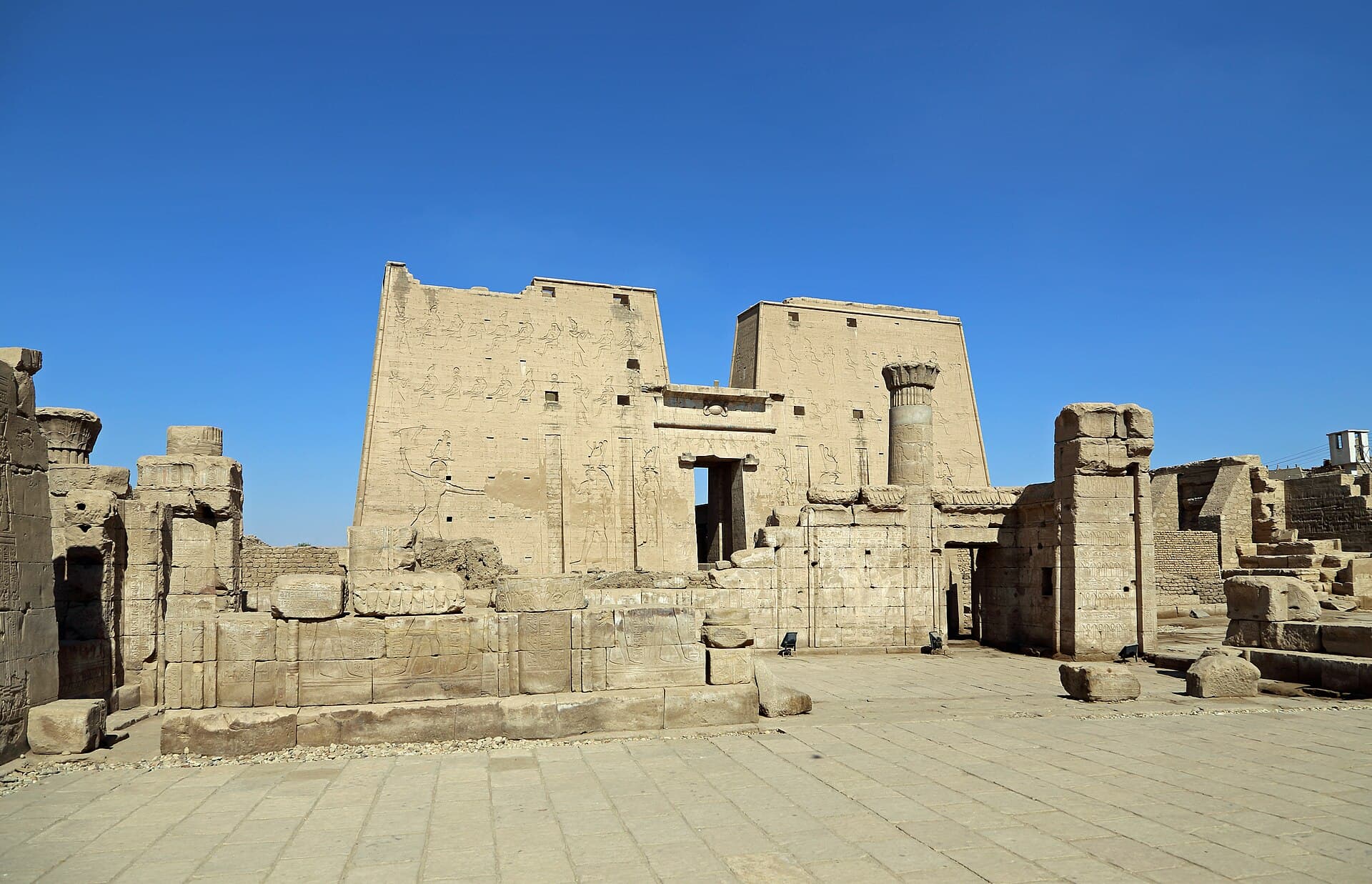
From Luxor the boat sails towards Aswan, and the two temples in between are the reason the stretch is worth doing by water. Edfu is the most complete large temple left standing in Egypt, reached from the mooring by pony-trap; Kom Ombo is the strange double temple built for two gods at once, moored almost in the river and seen in under an hour. Aswan closes the loop with Philae Temple on its island and a felucca out towards Elephantine at sunset. Abu Simbel, three hours south, is the one major site that sits outside this line, which is why it is usually sold as an add-on rather than baked in.
Cruise, dahabiya, or the same route by land
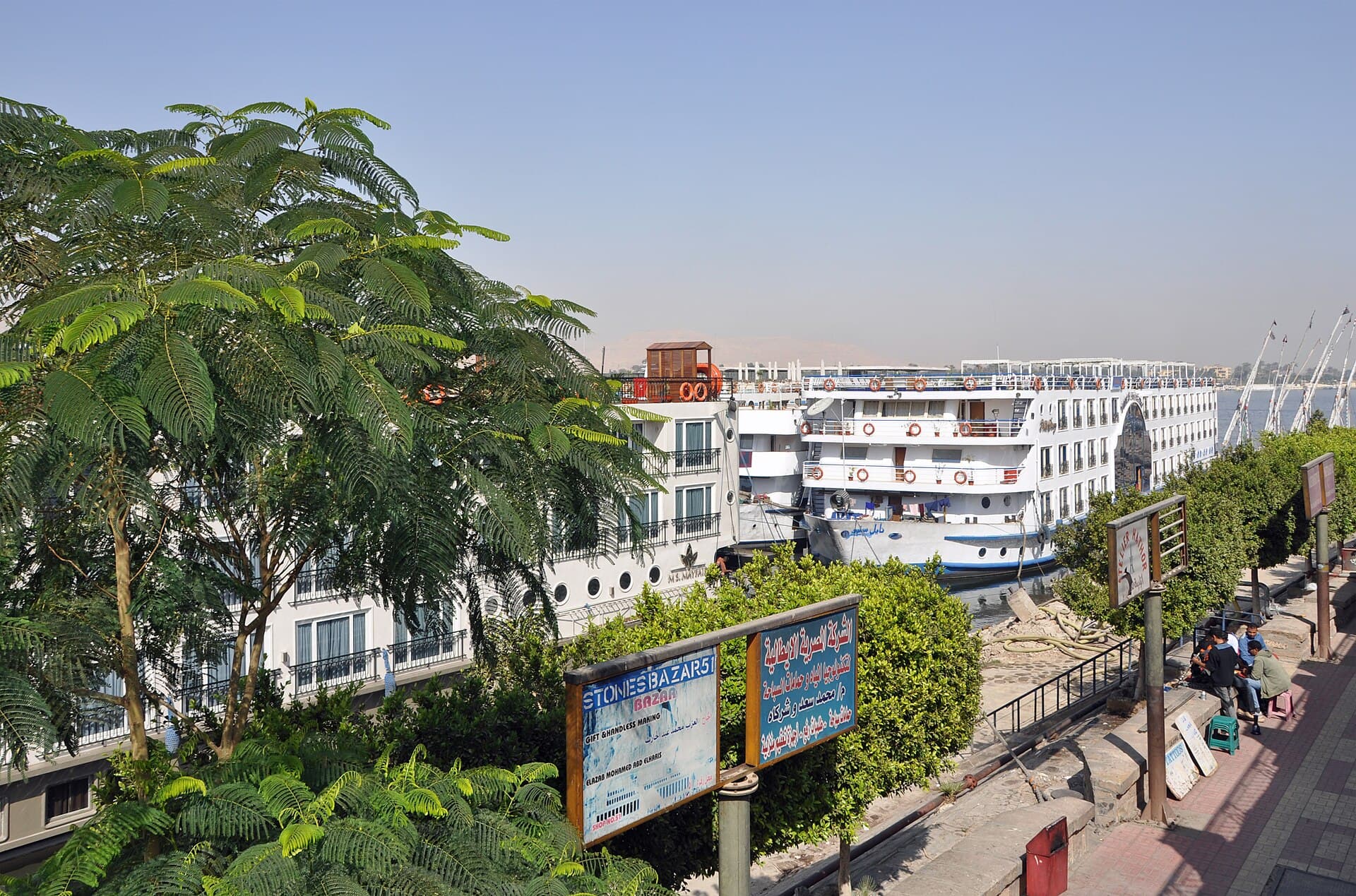
The Nile stretch can be travelled three ways, and packages price them very differently. A standard cruise ship is what most boats on the Luxor to Aswan run actually are: comfortable, sociable, and enormously variable in condition, which is why the boat's name matters more than its star rating. A small ship carries far fewer passengers, which means quieter decks and shorter queues at each temple for a higher fare.
A dahabiya is the other end of the scale. These are traditional shallow-draught sailing boats carrying only a handful of cabins; they move slowly, moor where the big boats cannot, and cost more per night for the privacy and the quiet. If a package quotes a dahabiya against a standard cruise ship, you are not comparing like with like on price.
You can also do the same corridor entirely by land, driving the roughly 215 kilometres between Luxor and Aswan and sleeping in hotels. It is cheaper and it frees you from a fixed sailing schedule, but you give up the river views and the riverbank arrivals at Edfu and Kom Ombo that are half the point of the cruise. For most people the water wins; for travellers who dislike boats, the land version is a genuine alternative rather than a compromise.
How the season shapes the package
Price and comfort both track the calendar, so the month you choose is really two decisions at once. October to April is the comfortable window and the busy one. March is arguably the best of the year, warm rather than hot with good light, the month to pick if someone asks for just one. February holds the same pleasant temperatures but loses the Christmas and New Year surcharge, though European half-term traffic lifts prices for a week or two in the middle of it.
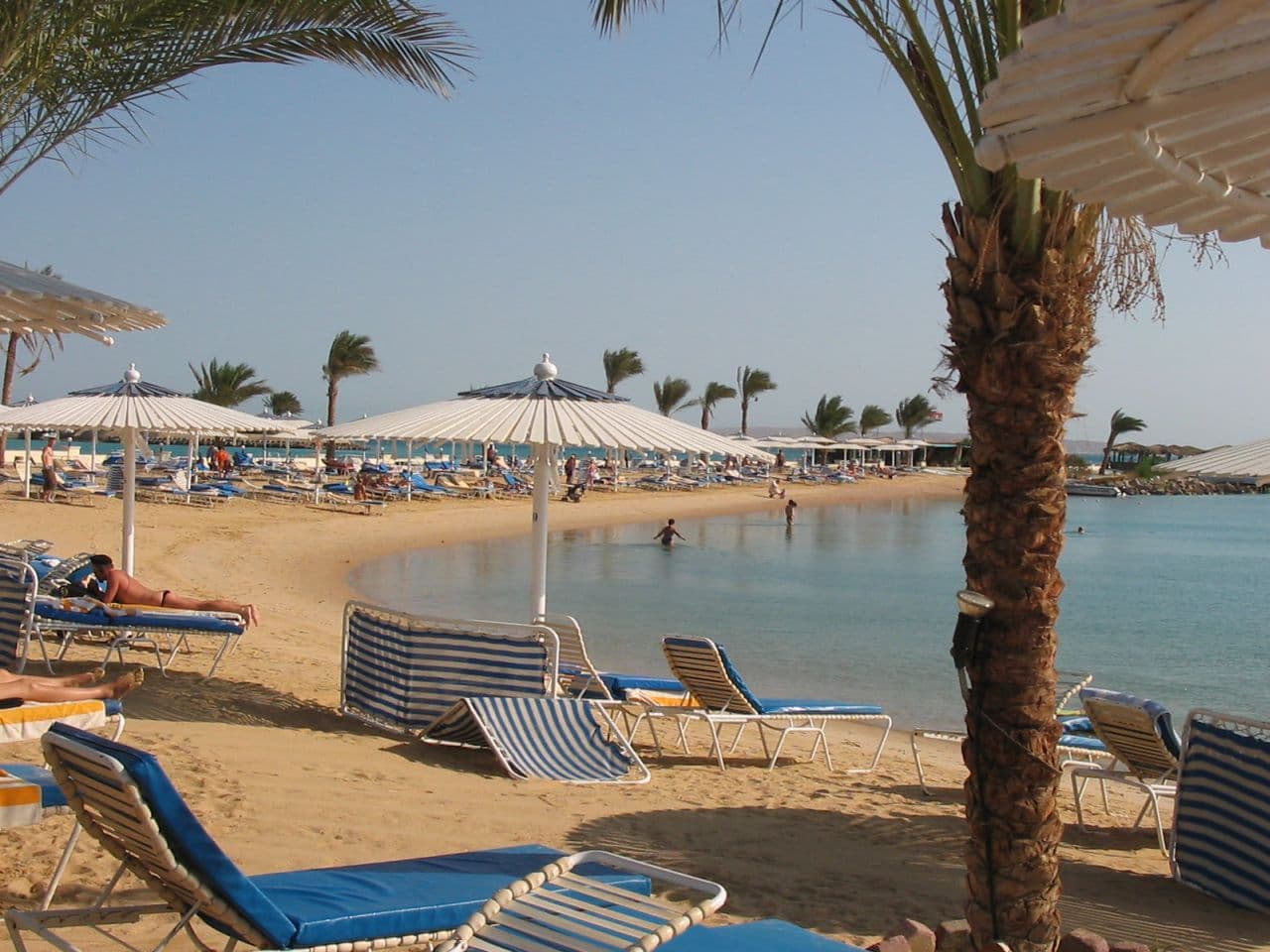
The shoulder months reward flexibility. September is cooling down while prices have not yet caught up, quietly one of the best value months for a temple-weighted trip. April is the last comfortable month for Upper Egypt and the first properly good one for the Red Sea, which makes it suit a Nile-plus-sea trip better than almost any other.
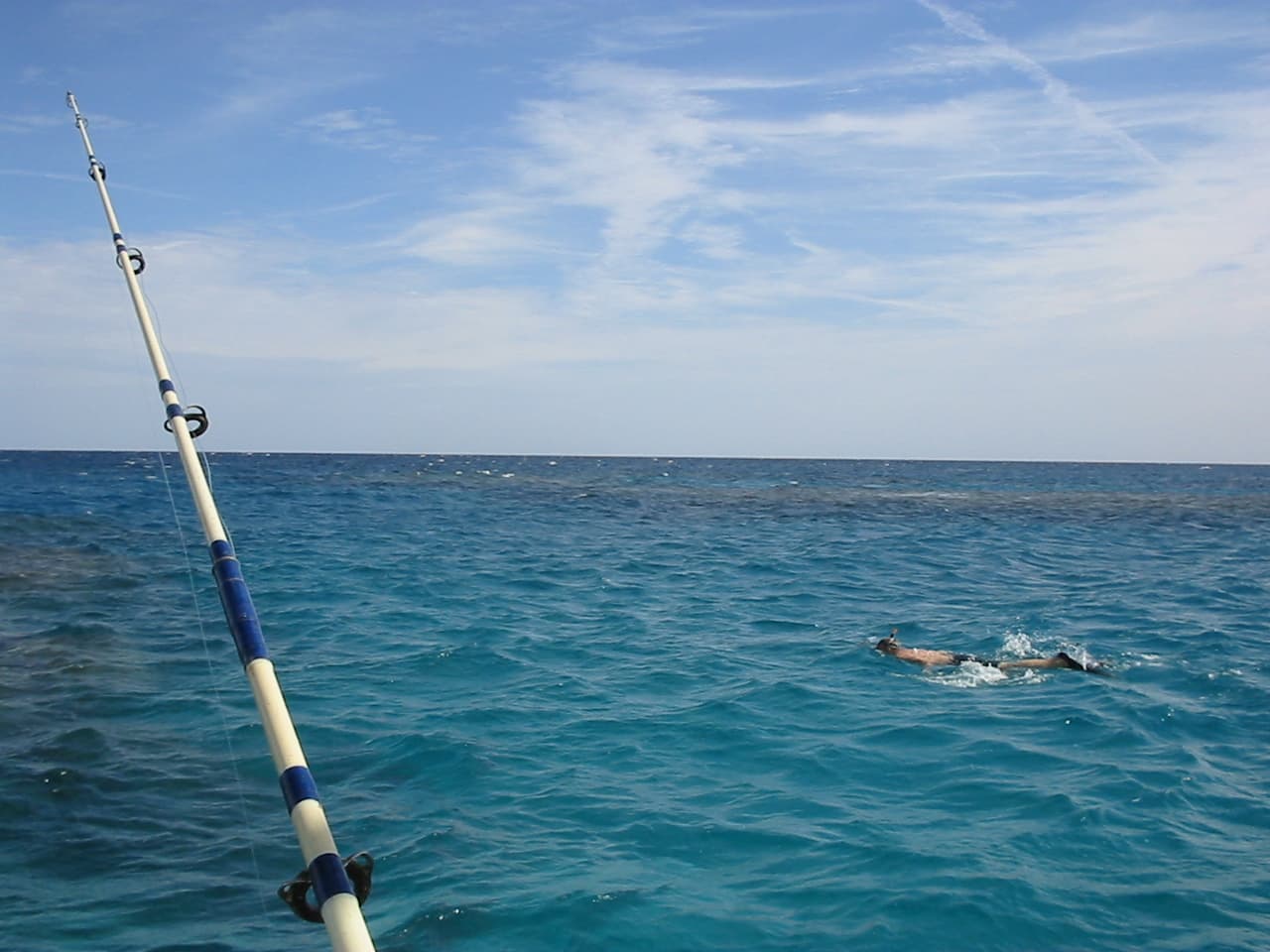
Summer is the honest bargain and the honest warning. June is the cheapest month; the Red Sea is superb, but the Nile valley is brutal, regularly past 40C. A summer package only works if you accept temples at dawn, a 5am alarm, and long afternoons indoors. And if the beach is the point rather than the temples, remember the sea itself is only around 22C in January and does not warm to a comfortable 25C until April, so a winter package weighted towards the coast is the wrong shape.
Getting there, and moving around once you arrive
International flights are almost always separate from the ground package, so the airport you book into is your decision, not the operator's. For the standard Cairo, Luxor and Aswan trip, fly into Cairo International; it has the widest choice of carriers and the only serious domestic network. If your trip is mostly diving and the sea, the Red Sea airports at Hurghada, Marsa Alam and Sharm el-Sheikh are closer to the point. The common mistake is booking the cheapest fare into a Red Sea airport and then finding the pyramids and the Nile temples a long drive away.
Inside the country, distance decides everything. Cairo to Luxor is roughly 650 kilometres by road and Cairo to Aswan the better part of 900, so the long legs are worth flying and most packages do exactly that. The Luxor to Aswan hop, about 215 kilometres by road, is the one flight not worth taking: check-in and transfers cost more time than the drive or the cruise. Aswan to Abu Simbel is the other leg often flown, to avoid doing the desert road twice in a day.
One practical trap on arrival: Cairo has more than one terminal, and if your onward domestic flight sits on a separate ticket you clear immigration, collect your bags and check in again. Allow hours, not minutes, and prefer a package that puts the domestic hop on the same booking so a missed connection is the operator's problem, not yours.
Budgeting the extras: tips, tickets and cash
Tipping in Egypt is structural, not a bonus for good service. Baksheesh is part of how people in tourism are paid, and budgeting for it properly is the easiest way to avoid awkwardness. On a guided day with a private Egyptologist and a driver, reckon on 15 to 20 euros per person; each night on a cruise adds another 5 to 10 for the crew box, which most boats collect communally at the end rather than chasing individual crew. The guide takes the largest single share, around 10 to 15 euros per person per day for a private guide and less in a group, with drivers put at about 5.
Treat those as a range rather than a price list. Nobody counts; aim for the middle, and carry enough small notes that you are never caught short. Be wary of any source quoting a single precise figure for a whole trip, because some quote per group and some per person, which is where wildly different numbers come from.
Then there are the tickets the package leaves outside its figure. The chamber inside the Great Pyramid, the tombs of Seti I and Nefertari, Abu Simbel and a balloon flight over Luxor are all typically extra. Nefertari's tomb in particular costs several times a standard Valley of the Kings ticket, because its painted walls are among the best preserved in Egypt. Add your visa, travel insurance and most lunches and dinners on land, and you have the real spend on top of the headline price.
Who actually operates your package, and why prices differ
Most Egypt trips sold in Europe and North America are run on the ground by a fairly small number of Egyptian operators. The website you book through is often a reseller adding a margin to the same cars, the same pool of guides and the same boats. That is not dishonest, and a good reseller earns its cut in support when something goes wrong, but it explains why near-identical programmes come back at very different prices, and why booking closer to the ground operator usually costs less for the same product.
It also changes who you actually speak to when a flight moves or a boat is swapped. Ask who operates the trip in Egypt and get that company named, so you know whether the person answering the phone at 2am is the one who can rebook you. Two quotes that look far apart on price are frequently the same programme once you add back what the cheaper one leaves out, so compare the inclusion lists and the operating company before you compare the totals.
The common package shapes, and who each suits
Behind the marketing names, most packages resolve to a handful of recognisable shapes. The Cairo short break is three or four days on the pyramids, Saqqara, the Grand Egyptian Museum and old Cairo, and it makes sense only if you are already passing through or genuinely short of time. The classic eight-day trip pairs a couple of nights in Cairo with a Luxor-to-Aswan cruise, and it is the one most operators build around because it covers the headline sites without a punishing schedule.
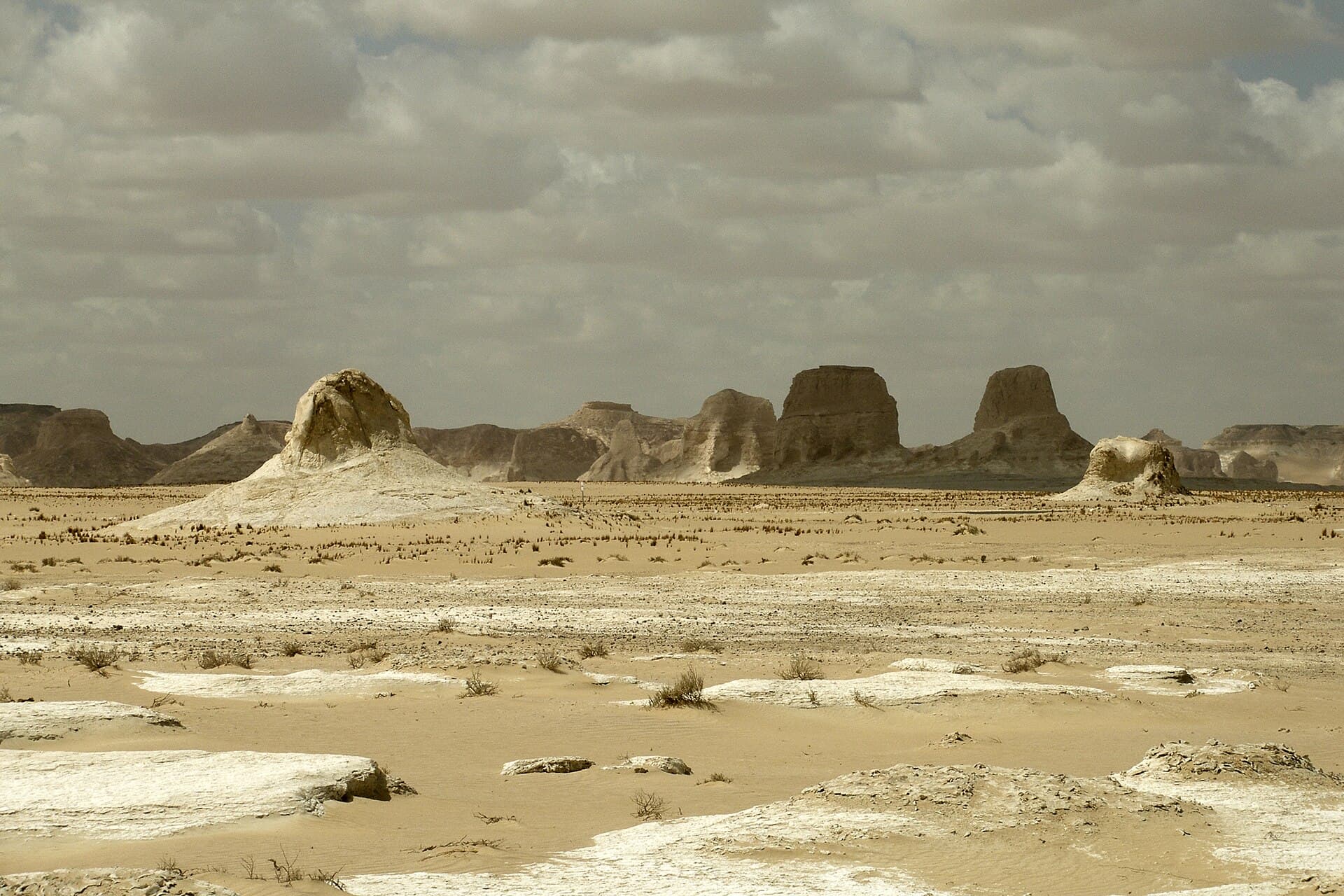
Beyond that, the shapes stretch to match your interests. A Nile-and-Red-Sea itinerary runs around a fortnight, following the cruise with a week on the coast for those who want ruins and a beach in one trip. A White Desert and oases loop heads southwest from Cairo instead of south along the Nile, for travellers who have seen the temples or want something quieter. And a tailor-made package throws out the fixed shape entirely, building the route around your own dates and pace, which usually costs more but removes the compromises.
The useful move is to decide which shape you are buying before you read prices, because comparing a cruise-only quote against a Cairo-plus-cruise quote tells you nothing. Match the length to the sites you actually care about first, then compare like with like.
Is a Nile cruise worth it?
For most people, yes. The stretch between Luxor and Aswan is the part of Egypt that still looks like the paintings, and you see it from the water instead of through a coach window. Kom Ombo temple stands on the riverbank, a few steps from where the boat ties up. Edfu temple sits a few kilometres inland, so that stop means a horse carriage or a minibus at each end.
Two honest caveats. Boats moor several deep at the smaller stops, so you may walk through two other lounges to reach the bank. And star ratings on Nile boats are local ratings, not comparable to European hotels, so a five-star boat may not feel like one. Dahabiyas, the small sailing boats carrying a dozen or so passengers, are quieter and better company, but they cost more and move slowly.
What should you check before booking?
Ask who actually runs the trip on the ground. Many Egypt packages are sold by a company abroad and operated by a local firm in Cairo. That is normal and often better, but it changes who you speak to when a flight moves, so get the operating company named.
Then check the detail: which entrance tickets are included and which are extra, the boat's name in writing, whether Abu Simbel is included or an add-on, the single supplement, the guide's language, the deposit and cancellation terms, and what happens if a boat is swapped. These trips are quoted rather than bought off a shelf, so compare written itineraries line by line instead of headline prices.
Common questions
Do I need a visa for Egypt?+
Most visitors, including British, Irish, EU, US, Canadian and Australian passport holders, need a tourist visa. It can be bought online in advance or on arrival at the airport. Rules and fees change, so check your own government's current guidance shortly before you travel rather than relying on an operator's summary.
Is Egypt safe for tourists?+
The main tourist corridor of Cairo, Luxor, Aswan and the Red Sea coast is heavily policed and used by large numbers of visitors year-round. North Sinai and several border areas carry government warnings, while the South Sinai resorts around Sharm el-Sheikh are treated separately. Check your foreign ministry's advice for the specific places on your itinerary, since it is written region by region.
Can I add days to a package on my own?+
Usually yes. Most operators will quote the core itinerary and let you add nights at either end: a couple of days in Alexandria, a stop on the Red Sea, or simply a slower start in Cairo. Ask for the extra nights priced separately, so you can see what each addition costs rather than accepting one bundled figure.
Which paid extras are worth the money?+
Abu Simbel is worth the day, whether you fly or drive. The chamber inside the Great Pyramid is a hot, cramped climb to a bare room holding a granite sarcophagus, so skip it unless the idea itself appeals. Nefertari's tomb costs several times a standard Valley ticket, and its painted walls are among the best preserved in Egypt.
Are international flights included in an Egypt tour package?+
Almost never. Nearly every package is quoted as a ground package covering hotels, transport, a guide and the Nile portion, with your flights to and from Egypt booked separately. Domestic flights inside the country, such as Cairo to Luxor or Aswan to Abu Simbel, are usually included; confirm which internal legs sit inside the price and which are add-ons.
How far ahead should I book?+
It depends far more on the season than on the operator. October to April is high season, and Christmas and New Year are the peak of the peak, so those dates fill and rise in price early. For a summer trip or a quiet shoulder month like September you have more room to book closer in. Booking earlier also protects the specific boat you want, since the good ones sell out before the cheap cabins do.
How much should I budget for tipping on top of the price?+
Treat tipping as a real line in the budget, not an afterthought. A guided day with a private guide and driver runs to roughly 15 to 20 euros per person, and each night on a cruise adds another 5 to 10 for the communal crew box. Over a ten-day trip with a few nights on the river that is around 180 to 220 euros per person, covering everyone from the guide to the porters. Carry small notes and aim for the middle of the range.
Should I take the Nile cruise or travel the same route by land?+
For most people the cruise wins, because Edfu and Kom Ombo are riverbank temples and the Luxor to Aswan stretch is the part of Egypt that still looks like the paintings. Travelling it by land is cheaper and frees you from a fixed sailing schedule, but you swap the river views for a road and lose much of what makes the stretch worth doing. Choose land mainly if you actively dislike being on a boat.
Official sources
Entry rules, opening hours, security advice and exchange rates all move. Check them at the source, not here.
Written and checked by the Nile Trip Guide editorial team · Last reviewed . Entry rules, prices and opening hours change — check anything critical against the official sources linked on this page.
Plan this trip
Tell us your dates and we will price it
A real itinerary with real prices, usually within 24 hours. Nothing is booked and nothing is charged until you say yes.
The route most people take first, at the length it was built for: Giza and the Grand Egyptian Museum, then a flight to Luxor and four nights sailing down to Aswan.
No boat on this one. Giza and the Grand Egyptian Museum, a night in Luxor for both banks, two nights on the Red Sea, then back to Cairo for the Citadel, Coptic Cairo and the Royal Mummies.
Five nights in Cairo either side of a four-night sail from Luxor to Aswan. The Cairo days are private, just your party and a guide; the sightseeing off the boat is shared with a small group.