Egypt, Jordan and Israel tours: what the trip really involves
Egypt, Jordan and Israel tours join three countries into a single overland trip: Cairo and the Nile, then Petra and Wadi Rum, then Jerusalem and the Dead Sea. The three sit close together, which is what makes the combination work at all. It is also a demanding trip, and it does not compress well into a fortnight.
How do the three countries fit together?
The three meet around the Gulf of Aqaba, at the northern tip of the Red Sea. Aqaba in Jordan, Eilat in Israel and Taba in Egypt sit within a short drive of one another. That corner is what makes the combination work: on a good routing you cross land borders rather than flying between all three countries separately.
The rest of the map is less friendly. Cairo sits far to the north-west, and the Nile temples around Luxor and Aswan are several hundred kilometres south of it again. Most itineraries therefore use an internal flight in Egypt, then work up through Sinai and Israel and across into Jordan, or run the same route in reverse. Expect several long road days whichever way round you go.
Two of the three legs are short. One is not. Inside Jordan the distances are modest, with Amman to Petra about three hours by road and Petra to Wadi Rum roughly an hour and a half, and Israel is smaller again. Egypt is the outlier: Cairo to Luxor is about an hour in the air, the Luxor to Aswan stretch is about 215 kilometres by road, and the run around the head of the Gulf of Suez and across Sinai to Taba is a full day's driving. When an itinerary looks unusually cheap, check where it saved the money. It is normally by turning one of those Egyptian legs into a road day.
How long is realistic, 16 days or 21?
Sixteen days is the floor. That buys roughly three days in Cairo, three or four on a Nile cruise between Luxor and Aswan, two around Petra, one in Wadi Rum, three in and around Jerusalem, and the rest spent moving. Twenty-one days is more comfortable and lets you add Amman, Jerash and a slower Dead Sea stop. Under a fortnight, you are paying to sit in vehicles and queues. Two countries done properly beats three done at a jog.
The extra five days are not luxury, they are slack. On a sixteen-day version a single delayed border, a cancelled internal flight or a closed site forces you to drop something, and what gets dropped is whatever comes next. At twenty-one days there is room to absorb one bad day without the rest of the trip collapsing. That matters more here than on a single-country itinerary, because you are dependent on three sets of arrangements that do not talk to each other.
What an eighteen-day route actually looks like
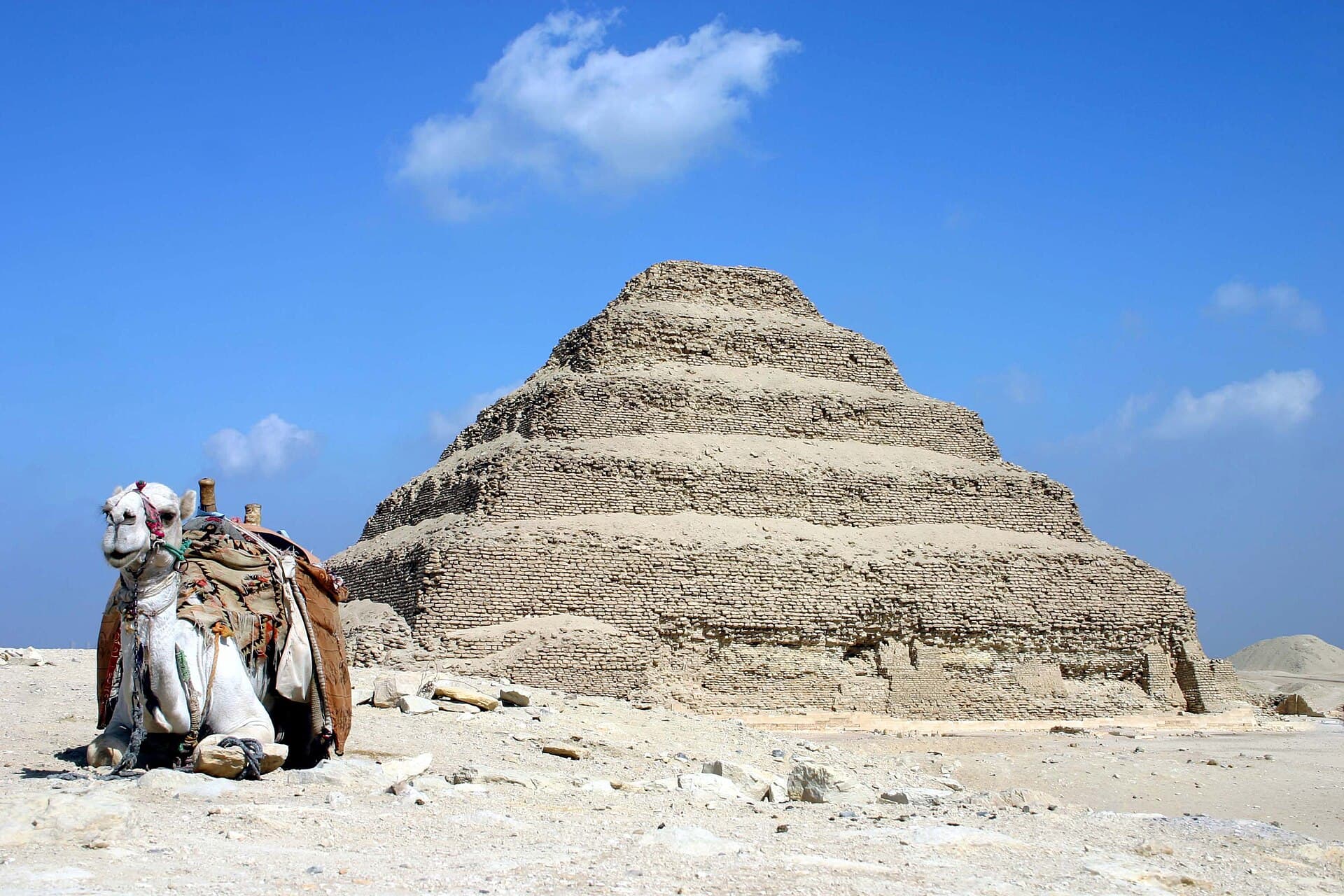
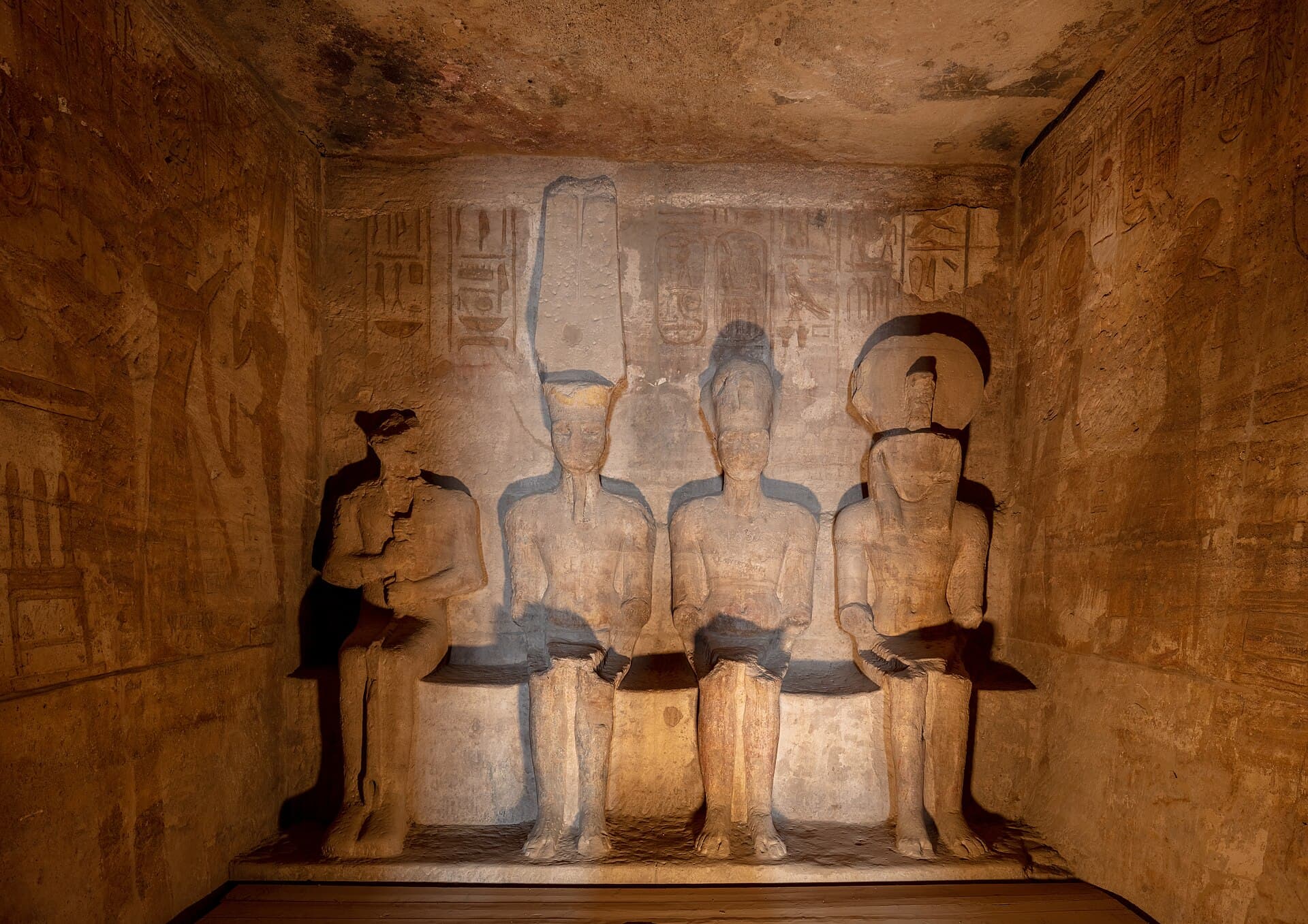
One workable shape runs south to north. Three nights in Cairo opens the trip, with Giza on one morning, the Grand Egyptian Museum on a separate day and Saqqara on a third. An internal flight then carries you south to Luxor for the temple half: the east bank at Karnak and Luxor Temple, the west bank for the Valley of the Kings and the terraced temple of Hatshepsut. From Luxor a three or four night boat sails to Aswan, stopping at Edfu and Kom Ombo on the way, and Abu Simbel sits three hours further south as a day trip or an add-on flight.
From Aswan you fly back north and cross into Israel at Taba, or fly Cairo to Tel Aviv and work down. Jerusalem takes three nights on foot, with Masada and the Dead Sea either side of it. You then cross into Jordan in the south, spend two days at Petra and a night in a Wadi Rum camp, and finish in Amman with Jerash if the days allow. Flying into Cairo and out of Amman, or the exact reverse, saves you the backtrack that a return ticket forces.
The order is not sacred, but the constraints are. Nile boats run set Luxor to Aswan patterns, so the Egyptian leg usually fixes the dates and everything else is built around it. Borders are best crossed early in the day, which means the day before a crossing ends earlier than you would like and the day after starts later than you hoped. Count those as half days when you are judging whether an itinerary is honest.
The Egyptian leg: Cairo, the flight south and the Nile
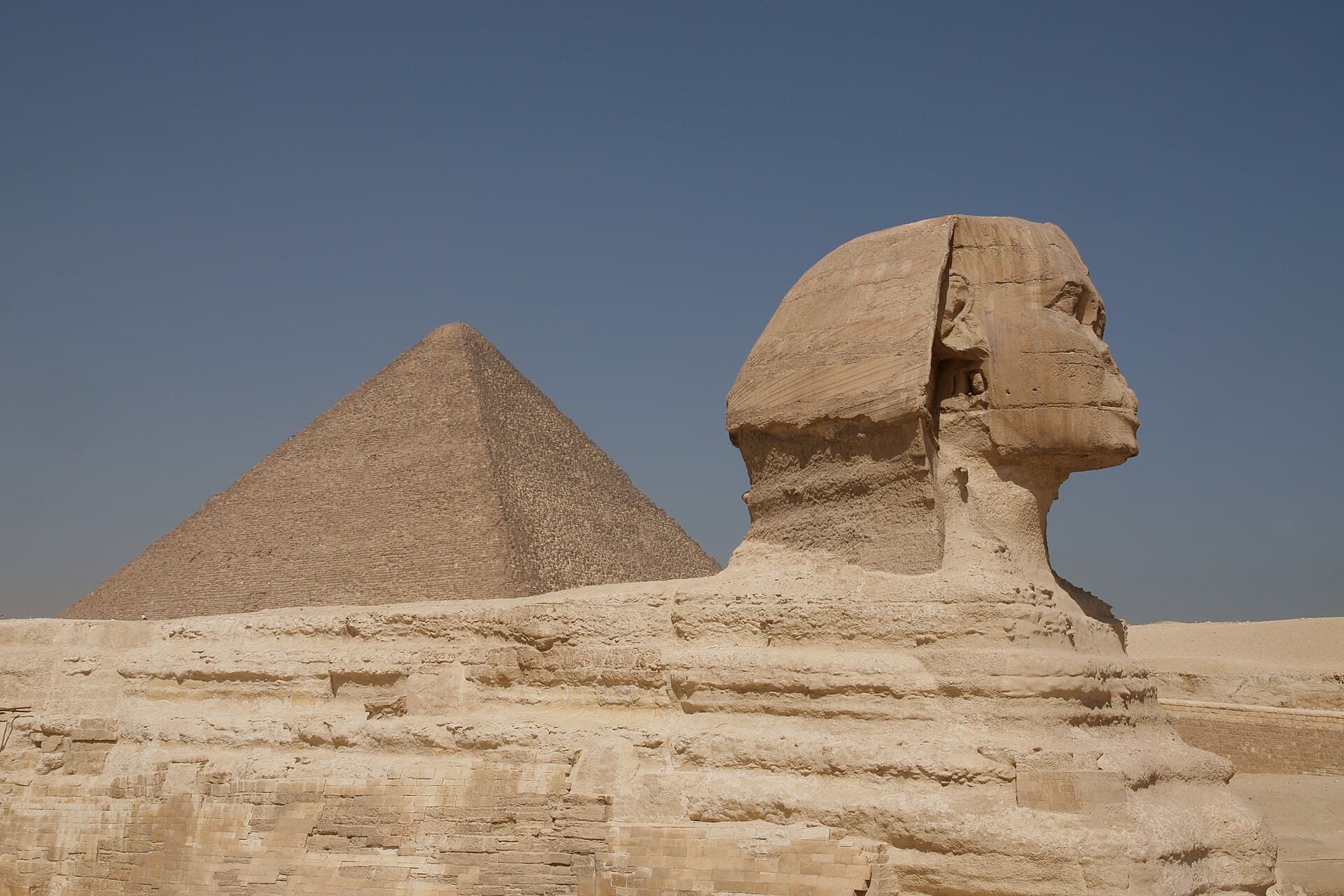
Cairo is the heaviest part of the trip and the part most itineraries compress. Greater Cairo holds roughly 22 million people, and the sights sit on opposite sides of the river: the pyramids and the Grand Egyptian Museum out on the Giza side, the old Islamic city and Khan el-Khalili across the water. Traffic is a tax on the day rather than a picturesque detail, so pair your days by which bank you are on. The single most common planning mistake is putting Giza and the museum in the same day. The museum rewards three hours at a walk, and the plateau is well over a kilometre end to end on sand and broken rock.
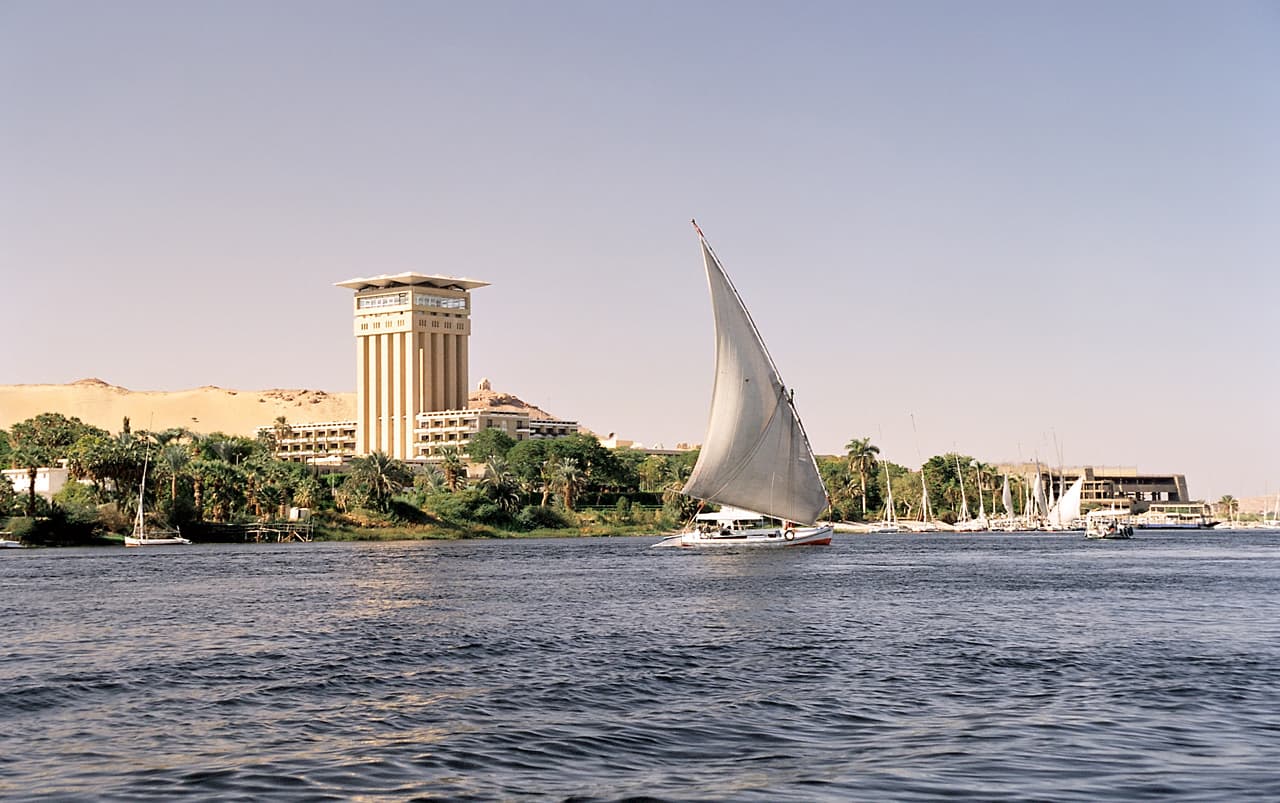
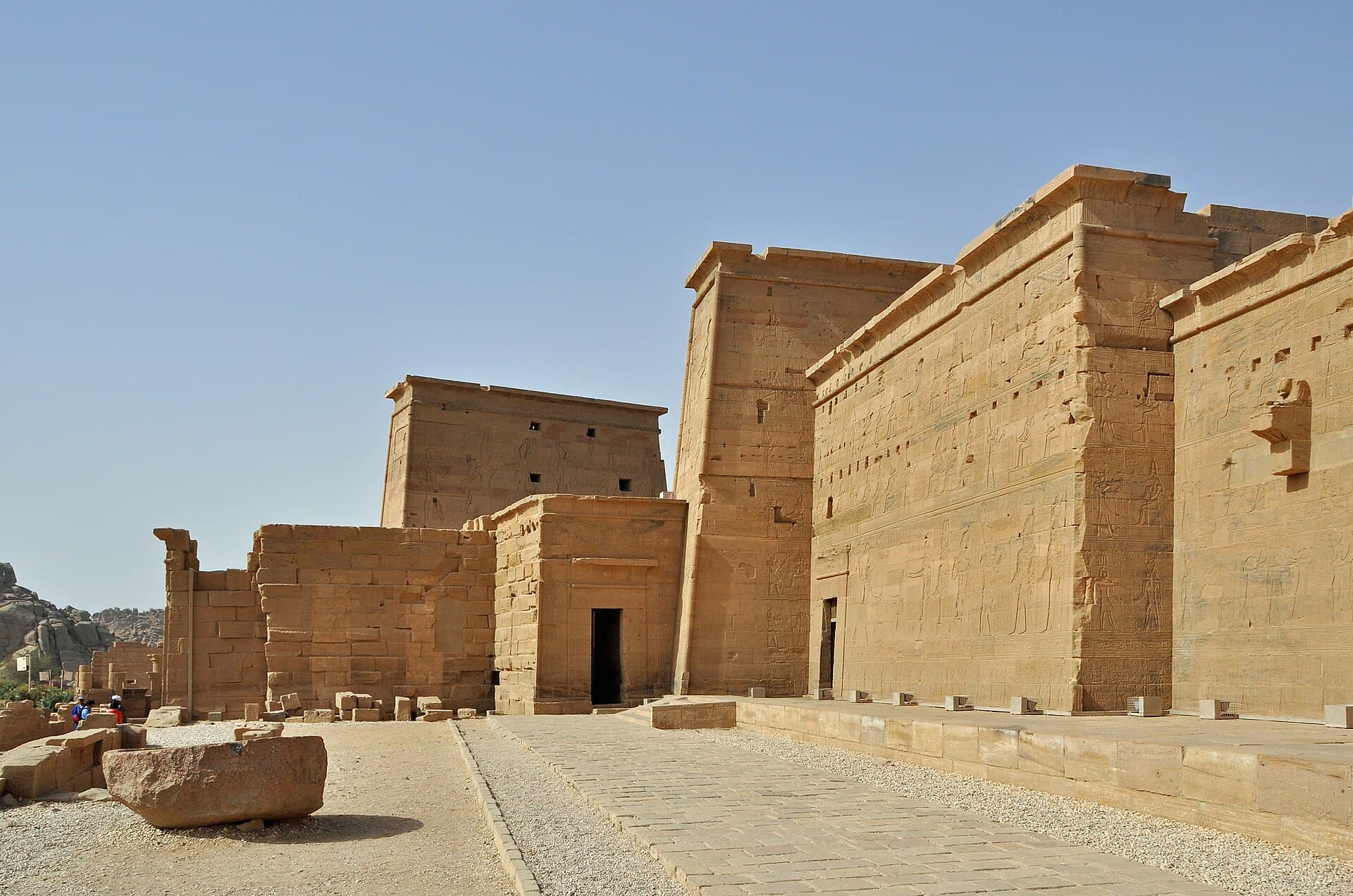
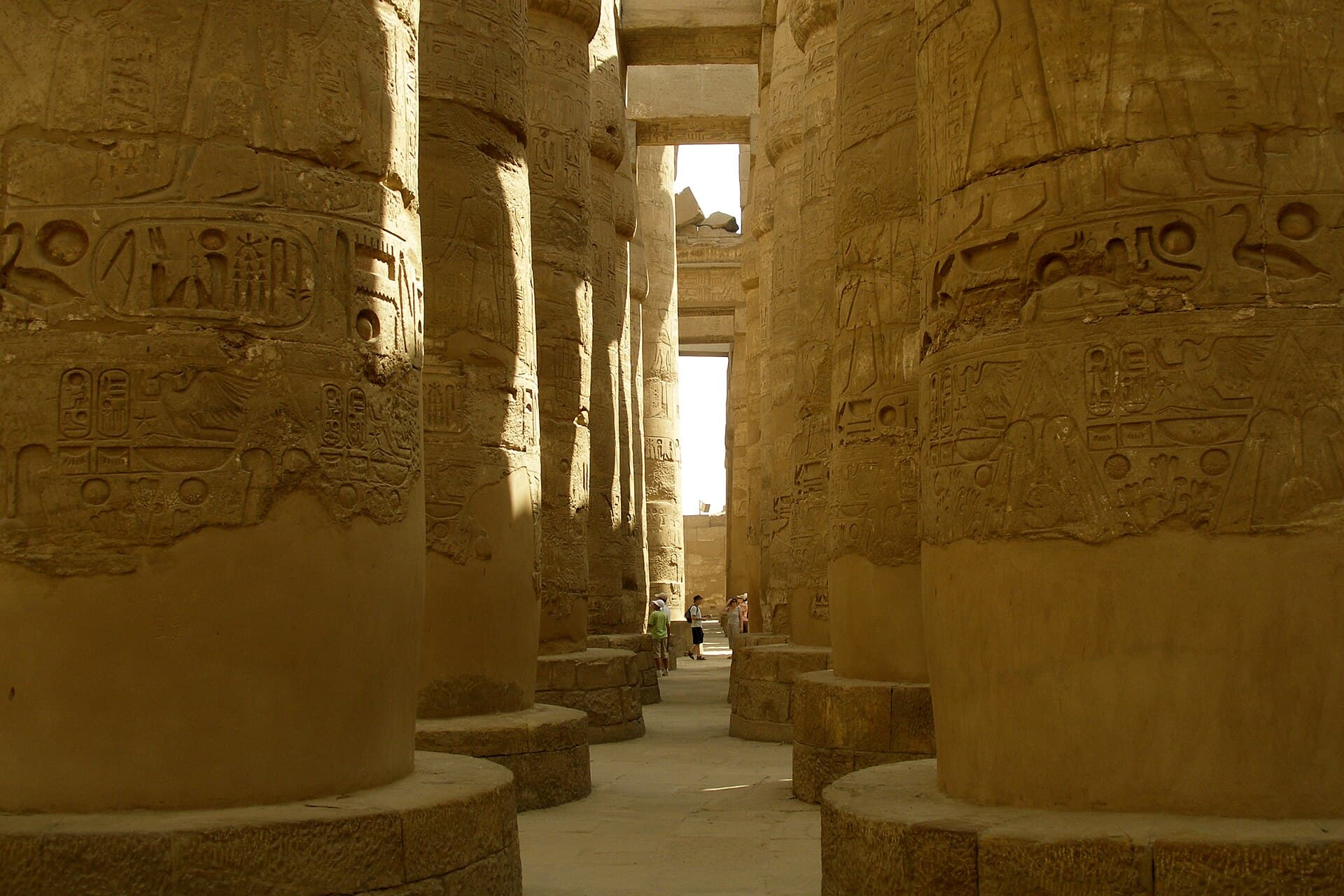
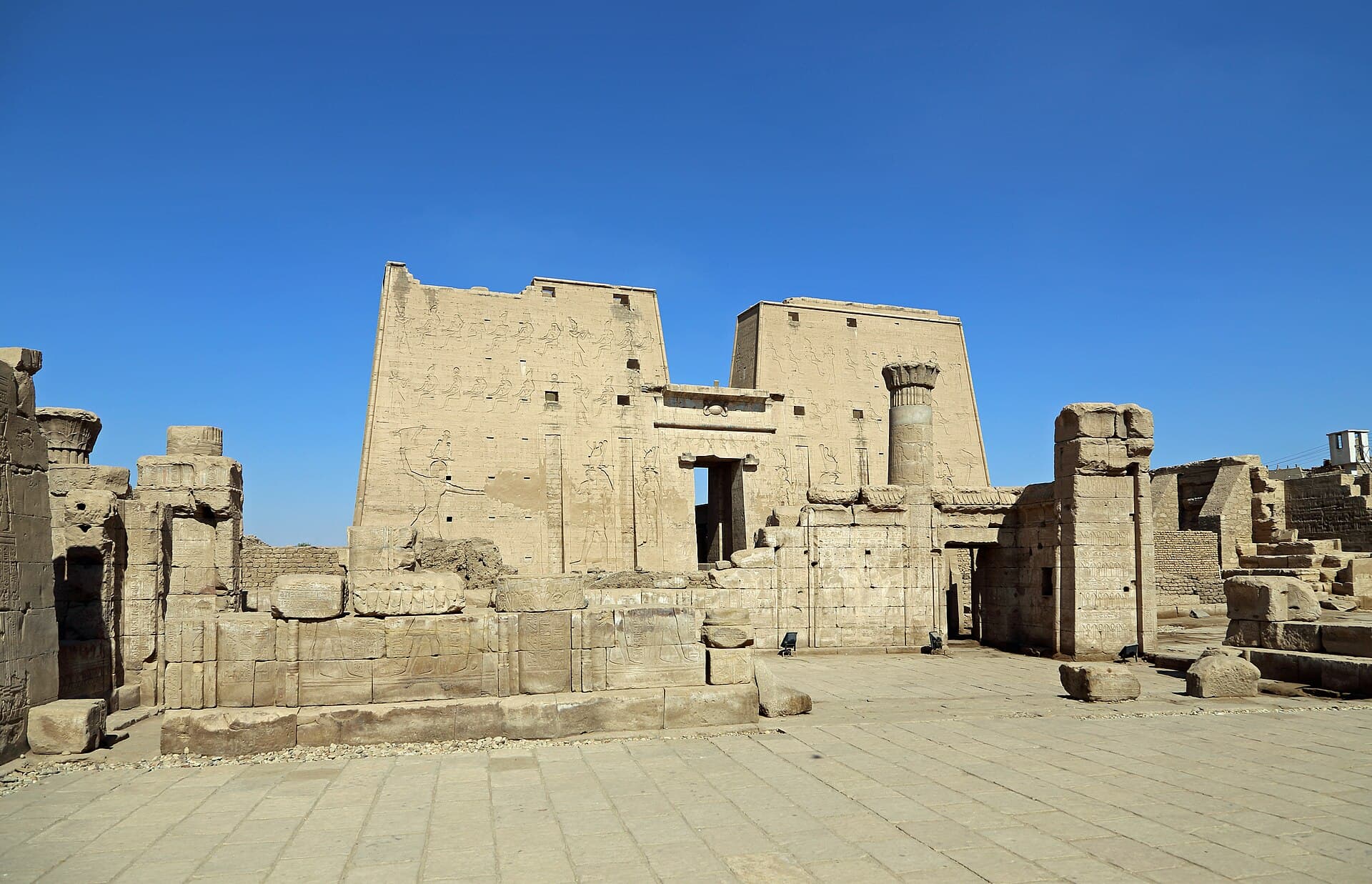
The flight south is where the trip changes character. Luxor gives you the densest concentration of standing pharaonic architecture anywhere, best taken as a full day at each end of the cruise rather than one rushed morning, and the late afternoon is when the coaches thin out at Karnak. The stretch from Luxor towards Aswan is the reason to be on water rather than a road: Edfu is the most complete large temple left standing in Egypt, and Kom Ombo is the double temple moored almost on the riverbank. Aswan closes the leg with Philae Temple on its island.
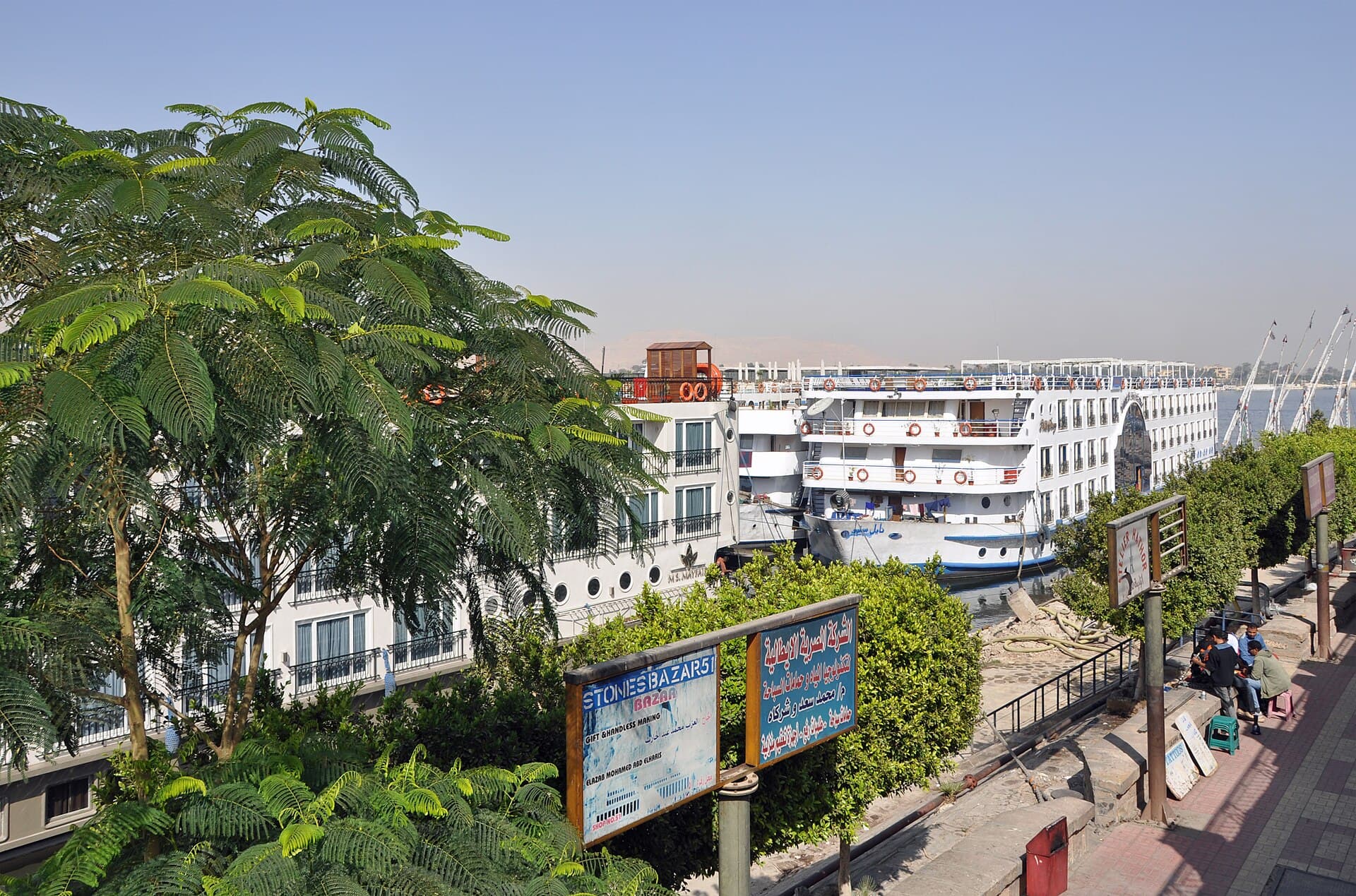
Two cautions about the boat, because it is the single most variable item on a three-country quote. Star ratings on Nile boats are local ratings and do not translate to European hotel standards, so the name of the specific vessel tells you more than the number of stars. And at smaller moorings boats tie up several deep, which means walking through two other lounges to reach the bank. Neither is a reason to skip the cruise; both are reasons to ask which boat, by name, before you agree a price.
The Jordanian leg: Petra, Wadi Rum and the road between
Jordan is the easiest country of the three to move around, and the one most often shortchanged. Petra needs two days, not one. The walk in through the Siq is about 1.2 kilometres before you reach the Treasury, the tombs and the street of facades take a morning of their own, and the path up to the Monastery is roughly 800 uneven steps. A one-day ticket forces you to choose between the two halves of the site, and the site is at its best early and late, which a single day cannot give you.
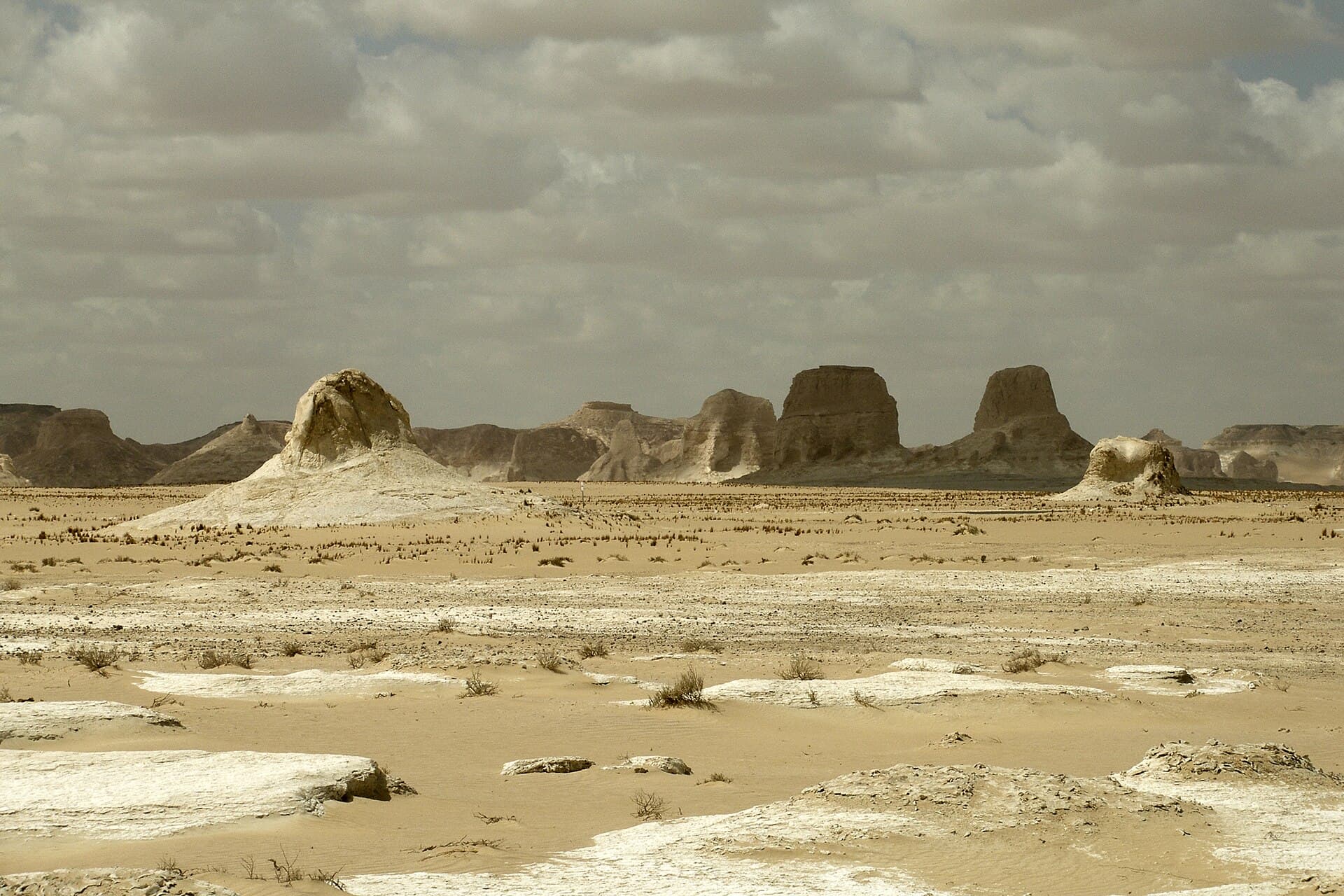
Wadi Rum is a single night, and one night is enough to do it justice. It is desert at altitude, so ask what heating your camp actually has before booking a winter stay rather than discovering the answer at two in the morning. Horse and donkey transport is offered throughout Petra and around the desert camps; welfare standards vary considerably and we would not push anyone towards it.
With twenty-one days rather than sixteen, Amman and Jerash earn their place. Amman spreads across hills at roughly 800 to 1,000 metres and works as a base for the Roman city at Jerash, which is a half day well spent and almost always the first thing cut when the schedule tightens. Aqaba is the other useful stop, mainly because it sits at the border corner and stays warm when Amman and Petra are cold.
The Israeli leg: Jerusalem, Masada and the Dead Sea
Jerusalem is a walking city and should be treated as one. The Old City on foot is the reason to come, and three nights is the point at which it stops feeling like a coach stop and starts making sense as a place. Distances are short but the ground is old and uneven, and the density of sites means you will see less per hour than the map suggests. Build in an afternoon with nothing scheduled.
Masada is the other clear earner in this leg, and it pairs naturally with the Dead Sea because they sit on the same side of the country. The Dead Sea itself is several hundred metres below sea level, which is why it stays warm when Jerusalem and Petra do not, and why it works as a winter stop. The float is a genuine curiosity and takes about twenty minutes. One night on that shore is plenty.
What you add beyond that depends entirely on days. Galilee is a real addition on a twenty-one day trip and a mistake on a sixteen-day one. Day trips to Petra from Eilat exist and should be ignored on this itinerary, because you are going to Jordan properly anyway. Access and conditions in this part of the route can change quickly, which is the one respect in which the Israeli leg differs from the other two: read your own government's current advice for the specific places on the itinerary, not for the country as a whole.
What are the border crossings actually like?
You cross on foot, with your luggage. Vehicles and guides rarely come with you, so one driver drops you on one side and a different driver meets you on the other. Between Egypt and Israel the crossing normally used is Taba, near Eilat. Between Israel and Jordan there are crossings in the south, at Eilat and Aqaba, and others further north. Allow several hours for each, and expect questions, queues and baggage checks.
Rules change. Opening hours, fees, visa arrangements and which crossings are operating at all can be revised at short notice, and where a crossing sits affects which visas are issued there. Israel generally issues a separate entry card rather than stamping passports, but the neighbouring stamps still show your route. Check your own government's travel advice for all three countries, and your operator's latest routing, before you commit and again shortly before departure.
Three practical notes. The southern Israel to Jordan crossing near Aqaba is the Wadi Araba crossing, and it is the one most three-country routes use, because it sits in the same corner as Taba and Eilat. There is also a ferry across the Gulf of Aqaba between Nuweiba in Sinai and Aqaba, which avoids Israel entirely and is worth knowing about if the route has to change mid-trip; departure times move around and a crossing can absorb a full day. Rafah is sometimes mentioned in this context and should not be: it is a crossing between Egypt and Gaza, not into Israel, and has no place in a tourist itinerary.
Visas, permits and the order to sort them in
Three countries means three separate entry processes, and the details differ by nationality and by which border you use. Egypt has offered an e-visa applied for online and a visa on arrival to many nationalities. Jordan's Jordan Pass, bought online before you arrive, has covered the visa fee for visitors staying a minimum number of nights and includes Petra entry. Israel admits many nationalities without a prior visa, though electronic pre-authorisation requirements have been introduced and continue to change.
One trap is specific to this itinerary. Arrivals at Sharm el-Sheikh are often given a free Sinai-only entry permit rather than a full Egyptian visa. It covers the eastern Sinai coast, Sharm, Dahab, Nuweiba and Taba and the road to St Catherine, and it does not cover Cairo, Giza or Luxor. On a trip that includes the Nile, you need the full visa, and a permit issued at the wrong airport will stop you before you reach the pyramids.
The second trap concerns the Jordan Pass. Its visa-fee waiver has conditions attached, including a minimum stay and, in practice, how you enter the country. If you are crossing overland from Israel rather than flying into Amman, check the waiver against your specific route before assuming it applies. Verify all three countries from official government sources close to travel rather than from an operator's page or from this one. Requirements here change often enough that anything written months in advance should be treated as a starting point.
What is worth your time, and what is not?
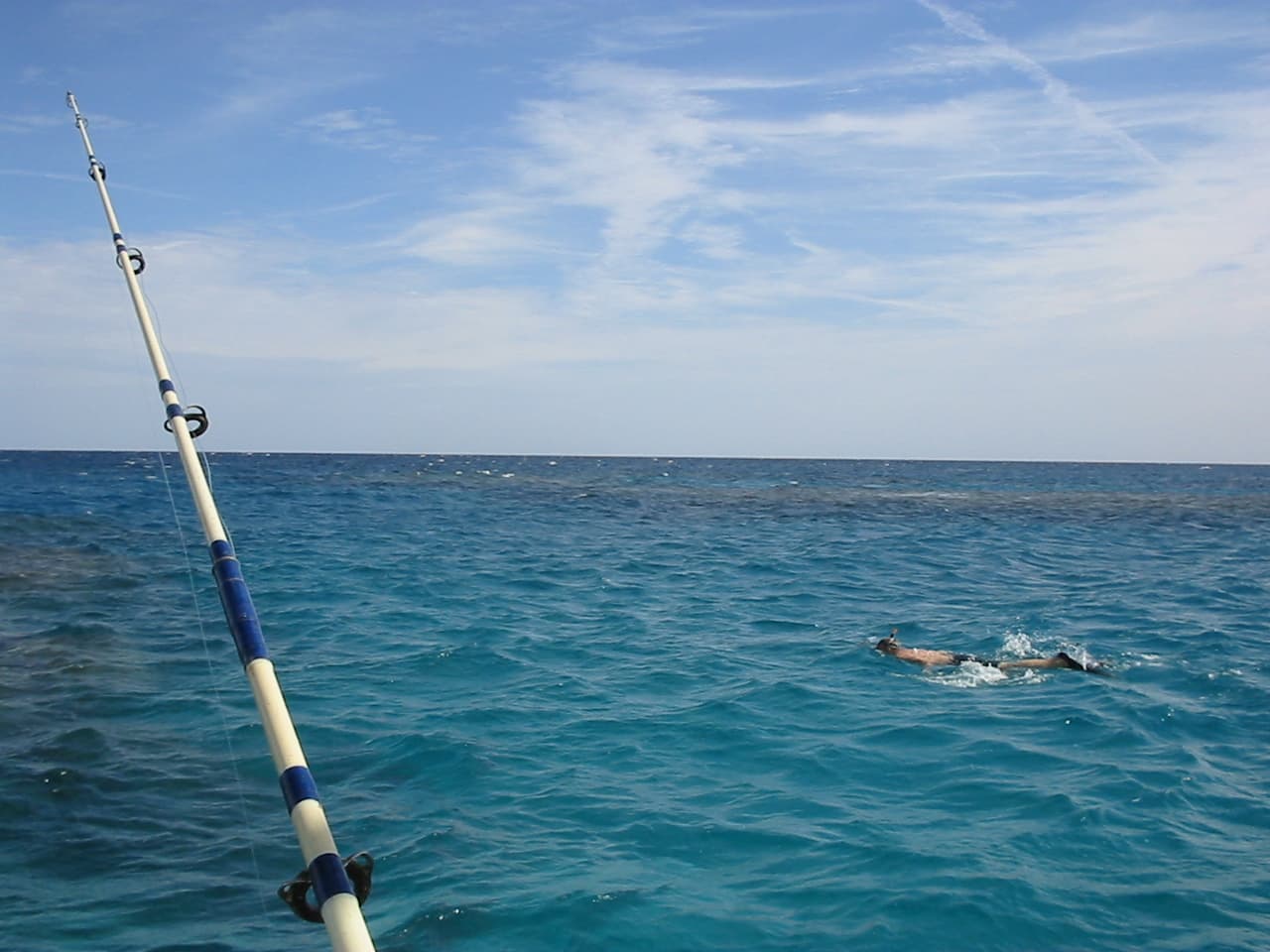
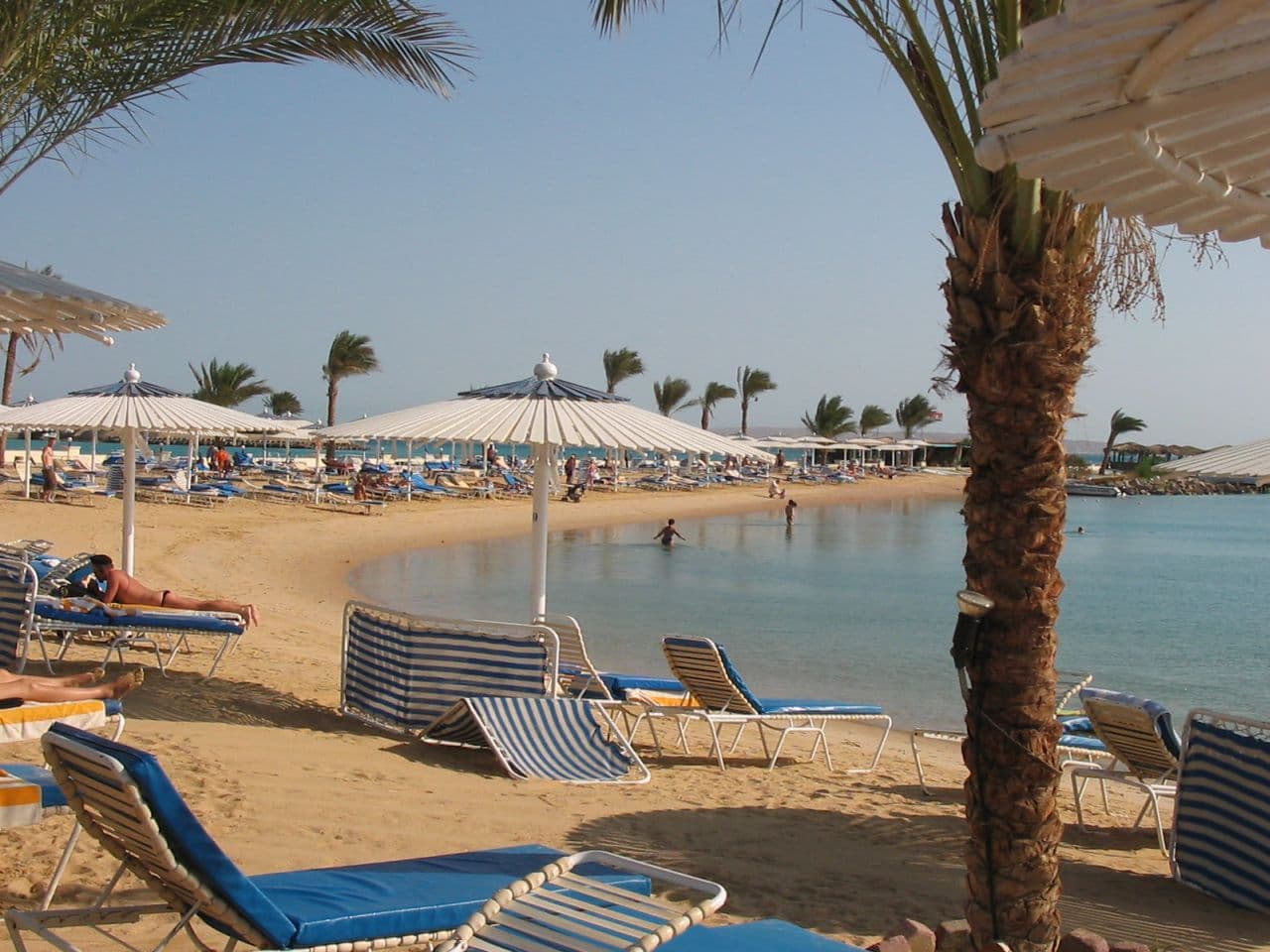
Giza, Cairo's museum collections, the Luxor west bank, Abu Simbel, two days at Petra and a night in a Wadi Rum camp all justify the effort. Some things do not. Sound and light shows are dull. The Dead Sea float is a twenty-minute novelty, so one night on that shore is plenty. Nile cruise boats vary far more than the brochures suggest, and some itineraries include shopping stops that are simply sales pitches. A tacked-on Red Sea beach day usually costs a travel day for very little.
Two more to weigh. Sharm el-Sheikh is sometimes slipped in as a stop before the Taba crossing, but it sits well south of Taba and is a detour rather than a waypoint, worth it only if you are diving and want several days there. A night near St Catherine's with the pre-dawn climb up Mount Sinai is a good experience on its own terms, but the summit is above 2,000 metres and cold before dawn even in August, the climb takes two to three hours, and whether it belongs on your route depends on current advice for that part of Sinai.
When to go, when three calendars have to agree
October, November, March and April. Those four months are where all three countries are simultaneously workable: warm enough to stand in front of the Treasury without a coat, cool enough to walk Karnak in the middle of the day, and cold but sleepable in a Wadi Rum camp. From June the combination stops working, because Upper Egypt and Wadi Rum push past 40C and sightseeing collapses into an early morning and a late afternoon with a dead middle.
Midwinter splits the trip in two. Egypt in December and January is pleasant, with Cairo in the high teens and Luxor and Aswan in the mid-twenties, cold only after dark. Jordan at the same time is a different country: Amman and Petra sit near freezing at night, rain arrives in bursts, and snow reaches Petra in some Januaries. Jerusalem is wet. The Dead Sea and Aqaba are the two exceptions that stay comfortable. If your dates are fixed in deep winter, shift the weight of the trip towards Egypt and treat Jordan and Israel as the shorter halves.
Three dates to check against your own. Christmas and New Year is the dearest and busiest fortnight across all three countries. Easter fills Jerusalem. Ramadan moves about eleven days earlier each year, so it drifts through the good season; sites stay open and trips run normally, but restaurant hours change and the rhythm of the day shifts. None of these is a reason not to travel. All three are reasons to know before you book rather than after.
How fit do you need to be, and what should you pack?
Nothing on this itinerary is technical, and the strain is cumulative rather than acute. The demands are several kilometres a day on uneven ground, steps and low sloping passages inside the Luxor tombs, the Giza plateau's kilometre of sand and broken rock, the Siq and the climb to the Monastery at Petra, and the old stone of Jerusalem's Old City. Any one of those is manageable. Fifteen of them in a row, with early starts and border days in between, is what people underestimate. If stairs or long periods of standing are hard for you, say so before booking rather than on the first morning.
Packing follows the same logic. Proper shoes rather than sandals, because almost every site is uneven. Layers, because desert nights are cold in every season and Aswan can drop to around 8C after dark while the same day touched the thirties. A real jacket for Petra and Wadi Rum from November to March, not the light layer you packed for countries you think of as hot. Sun protection for the long exposed stretches at Giza, Karnak and Masada. And modest clothing that covers shoulders and knees, which matters for religious sites in all three countries and saves you a scramble at the door.
Who should skip this itinerary?
This is a hard trip. Early starts, heat from April to October, security checks, uneven ground at Petra and the Luxor temples, and border days that eat into the good hours. Anyone with limited mobility, a low tolerance for queues, or a wish to stay put for a few days will get more out of Egypt and Jordan alone, or Jordan and Israel alone. The third country keeps. Younger children often run out of patience in week two.
Why the cost per day is higher than a single-country trip
Three arrival and departure processes, three sets of guides and vehicles, and three sets of entry fees all sit inside the same number of days. Nothing is shared across the borders, so the fixed costs you would pay once on a single-country trip you pay three times. That is the structural reason a three-country itinerary costs more per day than the same fortnight spent in Egypt.
The second reason is that the countries are not priced alike. Israel runs considerably more expensive per day than Egypt for comparable accommodation and food, which pulls the average up as soon as it enters the route. Egypt is priced in a way that makes a private guide and driver reasonable; the same arrangement costs noticeably more on the Israeli side. Beyond that the usual levers apply: hotel category, the standard of the cruise boat, how many of you share a vehicle, and the single supplement if you travel alone.
Tipping is a real line in the budget rather than a rounding error, particularly in Egypt, where a guided day with a private guide and driver and each night on a cruise both carry an expectation. Ask what is customary on each leg and carry small notes. Border fees, entry tickets that sit outside the quoted price and the occasional paid add-on such as Abu Simbel or a specific tomb are the other quiet extras. On a three-country trip they add up faster than most people budget for.
How are Egypt, Jordan and Israel tours put together and priced?
Three countries means three sets of guides, permits and vehicles, so these trips are usually run by one ground operator working with partners in the other two countries. Ask who is actually on the ground in each country, and who you call when something goes wrong at seven in the morning. That answer tells you more about an operator than any itinerary page does.
Pricing is by enquiry rather than off a shelf, because dates, cruise standard and hotel level move the total a long way. Ask for a written breakdown before you commit: which meals, entry tickets, internal flights, border fees, visas and tips sit inside the quoted figure, and which are paid locally. On a three-country trip those extras add up quietly.
One more question worth asking before a deposit changes hands: what happens if travel advice changes for one of the three countries after you have paid. A competent operator will tell you in advance how they rework a route and what the terms are, rather than treating it as a conversation for the day it happens. Travel insurance often follows government advice, so a policy can be void for a region your own ministry advises against, which makes booking terms that allow a date change worth more here than the discount you might get by giving them up.
What has to be locked in first, and what can wait
Four things set the shape of the trip and should be settled before anything else. Nile boat cabins in high season, because the good boats sell out before the cheap cabins do and the sailing pattern fixes your dates. The internal Egyptian flight, or the sleeper train berths if you are taking the train. The Jordan Pass, which has to be bought online before you arrive rather than at the border. And your international flights, ideally into one capital and out of another.
Almost everything else can be arranged closer in, and some of it should be. Border routings, the specific crossing used and any leg that touches Sinai are better confirmed weeks out than months out, because that is when the information is actually current. The same goes for verifying visa rules. Booking the whole itinerary early is sensible; treating any border detail as settled six months in advance is not.
If three countries is one too many, how do you choose which two?
Drop Israel if what you came for is antiquity and desert. Egypt and Jordan pair cleanly, the Cairo to Amman flight is about an hour and a half with several departures a day, and twelve to sixteen days covers both without the border days. This is the version most people should be doing, and it is the one we would recommend to anyone with a fixed fortnight.
Drop Jordan if Jerusalem and the biblical thread is the point. Egypt and Israel share a land border and a continuous historical story, and the same twelve to sixteen days gives you Cairo, the Nile, Jerusalem, Masada and the Dead Sea at a pace that is not punishing. Drop Egypt only if you have already been: Jordan and Israel together are the shortest and gentlest of the three pairings, but Egypt is usually the reason people are flying this far in the first place.
The third country keeps, and this is the argument we would make hardest. A fortnight spent properly in two countries leaves you wanting to come back. A fortnight spread across three leaves you with a list of places you technically visited. If your leave is fixed and short, the correct answer is almost always two.
Common questions
Does it matter which country you start in?+
Mostly for logistics. Nile cruises run on set Luxor-to-Aswan patterns, so the Egyptian leg usually fixes the dates and the rest is built around it. Starting in Cairo and finishing in Amman or Tel Aviv also avoids backtracking, and flying into one capital and out of another is often cheaper than a return.
When is the weather workable?+
October to November and February to April. Summer in Luxor and Wadi Rum regularly passes 40C, which turns temple visits into a race against the sun. December and January are cool and pleasant in Egypt but wet in Jerusalem, and Petra can be near freezing at dawn. Easter and Christmas fill Jerusalem.
Do I need a separate visa for each country?+
Usually yes, and the details differ by nationality, by which border you use, and they change often. Egypt has offered an e-visa and a visa on arrival to many nationalities. Jordan's Jordan Pass has covered the visa fee for visitors staying a minimum number of nights and includes Petra entry. Verify all three from official sources close to travel.
What happens if travel advice changes while we are away?+
A competent operator reroutes within the countries still open and adjusts hotels and guides to match. In practice that usually means more time in Egypt or Jordan rather than a refund. Insurance covering curtailment, and booking terms that allow a date change, matter more on this itinerary than on a single-country one.
How much of the trip is actually spent travelling?+
More than most people expect. Between the internal flight in Egypt, the drive across Sinai, the run north to Jerusalem and the border days, a meaningful share of your mornings goes on moving rather than seeing. That is the honest cost of three countries in one go. Cruise days are the exception: the boat moves while you sleep.
Is it better to fly between the countries rather than cross by land?+
It is faster and less tiring, and on a sixteen-day trip that can be decisive. Cairo to Amman is roughly an hour and a half in the air, and Cairo to Tel Aviv is short too, though flights on that route are not frequent and schedules change. Crossing by land is usually a little cheaper and lets you see Sinai and the Aqaba corner, but you pay for it in border fees and unpredictable queues. Cross overland because you want that stretch, not to save money.
Do we need a guide in every country?+
In Egypt a licensed guide adds a great deal, because the sites are dense, spread out and largely unlabelled in any useful way. In Jordan and Israel you can do more under your own steam, and plenty of people walk Petra and the Old City of Jerusalem without one. Most three-country itineraries include guiding throughout because it is simpler to arrange than to unpick. Ask what a version with fewer guided days would cost before assuming it is fixed.
Can we fit Abu Simbel in without extending the trip?+
Usually yes, as a day trip from Aswan. It sits about three hours south by road, and there is also a short flight, which is what most itineraries with tight schedules use. It is one of the few paid add-ons on this route that is genuinely worth the day and the money. If the choice is between Abu Simbel and a Red Sea beach day, take Abu Simbel.
How many nights on the Nile are enough?+
Three or four between Luxor and Aswan. Three covers Edfu and Kom Ombo with a day at each end of the river; four gives you a morning that is not scheduled. Shorter boats exist but the transfers at each end eat most of what you gain. On a three-country trip the cruise is also the only genuine rest in the itinerary, which is an argument for four rather than three.
Is this a sensible first trip to the region?+
Only if you travel well and are not easily worn down. It is a lot of moving, a lot of heat and three sets of unfamiliar procedures in a row, and first-time visitors to the region often find the second week harder than the first. A first trip covering Egypt and Jordan over a fortnight gives you most of the highlights with far less friction, and leaves Israel as a reason to come back.
Official sources
Entry rules, opening hours, security advice and exchange rates all move. Check them at the source, not here.
Written and checked by the Nile Trip Guide editorial team · Last reviewed . Entry rules, prices and opening hours change — check anything critical against the official sources linked on this page.
Plan this trip
Tell us your dates and we will price it
A real itinerary with real prices, usually within 24 hours. Nothing is booked and nothing is charged until you say yes.
The route most people take first, at the length it was built for: Giza and the Grand Egyptian Museum, then a flight to Luxor and four nights sailing down to Aswan.
No boat on this one. Giza and the Grand Egyptian Museum, a night in Luxor for both banks, two nights on the Red Sea, then back to Cairo for the Citadel, Coptic Cairo and the Royal Mummies.
Five nights in Cairo either side of a four-night sail from Luxor to Aswan. The Cairo days are private, just your party and a guide; the sightseeing off the boat is shared with a small group.