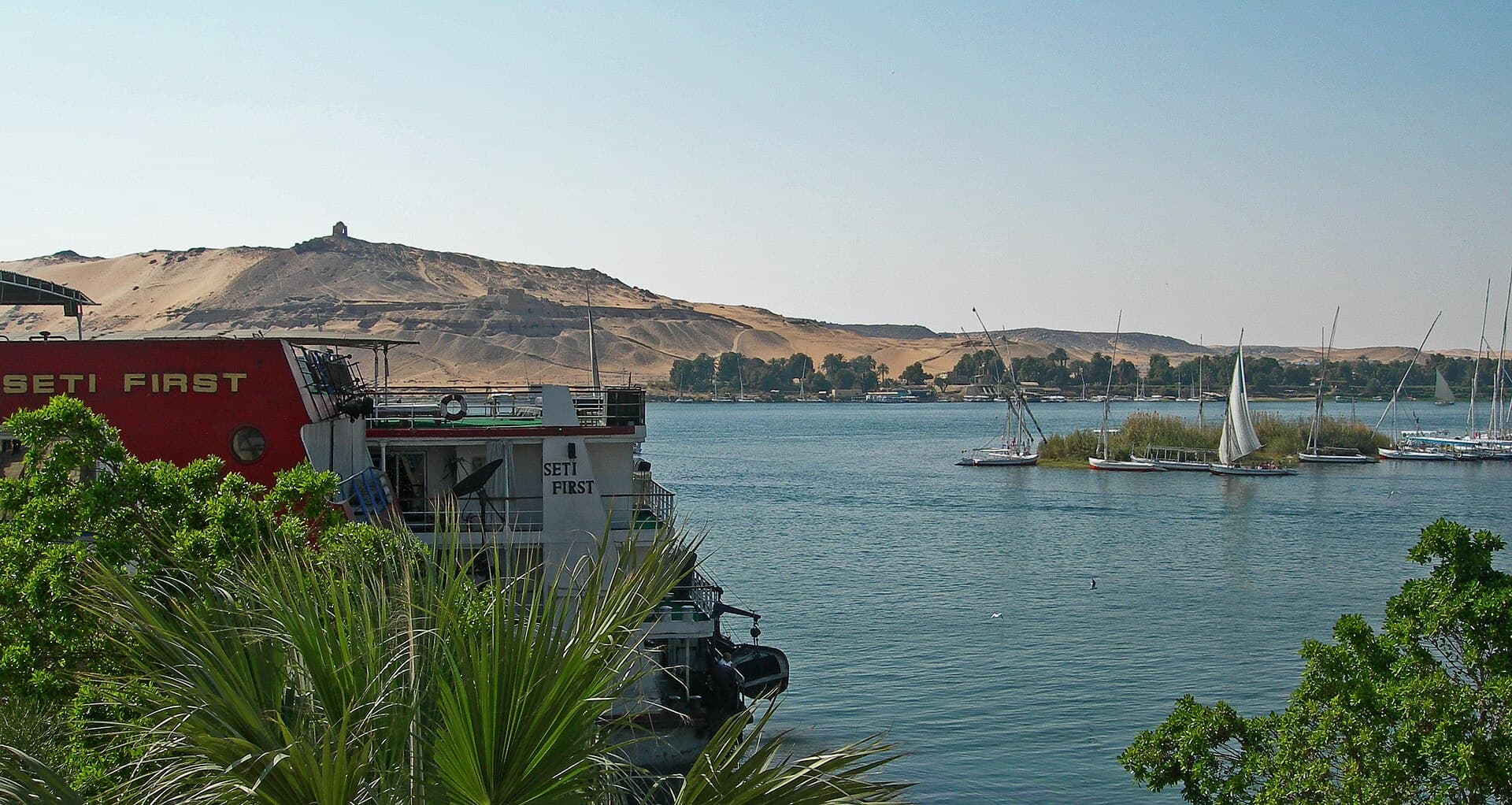
Egypt with kids works in half-days: temples in the morning, a pool or the sea after. Six days of ruins is too many.
What Egypt with kids actually looks like
Egypt with kids works in half-days. A temple or a tomb in the morning, back to the hotel by early afternoon, then a pool or the sea until dinner. That is the whole trick. Try to fill both halves of the day and you will spend the second half arguing with a tired child in a hot car.
Six days of ruins is too many. Adults can look at columns for a week and stay interested; children rarely can, and interest tails off after the first few days. Three or four sites, spaced out, will be remembered. Ten will blur into one hot morning. Cutting the list is the single best decision most families make.
In practice that means a trip in two halves. Spend a few days on Cairo and the Nile, then a few days by the sea doing very little. A Nile cruise carries the first half well: you unpack once, the hotel travels with you, and there are no long road transfers between the main sites. Most boats have a small pool. Ten days to two weeks gives both halves room.
Which sites children enjoy, and which ones bore them
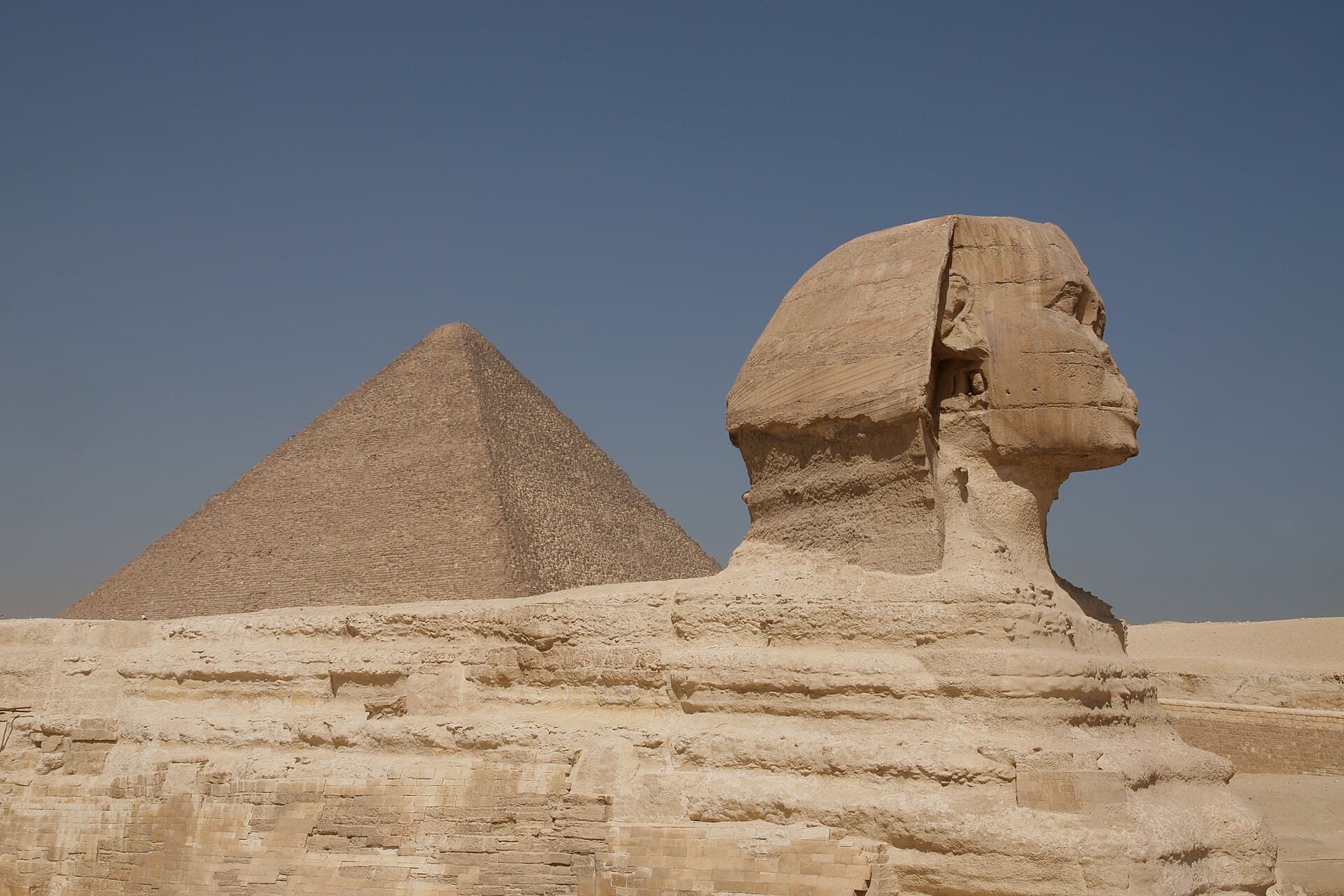
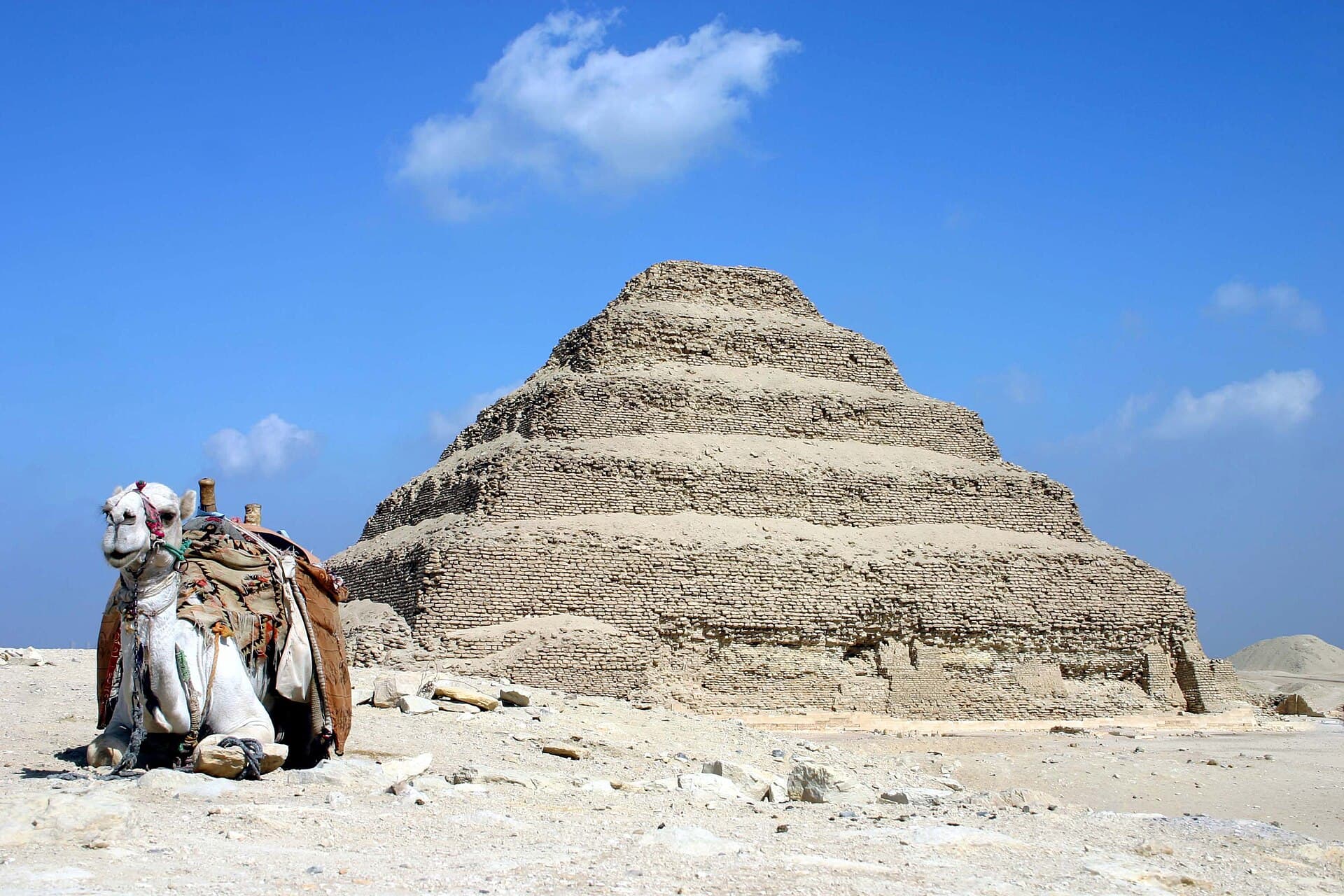
The pyramids do the work by themselves. They are enormous, they are outside, and children can walk right up to the stone. Camels help. The tombs in the Valley of the Kings usually land well too: you go down a corridor into the dark, the walls are painted, and it feels like finding something you were not meant to see.
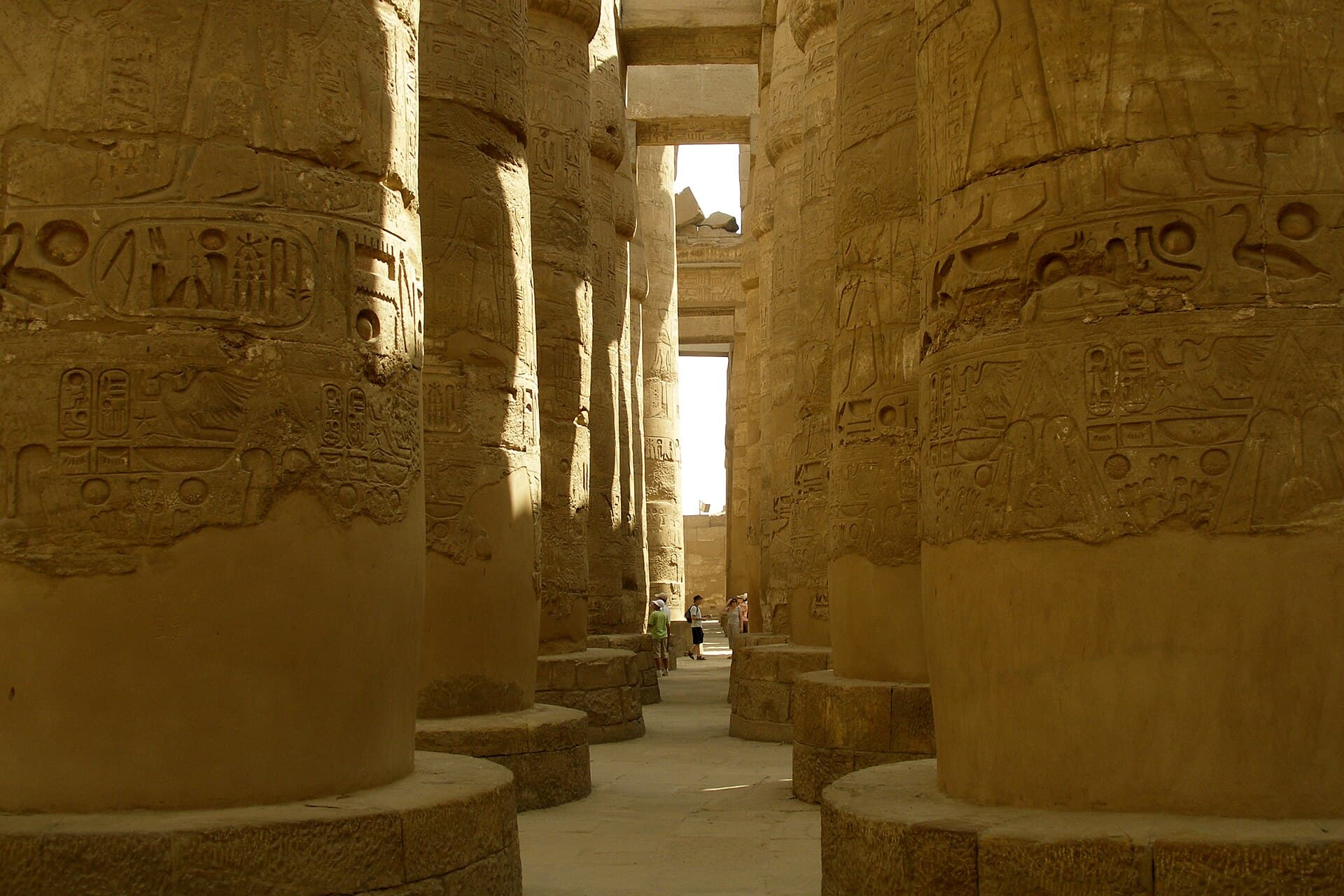
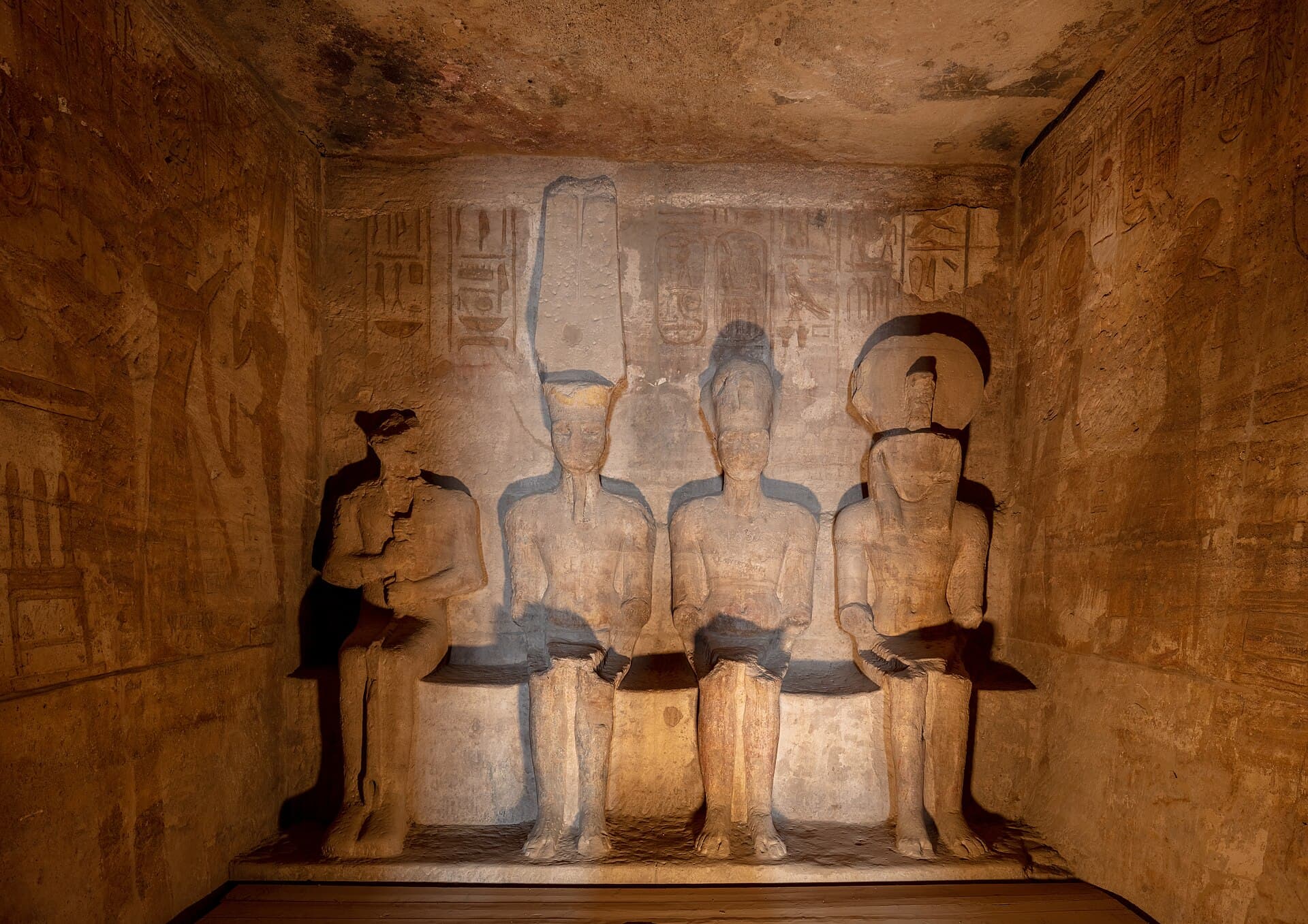
Long guided walks through large temple complexes are where interest dies. Karnak is remarkable and it is also a lot of walking in the sun with a lot of explanation. Museum halls have the same problem. Abu Simbel is worth it for adults, but the road from Aswan takes three to four hours each way, which makes a very long day for a single temple. Scheduled flights from Aswan take roughly forty-five minutes and turn it into a half-day.
Ages matter more than anything else. Roughly seven to twelve is the sweet spot: old enough to remember it, young enough to find a mummy genuinely exciting. Under five, you are mostly carrying a hot toddler past things they will forget. Teenagers are fine, provided they get real downtime and are not marched through a fourth temple before lunch.
Why the Red Sea half is not an add-on
Heat is the real constraint, not distance or logistics. From roughly May to September, Luxor and Aswan get extreme, and mid-afternoon outdoors is genuinely unpleasant for a small child. October to April is the sensible window. Even then, plan sightseeing for early morning. Sun hats, water and a pause in the shade are not optional extras here.
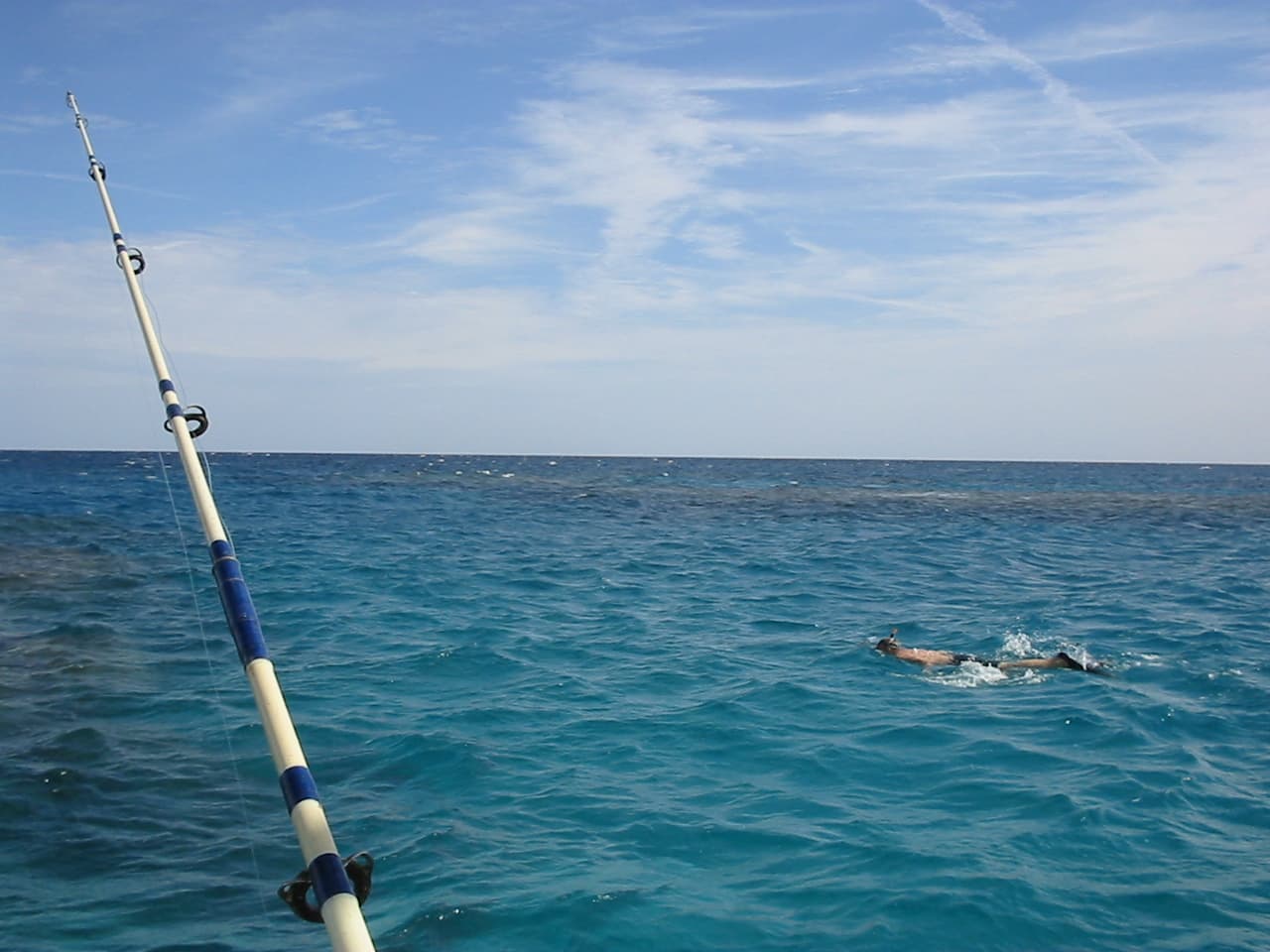
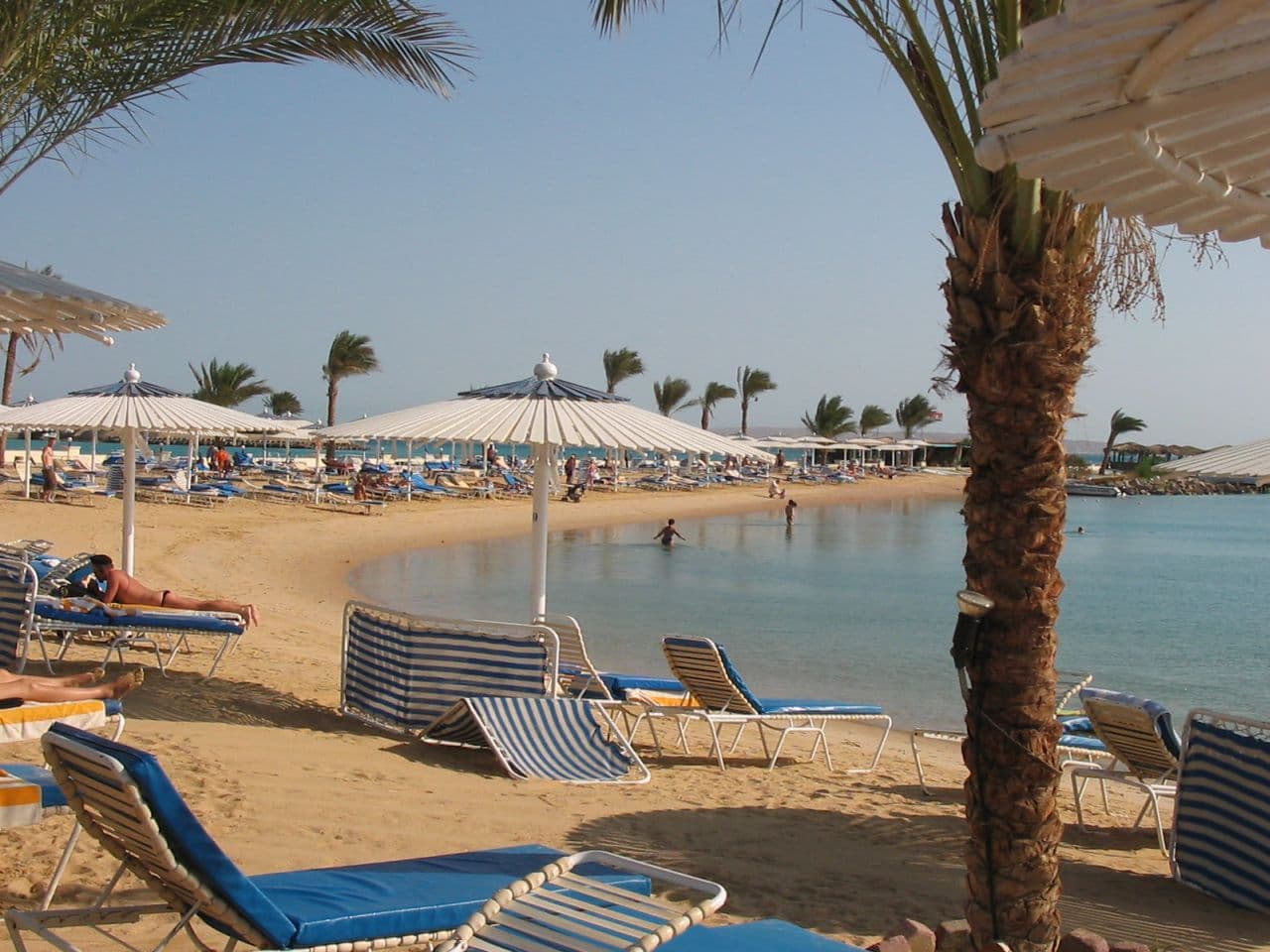
That is why the Red Sea half earns its place. It gives children something they choose to do rather than something they are shown. Warm shallow water, snorkelling straight off the beach, reef fish a few metres out. It also gives parents three or four days where nobody has to be anywhere at eight in the morning.
Order it so the sea comes last. Ruins first, while everyone is fresh and curious; sea afterwards, when they are tired of being told things. Families who do it the other way round often find the temples harder work. If you only have a week, cut a site or two rather than the beach days.
Does Egypt with kids work at every age?
Age matters more than anything else here. Egypt with kids under five is hard work, and we would rather say so. Toddlers get little from a temple wall and a lot from a hotel pool. The walking is long, the ground is uneven, and the day runs on someone else's clock. If your youngest is three, consider waiting two years. You will spend less and everyone will remember more.
Six to eleven is the easy window. Children that age can walk a site, hold a story in their heads, and still find a mummy thrilling rather than grim. They ask good questions. Teenagers are different again: they need a reason to care, some independence, and phone signal at the end of the day. Give a fourteen-year-old a diving course or a camera and the trip usually turns for them.
Mixed ages are the real problem. A nine-year-old and a two-year-old want opposite days, and one of you will end up back at the hotel. Two things help: build in flat days with nothing booked, and accept that one parent skips a site. Nobody needs to see every tomb. Splitting up for a morning is not a failure of the holiday, it is what makes the rest of it work.
Why the heat is harder on children than on you
Children overheat faster than adults and notice it later. They have less to sweat with, they run instead of walk, and they will not tell you they are thirsty until they are miserable. Carry more water than feels sensible. Hats and long sleeves beat sun cream alone, and shade at the sites is scarce. An adult can push through a hot hour with a bottle of water and bad grace. A seven-year-old cannot, and the rest of the day pays for it.
Stomach upsets are common and usually short. Bottled water only, including for teeth, and be firm about ice and salad in the first few days. Pack the rehydration sachets you already trust from home; children go flat much faster than adults do. Egyptian pharmacies are easy to use, often open late, and staff usually speak some English. For anything beyond a bad day, ask your hotel for a doctor rather than guessing at a counter.
Fly or take the overnight train?
With children, fly. The overnight train between Cairo and the south sounds romantic and is a poor night's sleep in a small cabin, followed by a wasted morning. Adults can absorb that. Children arrive wrecked and stay wrecked. The domestic flight takes about an hour or so and costs you a morning at most. Take the train only if your children are older, the journey itself appeals to them, and you have a spare day afterwards.
Car seats are the awkward part. They are not standard in Egyptian vehicles, and what turns up may not be what you pictured. Ask before you book, and bring your own for a small child if that is your line. Long transfers matter more than the total distance. A three-hour drive each way to Abu Simbel is fine for a ten-year-old and brutal for a toddler, so shape the itinerary around fewer bases and shorter days.
The guide makes or breaks the day
A guide who talks to your children instead of over them changes the whole trip. The bad version recites dynasties and dates at the adults while the seven-year-old kicks a stone. The good version asks what your daughter thinks the carving is, tells the story of the god with the jackal head, and lets a boring wall become a puzzle. Say the ages when you enquire. It should change who they send.
Do the groundwork at home. A children's book on ancient Egypt, a film, a few names they recognise before they land, and the sites stop being old stones. Tell them plainly what the days will be like: early starts, heat, waiting, and stretches of nothing. Children handle a hard morning they were warned about far better than a pleasant one they were not. Lowering expectations is not pessimism, it is preparation.
Common questions
Can we manage with a pushchair at the sites?+
Mostly not. Sand, loose gravel, steps and narrow tomb corridors defeat wheels at the pyramids and in the Valley of the Kings. A carrier is the better bet for anyone under about three, and it leaves your hands free on uneven ground. Keep the pushchair for airports, hotels and pavements, or leave it at home and travel lighter.
Is a Nile cruise a good idea with young children?+
Usually yes, for the same reason it suits adults: you unpack once and the hotel travels with you. Boats moor overnight at towns along the route, and sites like Kom Ombo sit a few steps from the mooring, so there is no long transfer. The limit is length. Three or four nights is generally enough with children; seven can start to feel repetitive.
Which months should we avoid?+
May to September, if you can help it. Luxor and Aswan are punishing then, and sightseeing shrinks to a short window at dawn. Christmas and Easter are comfortable but busy at the main sites. If school holidays force summer on you, weight the trip heavily towards the Red Sea and keep the ancient sites to two or three mornings.
How long should a first trip with children be?+
Around ten days is the sensible shape: a few days for Cairo and the pyramids, a few in the south, and the rest on the Red Sea. Shorter than a week and you spend the trip in transit. Much longer and younger children run out of interest in ruins, whatever you have planned. If you only have a week, cut Cairo or cut the south. Do not cut the beach.
Will a fussy eater cope with Egyptian food?+
Usually, yes. Bread, rice, chips, grilled chicken, plain pasta and fruit are everywhere, and hotel buffets are built for exactly this. The bigger risk is a child who eats almost nothing new for a fortnight and gets tired and cross. Bring a few familiar snacks for travel days. Do not fight the food battle abroad; a week of dull eating harms nobody, and it buys you a calmer child at the sites.
Are the crowds and the sellers a problem with children?+
They are a nuisance rather than a danger. Sellers and camel-ride touts work the entrances hard, and a small child who says yes to anything makes you an easy mark. Walk on, keep the answer short, and brief your children before you get out of the car. Egyptians are warm with families, and expect strangers to greet, photograph and fuss over your children. Fair-haired kids get more of it. Decide in advance how you will handle that.
Written and checked by the Nile Trip Guide editorial team · Last reviewed . Entry rules, prices and opening hours change — check anything critical against the official sources linked on this page.
Egypt in three parts: two days in Cairo, three nights sailing Aswan to Luxor, then three nights on the Red Sea with nothing scheduled. The temples first, the sea afterwards.
The 10 day Nile-and-Red-Sea route with one more day in Cairo at the end, spent on the Citadel, Coptic Cairo and the Royal Mummies. Two days in Cairo, three nights on the river, three on the sea.