What to Pack for Egypt: Temples, Desert Nights and the Red Sea
What to pack for Egypt comes down to three different climates in one trip: hot dusty ruins, cold nights on the river and in the desert, and a coast where the rules change entirely. Most people over-pack clothes and under-pack the small things that actually matter. This is the list we give our own travellers.
What should you wear at temples and tombs?
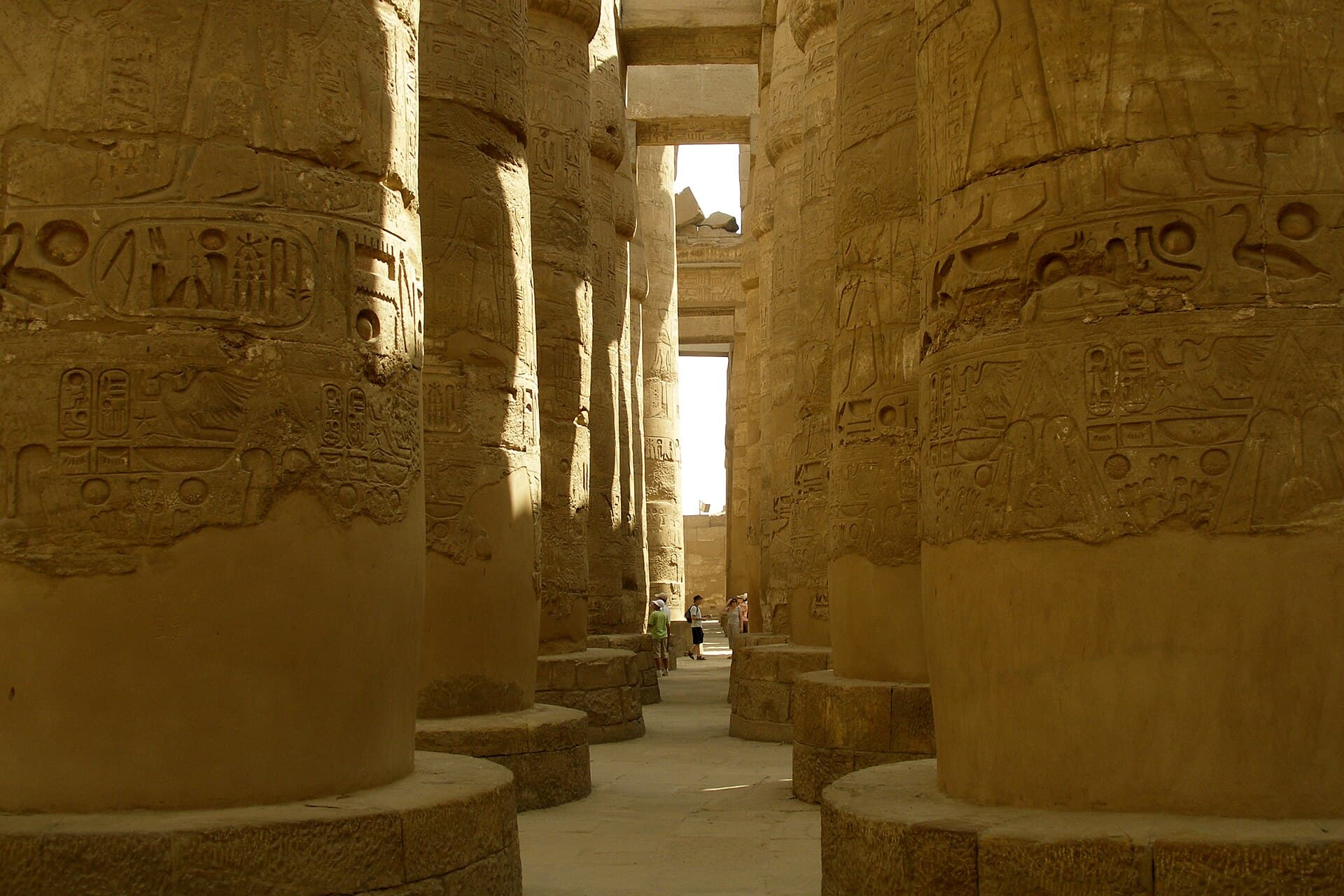
Temples and tombs are hot, dusty and largely unshaded. Loose long cotton or linen beats shorts and a vest: covered arms and legs are cooler in direct sun and stop you burning through the afternoon. Pale colours hide the limestone dust better than dark ones. Egypt has no dress code at archaeological sites and nobody will stop you in shorts. The reason to cover up is heat, and the attention you attract in the street afterwards.
Working mosques are different. Shoes come off, shoulders and knees stay covered, and women need something over their hair. A large scarf handles that, and saves you borrowing the covering that mosques keep by the door. Coptic churches are less strict but the same instinct applies. Pack one scarf that can also deal with desert wind and a cold boat deck at night. It earns its space more than any other single item.
Why do beach clothes not work anywhere else?
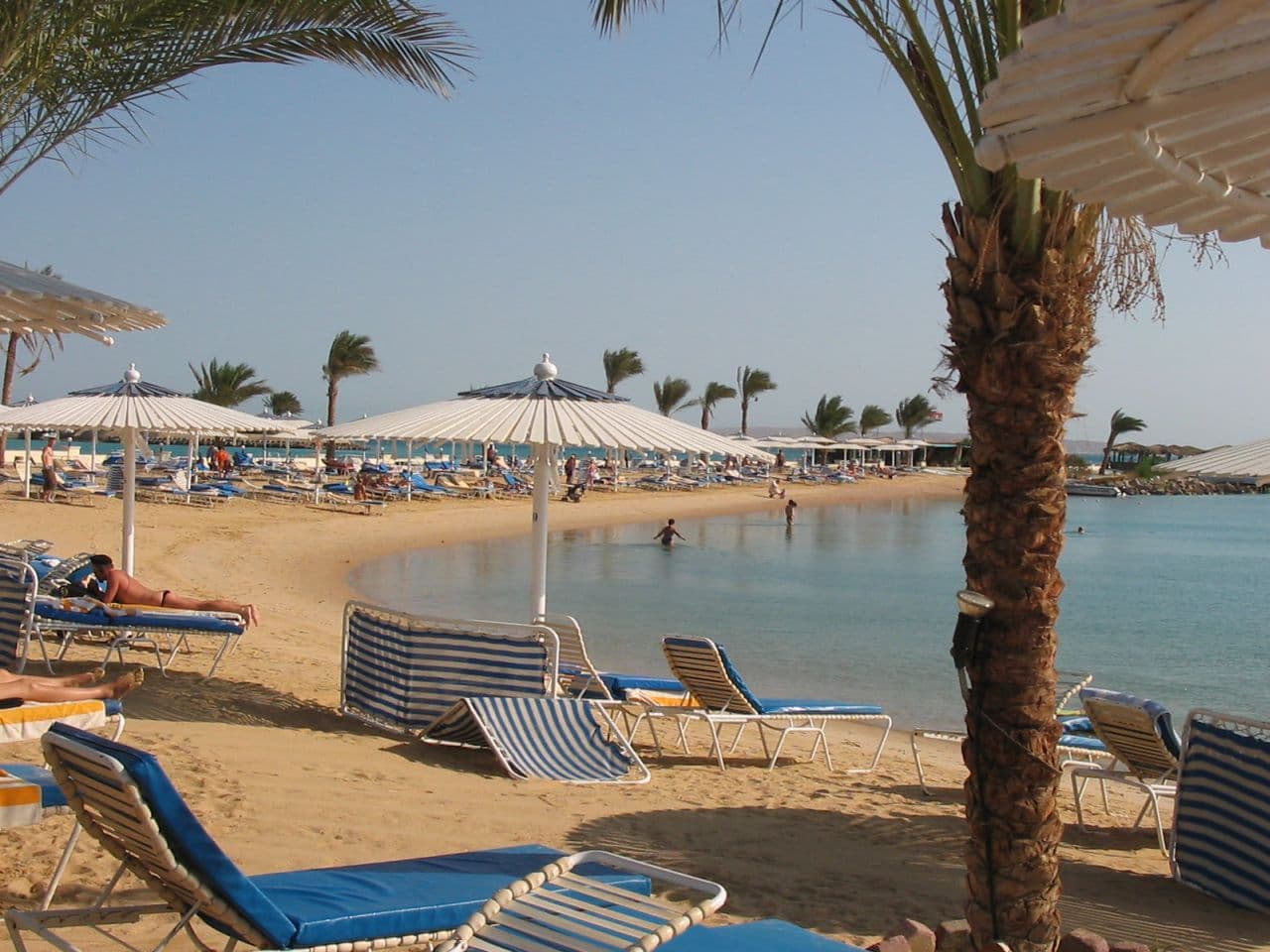
The Red Sea resorts run as enclaves. Inside the grounds swimwear is normal and nobody comments. Step into a local street or market in Hurghada in the same outfit and you are the only person dressed like that. Pack for two holidays: swimwear and light cover-ups for the coast, then something with sleeves for the walk to a restaurant. A sarong or a loose long shirt covers both jobs and dries in an hour.
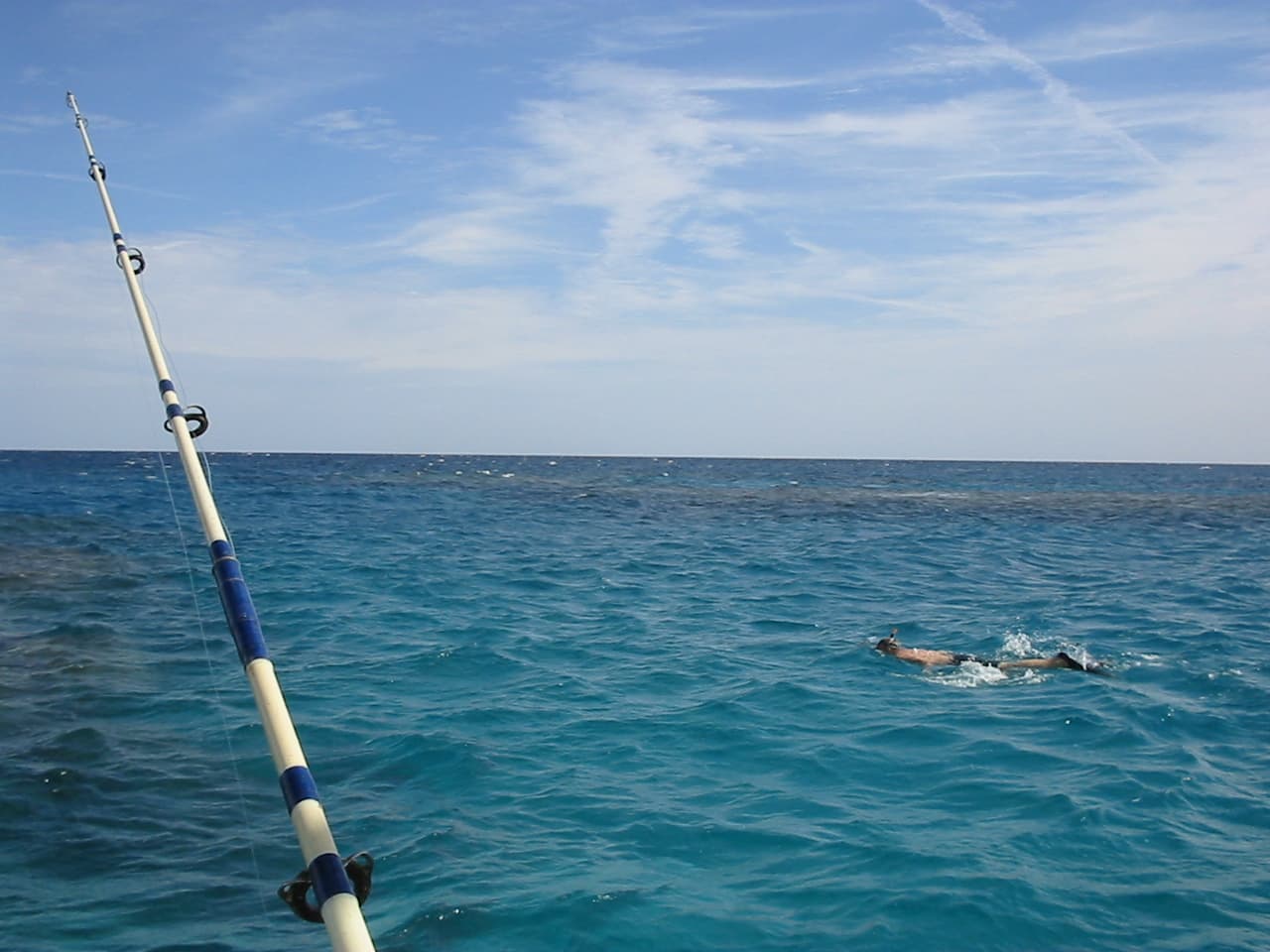
Reef shoes are worth it if you enter the water from a beach rather than a boat ladder. Red Sea coral is sharp and sea urchins sit in the shallows. A rash vest matters more than most people expect: snorkel for half an hour and your back burns straight through the water without you feeling it. It is one of the most common problems we see on the coast, and it ruins the following two days.
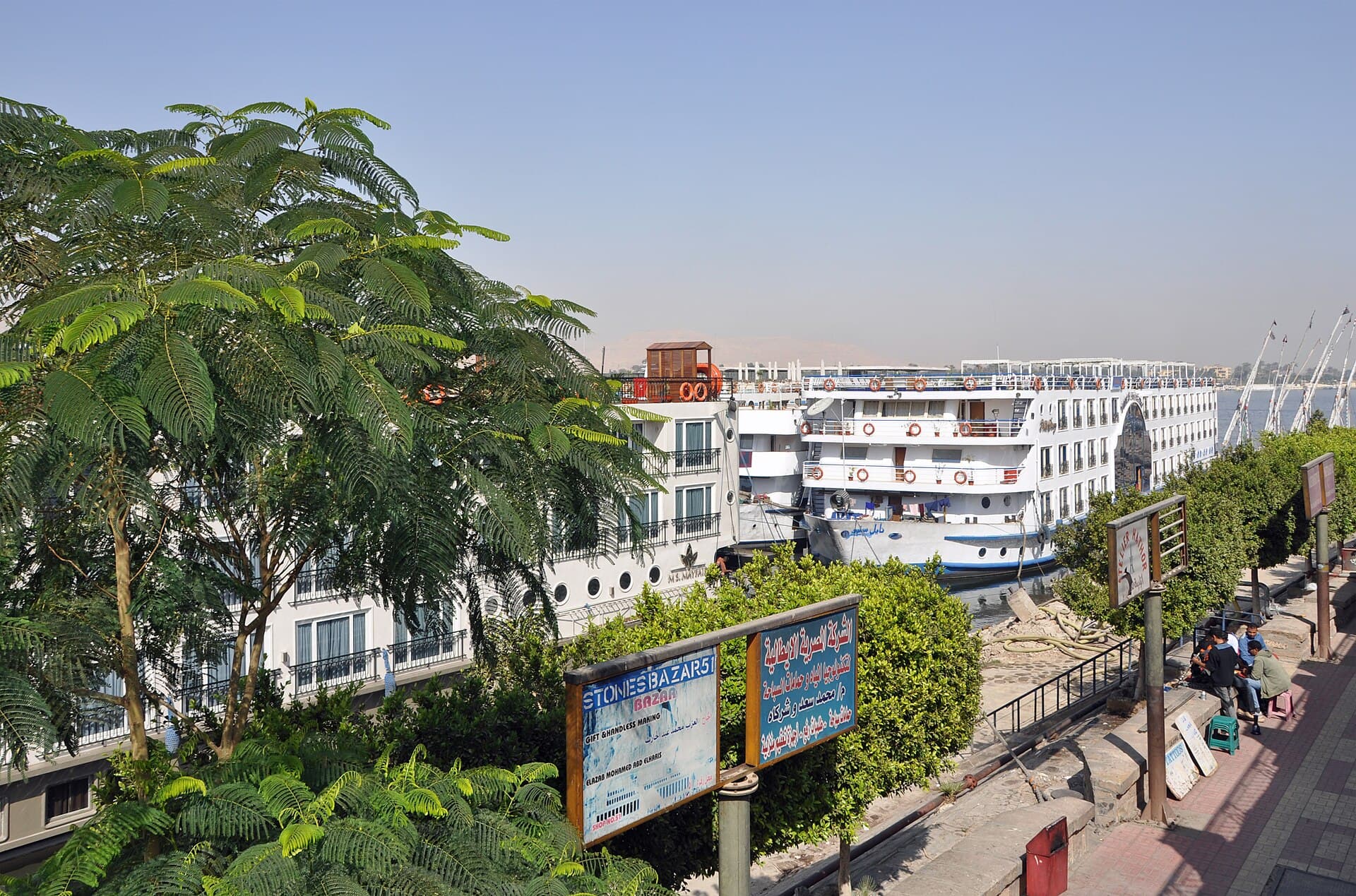
Why is everyone cold on a Nile cruise?
Egypt's daytime heat hides how far the temperature drops once the sun goes down. Between roughly November and March, a boat's sundeck after dark is genuinely cold, and the air coming off the water makes it feel colder still. Luxor and Aswan can be well over 30C at two in the afternoon and jumper weather by nine. Nearly everyone packs for the afternoon and then spends the evenings indoors because they brought nothing warm.
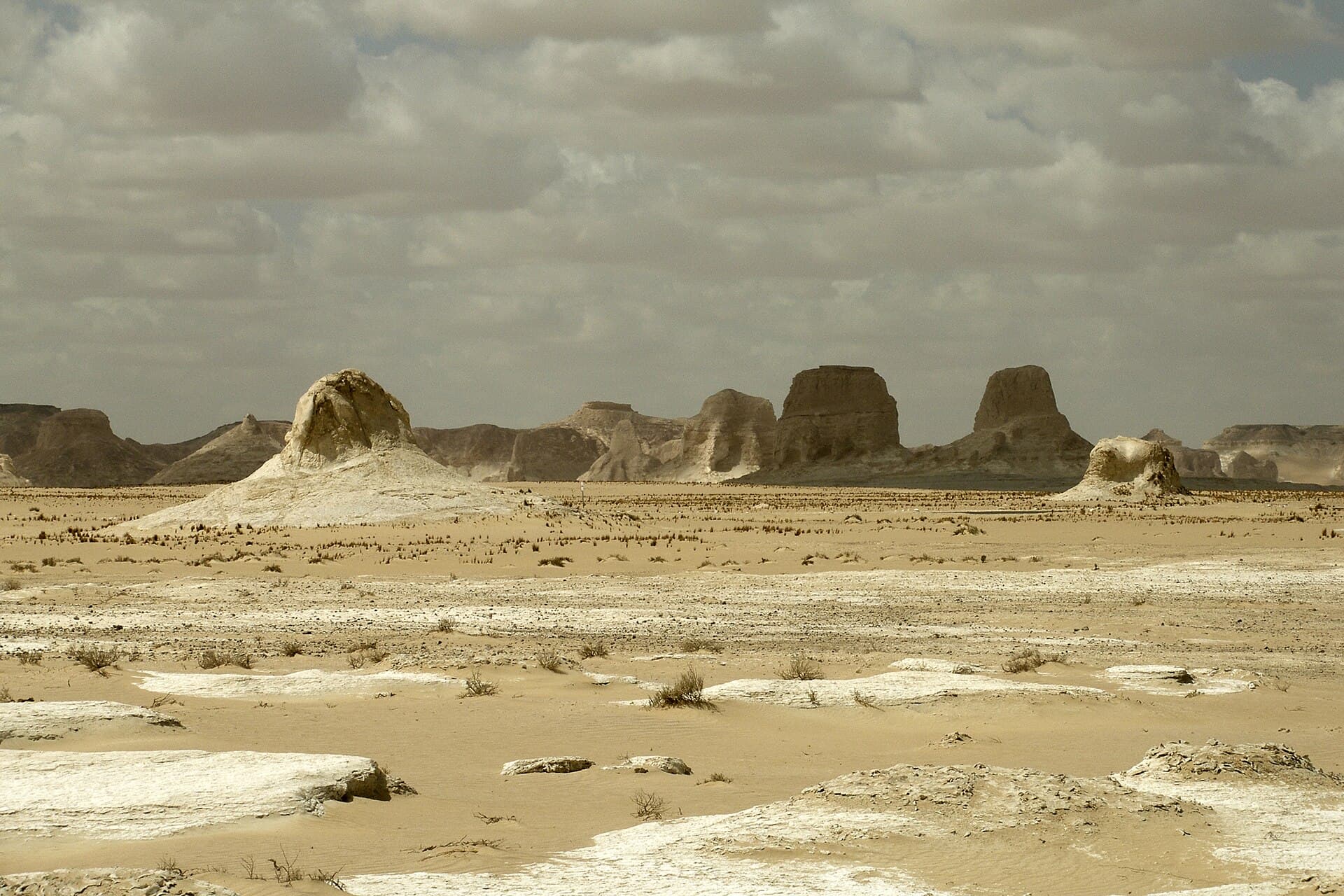
Desert nights are worse. In the Western Desert or Sinai, clear skies and dry air mean the temperature falls fast as soon as the light goes. If you are sleeping out, you want a proper fleece or a light down layer and socks, not a cardigan. There is also the air conditioning problem: coaches, restaurants and hotel lobbies run cold, so in summer you swing between 40C outside and something like a fridge indoors all day.
What should you pack for the desert, Sinai and a dawn start?
A night out in the Western Desert, at Siwa or in Sinai is the one part of an Egypt trip where the wrong kit stops being an inconvenience and starts costing you sleep. In January a desert night needs a proper sleeping bag rather than a blanket, and people underestimate this because the same day was warm enough for a single shirt. Ask whoever runs the camp what bedding they supply before you buy anything, since carrying a sleeping bag you did not need through two airports is its own punishment. Socks and a hat to sleep in do more than another jumper: lying on the ground, you lose heat through your feet and your head first.
Sand behaves differently from the dust at the temples. It blows, it finds zips, and it works into camera bodies and charging ports within a day. A scarf wrapped across your face when the wind gets up is the standard answer, and it is the reason we keep pushing one large scarf ahead of every other item on this list. Wet wipes matter too, because a desert camp has no washing, and a small dry bag or a zip-shut plastic bag for your phone and camera is worth the few grams. A head torch is optional in a tomb, where your phone is fine, but genuinely useful at a camp and on a night walk, where you want both hands free and a bright phone screen ruins your night vision.
Two specific dawn starts deserve their own thought. The Mount Sinai climb leaves the coast around midnight, ends on a long flight of rough stone steps and finishes above 2,000 metres, where the summit is cold before sunrise even in August: pack a fleece, something for your hands if you feel the cold, and shoes you can come back down rough steps in while tired. A hot air balloon at Luxor is the same problem in miniature. From late autumn to early spring you stand about in a dark field before the flight, so bring a fleece you can shed afterwards, and wear closed shoes rather than sandals, because landing fields are rough and often ploughed.
How do you handle sun where there is no shade?
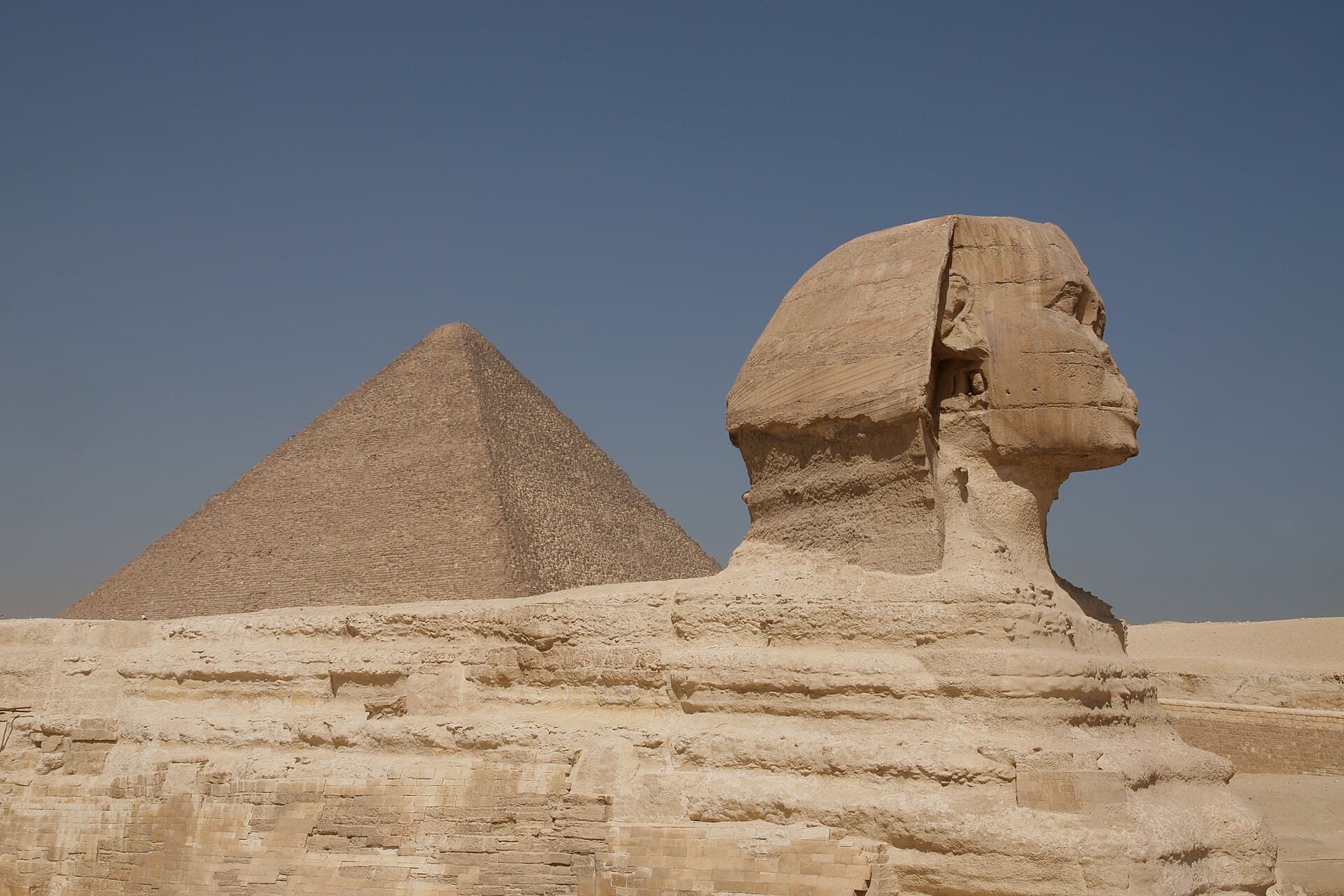
There is no shade at Giza, very little at Karnak and none worth the name at Abu Simbel. Whatever you would wear in southern Europe, go a step further. A brimmed hat rather than a cap, because ears and the back of the neck burn first. Sunglasses matter more than usual, since pale limestone throws glare back at you all day. Sunscreen is sold in Egypt, but the choice is thin and the price high, so bring your own and bring more than you think.
A hat with a cord or chinstrap is the detail people wish they had packed. Wind on the Nile and in open desert takes ordinary hats off your head, sometimes into the water. Lip balm with sun protection is worth the space; dry heat and wind split lips within a couple of days. And remember the places people miss: the tops of your feet in sandals, and the backs of your hands on an open boat deck.
What footwear works on uneven tomb floors?
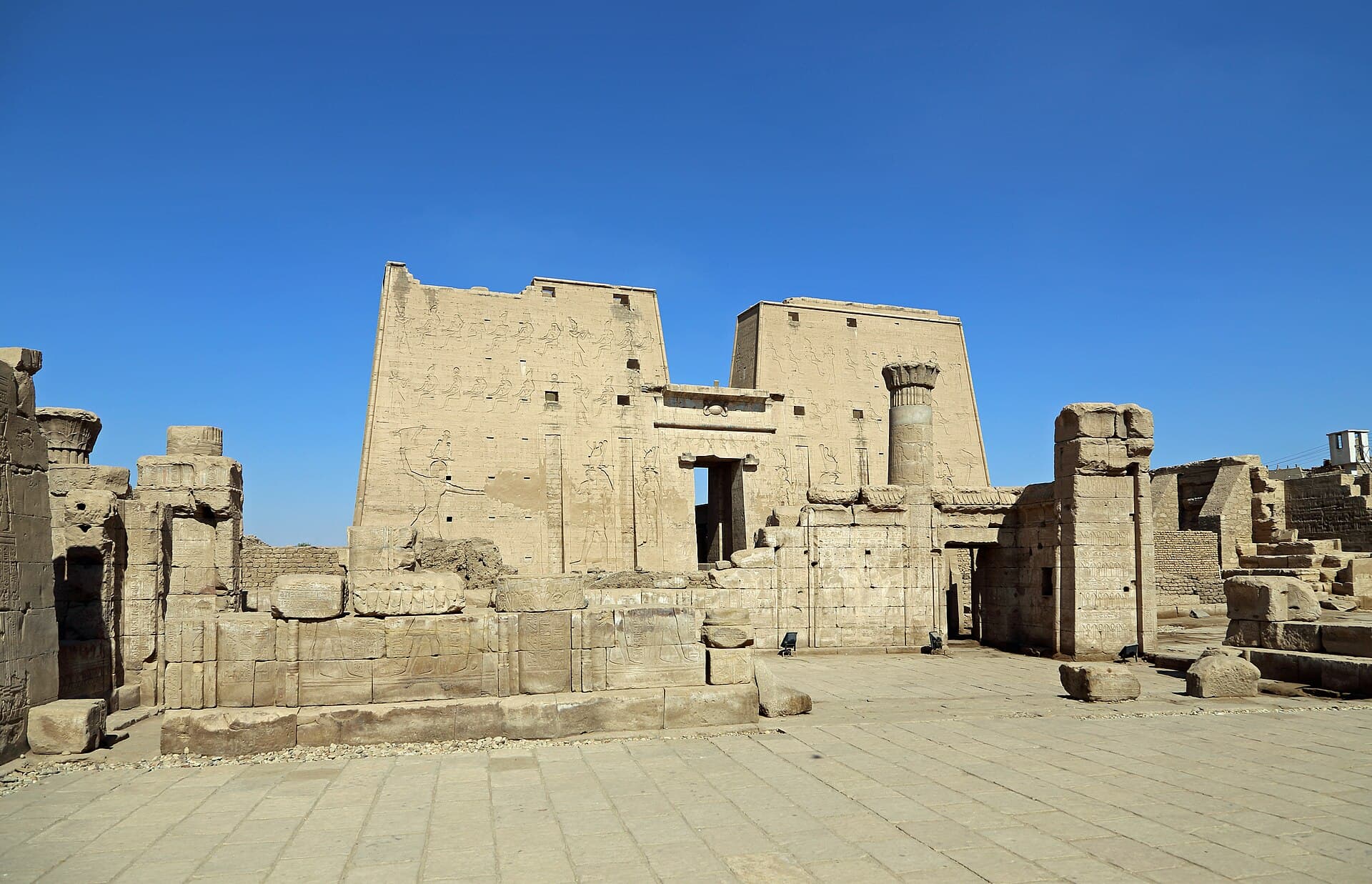
Tomb interiors are ramped, stepped and worn smooth in patches, with fine dust sitting on top. Some passages are steep and the handrails are not always where you want them. Closed shoes with a bit of grip beat sandals, which fill with grit and slide on polished stone. You do not need hiking boots. That is overkill for what is mostly flat walking with short awkward sections, and heavy boots are miserable in the heat.
One pair of trainers or light walking shoes plus one pair of sandals covers the whole trip. Slip-on styles help at mosques, where shoes come off repeatedly and you want to be quick about it. Bring socks you do not mind ruining, because everything ends up the colour of the desert. Add flip-flops if you are going to the coast, and that is genuinely all the footwear you need for a fortnight.
How many clothes do you actually need?
Fewer than you have packed. Laundry is cheap wherever you stay and usually comes back the same day, on boats as well as in hotels, so three or four sets you wash beat seven you carry up a flight of stairs. The constraint that bites is not running out of shirts. It is the weight of the bag on a day when you are moving between a hotel, a domestic flight and a moored boat, with someone else lifting it for a tip each time.
Fabric decides how those few sets perform. Cotton and linen move air and do not smell after a long dusty day the way polyester does, so keep synthetics to one fast-drying layer rather than the whole wardrobe. On colour, pale is better for heat and worse for dust, and Egypt is dusty everywhere, at its worst on the west bank and at desert sites. White looks tired by mid-morning. Sand, stone, olive, pale grey and washed blues hide it and stay cool. Black is the one to avoid in summer.
For women, the workable set is loose trousers or long skirts with tops that cover the shoulder and upper arm, and necklines that stay where you put them when you bend into a tomb or climb into a taxi. For men, lightweight long trousers and shirts with sleeves, plus one collared shirt. The collar does real work in Egypt: at a hotel front desk, a checkpoint or any conversation where someone is deciding how seriously to take you, it shifts the answer. Adult Egyptian men in cities rarely wear shorts, which is why shorts mark you out from a long way off.
What should you bring for an upset stomach?
Assume you will have at least one bad day. Rehydration salts matter more than anything else, because dehydration in that heat is what turns a mild upset into a lost day and a doctor's visit. Bring a few sachets so you have them at three in the morning, before anyone can get to a pharmacy. Loperamide is worth carrying for travel days, but treat it as a way to survive a coach journey rather than a cure.
Beyond that, pack lightly. Egyptian pharmacies are good, everywhere, cheap, and the staff often speak English, so there is little point carrying a full medicine cabinet from home. Ask your GP whether standby antibiotics make sense for you; that is their call, not ours. Do bring hand gel and a packet of tissues, because toilets at the sites frequently have neither paper nor soap and there is usually an attendant expecting a coin.
Plugs, cash and the small notes you need for tipping
Egypt runs on 220V with the round two-pin European plug, so British and Irish visitors need an adapter, and travellers from the US should check their chargers handle the voltage. Bring two adapters, because hotel rooms rarely have enough sockets for a couple of phones and a camera. A power bank earns its place: you are out for long days using your phone as camera, map and torch, with nowhere to charge it.
Tipping is constant and small. The man who steadies you onto the boat, the toilet attendant, the driver, the housekeeper. It only works if you have small Egyptian notes, and cash machines hand you large ones. Break notes early and hoard the small ones deliberately. Cards work at hotels and larger restaurants and almost nowhere else that matters day to day. Bring some clean, untorn euros or dollars to change on arrival.
It helps to know the shape of what you are carrying. On a guided day with a private Egyptologist and a driver, budget 15 to 20 euros per person, and add 5 to 10 per night for the crew box on a cruise. Guides, drivers and crew are normally settled at the end rather than daily, so that share has to survive the trip intact instead of being spent down on taxis and water. Keep it separate from your spending money, in a different pocket or envelope, and you will not find yourself short on the last morning.
Documents, copies and the paperwork worth carrying
Your passport is not something you leave in the hotel safe for the whole trip. You need it for internal flights, and security checkpoints sit on most intercity roads, where foreign passengers are routinely asked for passport details. Keep it somewhere secure but reachable on travel days, and keep a photograph of the data page on your phone as a backup. A paper copy costs nothing and covers the case where the phone is the thing that has gone missing.
If you are coming in on an e-visa, print the approval rather than trusting a screen. Your airline may want to see it at your own departure airport, hours before anyone in Egypt has a view on you, and phones go flat while airport wifi stays unreliable. If you are buying a visa at the arrival counter instead, bring cash in a currency it accepts: the counters are run by banks, card terminals exist and they fail often enough that landing with only a debit card is a real risk on a bad day.
Two more pieces of paper are worth the space. The first is a note of your travel insurance policy number and emergency line, on paper, because you will want it at the moment you are least able to look things up. The second is your exchange receipts, which you should keep rather than bin: converting Egyptian pounds back at a bank or airport counter is sometimes only possible if you still hold the original receipt. On the money itself, condition counts. Banks and exchange offices refuse foreign notes that are torn, written on or badly creased, older small-portrait US dollar bills are often rejected or discounted, and Scottish and Northern Irish banknotes are frequently turned away, so bring Bank of England ones.
Cameras, dust and the kit that survives the trip
Dust is what damages camera gear in Egypt, not heat or theft. Fine limestone powder hangs in the air at the tombs, and open desert adds sand that blows into anything with a seam. Changing a lens on the west bank in a breeze is how sensors get marked, so do it as little as you can, and inside a bag or a vehicle when you must. A microfibre cloth gets used every single day, and a zip-shut bag around the camera body between sites does more good than an expensive case.
Take a spare battery and a spare memory card, and expect to shoot far more than you do at home. Cold pre-dawn starts, on a balloon field or a desert morning, drain batteries faster than the same camera manages at midday. Charging happens overnight in the cabin or hotel room rather than during the day, which is the other half of the argument for a power bank, and it is why two adapters beats one.
Budget for the shots that cost money. Several of the headline sights are ticketed separately at the gate and at a premium, including the inner chamber of the Great Pyramid, the tomb of Seti I and Tutankhamun's tomb, and photography permits are charged separately in some places. Check what your package already covers, then carry notes for the rest, because those windows tend to appear when you are standing in front of them rather than when you are near a cash machine.
Which bag should you take?
A soft bag you can lift yourself beats a large hard case, and the reason is mechanical rather than aesthetic. On Nile boats and at smaller hotels your luggage goes up narrow stairs by hand. Domestic flights carry their own baggage limits, which are not the allowance you were given on the flight into Cairo, so check them before you fill the case. Cairo airport is large, with terminals far enough apart that a domestic-to-international transfer needs real time, and that is easier with a bag you can move quickly.
Inside it, the useful discipline is keeping things in categories rather than in layers: one bag for the clothes you will wear this week, one for the warm layer you will need after dark, one for medicines and paperwork. Everything ends up faintly gritty, so a couple of spare plastic bags for shoes and worn clothes stop the dust migrating. A small daypack that zips shut is worth more than an open tote, for the same reason.
Split your money before you leave the room, not at the moment someone is waiting. Small notes for tips in an accessible pocket, the day's spending in your wallet, and the tips you owe guides, drivers and crew at the end left with your passport rather than in circulation. Opening a full wallet in a crowd at Khan el-Khalili or on the Luxor corniche is the thing to avoid, and it is entirely avoidable with two pockets.
What changes if you are going in high summer?
From June to September, Luxor and Aswan run at roughly 40C and above, and the middle of the day is not usable for sightseeing. That reshapes the day rather than just the wardrobe: out at sunrise, finished by eleven, resting through the afternoon, out again in the evening. Pack for two changes a day, because you will have sweated through the first set by mid-morning, and rely on the laundry rather than on volume. The lightest loose cover you own, the widest hat, and more sunscreen than seems reasonable.
Rehydration salts stop being a stomach item in summer and become heat kit. Carry them whether or not anything has gone wrong, along with a water bottle you refill from sealed bottles rather than the tap. Remember the air-conditioning swing in the same breath: 40C outside and something like a fridge in the coach means the one long-sleeved layer you almost left behind gets worn indoors all day.
The counterweight is winter, which catches people out in the other direction. From December to February, Luxor and Aswan sit around 22 to 25C in the day, Aswan can drop to around 8C after dark and Cairo lower, and darkness comes early, so evenings want a proper jacket rather than the light layer you packed for a country you think of as hot. From March onwards there is the khamsin, a hot dusty wind that blows in off the desert for a day or two at a time and cuts visibility to very little. You cannot plan around it, but a scarf and something to cover a camera turn it from a ruined day into an indoor one.
What to pack for Egypt, and what to leave behind
Leave the drone at home. Egypt restricts them tightly, they get taken at the airport, and there is no reliable way to get one back. Skip the water filter bottle too: sealed bottled water is everywhere and cheap, and refill points barely exist outside your hotel or boat. A travel hairdryer, heavy binoculars and more than a week of clothes are all dead weight, since laundry is cheap and comes back the same day.
A head torch is optional; your phone handles the dim corners of a tomb well enough. Do not bring jewellery you would be upset to lose, or anything that dust would spoil. And do not panic-buy technical clothing before you fly. Two loose long-sleeved shirts and a pair of lightweight trousers you already own will do the job better than expensive fabric bought in a rush the week before.
If you want the list in one line: one large scarf, one warm layer, closed shoes, a brimmed hat with a cord, sunscreen, rehydration salts, hand gel and tissues, two plug adapters, a power bank, your documents on paper as well as on the phone, and a fat stack of small Egyptian notes. Everything else on this page is detail around those. Get those right and the trip works in November and in July, on the river and in the desert, which is more than can be said for most of what ends up in the case.
Common questions
How much should I actually pack for a two-week trip?+
Five or six days of clothes covers a fortnight, since you will have laundry done at least once along the way. The bigger constraint is the bag itself. Internal flights have their own baggage limits, and on Nile boats and at small hotels your case is carried up narrow stairs by hand, so a soft bag you can lift yourself beats a large hard case.
Does the packing list change between summer and winter?+
Yes, at both ends. From June to September the heat in Luxor and Aswan decides everything: the lightest cover you can find, and more sun protection than you think you need. From December to February the days are pleasant, but darkness comes early and the evenings are cold enough for a fleece and long trousers. Spring and autumn need a bit of each, which is why one warm layer travels all year.
Can I buy what I forget once I am there?+
Most of it. Cairo has full-size supermarkets and pharmacies, and clothes are cheap if you need another shirt. The exceptions are things where quality or fit matters: sunscreen choice is limited and expensive, specific prescription medicines may not match your brand, and comfortable walking shoes in your size are hard to find in a hurry. Bring those, buy the rest.
What should be in my day bag at the sites?+
Water, small notes, tissues, hand gel, sunscreen, sunglasses and a hat. Add a light scarf if there is any chance of a mosque. Keep your passport somewhere secure, since you need it for internal flights and sometimes at checkpoints, and a photo of it on your phone is a sensible backup. A small bag that zips shut keeps dust out of everything.
Are there medicines I should not bring into Egypt?+
Egypt restricts some painkillers and sedatives that are ordinary at home, including codeine-based tablets and tramadol. Carry prescription medicines in their original packaging with a copy of the prescription or a letter from your doctor, and check current rules with the Egyptian embassy before you fly. The quantities that cause trouble are usually large ones, but the paperwork costs you nothing.
Do I need a sleeping bag for a night in the desert?+
Possibly, and it depends entirely on who is running the camp. Desert nights in the Western Desert and Sinai are cold in winter, and January is cold enough to need a proper sleeping bag rather than a blanket. Ask your operator what bedding they supply before you buy one, because a bag you did not need is a heavy thing to carry through two airports. Whatever the answer, pack socks and a hat to sleep in.
What should I wear for a balloon flight or the Mount Sinai climb?+
Layers you can take off, and closed shoes. Balloon launch fields at Luxor are rough and often ploughed, and from late autumn to early spring you will be standing in one in the dark before the flight, so a fleece over your day clothes is the right answer. The Mount Sinai summit is above 2,000 metres and cold before dawn even in August, and the descent is on rough stone steps, which sandals do not survive with dignity.
Does the condition of my cash really matter?+
More than most people expect, and it is the thing that goes wrong at the exchange counter rather than at the airport. Banks and exchange offices refuse foreign notes that are torn, written on, marked or badly creased, and older small-portrait US dollar bills are often rejected outright or taken at a discount. Ask for new, clean notes when you buy currency at home, and if you are travelling from Britain, bring Bank of England notes rather than Scottish or Northern Irish ones.
Official sources
Entry rules, opening hours, security advice and exchange rates all move. Check them at the source, not here.
Written and checked by the Nile Trip Guide editorial team · Last reviewed . Entry rules, prices and opening hours change — check anything critical against the official sources linked on this page.
The route most people take first, at the length it was built for: Giza and the Grand Egyptian Museum, then a flight to Luxor and four nights sailing down to Aswan.
No boat on this one. Giza and the Grand Egyptian Museum, a night in Luxor for both banks, two nights on the Red Sea, then back to Cairo for the Citadel, Coptic Cairo and the Royal Mummies.
Five nights in Cairo either side of a four-night sail from Luxor to Aswan. The Cairo days are private, just your party and a guide; the sightseeing off the boat is shared with a small group.