Good to know
Egypt travel questions, answered
These are the Egypt travel questions that come up before people commit to a trip, answered at the length they deserve rather than in a line each. They cover what to settle before booking, how the trips are put together, money and day-to-day practicalities, safety and health, and the routes we would talk you out of. Where the honest answer is that something is not worth paying for, that is what it says.
Before you book
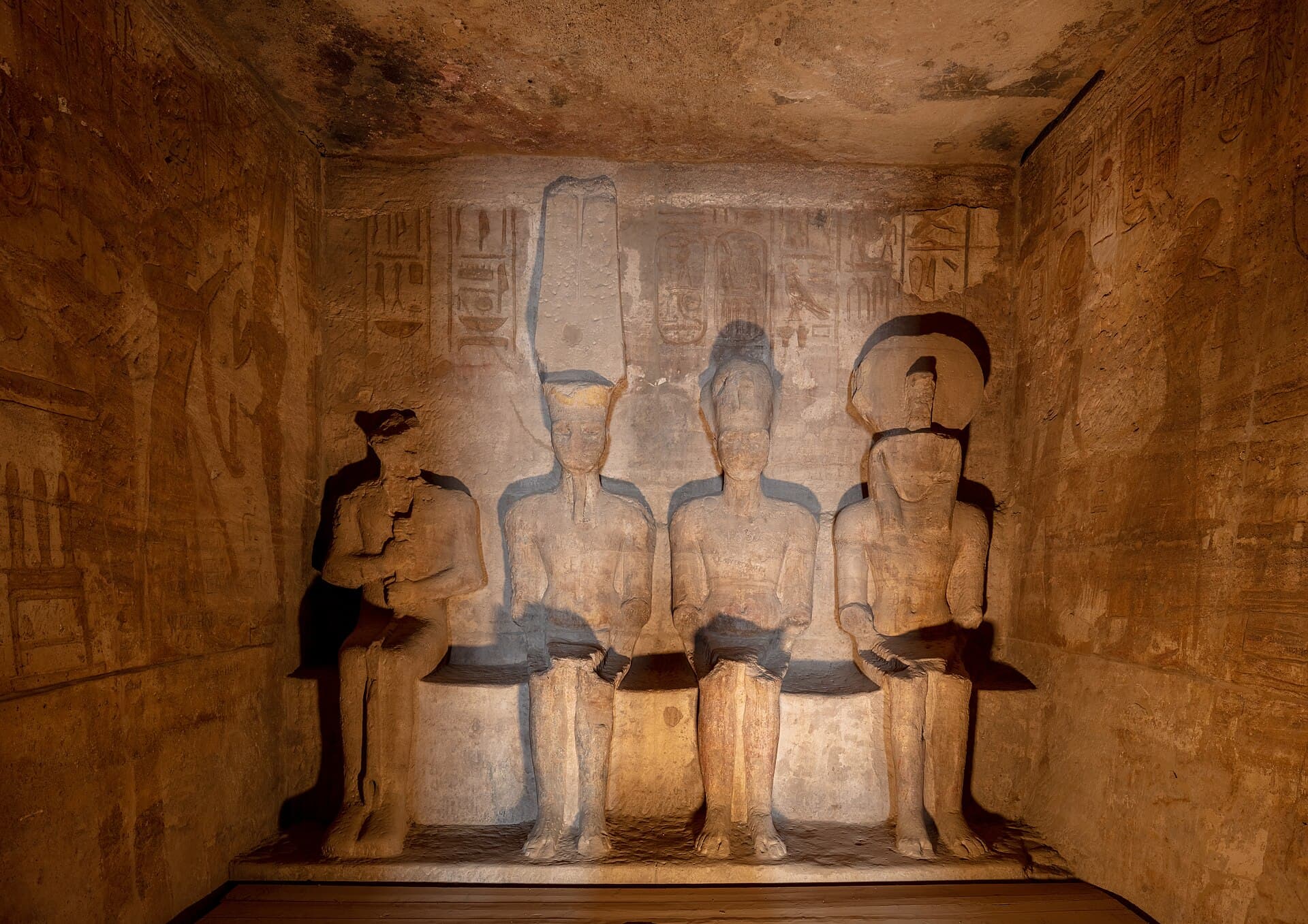
Two decisions shape everything else: how many days you have, and whether the southern leg is spent on a boat or in hotels. Eight days is the common shape, with Cairo and Giza, a short flight south, and three or four nights between Luxor and Aswan. Ten days lets you add Abu Simbel without a punishing pre-dawn round trip. Under a week, most of the time goes on airports and transfers. Hotel class, which tombs you pay extra for, private or shared, can all be adjusted later. The length cannot, because flights are booked around it.
An enquiry produces a useful quote when it carries four things: your dates or a rough window, how many of you there are and how the rooms are shared, whether Abu Simbel and a dawn balloon matter to you, and a budget band. Without the band, quotes get pitched at the middle and nobody is satisfied. On lead time, four to six months is not excessive for December and January, because the good boats go first. November, March and April need two to three months. Summer can be arranged in a few weeks.
How these trips are actually arranged
Trips here are quoted by enquiry rather than sold through an online checkout, and they are run on the ground by an operator in Cairo. That structure is normal for Egypt: European sellers routinely hand the ground arrangements to a local firm. It means a day or two of back and forth instead of instant confirmation, and prices that move with season and party size. The trade is that dates, boats and hotels are checked against real availability before any deposit. Whoever you book with, get the boat named in writing, not just a star rating.
Money and practicalities
The currency is the Egyptian pound, which has moved sharply in recent years, so any advice about how much to carry ages badly. Cards work in hotels, larger restaurants and proper shops. Cash covers tips, markets, taxis, small cafes and the attendant at a site toilet. Small notes matter more than the total you bring, because changing a large note at a kiosk is often impossible. ATMs are common in Cairo, Luxor, Aswan and the Red Sea towns, and occasionally empty, so draw cash before a cruise rather than during one.
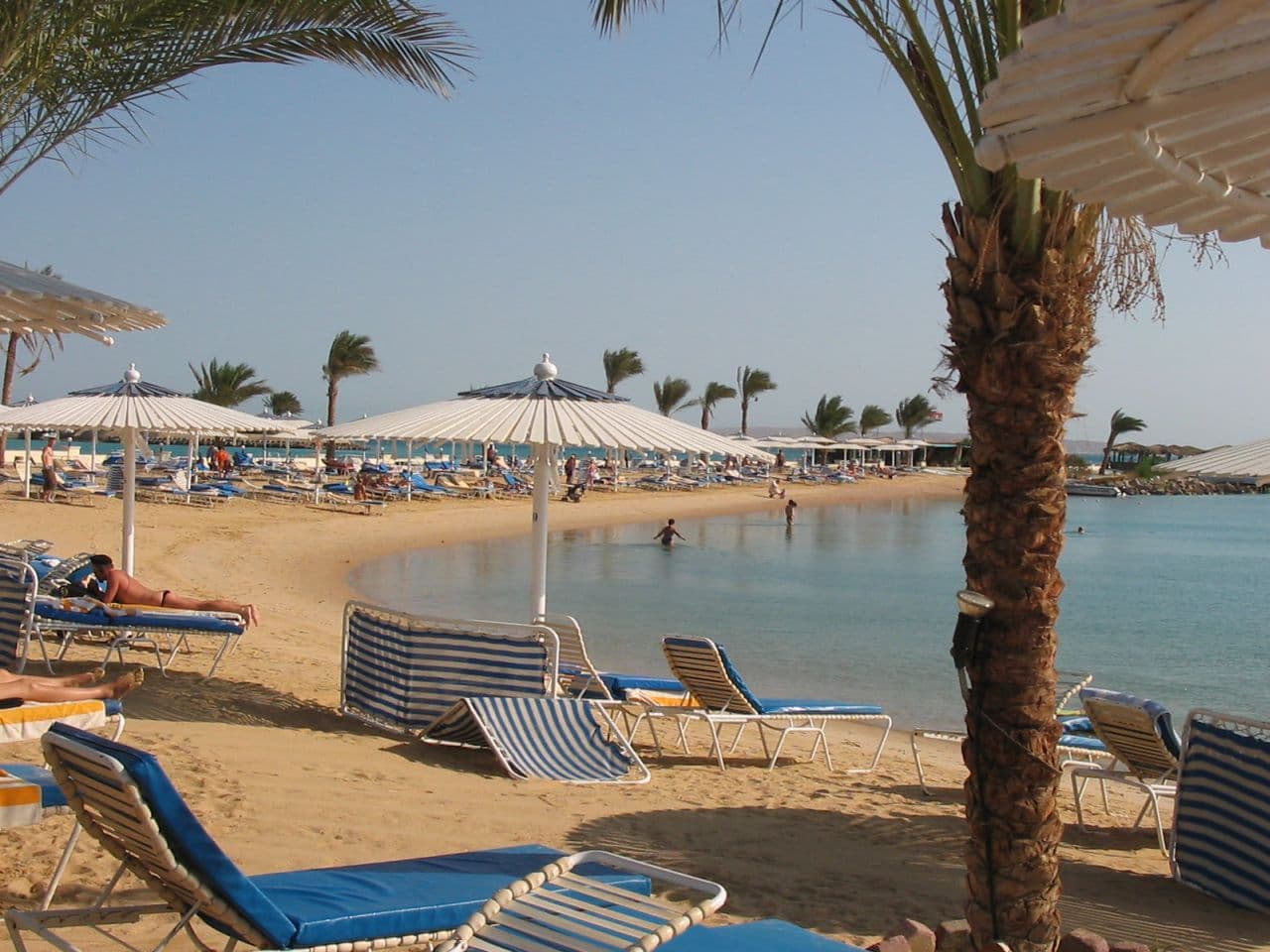
Tipping is not optional politeness here. Baksheesh is part of how people are paid, and a guide, driver and boat crew are each tipped at the end of their stage rather than daily. Ask for the current going rate when you book, because it moves with the pound. Separate small notes go to the man who opens a gate or points out a detail in a tomb, and you can decline politely. On clothing: shoulders and knees covered at mosques and churches, a scarf for women in mosques, shoes off. Red Sea resorts are the exception.
What sits outside the quoted price
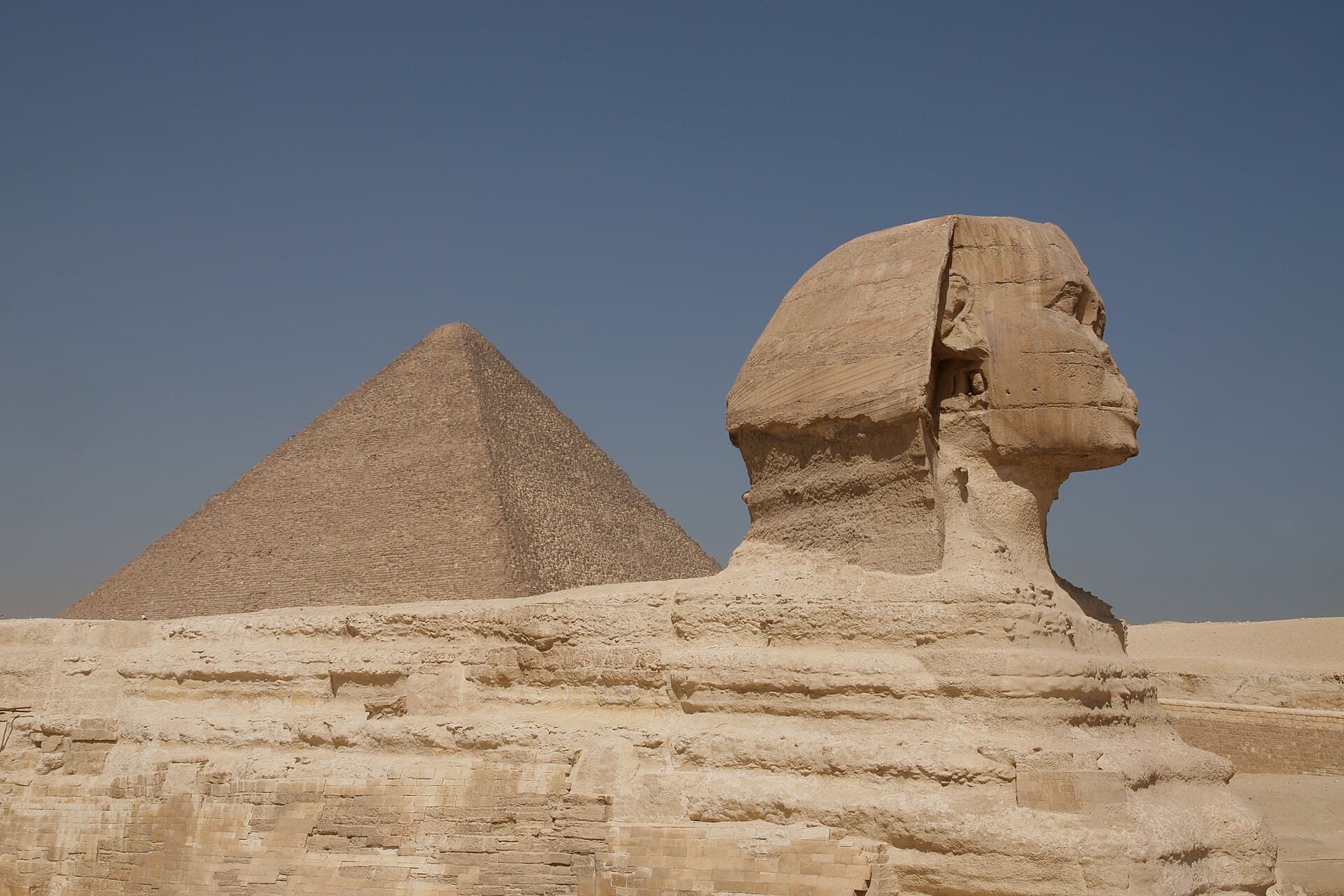
Outside the quote sit international flights, your visa, insurance, tips, most lunches and dinners on land, drinks on the boat, the single supplement, and several tickets sold separately at the sites. Not all extras are worth buying. The chamber inside the Great Pyramid is a steep, bent-double climb up a hot corridor to a bare granite room, and plenty of people wish they had skipped it. Nefertari's tomb in the Valley of the Queens is priced far above an ordinary ticket and, if you care about painting, is the one thing worth overpaying for.
Getting between Cairo and the south
The flight from Cairo takes about an hour to Luxor and a little longer to Aswan, and is what most itineraries use; departure times shift, so an early slot can move. The sleeper train is cheaper and a way to save a hotel night, not a highlight, since the cabins are basic and you arrive tired. Abu Simbel is roughly three hours each way by road from Aswan, starting before dawn, or a short flight that has you back by lunchtime. On the ground you travel by private car with a driver.
Safety and health
Government travel advice is written region by region, and that is the part people miss. The corridor most trips use — Cairo, the Nile valley between Luxor and Aswan, and the Red Sea coast — is assessed separately from North Sinai and several border areas, which carry warnings. Read your own foreign ministry's page for the specific places on your itinerary, close to departure, rather than a reassuring summary from a tour company. If part of a route stops making sense while your trip is being planned, you should expect to be told.
Day to day, the things that spoil trips are stomach upsets, heat and traffic. Use bottled water for drinking and teeth, skip ice in small places, and carry rehydration salts; most cases pass within a day or two. The heat is a planning problem, not a comfort problem: the sites are unshaded, Upper Egypt regularly passes 40C in summer, and winter nights in Aswan drop into single figures, which catches people out. Traffic is the genuine hazard. Ask for a car with working seat belts, and do not cross Cairo roads alone.
When we would tell you not to book
Not every enquiry should become a booking. A first trip with young children in July is a bad idea, and saying so is more useful than selling it. Three days taking in Cairo, Luxor and Abu Simbel does not work; something gets cut or the trip becomes transit. And if a budget only reaches a boat we would not put our own families on, the better answer is a shorter trip on a good boat than a longer one on a poor one. Egypt rewards seeing fewer places slowly.
The Egypt travel questions we are asked most
Is a Nile cruise worth it, or should I stay in hotels?+
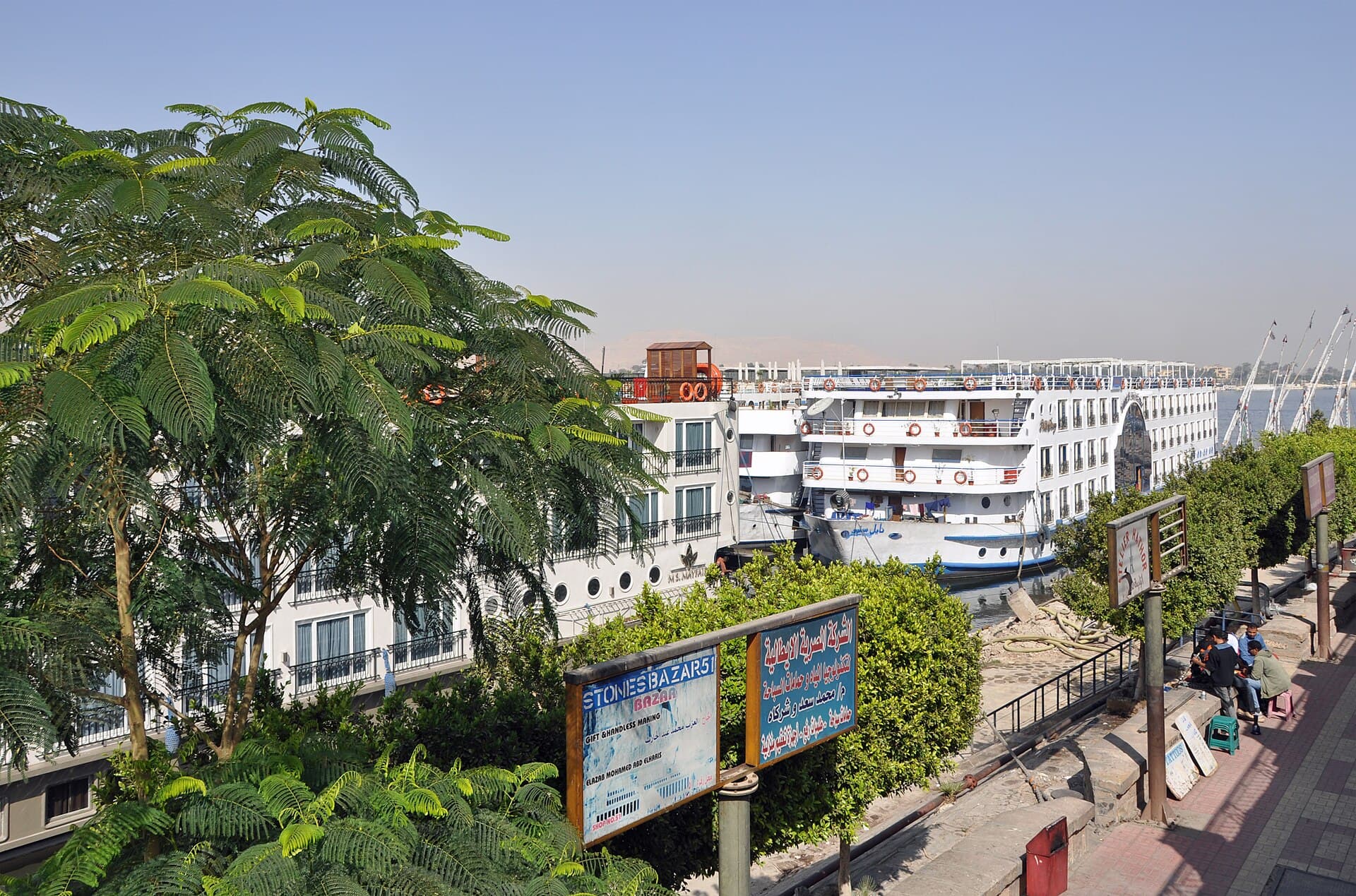
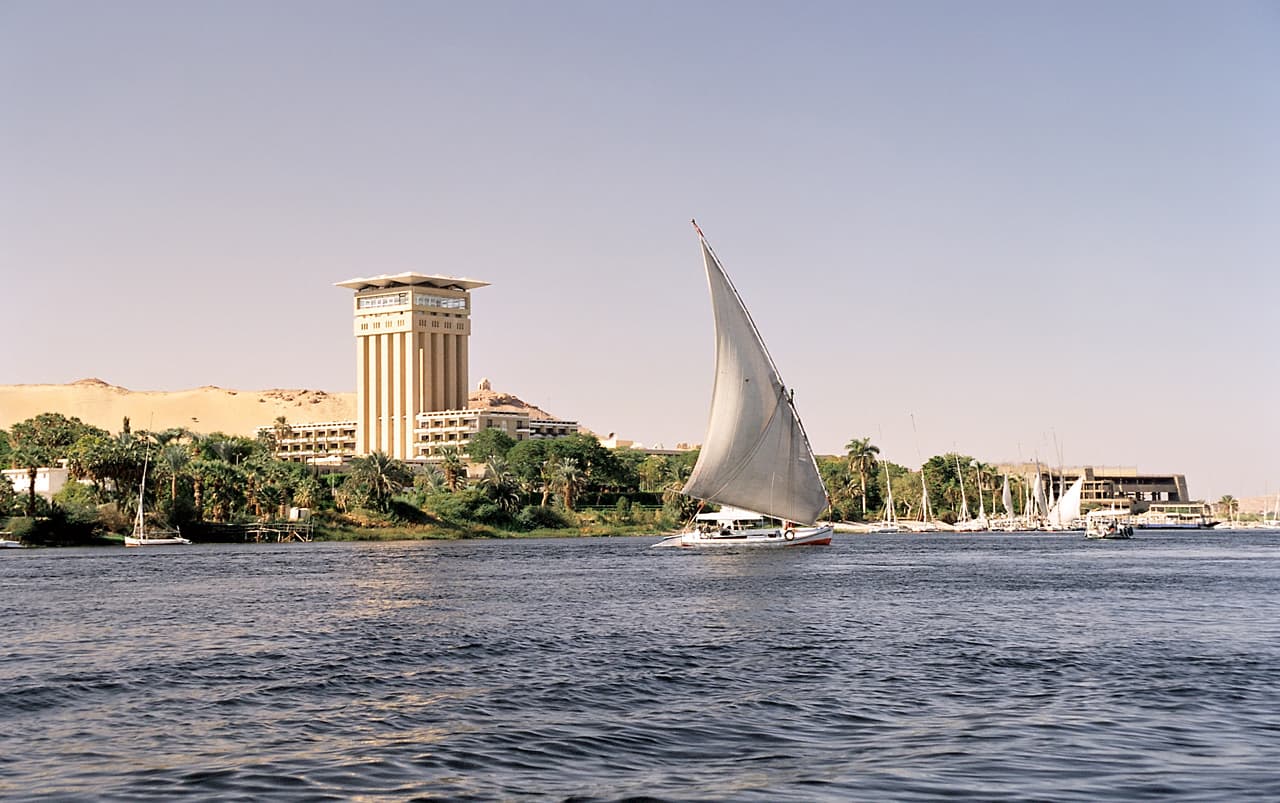
For most people the boat wins. Kom Ombo stands on the bank and Edfu is a short ride inland from its mooring, both awkward to reach any other way, and you unpack once. Two caveats. Boats moor several deep at the smaller stops, so you may walk through two other lounges to reach land. And star ratings on Nile boats are local ratings, not European ones. Hotels in Luxor and Aswan suit a slower pace and better rooms.
What does a trip to Egypt cost?+
There is no shelf price, which is why quotes come by enquiry. What moves the number most: season, the standard of the boat and hotels, how many of you share a car and guide, private or group, and whether you fly to Abu Simbel or drive. Christmas and New Year are the dearest weeks of the year by a wide margin, February among the cheapest. Travelling alone carries a single supplement that surprises people, so ask for it separately.
Do I need a visa for Egypt?+
Most European and North American visitors do. You can apply online through the official government portal at visa2egypt.gov.eg before flying, or buy one in cash at a bank counter in the arrivals hall before immigration. Your passport needs at least six months' validity beyond arrival. Rules and fees change, so confirm on the portal shortly before you travel rather than relying on any operator's summary, including this one.
Do I need vaccinations for Egypt?+
None are required for entry from Europe or North America; a yellow fever certificate is asked for only if you arrive from a country where it is present. A travel clinic will usually raise hepatitis A and typhoid, and tetanus and rabies if you will be around animals. Take that advice from a clinic, not a tour company. Insurance covering medical repatriation matters more than people assume, and diving normally needs a specific extension.
Is Egypt comfortable for women travelling alone?+
Plenty of women travel here alone and are glad they did. The honest part: staring and street comment are common in the cities, more wearing than dangerous, and much less frequent on a private itinerary where you are with the same guide and driver most of the day. Loose clothing covering shoulders and knees reduces attention. Crowded markets and public transport after dark are where most complaints come from.
Can you change a published itinerary?+
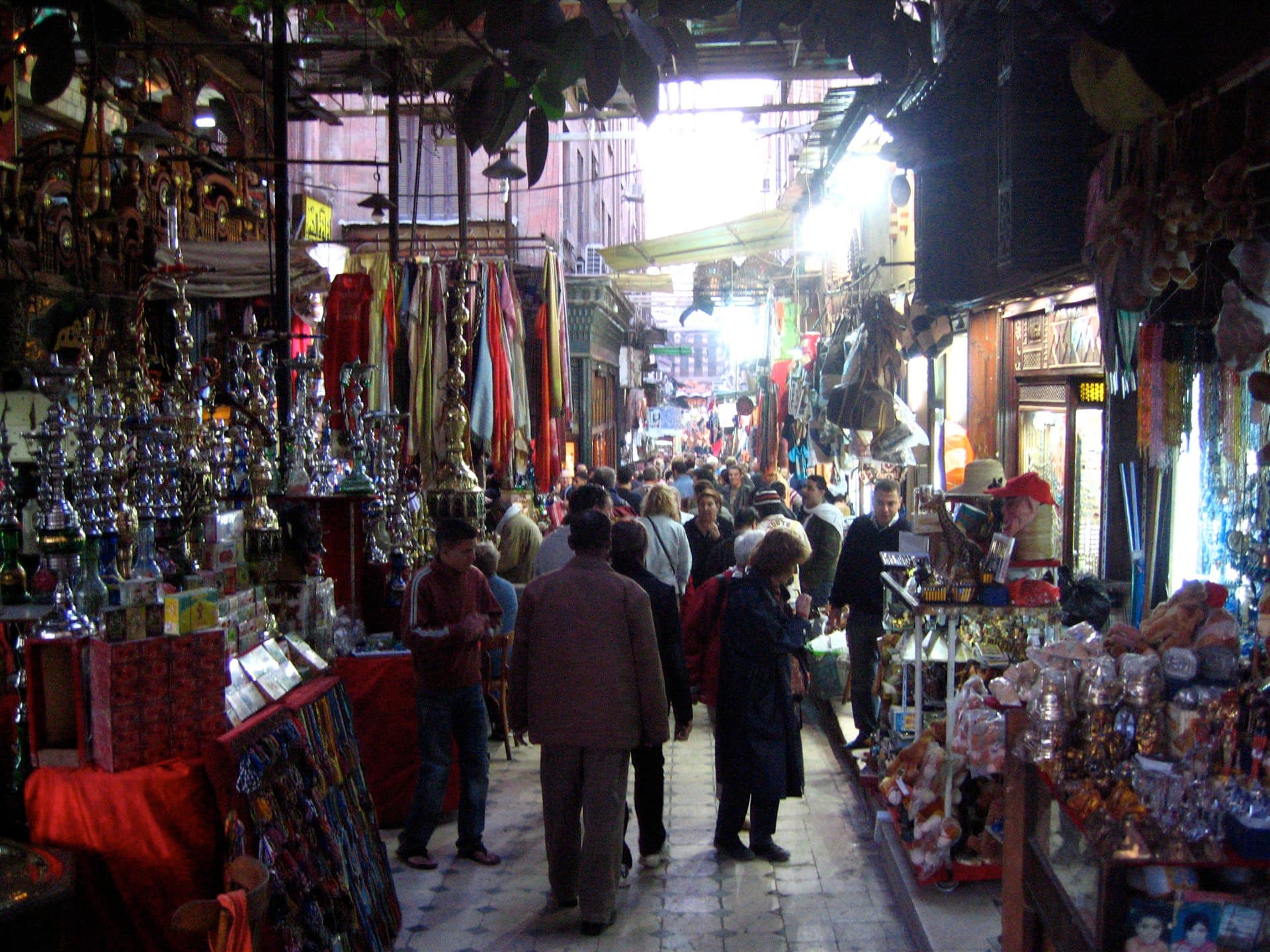
Yes. Cairo touring is private; cruise sightseeing is a shared group of about fifteen. Days can be added, dropped or reordered before anything is confirmed. Common changes are two nights in a Luxor hotel instead of a longer cruise, Alexandria added at the end, or the shopping stops taken out — those papyrus and perfume workshops pay commission, and they are easy to cut.
Something not covered here?
Ask us directlyRead next
- Egypt visa requirementsWho needs one, what it costs, how long it takes.
- When to go to EgyptMonth by month, with temperatures and crowds.
- How much a trip to Egypt costsReal budget ranges, not a starting-from figure.
- Egypt itinerariesRoutes for 7, 10 and 14 days.
Official sources
Entry rules, opening hours, security advice and exchange rates all move. Check them at the source, not here.
- UK FCDO travel advice for Egypt ↗It updates continuously, and most UK travel insurance follows it.
- US State Department: Egypt ↗The same advice, written for US travellers.
- WHO travel health: Egypt ↗General health guidance. Your own travel clinic knows your history; ask them too.