Slower routes, better boats, and time built in to do nothing. Our Egypt honeymoon packages run from 4 to 16 days.
Is an Egypt honeymoon actually right for you?
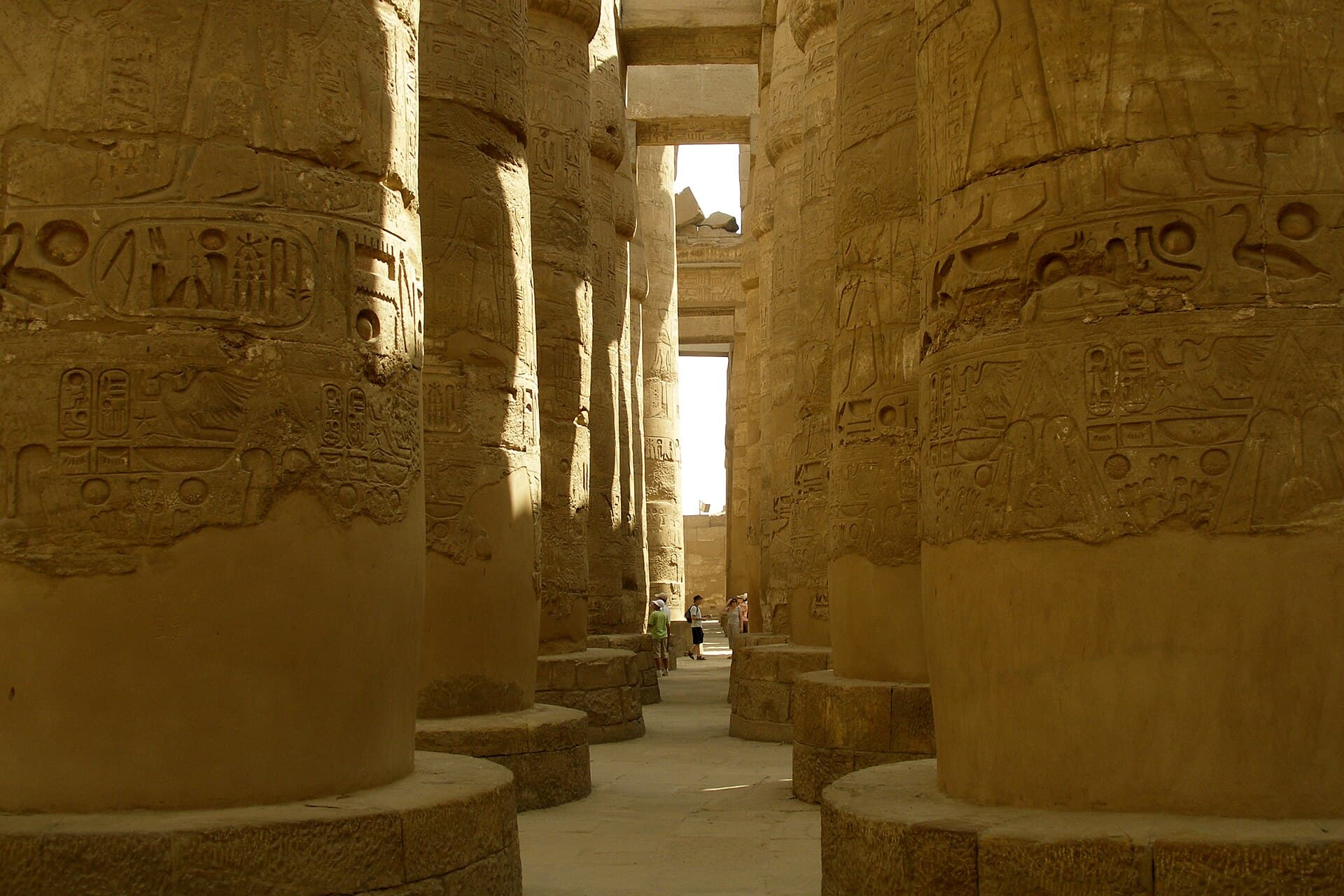
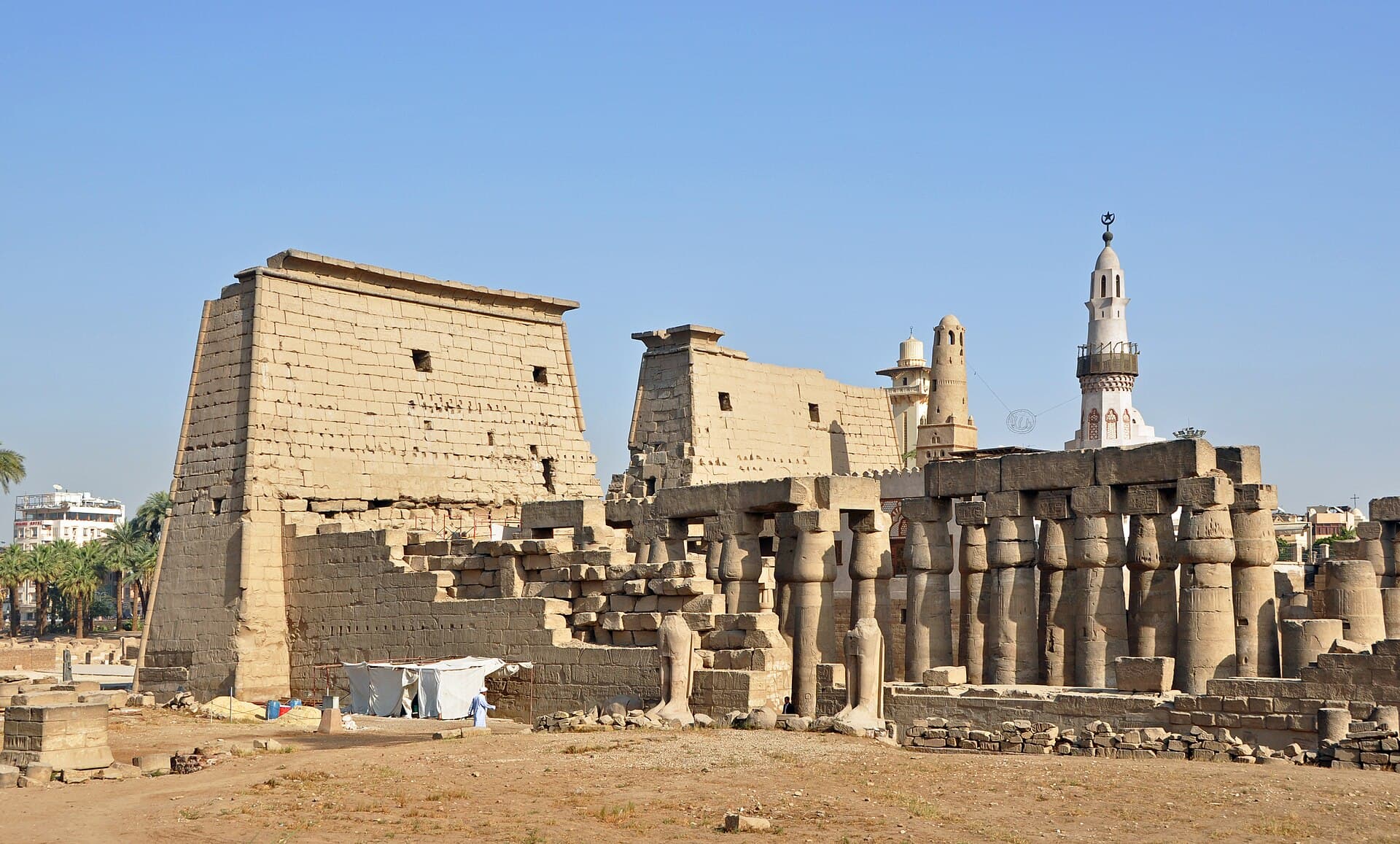
An Egypt honeymoon is not a lie-down holiday, and nobody should sell it as one. The country is hot, crowded at the famous sites, and full of people who want your attention. You will queue at Karnak. You will be offered a carriage ride every few minutes in Luxor. Knowing that before you book is the difference between a good trip and a disappointing one.
The fix is structure, not luck. Couples who enjoy Egypt tend to do fewer sites per day, start early, and stop by lunchtime when the heat becomes work. They also travel between roughly October and April. July and August in Luxor and Aswan are punishing, and no amount of planning fixes that. Book summer only if you have no choice.
One more honest point: the hassle is real but manageable. A guide who meets you at the gate absorbs most of it, and sellers back off quickly once you say no and keep walking. Couples who arrive expecting calm get rattled. Couples who arrive expecting a bit of noise usually stop noticing it by the third day.
Why a dahabiya suits two people better than a big cruise boat
Most Nile cruise boats are built for large groups. They run to a fixed timetable, moor two or three abreast, and fill the deck at the same hour every evening. Nothing about that is bad. It is just not private. If you picture the two of you and a stretch of river, a big boat will not deliver it.
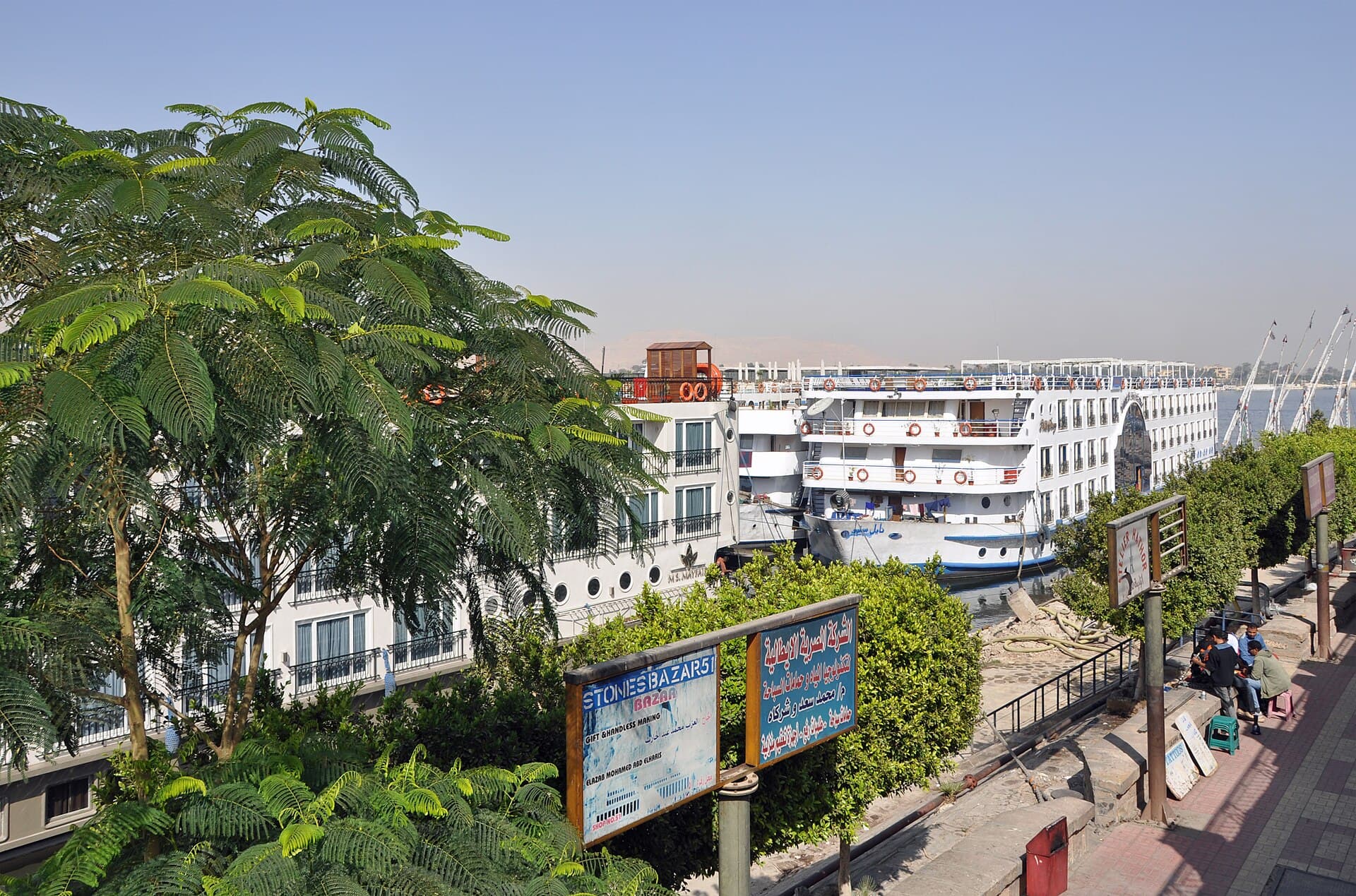
A dahabiya is the alternative: a small boat with a handful of cabins and a schedule that bends. It sails when the wind serves and is towed by a small tug when it does not. Moorings are on empty banks. Meals happen when you want them. The trade-off is honest. You cover less ground each day, the pace is slower, and it usually costs more per night. For two people, that is normally a good trade.
Aswan and the Red Sea: where the trip slows down
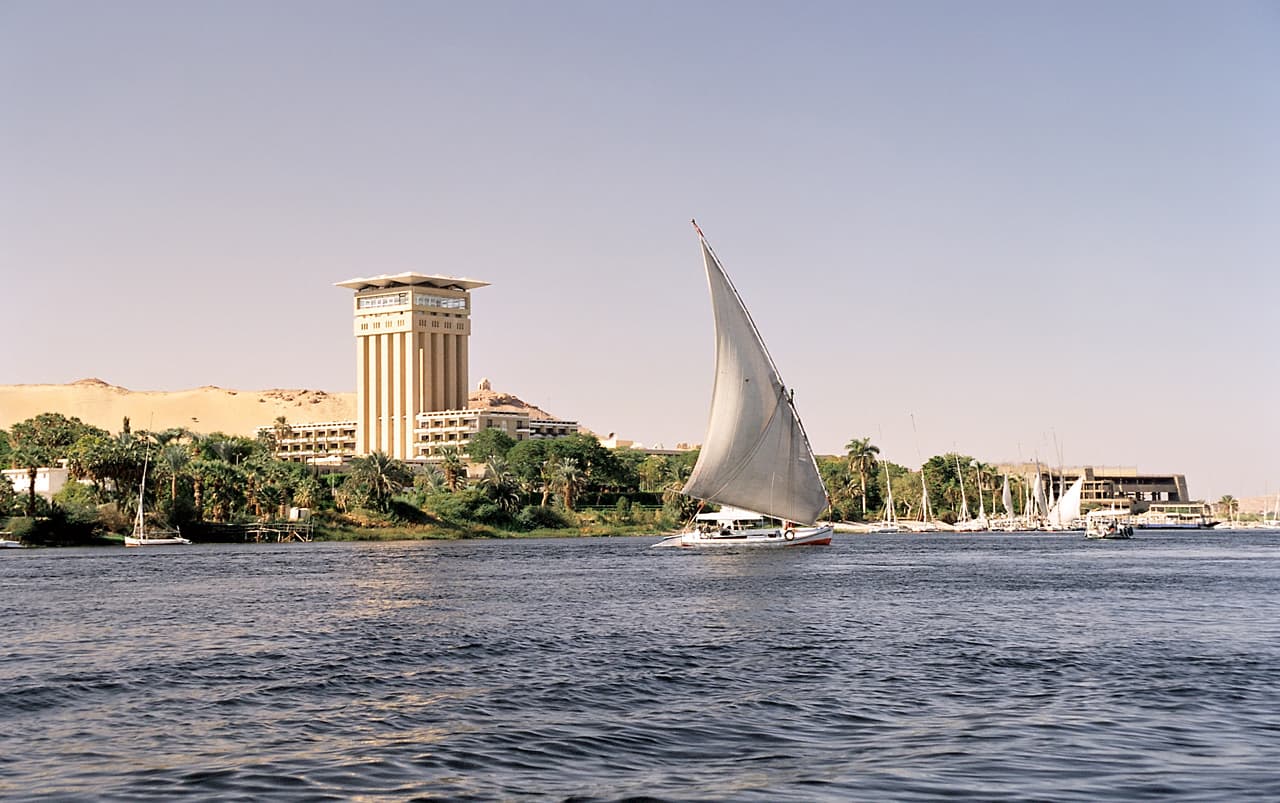
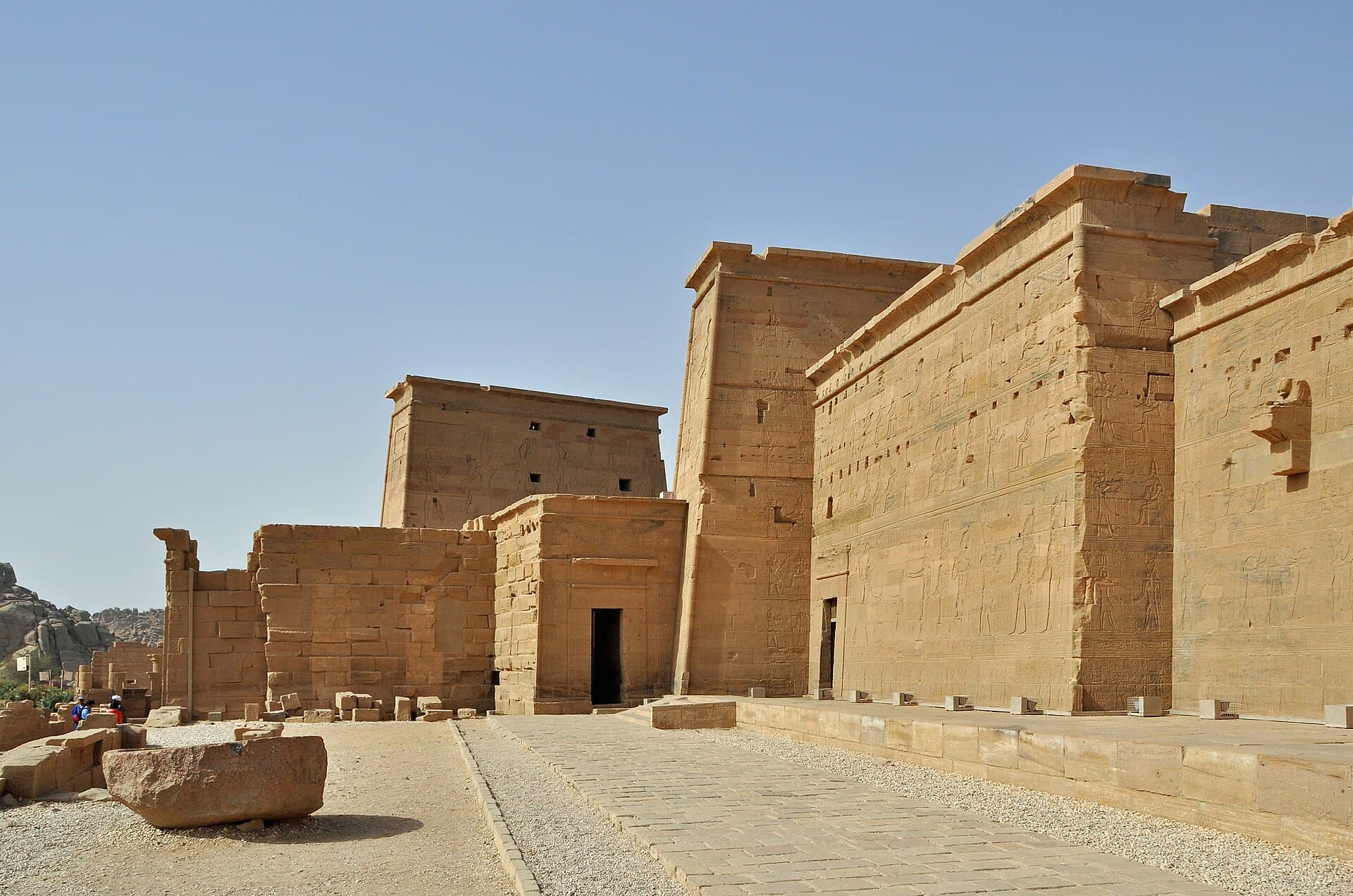
Aswan is the calm end of the Nile stretch. The river widens, granite islands break the current, and the pace drops noticeably after Luxor. Most couples want two nights here rather than one. Sit on a felucca in the late afternoon, walk the botanical island, do Philae early, before the tour groups arrive. It is the part of the trip people describe first when they get home.
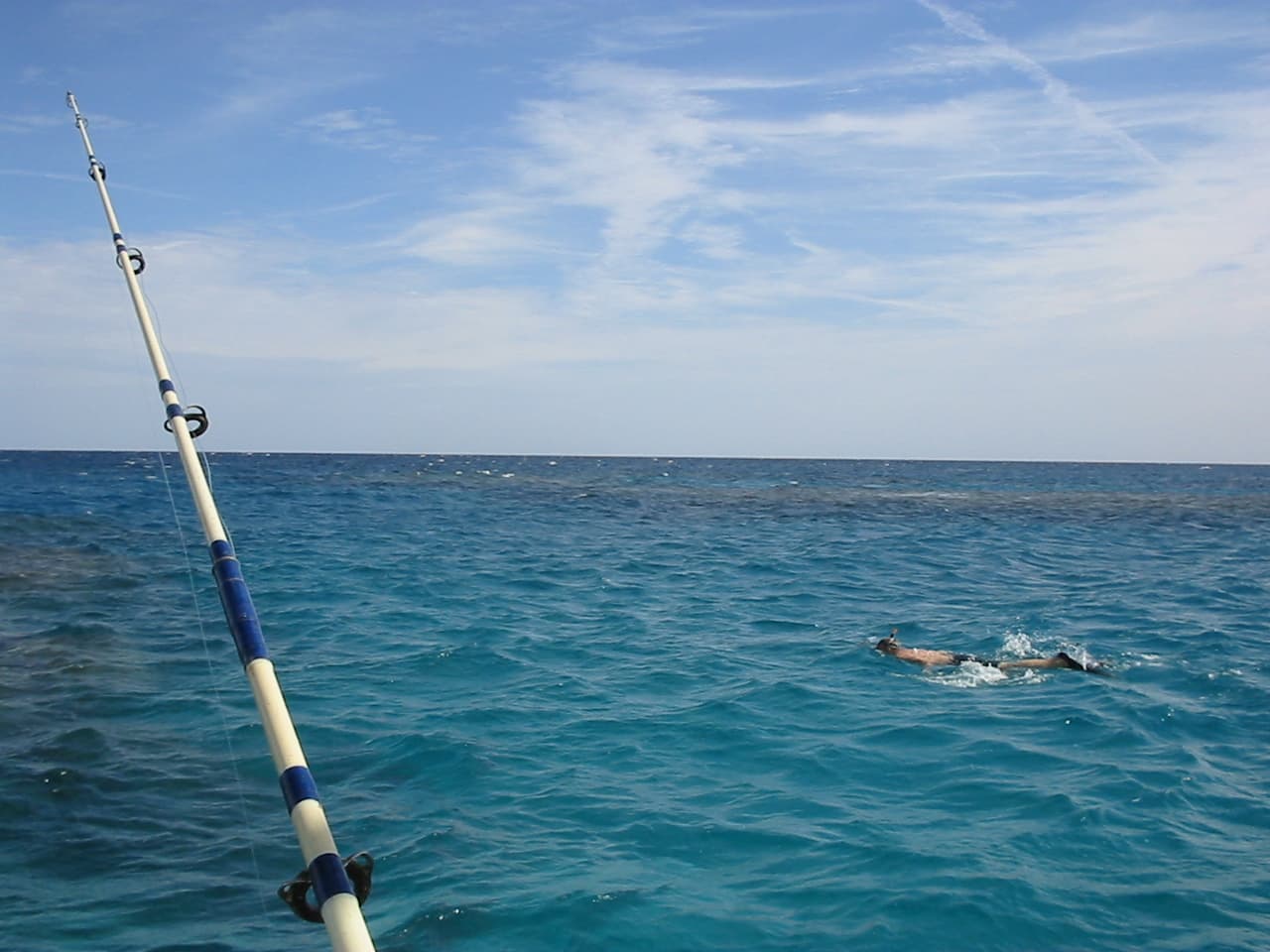
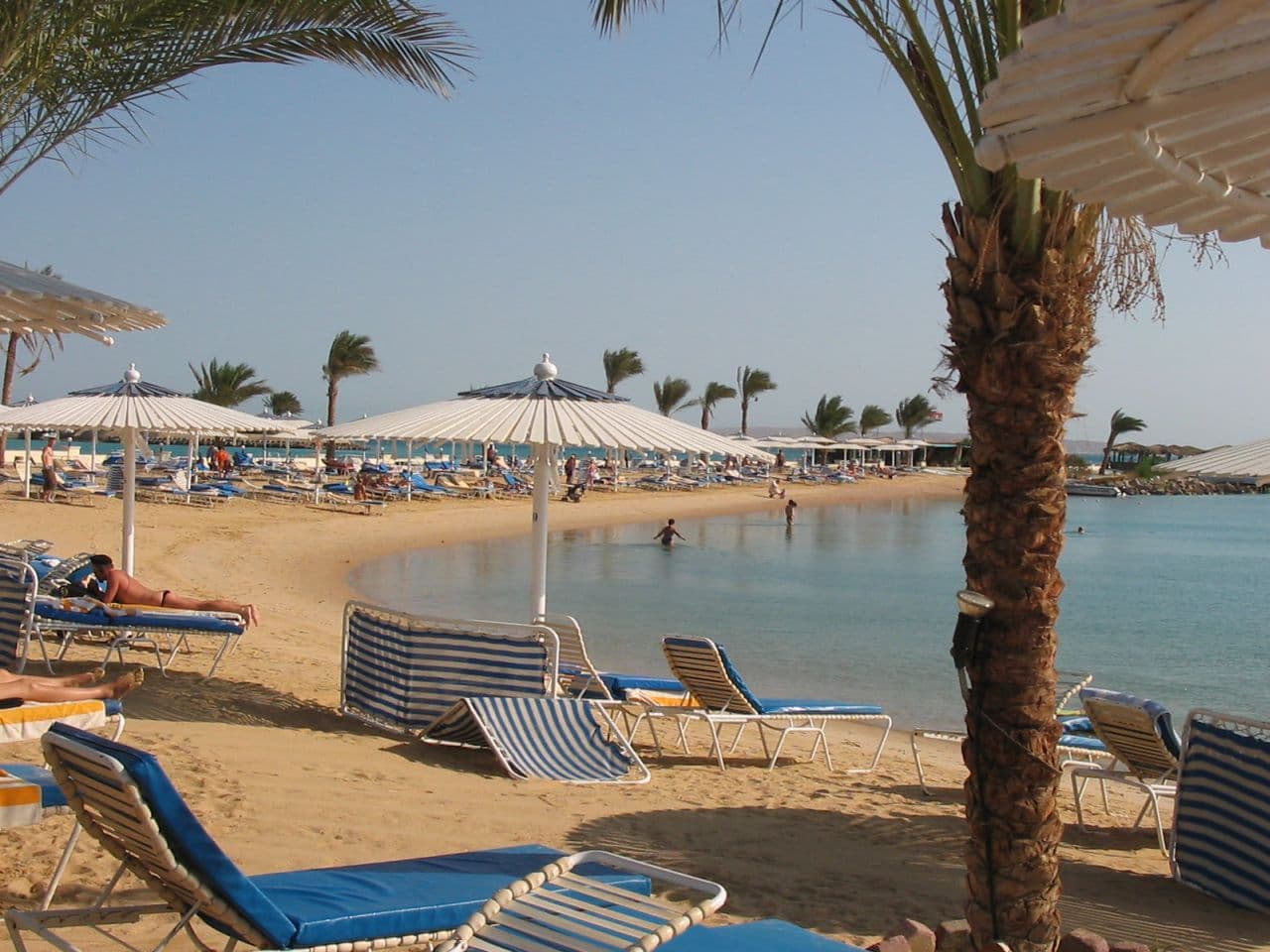
Then add the sea. A week of temples is enough for most people. Getting to the Red Sea is a drive, not a hop. Luxor to the coast is roughly four hours across the desert, and from Aswan you drive to Luxor first, or fly via Cairo. Budget the day. Pick a quiet stretch rather than the big resort strips if you want each other's company instead of a crowd.
The order matters. Do the sightseeing first, while you still have energy, and finish flat on a sun lounger. Reversing it means dragging yourselves round Karnak at the end, which nobody enjoys. Ten to fourteen days covers Cairo, the Nile and a stretch of coast without rushing. Under a week, drop the beach and accept it is a sightseeing trip.
What do our Egypt honeymoon packages include?
Each of our Egypt honeymoon packages is a set tour with a fixed starting price per person. The packages below run from 4 to 16 days. Every one includes private air-conditioned transfers and an English-speaking guide on touring days. Hotels or a cruise boat come at the plan level you choose. Where a package flies inside Egypt, the domestic flights are in the price.
Two of them add the Red Sea. The 13-day Cairo, a Nile Cruise and Hurghada starts at US$2,945. The 16-day Grand Tour of Egypt starts at US$3,910. Both include three unscheduled nights at a Hurghada hotel on soft all-inclusive board. The flight from Hurghada back to Cairo is in the price.
Every package leaves out international flights, the Egypt entry visa, tips and optional tours.
Common questions
When is the best time for a honeymoon in Egypt?+
Roughly October to April. December and January are the most comfortable for walking around temples, and also the busiest, so sites are fuller. Late October, early November and March give you warm days with fewer people. Avoid June to August unless you only want the coast; Luxor and Aswan get extreme, and midday sightseeing stops being enjoyable.
Is a dahabiya worth the extra money for two of us?+
Usually yes, if privacy is what you are paying for. You get quiet moorings, a small group and a day that is not run by a timetable. It is worth less if you want to tick off every temple, because the pace is slower and you cover less ground each day. A standard cruise boat fits more big sites into fewer days.
Can we do Egypt as a beach honeymoon?+
You can, but then you skip most of the country. The Red Sea works as a straight beach holiday, and plenty of couples fly in and never leave the coast. That is a fine trip, though you could get similar sun closer to home. Egypt earns its place when you combine the two: temples and the river first, four or five nights on the coast afterwards.
Are your Egypt honeymoon packages private?+
Partly. Transfers are always by private car, and sightseeing in Cairo is private, with your own guide. On a Nile cruise, the temple excursions are shared with a cruise group, often about 15 people. The two cruise-only packages, 4 and 5 days, leave out domestic flights, so you book your own way to Aswan or Luxor.
Official sources
Entry rules, opening hours, security advice and exchange rates all move. Check them at the source, not here.
Written and checked by the Nile Trip Guide editorial team · Last reviewed . Entry rules, prices and opening hours change — check anything critical against the official sources linked on this page.
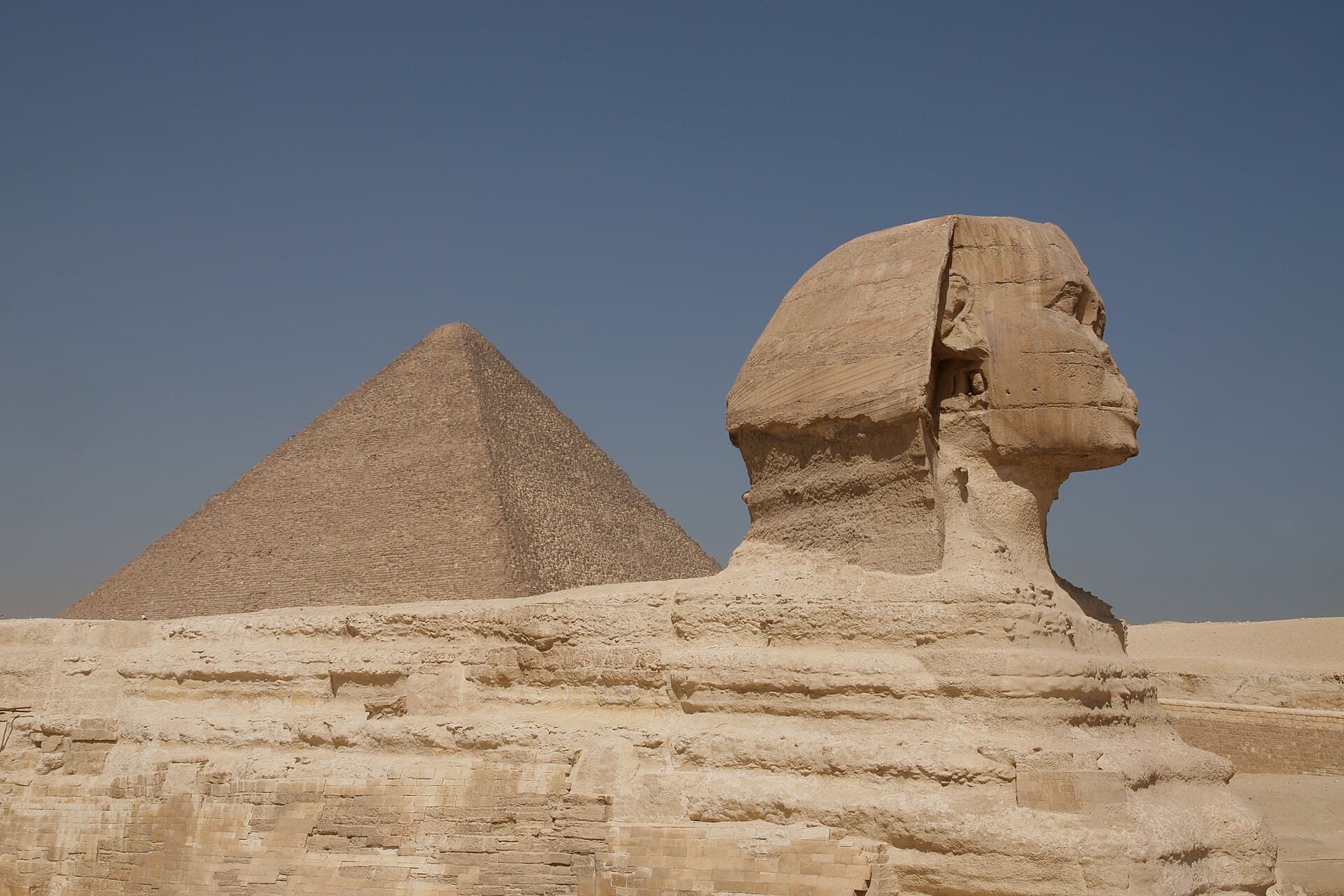
Five days in Cairo and nowhere else: Giza, the Grand Egyptian Museum, the Egyptian Museum, the Citadel, Coptic Cairo and Khan el-Khalili. Four nights in one hotel, and every sightseeing day run privately.
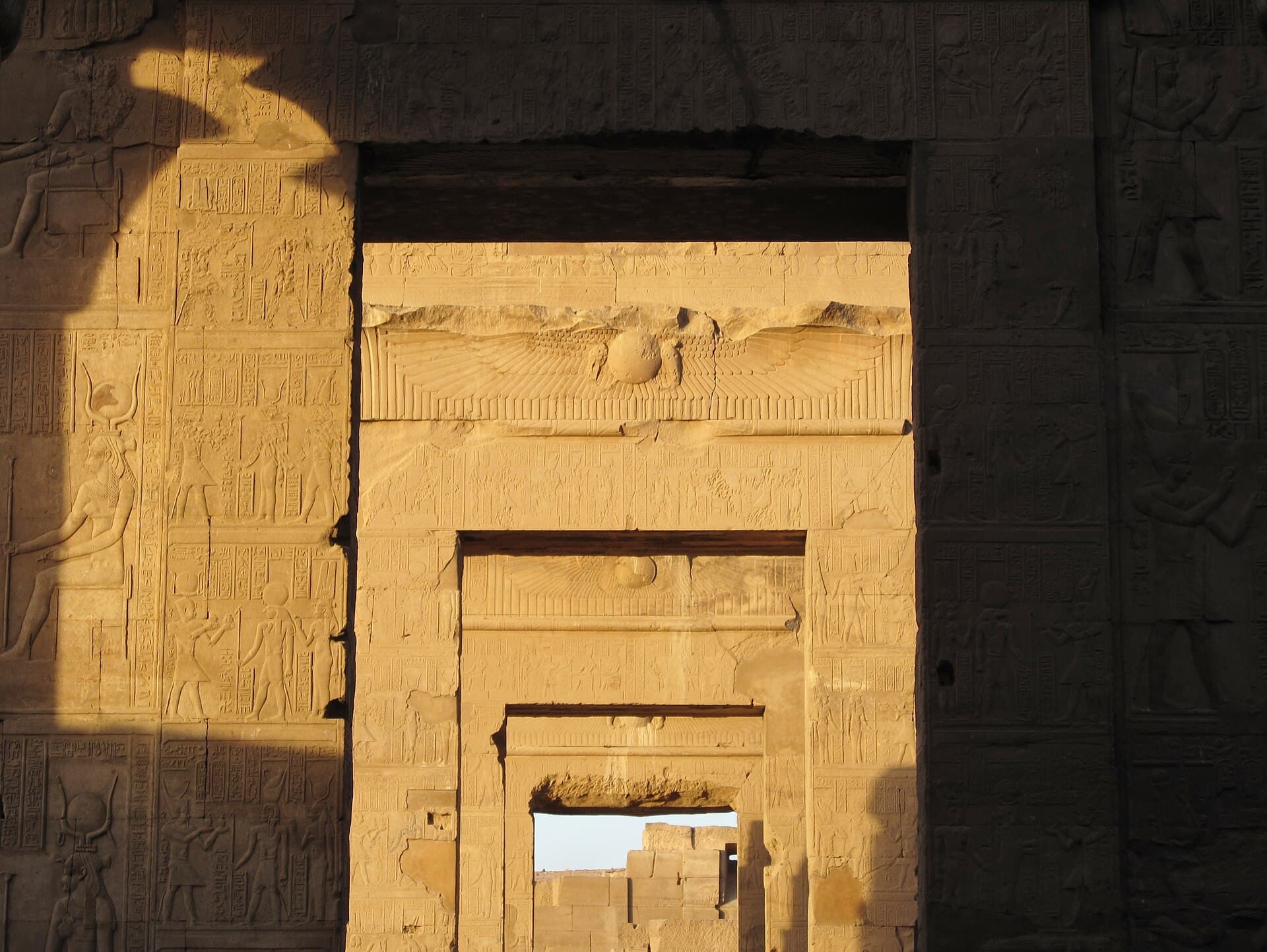
Three nights sailing north from Aswan to Luxor, taking in Philae, Kom Ombo, Edfu, the Valley of the Kings and finally Karnak. Full board on board, and the sightseeing runs as a shared group of about fifteen.
Four nights sailing south from Luxor to Aswan: Karnak and Luxor temples on the first afternoon, the Valley of the Kings, Edfu, Kom Ombo and Philae. Full board throughout, with sightseeing in a shared group of about fifteen.
Giza and the Grand Egyptian Museum, then a flight south for one night in Luxor covering both banks, and a flight back. Five days, two cities, both domestic flights in the price and every day guided privately.
A 7 day Egypt itinerary that takes the river the other way round: Giza and the Grand Egyptian Museum first, then a flight south to Aswan and three nights sailing down to Luxor.
The route most people take first, at the length it was built for: Giza and the Grand Egyptian Museum, then a flight to Luxor and four nights sailing down to Aswan.
The standard Cairo and Nile cruise route with the day most itineraries cut: a second Cairo day at the end for the Royal Mummies, the Citadel and Coptic Cairo.
Five nights in Cairo either side of a four-night sail from Luxor to Aswan. The Cairo days are private, just your party and a guide; the sightseeing off the boat is shared with a small group.
The standard Cairo-and-cruise route with two extra nights in a Luxor hotel before boarding, which is what buys you the Valley of the Queens, Medinet Habu, the Ramesseum, and a day out to Dendera and Abydos.
Thirteen days that give the ancient sites a week and then stop moving: Cairo, a flight to Aswan, three nights sailing down to Luxor, and three nights on the Red Sea at Hurghada before flying back for a last day in Cairo.
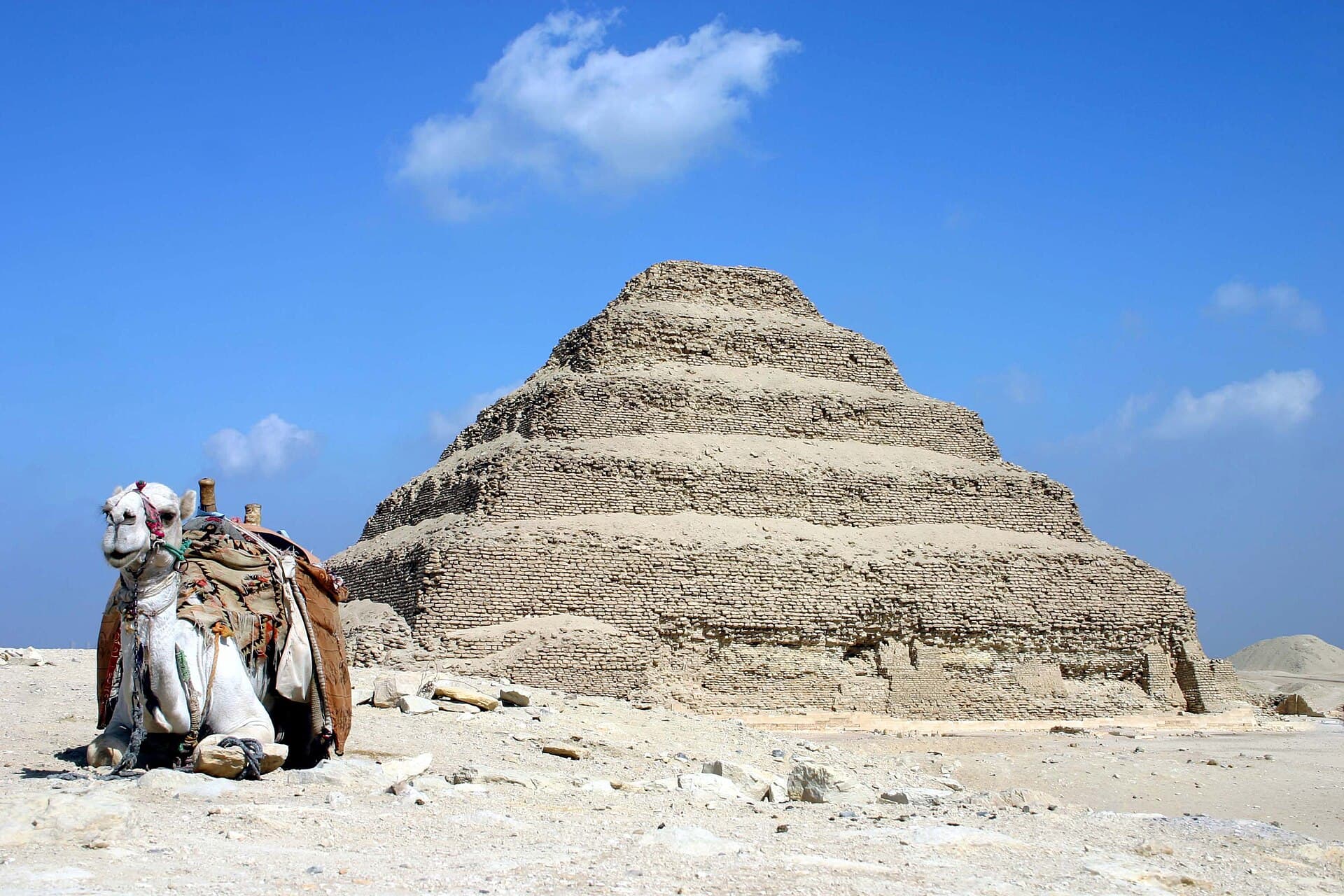
Fifteen days of the ancient sites without a beach stop: Cairo, two days of Luxor on land, four nights sailing to Aswan, a Nubian village, then back to Cairo for Alexandria, Saqqara and Dahshur.
Sixteen days and very little left out: Cairo, a flight to Aswan, three nights sailing down to Luxor, two more days of Luxor on land, three nights on the Red Sea, then back to Cairo for Saqqara and Dahshur.