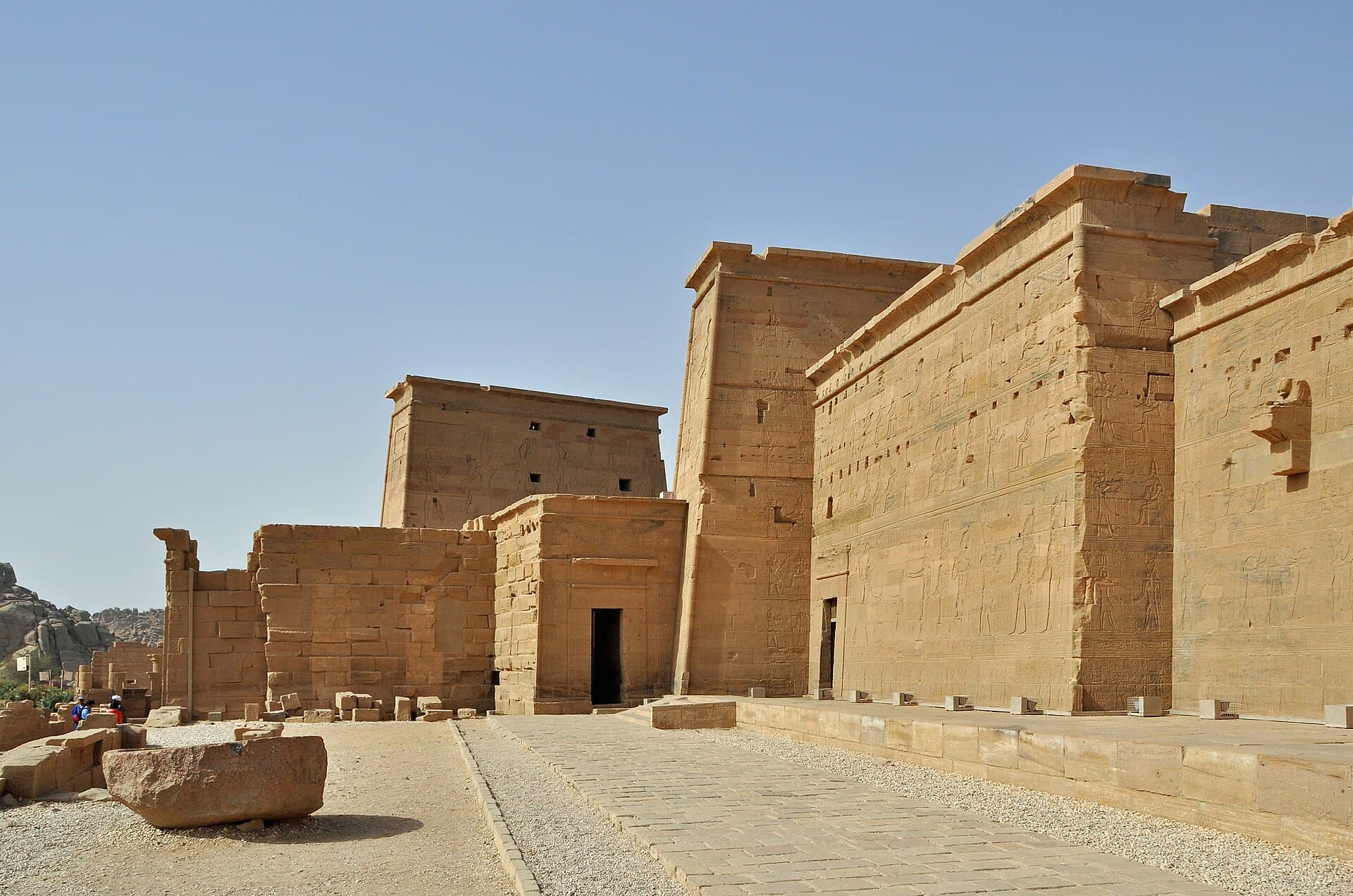
A Nile cruise is the easiest way to see Upper Egypt. Edfu and Kom Ombo are both a short walk from their moorings, you unpack once, and the sailing days between temples are the part most people remember.
Southbound from Luxor to Aswan is the classic direction and ends at sunset in the nicest of the three cities. Northbound is usually cheaper and starts earlier in the day.
Boats vary more than the photographs suggest. We will tell you plainly which are refurbished and which are not, and what the difference costs.
What a Nile cruise actually is
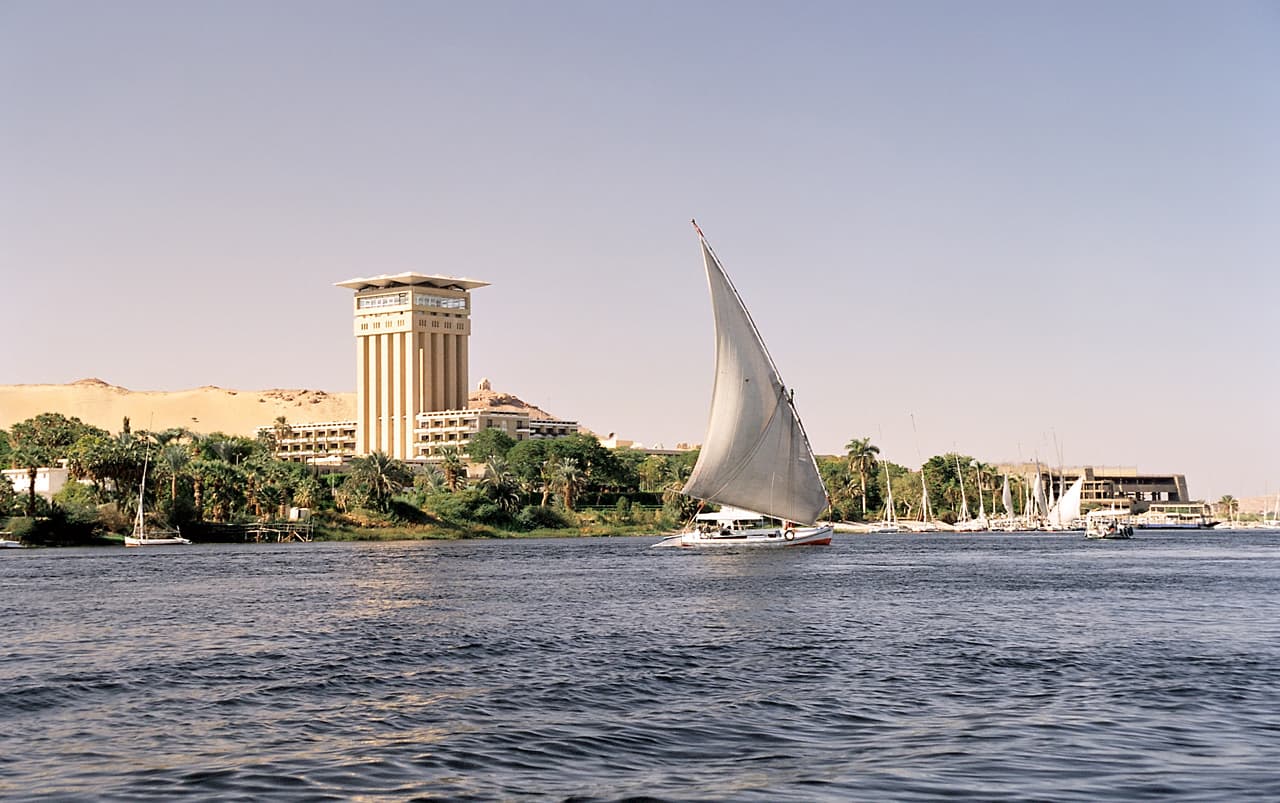
The standard Nile cruise covers a little over 200 kilometres between Luxor and Aswan. The boat is your hotel, restaurant and transport in one. Between stops it moves at roughly walking pace past sugar cane, water buffalo, brick kilns and children shouting from the bank. That sailing time, rather than any single temple, is what most people describe afterwards. The alternative is the same ground by road, changing hotels twice and seeing the river through a car window.
You are buying full board plus guided visits. Cabins have private bathrooms and air conditioning, most boats have a small pool on the top deck, and meals are buffets. Drinks are almost never included, and tips are not either. The boats are flat-bottomed and the river between Luxor and Aswan is calm, so seasickness is not a consideration.
Southbound or northbound, and why the price differs
Southbound from Luxor to Aswan is the classic direction and usually runs four nights. It opens with the heavyweight sites, Karnak and the Valley of the Kings, then eases through Edfu and Kom Ombo and ends in Aswan, the calmest of the three cities. Northbound from Aswan to Luxor is normally three nights, because the current does the work, and it is the cheaper of the two on the same boat in the same week.
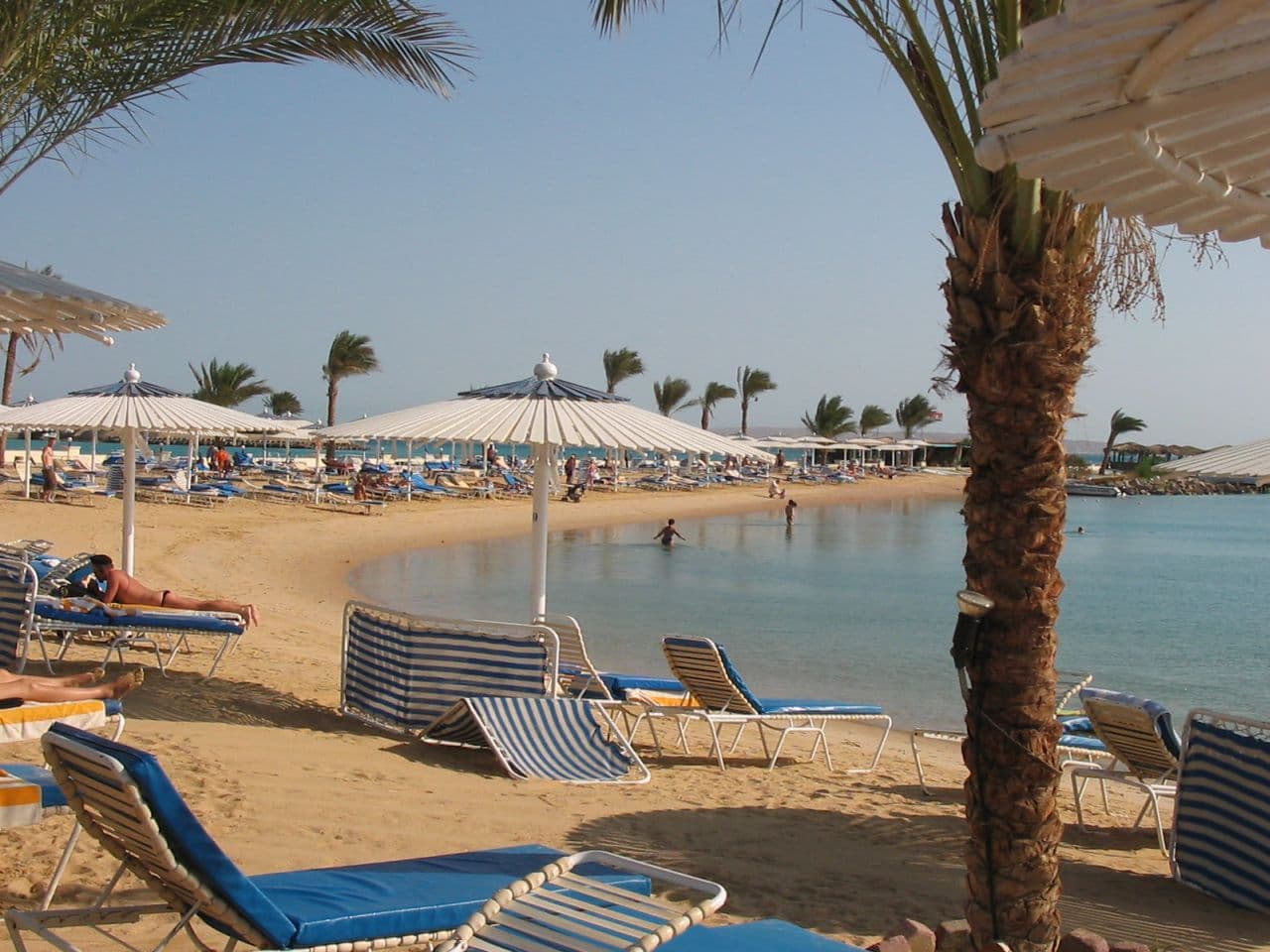
Northbound front-loads the quiet stretch and finishes with the busiest, hottest sites, and you disembark early in the morning. It is the right choice if price decides, or if you are carrying on to Hurghada, about four hours by road from Luxor. Ending in Aswan instead makes Abu Simbel easier to add, since it is a day trip from there and not from Luxor.
What a day on board looks like
Days are front-loaded. A wake-up call between five and seven, a temple before the heat, breakfast either side of it, then back aboard as the boat casts off. Late morning and early afternoon are sailing time, with a buffet lunch in the middle. A second site in the late afternoon, tea on deck, dinner at around eight. Two guided visits a day is the usual maximum, and at least one day of any sailing has only one.
Evenings are the weakest part. Most large boats run the same programme: a galabeya night where guests are encouraged into local dress, a belly dancer, a whirling dervish. Nobody minds if you skip it for the top deck. Wi-Fi is unreliable and the mobile signal comes and goes between towns, so expect to be out of contact for stretches of the sailing.
Which temples are a walk off the boat, and which are not
Kom Ombo is the one that justifies the format. It stands on a bend of the river directly above the mooring, lit at night, two minutes up from the gangway. Edfu is the opposite. The temple of Horus sits inland from the river, so the stop means a horse-drawn carriage or a minibus at each end, usually very early. It is the most completely preserved temple on the route, and worth the awkward transfer.
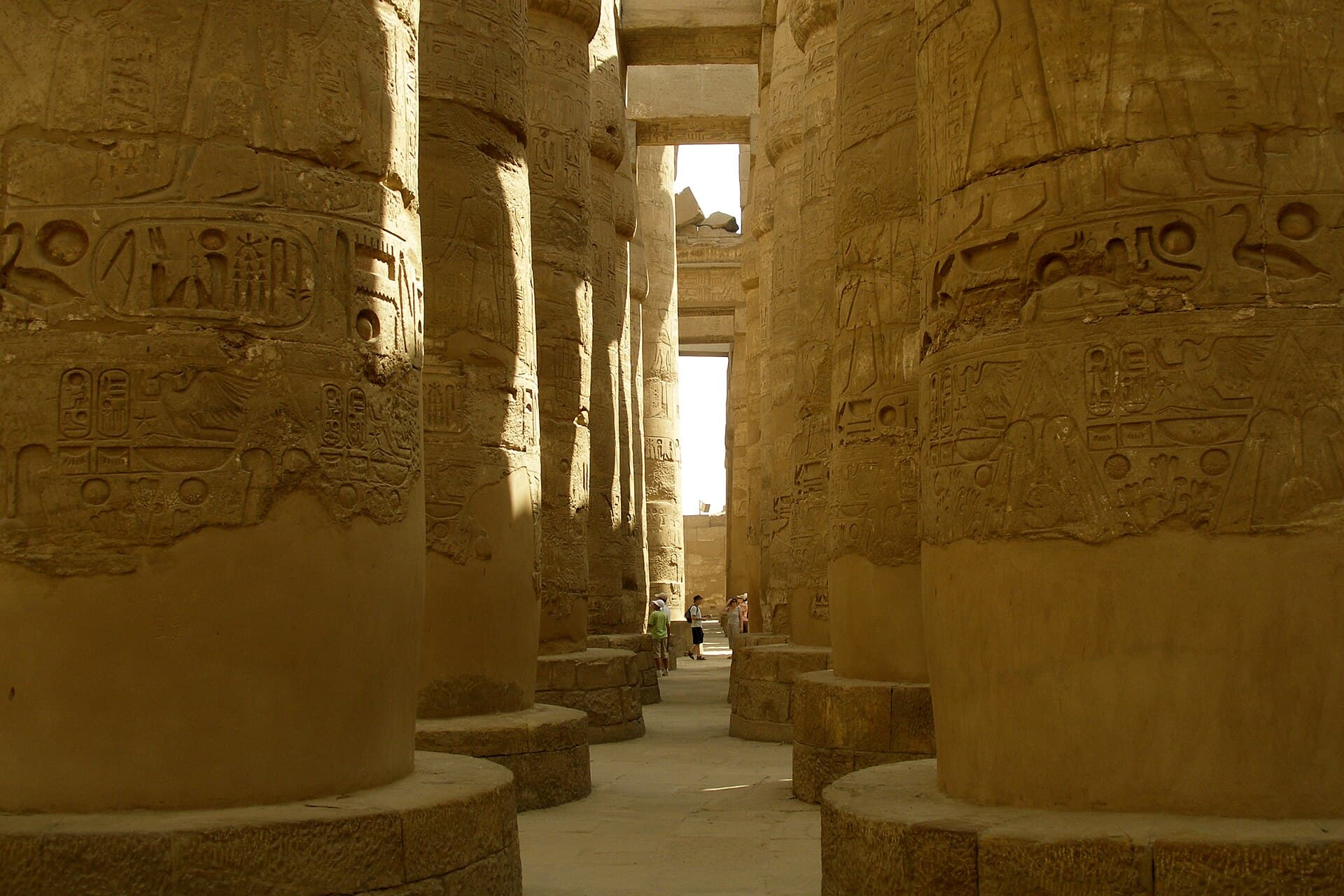
Everything else sits at the two ends. Karnak, Luxor temple, the Valley of the Kings and Hatshepsut's terrace are Luxor excursions, run either side of the sailing. At Aswan, Philae needs a short motorboat across to its island. Abu Simbel is a separate day, about three hours by road each way or a short flight, rarely included by default. Between Luxor and Edfu the boat queues for the lock at Esna, which can take an hour or an evening.
Cruise boat, dahabiya or Lake Nasser
A standard cruise boat has several decks, a small pool, a fixed buffet routine and enough passengers that you move round the sites in coach-sized groups. It is the cheapest way to do the route and the most reliable, because it keeps to a set schedule whatever the wind does. Differences between boats are real, but they are differences of upkeep rather than kind.
A dahabiya is a flat-bottomed sailing boat carrying a dozen or so passengers, often helped along by a small tug when the wind fails. It moors at sandbanks and villages the large boats cannot use, and the evenings are quiet. It costs considerably more per person and covers less ground in the same number of nights. Choose it for the river and the company, not for the sightseeing.
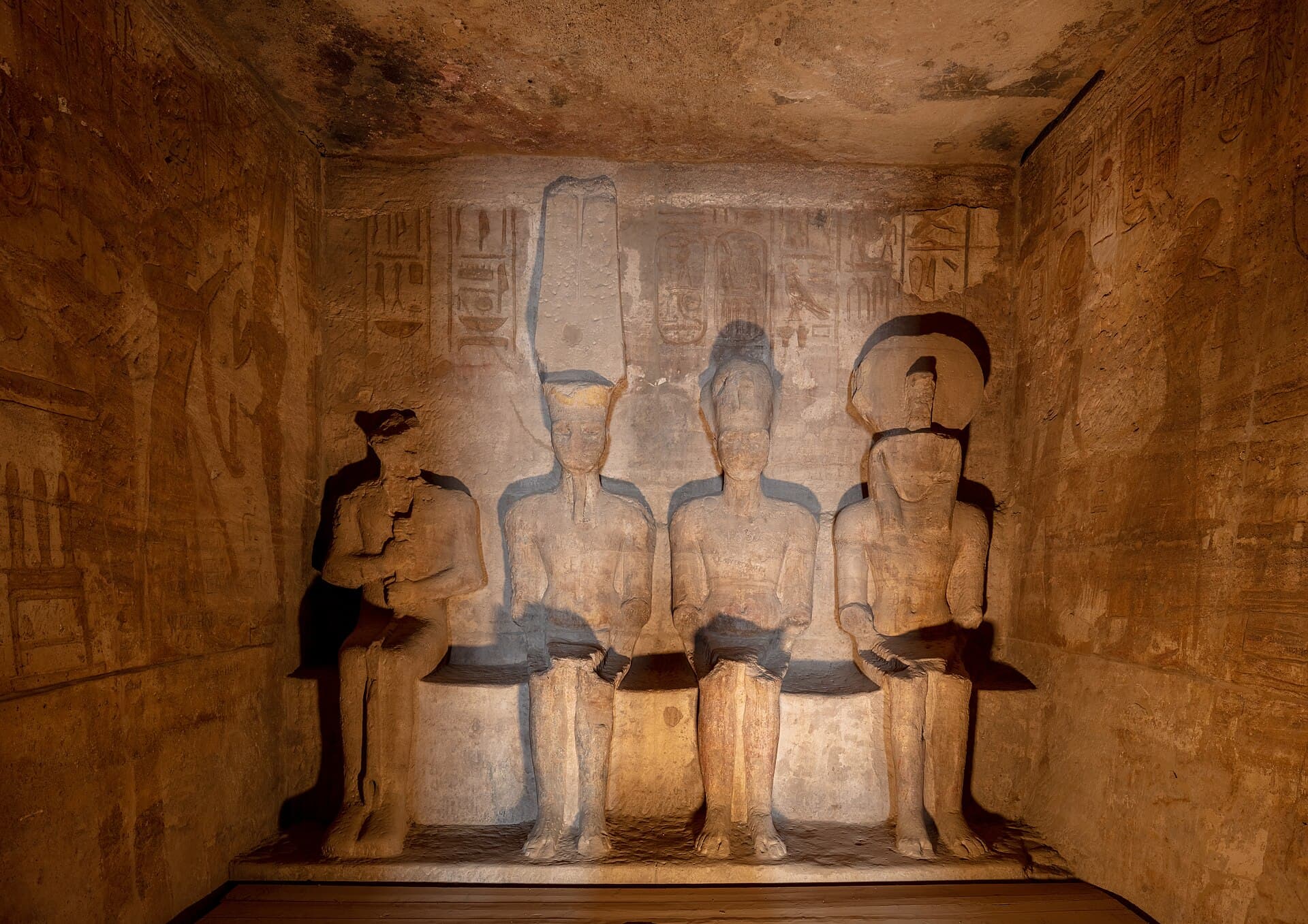
Lake Nasser is a separate trip: three or four nights south of the High Dam, between Aswan and Abu Simbel. The temples there were moved stone by stone when the lake filled, and you arrive from the water rather than a car park. Few boats work the lake, so departures are limited and it is usually added to a classic cruise rather than replacing one.
How many nights to sail
Three nights northbound is the shortest that works, and it is genuinely short: two temple stops and one proper day on the water. Four nights southbound is the sensible default and the length most itineraries are built around. Seven nights is a round trip, Luxor to Aswan and back, so you see Edfu and Kom Ombo twice and spend more time moored. Take it for the river, not for extra sites. If you can add a night, add it in Luxor before boarding: the west bank deserves a morning of its own.
When to go
October to April is the season. December and January are busiest and dearest, with evenings on deck cool enough for a jacket. February and March are the best balance of heat and crowds. From May the heat builds, and through June to August Luxor and Aswan regularly pass 40C, which changes the shape of the day: excursions at first light, afternoons in the cabin, prices well down on the winter rate.
Summer is not automatically a bad buy. The sites are emptier and the same cabin costs a fraction of the winter rate. It is a poor idea with young children, or anyone who struggles in heat. Ramadan moves through the calendar each year and affects opening hours and the mood on shore, so check where it falls against your dates before you book.
How to judge a boat before you book
Star ratings on Nile boats are local ratings, measured against other Nile boats rather than European hotels. The most useful question is what year the boat was last refurbished: a recently refitted four-star is a better week than a tired five. After that, ask which deck the cabin is on. The lowest deck sits close to the waterline with small, high windows, and cabins at the stern carry engine noise.
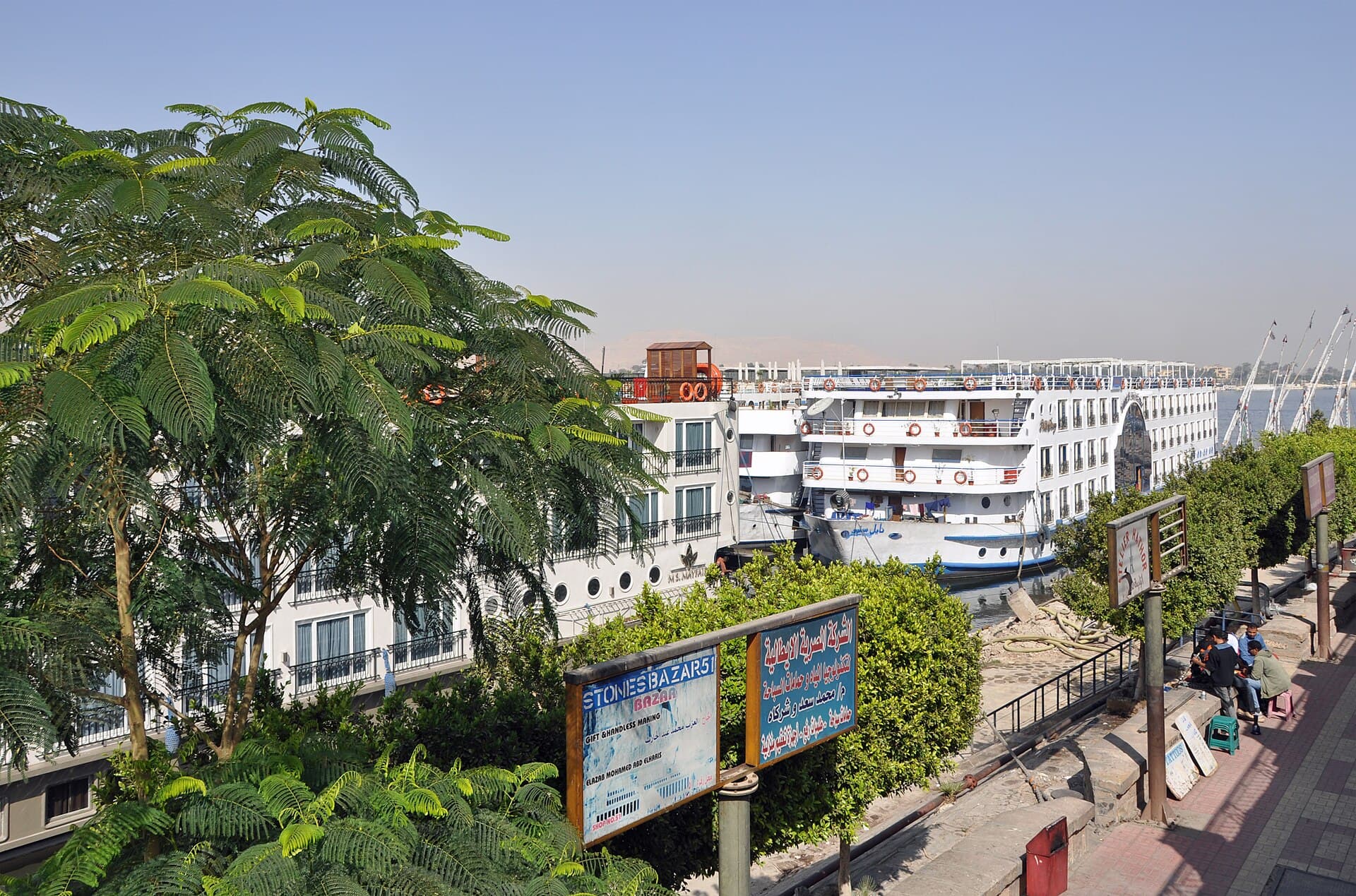
Get the boat named in writing and ask what happens if it changes. Substitutions do happen, and same category does not mean similar. At the smaller stops boats tie up two, three or four abreast, so reaching the bank can mean walking through other boats' lounges, and a river view becomes a view of somebody's cabin window. None of that spoils the trip. It is simply not what the photographs show.
Common questions
How many nights should a Nile cruise be?+
Four nights southbound is the standard, and the length most itineraries assume. Three nights northbound works if time or budget is tight, but one of those days is largely sailing. Seven nights is the same route in both directions, so take it for time on the water rather than for extra sites.
Is it better to sail Luxor to Aswan, or Aswan to Luxor?+
Luxor to Aswan is the better trip. It runs four nights instead of three, opens with the strongest sites and ends in Aswan, the calmest of the three cities, which makes adding Abu Simbel easier. Aswan to Luxor is the cheaper direction on the same boat, and being a night shorter it ends with an early disembarkation.
What is included in a Nile cruise price?+
The cabin, all meals on board, and the guided temple visits along the route. Drinks are extra on almost every boat, as are tips for crew and guide. Entrance tickets are sometimes included and sometimes not, so ask which ones by name. Abu Simbel, balloon flights and the separately ticketed tombs at Luxor are normally extra.
When is the best time of year for a Nile cruise?+
October to April, with February and March the best balance of heat and crowds. December and January are the busiest and most expensive. June to August is very hot in Luxor and Aswan, often past 40C, which means dawn excursions and afternoons indoors, at a much lower price than the winter months.
Are Nile cruises suitable for children or limited mobility?+
Children usually do well on the boat and less well in the middle of a temple day, particularly in heat. For limited mobility the answer is mixed: not every boat has a lift, gangways can be steep, and moorings several boats deep mean crossing other vessels to reach the bank. Ask about the specific boat.