The Red Sea resort most European travellers add to the end of a Nile route.
Hurghada is not ancient and does not pretend to be. It is a long strip of resorts on very clear water, and it exists because the diving and snorkelling are genuinely world class.
Giftun Island is the standard boat trip. The reefs further out toward Abu Dabbab and the wrecks off Sha'ab Abu Nuhas are better if you dive.
Four hours by road from Luxor, which is why the Nile-plus-Red-Sea combination sells so well in Germany and Italy.
What Hurghada is, and what it is not
Hurghada is a real town, not one resort. It runs about forty kilometres along the coast road and the parts differ. Dahar, the old quarter in the north, has the souk, the bus station and the cheap fish restaurants. Sakkala, south of it, has the marina and most of the noise. Beyond that the coast becomes a chain of gated resorts, some twenty kilometres from anywhere you could walk to. There is nothing ancient here. The town is a base, not a sight.
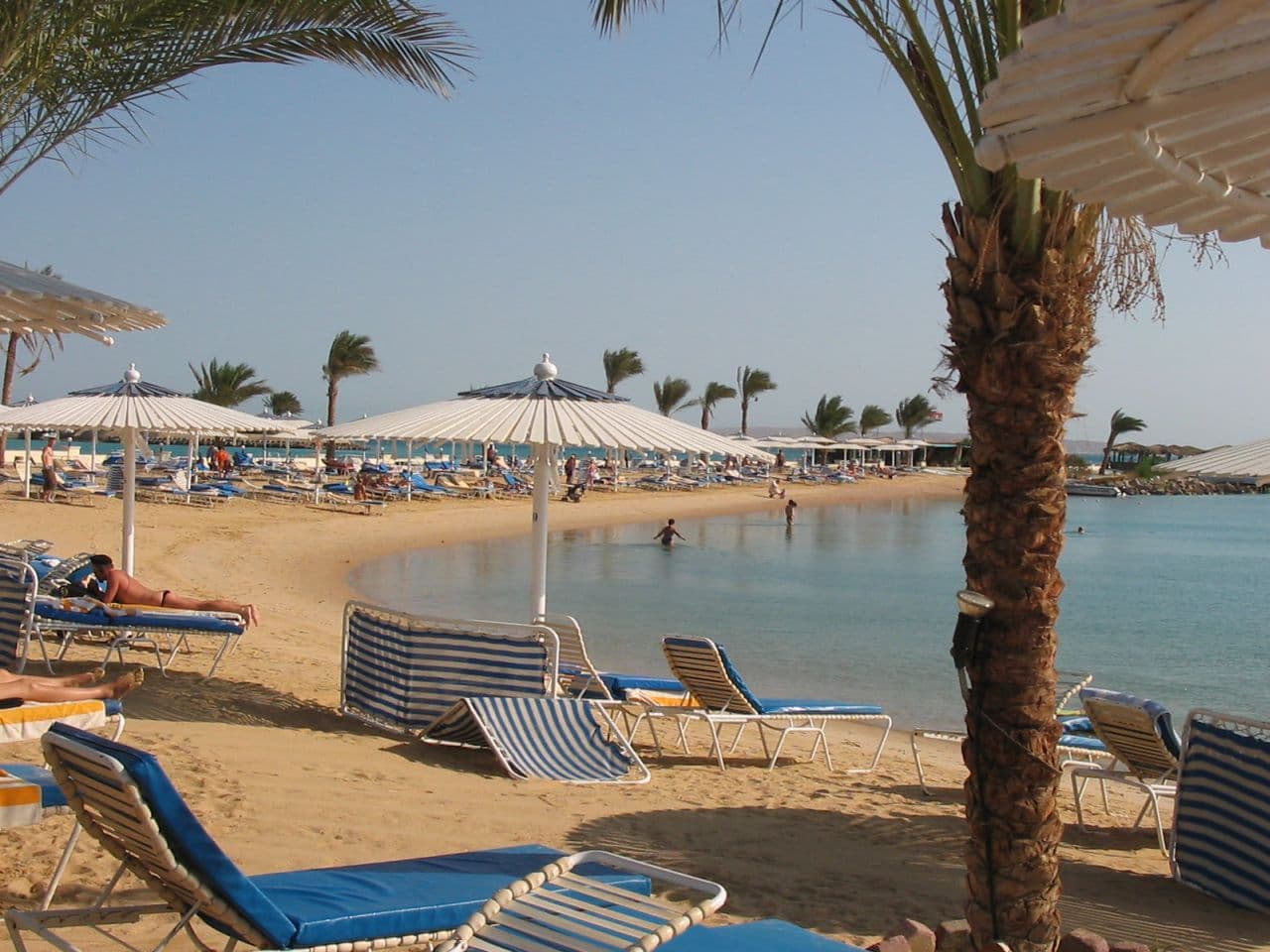
One thing catches people out. Much of this coast is fringing reef rather than sand. Hotel beaches often end in a shallow reef flat and a drop-off, reached by a jetty over the coral. That is good for snorkelling and awkward with small children. The made beaches of the newer bays south of town are the exception, and they are quieter for it.
Why the diving is genuinely good
Visibility is routinely twenty to thirty metres, the water is warm all year, and the offshore sites — Umm Gamar, Careless Reef, Fanadir, Abu Ramada, Shaab El Erg — are pinnacles, walls and coral gardens an hour or two from the marina. Two or three dives and back by late afternoon is the normal shape of a day. It is also one of the cheapest places anywhere to learn, and the conditions are forgiving. The trade-off is volume: the reef tops nearest town show the traffic. Ask an operator which sites it uses and how many divers go in at once.
Giftun Island and the standard boat trip
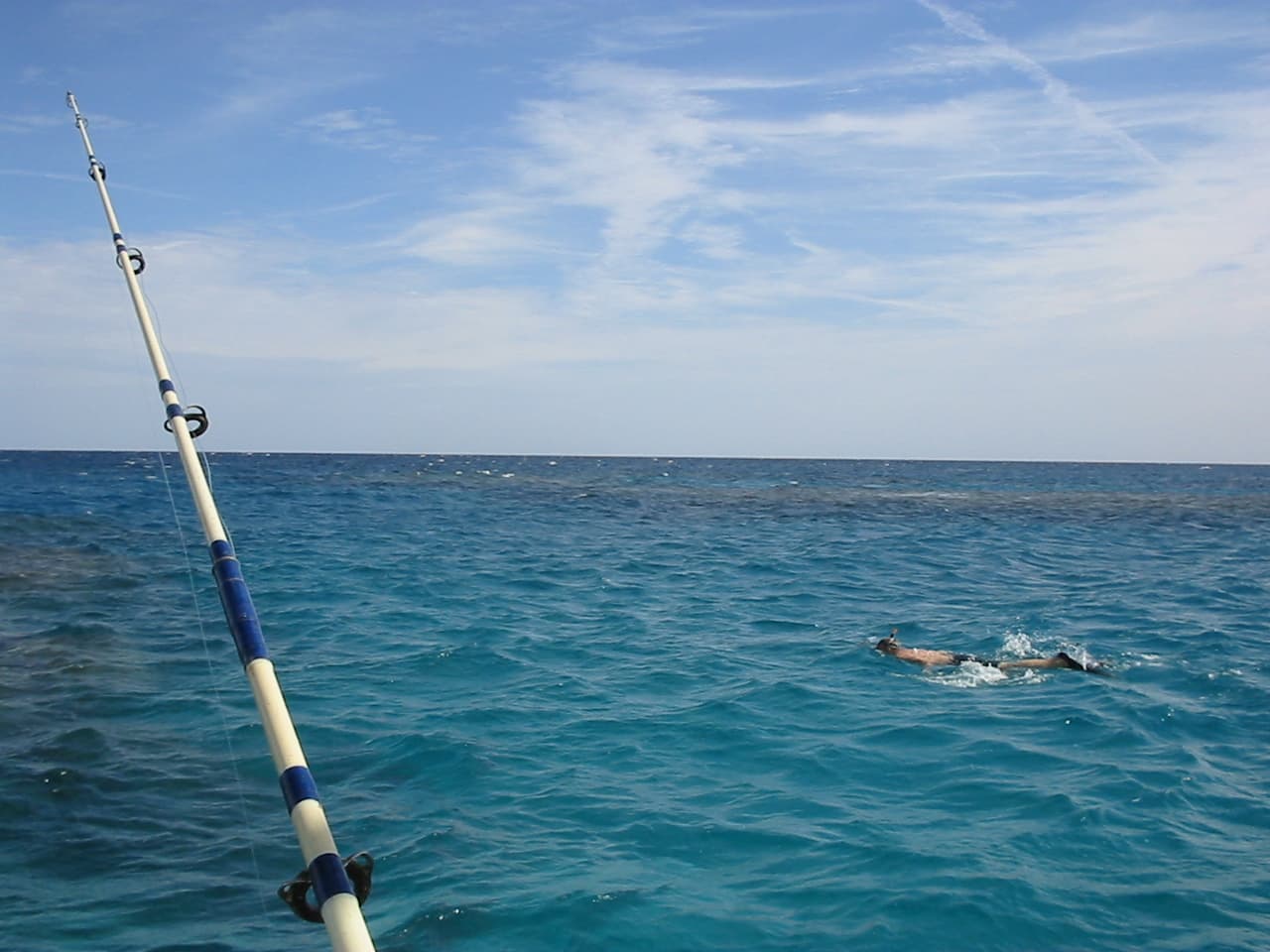
Almost everyone spends one day on a boat to the Giftun islands, with snorkelling stops, lunch aboard and a beach. Our things to do in Hurghada guide covers that day, the island beaches and how to pick a boat.
Wreck diving at Abu Nuhas
Abu Nuhas is a reef sitting in the shipping approach to the Gulf of Suez, and it has been catching ships for more than 150 years. Four wrecks lie along its northern side, most within recreational depth, roughly five to thirty metres. The Giannis D, broken in three with its stern still readable, and the Carnatic, a P&O steamer lost in 1869, now grown over and open enough to swim through, are the two people remember. From Hurghada it is a long day, about two hours each way, and the first trip cancelled when the wind gets up.
El Gouna, Sahl Hasheesh and the quieter bays
El Gouna, twenty-five kilometres north, is a privately built town of lagoons, bridges and small islands with its own marina and hospital. It is tidy, walkable, expensive by Egyptian standards and barely feels like Egypt. It suits people who want to eat somewhere different each night without a taxi, and it is the better base for kitesurfing.
South of town the pattern is bays, not towns. Sahl Hasheesh is one wide bay with a promenade and a house reef, calm and frankly dull if resort life does not suit you. Makadi is similar, and Soma Bay sits further south beside the port town of Safaga, about an hour from Hurghada. Safaga is a working port with dependable wind and some of the best reefs on this stretch of coast.
The desert behind the coast
The standard excursion is a quad-bike convoy into the flats behind town, a staged Bedouin camp, dinner and a show. It is dusty and brief and tells you almost nothing about the desert. The real thing is further in: the Red Sea Mountains hold the Roman quarries at Mons Porphyrites and Mons Claudianus, where purple porphyry and grey granite were cut, hauled overland to the Nile at Qena and shipped to Rome. Ruined workshops, unfinished columns, almost nobody there. Both need a 4x4, a full day and arranging in advance.
The four hours to Luxor
Luxor is about 290 kilometres away, roughly four hours across the desert to Safaga and Qena, then south along the Nile valley. The road is good and the drive is dull, and it shapes a lot of Egypt itineraries. You can end a Nile cruise in Luxor, transfer to the coast in a morning and finish the holiday without another internal flight. It works in reverse too: Hurghada takes far more direct flights from Europe than Luxor, usually cheaper ones. Temples in the heat are hard work, and flat days afterwards earn their place.
When to go
March to May and September to November are the best months: high twenties to low thirties, water warm enough without a thick suit, long usable days. Midsummer is hot — inland it passes 40C, and on the coast the wind is what makes it bearable. Winter is mild rather than warm, around 20 to 23C by day, the sea near 22C by February, evenings that need a jacket. Wind matters more than temperature here. The prevailing northerly blows hardest in spring and a strong day cancels the offshore boats, so leave slack in a diving week.
The all-inclusive question
Most hotels sell all-inclusive and the model does what it promises: once you arrive you spend almost nothing. For families and for anyone who wants a fixed cost, that is real value. Be clear what it buys. Drinks are local spirits and local beer unless you pay to upgrade. Cheaper buffets repeat by day four. A la carte restaurants inside the resort usually need booking and sometimes cost extra.
The hidden cost is that it keeps you inside the gate. A resort twenty kilometres south with its own beach, bar and shop gives you no reason to leave, and people fly home having seen a compound and a boat. After a week of temples that can be exactly right. If you want any feel for the country, stay nearer Dahar or the marina and eat outside half the time.
Common questions
Is Hurghada worth visiting?+
For the water, yes — the reefs are genuinely excellent and visibility is reliable year round. For anything historic, no. It is a resort strip and does not pretend otherwise.
Hurghada or Sharm el-Sheikh?+
Hurghada is easier to combine with the Nile, being about four hours by road from Luxor. Sharm has better reefs at Ras Mohammed and is in Sinai, which has separate entry rules. Pick Hurghada if the trip includes the temples.
How far is Hurghada from Luxor?+
Roughly four hours by road across the desert. That transfer is why the Nile-plus-Red-Sea combination is such a common booking in Germany and Italy.
When is the best time for the Red Sea?+
Year round. April to June and September to November are the most comfortable; July and August are very hot on land but the sea is at its warmest.
Best time to visit Hurghada
Year round. April to June and September to November are the most comfortable.
Getting to Hurghada
Direct charter flights from most of Europe, or four hours by road from Luxor.
Read next
Things to do in HurghadaThe reefs, Giftun Island, the marina and desert trips, with what to skip.
Is Hurghada safe?Where to read official advice, and the real risks at sea and on the road.
Luxor to HurghadaHow the four-hour drive works, and the day trip to Luxor.
Written and checked by the Nile Trip Guide editorial team · Last reviewed . Entry rules, prices and opening hours change — check anything critical against the official sources linked on this page.
No boat on this one. Giza and the Grand Egyptian Museum, a night in Luxor for both banks, two nights on the Red Sea, then back to Cairo for the Citadel, Coptic Cairo and the Royal Mummies.
Egypt in three parts: two days in Cairo, three nights sailing Aswan to Luxor, then three nights on the Red Sea with nothing scheduled. The temples first, the sea afterwards.
The 10 day Nile-and-Red-Sea route with one more day in Cairo at the end, spent on the Citadel, Coptic Cairo and the Royal Mummies. Two days in Cairo, three nights on the river, three on the sea.
Thirteen days that give the ancient sites a week and then stop moving: Cairo, a flight to Aswan, three nights sailing down to Luxor, and three nights on the Red Sea at Hurghada before flying back for a last day in Cairo.