Egypt Holidays: The Main Kinds of Trip and Who They Suit
Egypt holidays come in six recognisable shapes: a cultural tour, a Nile cruise, a Red Sea beach or diving week, culture plus beach, a desert trip, or a Cairo city break. A week of temples between Cairo and Aswan has almost nothing in common with a fortnight of diving on the Red Sea. For a first visit, the culture-and-beach fortnight is the one to book; here is who each of the others suits.
What does a classic cultural tour cover?
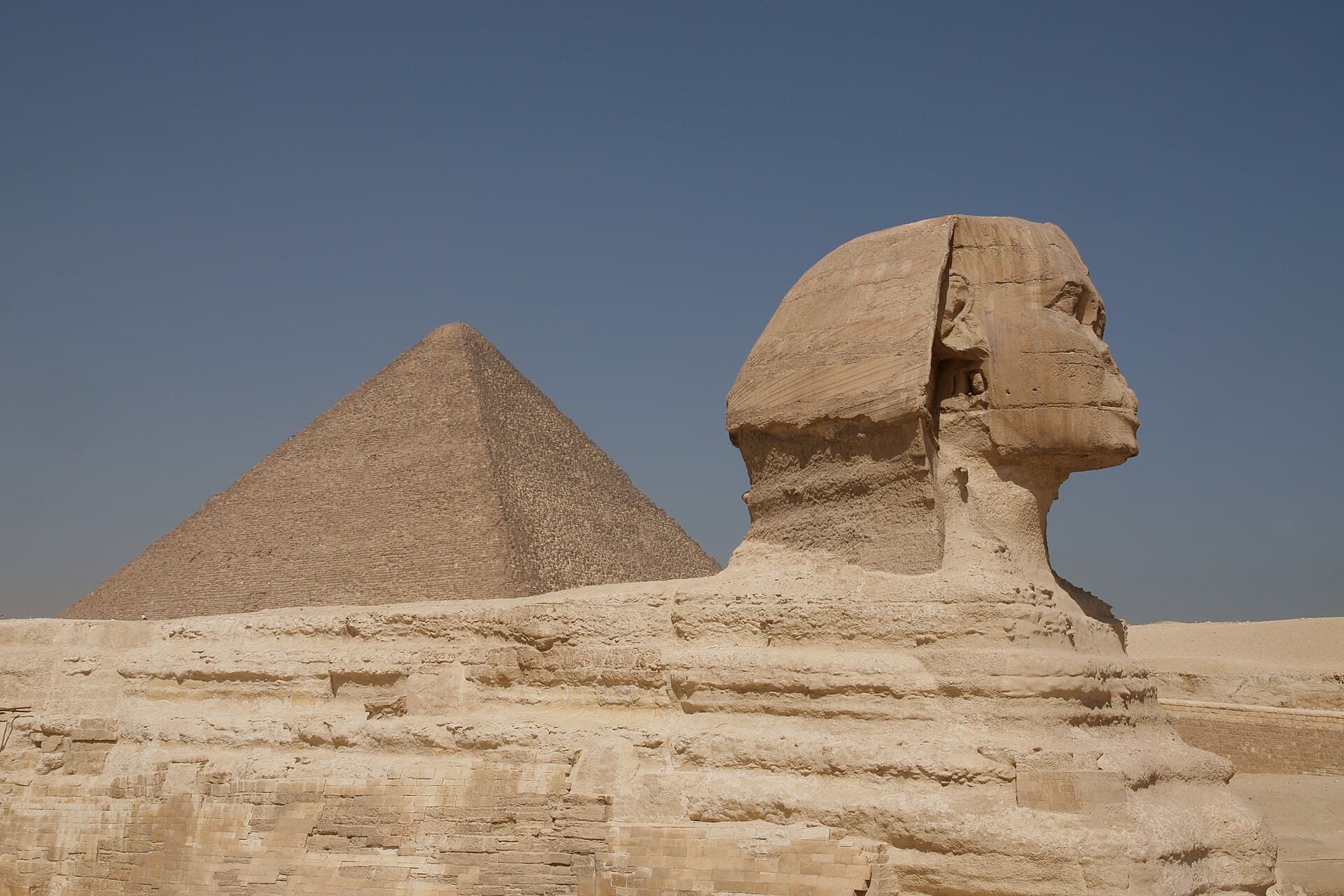
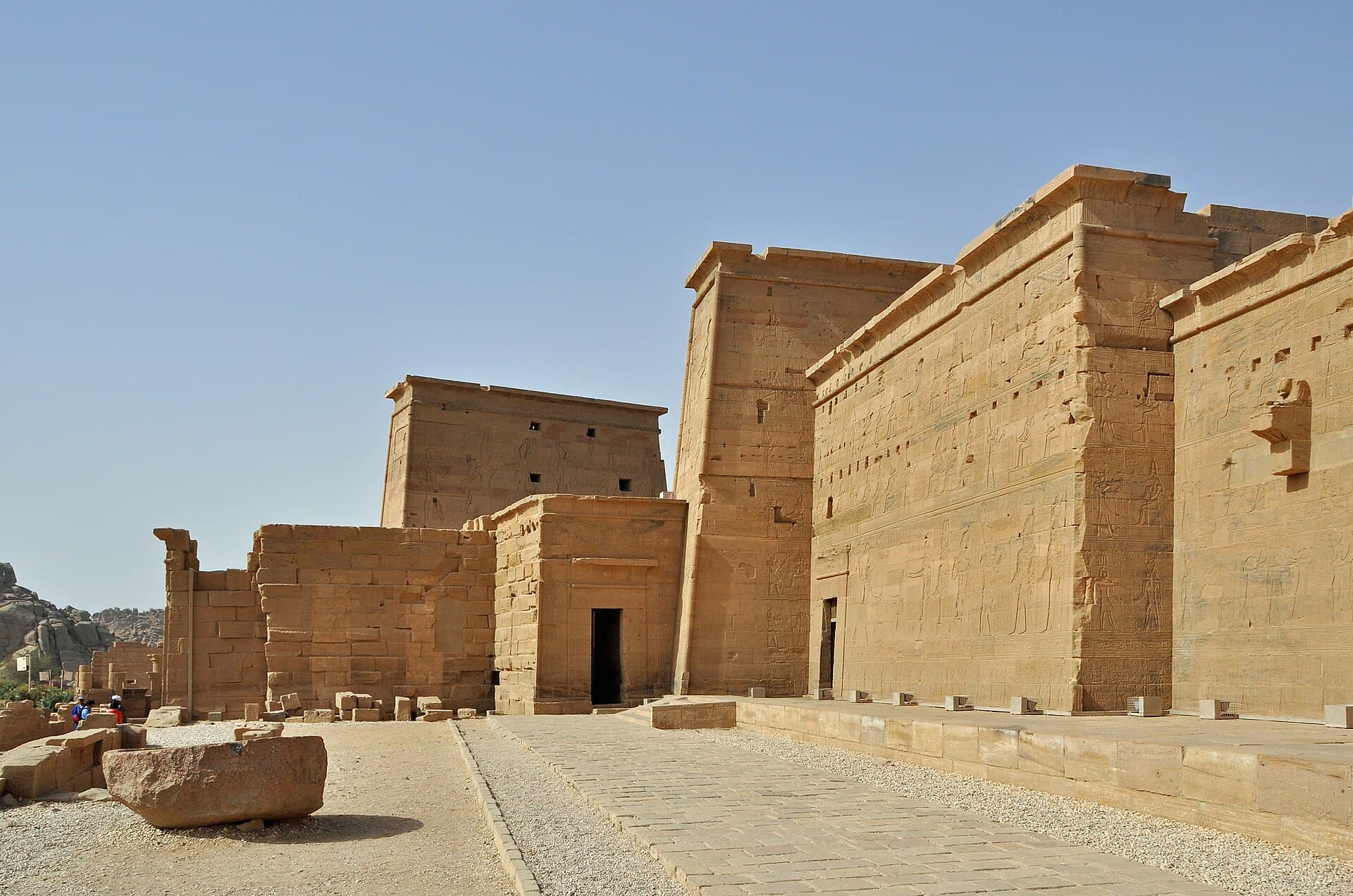
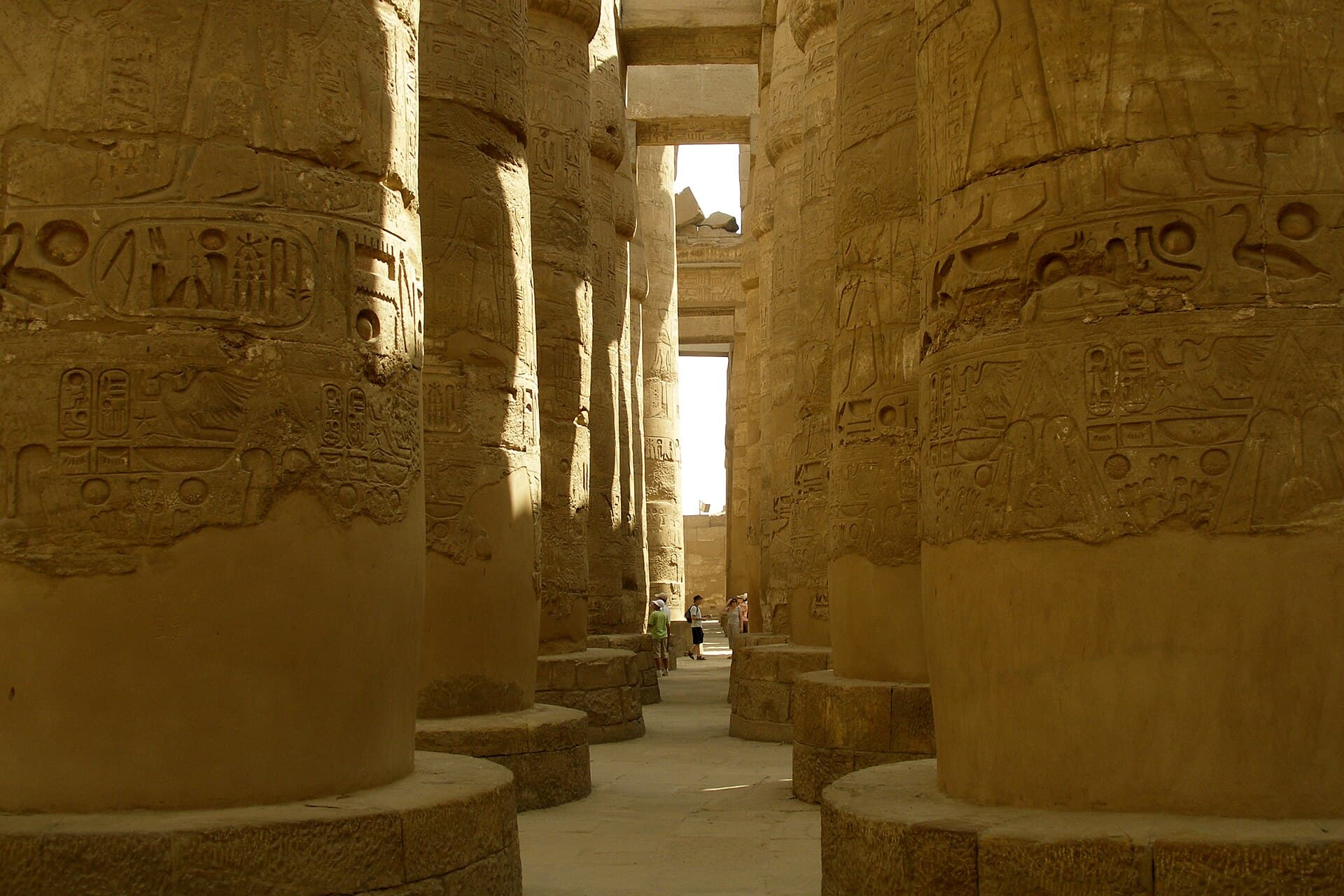
The standard cultural trip is Cairo, then Luxor, then Aswan, with the Nile between them. Cairo gives you Giza, Saqqara and the museum collections. Luxor gives you Karnak, the Valley of the Kings and the west bank temples. Aswan gives you Philae, the granite quarries and the road or flight to Abu Simbel. Eight to twelve days is the honest range. Under a week you are choosing between Cairo and the south rather than seeing both.
It is a tiring holiday. Guides start early to work ahead of the heat and the coach parties, and two or three major sites in a day is the limit before they stop registering. Cairo traffic can swallow an hour crossing the river. If your idea of a holiday involves lie-ins, build in rest days or accept that you will see less.
Is a Nile cruise worth it?
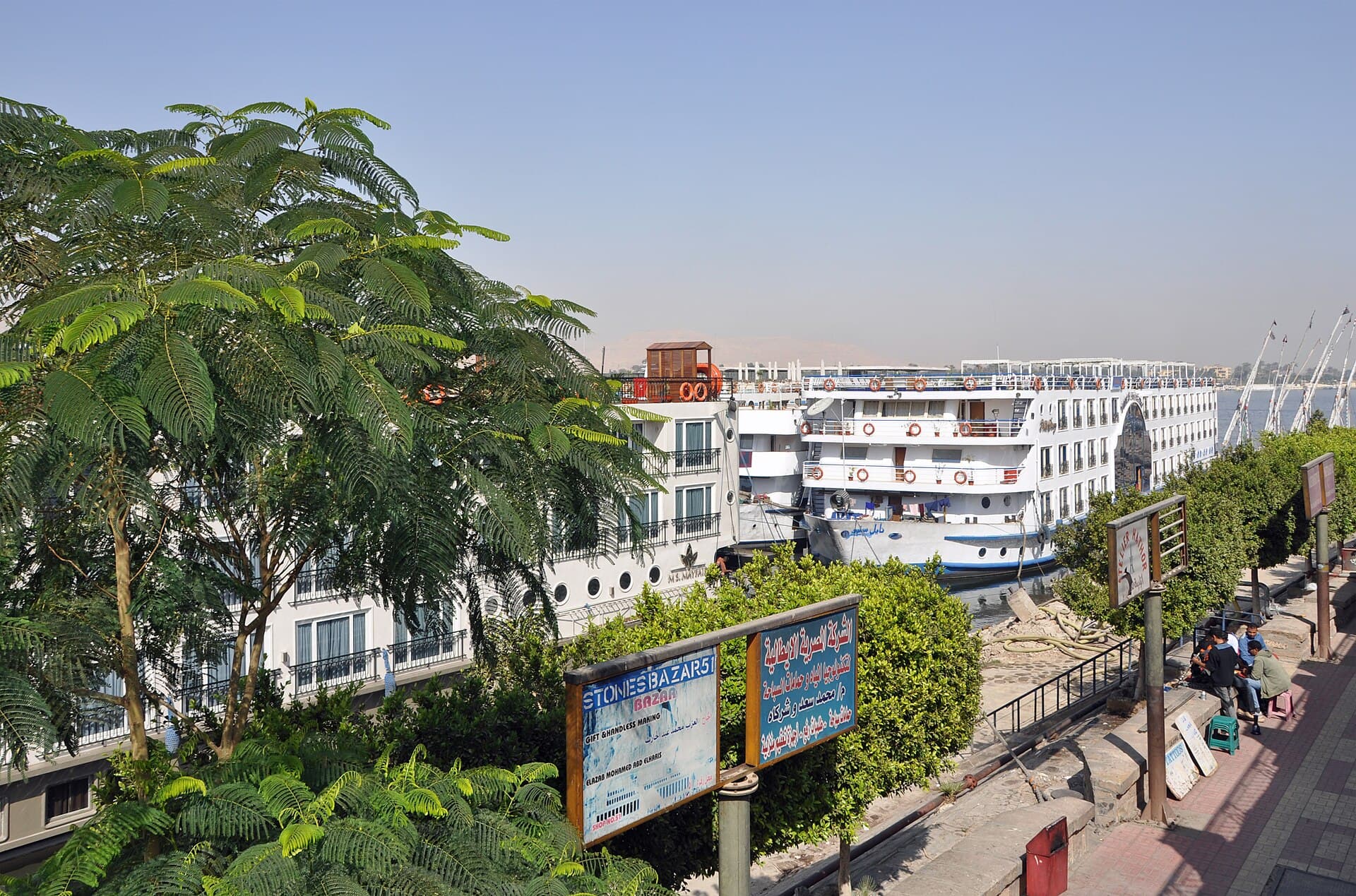
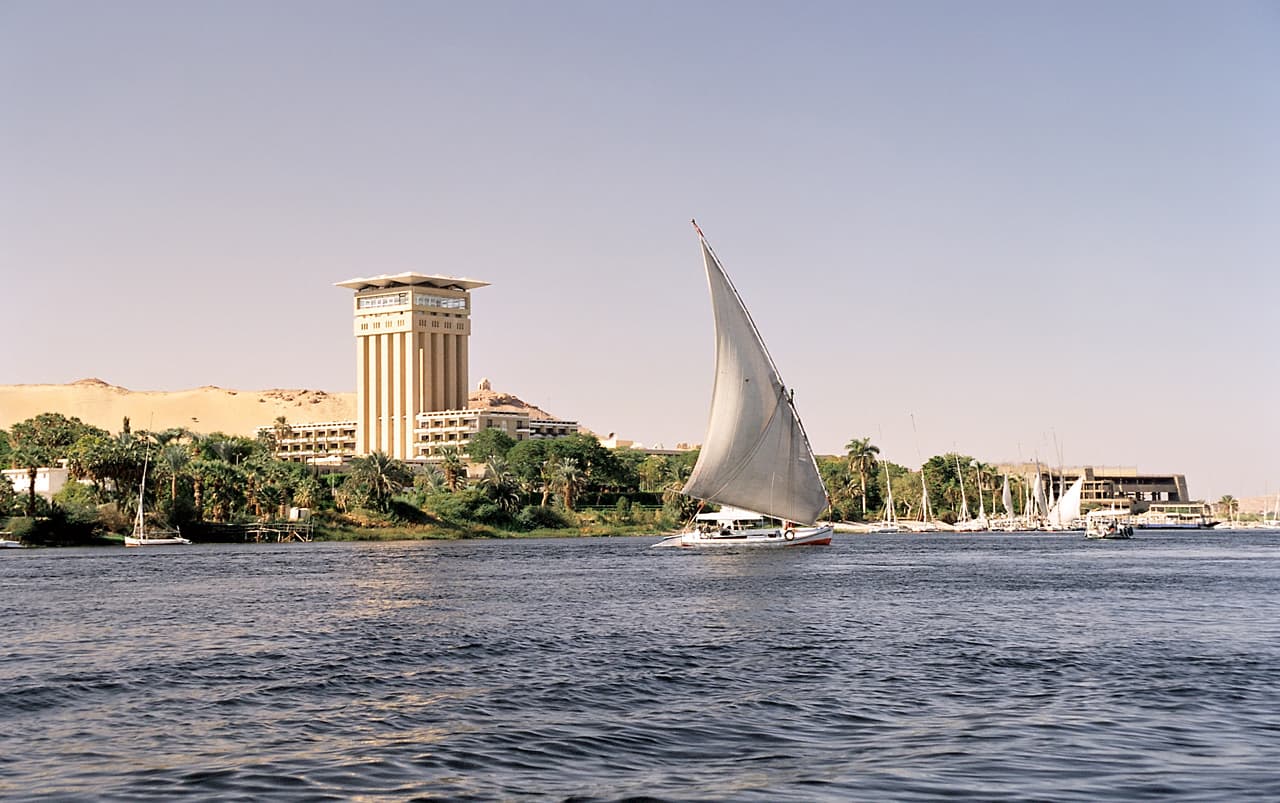
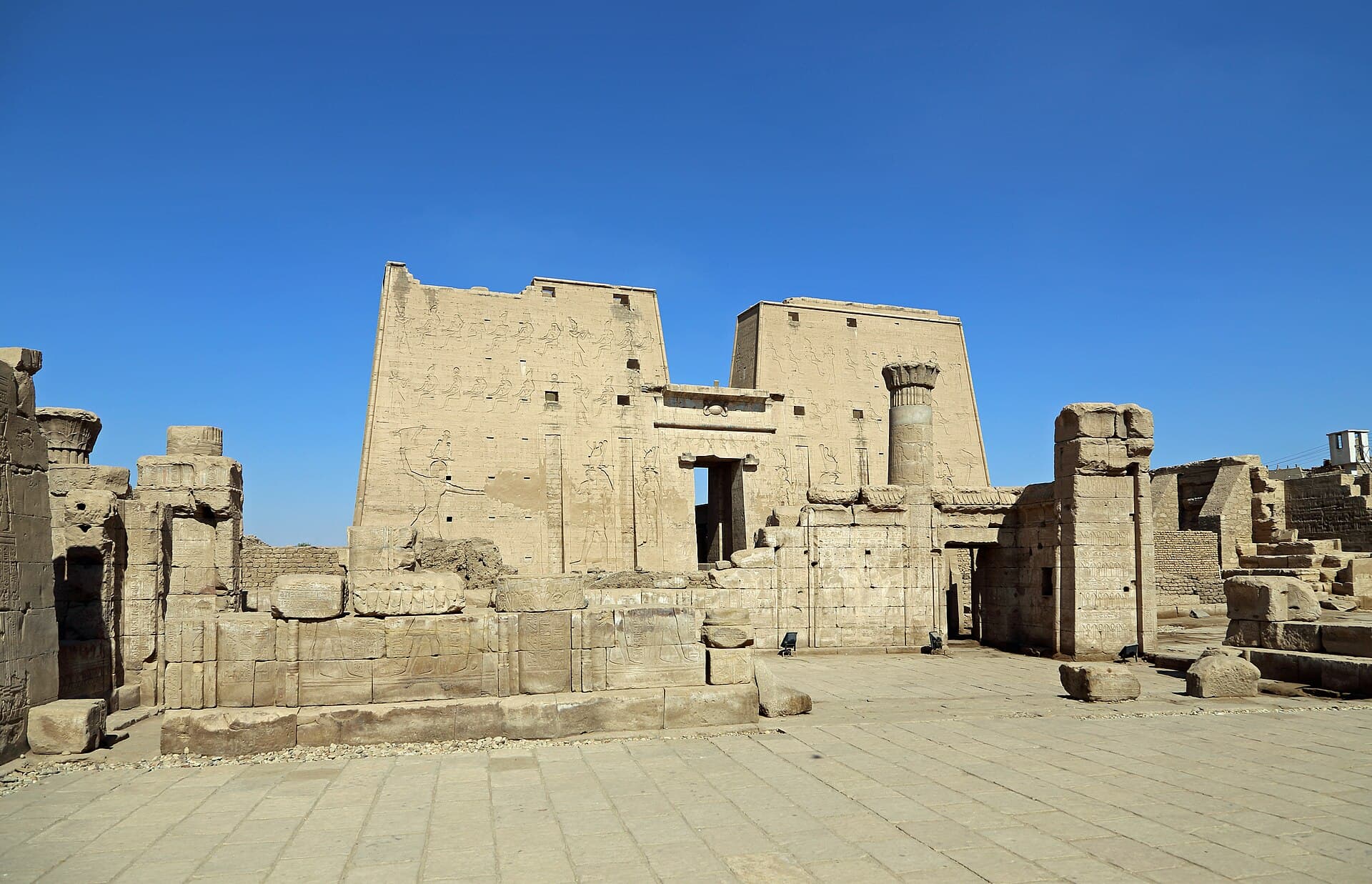
Yes, for three or four nights, and for the river rather than the temples. A Nile cruise is transport and hotel in one. The temples it calls at, mainly Esna, Edfu and Kom Ombo, are the same ones you would reach by road from Luxor, so you are not buying access to anything exclusive. What you are buying is the river: green bank, desert edge behind it, and villages that have not changed shape much. Three nights running downstream from Aswan, four against the current from Luxor, is the standard.
The large boats have a real drawback. At Edfu and Kom Ombo they moor two and three abreast, so you cross other boats' lounges to get ashore, and the onboard entertainment is thin. A dahabiya, a small sailing boat with a handful of cabins, is slower, quieter, noticeably more expensive, and moors where the big boats cannot. If the budget stretches, take one. Feluccas are good for an afternoon's sailing at Aswan. Sleeping on one for two nights, no plumbing, mattress on deck, suits far fewer people than book it.
Boat standards vary far more than the photographs suggest, and the star ratings on the Nile are local ratings rather than the European kind. The refurbishment date tells you more than the number of stars does. A standard boat and an expensive one sail the same stretch of water and stop at the same temples; what changes is the cabin, the food, the deck and how many people are aboard. That is worth knowing before you pay several times the price for an identical programme.
Red Sea beach and diving: which coast?
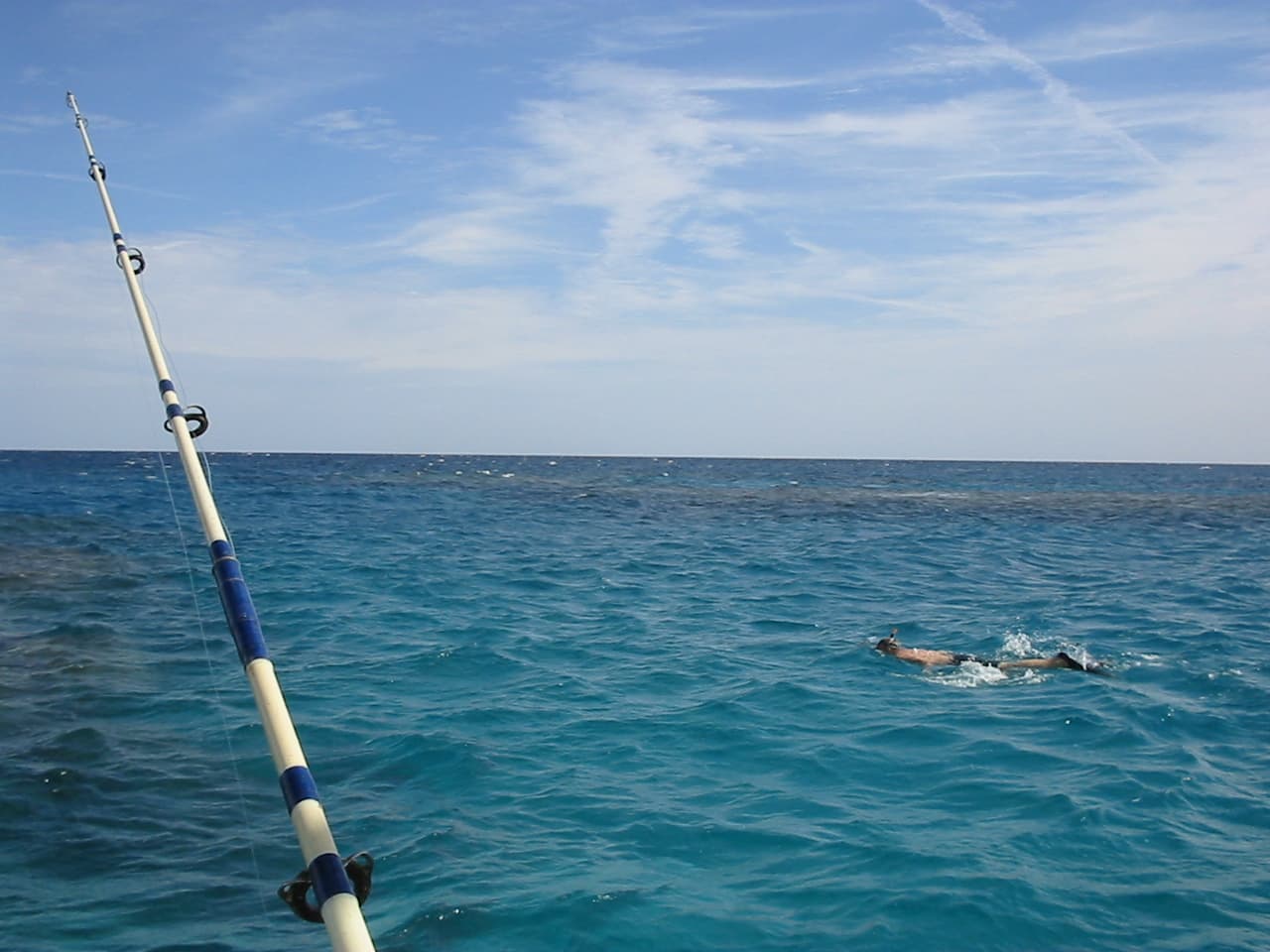
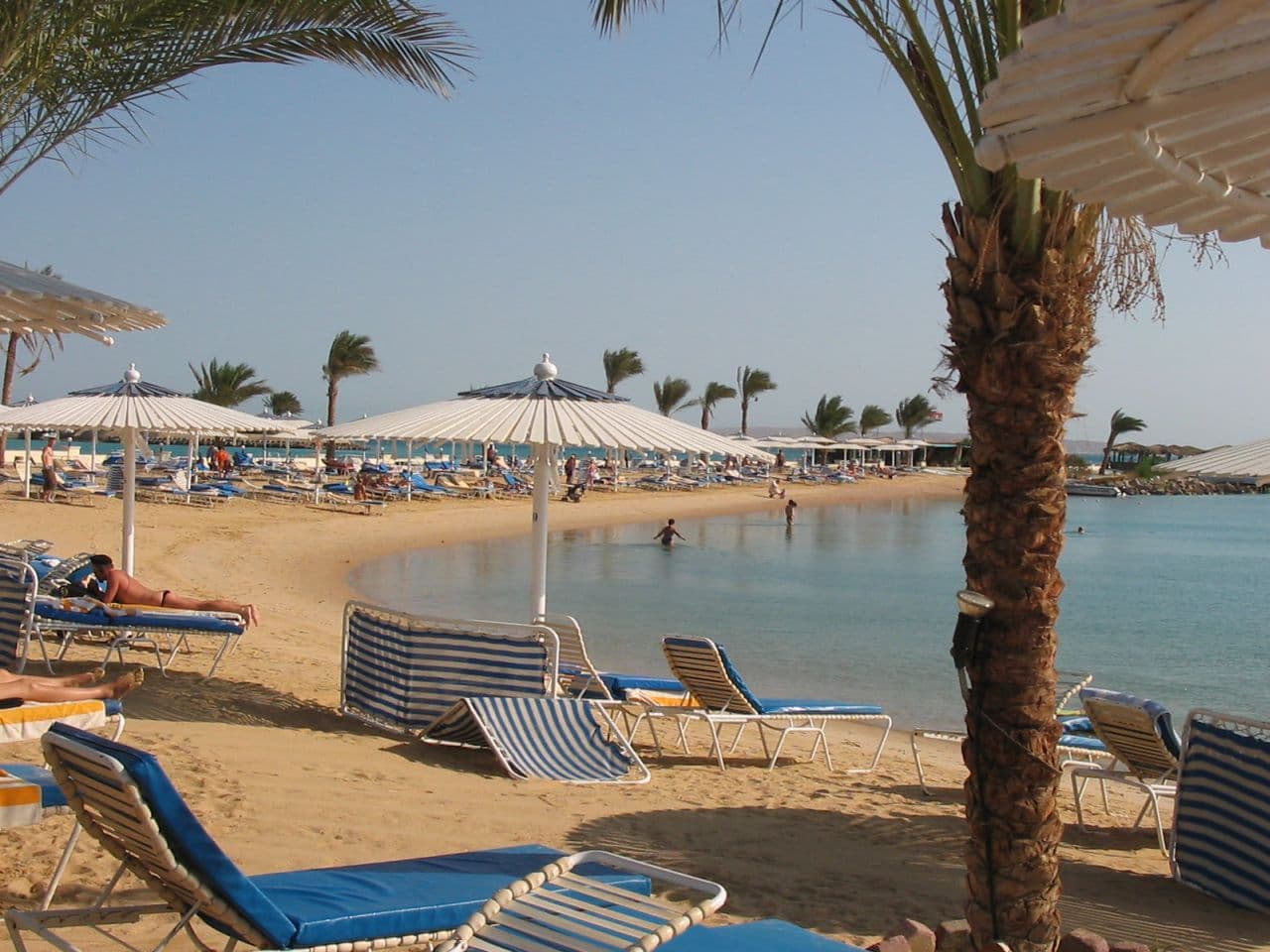
The Red Sea is not one place. Hurghada is the biggest and most built up, with the cheapest flights and the most worn inshore reef, so the good diving is a boat ride out. El Gouna next door is purpose-built, tidy and priced accordingly. Marsa Alam, further south, is quieter, with better reefs and its own airport but little around it. In Sinai, Sharm el-Sheikh has the resort machinery and access to Ras Mohammed; Dahab is cheaper, scruffier and built around shore diving.
The coast works all year. Winter water is cool enough that most people want a thicker wetsuit from December to March, and Hurghada gets windy, which is exactly why the kite and windsurf crowd go then. Summer is hot on land but bearable with a sea breeze, while Luxor at the same time is not. A week is enough for a straight beach holiday. Ten days or more if you are diving and want to reach the offshore reefs.
One thing about this coast catches people out. Much of it is fringing reef rather than sand, so hotel beaches often end in a shallow reef flat and a drop-off, reached by a jetty laid over the coral. That is excellent for snorkelling and awkward with small children. The made beaches of the newer bays south of Hurghada are the exception, and they are quieter for it. Ask what the beach actually is before you book a family week on it.
Sinai is a separate decision
For planning purposes Sinai is a different country. Sharm el-Sheikh sits at the tip of the peninsula with the resort machinery and the reefs of Ras Mohammed and the Straits of Tiran, and day boats run from there to the Thistlegorm, a Second World War cargo ship lying at Sha'ab Ali in the Strait of Gubal. Dahab, up the Gulf of Aqaba, is an informal traveller town with cheap rooms and shore diving you can walk to. Taba is at the top, near the Israeli border, and St Catherine and Mount Sinai are inland in the mountains, which is a different sort of day again.
The entry rule is the part that catches people. Arrivals at Sharm can be issued a free Sinai-only permit, which covers Sharm, Dahab, Nuweiba, Taba and St Catherine and nothing beyond them. It does not cover Ras Mohammed, and it does not cover Cairo or Luxor. If the holiday is a beach week in Sinai and nothing more, the permit does the job. If you want the national park, or intend to fly on to the Nile, you need the full visa, which means applying online before you fly or buying one at the bank counter in the arrivals hall. Check your own nationality on the official government portal rather than assuming.
Two more things belong in the same decision. Government travel advice treats parts of Sinai differently from the resort strip and is revised from time to time, so read the current version rather than a summary of it. And Dahab's Blue Hole deserves one blunt sentence: people have died there repeatedly, almost always attempting the deep arch beyond their training or their gas supply, and the memorial plaques on the cliff above are not decoration. Dive the rim and leave the arch alone.
If the diving is the point of the holiday
Egypt is one of the easiest places anywhere to dive and one of the cheapest places to learn. Visibility is routinely twenty to thirty metres, currents are mild at many sheltered sites, and the reef structure is steep, so shallow and deep sit close together and a nervous new diver can share a site with an experienced one. The step up to demanding offshore diving is then a real step rather than a formality, and operators set minimum experience levels for a reason.
Three formats exist. Shore diving is the cheapest and most flexible, and Dahab and parts of the southern coast do it well: you walk in, dive, walk out. Day boats are the standard everywhere else, two dives with lunch aboard and back by late afternoon, which fits a normal hotel week. A liveaboard is a boat you sleep on for roughly a week, diving several times a day and moving between sites overnight. It reaches reefs no day boat can and removes the travel time, and it also puts you in a small cabin, out of signal, with strangers, and nothing to do between dives but eat and sleep. If that sounds bad, it will be.
Liveaboard routes split roughly north and south. Northern itineraries cover the wrecks around the Strait of Gubal and the Sinai reefs and suit divers with moderate experience. Southern routes run out to the offshore reefs, where currents are stronger, dives are deeper and sharks are the point. Wind is the variable people forget: the prevailing northerly blows hardest in spring, a strong day cancels the offshore boats at short notice around Hurghada and Sharm, and the sensible answer is to build a spare day into any week where the diving is the reason for the trip rather than assuming every booked day runs.
Combining culture and beach
This is the default choice, and the reason people pick Egypt over a straight beach destination. Five to seven days of temples, then a week at the sea. Hurghada is roughly four hours by road from Luxor, which makes the transfer simple; Marsa Alam is further, but flying home from its own airport can save you the drive back. Do the culture first. The temple half is early mornings and long days, and nobody wants that after a week of doing nothing.
It suits couples and families who do not agree about holidays: one gets the archaeology, the other gets the water, and both get a fortnight instead of a compromise. It is also the safest choice if you do not yet know how much ancient Egypt you actually want. Five days of temples will tell you whether you would come back for a fortnight of them.
How long should the holiday be?
Four days buys Cairo and nothing else: Giza, Saqqara, the Grand Egyptian Museum and a walk through the medieval city, which is a complete short break and not a compressed tour. Eight days is the commonest length and the one most people should take first, covering Cairo and the Nile without rushing, usually as two or three nights in Cairo, a flight south and four nights on the river. It does not leave room for both Abu Simbel and the Red Sea. Ten days adds one of them. A fortnight is the culture-and-beach shape, and it is the only length at which either half stops feeling clipped.
The mistake at the short end is the driving. Cairo to Luxor is roughly 650 kilometres and most of a day on the road, which shows you very little; the flight is about an hour. Luxor to Aswan, at about 215 kilometres by road, is the opposite case, where check-in and transfers cost more time than the drive. A four-night cruise from Luxor to Aswan covers Karnak, the Valley of the Kings, Edfu, Kom Ombo and Philae on its own, and adding Cairo to it needs at least three more days.
Whatever the length, leave slack in it. Two or three major sites is the daily limit before they stop registering, domestic flights are retimed at short notice, and a rest day in the middle of a fortnight buys back more than it costs. Nobody comes home regretting an afternoon by the pool in Aswan. Plenty regret the fourth temple.
Egypt with children
A cruise is the easiest version of the cultural half with children, and the reason is dull: you unpack once. No hotel changes, no early transfers with a half-asleep child, no repacking every second morning, and somewhere to retreat to when they have had enough, because the shaded deck and the air-conditioned cabin are a minute apart. On land the same moment costs you a coach ride and an afternoon. Most larger boats have a pool, though not all of them do, so confirm it rather than assume it.
The sites divide sharply. Kom Ombo is the easy win, sitting on the bank a few steps from where the boat ties up, with crocodile carvings and a crocodile museum beside it. Edfu needs a ride from the mooring by carriage or minibus, and plenty of children enjoy the ride more than the temple; look at the horses before you get in, and ask for the minibus if any of them look poorly kept. Karnak and the Valley of the Kings are the hardest: enormous, mostly unshaded, dusty, with steep tomb entrances and no pushchair access worth the name. Both are still worth doing, early.
Season matters more with children than with anyone else. Luxor and Aswan regularly pass forty degrees from June to August, tombs hold the heat and have no airflow, and that is a bad trade for a young family however cheap the flights are. March, April, October and November are the months to aim for. On the coast, check whether the hotel beach is sand or a reef flat with a jetty over it, because the second version is a poor place to teach a five-year-old to swim.
Desert trips: who are they for?
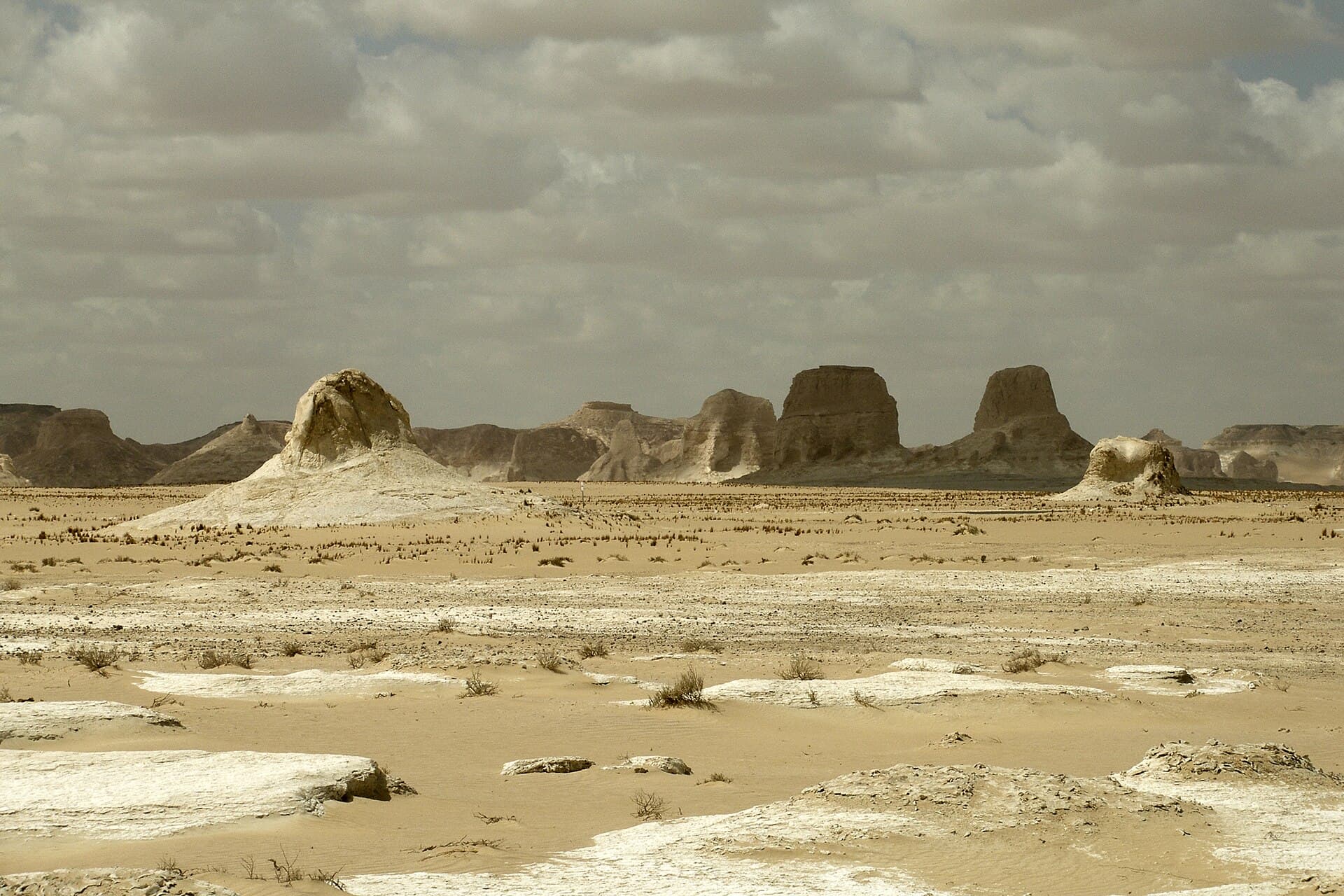
Two nights in the Western Desert out of Cairo covers the black volcanic hills and the chalk formations of the White Desert, camping out on a trip run from Bahariya oasis. Siwa, out towards the Libyan border, is a different proposition: a long drive, an oasis with its own Berber language and salt lakes you can float in, and not worth attempting in under three or four days. Both are cool-season trips, roughly October to April. Government travel advice for the far west changes, so check it before committing.
Desert nights get genuinely cold, and facilities in a proper camp amount to a spade. These trips suit people who have already done the temples, or who want a hard contrast midway through a longer stay. Two nights is usually the right dose. A week in the sand is a specialist taste, and if you are not sure you have it, you do not.
The temples most itineraries leave out
Two sites north of Luxor are the usual reward for a second visit, and both are day trips by road. Dendera is about sixty kilometres away, near Qena, and the Temple of Hathor there keeps the best-preserved painted ceilings in Egypt: deep blue, gold stars, the sky goddess Nut arched the length of the hall, and the zodiac in bands beside her. The roof stayed on and a long conservation programme took off the soot, which is why colour survives at a scale you will not see at Karnak. The building is late, begun under the last Ptolemies and continued under Roman emperors, so it is roughly two thousand years old rather than four.
Abydos is further, about 150 kilometres north of Luxor and three hours each way, and the Temple of Seti I there is widely reckoned to hold the finest relief carving to survive anywhere in Egypt: fingernails, the line of a calf muscle, the fall of pleated linen, cut into fine white limestone. The seven chapels at the back still have their vaulted roofs, so they keep their pigment too. The two can be combined into one long day, and most visitors to the Nile valley never go to either.
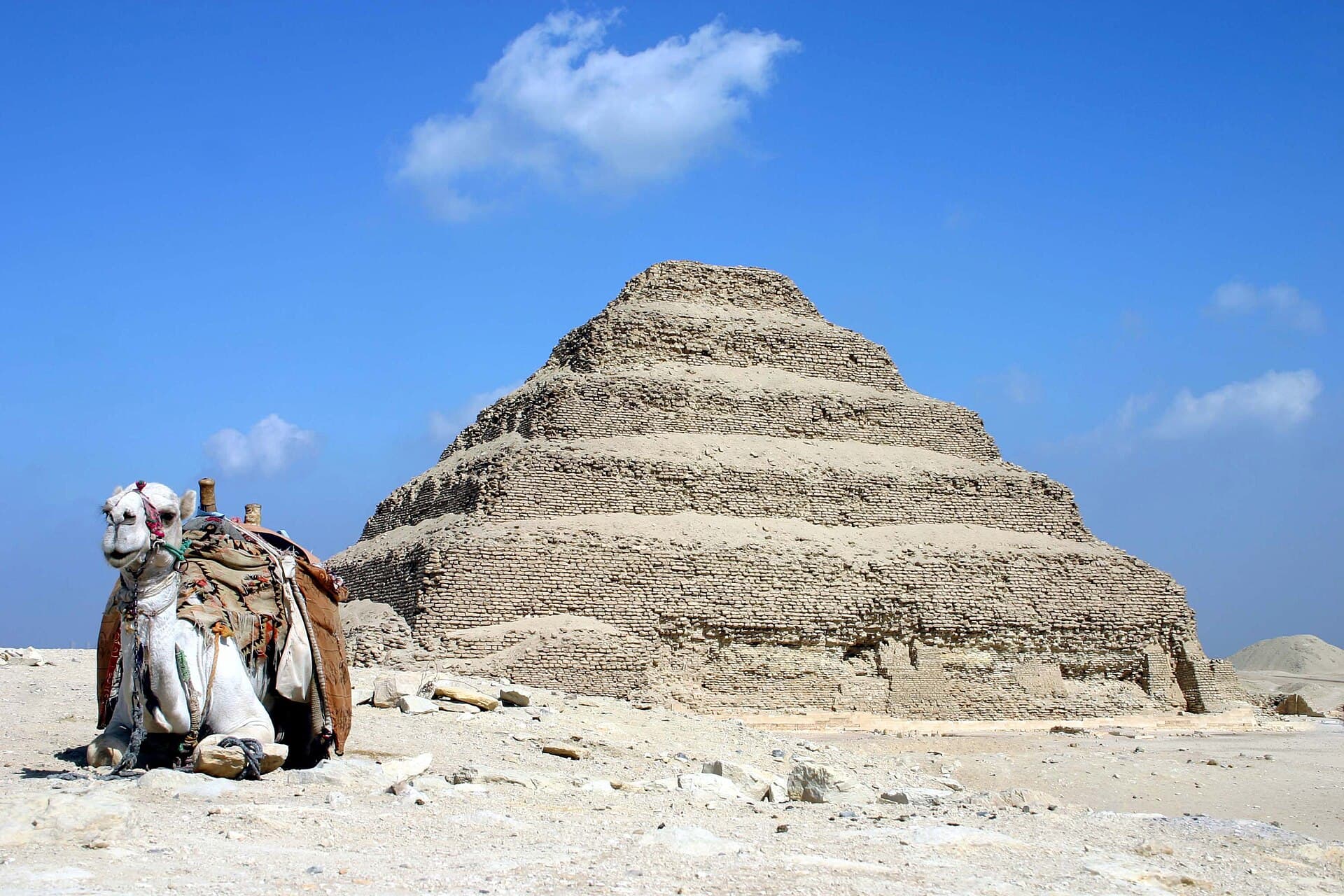
Near Cairo the equivalent is Saqqara and Dahshur. Saqqara is about forty minutes south of Giza and holds the Step Pyramid of Djoser, the oldest large stone building anywhere, but what makes it worth the drive is the nobles' mastabas around it, cut with painted reliefs of hunting, farming, butchery and boat-building and far better preserved than anything on the Giza plateau. Dahshur is twenty minutes further on and usually near-empty, with Sneferu's Bent Pyramid, where the angle changes halfway up because the design was failing, and the Red Pyramid beside it, the first successful smooth-sided one.
Is Cairo worth a short city break?
Yes, for three or four days, and only if you want a city rather than a rest. Giza and Saqqara fit into one day, the main museum collection into another, and that still leaves time for the medieval city: the mosques and madrasas along al-Muizz street, the Khan el-Khalili, the Citadel. Most touring itineraries skip that part entirely, which is a mistake, because it is the half of Cairo that is still lived in rather than visited.
Be clear about the cost of it. Cairo is loud, dusty and hard on the nerves, and traffic will take hours you did not budget. Alexandria tempts people as a side trip and disappoints anyone expecting ancient ruins, since most of the Ptolemaic city lies under the harbour or under the modern one. Go for the corniche, the seafood and the faded early twentieth-century streets, or do not go.
Where you stay changes a Cairo break more than the hotel standard does. Giza puts you beside the plateau and the Grand Egyptian Museum, with a pyramid view from some rooftops, and leaves a long drive to everything else. Zamalek, on the island, is quieter, greener and central for the museums and the restaurants. Downtown is cheaper, louder and closest to the medieval quarter. Pair sites by which side of the river they sit on and you save an hour a day; ignore that and the traffic takes it back.
When should you go?
October to April is the season for everything inland. December and January are coolest and busiest, and Luxor prices peak over Christmas and New Year. February and March give the best balance of weather and crowds, and are the months to aim for. May and September are hot but noticeably quieter and cheaper. June to August in Luxor and Aswan regularly passes forty degrees, meaning an early start and nothing after mid-morning. It is doable. It is not a fair first impression of the place.
Ramadan shifts about eleven days earlier each year, so check where it falls. Sites and museums stay open, transport runs, and the evenings give you the best atmosphere of the year. The trade-off is the daytime: many restaurants outside hotels close, guides and drivers are fasting through long hot days, and the hour before sunset empties the roads as everyone races home to eat.
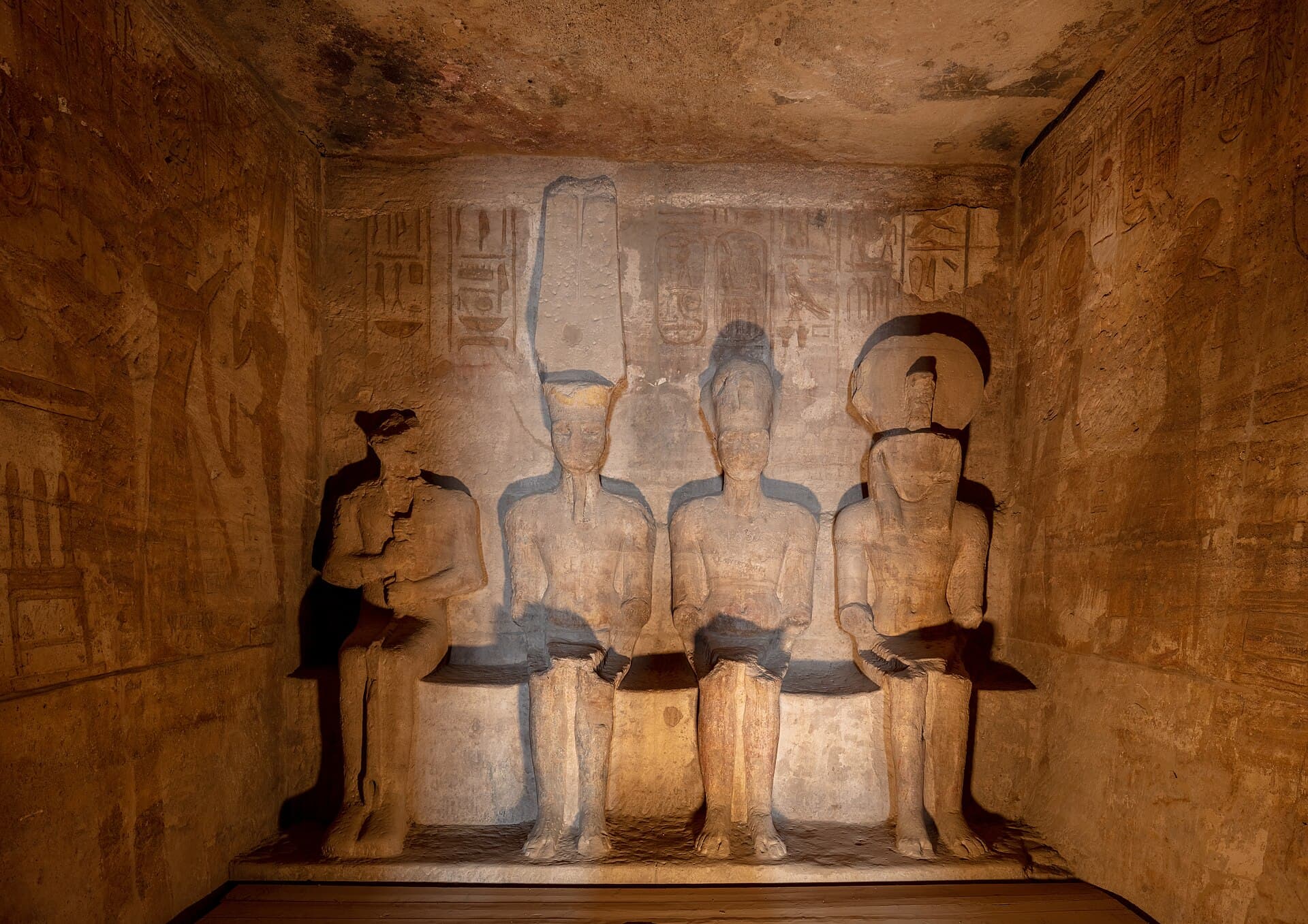
If the trip has both halves in it, the calendar narrows. March, April, October and November are the months where the temples and the sea work at the same time rather than one carrying the other: Luxor in the high twenties to mid thirties, the Red Sea between about twenty-five and twenty-eight degrees. In January and February the water is nearer twenty-two, which is swimmable and not warm. In August it is around thirty-one, which is close to bathwater, while the Valley of the Kings is as empty as it ever gets. Two dates are worth planning around if Abu Simbel matters to you: the sun alignment at the inner sanctuary falls around 22 February and again around 22 October, and Aswan fills up for both.
Getting between the parts of the country
Fly the long legs and drive or float the short ones. Cairo is the domestic hub, with frequent flights to Luxor, Aswan, Hurghada and Sharm el-Sheikh and a shorter hop from Aswan to Abu Simbel. Two practical warnings go with that. Egyptian domestic flights are retimed often, sometimes the day before, so leave a real buffer before any international connection rather than booking the tightest link that exists. And Cairo airport is large enough that a domestic-to-international transfer needs proper time, so confirm which terminal each flight uses.
The overnight sleeper from Cairo runs down the valley to Luxor and on to Aswan in two-berth and single cabins, with a meal brought to you. It saves a hotel night and a travel day, which is the entire case for it and a decent one. Against it: narrow berths, a noisy ride, dated cabins, basic bathrooms at the end of the car, and both departures and arrivals that tend to run late. Worth doing once as a couple. Not worth it with small children or a bad back.
The intercity roads are better than their reputation and the drives are dull. What you cannot predict is the stopping, because security checkpoints sit on most intercity routes and foreign passengers are routinely asked for passport details, so keep a passport or a copy within reach. Assume any road journey may run longer than the map says, and that the variance grows with distance. Anyone quoting you a precise door-to-door time for a five-hour Egyptian drive is guessing, and the slack comes out of your day rather than theirs. In Cairo itself, ride-hailing apps are the default and remove the fare argument; the metro is fast and cheap where the lines go your way, though it does not reach the pyramid plateau.
What do Egypt holidays cost, and how are they put together?
Egypt is cheap on the ground and less cheap than it looks once tickets mount up. Every site has its own ticket, several charge separately for individual tombs or interiors, and a serious day in Luxor means a handful of them. Ticket prices are raised often, so price a specific itinerary rather than trusting a figure you read months earlier. The predictable costs are flights and the beach week; the culture half is where the total moves.
There are three ways to buy it. Large operators sell Red Sea package weeks cheaper than any independent outfit can match, so if a pool and a reef is all you want, use them. Fixed-date group tours cost less than private ones and move at the pace of the slowest person in the group. Arranging privately through an operator based in Cairo costs more per head in small parties, but you set the pace, the sites and the guide. For the culture half, that is the one to pay for: the guide decides whether any of it means anything.
Party size moves the per-person figure more than almost anything else, because a private car, driver and guide costs much the same whether two people use it or four. Four sharing pay noticeably less each than a couple on the identical itinerary, and at six or more a private trip often lands below the equivalent small-group departure. For one or two people a scheduled group is genuinely cheaper, and what it costs you is timing: a coach group rarely reaches Karnak or the Valley of the Kings before the crowds, and in Egypt that is most of the difference between a good morning and a hot, shuffling one.
What to check before you pay
Compare inclusion lists before you compare totals. Two quotes that look far apart are often near-identical once you add back what the cheaper one leaves out, because operators differ over whether entrance tickets, internal flights, tips, drinks and optional sites sit inside the figure or outside it. Most Egypt trips sold in Europe are run on the ground by a fairly small number of Egyptian operators anyway, and the website you book through is frequently a reseller adding a margin to the same cars, the same pool of guides and the same boats. That is not dishonest, but it explains why identical programmes come back at very different prices.
Ask what sits behind an unusually low headline price. Cheap tours are often subsidised on the ground by stops at papyrus, alabaster and perfume shops where the guide earns commission, and by extras sold hard once you have arrived. If a quote is well below everything else you have seen, ask directly whether shop visits are in the programme. A trip with none of that costs more up front and frequently less in total.
Two more questions are worth asking before money changes hands. Which currency is the contract in, given that the Egyptian pound has moved sharply in recent years and operators generally quote and hold in dollars or euros? And how far ahead are you booking, because three to six months is the sensible lead time for October to April travel: the good guides and the better Nile boats go early, and Christmas and New Year go earliest of all. Summer is the one part of the year where booking late works in your favour.
The extras that are not in the price
The paid add-ons are consistent and worth budgeting for as a block rather than being surprised by one at a time. The chamber inside the Great Pyramid is a separate ticket, and a divisive one: a long stooped climb into the Grand Gallery, then a bare granite chamber with an empty sarcophagus, no decoration and no airflow. The tombs of Seti I and Nefertari in the Valley of the Kings are ticketed separately from the standard entry, which covers three tombs. Abu Simbel, whether by road or by the short flight from Aswan, is an extra. So is a balloon over the Luxor west bank, and so is the park fee collected on the boat at the Giftun islands.
Carry small notes constantly and get them early, because nobody has change. Baksheesh is not an optional courtesy here: the man who opens a gate, the attendant who takes your shoes at a mosque door, the driver, the housekeeper and the boat crew all expect it, and guides and drivers on a multi-day trip expect a meaningful sum at the end. Budget for it as a line in the trip cost rather than treating it as an irritation, and decline politely for services you did not ask for. Cards work in hotels and larger restaurants and are no use at all at a temple gate.
How to dress, and the friction it saves
One rule covers most of it: shoulders and knees covered, in loose clothes, in light colours. There is no dress law for visitors, only a social standard, and looseness matters as much as coverage, which is why leggings with a short top read differently from a long loose skirt and a plain T-shirt. Nobody will stop you at the airport for ignoring it and plenty of visitors do. What it changes is how strangers read you, and in Egypt that has practical consequences all day.
The standard is not uniform across the country. In Zamalek, Maadi, New Cairo and the smarter restaurants, bare shoulders pass without comment; downtown, the streets around Khan el-Khalili and the metro at rush hour are a different city. Luxor and Aswan feel touristic but are small towns where foreigners are visible, and they are more conservative than Cairo. The Red Sea resorts are enclaves: swimwear at the pool in Hurghada, Sharm el-Sheikh, El Gouna or Marsa Alam is ordinary, and the same outfit outside the gate in a working Egyptian town is not. El Gouna stays relaxed throughout and Dahab is looser than Sharm.
For mosques, women need hair, arms and legs covered and men need long trousers and sleeves; shoes come off at the door and are left with an attendant who will expect a tip, and socks are worth carrying because summer courtyards get hot enough to hurt. One large light scarf earns its place several times a day, as head covering, shoulder cover, sun protection in open desert and something to sit on. Being honest about the limit: covering up reduces street attention, it does not end it, and anyone who tells you a long skirt solves harassment in Egypt is overstating what clothing can do.
So which one should you book?
For a first visit with a fortnight available, take the culture-and-beach trip: Cairo, a flight south, three or four nights on the river, then a week on the Red Sea, travelling in March, April, October or November. With eight days, take the Cairo and Nile cruise version and leave the coast for another time. With four days, take Cairo on its own and do it properly rather than compressing a tour into it. Those three cover most people honestly.
The others are for particular tastes and should be chosen as such. A diving week or a liveaboard is worth it if the water is the reason you are going, not an add-on to it. A desert trip is a second-visit holiday, or a hard contrast in the middle of a long one. Siwa, Abydos, Dendera and the Sinai mountains are all for people who already know they like this, which is the most useful thing a page like this can tell you: book the trip that fits how you actually spend a day, not the one that looks most impressive written down.
Common questions
Is Egypt safe for tourists?+
The main corridor of Cairo, Luxor, Aswan, the Nile and the Red Sea resorts is heavily policed and has been quiet for years. Government travel advice does restrict parts of North Sinai and the desert near the Libyan border, and it is revised from time to time, so read the current version before booking. The everyday problem at the big sites is persistent selling, not crime.
What are the entry rules?+
Most British, European, North American and Australian passport holders can buy a tourist visa on arrival or apply online beforehand, and the online route saves queueing at the airport. Your passport needs six months left on it. Short stays around Sharm el-Sheikh and Dahab can sometimes run on a Sinai-only entry permit, which does not cover the rest of the country. Rules change, so check the official source before you book.
Can you travel Egypt independently instead of on a tour?+
Yes, and cheaply. Domestic flights are frequent, the sleeper train between Cairo and Aswan works, and getting around cities is straightforward. What you give up is Egyptology. A tomb wall is decoration until somebody explains what each register is doing, and the gap between a good guide and a poor one is wider in Egypt than almost anywhere. Plenty of people travel alone and hire guides by the day.
How does tipping work?+
Baksheesh is part of daily life, so budget for it rather than resent it. Carry small notes constantly: for the man who opens a gate, the driver, the housekeeper, the boat crew. Guides and drivers on a multi-day trip expect a meaningful sum at the end. Get small denominations early, because nobody has change, and decline politely for services you did not ask for.
Will I get ill?+
Some people do, usually for a day or two. Drink bottled or filtered water, including for brushing teeth, and be wary of salads and ice in the cheapest places rather than avoiding street food on principle. On a summer trip the bigger risk is heat. Dehydration and headaches after four hours in the Valley of the Kings catch out more visitors than anything they ate.
Is Abu Simbel worth the effort?+
More than almost any optional extra in Egypt. It is either a short flight from Aswan or a drive of three hours or so each way, starting before dawn, and the temples justify either. The scale does not survive photographs. Nor does the strangeness of knowing the whole thing was cut apart and rebuilt higher up in the 1960s, with the joins still visible once you look.
How far ahead should you book an Egypt holiday?+
Three to six months for travel between October and April. The good guides and the better Nile boats fill early, and Christmas and New Year fill earliest, at prices well above the rest of the season. Summer is the exception: June to September is the bottom of the market inland, and booking late then often works in your favour. If specific dates matter, the cruise element is the piece to secure first.
Which airport should you fly into?+
Cairo for the classic Nile route, because almost everything starts there and it is the domestic hub. Hurghada takes far more direct flights from Europe than Luxor does, usually cheaper ones, which is why so many culture-and-beach trips are sold the other way round. Luxor and Marsa Alam have their own airports too, and flying home from the coast saves the drive back to where you started.
Is a package cheaper than arranging it yourself?+
For a straight Red Sea week, yes, and by a margin no independent arrangement matches. For the cultural half it is less clear, because the site you book through is often a reseller adding a margin to the same Egyptian operators, cars, guides and boats. Compare what is included rather than headline totals, and ask whether shop stops are in the programme.
Can you combine Egypt with another country?+
Commonly, and Jordan is the usual partner because the two fit together neatly and the flights are short. Israel, Dubai, Greece, Turkey and Morocco are all done as well. Allow at least a fortnight for any of them: a week in Egypt plus a week elsewhere is the working minimum, and anything shorter turns into airports. The cultural half of Egypt is the part that suffers first when a combined trip is squeezed.
Is the summer heat really that bad?+
In Luxor and Aswan, yes. Daytime highs regularly pass forty degrees from June to August, tombs hold the heat and have no airflow, and sightseeing becomes a dawn start finished by mid-morning. The Red Sea is a different matter entirely: the water reaches around twenty-nine to thirty-one degrees, the breeze makes the land bearable, and the resorts are at their cheapest. Summer suits a beach holiday and punishes a temple one.
How many days do you need in Cairo?+
Two full days is the honest minimum, one for Giza and the Grand Egyptian Museum and one for the medieval and Coptic quarters. Three lets you add Saqqara and Dahshur without cutting anything, and that is the version most people should take. Allow at least three hours for the Grand Egyptian Museum alone, and do not pair it with the pyramids in the same afternoon.
Official sources
Entry rules, opening hours, security advice and exchange rates all move. Check them at the source, not here.
Written and checked by the Nile Trip Guide editorial team · Last reviewed . Entry rules, prices and opening hours change — check anything critical against the official sources linked on this page.
Plan this trip
Tell us your dates and we will price it
A real itinerary with real prices, usually within 24 hours. Nothing is booked and nothing is charged until you say yes.
The route most people take first, at the length it was built for: Giza and the Grand Egyptian Museum, then a flight to Luxor and four nights sailing down to Aswan.
No boat on this one. Giza and the Grand Egyptian Museum, a night in Luxor for both banks, two nights on the Red Sea, then back to Cairo for the Citadel, Coptic Cairo and the Royal Mummies.
Five nights in Cairo either side of a four-night sail from Luxor to Aswan. The Cairo days are private, just your party and a guide; the sightseeing off the boat is shared with a small group.