Things to do in Egypt: the places worth your time, ranked
Egypt has more famous sights than any country its size, and a first trip cannot hold all of them. This is the ranked list we would give a friend: what each place is, what it is actually like to stand there, and where the gap between the reputation and the visit is widest. The order is ours and we defend it below. Where something is overrated we say so, because a list that likes everything is no use to anyone deciding.
1. The Pyramids of Giza and the Sphinx
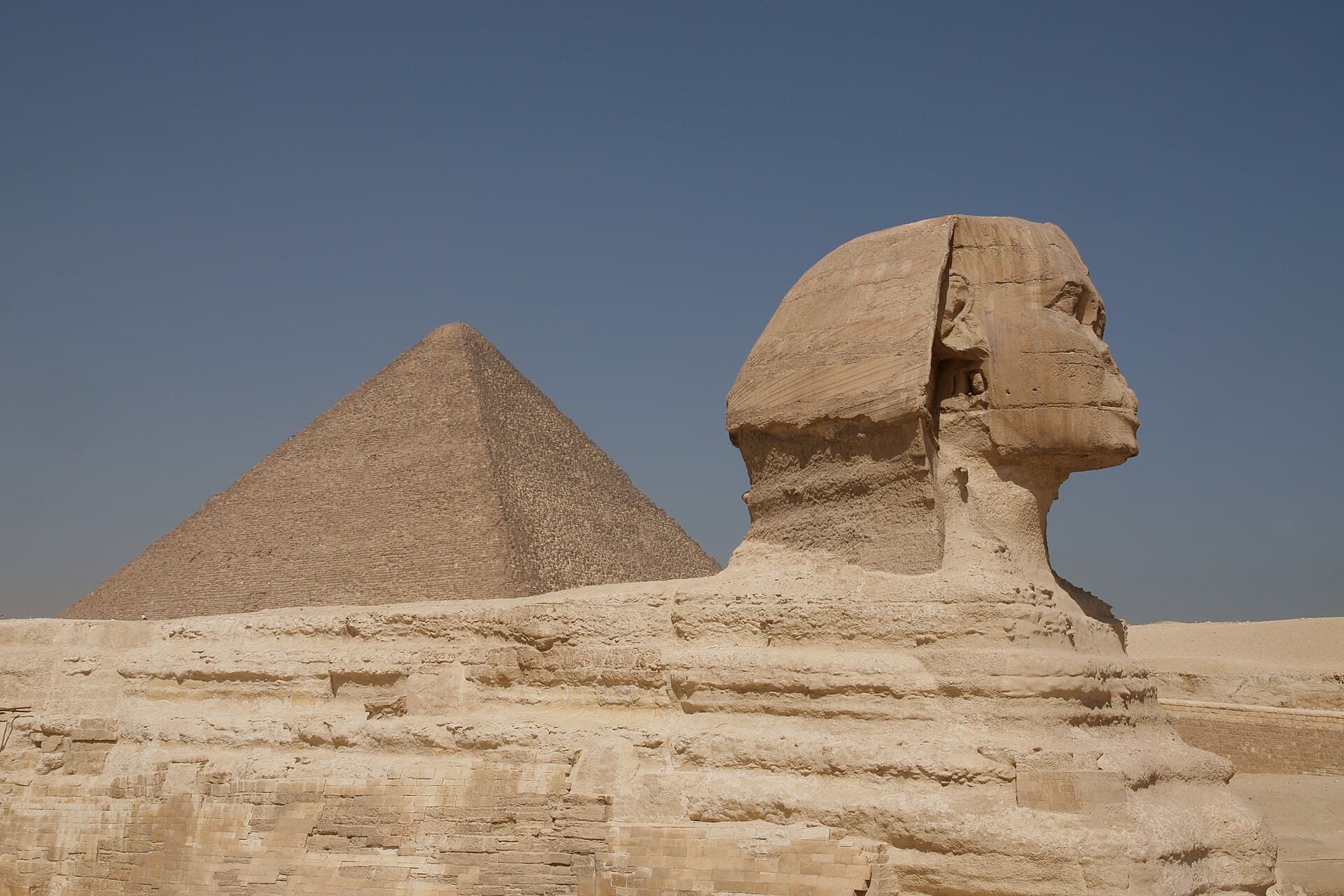
The only one of the seven ancient wonders still standing, and the one sight in Egypt that survives its own fame. The Great Pyramid was the tallest building on earth for close to four thousand years. What photographs never carry is the scale of the individual blocks, or how close Cairo now presses against the plateau — the desert view and the city view are both true, taken a few degrees apart.
Going inside one of the pyramids is ticketed separately and is a claustrophobic, steep, unadorned climb to an empty chamber. It is a genuine experience and it is also the thing most people regret paying for. Decide before you arrive rather than in the queue.
The Sphinx sits below the pyramids on the same ticket, smaller than most visitors expect and best seen from the causeway rather than the viewing terrace.
2. Karnak, at Luxor
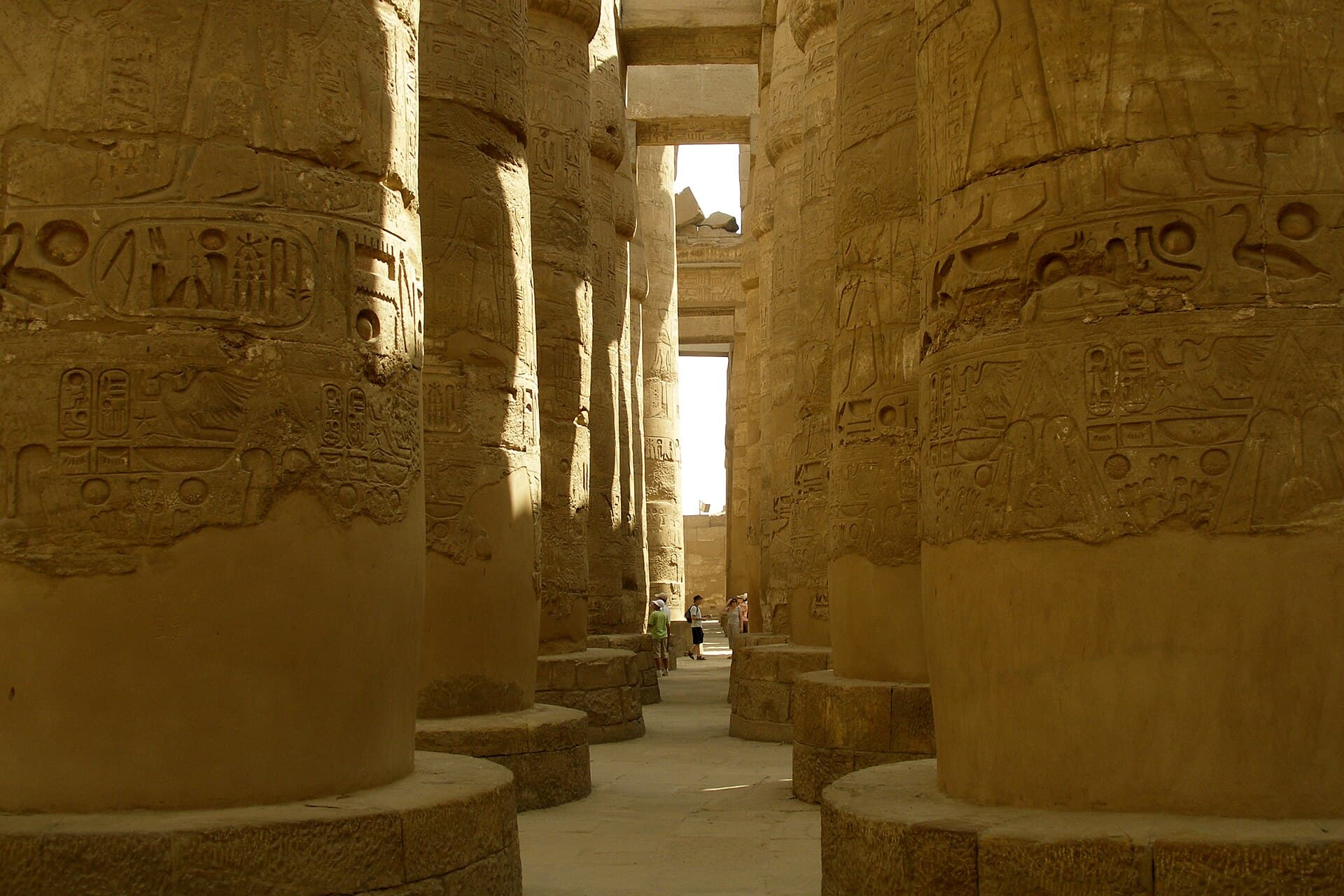
The largest religious building ever constructed, and the sight most likely to displace Giza as the memory you keep. The Hypostyle Hall is 134 columns standing close enough to block the sky, carved over centuries by pharaohs each adding to the last. Nothing else in Egypt conveys the length of the civilisation so directly: you are walking through two thousand years of additions in one building.
Go early. It is enormous, most of it is unshaded, and the coaches arrive from the cruise boats mid-morning.
3. The Valley of the Kings
Sixty-odd tombs cut into a dry valley on Luxor's west bank, of which a rotating handful are open. The standard ticket admits you to three. The painted ceilings in the better tombs are the closest thing in Egypt to seeing the colour as it was, because they were sealed and dark for three thousand years.
Tutankhamun's tomb is ticketed separately and is small and plain — its fame belongs to what was carried out of it, most of which is now in Cairo. Pay for it if completeness matters to you, not because you expect the best tomb in the valley. It is not.
4. Abu Simbel
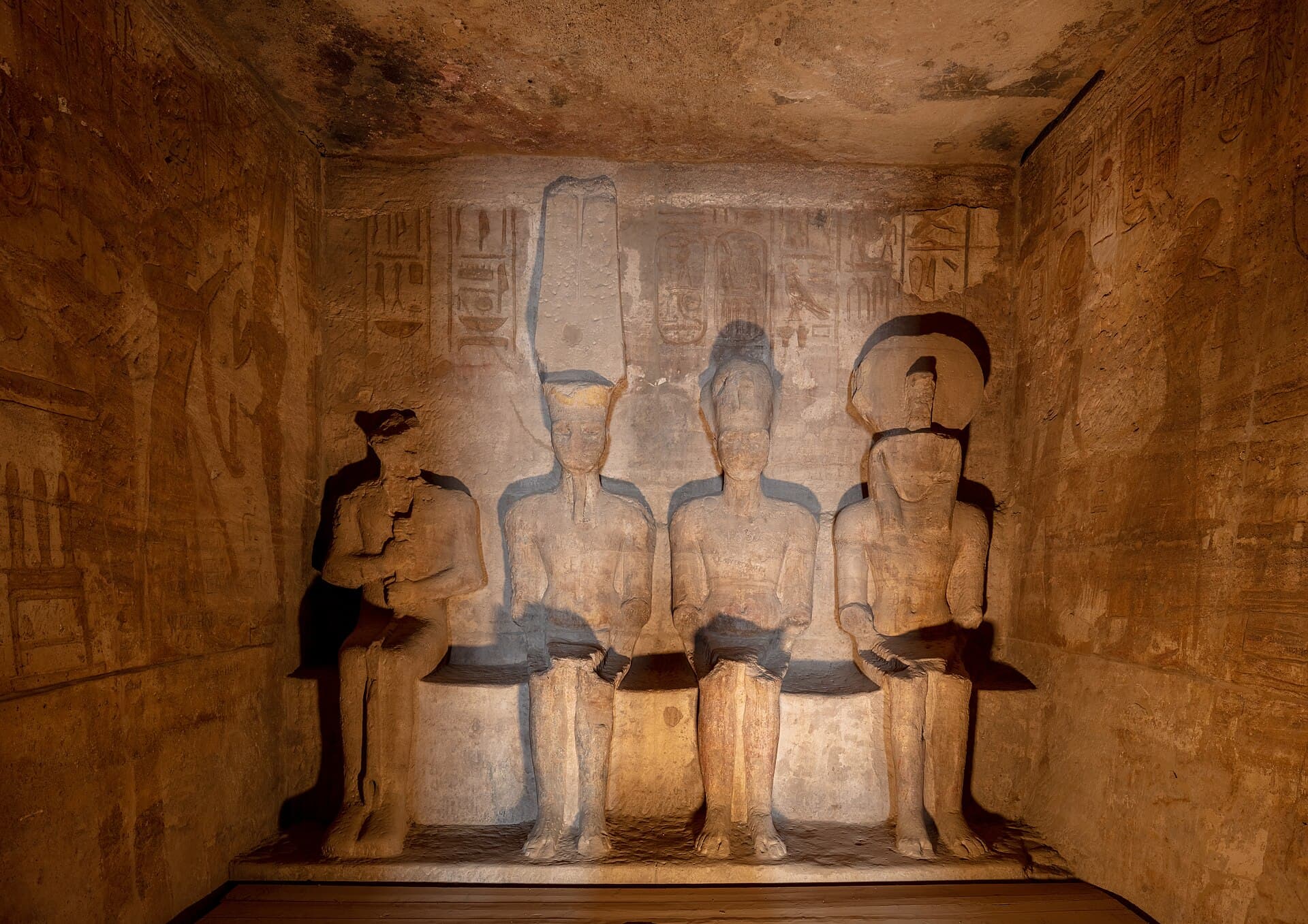
Four seated colossi of Ramesses II cut into a cliff above Lake Nasser, and the most remote major sight in the country. It is also the one with the best story: the entire temple was cut into blocks and moved uphill in the 1960s before the lake drowned its original site, which is why the hill behind it is hollow.
The honest caveat is the journey. From Aswan it is a very early start and a long road each way, or a short flight. Nobody regrets having gone; plenty regret how they got there. If your trip is short, flying is the difference between a good day and a punishing one.
5. A stretch of the Nile itself
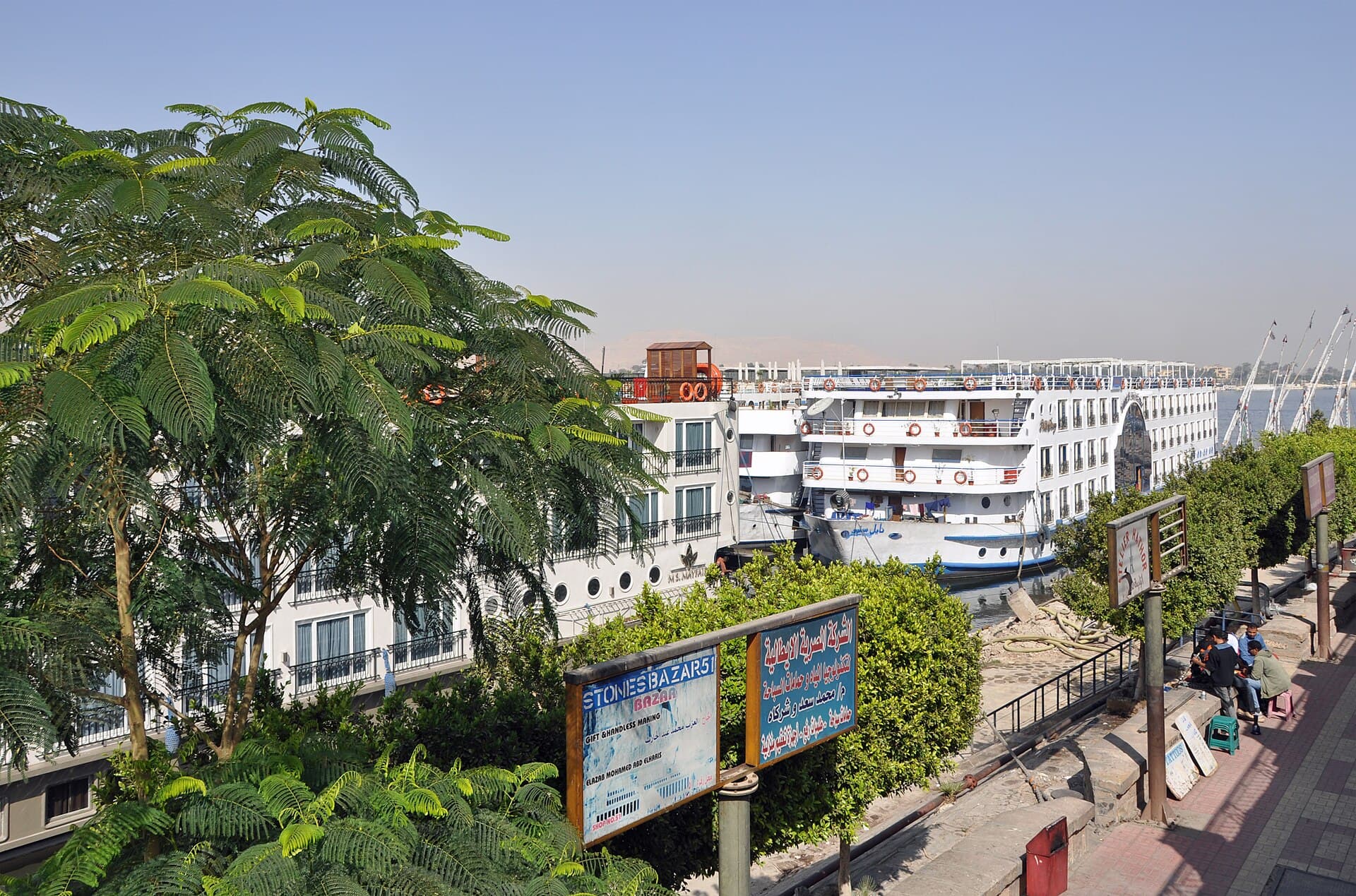
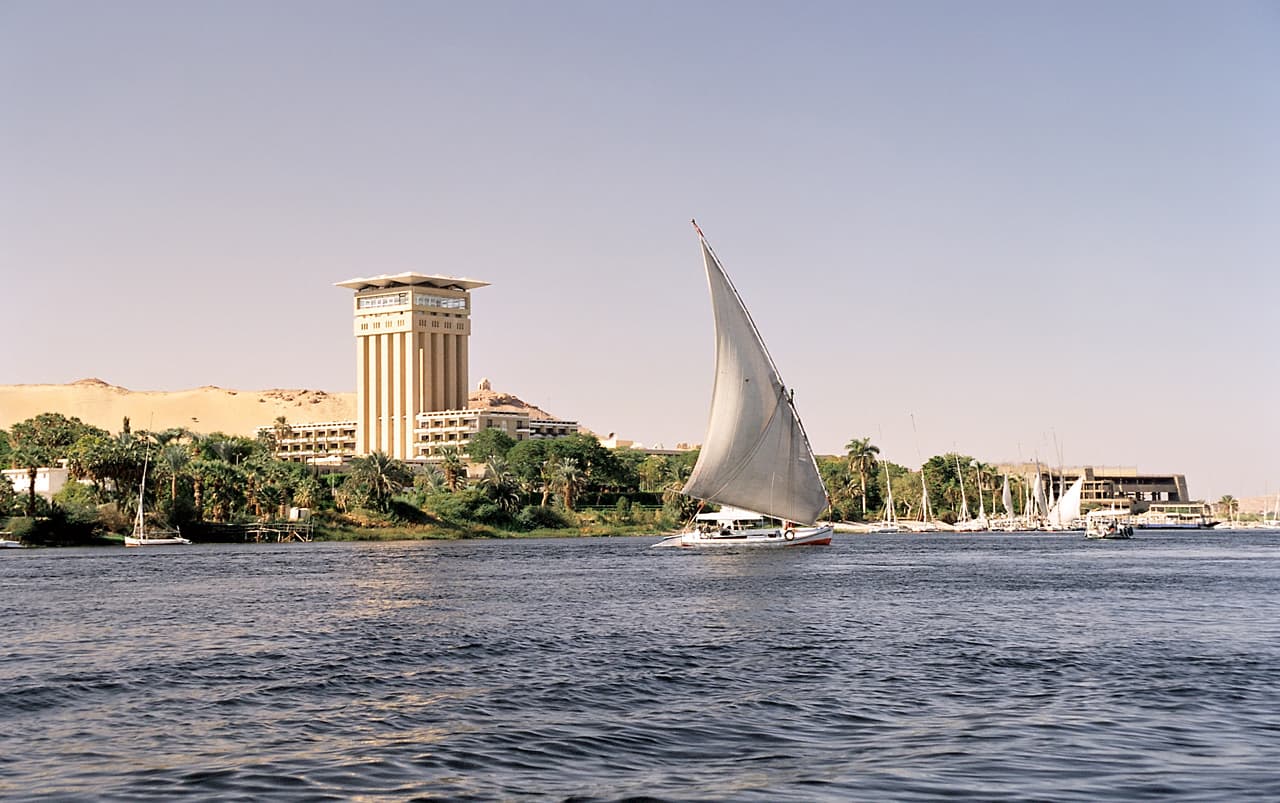
Not a monument, and the thing most first-time visitors end up rating highest. The Luxor to Aswan reach is where the river still does what it has always done: a green ribbon a few fields wide with desert immediately behind it, villages at the water's edge, and no road noise. Whether you see it from a cruise boat, a dahabiya or a felucca for an afternoon matters less than seeing it at all.
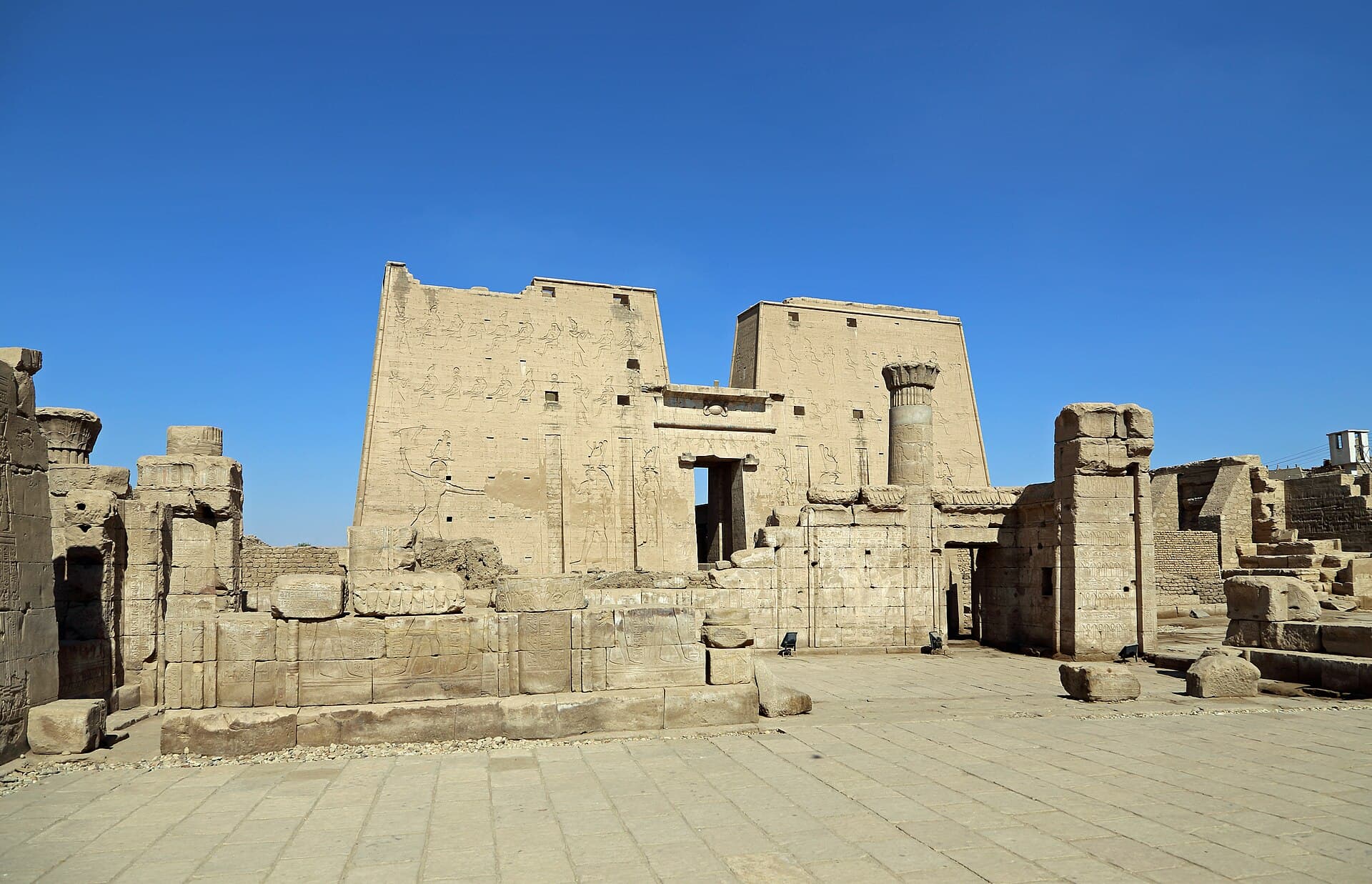
The temples at Edfu and Kom Ombo sit directly on this stretch and are usually visited from the water.
6. Aswan and Philae
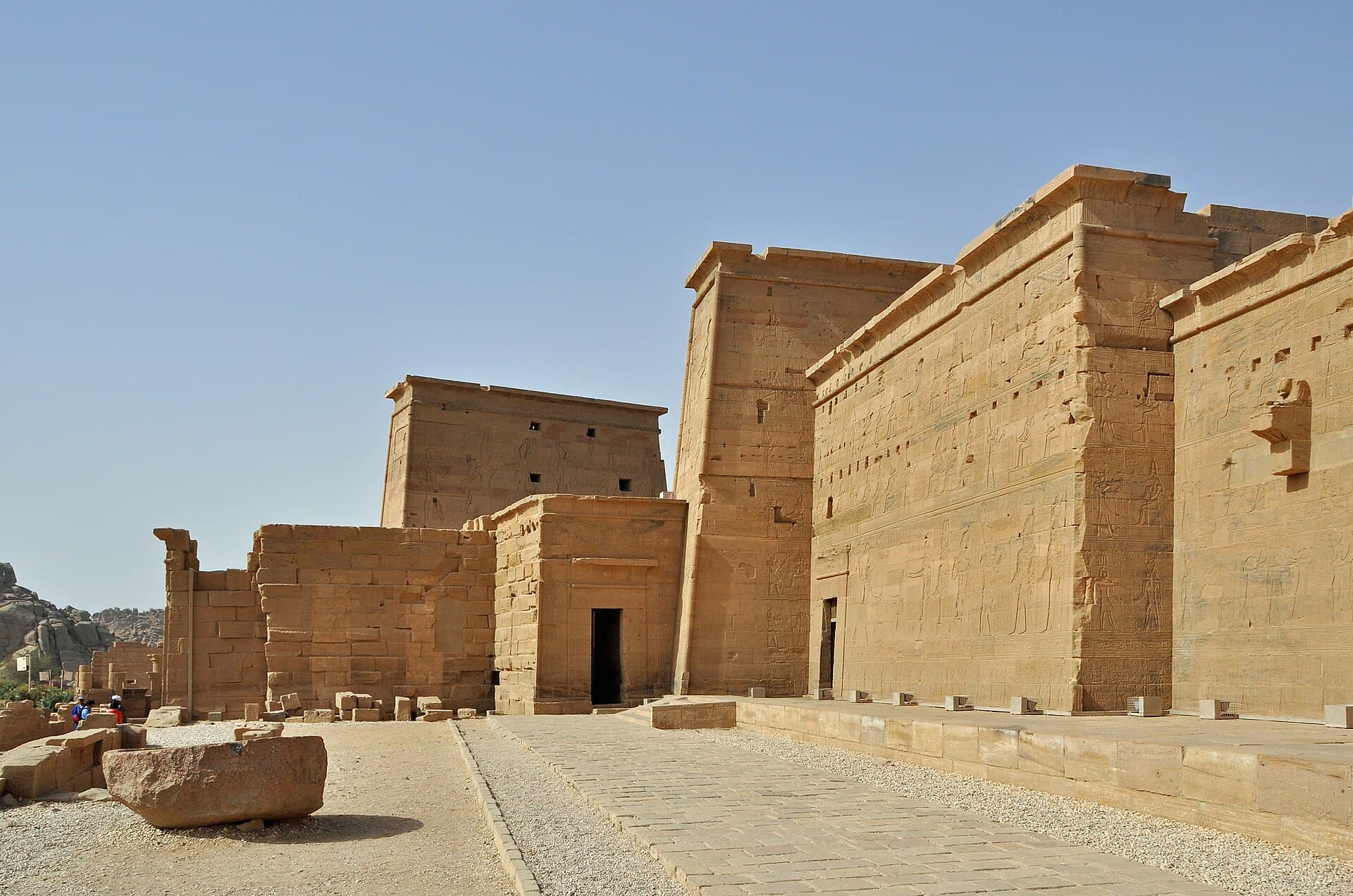
The warmest, slowest and most Nubian of the Nile towns, and the one place on a classic route where the pace drops. Philae temple sits on an island and is reached by boat, which does more for the arrival than any amount of masonry. The Unfinished Obelisk, still attached to the bedrock in its quarry, explains how the things you have been looking at all week were actually made.
A felucca at sunset here is the cheapest genuinely memorable hour in Egypt.
7. Saqqara and Dahshur
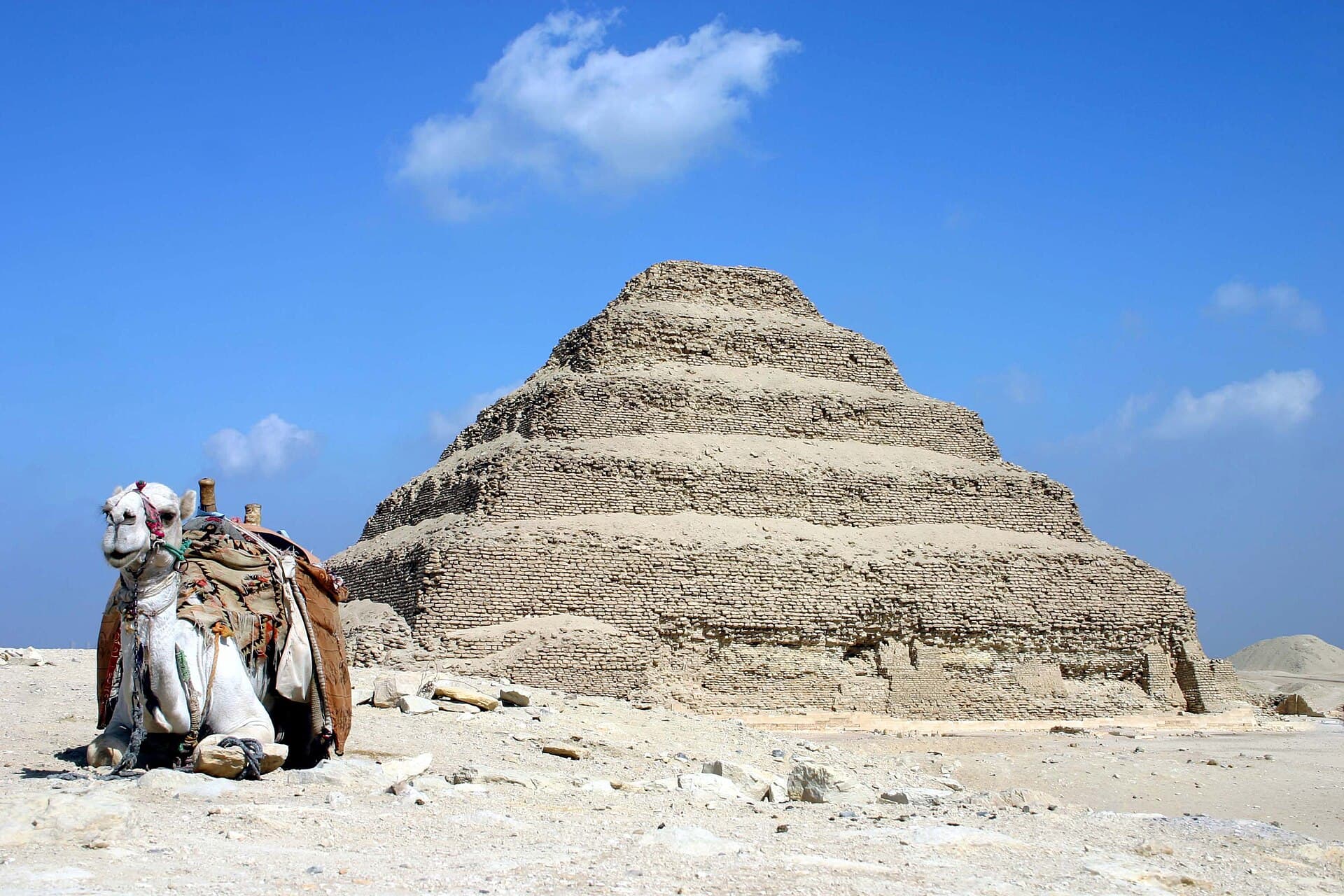
The Step Pyramid at Saqqara is older than Giza and is where the form was invented — you can see the idea being worked out. Dahshur, further south, holds the Bent Pyramid and the Red Pyramid, and both are usually near-empty.
This is the strongest argument against treating Giza as the whole pyramid story, and it is a half-day from Cairo.
8. The Grand Egyptian Museum
The purpose-built home for the Tutankhamun collection and the largest archaeological museum in the world. Seeing the tomb's contents after standing in the tomb itself is the right order and makes both better.
It is very large. Treat it as half a day and accept that you will not see all of it.
9. The Red Sea reefs
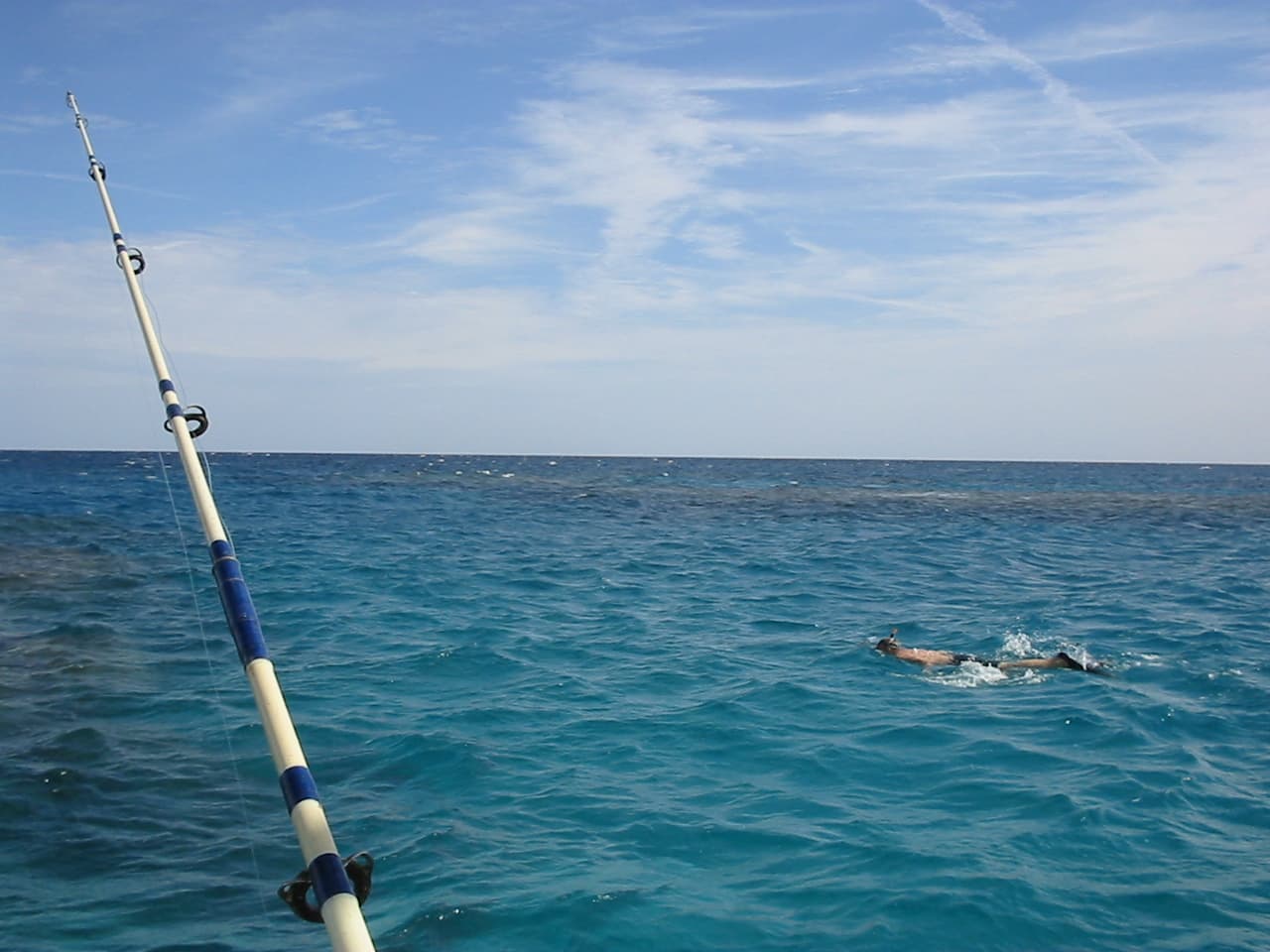
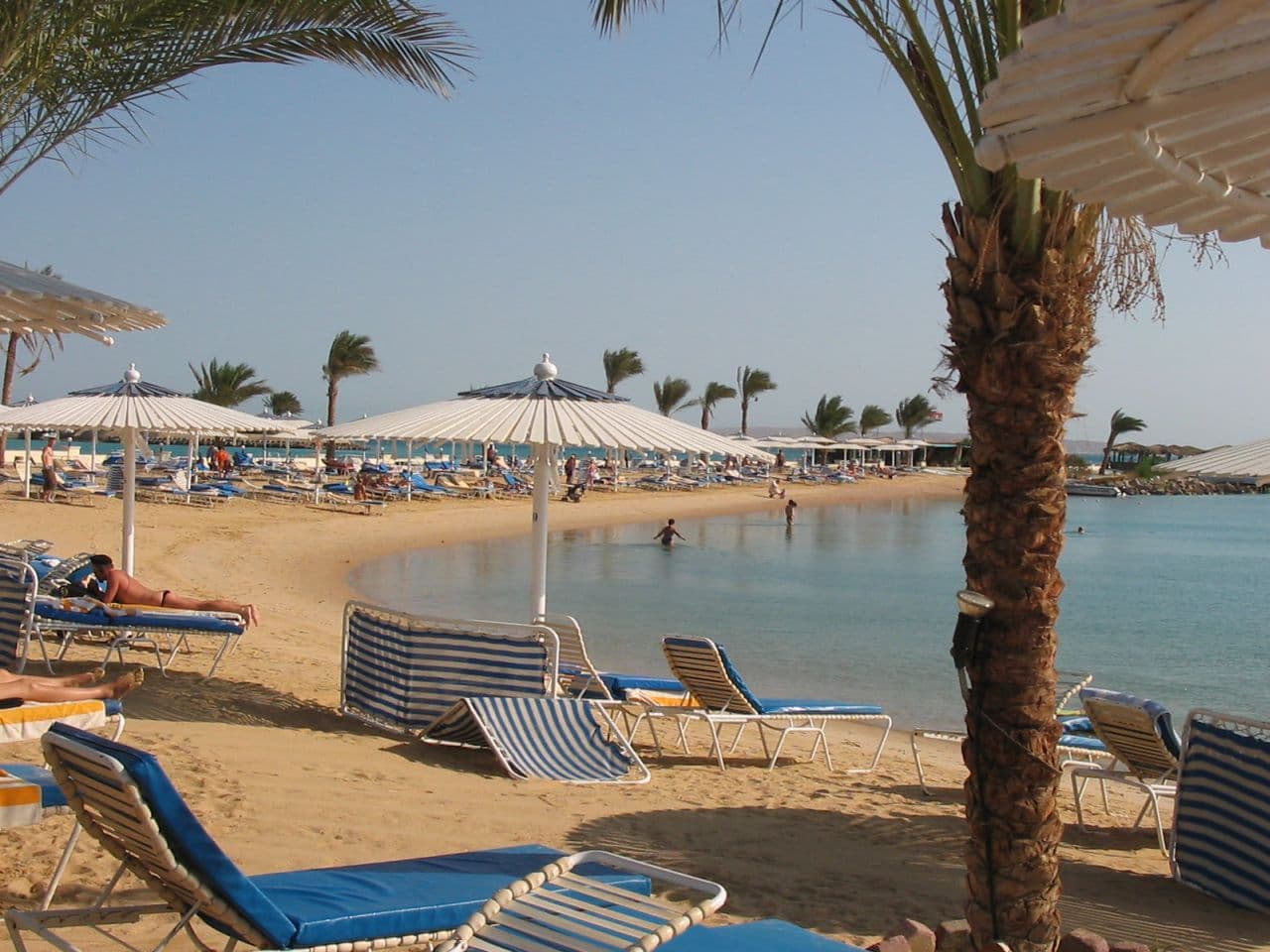
Egypt's second reason to visit, and entirely separate from the ancient one. The reefs off Hurghada, Marsa Alam and Sharm el-Sheikh are among the most accessible in the world, with visibility and coral that justify the reputation. Ras Mohammed, at Sinai's tip, is the best of it.
If you are combining, the Red Sea works as the end of a trip rather than the middle. Going from reef to ruins tends to make the ruins feel like work.
10. Khan el-Khalili and old Cairo
The medieval bazaar, going since the fourteenth century, plus the Citadel above it and the Coptic quarter below. This is the part of Egypt that is still a working city rather than a site, and it is the correction to a trip that would otherwise be entirely pharaonic.
Expect to be sold to. It is part of the place and it is not personal.
The famous places that are worth less than their reputation
Being specific is more useful than being encouraging. Going inside the Great Pyramid, as above, is the most common disappointment in the country. Tutankhamun's tomb is the second. The Sound and Light shows at Giza and Karnak divide people sharply and are best skipped on a short trip. And a day trip from Hurghada to Luxor is eight hours in a vehicle for four hours of temples — worth it only if it is your single chance at the Nile valley.
Alexandria is the interesting case. It is genuinely worth a day if you care about the Greek and Roman layer, and genuinely disappointing if you arrive expecting the ancient library and lighthouse, neither of which survives.
What to see beyond the standard route
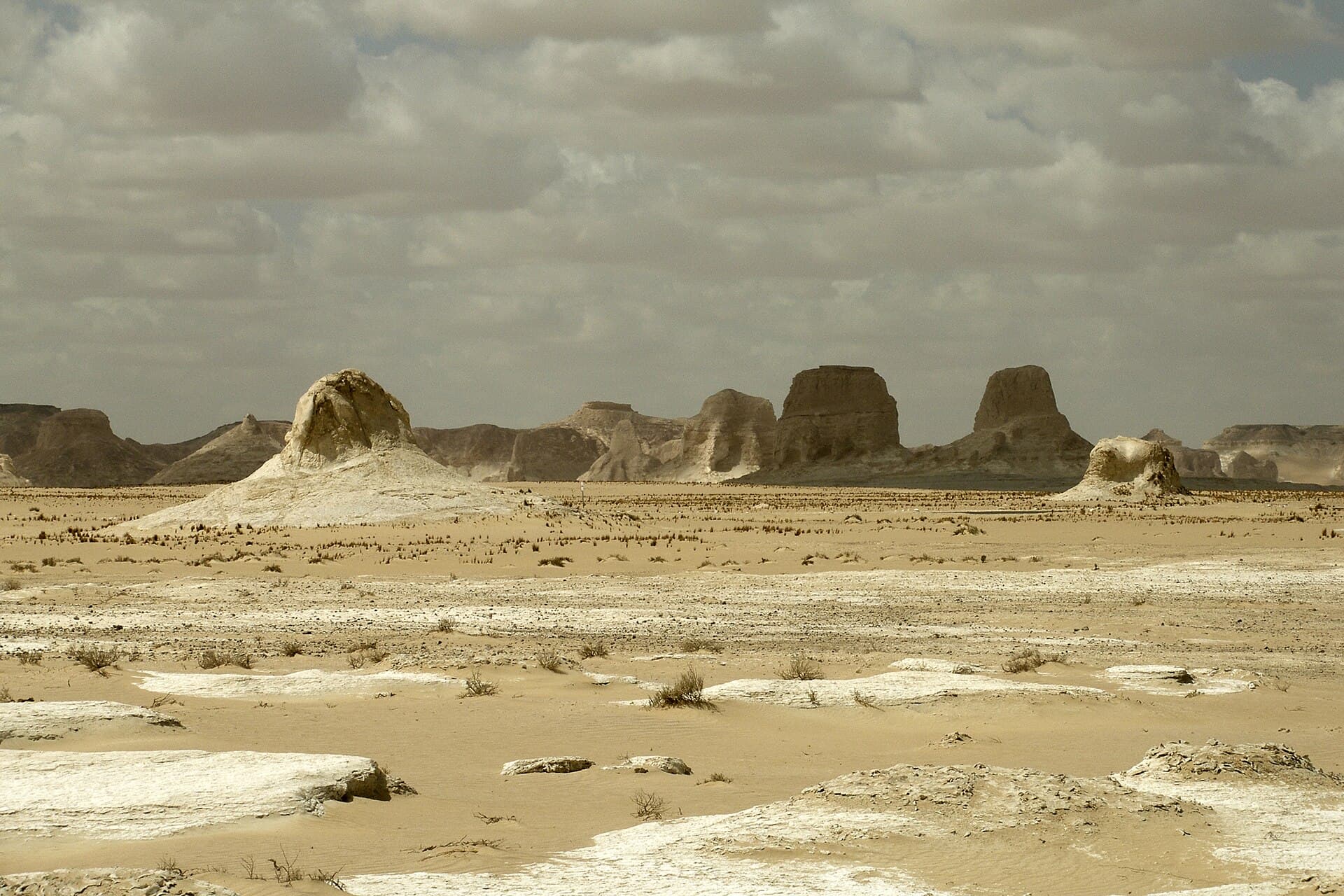
Dendera and Abydos, north of Luxor, hold the best-preserved painted ceiling and the finest relief carving in Egypt respectively, and neither is on most itineraries. The White Desert, reached through the Bahariya oasis, is a night under chalk formations in the Western Desert and looks like nowhere else in the country. Siwa, close to the Libyan border, is a long way from everything and is the most distinct place in Egypt culturally.
Each of these costs at least a day. They are what a second trip is for, or what a longer first trip can absorb without strain.
How many of these can you actually fit?
Five days covers Cairo and Giza properly, or Cairo with a fast look at Luxor. Eight days is the shape most trips take: Cairo, the Nile between Luxor and Aswan, and the temples along it. Ten opens up Abu Simbel and a slower Aswan. Two weeks adds the Red Sea or the Western Desert without either feeling squeezed.
The mistake worth avoiding is treating the list above as a checklist. Egypt's sites are large, hot and dense, and four of them properly beats eight of them at a jog.
Common questions
What are the top things to do in Egypt?+
The Pyramids of Giza, Karnak at Luxor, the Valley of the Kings, Abu Simbel and a stretch of the Nile itself. Those five are on almost every itinerary for good reason, and between them they cover the pyramid age, the temple age and the river that connects the two.
What are the most famous places in Egypt?+
Giza and the Sphinx are the most famous by a wide margin, followed by Abu Simbel, Karnak, the Valley of the Kings and Philae. Fame and satisfaction are not the same ranking, though — visitors regularly rate the Nile itself and the quieter pyramid fields at Saqqara and Dahshur above sights they had heard of beforehand.
How many days do you need to see the main places in Egypt?+
Eight days covers Cairo, Luxor, Aswan and the Nile between them without rushing. Five is enough for Cairo and one other place. Ten or more lets you add Abu Simbel comfortably, or the Red Sea.
What should you skip in Egypt?+
Going inside the Great Pyramid, which is a steep climb to an empty chamber, and Tutankhamun's tomb, which is small and plain compared with others in the same valley. Both are separately ticketed and both are common regrets. The long road day trip from Hurghada to Luxor is the third.
Is Egypt just pyramids and temples?+
No. The Red Sea reefs are world class and completely separate from the ancient sites, the Western Desert and Siwa look like nowhere else in the country, and Cairo is a working city with a medieval quarter rather than an open-air museum. Most trips that feel repetitive were planned as pharaonic sites only.
What is the best time of year to visit these places?+
October to April, when Upper Egypt is comfortable rather than punishing. July and August are very hot in Luxor and Aswan, which is where most of this list sits, though the Red Sea stays pleasant year round.
Can you see the main attractions without a Nile cruise?+
Yes. Luxor and Aswan are both reachable by domestic flight or overnight train, and every temple on this list except Edfu and Kom Ombo is straightforward to visit from land. A cruise is the easiest way to see those two, and it removes the daily repacking, which is why so many trips use one.
Which places are worth it for a second trip to Egypt?+
Dendera and Abydos for the carving and colour, the White Desert for a night in the Western Desert, Siwa for somewhere culturally distinct, and Dahshur if the first trip only managed Giza. None of them fit comfortably into a first week.
Official sources
Entry rules, opening hours, security advice and exchange rates all move. Check them at the source, not here.
Written and checked by the Nile Trip Guide editorial team · Last reviewed . Entry rules, prices and opening hours change — check anything critical against the official sources linked on this page.
Plan this trip
Tell us your dates and we will price it
A real itinerary with real prices, usually within 24 hours. Nothing is booked and nothing is charged until you say yes.
The route most people take first, at the length it was built for: Giza and the Grand Egyptian Museum, then a flight to Luxor and four nights sailing down to Aswan.
No boat on this one. Giza and the Grand Egyptian Museum, a night in Luxor for both banks, two nights on the Red Sea, then back to Cairo for the Citadel, Coptic Cairo and the Royal Mummies.
Five nights in Cairo either side of a four-night sail from Luxor to Aswan. The Cairo days are private, just your party and a guide; the sightseeing off the boat is shared with a small group.