Middle Egypt
Abydos
Abydos sits roughly three hours' drive north of Luxor, and the Temple of Seti I there is widely reckoned to hold the finest relief carving to survive in Egypt.
By type of trip
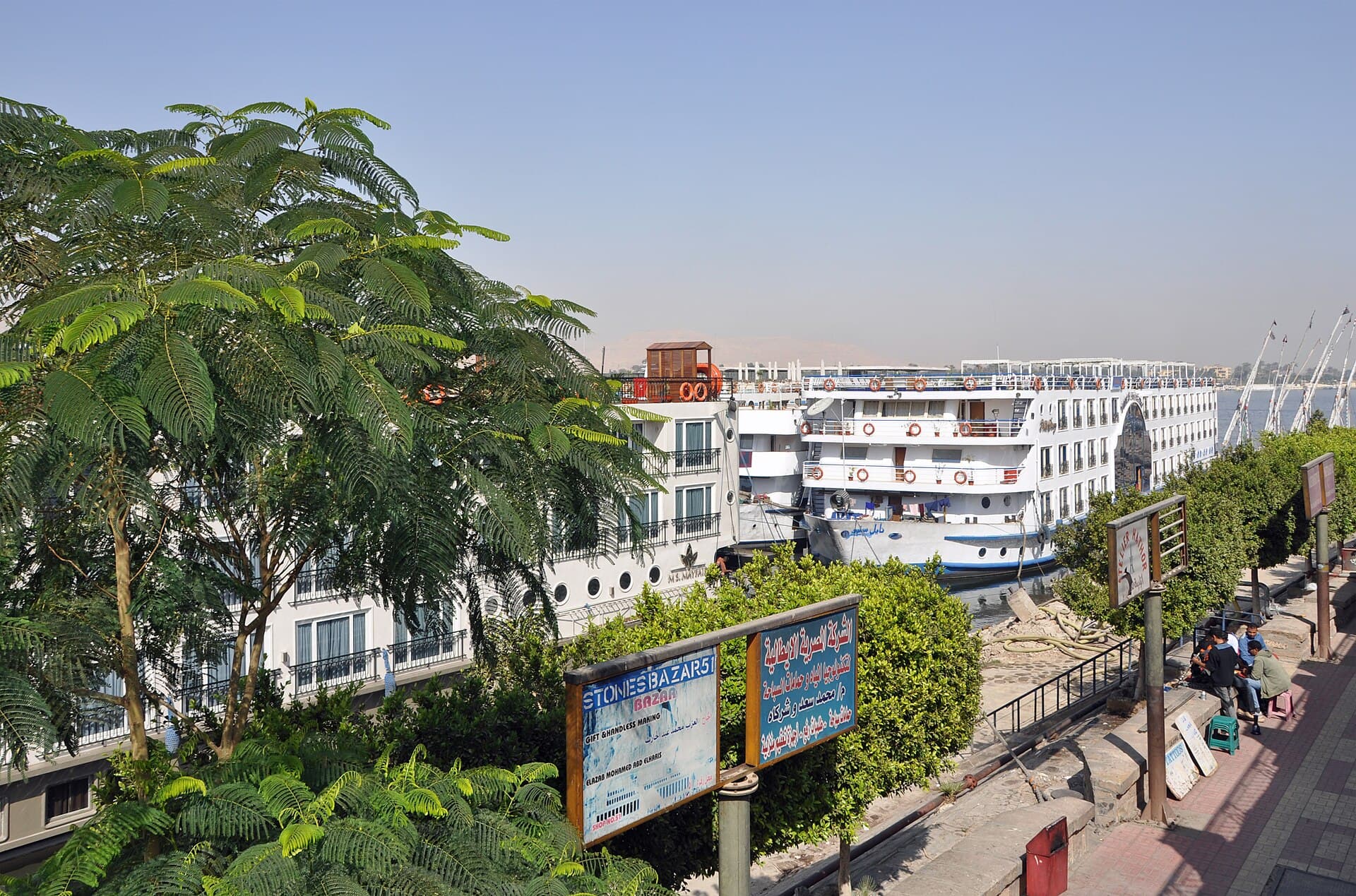
Nile Cruises Luxor to Aswan: Routes, Boats and Prices
Classic Egypt Tours: Cairo, Luxor and Aswan Itineraries
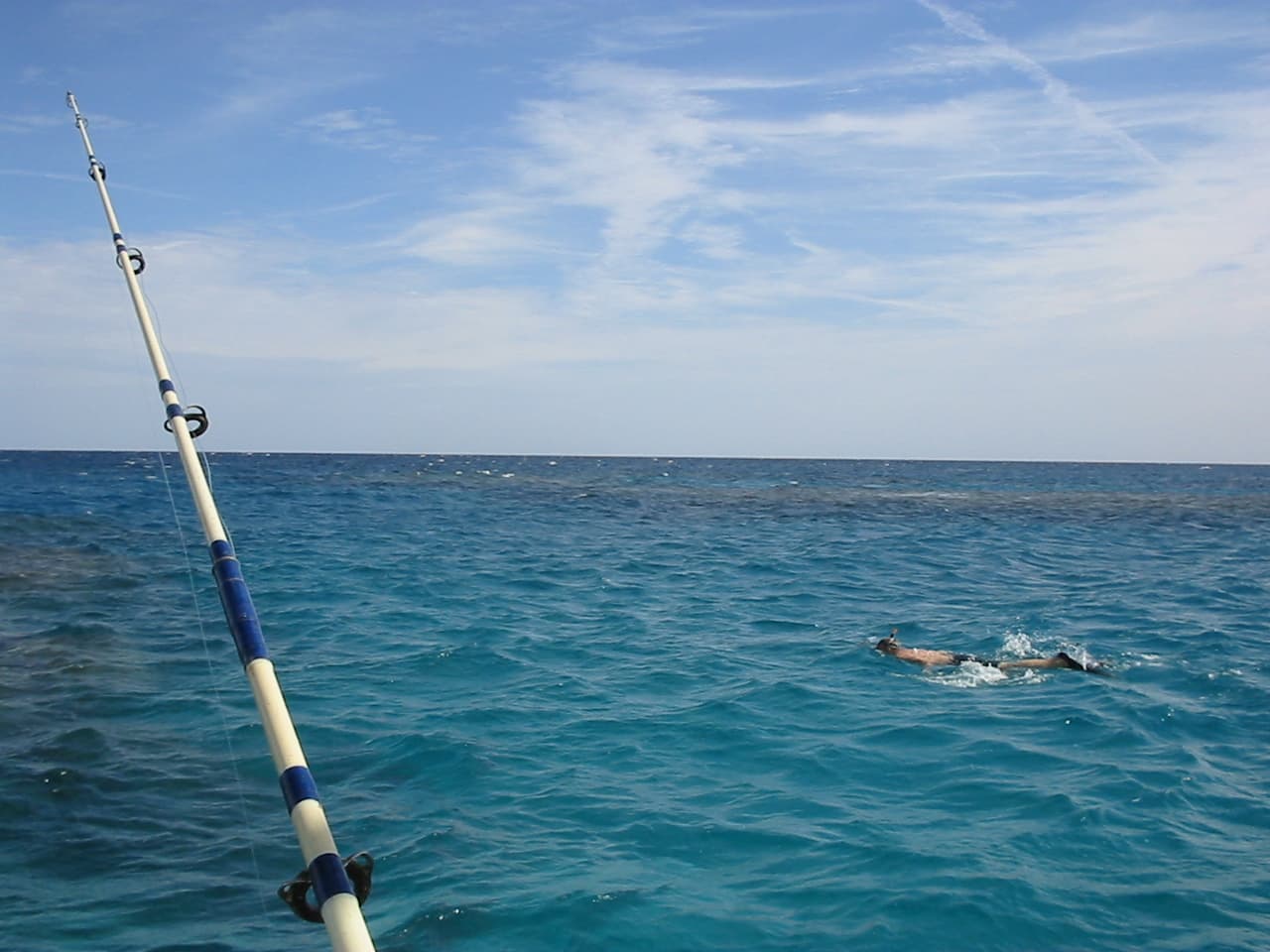
Nile Cruise and Red Sea Holidays: Two-Week Egypt Trips
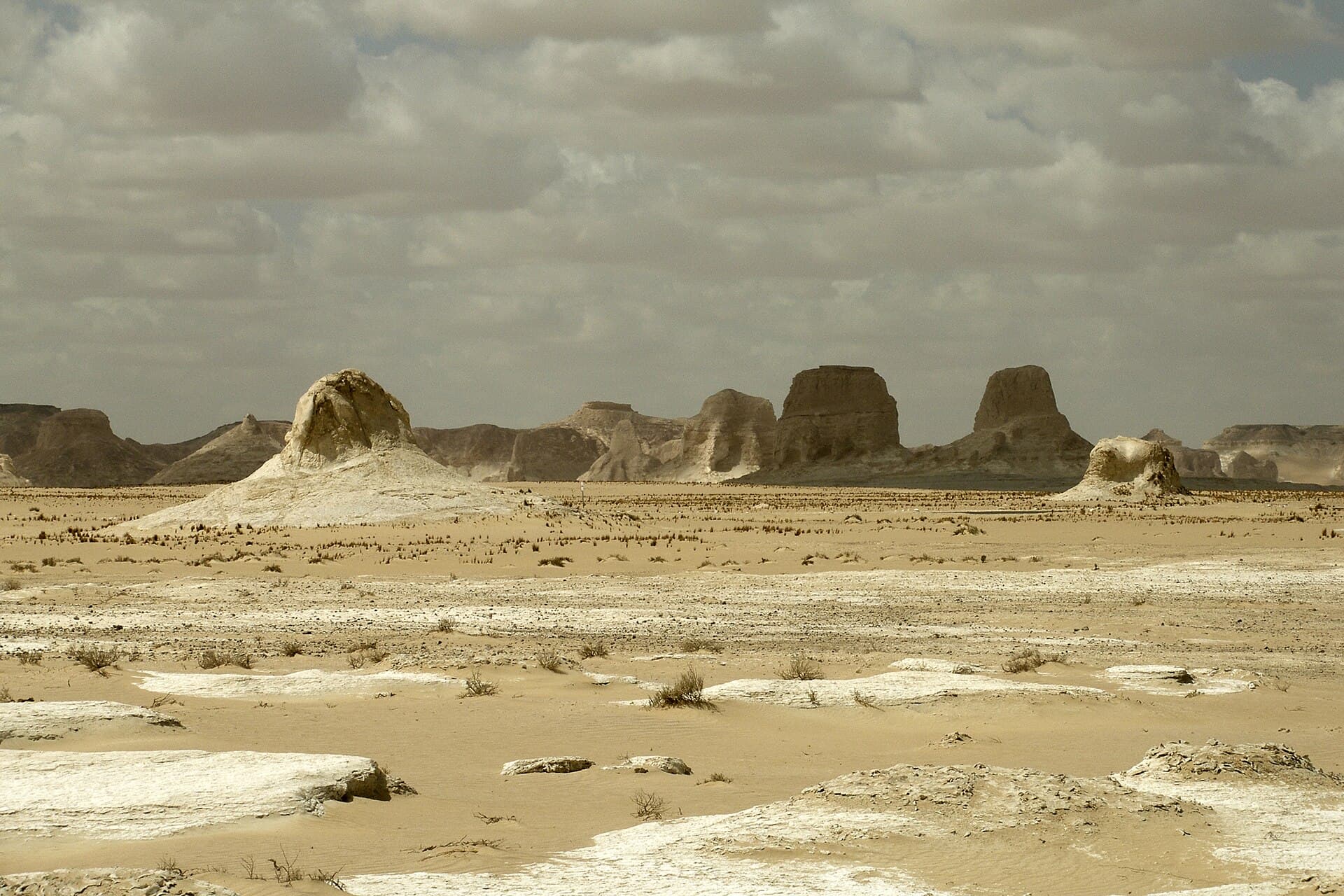
White Desert Tours from Cairo: Oases and Desert Camping
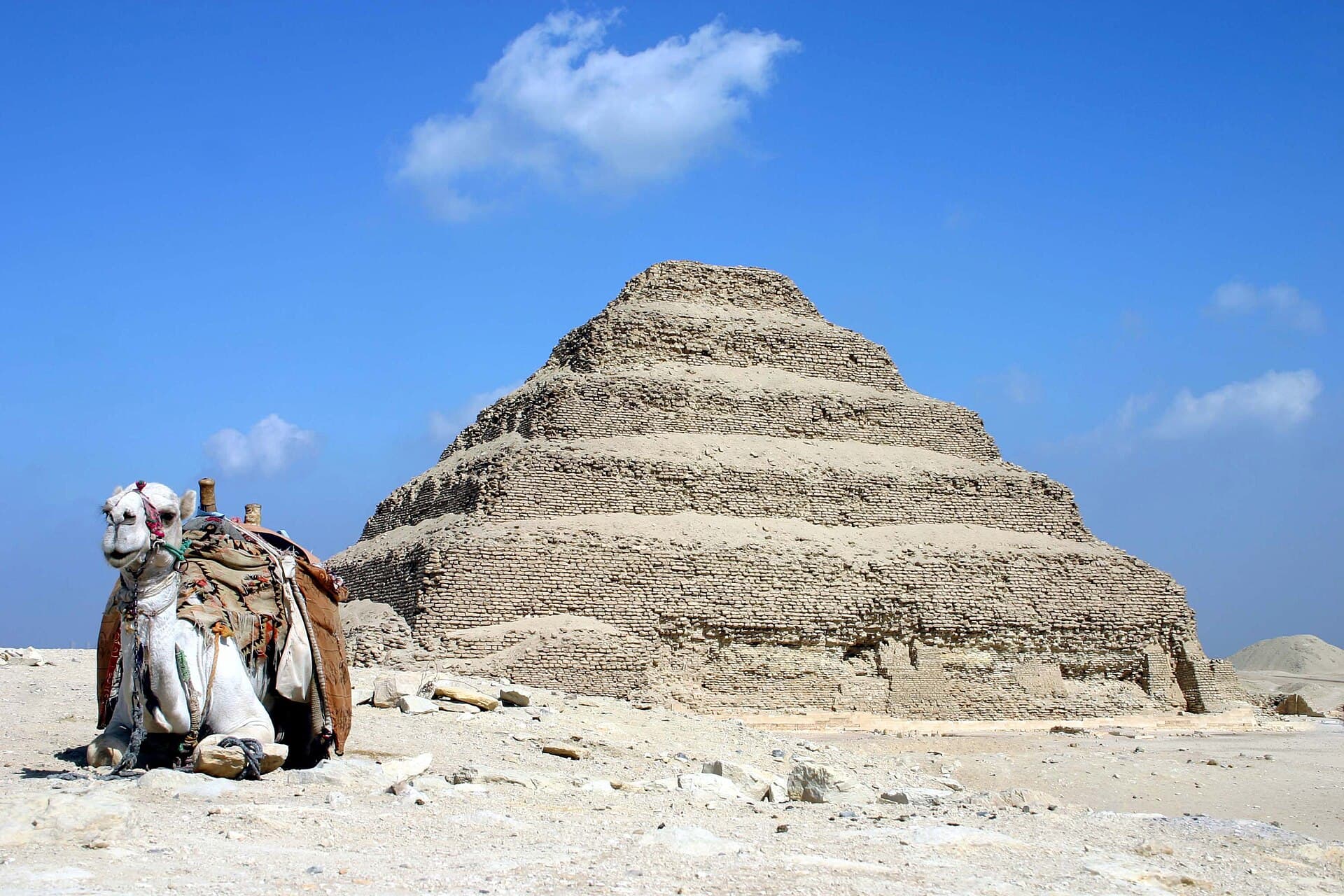
Short Breaks in Egypt: Three and Four Day Cairo Trips
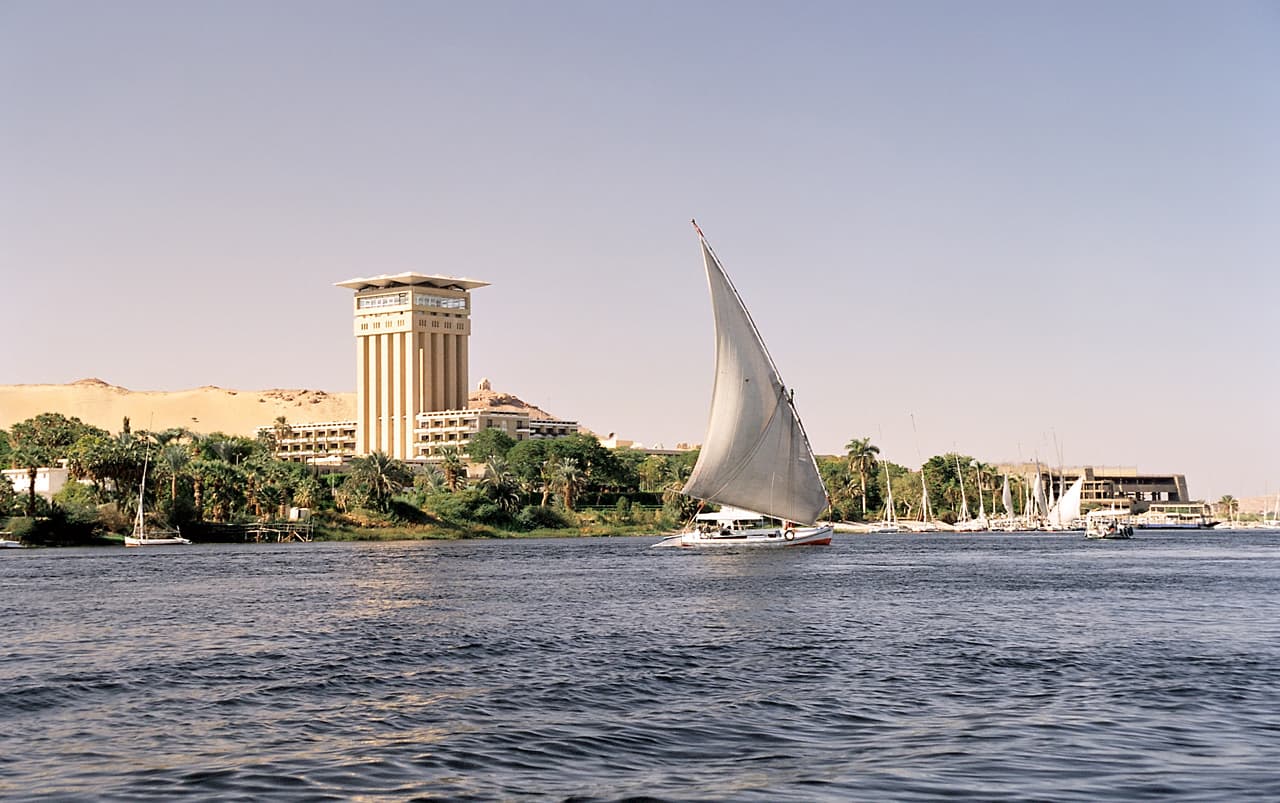
Tailor-made Egypt Tours: Private Trips Built Around You
Ancient sites
What each of the main Egypt attractions is, how long to allow, and the practical detail that makes the difference between a good visit and a hot queue.
There are more ancient sites in Egypt than any trip can hold, and the honest work is deciding what to leave out. A first visit that tries to see everything ends up rushing the things worth slowing down for.
The pages below cover the major Egypt attractions one at a time: what each site is, what the standard ticket covers, what costs extra, how long to allow, and when the light and the crowds are on your side.
They also say when something is not worth it. Some famous sites need an hour rather than a morning, and one or two are better skipped entirely in favour of somewhere quieter down the road.
Middle Egypt
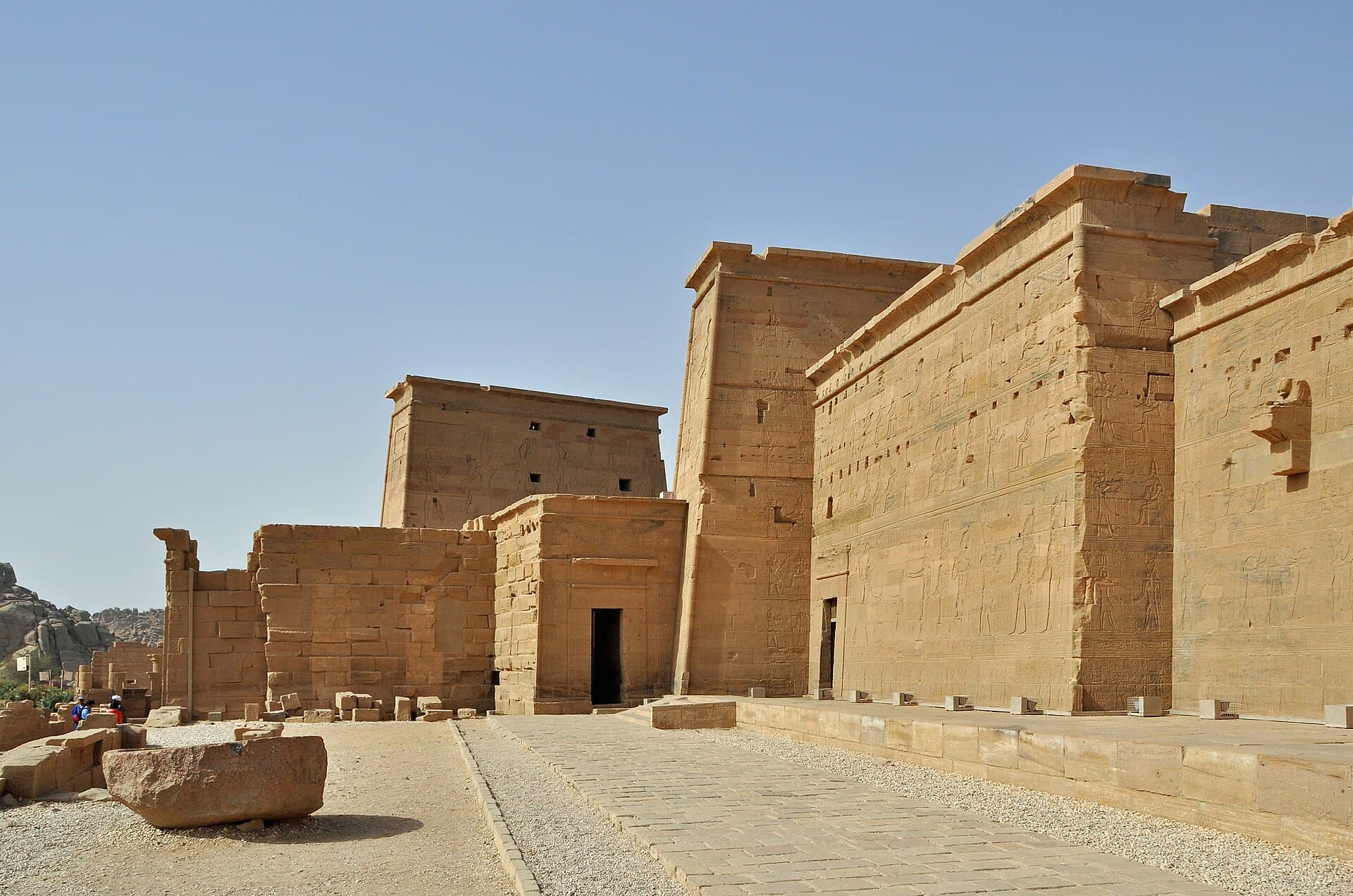
Abydos sits roughly three hours' drive north of Luxor, and the Temple of Seti I there is widely reckoned to hold the finest relief carving to survive in Egypt.
Aswan
The Aswan High Dam is one of the largest engineering projects of the twentieth century and one of the least rewarding half-hours in a southern Egypt itinerary.
Dahshur · south of Cairo
The Bent Pyramid at Dahshur is the one that visibly went wrong, and that is exactly why it is worth the drive south from Cairo.
Luxor · West Bank
The Colossi of Memnon are two seated stone statues of Amenhotep III beside the road on Luxor's West Bank, and almost every visitor sees them because they are unavoidable rather than because they planned to.
Cairo · Giza
The Grand Egyptian Museum stands on the desert edge at Giza, roughly two kilometres from the pyramids, and is billed as the largest museum in the world built around a single civilisation.
Cairo · Giza
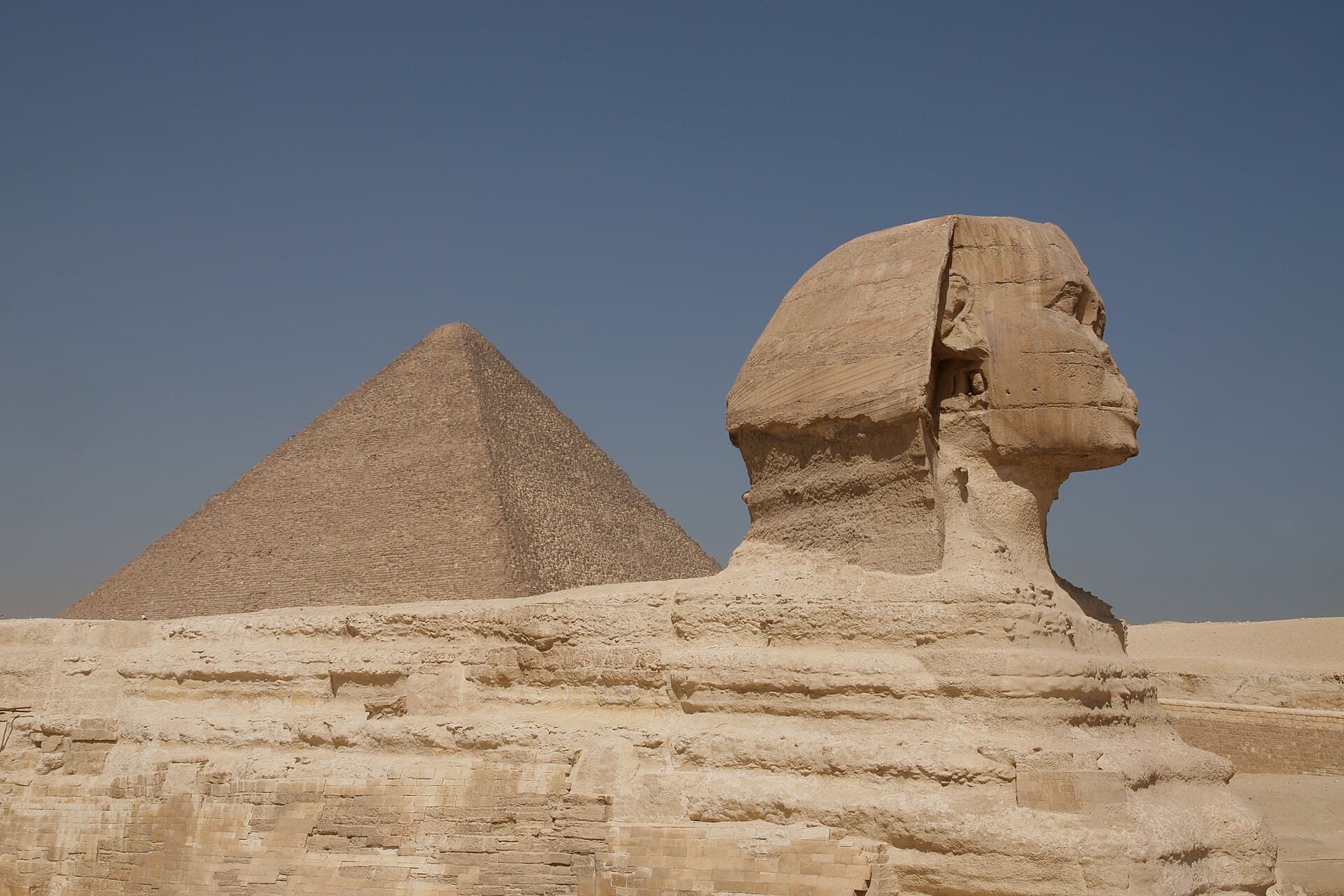
The Great Sphinx of Giza is a limestone lion with a human head, carved down into the bedrock at the edge of the Giza plateau, just north of Khafre's causeway.
Luxor · West Bank
Hatshepsut Temple is the three-tiered mortuary temple cut into the cliffs at Deir el-Bahari, on the West Bank at Luxor.
Luxor · East Bank
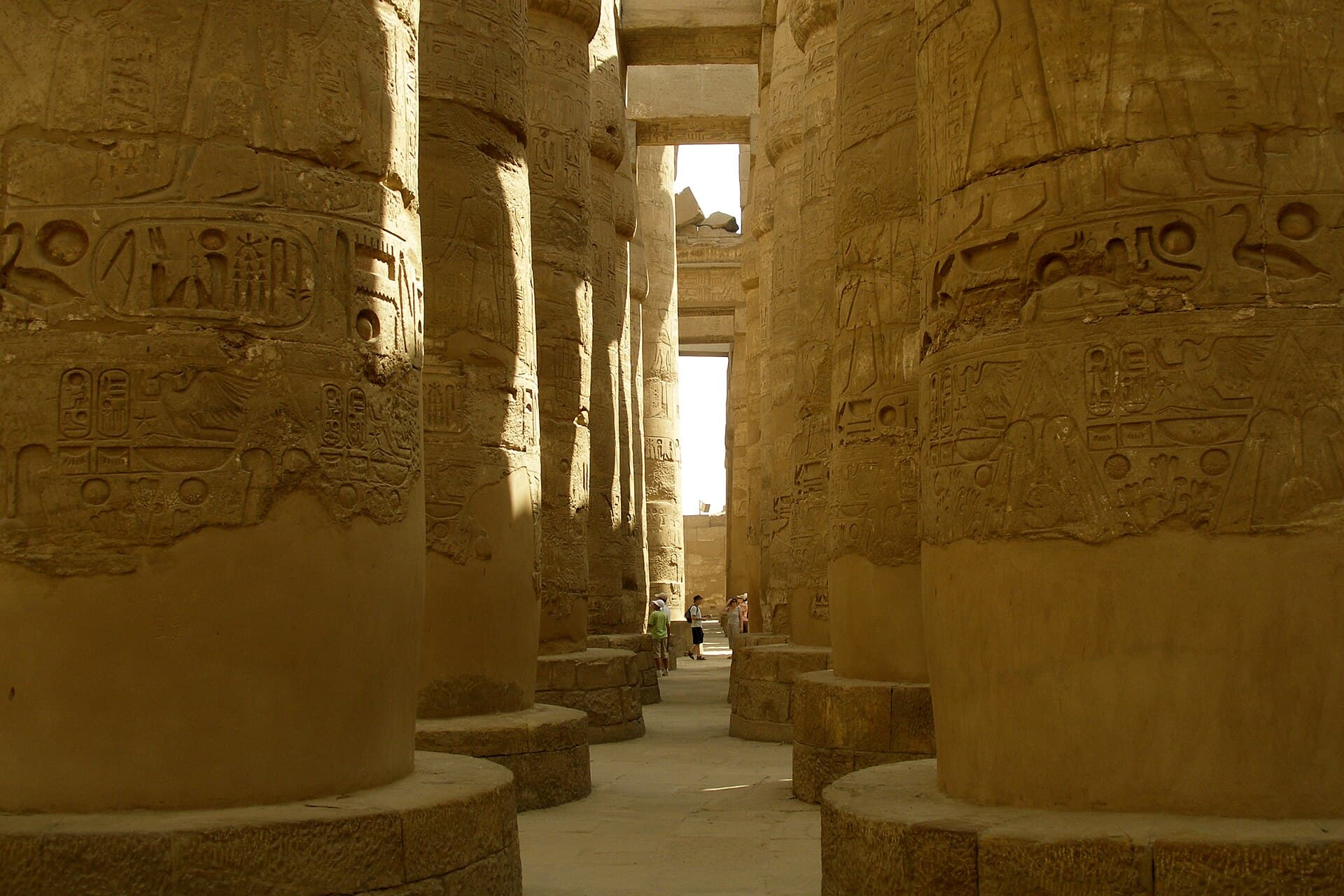
Karnak Temple is the largest religious complex the ancient world built, and roughly 2,000 years of pharaohs added to it.
Cairo · Islamic Cairo
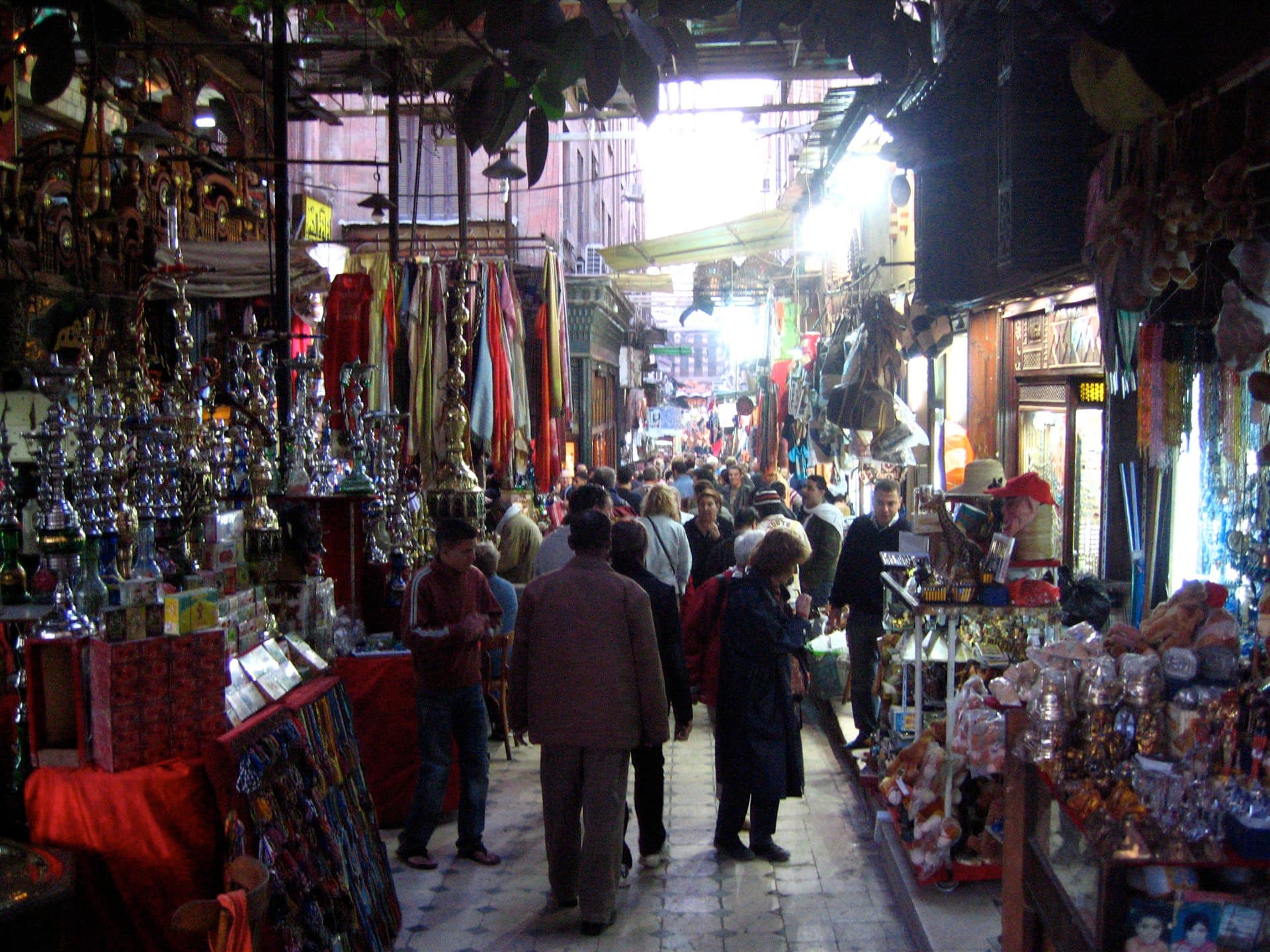
Khan el-Khalili is the medieval trading quarter at the centre of Islamic Cairo, and it is both one of the city's best hours and one of its most oversold.
Luxor · East Bank
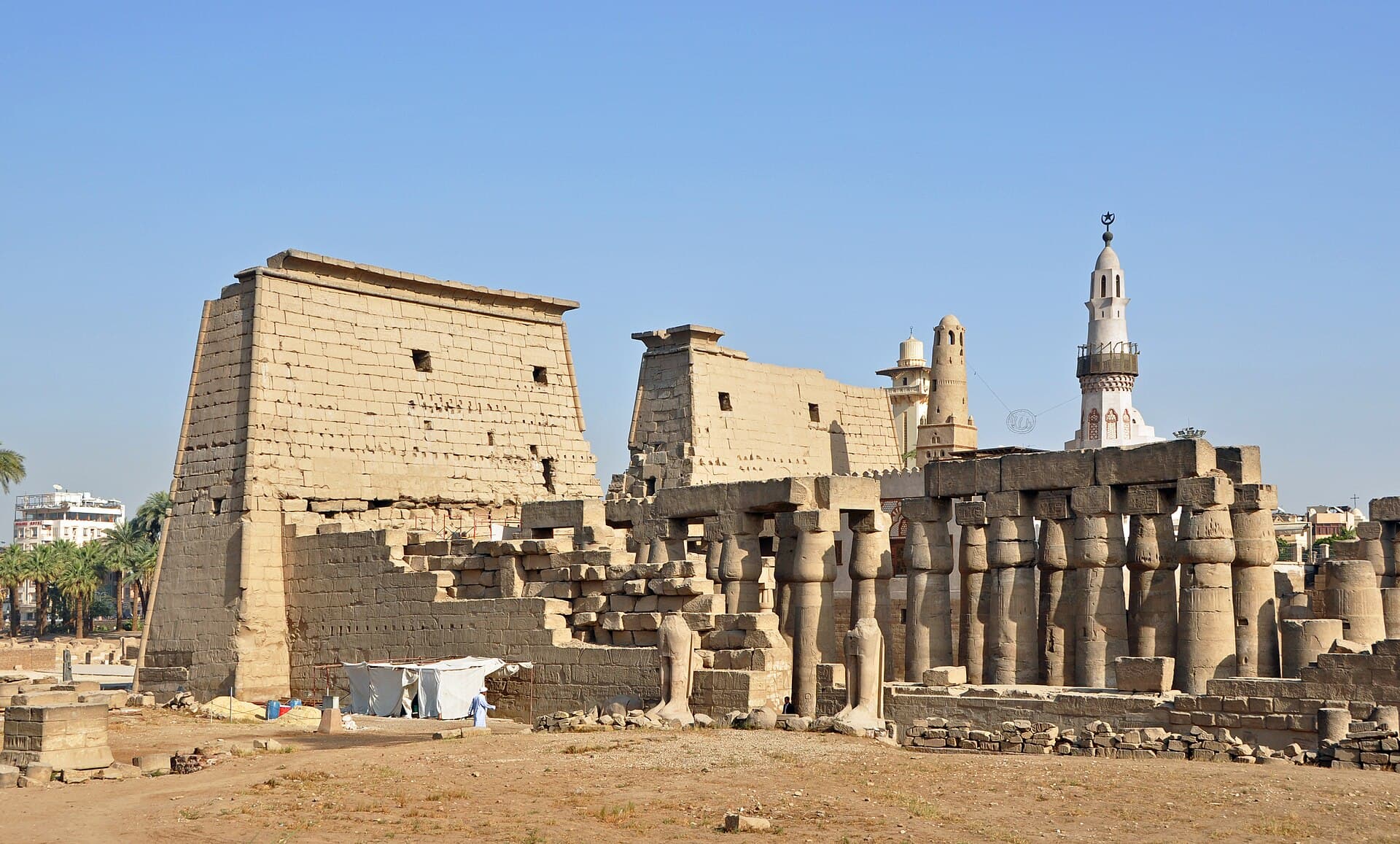
Luxor Temple sits in the middle of a working Egyptian town, a short walk from the corniche, and it is the one major pharaonic site you can reach on foot after dinner.
Cairo · Saqqara loop
Memphis was the capital of ancient Egypt, and there is almost nothing left of it to look at.
South Sinai
Mount Sinai stands inland in the mountains of South Sinai, a long way from anything else on a normal Egypt itinerary.
Cairo · Giza
The Pyramids of Giza sit on a limestone plateau on the western edge of Cairo, roughly 4,500 years old, and the Great Pyramid remained the tallest building on earth for close to four thousand years.
Abu Simbel · Luxor · Cairo
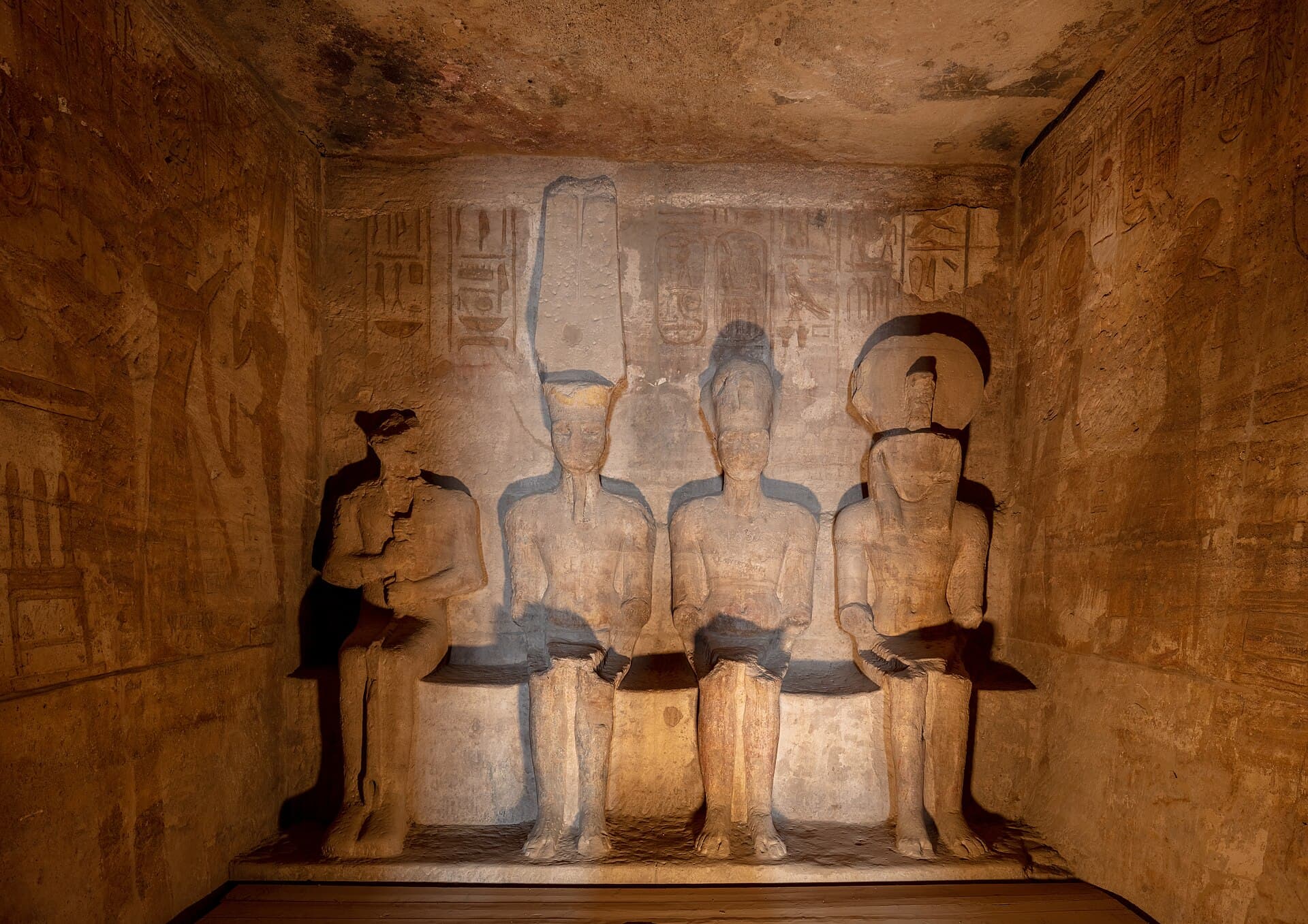
Ramesses II is the name you will hear most often on an Egypt trip.
Cairo · Memphis necropolis
Saqqara is the burial ground of ancient Memphis and the site of Djoser's Step Pyramid, generally regarded as the earliest large stone building in the world.
Luxor · West Bank
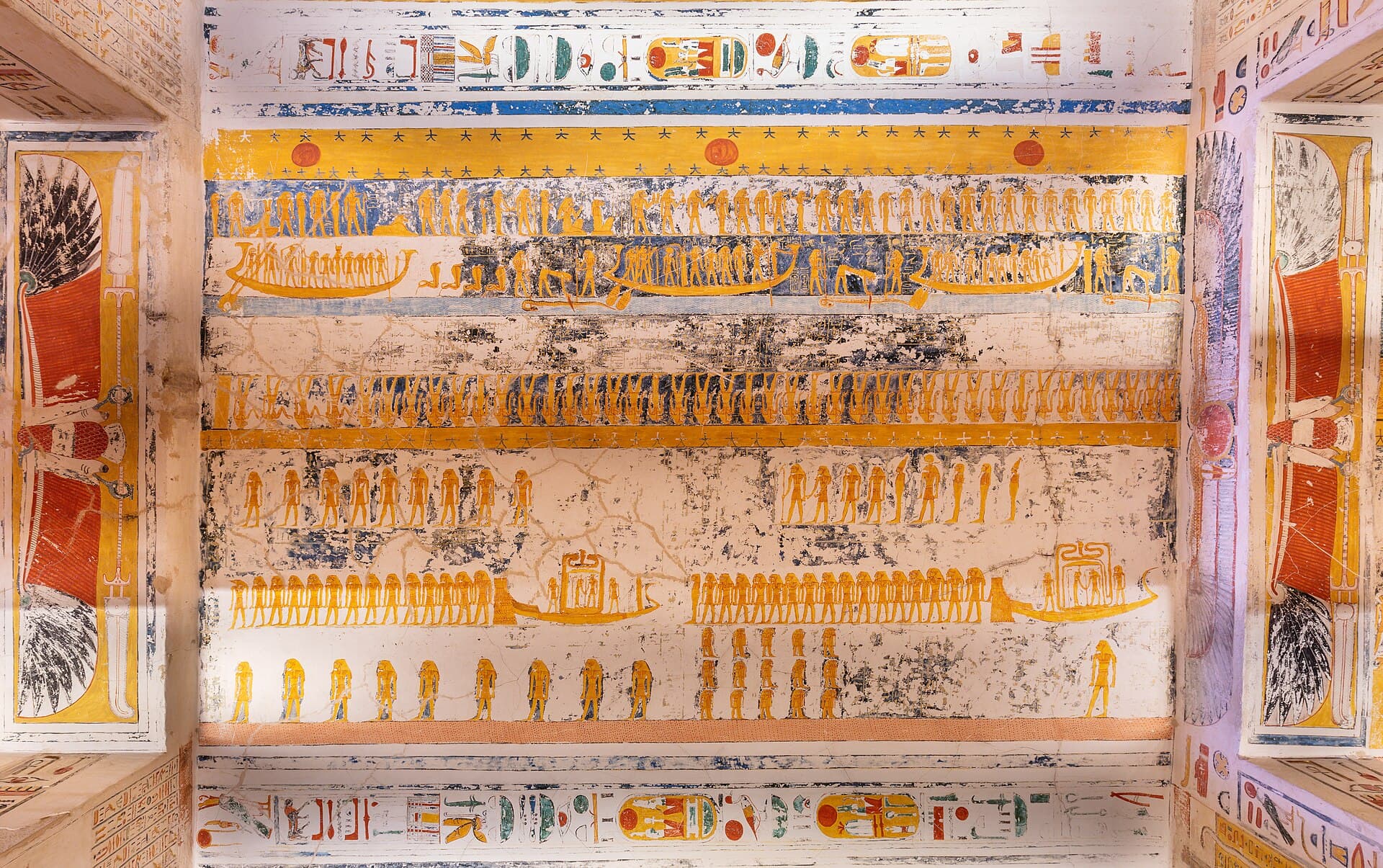
The Valley of the Kings is a dry side valley on Luxor's west bank holding more than sixty rock-cut tombs, most of them New Kingdom pharaohs and their families.
Luxor · West Bank
The Valley of the Queens sits in a dead-end bay of desert on the Luxor West Bank, across the ridge from the Valley of the Kings and a short drive south.
Cairo · Giza
The Valley Temple, Giza's best-preserved Old Kingdom building, is the granite hall you pass through on the way to the Sphinx.
Cairo · Mokattam
The Cave Church in Cairo is the Cathedral of the Virgin Mary and St Simon the Tanner.
Cairo · Islamic Cairo
The Cairo Citadel is a medieval fortress on the Muqattam Hills, begun by Saladin in 1176.
Cairo · Tahrir Square
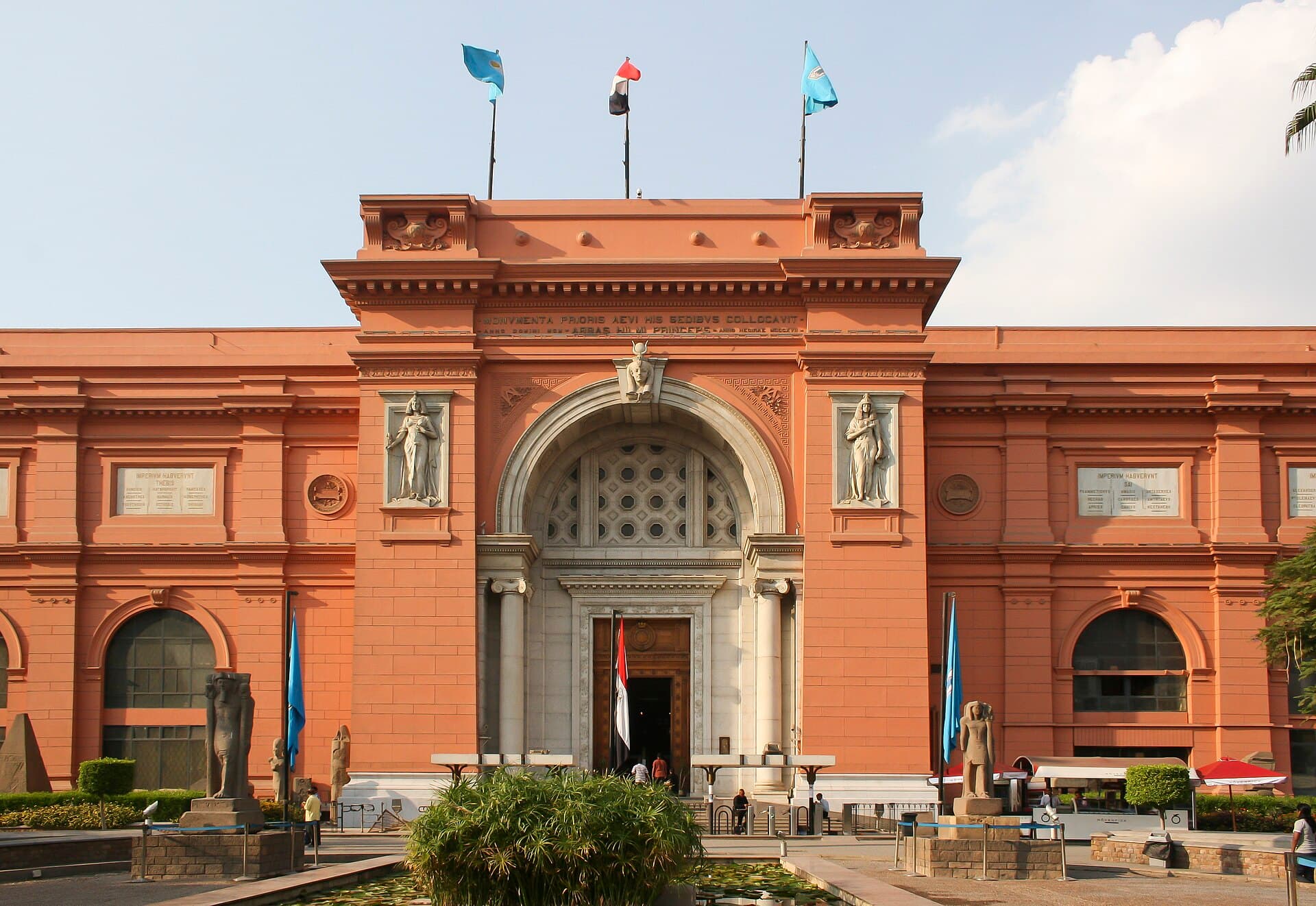
The Cairo Museum is the Egyptian Museum on Tahrir Square, in Downtown Cairo.
Luxor · West Bank
Medinet Habu is the memorial temple of Ramesses III, on the west bank at Luxor.
Dahshur · south of Cairo
The Red Pyramid stands at Dahshur in Egypt, about 40 km south of central Cairo by road.
Aswan · Ancient sites
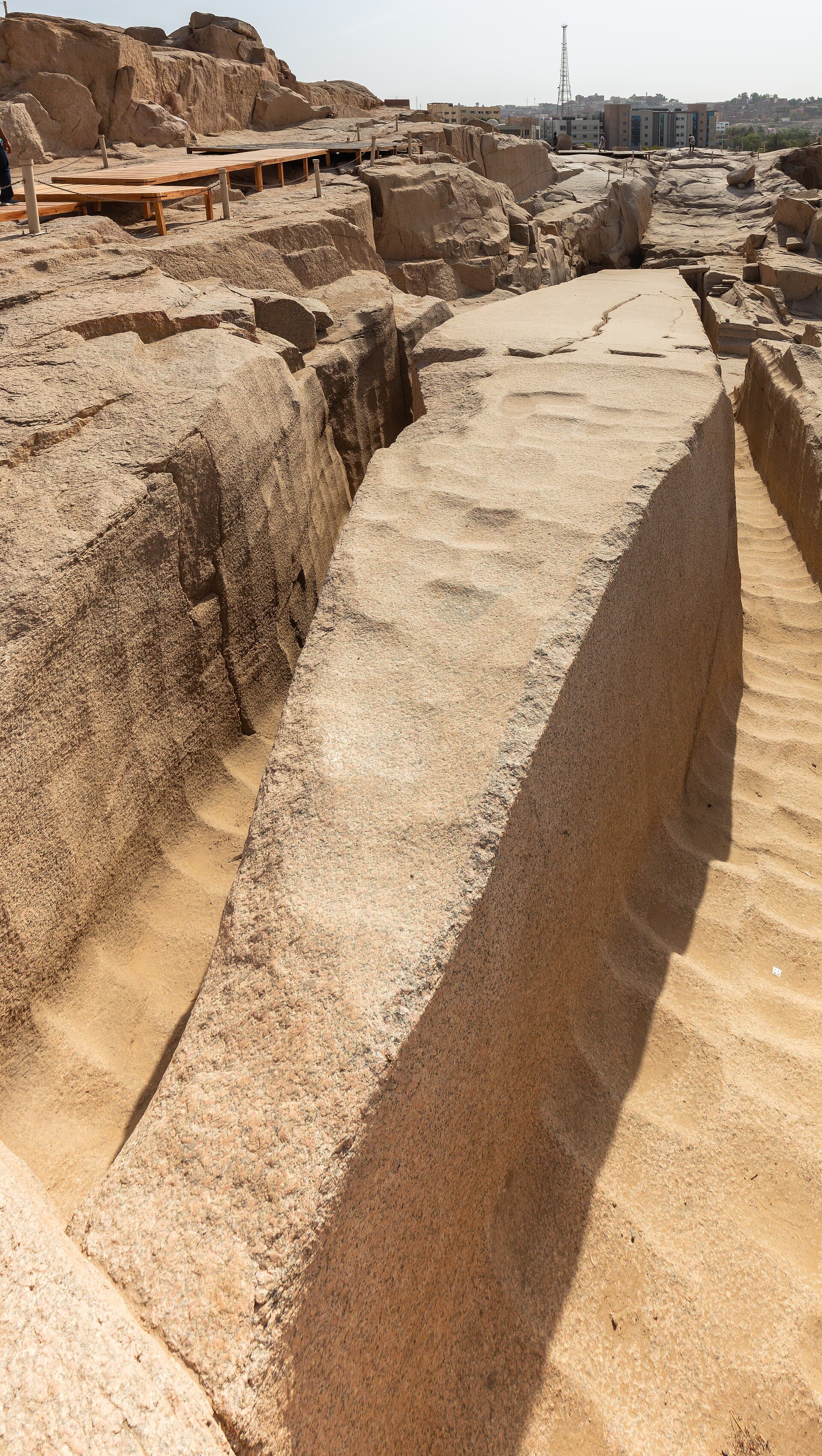
The Unfinished Obelisk is a giant obelisk still lying in an ancient quarry in Aswan.
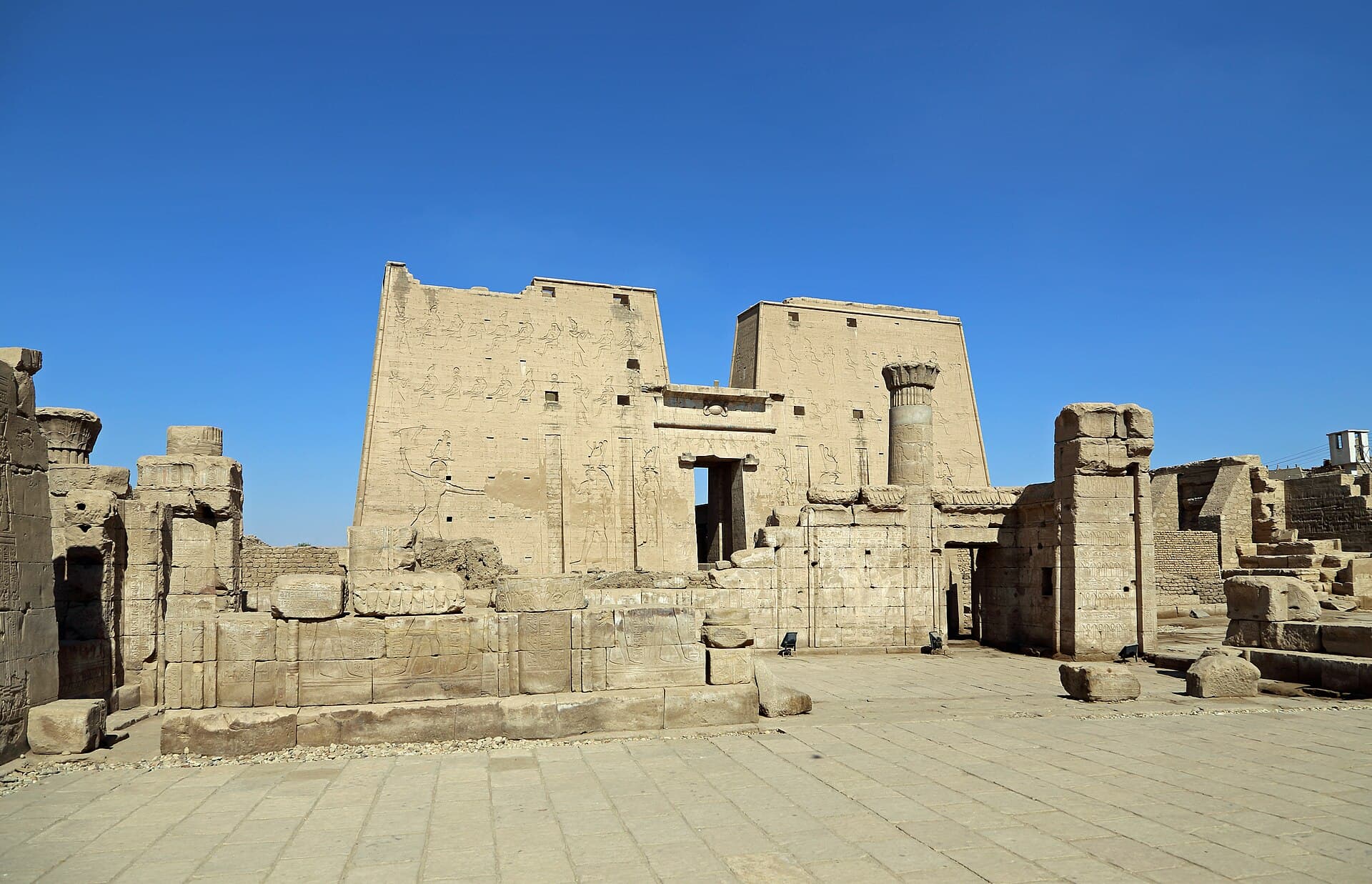
Nile · Esna to Kom Ombo
Edfu holds a title no other site in Egypt can claim: it is the most complete large temple left standing.
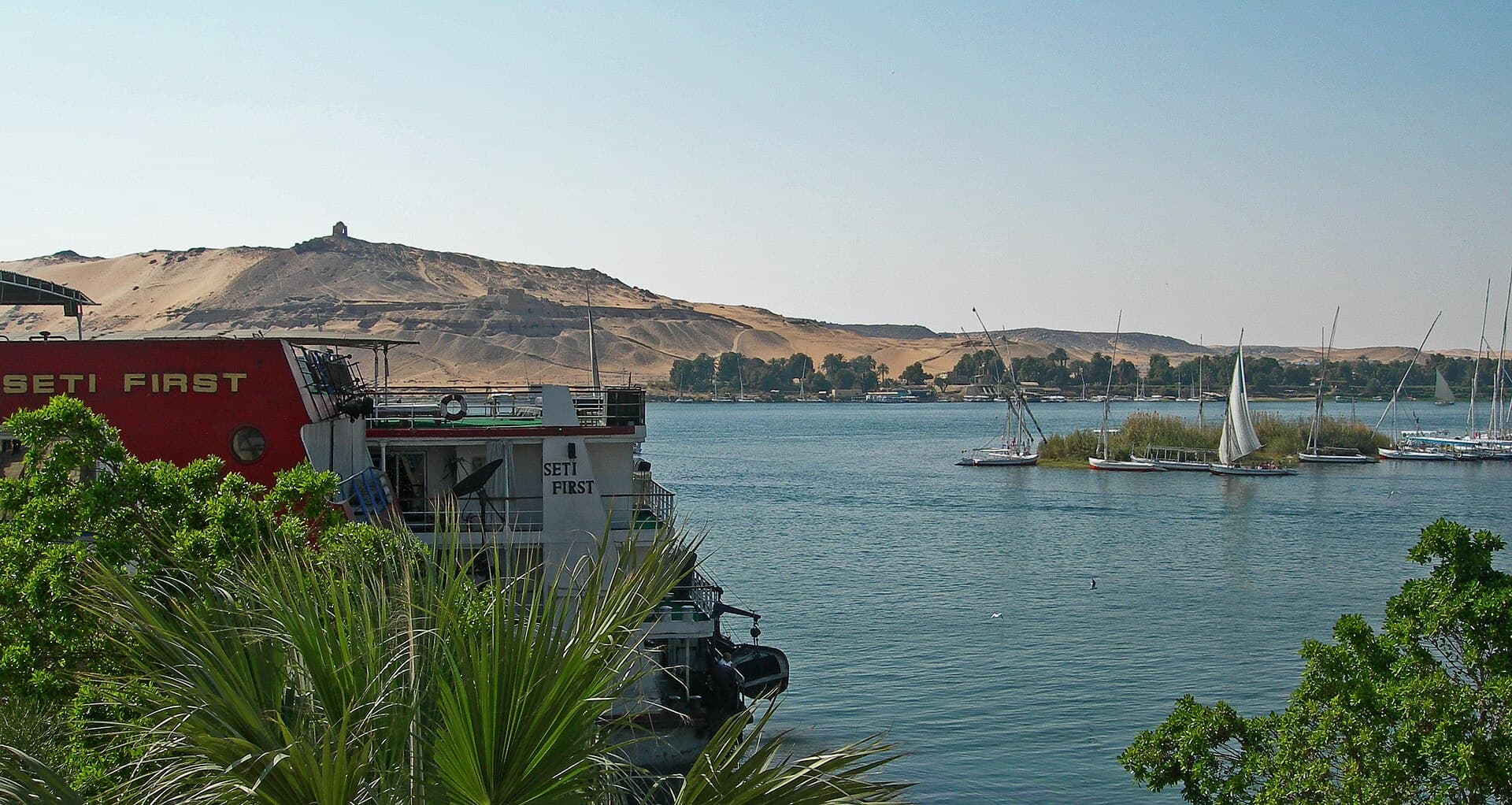
Nile · Luxor to Edfu
Esna temple is the one the cruise boats queue beside for hours and most passengers never set foot in.
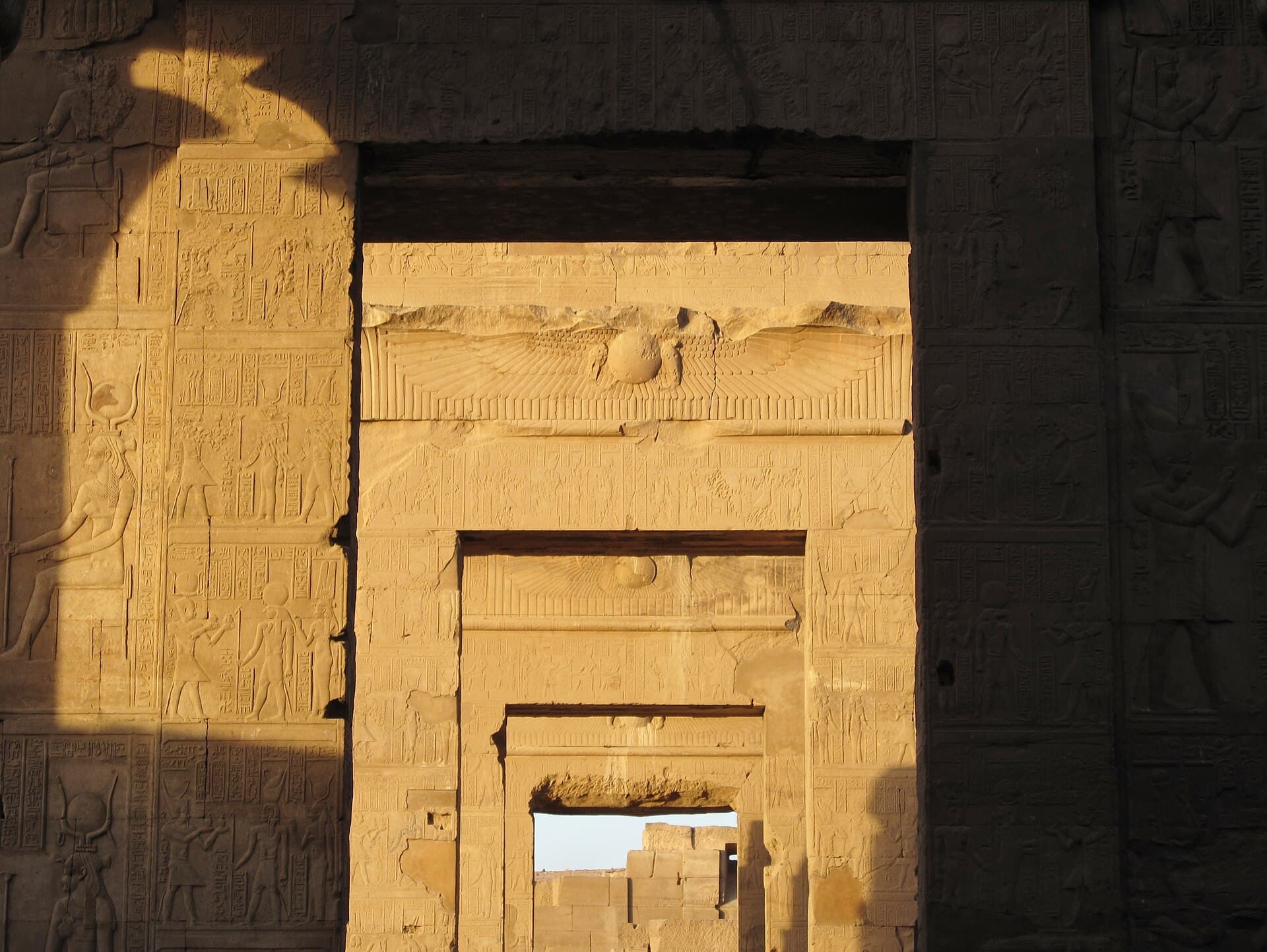
Nile · Edfu to Aswan
Kom Ombo is the strangest temple on the Nile between Luxor and Aswan, and the quickest to see.
Covered on the destination pages
Entry rules, opening hours, security advice and exchange rates all move. Check them at the source, not here.