Egyptian culture: what to expect, and how to behave
Egyptian culture is warm, direct and more conservative than most visitors expect outside the Red Sea resorts. Almost nothing about it is difficult, but a handful of habits make the difference between being treated as a guest and being treated as a wallet.
Egyptian culture starts with how you dress
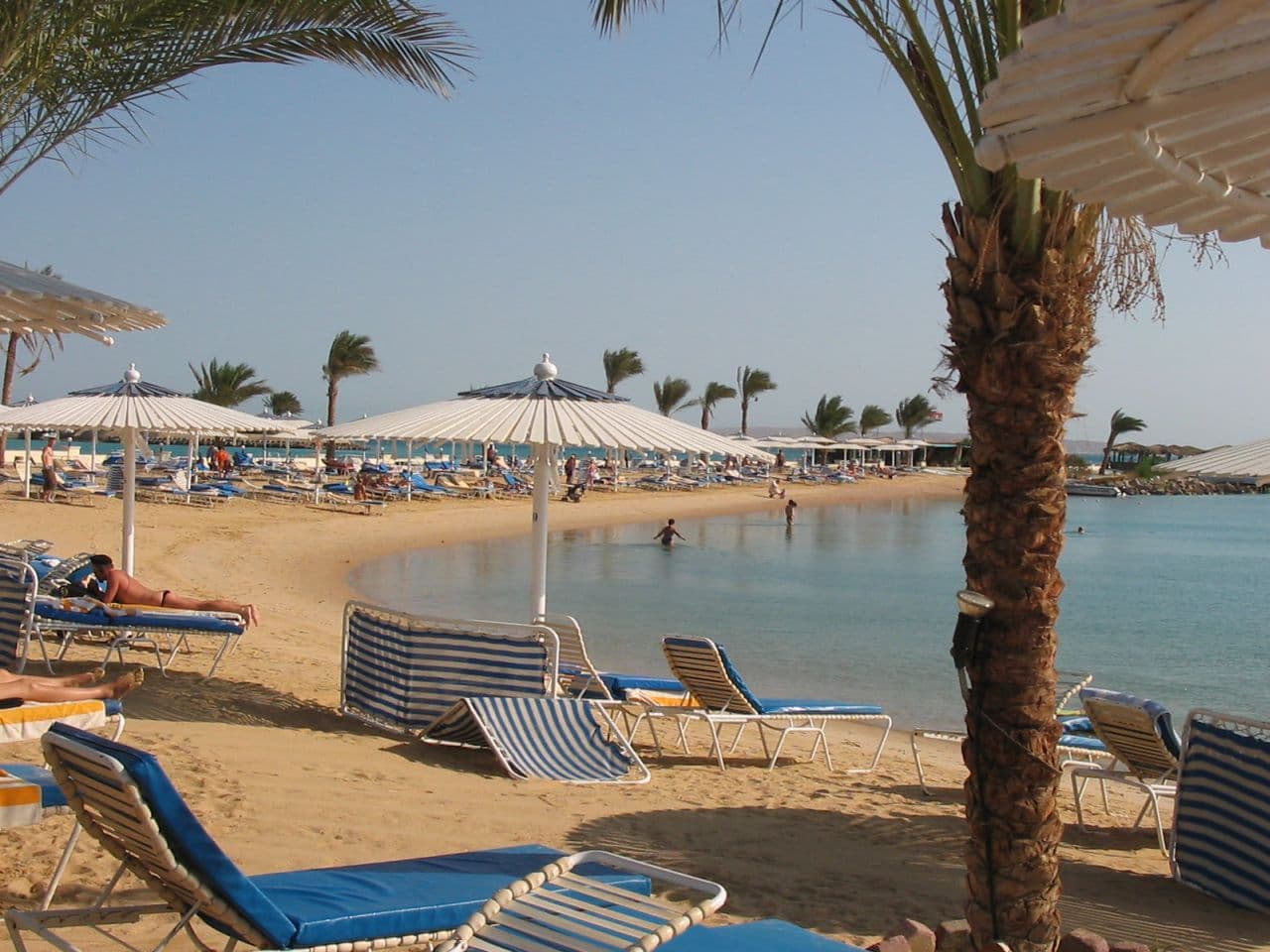
Cover shoulders and knees away from the beach. That applies to men and women, and it matters more in Cairo, Luxor and Aswan than in Hurghada or Sharm el-Sheikh, where resort dress is normal within the resort.
Loose and light beats tight and covering — it is cooler as well as more appropriate. Women should carry a scarf for mosques, where hair must be covered, and everyone removes shoes to go inside. Nobody will be rude if you get it wrong, but you will be treated differently if you get it right.
The rule of thumb that saves the most confusion is to read the room rather than the country. A hotel pool, a dive boat and a beach club in Hurghada run on resort norms; a working market, a mosque, a village and a family home run on local ones, and the two can sit half an hour apart. When you are unsure, dress for the more conservative of the two — it is far easier to loosen up than to have arrived underdressed for the place that mattered.
One country, several cultures
It helps to stop thinking of a single Egyptian culture and start noticing which Egypt you are in. Cairo is a fast, crowded, cosmopolitan capital where the medieval city, embassy suburbs and traffic-clogged flyovers all coexist. The Red Sea resorts of Hurghada and Sharm el-Sheikh are a world apart, built for and around foreign visitors, where much of what is written on this page relaxes considerably inside the resort gates.
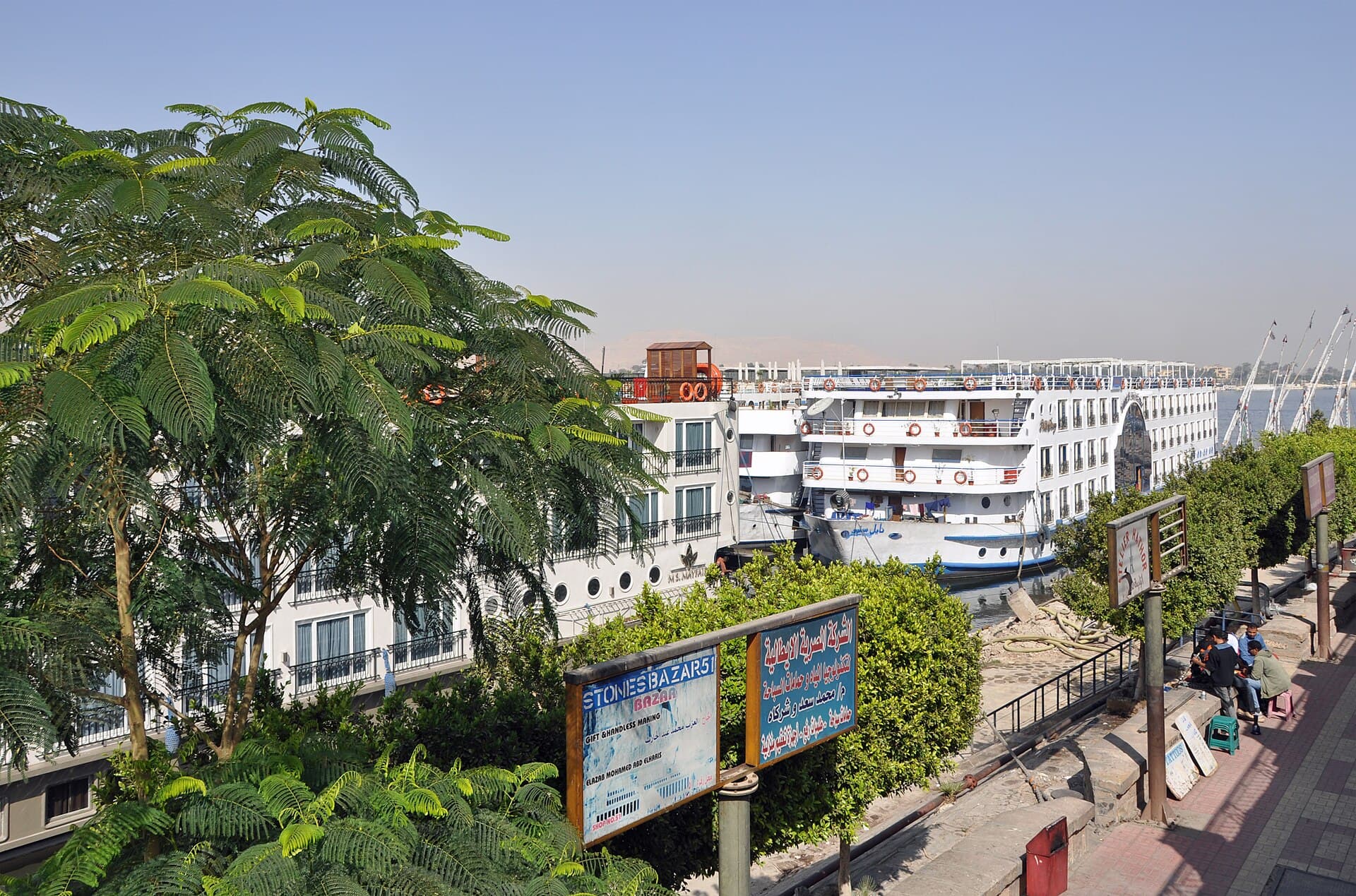
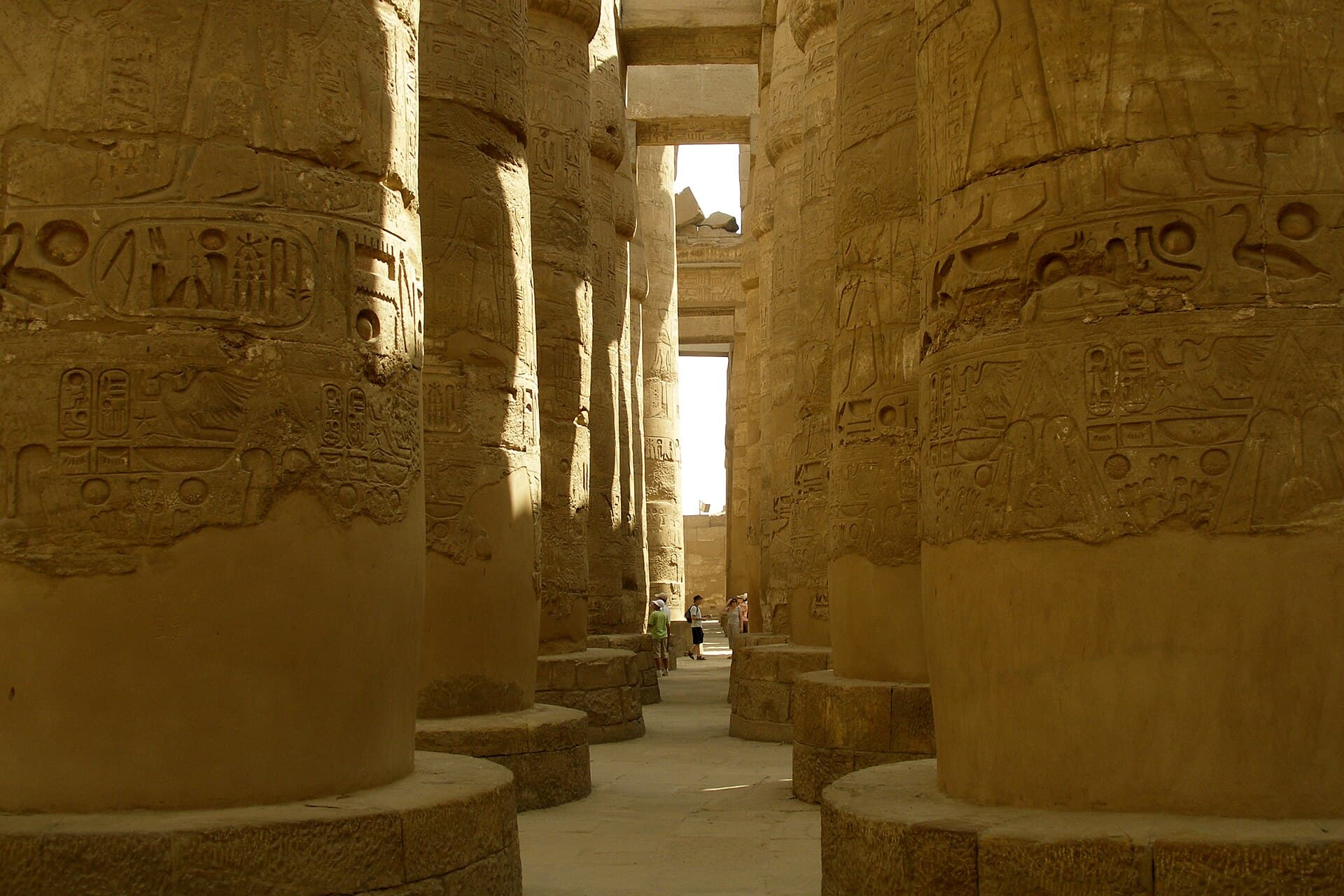
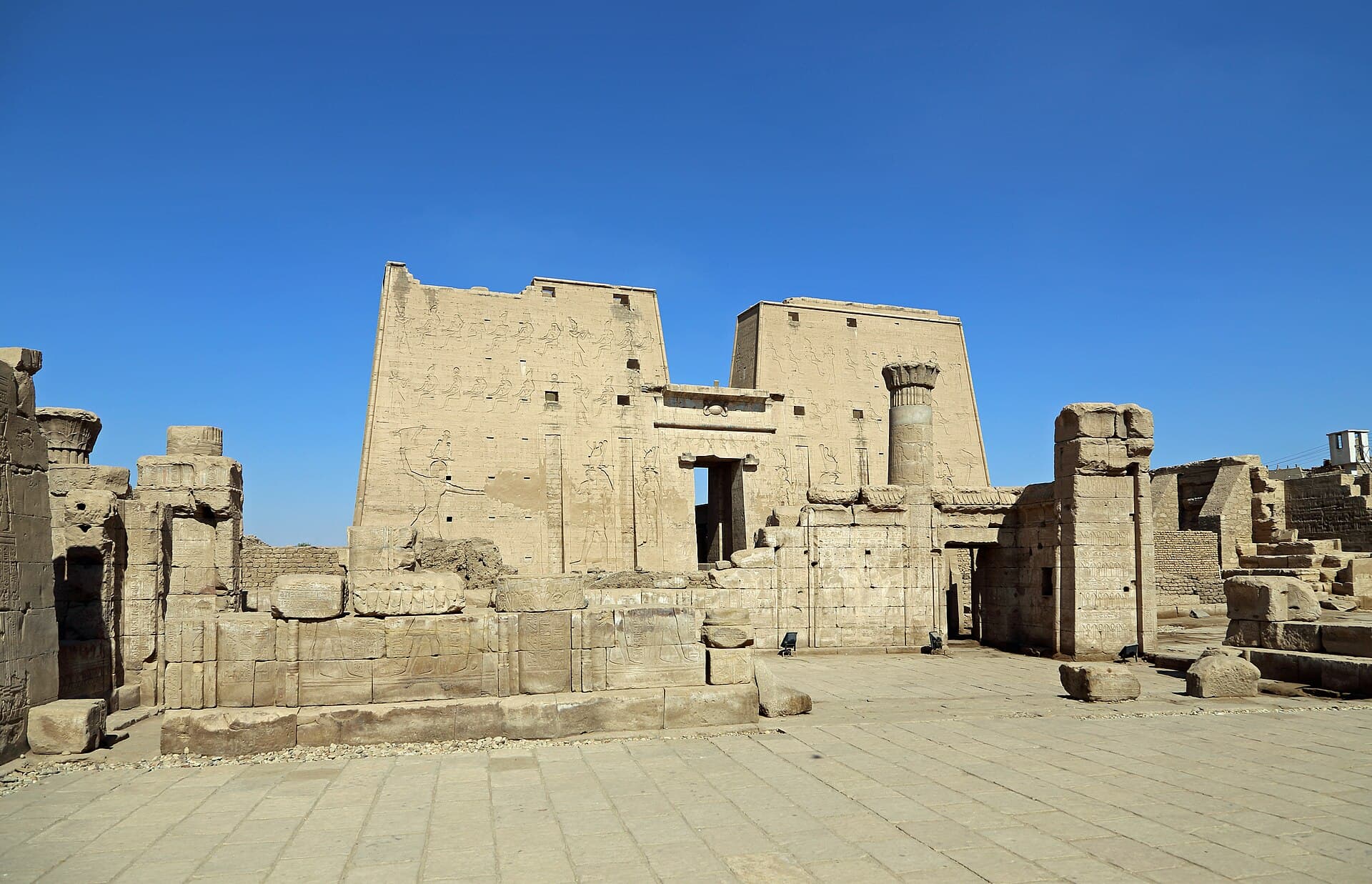
Head up the Nile and the register changes again. Luxor and Aswan are smaller, slower and more openly religious, and Aswan in particular is where Egypt meets Nubia: the population is mixed, the music is different, and plenty of people speak Nubian at home alongside Arabic. Alexandria faces the Mediterranean rather than the desert and carries a Greek and Roman past that the pharaonic south does not.
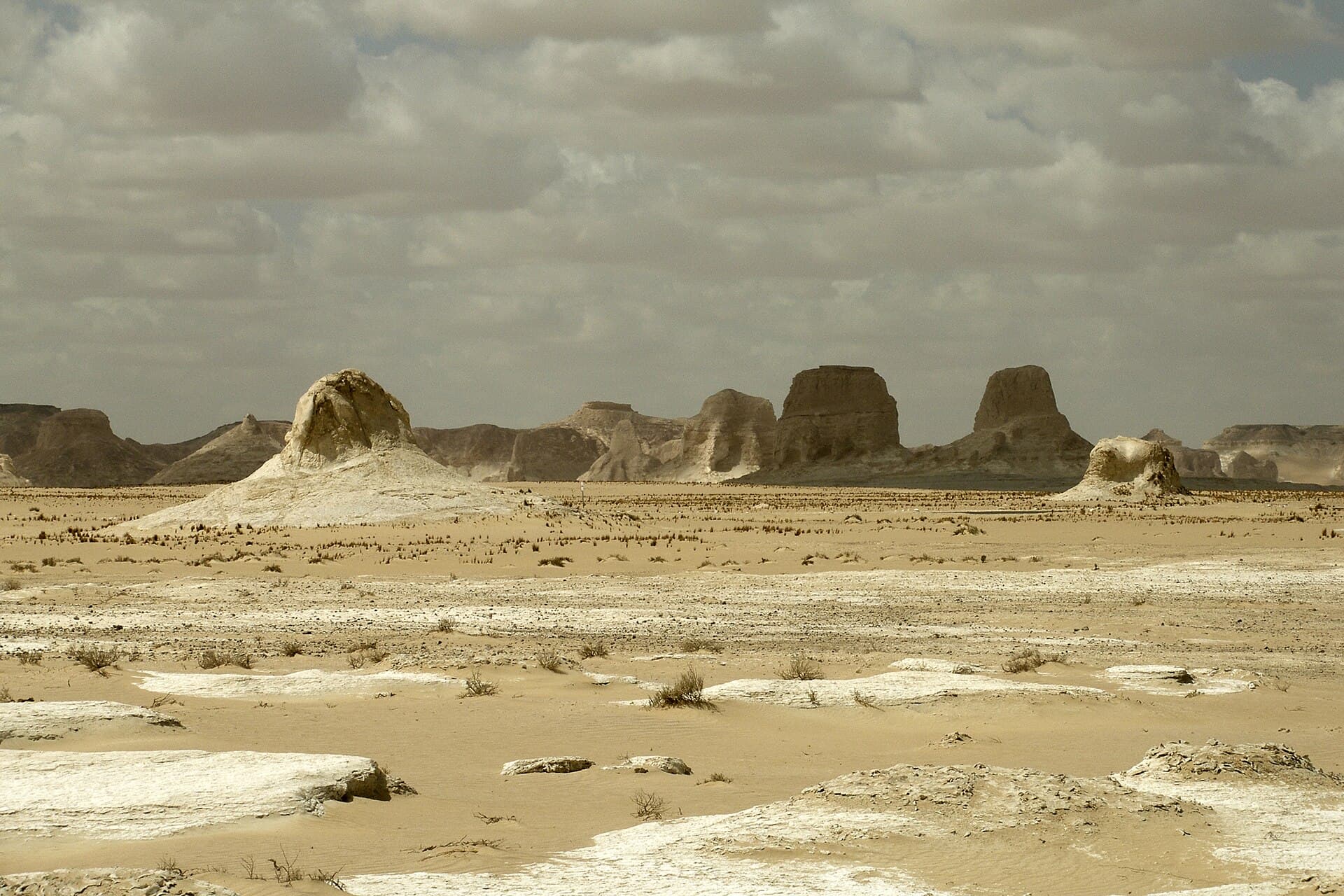
The Western Desert is different again. Siwa Oasis, out near the Libyan border, is Berber rather than Arab — people speak Siwi, a Berber language rather than a dialect of Arabic — and it is socially conservative by Egyptian standards, with local women rarely seen in public and not photographed. None of this is a warning, just a reminder that the manners that fit a beach club in Sharm are not the manners that fit a palm oasis or a Nubian village, and the visitors who travel best adjust as they move.
Hospitality, and where it shades into sales
Egyptian hospitality is genuine and often overwhelming. Tea appears constantly, invitations are frequent, and refusing outright can be awkward. Accept where you can; it is usually exactly what it looks like.
It is also true that around the major sites, friendliness is sometimes an opening move. Someone who tells you a site is closed, offers to show you a shortcut, or presses a small gift into your hand is generally selling something. Neither of these facts cancels the other, and learning to tell them apart quickly makes the trip far more pleasant.
The tell is usually the setting rather than the warmth. Hospitality offered where nothing is for sale — a shopkeeper away from the tourist lanes, a family on a train, a guide off the clock — tends to be simply that. Hospitality offered at the threshold of a shop, at the entrance to a monument, or by someone who materialises the moment you look lost is more often the first move in a transaction. You lose nothing by enjoying both, provided you keep the second in perspective.
Greetings, tea and the pace of things
Business here is wrapped in courtesy, and skipping straight to the point can read as brusque. A greeting, a question about how you are, a glass of tea — these are not delays before the real conversation, they are the conversation, and the deal or the direction you actually wanted comes after them. Slowing down to match that pace is the single easiest way to be treated well.
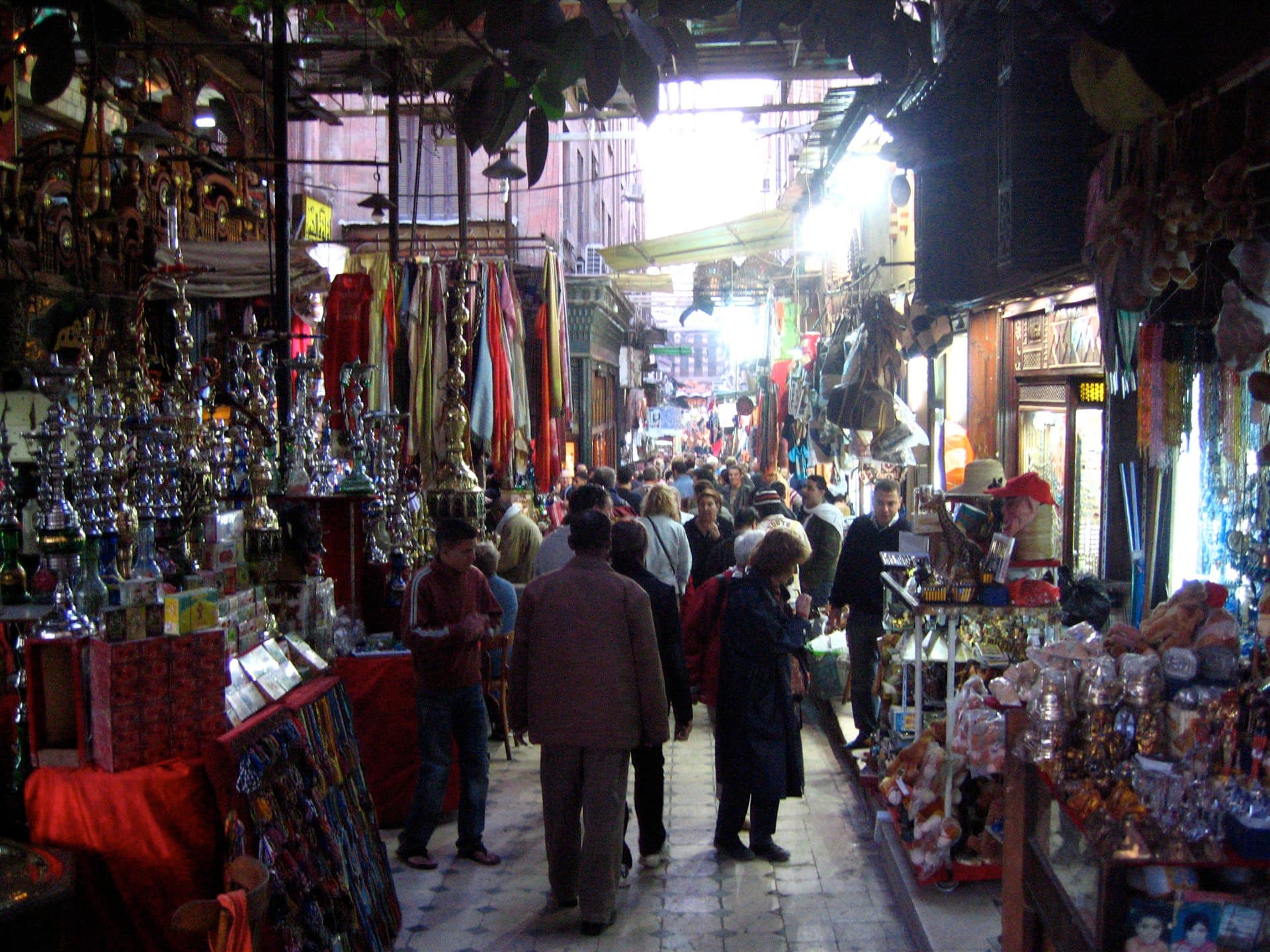
Tea is the currency of that courtesy. In Khan el-Khalili and countless smaller shops it is offered without obligation, and accepting a glass does not commit you to buying anything, though it is polite to be pleasant about leaving without doing so. If you genuinely dislike the ritual of haggling, the cleanest approach is to buy nothing in the tourist lanes and simply accept the tea for what it is.
Patience is rewarded and visible impatience is not. Queues are loose, timekeeping is elastic, and a great deal is settled by conversation rather than by rule. Losing your temper almost never speeds anything up and usually slows it down. A calm, good-humoured persistence — the same request, put pleasantly, a second and third time — is how most things get done.
Tipping and haggling
Baksheesh runs through everything. It is not a bonus for exceptional service, it is part of how people in tourism are paid, and budgeting around ten euros per person per day for it saves a great deal of awkwardness. Carry small notes.
Haggling is expected in markets and for taxis without a meter, and is not expected in shops with marked prices, hotels or restaurants. Start well below the asking price, stay good-humoured, and be prepared to walk away. If you would be happy at the price, take it rather than grinding for the last few pounds.
Small notes are the practical heart of it. A steady supply of low-denomination pounds covers the washroom attendant, the man who steadies your camel, the porter who carries a bag and the driver who waits — none of whom expect a fortune, all of whom expect something. Breaking a large note for a tip is nearly impossible in the moment, so change money into small denominations early and keep it somewhere separate from your main cash. In the taxi, the surest way to remove the fare argument altogether is a ride-hailing app, which fixes the price before you get in and spares you the negotiation at the end.
Money is still mostly cash
Egypt runs on cash to a degree that surprises visitors from card-and-phone economies. Hotels, larger restaurants and established shops in the cities take cards, but the small koshari shop, the market stall, the felucca captain, the tips and most of daily life expect notes. Outside the cities the balance tips further still: in a place like Siwa, card payment is uncommon beyond a couple of larger hotels and cash machines are few and sometimes empty, so you draw what you need before you go.
The working habit is to carry more cash than you would at home, keep it in a couple of places rather than one, and keep a float of small notes for the constant small payments. Draw larger sums in Cairo or another big town where machines are plentiful, rather than assuming the next place will have a working one. Prices in markets and small shops are often written in Eastern Arabic numerals, which look nothing like the Western ones and are genuinely worth learning on the flight — it turns a guessing game into a glance.
Religion, Ramadan and the working week
Egypt is majority Muslim with a significant Coptic Christian minority, and both are visible in daily life. The call to prayer punctuates the day, and Friday is the main prayer day, so the working week runs Sunday to Thursday.
During Ramadan, many Egyptians fast between dawn and sunset. Restaurants in tourist areas stay open and nobody expects visitors to fast, but eating, drinking or smoking conspicuously in the street during daylight is poor manners. The upside is that evenings become genuinely festive. Ramadan moves earlier by about eleven days each year, so check the dates against your trip.
The working week has practical consequences worth planning around. Government offices and banks keep to a Sunday-to-Thursday rhythm, and Friday around midday is when mosques fill, so the medieval mosques of Islamic Cairo are best seen on another day or well outside prayer times. Sites and museums generally stay open through the weekend, but during Ramadan some shorten their hours and the whole city shifts to a late-night rhythm, quiet by day and busy long after dark.
Islam and Coptic Christianity, side by side
The Muslim majority is the loudest presence, but Egypt's Christian minority is old and rooted, and you meet both if you go looking. In Cairo the two histories sit within walking distance of each other. Islamic Cairo, the medieval city east and south of downtown, is dense with mosques from the ninth century onwards: the spine of al-Muizz street runs past Fatimid and Mamluk mosques and madrasas, the ninth-century courtyard mosque of Ibn Tulun stands almost unchanged, and Al-Azhar has been a centre of Islamic learning for a thousand years.
Coptic Cairo sits a short way south inside the walls of a Roman fort, and holds the oldest churches in the city. The Hanging Church is built over a Roman gatehouse, which is where its name comes from; nearby are the church of St Sergius, the Ben Ezra synagogue and a quiet Coptic museum. These are working churches, filled by services rather than emptied for tourists, so morning visits and a little discretion go a long way.
Entering a religious building asks for the same small courtesies everywhere: shoes off in a mosque, hair covered for women, shoulders and knees covered for everyone, and phones and voices kept low during prayer or a service. Nobody expects a visitor to know the choreography, only to be quiet and respectful while others use the space for what it is for.
The festival calendar
Two calendars run at once, and both leave marks a visitor notices. Ramadan is the big one: a month of daytime fasting that turns the country nocturnal, with the iftar meal at sunset turning the whole place into a dinner party and the streets staying busy until very late. The two Eid festivals that bracket the Islamic year are major public holidays, when families travel, cities empty and reopen, and the mood is celebratory. Because the Islamic calendar is lunar, all of these move about eleven days earlier each year against the Western calendar, so the dates need checking against your own trip.
The Christian calendar adds its own dates. Egypt effectively has two Christmases, and only one is Egyptian: the Coptic Orthodox Church, which most Egyptian Christians belong to, marks the Nativity on 7 January, and that is the public holiday, while 25 December is an ordinary working day observed mainly in hotels and tourist areas. Banks and offices close on 7 January; museums and sites stay open.
One festival belongs to everyone. Sham el-Nessim, the spring festival with roots reaching back to pharaonic times, falls on the Monday after Coptic Easter and is celebrated across the country regardless of religion. Parks and riverbanks fill with families, and it is a fine day to be in a city rather than at a monument. Like Coptic Easter, its date moves year to year, so it is worth checking where it lands before assuming a quiet spring day.
Language, and reading a sales pitch
Arabic is the language, and the spoken Egyptian dialect is understood across the Arab world thanks to a century of Egyptian film and music. English and, to a lesser extent, French carry you through the tourism trade without difficulty, but a few words of Arabic change how you are treated more than their small effort deserves. Shukran for thank you, min fadlak for please, and la shukran — no thank you — said pleasantly, is the single most useful phrase you will learn around the major sites.
Learning to read the standard pitch is worth as much as learning the phrases. The scripts are consistent and, once you know them, almost comforting: a stranger tells you the site is closed today, or shut for prayer, or that the entrance is round the other side, and offers to help; a friendly guide attaches himself to you inside a monument and expects a tip at the end; a small gift is pressed into your hand or your child's, which then cannot be given back without buying something. None of this is dangerous and most of it is good-natured, but it is selling, and recognising it lets you decline early and warmly rather than getting drawn in and then feeling cornered.
The clean exit is the same every time: a smile, a firm la shukran, and no slowing of your pace. Stopping to argue, explain or apologise keeps the conversation alive, which is exactly what the pitch needs. Walking on while being pleasant ends it without anyone losing face, which is the outcome both sides actually prefer.
Markets, and the art of the bazaar
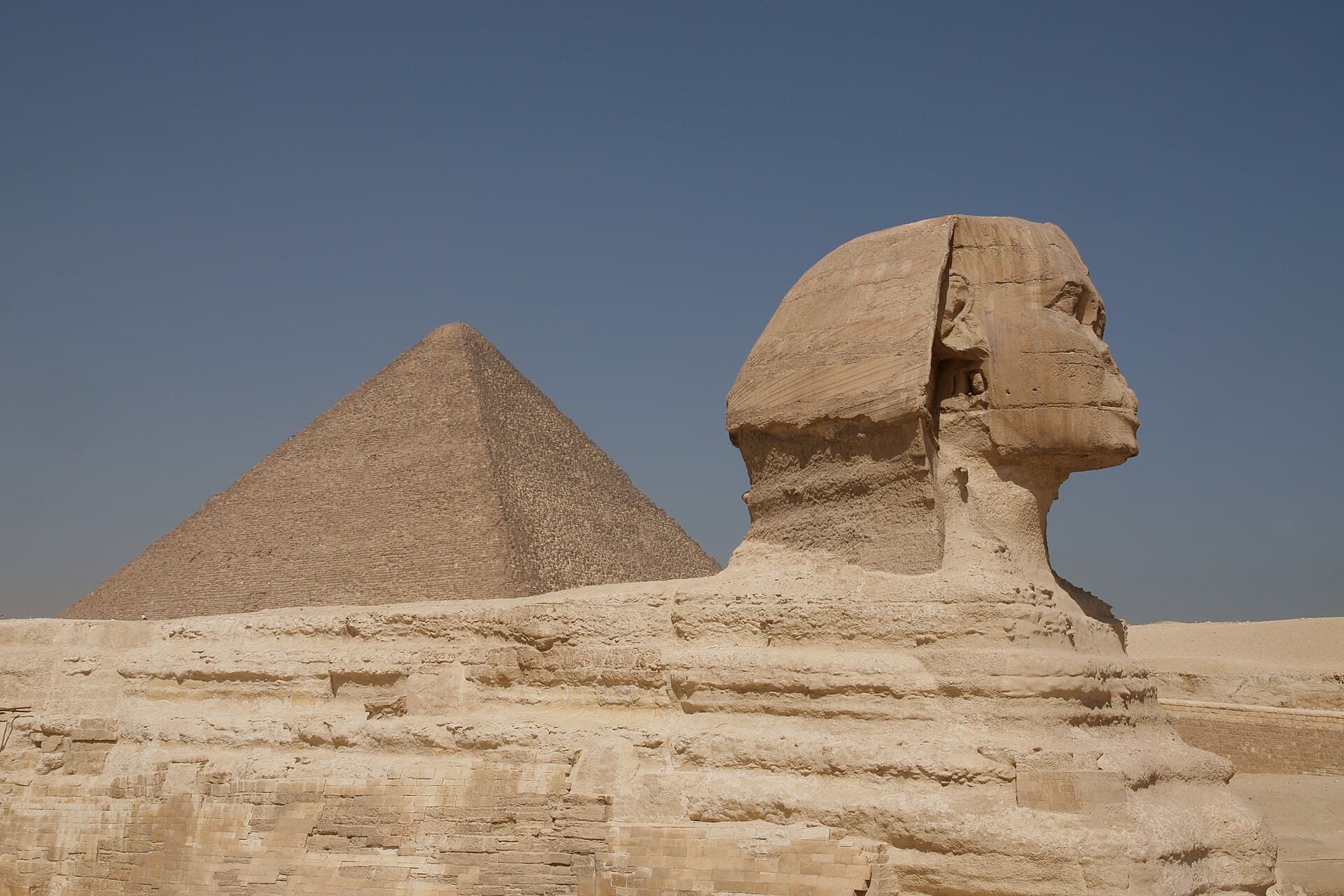
Khan el-Khalili in Cairo is the bazaar most visitors meet, and it has traded on the same ground since the fourteenth century. The lanes nearest Al-Azhar are aimed squarely at tourists — alabaster, papyrus, brass, cartouches — and prices there open at several times what a thing is worth, with bargaining not merely tolerated but expected. Walk further in and it turns into a working market: fabric and hardware along the Muski, gold sold by weight in its own alley, and hand-stitched appliqué on the tentmakers' street south of Bab Zuweila.
The haggling itself has a rhythm. The first price is an invitation, not an insult, and your first offer should sit well below it without being contemptuous. From there it is a conversation, ideally an amused one, and the seller expects you to walk at least once. The honest test is your own number: decide before you start what the object is worth to you, and if the price lands there, take it rather than grinding for the last few pounds — a few pounds mean a great deal more to the stallholder than to you, and the point was the object, not the victory.
If the whole ritual leaves you cold, that is a legitimate position, and the answer is simple: do not shop where haggling is the game. Buy from fixed-price shops, accept the tea in the bazaar without buying, and spend your market time watching rather than negotiating. Evenings are when Khan el-Khalili is at its best, when the heat has gone and the lanes are busiest with Egyptians as well as tourists.
Photography, and photographing people
Ask before photographing anyone, and accept a refusal. In some places a small tip will be expected afterwards, which is reasonable enough. Photographing women without asking is a straightforward way to cause offence.
Military and police installations, bridges and some government buildings should not be photographed at all. Inside tombs and museums, rules vary and are enforced: some sites charge a camera ticket, some ban flash, and the Tutankhamun galleries have their own restrictions. Your guide will know the current position, which changes more often than published guides suggest.
The sensitivity around people is sharpest in the more conservative places. In Siwa, local women are not photographed at all; in the Nubian villages around Aswan, the difference between a welcome visit and a demeaning one often comes down to whether you asked, and whether you treated the people you met as hosts rather than a backdrop. A camera lowered when someone shakes their head, and raised again only with a nod, buys more goodwill than any tip.
Women travellers, attention and dress
Women travel throughout Egypt, alone and in groups, and most trips pass without incident, but it is honest to say that unwanted attention and comment are more common than in much of Europe, and more common in crowded cities than in resorts or on a guided itinerary. Dressing to cover shoulders and knees genuinely reduces it, not because anything else invites it, but because standing out less draws less notice.
Some everyday infrastructure is built around this. The Cairo metro reserves carriages for women, which many travellers use by choice at busy times. In the conservative places — Siwa, and to a degree the Nubian south — the norms are tighter still, and women who want to swim usually need a private pool or a quiet spot arranged with a guide who knows where, rather than an open, watched shore.
The practical toolkit is small and effective: a firm, unsmiling la shukran to persistent comment, sunglasses and headphones to close off a crowded street, and no obligation whatever to be polite to harassment. A local guide or a group changes the experience markedly, and plenty of women travel Egypt very happily; the point is to go informed rather than surprised.
Food is where much of the culture happens
If you want to meet the culture rather than read about it, eat where Egyptians eat. The everyday food is cheap, filling and built on beans, bread, rice and vegetables — ful medames for breakfast, koshari as the national one-bowl lunch, taameya from a street cart — and most of the best of it comes from small shops rather than hotel restaurants. Sharing from the middle of the table, tearing bread to use as a spoon, and letting the meal run long are all part of it.
Tea and hospitality thread through every meal, and during Ramadan the evening iftar is the social high point of the day, when strangers are sometimes waved over to share. You do not need to fast, or to eat anything you would rather not, to take part in the warmth of it. Our separate guide to Egyptian food covers what to order, where each dish is done properly, and how to eat well without losing days to your hotel bathroom.
A few habits that smooth everything
Most of what makes a visitor easy to host comes down to a handful of small things done consistently. Carry a stock of small notes and tip without fuss. Ask before you photograph a person. Cover up when you leave the beach. Keep your temper when things run slow, and treat the delay as the normal state rather than a problem to be solved by volume.
Learn the three or four Arabic words that matter and use them. Decline pitches early, warmly and while walking. Accept genuine hospitality where you have the time, because a great deal of what makes Egypt memorable happens in exactly those unplanned conversations. None of it is difficult, and together it is the whole difference between being read as a guest and being read as a mark.
Common questions
Do women need to cover their hair in Egypt?+
Not in general, and not in the street. A headscarf is required to enter a mosque, so carry one. Outside religious buildings, covering shoulders and knees is the practical standard rather than covering hair.
Is alcohol available?+
Yes, in hotels, licensed restaurants, cruise boats and resorts, and there is a domestic beer and wine industry. It is not sold openly in most street-level shops and public drunkenness is badly received. Egypt is relaxed about it in the right settings and not elsewhere.
Should I learn any Arabic?+
A few words go a long way. Shukran for thank you, min fadlak for please, la shukran for no thank you — that last one, said pleasantly, is the most useful phrase you will learn around the major sites.
Is it rude to refuse tea or an invitation?+
Not if you decline warmly. Putting a hand to your chest as you say no thank you softens it considerably. Accepting where you have the time is usually rewarded, because a great deal of what makes Egypt memorable happens in those conversations.
How much should I budget for tipping?+
Around ten euros per person per day covers the constant small baksheesh — washroom attendants, porters, drivers who wait, the man who steadies your camel. The trick is small notes: change money into low denominations early and keep them separate, because breaking a large note for a tip in the moment is nearly impossible.
Do I need cash, or will cards do?+
Bring cash. Hotels and larger city restaurants take cards, but markets, street food, feluccas and all the small daily payments expect notes, and outside the cities cards are rarely accepted at all. Draw larger sums in Cairo or another big town rather than assuming the next place has a working machine.
Is Egypt conservative everywhere?+
No — it varies sharply. The Red Sea resorts run on relaxed resort norms inside their gates, Cairo is cosmopolitan, and Luxor, Aswan and especially places like Siwa and the Nubian villages are markedly more conservative. Read the setting you are in rather than the country as a whole, and dress for the more conservative of the two when unsure.
Is it safe for a woman to travel in Egypt?+
Most trips pass without incident, but unwanted comment and attention are more common than in much of Europe, especially in crowded cities. Dressing to cover shoulders and knees, a firm la shukran to persistent attention, and travelling with a guide or group all help. The Cairo metro reserves carriages for women, which many use at busy times.
Official sources
Entry rules, opening hours, security advice and exchange rates all move. Check them at the source, not here.
Written and checked by the Nile Trip Guide editorial team · Last reviewed . Entry rules, prices and opening hours change — check anything critical against the official sources linked on this page.
The route most people take first, at the length it was built for: Giza and the Grand Egyptian Museum, then a flight to Luxor and four nights sailing down to Aswan.
No boat on this one. Giza and the Grand Egyptian Museum, a night in Luxor for both banks, two nights on the Red Sea, then back to Cairo for the Citadel, Coptic Cairo and the Royal Mummies.
Five nights in Cairo either side of a four-night sail from Luxor to Aswan. The Cairo days are private, just your party and a guide; the sightseeing off the boat is shared with a small group.