Egypt Private Tour Packages: Your Own Guide, Driver and Pace
Egypt private tour packages give you a licensed guide, a car with a driver, and an itinerary built around how you actually travel. No coach, no fixed departure, no waiting for eleven other people at the hotel door. It costs more than a group trip. For some travellers that difference is worth every pound, and for others it is not.
What actually changes when you travel privately in Egypt?
The clearest difference is time. On a group tour the schedule is set by the slowest and the fastest person in the van. You get 90 minutes at Karnak whether you wanted 30 or four hours. Privately, you decide on the morning of the day, and the guide reworks the rest around it.
The second difference is the guide's attention. A good Egyptologist talking to two people can answer questions properly, follow a tangent about the Amarna heresy, and read when you have stopped listening. The same guide with 20 people is running a microphone tour. Egypt has excellent licensed guides and mediocre ones; privately, you have a real chance of being matched to one who fits your interests.
The third is logistics. Your driver waits at the exit rather than at a distant coach park. In Cairo heat and Luxor midday sun, that saves more energy than it sounds like on paper.
How much more does a private trip cost than a group tour?
As a rough rule, expect a private trip to cost around 40 to 80 percent more per person than a comparable group departure at the same hotel standard. The gap is widest for solo travellers and couples, because the guide and vehicle are fixed costs split between fewer people. A family of four or a group of six absorbs those costs and can land close to group pricing.
The money goes to specific things: your own guide's day rate, a dedicated car and driver, and the flexibility premium of not selling the same seat twice. It does not automatically buy better hotels. Ask what accommodation tier a quote assumes, because that single variable moves the total more than anything else.
Where a private trip does not save money is on entrance tickets, domestic flights and Nile cruise cabins. Those cost the same whoever books them.
How party size changes the arithmetic
It helps to separate the two kinds of cost in an Egypt quote, because only one of them responds to the number of people travelling. A licensed Egyptologist costs the same for a day whether one person or six is listening. So does the driver, the car, and the guide's own flights and rooms when the itinerary moves between cities. Those are the fixed costs, and they are the entire reason private pricing collapses as your party grows.
The other kind does not shrink at all. Entrance tickets at Giza, the Valley of the Kings and Abu Simbel are charged per head. Domestic flights are per head. Hotel rooms and cruise cabins are priced per room or per cabin, which is why a solo traveller pays a supplement no matter how the trip is organised. On some boats the single supplement amounts to the whole second berth.
Put those together and the pattern is predictable. A solo traveller carries the whole guide and vehicle alone and can approach what a couple pays between them. A couple pays the steepest premium over a group departure. A family of four splits the fixed costs four ways and lands much closer to group pricing than most people expect. At six or more, a private trip frequently comes in below the equivalent small group departure, which surprises people who assumed private always meant dearer.
The practical move, if there are more than two of you, is to ask for the same itinerary quoted privately and as a group departure rather than assuming the answer. The crossover point sits lower than the marketing on either side suggests.
Who is a private tour genuinely worth it for?
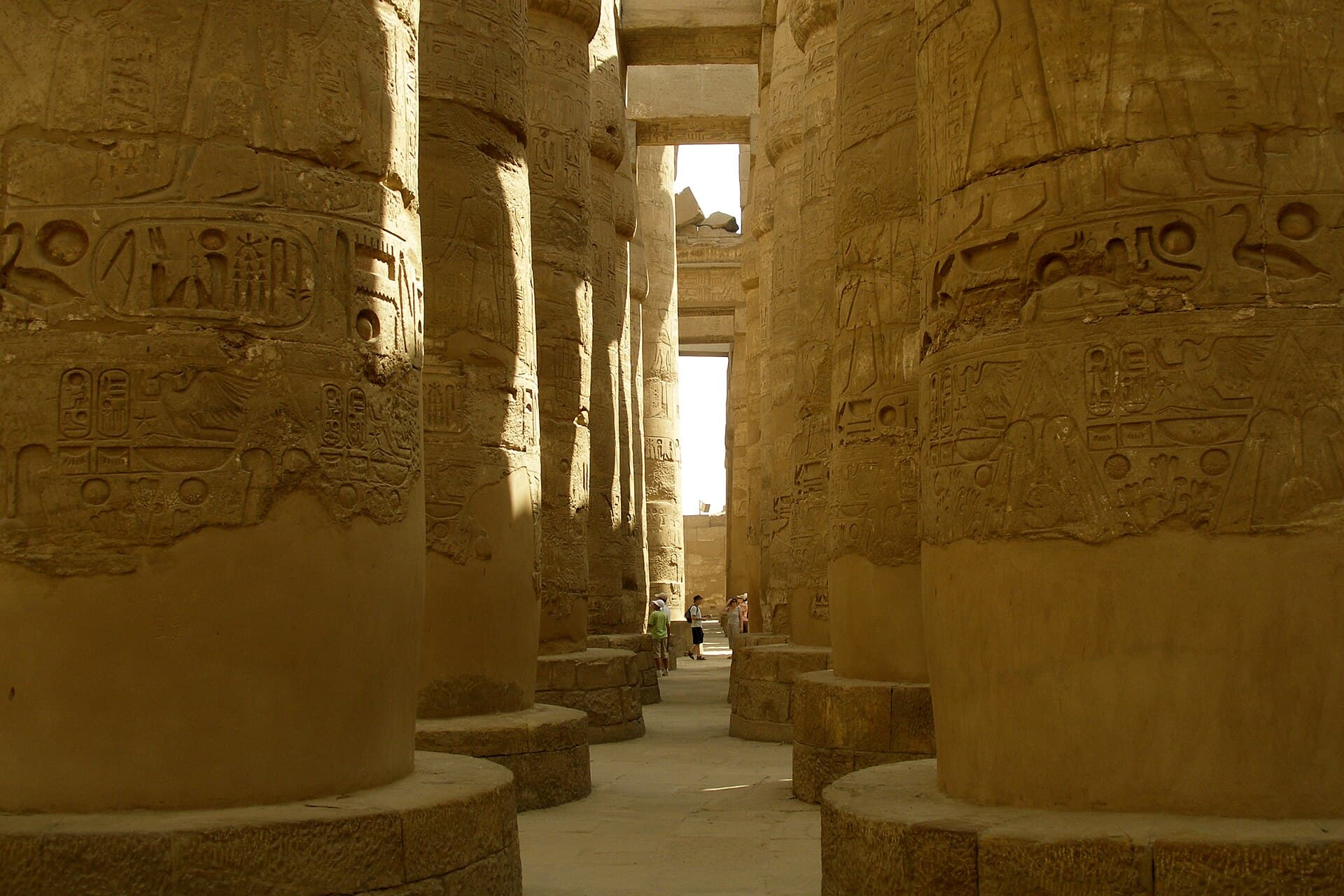
Families with young children. The ability to abandon a temple at 11am because a five-year-old has had enough is worth the premium on its own. Group tours punish that. Travellers with mobility limits get a similar benefit: Egyptian sites involve uneven ground, steps without handrails, and long walks between entrances and car parks. A driver who can drop you at the closest legal point, and a guide who plans a shorter route through Karnak, changes what is possible.
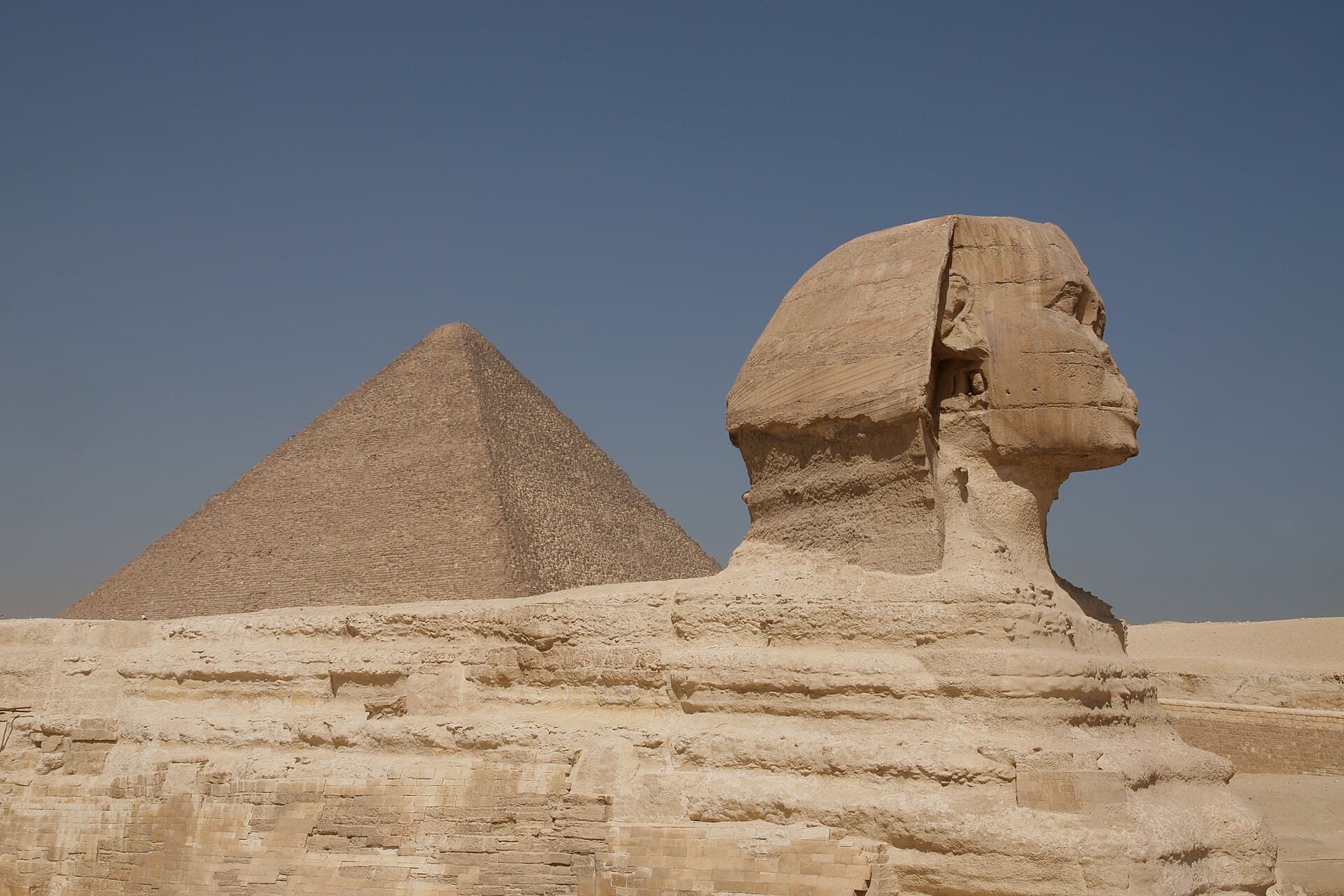
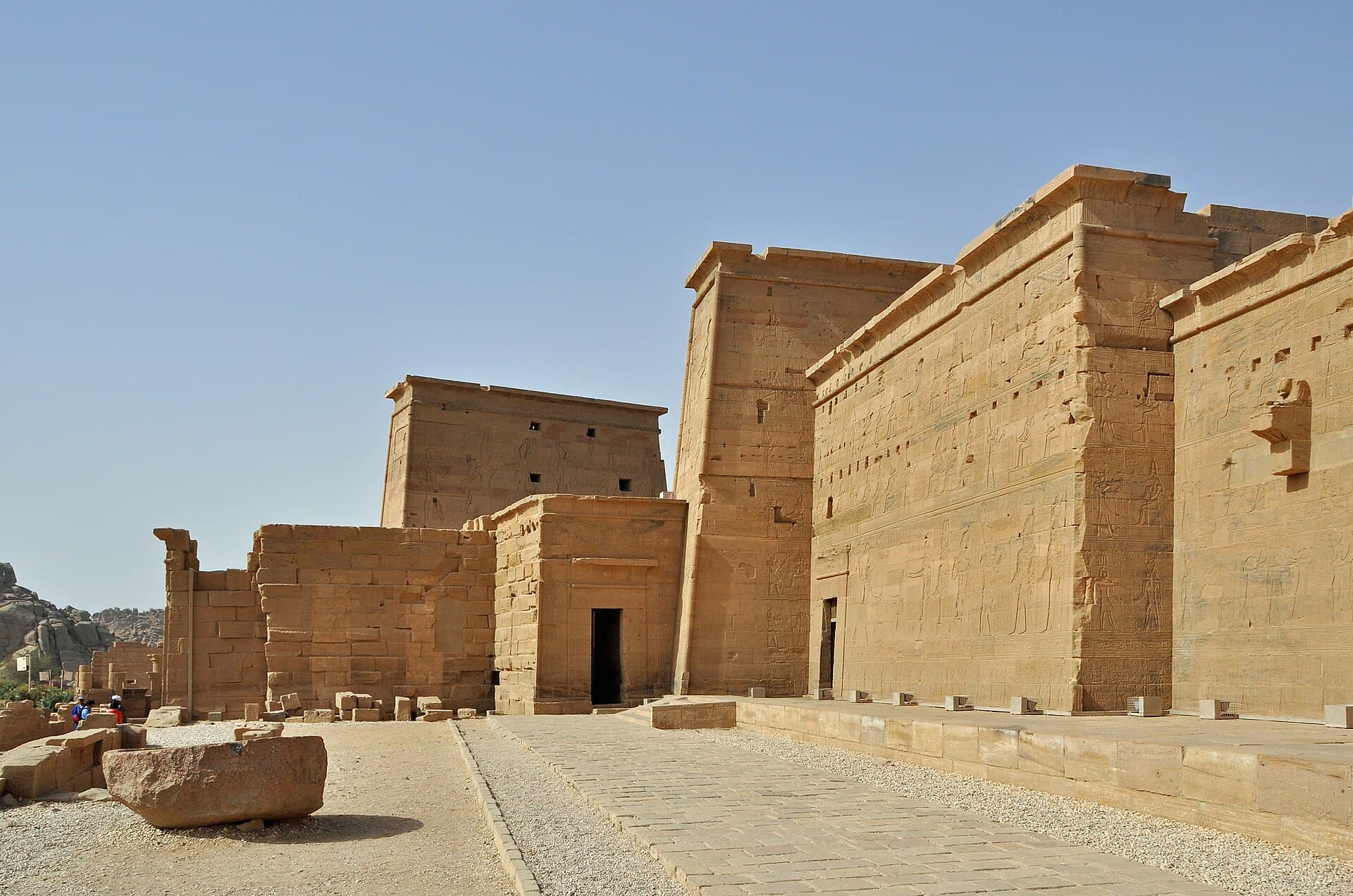
Photographers. Being at the Giza plateau at opening, or at Philae in late light, requires a schedule nobody else votes on. It is a common reason people upgrade, and a sound one. The first hour after opening and the last before closing are also when the sites are emptiest, which is the other half of the benefit.
Repeat visitors. If you have already done the standard circuit, a private trip is how you reach Dahshur, Abydos, Dendera or the Tombs of the Nobles without a coach agenda deciding otherwise.
When is a group tour the better buy?
If you are travelling solo on a tight budget, a group departure is straightforwardly better value, and the social side is real. Solo supplements on private trips are steep because you carry the whole vehicle and guide yourself.
If you want the classic route - Cairo, Luxor, Aswan, a Nile cruise - and have no strong opinions about pacing, a well-run group trip covers it competently for less. The itinerary is standard because it works.
A private trip you have to stretch for is worse than a good group departure. The savings on a cheap private quote come out of the guide's day rate and the vehicle, which are the two things you are paying extra for in the first place. If the budget is tight, a group departure with a strong guide beats a private trip with a weak one.
What do Egypt private tour packages usually include?
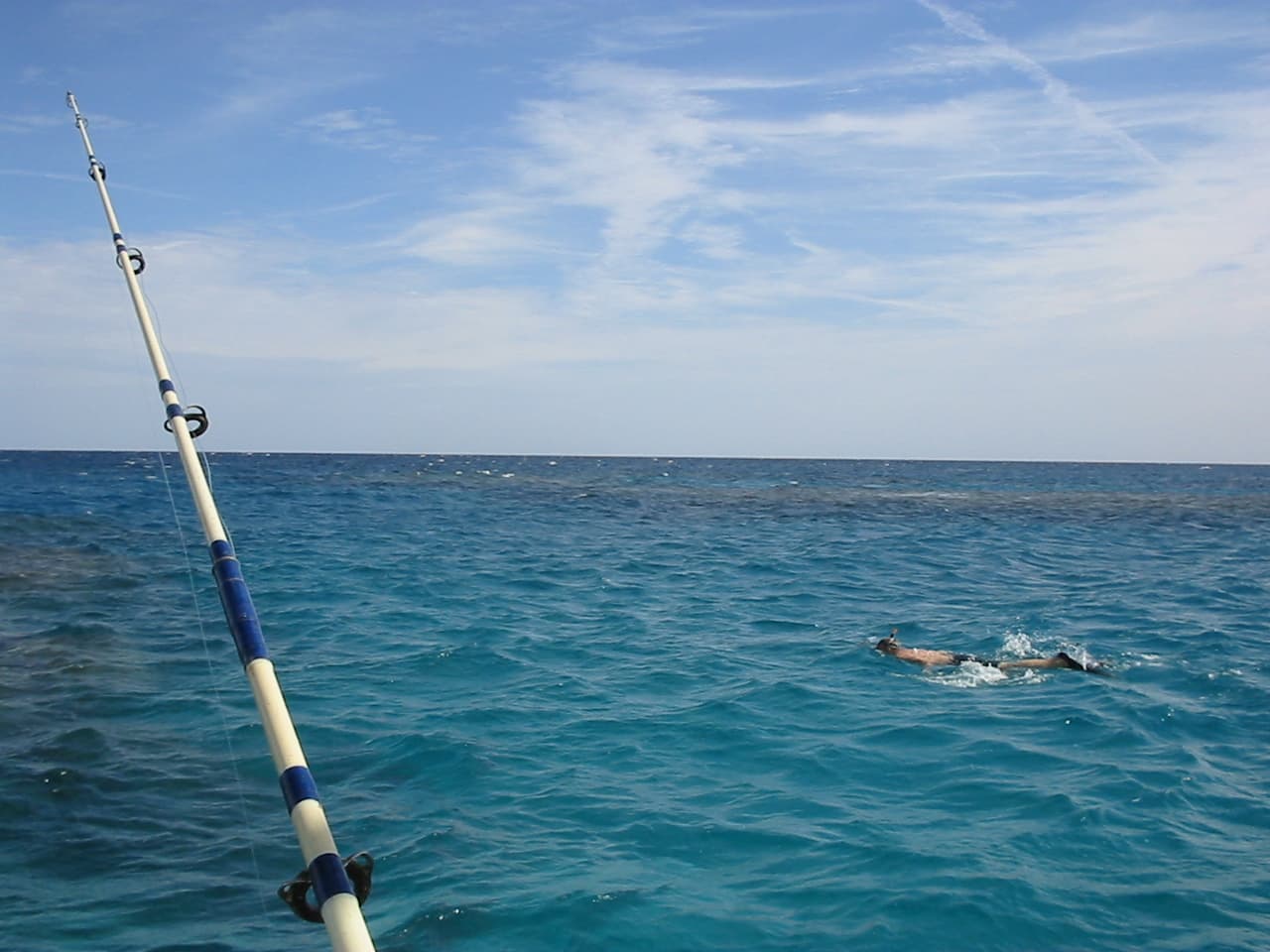
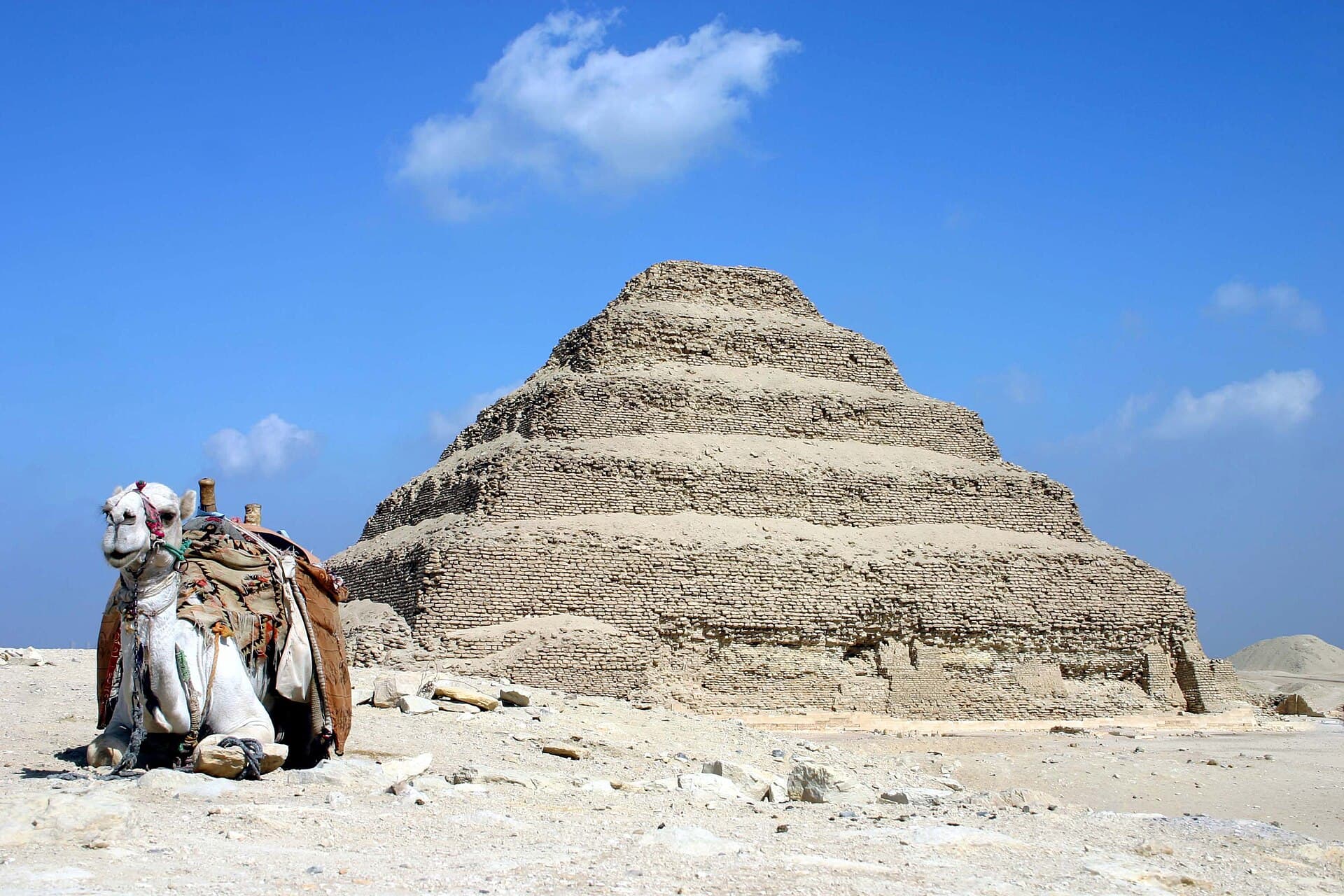
Most trips run 8 to 12 days. Three or four nights in Cairo for Giza, Saqqara and the Grand Egyptian Museum. A domestic flight to Luxor, about an hour. Three or four nights split between Luxor and Aswan, often with a Nile cruise between them. Then either home, or four nights at the Red Sea if you want to stop moving.
Timing matters more than most people expect. October to April is the comfortable window, though it is not uniform: midwinter days in Luxor and Aswan sit in the mid-20s C, while October and April run well into the 30s. May to September regularly passes 40C in the south, which makes midday sightseeing genuinely unpleasant. Summer prices drop for exactly that reason, and privately you can shift everything to dawn starts, which makes summer workable in a way it is not on a group schedule.
Ask who runs the trip on the ground. Guides, drivers and site permits in Egypt are handled by a local operator, and the quality of that operator shapes your days far more than the brochure does. It is a fair question to ask before you book, along with how long the company selling you the trip has worked with them.
What a private day in Egypt actually looks like
The shape is more consistent than the flexibility suggests, because the heat and the opening hours do most of the deciding. A typical touring day starts early, often between six and seven, and the reason is practical rather than virtuous: the first hour after a site opens is the coolest and the emptiest, and the coaches arrive later. Privately you can be at the Giza plateau or the Valley of the Kings when the gate opens rather than an hour after it, and that single decision fixes most of what people complain about afterwards - the heat, the queues, and the sellers, who work hardest once the car parks fill.
The middle of the day is the part a private trip handles best. On a group schedule the afternoon is filled because the coach has to be somewhere. Privately, a hot afternoon can become a long lunch, a swim, or an air-conditioned museum instead of a second temple nobody has the energy for. The guide then puts the second site into the last two hours before closing, which is the other empty window and the better light.
Two things you do not control. Cairo traffic sets the length of every transfer in the city, which is why two sites a day is a realistic ceiling there rather than a lack of ambition. And security checkpoints sit on most intercity routes, where foreign passengers are routinely asked for passport details, so keep a passport or a copy within reach. Most checks take a couple of minutes; occasionally one takes far longer. A good operator pads transfer times rather than promising them.
Lunch is usually the loosest part of the day, and worth raising in advance. On land, most private packages include breakfast and leave the other meals to you, which is an advantage rather than an oversight: you eat where you want and when you are hungry, rather than at the restaurant with a coach park.
Private on the Nile: what stays private and what does not
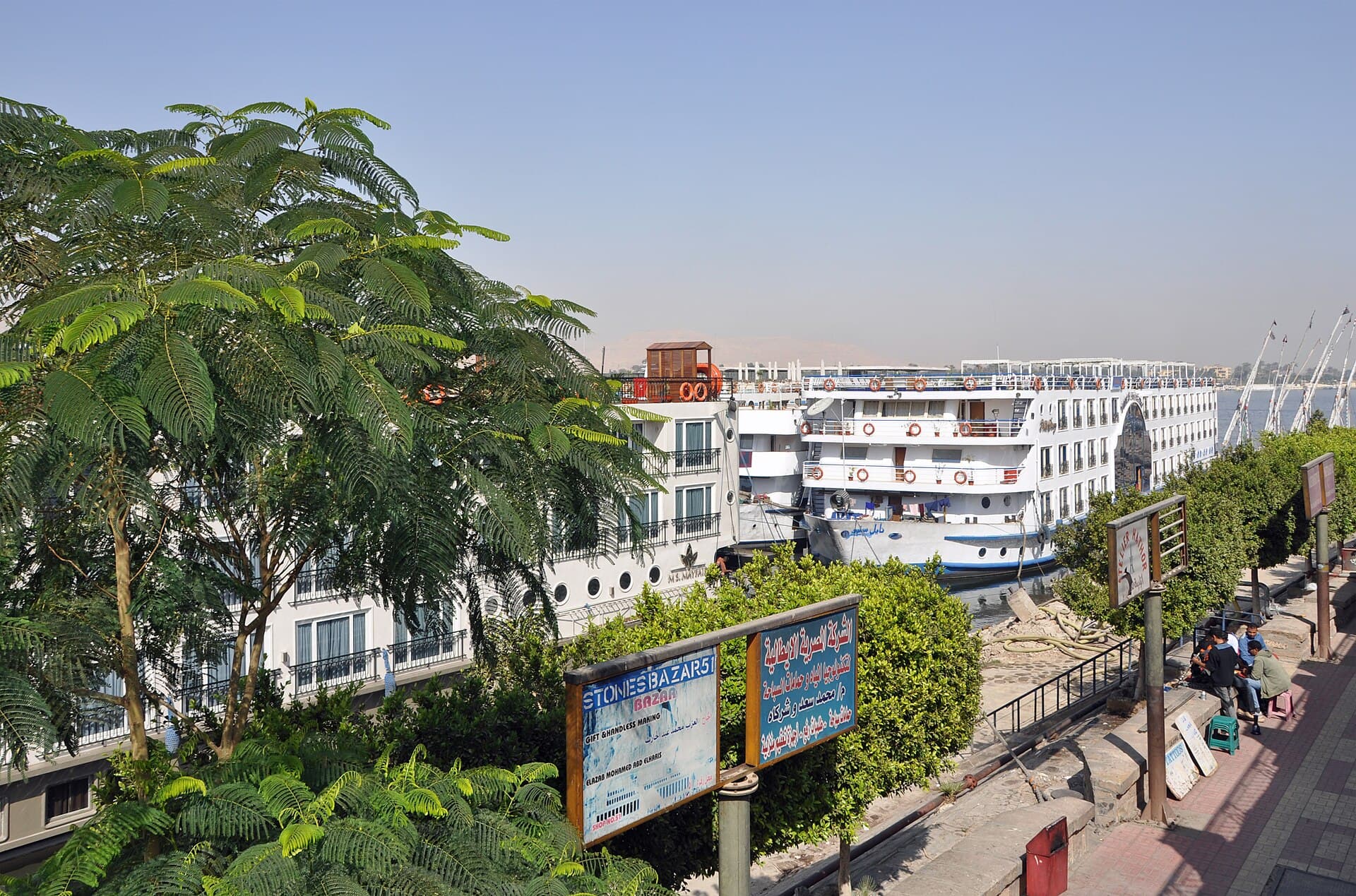
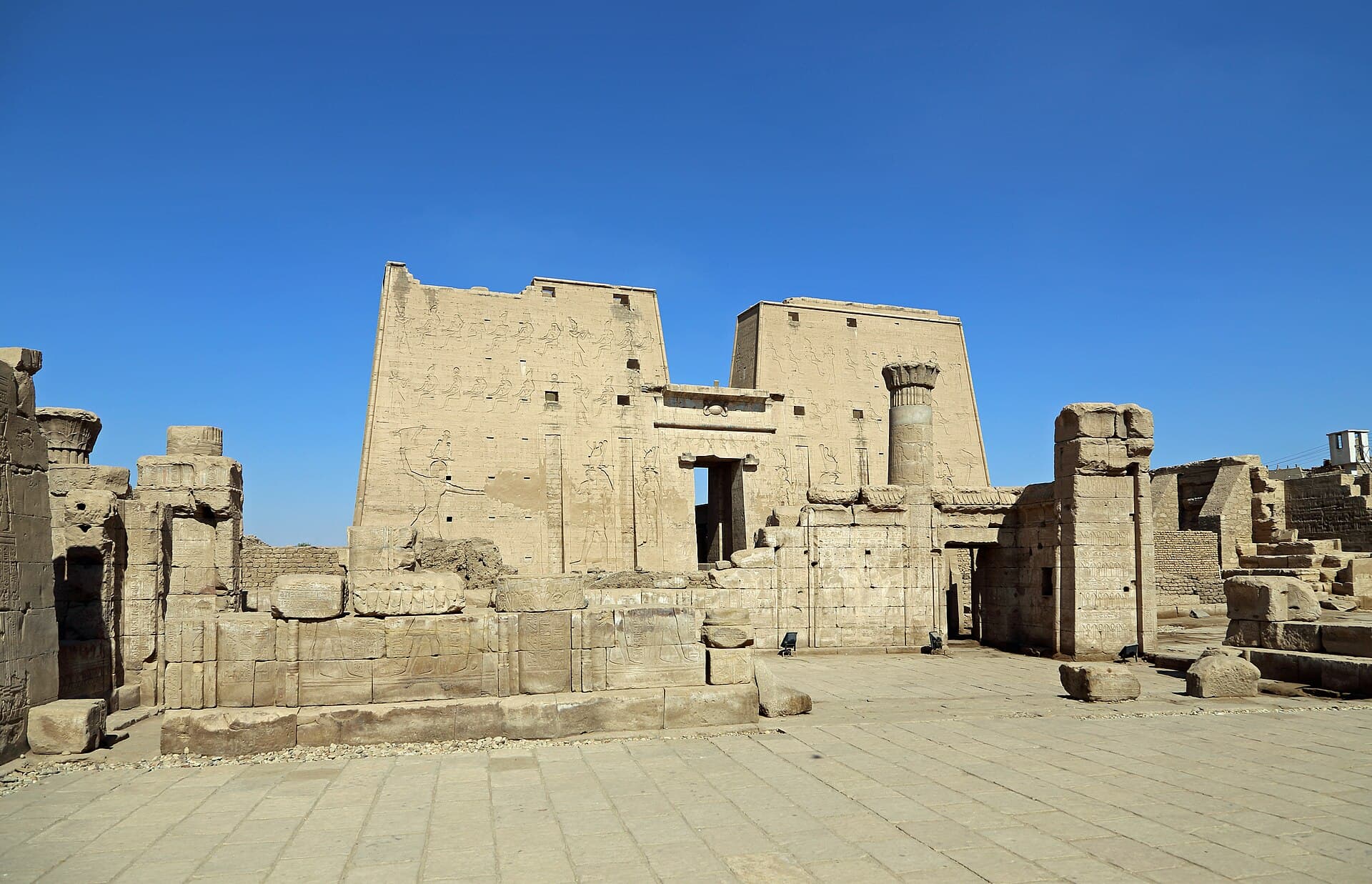
This is the most common misunderstanding about Egypt private tour packages. Booking privately does not give you a private boat. On a standard Luxor to Aswan cruise you have a cabin on a ship carrying other passengers, and you share the deck, the dining room and the mooring with them. What stays private is your guide and the timing of your excursions ashore, which is not nothing - it means you are not tied to the ship's group call for Edfu or Karnak - but the boat itself is shared.
Boats vary far more than the photographs suggest, and Nile star ratings are local ratings rather than anything comparable to European hotels. The refurbishment date matters much more than the rating on the plaque. Get the boat's name in writing, and ask what happens if it is swapped, because substitutions do happen at low occupancy.
There is also a mooring quirk nobody mentions before you arrive. At the smaller stops, boats raft several deep against the bank, so you may walk through another boat's lounge to reach the shore. It is entirely normal and it has nothing to do with what you paid.
If you want the river genuinely to yourself, the options are a dahabiya or the land route. A dahabiya is a traditional shallow-draught sailing boat with only a handful of cabins; they move slowly, moor where the large ships cannot, and cost more per night for the quiet. At the right party size a whole dahabiya can be chartered, which is the only version of a Nile cruise that is private in the full sense. The land alternative is to drive the roughly 215 kilometres between Luxor and Aswan and sleep in hotels, which frees you from a sailing schedule but gives up the riverbank arrivals at Edfu and Kom Ombo that are half the point of the water.
What should you check before accepting a private quote?
Ask whether the guide is a licensed Egyptologist or a tour escort. It is a legal distinction in Egypt and it determines whether someone can guide you inside sites at all. It also explains most of the price gap between cheap operators and good ones.
Ask what is excluded. Entrance to the Great Pyramid interior, the Tutankhamun tomb, and Abu Simbel are frequently separate line items. So are drinks, tips and visa costs. A quote that looks cheaper has often just moved those out of the headline total.
Ask about shopping stops. Some operators build commission-earning visits to papyrus shops and perfumeries into private itineraries. On a private trip you can simply decline these, but it is better to establish upfront that they are not in the plan.
Who actually deals with you, and why identical trips differ in price
Most Egypt trips sold in Europe and North America are run on the ground by a fairly small number of Egyptian operators. The website you book through is often a reseller adding a margin to the same cars, the same pool of guides and the same boats. That is not dishonest, and a good reseller earns its cut in support when something goes wrong, but it explains why near-identical private programmes come back at very different prices.
It matters more on a private trip than a group one, because a private itinerary is quoted rather than bought off a shelf. Get the operating company in Egypt named, so you know whether the person answering the phone at two in the morning is the one who can actually rebook a flight or move a guide.
Expect your guides to change as you move. Guides work regionally, so one Egyptologist looks after you in Cairo and another in Luxor and Aswan, and drivers change city by city too. That is normal and not a downgrade. What should not change is the standard, which is the operator's job to hold.
Currency is the third reason quotes differ. The Egyptian pound has moved sharply in recent years, so operators quote in dollars or euros and hold that figure. A private quote given far ahead in Egyptian pounds is an estimate rather than a fixed price. Ask which currency the contract is in and whether the balance is due in that same currency.
The last reason is the cheap end of the market. A private price well below everything else you have seen is usually subsidised on the ground by commission stops and by extras sold hard once you have arrived. A trip with none of that costs more on the quote and often less in total.
The add-ons, and which ones private travel genuinely improves
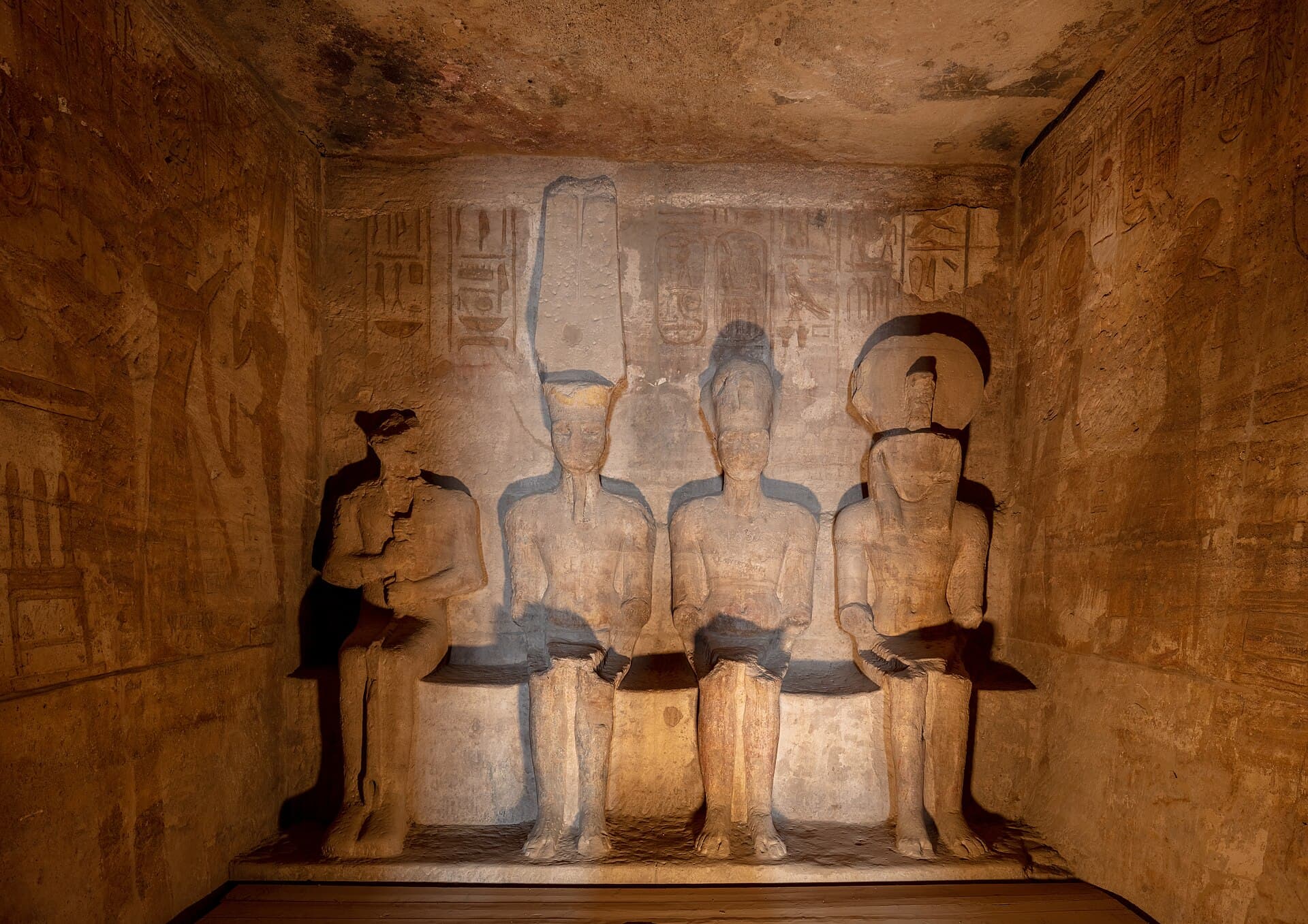
Abu Simbel is the main site that sits outside the standard line, about three hours south of Aswan by road, and it is worth the day whether you drive or take the short flight. Privately, the gain is real: you leave when you choose rather than in the standard early convoy slot, and you decide whether to do the desert road twice in a day or fly one leg to avoid it.
A balloon flight over the Luxor west bank is the opposite case, and it is worth being clear about it. Balloons fly at first light because that is the only part of the day the air behaves, and once the sun warms the desert the window closes. Nobody can move that, and no private operator can promise you a particular view either - the pilot controls height, not direction. What a good private operator can do is answer the three questions that matter before you pay: whether the balloon operator is currently licensed by the Egyptian civil aviation authority and insured, what happens to your money if the flight is cancelled, and who decides whether to fly. A booking made in a hotel lobby the night before rarely comes with any of those answers.
Then the ticketed interiors. The chamber inside the Great Pyramid is a hot, steep, airless climb to a bare room with a granite sarcophagus, and it is easy to skip unless the idea itself appeals. The tombs of Seti I and Nefertari are sold separately from the standard Valley of the Kings ticket, and Nefertari's costs several times a standard Valley ticket because its painted walls are among the best preserved in Egypt. A private guide is useful here mainly for sequencing: which tombs are open changes without notice, and someone who can ask at the gate and rework the morning is worth more than a fixed plan.
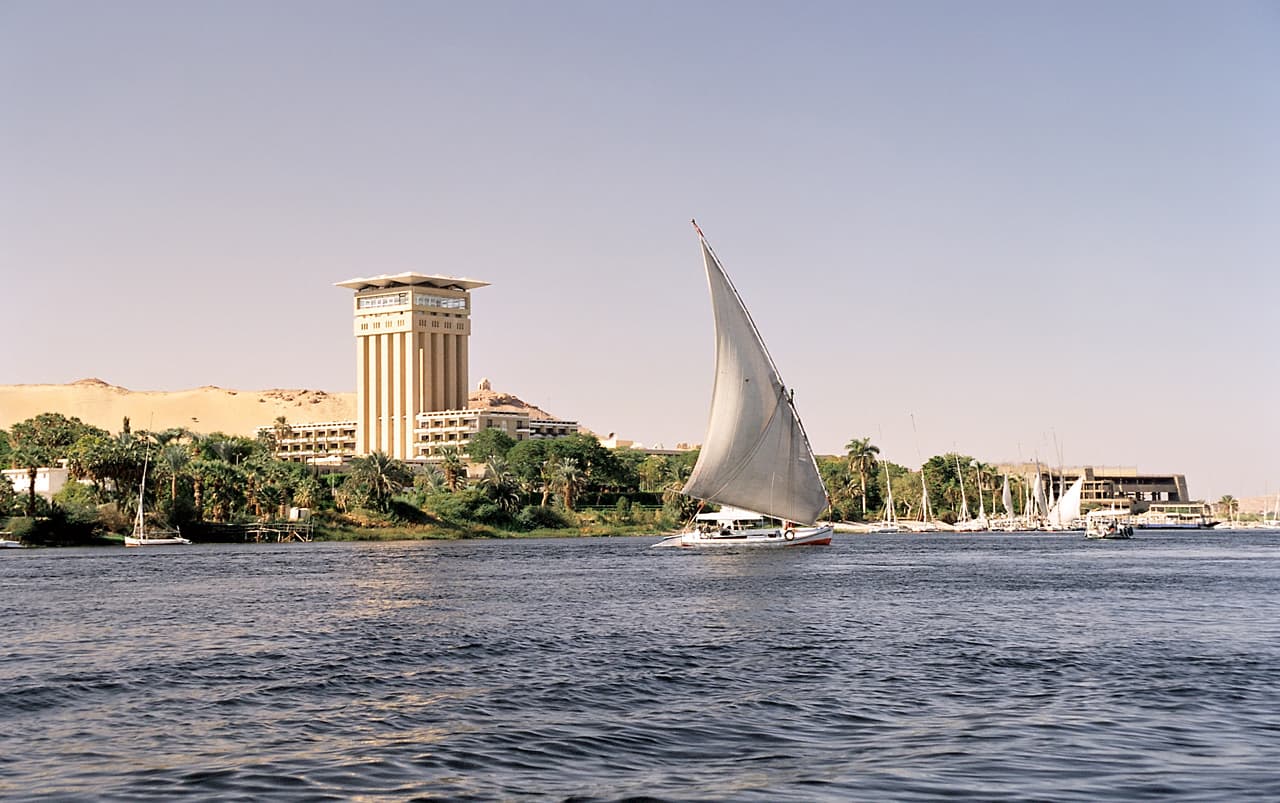
The cheapest add-on is also one of the best. An hour on a felucca at Aswan or in Cairo costs little, needs no booking far ahead, and is the only part of the day where nothing is being explained to you.
Travelling privately with children, or with limited mobility
For families, the private premium buys one specific thing: the right to stop. Cairo rewards children with scale - the pyramids are absurdly large, the desert starts at the end of a street, and a camel walking past at close range is exactly as exciting as a six-year-old hopes - and punishes ambition. Two sites a day is the honest ceiling in that traffic, and a private car is what lets you leave the second one early rather than waiting on a coach.
The things children actually take away from Egypt are rarely what the itinerary assumes: the size of a single block of stone, the heat coming off the sand, the noise, and the moment they were allowed to run. Build the day around that and the history takes care of itself. The Grand Egyptian Museum is the one museum most children tolerate, being large, modern and air-conditioned, but treat it as ninety minutes rather than a morning. Around the pyramids there is also a field of mastaba tombs built for officials, low, dark, cool and quick, where a child who found the pyramid interior frightening is often perfectly happy.
For travellers with mobility limits, the gain is access rather than pace. Egyptian sites involve uneven ground, steps without handrails and long distances between the entrance and the car park, and none of that is going to be redesigned for you. What a private trip changes is the route through each site, the drop-off point, and the number of sites attempted in a day. Say what you need before booking rather than on the first morning, so the guide plans around it instead of improvising.
Two honest limits. Going inside a pyramid or a tomb usually means a low sloping passage and no handrail, and no amount of private arrangement makes that easier. And a balloon landing can be firm enough to drag or tip the basket before it settles, which is a poor idea with a bad back or a recent operation. Those are facts about the activity, not about the tour you booked.
Beyond the classic route: what private access is actually for
If this is your first visit, the standard line - Giza and the Grand Egyptian Museum, a flight south, both banks at Luxor, the river to Aswan and Philae - is standard because it works, and a private trip mostly improves the timing rather than the map. The case for private access changes on a second visit, when the point is to leave the line altogether.
South of Saqqara, Dahshur holds the Bent and Red Pyramids, which almost no coach itinerary reaches and which are far quieter than Giza. North of Luxor, Dendera and Abydos are the two large temples most often skipped for the simple reason that they cost a morning of driving each, a trade a private itinerary can make and a fixed departure cannot. On the Luxor west bank, the Tombs of the Nobles carry scenes of daily life rather than royal ritual, which is a different and for some people a more interesting thing to look at than another royal tomb.
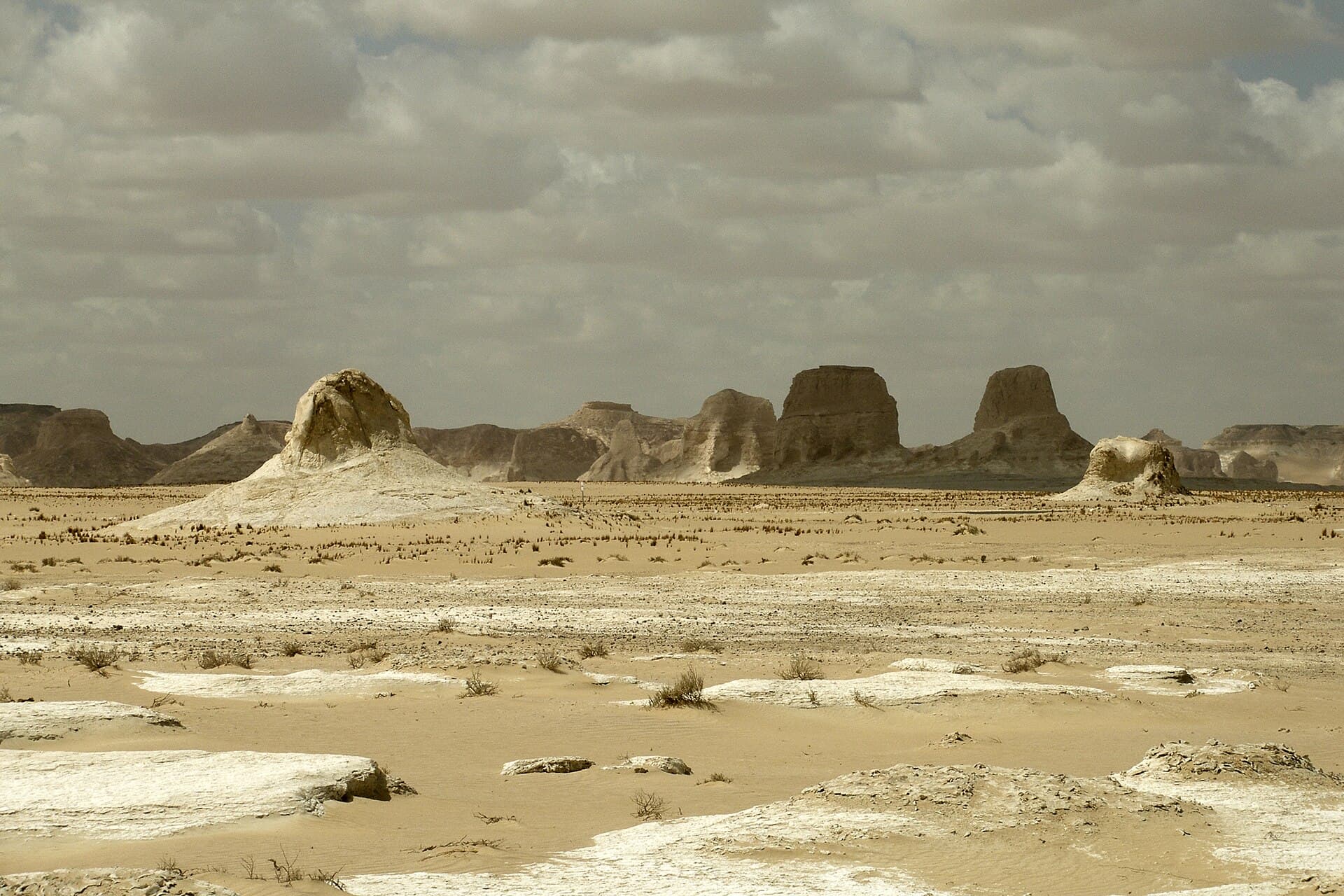
Further afield, Alexandria works as a long day from Cairo on the fast desert road, and the White Desert and Siwa head southwest away from the Nile entirely, for travellers who have had their fill of temples. None of these are secret, and any competent operator will quote them. They simply do not survive the arithmetic of a coach that has to be back for dinner.
The honest framing is this: a private trip does not unlock places that are closed to other people. It buys you the driving hours and the willingness to spend a morning getting somewhere that only repays people who actually want to be there.
Season, and how private travel changes what the calendar does to you
October to April is high season and priced accordingly, with Christmas and New Year the peak of the peak and the good boats gone months ahead. Within that window the weather is not one thing. December and January bring daytime highs in Luxor and Aswan of around the low to mid twenties Celsius, with dawn temperatures in single figures, so a fleece for the early starts is not optional. October and April run much hotter, often well into the thirties.
March is arguably the best month of the year, warm rather than hot and with good light. February holds similar temperatures without the Christmas peak, though European half-term traffic lifts prices for a week or two. September is cooling down while prices have not yet caught up, which makes it quietly one of the better value months for a temple-weighted trip.
Summer is where private travel earns its premium most clearly. June to August in Luxor and Aswan regularly passes 40C, useful sightseeing stops by late morning, and a group schedule simply cannot be reorganised around that. Privately you can put everything before nine, spend the afternoon indoors or in water, and treat the evening as the second half of the day. The same programme is at its lowest price of the year. It is a fair trade for heat-tolerant adults and a poor one with young children.
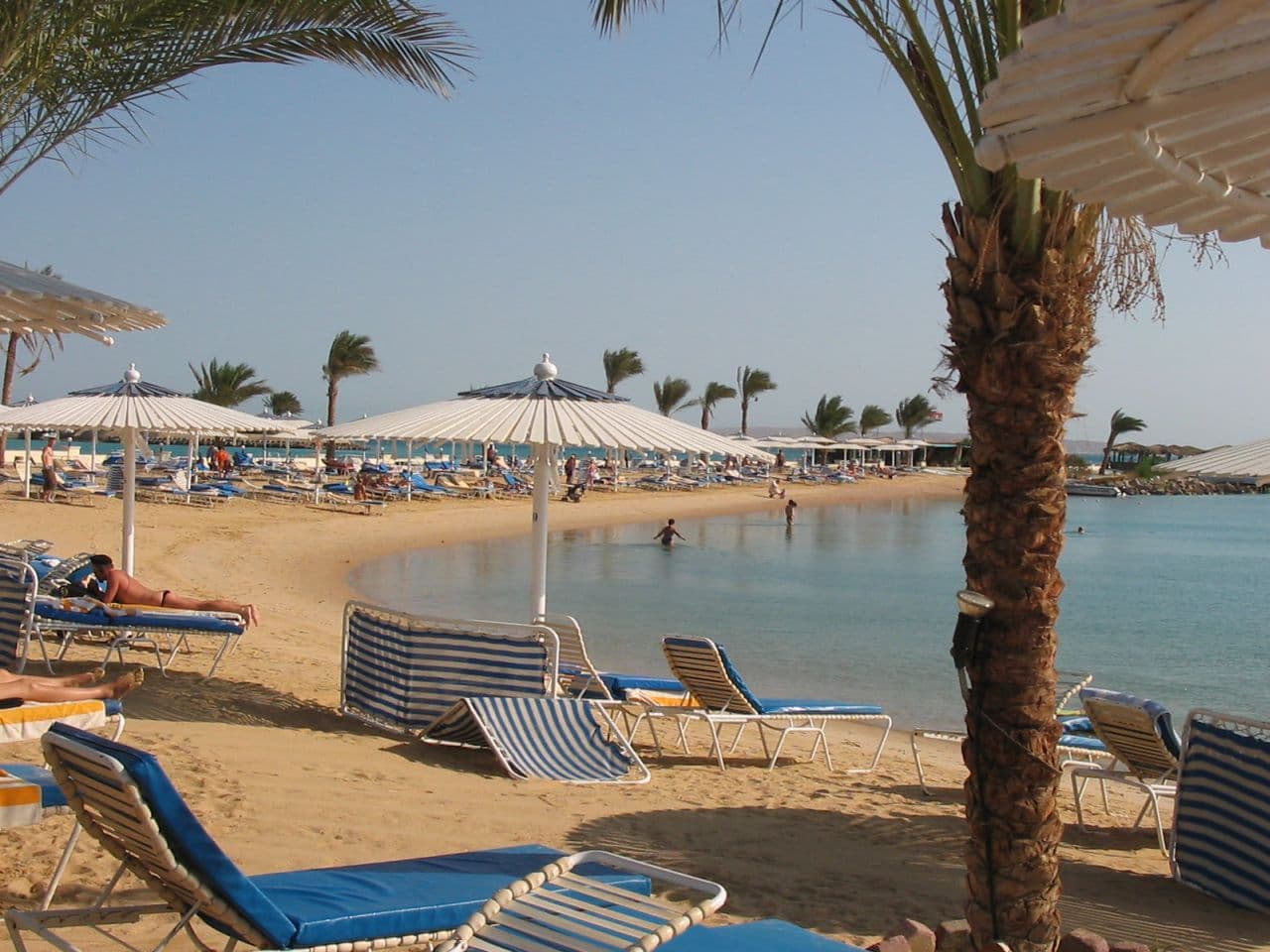
One more calendar note that only matters privately: if the beach is part of the plan, the Red Sea itself sits at around 22C in January and does not warm to a comfortable 25C until April. A winter trip weighted towards the coast is the wrong shape however flexible your itinerary is.
Budgeting the parts that sit outside the quote
Tipping is the largest of them and the one most often underestimated. Baksheesh in Egypt is a structural part of how people in tourism are paid rather than a reward for good service, and on a private trip you have more people to thank because they are working for you alone. On a guided day with a private Egyptologist and a driver, budget 15 to 20 euros per person. Each night on a cruise adds another 5 to 10 for the crew box, which most boats collect communally at the end rather than chasing individual crew.
Broken down, the guide takes the largest single share, roughly 10 to 15 euros per person per day for a private guide, and drivers are put at about 5. Over a ten-day trip with four nights on the river, that comes to somewhere around 180 to 220 euros per person, covering everyone from the guide to the porters. Treat those as a range rather than a price list - nobody counts - and be wary of any source quoting one precise figure for a whole trip, because some quote per group and some per person, which is where wildly different numbers come from.
Carry Egyptian pounds in small denominations, and change money early rather than on day four when you have already run out. Coins are close to useless and handing them over reads badly. In restaurants, check whether service is already on the bill before adding more.
Then the rest: your international flights, which are almost never in a ground package; the tourist visa, bought online in advance or on arrival; travel insurance; drinks and most lunches and dinners on land; and the separately ticketed interiors listed earlier. Add those up honestly at the planning stage and the headline difference between a private quote and a group one gets smaller, because several of these costs are identical either way.
What a private trip does not fix
It does not empty the sites. Opening hours are the same for everyone, and by the middle of a winter morning Karnak and the Valley of the Kings are busy whoever you booked through. What private travel buys is the ability to be there in the first hour or the last, which is a scheduling advantage rather than exclusive access.
It does not make Egyptian domestic flights reliable. They are retimed often, sometimes by hours and sometimes the day before, and no operator controls that. What a good one does is keep the domestic hop on the same booking as the rest of your trip, so a missed connection is their problem rather than yours, and build a real buffer before any international flight. Cairo airport is large enough that a domestic-to-international transfer needs hours, not minutes, particularly if the onward leg is on a separate ticket and you have to clear immigration and check in again.
It does not stop the sellers at Giza or Luxor, though a guide absorbs a good deal of it. It does not guarantee which tombs are open on the day you arrive, because that changes without notice. And it does not make a badly chosen hotel or a tired boat better, which is why the accommodation tier in the quote deserves more attention than the word private does.
Finally, it does not make a cheap trip good. The two things you are paying extra for are the guide's day rate and a dedicated vehicle, and those are precisely the two things a discounted private quote cuts. If the budget will not carry a proper private trip, a well-run group departure with a strong guide is the better purchase, and there is no shame in it.
Common questions
Can two people book a private tour, or is there a minimum group size?+
Two people is normal, and so is one. The per-person cost is highest for solo travellers because the guide and vehicle cost the same whether one person or four is in the car. Solo travellers sometimes pay close to double the per-person rate of a couple. Nothing about the itinerary changes.
Do we get the same guide for the whole trip?+
Usually not, and that is normal in Egypt. Guides work regionally, so you will typically have one guide in Cairo and another in Luxor and Aswan. Drivers change city by city too. The operator, the plan and the standard stay the same; the faces change as you move between them.
How far in advance should we enquire?+
For October to April, two to four months is sensible. Good guides get booked, and Nile cruise cabins in December and January go early. Outside those months you can often arrange something in a few weeks. Last-minute is possible but narrows your choice of guide, which is the part that matters most.
Is tipping expected on a private trip, and how much?+
Yes, and it is a real line in the budget rather than a rounding error. Guides, drivers, boat crew and site staff all expect something. A common rule of thumb is to set aside a small percentage of the trip cost for the whole team. Ask for a written suggested breakdown before you travel, and carry small notes.
What is not worth paying extra for?+
A luxury vehicle for short city transfers, when the traffic decides your journey time either way. A private Egyptologist at every single site, when some sites are better walked quietly. And extra Cairo days beyond three or four, unless you have a specific interest. Put the money into a better guide instead.
Does a private tour mean we get a private Nile cruise boat?+
No, unless you charter one. On a standard Luxor to Aswan cruise you have a cabin aboard a ship carrying other passengers, and the deck and dining room are shared. What stays private is your guide and your timing ashore. The only version that is private in the full sense is chartering a dahabiya, a small sailing boat with a handful of cabins, which costs more and moves more slowly.
Can we change the itinerary once we are already in Egypt?+
Within a day, easily: a later start, an extra hour somewhere, or dropping an afternoon site. Across days it depends on what is already paid for. Internal flights, cruise cabins and hotel nights are booked and usually non-refundable, so the fixed skeleton of the trip stays put. Say what flexibility you want before departure so the operator builds it in rather than improvising it.
Do solo travellers still pay a single supplement on a private trip?+
Yes. Hotel rooms and cruise cabins are priced per room rather than per person, so travelling alone adds a supplement on the accommodation regardless of how the touring is organised, and on some boats it amounts to the whole second berth. Guiding and transport do not split either. A solo private trip can approach what two people pay between them, and no operator can design that away.
What languages do private guides speak?+
English is widely available and the easiest to arrange at short notice. French, German, Italian and Spanish guiding exists but the pool is smaller, so those guides are booked further ahead, particularly in high season. If the language matters, raise it at the enquiry stage rather than after a deposit, and confirm it applies in every city rather than just the first one.
Can we ask for the shopping stops to be removed?+
Yes, and you should ask before you book rather than on the day. Commission-earning visits to papyrus, alabaster and perfume workshops are built into some itineraries, including private ones, and they are the usual reason a cheap quote is cheap. Ask for a written itinerary with none of them in it, and treat a refusal as information about the operator.
Is a private tour safer than a group tour?+
Not meaningfully in itself. The main tourist corridor of Cairo, Luxor, Aswan and the Red Sea is heavily policed and used by large numbers of visitors year-round, and the same checkpoints and procedures apply whichever way you travel. Where private travel does help is with heat, fatigue and crowds, which are the practical risks most visitors actually meet. Check your own foreign ministry's advice for the specific places on your itinerary, because it is written region by region.
Is a private trip worth it in summer?+
It is the season where it makes the biggest difference. June to August regularly passes 40C in Luxor and Aswan and useful sightseeing stops by late morning, which a fixed group schedule cannot work around. Privately you can put everything before nine and write off the afternoon, and prices are at their lowest of the year. With young children it is still a poor idea.
Official sources
Entry rules, opening hours, security advice and exchange rates all move. Check them at the source, not here.
Written and checked by the Nile Trip Guide editorial team · Last reviewed . Entry rules, prices and opening hours change — check anything critical against the official sources linked on this page.
Plan this trip
Tell us your dates and we will price it
A real itinerary with real prices, usually within 24 hours. Nothing is booked and nothing is charged until you say yes.
The route most people take first, at the length it was built for: Giza and the Grand Egyptian Museum, then a flight to Luxor and four nights sailing down to Aswan.
No boat on this one. Giza and the Grand Egyptian Museum, a night in Luxor for both banks, two nights on the Red Sea, then back to Cairo for the Citadel, Coptic Cairo and the Royal Mummies.
Five nights in Cairo either side of a four-night sail from Luxor to Aswan. The Cairo days are private, just your party and a guide; the sightseeing off the boat is shared with a small group.