Most Egypt itinerary questions come down to one thing: how many days you have, and what that forces you to leave out. The standard routes are well worn — Cairo, then the Nile between Luxor and Aswan, sometimes the Red Sea afterwards. Below is what each trip length realistically covers, in what order, and why the order matters.
Why does an Egypt itinerary start in Cairo and run south?
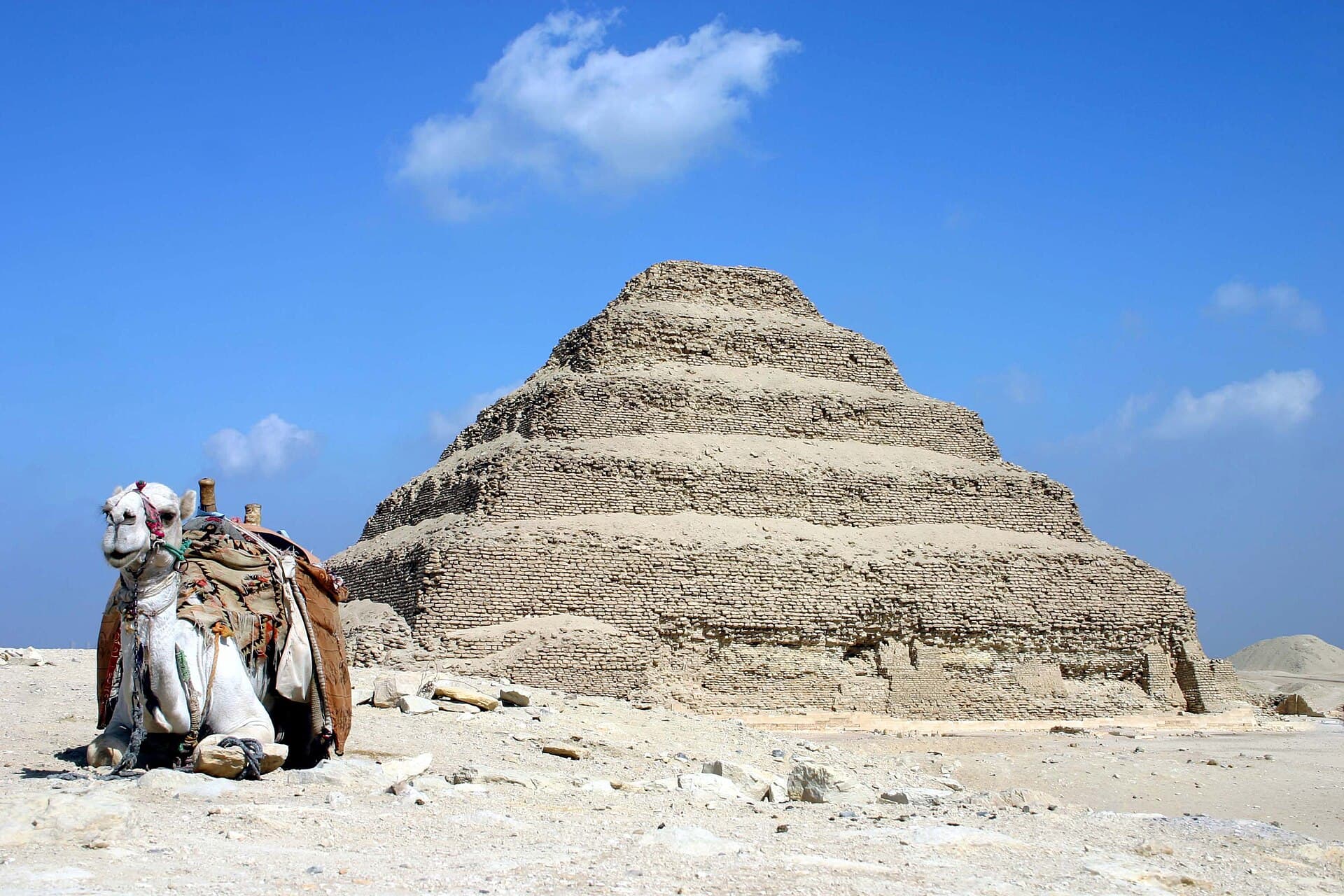
Cairo goes first for two reasons. Long-haul flights land there. More usefully, the museums hold the objects taken out of the tombs you will stand in later, so seeing them first makes Luxor readable rather than repetitive. Giza and Saqqara are Old Kingdom, over a thousand years older than most of what you see at Luxor, and taking them in that order stops the trip blurring into one long corridor of stone. Cairo is also the hardest city on the route; day one handles it better than day twelve.
Fly to Luxor rather than drive. The road is roughly 650 kilometres and nine to ten hours, and the sites in between — Beni Hasan, Amarna and Abydos on the way down — often involve permissions, escorts and a slower pace than a short trip can absorb. The flight takes about an hour and there are several a day. The overnight train is cheaper and saves a hotel night. The cabins are basic and sleep is patchy, so take it for the economics, not the comfort.
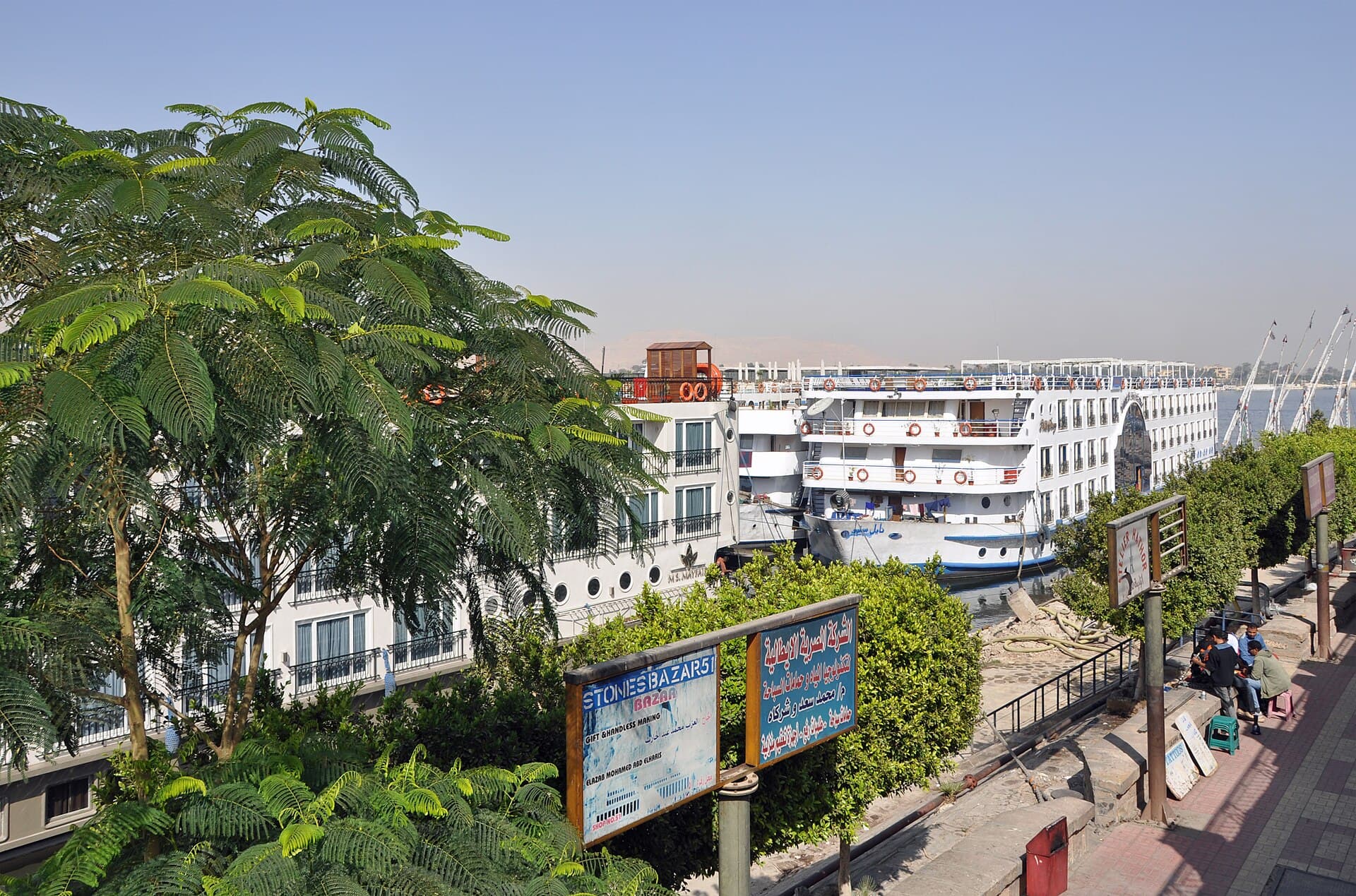
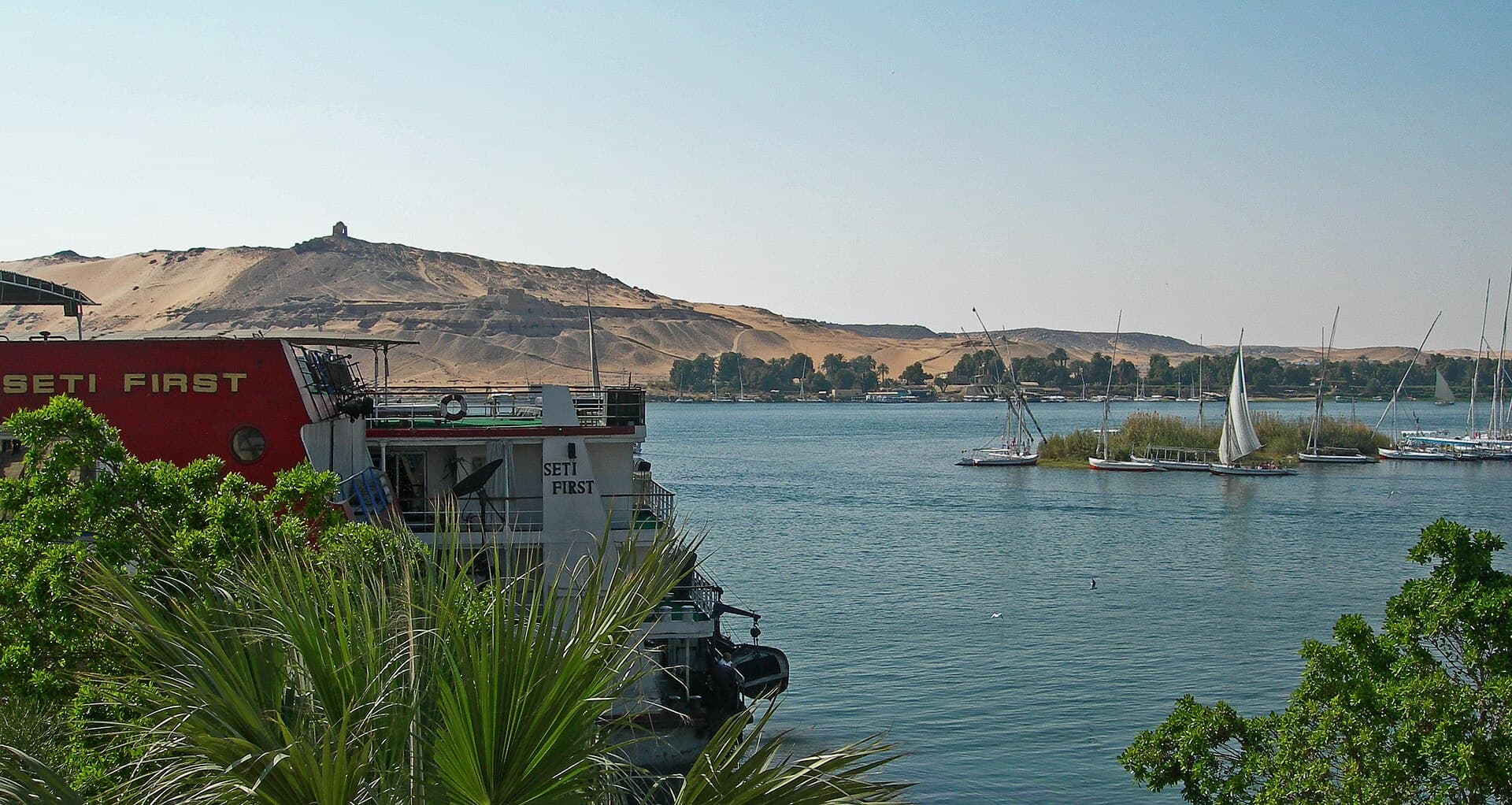
Sailing south is the default for a reason. The Nile flows north, so Luxor to Aswan is upstream — slower, and normally a night longer than the same stretch coming down. Going south the sites thin out and space themselves: Esna, Edfu, Kom Ombo, then Aswan. Aswan is the calmest point on the whole route and a better place to finish than Luxor, where the selling is relentless. It also has an airport and is the jumping-off point for Abu Simbel, so nothing is retraced.
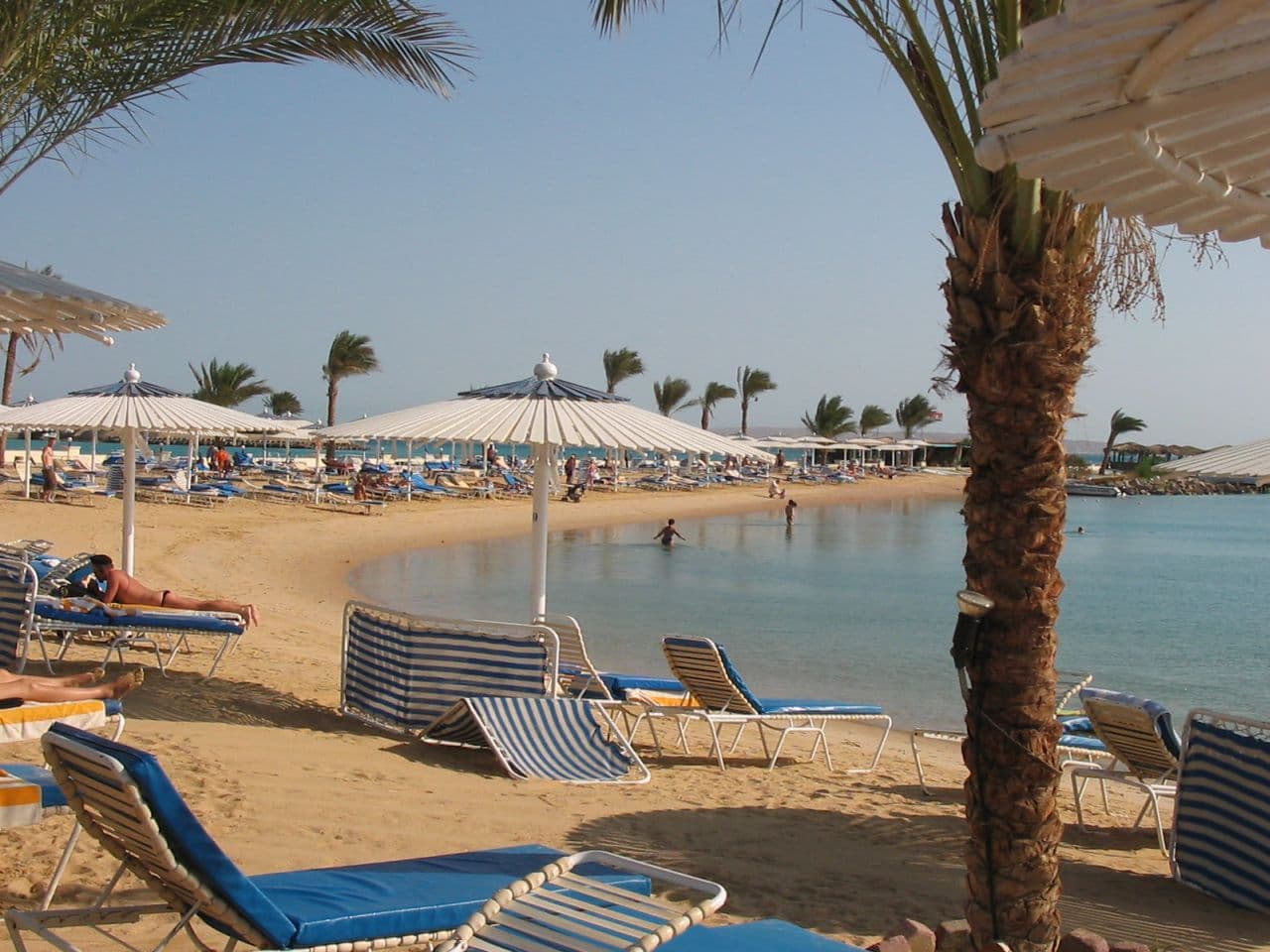
There is one respectable reason to invert the whole thing and fly to Aswan first: you intend to finish on the Red Sea. Hurghada sits roughly four hours by road from Luxor, so a trip that sails north and disembarks at Luxor can cross to the coast overland and fly home from there, with no second internal flight and no backtracking through Cairo. That shape trades the calm Aswan finish for a beach finish, and it only makes sense if the coast is genuinely part of the plan rather than an afterthought.
How many days does each part of Egypt actually need?
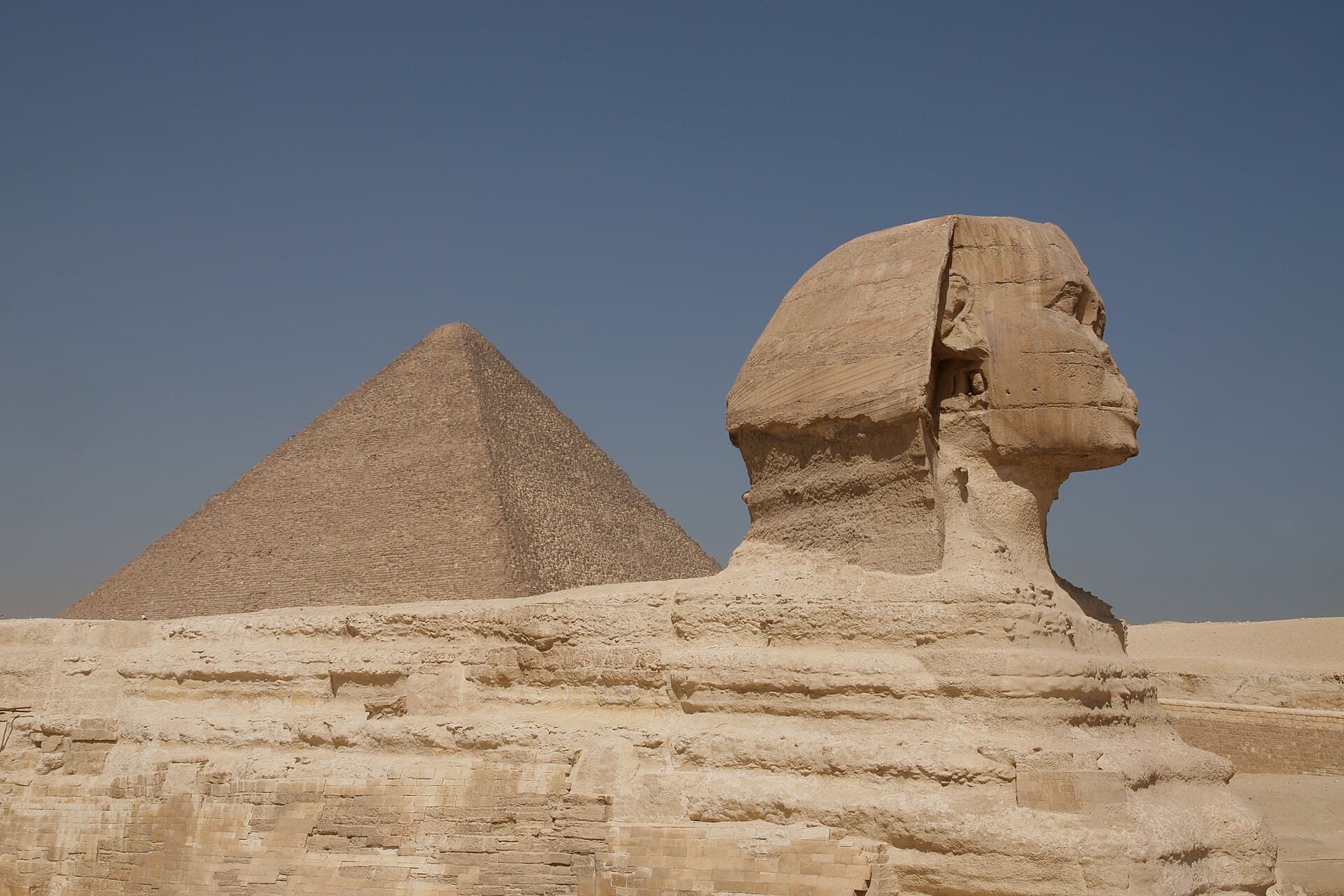
It is easier to build an itinerary from blocks than from a total. Cairo needs two full days at an absolute minimum and repays three: one for the Giza plateau, one for the Grand Egyptian Museum, and a third for Saqqara and Dahshur or for the medieval city on foot. The plateau and the museum should never share an afternoon — the museum asks for at least three hours on its own, and treating it as an add-on to the pyramids wastes both.
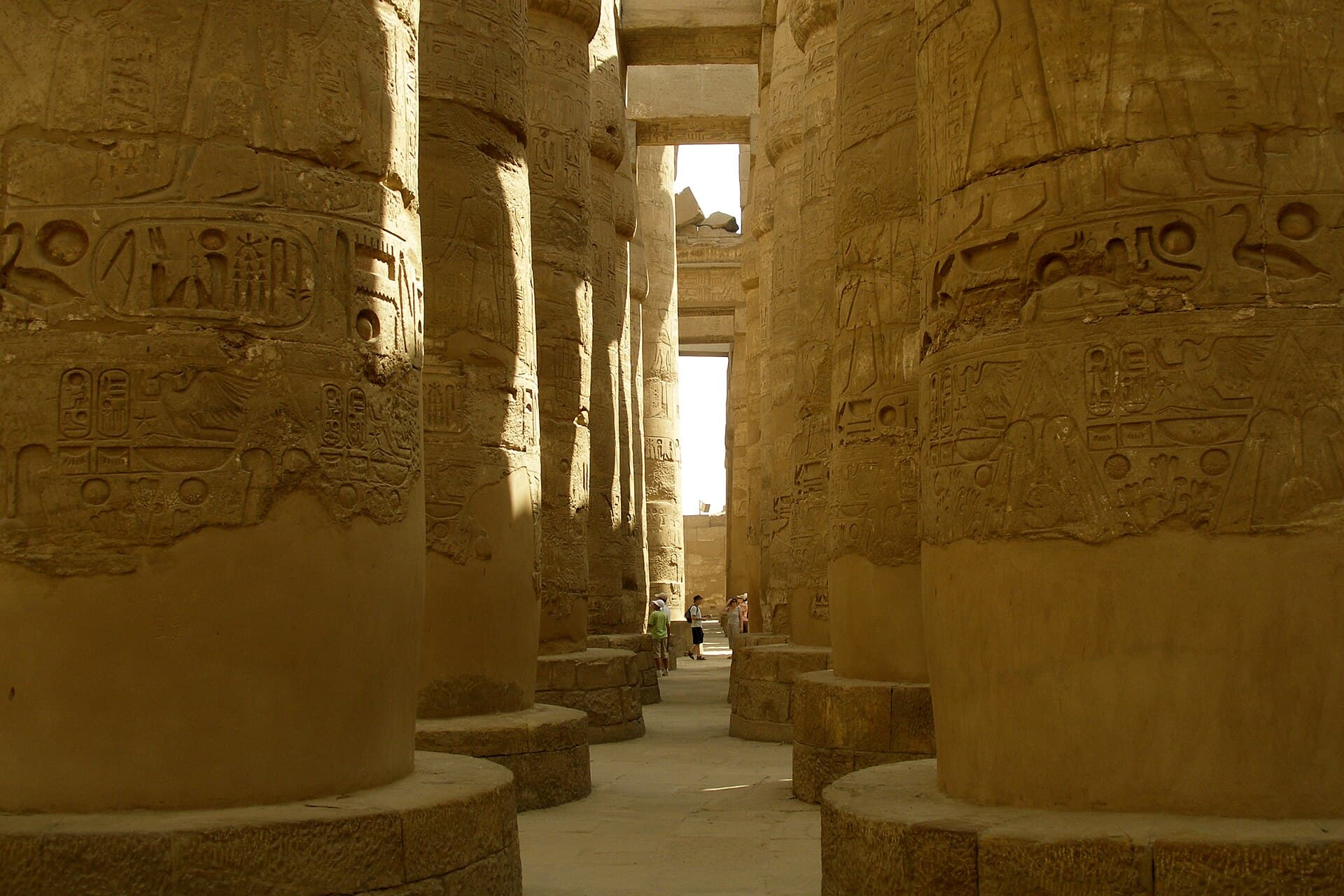
Luxor needs two days if you are doing it properly: the east bank, meaning Karnak in the late light and Luxor Temple after dark, and then a west bank morning that starts before it is light. On a cruise those two days are handed to you as an arrival afternoon and a pre-dawn start, which works but leaves no margin. A night in a Luxor hotel before boarding buys back the evening and the early morning that a boat timetable otherwise takes.
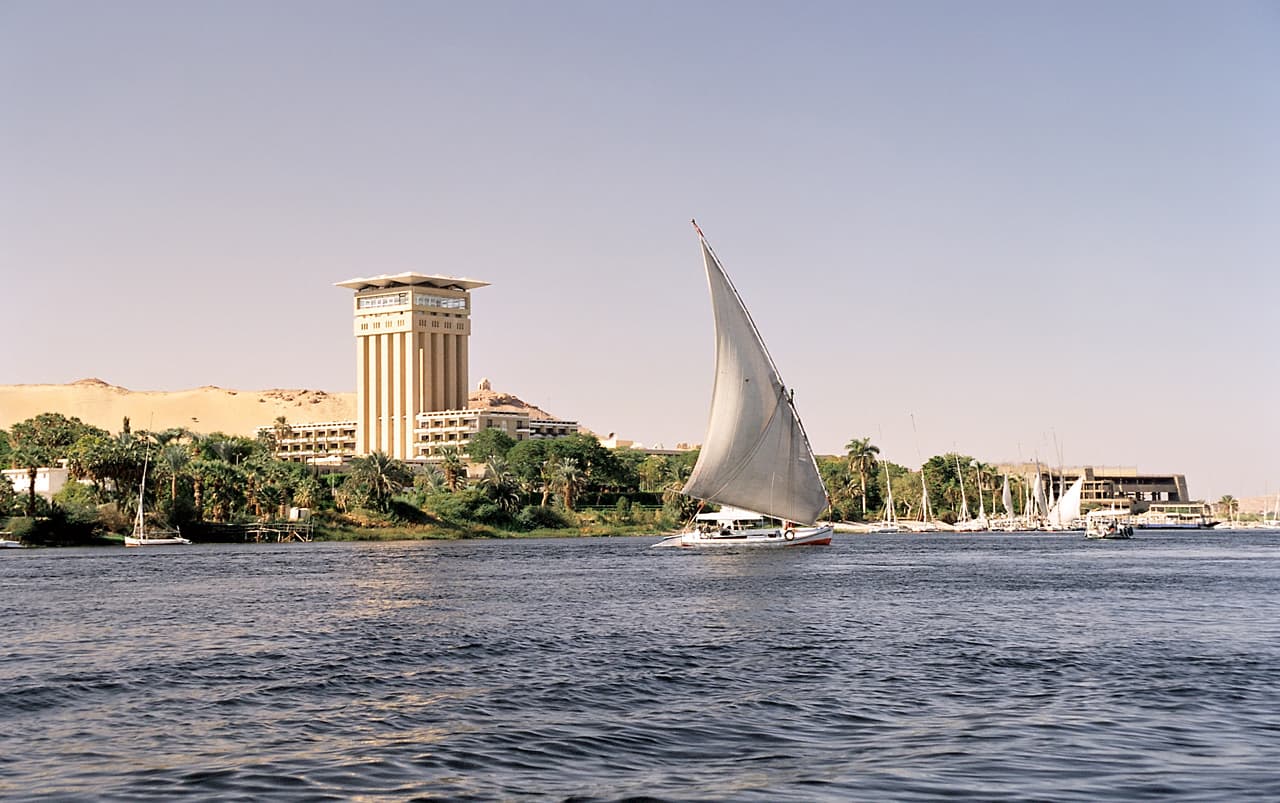
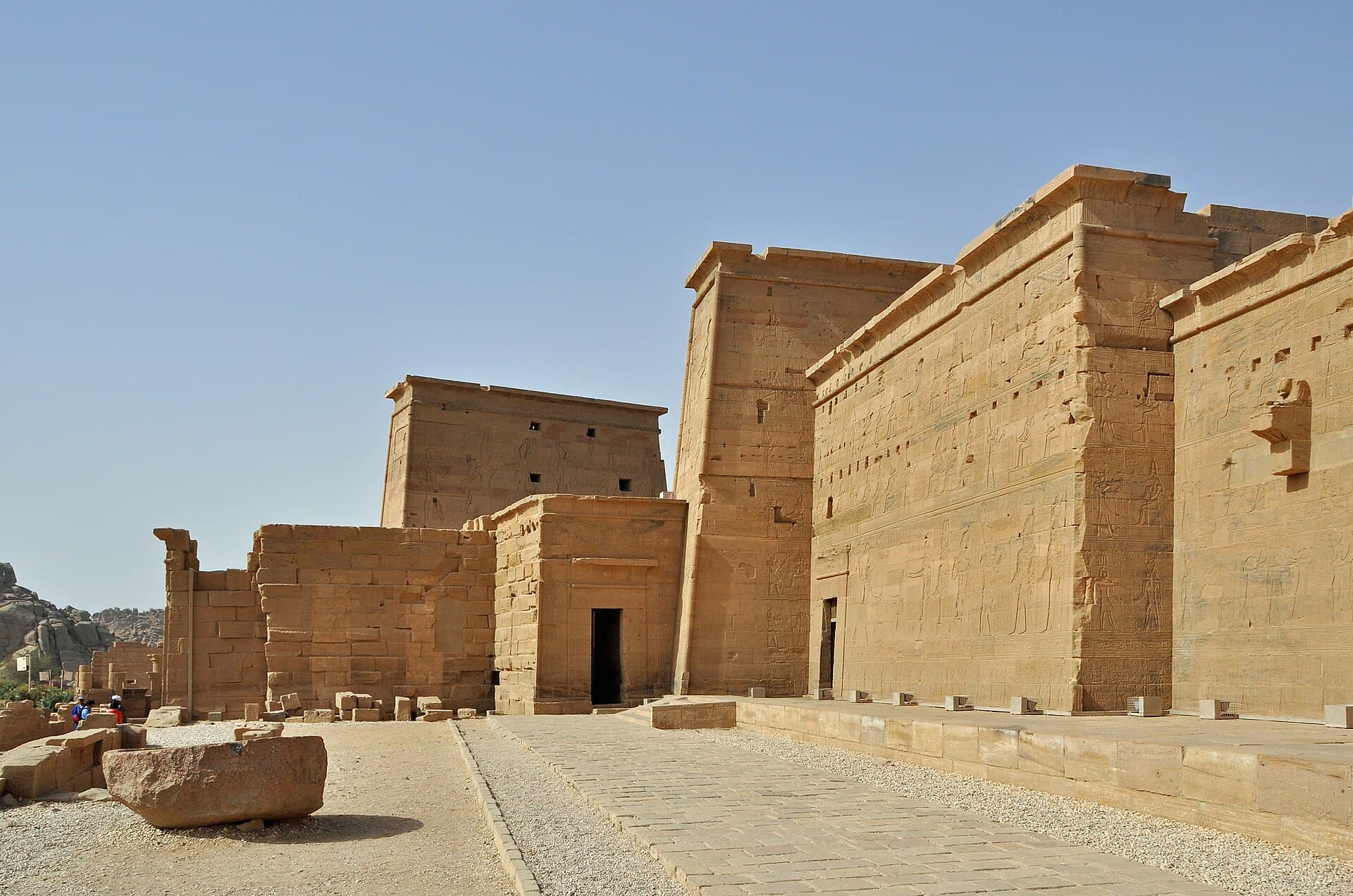
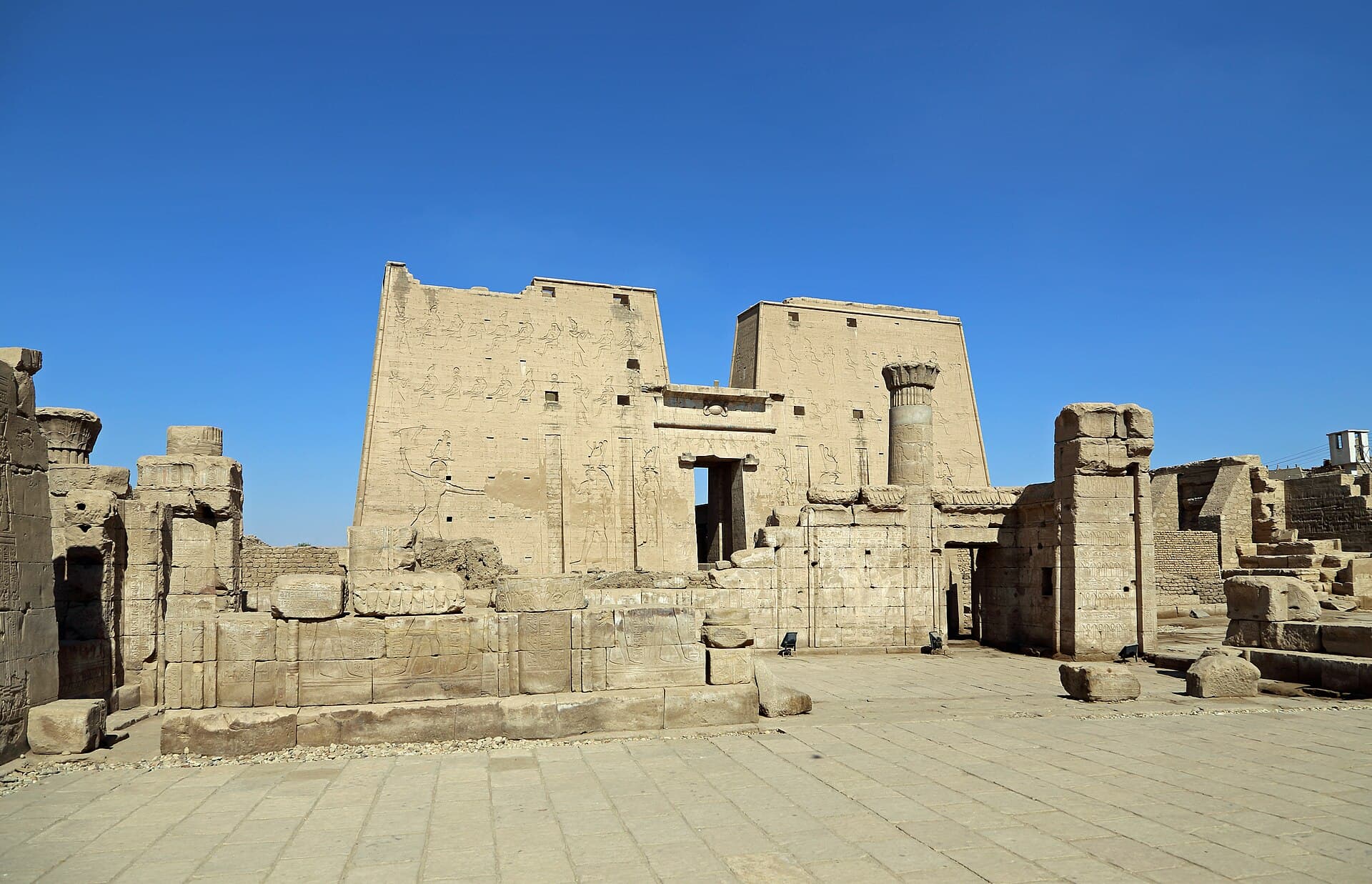
The cruise itself is three or four nights between Luxor and Aswan, and the temples in between — Esna, Edfu, Kom Ombo — are the part of the route that is genuinely awkward to reach any other way. Aswan needs a day for Philae and the unfinished obelisk, and a second half day if you want a felucca out to Elephantine at the hour that makes it worth doing. Abu Simbel, 280 kilometres further south near the Sudanese border, is a full morning by air and most of a day by road.
Everything else is an addition with a travel day attached. The Red Sea wants three nights to be worth the transfer and a week to be a holiday. The Western Desert loop out of Bahariya, about four hours south-west of Cairo, is three or four days with long drives at each end. Alexandria is a night, not a day return. Dendera, 60 kilometres north of Luxor, is half a day; Abydos, around 150 kilometres north and roughly three hours each way, is a full one. Siwa, ten hours from Cairo with no railway and no scheduled flights, is a separate trip rather than an extension of this one.
What actually fits into five or seven days?
Five days on the ground is one region done properly or two done badly. The honest version is three nights in Cairo — Giza, Saqqara, the Grand Egyptian Museum, and a half day in Islamic or Coptic Cairo — then a flight to Luxor for two nights covering Karnak and the west bank. No cruise. The shortest boats are three nights, and the transfers at each end would eat most of what you have. With five days, shift the trip rather than compress it.
The alternative at five days is to give up the south entirely and stay in Cairo, which more people should consider than do. It buys Giza and the museum at a walking pace, a full day south to Saqqara, Dahshur and Memphis — pyramids older than anything at Luxor, and usually near-empty — and a day out to Alexandria on the fast train, about two and a half hours each way. One hotel, no internal flights, no four in the morning alarm. It is not the trip people picture, but it is a better five days than a dash between two cities.
Seven days is the shortest length at which the classic shape works, and only just: two or three nights in Cairo, a morning flight to Luxor, a three or four night cruise to Aswan, and a flight out. Be clear about what seven days means from Europe — usually six on the ground and five useful ones, because the arrival and departure days go to airports. If Abu Simbel is added on top of that week, it arrives as a four in the morning start.
Is eight to ten days the sweet spot?
Eight days is where the standard trip stops feeling like a sprint. Three nights in Cairo, a flight to Luxor, a four-night cruise to Aswan, Abu Simbel on the final morning, home from Aswan through Cairo. You unpack twice and you see the whole classic route without a wasted day. Almost every fixed departure is built on this shape. If you can take only one of the two, eight days is the better value and ten is the better trip.
Ten days buys slack, and slack is worth more than another site. Spend it on a second full day around Cairo — Saqqara, Dahshur and Memphis together, or a real morning in the museum instead of ninety rushed minutes — on a land night in Aswan for Philae at first light and an afternoon on a felucca, or on a day with nothing in it at all. Egypt is tiring: heat, early starts, and guides who will fill every hour you give them.
If you take only one piece of advice from this page about the eight-to-ten-day range, make it the Aswan land night. Most cruise passengers disembark and go straight to the airport, which compresses Philae, the obelisk quarry and whatever felucca time they get into the two hours before a flight. Moving to a hotel for a night turns that scramble into a proper stay, and it is also what makes Abu Simbel a morning rather than an ordeal. It costs one night and improves two days.
What do twelve and fourteen days add?
Twelve days carries one genuine addition on top of the classic route. The usual candidates: three or four nights on the Red Sea; Alexandria overnight for the Graeco-Roman layer and a different, wetter climate; Dendera and Abydos out of Luxor, two of the best-preserved temples in the country with a fraction of the crowds; or Bahariya and the White Desert, four to five hours from Cairo, for a night of camping in chalk formations. One of those, not three.
Fourteen days takes two additions, or one plus a slower pace throughout. It also opens things that do not fit anywhere else: Siwa, eight to ten hours west of Cairo and only worth it for several nights; a diving course on the Red Sea; a small sailing boat between Esna and Aswan instead of a cruise ship. The failure mode at this length is stacking. Every addition costs a travel day, and two weeks run at ten-day pace beats two weeks run at eight-day pace.
The arithmetic of stacking is worth spelling out, because it is where most long itineraries go wrong. A region costs a travel day at each end, not one in total. Cairo to the Western Desert and back is two days of driving around a three-day loop. A Nile trip that also wants the Red Sea gives up a day to the transfer, or a flight and half a day if the coast is in Sinai rather than opposite Luxor. Add two regions to a fortnight and you have spent four days moving, which is a third of the trip, and the sites you came for get the leftovers.
Which direction should the cruise run, and how many nights?
The current decides more than the brochure does. The Nile flows north, so the southbound leg from Luxor to Aswan is against it: slower, normally four nights, and the more relaxed of the two. The northbound leg from Aswan to Luxor is typically three nights because the current does the work, and it is cheaper for the same reason. The temples are identical either way. What differs is the pace, the price and which city you end in.
Take the southbound four-night version if you have the days. It gives a longer first morning on the Luxor side, more hours on deck between Edfu and Kom Ombo, and it finishes at Aswan, which has an airport, the calmest river frontage in Egypt and the road and rail line to Abu Simbel. Take the northbound three-night version when the trip is short, when the budget is tight, or when the plan is to carry on to the Red Sea from Luxor rather than fly home from the south.
Nights are not the only variable. The standard of the boat moves the price more than anything else on the Nile portion, and a Nile star rating is a local rating rather than a European hotel one, so the date of the last refurbishment tells you far more than the number of stars. Cabin position on the same boat is a lever of its own: upper deck and balcony cabins are priced well above lower-deck ones, and on a four-night sailing that difference is noticeable.
The other option is not a cruise ship at all. A dahabiya is a small sailing boat with a shallow, flat-bottomed hull and lateen sails, carrying a handful of cabins rather than a passenger list. The shallow hull lets it tie up beside a sandbank and stop where a deep-hulled ship cannot, and the usual run is between Esna and Aswan. It suits people who want the river rather than the schedule. It also carries the longest lead time of anything on the route, because there are only so many cabins and they cannot be added.
How to fit Cairo into the plan without losing a day to traffic
Cairo punishes itineraries built on distances rather than geography. The useful rule is to pair sites by which side of the city they sit on and do them in one run. Giza, Saqqara and Dahshur are all south-west and can be strung together: Saqqara is about forty minutes from the plateau, Dahshur another twenty, and Memphis sits on the same road and takes half an hour. That is one full day. Trying to combine any of them with the medieval city in the east is how a day disappears into a car.
Give the Grand Egyptian Museum its own half day. It holds the Tutankhamun burial together for the first time and rewards a slow visit, and it is air-conditioned, which makes it the one major site in Egypt that is indifferent to the month you visit. That last point is useful for planning: in a hot month, the museum is the right thing to do in the middle of the day, and the plateau is the right thing to do at opening.
The old city works best in the late afternoon, when the heat has gone and the lanes are at their busiest — al-Muizz street and the medieval mosques, then Khan el-Khalili. Coptic Cairo, inside the walls of a Roman fort and reachable by metro, takes about two hours and sits naturally in a morning. The cramped old museum on Tahrir Square is still worth two hours for anyone who wants the pre-GEM version of the collection.
Two Cairo decisions shape everything else. The first is where you sleep: staying at Giza puts you beside the plateau and the museum; Zamalek or downtown puts you closer to the medieval quarter and the corniche. Neither is wrong, but the wrong one adds an hour to each end of every day. The second is how many major sites you attempt daily. Two is realistic. Four is a fantasy that ends with everyone tired and nobody looking at anything.
Where does the Red Sea fit, and is it worth the days?
Geography decides this one. Hurghada sits on the coast roughly opposite Luxor and Marsa Alam a few hours further south, both four to five hours by road from the Nile, so a Nile trip can finish at the sea without another flight. Sharm el-Sheikh and Dahab are across in Sinai and normally mean flying back through Cairo, which costs the better part of a day. If the beach is the add-on rather than the point of the trip, the Hurghada side is the sensible choice.
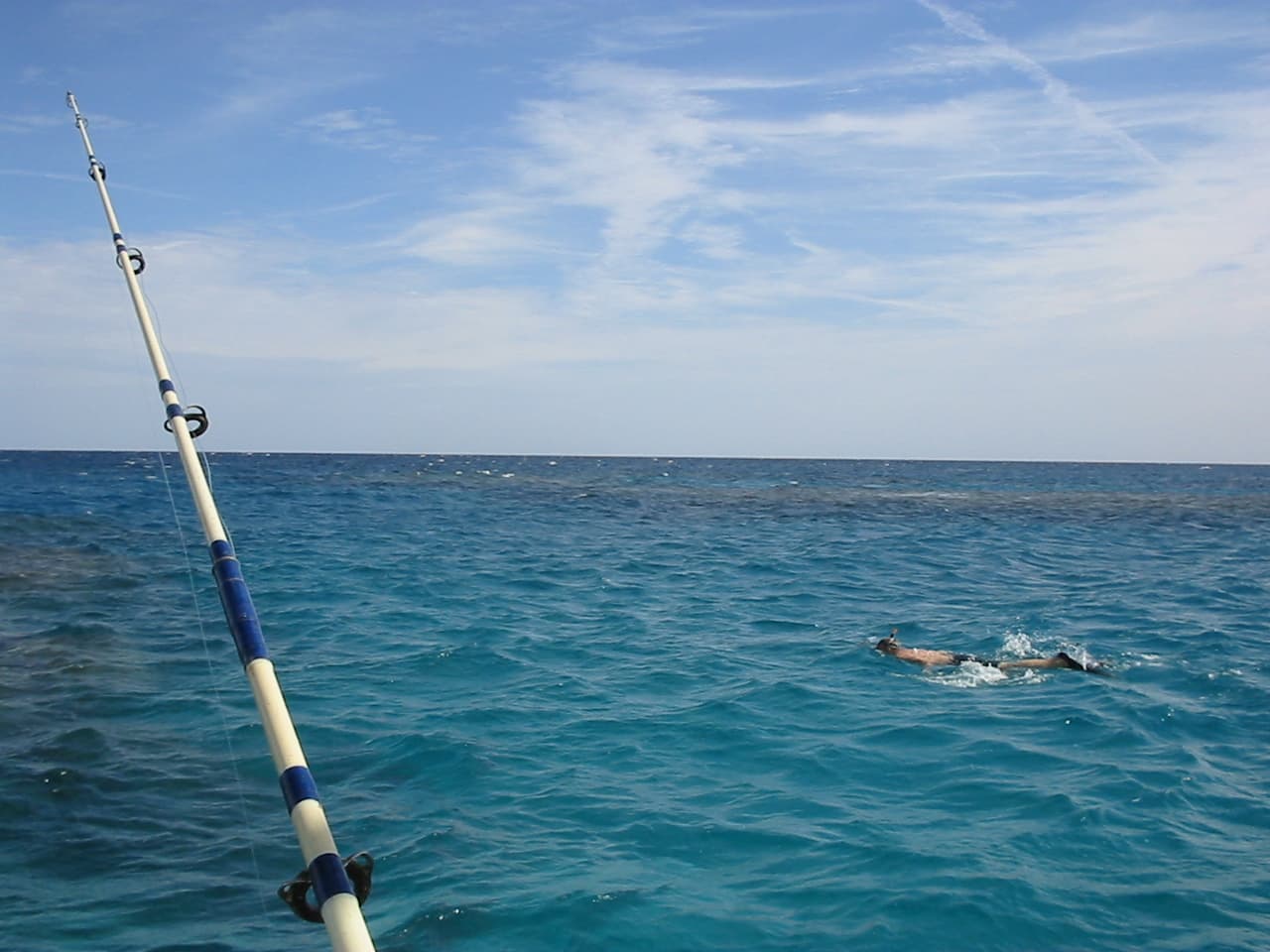
The water is the reason to go, not the towns. The reef is genuinely good and unusually easy to reach — short boat rides, reliable visibility, warm water most of the year. The resort strips themselves are generic and could be almost anywhere; Dahab is the exception, low-rise and slower. Three nights at the end of a temple-heavy week works as decompression. A fortnight of nothing else is a beach holiday that happens to be in Egypt, which is fine, but it is a different trip.
Pick the stretch of coast to match what you actually want. Hurghada has the most direct charter flights from Europe, which is why a Nile-then-coast fortnight usually flies home from there rather than routing back through Cairo. Marsa Alam is quieter with better coral, but the hotels sit kilometres apart along a desert road with nothing to walk to, so all-inclusive is effectively compulsory. Dahab is built around shore diving and a walkable seafront rather than resorts, and suits people who want to dive daily or do very little. One more practical point that catches families out: much of this shoreline is fringing reef rather than sand, so hotel beaches often end in a reef flat and a jetty. Check how the beach entry works before booking a room.
What the season does to the shape of the itinerary
Heat is not a footnote on an Egypt itinerary; it is the thing that decides how many hours a day you can use. The main sites are open-air and unshaded — there is no shade worth the name at Giza, very little at Karnak beyond the Hypostyle Hall, and none at Abu Simbel. Tomb interiors are worse rather than better, because they have no airflow and hold the day's heat. Typical daytime highs for Luxor run around 23C in January, 29C in March, 35C in April, 41C through June, July and August, then 34C in October and 28C in November. Cairo sits several degrees below that all year; Aswan generally runs a little warmer than Luxor.
Between roughly October and April, the classic route works as written: a full morning, a long midday break, a late afternoon. Between June and August it does not. Sightseeing shrinks to the early hours, the middle of the day is a write-off, and a seven-day itinerary effectively becomes a four-day one with a pool attached. Prices fall sharply to reflect that, which makes summer a real trade rather than an impossibility — but the itinerary has to be rewritten around it, not simply booked at a discount.
If the trip includes the Red Sea, the two curves work against each other. Sea temperatures at Hurghada run around 22C in January and February, 25C by April, and peak near 31C in August, which is precisely when Upper Egypt is unusable in the afternoon. November and March are where the two curves cross in your favour — Luxor at 28C and 29C with the sea still at 26C and 23C — and April and October are the other crossing point. Any trip that wants both halves is choosing a compromise month rather than a perfect one.
Two calendar points change the plan rather than the packing. The Western Desert is an October-to-April proposition only, and midwinter nights out there get cold enough to approach freezing, which catches out people who packed for a hot country. And Christmas, New Year and Easter fill months ahead, particularly the better boats, which have a fixed number of cabins and cannot be made bigger. Ramadan shifts the rhythm of the day and some opening times; it is worth planning around rather than avoiding.
The transfers that break itineraries
Most Egypt itineraries fail at the joins rather than the sites. The single rule worth memorising is never to connect a domestic arrival straight into a long-haul departure. Egyptian domestic flights are retimed often, sometimes by hours and sometimes the day before, and Cairo airport is large enough that a domestic-to-international transfer needs real time between terminals. If the schedule is tight, buy a night in Cairo at the end. It is the cheapest insurance on the trip.
Fly the long legs and drive the short ones. Cairo to Luxor is roughly 650 kilometres, Luxor to Aswan about 220, and Cairo to Aswan the better part of 900. The flight between Cairo and the south takes about an hour; the road takes most of a day and shows you very little. Luxor to Aswan is the reverse case — check-in and transfers cost more time than the drive, and in any event the cruise covers that stretch. Abu Simbel from Aswan is about forty-five minutes by air against roughly three hours each way by road.
The overnight sleeper is the one sensible alternative to a domestic flight. It has two-berth and single cabins with a basin and a door that locks, a meal is brought to you, and it removes both a hotel night and a travel day. The berths are narrow, the track is not smooth and both departures and arrivals tend to run late, which matters if the plan has you at Karnak the following morning. Take it for the economics, not the comfort, and not at all if you are travelling with small children or already short on rest.
Two smaller things that cost people days. Domestic baggage allowances are lower than long-haul ones, which is discovered at check-in with a case full of Aswan shopping. And a road day in Egypt is longer than the distance suggests, because of checkpoints, convoy timings and the simple fact that nothing on the route between regions is quick. Build the transfer in as a day, not as a morning.
Shaping the itinerary around who is travelling
First-time visitors should take the classic route and resist cleverness. Cairo, the Nile between Luxor and Aswan, and Abu Simbel if the days exist: it is the standard shape because it works, and a first trip that skips the river to fit in something unusual generally comes home having got its priorities backwards. The interesting variations are for a second visit, when the headline sites are already behind you.
Families are the clearest case for redesigning the route rather than shortening it. Six straight days of temples is the realistic ceiling for most children, and the version that works is a shorter cultural half followed by flat days on the coast. The Red Sea finish is not a concession; it is what turns a demanding trip into a holiday. The Western Desert, with its long four-by-four drives and camping with no plumbing, is the least suitable component for very young children, whatever the photographs promise.
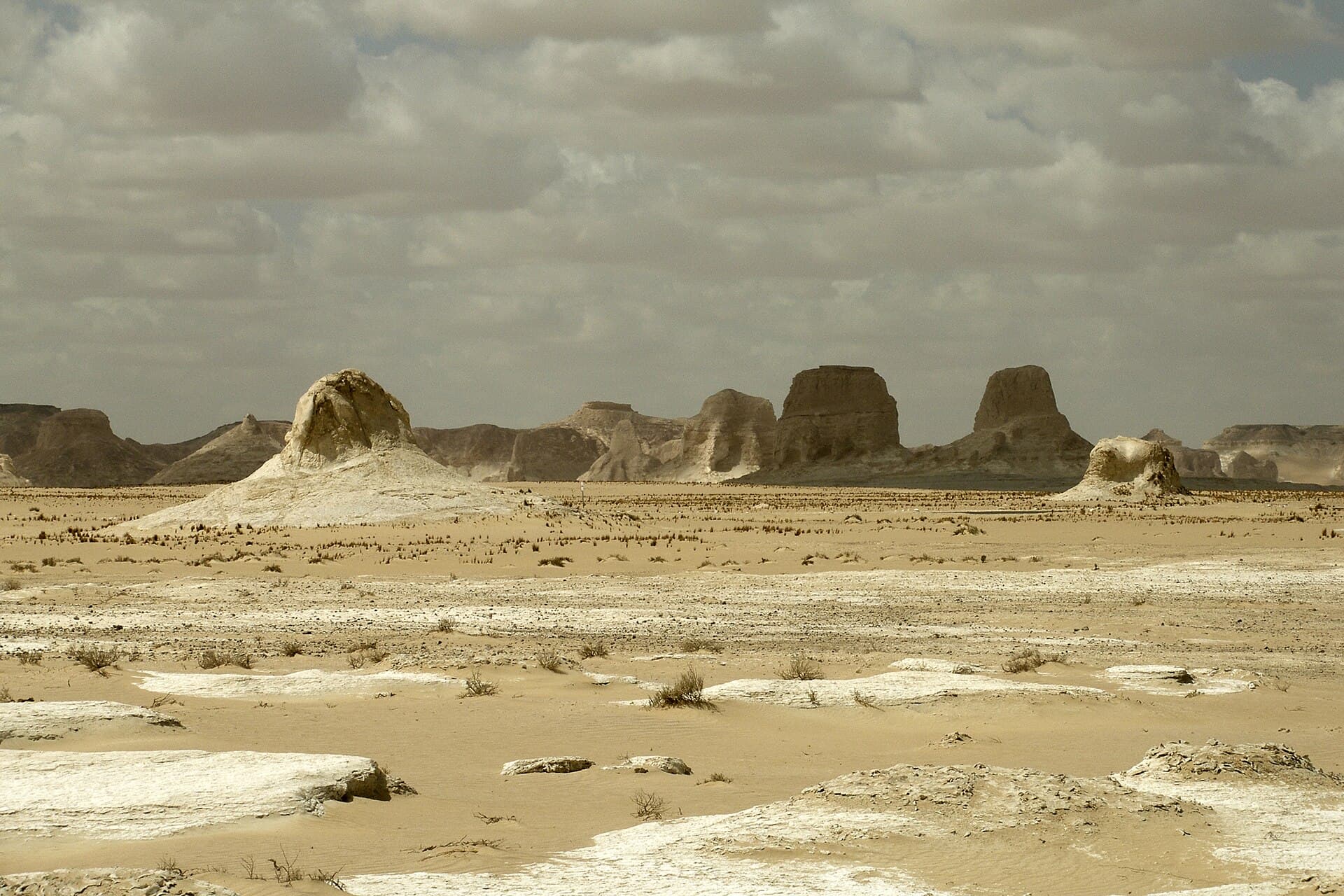
Returning visitors and people who came for landscape rather than monuments have the widest choice. Dendera and Abydos out of Luxor are among the best-preserved temples in the country and see a fraction of the crowds; the White Desert beyond Bahariya is chalk carved into shapes that stand on stems, best seen in the hour before sunset when it turns cream and then pink; Siwa is a genuine outpost near the Libyan border and only worth it for several nights. None of these belongs on a first trip, and all of them repay a second.
Then there are the itineraries built around one thing. Divers should weight the route towards Marsa Alam or Dahab rather than the nearest coast. Photographers need first light rather than mid-morning, which means land nights instead of a cruise timetable at Luxor and Aswan. Anyone with limited mobility should know that the tombs involve steep ramps and stairs in still air, and that pacing two sites a day is not caution but sense. A sunrise balloon over the west bank fits into any of these, weather permitting, and is one of the few optional extras in Egypt that earns its price.
When is a tailor-made trip worth the extra cost?
On the standard eight-day route, a fixed group departure is cheaper and perfectly good. The itinerary is the one everybody runs, and splitting a guide across a dozen people is what makes the price. Tailor-made earns its cost when something about you does not fit that mould: children who will not do four temples in a day, limited mobility, a narrow interest such as Amarna or early Christian Egypt, photography that needs first light rather than mid-morning, a small sailing boat instead of a cruise ship.
Buying by enquiry rather than by checkout has one real cost: speed. A usable quote takes a day or two, because someone has to confirm cabins, guides and internal flights before promising a date. What you get back is a plan built to your pace — fewer sites in a day if that suits you, a rest morning in the middle, a guide chosen for what you care about rather than assigned by rota. If price is the only variable that matters, a group departure wins.
What is not worth a day of your time?
Some things absorb a day and give little back. Sound and light shows are dated and cost an evening. Alexandria as a day return from Cairo means six hours in a car for a few hours in the city — stay the night or leave it out. The papyrus, perfume and alabaster institutes bolted onto tour days are shops; decline them when you book, not on the morning.
Two things deserve defending. Abu Simbel repays the early start, but fly if the budget allows — the road trip from Aswan is around three hours each way for an hour at the temples. And build Cairo traffic into the plan: two major sites in a day is realistic, four is a fantasy that ends with everybody tired and nobody looking at anything. Camel rides at Giza are pushed hard, the animals' condition varies, and saying no is easier than it feels.
A third category is the site that is worth seeing but not worth chasing. The Valley of the Kings standard ticket covers three tombs from the rotating set open that day, and three is enough — by the fourth you are reading the same scenes under a different name. Umm el-Qaab at Abydos, the First Dynasty royal cemetery, matters historically and offers most visitors very little to look at. Knowing which sites reward the effort and which merely deserve respect is most of what separates a well-paced itinerary from a long one.
Which day-by-day route to read next
This page sets the shapes; the length pages set them out day by day, with the routes that work at each and what each one cuts. Five days is the two-route page: Cairo and Luxor, or Cairo in depth. Seven days compares the classic cruise, a slower land version with no boat, and a Nile-and-Red-Sea finish. Eight days is where the classic route settles, and ten is the same route with the slack that makes it enjoyable.
At the longer lengths the question changes from what fits to what to add. Twelve days covers the unhurried classic with Abu Simbel, the Red Sea version and the Western Desert version. Fourteen days does the same at a slower pace, with a frank account of the stacking that spoils most fortnights. If the cruise is the part you are unsure about, the Nile cruise pages cover ships, nights and the small sailing boats; the when-to-go guide handles the month; and the costs page sets out what actually moves the price.
Common questions
Three-night or four-night cruise — does it matter?+
The nights differ mainly by direction. Four-night boats run upstream from Luxor to Aswan; three-night boats cover the same stretch coming down. The temples are identical, so the extra night buys a slower start and more time on the Luxor side rather than another site. Take four if the days exist and you want to finish in Aswan; take three if the trip is short or the budget is tight.
When is the worst time of year to go?+
June to August in Luxor and Aswan, where afternoons routinely reach the low forties. It is done, prices fall sharply, and sightseeing shrinks to early mornings — a real trade rather than an impossibility. October to April is comfortable, though desert nights in December and January are genuinely cold. Ramadan shifts the rhythm of the day and some opening times, which is worth planning around rather than avoiding.
Are the internal flights reliable enough to plan around?+
Broadly yes, and there are several services a day on the Cairo–Luxor and Cairo–Aswan routes. Delays do happen, so never connect a domestic arrival straight into a long-haul departure. Leave a night in Cairo at the end when the timing is tight. Domestic baggage allowances are lower than long-haul ones, which catches people out at check-in with a case full of Aswan shopping.
Do you need a guide, or can you do this independently?+
Independently is possible and cheaper. What a guide buys is reading: the walls are text and imagery you cannot decode alone, and a good Egyptologist changes what you actually see. The second thing is a buffer from the constant selling at the big sites. For a first trip, take a guide at Luxor, Aswan and Giza, and do the Cairo museums at your own pace — that is where a scripted guide adds noise rather than sense.
How far ahead should the trip be booked?+
Christmas, New Year and Easter fill months ahead, especially the better boats, which have a fixed number of cabins and cannot be made bigger. For the rest of the October to April season, two to three months is comfortable. Summer can be arranged at short notice. Small sailing boats carry only a handful of cabins, so they need the longest lead time of anything on the route.
What drives the price of one of these trips?+
Three things, in order: the standard of the boat, the hotel category in Cairo, and whether the guide and vehicle are private or shared. Sightseeing itself is a small part of the total. Season moves everything — the same route in August costs noticeably less than at New Year. Cabin choice on the same boat matters too: an upper deck or a balcony is priced well above a lower-deck cabin.
Can you see Egypt properly without a Nile cruise?+
Yes, and on a short trip you should. The temples between Luxor and Aswan are the part a cruise reaches more easily than a car, but Karnak, the west bank, Philae and the Aswan sites can all be done from hotels. A land route buys first light at the sites and evenings that are yours rather than the boat's. What it costs is the long, quiet afternoons on deck, which is the part of a cruise most people actually remember.
Is Abu Simbel worth a whole day?+
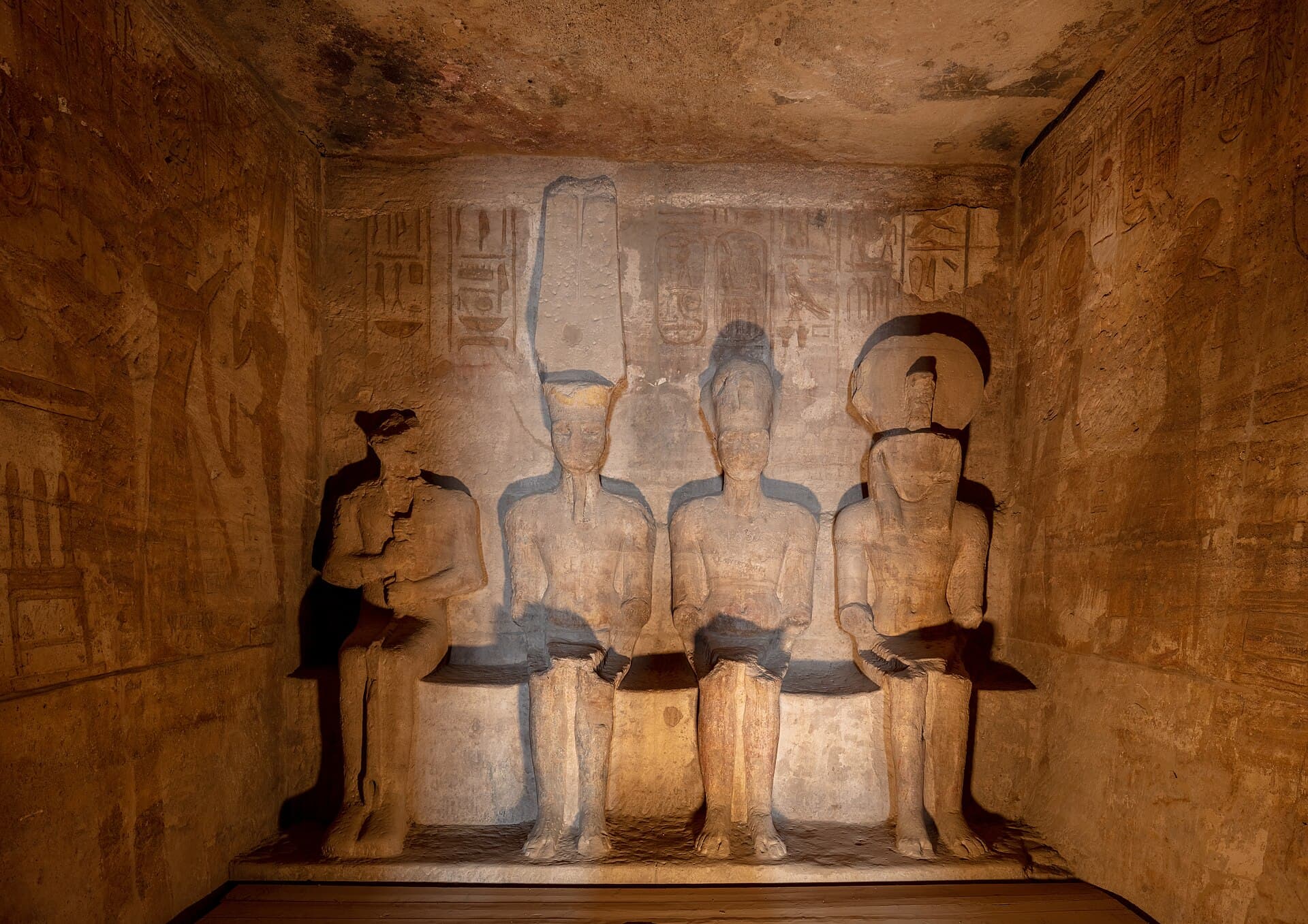
It is worth the effort, but the effort varies. The flight from Aswan is about forty-five minutes each way and makes it a morning; the road convoy is roughly three hours each way for an hour at the temples, which makes it a day. The two temples were sawn into blocks and rebuilt sixty metres higher to escape the rising lake, and the scale of the four seated colossi does not come across in photographs. Fly if the budget allows.
Should we fly or take the sleeper train to Luxor?+
Fly if the day matters, take the train if the night does. The flight is about an hour against nine or ten by road, and there are several a day. The sleeper removes both a hotel night and a travel day, with two-berth and single cabins and a meal brought to you, but the berths are narrow, the ride is noisy and it often runs late. Nobody who chose the flight has regretted it.
How many days do you need in Egypt?+
Eight is the honest minimum for the classic route — Cairo, a Nile cruise and Aswan — without a wasted day. Ten is the same route with room to breathe, which is the version most people enjoy more. Five days covers one region well and two badly. Fourteen days is enough for the classic route plus one substantial addition, and no more than one.
Official sources
Entry rules, opening hours, security advice and exchange rates all move. Check them at the source, not here.
Written and checked by the Nile Trip Guide editorial team · Last reviewed . Entry rules, prices and opening hours change — check anything critical against the official sources linked on this page.
Plan this trip
Tell us your dates and we will price it
A real itinerary with real prices, usually within 24 hours. Nothing is booked and nothing is charged until you say yes.
The route most people take first, at the length it was built for: Giza and the Grand Egyptian Museum, then a flight to Luxor and four nights sailing down to Aswan.
No boat on this one. Giza and the Grand Egyptian Museum, a night in Luxor for both banks, two nights on the Red Sea, then back to Cairo for the Citadel, Coptic Cairo and the Royal Mummies.
Five nights in Cairo either side of a four-night sail from Luxor to Aswan. The Cairo days are private, just your party and a guide; the sightseeing off the boat is shared with a small group.