Cities in Egypt: What Each One Is For, and Whether to Go
Most cities in Egypt are not tourist destinations, and pretending otherwise wastes your holiday. Eight come up again and again: Cairo, Alexandria, Luxor, Aswan, Hurghada, Sharm el-Sheikh, Port Said and Suez. Below is what each is actually for, roughly how big it is, and whether it earns a place on a two-week trip.
How many cities does Egypt really have?
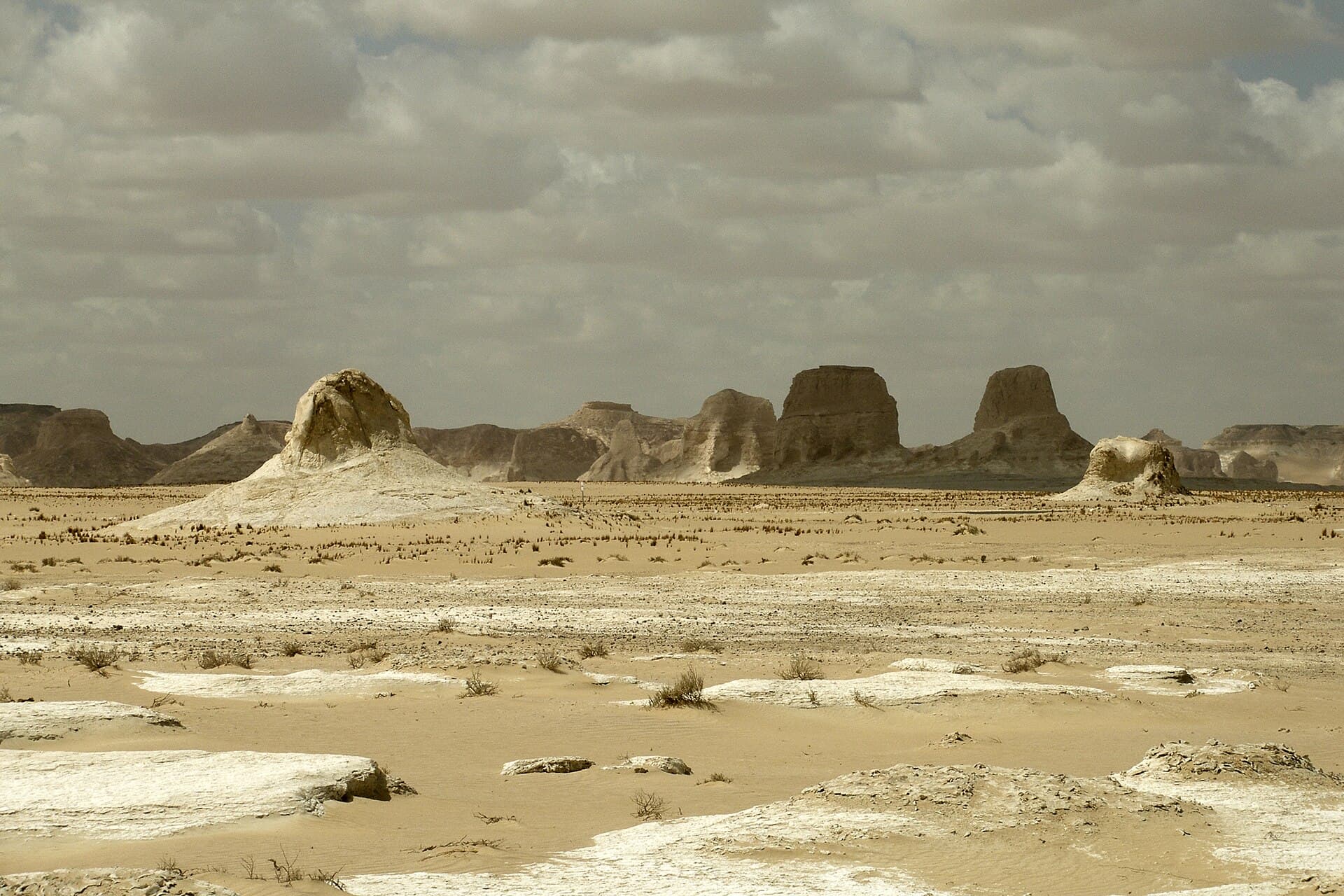
There is no tidy number, because Egypt counts many small towns as cities. Its 27 governorates each have a capital, and those are the ones worth knowing by name; the rest are provincial towns that a visitor will never have reason to stop in. What matters more for a traveller is where the people are. Almost the entire population lives along the Nile and in the delta, on well under a tenth of the land. Everything else is desert, and the cities strung along that thin green ribbon are effectively the whole country as far as a trip is concerned.
That geography is why this page is short. Once you take out the working towns and the provincial capitals nobody visits, the list that actually decides an itinerary comes down to eight names, and only six of those are worth your nights. The other two, Port Said and Suez, are here because people ask, not because we would send you. Read this as a map of where your days should go, not a gazetteer.
Why does Cairo dominate any first trip?
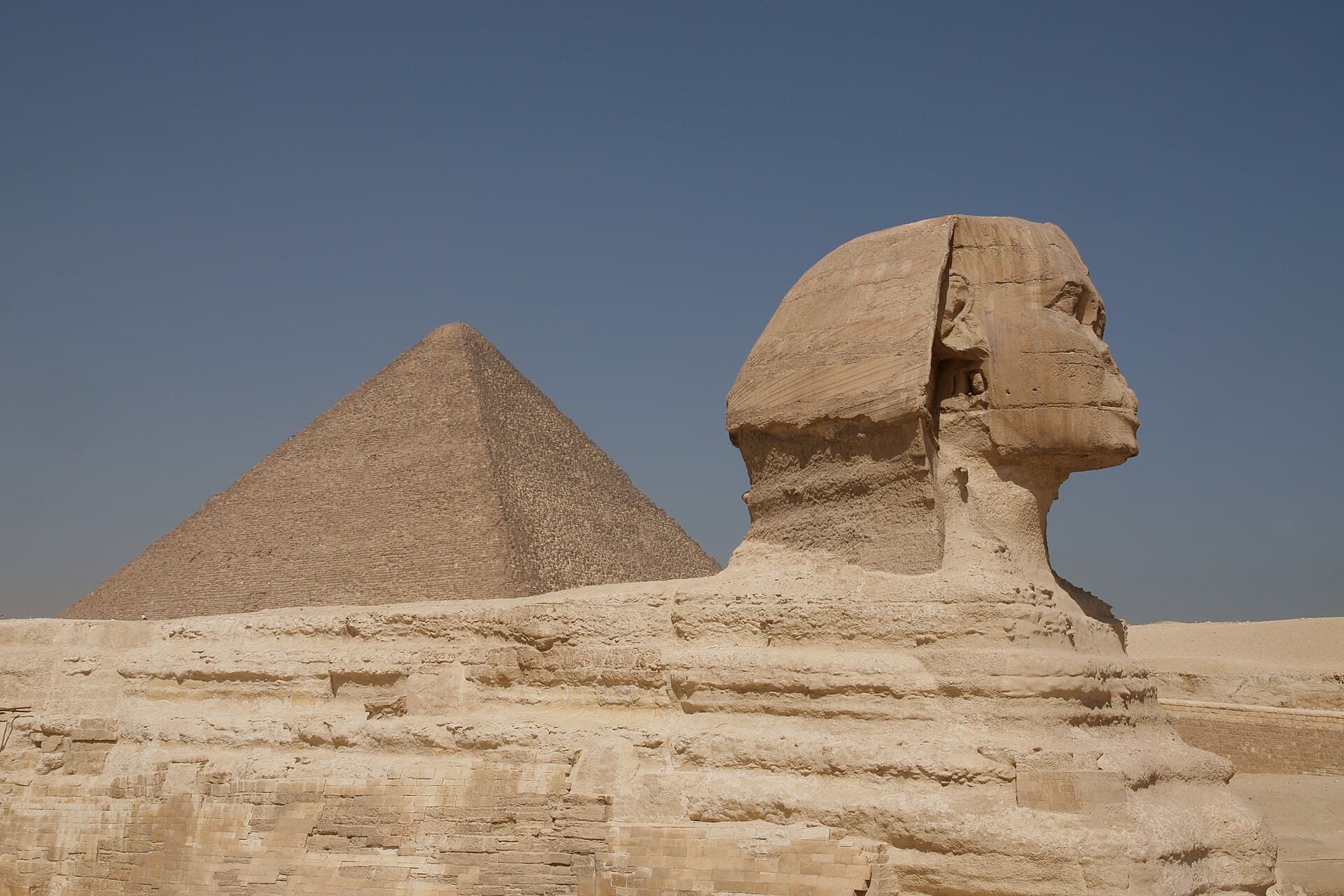
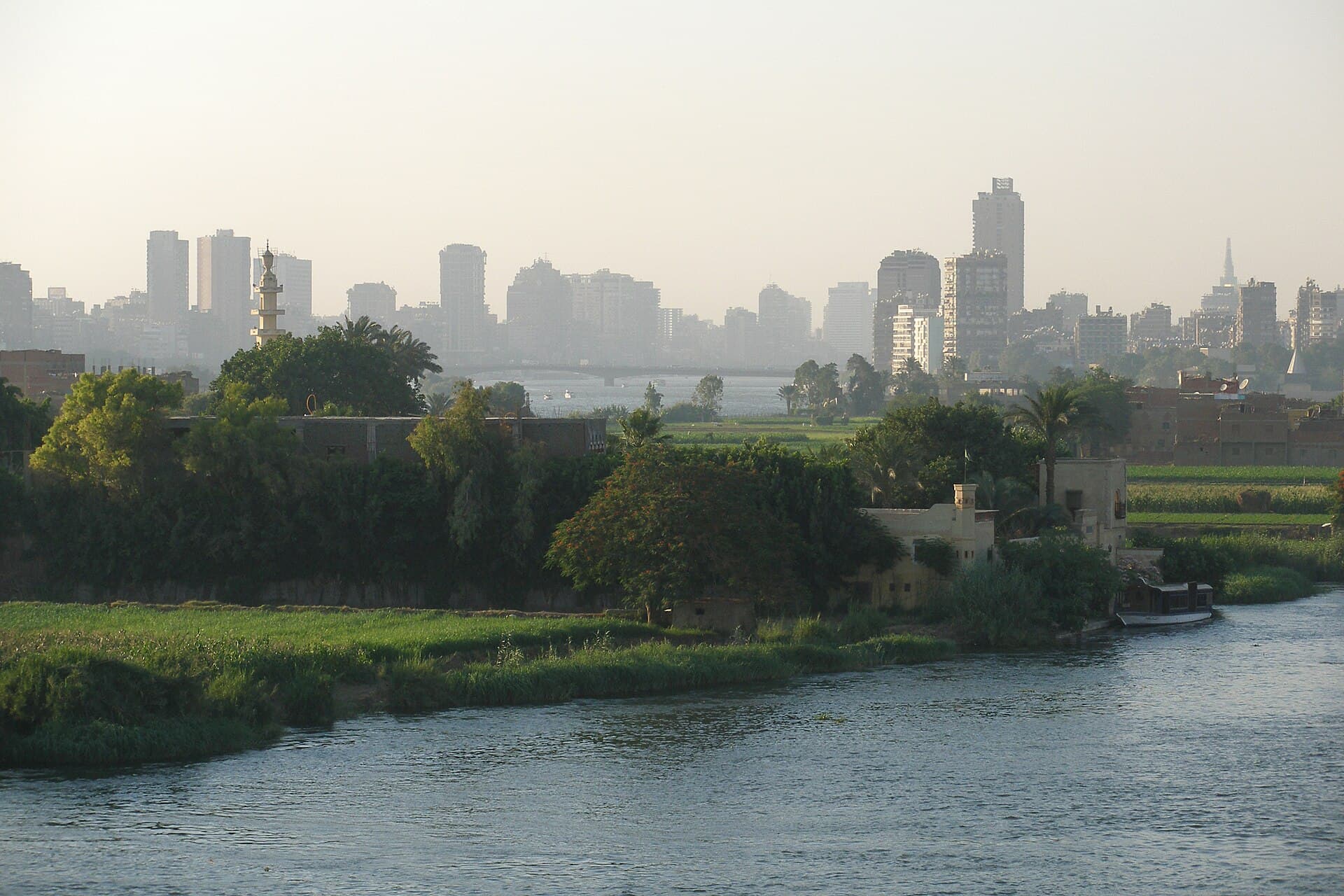
Greater Cairo holds roughly 22 million people, which makes it one of the largest urban areas on earth and about a fifth of Egypt's population. Everything routes through it: the Giza pyramids sit on its western edge, the Grand Egyptian Museum is a couple of kilometres from them, and most domestic flights start here. You cannot sensibly skip it.
It is also loud, hot, and slow to cross. Traffic can turn a five-kilometre hop into an hour. Two or three days covers the pyramids, the museum, medieval Cairo around Khan el-Khalili and the old Coptic quarter. A fourth day is for people who like cities. A fifth is usually one too many.
The reason it takes even two full days is that Cairo is really several cities grown into each other, and they are spread out. Giza, where the pyramids stand, is a separate governorate in law and a continuous suburb in practice; getting from a pyramid-view hotel there to the medieval city on the far side of the river is a long haul at the wrong hour. Downtown, laid out on a nineteenth-century Parisian plan around Tahrir Square, holds the old Egyptian Museum, still cramped and still worth two hours even now the headline collection has moved. Islamic Cairo, the walled medieval quarter, and Coptic Cairo, inside the walls of a Roman fort, are separate visits again.
Judge Cairo trips by the hour of departure, not the distance. Giza to downtown is about 20 kilometres: half an hour early in the morning, most of two hours if you leave at the wrong time. The metro is the one exception, cheap and unaffected by the roads, with carriages reserved for women and stops at downtown, Coptic Cairo and Giza, though not the plateau itself. Plan two stops a day in the same part of the city rather than four scattered across it, and put the long transfers first.
Is Alexandria worth a detour from Cairo?
Alexandria has roughly five million people and sits on the Mediterranean, about two and a half to three hours from Cairo by train. It is the second city and it feels like a different country: sea air, faded European facades, better seafood, winters that are properly wet. Locals go there to escape the heat.
Be clear about what is not there. The ancient city is almost entirely gone: no lighthouse, no library, no Cleopatra. What survives are catacombs, a Roman theatre, the fifteenth-century Qaitbay fort on the lighthouse foundations, and the modern Bibliotheca Alexandrina. If you came to Egypt for antiquity, this is the wrong stop. If you want a day off from monuments, it is the right one.
The single best site is the catacombs of Kom el Shoqafa, a second-century tomb complex reached by a spiral staircase down an open shaft, where Egyptian, Greek and Roman carving share the same walls. Near it, Kom el-Dikka has a small Roman theatre and bath house, and the Graeco-Roman Museum, reopened in 2023 after a long closure, holds the best of what has been dug out of the city. Pompey's Pillar, despite the name, has nothing to do with Pompey; it was raised for the emperor Diocletian around AD 298 and takes twenty minutes. The Bibliotheca Alexandrina, opened in 2002 near where the ancient royal quarter stood, is a working library rather than a reconstruction of the lost one.
The distance is about 220 kilometres, and the fast trains are the civilised way to cover it. A same-day trip is sold and works, but you leave before dawn and get back after dark for three sites seen at speed. One night is the sensible minimum, two if you want an evening on the Corniche. We usually place Alexandria at the start or end of a trip, either side of the Cairo flights, rather than squeezing it between Nile days. It also runs on its own calendar: summers around 30C rather than Luxor's 40C, and genuinely wet winters, roughly 200 millimetres of rain a year, which is a lot by Egyptian standards.
Do you need both Luxor and Aswan?
Yes, if you have the days. Luxor, roughly half a million people, holds the densest concentration of ancient sites anywhere: Karnak, Luxor Temple, and across the river the Valley of the Kings and the west-bank mortuary temples. Aswan is smaller, around 300,000, and quieter. The Nile is at its prettiest there, with granite islands and Nubian villages on the far bank.
The two sit about 215 kilometres apart, three to four hours by road, three or four nights by boat. Cairo to Luxor is roughly an hour by air. Abu Simbel is a further three hours south of Aswan by road, or a short flight. Summer in the south runs to roughly 40C and higher; December to February is about 23C by day and chilly at dawn.
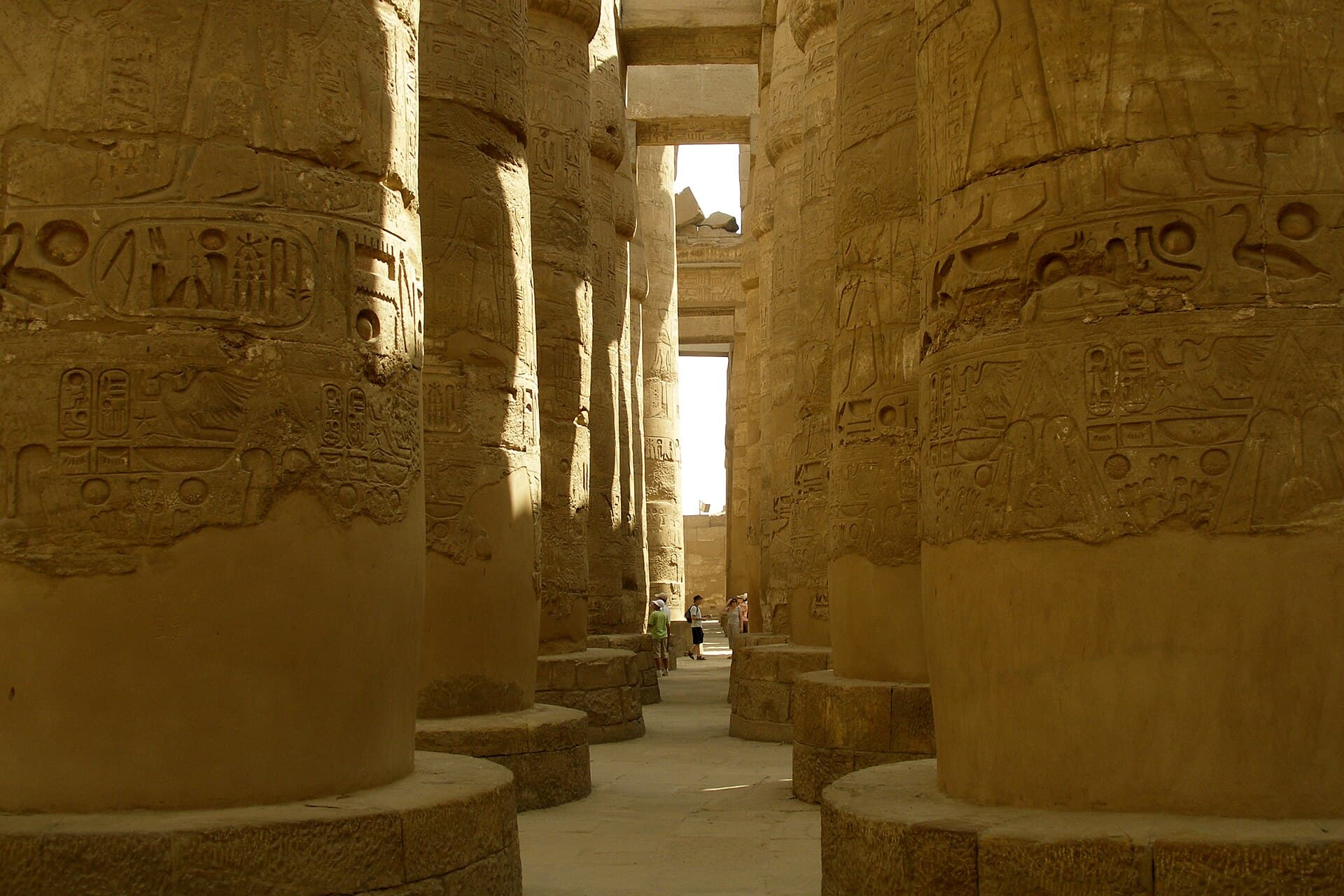
The two cities do different jobs, which is why doing both is not repetition. Luxor is dense and hard-working: Karnak alone is a walled precinct that around thirty pharaohs added to over two thousand years, and its Hypostyle Hall of 134 columns absorbs half an hour on its own. The west bank, with the Valley of the Kings, wants an early start before the tombs fill and heat up; the standard ticket admits you to three tombs from a rotating set, which is enough. Luxor Temple, in the middle of town, is the one major site that is better after dark, floodlit and half empty.
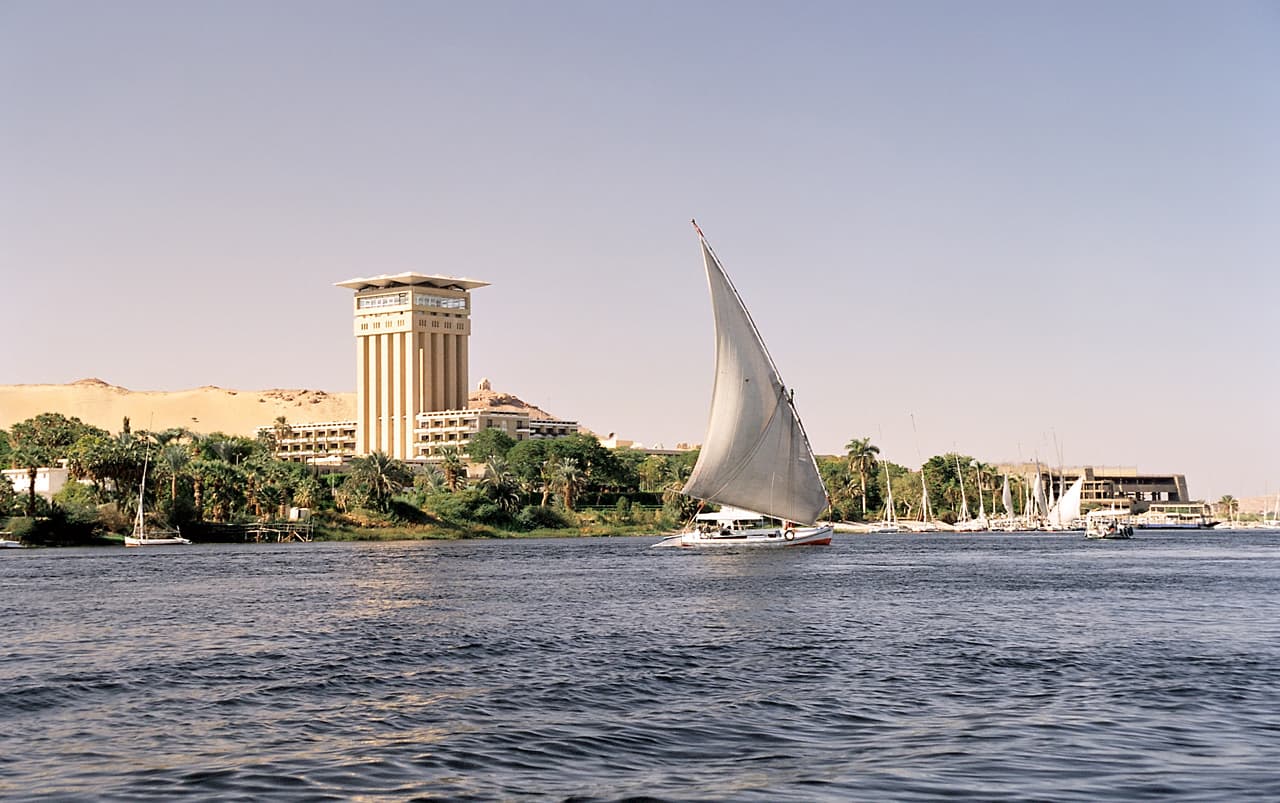
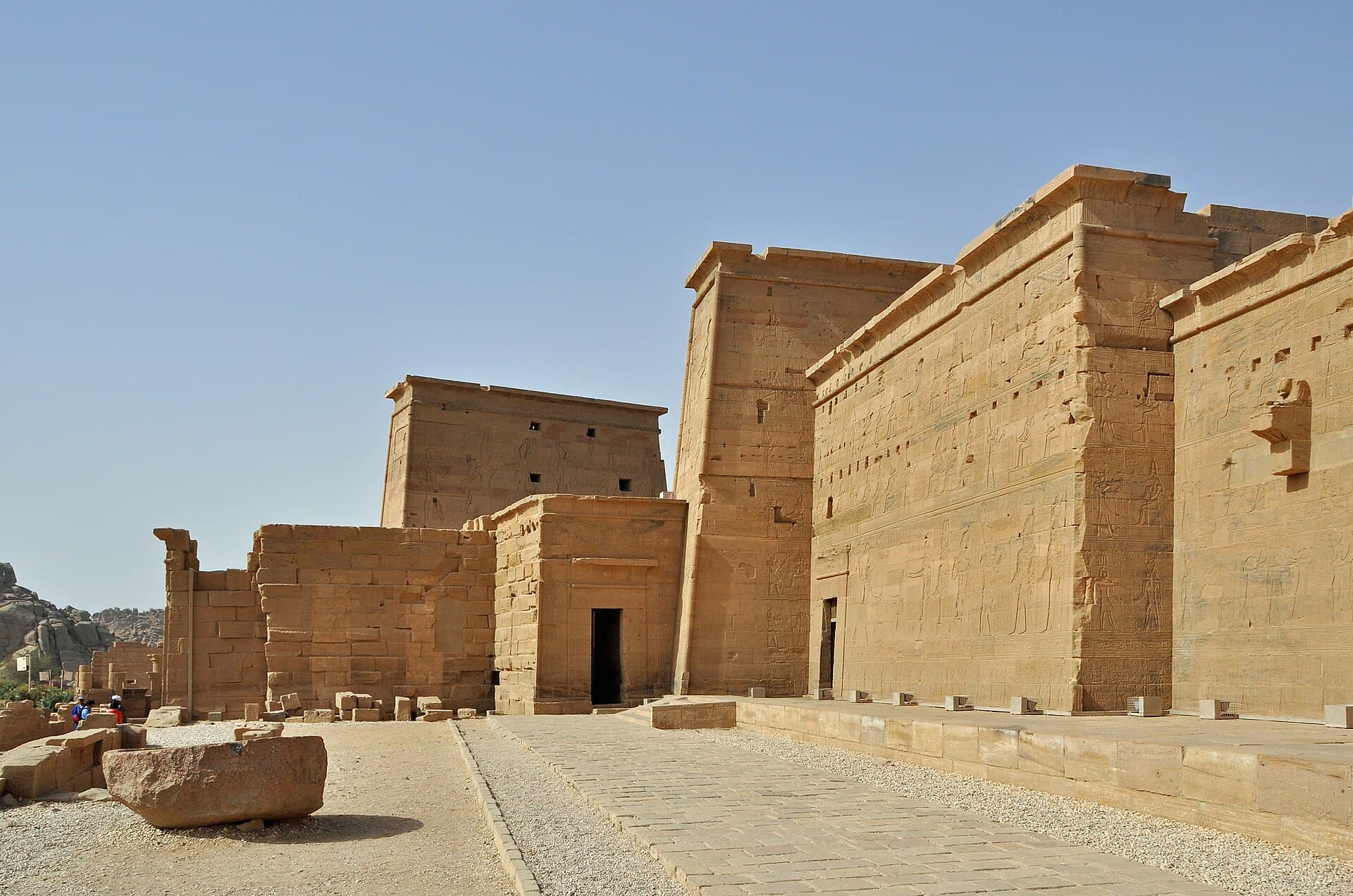
Aswan is the opposite in temper. The Nile hits granite here and breaks into channels around islands, the First Cataract that the ancient Egyptians treated as their southern frontier, and the water runs clearer and the light reads harder than in Luxor. The set piece is Philae, a Ptolemaic and Roman temple to Isis reached by motorboat, and its story is the relocation as much as the carving: it was cut into tens of thousands of numbered blocks and rebuilt on a neighbouring island through the 1970s to escape the reservoir behind the High Dam. Add a felucca at sunset out to Elephantine Island and the pace drops in a way it never does further north. The hassle drops too; step one street back from the water and it largely stops, which is a reprieve you rarely get on Luxor's east bank.
Hurghada or Sharm el-Sheikh for the Red Sea?
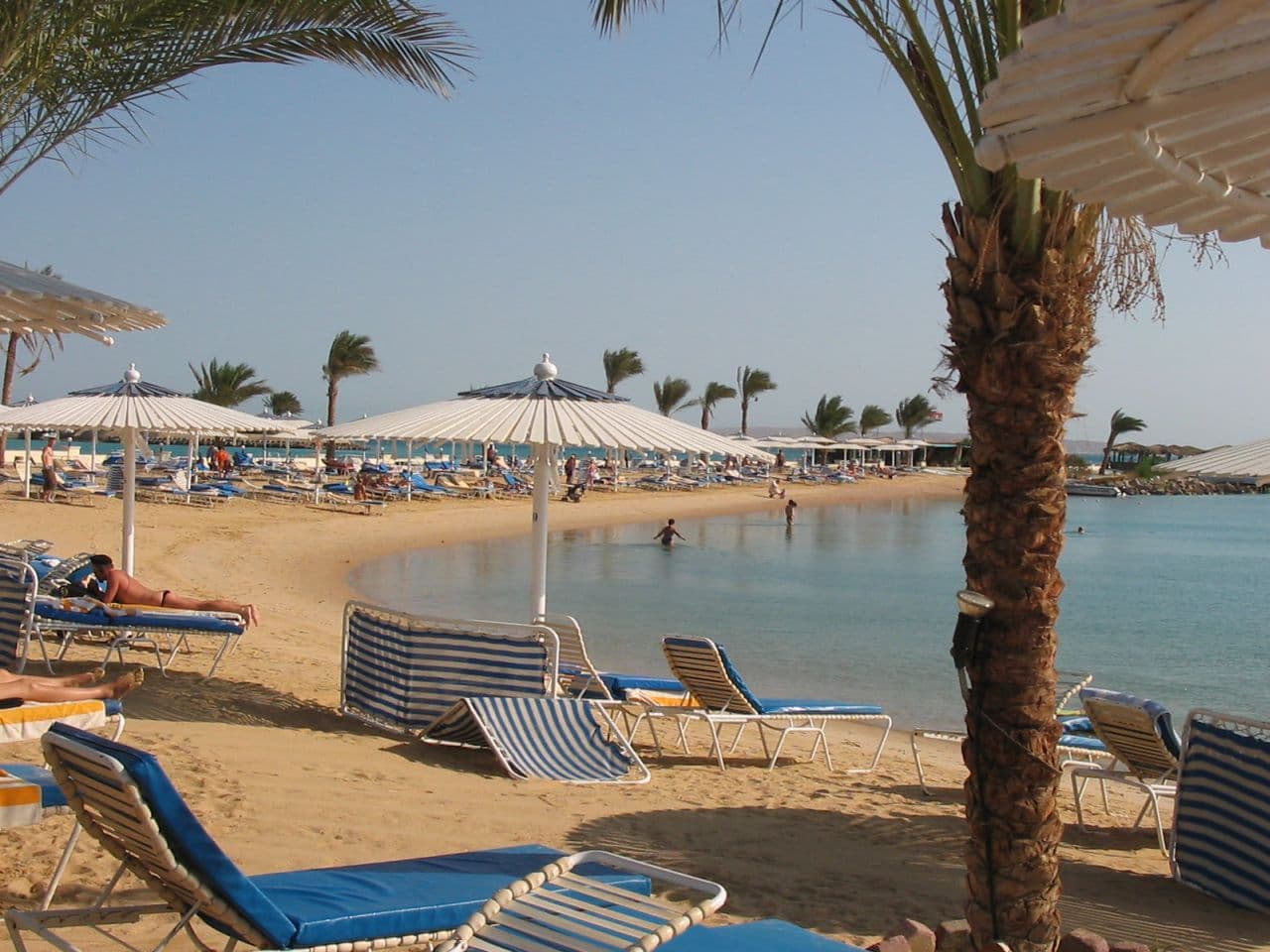
Both are resort towns built for foreign visitors, not old cities. Hurghada, roughly 250,000 people, sprawls along the mainland coast and is the practical choice if you want to combine sea and ruins: Luxor is about four hours away by road. The diving is decent, the wind is reliable, and the town itself is unremarkable.
Sharm el-Sheikh is far smaller, on the southern tip of Sinai, and has the better diving: Ras Mohammed and the Straits of Tiran are genuinely world class. The trade-off is distance, because reaching the Nile Valley means a flight or a long drive round the head of the Gulf of Suez. Pick Sharm if diving is the point of the holiday. Pick Hurghada if the sea is an add-on to Egypt proper.
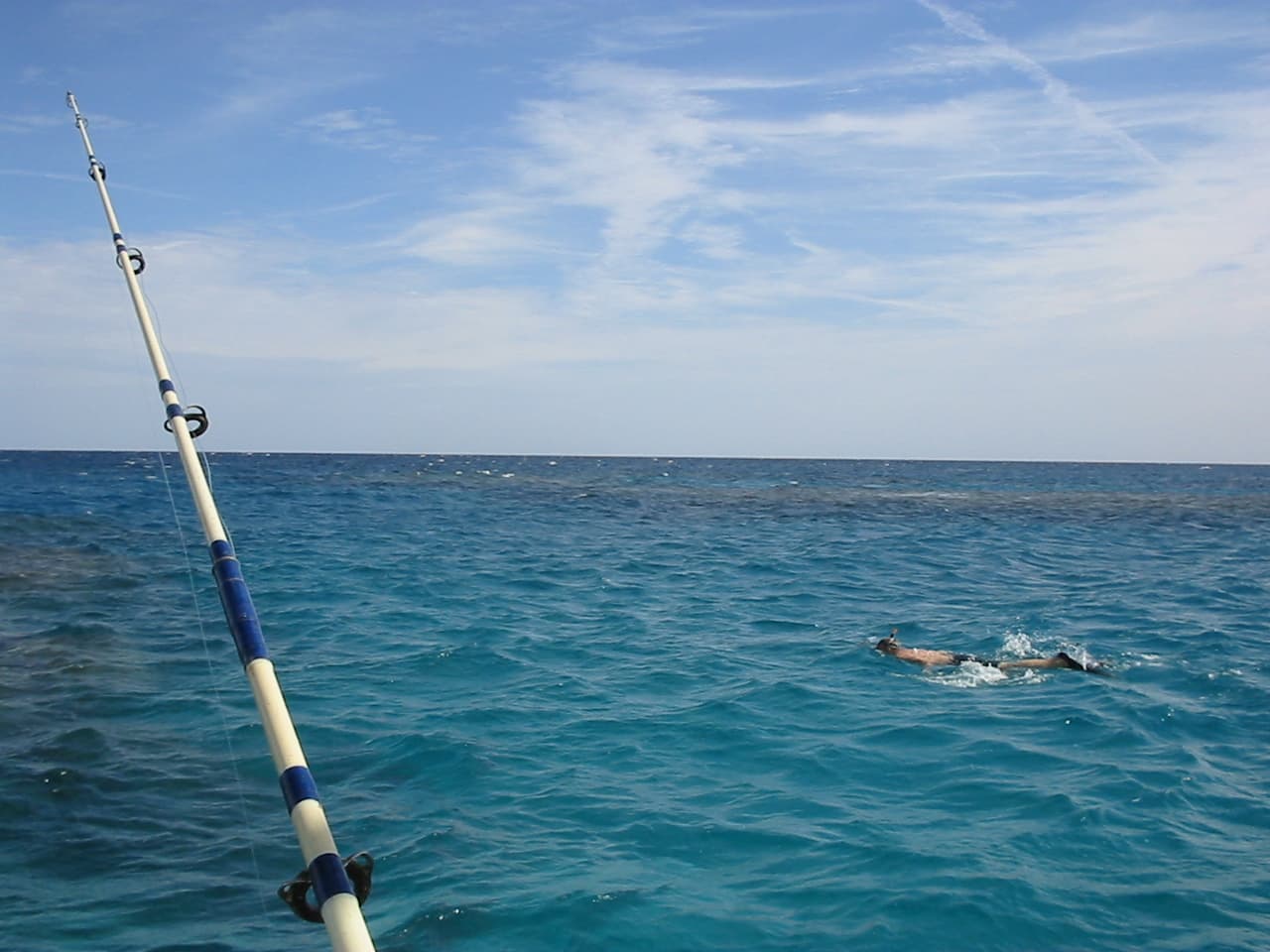
Hurghada is not one resort but a real town running about 40 kilometres along the coast road. Dahar, the old quarter in the north, has the souk and the cheap fish restaurants; Sakkala has the marina and the noise; beyond that the coast becomes a chain of gated resorts, some of them 20 kilometres from anywhere you could walk to. Much of this shore is fringing reef rather than sand, so hotel beaches often end in a shallow reef flat reached by a jetty, which is good for snorkelling and awkward with small children. The standard day out is a boat to the Giftun islands for snorkelling and a beach; the divers head further out to sites like Umm Gamar and Careless Reef, or the wrecks of Abu Nuhas, where four ships lie along a reef within recreational depth.
Sharm's advantage is purely the water, and it is a real one: Ras Mohammed National Park, about 20 kilometres south of town, has walls that drop into open blue water. The catch is access to the rest of Egypt. Many nationalities arriving at Sharm airport are given a free Sinai-only entry permit rather than a full visa; it covers the eastern Sinai coast for about two weeks but not the rest of the country, and is widely reported not to cover Ras Mohammed itself, so a full visa is the safer choice if you plan to dive there or move on to the Nile. Cairo to Sharm is about an hour by air and runs daily; the road is roughly 500 kilometres and takes most of a day, so almost everyone flies.
Beyond the big eight: smaller bases worth knowing
A handful of smaller places turn up in itineraries without being cities in any real sense, and it is worth knowing where they fit. On the Red Sea, El Gouna is a privately built town of lagoons and bridges about 25 kilometres north of Hurghada, tidy and walkable and expensive by Egyptian standards, and the better base for kitesurfing. Marsa Alam, further south, is quieter again and takes its own charter flights. In Sinai, Dahab is about 90 minutes up the coast from Sharm, cheaper and more relaxed, built around small guesthouses rather than large resorts, with the Blue Hole on its doorstep; it suits independent travellers where Sharm suits families who want a pool and a buffet.
Out in the Western Desert, Siwa Oasis is a genuine outlier: remote, distinctively Berber in culture, and a long drive from the coast rather than a stop you pass through. None of these belong on a first two-week trip that is trying to cover Cairo and the Nile. They are for a second visit, a longer stay, or a traveller who already knows what they want from Egypt and is building the holiday around it rather than ticking off the headline sites.
Should you bother with Port Said or Suez?
Almost certainly not. Both are working canal cities of roughly three quarters of a million people each, and both exist to move ships and cargo. Port Said has the more interesting face: wooden-balconied colonial buildings along the waterfront, a long-standing duty-free trade, and container ships gliding past the end of the street, which is a stranger sight than it sounds.
Suez has even less for a visitor: industry, refineries, and the southern end of the canal. Neither has tourist infrastructure worth the name. If you are in Egypt for two weeks, they will cost you a day each and give you very little back. Go only if canals or shipping genuinely interest you.
Getting between the cities: flights, trains and the road
Cairo is the hub, and that shapes almost every route. It has the widest choice of flights and connects to everywhere else in the country, so most trips fan out from it and come back to it. The single most useful internal leg is the hour-long flight south to Luxor or Aswan, which saves a full day over the ground alternative; the overnight sleeper train covers Cairo to Luxor in around ten hours if you would rather not fly. Cairo to Aswan is about 900 kilometres by road, which is the sort of distance that makes clear why internal flights are worth their price.
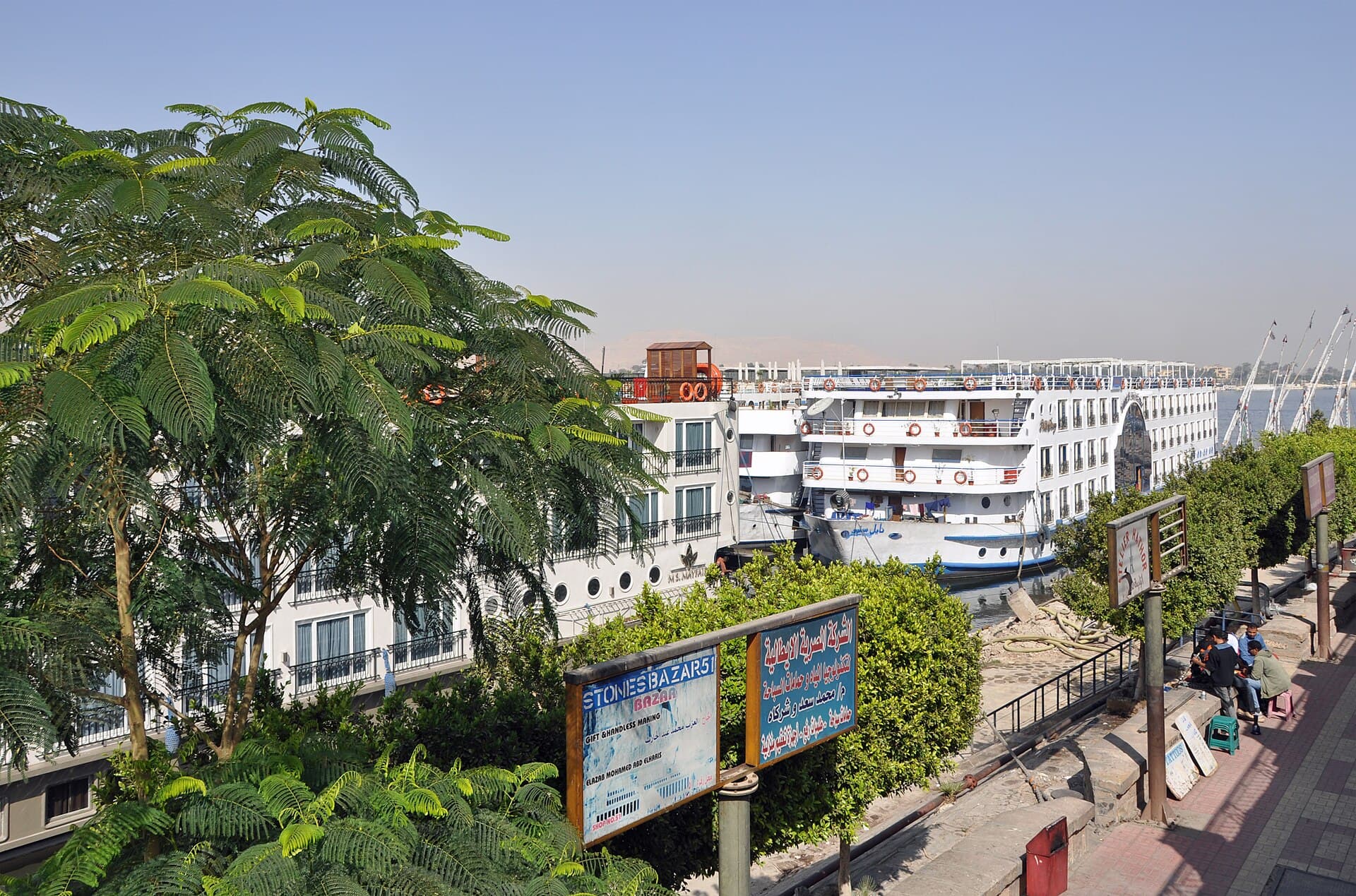
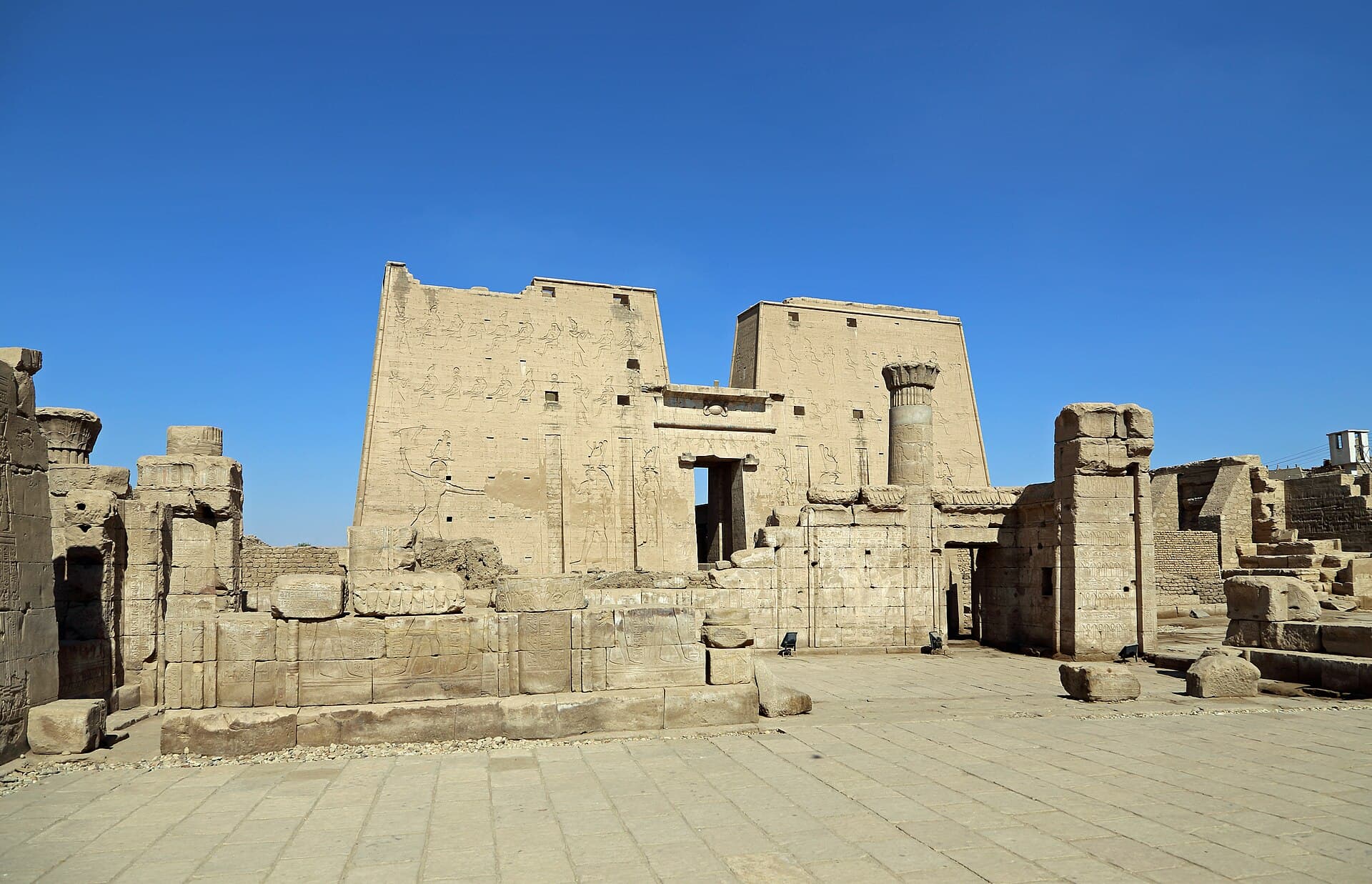
Trains are the civilised option where they run along the valley and the delta. Cairo to Alexandria is about two and a half hours on the fast service, comfortably a day trip on paper and better as an overnight. Between Luxor and Aswan you can take the train, drive the roughly 215 kilometres in three to four hours, or, more usually, cover the stretch by cruise boat, which reaches the temples at Esna, Edfu and Kom Ombo without extra driving.
The Red Sea and Sinai are the awkward corners. Luxor to Hurghada is about 290 kilometres and roughly four hours across the desert, which is precisely why the Nile-plus-Red-Sea combination sells so well: you can end a cruise in Luxor, transfer to the coast in a morning and finish without another flight. Sharm el-Sheikh, by contrast, is really only reachable by air if you value your time, an hour from Cairo against a 500-kilometre day on the road. Abu Simbel, deep in the south near the Sudanese border, is about 280 kilometres from Aswan, three to three and a half hours each way, and is usually done either as a very early convoy departure by road or a 45-minute flight.
When is each city at its best?
The country does not have one season, because its cities sit in different climates. Cairo is comfortable roughly October to April; July and August regularly pass 38C and add heavy smog. Luxor and the Nile Valley are at their best November to March, because summer in the Valley of the Kings passes 45C and turns the airless tombs into an ordeal. Aswan is the hottest of the three river cities, with summer afternoons well past 40C and very little shade at the sites, so November to February is the window there.
The coasts and the sea run to their own timetable. The Red Sea works year-round, with April to June and September to November the most comfortable and midsummer very hot on land but warmest in the water. Alexandria is the reversal of everywhere else: its summers are mild by Egyptian standards and its winters wet and blustery, so spring and autumn are the reliable choice and July and August are when Egyptians themselves fill the seafront.
The practical upshot for a multi-city trip is that the shoulder months, roughly October and November or March and April, are the only ones that suit every stop at once. Deep winter is kind to the Nile Valley and grey in Alexandria; high summer is bearable on the coast and punishing inland. If your dates are fixed, let them nudge the shape of the route: a July trip should lean coastal and treat Luxor as an early-morning exercise, while a January trip is made for the south.
How long should you give each city?
As a rough guide, and assuming you want to see a place properly rather than tick it: Cairo needs two full days as an honest minimum and rewards three, one for Giza and the Grand Egyptian Museum, one for Islamic and Coptic Cairo, and a third for Saqqara or a slower pace. Luxor wants two full days to cover both banks without rushing, one for the west-bank tombs and temples in the morning, one for Karnak in the late afternoon. Aswan is two nights at the sweet spot, enough for Philae, the felucca and time on the islands with the middle of each day left free for the heat.
Alexandria is one night as a minimum and two if you want an unhurried evening on the Corniche. The Red Sea resorts are measured in nights of doing very little rather than days of sightseeing, and three or four at the end of a trip is the usual dose. Abu Simbel, which is a day trip rather than a base for most people, costs a full day for two hours on site, which is why some travellers with only three days in the south spend that time on Philae and the Nubian villages instead.
Add these up and the maths explains the standard two weeks: Cairo, the Luxor-to-Aswan stretch, and a few days by the sea come to a fortnight without any padding. The temptation to compress each stop to gain another city is where most disappointing trips begin. It is better to give a place its two days than to see three places through the windscreen of a transfer.
How do the cities in Egypt fit into one trip?
A standard two-week route is Cairo for three nights, a flight south to Luxor or Aswan, the Nile stretch between them by boat or road, then either back to Cairo or on to the Red Sea for a few days at the end. Alexandria fits as a day trip or an overnight from Cairo. That covers the six places most people actually want.
The common mistake is adding stops. Egypt is long: Cairo to Aswan is about 900 kilometres by road, and internal travel eats half-days. Three places done properly beat six seen through a coach window. Decide the shape of the route before you fill it, and cut a stop rather than shaving a night off Luxor to squeeze one in.
If you have fewer than two weeks, the order of cuts is fairly settled. A week comfortably holds Cairo and one leg of the Nile; ten days adds the second Nile city and a little breathing room; a fortnight brings in the coast or Alexandria at the ends. What does not shrink well is the Nile Valley itself, where the sites are the whole point of coming, so the honest trims are the sea days and the second-city detours, not the temples. Build the route around Cairo and the river, then spend whatever is left on the extras rather than the other way round.
Common questions
How many cities does Egypt have?+
There is no tidy number, because Egypt counts many small towns as cities. Its 27 governorates each have a capital, and those are the ones worth knowing. What matters more for a traveller: almost the entire population lives along the Nile and in the delta, on well under a tenth of the land. Everything else is desert.
Which city should I fly into?+
Cairo, for almost everyone. It has the widest choice of flights and connects to everywhere else in the country. Hurghada, Sharm el-Sheikh, Luxor and Marsa Alam take some international flights too, mostly seasonal charters from Europe. Flying straight to the coast only makes sense if you are skipping the Nile entirely.
Is it safe to walk around Egyptian cities?+
In the main tourist cities, yes. Violent crime against visitors is rare and streets stay busy late. The real irritations are relentless hassle from touts near monuments and traffic that does not yield to pedestrians. Women travelling alone should expect a fair amount of unwanted attention, particularly in Cairo. North Sinai and the far western border areas carry government travel warnings; check your own government's advice before booking.
Should I do the Luxor to Aswan stretch by boat or by road?+
By boat, if you want the river; by road, if you want your own pace. A cruise covers Esna, Edfu and Kom Ombo without extra driving, and the temples are easier to reach from the water. The downside is a fixed schedule and crowded timings, since boats arrive together. Driving takes three to four hours direct.
Is Alexandria worth an overnight, or just a day trip?+
An overnight, if you can spare it. A same-day trip from Cairo means leaving before dawn and returning after dark for three sites seen at speed. One night lets you add an evening on the Corniche and a slow morning downtown, which is where the city's appeal actually lives. It fits best at the start or end of a trip, either side of the Cairo flights, rather than between Nile days.
Which city has the best weather in winter?+
The Nile Valley. Luxor and Aswan are at their best from November to March, warm and dry by day and cool at dawn, which is exactly when the summer heat that punishes the tombs has gone. Cairo is pleasant too. Alexandria is the exception: its winters are genuinely wet and blustery, so save it for spring or autumn.
Do I need to fly between cities, or can I take the train?+
Both work, on different legs. Fast trains link Cairo and Alexandria in about two and a half hours, and an overnight sleeper reaches Luxor in around ten hours. Flying is worth the money for the long jumps, Cairo to Luxor or Aswan in an hour against 900 kilometres by road, and Cairo to Sharm el-Sheikh, which is an hour by air against most of a day on the road.
Which cities can I skip on a first trip?+
Port Said and Suez, unless canals and shipping genuinely interest you; they are working ports with no tourist infrastructure to speak of. The smaller bases, El Gouna, Dahab, Marsa Alam and Siwa Oasis, are also skippable on a first visit, not because they lack appeal but because a first fortnight is already full with Cairo, the Nile and a few days by the sea.
Official sources
Entry rules, opening hours, security advice and exchange rates all move. Check them at the source, not here.
Written and checked by the Nile Trip Guide editorial team · Last reviewed . Entry rules, prices and opening hours change — check anything critical against the official sources linked on this page.
The route most people take first, at the length it was built for: Giza and the Grand Egyptian Museum, then a flight to Luxor and four nights sailing down to Aswan.
No boat on this one. Giza and the Grand Egyptian Museum, a night in Luxor for both banks, two nights on the Red Sea, then back to Cairo for the Citadel, Coptic Cairo and the Royal Mummies.
Five nights in Cairo either side of a four-night sail from Luxor to Aswan. The Cairo days are private, just your party and a guide; the sightseeing off the boat is shared with a small group.