Small Group Egypt Tours: What You Get and What You Give Up
Small group Egypt tours usually run with eight to sixteen travellers sharing one guide, one minibus and a fixed set of dates. You pay less than you would privately because the guide, the driver and the vehicle are split across more people. The trade-off is pace: the group moves as one, and you do not set the clock.
How many people are actually on small group Egypt tours?
Most operators cap a group at twelve to sixteen. Some run eight to ten. Anything above twenty is a coach tour with a smaller label on it, and it feels different at the sites: longer waits, a guide talking through radio headsets, more time spent counting heads. Ask for the maximum rather than the average. The average is the number the operator hopes for. The maximum is what you may actually get.
Size matters most inside the tombs and temples. The chambers in the Valley of the Kings are narrow, and a group of sixteen fills one. In Cairo traffic a minibus reaches places a full coach cannot park. On a Nile boat the difference is smaller, because you share the boat with other travellers anyway, whatever size your own group is.
Why are Egypt group tours cheaper than a private trip?
The costs that dominate an Egypt itinerary are fixed per vehicle and per guide, not per head. A licensed Egyptologist guide costs the same for a day whether two people or fourteen are listening. So do the driver, the minibus, and the guide's own flights and rooms along the route. Spread those across a full group and the price per person drops sharply.
What does not shrink is anything charged per person or per room. Entry tickets at Giza, the Valley of the Kings, Abu Simbel and the museums cost the same however you travel. Domestic flights are per person, and hotel rooms and boat cabins are priced per room, which is why a solo traveller pays a supplement whatever the group size. A group departure is genuinely cheaper, but the saving has a ceiling.
What does a guaranteed departure actually guarantee?
A guaranteed departure means the operator will run that date even if bookings stay low. Without the guarantee, a thin date can be cancelled or merged into another one, usually weeks before you fly. That is the part that hurts, because flights are booked and leave is approved by then. Ask whether a date is guaranteed and, if it is not, what the minimum number is.
Guaranteed does not mean identical in every respect. A very small group may travel by car instead of a minibus, or move to a different Nile boat if the contracted one does not sail at low occupancy. Those substitutions are reasonable. You want them written down before you pay a deposit, not explained to you on arrival.
What do you give up on pace and flexibility?
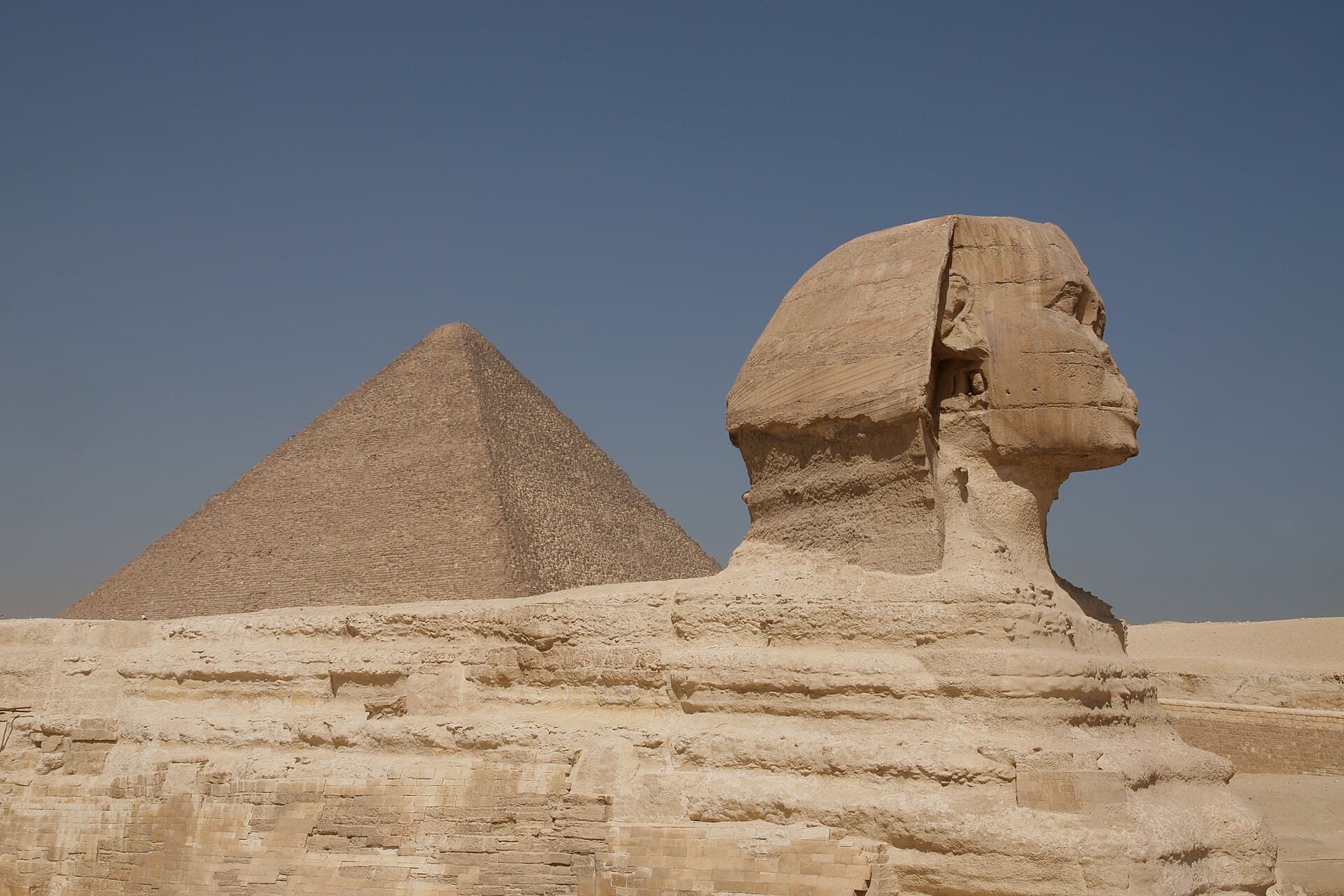
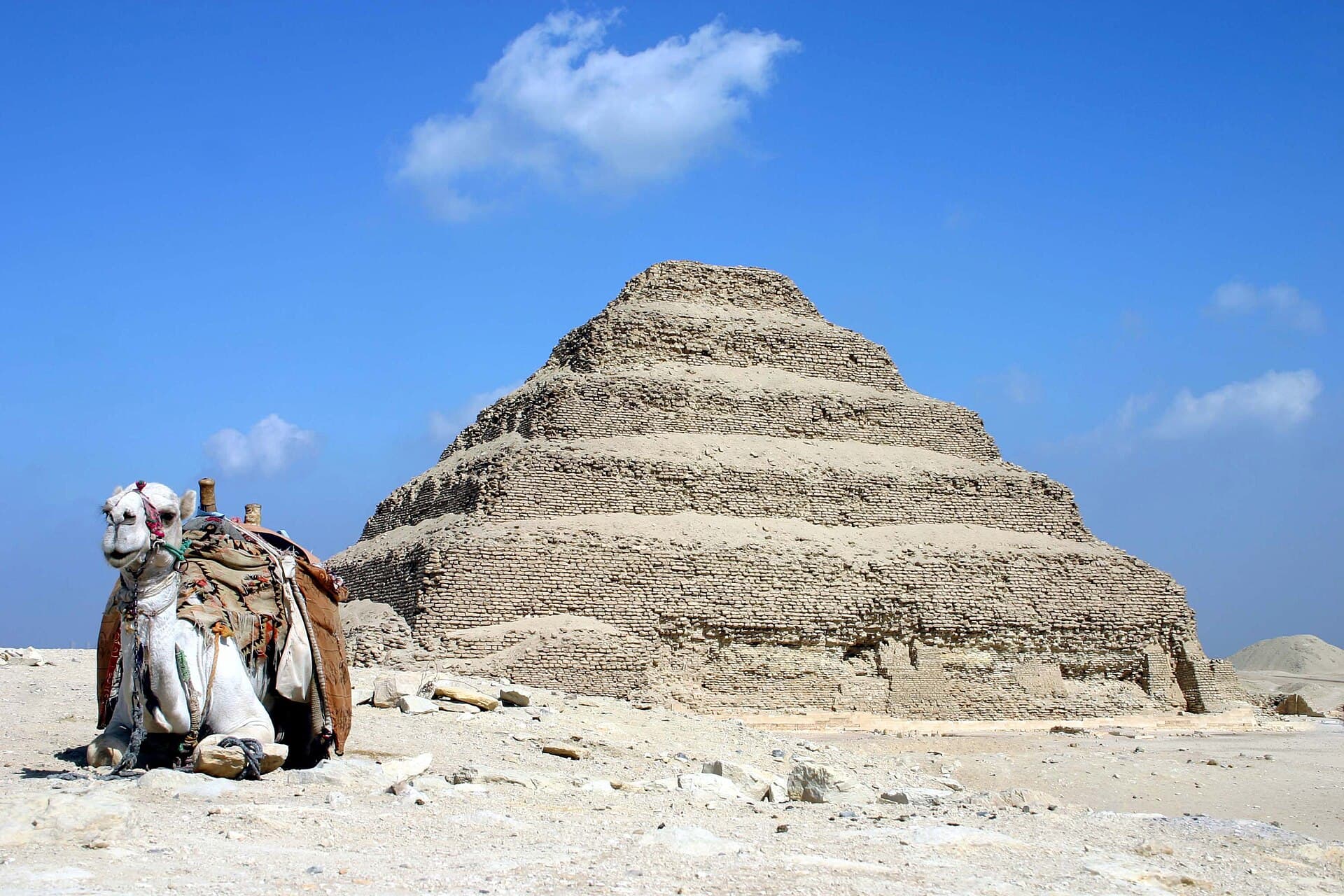
The itinerary is set and the clock belongs to the group. Egypt routes are dense: Giza, Saqqara, the Grand Egyptian Museum, an internal flight of about an hour to Luxor, both banks at Luxor, then the boat to Aswan. There is little slack in that. Early starts are normal, partly for the heat and partly to reach the tombs ahead of the coaches.
You also lose choice at the edges. If half the group wants another hour at Karnak and you want to sit down, the group wins. Optional extras usually run as add-ons, so you can skip the balloon over Luxor or the three-hour drive each way to Abu Simbel. The core route is not optional in the same way.
When is a private trip the better choice?
Travel privately if you are with small children, have limited mobility, want a full day in one museum, or are returning to Egypt and want to avoid the standard route. Also consider it if there are four or more of you already. At that size a private trip costs less per person than most people expect, and the gap to the group price narrows considerably.
A group suits a first visit, travelling solo or as a couple, when you want the classic route organised for you and nothing more. That is what the format does well. It is not a way to see Egypt off the usual track, and any operator claiming otherwise is selling the same itinerary in different words.
When do departures run, and does the season matter?
Departures run all year, but the season shapes the trip more than the operator does. October to April is the busy stretch, and it is not one climate. December and January bring daytime highs in Luxor and Aswan of around the low to mid twenties Celsius, with dawn temperatures in single figures. October and April are much hotter, often in the thirties. June to August passes 40C in the south, and useful sightseeing stops by late morning.
Summer departures cost less and the sites are emptier. For a few people that trade is worth taking, particularly if you can be out at first light. For most it is not. If your dates are fixed by work or school, plan a shorter day at the sites and treat the afternoon as rest rather than time you wasted.
What does the itinerary on a group departure actually cover?
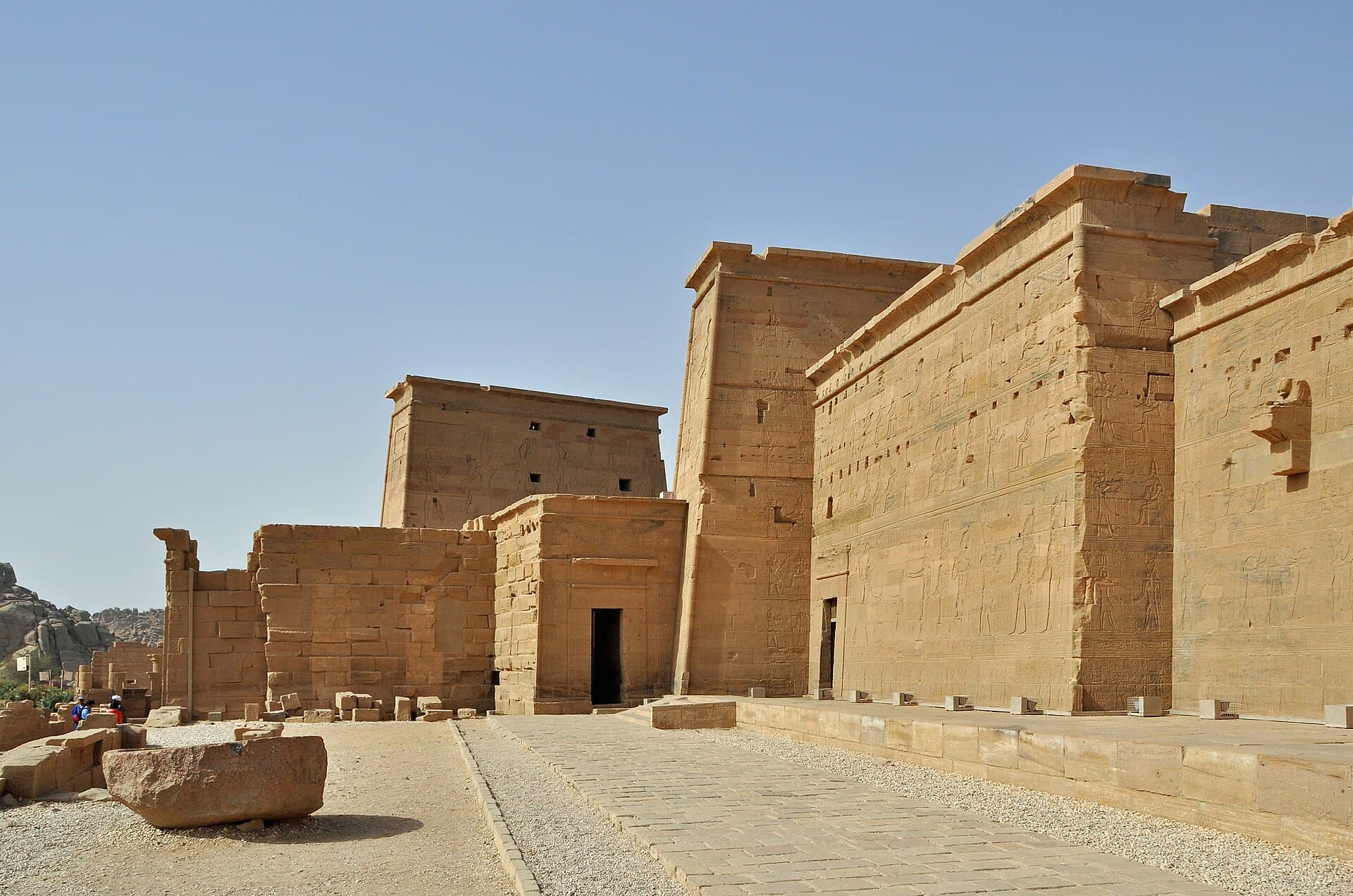
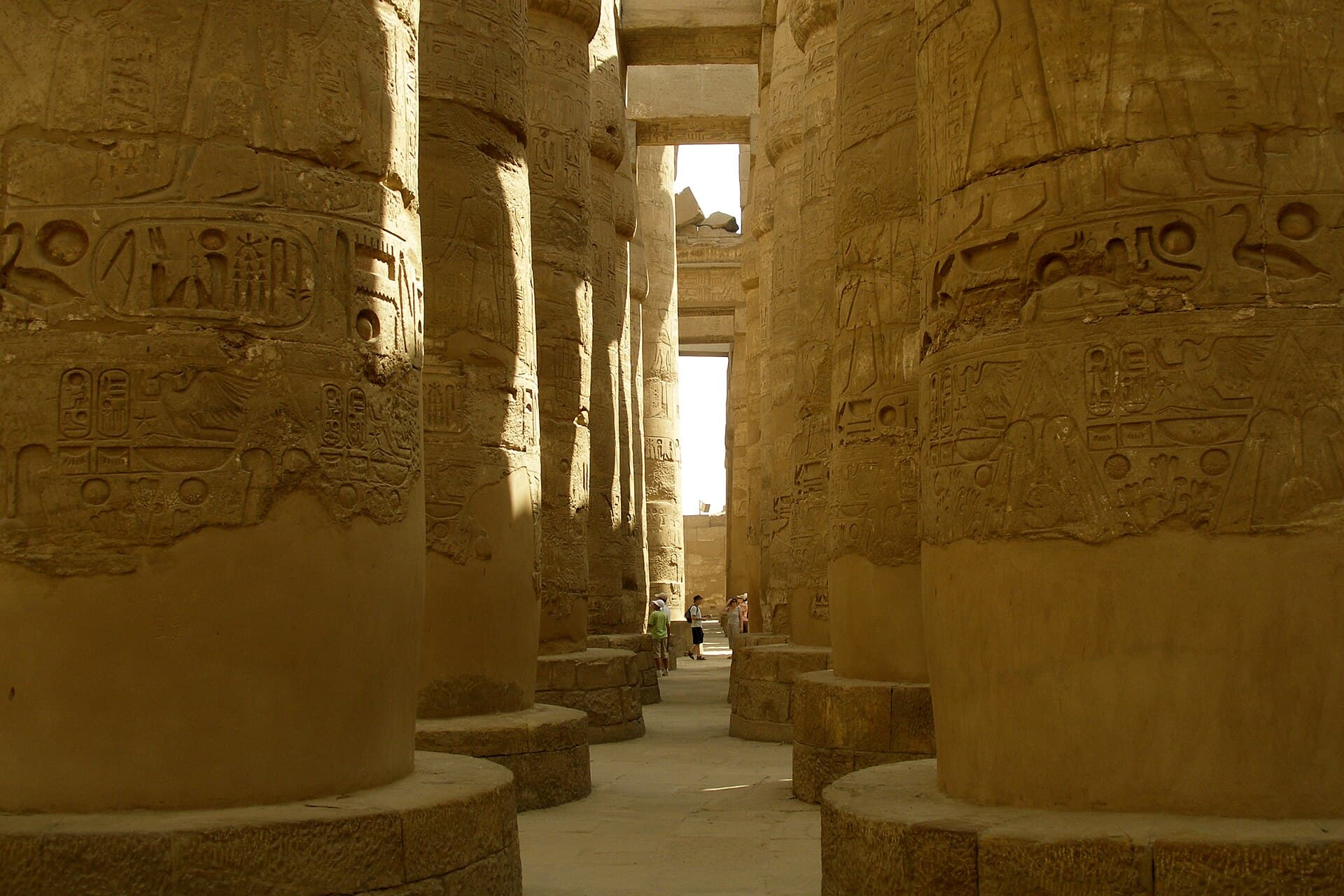
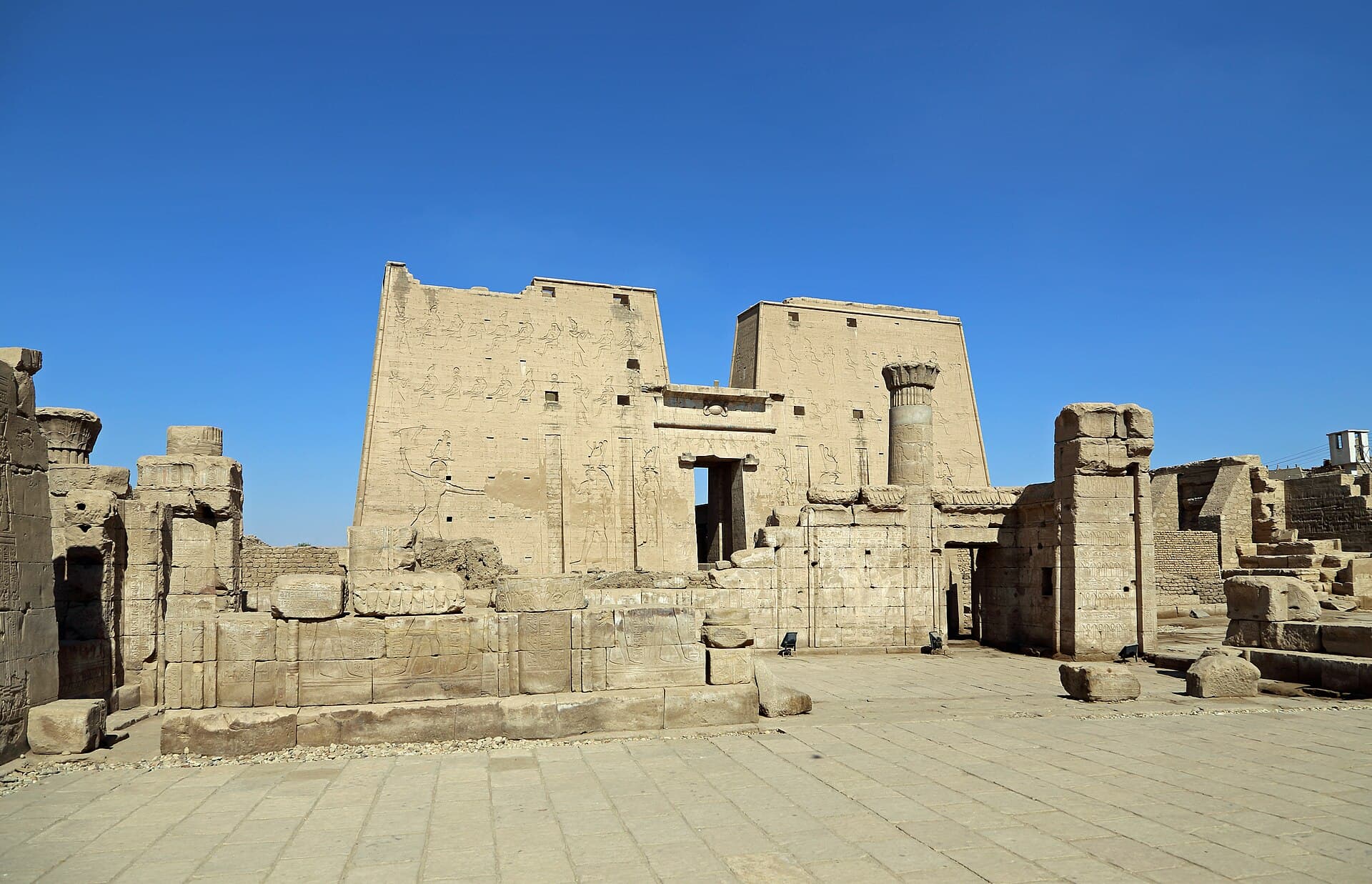
Almost every group departure sells the same core route, because it is the one that works. Two or three nights in Cairo for Giza, Saqqara and the Grand Egyptian Museum, which rewards three hours rather than one. A domestic flight south of about an hour. Karnak and Luxor Temple on the east bank, then the Valley of the Kings, the temple of Hatshepsut and the Colossi of Memnon on the west. Then the boat upriver to Aswan, calling at Esna, Edfu and Kom Ombo, finishing at Philae on its island.
Eight days is the common length and the one most itineraries are built around. Ten days buys Abu Simbel properly or a few slow days on the Red Sea, and fourteen opens up the desert or diving. Under a week you are choosing between Cairo and the south rather than seeing both, and most of the difference goes on airports.
Two structural details decide how the days feel. Cairo traffic is severe enough that a five-kilometre crossing of the city can take an hour, which is why Giza and central Cairo normally sit on separate days rather than being stitched together. And two or three major sites in a day is the practical limit before they stop registering, whatever the brochure squeezes in.
Who is actually running your small group tour?
Most Egypt trips sold in Europe are operated on the ground by a fairly small number of Egyptian companies. The website you book through is often a reseller adding a margin to the same cars, the same pool of guides and the same boats. That is not dishonest, and it is worth understanding, because it explains why near-identical programmes come back at very different prices. Ask who runs the trip on the ground, and how long the company selling it has worked with them.
The guide matters more than the badge on the minibus. In Egypt there is a legal distinction between a licensed Egyptologist and a tour escort, and it determines whether someone can guide you inside the sites at all. It also explains a good part of the price gap between cheap operators and serious ones. A tomb wall is decoration until somebody explains what each register is doing, and the gap between a good guide and a poor one is wider in Egypt than in most places.
Expect more than one guide. Guides work regionally, so a standard route usually means one in Cairo and another in Luxor and Aswan, with drivers changing city by city as well. That is normal rather than a sign of a thin operation. The operator, the plan and the standard stay the same; the faces change as you move south.
How the Nile cruise part of a group tour works
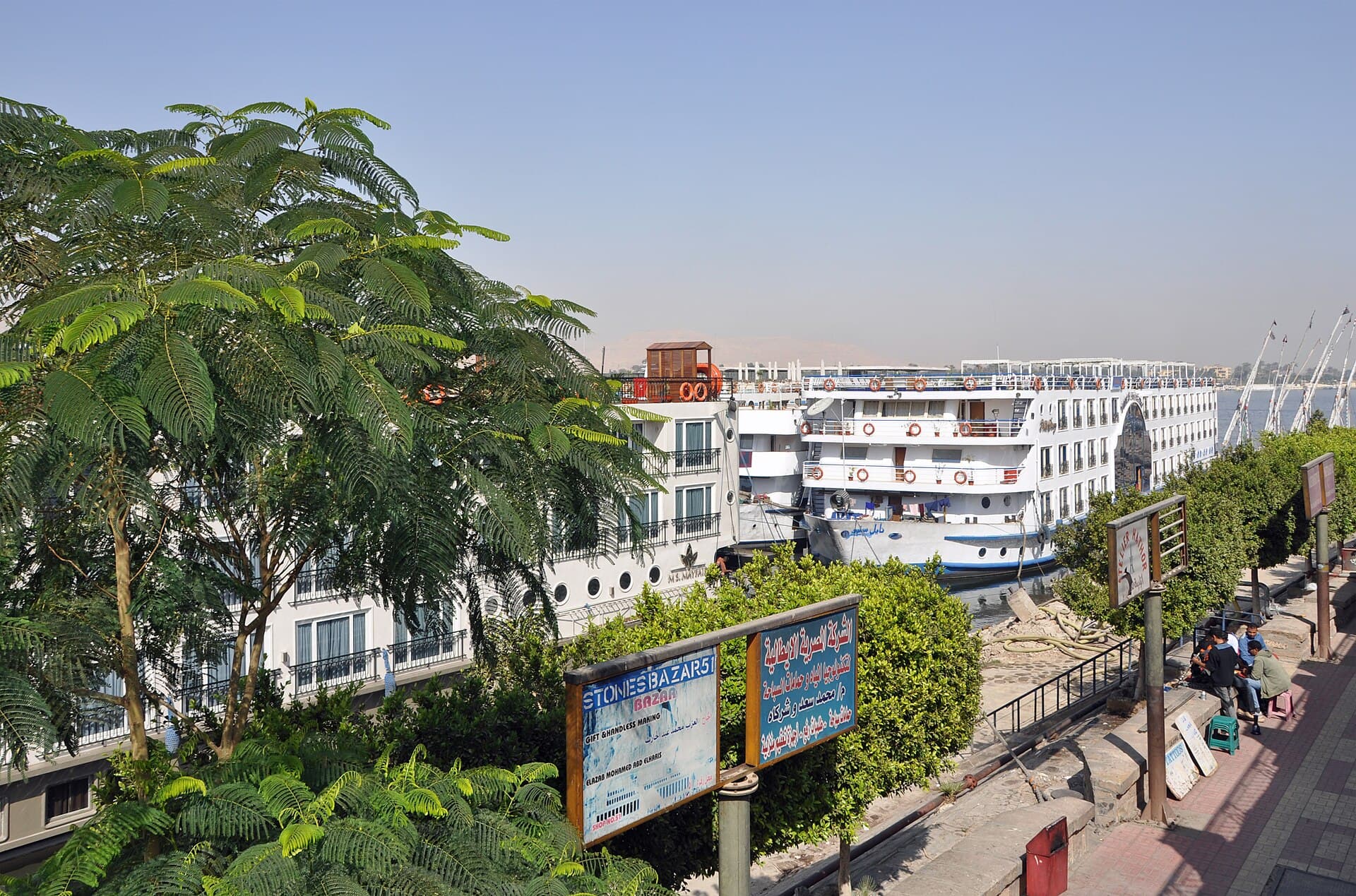
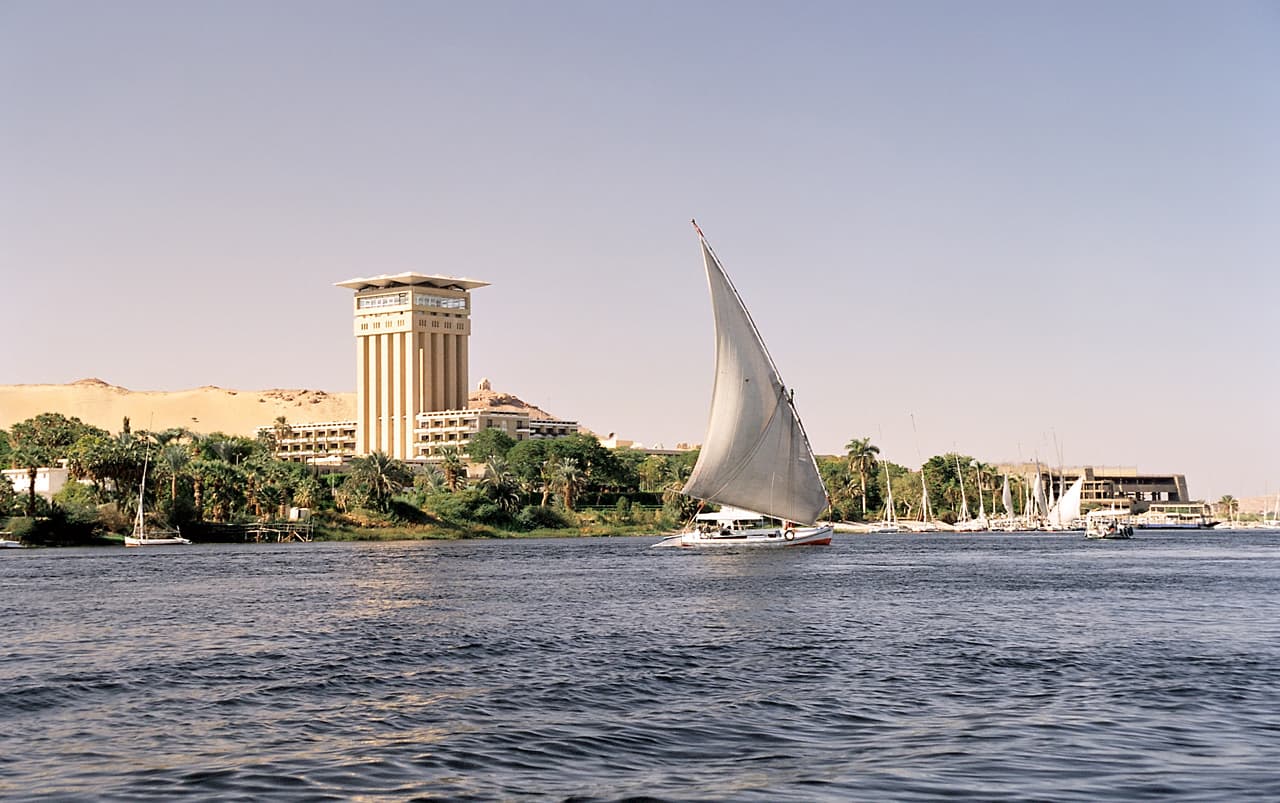
On the river the cruise is transport and hotel in one, and your small group is a minority of the passengers. Four nights is standard running south from Luxor against the current, three running north from Aswan with it. The temples the boat calls at, mainly Esna, Edfu and Kom Ombo, are the same ones you could reach by road from Luxor, so you are not buying exclusive access. You are buying the river: green bank, desert edge behind it, villages that have not changed shape much.
Boat quality varies far more than the photographs suggest. Nile star ratings are local ratings and are not equivalent to European hotel stars, and the refurbishment date tells you much more than the number of stars does. Standard and expensive boats sail the same stretch and stop at the same temples; what differs is the cabin, the food, the deck and how many people are aboard.
One practical point nobody mentions until you are there. At the smaller moorings, and routinely at Edfu and Kom Ombo, boats raft two and three deep, so you walk through another boat's lounge to reach the bank. It is normal. A dahabiya, the small sailing boat with a handful of cabins, moors where the big boats cannot, but it is slower and costs more, and it is rarely what a fixed-price group departure is selling.
Shopping stops and the extras sold once you are there
Group itineraries frequently include visits to papyrus, perfume and alabaster workshops. Those stops pay commission, and on a cheap tour they are part of how the low headline price is subsidised. On a private trip you simply decline. In a group you can ask, but the schedule belongs to everybody, so raise it before you book rather than in the car park. If a quote sits well below everything else you have seen, ask directly whether shop visits are in the programme.
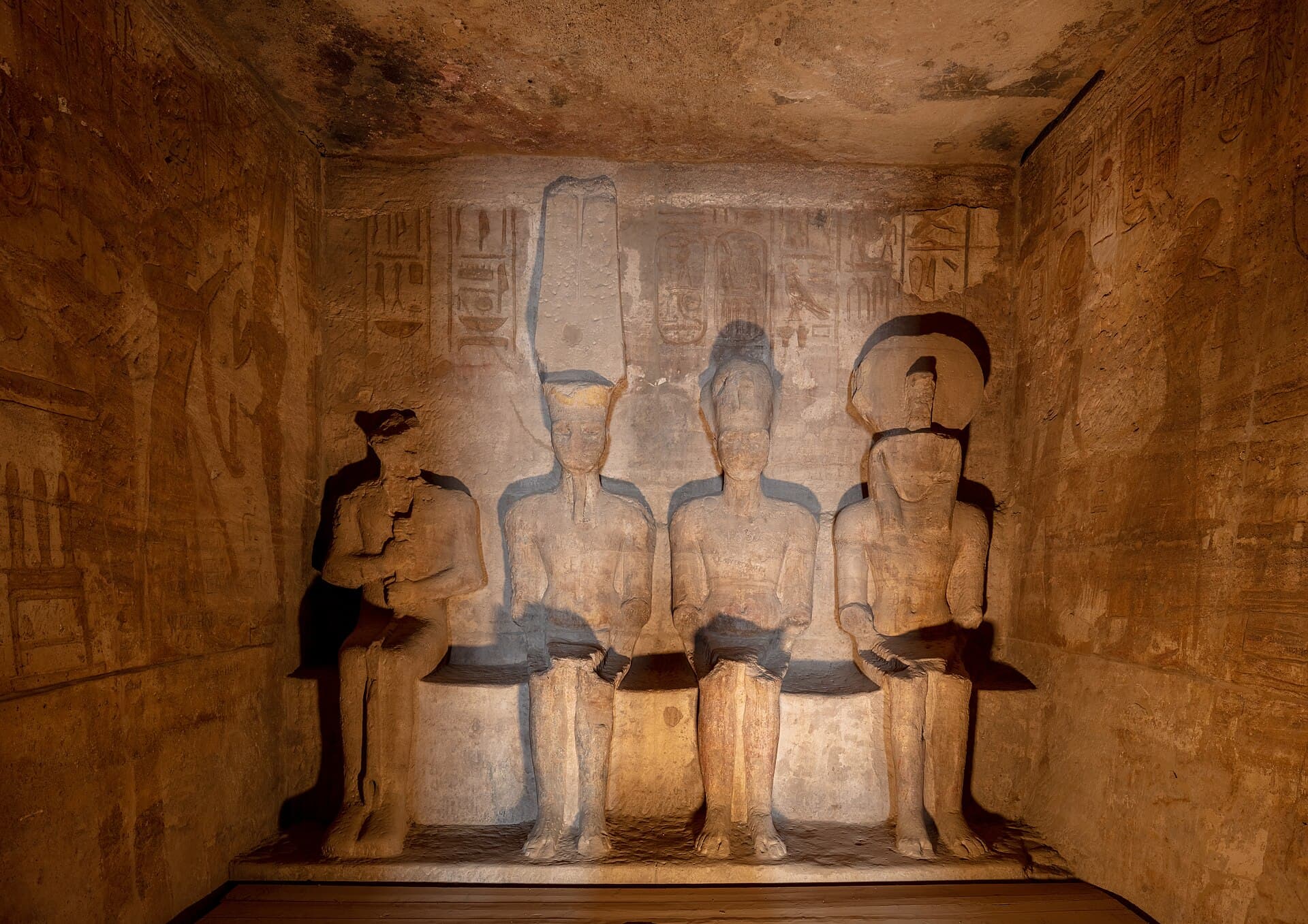
The optional extras are a separate matter and mostly worth considering. Abu Simbel is either a short flight from Aswan or a drive of around three hours each way starting before dawn, and it justifies either; the scale does not survive photographs. A dawn balloon over the Luxor west bank is good value, but it is cancelled for wind often enough that you want a spare morning rather than the last one. The sound and light shows are dated and easy to skip without regret.
Ask for the list of optional extras and their approximate cost before you travel, not on the coach. Extras sold hard on arrival are a recurring feature of the cheaper end of the market, and it is easier to say no to something you already decided about at home.
What a day with the group actually feels like
Early. Guides start ahead of the heat and ahead of the coach parties, which is the right instinct even when the alarm is not. The first hour after a site opens and the last before it closes are when the place is emptiest, and a group that reaches the Valley of the Kings at nine has already lost most of that advantage.
It is physical without being difficult. You walk a few kilometres a day on uneven ground, with steps that often have no handrail and low sloping passages inside the tombs, and long stretches between the entrance and where the vehicle can wait. The strain is cumulative rather than acute: several long days in a row with early starts.
Heat does more damage than anything you eat. Dehydration and a headache after four hours on the west bank catch out more visitors than the food does. Carry more water than feels necessary, keep your head covered, and treat the middle of a summer afternoon as rest rather than as time you are wasting. A guide who suggests going back to the hotel at one o'clock in July is giving you good advice, not short measure.
Tipping on a group departure, and what to carry
Tipping in Egypt is not a bonus for good service. Baksheesh is a structural part of how people in tourism are paid, which makes it a line in the budget rather than loose change. The good news for a group traveller is that your share is smaller than on a private trip: a private Egyptologist is commonly put at around 10 to 15 euros per person per day, and a group guide at less, because the same person is being tipped by everyone in the group.
The other figures are steadier. A driver is put at about 5 euros per person per day. On a Nile cruise there is usually a communal crew box at the end, at roughly 5 to 10 euros per person per night, which exists so that the crew you never see get a share. Porters and housekeeping take small notes rather than coins. In restaurants, service is often already on the bill, so read it before adding more.
Carry Egyptian pounds in small denominations, and change money early in the trip rather than on day four when you have run out. Coins are close to useless. The awkward moments people describe are almost never about the amount; they are about arriving at the moment with nothing smaller than a large note.
Flights, transfers and the days at either end
A group tour price is a ground package. International flights are nearly always separate, which means the one part of the trip nobody is managing for you is the part that can make you miss the departure. A fixed group will not wait at the hotel door, so arriving the day before the tour starts is cheap insurance rather than an indulgence.
Egyptian domestic flights are retimed often, sometimes by hours and sometimes the day before. If your tour ends with a flight from Luxor or Aswan on the same day you fly home, look hard at the gap. We would not build an itinerary on less than three to four hours between a domestic arrival and an international departure, and Cairo airport's terminals are far enough apart to eat some of that on their own.
The overnight sleeper train between Cairo and Luxor or Aswan appears on some itineraries in place of a flight. It saves a hotel night and a travel day, which is a fair case. The berths are narrow, the ride is noisy and both departures and arrivals tend to run late. Worth it once, if you are curious and can afford a broken night before a Karnak morning.
Visas and paperwork before a fixed date
Most visitors choose between an e-visa applied for in advance and a visa bought at a bank counter in the arrivals hall. The e-visa is the better option for almost everyone, because it replaces two queues with one at the end of a long flight and settles the question at your own check-in desk. Apply on the official government portal at visa2egypt.gov.eg, fill the form exactly as your passport is printed, and print the approval rather than trusting a phone battery.
Some operators offer a third route for groups landing together: they take the passports to the counter while everyone waits. It is the same visa, bought by somebody else, and it is not a way past any rule. If your nationality has to apply in advance or through an Egyptian embassy, no operator changes that, and no travel page is the right source for which applies to you. Check the portal and your own foreign ministry before you book anything non-refundable.
Two things catch people out on a fixed departure, where there is no room to reschedule. Airlines apply their own passport validity rule at check-in, commonly six months beyond arrival, so a marginal passport is a missed flight at your home airport rather than an Egyptian problem. And an e-visa is tied to the passport number it was issued against, so a renewal between applying and flying strands the approval. Sequence the renewal first.
Children, older travellers and mixed ability in one group
Most adult departures set a minimum age, commonly in the mid teens, and operators that take families run those trips separately with shorter days. There is a reason for the separation. The great advantage of a private trip with young children is being able to abandon a temple at eleven in the morning because a five-year-old has had enough, and a group schedule cannot do that for you.
Mobility is the harder question, and it is worth being blunt about it. Egyptian sites involve uneven ground, steps without handrails, long walks between entrances and car parks, and heat on top of all of it. A private car and driver that can drop you at the closest legal point changes what is possible; a minibus and a group timetable cannot. The sleeper train, where it appears, is not workable at all with narrow corridors and steep steps.
If any of this applies, say so when you enquire rather than on the first morning. It changes the shape of the trip rather than one transfer, and an honest operator will tell you when a group departure is the wrong product for you. That answer is more useful than a sale.
How to compare two group quotes without being misled
Compare the inclusion lists before you compare the totals. Two quotes that look far apart are often near-identical once you add back what the cheaper one leaves out. Entry tickets are the usual gap: some operators bundle the main sites and others collect money on the day. The standard Valley of the Kings ticket covers three tombs, with Tutankhamun and Seti I sold separately. The chamber inside the Great Pyramid, Abu Simbel, the royal mummies hall at the National Museum of Egyptian Civilization and photography permits at some sites are extra almost everywhere.
Then ask the four questions that are specific to group travel: what is the maximum group size, is this date guaranteed, what is the minimum number if it is not, and what substitutions are permitted if the group runs small. Get the answers in writing. Every one of them is a fact the operator already knows and can state plainly.
Finally, settle the money mechanics. Ask which currency the contract is in, because the Egyptian pound has moved sharply in recent years and operators generally quote and hold in dollars or euros. Many Egyptian operators take a deposit by transfer or card and the balance on arrival, sometimes in cash, sometimes by card with a surcharge. That is normal in Egypt and not a warning sign in itself, but confirm the surcharge and get written confirmation of what is included before you send anything.
Can a group tour take you beyond the classic route?
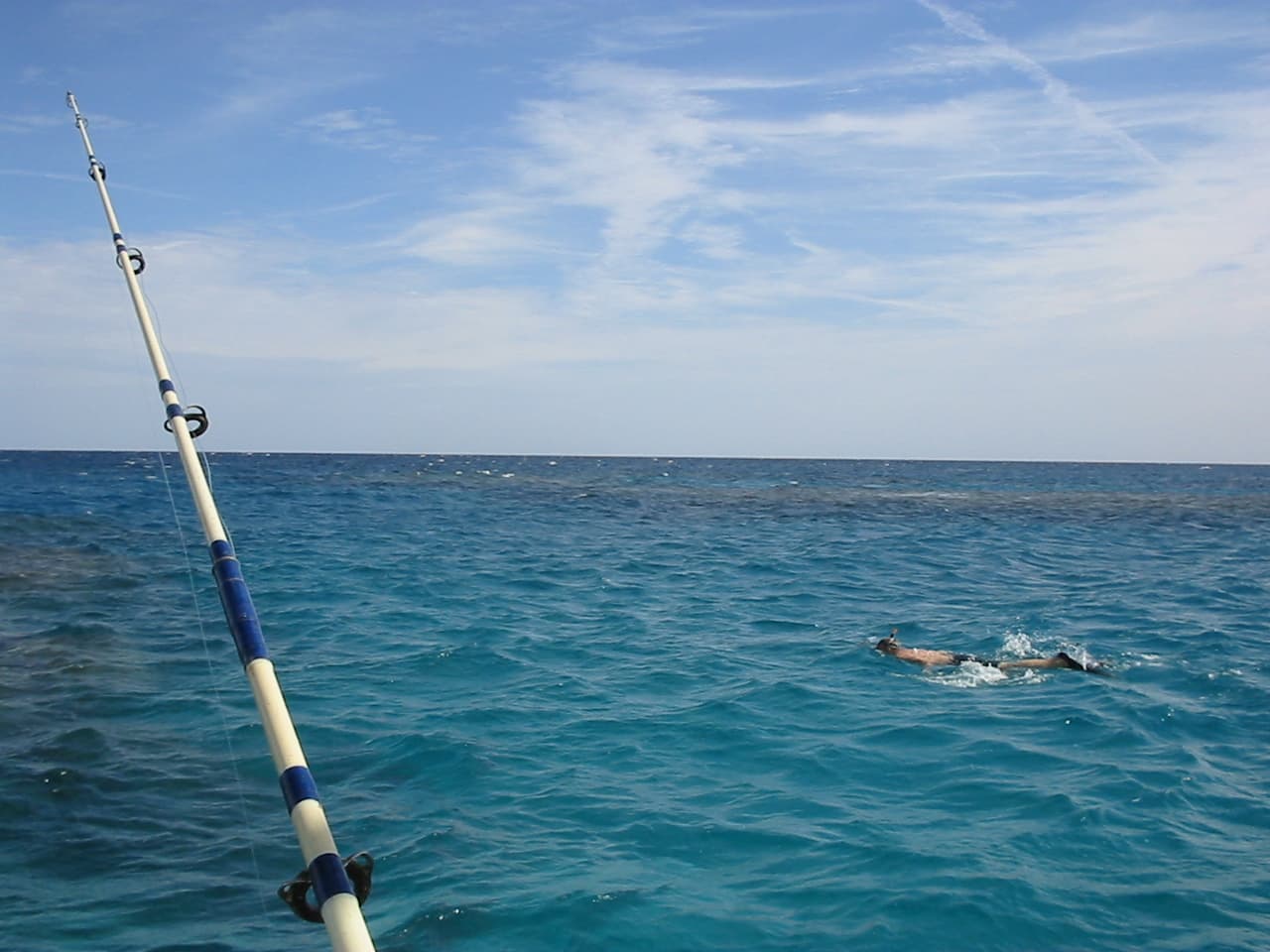
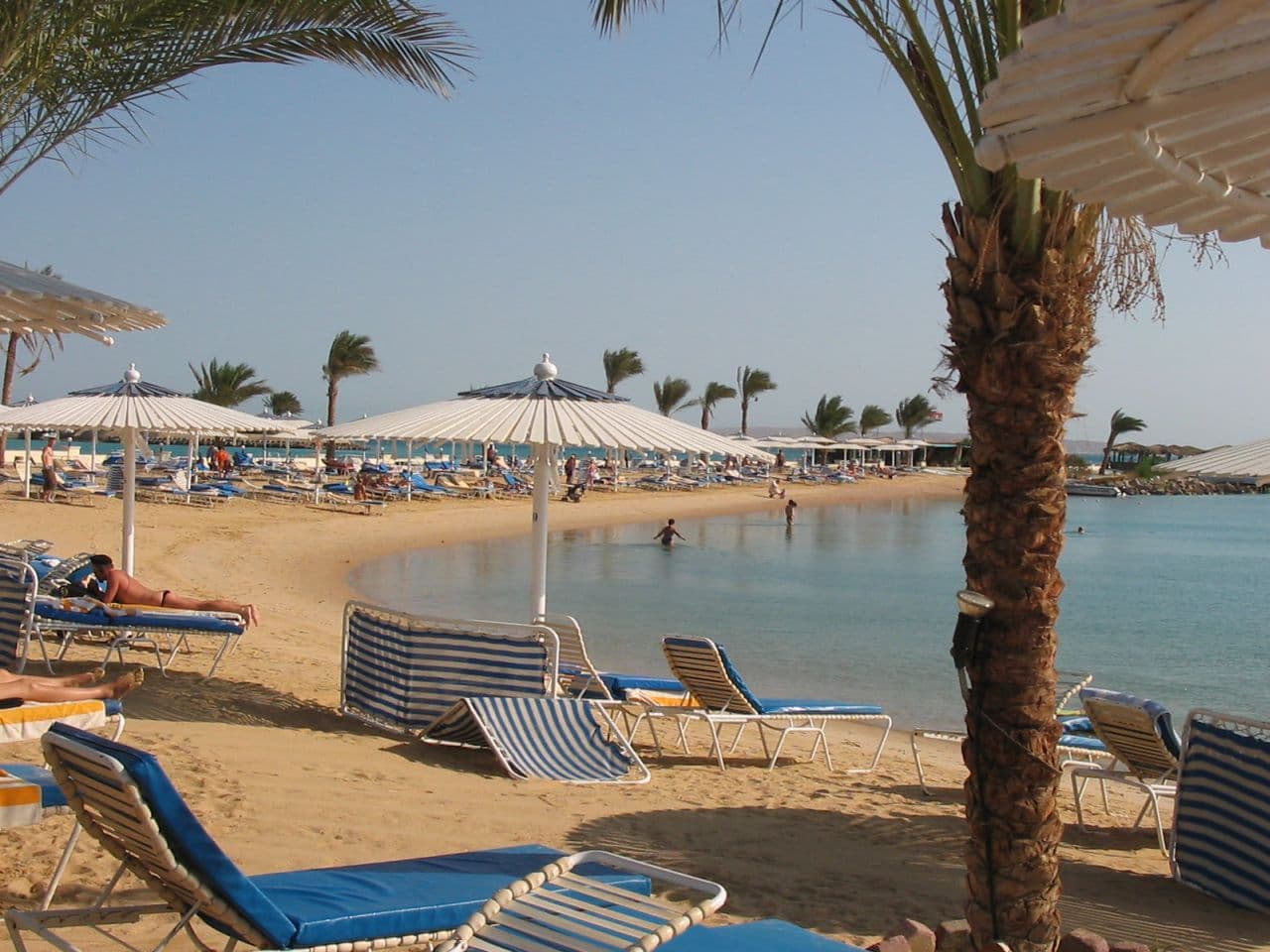
A little, at the edges. Red Sea days are the easiest addition, and the cheapest: resort nights on the coast are among the least expensive accommodation in the country, and once the sightseeing stops there is no guide or transport to pay for. Hurghada is roughly four hours by road from Luxor, which makes the transfer straightforward, and Marsa Alam is further but has its own airport, so you can fly home without the drive back. Do the culture first, since nobody wants early starts after a week of doing nothing.
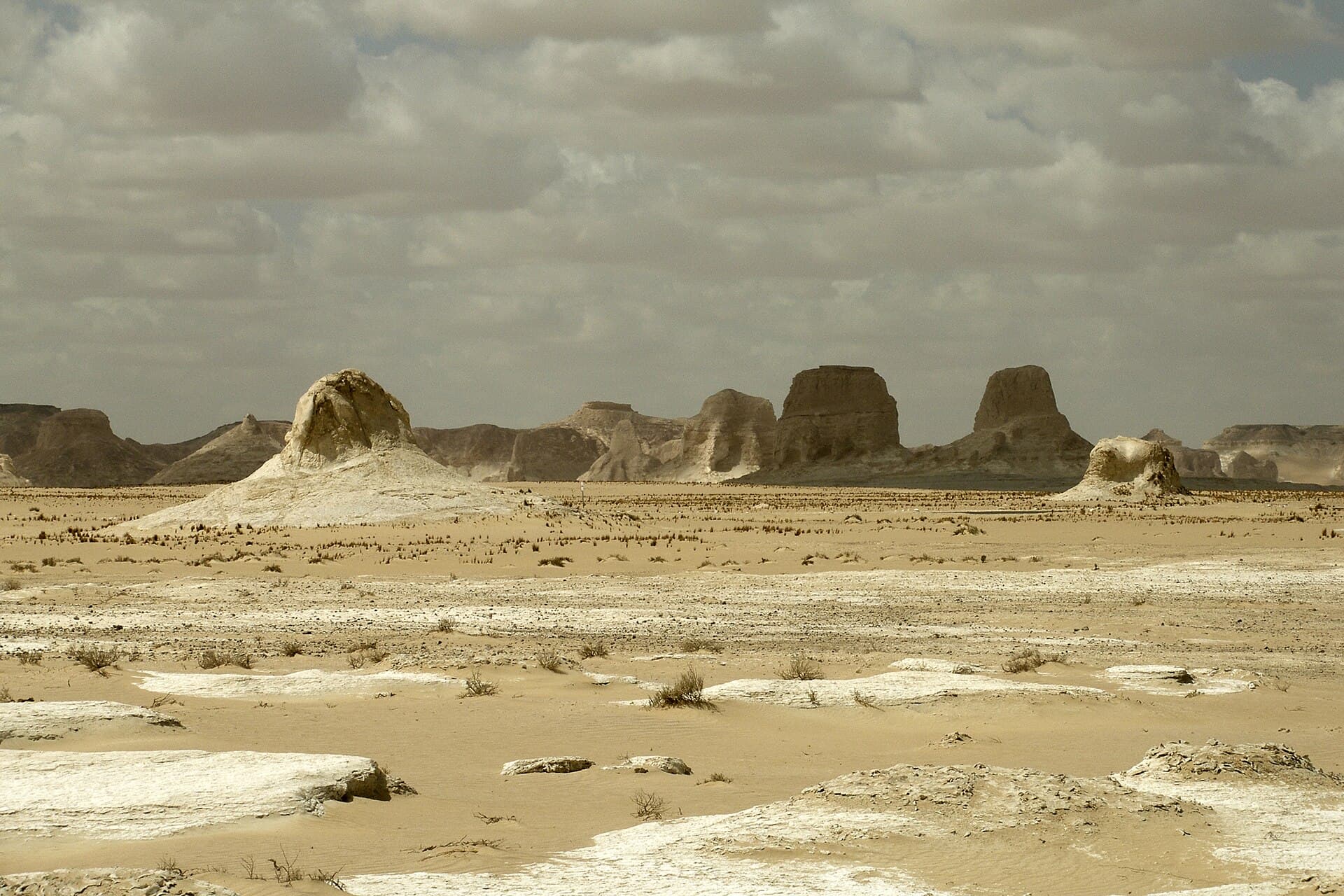
The desert is a different commitment. Two nights out of Cairo covers the black hills and the chalk formations of the White Desert, run from Bahariya oasis, and Siwa needs three or four days for the drive alone. Both are cool-season trips, roughly October to April, and government travel advice for the far west changes, so it has to be checked rather than assumed. Alexandria tempts people as a day trip and disappoints anyone expecting ancient ruins, since most of the Ptolemaic city lies under the harbour or under the modern one.
None of this is what a fixed group departure does well. Scheduled groups exist because the classic route is standardised, sold repeatedly and reliably delivered. The moment you want Dahshur, Abydos, Dendera or the Tombs of the Nobles, you are describing a private trip, and it is more honest to price it as one than to hunt for a group that pretends to offer it.
Common questions
Are entry tickets and meals included in the price?+
Usually breakfast, and often some lunches or dinners. Entry tickets vary far more: some operators bundle the main sites, others collect money on the day. The standard Valley of the Kings ticket covers three tombs, with Tutankhamun and Seti I sold separately, and Abu Simbel and the royal mummies hall at the National Museum of Egyptian Civilization are extra almost everywhere. Ask for a written list before you pay.
Can I join a departure travelling on my own?+
Yes, and solo travellers make up a large part of most groups. You will normally pay a single supplement for a room to yourself. Some operators offer a room share with another traveller of the same sex instead, which removes the supplement but gives you no say in who you share with. Check which applies before booking.
What is the age range on an Egypt group tour?+
Mixed, and no operator can promise a range. Most adult departures set a minimum age, commonly in the mid teens, and run family versions separately with easier days. The spread also shifts with school holidays: an August date looks nothing like a February one. If it matters, ask what the last few groups on that date actually looked like.
How far ahead should I book?+
For October to April, book several months out. Guaranteed dates fill, and the internal flights between Cairo, Luxor and Aswan get expensive late. Summer dates can often be booked weeks ahead. Booking early also improves your odds on group size, since late bookings are the ones that push a departure towards its cap.
How fit do I need to be?+
You need to walk a few kilometres a day on uneven ground in heat, with steps and low sloping passages inside the tombs. None of it is technical. The strain is cumulative: several long days in a row with early starts. If stairs or standing for long periods are hard for you, say so before booking rather than on the first morning.
Does the tour price include flights to Egypt?+
Almost never. Nearly every quote you receive is a ground package covering hotels, transport, guiding and the Nile portion, with international flights bought separately. Internal flights between Cairo and the south are usually inside the price, but confirm it rather than assume. Since the departure date is fixed and the group will not wait, arriving the day before the tour starts is worth the extra hotel night.
Will the itinerary include shopping stops?+
Often, yes. Visits to papyrus, perfume and alabaster workshops pay commission to the people who bring you, and at the cheaper end of the market they help subsidise the headline price. In a group you cannot simply walk out of one, so ask before booking whether they are in the programme. An operator that has dropped them will say so plainly, and will usually cost slightly more up front.
What happens if the operator cancels or changes my departure?+
On a date that is not guaranteed, a thin departure can be cancelled or merged with another one, typically weeks ahead, by which point your flights are booked. Ask what the operator does in that case: a refund, a transfer to another date, or a substitution such as a car instead of a minibus or a different Nile boat. Substitutions are reasonable in themselves. What you want is the policy in writing before the deposit leaves your account.
Do group tours run during Ramadan, and should I avoid it?+
They run, and it is not a month to avoid. Sites and museums stay open and transport works normally. Ramadan moves about eleven days earlier each year, so check where it falls for your dates. The trade-off is in the daytime: many restaurants outside hotels close, guides and drivers are fasting through long hot days, and the roads empty sharply in the hour before sunset. The evenings are the best atmosphere of the year.
Official sources
Entry rules, opening hours, security advice and exchange rates all move. Check them at the source, not here.
Written and checked by the Nile Trip Guide editorial team · Last reviewed . Entry rules, prices and opening hours change — check anything critical against the official sources linked on this page.
Plan this trip
Tell us your dates and we will price it
A real itinerary with real prices, usually within 24 hours. Nothing is booked and nothing is charged until you say yes.
The route most people take first, at the length it was built for: Giza and the Grand Egyptian Museum, then a flight to Luxor and four nights sailing down to Aswan.
No boat on this one. Giza and the Grand Egyptian Museum, a night in Luxor for both banks, two nights on the Red Sea, then back to Cairo for the Citadel, Coptic Cairo and the Royal Mummies.
Five nights in Cairo either side of a four-night sail from Luxor to Aswan. The Cairo days are private, just your party and a guide; the sightseeing off the boat is shared with a small group.