How much does a trip to Egypt cost? For a week to ten days on the ground, most quotes land somewhere between roughly £1,000 and £3,500 per person, before international flights. The band is wide because the cost depends far more on the choices you make — season, party size, standard of hotel and boat — than on Egypt itself. What follows is what moves you inside that band, and which costs sit outside the quote.
How much does a trip to Egypt cost, and what is inside the price?
Almost every quote you receive is a ground package: hotels, transport, a guide, and the Nile portion if you have one. International flights are nearly always separate. What differs between operators is whether entrance tickets, internal flights, tips, drinks and optional sites sit inside the figure or outside it. Two quotes that look far apart can be near-identical once you add back what the cheaper one leaves out, so compare inclusion lists before you compare totals.
Inside that band the shape is fairly consistent for a seven to ten day trip covering Cairo, Luxor and Aswan with time on the Nile. The bottom end means shared group departures, simple hotels and a standard boat. The middle buys a private guide and better rooms. The top is a private trip throughout on a high-standard boat, and it has no real ceiling. Solo travellers should assume the upper part of whichever level they pick.
Where does the money actually go?
An Egypt budget has six lines, and only one of them is the quote you were sent. The ground package is the big one. Then the international flights, which you buy yourself. Then the internal flights, if the operator has not already built them in. Then tipping, which is larger than most people expect and entirely predictable. Then tickets and the visa, which are small individually and add up. Finally drinks, meals outside the package and whatever optional sites you decide you cannot miss.
Sorting the six by how much you can control them is more useful than sorting them by size. Season, party size, hotel category and boat standard are yours to decide, and between them they explain most of the spread in the quotes you receive. Tipping, the visa, the standard entrance fees and the cost of getting from Cairo to Luxor are close to fixed: you can choose the cheaper version of each, but you cannot design them away.
The practical consequence is that squeezing the last hundred pounds out of a hotel category rarely changes the total much, while a decision like travelling in June rather than at New Year, or filling a private car with four people instead of two, changes it enormously. Spend your planning effort on the levers with real travel in them and stop negotiating the small ones.
Why do two quotes for the same itinerary differ so much?
Most Egypt trips sold in Europe are run on the ground by a fairly small number of Egyptian operators. The website you book through is often a reseller adding a margin to the same cars, the same pool of guides and the same boats. That is not dishonest, but it explains why identical programmes come back at very different prices, and why booking closer to the ground operator usually costs less for the same product.
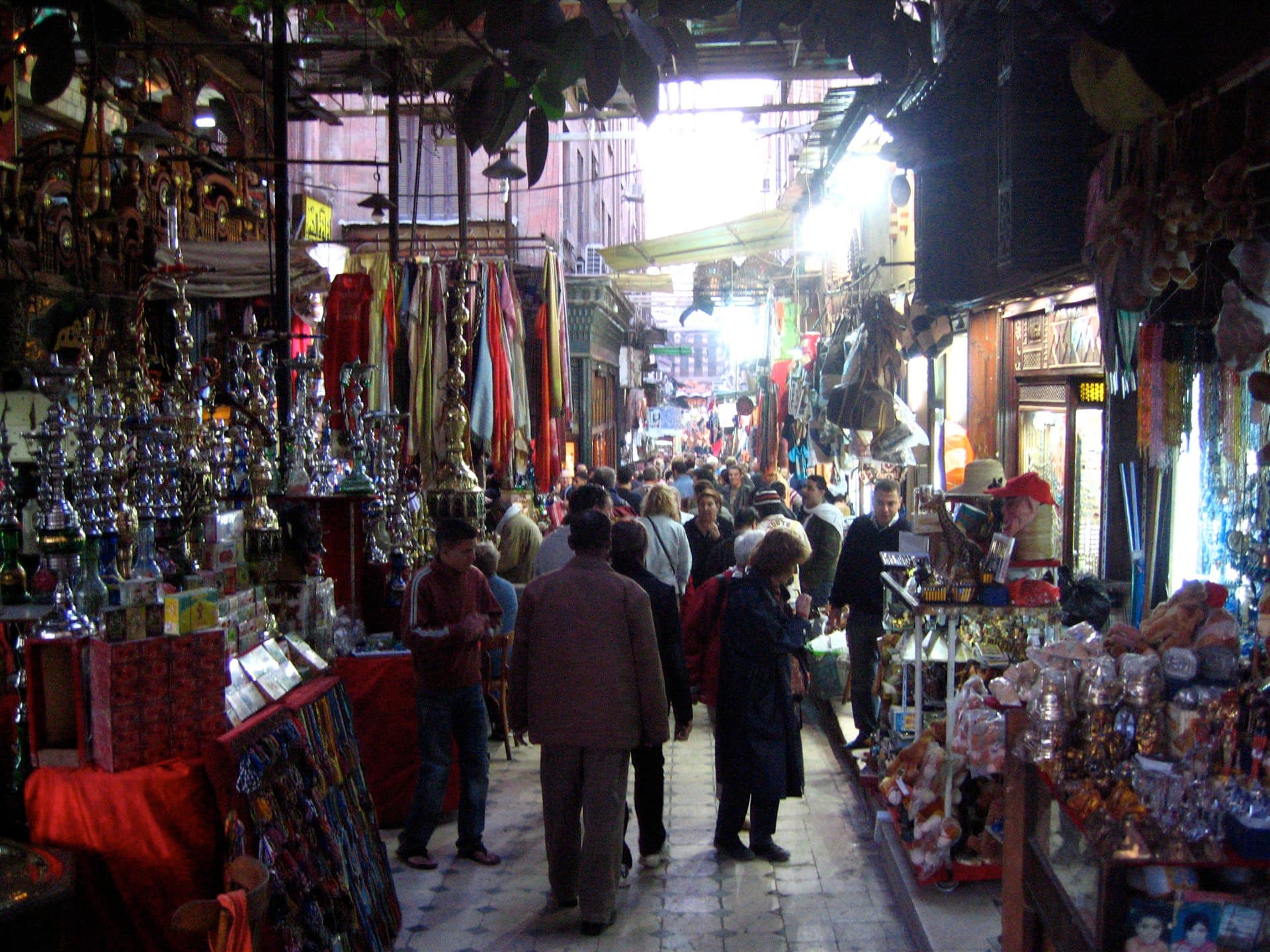
The second reason is what sits behind a low headline price. Cheap tours are often subsidised on the ground by stops at papyrus, alabaster and perfume shops where the guide earns commission, and by extras sold hard once you have arrived. If a price is well below everything else you have seen, ask whether shop visits are in the programme. A trip with none of that costs more up front and often less in total.
Currency is the third. The Egyptian pound has moved sharply in recent years, so operators quote in dollars or euros and hold that figure, and hotels and boats set their internal rates the same way. A quote given far ahead in Egyptian pounds is an estimate rather than a fixed price. Ask which currency the contract is in, and whether the balance is due in that currency.
How do you compare two quotes properly?
Put the inclusion lists side by side before you look at either total. The items that move between quotes are always the same handful: internal flights, entrance tickets, the separately ticketed tombs, airport and hotel transfers, lunches and dinners on land, drinks on the boat, tips, and whether a guide travels with you throughout or meets you at each site. Tick each one off on both quotes. It is dull work and it is the whole job.
Then ask who actually operates the trip in Egypt, and get that company named. It tells you whether the person answering the telephone at two in the morning, when a flight has moved or a boat has been swapped, is the one who can rebook you. It also explains most price gaps on its own, because a reseller margin is a real cost that buys real support when something goes wrong — but you should know you are paying it.
Finally, get the specifics in writing: the boat by name, the hotels by name, the cabin deck, what happens if any of them changes, the currency the balance is due in, whether paying by card carries a surcharge, and the cancellation terms. Substitutions do happen, and the phrase same category does not mean similar. A quote that will not commit to names is not a cheaper quote, it is a vaguer one.
How much does the season change the price?
Winter is high season. From November to February the weather in Upper Egypt is close to ideal, and prices follow. Christmas, New Year and Easter carry a further premium on the better boats and hotels, and the good boats fill months ahead. The sites are at their most crowded then too, so an early start matters more in winter than at any other time of year.
Summer is cheap and hard in equal measure. June to August in Luxor and Aswan means daytime heat well above 40°C. You see the sites at dawn and lose the middle of the day. The same programme is at its lowest price of the year, sometimes dramatically so. That is a fair trade for heat-tolerant adults and a bad idea with young children. March, April, October and early November are the sensible compromise on price and weather both.
Which months are genuinely the cheapest?
June is the cheapest month of the year, and the reason sits on a thermometer rather than in the small print. Luxor and Aswan run around 41°C, the sun deck of a cruise boat is unusable from mid-morning until late afternoon, and every excursion moves to first light. The Red Sea is superb in those months, so a summer trip weighted towards the coast is a genuinely good holiday. A summer trip weighted towards temples is a test of character.
September is the more interesting version of the same trade. Temperatures ease through the month, particularly in the last ten days, while rates often sit at summer levels for two or three weeks after the weather has improved. May works the same way at the front end of summer. If you want a real saving without a punishing trip, that lag between the weather changing and the prices changing is where it lives.
At the other end, December and January are the busiest and most expensive weeks of the year, Christmas and New Year most of all, with school half-terms close behind. A cut price in those weeks deserves a hard look at what has been cut. February is worth knowing about: the same pleasant temperatures as the Christmas fortnight without the surcharge, though half-term traffic lifts prices for a week or two in the middle of it. March is the best month of the year on weather and light, and it is priced like it.
Does a private trip cost much more than a group?
A private car, driver and guide costs much the same whether two or four people use it, so party size moves the per-person price more than almost anything else. Four people sharing pay noticeably less each than a couple doing the identical itinerary, and at six or more a private trip often lands below the equivalent small-group departure. If you are travelling as a family or a group of friends, private is simply the cheaper option.
For one or two people a scheduled group is genuinely cheaper, and the saving is real. What it costs you is timing: a coach group rarely reaches the Valley of the Kings or Karnak before the crowds, and in Egypt that is most of the difference between a good morning and a hot, shuffling one. The honest verdict for a couple: pay for private if the trip is a one-off and mornings matter to you, and take the group if the budget is fixed and the alternative is not going.
How much do hotels and the boat standard move the total?
Accommodation is the biggest lever after party size. A clean local three-star costs a fraction of an international five-star in the same city, and in Cairo the gap is wide. At the top end you are paying for location, quiet and a view of the pyramids or the river, not for better sightseeing. The itinerary, the guiding and the sites you enter do not change with the room.
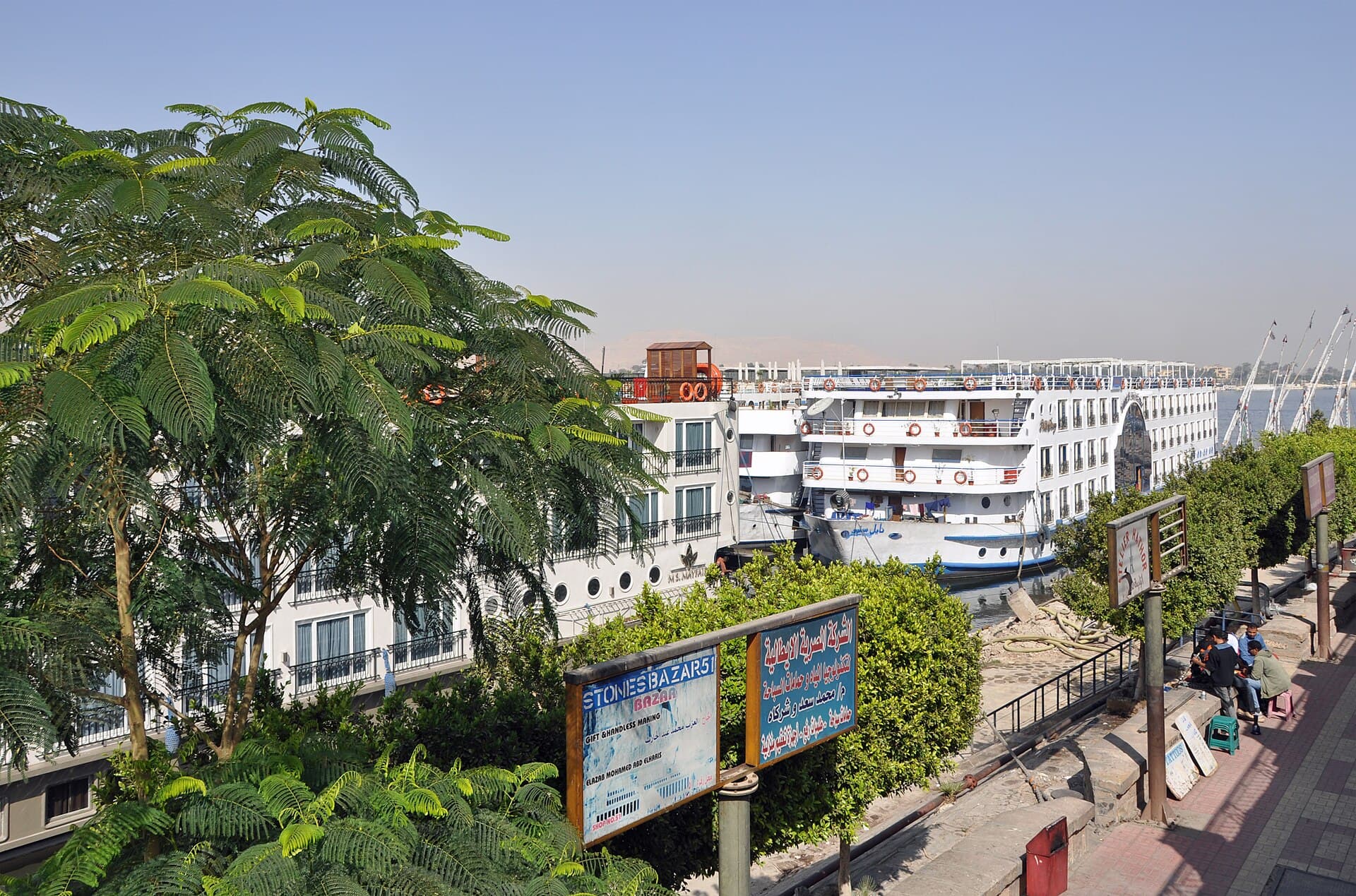
Nile boats work the same way with a wider spread. Standard and expensive boats sail the same stretch of river and stop at the same temples. What differs is cabin size, food, the deck and how many people are aboard. A high-standard boat can cost several times a mid-range one per night for an identical programme. Dahabiyas, small sailing boats with a handful of cabins, cost more again and move more slowly, which is the point of them.
How do the cruise nights, the direction and the boat change the price?
Three things move the Nile portion of the bill, and none of them is the star rating. The first is how many nights you buy, and the trap there is that a cruise night is not a cruise day. You board around midday and you leave after breakfast, so four nights is closer to three usable days and three nights is closer to two. Price the boat against usable days rather than against the number on the ticket.
The second is direction, which is a structural discount rather than a promotion. The northbound run from Aswan down to Luxor is normally three nights and typically 10 to 15 per cent cheaper than the southbound sailing on the same boat, because the current does the work and there is less engine time. It is a real saving and it buys a different week: it front-loads the quiet stretch, finishes with the busiest and hottest sites at Luxor when you are already tired of temples, and puts you ashore at dawn. Take it if budget decides, or if you are carrying on to the Red Sea, where finishing in Luxor saves a backtrack.
The third is the boat itself, and here the rating is close to useless. Nile star ratings are local ratings, measured against other Nile boats rather than against hotels anywhere else, so the same five-star label covers a vessel refitted last season and one with tired cabins and weak air conditioning. Ask what year the boat was last refurbished and what the refit covered. Then ask which deck and which side your cabin is on, and whether the boat will raft up alongside others at the quays, because at busy stops boats tie up several abreast and an inside mooring turns a river view into a view of somebody else's corridor.
Is a land tour cheaper than a Nile cruise?
Usually, yes, and it is worth pricing rather than assuming. The same corridor between Luxor and Aswan can be travelled by road — about 215 kilometres on a straightforward valley road — sleeping in hotels at either end. Hotel rooms are simply better than cabins at the same rating: more space, a proper shower, a pool that works in the afternoon heat, and a balcony. For the money you spend, you sleep better on land.
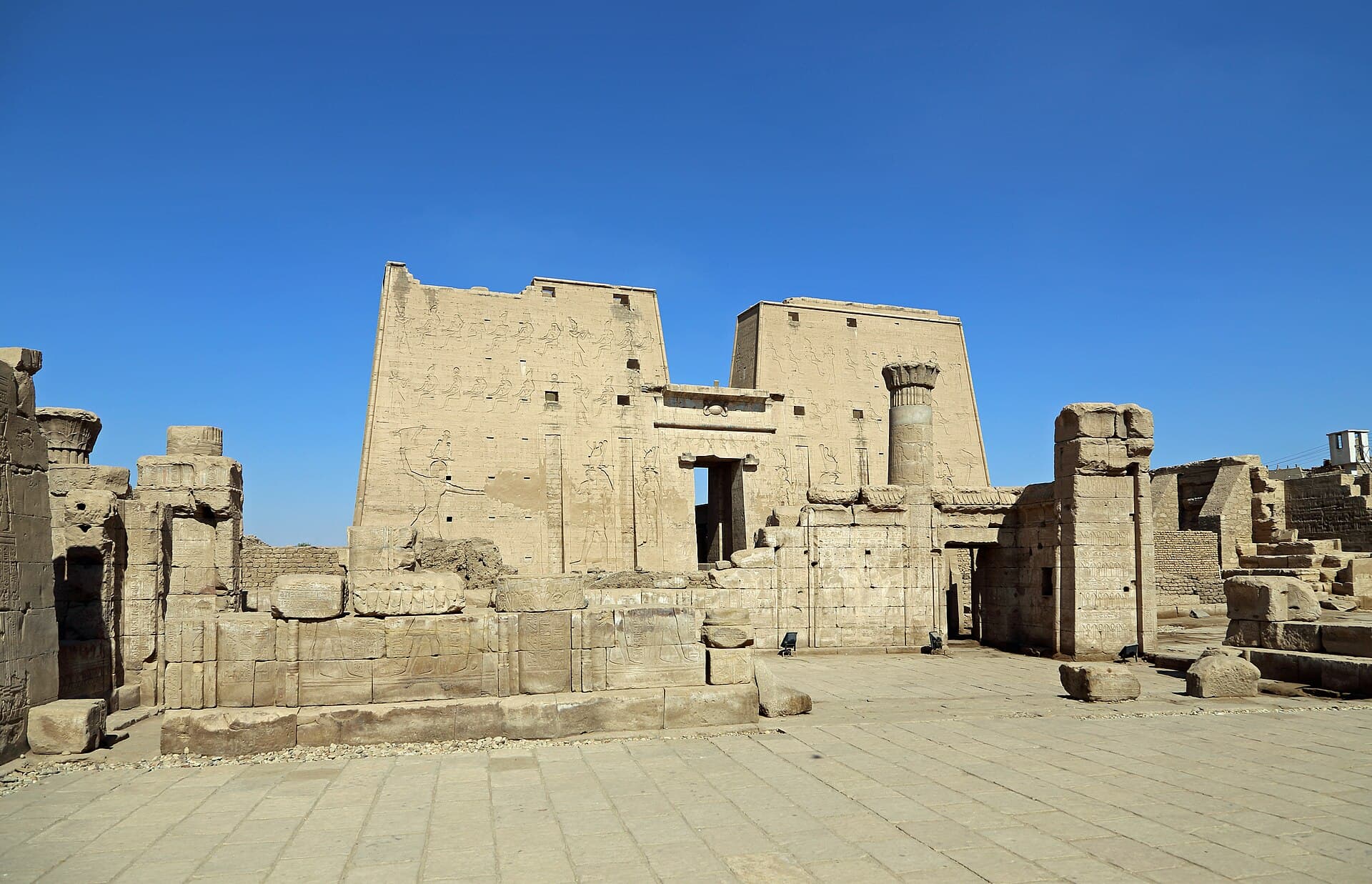
What you give up is the part of the trip most people remember, and one genuinely awkward day. Edfu and Kom Ombo sit between the two cities, and a cruise reaches both without any extra travel: the boat moors, you take a carriage the short distance to Edfu, come back for lunch, and Kom Ombo appears on the bank later in the day. By road they become a long out-and-back that usually lands you at both in harsh light. It is the weakest day of a land itinerary and the one thing the boat does clearly better.
The hybrid is the version that often makes the most financial sense: sail one leg and spend a couple of nights ashore in Luxor or Aswan at either end. You pay cruise rates only for the nights that buy you sailing, and hotel rates for the nights that buy you a room. For repeat visitors, for families who want a pool, and for anyone who would be irritated by a fixed sailing schedule, the land version is a real alternative rather than a compromise.
What do internal flights and the single supplement add?
Most itineraries need at least one internal flight, usually Cairo to Luxor or Aswan back to Cairo. Domestic routes are thinly served, so fares rise steeply in winter and close to departure with little competition to soften them. The overnight sleeper train between Cairo and Luxor or Aswan is cheaper and saves a hotel night, but it is basic and often late. Treat it as a budget decision rather than a romantic one.
Solo travellers pay a structural penalty. Hotel and cabin rates assume two people sharing, so a single supplement is added on the accommodation part of the trip. On some boats it amounts to the whole second berth. Transport and guiding do not split either. A solo private trip in Egypt can approach what two people pay between them, and no operator can design that away — the only real lever is a group departure with a share-a-room option.
One internal leg is not worth its fare at all. Luxor to Aswan is the clear example: check-in, transfers and waiting cost more time than the drive, and the drive is short. The legs that do earn their money are Cairo to Luxor or Aswan when you want the day rather than the night, Cairo to the Red Sea and Sinai resorts, and Aswan to Abu Simbel if you would rather not cover the desert road twice in one day. Domestic baggage allowances are lower than the international ticket you arrived on, and that catches people at the check-in desk.
What do the international flights add?
Flights are usually the single largest line you buy yourself, and they follow the same calendar as everything else: Christmas and New Year are the most expensive fortnight of the year across the whole country, with school half-terms close behind, and flights, hotels and boats all climb together. For December and January travel, booking four to six months ahead is not excessive. In the quiet months the pressure comes off and booking a few weeks out costs you little.
An open-jaw ticket — into one airport, home from another — frequently removes a whole wasted day and sometimes a domestic fare with it. Into Cairo and out of Luxor suits the classic pyramids-then-Nile trip; into Luxor and out of Hurghada suits a Nile-and-sea itinerary. On many routes it prices close to a straight return, though not always, so compare both versions. Check that the ground arrangements can follow the route: a cruise finishing in Aswan is no use if the flight home leaves Luxor that morning.
Charter and scheduled is the other decision with money in it. Charter seats are cheaper, they mostly serve the Red Sea airports, and they come with tight baggage rules, little flexibility and no interline agreements — which means no through-checked bags onto a domestic flight and no protection if a delay breaks your onward connection. For a straight resort holiday that is fine. For anything involving Cairo, the Nile or a domestic connection, book scheduled and treat the difference as insurance rather than a premium.
How does trip length change the total?
Not proportionally, because the fixed costs land at the start. The flights, the visa, the airport transfers and the Cairo sightseeing happen whether you stay five days or fifteen, so the first days of an Egypt trip are the most expensive ones and the marginal cost of each extra day falls as you go. Below five days most of your time goes on transfers and airports, and a three or four day highlights trip is not worth the airfare unless you are already in the region.
Eight days is the common shape and the one most itineraries are built around: Cairo, then Luxor to Aswan with three or four nights on a boat. It covers the headline sites without a punishing schedule. Ten days lets you add Abu Simbel properly, Alexandria, or a few slow days on the Red Sea, and it is the length at which the trip stops feeling like a sprint. Fourteen opens up the White Desert, Siwa or diving, and buys you mornings without a five o'clock alarm.
The useful way to think about the extra days is which kind of day you are adding. A day with a private guide, a driver and an entrance ticket is an expensive day. A day sitting by the Red Sea with no guide and no transport to pay for is a cheap one. Adding four days of the second kind to a Nile trip costs far less than most people assume, which is why the ten-day shape so often looks like better value than the eight.
Which costs do people forget?
Tipping. Egypt runs on it and it is not optional in practice: the guide, the driver, the boat crew as a group, hotel staff, and small amounts at the sites. Set money aside for it at the planning stage rather than treating it as loose change, and ask your operator what is customary for the length of trip you are taking. Bring small notes from the start, because getting change becomes a daily chore otherwise.
Tickets and the visa. Standard entries are modest, but several of the things people most want to see are ticketed separately and at a premium: the inner chamber of the Great Pyramid, the tomb of Seti I, Tutankhamun's tomb, and photography permits in some places. Check which are in your package and which you pay at the gate. The tourist visa is a fixed fee, bought online in advance or on arrival, and is rarely included in a tour price.
Drinks and optional extras. Alcohol carries heavy duty, so imported wine in a hotel costs roughly what it would at home. Abu Simbel means either a short flight or a long road day from Aswan, and it is worth both the money and the early alarm. A dawn balloon over the Luxor west bank is good value but is cancelled for wind often enough to need a spare morning. The sound and light shows are dated and easy to skip.
What should you actually budget for tipping?
Work it out rather than guessing, because it is the largest predictable part of your cash spending and the only part you can calculate before you fly. On a guided day with a private Egyptologist and a driver, budget 15 to 20 euros per person. Each night on a cruise adds another 5 to 10 for the crew box. Over a ten-day trip with four nights on the river, that is roughly 180 to 220 euros per person, and it covers everyone: guide, driver, crew, porters and the constant small change.
The breakdown matters because the money does not all move at the same time. A private Egyptologist guide takes the largest single share, around 10 to 15 euros per person per day, and less in a group — the logic being that a group guide is tipped by everybody in the group. Drivers are put at about 5 euros per person per day. Boats normally collect a communal crew box at the end rather than chasing individual crew, which is also how the kitchen and engine room get a share. Hotel porters and housekeeping take small notes rather than coins.
Two warnings about the figures you will find elsewhere, including older versions of this site. Some sources quote per group and some per person, which is where wildly different numbers come from, so treat any single precise figure for a whole trip with suspicion. And the going rates move with inflation, so ask your operator what is current when you book rather than trusting an article of unknown age. Guides, drivers and crew are usually settled at the end, so that share has to survive the trip rather than being spent down on taxis.
How much cash does the trip need, and what does the cash itself cost?
On a guided trip the large costs are settled before you arrive, so day-to-day cash goes on tips, drinks, taxis, small shops and the occasional site or camera fee. That is less money than most people expect, but it is not occasional: it is a steady drip of small payments all day, and running out of small notes at four in the afternoon is the failure mode. Start from the tipping figure above and add a float on top.
Getting the money into your hand has a cost of its own that budgets tend to ignore. The Egyptian pound is a closed currency in practice, so you bring euros, dollars or sterling and change them after you land. Banks and exchange offices refuse notes that are torn, marked or badly creased, and older-series US dollar bills are often rejected or taken at a discount, so ask for clean new notes when you buy currency at home. Change a small amount at the airport and the rest in town, where the rate is better; hotel desks are worse than either.
Cards are a safety net rather than a substitute. Cairo takes them far more than it did five years ago, but outside the capital assume cash first and treat a working terminal as luck. ATMs charge on the Egyptian side on top of your own bank's fee, cap each withdrawal lower than you would like, and run dry around public holidays. Whenever a terminal or a machine offers to charge you in sterling or euros, decline it: that rate belongs to the machine's operator and it is reliably worse than letting your own card convert.
One question to ask before you fly, because it changes the size of the envelope you carry through the airport: many Egyptian operators take a deposit by transfer or card and then the balance on arrival, in cash or by card at their office, and card payment there frequently carries a surcharge. Paying a balance in cash is normal practice in Egypt rather than a warning sign, but you need to know it is coming.
Which extras are worth paying for?
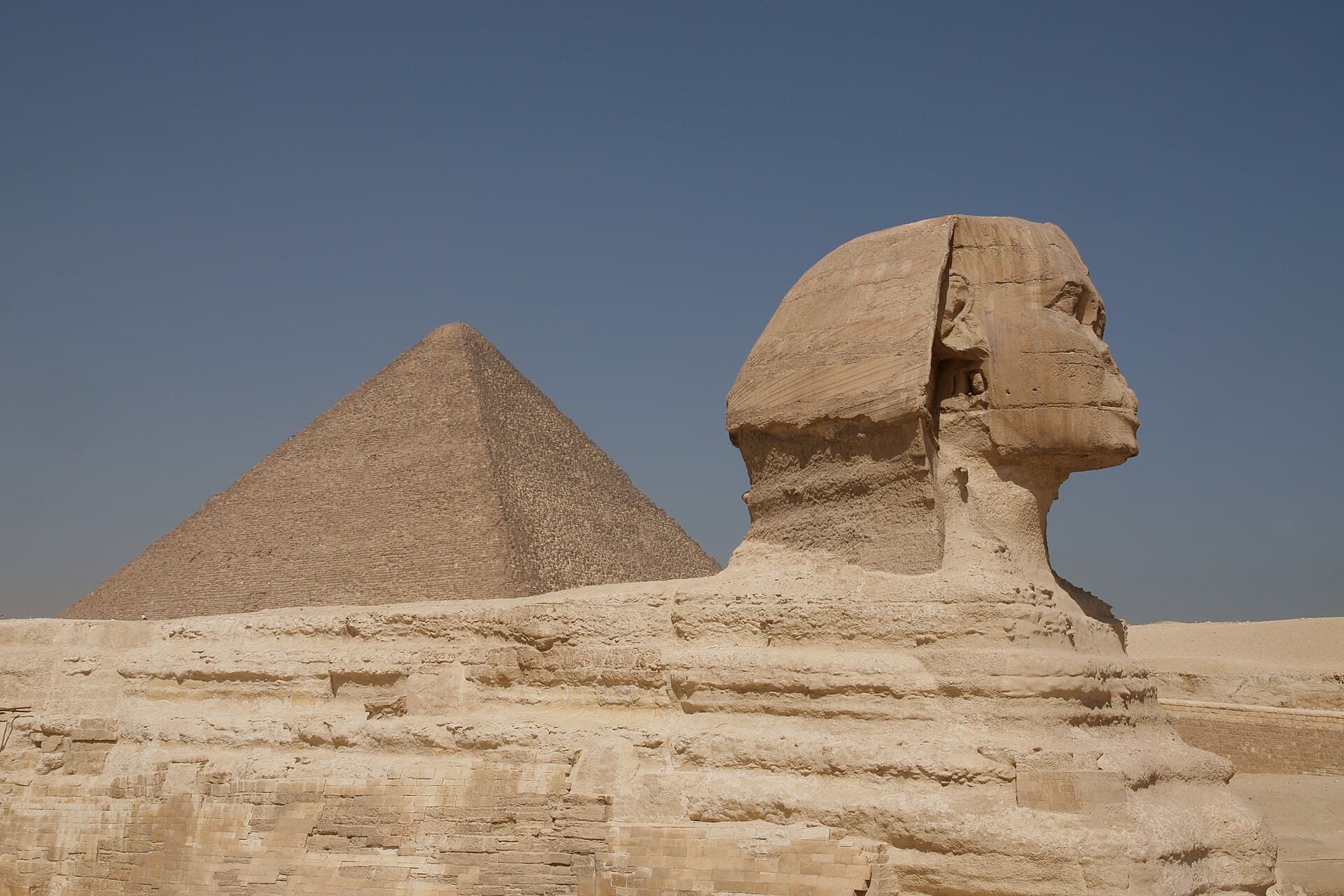
Abu Simbel is the clearest yes. It sits about three hours south of Aswan by road, or a short flight timed around visiting hours at the temples, and it is the one major site outside the standard loop, which is why it is almost always sold as an add-on. It costs you an early start and a real fare, and almost nobody regrets it. If your cruise finishes in Aswan, adding a hotel night afterwards turns it from a squeeze against a sailing schedule into a straightforward morning.
The separately ticketed tombs are where the honest answer varies. Nefertari's tomb in the Valley of the Queens costs several times a standard Valley of the Kings ticket, because its painted walls are among the best preserved in Egypt — worth it if painted walls are what you came for, and skippable if you have already seen three tombs that day and are flagging. Seti I, Tutankhamun's tomb and the inner chamber of the Great Pyramid are all separate purchases, and the Great Pyramid interior in particular is a hot, steep, unadorned climb that a fair number of people wish they had skipped.
The dawn balloon over the Luxor west bank is good value for what it is: roughly an hour in the air as the sun comes up over the Theban necropolis. Two things to budget beyond the fare. It flies only at first light, because that is the only part of the day the air behaves, so the alarm is brutal. And it is called off for wind often enough that you need a spare morning in the itinerary rather than a single chance — a flight cancelled on your last day is money you either lose or spend a long time reclaiming.
What does it cost to add the Red Sea or Alexandria?
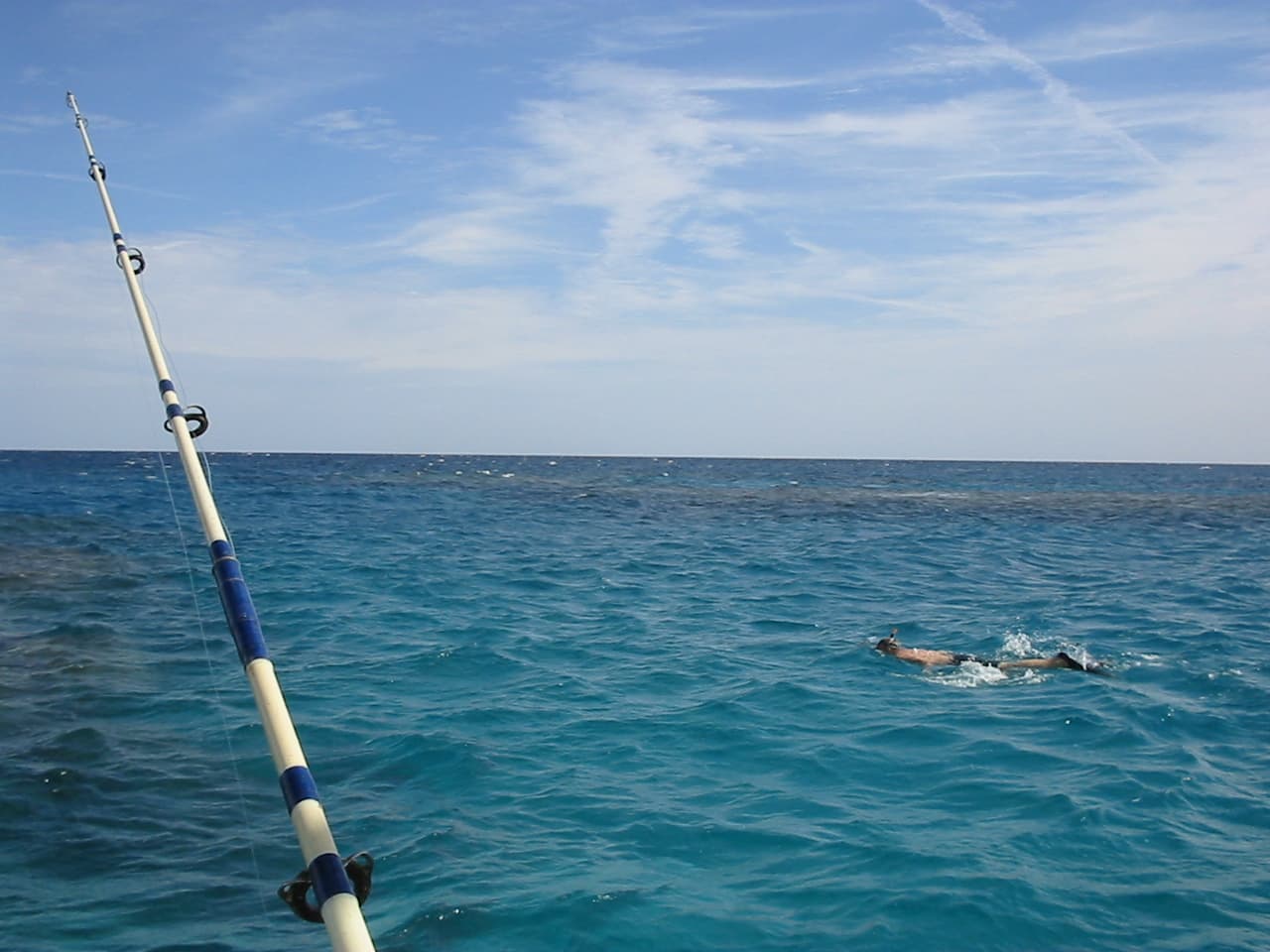
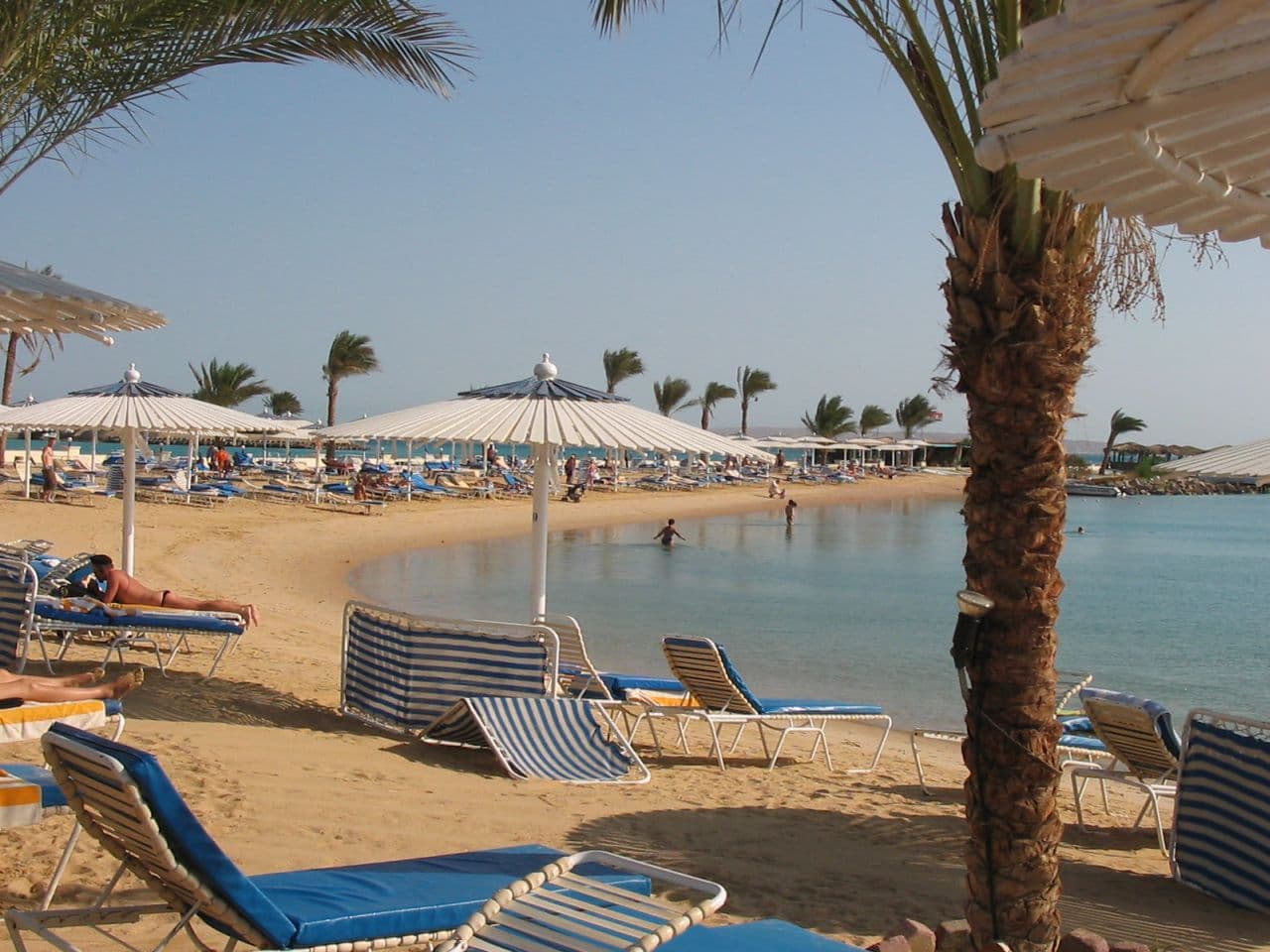
Less than the equivalent days on the Nile, in almost every case. Resort nights on the Red Sea coast are among the cheapest accommodation in the country, and once the sightseeing is finished there is no guide and no transport to pay for. The transfer is often the larger part of the cost: Luxor is about four hours by road from Hurghada, which is why finishing a cruise in Luxor rather than Aswan suits a sea add-on. The sea itself is only around 22°C in January and does not warm to a comfortable 25°C until April, so a winter trip weighted towards the coast is the wrong shape.
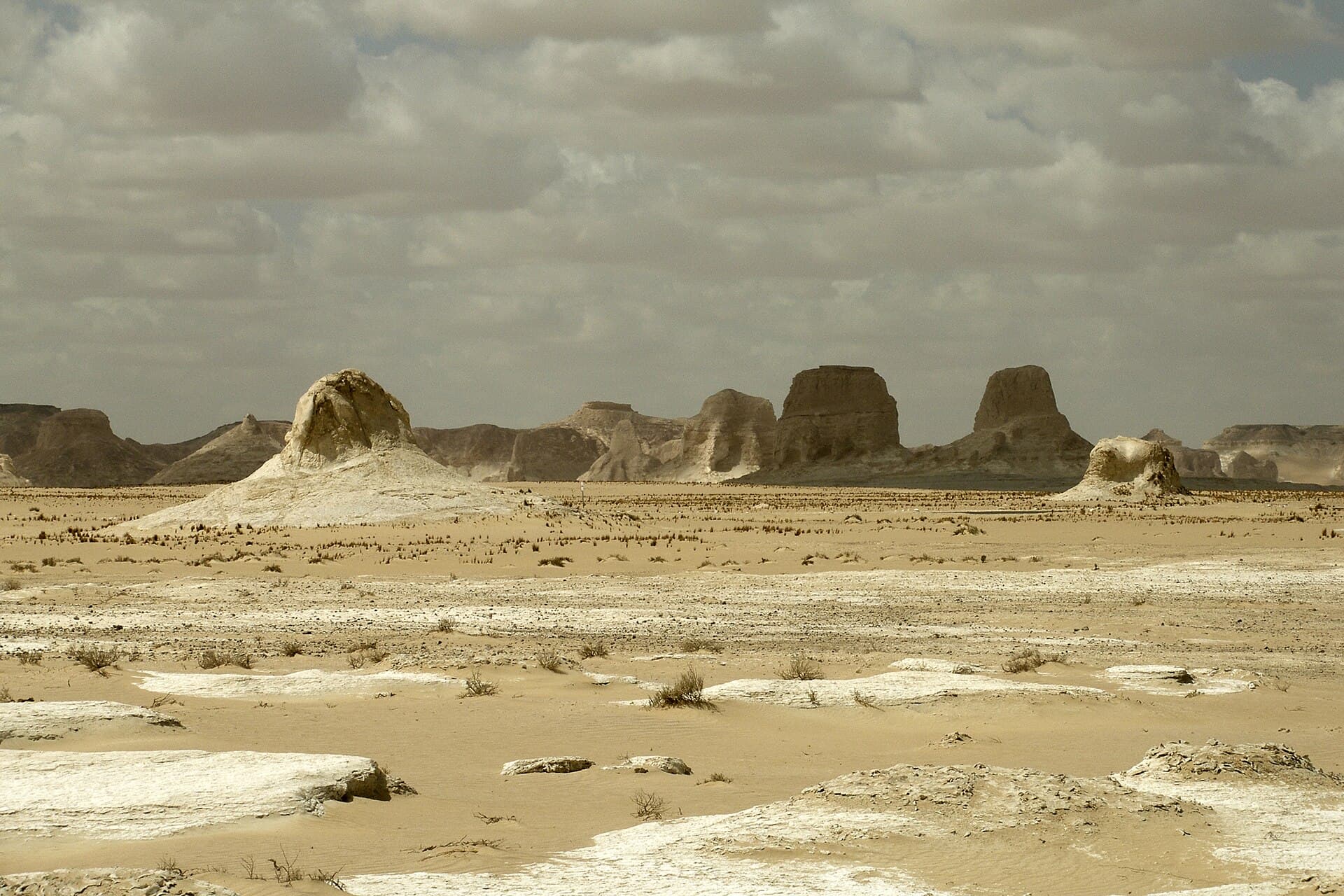
Alexandria is a different kind of add-on and a cheap one, because it is a day or two out of Cairo rather than a new base with new flights. The desert — the White Desert, Siwa — is the expensive end of the add-on list, since it needs vehicles, drivers and time rather than just a hotel room, and it is the reason fourteen-day trips cost more per day than ten-day ones rather than less.
Whatever you add, add it to the end. Rearranging a trip to fit an extra destination in the middle usually means an extra internal flight or a long backtrack, and both cost more than the days themselves. Fix the arrival and departure airports early, because every transfer, hotel night and cruise embarkation is built around them and changing them later means unpicking the lot.
Where is cutting the budget a false economy?
The cheapest cabin category on a Nile boat is the clearest example. Lower decks near the stern are noticeably louder, and the price difference between decks is usually small, so you save very little and hear the engine for four nights. The same logic applies to the boat itself: the gap between a tired vessel and a recently refitted one is larger in experience than it is in price, which is why the refit question matters more than the star rating.
The second is the suspiciously cheap tour. A price well below everything else you have seen is usually recovered on the ground, through commission stops at papyrus, alabaster and perfume shops, and through optional extras sold hard once you have arrived and are being agreeable. You pay the difference in hours rather than in pounds, and hours in Luxor in the middle of the day are expensive.
The third is the separate-ticket connection. Booking a cheap international fare and a separate domestic hop saves money right up until the first flight is late, at which point nobody owes you the second one, your bags are not through-checked, and you are buying a new ticket to catch a boat that will not wait. Where a domestic sector is load-bearing, put it on the same booking or build a spare day around it.
The fourth is skipping travel insurance, which is not part of any Egypt tour price we have seen. A trip with a non-refundable cruise, a domestic flight and a weather-dependent balloon booking in it has more moving parts than most holidays, and the cost of covering them is small against the ground package.
Why does this page give so few exact numbers?
Because most of the exact numbers you find online are wrong by the time you read them. The Egyptian pound has lost a great deal of value against sterling and the euro in recent years, with high inflation alongside it, so prices quoted even two or three years ago mean very little now. That is precisely why operators quote in dollars or euros: those figures hold, and a pound figure quoted far in advance is an estimate rather than a price.
The figures we do give are the ones that behave. Tipping norms are quoted in euros and cross-checked against Egyptian operators. The direction discount on a Nile cruise is a structural 10 to 15 per cent because of the current, not a promotion. Seasonal swings track the weather, which is reliable. A hotel rate, a boat rate or an exchange rate is none of those things, and publishing one would be pretending to a precision we do not have.
So use this page for shape and use a current quote for numbers. Decide the month, the party size, the standard of room and boat, and how many days of guided sightseeing you actually want, then ask two or three operators to price that exact trip with a full inclusion list. The gap between their totals will tell you more about what you are buying than any figure written here could.
Common questions
Is Egypt cheap once you are there?+
Day-to-day spending is low. Taxis, street food, coffee and local restaurants cost little, and a good meal outside a hotel is inexpensive. What is not cheap is anything built for tourists: Nile boats, domestic flights, premium tickets and hotel bars are priced in hard currency and feel European. Most people overestimate the daily spend and underestimate the fixed costs.
How far ahead should I book to get a better price?+
For winter travel, several months ahead, and earlier still for Christmas and New Year. The constraint is supply more than price: the better boats, the better guides and the good Nile weeks sell out, and what is left late is usually worse rather than cheaper. In summer the reverse holds, and booking a few weeks out can save money without costing you much choice.
Which is the cheapest month to visit Egypt?+
June, and the reason is the heat rather than the small print: Luxor and Aswan run around 41°C and sightseeing retreats to first light. September is the smarter version of the same saving, because temperatures ease through the month while rates often stay at summer levels for another two or three weeks. May works similarly at the start of summer. December and January are the most expensive, Christmas and New Year most of all.
Do operators expect a deposit and the balance in cash?+
Often, yes. Many Egyptian operators take a deposit by transfer or card, then the balance on arrival in cash or by card at their office. Card payment frequently carries a surcharge, so ask what it is before you choose. Paying the balance in cash is normal in Egypt and not a warning sign in itself, but get written confirmation of what is included before you send anything.
How much should I budget for tipping?+
Around 15 to 20 euros per person for a guided day with a private Egyptologist and a driver, plus 5 to 10 per person for each cruise night into the crew box. Over ten days with four nights on the river that comes to roughly 180 to 220 euros per person, covering guide, driver, crew, porters and the constant small change. Carry it in small Egyptian notes and change money early rather than on day four.
Does adding Red Sea days make the trip much more expensive?+
Less than people expect. Resort nights on the Red Sea coast are among the cheapest accommodation in the country, and once the sightseeing is over there is no guide or transport to pay for. Three or four days there usually adds much less than the same days on the Nile would. The transfer from Luxor or Cairo is often the larger part of the cost.
Do children reduce the cost per person?+
Some. Children sharing a parents' room usually pay a reduced rate, and Egyptian sites have reduced child and student prices — bring a student card if it applies. Nile boats are less generous, and a third berth can be close to a full fare. The bigger saving is structural: a family of four fills a private car and guide, which is where the per-person cost really falls.
Is a Nile cruise or a land tour cheaper?+
A land tour is usually cheaper, and it buys better rooms for the money, since hotels in Luxor and Aswan beat cabins at the same rating on space, showers and a pool. What it costs you is the sailing days and one awkward road day, because Edfu and Kom Ombo sit between the two cities and are far easier from the water. A hybrid — one cruise leg plus nights ashore at either end — often prices well and travels better than either.
Which direction on the Nile is cheaper to sail?+
Northbound, from Aswan down to Luxor. It is normally three nights rather than four and typically 10 to 15 per cent cheaper on the same boat, because the current does the work and there is less engine time. It is a genuine saving rather than a trick, but it front-loads the quiet stretch and finishes with the busiest, hottest sites at Luxor. It also suits anyone carrying on to the Red Sea, which is closer to Luxor than to Aswan.
Are the international flights included in an Egypt tour price?+
Almost never. Ground packages cover hotels, transport, guiding and the Nile portion; the flights are yours to book, which also means the arrival airport is your decision rather than the operator's. Check separately whether the internal Cairo to Luxor or Aswan flight is inside the quote, because that one moves between operators and is a meaningful sum on its own.
Is it cheaper to book direct with an Egyptian operator?+
Usually, because most trips sold in Europe are run on the ground by a fairly small number of Egyptian companies, and the site you book through is often a reseller adding a margin to the same cars, guides and boats. That margin is not dishonest and a good reseller earns it in support when a flight moves or a boat is swapped. Ask who operates the trip in Egypt and decide knowingly whether the support is worth the difference.
Official sources
Entry rules, opening hours, security advice and exchange rates all move. Check them at the source, not here.
Central Bank of Egypt ↗The official reference for the Egyptian pound. Rates move; do not rely on a figure in an article.
Written and checked by the Nile Trip Guide editorial team · Last reviewed . Entry rules, prices and opening hours change — check anything critical against the official sources linked on this page.
The route most people take first, at the length it was built for: Giza and the Grand Egyptian Museum, then a flight to Luxor and four nights sailing down to Aswan.
No boat on this one. Giza and the Grand Egyptian Museum, a night in Luxor for both banks, two nights on the Red Sea, then back to Cairo for the Citadel, Coptic Cairo and the Royal Mummies.
Five nights in Cairo either side of a four-night sail from Luxor to Aswan. The Cairo days are private, just your party and a guide; the sightseeing off the boat is shared with a small group.