Ras Mohammed National Park: An Honest Visiting Guide
Ras Mohammed sits at the southern tip of the Sinai peninsula, where the Gulf of Suez and the Gulf of Aqaba meet. It was Egypt's first national park, and the reason people come is underwater: coral walls that drop away into deep blue within a few metres of the shore. Above water it is dry, flat and largely brown; below, it holds some of the best reef in the Red Sea.
What is Ras Mohammed, exactly?
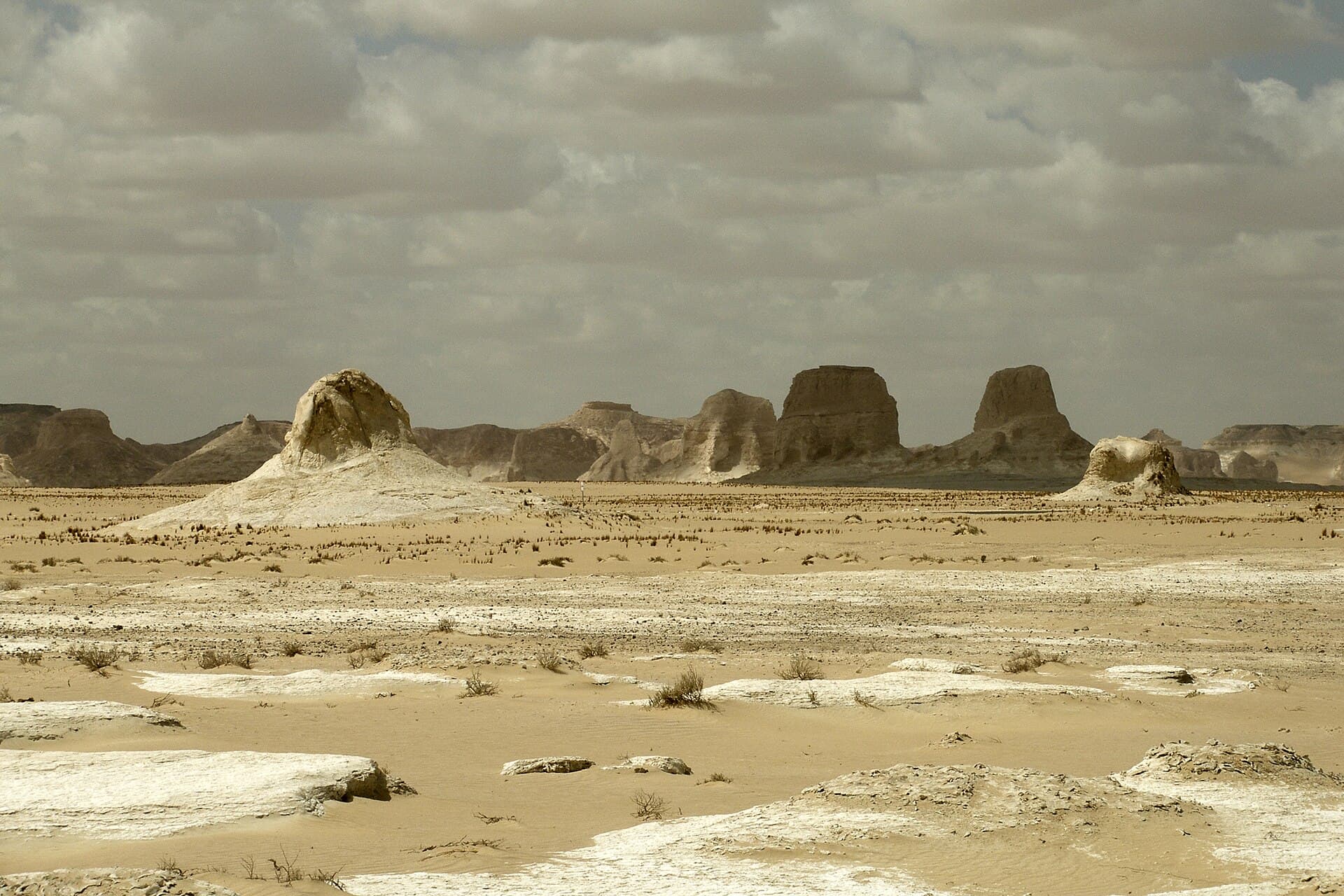
Ras Mohammed is a protected area covering the headland at the southern end of Sinai, plus the surrounding waters and a scatter of offshore islands. It was declared a national park in 1983, when Sharm el-Sheikh was little more than a dive camp, and the protection arrived in time to spare the reefs from the development that followed. The land is desert: salt flats, fossil coral terraces lifted above sea level, a few mangroves and almost no shade.
The park matters because of where it sits. Two gulfs meet at the tip, and the currents that converge there push nutrient-rich water past sheer reef walls. That combination produces heavy fish life in a small area. You do not swim for twenty minutes to find something. The reef starts near the shore and the wall begins almost immediately.
In practical terms it is about 20 km south of Sharm el-Sheikh, which is the fact that shapes every decision on this page. The park is close enough to be a day trip from a town with an international airport, and that convenience is the reason its reefs carry more visitors than reefs of comparable quality further south. Everything good and everything crowded about Ras Mohammed follows from that one piece of geography.
Why is the diving here rated so highly?
The short answer is topography and current. Most Red Sea reefs slope. At Ras Mohammed the reef often ends in a vertical wall that drops well beyond recreational depth, and the current runs along it. Walls plus current means concentrated life: schooling snapper and barracuda in summer, jacks, unicornfish, occasional larger pelagics passing in the blue. Coral cover on the upper wall is dense and in good condition compared with reefs closer to town.
It is fair to say the reputation is partly historical. Ras Mohammed was one of the first places European divers came for warm-water reef diving, and the name carries weight because of that. The diving is genuinely very good. It is not unique in the Red Sea, and sites further south in Egypt see fewer boats. What Ras Mohammed offers is that quality within about an hour of a town with an international airport, which is a real advantage if your time is short.
Conditions do vary. On a slack day with poor visibility, an average dive here is just an average dive. Divers who arrive expecting a guaranteed spectacle sometimes leave disappointed. Book more than one day if the diving is the point of your trip, because a single booking gives the weather one chance to spoil it.
Shark Reef and Yolanda: what to expect
Shark and Yolanda are two adjacent pinnacles at the tip of the headland, and they are usually dived together as a single drift. The standard run starts at Shark Reef, follows the wall in the current, crosses the sandy saddle between the two, and finishes at Yolanda. Do not read much into the name. Shark Reef carries the reputation of early diving days rather than any promise: some people see reef sharks here, and most do not.
Yolanda is named after a freighter that ran aground here in 1980. The hull later slid into deep water and is beyond recreational limits, but the cargo stayed behind, scattered across the reef: crates, containers, a BMW, and famously a load of bathroom fittings. Toilets and basins sit on the sand with coral growing over them. It is an odd sight and a genuinely enjoyable end to a dive, though it has become a photograph people collect rather than a wreck they explore.
This is not a beginner site when the current is running. Be honest with your guide about your experience before the dive, and be willing to accept a different site if the conditions do not suit you. Guides who know the area well will make that call. Push them and they may take you anyway, which is how people get into trouble here.
What else is there to dive inside the park?
The tip takes all the attention, but the park covers a stretch of coast and the water around it, and the diving inside its boundaries is more varied than the famous pair of pinnacles suggests. Along the headland the reef runs as a sequence of walls and coral shoulders, some sitting in the same current that makes the tip what it is, others tucked out of it. Where the coast turns into bays the profile softens into coral gardens over sand, at depths a recently qualified diver can handle without drama.
That range is the practical argument for giving the park more than one day. A boat carrying a mixed group will usually start somewhere sheltered, partly as a warm-up and partly as an unannounced assessment of who can hold a depth, and keep the drift along the wall for later in the morning. If you dive the park twice you get both halves of it. If you dive it once, you get whichever half the conditions and the group allow.
It also gives a good operator somewhere else to go. Wind or current at the headland can rule out the tip on a morning when the more protected sites inside the park are perfectly pleasant, and a boat with a plan simply moves. Ask, when you book, which sites the crew can fall back to if the tip is unworkable. An operator who cannot answer that is planning to either cancel your day or take you somewhere you should not be.
Ras Mohammed or the Straits of Tiran?
These are the two day trips that divers in Sharm argue about, and they are not the same kind of diving. Tiran sits north-east of the town at the mouth of the Gulf of Aqaba, and the attraction there is a line of four reefs in a channel: Gordon, Thomas, Woodhouse and Jackson. The current through that channel is real, the diving is done as drifts, and it is emphatically not where a freshly issued open water card should be spent.
Ras Mohammed is the walls at the meeting point of two gulfs, plus the oddity of the Yolanda cargo. Tiran is a channel of four reefs dived in moving water. Both run as day boats from the same marinas, at roughly the same cost and on roughly the same schedule, and both are subject to the same weather. If you have two diving days, do one of each rather than repeating either. The contrast is more interesting than a second run down the same wall.
If you have only one day, take Ras Mohammed. It is the more reliable of the two in wind, since the boats out to Tiran are among the first to be shut down for a day or two at a time when it blows, and the park gives you the wall, the fish and Yolanda in a single outing. That is a rule of thumb rather than a law. The crew looking at the sea on the morning knows more than any page does.
The mangrove channel and the salt lake
Away from the reefs, the land side of the park has two features worth the drive. The mangrove channel is a narrow, shallow inlet lined with one of the few mangrove stands in this part of Sinai. Mangroves survive here by shedding salt through their leaves, and the channel acts as a nursery for juvenile fish. It is quiet, slightly eerie, and photographs poorly. It is interesting if you like the mechanics of how a place works and dull if you came for scenery.
The salt lake and the surrounding flats are equally understated. Water seeps through fossil coral to form pools that evaporate in the heat, leaving a crust behind. There are marked viewpoints along the park road, including Shark Observatory, where the land ends in a cliff above deep water. All of it takes maybe an hour to see properly, and the drive between the points is longer than the looking.
Be honest with yourself about whether this part appeals. Plenty of visitors drive the loop, look at brown flats in strong sun, and wish they had stayed on the boat. Others find the desert-meets-sea contrast the most memorable thing about the day, and the quiet a relief after a crowded mooring.
Wildlife, and what you can honestly expect to see
The reliable part is quantity of reef fish rather than any single species. Clouds of small fish sit over the coral on the upper wall, larger predators patrol the edge where the reef drops away, and in summer the schooling fish gather near the tip in numbers that are genuinely worth the trip. None of that is rare or exotic. It is simply dense, and density in a small area is what makes a dive memorable.
Sharks are the question everybody asks, and the honest answer is managed expectations. The name on the reef is a leftover from early diving days, not a forecast. Reef sharks are seen here by some divers and not by most, and the oceanic species that people associate with Red Sea shark stories belong to the exposed offshore sites much further south, in autumn, with operators who set minimum experience levels before they will take you. Book Ras Mohammed for the walls and the fish, and treat anything larger as a bonus.
Turtles are seen along this coast wherever there is seagrass in shallow water, and the mangrove channel does the quiet, unglamorous work of a nursery for juvenile fish, which is most of the reason the park protects a scrubby inlet that photographs badly. The land side holds some of the only standing vegetation on this stretch of coast, and Sinai lies on the migration corridor between Africa and Eurasia, so birds pass through. If that interests you, bring binoculars, because no boat trip will show you any of it.
Boat from Sharm or the road: which is better?
Most people arrive by boat from Sharm el-Sheikh, and for diving and snorkelling that is the right choice. Day boats run out to the reefs, tie up at the dive sites, and give you two or three entries with lunch on board. You cover water you cannot reach any other way, and the sites at the tip of the headland are effectively boat-only.
The road option means a four-wheel drive or minibus down the coast and into the park through the entrance gate. You pay a park fee, drive the internal roads, and reach the shore points, the mangroves and the viewpoints. Snorkelling from shore is possible at a few marked spots. Road entry is the only way to see the land side of the park and the only way to be there without a boat schedule dictating your day.
If you want both, do them on separate days rather than trying to combine them. A rushed half-day of each satisfies nobody. Foreign visitors have at times faced restrictions on entering the park by road depending on nationality and paperwork, so confirm the current rules with your operator before you plan a land day.
What a day boat actually looks like
The shape of the day is standard along this coast and worth knowing before you book. You are collected early, usually before breakfast is properly under way, and taken to a marina in Sharm. The crossing to the sites at the headland takes around an hour depending on the vessel. You dive two or three times with long surface intervals between, eat lunch on board, and come back mid to late afternoon. Between entries there is nothing to do but sit on deck in the sun, which is pleasant for the first hour and less so by the third.
Two things are settled on the day rather than in advance. The first is money: park fees on this coast are commonly collected on the boat rather than folded into what you paid the agent, so carry small notes in Egyptian pounds and hand it over without an argument, since that fee is the mechanism keeping the reef worth flying to. Tipping the crew is customary and real. The second is the site, which a good skipper chooses by looking at the water rather than by reading an itinerary printed last week.
The variable that decides whether you enjoy the day is how many people are on the boat with you. Twenty divers entering one wall in sequence is a different experience from eight, and the queue for the ladder eats the morning. Ask the number of divers, how many each guide takes underwater, whether the boat carries oxygen, and whether snorkellers are on the same trip. These are ordinary questions and any decent operator expects them.
The entry stamp that catches divers out
This is the single most expensive mistake available on this page, and it happens at the airport before anybody gets near the water. Many nationalities arriving at Sharm el-Sheikh can be given a free Sinai-only entry permit instead of a full Egyptian tourist visa. It runs for about two weeks and covers the eastern Sinai coast, Sharm, Dahab, Nuweiba and Taba, plus the road inland to St Catherine. It does not cover the rest of the country, so Cairo, Luxor and Aswan are out.
It is also widely reported not to cover Ras Mohammed National Park or diving trips. If the park is a reason you are going, do not take the free stamp to save the cost of a visa. Apply for the full tourist visa online before you fly. The saving is trivial next to the price of standing at the park gate, or sitting on a boat, while everybody else gets in the water.
The rules here have been changed more than once over the years and are applied differently at different times, so treat this page as a starting point rather than a ruling, and confirm the current position with your airline or a consulate before you book anything non-refundable. The same caution applies to land entry, where requirements for foreign visitors have varied by nationality and by the type of entry stamp held.
Snorkelling versus diving: is snorkelling worth it?
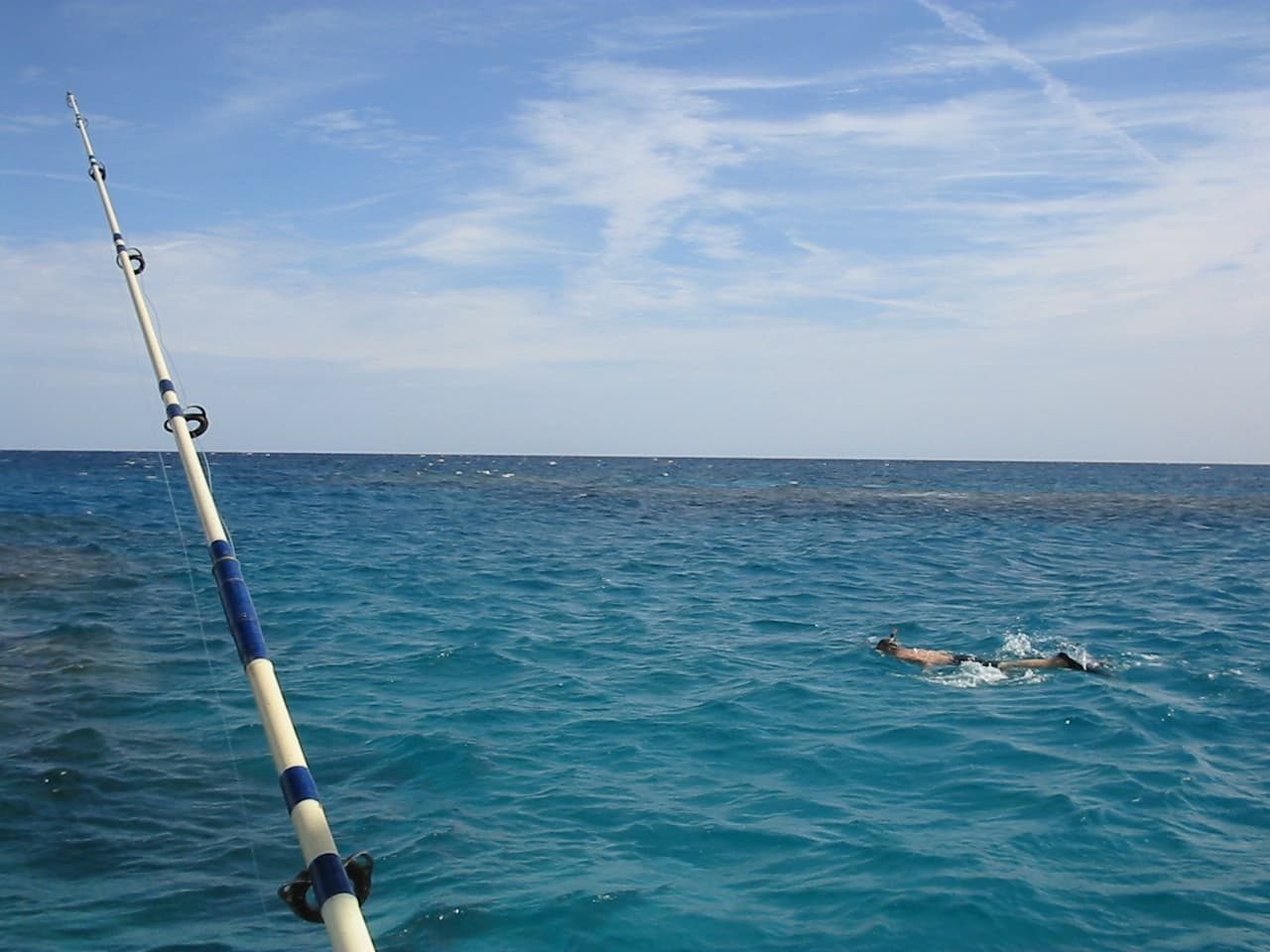
Yes, more than at most dive destinations. Because the reef walls start close to the surface, the top few metres hold a great deal of the coral and much of the fish life. A competent snorkeller floating over the reef edge sees a lot. The drop into deep blue directly below is visible from the surface, and that is the part most snorkellers remember afterwards.
The caveat is current. The same water movement that makes the diving good makes snorkelling here harder than in a sheltered bay. Boats will position you sensibly, but you need to be a confident swimmer and comfortable in open water away from the boat. If you are nervous in the sea, say so at booking rather than at the moment of getting in.
Bring your own mask if you have one. Rental gear varies and a leaking mask ruins the day. A rash vest or long-sleeved top is more use than sunscreen: you will be face down in strong sun for long stretches, and the backs of your legs will burn before you notice.
One question to ask before paying for a snorkelling boat: where it actually stops. Some trips are built around deep dive sites, where a snorkeller floats above blue nothing while the divers enjoy themselves forty metres below. A trip that includes shallow reef in its stops is worth more to you than one that visits a famous name you cannot see.
Families, and days when only half the group dives
Ras Mohammed handles mixed groups better than most dive destinations, for the same structural reason that makes the snorkelling good: the coral starts near the surface, so the person without a tank sees a real version of what the divers are seeing rather than a consolation prize. A boat day where one parent dives in the morning while the other snorkels with the children, and everyone eats lunch together on deck, works perfectly well. Confirm the boat takes snorkellers when you book, because not all of them do.
The limits are heat and duration. A day boat is a long day, most of it in strong sun on an open deck with limited shade, and that is hard on young children and on anyone who feels the heat. The land side is worse: there is effectively no shade in the park, and a midsummer afternoon on the flats is genuinely unpleasant rather than merely hot. Cover up rather than relying on repeated sun cream, and carry more water than seems sensible.
If somebody in the group does not swim, be realistic. A non-swimmer on a dive boat has a long, hot wait with a view of other people enjoying themselves. The road route, the mangrove channel and the viewpoints give them something to actually do, and a morning trip is far better than a full day. Splitting the group across two separate days usually beats forcing one compromise day on everybody.
When should you go?
Water temperatures are warm year-round by European standards, but the range is real. Summer months are hottest, with the calmest water and the best chance of large schooling fish gathering near the tip. They are also brutally hot on deck and on land, and the park's land sections are genuinely unpleasant on a midsummer afternoon.
Spring and autumn are the reliable choice: comfortable air temperatures, good visibility, water warm enough that most people are fine in a thin wetsuit. Winter is quieter and cheaper, the water noticeably cooler, and wind can cancel boat days. If you are travelling in winter, build a spare day into your plan so a blown-out day does not cost you the trip.
The numbers behind that, for planning purposes: air temperatures around Sharm reach roughly 40C in July and August and sit near 20C in the depth of winter, with evenings that need a jacket. Sea temperature bottoms out around 21C in February, which means a 5 mm wetsuit and, for anyone who feels the cold, a hood. By late summer the sea is around 28C and plenty of people dive in a shorty. Autumn holds the warmest water and the calmest run of days, which is why experienced divers choose it when their dates are free.
Whenever you go, get on the earliest boat available. Sites at the tip fill up as the morning goes on, and the difference between a first-wave dive and a mid-morning one, with several boats tied up nearby, is significant. The same holds on the land side, where the light and the heat are both better early.
Currents, visibility and the days that get cancelled
Visibility on this coast routinely runs to twenty or thirty metres, which is better than most divers get at home and better than the average warm-water destination. It is not constant. A busy site late in the morning, with several boats moored and dozens of fins stirring sand off the shallows, is measurably worse than the same site at eight o'clock. Early boats are not only about beating the queue.
Current at the tip is the site's character rather than a fault in it, and the diving is planned around it: you go in where the crew tells you, drift along the wall, and finish where the boat expects you. The mistake is fighting it, and the second mistake is arriving with a year of rust and discovering the problem at twenty-five metres on a wall. If it has been a while, book a check dive on an easier site first. Nobody sensible will think less of you for it.
What actually costs people a day is wind. A northerly blow is normal here and hardest in spring, and when it gets up the exposed sites are cancelled, sometimes for two or three days running, while boats either stay inside sheltered water or do not sail at all. Plan a diving week around four or five diving days rather than seven, and a lost morning becomes an inconvenience rather than the end of the trip. The land side of the park is the obvious fallback on a blown-out day, since the road does not care about the sea state.
What to take for a day in the park
Bring the kit that fits badly when rented and is cheap to carry: a mask you know seals, and your own dive computer if you have one. Exposure protection depends entirely on your dates, so work back from the water temperature above rather than packing hopefully. Ask your centre what its rental stock actually carries before you assume a hood will be available in February, because that is not a question you want answered on the boat.
Above water the list is short and unglamorous. A rash vest or long-sleeved top does more for you over a full day than any amount of reapplied sun cream, and it is better for the water you are floating in; reef-safe sunscreen is worth using for whatever is left exposed. A hat, sunglasses and far more drinking water than you think you need. There is no reliable place to buy food or drink inside the park, and mobile signal is patchy, so treat a land day as a trip into desert with no services.
Then the paperwork and the cash. Carry your certification card and a logbook you are willing to show, because the operators worth diving with will want to see both. Carry small notes in Egyptian pounds for park fees and tips, since card acceptance thins out fast away from hotel desks. If you are prone to seasickness, take something before you leave the marina rather than after you have discovered you need it.
Choosing an operator, and the questions worth asking
The dive centre decides your experience of Ras Mohammed far more than the reef does, and the agency logo on the door tells you almost nothing. Ask how many divers each guide takes underwater. Ask whether they run a check dive before anything demanding, and whether they want to see your logbook, because a centre that never asks is telling you how it runs the rest of its diving. Look at the state of the rental kit and whether the boat carries oxygen. None of this is rude; a good operator expects it and answers straight.
The question specific to this park is how the site gets chosen on the day. An operator who picks by conditions will sometimes tell you that the tip is off and you are diving somewhere sheltered instead, which is the answer you want to hear even when it disappoints you. An operator who runs the same printed itinerary whatever the sea is doing will take a mixed-ability group down a wall in current because that is what the brochure said. The difference between those two boats is the difference between a good day and an incident report.
Insurance is on you rather than on the centre. Standard travel policies frequently exclude diving outright, or cover it only to a shallow depth limit, and treatment for a serious decompression injury is expensive. Buy specific dive cover and read the depth clause before you fly. Ask your operator where the nearest recompression chamber is; Sharm, as one of the longer-established hubs on this coast, is better served than the remote far south, but the sensible response to that question is still to dive conservatively.
What do most visitors get wrong?
The biggest mistake is treating Ras Mohammed as a box to tick on a Sharm holiday. People book a single crowded day boat, spend more time queuing to get in the water than in it, and come away thinking the reputation is inflated. It is not the site that failed; it is the format. Fewer people on the boat, an earlier start and a guide who picks sites by conditions rather than by itinerary changes the day completely.
The second mistake is buoyancy. Divers who have not been in the water for a year touch the reef, kick coral and stir up sand. On walls with current, poor buoyancy is also a safety issue. If it has been a while, do a check dive on an easier site first. Nobody sensible will think less of you for it, and your guide will be quietly grateful.
The third is expecting sharks because of the name, or the Yolanda toilets to be more dramatic than they are. Neither of those is what makes the site good. Go for the walls, the fish and the water, because those are the parts that reliably deliver on whichever day you happen to be there.
The conservation rules that actually matter
This is a national park and the rules are enforced. Do not touch, stand on or break coral. Do not collect shells, coral fragments or anything else, including from the beach. Taking coral out of Egypt is illegal, and it is treated seriously at the airport rather than as a formality. Do not feed fish, however much someone on the boat encourages it.
Fishing is prohibited within the park. Take all rubbish back with you, including anything that blows off the boat. Stay on the marked roads and tracks on the land side, because driving off them damages a fragile crust that takes years to recover. Anchoring on reef is not allowed, and mooring buoys exist for exactly that reason.
Reef-safe sunscreen is worth using, though covering up with a rash vest is the more effective step. Park entry fees apply and are collected at the gate, or included in a boat operator's costs. Check the current amount locally before you go, as it changes from time to time and is quoted in different currencies depending on who you ask.
How much pressure is the park under?
The reason the reef at the tip still looks the way it does is that somebody drew a line around it in 1983, before the resort strip existed, and has enforced it since. That is the whole story of Ras Mohammed in one sentence, and it is worth holding on to when a park fee is collected on the boat or a guide tells you to keep your hands to yourself. Reefs on this coast that were not protected in time look different, and the comparison is not subtle.
The pressure now is visitor numbers rather than development. A short stretch of wall carries a very large share of the diving in South Sinai, because every operator sells the same two names and every boat wants to be at the tip by mid-morning. The damage that follows is cumulative and unglamorous: a fin kick here, a steadying hand there, a camera housing dragged across coral by somebody concentrating on the shot, anchors where mooring buoys should have been used.
The part you control is small but genuine. Choose the smaller boat and the earlier start, accept the guide's decision to dive somewhere less famous, keep your gauges clipped rather than trailing, and pay the fee without arguing about it. Spreading divers across the park rather than stacking them all on one pinnacle is better for the reef and, not coincidentally, better for your dive.
Fitting Ras Mohammed into a wider Egypt trip
Sinai is on the wrong side of the Gulf of Suez for the Nile valley, and that geography decides the itinerary. The flight between Cairo and Sharm takes about an hour and runs daily; the road is roughly 500 km and eats most of a day, with checkpoints along the way. If your trip includes the pyramids and the temples, treat Sinai as a separate leg rather than a side trip, and do the history first while you still have energy. The coast is where you rest, not where you start.
Allow at least four nights on this coast if the diving matters, which gives you two or three diving days and a rest day before you fly. The reason for the rest day is not laziness. Training agencies advise a surface interval before flying, commonly at least twelve hours after a single dive and often around eighteen after several days of diving, and an internal hop to Cairo counts as flying. Your last day in Sharm is therefore not a diving day; spend it snorkelling, or on the land side of the park, or doing nothing.
Two other trips compete for the same days, and it is worth knowing what you are choosing between. The Thistlegorm, a Second World War cargo ship lying out at Sha'ab Ali in the Strait of Gubal, is a long crossing west and a full day, deeper than the reefs near town and with current over the wreck common. St Catherine's Monastery and Mount Sinai take a night and most of the following morning. Neither combines with a Ras Mohammed day. Decide which you actually want rather than trying to buy all three in a week.
Who will get the most from Ras Mohammed?
Divers with reasonable buoyancy and a tolerance for current get the most out of it, and they get it fastest: two days in the park, an early boat, a small group, and the reputation makes sense. Confident snorkellers come a close second, because the reef starts where they can reach it. Neither group needs to be talked into the trip, and neither is usually disappointed unless the weather intervenes.
It works less well for people who came to Sharm for the hotel and are buying a day out because it is on the excursion board. A long, hot day on a crowded boat, with one crossing, several waits and a brief look at a wall, is not obviously better value than a morning on a good house reef. Non-swimmers get very little from the boat and should take the road route or skip the park entirely.
The fair summary is that Ras Mohammed rewards preparation and punishes the package approach. Choose the operator carefully, go early, take the full visa rather than the Sinai stamp, give it two days if the diving is the point, and accept that the sea decides which of those days is the good one. Do that, and this is still among the best reef diving in Egypt, forty years after somebody had the sense to protect it.
Common questions
How far is Ras Mohammed from Sharm el-Sheikh?+
It sits a short drive south of Sharm, roughly 20 km to the park gate and well under an hour by road in normal conditions. By boat, the main dive sites at the headland are usually reached in around an hour from the marina, depending on the vessel. Most day trips leave early in the morning and return mid to late afternoon.
Does the free Sinai-only entry stamp cover Ras Mohammed?+
It is widely reported not to. The free Sinai permit given to many nationalities arriving at Sharm el-Sheikh airport runs for about two weeks and covers the eastern Sinai coast, Sharm, Dahab, Nuweiba and Taba plus the road to St Catherine, but not the rest of Egypt, and it is generally reported not to cover Ras Mohammed National Park or diving trips. If the park is part of why you are going, take the full tourist visa and apply online before you fly. Confirm the current rules with your airline or a consulate, because they have changed more than once.
Can non-divers enjoy a day at Ras Mohammed?+
Yes, provided they snorkel or are content with the land side. Snorkelling over the reef edge is rewarding because the coral starts near the surface. Non-swimmers get much less from a boat day and would be better served by the road route, the mangrove channel and the viewpoints. Sitting on a dive boat all day without entering the water is a long, hot wait.
Is Ras Mohammed suitable for a first-time diver?+
Parts of it are, parts are not. Sheltered sites within the park work well for newly qualified divers on a calm day. The wall dives at the tip, with current running, need reasonable experience and good buoyancy control. Tell your operator your honest certification level and number of logged dives, and let them choose the site rather than requesting one by name.
Do I need a separate permit or paperwork to enter by road?+
You need to pass a checkpoint and pay the park entrance fee at the gate. Requirements for foreign visitors entering by road have varied over the years and can depend on nationality and the type of Egyptian entry stamp you hold. This is not something to assume from an old forum post. Ask your operator to confirm the current rules before you commit to a land day.
How much is the park entrance fee?+
We will not quote a figure, because it changes and is quoted in different currencies depending on who you ask. What is stable is how it is collected: at the gate if you come by road, or on the boat on the day if you come by sea, usually in cash rather than folded into what you paid an agent in advance. Carry small notes in Egyptian pounds and check the current amount locally before you travel.
Are there facilities inside the park?+
Very limited. There are basic toilets and shaded shelters at some points, and no reliable place to buy food or drink. Bring more water than you think you need, plus sun cover and anything you want to eat. Mobile signal is patchy. Treat a road day as a trip into desert with no services rather than a visit to a managed attraction.
Will I see sharks at Shark Reef?+
Probably not, and you should book on that assumption. The name comes from the reputation of early diving days rather than from any reliable sighting. Some divers see reef sharks here and most do not, and the oceanic species people associate with Red Sea shark encounters belong to exposed offshore sites much further south. The walls, the coral and the fish life are what make the dive worth doing.
Can you snorkel from the shore inside the park?+
Yes, at a few marked spots reached on the road route, and that is the only way to snorkel here without a boat. It is a different experience from the boat sites at the headland, which are effectively boat-only. Currents along this coast are real, so stay within the marked areas, go in with somebody else, and treat the crossing of any shallow reef flat as damage to be avoided rather than a shortcut.
What wetsuit will I need?+
It depends entirely on the month. Sea temperature bottoms out around 21C in February, which for most people means a 5 mm suit and, for anyone who feels the cold, a hood. By late summer the water is around 28C and a shorty is enough. Ask your dive centre what its rental stock actually carries for your dates rather than assuming a hood will be available in winter.
How many days should I allow for diving here?+
Two days in the park is the sensible minimum if the diving is the reason for the trip, and four nights on the coast is the minimum that accommodates it. That gives the weather a chance to take one day without ruining the trip, and leaves room for the rest day before flying. A single booked day is a gamble on the sea state and on which sites your boat can reach.
How long should I leave between diving and flying home?+
Follow whatever your own training agency specifies. The common guidance is at least twelve hours after a single dive and longer, often around eighteen, after several days of diving. An internal flight to Cairo counts as flying, so your last day on the coast should not be a diving day. Plan a snorkelling day or a land day at the end rather than squeezing in one more boat.
Can I dive Ras Mohammed and the Straits of Tiran on the same day?+
They are normally sold and run as separate day trips, in opposite directions from the same marinas, and you should treat them that way. If you have two diving days, do one of each: Ras Mohammed for the walls at the meeting of the gulfs and the Yolanda cargo, Tiran for drift diving along Gordon, Thomas, Woodhouse and Jackson. If you have one, take Ras Mohammed, since the Tiran boats are among the first cancelled when the wind gets up.
What is the best way to avoid the crowds?+
Go early and go on a smaller boat. The first vessels to reach the tip get the sites to themselves for a while, and by late morning several boats may be moored at the same reef. Midweek is usually quieter than the weekend. Winter has fewer visitors overall, at the cost of cooler water and a higher chance of a cancelled boat day.
Official sources
Entry rules, opening hours, security advice and exchange rates all move. Check them at the source, not here.
Written and checked by the Nile Trip Guide editorial team · Last reviewed . Entry rules, prices and opening hours change — check anything critical against the official sources linked on this page.
The route most people take first, at the length it was built for: Giza and the Grand Egyptian Museum, then a flight to Luxor and four nights sailing down to Aswan.
No boat on this one. Giza and the Grand Egyptian Museum, a night in Luxor for both banks, two nights on the Red Sea, then back to Cairo for the Citadel, Coptic Cairo and the Royal Mummies.
Five nights in Cairo either side of a four-night sail from Luxor to Aswan. The Cairo days are private, just your party and a guide; the sightseeing off the boat is shared with a small group.