Dahab, Egypt is a small town on the Gulf of Aqaba, about an hour and a half north of Sharm el-Sheikh, built around diving rather than resorts. It grew from a Bedouin fishing settlement into a backpacker and divers' town and still feels like one: low buildings, a walkable seafront, cushions on the floor. If you want a beach holiday with a swim-up bar, you have the wrong place.
How is Dahab different from Sharm el-Sheikh?
They sit about an hour and a half apart on the same coast and have almost nothing in common. Sharm is a resort city: gated hotels, all-inclusive board, boat diving, airport a few minutes away. Dahab is a strip of small hotels, dive centres and camps along a shallow bay, with a pedestrian waterfront and a Bedouin population that never left. Most guests eat where locals and long-stay divers eat, on the street, not inside a compound.
The practical difference is what you do with a day. In Sharm you board a boat at eight and come back at four. In Dahab you can walk to the water in flip-flops, dive, eat, and dive again. That suits people who dive daily and people who want to do nothing much. It does not suit anyone who wants entertainment provided.
The verdict is straightforward once you know what you are after. Choose Sharm for a hotel that runs your day for you, boat trips out to Ras Mohammed and a short airport transfer. Choose Dahab if diving, freediving or windsurfing is the reason you are going, and you would rather settle into one small town for a week. Dahab also runs slower: food arrives when it arrives, which some people find restful and others find maddening.
How do you actually get to Dahab, and which entry stamp do you need?
Almost everyone arrives through Sharm el-Sheikh. You land there, then drive roughly an hour and a half north on the coast road through empty desert, past a checkpoint or two. Private transfers are the usual arrangement and public buses run the same road. The alternative is the drive from Cairo, which takes most of a day and crosses the Suez Canal into Sinai. Dahab has no airport of its own with scheduled flights, so the Sharm route is what the great majority of visitors use.
The entry stamp is the part people get wrong. Arrivals at Sharm el-Sheikh airport can, depending on nationality, be given a free Sinai-only entry permit instead of a full Egyptian visa. It runs for about two weeks and covers four towns: Sharm, Dahab, Nuweiba and Taba. For a day trip to St Catherine or Mount Sinai, ask your tour operator about a full visa first. It does not cover the rest of the country, so Cairo, Luxor and Aswan are out, and it is widely reported not to cover Ras Mohammed National Park.
If diving is the reason you are going, or if you plan to fly on to Cairo, take the full tourist visa and stop worrying about it. Applying online before you fly is the simplest route. The permit rules have been changed more than once over the years, so treat anything you read, this page included, as a starting point and confirm the current position with your airline or a consulate before you book a non-refundable flight.
Allow for the road itself. Transfers on this coast are timed around checkpoints and the state of the traffic rather than a schedule, and a late-evening arrival into a small town where much of the strip has shut for the night is a poor start. Where you can, land in daylight. If your inbound flight is a late one, tell whoever is meeting you, and make sure your accommodation knows to expect you after dark.
What is the Blue Hole, and should you dive it?
The Blue Hole is a submarine sinkhole a short drive north of town, roughly 100 metres deep, separated from open sea by a shallow reef. It has a reputation as one of the deadliest dive sites in the world, and that reputation is earned but often misunderstood. The danger is not the hole itself. It is the Arch: a tunnel through the reef wall at around 55 metres that connects the hole to open water.
The Arch is a technical dive. It sits beyond recreational depth limits, nitrogen narcosis is significant at that depth, and divers who attempt it on standard training and standard gas have died there. Memorial plaques stand on the rocks above. If you are a recreational diver, the honest answer is that the Arch is not for you and no reputable operator will take you through it.
The Blue Hole as a recreational dive is a different, tamer thing. Most people enter at a nearby point called the Bells, drop through a short chimney in the reef, then swim the wall back into the hole at safe depth. It is a good dive with a dramatic wall. It is not the dive that made the site famous, and that is the point.
How do you visit the Blue Hole in Dahab?
The Blue Hole in Dahab is a short drive north of town. Most people reach it on a pickup ride booked through a dive centre. Divers usually enter at the Bells and swim the reef wall back into the hole. Snorkellers stay over the shallow reef rim. Freedivers use the deep, sheltered water for depth training, and many come for weeks at a time.
Agree the dive plan with your guide before you get in the water, and keep to the depth your training covers. The dive-centre and insurance questions further down this page apply here first.
Why do divers come here specifically?
Shore diving. The reef sits close in along most of the coast, so you walk into the water from the beach or step off a low ledge, and you dive without a boat, a schedule or a crossing. That changes the economics and the rhythm of a diving trip. Two or three dives a day is normal, tanks are cheap by regional standards, and nobody is seasick.
The named sites cluster north and south of town and are reached by short pickup rides: the Canyon with its narrow rock fissure, the Islands with a coral maze, Eel Garden with its field of garden eels, the Lighthouse right in town where most training dives happen. Visibility is generally strong year-round and the water is warm enough for a shortie in summer and a 5mm in winter.
Dahab is also one of the cheaper places in the world to get certified, and one of the main freediving centres anywhere. The deep, sheltered, current-free water of the Blue Hole is close to ideal for depth training, and freedivers come for weeks at a time. If you are only snorkelling, the reef edge at Eel Garden and the Lighthouse still gives you plenty from the surface.
How should you choose a dive centre here?
There are a lot of them along one short strip, and the agency logo on the door tells you very little. The questions that separate a good centre from a careless one are the same everywhere: how many divers does each guide take underwater, do they run a check dive before anything serious, and do they ask to see your logbook. The ones that never ask to see it are the ones to walk away from. Look at the state of the rental kit while you are standing there, and ask what oxygen they carry to the site.
Shore diving adds its own set of questions, because the logistics are different from a boat day. Find out how you get to the site and how many dives that price covers, who carries the tanks down to the water, and whether site access fees and the pickup ride are inside the quoted figure or outside it. Ask what the plan is if conditions at an exposed site are poor on the day, since in Dahab the sensible answer is to move to a sheltered one rather than get wet regardless.
Insurance is on you, and it is the item most people skip. Standard travel policies often exclude diving altogether, or cover it only to a shallow depth limit, and treatment for a serious decompression injury is expensive anywhere. Buy specific dive cover, read what depth it stops at, and ask the centre where the nearest recompression chamber is and how you would physically get to it from the site you are diving. A centre that answers that question crisply has thought about it before.
One more point, and it is a Dahab-specific one. The town attracts divers who want to push depth, and freedivers who are training seriously, and that culture can quietly drag a holiday diver past their own limits. Your training, your gas and your own comfort set the ceiling, not what the group did yesterday. A guide worth diving with will back that up rather than roll their eyes at it.
What is the Assalah waterfront like?
Assalah is the old village end and the centre of town life: a single strip of restaurants running along the sea, most with low seating and tables set almost on the water. Menus are broadly the same everywhere, seafood and Egyptian mezze and pizza, and the honest verdict is that the setting matters more than the cooking. Prices are low and quality is average.
Expect touting. Restaurant staff stand outside and call you in, and shops selling silver, bedspreads and spice will do the same. It is persistent rather than aggressive, and a clear no works. The strip has cats, stray dogs and street dust, and the sea wall is not manicured. People who want polish will be disappointed; people who want a place to sit for three hours will not.
North of Assalah the town thins out into quieter camps and small hotels. South, towards Mashraba, there are more hotels and the lagoon. The whole thing is walkable end to end, which is unusual on this coast, and it is a large part of why people stay longer than they planned.
Where in town should you stay?
Think of Dahab as three ends of the same strip, because which one you pick shapes the week more than the room does. The Assalah waterfront is the centre: everything is a two-minute walk, the restaurants and dive centres are on your doorstep, and the noise and the touting come with it. It suits a first visit and a short stay, when walking out of the door into the middle of things is worth more than quiet.
North of Assalah the buildings thin into camps and small hotels, and the pace drops noticeably. This end suits divers, long-stay visitors and anyone who wants to read in the shade without being called at by a waiter. You pay for it in walking, or in a short ride into town in the evening. South towards Mashraba there are more hotels and the lagoon, which is the end that makes sense if windsurfing is the point of the trip or if you want a slightly more conventional hotel.
Be realistic about what is on offer. Accommodation here is camps, guesthouses and small hotels rather than the large resorts of Sharm, and the all-inclusive model barely exists. Standards vary widely between places that look similar in photographs, so ask the specific questions before booking: hot water, air conditioning, whether the wifi is usable for work, and whether the room faces the road or the sea. Power cuts happen and buildings sit half-finished next to functioning hotels, which is normal here rather than a warning sign about any one place.
The strip is walkable end to end in well under an hour, so nowhere in town is really cut off. That is the practical reason the choice is low-stakes: if you are in the wrong end you can walk to the right one. It is also why a great many people book three nights and end up moving their flight.
Can you windsurf and kitesurf here?
Yes, and the lagoon at the southern end of town is genuinely good for it. It is shallow, flat and wide, with reliable thermal wind through the warmer months, which makes it one of the better places in the region to learn. Standing depth over much of it means beginners spend less time being rescued and more time on the board.
Stronger sailors move outside the lagoon into choppier open water. Several centres operate on the lagoon shore with equipment rental and instruction, and gear is available without shipping your own. Wind is seasonal and strongest roughly spring through early autumn; in winter you will get days with nothing.
Note the wind cuts both ways. The same afternoon breeze that makes the lagoon work makes the beachfront cool and blustery from mid-afternoon, and it can stir up conditions for divers on exposed sites. It is not a place for lying still on sand all afternoon.
What is there to do on a day out of the water?
Less than you might want, and that is the honest position. Dahab has almost no conventional sights of its own. What it has instead is desert: the town sits with the Sinai mountains directly behind it and the Gulf of Aqaba in front, with the Saudi coast visible across the water on a clear day. Trips inland by jeep or on camel, run with Bedouin guides, are the standard way to spend a non-diving day, and the appeal is the landscape and the quiet rather than any single thing you are taken to see.
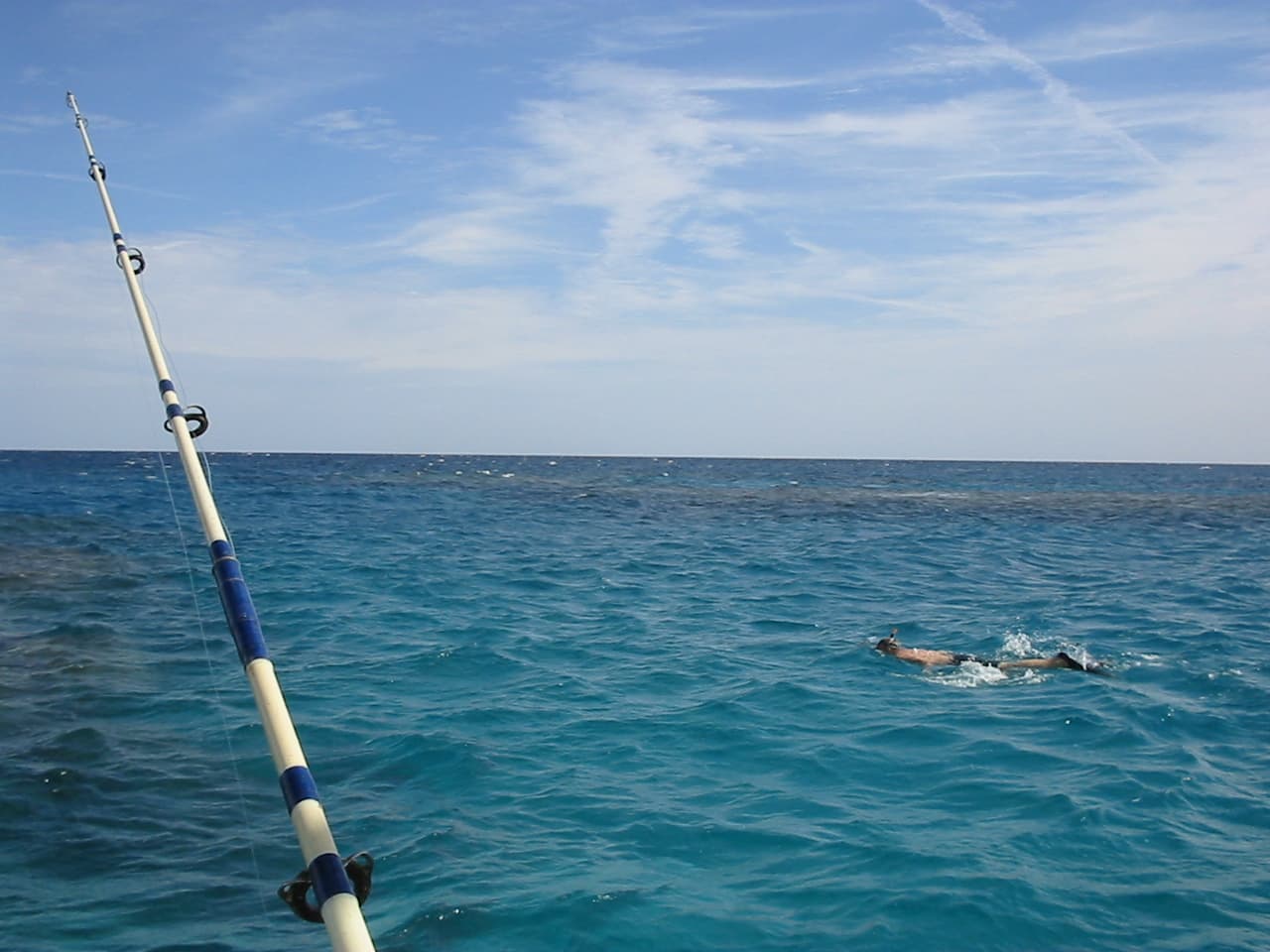
The road north along the coast towards Nuweiba and Taba is another straightforward day out, and the inland road to St Catherine is the big one, covered below. Closer in, the reef itself does most of the work: snorkelling at Eel Garden or the Lighthouse costs nothing but a mask and fills a morning, and many people who arrive as divers spend at least one day simply floating about at the surface instead.
The rest is the town's real activity, which is doing very little on purpose. Long-stay visitors fill their weeks with courses instead of excursions, freediving above all, and the floating community of divers and remote workers means there is usually something being run by someone. If you need a list of attractions to tick off, Dahab will read as empty. That emptiness is the product.
Are Mount Sinai and St Catherine worth the trip?
St Catherine's Monastery sits inland in the mountains, about two to three hours by road. It is a working Orthodox monastery, among the oldest continuously inhabited in the world, holding an important library and icon collection. Visiting hours are limited and it closes to visitors on some days and religious holidays, so timing has to be checked before you commit a day to it.
Mount Sinai is climbed overnight, leaving Dahab late at night, walking two to three hours up by the camel path, then a final flight of steep rough steps to the summit for sunrise. It is cold at the top even in summer and the descent is harder on knees than the climb. The crowd at the summit can be large and noisy. Some people find it moving; others find it an uncomfortable night out for a view.
The honest position: go for the history and the desert landscape, not for a quiet spiritual moment. If overnight walking is not for you, a daytime trip to the monastery alone is a reasonable half-day and much less punishing. Either way, this is a mountain and desert region, not a beach excursion. Bring layers.
One scheduling point that catches divers out. The summit sits high enough that the climb is best treated as an altitude exposure, so it does not belong on the same day as a dive, and most centres will tell you to leave a clear day between the two. Put the mountain on a non-diving day near the start of the week rather than the end, when the flight-after-diving rule is already eating your last day.
When is the best time to go?
Spring and autumn are the sensible answer, as they are almost everywhere in Egypt. Roughly March to May and October to November give warm water, air temperatures you can walk around in, and enough wind on the lagoon without the summer extremes. These are the months to aim for if you want to dive, sail and climb on the same trip rather than choosing between them.
Summer is hot, and inland Sinai in July and August is genuinely severe, well above what most visitors will enjoy walking about in. On the coast the sea and the afternoon wind take some of the edge off, and the water is at its warmest, so plenty of divers come anyway and dive in a shortie. It is the wrong season for a long desert day or a mid-morning walk to the monastery.
Winter days are mild and pleasant, and winter nights are genuinely cold, particularly inland and on the mountain. Water temperature in the northern Red Sea bottoms out in the low twenties Celsius around February and March, which for most people means a 5mm wetsuit and, for the cold-blooded, a hood. Wind in winter is unreliable rather than absent: some days deliver nothing for the lagoon at all.
Two calendar items are worth checking before you book. Ramadan moves through the year and changes opening hours and the rhythm of a small local town more than it changes a resort. And Christmas, New Year and Easter fill the place, which in a town this size is felt on the waterfront and in the dive centres rather than in a hotel lobby.
How does money work in Dahab?
Dahab runs largely on cash, and that is the single most useful practical thing to know. Card acceptance is patchy in the smaller restaurants, camps and dive centres, and the places most likely to take a card are the larger hotels. Draw what you need where the machines are reliable and carry it, rather than assuming the next machine along the strip will be working when you need it. Small notes matter more than the total: nobody has change for a large note first thing in the morning.
What you spend it on divides neatly. Rooms, tanks, food on the waterfront and courses are cheap by the standards of most diving destinations, which is why people stay for weeks. Transfers, excursions inland and anything involving a vehicle and a driver are the real costs of a Dahab week, because distances in Sinai are long and fuel and a day of somebody's time do not get cheaper. Budget for the days out, not the days in.
Alcohol is sold in licensed restaurants and hotels rather than in ordinary shops, and imported drink carries heavy duty in Egypt, so it costs what it would at home rather than what the rest of the menu suggests. Tap water is not for drinking; a refillable bottle and a refill arrangement at your accommodation saves both money and a stack of plastic. A local SIM or eSIM is worth sorting out on arrival, since maps, messaging a dive centre and calling a driver all run through a phone.
Who should skip Dahab?
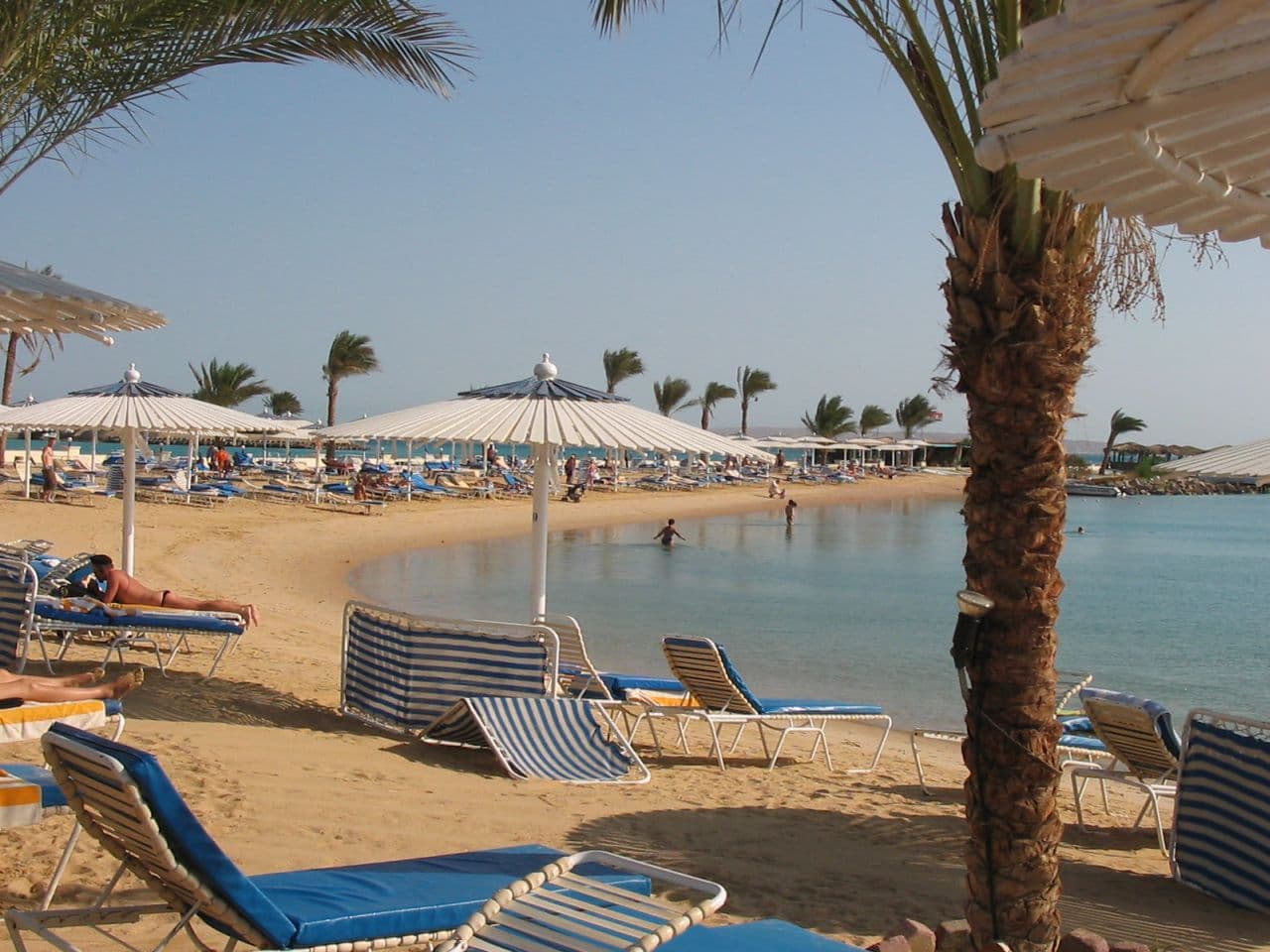
Skip it if you want an all-inclusive resort, reliable evening entertainment, a wide sandy swimming beach, or high-end dining. The shoreline in town is mostly coral and stone rather than sand, which is why the reef is so good and why walking into the sea barefoot is a bad idea. Reef shoes are standard here for a reason.
Skip it if you cannot cope with rough edges. Building work sits unfinished, power cuts happen, and the tourist economy has never fully recovered from years of thin visitor numbers, so some places look tired. Skip it too if your holiday is a fixed itinerary of sights; there are very few in Dahab itself, which is the whole appeal.
It suits divers, freedivers, windsurfers, hikers who want desert and mountains, remote workers, and travellers who plan to stay in one place for a week or more. It suits families with older children who swim confidently from a rocky shore. It rewards slowness, and punishes people in a hurry.
What does a week in Dahab actually look like?
Build it around four or five diving days rather than six or seven, and the week works. Two dives in a morning from the shore, lunch, an afternoon that is either a third dive or nothing at all, and an evening on the waterfront is the default shape, and it repeats without becoming boring because the sites north and south of town are genuinely different from each other. Divers who try to fill every slot spend the week watching a clock instead.
Put the inland day somewhere in the middle. St Catherine, with or without the overnight climb, is the one excursion that justifies a full day and a long drive, and it sits better on a rest day than bolted onto a diving one. If windsurfing is on the list, keep an afternoon or two free for the lagoon, since the wind decides the timing rather than you do.
The last day is not a diving day, and this is the rule people most often ignore. Training agencies advise a surface interval before flying, commonly at least twelve hours after a single dive and longer, often around eighteen, after several days of repeated diving. Follow whatever your own agency specifies. A short internal hop to Cairo counts as flying, and so does the flight home from Sharm, so the final day is for snorkelling, the waterfront and packing.
Three or four nights is the honest minimum for the transfer to be worth it. A week is the length that fits a course, a rest day and an inland trip without hurrying. Divers routinely stay two weeks, freedivers longer, and the town is set up for exactly that: monthly rates, familiar faces in the same restaurants, and nobody surprised that you are still here.
How does Dahab, Egypt, fit into a wider itinerary?
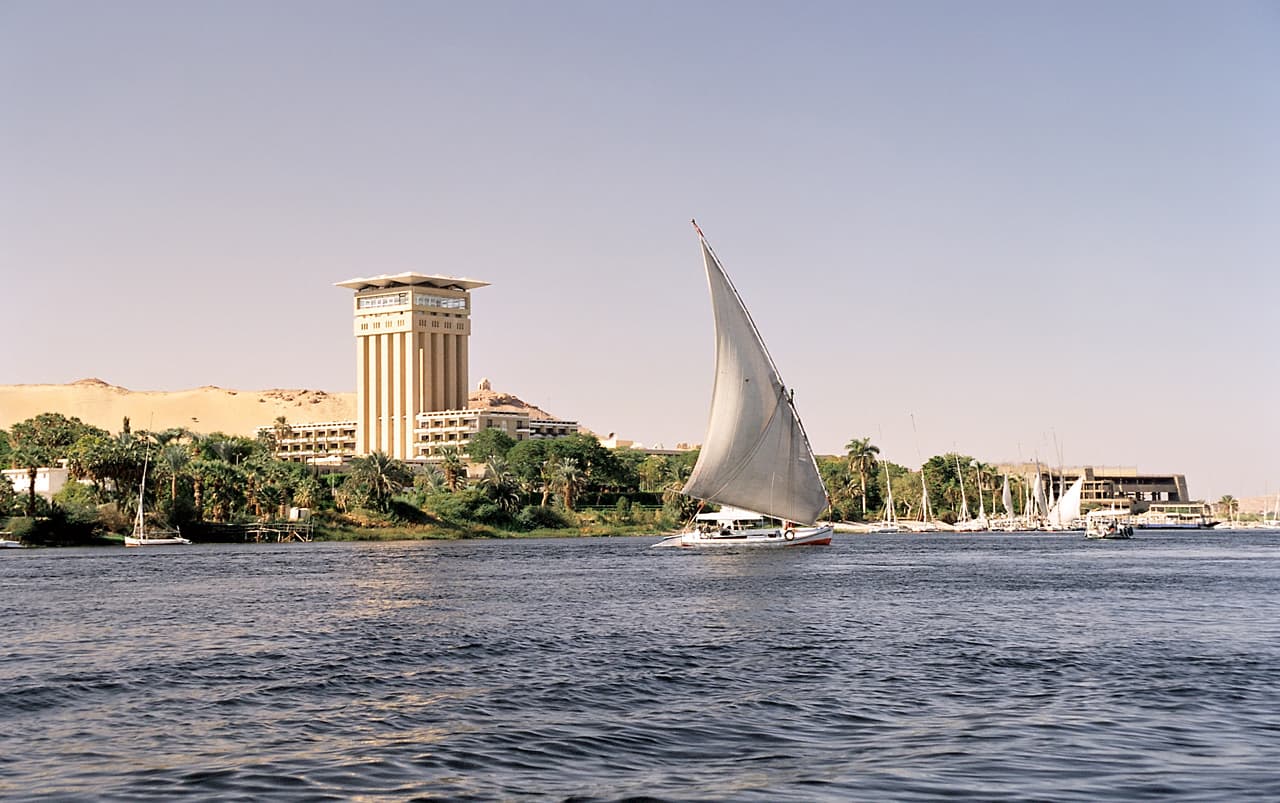
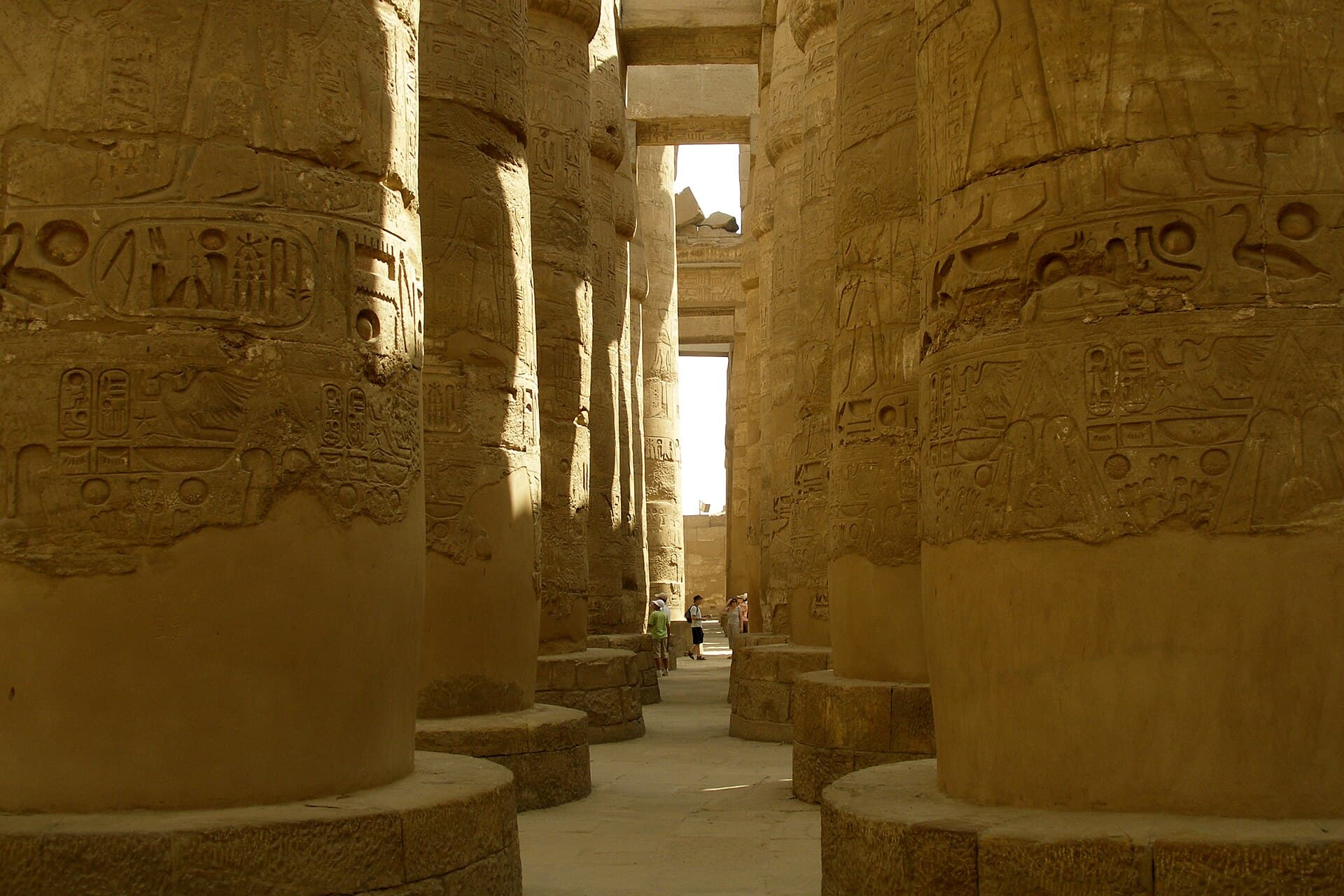
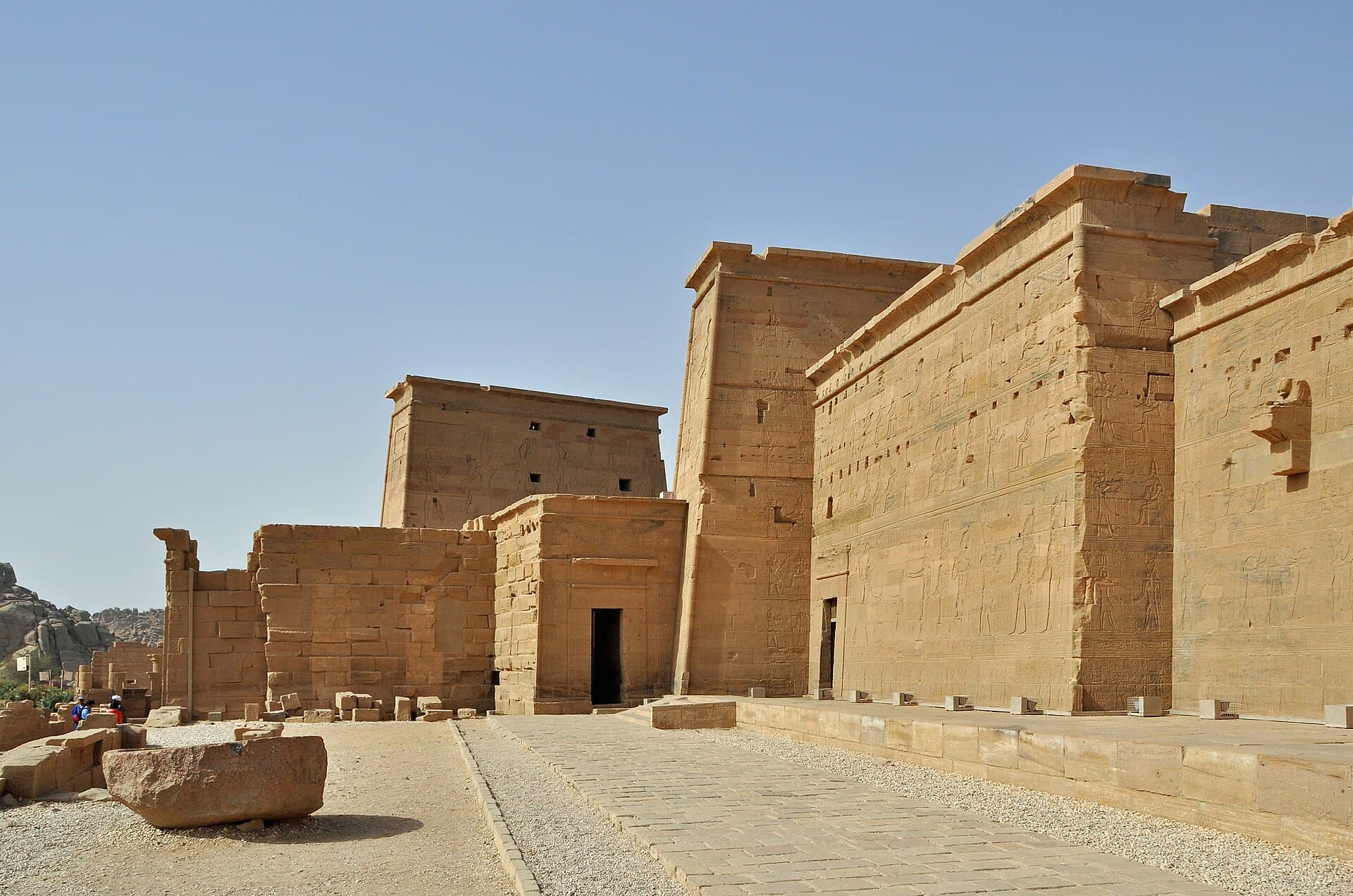
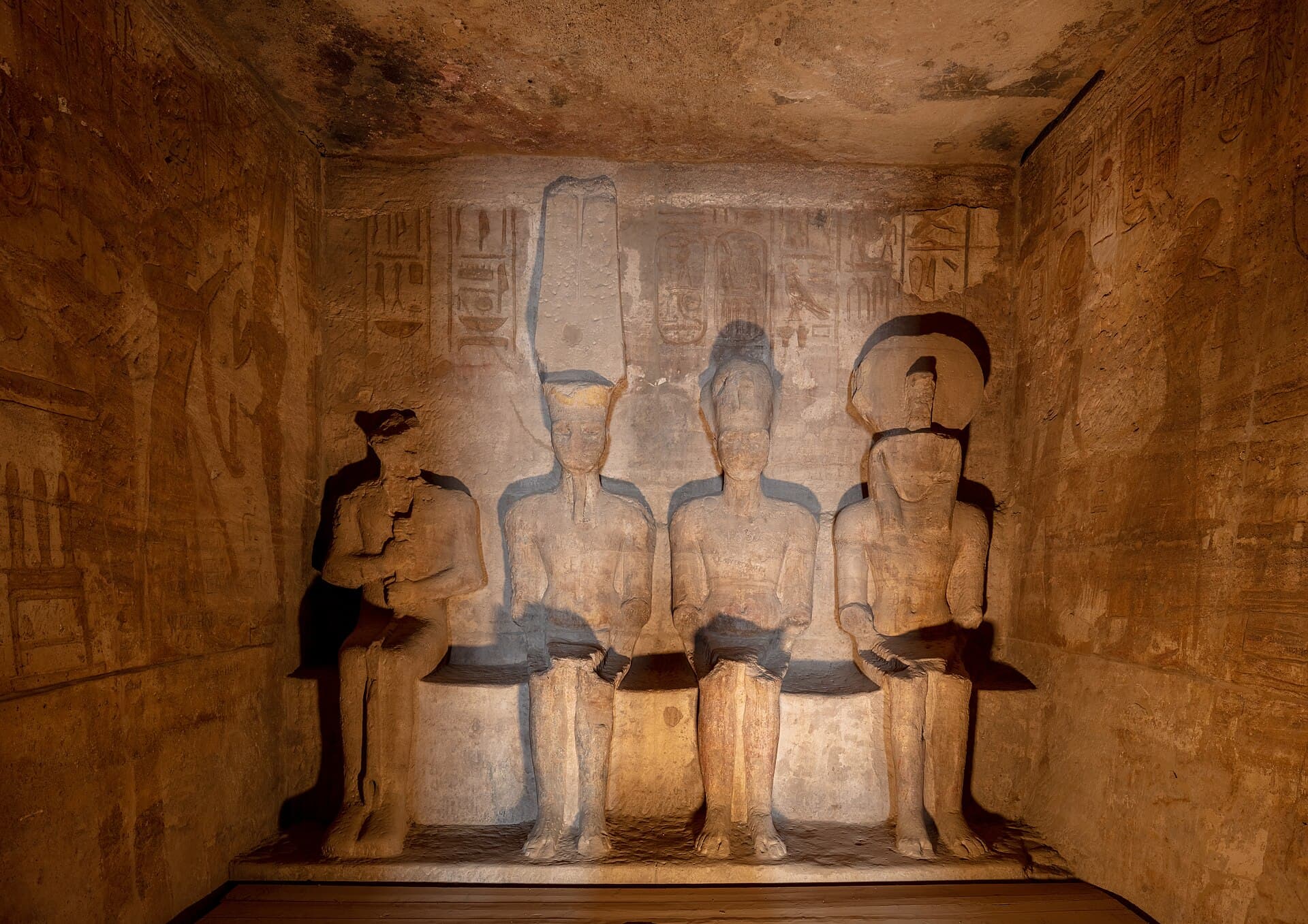
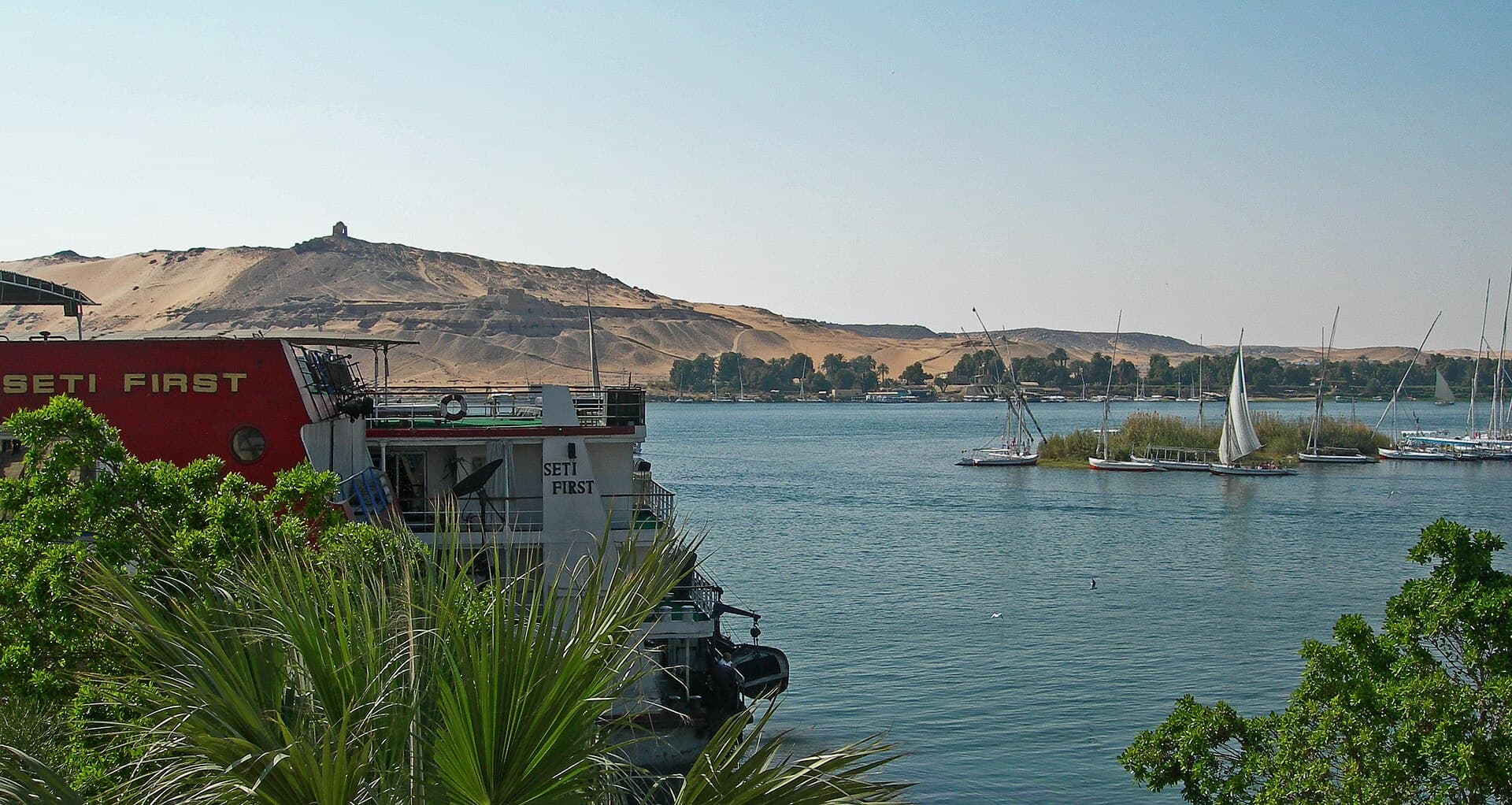
It works best at the end. Cairo and the Nile — Luxor, Aswan, and a cruise between them — are demanding: early starts, heat, long sites, a lot of information. Dahab is where people go to stop. Three or four nights is the minimum that makes the transfer worth it; a week is better, and divers routinely stay two.
Getting there means flying into Sharm el-Sheikh and driving roughly an hour and a half north through desert, or driving from Cairo, which takes most of a day. Dahab has no airport of its own with scheduled flights, so the Sharm route is what almost everyone uses, and it can be combined with a Cairo or Nile leg without backtracking.
One planning point worth stating plainly: Sinai is administratively and practically separate from the Nile Valley, with checkpoints on the roads and its own rhythm. That is normal and routine, but it means Dahab is not somewhere you drop into for a single night between other stops. Treat it as a destination in its own right or leave it out.
If you are choosing between Red Sea bases for the coastal leg, the comparison is simple enough. Sharm gives you the shortest transfer and boat access to Ras Mohammed and the Straits of Tiran. Marsa Alam, far to the south on the mainland coast, gives you quieter and healthier reefs at the cost of a long drive. Dahab gives you shore diving you can walk to and a town you can live in for a fortnight. Pick on how you want to spend the days, not on the flight time.
Common questions
When is the best time of year to visit?+
Spring and autumn are the most comfortable, with warm water and bearable air temperatures. Summer is very hot inland and on land generally, though the sea and the afternoon wind take the edge off. Winter is mild by day and genuinely cold at night, and water temperatures drop enough that divers want a thicker wetsuit. Mount Sinai is cold year-round at dawn.
Do I need to be a certified diver to enjoy Dahab?+
No. Snorkelling from shore is excellent because the reef sits close in, and several of the best-known sites work well from the surface. You can also learn here; Dahab is one of the cheaper and calmer places to take an open water course, with training dives in shallow, sheltered water in town. Freediving courses are equally common and popular.
Is Dahab suitable for solo travellers?+
It is one of the easier places in Egypt to travel alone. Long-stay divers, freedivers and remote workers create a floating community, and dive centres and courses make meeting people straightforward without any effort. Solo women generally report Dahab as more relaxed than Cairo, though modest dress away from the beach and dive sites still saves hassle.
What should I pack that I might not think of?+
Reef shoes, because the shoreline is coral and stone rather than sand. A warm layer, because evenings by the sea are windy and the desert and mountains get cold after dark. A head torch if you plan to climb Mount Sinai. Cash, since card acceptance is patchy in the smaller places, and a refillable bottle, as tap water is not for drinking.
How many days should I spend in Dahab?+
Three or four nights is the minimum that makes the transfer from Sharm worth it. A week is the length that actually fits the place, leaving room for a course or four or five diving days, one inland trip and a rest day before flying. Divers commonly stay two weeks and freedivers longer, and accommodation here is set up for long stays rather than short ones.
Do I need a full Egyptian visa, or is the Sinai-only permit enough?+
Arrivals at Sharm el-Sheikh airport can, depending on nationality, be given a free Sinai-only permit that runs for about two weeks and covers four towns: Sharm, Dahab, Nuweiba and Taba. For a St Catherine or Mount Sinai trip, ask about a full visa first. It does not cover the rest of Egypt and is widely reported not to cover Ras Mohammed National Park. If you plan to dive, or to travel on to Cairo, Luxor or Aswan, take the full tourist visa instead and apply online before you fly.
Can you snorkel the Blue Hole safely?+
Yes, and many people do. The site is sheltered and there is usually no current, and snorkellers stay over the shallow reef rim rather than the deep water in the middle. The hazard at the Blue Hole has always been depth, not the surface, which is a different problem from the one a snorkeller has. Be a competent swimmer, go in and out where your guide shows you, and do not swim off alone over the hole.
Is there anything to do in the evening?+
There is the waterfront, and that is largely it. The strip of restaurants with low seating along the sea is where the evening happens, and people stay at one table for hours. Alcohol is served in licensed restaurants and hotels rather than sold in ordinary shops. There is no club scene and no resort entertainment programme, which is either the point of Dahab or the reason to go elsewhere.
Is Dahab cheap?+
By the standards of most diving destinations, yes, for the things you use daily: rooms, tanks, courses and food on the waterfront. The costs that add up are the ones involving a vehicle, so transfers from Sharm and full-day trips inland to St Catherine or the desert. Budget for the days out rather than the days in, and carry cash, because card acceptance in the smaller places is unreliable.
What should I know about travel advice for Sinai?+
Dahab has been a working tourist town for decades and daily life there is calm, with routine checkpoints on the roads in and out. Government travel advice on Sinai differs by country and changes over time, and some countries maintain restrictions covering parts of South Sinai, which can affect insurance cover. Check your own government's current guidance before booking, and tell your insurer where you are going.
How do trips here get booked?+
Our Dahab arrangements are handled through a ground operator based in Cairo, with local dive centres and drivers in Sinai. Everything is quoted by enquiry rather than sold through online checkout, because diving levels, course choices, transfer timings and how a Dahab stay attaches to a Cairo or Nile leg all change the shape and cost of the trip.
Official sources
Entry rules, opening hours, security advice and exchange rates all move. Check them at the source, not here.
Written and checked by the Nile Trip Guide editorial team · Last reviewed . Entry rules, prices and opening hours change — check anything critical against the official sources linked on this page.
No boat on this one. Giza and the Grand Egyptian Museum, a night in Luxor for both banks, two nights on the Red Sea, then back to Cairo for the Citadel, Coptic Cairo and the Royal Mummies.
Egypt in three parts: two days in Cairo, three nights sailing Aswan to Luxor, then three nights on the Red Sea with nothing scheduled. The temples first, the sea afterwards.
The 10 day Nile-and-Red-Sea route with one more day in Cairo at the end, spent on the Citadel, Coptic Cairo and the Royal Mummies. Two days in Cairo, three nights on the river, three on the sea.