Egypt and Dubai Tour: Cairo, the Nile and a Gulf Stopover
An Egypt and Dubai tour is one trip with a short bolt-on, not two holidays of equal weight. Cairo and the Nile carry it, while Dubai earns its place because your flight probably stops there anyway. Two to four nights there turn a connection into a break, and the two halves feel nothing alike.
Why does the routing push you through Dubai?
Most travellers reach Egypt from Europe, North America, Asia or Australia on a Gulf carrier, and the main Gulf hubs are Dubai, Abu Dhabi and Doha. If your ticket already routes through Dubai, stopping there costs you a hotel night or two rather than a second long-haul fare. The Dubai to Cairo leg is short by long-haul standards, roughly four hours in the air.
The alternative is a European connection into Cairo, which is usually quicker and often cheaper. If that is your route, Dubai stops making sense as an add-on, because the detour costs a full extra flight in each direction. This pairing works because of where the plane already lands, not because the two places belong together.
Two details decide whether the routing is comfortable rather than merely possible. The first is whether the whole journey sits on one ticket. On a single ticket the airline is responsible for getting you to the next flight and your bags are normally checked through; on two separate tickets a delay is your problem, and you collect your luggage, clear immigration and check in again from scratch. The second is Cairo itself. Cairo International is the country's main gateway, it has more than one terminal, and the terminals sit far enough apart that any connection there needs real time rather than the minimum printed on a timetable.
Gulf routings have a second, quieter advantage worth naming: baggage allowances on them tend to be more generous than on the short European connections, which matters if you are travelling for a fortnight across two climates. They also cost hours in the air. Compare total door-to-door time rather than fare alone, because an itinerary that lands in Cairo in the middle of the night costs you the first morning, and mornings are the part of Egypt you came for.
What does the Egypt half actually look like?
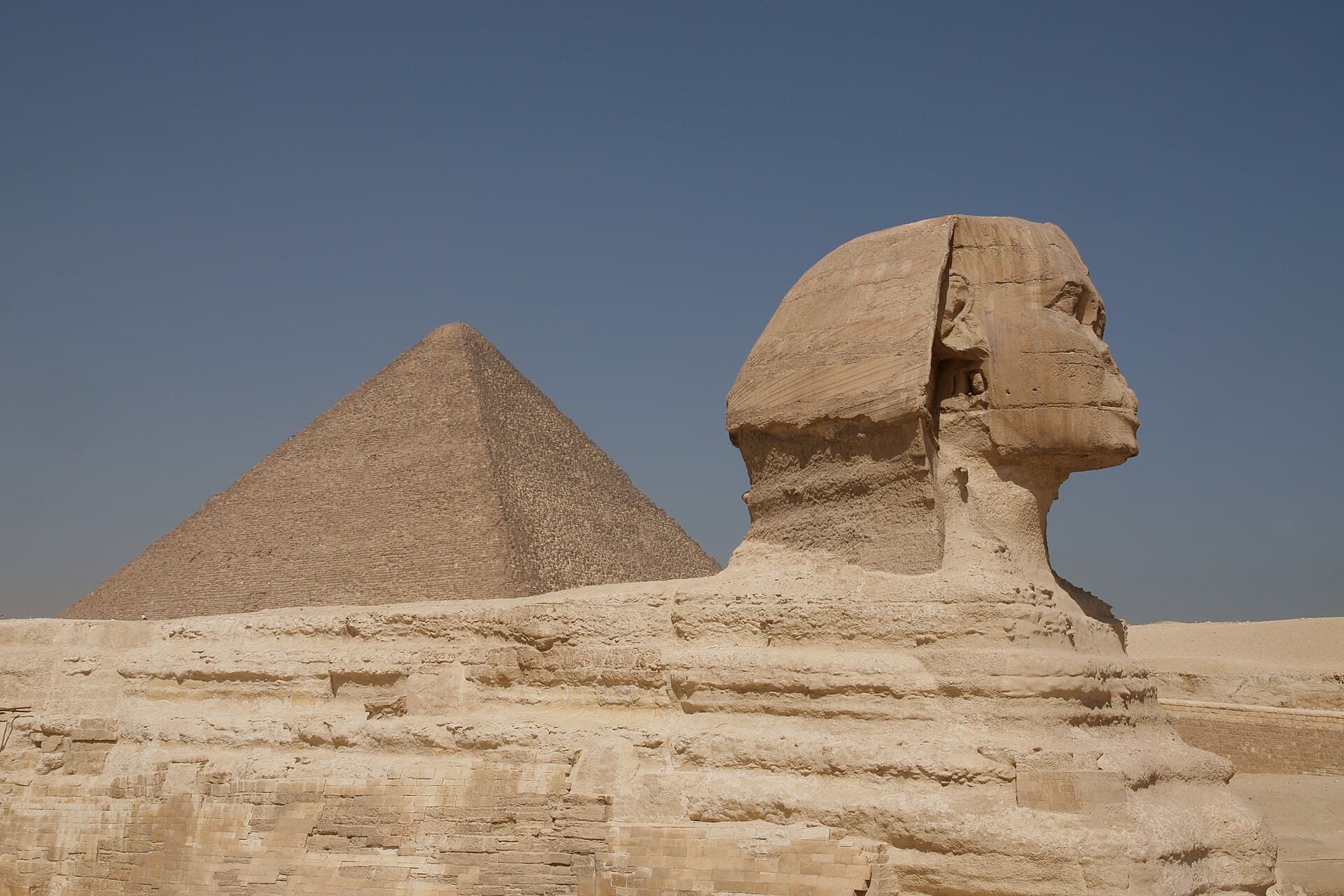
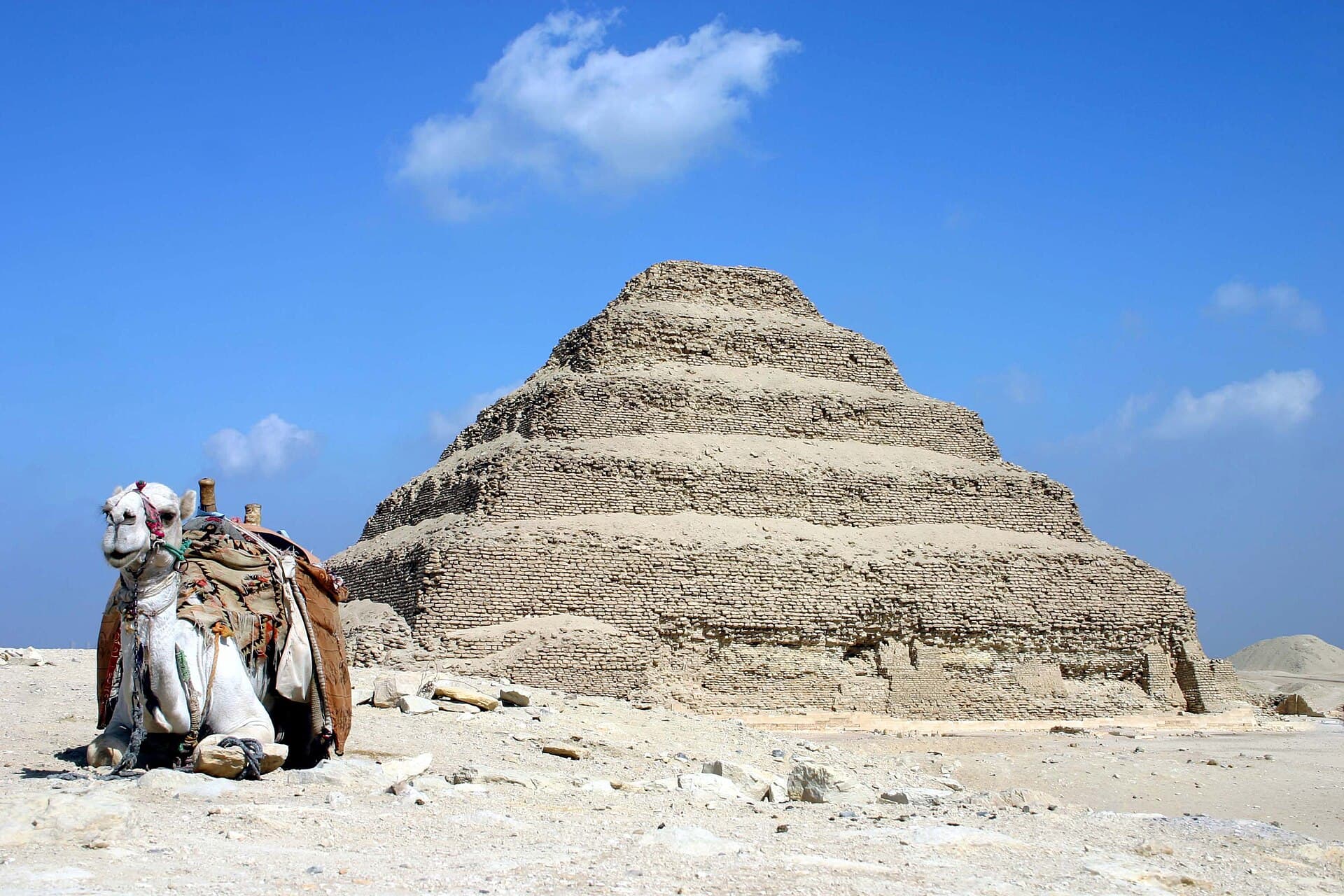
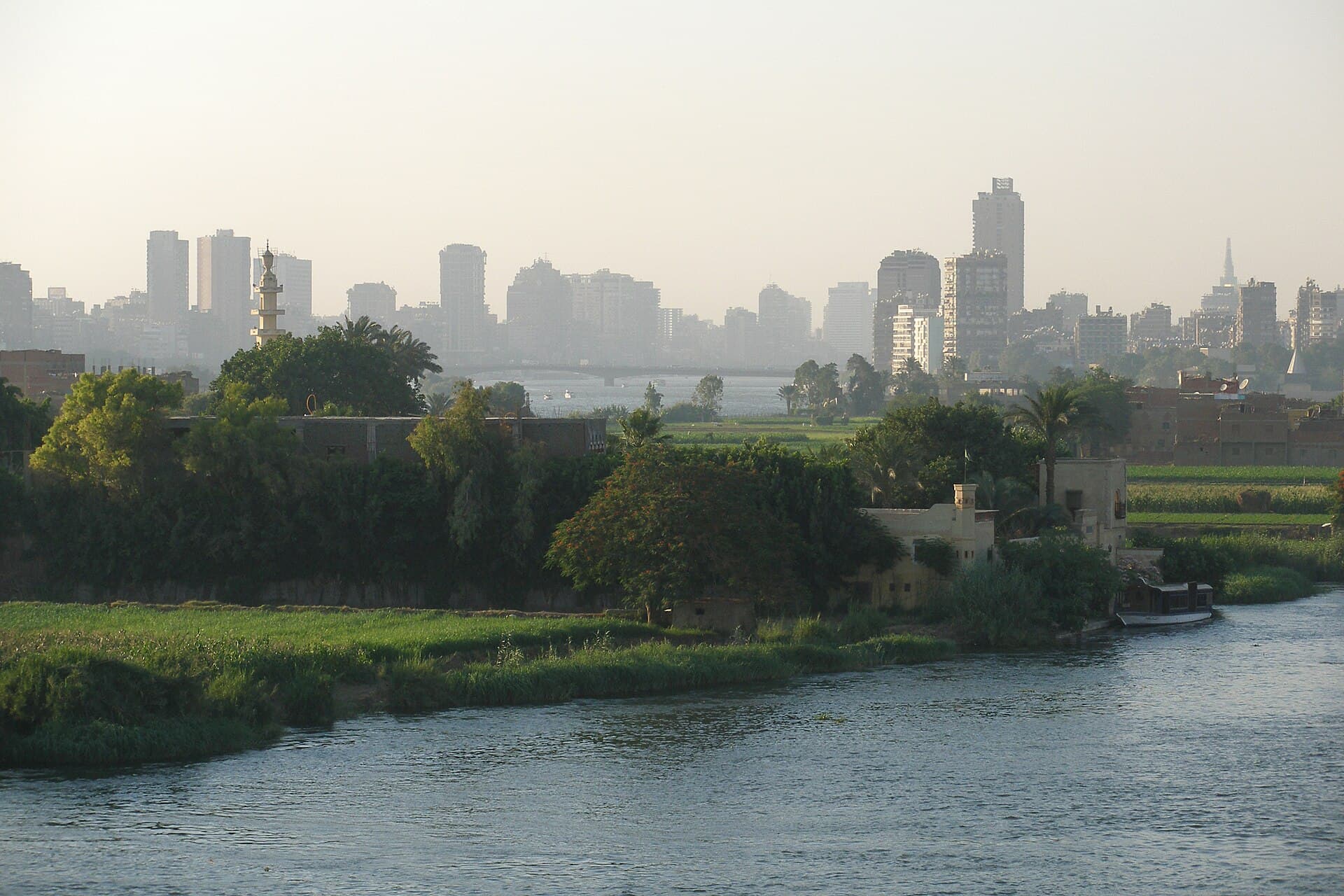
Cairo first, and three nights is the working minimum. That gives you the Pyramids of Giza and the Sphinx, Saqqara with the step pyramid, and the Grand Egyptian Museum, which rewards a slow visit and deserves around three hours rather than a rushed hour before lunch. If a fourth day appears, Islamic Cairo and the lanes of Khan el-Khalili are where the city stops being a checklist and starts being a place.
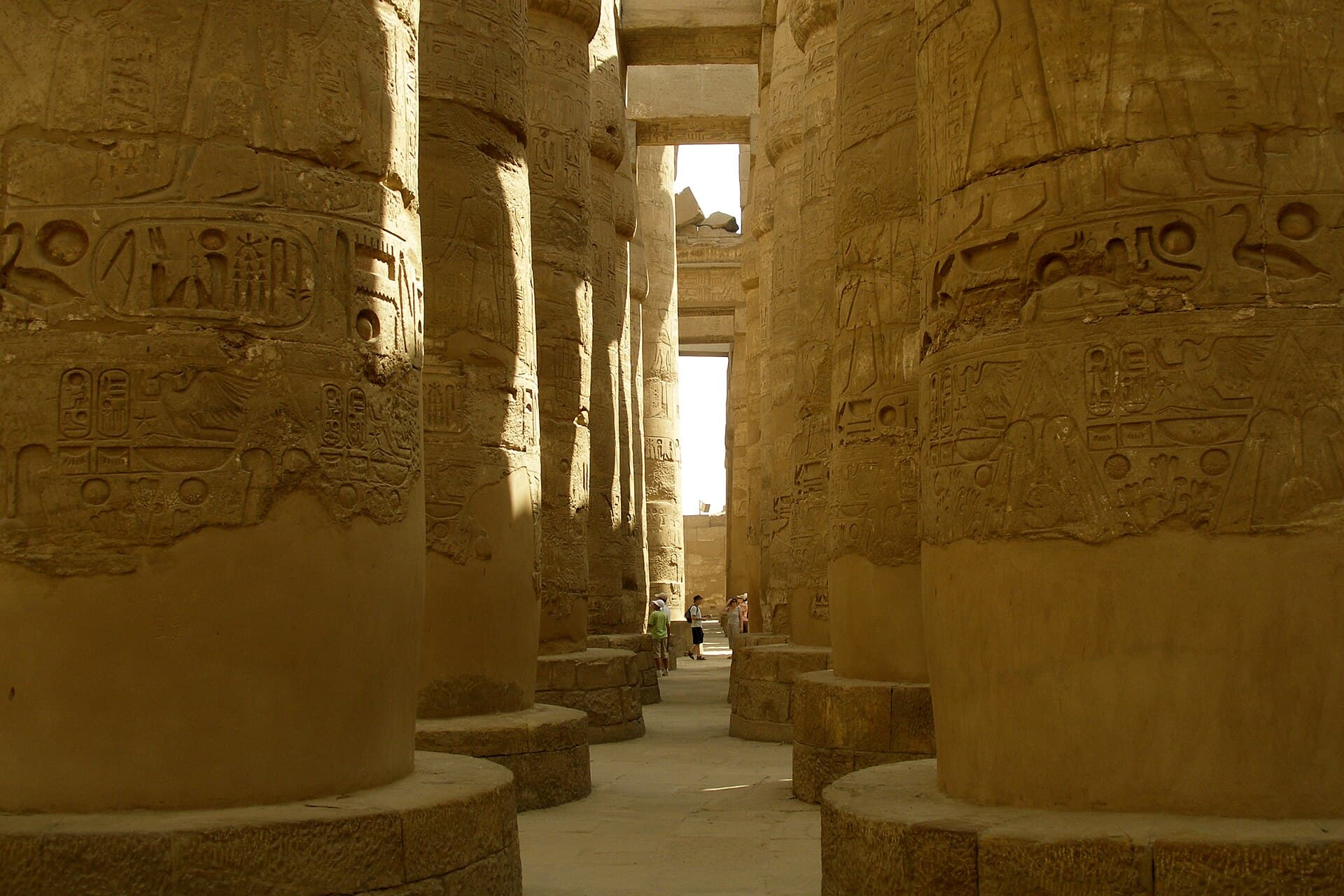
Then south. Cairo to Luxor is roughly 650 kilometres by road, which is why almost nobody drives it: the flight takes about an hour, and the overnight sleeper train is the alternative if you would rather save a hotel night than a night's sleep. Luxor holds Karnak and Luxor Temple on the east bank, and on the west bank the Valley of the Kings, the temple of Hatshepsut and the Colossi of Memnon. Karnak at opening time, before the coaches, is the single strongest hour most people have in Egypt.
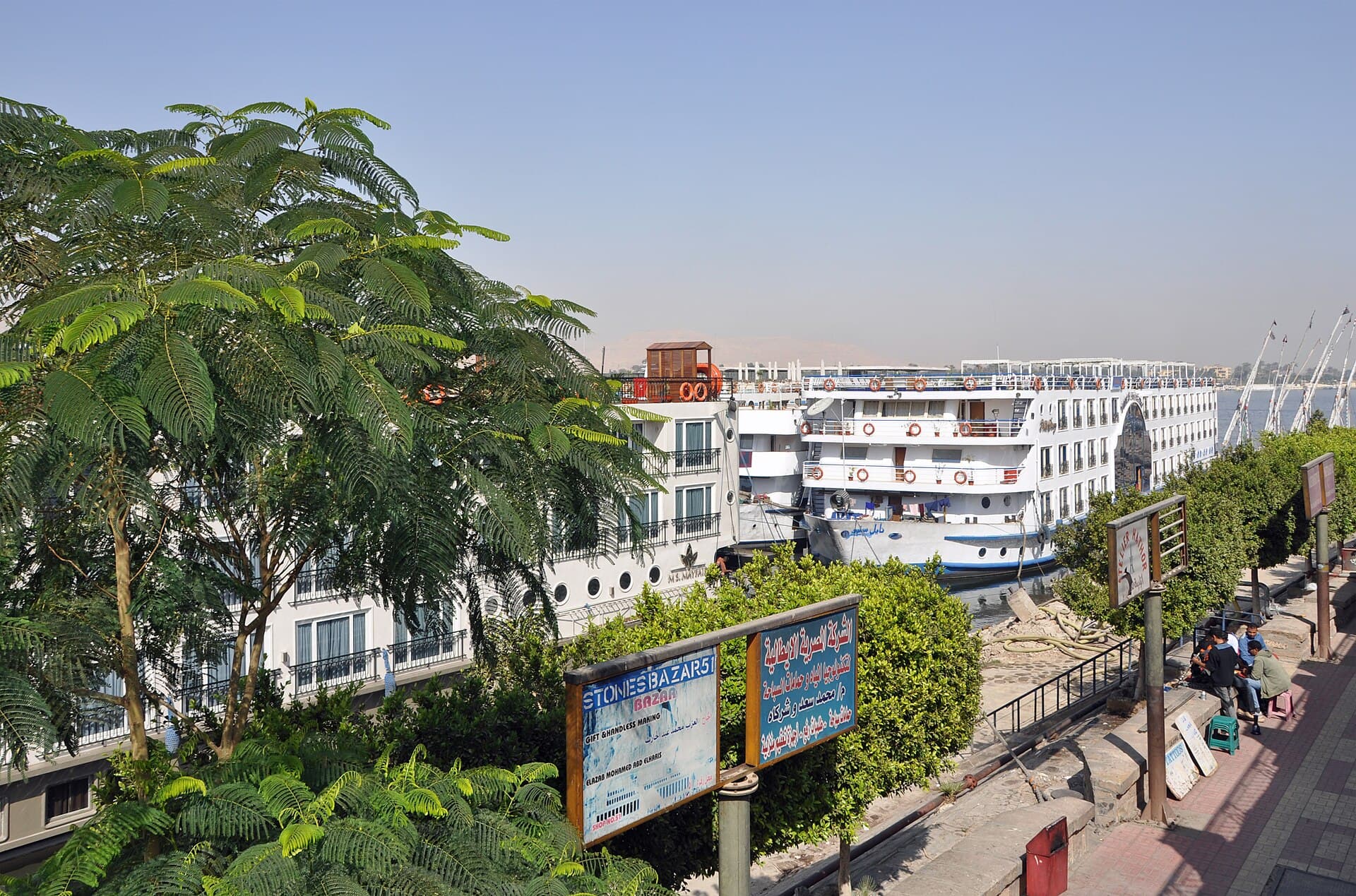
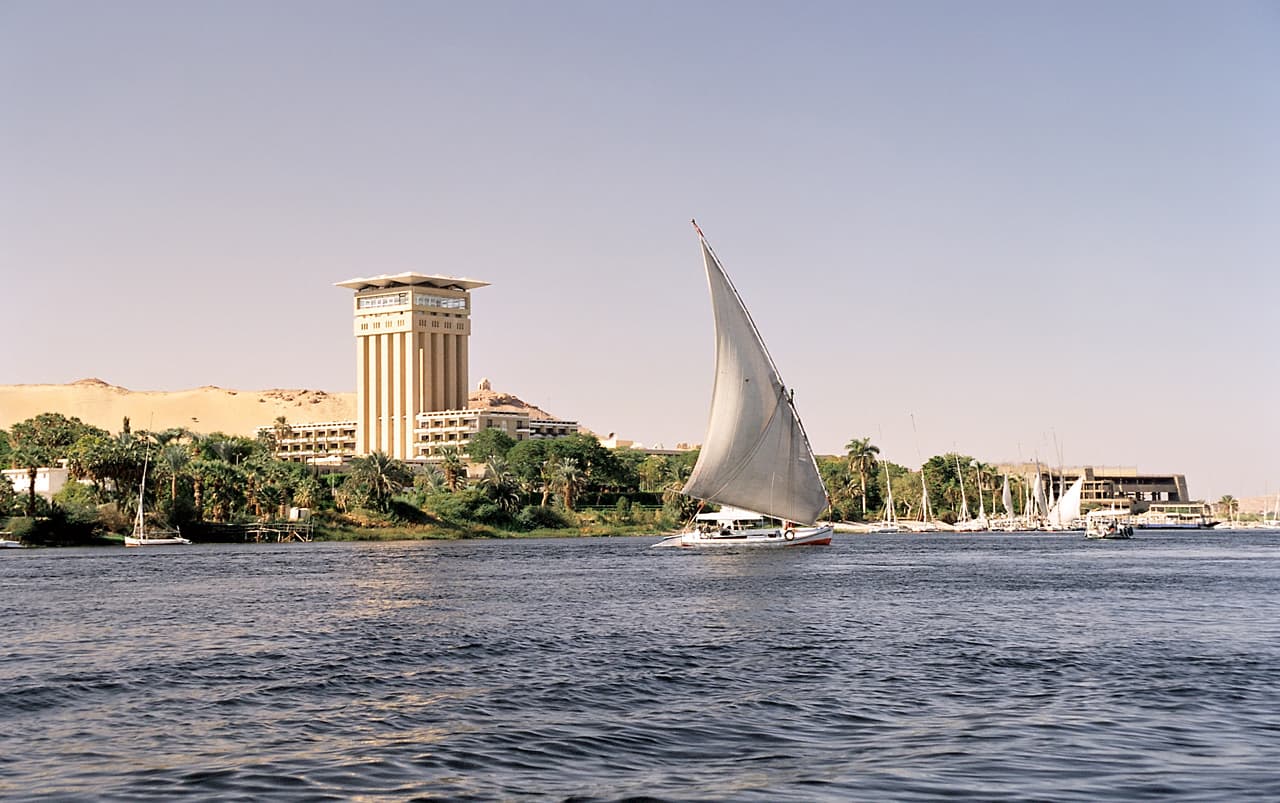
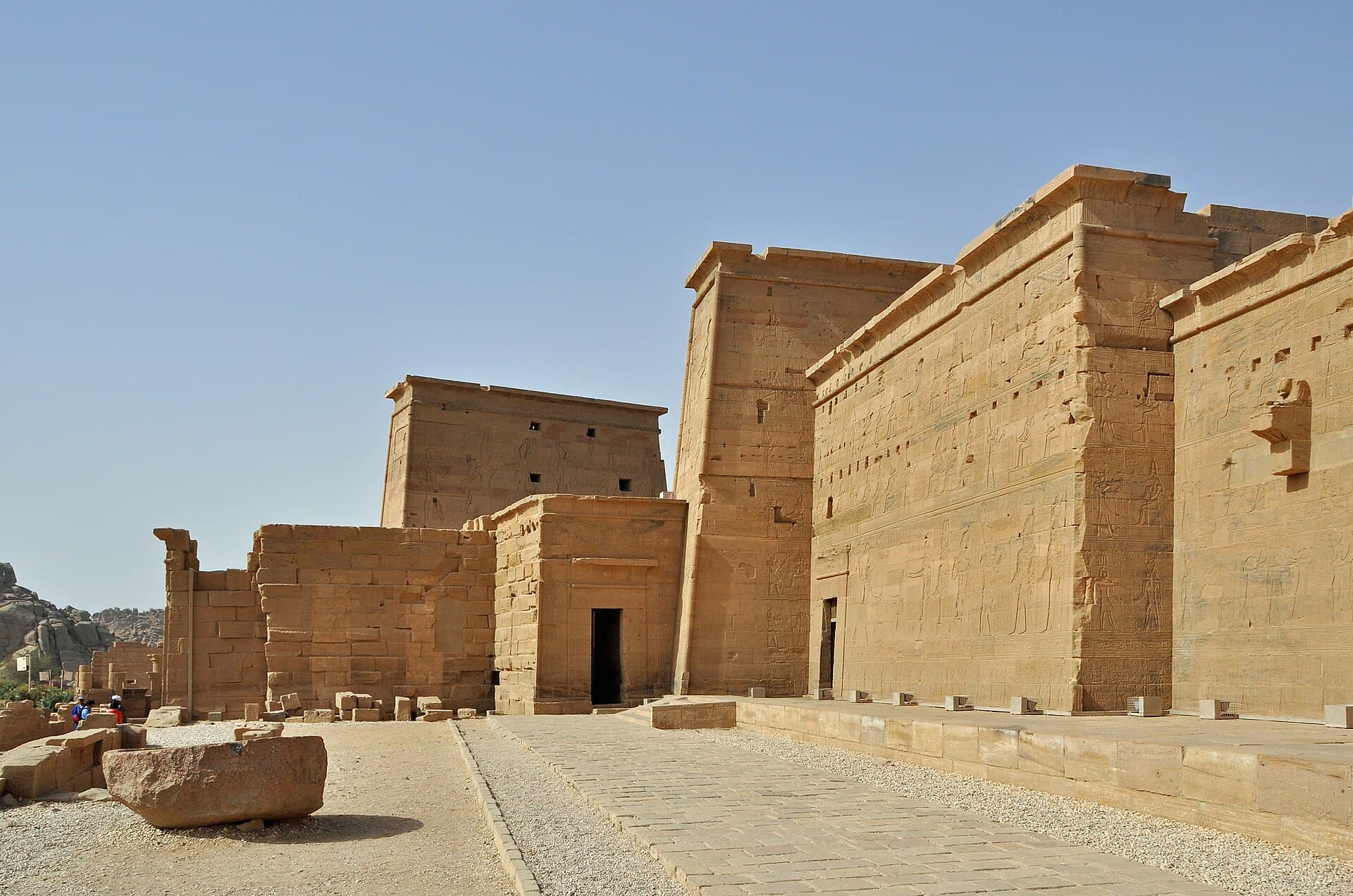
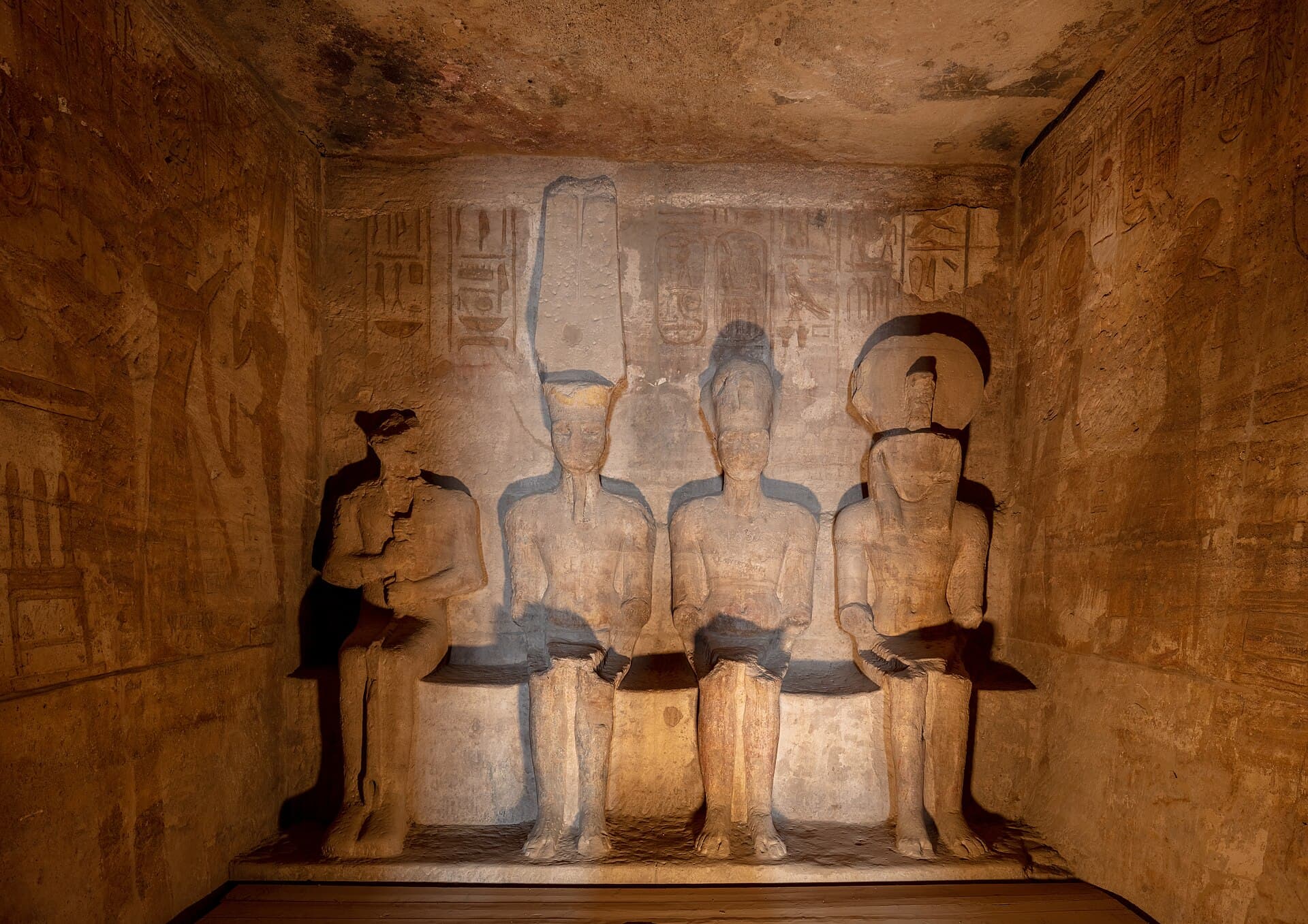
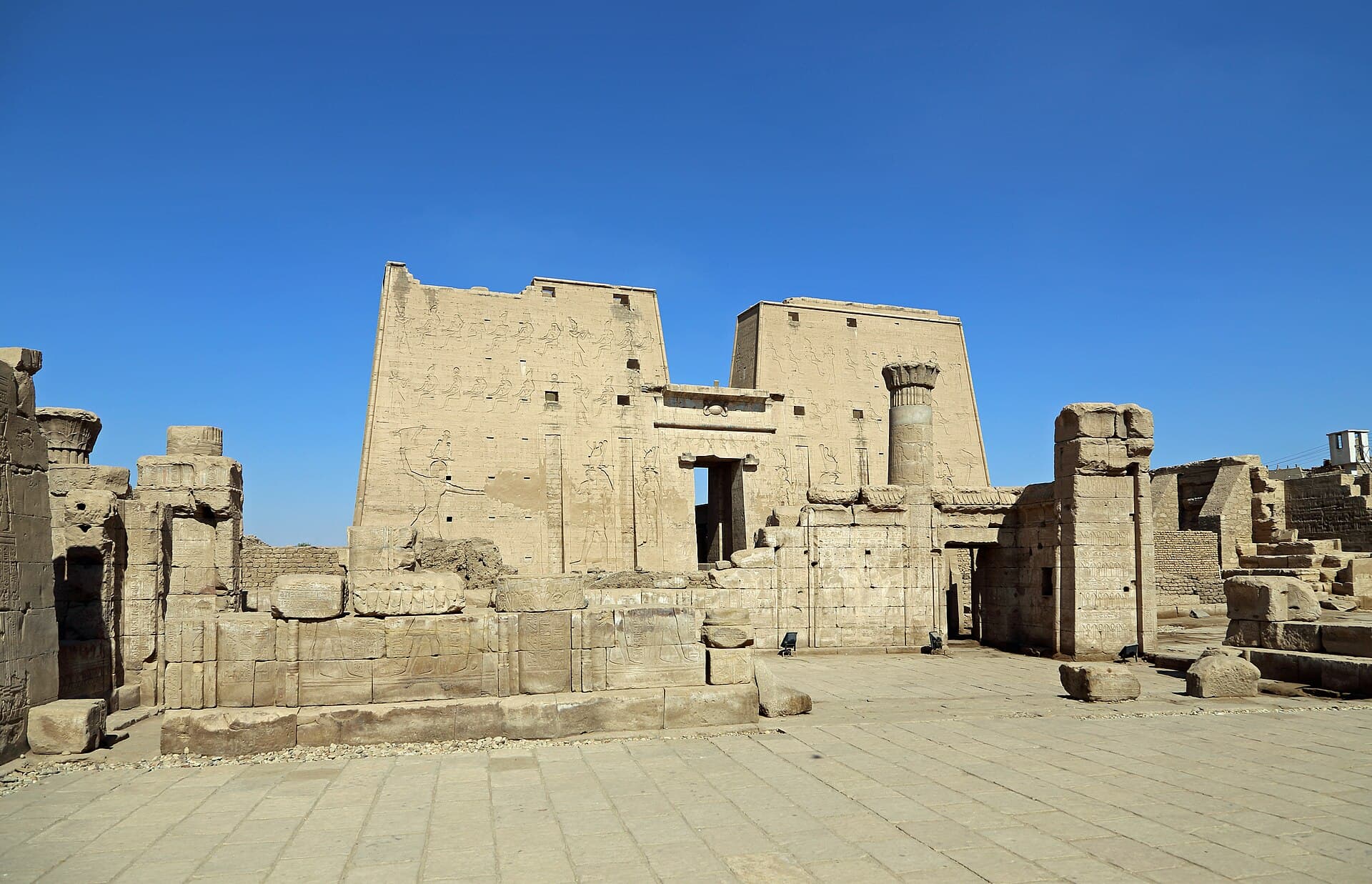
The Nile stretch between Luxor and Aswan is about 215 kilometres, and four nights aboard is the standard shape: Edfu, the best preserved temple in the country, Kom Ombo on the riverbank at dusk, then Philae on its island at Aswan and a felucca out towards Elephantine at sunset. Abu Simbel is a separate decision, reached from Aswan either by a short flight or a long desert road day, and it costs an early alarm rather than a whole day. It is worth both.
That is the spine, and it is the reason for the trip. The Dubai nights sit on one end of it or the other. If anything has to give when the dates get tight, give up Dubai, not a night on the river.
How many nights does Dubai deserve?
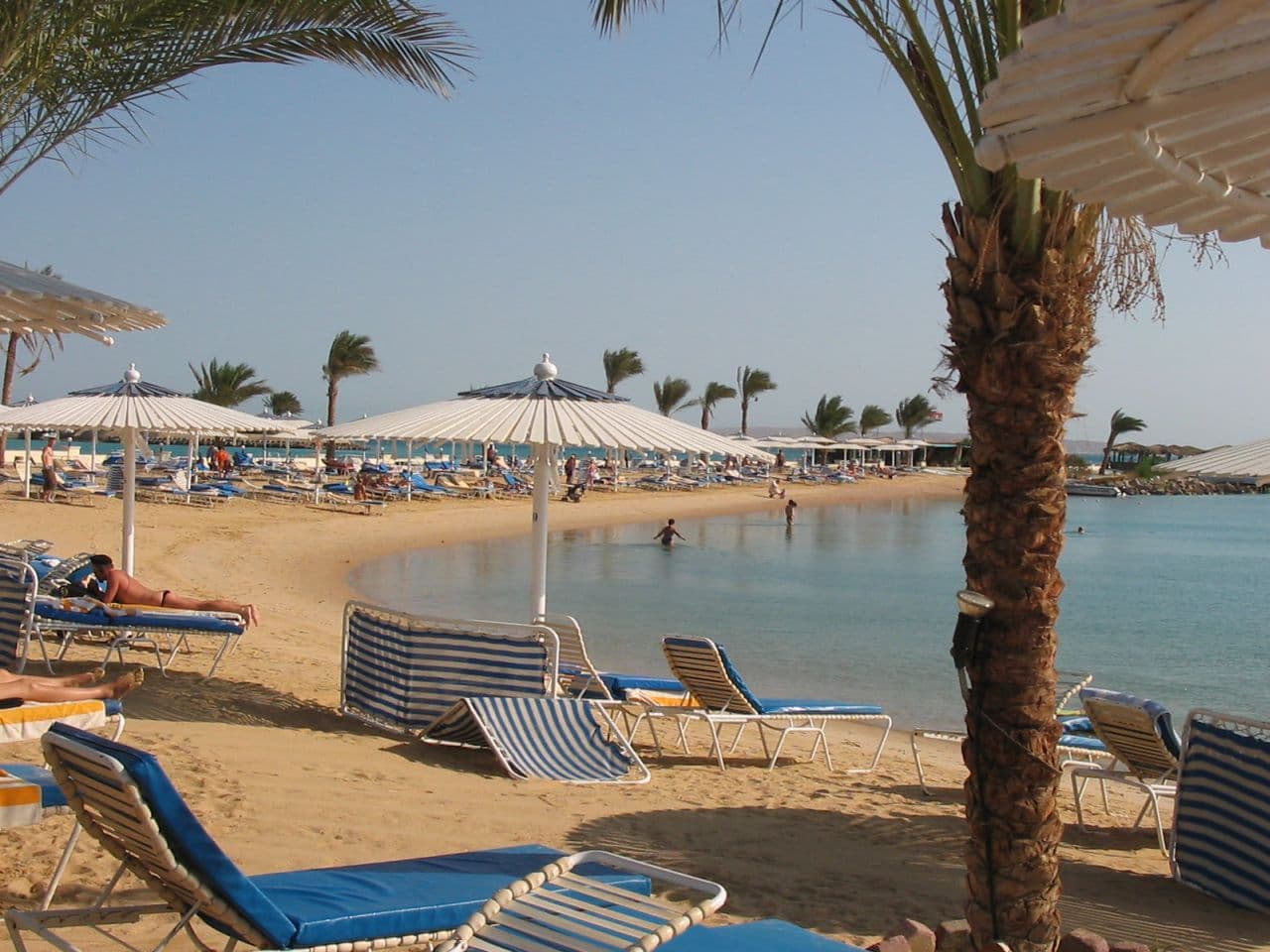
Two to four nights. That covers the view from the Burj Khalifa, an evening on Dubai Creek and in the old Deira souks, an afternoon at the beach or a hotel pool, and a desert trip if you want one. Past four nights, most people run out of things they actually want to do and start paying Dubai prices to fill time.
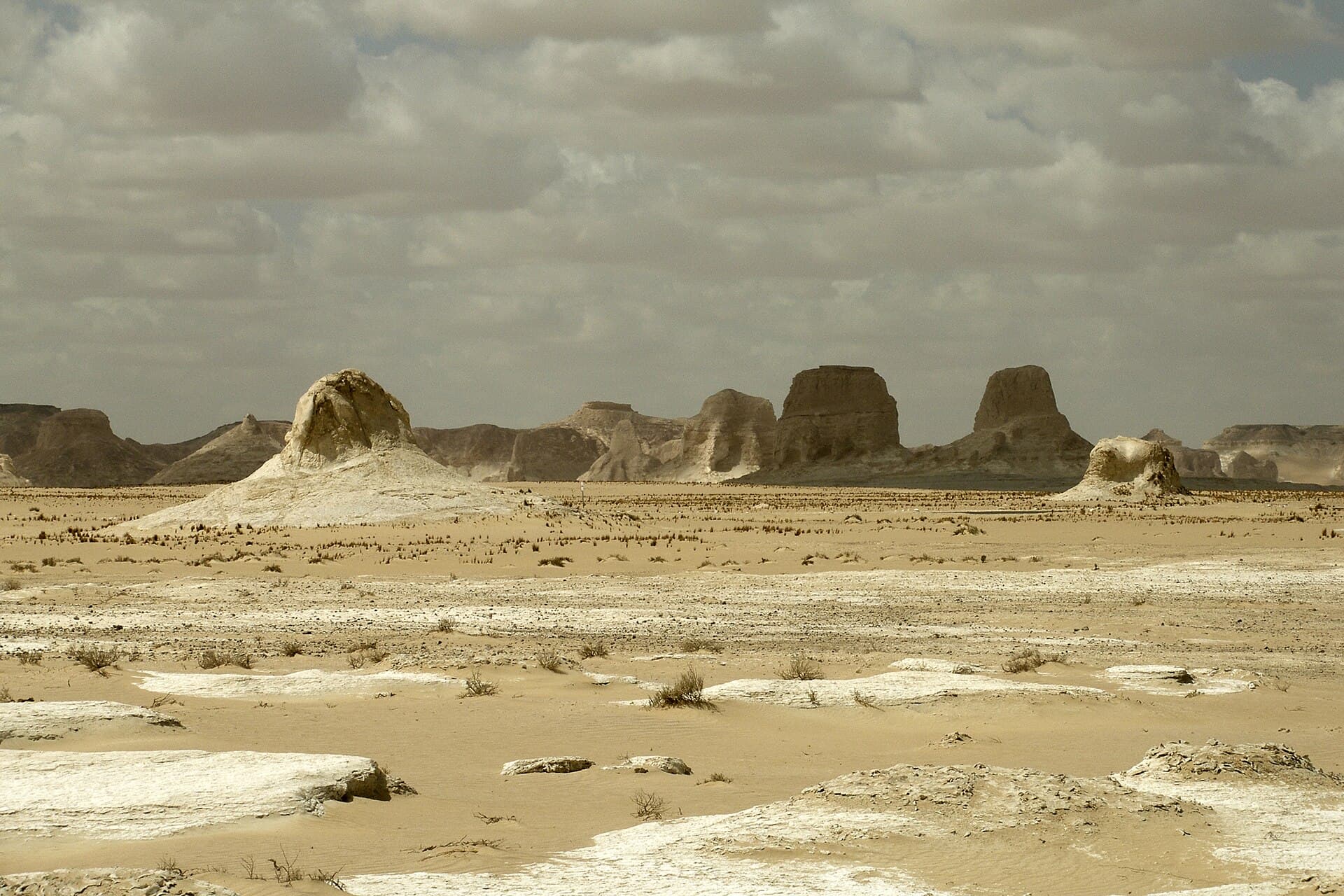
Some of it is not worth your money. The standard desert safari is a packaged evening of dune bashing and a buffet camp. It is fine, and nothing like the Western Desert in Egypt. Aquariums, indoor ski slopes and the larger malls are easy to skip unless you have children with you.
What two or three unhurried days actually contain is modest, and that is the point of them: the observation deck, an hour walking the restored lanes of the Al Fahidi quarter, an abra across the Creek to the gold and spice souks on the Deira side, and half a day spent near water doing nothing in particular. The metro is clean and cheap, taxis are metered, and the distances are short by the standards of a major hub. None of it needs a guide or much planning.
The one honest argument for four nights rather than two is recovery. If you are coming off ten days of six o'clock starts in Upper Egypt and facing a long flight home, a third and fourth day with nothing booked is not laziness, it is sensible trip design. The argument against is simply cost: those are the most expensive idle days of the whole holiday.
How does a Dubai stopover work in practice?
There are two different things people mean by a stopover. One is a long connection of several hours, spent entirely inside the airport. That is not a visit, and leaving the terminal for it is rarely worth the immigration queue at both ends. The other is a proper break of one or more nights, which means the onward flight is booked for a later day. Ask about that at the point of booking rather than afterwards: on some fares the break costs nothing extra, on others it reprices the whole ticket.
A night in Dubai means clearing UAE immigration, so the country's entry rules apply to you exactly as they would on a two-week holiday there. Requirements vary by passport and change without much warning, which is true of Egypt as well, so confirm your own case with the relevant authorities rather than a forum thread. Egypt is usually an e-visa applied for online in advance or a visa bought on arrival, and the two countries are entirely separate processes with separate fees.
Luggage is the practical wrinkle. If the whole journey is on one ticket and your bags are tagged through to Cairo, you need to say at check-in that you are stopping, so they are released to you in Dubai. People discover this at the carousel. Pack a change of clothes in hand luggage if there is any doubt, particularly on the leg out of Egypt, where dust and heat mean you will want one anyway.
Where you stay matters more than the star rating. A hotel near a metro station puts the old city, the Creek and the towers within a short, cheap ride. A beach hotel is calmer and further from everything historic, which suits a recovery stop and not a sightseeing one. Airport transfers are short in either case, which is part of why Dubai works as a bookend at all.
How different do the two halves feel?
Very different. Egypt is demanding in the way that old, crowded, living places are: heat, dust, traffic, sellers at every temple gate, and stone that has stood for thousands of years. Dubai has a long history as a trading port, but almost everything you have come to see was built in the last thirty years, and it is air-conditioned, orderly and expensive. Nothing there will affect you the way Karnak does at opening time, and that is not what it is for.
The contrast is the point. After a week of early starts in Luxor and Aswan, two nights in a quiet hotel with a reliable shower and food you need not think about is a real relief. Some people find Dubai hollow after Egypt. If tall buildings and shopping mean nothing to you, keep the stopover to one night.
The pace differs as much as the look. In Egypt your day is built around a guide, a driver and a gate that opens at a fixed hour, and the reward for getting up early is a tomb you can hear yourself think in. In Dubai nothing opens early, nothing is urgent, and the day organises itself around the heat. Travellers who like being handled find the Egyptian half comfortable; travellers who like being left alone prefer the Gulf half. Most people want both, in that order, which is the real case for the pairing.
How should you split the days?
Twelve days is the shape that works without compromise: three nights in Cairo, four aboard between Luxor and Aswan, two or three in Dubai, and the flying at each end. That leaves a spare day to absorb a retimed domestic flight or a morning lost to a stomach upset, which is not a hypothetical over a fortnight in Egypt.
Ten days is the floor. It still buys Cairo and the Nile properly if you keep Dubai to two nights and accept that Abu Simbel and Alexandria are out. Fourteen days is where the trip stops being efficient and starts being enjoyable: Abu Simbel without a dawn scramble, a slower Nile leg, or a few days on the Red Sea before the Gulf stop. Below ten days, you are cutting Egypt short in order to see a city you are flying over anyway.
Direction of travel is worth a moment's thought. Ending in Dubai is the softer arrangement for most people, and it also puts the shorter, easier flight at the tired end of the trip. An open-jaw ticket, in to Cairo and out of Luxor or Aswan, removes a backtrack that can otherwise cost most of a day, and it often prices close to a straight return. Ask for both versions before you commit.
When should you go?
November to March suits both. Egypt is comfortable then, with Luxor and Aswan usually in the mid twenties by day and cold nights on a Nile boat in January. Dubai in those months is warm and dry, which is its whole season. From May to September Dubai is punishing, often over forty degrees with humidity off the sea, and outdoor life stops. Upper Egypt in summer is hotter still, though the air is dry.
Late December and early January are peak in both places. Prices rise, Nile boats fill, and the Giza plateau is busy from the moment it opens. Late October and early April are calmer. Ramadan dates move each year and change opening hours and daytime eating in both countries, so check where it falls before you fix your dates.
The month you choose does more to the price than any other single decision. Winter is high season across the Egyptian ground arrangements, the better boats sell out months ahead, and Christmas, New Year and Easter carry a premium on top of that. Summer is the cheapest time of year by a wide margin, sometimes dramatically so, and the reason is written on the thermometer: you see the sites at dawn and lose the middle of the day. That is a fair trade for heat-tolerant adults and a poor one with young children.
If your dates are fixed and they fall in the peak weeks, book the flights first and build the ground arrangements around them. If your dates are flexible, the shoulder months of March, April, October and early November are the sensible compromise on weather, crowds and price in both countries at once.
What does it cost, and how is it booked?
Dubai is the expensive half by a wide margin. Expect to pay a good deal more per night for a similar standard of hotel than you would in Cairo, and more again for eating and drinking out. Alcohol is served in licensed venues, mostly hotel bars and restaurants, and it is not cheap. Egypt is inexpensive by comparison, but tipping is constant and adds up over a fortnight.
The Egypt half is run by a ground operator in Cairo: guides, drivers, the Nile boat, entry tickets. It is quoted by enquiry rather than sold through a checkout, because the itinerary shifts with dates, group size and which boats are running. The Dubai nights are usually just a hotel and airport transfers, which you can book yourself or ask the operator to add.
For the Egyptian ground arrangements alone, a week to ten days lands for most people somewhere between roughly a thousand and three and a half thousand pounds per person, before international flights. The band is wide because it is driven by your choices rather than by Egypt: season, party size, hotel category and the standard of the boat. The bottom of it means group departures, simple hotels and a standard boat; the top is private throughout on a high-standard boat, and it has no real ceiling.
Party size moves the per-person figure more than almost anything else, because a private car, driver and guide costs much the same whether two people or four use it. Solo travellers pay twice over: the single supplement on hotel rooms and cabins, and no one to split the car with. Boats and hotels price on two people sharing, and on some boats the supplement amounts to the whole second berth. No operator can design that away.
Then there is what sits outside the quote. International flights, your visa, travel insurance, tipping and most lunches and dinners on land are normally extra, and so are the tickets people most want: the chamber inside the Great Pyramid, the tombs of Seti I and Nefertari, Abu Simbel, and a dawn balloon over the Luxor west bank. Ask for the inclusion list, not just the total. Two quotes that look far apart often turn out to be near-identical once you add back what the cheaper one leaves out.
What should you pack and budget for day to day?
Carry cash in Egypt, in small notes, and start collecting them early. Tipping there is a real part of the cost rather than loose change: the guide, the driver, the boat crew as a group, hotel staff and small amounts at the sites. Getting change becomes a daily chore if you only hold large notes. Dubai is the opposite, with cards accepted more or less everywhere and very little that needs a tip.
Two climates, one suitcase. Egypt in winter means warm days and genuinely cold nights, particularly on a boat in January, so a fleece or a jacket is not optional. Upper Egypt is dusty and the sites are unshaded, so a hat, sunglasses and shoes you can walk uneven ground in matter more than anything smart. Dubai adds nothing to the packing list except swimwear and, if you plan an evening out, the fact that restaurants are air-conditioned to the point of cold.
Sort out data on arrival. Ride-hailing apps work well in Cairo and remove the negotiation that used to open every taxi journey, but they run on a connection, so a local SIM or an eSIM earns its keep on day one. Mains voltage is the same across both countries, but the sockets are not: Egypt takes the two-pin European plug and the UAE the British-style three-pin, so carry an adapter that does both.
Finally, build in one genuinely empty day. Egypt is a trip of early alarms and long site days, the heat is cumulative, and stomach upsets are common enough to plan around rather than hope against. A day with nothing booked is the cheapest insurance on the itinerary, and the Dubai bookend can serve as it if you would rather not lose a morning on the Nile.
Who is this trip right for, and who should skip Dubai?
It suits first-time visitors to Egypt, and couples in particular. The Egyptian half is intense and closely guided, the Gulf half is unstructured and easy, and the second decompresses the first. It suits anyone flying from Australia or Asia especially well, because the Gulf stop breaks a journey that would otherwise be punishing in one go.
It suits families better than most Egypt itineraries do, and this is the one case where Dubai's indoor attractions earn their keep. Aquariums, water parks and the rest are genuinely useful with children who have just spent a week being marched around temples in the sun. The Egyptian half is the harder part with a young family: early starts, long transfers and unforgiving heat, which is an argument for winter dates and for a private car rather than a coach group.
Skip Dubai if your leave is capped at ten days, if you are flying in from Europe on a direct Cairo route, or if towers and shopping leave you cold. Skip it, too, if what you want from a second country is another set of ruins. In those cases the money buys more Egypt, or a different pairing altogether: Jordan sits about an hour and a half from Cairo by air and gives you Petra, which stands next to the Egyptian sites rather than beside them. Dubai's case is convenience and rest. It is a good case, and it is not a cultural one.
What should you check before booking an Egypt and Dubai tour?
Check your own government's current travel advice for Egypt and the United Arab Emirates before you commit, and again close to departure. That advice is written region by region rather than country by country, and it affects whether your insurance stands up as much as it affects safety. We do not predict conditions or comment on regional politics. Visa rules for both countries also vary by passport and change without much warning, so confirm yours with the relevant embassy rather than a forum.
Check how the flights are ticketed and what happens if one leg moves. Egyptian domestic flights are retimed often, sometimes by hours and sometimes the day before, so never book the tightest possible link onto an international departure. If the trip is on two separate tickets, no one is responsible for the join but you, and that is worth either a buffer night or a better ticket.
Check the inclusion list on the Egyptian side in writing: which entrance tickets are inside the price, whether the internal flight is included, what tipping is customary for a trip of that length, and whether the programme contains stops at papyrus, perfume or alabaster workshops. Those stops pay commission to the guide and you are entitled to ask for them to be dropped. A price well below everything else you have been quoted usually has them in it.
Finally, check the currency the contract is written in and when the balance falls due. Egyptian operators generally quote and hold their prices in dollars or euros because the pound has moved sharply in recent years, so a figure given far ahead in Egyptian pounds is an estimate rather than a fixed price.
Common questions
Should Dubai come at the start or the end of the trip?+
Either works, and the flight times you are offered usually decide it. Ending in Dubai is the softer option, because Egypt is the tiring half and two easy nights before a long flight home help. Starting in Dubai suits anyone landing overnight who would rather sleep off the jet lag before Cairo begins.
How many days do I need in total?+
Ten to fourteen days is realistic. Three nights in Cairo for Giza, Saqqara and the Grand Egyptian Museum, three or four on a Nile boat between Luxor and Aswan, two or three in Dubai, plus the flying at each end. Under ten days you are cutting Egypt short, and Egypt is the reason you are going.
Is Abu Dhabi worth adding?+
On a short stopover, no. The Sheikh Zayed Grand Mosque is the one sight that justifies the drive, roughly ninety minutes each way, and you can see it on a long day out from Dubai without changing hotels. Giving Abu Dhabi its own night eats a third of a three-night bookend for little in return.
Do I need a guide in Dubai as well?+
No. Dubai is straightforward alone: the metro is clean and cheap, taxis are metered, English is spoken everywhere and nobody bothers you. Egypt is the opposite. A good guide there saves you time, explains what you are looking at, and handles the crowd that forms around every ticket gate.
What should we wear, and can we drink alcohol?+
Both are Muslim countries and both are used to visitors. Covered shoulders and knees are sensible in Cairo, in the souks and at any mosque, where women cover their hair as well. Dubai hotels and beach clubs are relaxed about swimwear; malls and public areas less so. Alcohol is served in licensed venues, not on the street.
Do we need a visa for the United Arab Emirates as well as Egypt?+
They are two separate countries with two separate entry processes, and stopping overnight in Dubai means clearing UAE immigration properly. Egypt is usually an e-visa applied for online in advance or a visa bought on arrival, depending on nationality. UAE requirements vary widely by passport. Both sets of rules change with little notice, so confirm your own case with the relevant authorities close to departure.
Is it better to book the whole journey on one ticket?+
Yes, where you can. On a single ticket the airline is responsible for getting you to the onward flight if the first one is delayed, and your bags are normally checked through. On two separate tickets, a missed connection is your cost and your problem. If you do end up with two tickets, leave a night between them rather than a few hours.
Can we swap Dubai for Doha or Abu Dhabi instead?+
Yes, and the logic is identical: you are stopping where your aircraft already stops. All three are Gulf hubs with short onward legs to Cairo. Dubai has the most to fill two or three days with, Abu Dhabi is quieter with fewer obvious sights, and Doha is the smallest of the three. Let the fare and the flight times decide rather than the brochure.
Is one night in Dubai enough?+
One night is a rest stop, not a visit. It gets you a proper bed, a shower and a decent breakfast between long flights, which is worth having. It does not get you the Creek, the old quarter and a tower in daylight. If Dubai itself holds no interest for you, one night is exactly the right amount.
Does this trip work with children?+
Better than most Egypt itineraries, because Dubai gives you indoor, air-conditioned days at the end of a hot and demanding week. The Egyptian half is the part to plan carefully with a young family: travel in winter, use a private car rather than a coach group, and accept that two sites a day is plenty. Very early starts are unavoidable at the Valley of the Kings.
Would the Red Sea be a better second half than Dubai?+
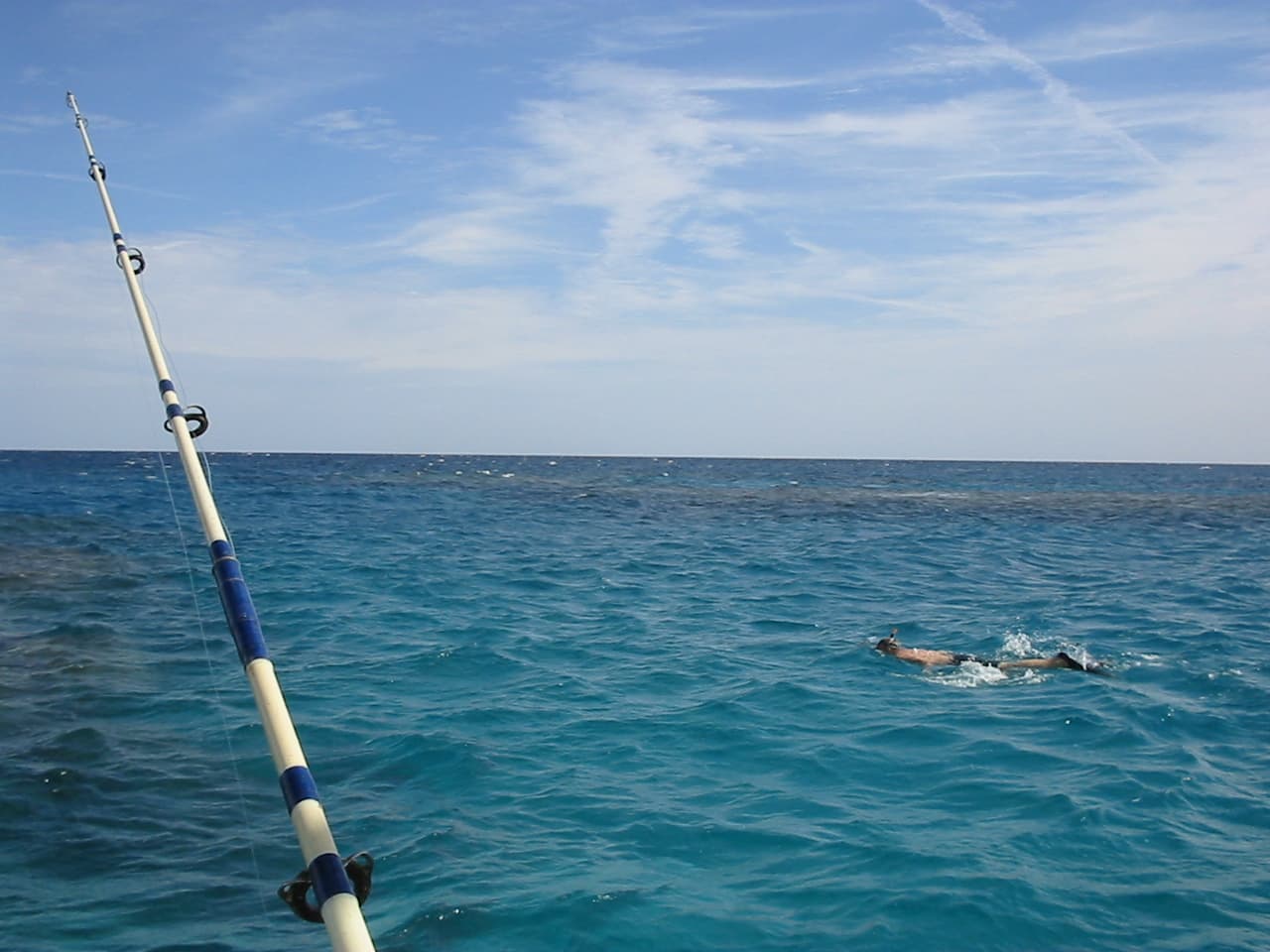
It often is, if what you want is water and rest rather than a city. Hurghada and Marsa Alam are a short domestic flight from Cairo and a few hours by road from Luxor, they cost a fraction of Dubai, and the snorkelling is genuinely good. Dubai wins only when your international ticket routes through it anyway, which is the whole basis of this pairing.
How far ahead should we book?+
For winter travel, and particularly for Christmas, New Year or Easter, several months. The better Nile boats and the domestic flights south both sell out early, and those are the two parts of the itinerary with no easy substitute. Shoulder months are far more forgiving, and the Dubai nights can be added late, since hotel rooms there are the one thing never in short supply.
Official sources
Entry rules, opening hours, security advice and exchange rates all move. Check them at the source, not here.
Written and checked by the Nile Trip Guide editorial team · Last reviewed . Entry rules, prices and opening hours change — check anything critical against the official sources linked on this page.
Plan this trip
Tell us your dates and we will price it
A real itinerary with real prices, usually within 24 hours. Nothing is booked and nothing is charged until you say yes.
The route most people take first, at the length it was built for: Giza and the Grand Egyptian Museum, then a flight to Luxor and four nights sailing down to Aswan.
No boat on this one. Giza and the Grand Egyptian Museum, a night in Luxor for both banks, two nights on the Red Sea, then back to Cairo for the Citadel, Coptic Cairo and the Royal Mummies.
Five nights in Cairo either side of a four-night sail from Luxor to Aswan. The Cairo days are private, just your party and a guide; the sightseeing off the boat is shared with a small group.