Luxury Egypt tours: what you pay for, with 7, 10 and 14 day routes
Egypt luxury tours are sold on marble lobbies and five-star badges, which is the least useful part of what you are buying. What actually changes your week is the guide, the condition of the boat, and the hour you arrive at each site. Here is what is worth paying more for, and what is not. Further down are nine suggested routes for luxury Egypt tours: three each for 7, 10 and 14 days.
What do Egypt luxury tours actually give you?
Three things, mostly: a better guide, a better boat, and control over timing. The rest, the suite and the airport greeter and the rose petals on the bed, is comfort, and comfort is the cheap part. Egypt in season is hot, crowded and physically demanding. Money spent on shade, patience and expertise does more for your week than money spent on thread count.
Star ratings here are close to meaningless. Classification is handled nationally and reclassification is infrequent, so a hotel graded years ago tends to keep its rating whatever state the bathrooms are in. Judge a place on when it was last refurbished, on recent photographs, and on what the operator says about the rooms rather than on the plaque by the door.
There is a simple test for any company selling you a luxury trip. Ask them to describe your first morning in Luxor hour by hour: what time the car comes, which tomb you enter first, what happens to breakfast. An operator selling expertise will answer in detail and explain why that order and not another. An operator selling a brochure will change the subject back to the hotel. The second kind is not necessarily dishonest, but they are selling you the part of the trip that matters least.
Luxury Egypt tours in 7, 10 or 14 days: which length suits you?
Below are nine suggested routes, three for each length. Each one is a starting point we quote for your dates, with the boat and its refurbishment year named in writing. All of them start in Cairo, with a private Egyptologist at the sites. Long-haul flights take up most of the first and last days of any trip.
Seven days fits one route done slowly. Ten days fits the full classic route at an easy pace, with time for Abu Simbel. Fourteen days fits the classic route plus one large addition, such as the Red Sea or the White Desert. Pick one addition, never two. A fortnight with both turns into a travel schedule.
As a rule of thumb, a first trip suits the 10-day classic route. A slow river trip suits a dahabiya, ideally over 10 days, since a week makes the sail short. Returners, and anyone who dislikes boats, do well on a land route. Families with children tend to do best on a larger ship, or on the Nile and Red Sea fortnight. Whatever the length, leave slack in it. A free afternoon is remembered more fondly than an extra temple.
A luxury week: three 7-day routes
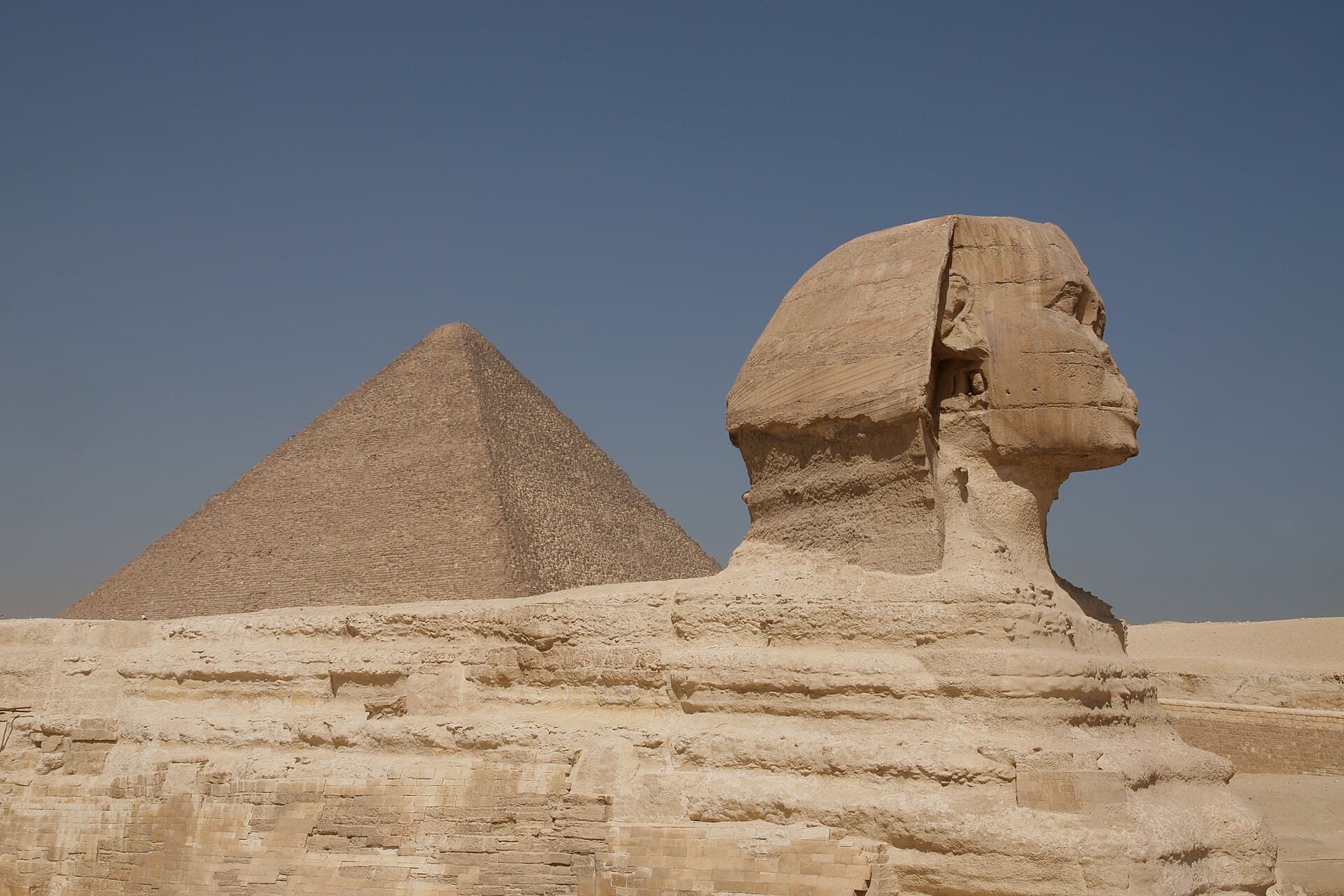
A week is enough for one route done slowly, with early starts and long afternoons off. Days one and two are the same on all three routes. You land in Cairo, are met inside the terminal, and have a free evening. Day two is the Giza plateau at opening with your own Egyptologist, then the Grand Egyptian Museum in the afternoon. Day seven flies you home through Cairo.
Route A: Cairo and a private dahabiya sail. Day three flies to Luxor, about an hour in the air. You see the west bank early: the Valley of the Kings and Hatshepsut's temple at Deir el-Bahari. Medinet Habu, or a quieter tomb, fits in because the pace is yours. Karnak follows in the late-afternoon light, and you sleep in a Luxor hotel. On day four you board the dahabiya at Esna, upstream of Luxor. Days four to six are the sail, with stops at Edfu and Kom Ombo. The boat also moors at sandbanks the big ships pass by. When the wind drops, the boat is towed. Day seven reaches Aswan for Philae Temple and a felucca towards Elephantine, then the flight home. It suits couples and small groups who want the river more than a programme. The sail is short by design; a long, slow sail needs ten days.
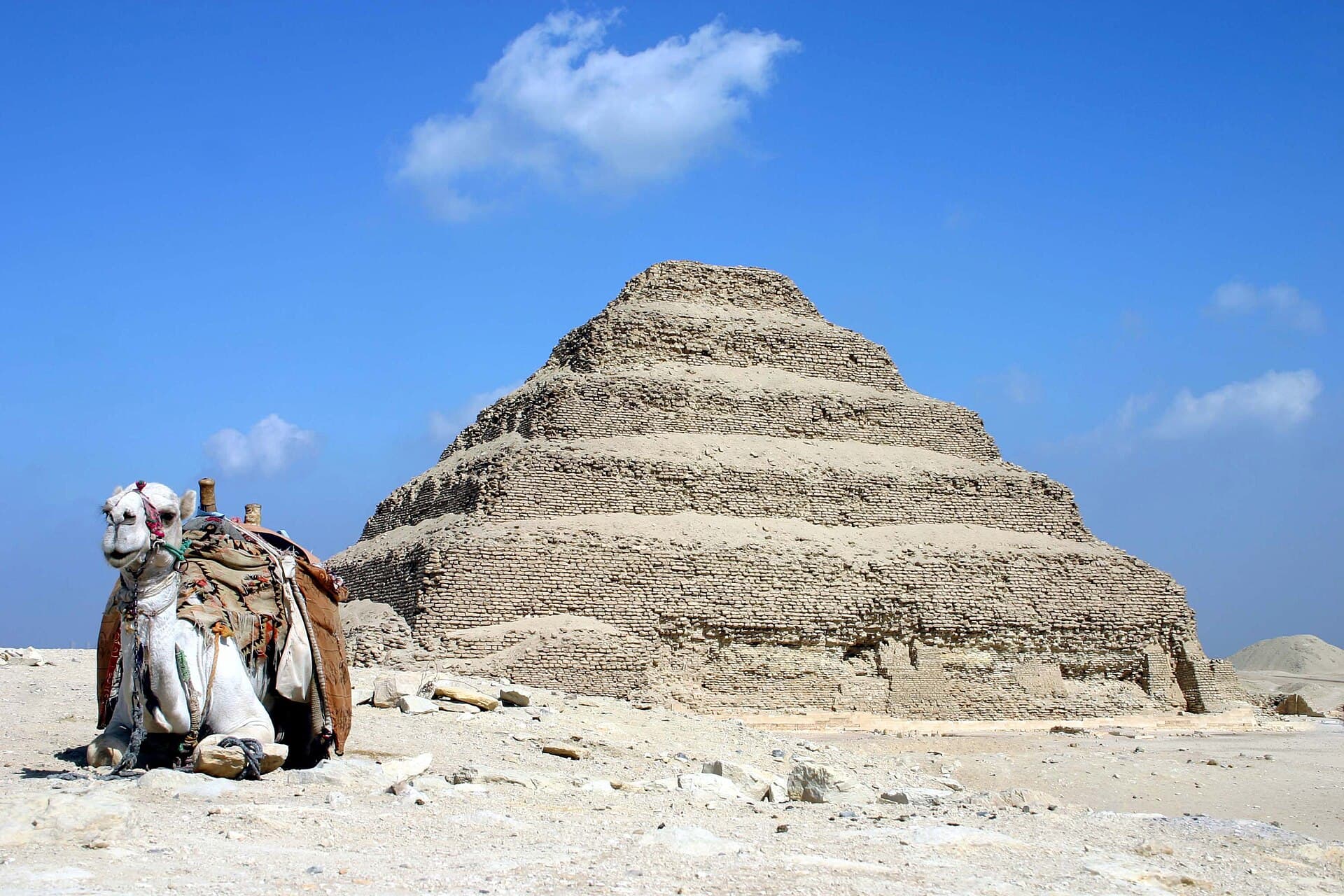
Route B: Cairo and Luxor by land, at a walking pace. This route drops the boat and spends the budget on depth. Day three is Saqqara, about forty minutes south, for the Step Pyramid of Djoser and the painted nobles' tombs. Then comes Dahshur, near-empty, for Sneferu's Bent and Red Pyramids, and an evening on foot in Islamic Cairo. Day four flies to Luxor, and that night you see Luxor Temple floodlit. Day five is the west bank early: the Valley of the Kings, Hatshepsut and Medinet Habu. A sunrise balloon fits here. Book it for your first Luxor morning, so a wind cancellation still leaves a second chance. Day six gives Karnak two or three hours, then the small Luxor Museum. It suits returners, photographers and anyone who prefers a still hotel to a moving boat. The trade is the whole south: Edfu, Kom Ombo, Philae and Aswan all drop out.
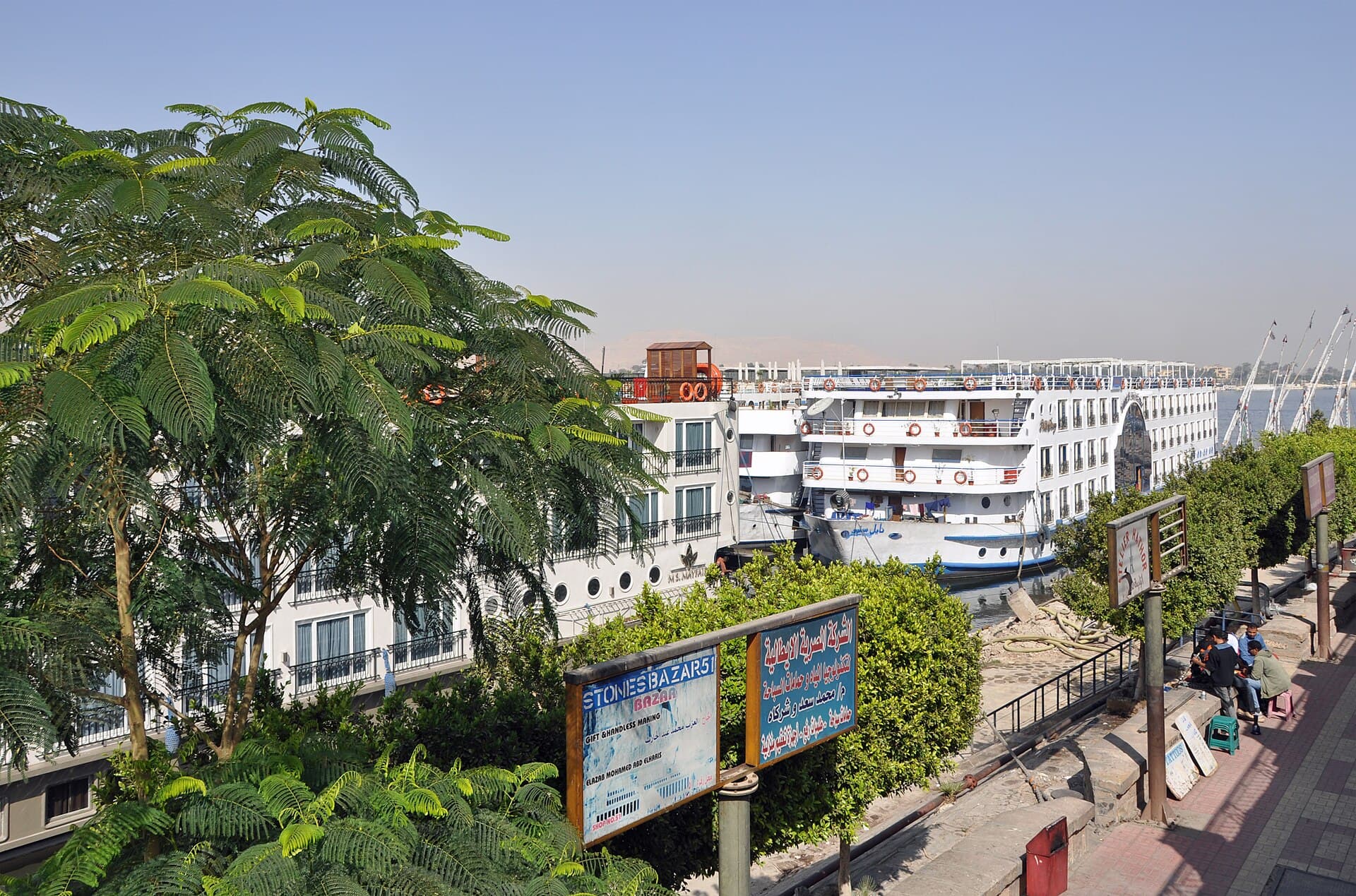
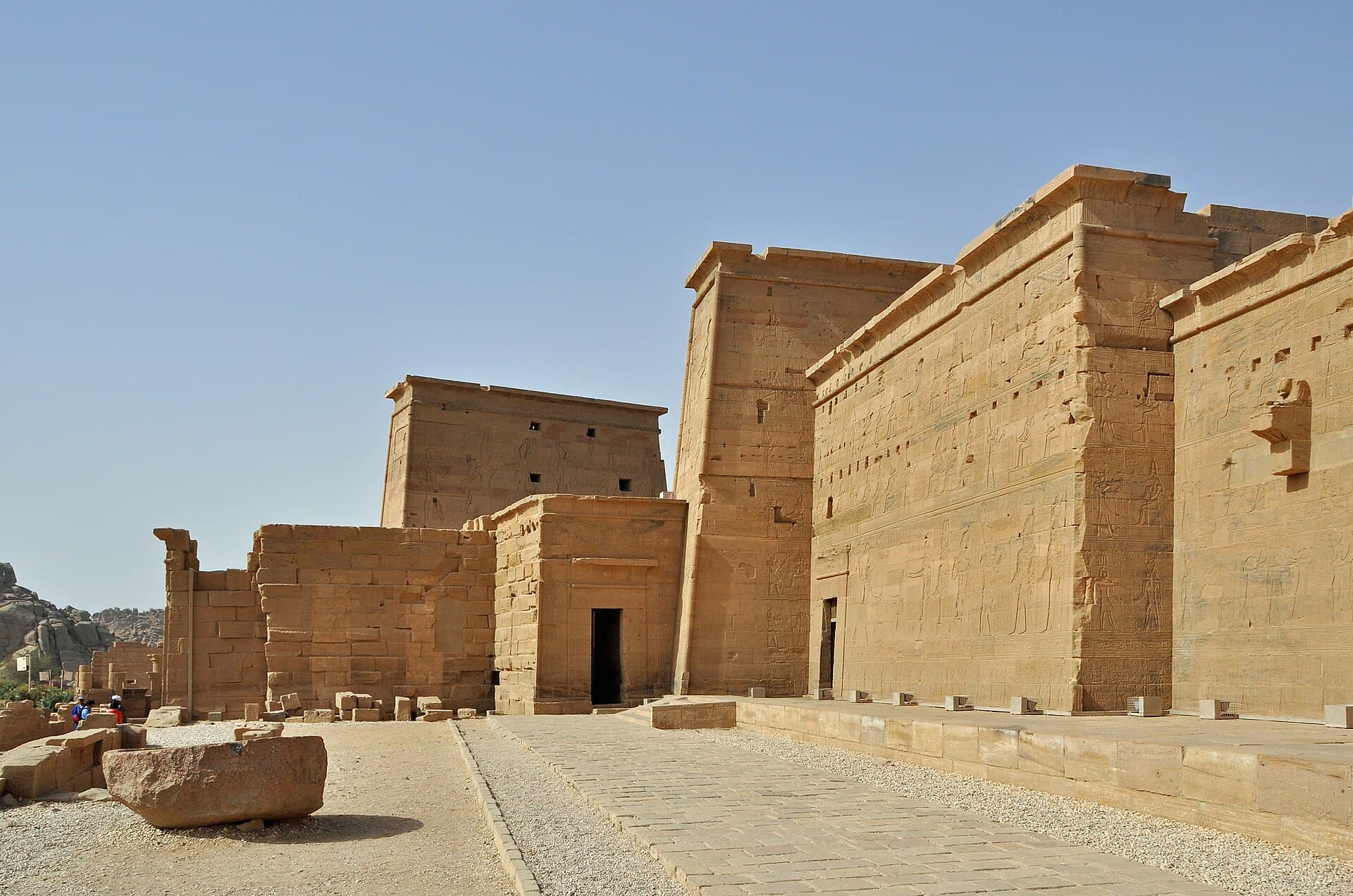
Route C: Cairo, a five-star Nile ship and Aswan. This is the comfort route. Day three flies to Luxor, and you board the ship before lunch, with Karnak in the late afternoon. Day four is the west bank early, the Valley of the Kings and Hatshepsut, before the ship sails south. Days five and six take in Edfu, Kom Ombo and Aswan. In Aswan you see Philae Temple, the granite quarries and the river by felucca at sunset. The shore days stay private: your own guide and car meet the ship. Abu Simbel fits most easily into this route, by the short flight from Aswan. It suits families with children and anyone who values a fixed, dependable timetable. A larger ship carries many more passengers, so you buy comfort and give up quiet.
Ten days of luxury: three routes, unhurried
Ten days is where the luxury pace pays off in full. The classic route fits in eight days at a brisk pace. The extra two buy slack: a second morning in Cairo, a land night in Aswan, and Abu Simbel by air. Every route starts with arrival and a private transfer on day one. Every route ends with the flight home on day ten. Build a buffer into that last day. Never connect a domestic arrival straight into an international departure.
Route A: the classic route at a luxury pace. Day two is the Giza plateau at opening, then Saqqara and Dahshur in the afternoon. Day three gives the Grand Egyptian Museum a full morning, then Islamic Cairo in the late afternoon. Day four flies to Luxor; you board the dahabiya before lunch and see Karnak as the groups thin. Day five is the west bank before the heat, with the Valley of the Kings, Hatshepsut and the Colossi of Memnon. The boat then sails south. Days six and seven pass the Esna lock, Edfu early, Gebel el-Silsila and Kom Ombo at dusk. Day eight lands you in Aswan, in a hotel on the river. You see Philae, the unfinished obelisk and Elephantine by felucca. Day nine is Abu Simbel, by the short flight. It suits first-time visitors and couples who want the complete classic trip, done at the right hours.
Route B: river first, on a dahabiya. Day two packs Giza and the Grand Egyptian Museum into one private day, the only compressed day on the route. Day three flies to Luxor for a night on land, with Karnak and then Luxor Temple after dark. Day four is the west bank early, including Medinet Habu, and you board in the afternoon. Days five to seven are slow sailing days. They take in Esna's sunken temple, the rock-cut tombs at El Kab, Edfu, Gebel el-Silsila and Kom Ombo at dusk. Day eight brings you to a land hotel in Aswan, with Philae, the unfinished obelisk and a felucca at sunset. Day nine is open: a Nubian village, the islands, or Abu Simbel by air. It suits couples and small groups of friends who enjoy slow mornings. Chartering the whole boat keeps the quiet to yourselves. Anyone who counts sites does better on Route A. Families do better on Route C or on a larger ship.
Route C: luxury on land, with no cruise. Day two is Giza at opening, then Saqqara and Dahshur. Day three is the Grand Egyptian Museum, then Islamic Cairo or the old churches of Coptic Cairo. Day four flies to Luxor, for Karnak and then Luxor Temple after dark. Day five is the west bank early, with Medinet Habu, and a free afternoon at the hotel. Day six can start with a dawn balloon, before you move on to Aswan and Philae. Day seven is Abu Simbel by air, and day eight is Aswan at leisure. Day nine flies back to Cairo, with a free afternoon as a buffer. It suits returners, people who prefer a fixed hotel base, and anyone who needs a room to retreat to in the heat. The trade is Edfu, Kom Ombo and the days on deck.
Two weeks of luxury: three 14-day routes
A fortnight from Europe gives about twelve days on the ground and eleven useful ones. That fits the classic route run slowly, or the classic route plus one large addition. Each addition costs a travel day, so choose one and leave the rest out.
Route A: the slow classic, with a private guide and a small boat. Days one to four are Cairo. Giza gets the morning of day two, at opening. Day three gives the Grand Egyptian Museum a half day, then Islamic Cairo on foot. Day four is Saqqara and the Step Pyramid, then Dahshur, where you can climb down into the Red Pyramid with few others around. Day five flies to Luxor to join a dahabiya, with Karnak late in the day and Luxor Temple after dark. Day six is the west bank before dawn, including Medinet Habu. Day seven is a slow day: a balloon at first light, the Luxor Museum, or a morning on deck. Days eight and nine pass Edfu and Kom Ombo on the way to Aswan and Philae. Day ten is Aswan on land, with the unfinished obelisk and a felucca to Elephantine and Kitchener's Island. Day eleven is Abu Simbel by air, ideally with a night there. Day twelve flies to Cairo, for the old Egyptian Museum on Tahrir Square or Khan el-Khalili. Day thirteen is a slow Cairo day or a trip to Alexandria, and day fourteen is departure. It suits first-time luxury travellers and couples who want the headline sights without the queues.
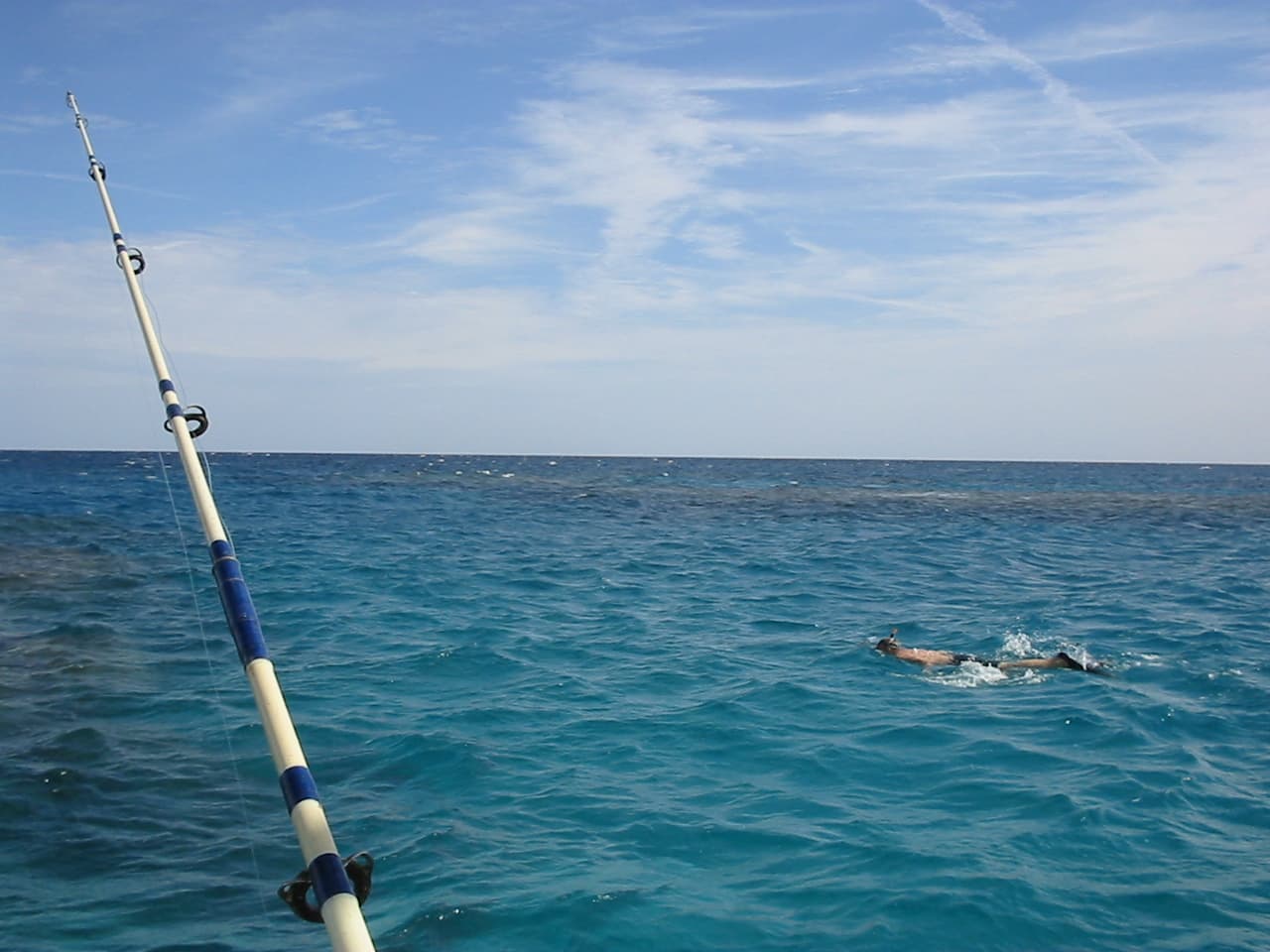
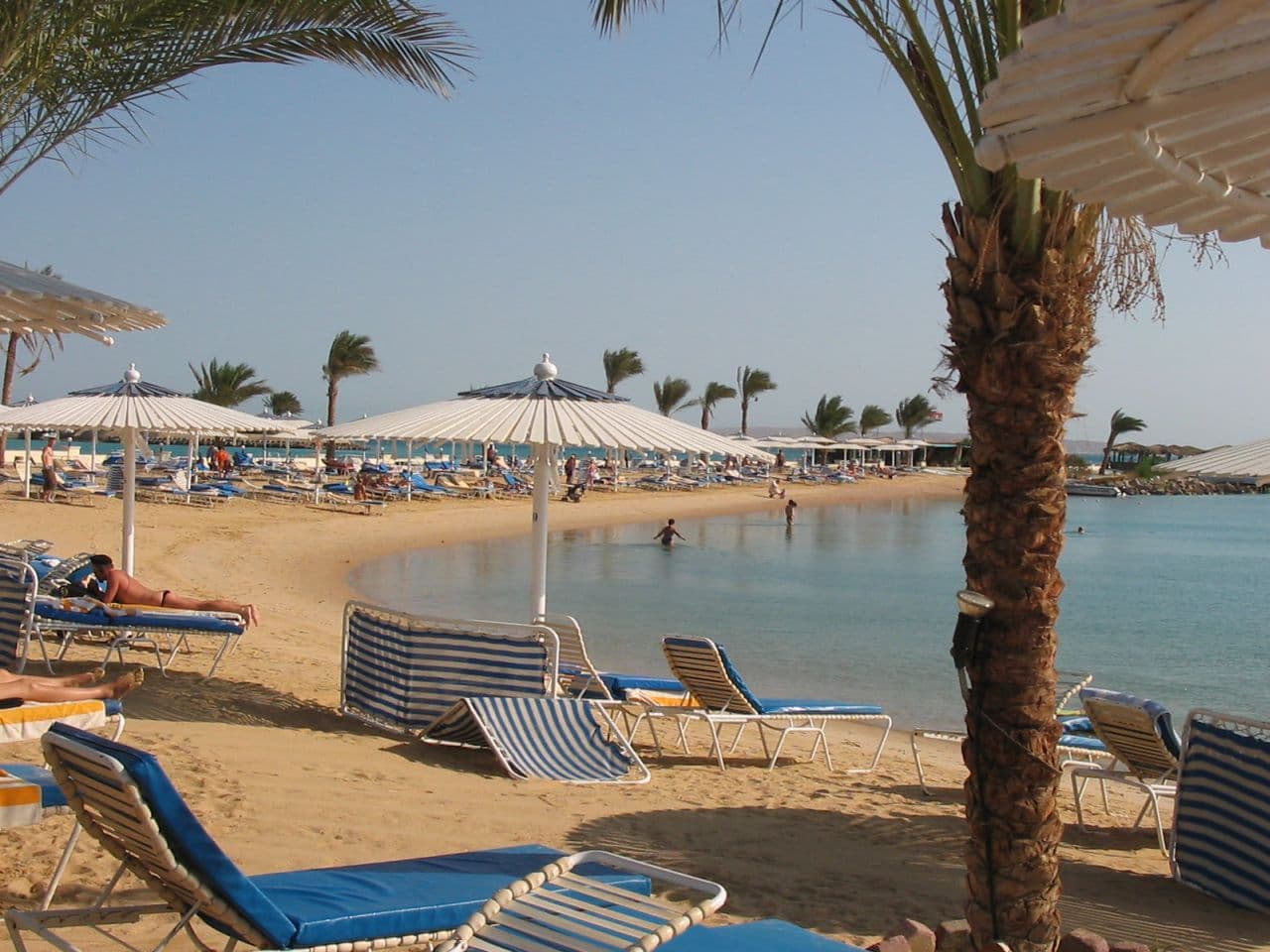
Route B: the Nile and the Red Sea. The first half is the classic route at a brisker pace, on a larger five-star ship. The second half is about a week on the coast. Our own Nile and Hurghada tours sail north from Aswan to Luxor, then drive from Luxor to Hurghada. That road takes roughly four hours. Day two is Giza and the Grand Egyptian Museum. Day three flies south to Aswan to join the ship. Over the next few days you see Philae, Kom Ombo, Edfu and the west bank at Luxor. The last river morning is Karnak, followed by the drive to the coast. On the coast, a private boat to the Giftun Island reefs gives easy snorkelling, and divers have the wrecks at Abu Nuhas. Day fourteen flies home. Much of this shore is fringing reef, so a hotel beach often ends at a jetty and a drop-off. Check that before booking with small children. A remote all-inclusive resort keeps you inside the gate; a room nearer town shows you more of Egypt. It suits families and anyone for whom six days of temples is enough.
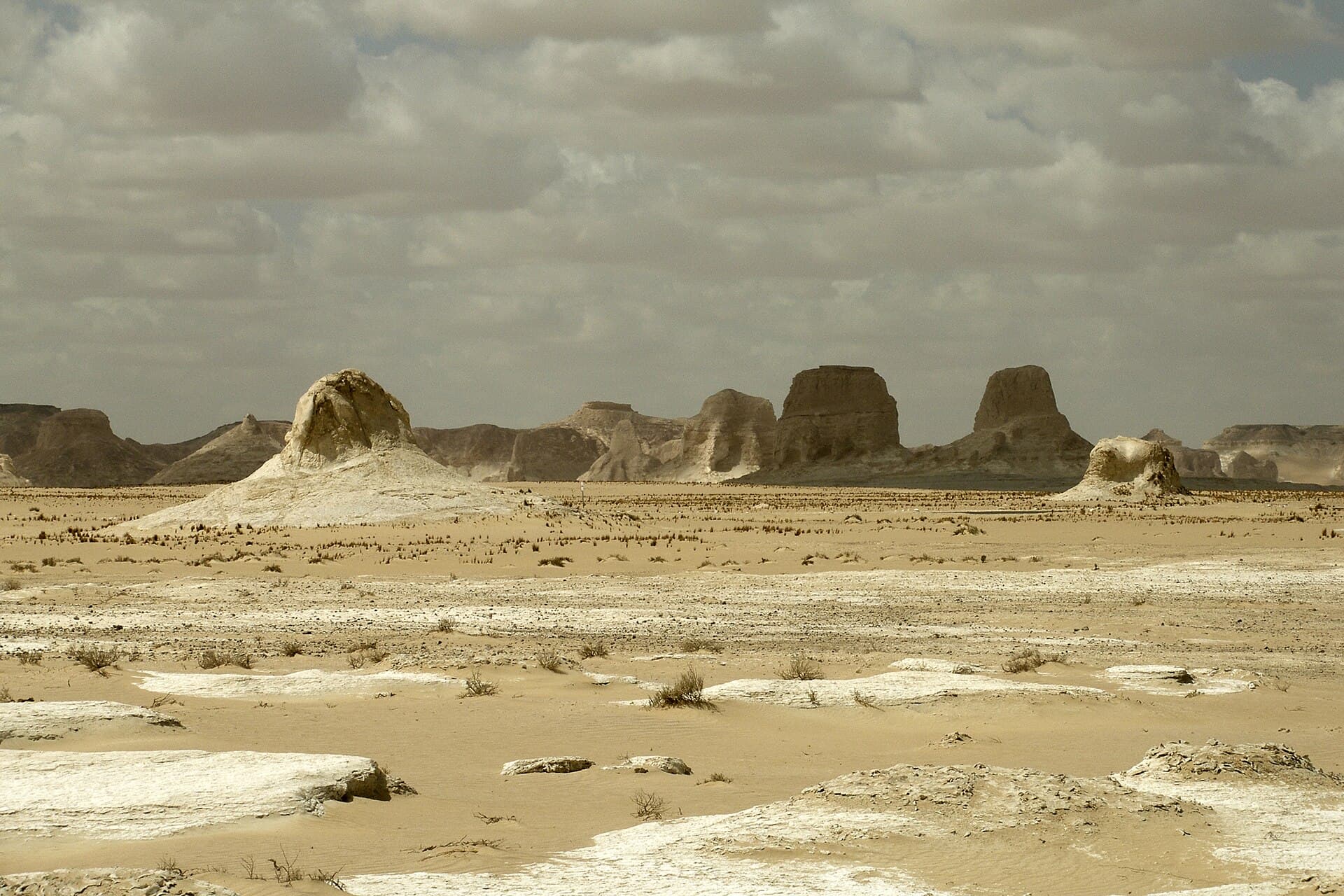
Route C: the Nile and the White Desert. Days one to three are a compact private Cairo. Day four drives about four hours to Bahariya Oasis. Day five is the Black Desert and a hot spring at sunset. Day six is Crystal Mountain and a night camped among the white chalk formations. The camp is simple: mattresses and blankets, dinner cooked over a fire, and cold nights in winter. Day seven drives back to Cairo. Day eight flies to Luxor for Karnak and Luxor Temple after dark, and day nine is the west bank. Days ten and eleven sail from Esna to Aswan on a dahabiya, past Edfu and Kom Ombo. Day twelve is Aswan, with Philae and a felucca. Day thirteen is Abu Simbel by air, then back to Cairo, and day fourteen is departure. It suits returners, photographers and active travellers. It is the least suitable route for very young children, because of the long 4x4 drives. If it feels like too much ground, drop Abu Simbel and keep the desert at its own pace.
How do you judge a luxury hotel in Egypt?
Start with the refurbishment date, because it is the only number in this business that carries real information. Egyptian hotels and boats age quickly under heat, dust and near-continuous occupancy, and the national star rating does not track that decline. A property refurbished two years ago and one refurbished twelve years ago can hold the same plaque and sit in the same price bracket. Ask when the rooms were last done, ask for recent photographs of the actual room category you are being sold rather than the suite in the brochure, and treat vagueness as an answer.
Then judge position, which on a short trip is worth more than the room. In Cairo the useful question is how long it takes you to reach the Giza plateau at opening and the Grand Egyptian Museum afterwards, because those two are why most people come and the museum sits a couple of kilometres from the pyramids. A hotel that saves you forty minutes across a large city each morning has bought you the emptiest part of the day. If the river matters more to you than the plateau, a central position on the Nile is the honest alternative; what does not work is paying a premium for a location that serves neither.
In Luxor, position and refurbishment matter for the same reason: the west bank sites are early-morning work, and Luxor Temple is the one major site that genuinely improves after dark, floodlit, with the heat gone and the crowd down to a fraction. Being able to walk out to it in the evening is a real benefit of staying on land rather than aboard. Aswan is the calmest of the three cities on the classic route, and a room facing the river there is one of the few upgrades that earns its money, because you will actually sit in it.
One more thing worth knowing before you compare quotes: the words used for hotel categories are set by the operator, not by any authority. Deluxe, superior and premium mean whatever the person writing the itinerary decided they mean. Ask for the property name in writing, then look it up yourself. A quote that names its hotels is a quote you can check; one that promises a category is one you cannot.
Are five-star Nile cruise boats worth the money?
The larger five-star boats are a genuine step up from the budget fleet: food you want to eat, air conditioning that holds, a working pool, cabins with proper windows. They also carry scores of passengers, often a hundred or more, which means fixed group timings at every temple and a queue at the gangway. You are buying comfort, not quiet.
The question to ask about any boat is when it was last refurbished. The Nile fleet ages quickly under heat, humidity and constant use, and a boat two years out of refit and one twelve years out can carry the same star rating at a similar price. Ask for the refurbishment year in writing before you commit, and ask whether anyone selling you the boat has been on board recently.
It is also worth understanding what a five-star boat cannot change. At the larger stops boats moor alongside; at the smaller ones they often raft several deep, so you may walk through another boat's lounge to reach the bank, whatever you paid for your cabin. Sailing between Luxor and Aswan also means passing through the lock at Esna, where waits happen and no amount of money moves you up the queue. These are not failures of service. They are the river, and an operator who pretends otherwise is overselling.
Where the money does show is in the shore arrangements rather than the boat itself. On a well-built luxury trip the days ashore are private even when the vessel is shared: your own Egyptologist and your own car meet the ship, so you enter the Valley of the Kings on your schedule rather than in a block of ninety people wearing the same lanyard. That single arrangement does more for the week than a larger cabin, and it is the thing to check is actually included.
Is a dahabiya or small boat better than a cruise ship?
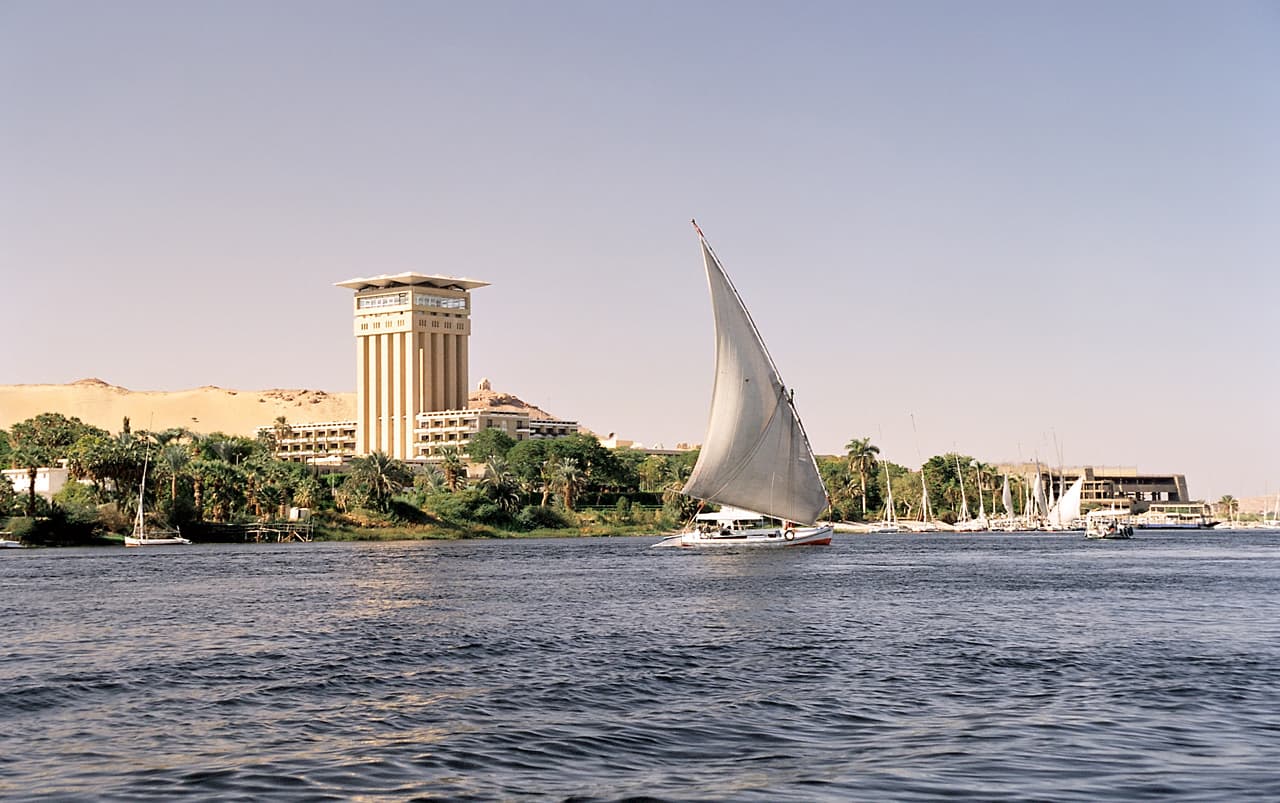
A dahabiya is a small sailing boat, usually a handful of cabins, moving slowly between Luxor and Aswan and mooring on banks the big ships cannot use. The days are quiet, meals happen when you want them, and you see villages, sandbanks and not much else. That is the point, and it is also the catch.
It is the wrong boat if you want a pool, a gym, a lift, or a full programme of sites every day. Some stretches are motored when the wind fails. There is little to do on board beyond reading and watching the bank go past. The same applies to the small high-end motor yachts in this category: fewer people, better service, less happening.
Most small boats run from about October to April. In high summer, Upper Egypt reaches roughly 40C and more in the afternoon, and the appeal of a slow sailing boat with no pool drops sharply. Some boats go into dry dock for maintenance in the hottest months, which is another reason the sailing season is short.
The shallow, flat-bottomed hull is what makes the difference in practice. It lets the boat lie close to the bank, tie up beside a sandbank and stop where a deep-hulled ship cannot, which is why a sailing itinerary can include places the large fleet passes without slowing: the rock-cut tombs at El Kab, the quarries at Gebel el-Silsila, a village walk with no temple attached. Under sail there is no engine, so you hear water, birds and the crew, where a large ship runs generators through the night.
The corresponding cost is certainty. A ship keeps a timetable because it can; a sailing boat bends to the wind, and a sensible operator builds slack into the route and reorders the sites when the day requires it. If a fixed schedule is what makes you comfortable, that trade will irritate you for a week. If it sounds like the best part, you have found your boat.
Should you charter the whole boat?
On the small boats this is a real option rather than a fantasy, because the passenger list is small enough to buy outright. A dahabiya may have only five or six cabins, so a family group, a set of friends travelling together or two couples with a few more can take the whole vessel and travel with no other guests aboard. What you gain is not extra comfort, since the cabins are the same cabins. It is control: mealtimes, the order of the sites, how long you linger at a mooring, and the absence of anyone else's holiday happening next to yours.
The arithmetic is the reason to consider it seriously rather than dismiss it. A small boat already costs more per person per night than a large one, because you are paying for a crew that is large relative to the number of guests and for the empty space around you. Chartering simply removes the discount you get from sharing that fixed cost with strangers. For two people it is usually indefensible. For six or eight travelling together it can land surprisingly close to what those same people would pay individually for cabins on a good ship, and it buys a different trip entirely.
The same logic runs through the land portion. A private guide and a car with a driver are fixed costs whatever the party size, which is why the private premium is steepest for solo travellers and couples and shallowest for a family of four or a group of six. If you are travelling as a group anyway, the luxury version of an Egypt trip is cheaper per head than it looks from the outside, and the parts worth buying are the parts that scale well.
Does a private Egyptologist make a real difference?
More than anything else on the invoice. Egypt licenses its guides and the good ones hold degrees in Egyptology, but the gap between a competent guide and an excellent one is enormous. A weak guide recites dates at the entrance and waits by the coach. A strong one reads the walls with you, knows which tomb justifies the extra ticket, and knows when to stop talking.
Private also buys pace. You skip what bores you, sit down when you need to, and stay another half hour in the chamber you like. Travelling with children, or with anyone who wilts in the heat, that flexibility is worth more than a room upgrade.
The attention is the other half of it. A good Egyptologist talking to two people can answer questions properly, follow a tangent about the Amarna heresy, and read when you have stopped listening. The same guide with twenty people is running a microphone tour, however good they are. This is also the one place where paying privately gives you a genuine chance of being matched to a person rather than allocated one, so say at the enquiry stage what you actually care about: architecture, hieroglyphs, daily life, the Ptolemaic layers, the excavation history.
It follows that this is the last line to economise on. A cheap private quote saves money somewhere, and the two places it usually comes from are the guide's day rate and the vehicle, which are precisely the things you were paying extra to get. A group departure with a strong guide beats a private trip with a weak one, every time.
Can you actually avoid the crowds?
Partly. Nobody empties Karnak, but you can be inside it at opening, before the cruise groups arrive in the middle of the morning. The Valley of the Kings is bearable early and grim by ten. Abu Simbel calms down in the afternoon, once the early coaches and the first flights from Aswan have gone. A private car and a guide willing to start before dawn buys an hour or two of near-silence at sites that are miserable at noon.
This is the part of luxury that is hard to buy off the shelf. A group departure cannot move its schedule; a private trip can. It means your own vehicle and driver, a guide who agrees to a six o'clock start, and a hotel breakfast taken as a box rather than at seven in the restaurant. Ask any operator how they plan the mornings before you ask them about the hotels.
The end of the day is the other half of the same trick and it is used far less. The last hour before closing empties out much as the first hour after opening does, and the light is better. Philae in late light and Karnak in the late afternoon are both improvements on the middle of the morning, and a private trip can take the middle of the day out of the programme altogether, which in Upper Egypt is what a sane itinerary does anyway.
Be realistic about the limits. Winter is when the weather is best and therefore when the sites are busiest, so an early start matters more from November to February than at any other time of year. After-hours access is not something that can simply be bought at most sites, whatever an itinerary implies, and a trip built around promises of private openings deserves a direct question about what exactly has been arranged and with whom.
What does a luxury Egypt itinerary actually look like?
The spine is the same as everyone else's, because it works: Cairo, then Luxor, then the river, then Aswan. What changes is the depth and the pace. In Cairo, that usually means three days rather than two: the plateau at opening and the Grand Egyptian Museum given the three unhurried hours it deserves, with the whole Tutankhamun collection in one place, then a day most itineraries skip. Saqqara is about forty minutes south, where the Step Pyramid of Djoser is the oldest large stone building anywhere and the painted tombs of the nobles around it are better preserved than much on the Giza plateau. Dahshur, and the Bent and Red Pyramids of Sneferu, is near-empty by comparison.
Fly between Cairo and Luxor rather than drive. The flight is about an hour; the road takes most of a day and shows you very little. The overnight sleeper train is the one reasonable alternative, and it saves a hotel night rather than buying comfort. Business class on a hop of that length buys almost nothing, which is a theme of this page.
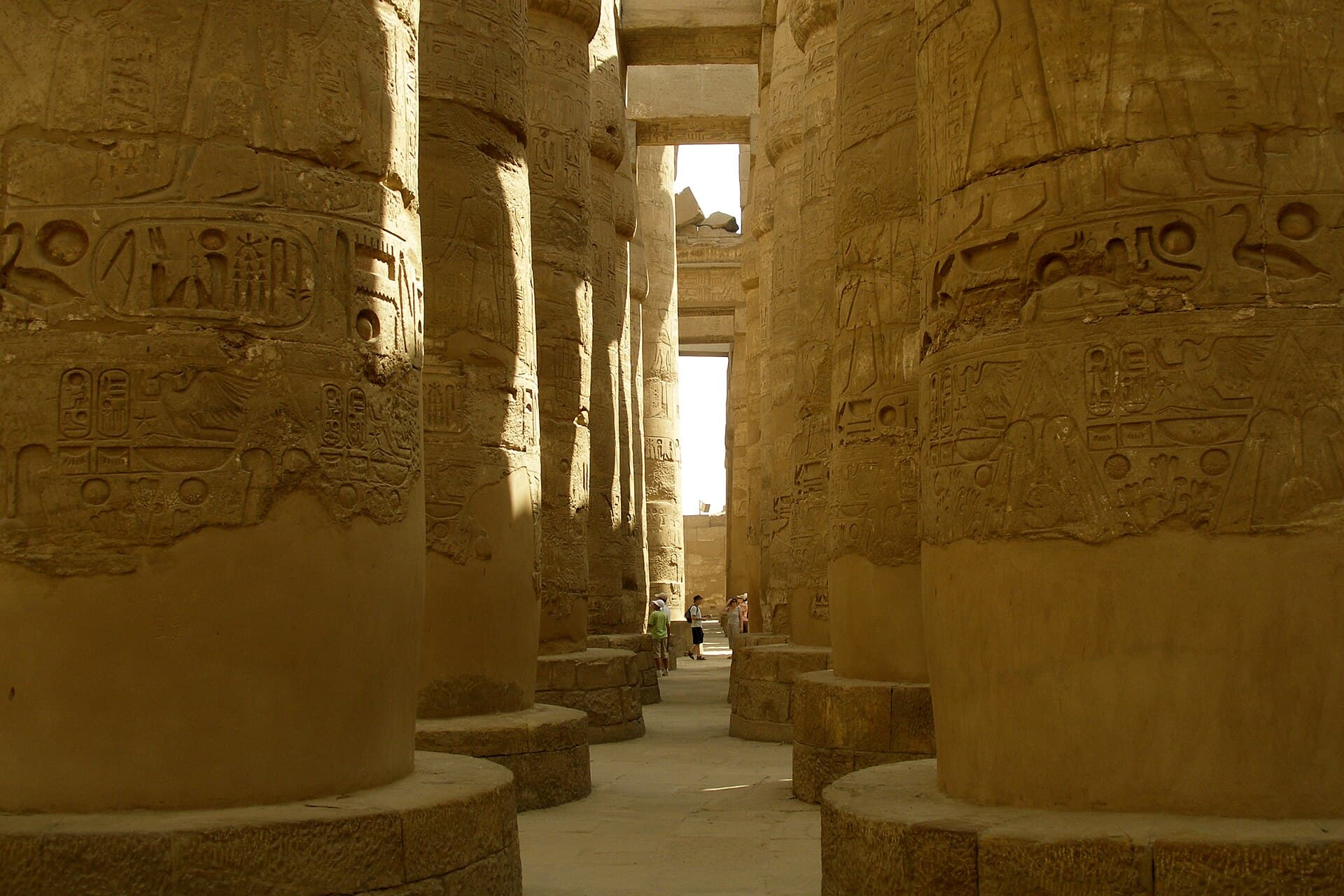
In Luxor the luxury version is mostly about hours. The west bank early, with a guide who picks the two or three tombs worth your legs rather than marching you through six, then Hatshepsut at Deir el-Bahari and, if you are not on a boat's clock, Medinet Habu, which still holds colour on its walls and sees almost no groups. Karnak gets the two or three hours it actually needs instead of the ninety minutes a cruise allows. The Luxor Museum is small, under-visited and worth an hour of anyone's afternoon. If a sunrise balloon flight appeals, book it for your first Luxor morning rather than your last, so a wind cancellation still leaves you a second chance.
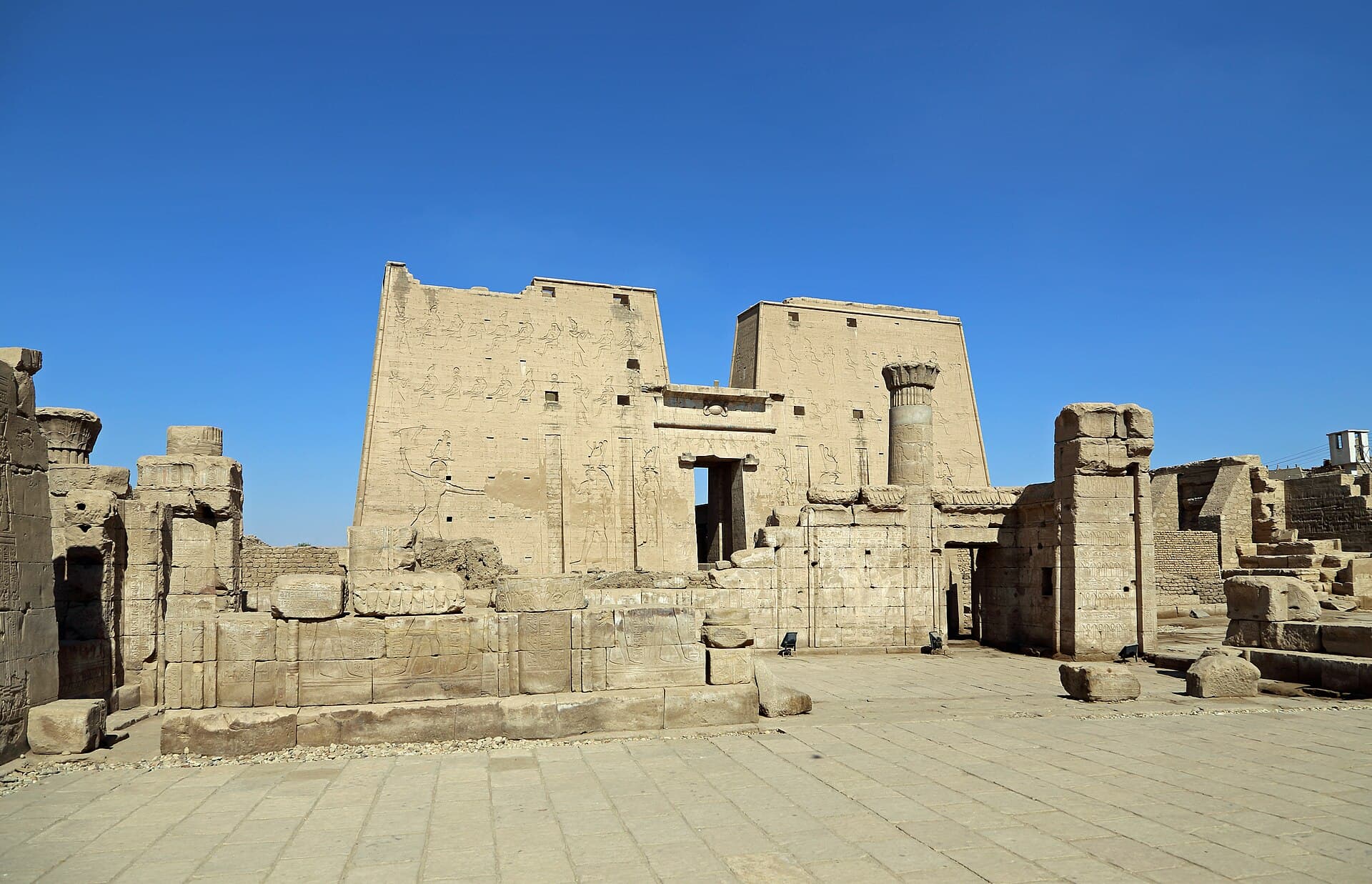
Then the river. Four nights Luxor to Aswan is the classic direction and ends at sunset in the calmest of the three cities; northbound is usually cheaper and one night shorter. Along the way sit Esna, sunk below the level of the modern town, Edfu, among the best-preserved temples in Egypt, and Kom Ombo, a double temple standing right on the bank so you arrive at the steps rather than by coach. At Aswan, Philae Temple on its island, the granite quarries and a felucca out towards Elephantine at sunset.
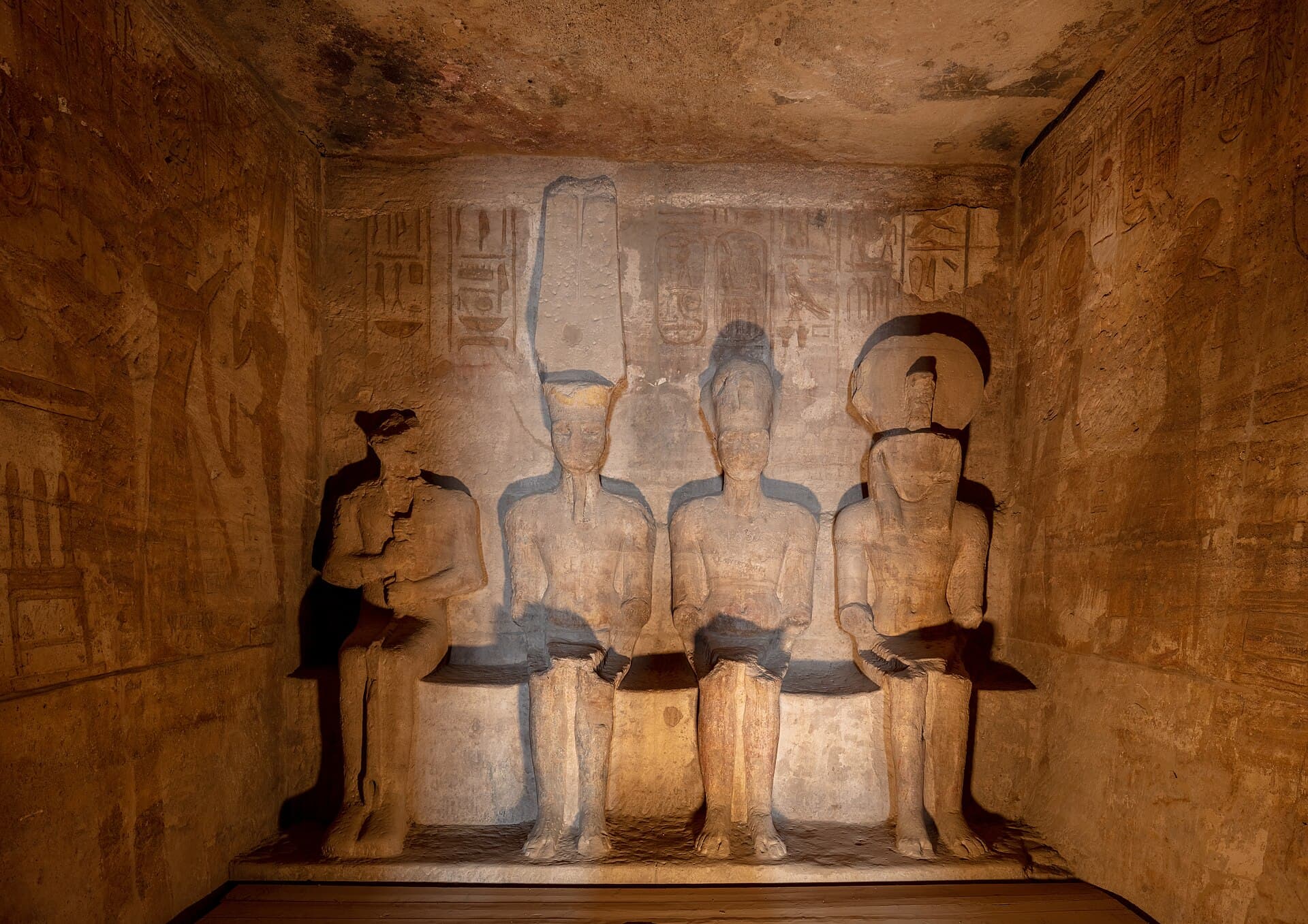
Abu Simbel is the usual addition and it sits outside the cruise. It is roughly three hours by road from Aswan, or a short flight, and a day in itself rather than a stop. The afternoon is the civilised time to be there. Anything beyond that, Abydos and Dendera, the Red Sea for a week of doing nothing, the Western Desert oases, needs real days rather than squeezed ones, which is the argument for ten days or a fortnight instead of seven.
What money cannot fix in Egypt
The heat, first. Summer in Luxor and Aswan means daytime temperatures well above 40C, and no hotel, guide or vehicle changes what that does to the middle of the day. The luxury response is structural rather than material: see things at dawn, stop entirely between noon and four, and accept that your sightseeing day has two halves with a hole in it. Anyone promising you a full programme through a summer afternoon is selling you a bad week.
The physical demand is next, and it is consistently underestimated. Tombs mean steep ramps and low ceilings. Temples mean uneven stone, few handrails and no shade. Lifts are rare and the walk from a car park to an entrance can be long. A private trip can be paced around all of this, and a driver who can drop you at the closest legal point genuinely helps, but nothing turns the Valley of the Kings into an easy morning.
Baksheesh does not stop at the door of a good hotel either. Tipping in Egypt is not a bonus for good service; it is a structural part of how people in tourism are paid, and it runs alongside the trip regardless of what you spent on it. On a privately guided day with a driver, budget roughly 15 to 20 euros per person, with another 5 to 10 per person per night for the crew box on a cruise. Carry small notes, in Egyptian pounds, and more of them than you expect to need. This is a line in the budget, not a judgement on the service.
And some things are simply outside anyone's control. Balloon flights are cancelled when the wind says so, and the correct response is to accept it without argument. A sailing boat goes where the wind allows. Sites close sections for conservation work without notice. A trip sold as frictionless is being sold dishonestly; a well-run one is simply better at absorbing the friction on your behalf.
Where is the money wasted?
Some upgrades do very little. A suite you use for six hours a night is money spent while asleep. Business class on the short Cairo to Luxor hop, about an hour in the air, buys you almost nothing. Helicopter transfers, after-hours site access where it can be arranged at all, and elaborate desert dinners usually cost far more than the pleasure they return.
Spend instead on the guide, the condition of the boat, the early starts, and a hotel in Cairo close enough to Giza to be useful if the pyramids are the reason you are coming. Then put whatever is left into extra days rather than extra marble. Two more nights in Luxor will change the trip more than a bigger bathroom.
The pattern behind those examples is worth stating on its own, because it applies to upgrades this page has not thought of. Money spent on the hours you are asleep, in transit or at dinner returns very little. Money spent on the hours you are standing in front of something remarkable returns a great deal. Almost every genuinely good decision on an Egypt trip follows from that, and almost every expensive mistake ignores it.
What actually moves the price of Egypt luxury tours?
For a week to ten days on the ground, most Egypt quotes land somewhere between roughly £1,000 and £3,500 per person before international flights, and a luxury trip sits at the top of that band with no real ceiling above it. The width is not mystery or margin. It is the choices: season, party size, how private the trip is, and the standard of the boat and hotels.
The private premium is the clearest line. Expect a private trip to cost around 40 to 80 percent more per person than a comparable group departure at the same hotel standard, with the gap widest for solo travellers and couples because the guide and vehicle are fixed costs split between fewer people. Note what that premium does not buy: entrance tickets, domestic flights and cruise cabins cost the same whoever books them, so a quote that is far above the rest is charging for something else, and worth a question.
Season moves the rest. November to February is close to ideal in Upper Egypt and priced accordingly, with a further premium over Christmas, New Year and Easter, when the better boats and hotels fill months ahead. Summer is the cheapest and the hardest. May and September sit in between, and are the genuinely underrated weeks for anyone who can tolerate warmth in exchange for space.
Currency deserves a direct question. The Egyptian pound has moved sharply in recent years, so operators quote in dollars or euros and hold that figure, and hotels and boats set their internal rates the same way. A price given far ahead in Egyptian pounds is an estimate, not a fixed quote. Ask which currency the contract is in, and in which currency the balance falls due.
Finally, remember what you are buying from whom. Most Egypt trips sold in Europe are run on the ground by a fairly small number of Egyptian operators, and the website you book through is often a reseller adding a margin to the same cars, the same pool of guides and the same boats. That is not dishonest, but it explains why identical programmes come back at very different prices, and why a high price is not by itself evidence of a better trip.
Luxury with children, older travellers and anyone who wilts
This is where a private trip stops being an indulgence and starts being the practical option. The ability to abandon a temple at eleven because a five-year-old has had enough is worth the premium on its own, and a group tour punishes it. The same is true in reverse for anyone who wants an extra hour somewhere the rest of the van has finished with.
For families, the boat question usually answers itself. A larger refurbished ship has the things a dahabiya deliberately lacks, a pool to sit beside through the worst of the midday heat, a lift rather than stairs, other children aboard, and it holds a dependable timetable. A small sailing boat with long empty afternoons and no pool is a wonderful trip for two adults who read, and a long week for a nine-year-old.
For travellers with limited mobility or a low tolerance for heat, say so at the enquiry stage rather than on the morning. It changes which tombs are sensible, which entrances the driver uses, how the day is ordered and whether a balloon flight, where you stand for the whole hour and the landing can be firm, is a good idea at all. None of this is awkward to discuss and all of it is expensive to discover late.
How to tell a good operator from a good website
Ask which boat, by name, and when it was last refurbished, and ask for both in writing. A company that sells the river regularly knows the answer or can get it within a day. A company that offers a star rating instead is quoting you a category, not a vessel, and reserves the right to put you on whatever is available.
Ask whether shopping stops are in the programme. Cheap trips are frequently subsidised on the ground by visits to papyrus, alabaster and perfume shops where the guide earns commission, and by extras sold hard once you have arrived. A genuine luxury itinerary has none of that, and the question is a fair one to put directly. A trip with no commission stops costs more up front and often less in total.
Ask who runs the trip on the ground, who your guide will be, and what happens when something goes wrong: a cancelled internal flight, a closed tomb, a balloon grounded by wind, illness on day three. The answer tells you whether there is a person in Egypt behind the website. Ask for the cancellation and refund terms in writing before you pay a deposit, not after.
Then judge the reply itself. An itinerary that names hotels and boats, sets out the hours of each morning and admits what it leaves out is a document you can check and argue with. One built from adjectives is not. Since nothing here is sold from a shelf, that written proposal is the product you are actually choosing between, and it is a fair sample of how the company will behave for the rest of the trip.
Common questions
How far ahead should we book?+
Book early for the small boats. A dahabiya may have only five or six cabins, so the good ones for Christmas, New Year and the February to March window go many months ahead. Larger boats and Cairo hotels are easier, though the same peak weeks tighten up. Outside those dates a few months is usually enough.
When is the best time of year to travel?+
October to April is the sensible window. December and January are pleasant by day and genuinely cold on the Nile after dark, so bring a jumper. Summer is punishing, roughly 40C and higher in Luxor and Aswan, and while prices drop, sightseeing becomes an early-morning activity only. May and September sit in between.
How much walking and climbing is involved?+
More than most people expect. Tombs mean steep ramps and low ceilings, temples mean uneven stone and no shade, and lifts are rare. A private trip can be paced around this, and a good guide will pick the two tombs worth your legs rather than marching you through six. Tell us about mobility or heat problems at the enquiry stage.
How does pricing work if there is no online booking?+
Everything is quoted per trip rather than sold from a shelf, because the cost swings on the boat, the season and how much is private. You send the dates, the number of people and what matters most, and you get a written itinerary and a price for that trip, with the boat and its refurbishment year named.
What is normally included in a luxury Egypt quote?+
Almost every quote is a ground package: hotels, transport, guiding and the Nile portion if you have one. International flights are nearly always separate. What differs between operators is whether entrance tickets, internal flights, drinks and tips sit inside the figure or outside it, so compare inclusion lists before you compare totals. Two quotes that look far apart are sometimes identical once you add back what the cheaper one leaves out.
Do we still need to tip if we are paying for a luxury trip?+
Yes. Baksheesh is a structural part of how people in tourism are paid rather than a reward for good service, and it does not stop because the trip is expensive. On a privately guided day with a driver, budget roughly 15 to 20 euros per person, plus 5 to 10 per person per night for the crew box on a cruise. Carry small notes in Egyptian pounds, and more than you think you need.
How many nights should we spend on the boat?+
Four nights from Luxor to Aswan is the classic stretch and covers Karnak, the Valley of the Kings, Edfu, Kom Ombo and Philae without feeling rushed. Sailing northbound is usually cheaper and one night shorter. A sailing boat wants more nights than a motor ship, because the sailing itself is the reason to be aboard, which is why a dahabiya sits more comfortably in ten days than in seven.
Is Abu Simbel worth adding?+
For most people, yes, but treat it as a day rather than a stop. It is roughly three hours by road from Aswan, or a short flight, and it sits outside the cruise itinerary. The afternoon is the calmer time to be there, once the early coaches and the first flights have gone, which is exactly the kind of timing a private trip can arrange and a group departure cannot.
Will the operator handle our visas and paperwork?+
An operator can tell you what is normally required and remind you of the deadlines, but the application is yours and the eligibility check comes first. Not every route is open to every passport, and some nationalities must apply in advance through an Egyptian embassy. Check your own nationality on the official portal at visa2egypt.gov.eg and confirm with your foreign ministry before booking anything non-refundable.
Official sources
Entry rules, opening hours, security advice and exchange rates all move. Check them at the source, not here.
Written and checked by the Nile Trip Guide editorial team · Last reviewed . Entry rules, prices and opening hours change — check anything critical against the official sources linked on this page.
Plan this trip
Tell us your dates and we will price it
A real itinerary with real prices, usually within 24 hours. Nothing is booked and nothing is charged until you say yes.
The route most people take first, at the length it was built for: Giza and the Grand Egyptian Museum, then a flight to Luxor and four nights sailing down to Aswan.
No boat on this one. Giza and the Grand Egyptian Museum, a night in Luxor for both banks, two nights on the Red Sea, then back to Cairo for the Citadel, Coptic Cairo and the Royal Mummies.
Five nights in Cairo either side of a four-night sail from Luxor to Aswan. The Cairo days are private, just your party and a guide; the sightseeing off the boat is shared with a small group.