Egypt and Morocco Tours: What Combining Them Actually Involves
Egypt and Morocco tours put two of North Africa's best-known countries into a single trip. They are not neighbours: the land between them runs through Libya and Algeria, which is no route for a holiday, so you fly five to six hours instead. With enough time the pairing works well; squeezed into twelve days it does not.
Why do people book Egypt and Morocco tours together?
Both are entry points to North Africa for people who have not travelled the region before, and both are a long flight from Europe or North America, so pairing them spreads the cost of getting there. They are also different enough to be worth seeing back to back: Egypt is ancient monuments strung along one river, Morocco is working cities, mountains and coast.
There is no historical thread joining them, whatever the marketing suggests. Pharaonic Egypt and the Morocco of the Almoravids sit thousands of years and more than two thousand miles apart. If you want a trip where each half explains the other, this is not it. If you want two strong, unrelated countries in one holiday, it works.
The label North Africa does more harm than good here. It suggests the two countries are variations on a theme, and they are not. Egypt's case is the ancient world on a scale nothing else matches. Morocco's is the living one: medinas that still function as medinas, a mountain range, a coast and food worth travelling for. Booked together, the pleasure comes from the contrast rather than from any continuity, and the itineraries that work best lean into that instead of pretending the halves belong to one story.
How far apart are they, and how do you cross?
Roughly 3,700 km separates Cairo from Marrakesh, with Libya and Algeria in between. They sit on the same landmass, but the overland route is not a realistic option for a holiday, and border openings and conditions along it change. Read your own government's current travel advice for both countries, and for anywhere on your route, before you commit to anything.
In the air it is five to six hours. Direct services between Egypt and Morocco exist but are limited, and many itineraries connect through Europe or the Gulf, which turns a short hop into most of a travelling day. Treat that day as part of the holiday rather than a transfer, and put it somewhere you do not mind losing.
It is worth being blunt about why the land route is closed to you rather than merely inconvenient. The Algeria to Morocco border has been shut for decades, and Libya is not a country travellers cross. No amount of flexibility in your plans opens either of them. That single fact is what separates this pairing from Egypt and Jordan, where an hour and a half in the air or a land crossing both work, and it is the reason a combined Egypt and Morocco trip has to be designed around one flight rather than around a route.
How long does the combination actually need?
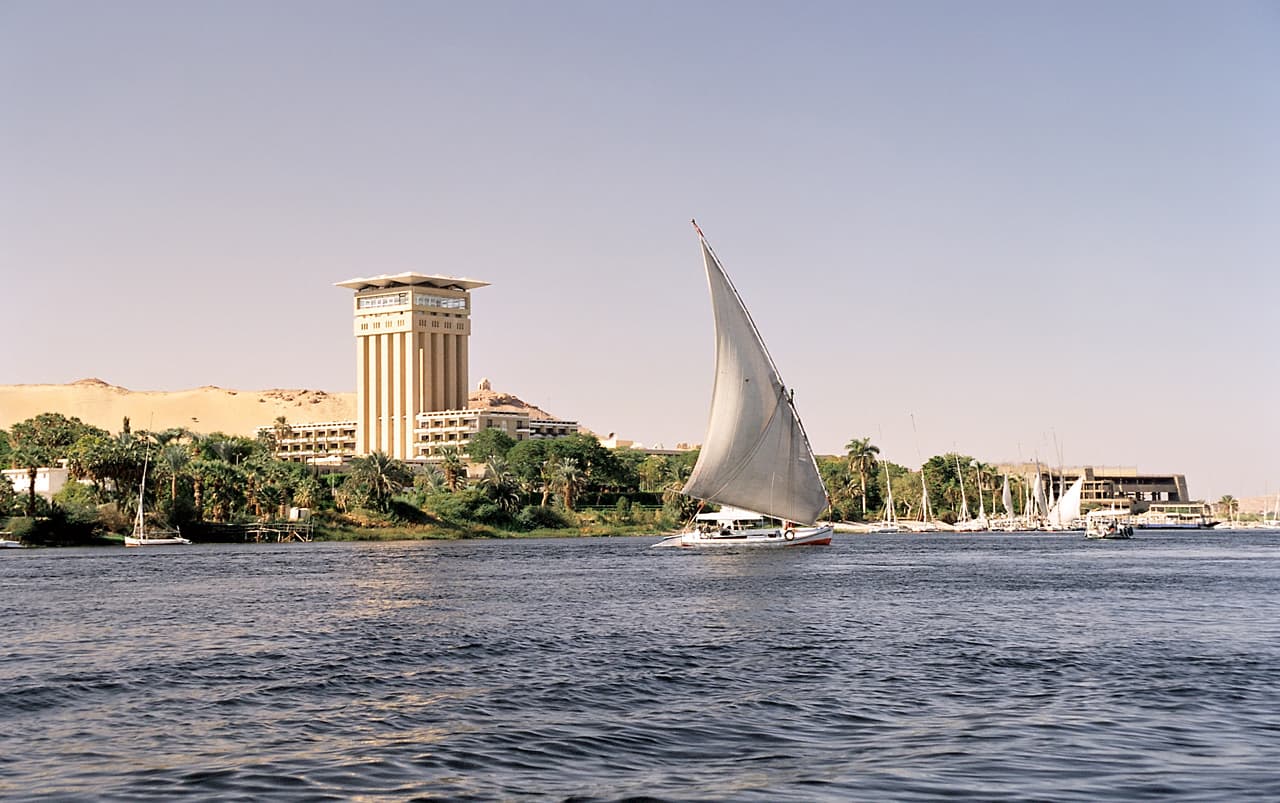
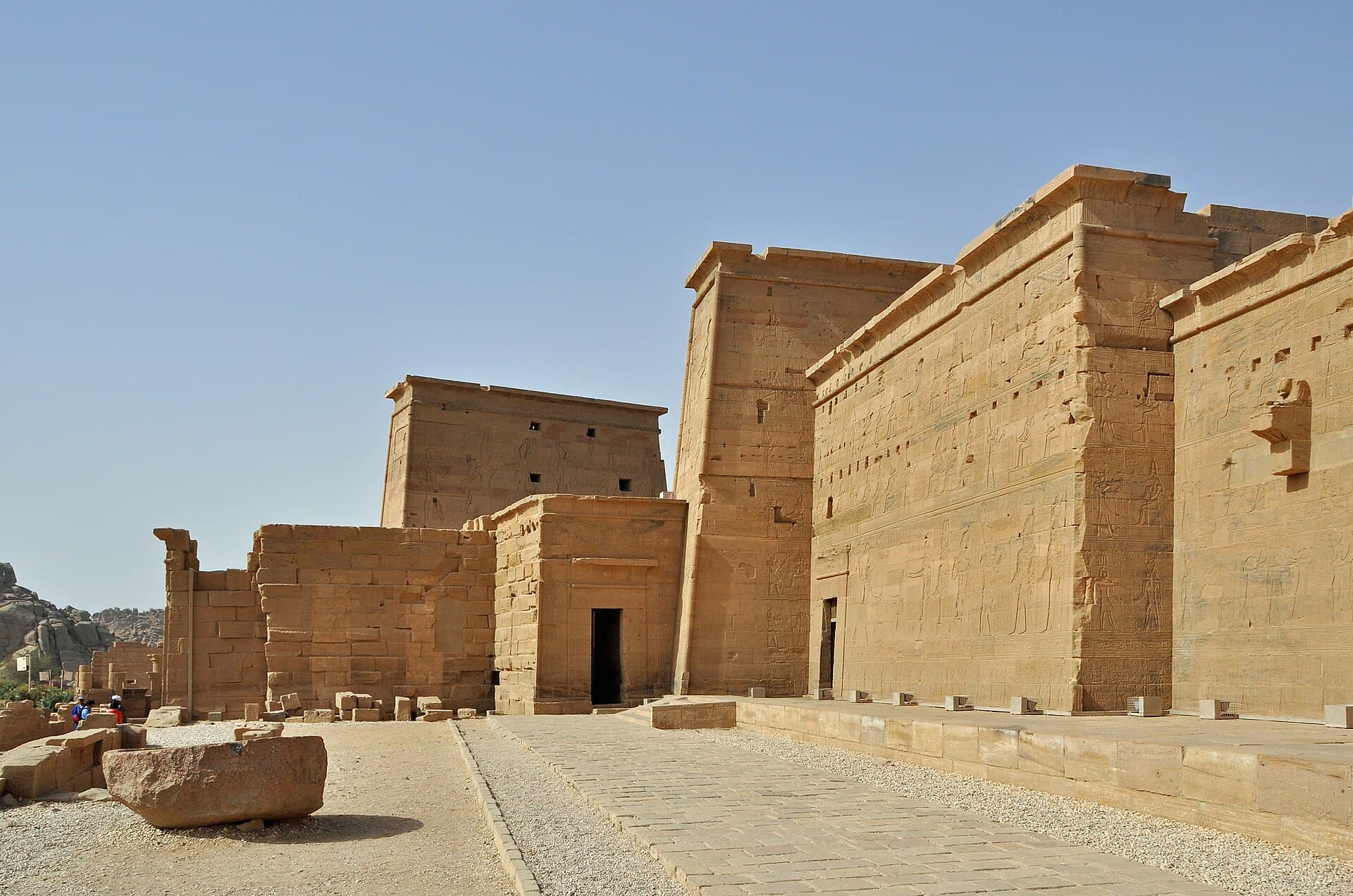
Sixteen to eighteen days is the realistic window. Egypt takes eight or nine: Cairo and Giza, then Luxor and Aswan, usually with a few nights on the Nile. Morocco takes seven or eight: Marrakesh, the Atlas, the desert if you want it, and Fes. One full day goes to the flight in between.
Under fourteen days, one country becomes a stopover. That is a fair choice made deliberately. Three nights in Marrakesh after Egypt is a reasonable way to finish. It is a poor choice made by accident, which is what happens when a two-week holiday gets split down the middle and both halves end up rushed.
Three weeks is the version nobody regrets. It buys a Nile stretch that is not compressed, a full day at the Grand Egyptian Museum rather than a hurried one, and enough room in Morocco to reach a proper dune field without spending the whole leg in a vehicle. If you have twenty-one days and the budget, the extra time goes further here than on almost any other two-country pairing, because both halves have a natural length and neither of them is short.
How should you split the days between the two countries?
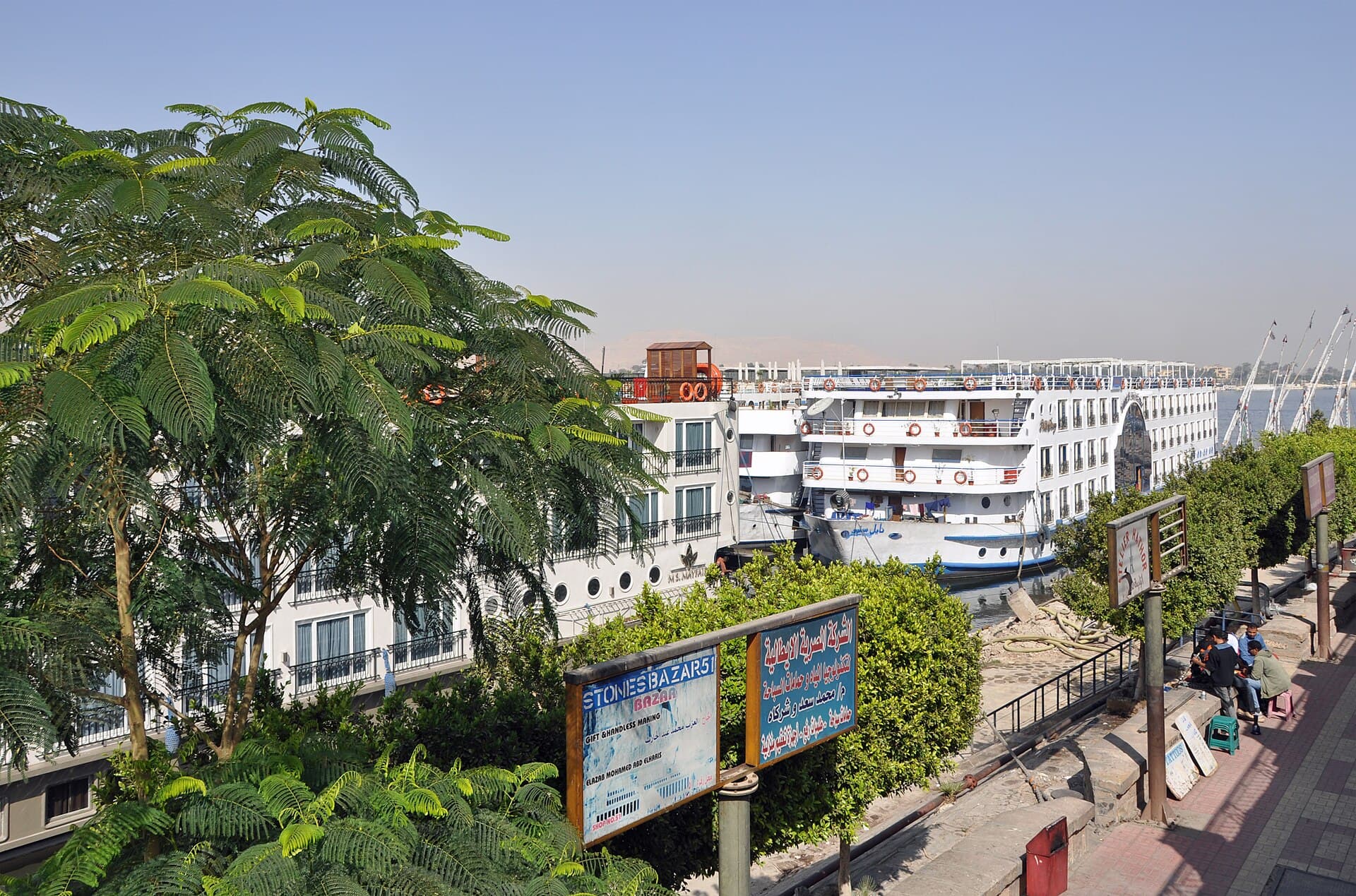
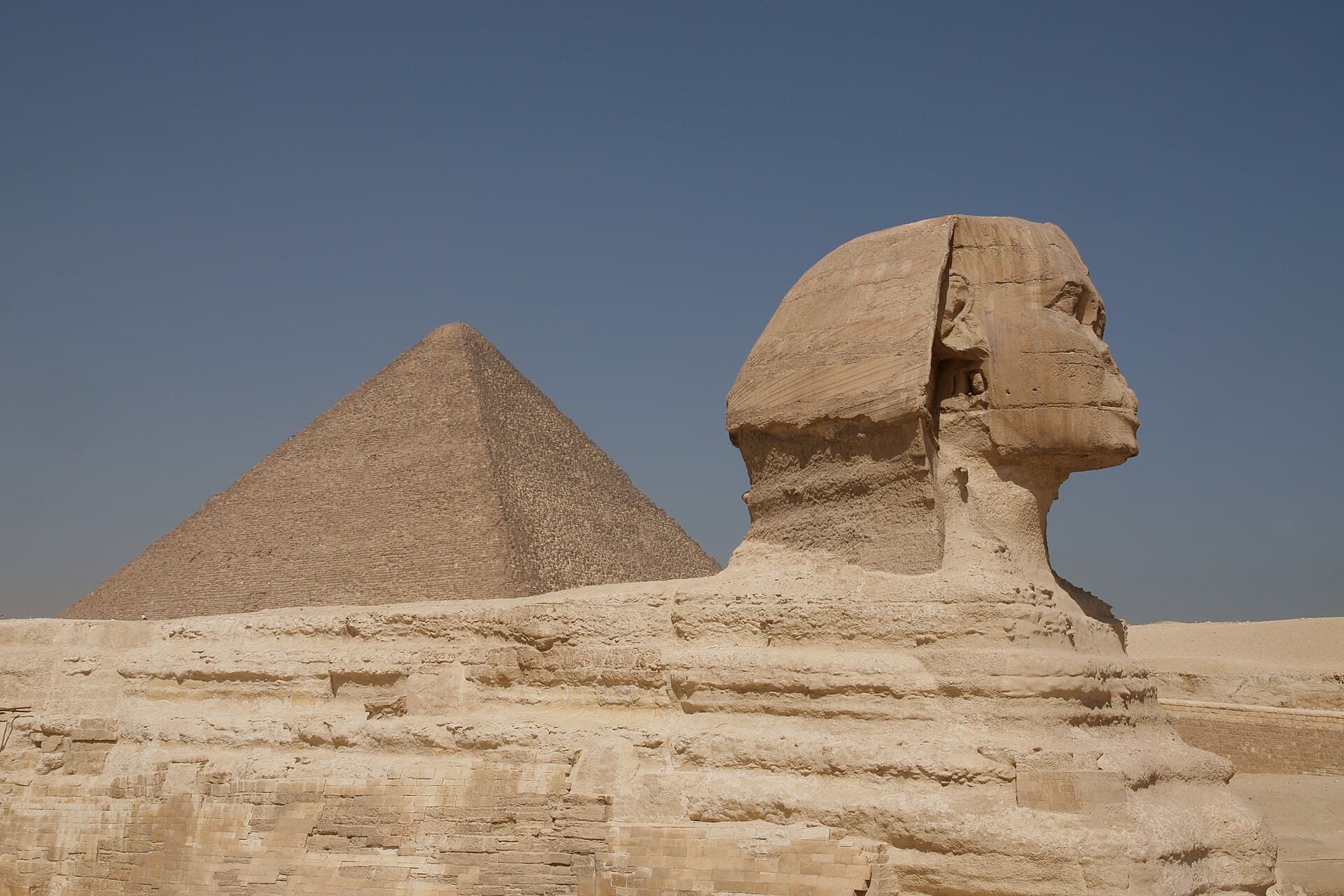
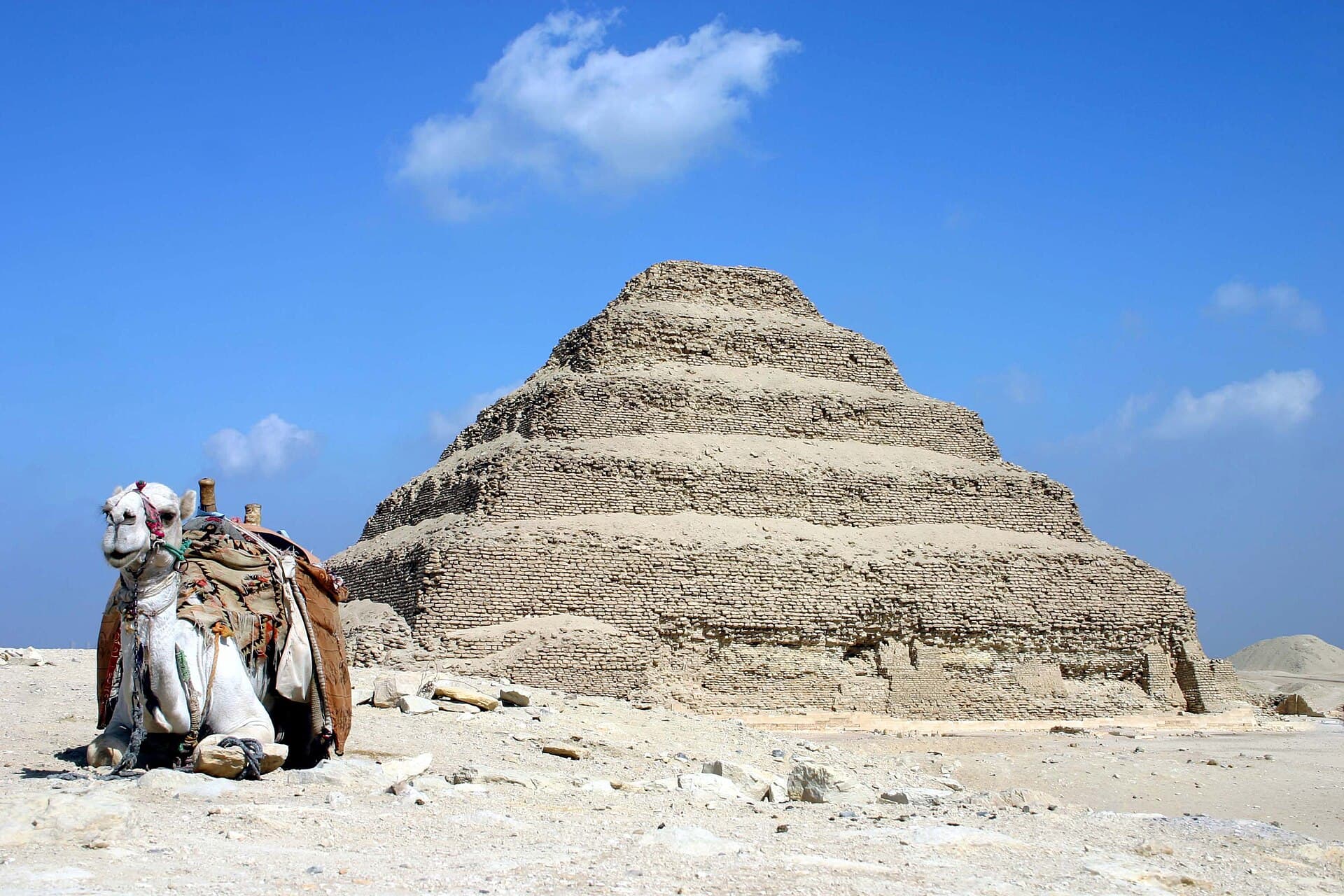
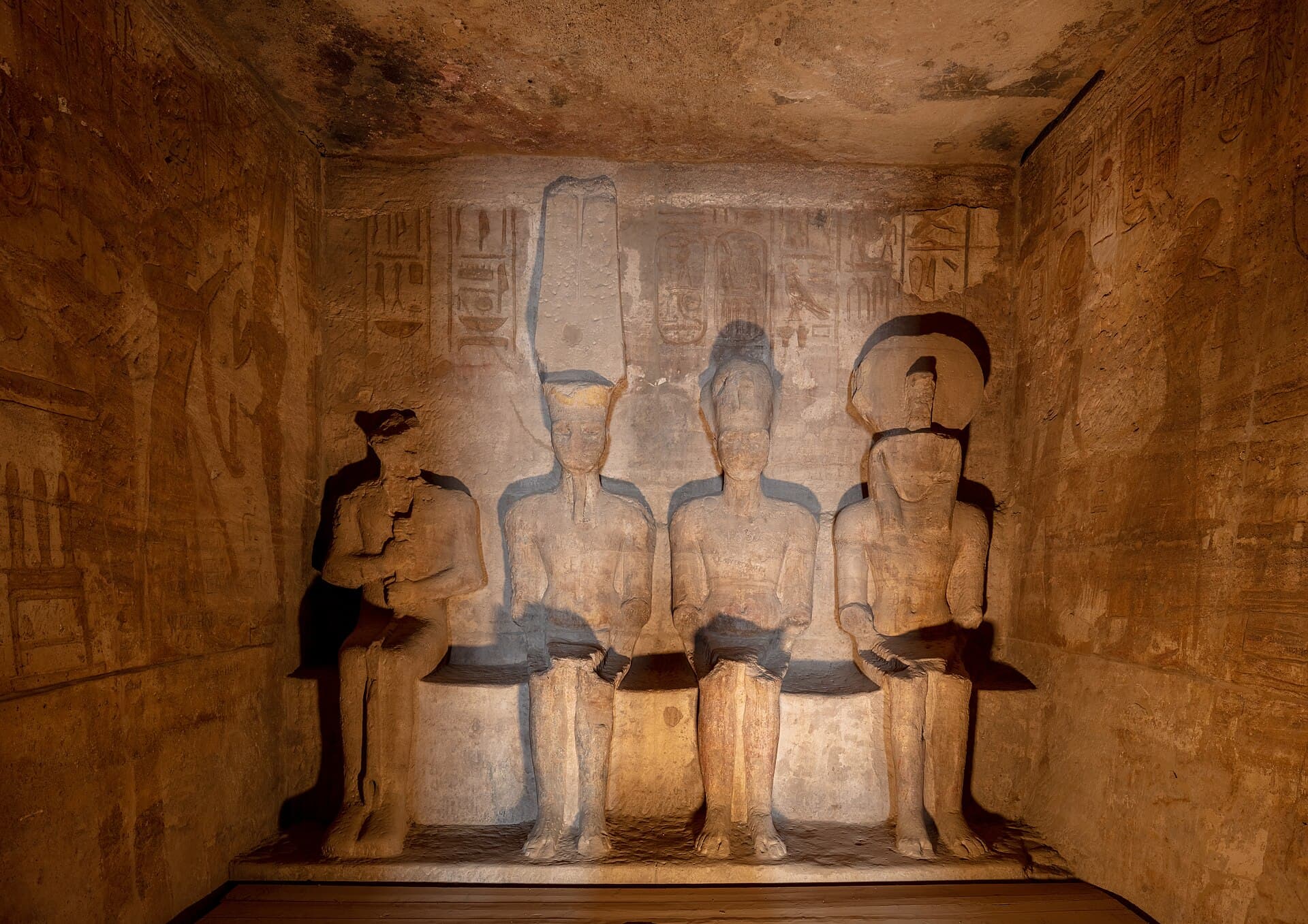
Egypt takes the larger share, and the reason is structural rather than a matter of taste. Its sites are spread along hundreds of kilometres of river, so the itinerary has to move you: an internal flight or the sleeper train between Cairo and Luxor, then the stretch between Luxor and Aswan. A workable shape is three nights in Cairo for Giza, Saqqara and the Grand Egyptian Museum, then four or five nights covering Luxor and Aswan, with the river portion doing the travelling for you. That is eight or nine nights before you have added Abu Simbel, which is a long day out of Aswan by road in an early convoy or a short flight.
Morocco compresses more comfortably. Three nights in Marrakesh, two in Fes and two somewhere in between is a real week: the Atlas villages, or Essaouira on the coast, or the drive south if the desert is the point. The country is small enough that the transfers are hours rather than half-days, and Fes and Marrakesh are genuinely different cities rather than two versions of the same one. If the desert goes in, that week becomes nine or ten days and something else comes out. It cannot be added for free.
What does each half actually feel like, day to day?
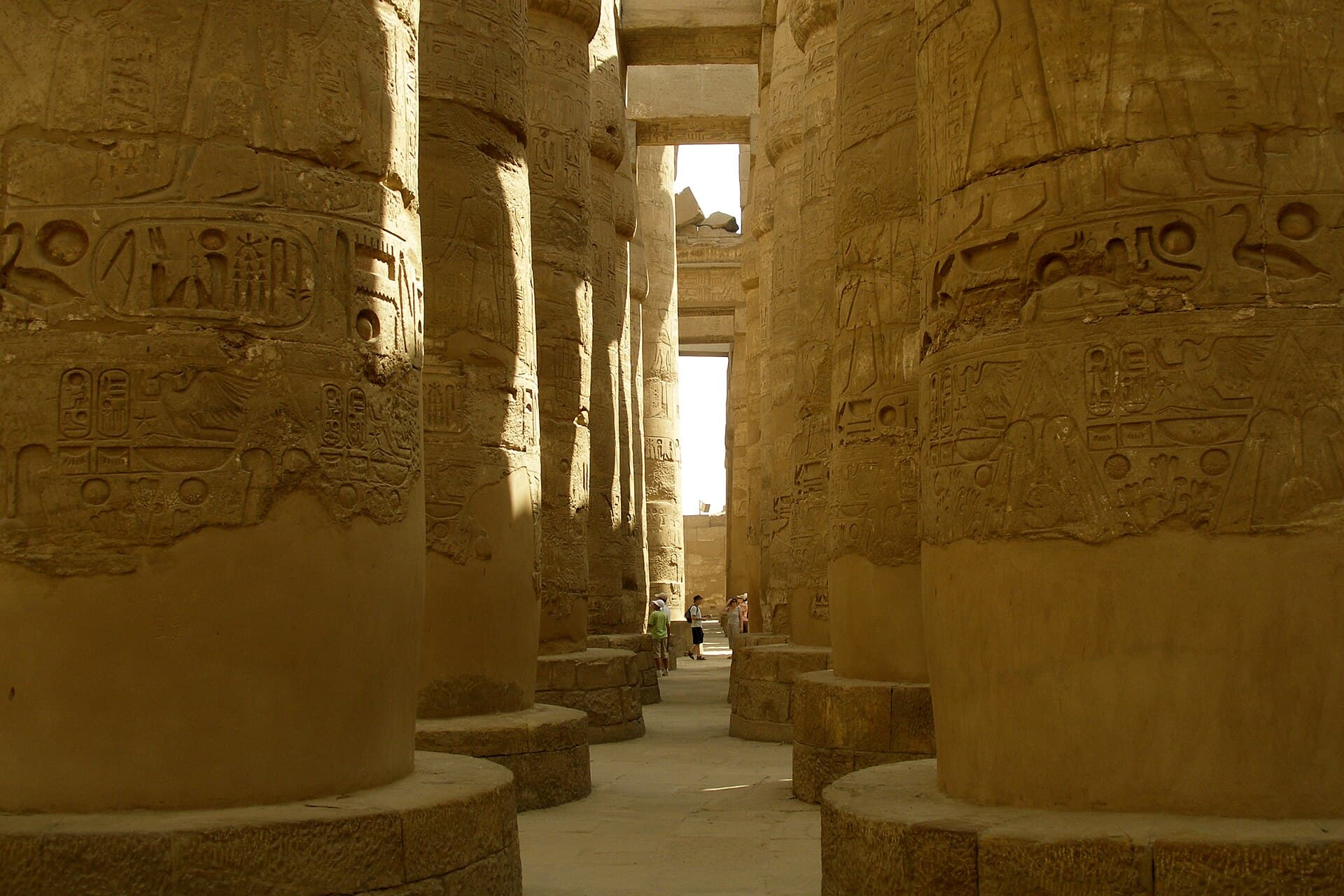
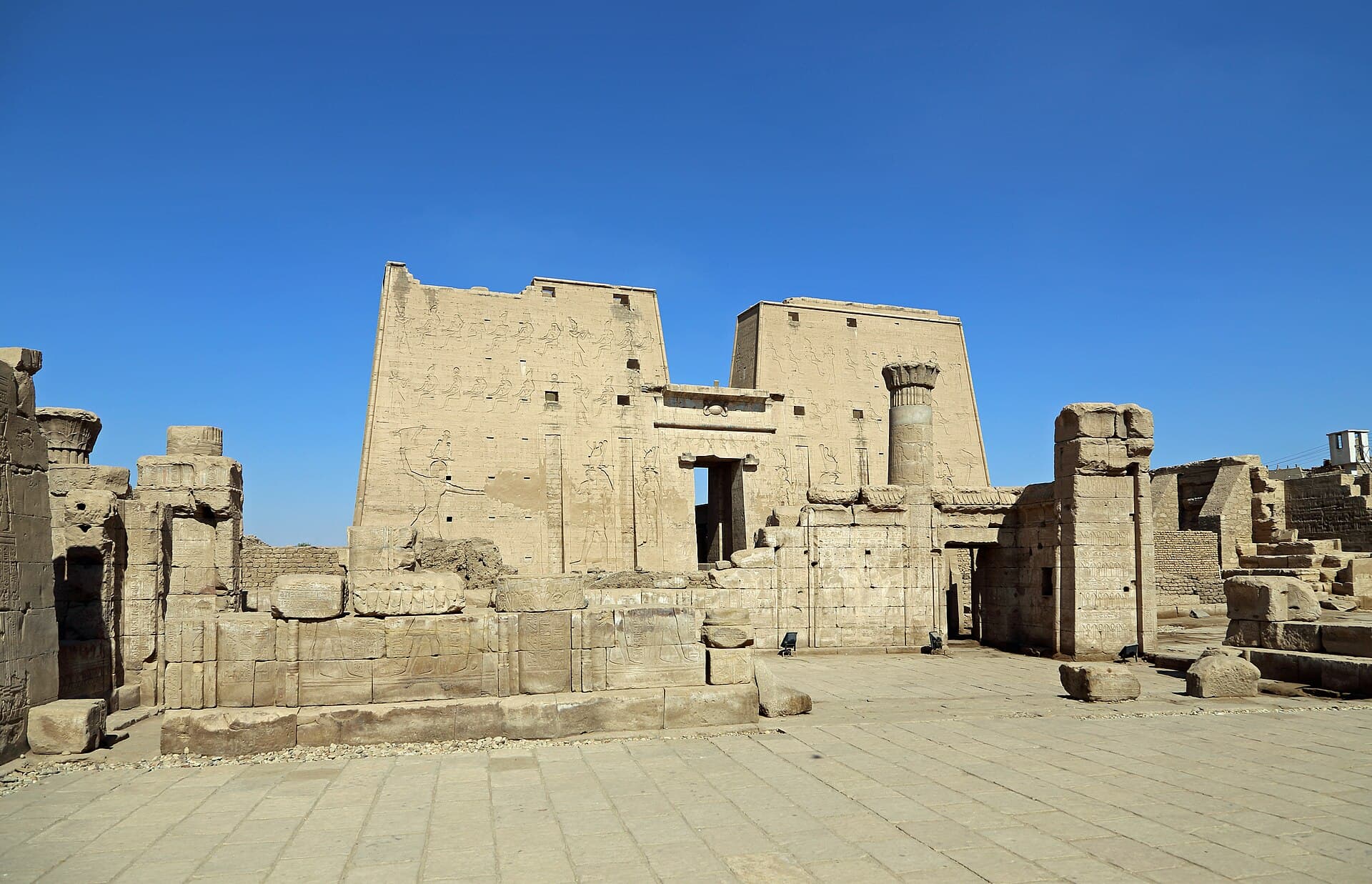
Egypt is a monuments trip and it runs to a timetable. Mornings start early because the heat sets the schedule, and a site morning is a few hours of concentrated looking with someone explaining what is on the wall in front of you. Without that guide, one painted tomb blurs into the next; with them, the days are absorbing but they are work. By the fourth or fifth morning most people are tired in a way that a beach holiday does not produce. That is not a criticism of Egypt. It is what a trip built on Giza, Saqqara, Karnak, the Valley of the Kings and the temples at Edfu and Kom Ombo necessarily is.
Morocco is the opposite shape, and that is precisely why it belongs second. Days there are shapeless in the good sense: walking a medina, eating, sitting somewhere with mint tea while the afternoon passes, a half-day in the Atlas or an hour in a souk that turns into three. There are fewer fixed appointments and far less that you must see. After a week of alarm clocks in Upper Egypt, that change of gear is the most valuable thing the pairing offers, and it is the argument for this combination that the brochures never quite make.
When is the best season for both countries?
Spring and autumn suit both. March to May, and late September to November, give you Upper Egypt at a temperature you can walk around in, and Morocco warm rather than punishing. These are also the months that fill up first, because everyone else has worked this out too.
Summer is the honest problem. Luxor and Aswan pass 40C and sightseeing ends by mid-morning. Marrakesh and the desert are hot as well, though the Atlantic coast stays mild. Winter reverses it: good weather in Upper Egypt at the busiest prices, while the Atlas gets snow, passes can close and desert nights drop close to freezing.
Ramadan is the other date to check, because it moves through the calendar roughly eleven days earlier each year and it affects both halves of the trip at once. Sites and transport keep running, but opening hours shift, many restaurants close during daylight, alcohol becomes harder to find, and the atmosphere in the evening is one of the more interesting things you can witness in either country. It is not a reason to cancel. It is a reason to know in advance, rather than discovering it on arrival.
How much of the trip is spent moving inside each country?
Egypt resists improvisation, and the distances are the reason. The practical links between Cairo, Luxor and Aswan are domestic flights or the sleeper train, and trying to cover Upper Egypt without a driver burns days a two-country itinerary does not have. This is why almost every Egypt half is arranged in advance through an operator on the ground rather than assembled online. You can do it yourself and it is cheaper, but you pay the difference in days, and on a combined trip days are the scarce commodity.
Morocco is the easier country to move around by a wide margin. Trains link Tangier, Rabat, Casablanca and Marrakesh, including a high-speed stretch in the north, the long-distance coaches are reliable and bookable in advance, and hiring a car for the Atlas and the south is realistic. French works almost everywhere and English is common in tourist towns. The practical consequence is that the Moroccan half tolerates loose planning in a way the Egyptian half does not, so if you want one week of the holiday to be improvised, make it that one.
Do you need a desert in both countries?
No, and trying to have both is the most common way this itinerary loses its shape. Morocco's Sahara is the more accessible of the two and heavily packaged. Erg Chebbi behind Merzouga and Erg Chigaga beyond M'Hamid are proper dune fields with camps ranging from canvas and a mattress to something close to a hotel. The catch is the driving: Merzouga is most of a day from Marrakesh over the Atlas, and the standard two-night loop spends more hours in a minibus than on sand. The Agafay stony desert close to Marrakesh is a poor substitute sold as the real thing.
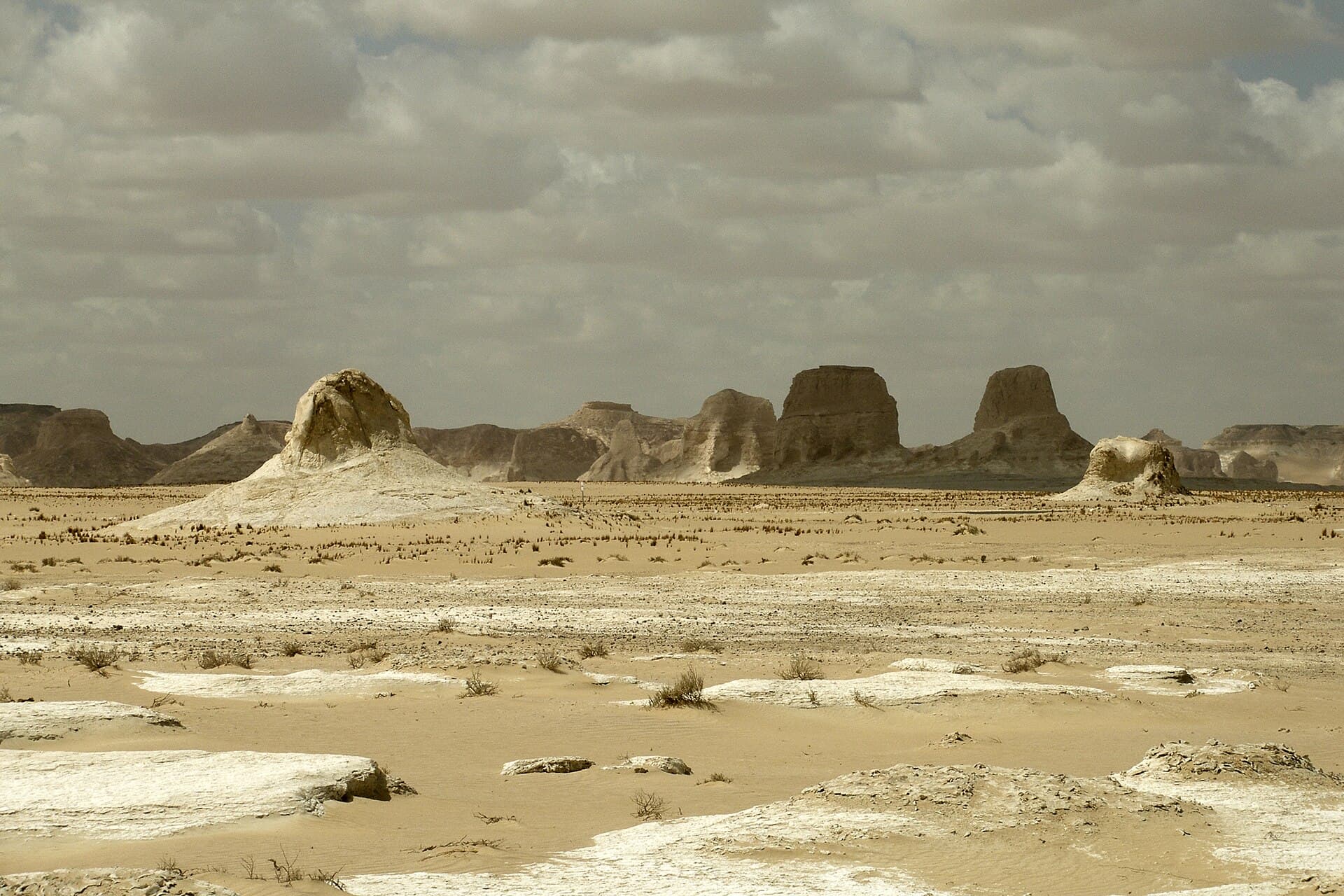
Egypt's deserts are emptier, stranger and far less visited, and they are not a bolt-on. The White Desert near Farafra is a field of wind-carved chalk you sleep among. Siwa, out towards the Libyan border, has salt lakes, springs and its own Berber language. The Great Sand Sea is serious expedition country. All of it needs 4x4s, guides and in places permits, and areas near the western border are subject to travel restrictions that change, so check current advice. On a sixteen-day trip covering two countries, the honest answer is to pick one desert. Morocco's is the one that fits an itinerary; Egypt's is the one that deserves its own holiday.
What is not worth adding?
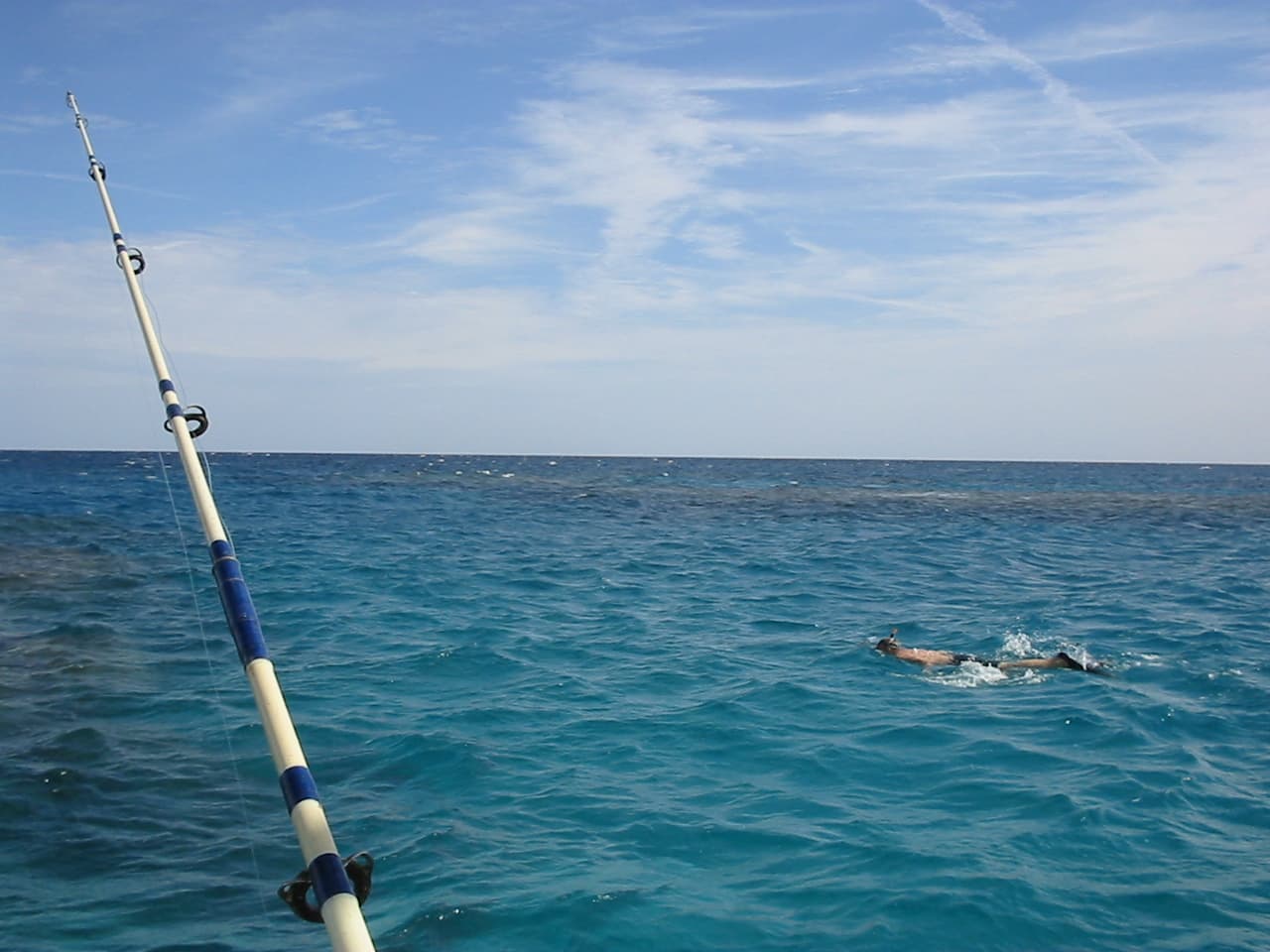
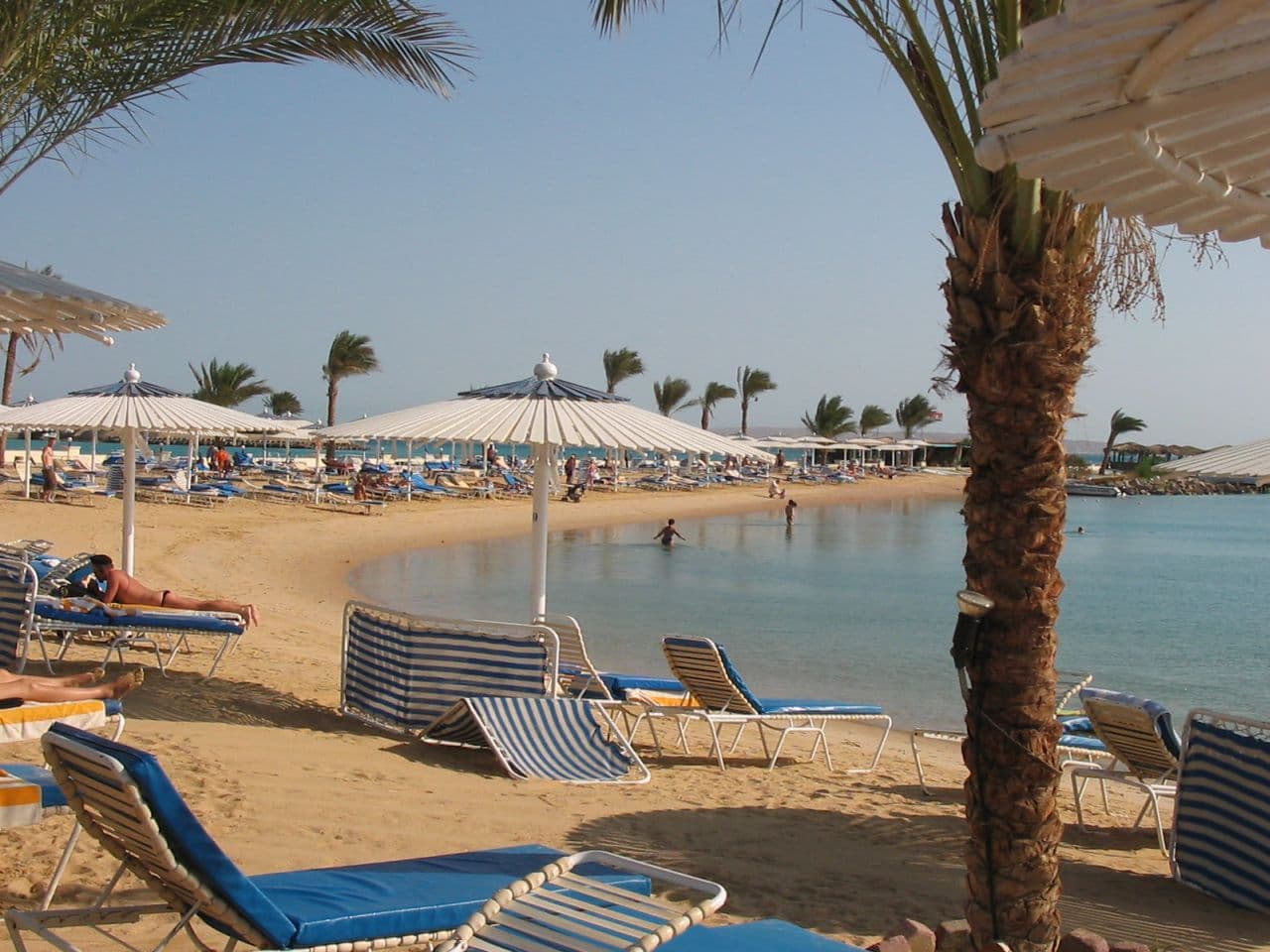
A Red Sea beach stop tacked on at the end. By then you have flown a lot, and you would add another internal flight for a few days in a hotel. If you want sea, take two days on the Moroccan Atlantic instead, which costs you a drive rather than a flight.
The short desert run from Marrakesh to Zagora is two days of driving for modest dunes. Merzouga is better and further out, so either commit to it or drop the desert and give the time to Fes. Casablanca is a fair skip beyond the Hassan II mosque. In Egypt, the shortest Nile cruises are mostly hotel.
Two more to weigh. Alexandria as a day trip from Cairo is roughly two and a half to three hours each way by road for a thin return, and on a two-country trip that is a day you cannot spare. Volubilis, Morocco's Roman town, is worth half a day on its own terms, but it sits oddly on an itinerary that has just spent a week among pharaonic sites, and most people find it underwhelming straight after Karnak. Both are good additions to a single-country trip and poor ones here.
What does a combined trip cost on the ground?
The two countries behave differently once you have arrived. Egypt is cheaper on the ground: the Egyptian pound has lost a great deal of value in recent years, so meals, taxis, domestic flights, guides and drivers cost little in euros or pounds. The counterweight is entrance fees, which have risen repeatedly, are charged per site, and mount up on a Luxor day with three or four tickets. Morocco runs the other way. The dirham is managed and stable, and riad and restaurant prices in Marrakesh sit closer to southern Spain than to a developing-world bargain. For a week to ten days on the ground in Egypt, quotes commonly land somewhere between roughly £1,000 and £3,500 per person before international flights, and the width of that band is about your choices rather than about Egypt.
Tipping is a real line in the Egyptian budget and a smaller one in Morocco. Baksheesh in Egypt is not a bonus for good service, it is part of how people in tourism are paid, and on a guided day with a private Egyptologist and a driver you should budget in the region of 15 to 20 euros per person, with another 5 to 10 per person for each night on the river. Carry small notes rather than coins, which read badly. Budget for it properly at the planning stage and it stops being awkward; ignore it and it becomes the thing you remember.
How much hassle should you expect, and where?
Both countries have a reputation for it and both earn it, in different styles. Egypt's version is frequent, blunt and transactional: someone shows you a corner of a tomb, or steers a camel into your path, and expects a tip. It is rarely aggressive and usually over in seconds, but at Giza and around Luxor it comes at you constantly, and by the fourth day it wears. Small notes solve most of it, and a private guide absorbs a good deal of the rest simply by being there.
Morocco's is more skilled. It begins as conversation, becomes a favour, and ends in an obligation you never agreed to: a walk to a cousin's shop, a viewpoint that turns out to have a price. Unofficial guides in the Fes and Marrakesh medinas are the usual form, and policing has reduced the worst of it. Every purchase is a negotiation, which some travellers enjoy and others find exhausting. Women travelling without men get street comment in both countries, and in Egypt it tends to be more persistent. Dressing conservatively helps in both, more so away from the resorts.
Where do you eat better, and can you drink?
Morocco eats better, and it is not close. Tagines that have genuinely been cooked slowly, couscous on Fridays, grilled sardines and fresh fish on the Atlantic coast, good bread, serious pastry and decent produce. The honest caveat is repetition: the tourist menu in Marrakesh and Fes is a short loop of tagine, brochettes and pastilla, and a week of it is dull. Eat where the queues are, order mechoui when you find it, and use the market stalls rather than the terrace with the laminated menu.
Egyptian food is not a reason to go, and anyone saying otherwise is selling something. What it does well is cheap and filling: koshari, ful medames, ta'meya made with fava beans rather than chickpeas, molokhia, grilled meat from a street counter. In Cairo that is genuinely good. On the tourist circuit, in hotel buffets and in meals included on a Nile boat, it flattens into something beige and safe. Vegetarians manage easily in both countries. Alcohol is available in both and best treated quietly: licensed hotels, tourist restaurants, Nile boats and a limited number of shops, with almost nothing inside the old medinas. During Ramadan availability narrows sharply in both, and drinking in public is out.
What do you pack for two climates and one trip?
One suitcase has to cover hot dusty ruins, cold nights on the river, a mountain range and possibly a dune field. Loose long cotton or linen beats shorts and a vest at Egyptian sites: covered arms and legs are cooler in direct sun and stop you burning through the afternoon, and pale colours hide the limestone dust. There is no dress code at archaeological sites and nobody will stop you in shorts, but the heat and the attention in the street afterwards both argue for covering up. A single large scarf is the most useful item you will carry, because it handles a mosque, desert wind and a cold boat deck without occupying any space.
The cold is what catches people out. Between roughly November and March a Nile boat's sundeck after dark is genuinely cold, Moroccan desert nights drop close to freezing at the same time of year, and the Atlas gets snow. Pack one proper warm layer even if the forecast for Luxor says 25C. Working mosques mean shoes off, shoulders and knees covered and hair covered for women, which applies at the Hassan II mosque in Casablanca as much as anywhere in Egypt. Finally, carry a supply of small notes from the start rather than hunting for change on day three.
How is a trip like this put together?
These trips are usually put together by an operator in one country working with a partner in the other, and sold by enquiry rather than online checkout. The reason is the flight in the middle. Both halves have to be built around whichever connection works on your dates, and that cannot be picked from a dropdown.
Cost is driven by three things: the international flights, the flight between the two countries, and hotel standard. Guides, drivers and entrance fees are the smaller share. A combination is not two half-price trips. It is close to two full ones, minus one long-haul leg.
One thing to check before comparing quotes: what each price actually includes. Two figures that look far apart can be near-identical once you add back the entrance tickets, internal flights, tips and optional sites that the cheaper one has left outside the total. It is also worth asking directly whether the Egyptian programme contains stops at papyrus, alabaster or perfume shops. Cheap Egypt tours are frequently subsidised by guide commission on those visits, and a programme with none of them costs more at the outset and usually less by the end.
What has to be booked ahead, and what can wait?
Three things drive the calendar. The connecting flight between the two countries comes first, because everything else is built around it and the choice of connection determines whether you lose half a day or all of one. Nile boat cabins and sleeper train berths in high season come second; the good boats and the better cabins go early, and spring and autumn are exactly the months that fill first. The internal Egyptian flight between Cairo and Luxor or Aswan is third. Those three fix the skeleton of the trip.
Most of the Moroccan half can wait. Riads in Marrakesh and Fes are worth booking in advance in the peak months, and a desert camp should be confirmed rather than assumed, but the road transfers, the day in the Atlas and the second city are all arrangeable close in. That asymmetry is useful to know when you are planning: the Egyptian week wants to be locked down, the Moroccan week does not, and a trip designed that way around is easier to change if something moves.
Who should combine Egypt and Morocco, and who should not?
It suits travellers with sixteen days or more, a real interest in the ancient world, and the appetite for a holiday with two distinct halves rather than one continuous theme. It suits people for whom the long-haul flight is the main obstacle, because pairing the two countries pays that cost once. And it suits anyone who has travelled somewhere demanding before and knows that a week of early starts in Upper Egypt is a fair price for the sites.
It does not suit a fortnight, a young family, or anyone whose interest in pharaonic Egypt is mild. Four days of tombs will not convert you, and a combined itinerary makes that half compulsory. If you have two weeks, pick one country and do it properly. If you want both eventually and can only take one now, Morocco is the softer landing and Egypt is the bigger trip, which is an argument for doing them in that order across two holidays rather than forcing them into one.
Common questions
Do we need a visa for each country?+
Yes, they are separate countries with separate entry systems. Egypt requires a visa for most Western passport holders, arranged online or on arrival. Morocco admits many nationalities without one for short stays. The rules depend on your passport and they change, so check the official government source for your own nationality rather than a travel blog.
Which country should we do first?+
Egypt first, if the flights allow it. It is the harder half: early starts, heat, long days on your feet and a lot of concentrated sightseeing. Morocco is gentler and works better as the second week, when you are tired. The other order is not wrong, just harder at the point you have least energy.
Is it sensible with young children?+
Sixteen days and four or more flights is a lot for a child under about eight. Older children tend to do well in Egypt, because the sites are large and easy to grasp. With a young family, one country done slowly is a better holiday than two done quickly.
Should we book the two halves separately?+
You can, and now and then it is cheaper. The risk sits on the connecting flight. When two operators each handle one country, nobody owns the day you move between them, so a delay or cancellation lands on you. Booked as one trip, that day is somebody's responsibility.
Can we do Egypt and Morocco in two weeks?+
Only by treating one country as a short stopover, which can be a perfectly good decision if you make it on purpose. Eight or nine days in Egypt and three nights in Marrakesh is a coherent fourteen-day trip. Seven days in each is not, because the travelling day in the middle comes out of one of them and both halves end up clipped.
Do we need a guide in both countries?+
In Egypt, effectively yes. The sites need someone who can read what is on the wall, and without that the tombs and temples run together. In Morocco a guide is optional and often more useful for half a day in a medina than for a whole week. Many people take a private guide and driver throughout the Egyptian half and travel independently in Morocco.
Is one night in the desert enough?+
For most people on a combined trip, yes. A single night at Erg Chebbi gives you the dunes, the silence and the sky, which is what you came for. The second night mainly adds more of the same at the cost of another long drive. If the desert is genuinely the reason you are going, that changes the calculation, but then it is worth asking whether Egypt's White Desert or Siwa is the trip you actually want.
What about money and cards across both countries?+
Expect to use more cash than you are used to, especially in Egypt, where tipping is constant and small notes matter. Cards work in hotels, better restaurants and larger shops in both countries and rarely anywhere else. Operators generally quote combined trips in euros or dollars rather than local currency, because the Egyptian pound has moved sharply in recent years and a local-currency quote would not hold.
Is it worth adding a third country?+
Rarely. Egypt and Morocco already involve two entry systems, two operators and a long flight in the middle, and a third country adds another set of rules and another travelling day. Most people get a better holiday by giving these two the time they need. If you want a three-country trip in this region, Egypt with Jordan and one neighbour is a more natural shape than anything routed through Morocco.
Official sources
Entry rules, opening hours, security advice and exchange rates all move. Check them at the source, not here.
Written and checked by the Nile Trip Guide editorial team · Last reviewed . Entry rules, prices and opening hours change — check anything critical against the official sources linked on this page.
Plan this trip
Tell us your dates and we will price it
A real itinerary with real prices, usually within 24 hours. Nothing is booked and nothing is charged until you say yes.
The route most people take first, at the length it was built for: Giza and the Grand Egyptian Museum, then a flight to Luxor and four nights sailing down to Aswan.
No boat on this one. Giza and the Grand Egyptian Museum, a night in Luxor for both banks, two nights on the Red Sea, then back to Cairo for the Citadel, Coptic Cairo and the Royal Mummies.
Five nights in Cairo either side of a four-night sail from Luxor to Aswan. The Cairo days are private, just your party and a guide; the sightseeing off the boat is shared with a small group.