Cairo Tour Packages: What Is Actually Worth Your Day
Most Cairo tour packages sell the same handful of days: Giza, Saqqara and Dahshur, the Grand Egyptian Museum, Islamic Cairo, and the long run to Alexandria. The difference is how they are put together. This page sets out what fits in a day, what does not, and which trips are worth the time.
What do most Cairo day tours actually cover?
Giza sits on the western edge of the city, not out in open desert. The plateau holds the three big pyramids and the Sphinx, and a focused visit takes about half a day. Saqqara and Dahshur lie roughly 30 to 40 km further south. They are quieter, older in parts, and often the better half of the trip.
The Grand Egyptian Museum sits about two kilometres from the plateau and opened fully in November 2025. Its main draw is the Tutankhamun collection, shown together in one place. Islamic Cairo covers Al-Muizz Street, Khan el-Khalili, and the mosques of Ibn Tulun and Sultan Hassan, though Ibn Tulun sits a little apart from the rest. Coptic Cairo is a compact half day. Alexandria is a full day, and a long one.
Almost every package is built from that short list, and the marketing photographs are close to interchangeable. Read past them. What separates a good Cairo day from a wasted one is not which sites are named but how they are grouped, in what order, and at what hour the car leaves the hotel. The sections below take each of the main sites in turn, then set out the shapes that actually work.
The Giza plateau: what a strong half-day includes
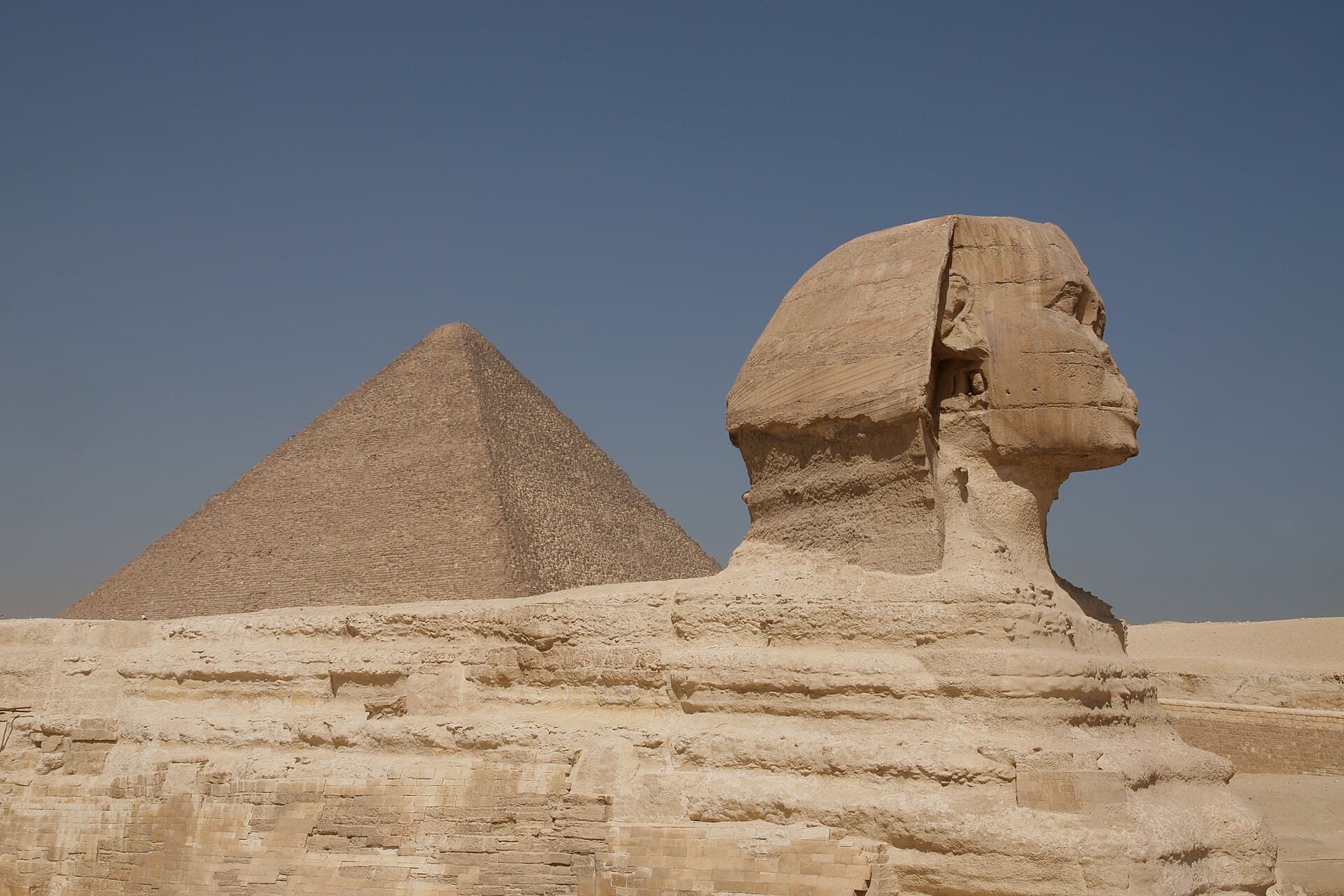
The plateau holds three large pyramids, a scatter of much smaller subsidiary pyramids built for queens and satellite burials, the Sphinx, several temples, and a field of mastaba tombs belonging to officials and family members. It is well over a kilometre end to end, mostly uphill on sand and broken rock, and people routinely underestimate the walking. The Khufu boat that used to sit in its own museum beside the Great Pyramid has been moved to the Grand Egyptian Museum, so there is no longer a reason to plan your morning around it.
The Sphinx is smaller than most people expect, roughly 20 metres high and about 70 long, and it is carved down into the limestone bedrock rather than built from blocks. It sits in a quarried hollow below the causeway, which is why it never dominates a view the way the pyramids do. Twenty minutes there is enough; an hour if you walk through Khafre's severe granite valley temple next to it, the best preserved of the Old Kingdom valley temples. The view worth having is from the panorama point on the high desert side, reached by the ring road that loops behind the pyramids, where all three line up with open sand in the foreground.
Going inside the Great Pyramid is an extra ticket and, for most people, not worth it. You shuffle bent double up a long, low passage to a bare granite chamber holding a lidless sarcophagus: no decoration, no inscriptions, no treasure, and air that is hot, humid and heavy. The camel, horse and quad-bike touts are the part visitors find most wearing, and they concentrate around the car parks and the panorama point. A licensed guide absorbs most of that, which is a large part of what you are paying for. One thing worth knowing before someone tells you otherwise for a tip: the pyramid workers were not slaves. Excavated settlements and cemeteries beside the plateau show organised crews who were fed, housed and buried on site, some with their job titles recorded on their tombs.
Saqqara and Dahshur: the half most packages skip
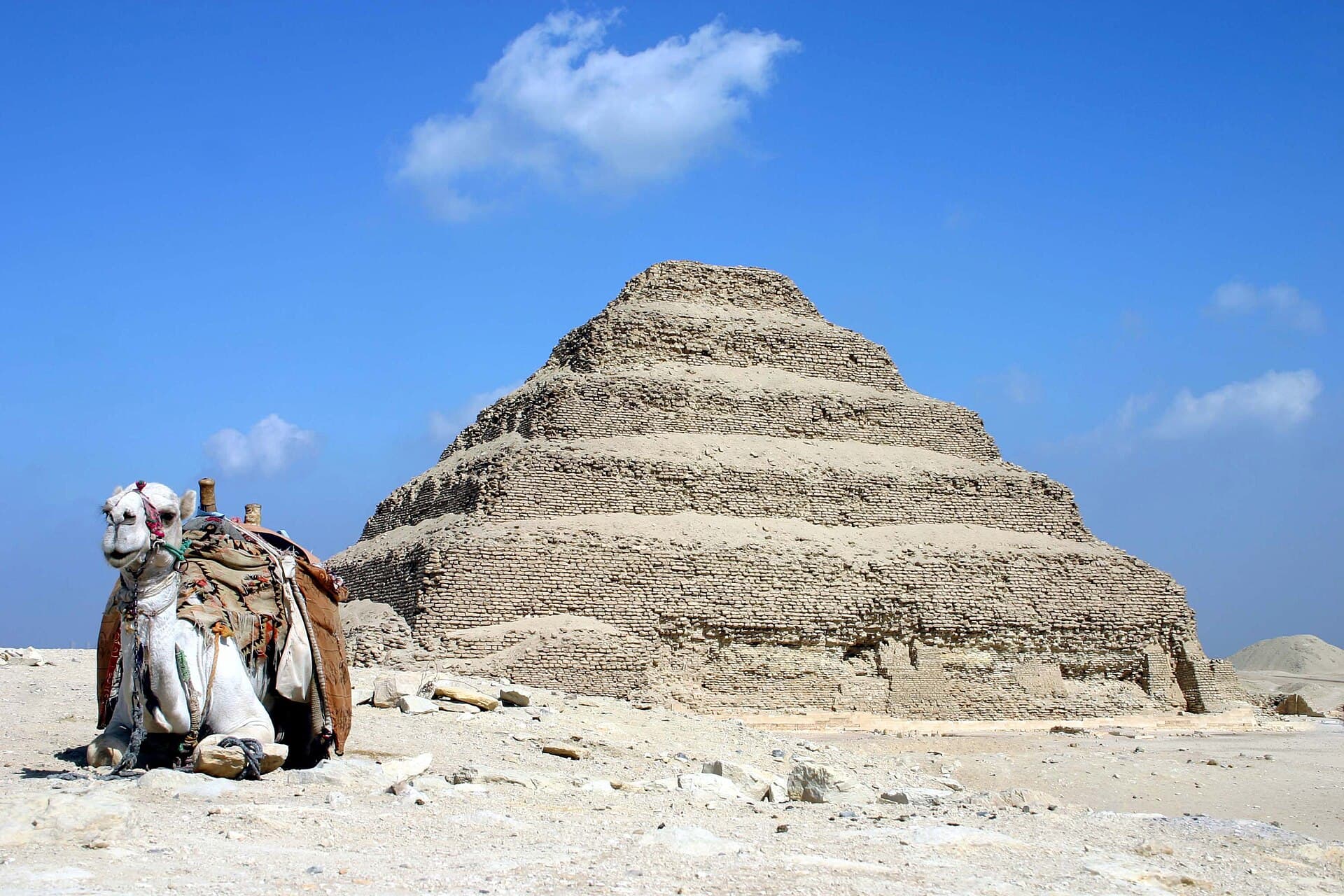
Saqqara is not a single monument but a necropolis several kilometres long, used for burials for more than three thousand years, from the First Dynasty through to the Roman period. At its centre stands Djoser's Step Pyramid, built around 2650 BC and the point where monumental stone architecture begins. Before it, Egyptian tombs were largely mudbrick rectangles; someone decided to build in cut limestone and stack six diminishing platforms to roughly sixty metres. Every later pyramid, Giza included, descends from that experiment. Its design is credited to Imhotep, Djoser's chief official and one of the very few ancient Egyptian commoners whose name outlived his king's.
The reason Saqqara is often the better half of a pyramid day is the tombs around the pyramid. The mastabas of Old Kingdom officials hold painted and carved reliefs of a quality you will not find inside the Giza pyramids, which are essentially bare stone corridors. The tombs of Mereruka, Kagemni, Ti and Ptahhotep are the usual highlights; Mereruka's is the largest private tomb on the site, with more than thirty chambers. The Serapeum, on a separate ticket, is the underground catacomb where the sacred Apis bulls were buried in huge granite and basalt sarcophagi, the largest weighing dozens of tonnes. Saqqara is also one of the most active excavation sites in Egypt, and announcements of new finds come regularly, so it is worth reading the strongest headlines with a little patience.
Dahshur is another twenty minutes south and usually near-empty. Sneferu, who founded the Fourth Dynasty a few decades after Djoser and fathered Khufu, built both pyramids here: the Bent Pyramid, where the angle changes partway up because the design was in trouble, and the Red Pyramid, usually described as the first successful smooth-sided one. You can climb down into the Red Pyramid's steep passage to corbelled chambers that smell of ammonia, which gives a similar experience to going inside a Giza pyramid with a fraction of the crowd. Memphis, the old capital, sits on the same road and takes about half an hour; it rarely repays more. The three are usually done as one loop.
Which combinations work in one day, and which do not?
Giza and the Grand Egyptian Museum in the same day is the most common mistake. The museum needs three hours at a walk, more if you stop properly at Tutankhamun. Put the pyramids in the morning and the museum on its own day, ideally with Saqqara or a slow afternoon after it.
Giza, Saqqara and Dahshur together does work, but only with an early start. That is three sites, a lot of walking, and very little shade. Anyone travelling with young children or in July will get more out of splitting it across two mornings.
Traffic is the other constraint nobody prices in. Crossing Cairo at the wrong hour can take an hour and a half for a distance that looks trivial. A day that pairs sites on the same side of the river is worth more than a day that looks impressive on paper and spends its afternoon in a car.
The Grand Egyptian Museum: giving it the time it needs
The museum is a purpose-built national institution on the approach to the plateau, designed by the Irish practice Heneghan Peng after an international competition in the early 2000s. Construction ran far longer than planned, the galleries opened in stages, and the full opening came in November 2025. The building is aligned on sightlines to the pyramids, and its translucent stone front is cut with a repeating triangular pattern. Three hours is the honest minimum, and the reason is distance rather than reading: the Tutankhamun rooms sit at the far end of a long walk on hard floors, so visitors who allow ninety minutes tend to arrive there with tired legs and remember little.
The atrium is dominated by the colossal statue of Ramesses II, about eleven metres of red granite that stood for half a century in the traffic of Ramses Square before being moved out to Giza in 2006. From there the Grand Staircase climbs past royal statuary towards a window onto the pyramids. The permanent galleries occupy twelve halls arranged as a grid of four broad periods, from the predynastic era to the Graeco-Roman centuries. Neither the chronological route nor the thematic one is signposted as clearly as it should be, so decide which you are following before you start rather than drifting between the two.
Two things to know before you go. The royal mummies are not here; they are at the National Museum of Egyptian Civilisation across the city. And the sensible pairing is the plateau first, at opening, then the museum for the middle of the day, when the heat outside is worst and the air conditioning becomes the point. Do not take the lift up: it skips the one sequence the architects clearly cared about most, which is the climb of the staircase towards the pyramid view.
Islamic Cairo on foot: what a package should include
Islamic Cairo is the medieval city, east and south of downtown, still walled in places and dense with mosques from the ninth century onwards. Its old spine is Al-Muizz Street, which runs north to south through the heart of Fatimid Cairo. Khan el-Khalili, the bazaar, takes its name from Emir Jaharkas al-Khalili, who built a merchants' inn here in the 1380s under the Mamluk sultan Barquq; most of the carved stone gateways and vaulted passages visible today date from a rebuilding under Sultan al-Ghuri in the early sixteenth century, with Ottoman and later work on top. Al-Azhar Mosque stands directly across Al-Azhar Street, founded by the Fatimids in the tenth century and still a working centre of teaching. Dress modestly to enter, avoid prayer times, and check arrangements on the day.
The market rewards knowing what is worth buying and what is not. Hand-beaten copper and brass, plain cotton and linen scarves, spices bought by weight from a merchant with local customers, inlaid boards with cut wood-and-shell inlay, and the genuinely handmade appliqué from the covered Street of the Tentmakers south of Bab Zuweila are the real things. Skip most of the papyrus, which is often pressed banana leaf, and the cheap alabaster and diluted perfume oils, whose shops run the hardest sell in the market. Haggling works in one direction only: the first price sits well above what the seller will take, so open low, move in small steps, stay friendly, and be ready to walk, which is the only real leverage you have.
The evening is usually the best time to walk the quarter. After dark the lanes are lit, the al-Hussein Mosque is floodlit, the heat has gone, and Cairenes come out, so the square in front works as somewhere to sit rather than somewhere to be sold to. On Fridays much of the market shuts around the midday prayer. The commonest mistake is never getting past the first few worked-over lanes between Midan Hussein and the main crossing, and judging the whole place on them. A flat, unstopping refusal ends nearly all of the sales approaches, which are a script rather than a threat.
Coptic Cairo: the compact half-day
Coptic Cairo is the easiest quarter to reach without a car, because the metro stops at the gate, and it takes about two hours. It sits inside the walls of a Roman fortress; the round towers beside the station are the original walls. The Hanging Church is built over a gatehouse, which is where its name comes from, and around it are the Ben Ezra synagogue, the church of St Sergius, and a Coptic museum that is good and quiet.
Go in the morning. These are working churches, and services fill them. As a half-day it pairs naturally with the Egyptian Museum on Tahrir or a slow afternoon rather than being stretched into a full day of its own. It is also the part of Cairo that shows the city's layers most plainly in a small space: Roman walls, early Christian churches and one of the oldest synagogues in Egypt within a few minutes' walk.
The Egyptian Museum on Tahrir: still worth it?
The old museum is the red neoclassical building of 1902 in the middle of the city: crowded, badly lit, its cases dense and its labels old and in places handwritten. The effect is closer to a Victorian collection than to a modern museum, which is part of its charm and part of its problem. Two of its former headline draws have left: the Tutankhamun treasures have moved to the Grand Egyptian Museum, and the royal mummies are now at the National Museum of Egyptian Civilisation.
Whether to add it depends on why you came. If Egyptology is the reason for the trip, yes, and it is noticeably quieter than it used to be, which is worth a great deal in Cairo; two hours is a fair allowance. If your interest is general and you have three days in the city, one museum is enough, and it should be the one at Giza. Adding Tahrir for the sake of completeness usually produces a tired afternoon and no clear memory of either place.
Is the Alexandria day trip from Cairo worth it?
Alexandria is about 220 km away, roughly three hours each way by road. So a day trip means six hours in a car for perhaps five hours on the ground. Be clear about what remains: the ancient city is largely gone, either under the modern one or under the harbour.
What you get is a Mediterranean city with a good corniche, the catacombs at Kom el-Shoqafa, the Qaitbay fort on the site of the old lighthouse, and the modern library. On a five-day Egypt trip, that time is better spent on Saqqara and Dahshur. With two nights in Alexandria it makes sense.
If you do go, the fast trains take about two and a half hours and are the more civilised way to travel than the road. Qaitbay Citadel was built in the 1470s for Sultan Qaitbay at the western tip of the eastern harbour, on the site of the Pharos lighthouse, and stone from the collapsed lighthouse was reused in it; inside it is fairly bare, and the reason to go is the position and the view back along the Corniche. Pompey's Pillar, inland, has nothing to do with Pompey, having been raised for the emperor Diocletian around AD 298, and takes twenty minutes. The Library of Alexandria itself is long gone, having declined over centuries rather than burned in a single night, and its exact site is not even known, so do not expect to see it.
Getting around Cairo: why traffic, not distance, sets the day
Judge Cairo trips by the hour of departure, not the kilometres. Giza to downtown is roughly 20 km: half an hour early in the morning, most of two hours if you leave at the wrong time. Traffic builds late morning and again from mid-afternoon into the evening, and Friday morning is the one reliably quiet window. This is why a package that plans two stops a day in the same part of the city is worth more than one that spreads four across it, and why the long transfers belong first thing.
The metro is the exception to the traffic, being cheap, unaffected by the roads, with carriages reserved for women, and with stops at downtown, Coptic Cairo and Giza, though not the plateau itself. Above ground, ride-hailing apps work well and remove the fare argument that street taxis will otherwise start. Cairo International is the main gateway, about 45 minutes from the centre and an hour from Giza in normal traffic, which is worth remembering when a package puts an early flight at one end of the trip.
A sensible shape for two, three and four days
Two full days is the honest minimum: one for Giza and the Grand Egyptian Museum, one for Islamic and Coptic Cairo. It works, but it accepts a hard morning start on both days and leaves no slack for traffic or heat. One day only ever means Giza and nothing else done properly.
Three days is the version most people should take. It lets you add Saqqara and Dahshur without cutting anything: a Giza morning, a museum morning, and a day south to the older pyramids and the mastaba tombs. A common commercial shape for this is a Cairo short break over three nights that covers Giza, Saqqara, the Grand Egyptian Museum and Islamic Cairo without a five o'clock alarm.
Four days buys the Tahrir museum, a slow afternoon in a district like Zamalek, or the day trip to Alexandria on the fast train. Where you stay changes the trip more than the hotel standard does: Giza puts you beside the plateau and the museum but leaves a long drive to everything else; Zamalek is quieter, greener and central for the museums and restaurants; downtown is cheaper, louder and closest to the medieval city; and Heliopolis only really makes sense for an early flight.
Cairo with children: what to adjust
Cairo works well with children, but the plan has to be smaller than you think. The scale of the pyramids does the work on its own, and children need the size, the sand and the animals rather than the archaeology. Go early, walk a little, and spend time at the desert edge where the coaches thin out. The Sphinx takes twenty minutes, and going inside a pyramid is optional, hot, steep and airless, and often hated by small children.
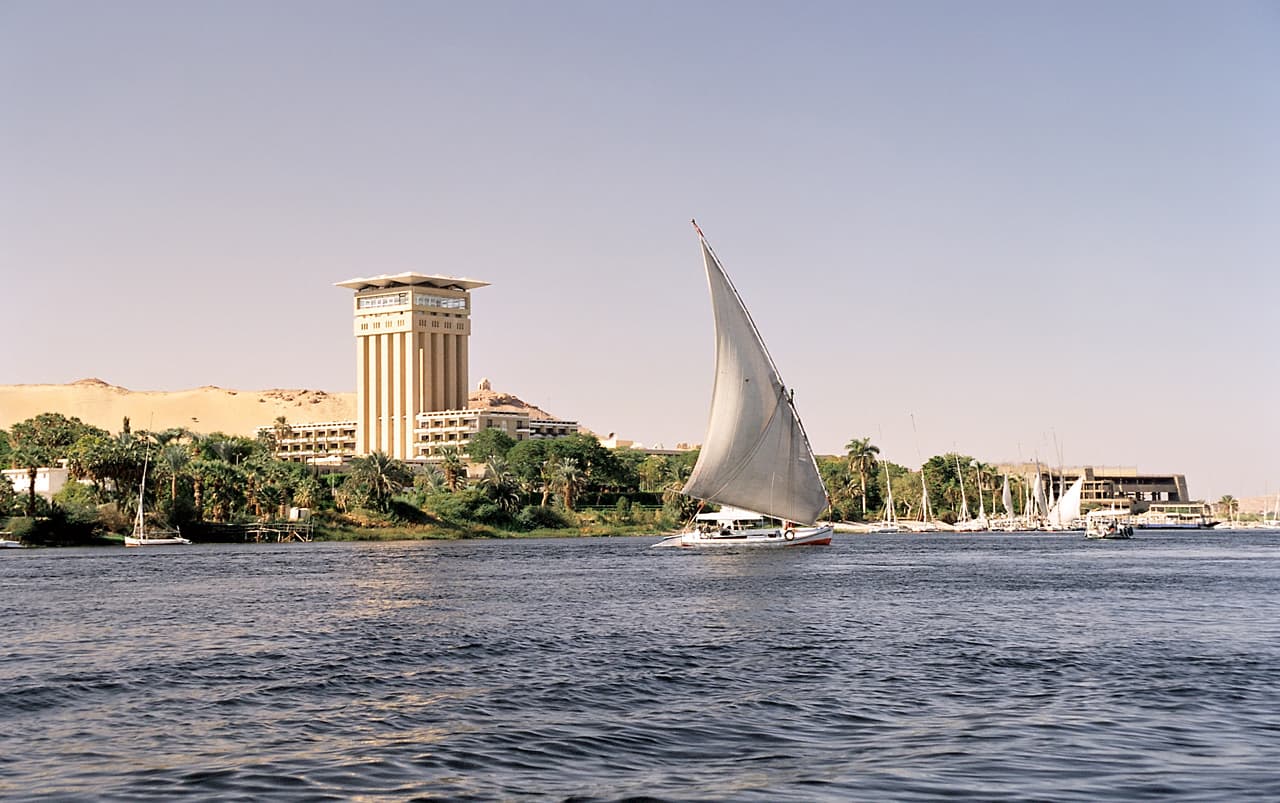
Treat the Grand Egyptian Museum as ninety minutes rather than a morning: it is big, modern and air-conditioned, with a staircase of statues to climb towards, so pick two or three areas and leave while everyone is still enjoying it. An hour on the water in a felucca earns its place, being slow, breezy and quiet, with nothing to book far ahead. Leave the pushchair behind if a child will accept a carrier, because sand, gravel, kerbs and broken paving defeat most wheels. Two sites a day is the ceiling with children, and keeping the middle of the day free buys back the evening.
Adding Luxor, Aswan or a Nile cruise
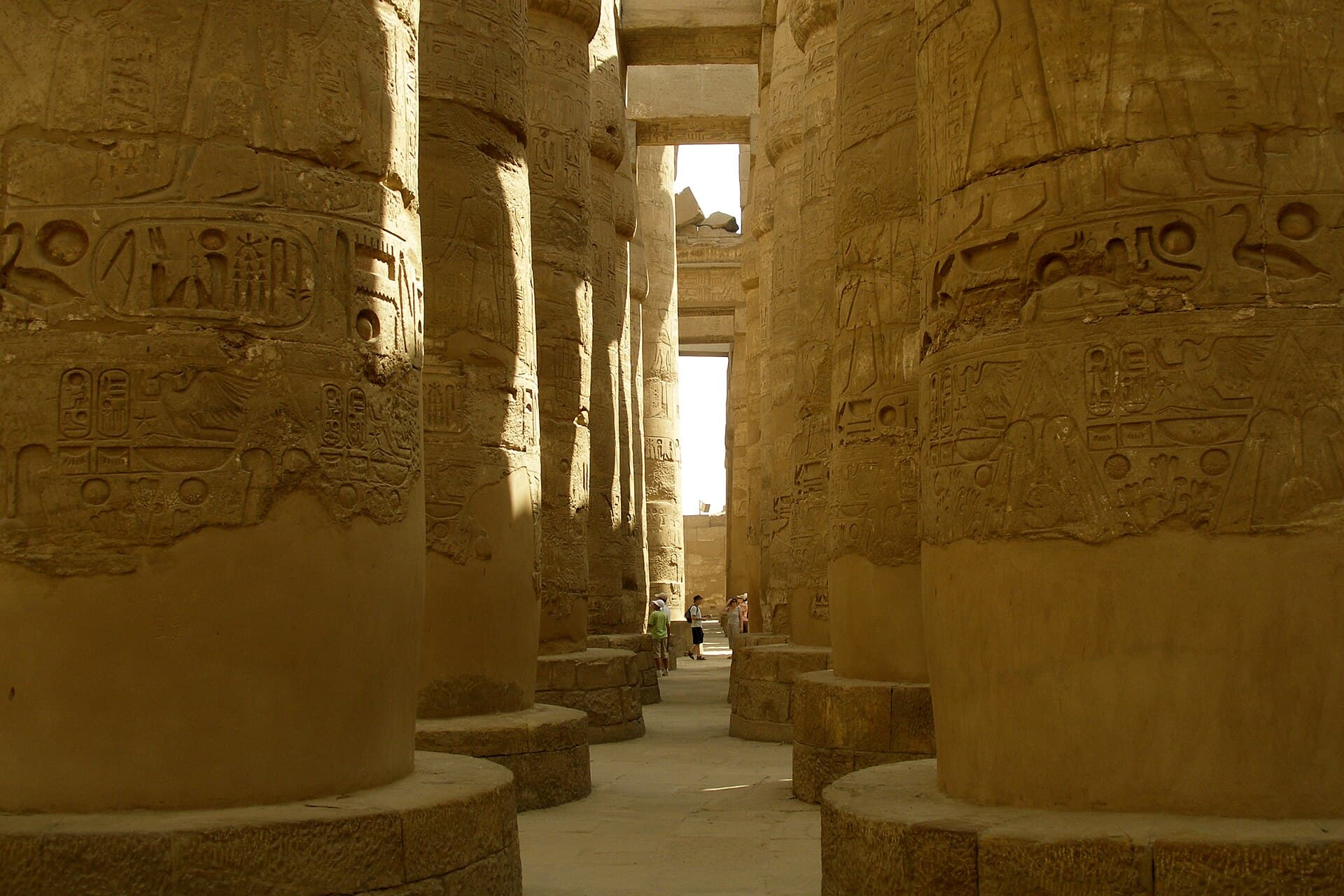
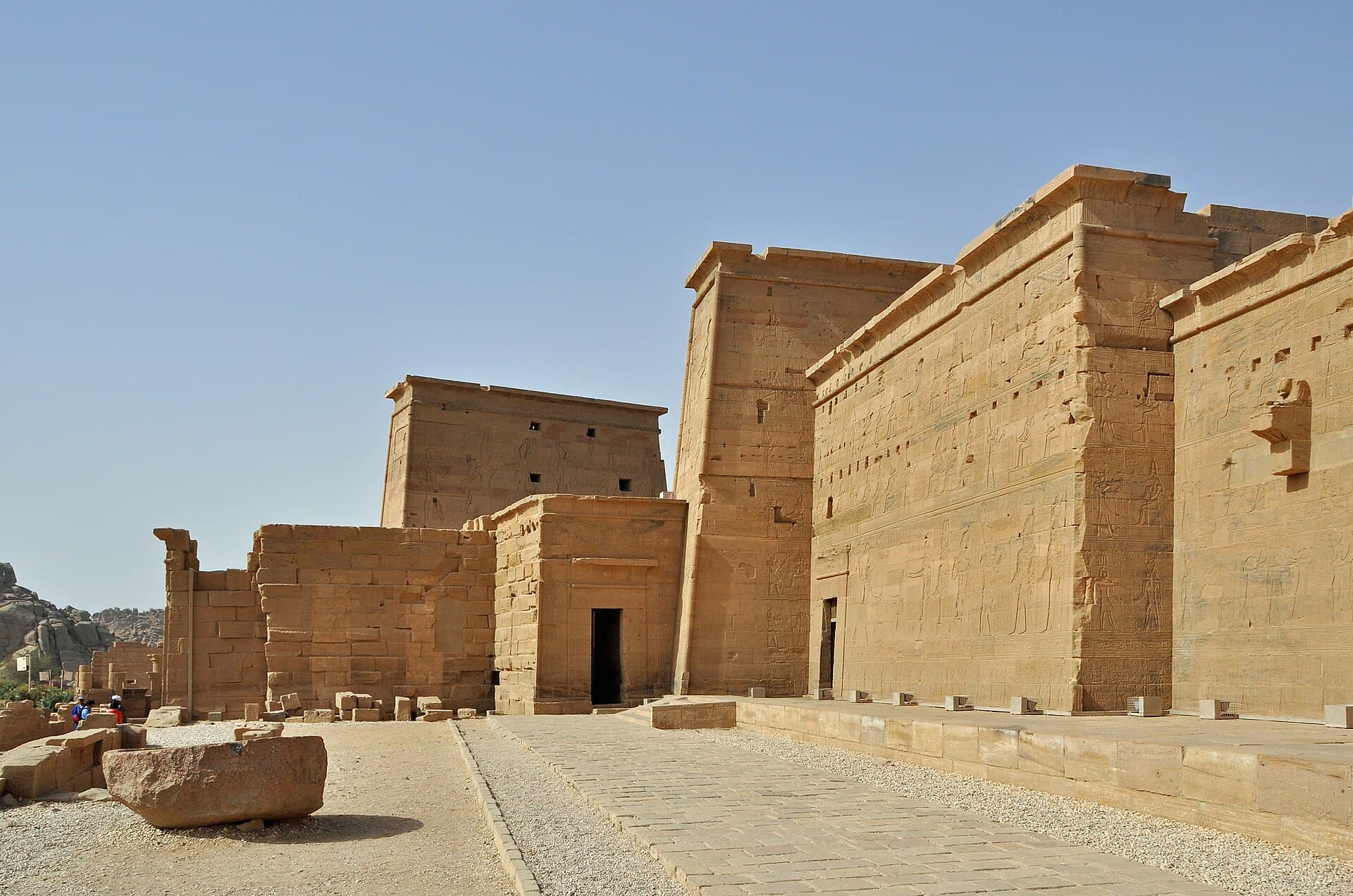
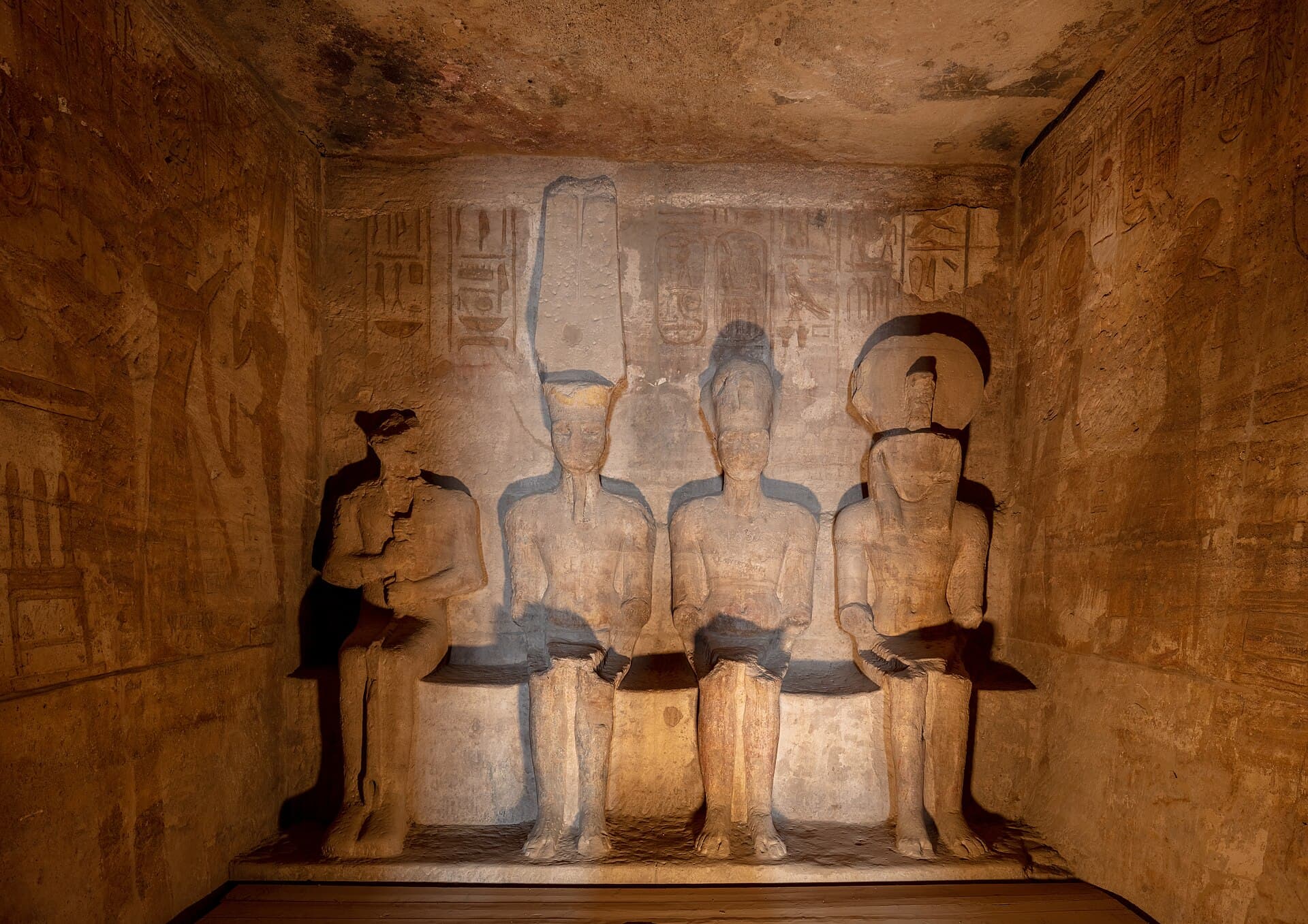
Most people with more than a few days should pair Cairo with the south. Luxor is about an hour by air from Cairo and Aswan a little more, so the country's two great blocks of sights are a short flight apart rather than a long drive. A common and sound shape is two or three days in Cairo, then a flight south for the temples and tombs, with a cruise between Luxor and Aswan if you want the river.
The order tends to matter. Cairo first, then the Nile, puts the big set pieces in while everyone is fresh and leaves the calmer boat days for the end, which is particularly worth doing with children. Splitting Cairo across both ends of a trip usually wastes a day in transit. This is also why a good Cairo operator quotes against your wider itinerary rather than in isolation: the right number of Cairo days depends on what comes after them.
What changes the price of Cairo tour packages?
Four things: private car and guide versus a shared group, whether site entry tickets are included, whether the guide is a licensed Egyptologist or a driver who talks, and lunch. Each site charges its own entry, and going inside a pyramid is always a separate ticket.
A headline price well under everyone else usually excludes tickets, or pays for itself with stops at papyrus and perfume shops. Ask for the itinerary in writing and check for shopping stops. If they are in there, say you do not want them. That alone improves most Cairo days.
It is worth knowing where the separate tickets stack up, because they are the part a low headline price tends to leave out. The Serapeum at Saqqara, the interiors of the Giza pyramids, and the individual tombs are each charged on top of the main site entry. None of them is compulsory, and a good guide will tell you honestly which are worth the extra on the day rather than selling you all of them in advance.
When should you go, and how much heat can you handle?
November to March is the sensible window. Days are mild, mornings can be genuinely chilly at around 10C, and the light on the plateau is better. April and October are still fine. June to August runs in the high thirties and often touches 40C by midday at Giza, with no shade at all, and the walk between the pyramids is longer than it looks on a map.
If you are travelling in summer, start when the sites open and be finished by early afternoon. During Ramadan some sites shorten their hours and the city runs on a different rhythm. Mosques in Islamic Cairo are busy around Friday midday, so plan that visit for another day.
One useful consequence of the heat: the Grand Egyptian Museum is air-conditioned, so it makes no difference to the museum whether you visit in January or July, while the plateau in summer is spoiled by late morning. Summer visitors who go to the pyramids at opening and give the afternoon to the museum often get the better of both. Spring can bring the Khamsin winds, which throw up dust that flattens the light for photographs, though they pass quickly.
How are these trips arranged?
This is an independent guide, and the days described here are arranged through a Cairo-based ground operator rather than sold from a fixed shelf. Nothing is booked through a checkout. Everything is quoted by enquiry against your dates, group size and pace, which is why an itinerary can be reordered, shortened or split across two mornings if that suits you better.
A quote should list four things plainly: which sites are included, which entry tickets are paid in advance and which you pay at the gate, whether the guide is a licensed Egyptologist, and the vehicle and pick-up times. Site hours and ticket prices in Egypt change often, so anything quoted is confirmed against the season rather than copied from last year's page.
Common questions
How many days do I need in Cairo?+
Three full days is comfortable: one for Giza and the Sphinx, one for the Grand Egyptian Museum, one for Saqqara and Dahshur or old Cairo. Two days works if you accept a hard morning start on both. One day is enough to see the pyramids and nothing else properly.
Can you go inside the pyramids, and is it worth the extra ticket?+
You can, on a separate ticket for each pyramid. The climb is a steep, low, hot passage, and the chamber at the end is bare stone with no decoration. Skip it if you are claustrophobic or have a bad back. The Red Pyramid at Dahshur gives a similar descent and is usually far quieter.
Do I need a guide, or can I visit Giza on my own?+
You can go alone. Ride-hailing apps work well in Cairo and the ticket office is straightforward. What you are buying with a guide is context and a quieter visit, since the camel and horse touts at the gates target people who arrive by themselves.
Is the old Egyptian Museum on Tahrir still worth a visit?+
Only if you like museums. Tutankhamun has moved to the Grand Egyptian Museum and the royal mummies are now at the National Museum of Egyptian Civilisation. Tahrir still holds a huge, densely packed collection in an old building, but it is no longer the obvious first stop.
Can I add Luxor or a Nile cruise to a Cairo trip?+
Yes, and most people should. Luxor is about an hour by air from Cairo, Aswan a little more. A common shape is two or three days in Cairo, then a flight south for the temples and tombs, with a cruise between Luxor and Aswan if you want the river.
Are entry tickets included in the package price?+
It depends on the package, and it is the first thing to check in writing. Each site charges its own entry, and the interiors of the pyramids, the Serapeum at Saqqara and the individual tombs are separate tickets on top. A headline price well below everyone else usually excludes some of these, so ask which tickets are paid in advance and which you pay at the gate.
How do I keep shopping stops out of my day?+
Ask for the itinerary in writing and look for stops at papyrus, perfume or alabaster shops. If they are in there, say plainly that you do not want them. These stops pay the operator a commission and eat the hours you came for, and removing them improves most Cairo days on its own.
Is Cairo safe for tourists?+
The tourist areas see very little crime against visitors, and there is a visible security presence at the sites and hotels. Traffic is the genuine hazard rather than crime. Check your own government's current travel advice before booking, as the picture can change.
Official sources
Entry rules, opening hours, security advice and exchange rates all move. Check them at the source, not here.
Written and checked by the Nile Trip Guide editorial team · Last reviewed . Entry rules, prices and opening hours change — check anything critical against the official sources linked on this page.
Plan this trip
Tell us your dates and we will price it
A real itinerary with real prices, usually within 24 hours. Nothing is booked and nothing is charged until you say yes.
Five days in Cairo and nowhere else: Giza, the Grand Egyptian Museum, the Egyptian Museum, the Citadel, Coptic Cairo and Khan el-Khalili. Four nights in one hotel, and every sightseeing day run privately.
Giza and the Grand Egyptian Museum, then a flight south for one night in Luxor covering both banks, and a flight back. Five days, two cities, both domestic flights in the price and every day guided privately.