Practical · 4 min read
Tipping in Egypt: what to actually budget
What you tip in Egypt depends on the day: whether you have a private guide, whether a driver is with you, and whether you are on a cruise. Here is what each of those costs, why it is genuinely expected rather than optional, and how to add it up for your own trip.
Tipping in Egypt — baksheesh — is not a bonus for exceptional service. It is a structural part of how people in tourism are paid, and budgeting for it properly is the single easiest way to avoid awkwardness on a trip.
Tipping in Egypt: the short version
Add up the parts for the days you are actually having. A guided day with a private guide and a driver comes to €15–20 per person. A cruise night adds €5–10 on top of that. Over a ten-day trip with four nights on the river, that is roughly €180–220 per person for everything — guide, driver, crew, porters and the constant small change. Treat any figure below that with suspicion, including ones we used to publish. Single daily numbers get quoted widely and most do not survive contact with their own breakdown: if a page tells you to budget €10 a day and then says the guide alone takes €10, it has not been added up.
Who gets what
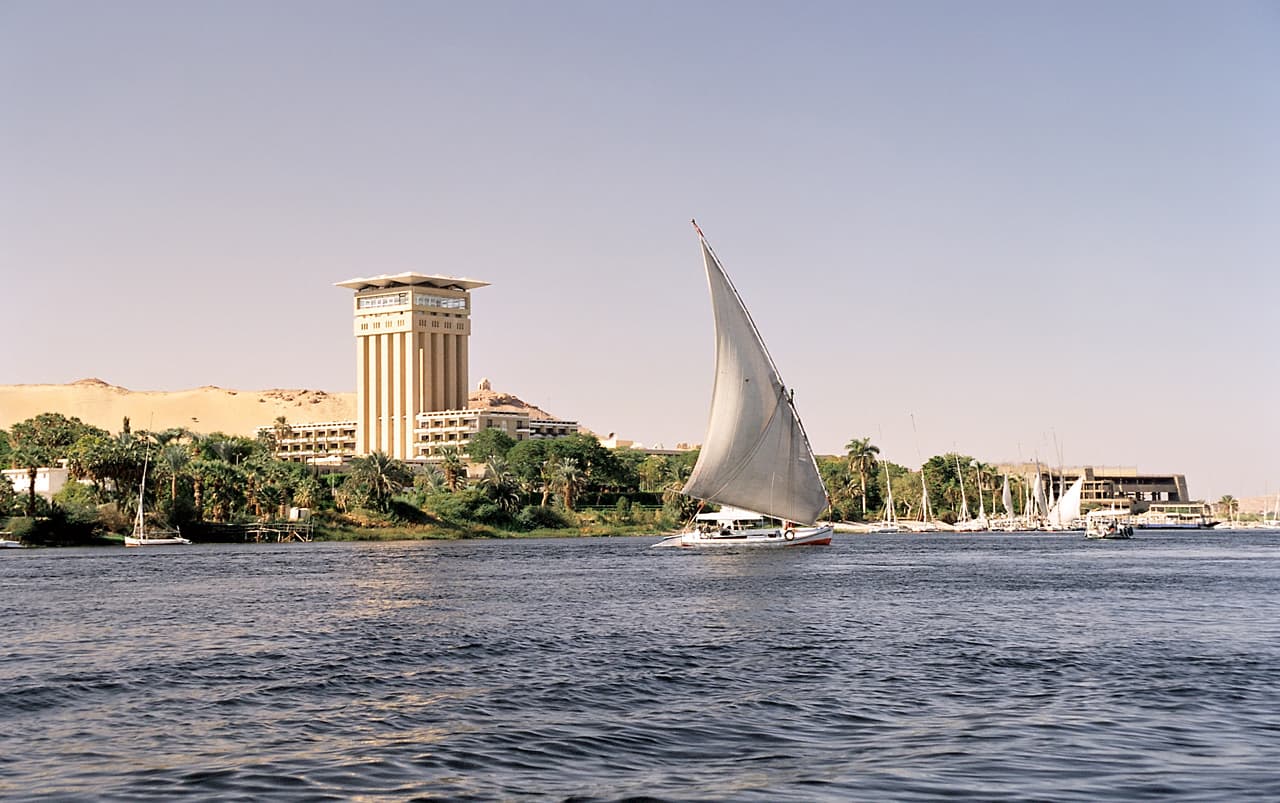
Your Egyptologist guide is the largest single share: €10–15 per person per day for a private guide, €3–5 in a group. The driver is a separate €5 per person per day, handed over separately rather than through the guide. On a cruise there is a communal crew box at the end, €5–10 per person per night, which covers the cabin steward, the waiters and the deck crew together. Everything else is small change: 20–50 EGP for a porter, a restroom attendant or the man who steadies the felucca, and 10 per cent on a restaurant bill on top of any service charge.
Hotel porters and housekeeping take small notes rather than coins. Restaurant service is often already added — check before adding more.
Why baksheesh feels different to a Western tip
In much of Europe a tip rewards good service after the fact. In Egypt baksheesh works more like a small, expected transaction that runs alongside the service itself, and it covers a much wider range of interactions.
That is why it can feel relentless on a first visit. Someone opens a door, points at a view, or steadies you onto a boat, and a hand goes out. It is not a scam and it is rarely aggressive.
The practical answer is to carry far more small notes than you think you need, decide your own limit, and stop apologising for it. A polite no is understood, and it is used constantly by Egyptians too.
Practicalities
Bring small denominations in Egyptian pounds and change money early. Handing over a large euro note because you have nothing smaller helps nobody, and it distorts expectations for the travellers behind you.
Written by Nile Trip Guide editorial team ·
Next steps
Official sources
Entry rules, opening hours, security advice and exchange rates all move. Check them at the source, not here.
- Egyptian Ministry of Tourism and Antiquities ↗The ministry lists which tombs and temples currently open.
- UK FCDO travel advice for Egypt ↗It updates continuously, and most UK travel insurance follows it.