Practical · 5 min read
Is Egypt safe for travellers right now?
Is Egypt safe? It depends on the region and the date, so start with the US State Department and UK FCDO pages for Egypt. Here is what the tourist corridor is and which risks visitors actually meet.
People ask us: is Egypt safe? The honest answer is that it depends on where you go and when. Egypt is a large country. A Red Sea resort, a Cairo suburb and a stretch of remote desert border are not the same thing, and no single yes or no covers all three. Anyone giving you a flat answer is guessing.
Is Egypt safe? The honest answer is that it depends
One source outranks this page and every other travel site: your own government's travel advice. Your foreign ministry or state department publishes it, updates it, and writes it region by region. Find your country's Egypt page, read it before you book, then read it again in the week before you fly. Where that advice and anything here disagree, follow the advisory.
What we can add is the texture underneath. What the tourist corridor is. Which risks actually send visitors home early. Where the hassle comes from and how to handle it. That part changes slowly. Security advice changes quickly. Keep the two separate in your head and you will make a better decision than most people asking the question.
What the tourist corridor is, and why advice treats it differently
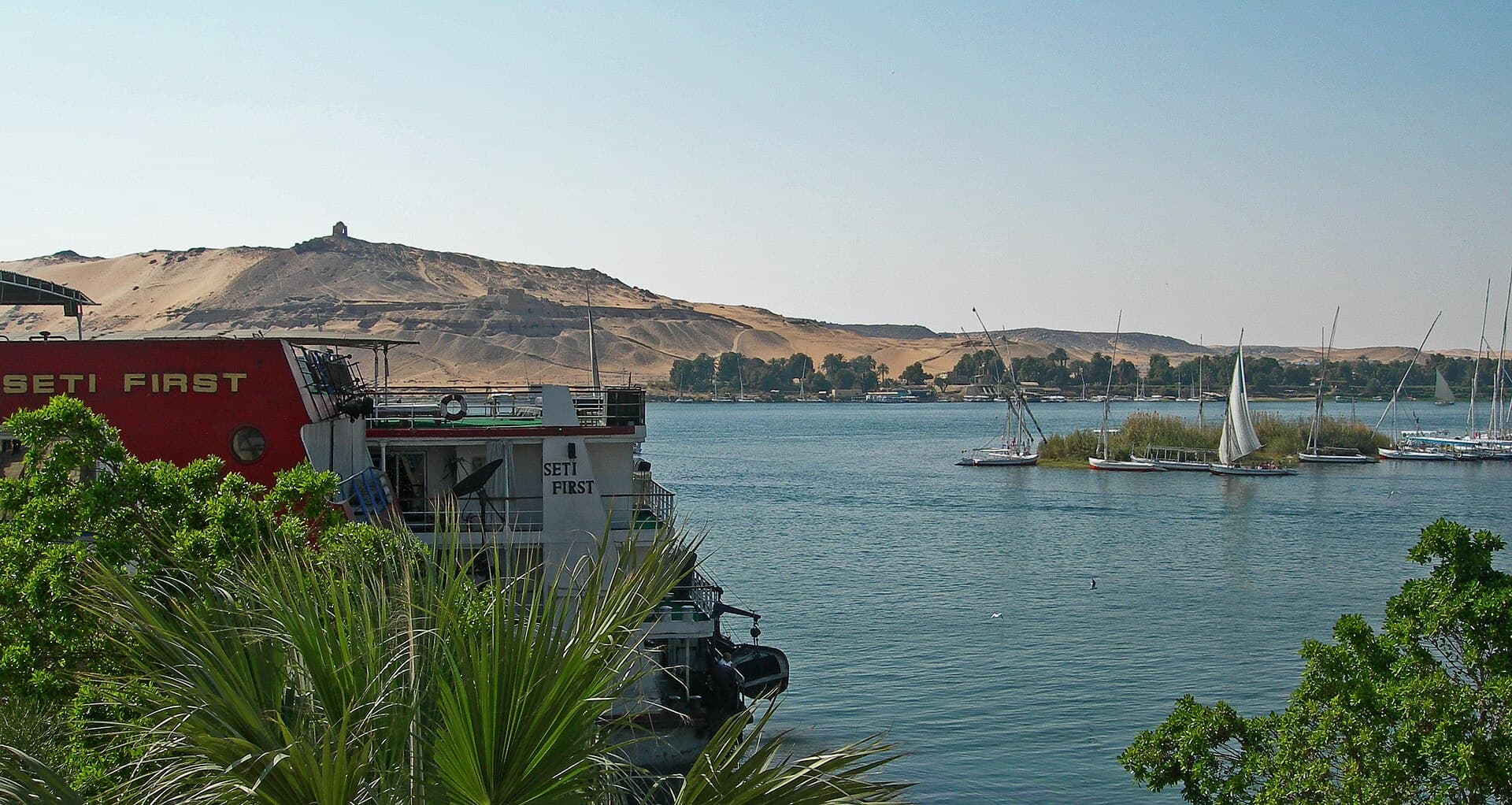
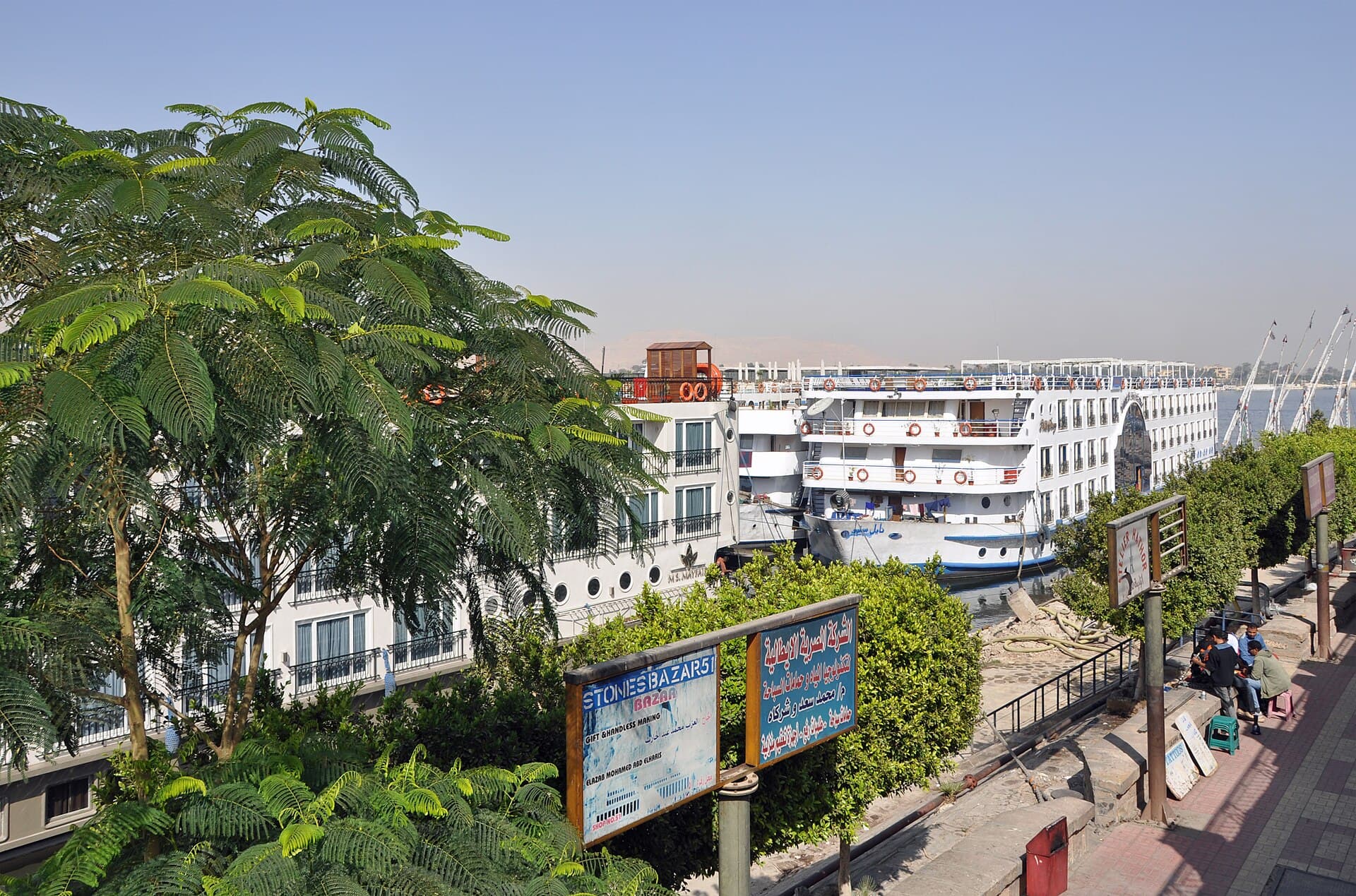
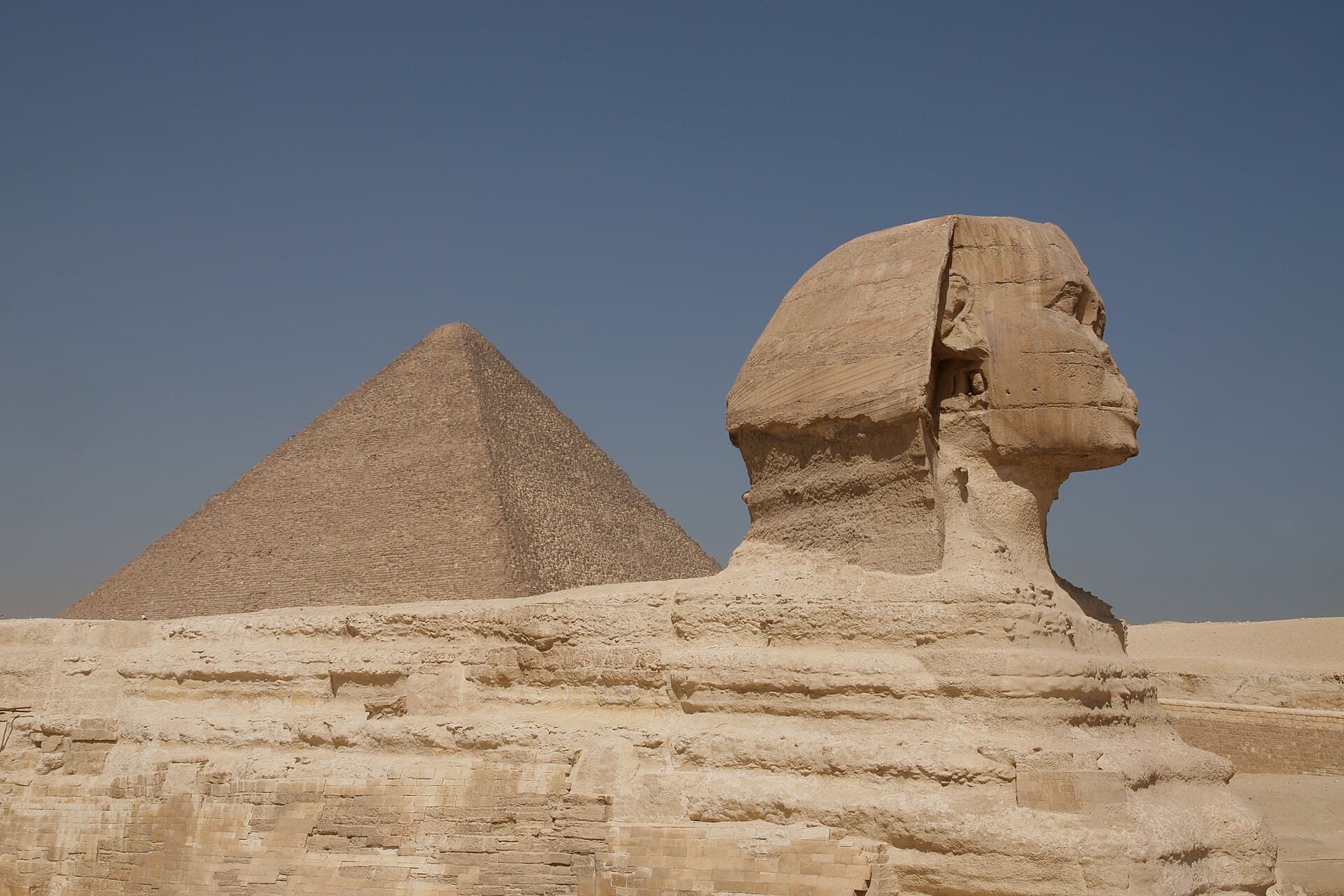
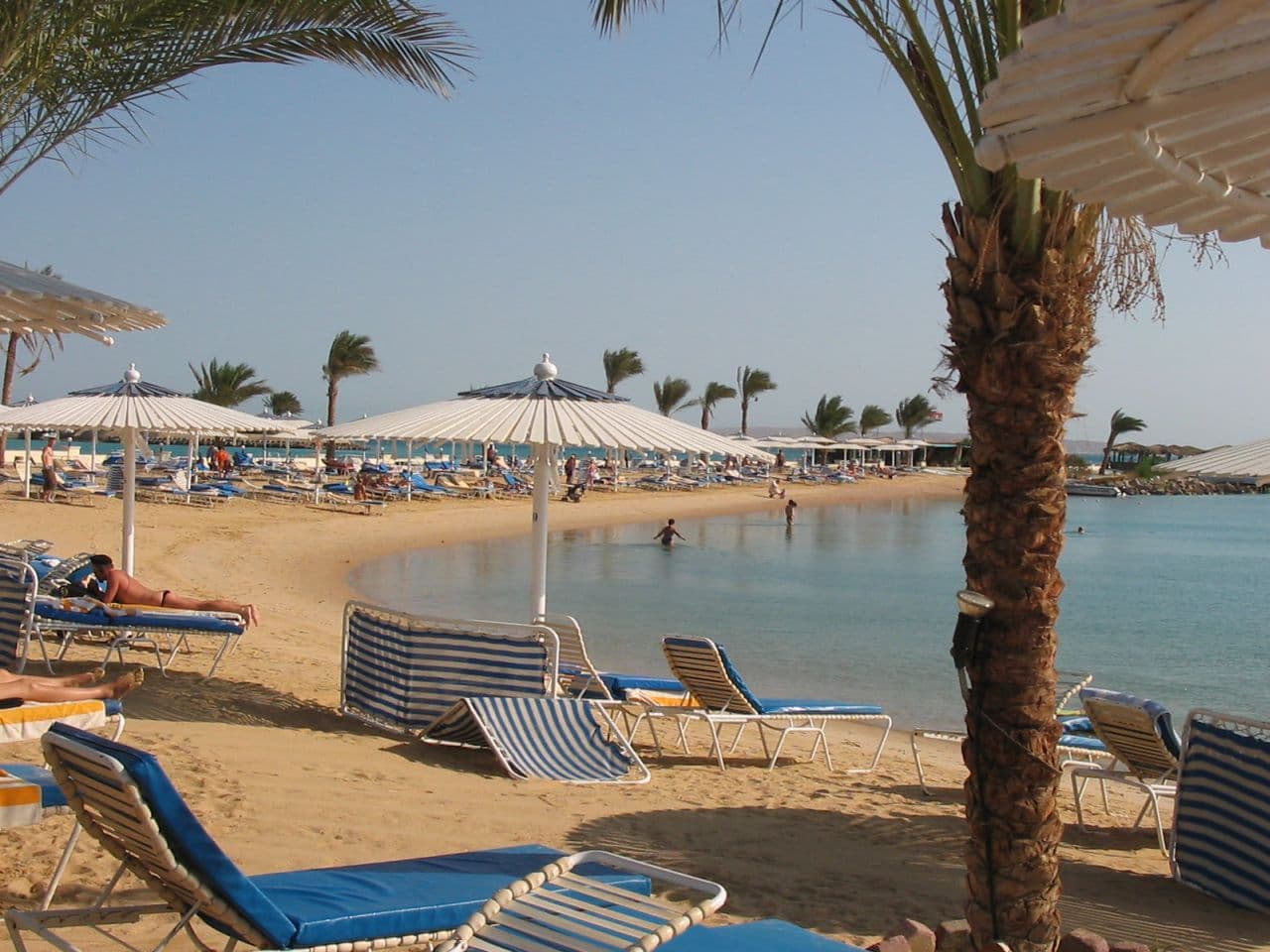
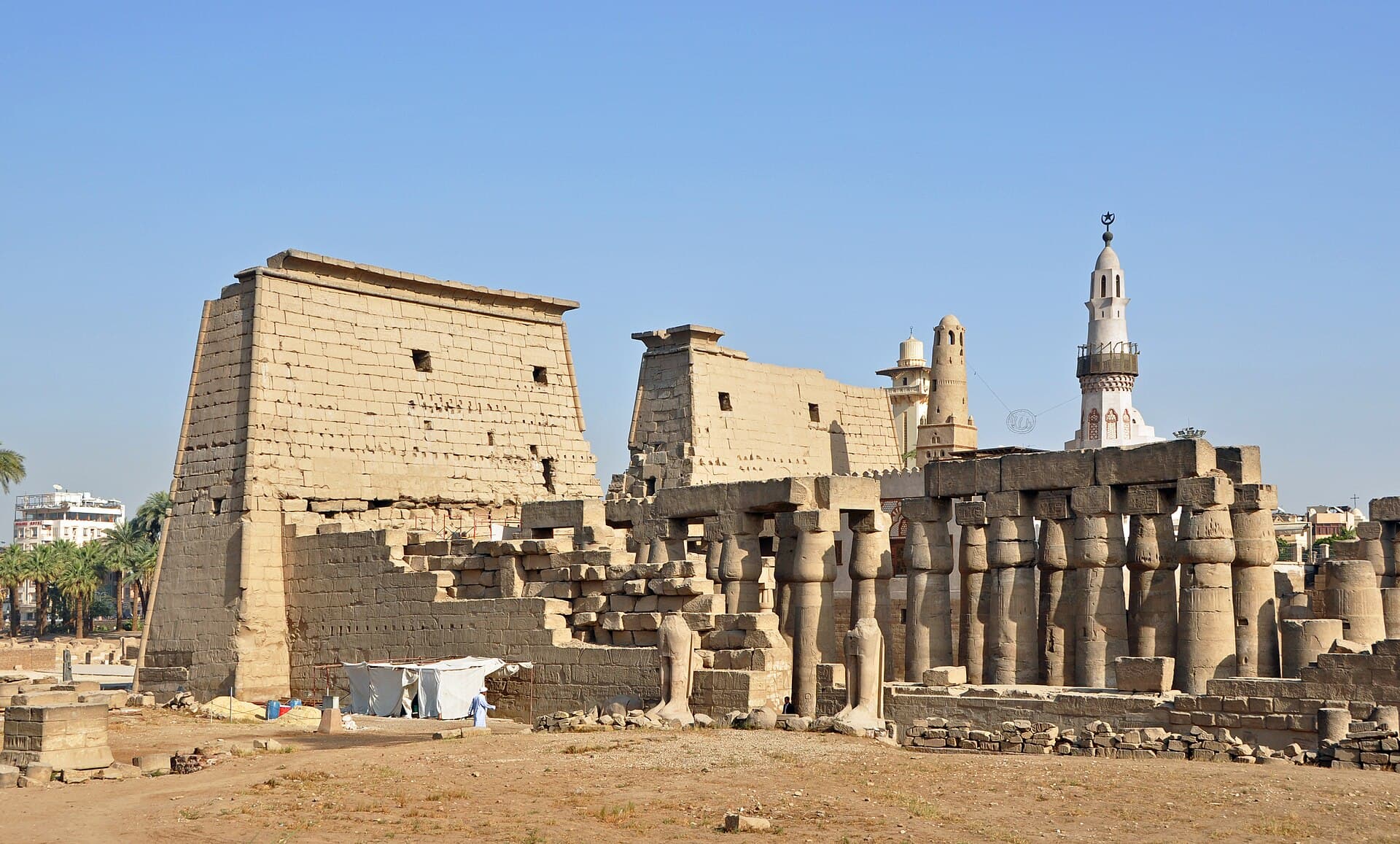
A typical Egypt itinerary follows a narrow strip: Cairo and Giza, then Luxor and Aswan, the Nile between them, and the Red Sea coast. This is the tourist corridor. The Egyptian state protects it visibly, with tourism police, checkpoints on main roads and security at site entrances. Bag scanners at hotel doors are routine, not a sign that something has happened.
Government advisories usually treat this corridor differently from the rest of the country. Some border and desert areas carry much stronger wording than Cairo or Luxor, and the exact areas change. Check the US State Department and UK FCDO maps against every place on your route, including any desert trip. That is the point: advice is written region by region, and the gap can be wide.
Why your own government's advice is the one that counts
Three things separate official advice from a travel site's summary. It is written region by region, so it can warn hard about one governorate while saying little about another. It is revised when circumstances change, sometimes within hours. And it is the document your insurer will point to if something goes wrong. That is why we keep sending you to the source.
The insurance point deserves saying plainly. The UK FCDO warns that your travel insurance could be invalidated if you travel against its advice (checked October 2026). Read your policy wording alongside the advisory, because insurers differ on advice against all but essential travel versus a full warning against travel.
There is also a timing problem no travel site can fix. This page was written on one date and you are reading it on another. Any summary we publish is out of date the moment the source updates, and we will not know. Bookmark your government's Egypt page and set a reminder for the week before departure.
The risks people actually meet are heat, stomach upsets and roads
Security dominates the question. The practical problems on an Egypt trip are more mundane, and heat is the first. Summer in Luxor and Aswan is extreme, and midday at an open site with no shade puts people in real trouble: headaches, vomiting, occasionally hospital. The season runs roughly October to April for good reason. High summer means early starts, shade at midday, and more water than feels necessary.
Stomach upsets are the second reliable problem. A day or two of it is common and usually passes on its own. Drink bottled or filtered water, skip ice you are unsure about, and be careful with salads and lukewarm buffet food. Bring rehydration salts from home. Most people are fine. Enough are not that it is worth planning for.
Road travel is the risk most likely to cause serious harm, and almost nobody worries about it. Egyptian roads are busy and driving standards vary. Long transfers after dark are best avoided where the itinerary allows. Ask whether seatbelts are fitted in the back before you set off. If a driver is on the phone or overtaking blind, say something.
Hassle, persistent selling and money scams
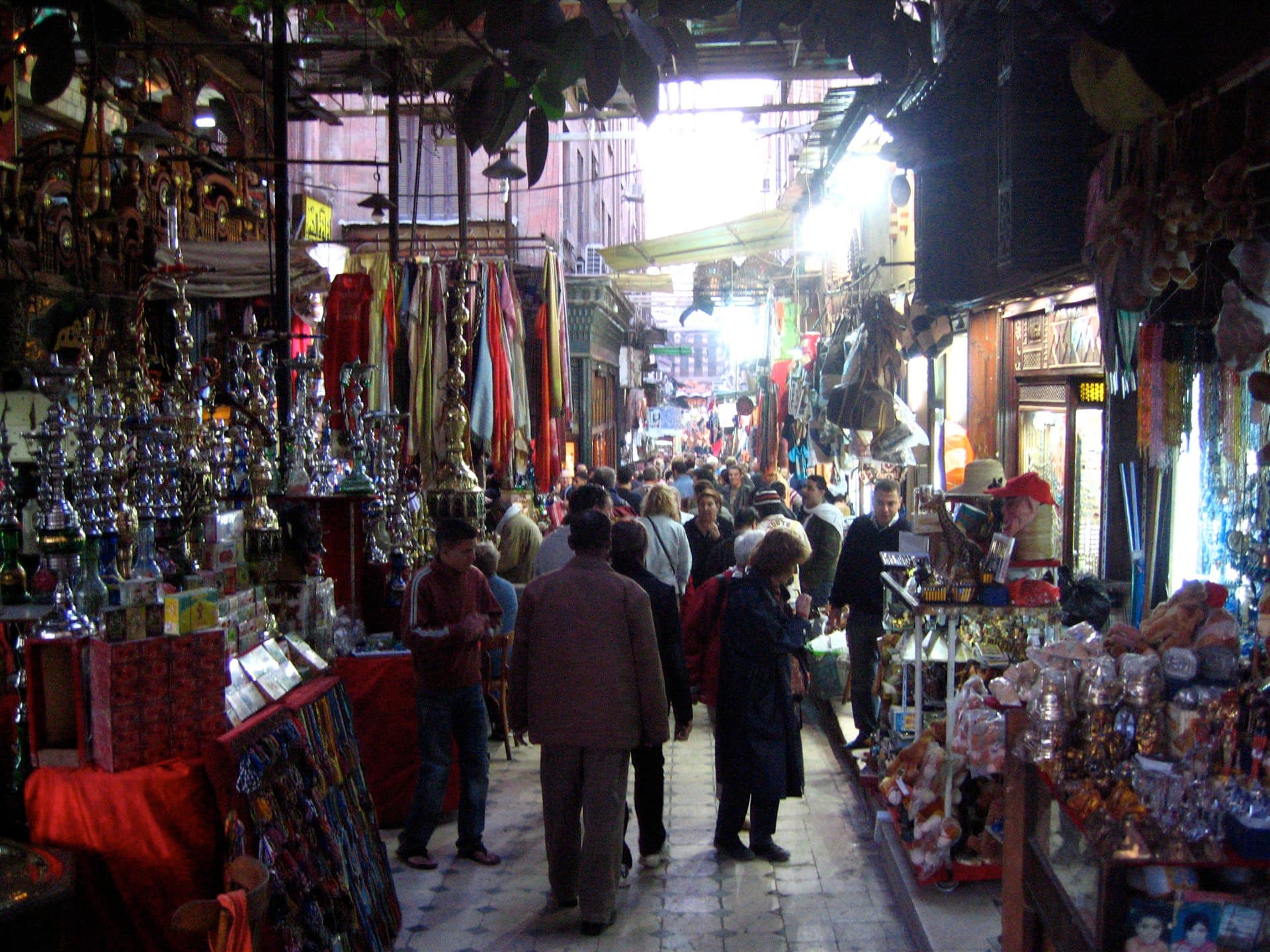
The complaint travellers report most often is not fear. It is exhaustion from being sold to. Around Giza, Luxor's west bank and the big bazaars you will be approached constantly: camel rides, scarves, alabaster, or a free gift that turns out not to be free. Some of it is good humoured. By the fourth day it wears thin.
What works is a clear no, thank you, said without breaking stride, and no eye contact afterwards. Never accept anything placed in your hand. Agree every price before the service starts, including camel and carriage rides, and including the ride back. Carry small notes for tips, which are normal and expected in Egypt. Firm and friendly beats apologetic.
Money and taxis are where petty crime usually shows up. Meters go unused, notes get swapped for smaller ones, and a quoted fare becomes a different fare on arrival. Ride-hailing apps in Cairo remove most of that argument, since the price is fixed before you get in. Use ATMs inside bank branches or hotel lobbies.
Women travelling alone in Egypt
This deserves a straight answer. Solo women report a high level of unwanted attention in Egypt: staring, comments, being followed for a street or two, and occasionally groping in crowded places. Plenty have an excellent trip and would go back tomorrow. A meaningful number find the constant attention grinding. Both things are true, and you should hear them together.
Practical steps help more than they should have to. Solo women commonly advise covering shoulders and knees, more in Cairo and Upper Egypt than in the Red Sea resorts, though how much difference it makes is argued over. A guide at the busiest sites gives you a buffer. Ride-hailing apps beat flagging cars down. Women who have dealt with an incident often say being loud worked better than walking away quietly.
What to do if the advice changes after you have booked
Advisories move. You can book in good faith and find the wording has hardened by the time you fly. Read what has actually changed, because the change is often specific to a region your itinerary never touches. A stronger warning about a remote border area does not describe a Nile cruise between Luxor and Aswan.
If the change does cover where you are going, contact your operator and your insurer, in that order. Ask the operator what the local team is seeing and whether the route can be altered. Ask the insurer, in writing, whether your cover still stands. We would rather you postponed than travelled uneasy. If your government advises against travel there, change the plan.
Common questions
Is it safe to travel to Egypt right now?+
We cannot answer right now, and neither can any travel page you read. Advice changes, and this page does not update when it does. Check your own government's Egypt advisory yourself, before you book and again in the week before you fly. It is written region by region, so read the part that covers your actual itinerary. If it advises against travel where you are going, follow it.
Is Egypt safe for Americans?+
Nationality makes little practical difference to the day-to-day experience. Americans, Britons and Europeans meet the same heat, the same road conditions and the same persistent selling. What does differ is the advisory you should be reading: Americans should use the US State Department, Britons the FCDO, and everyone else their own foreign ministry. The regional detail in those documents matters far more than your passport does.
Is Cairo safe to visit?+
Cairo is a huge city and behaves like one. The realistic day-to-day risks are traffic, pickpocketing in crowds, and taxi overcharging. Ride-hailing apps remove most of the fare arguments. Crossing the road is genuinely the hardest part; follow a local and move at their pace. Advisories often treat Cairo differently from remote regions, so read the Cairo section itself.
Will my travel insurance still cover me if the advice changes?+
Possibly not, if you travel against your government's advice. The UK FCDO warns that your travel insurance could be invalidated if you travel against its advice (checked October 2026). Policies vary in how they treat advice against all but essential travel, so ask your insurer in writing and keep the reply. Do that before you decide, and treat the answer as part of the cost of the trip.
Should I book a guide or travel independently?+
Independent travel through the main sites is entirely possible and cheaper. A guide mostly buys you two things: less hassle at the gates, and someone who can explain what you are looking at. If your main worry is being approached constantly, a guide helps more than any security measure. If you are comfortable saying no and reading a map, you do not need one for every day.
Written by Nile Trip Guide editorial team ·
Next steps
Official sources
Entry rules, opening hours, security advice and exchange rates all move. Check them at the source, not here.
- Egyptian Ministry of Tourism and Antiquities ↗The ministry lists which tombs and temples currently open.
- UK FCDO travel advice for Egypt ↗It updates continuously, and most UK travel insurance follows it.