Dahabiya
Nour El Nil: What Sailing a Nile Dahabiya Is Actually Like
Nour El Nil operates dahabiyas on the Nile: small sailing boats, not floating hotels. The name comes up often once people start looking past the big cruise ships, and it tends to attract strong opinions. This page explains what that class of boat is like to travel on, who it suits, and what you should check before you commit.
Nour El Nil: what a dahabiya is, and how it differs from a cruise ship
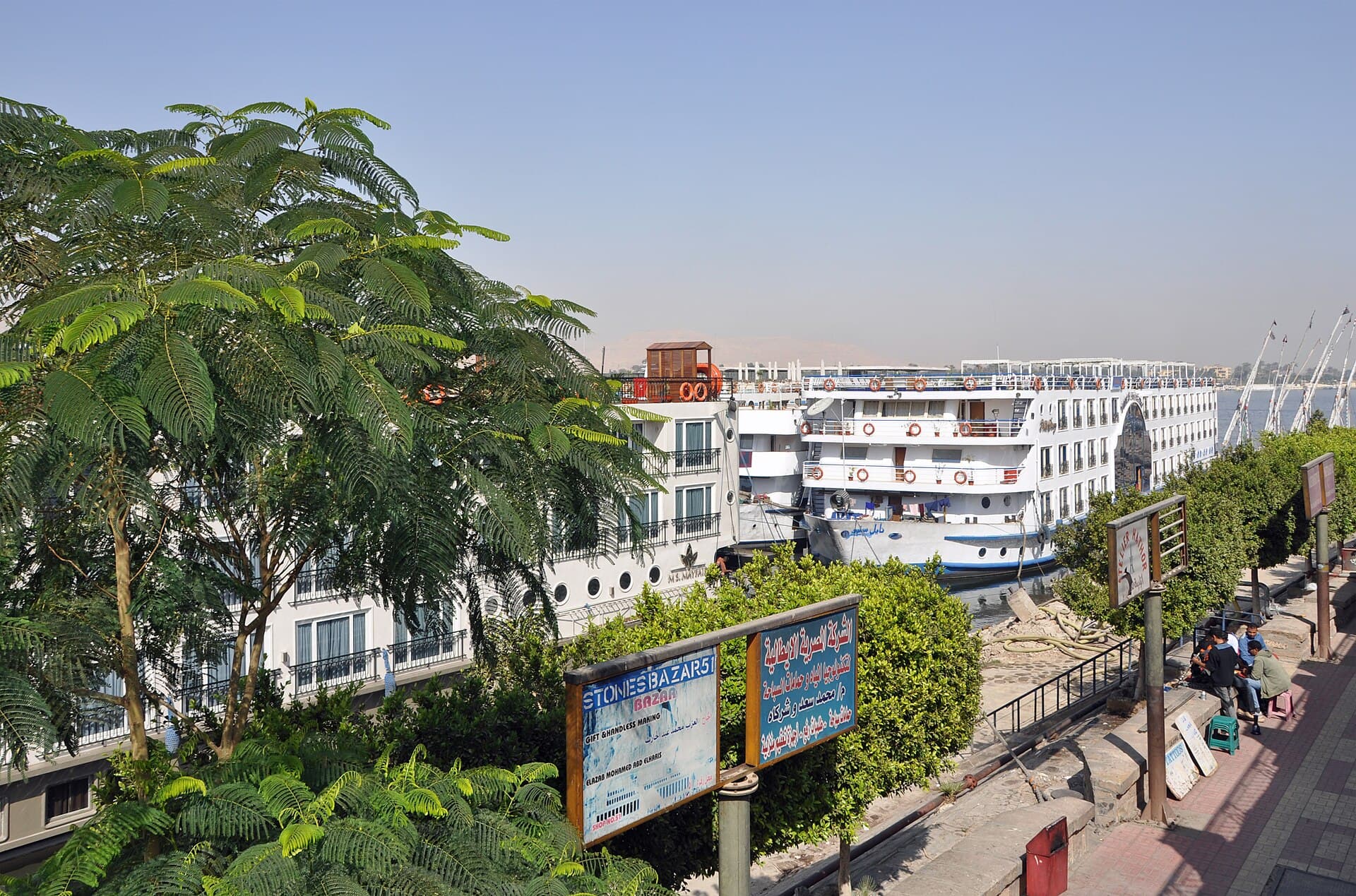
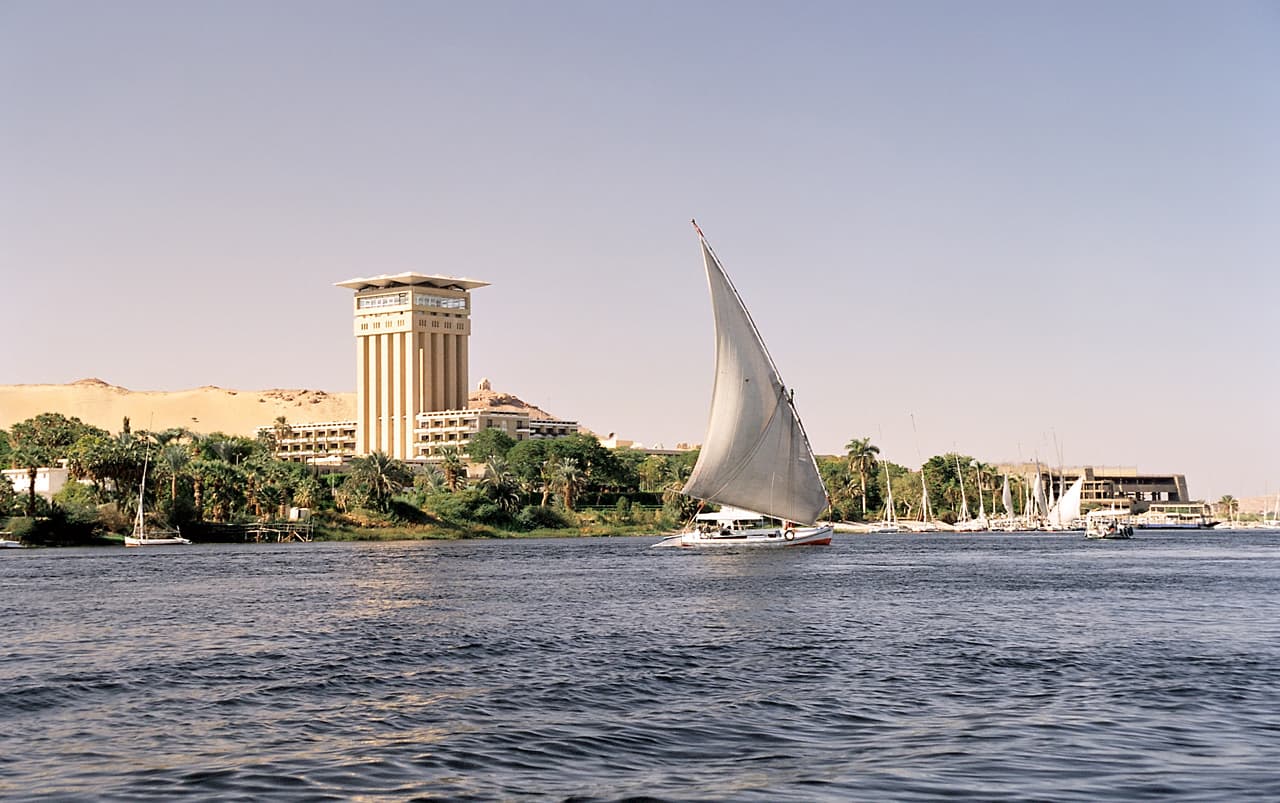
A dahabiya is a flat-bottomed sailing boat with masts and canvas. It carries a small number of guests rather than a few hundred. Nour El Nil operates boats of this type. The large Nile cruise ships you see stacked along the Luxor corniche are a different product entirely: engine-driven, several decks high, with buffet dining rooms, pools and evening entertainment.
The practical difference is pace and access. A dahabiya moves with the wind and current, helped by a small tug when the air is still. It is slower and less predictable. It can tie up at sandbanks and small villages that a large ship cannot reach. These boats generally have no lift, no shop and no nightly programme. Between the two sits the small motorised ship, which is quieter than a big one but still runs to a fixed engine-driven schedule.
Who this style suits, and who it does not
It suits people who want quiet, who are happy reading on deck for hours, and who accept that the boat arrives when it arrives. It suits travellers who find large-group tourism tiring, and couples or small groups who would rather eat at one table than in a dining hall.
It does not suit everyone, and this is worth saying plainly. If you want a pool, a gym, a lift, air-conditioned public areas at all hours or a nightly programme, a dahabiya is unlikely to suit you. Anyone with limited mobility should think hard: these boats involve steps, narrow decks and occasional rough gangways onto riverbanks. Children who need entertaining may find the empty hours long. And if your goal is the maximum number of temples in the fewest days, a motorised ship does that better.
The Luxor to Aswan stretch, whatever boat you take
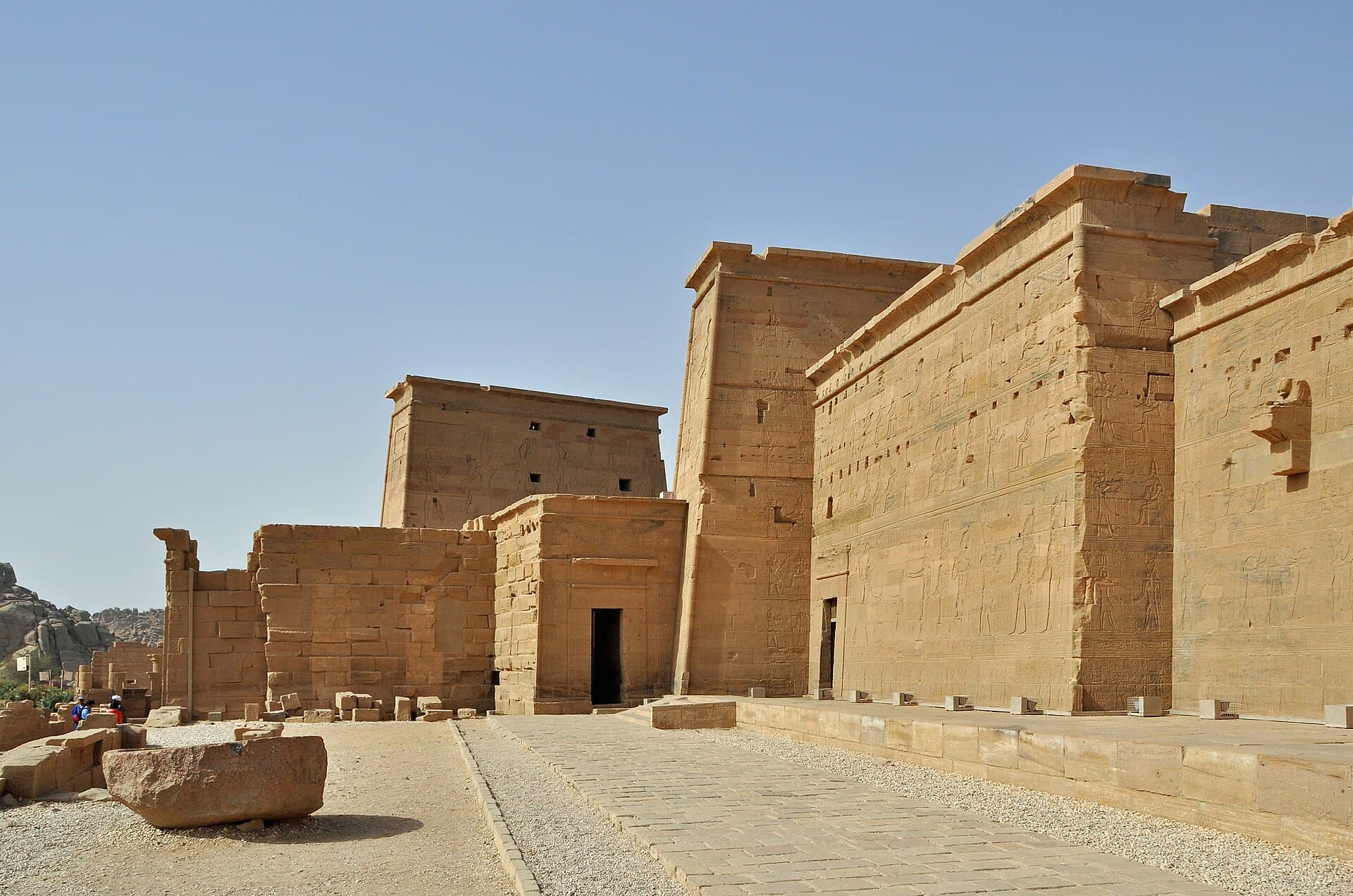
Nile boats generally work the Luxor-Aswan stretch. The headline sites along it are fixed: the temples of Esna, Edfu and Kom Ombo sit on or near the river, with Luxor's west bank and the Aswan area at either end. Most boats visit some version of this. The difference is not what you see but how it feels.
On a large ship you will often arrive at a temple at the same hour as several other ships, and moor rafted alongside them, so your window looks onto another boat's cabin. On a dahabiya you are more likely to arrive off-peak and to moor on an empty bank. The temples themselves are unchanged; the time around them is what shifts.
Questions to ask before booking any Nile boat
Ask when the boat was last refurbished, and get an answer with a date, not an adjective. Nile boats work hard in a hot, dusty, humid environment and they age quickly. Ask which side your cabin faces and whether it has a window or a porthole. Ask whether the boat moors alongside the bank or rafted between other boats, and how often.
Then ask what is actually included: which meals, which drinks, which site entry tickets, guiding, transfers at each end, and tipping. Practice varies widely between operators and between departures. Ask about the guide too, since on a small boat that one person shapes much of the trip. Get the answers in writing before you pay a deposit.
Star ratings on the Nile mean something different
Nile boats are rated locally. A five-star rating on the river is not the same thing as a five-star hotel rating in Europe or the Gulf, and the categories are applied loosely. Dahabiyas in particular often sit outside the conventional rating system altogether, because the criteria assume facilities they were never built to have.
Treat the star count as background noise. Recent photographs, a clear refurbishment date, and a straight answer about mooring will tell you far more about your week than any rating will. Ask for pictures taken this season rather than stock images, and ask when they were taken. If nobody will put a date on either the photographs or the last refit, treat that as the answer.
Confirm the current details when you enquire
We do not publish cabin counts, deck plans, sailing dates, prices or facility lists for Nour El Nil on this page, because we cannot verify them independently and a wrong number here would cost you money. Nile fleets change hands, get refitted, get repositioned and change what they include from one season to the next.
Anything specific to a given boat and a given departure should be confirmed at the point of enquiry. Our team checks availability, the current configuration and what a fare covers directly with the operator before anything is confirmed to you, so the details you get are the ones in force for your dates rather than the ones printed last year.
The trips we sell use three boats: MS Radamis II, Movenpick Royal Lily and Sonesta St. George.
For the cruise on its own: Nile Cruise from Aswan to Luxor or Nile Cruise from Luxor to Aswan.
Common questions
Is a dahabiya worth the extra cost over a standard Nile cruise?+
It depends on what you want. If you value quiet, small numbers and slower days, the boat becomes part of the trip rather than transport between temples. If you mainly want to see the sites and are indifferent to the boat, a motorised cruise usually costs less for the same temples. The dahabiya premium buys atmosphere and space, not extra sightseeing.
How many nights does a Nile sailing take?+
It varies by boat, by direction and by season, so we will not quote a number for a specific vessel here. Sailing downstream and upstream take different amounts of time because of the current. Ask for the exact night count and the direction when you enquire, and check what happens on the first and last days, which are often part travel days.
What is the difference between mooring alongside and rafting?+
Mooring alongside means the boat ties directly to the bank, so you step off onto land and your window faces open river or shore. Rafting means boats tie to each other in a row, and you may have to walk through another boat's lounge to get ashore. Rafting is common at busy Nile moorings and less common for small sailing boats.
When is the best time of year to sail the Nile?+
Roughly October to April is comfortable. Midsummer in Upper Egypt is severely hot, and on a boat with open decks and limited air conditioning that matters more than it would in a hotel. Winter is pleasant by day but genuinely cold on deck after dark, so bring layers. Wind is less reliable in some months, which affects how much you actually sail.
Can I book Nour El Nil directly?+
You can approach the operator yourself. Going through a ground operator is useful if you want the sailing joined up with Cairo, Luxor and Aswan arrangements, transfers and guiding, and if you want someone in Egypt to sort out problems in real time. Compare what each route includes before deciding; the boat itself is the same either way.
Official sources
Entry rules, opening hours, security advice and exchange rates all move. Check them at the source, not here.
- Egyptian Ministry of Tourism and Antiquities ↗The ministry lists which tombs and temples currently open.
- UK FCDO travel advice for Egypt ↗It updates continuously, and most UK travel insurance follows it.
Written and checked by the Nile Trip Guide editorial team · Last reviewed . Entry rules, prices and opening hours change — check anything critical against the official sources linked on this page.