Small ship
Sanctuary Sun Boat IV: what to know before you book
Sanctuary Sun Boat IV is a Nile river vessel operated by Sanctuary Retreats. Most people reach this page after seeing the name on an itinerary and want to know whether it suits them. This page explains what boats at the small-ship end of the river are like to travel on, and what to confirm with the operator before you commit.
What kind of boat Sanctuary Sun Boat IV is
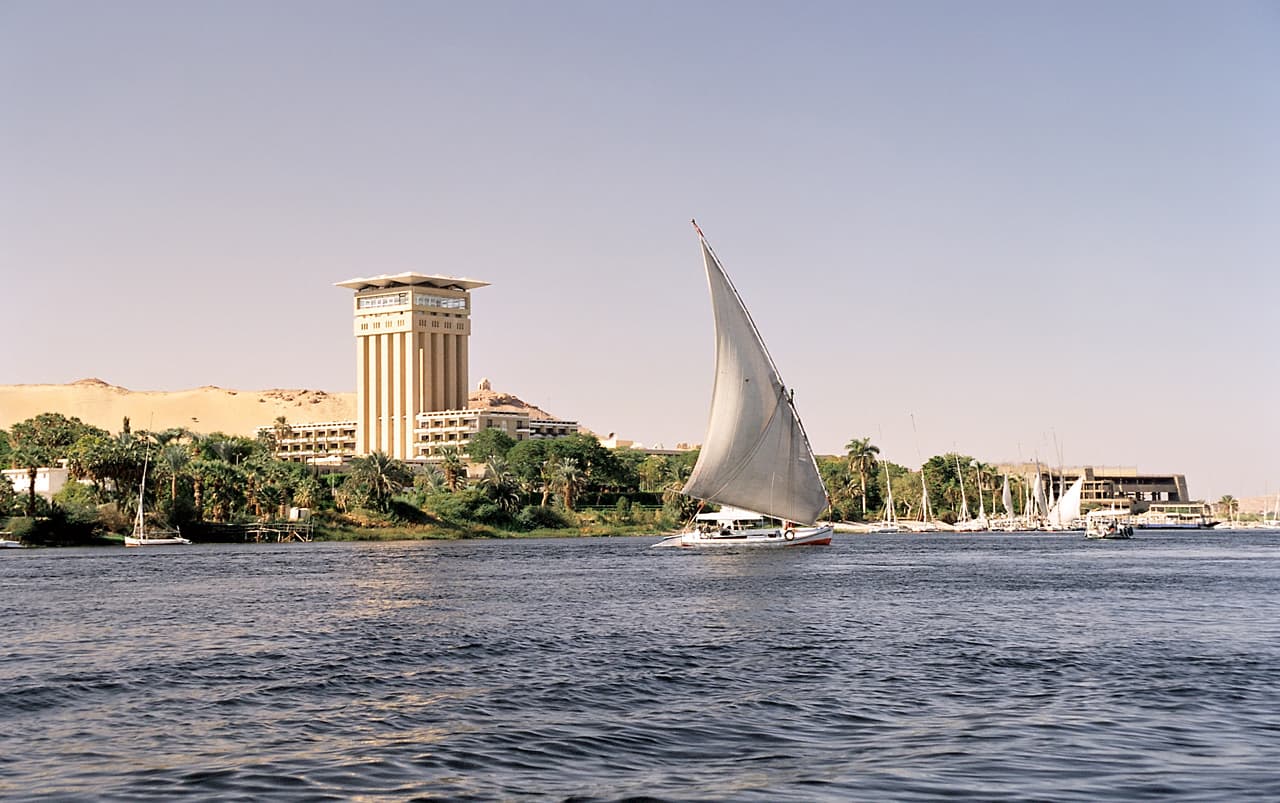
Sanctuary Retreats runs the boat as part of its Egypt operation, and it sits at the small-ship end of the Nile rather than among the large floating hotels that carry most of the river's traffic. The practical difference is scale: fewer people changes the pace of meals, of getting ashore for a temple, and of finding space on deck. No cabin counts, deck plans or build dates appear here, because those are the details that change between seasons and should come from the operator.
Small ship, large cruiser or dahabiya
Most Nile boats are large cruisers. They carry a lot of people, have more onboard facilities, and they are the mainstream option on the river. They also moor rafted together, several boats deep, so a cabin window can look into another boat's lounge, and every temple visit involves a crowd arriving at once. For plenty of travellers that is a fair trade, and the sites are the same either way.
A dahabiya is the other extreme: a small sailing boat, quiet and slow, with far fewer people and far less on board. It is the better choice if the river itself is the point, and the worse one if you want a pool, a gym or a timetable you can rely on. Sailing depends on wind, so a dahabiya is often towed for part of the route anyway.
A small ship sits between the two. You keep the reliable timetable of a motor vessel with fewer people around you, and you pay for that. Whether it is worth the difference depends on how much time you expect to spend on board rather than at the sites, which is worth working out before you compare quotes.
What the Luxor to Aswan stretch involves
Nile boats work the stretch between Luxor and Aswan in both directions, and itineraries on that stretch usually call at Esna, Edfu and Kom Ombo. The boat is your hotel, so you unpack once and the sites come to you. The sailing hours are the best part of it: farmland, palm, water buffalo, brickworks and very little else moving on the bank.
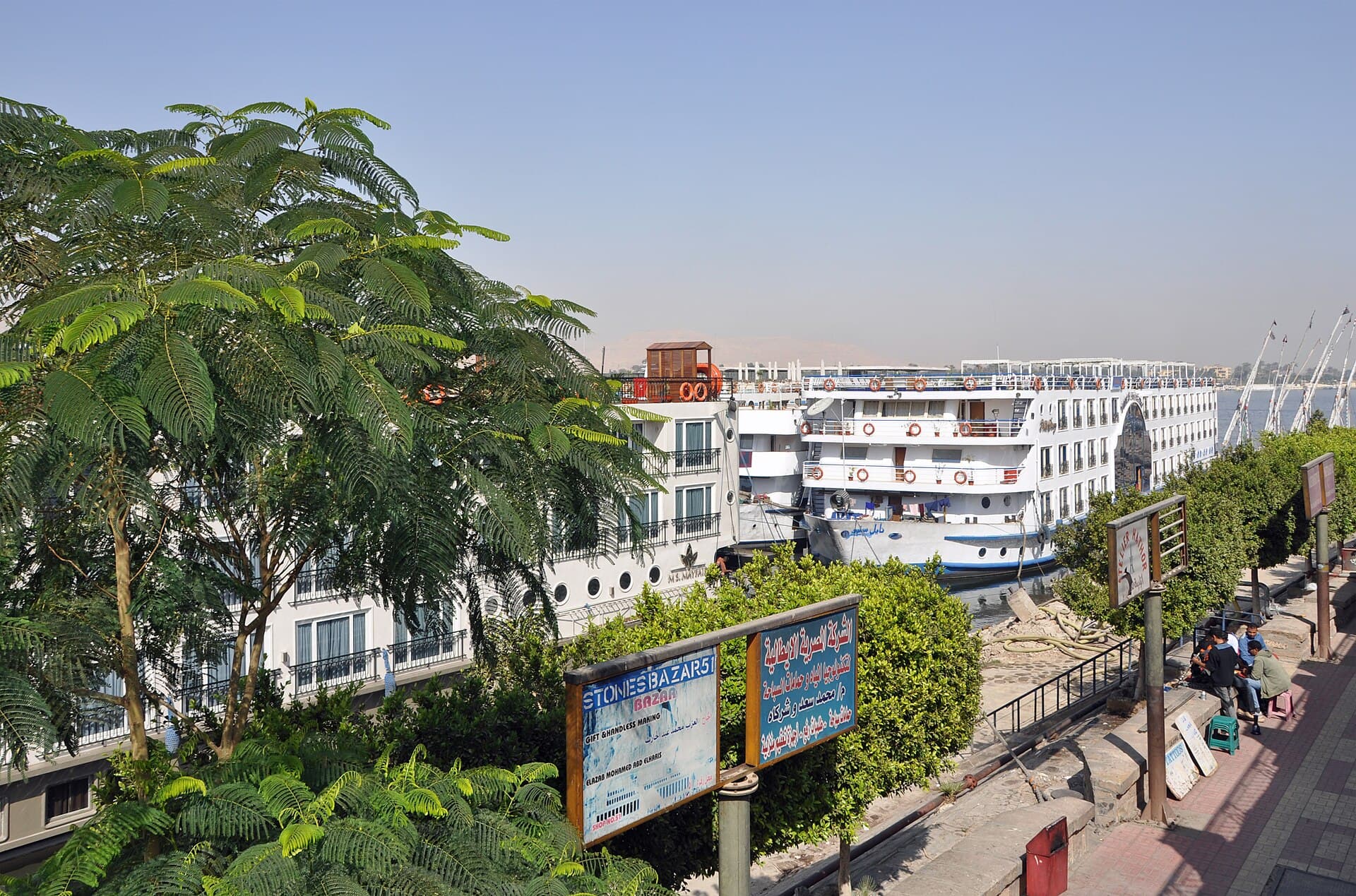
The parts nobody mentions: early starts to reach temples before the heat, a wait at the Esna lock that can run long, and moorings that are functional rather than scenic. At the busier stops boats tie up against each other, so a cabin window can face another boat's corridor, and you may walk through two or three other vessels to reach the bank.
Who this style suits, and who it does not
This style suits couples, older travellers who would rather not queue down a gangplank behind a full ship's worth of people, and anyone who has tried a big ship elsewhere and disliked it. It also suits first-time visitors to Egypt who want the logistics handled and are content to pay more for a calmer version of a route that everyone sails.
It is not worth the difference if you are ashore from dawn until late afternoon every day and only sleep on board. On that pattern the boat is a bed with a view, and a standard vessel does the same job. It is also the wrong boat if you specifically want sail rather than engine, or want to moor away from the main quays.
Questions worth asking before you book any Nile boat
Ask when the boat was last refurbished and what the refit covered. Ask which deck and which side the cabin sits on, because upper decks are quieter than those near the engine, and the side decides your sun and your view when moored. Ask whether it ties up alongside the bank or rafted between others. Then ask what the fare covers, from drinks and entrance fees to guiding, tips, transfers and internal flights, because that is where two quotes differ rather than in the boat.
Confirm specifications, dates and prices at the time of enquiry
Nile fleets change hands, get refitted, get renamed and get moved between routes. A boat that was excellent three seasons ago may be under different management now, and the reverse happens as often. Treat cabin details, sailing dates, itinerary length and price as things to confirm for the season you travel, not as fixed facts, and get them in writing from whoever takes your booking.
Star ratings deserve the same caution. Nile boats are rated locally, and the rating does not map onto a European hotel classification. Two boats described in the same words can differ widely in age, upkeep and food. A recent refurbishment date, current photographs of the actual cabin grade, and a straight answer about where the boat moors tell you more than any rating does.
The trips we sell use three boats: MS Radamis II, Movenpick Royal Lily and Sonesta St. George.
For the cruise on its own: Nile Cruise from Aswan to Luxor or Nile Cruise from Luxor to Aswan.
Common questions
Is Sanctuary Sun Boat IV a large cruise ship?+
No. It is at the small-ship end of the Nile rather than one of the large floating hotels that carry most of the river's traffic, and Sanctuary Retreats operates it. That usually means fewer people on board and a calmer pace. For the current cabin grades and what a sailing costs, ask the operator directly.
How many cabins does it have, and when was it last refurbished?+
We do not print those figures. Nile boats are refitted, resold and rebranded often enough that any number published here would be wrong before long, and a wrong number is worse than none. Ask the operator or your agent for the current deck plan, the cabin grades and the date of the last refit before you book.
Is a small ship worth the extra over a standard Nile boat?+
Only if you will actually use the boat. If you spend most daylight hours at temples and come back to sleep, the extra buys you very little. If you plan slow afternoons on deck and value a quiet dining room and a short queue at the gangplank, the difference shows up all week.
Which cabin should I ask for?+
Generally an upper deck, away from the engine at the stern. Ask which side faces the bank at the main moorings, since a rafted berth can leave you looking at another boat's corridor rather than the river. The operator's own reservations team can usually answer this; a general booking site usually cannot.
Official sources
Entry rules, opening hours, security advice and exchange rates all move. Check them at the source, not here.
- Egyptian Ministry of Tourism and Antiquities ↗The ministry lists which tombs and temples currently open.
- UK FCDO travel advice for Egypt ↗It updates continuously, and most UK travel insurance follows it.
Written and checked by the Nile Trip Guide editorial team · Last reviewed . Entry rules, prices and opening hours change — check anything critical against the official sources linked on this page.