
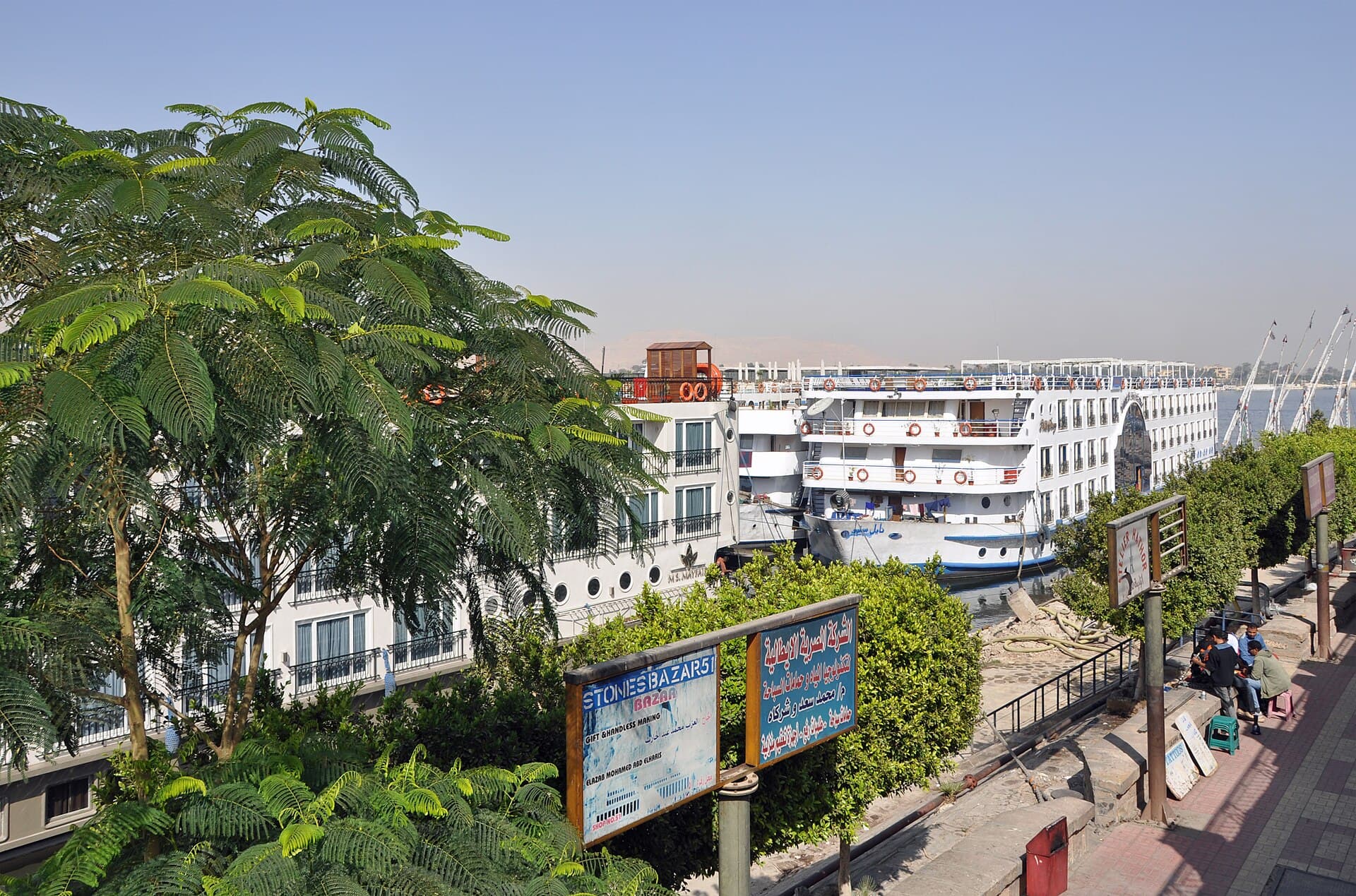
River cruise ship
Viking Ra: What to Know Before You Book
The Viking Ra is a river cruise ship operated by Viking River Cruises on the Nile. This page is not a specification sheet. Nile fleets change hands, get refitted and get moved between routes, so anything we printed about cabins, dates or prices would go stale quickly. What follows is the part that stays true: what this kind of boat is like, and who it suits.
Viking Ra: what a Nile river cruise ship is actually like
A purpose-built Nile river ship is a floating hotel with an engine. Boats in this class generally have a sun deck, a dining room, a lounge and cabins with large windows, and the service runs like hotel service. Meals are served at fixed times rather than on demand. The boat works to a schedule, and that schedule is built around getting groups to the temples in organised parties.
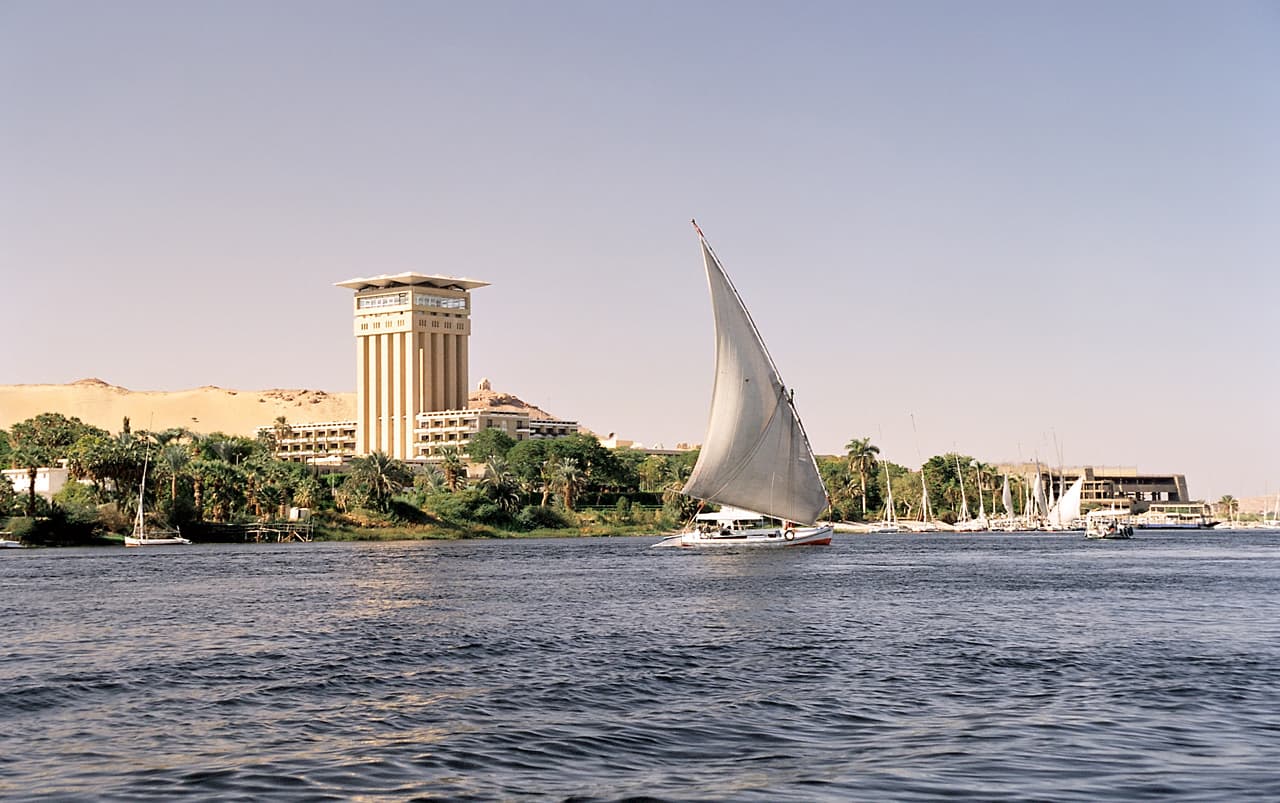
The sailing itself is calm. The Nile between Luxor and Aswan is slow and flat, green at the edges with desert immediately behind, and long stretches of the day are spent on deck watching farmland pass. That is the real pleasure of it, and it is a genuine one. A larger ship also gives you shade, air conditioning and somewhere to sit indoors when the afternoon heat becomes unreasonable, which in the summer months it does.
How it compares to a dahabiya or a small boat
The main alternative is a dahabiya: a small sailing boat with far fewer cabins, little engine noise for much of the day, and moorings at places the big ships cannot reach. Dahabiyas feel quieter and more private. They also have less shade, fewer facilities, simpler food, and they move with the wind, so the itinerary flexes. Ask for a quote on both rather than assuming the smaller boat is the cheaper one.
A ship like the Viking Ra trades that intimacy for comfort and reliability. You arrive at each site at a set time, alongside other vessels, and you see the temples with a guide and a group. Nothing about it is adventurous. If you want a Nile trip where the logistics simply happen and the cabin is properly cool in the afternoon, the ship is the better tool. If the appeal of the Nile for you is a quiet, empty riverbank, a dahabiya suits you better.
Who this style of trip suits, and who it does not
It suits first-time visitors to Egypt, travellers who want the sites explained rather than researched themselves, anyone travelling in the hot months, and people who value a predictable standard of room and food. It suits mixed-mobility groups reasonably well, though gangways and temple sites are still uneven and steep in places, so ask about that specifically before you commit.
It suits you less if you dislike group touring, fixed meal times, or being one boat among many at a mooring. It also suits you less if your main interest is a small number of sites studied slowly. Nile ship itineraries are paced to cover the headline temples, and the pace is brisk. Independent travellers who like unstructured days generally find the format restrictive, and there is no polite way around that.
The Luxor-Aswan stretch, whatever boat you take
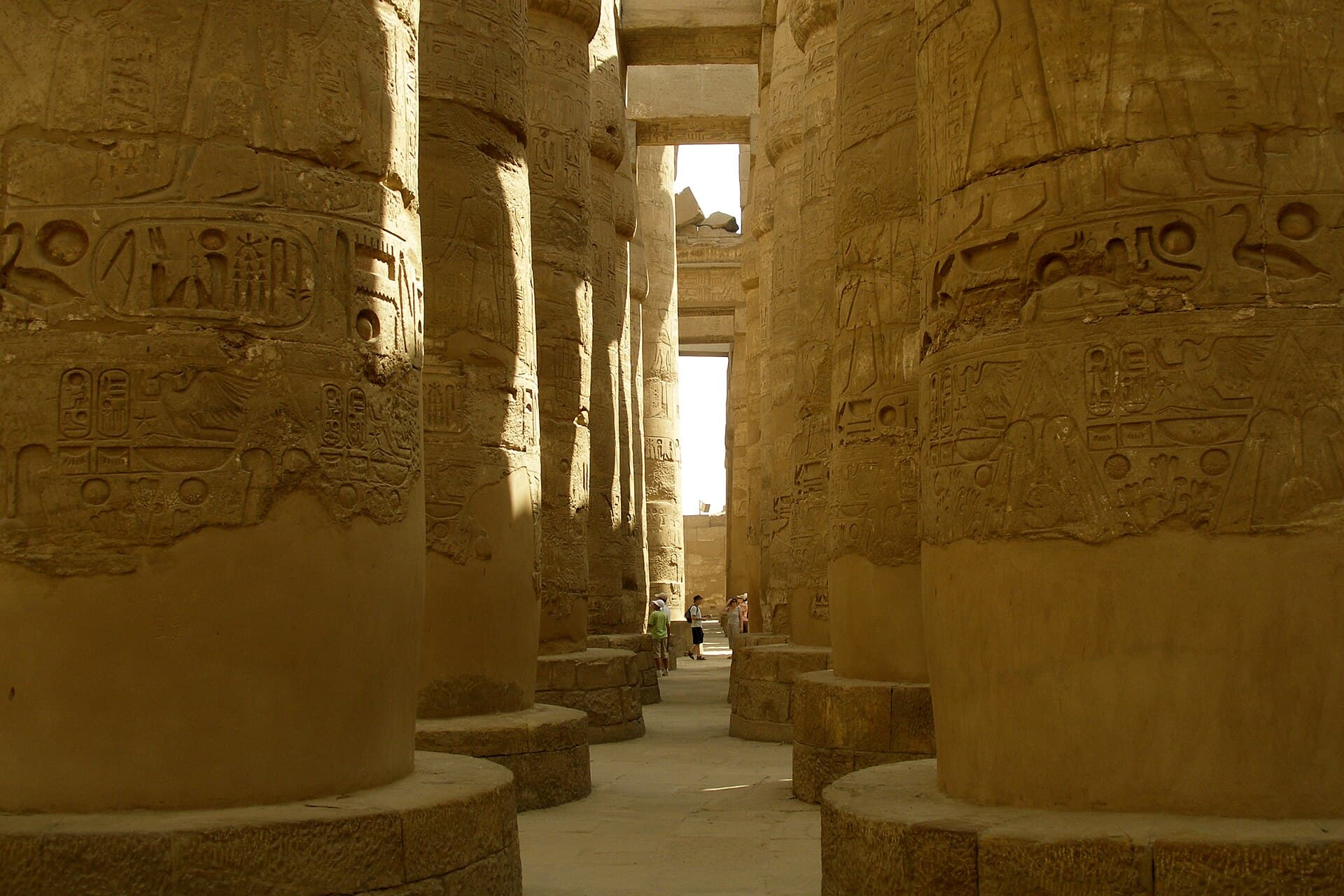
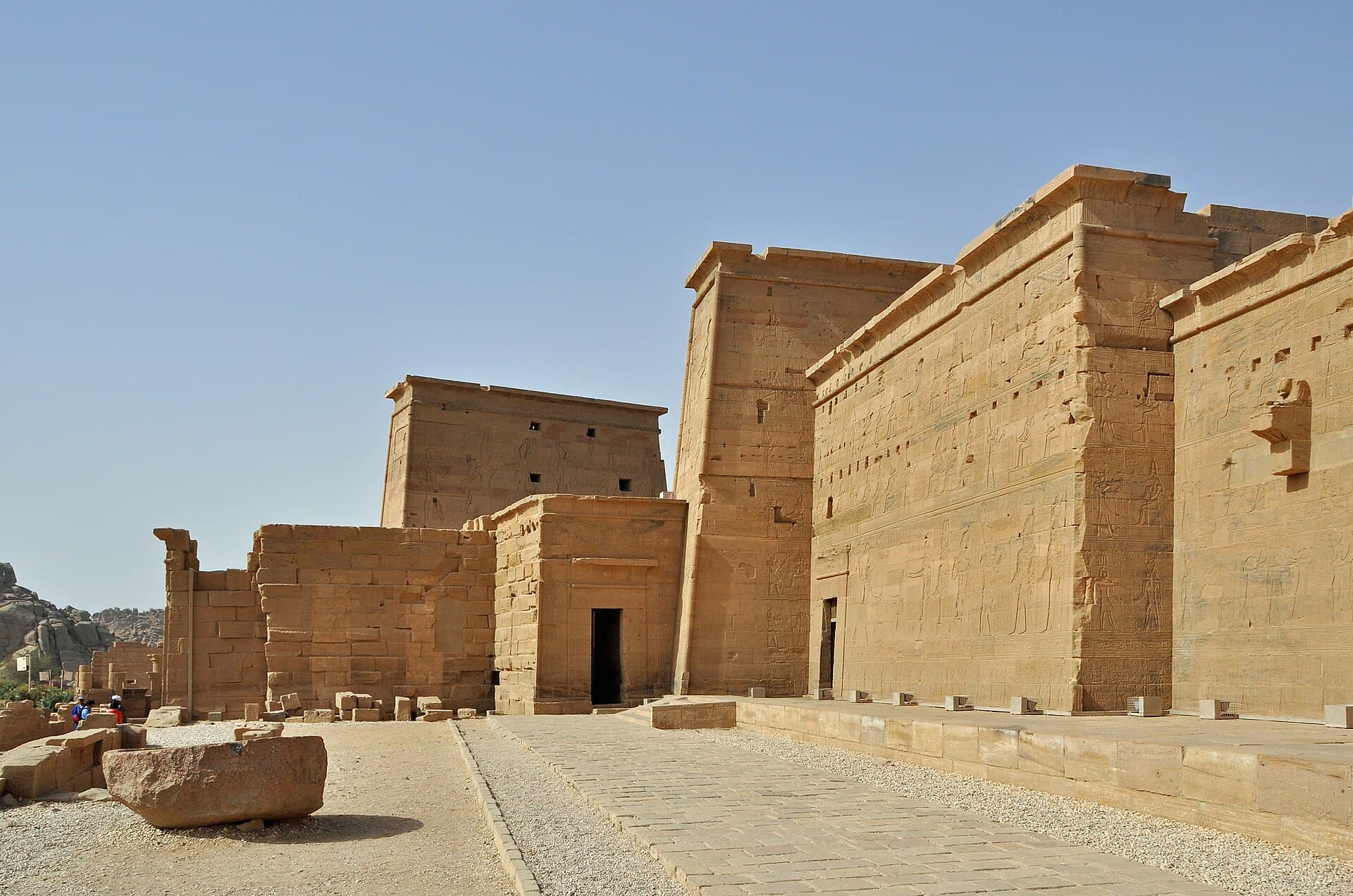
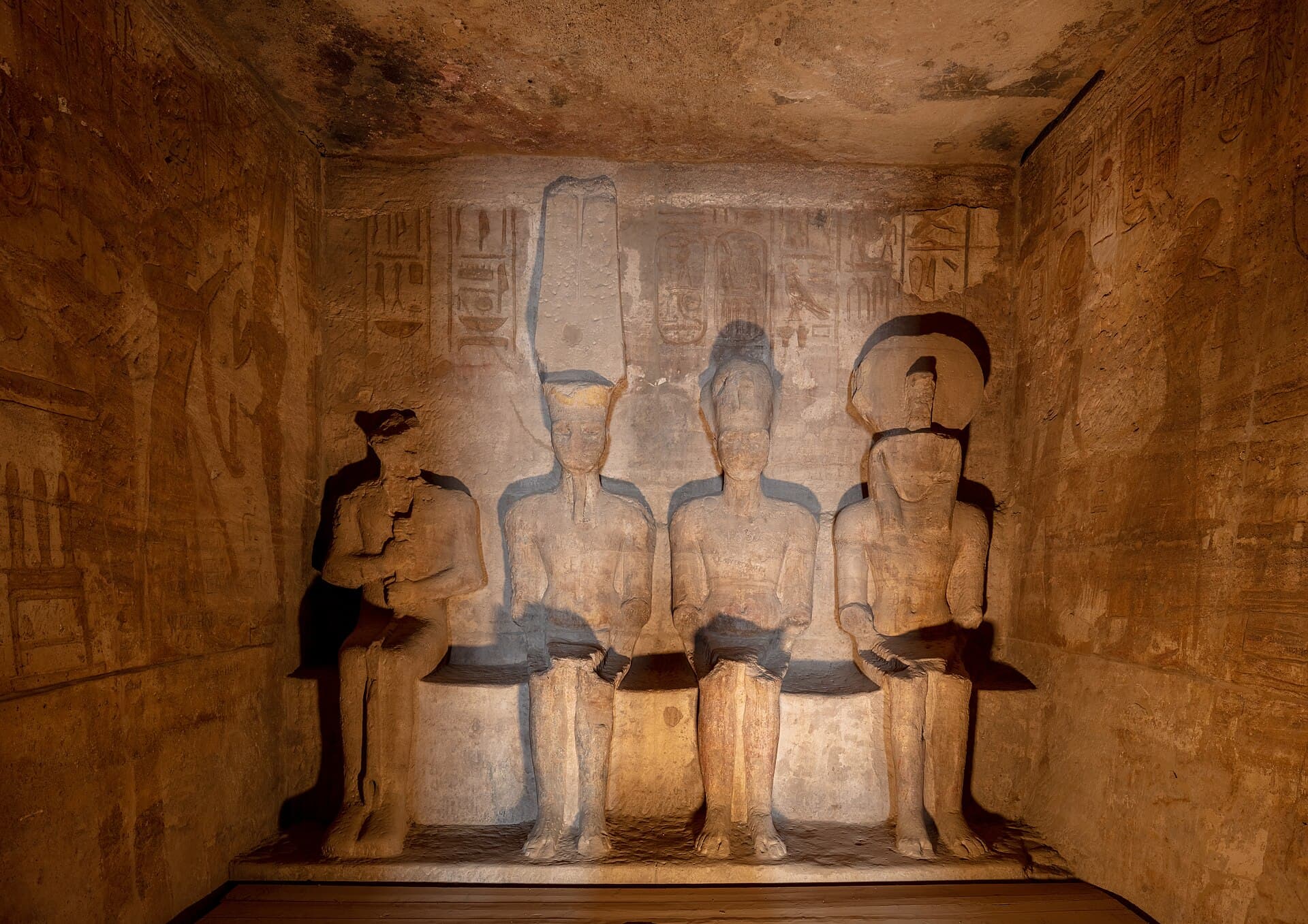
Nile boats work the Luxor-Aswan corridor. That means Karnak and Luxor temples, the west bank tombs, Esna, Edfu, Kom Ombo and the Aswan area. The temples are the point of the trip. What differs between boats is when you arrive at them, how large your group is, and how much of the day is spent sailing rather than moored at a town.
Two practical things shape the experience more than the boat's fittings. First, the direction of travel: sailing north or south changes what time of day you reach each site, and heat matters. Second, the locks at Esna, which can hold boats up. Neither is a reason to choose one vessel over another, but both are worth understanding before you form expectations about a relaxed sailing schedule.
Questions to ask before booking any Nile boat
Ask when the vessel was last refurbished, and get a year in writing. Nile boats age quickly in the heat, and a refit makes more difference to your week than any brochure adjective. Ask which side of the boat your cabin faces and whether that side gets the sun in the afternoon. Ask whether the boat moors against the bank or is rafted between other boats, because rafted moorings mean your window looks into someone else's cabin.
Ask exactly what the fare includes: drinks, guided visits, entry tickets, tipping, and any Abu Simbel excursion if you want it. These vary between operators, and the gaps are where the cost adds up. Treat star ratings with caution as well. Ratings for Nile boats are issued locally and are not comparable with European or hotel-chain grading, so a five-star Nile boat is not the same thing as a five-star hotel at home.
Why we do not publish specifications here
We deliberately do not list cabin counts, deck plans, build dates, facility names or prices for the Viking Ra. Nile fleets are unusually fluid: vessels are sold, rebranded, refitted and repositioned between operators and routes, sometimes within a season. Published specifications go out of date faster than a page like this can be maintained, and a wrong detail is worse than no detail at all.
Confirm the current specifications, sailing dates, itinerary length and price directly at the time of enquiry, and ask for them in writing. Our trips are arranged by a ground operator based in Cairo, who can check what a given vessel is actually doing this season rather than what it was doing two years ago. That is the only version of these facts worth relying on.
The trips we sell use three boats: MS Radamis II, Movenpick Royal Lily and Sonesta St. George.
For the cruise on its own: Nile Cruise from Aswan to Luxor or Nile Cruise from Luxor to Aswan.
Common questions
Is the Viking Ra a large cruise ship or a dahabiya?+
It is an engine-powered river cruise ship rather than a sailing boat, so you get hotel-style facilities, fixed dining and organised group excursions. Dahabiyas are the opposite: small, sail-driven, quiet, with simpler facilities and a more flexible schedule. Neither is better in the abstract. The choice between the two matters far more than the choice between two similar ships.
How many cabins does the Viking Ra have?+
We do not publish cabin numbers, deck counts, capacity or build dates for this vessel, because we cannot verify them and Nile fleets change frequently. Ask the operator for current specifications when you enquire, and get them in writing. More useful than the count is which side your cabin faces, when the boat was last refurbished, and whether it moors against the bank or rafted.
What does a Nile cruise on a ship like this cost?+
We do not quote prices on this page. Rates change by season, itinerary length, cabin grade and what is bundled in, so a figure printed here would mislead you. When you enquire, ask specifically what is included: drinks, guiding, temple entry tickets, tipping, and any Abu Simbel add-on. Those inclusions account for much of the difference between one quote and another.
Are Nile boat star ratings reliable?+
Not in the way you would expect. Ratings for Nile vessels are issued locally and do not map onto European hotel standards or international chain grading. A five-star Nile boat is comfortable, but do not assume it matches a five-star hotel at home. Judge a boat on how recently it was refurbished and on recent traveller photographs of the actual cabins instead.
Is the Luxor to Aswan route worth doing by boat at all?+
For most first-time visitors, yes. The temples along that stretch are the reason people come to Egypt, and a boat moves you between them without daily packing, road transfers or hotel changes. The honest caveat is that you see them on a group schedule, at busy times, alongside other vessels. If crowds and fixed timings bother you, consider a small boat or a land-based trip.
Official sources
Entry rules, opening hours, security advice and exchange rates all move. Check them at the source, not here.
- Egyptian Ministry of Tourism and Antiquities ↗The ministry lists which tombs and temples currently open.
- UK FCDO travel advice for Egypt ↗It updates continuously, and most UK travel insurance follows it.
Written and checked by the Nile Trip Guide editorial team · Last reviewed . Entry rules, prices and opening hours change — check anything critical against the official sources linked on this page.