A Nile cruise with kids is easier than the same trip by road, and the reason is dull: you unpack once. No hotel changes, no early-morning transfers with a half-asleep toddler, no repacking every second morning. The boat moves while you sleep or while you sit on deck. Egypt in a hire car with children is hard work. From a boat it is considerably less so.
Does a Nile cruise with kids actually work?
A Nile cruise with kids is easier than the same trip by road, and the reason is dull: you unpack once. No hotel changes, no early-morning transfers with a half-asleep toddler, no repacking every second morning. The boat moves while you sleep or while you sit on deck. Egypt in a hire car with children is hard work. From a boat it is considerably less so.
The other advantage is having somewhere to go when they have had enough. After a long morning out, the shaded deck and the air-conditioned cabin are a minute apart. On land the same moment means a coach back to the hotel and a lost afternoon. Larger boats usually have a pool, though not every boat does, so confirm it with the operator before you book.
It also fits the shape that works best for children in Egypt generally, which is half-days. A temple or a tomb in the morning, back by early afternoon, then water and nothing much until dinner. On a land itinerary you have to engineer that. On a boat it happens by itself, because the afternoon is the sailing and there is nowhere else to be.
What a cruise is not is a holiday in its own right. Judged as a resort it is ordinary: transport with beds and a buffet. The reason to take one with children is that it removes the transfer days, and transfer days are where family trips in Egypt fall apart. Book it with that expectation and it earns its place. Book it expecting a floating hotel with a children's club and you will be disappointed by day two.
Where the boat fits in the wider trip
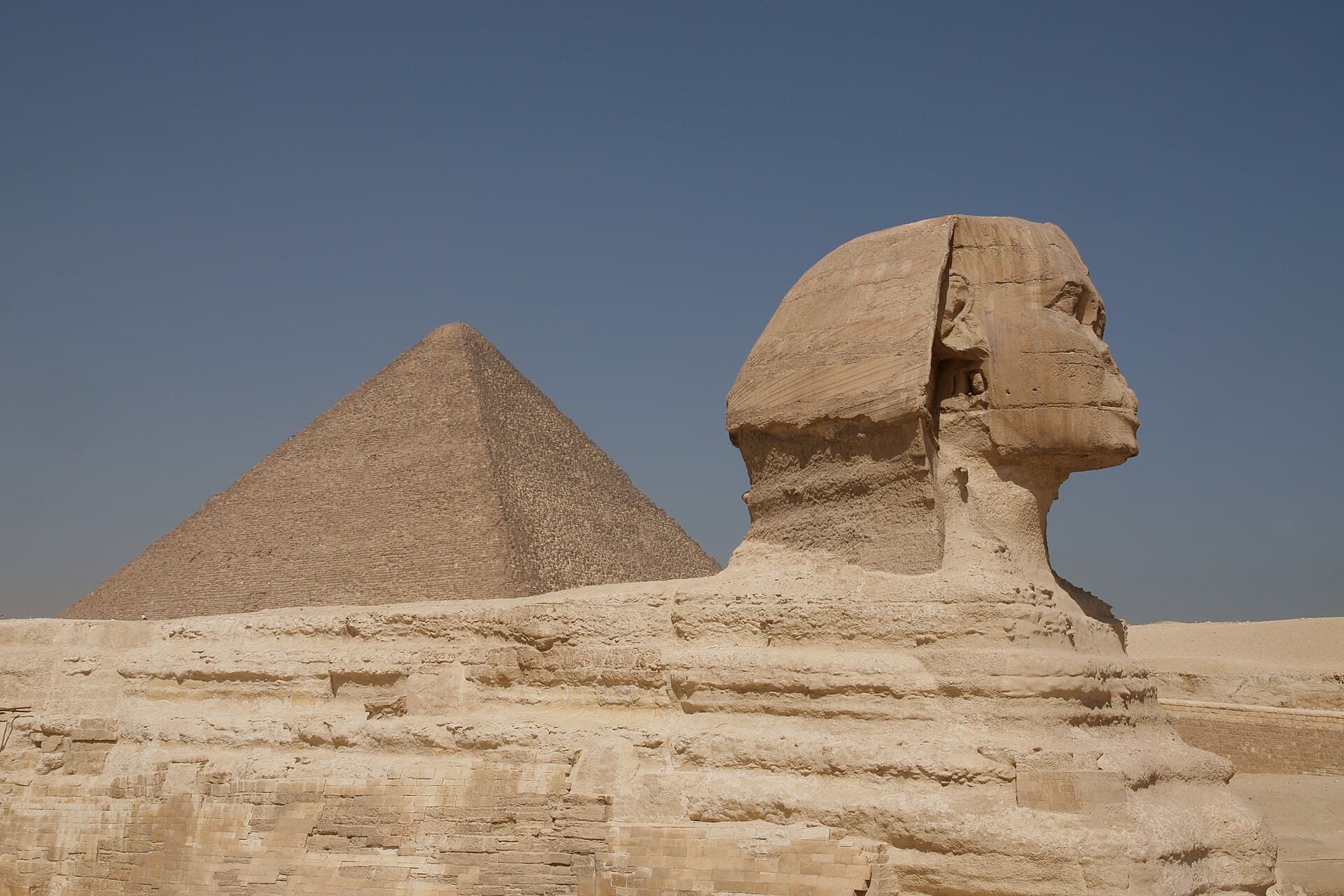
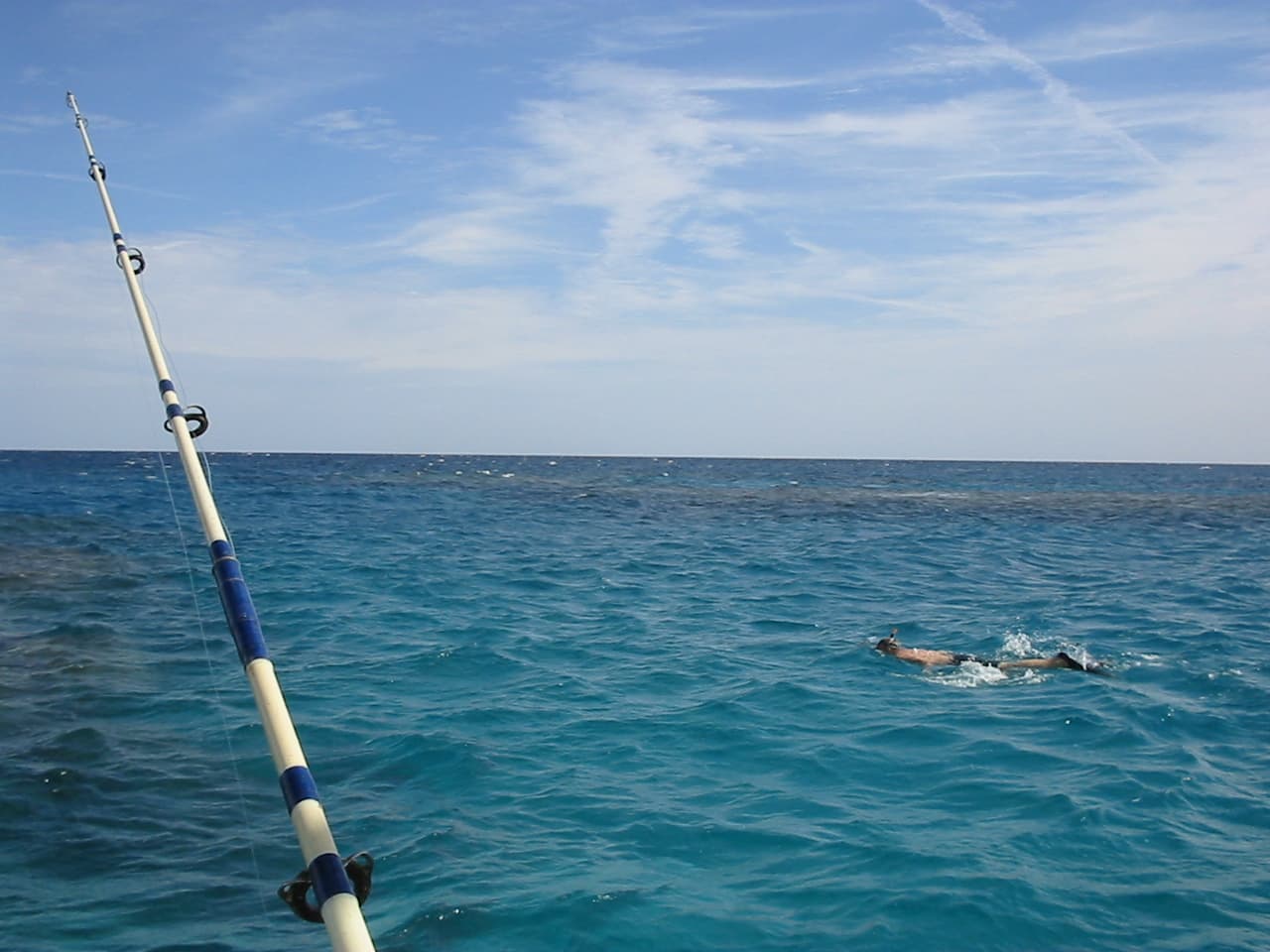
Almost nobody takes a Nile cruise as the whole holiday, and with children you should not. The shape that works most often is a few days in Cairo, a short flight south, a few nights on the river, and then the Red Sea. Ruins first, while everyone is fresh and curious, and water last, when they are tired of being told things. Families who do it the other way round usually find the temples harder work.
Ten days to a fortnight gives both halves room. A common first-trip shape is eight days: two nights in Cairo for Giza and the Grand Egyptian Museum, a flight south, four nights on the river and a night to fly home. That works, but it leaves no room for Abu Simbel or the coast, so with children a fortnight is the more comfortable version. If a week is all you have, cut a site rather than the days that are genuinely for the children.
Fly between Cairo and the south rather than taking the overnight train. Luxor is about an hour by air from Cairo and Aswan a little more. The sleeper sounds romantic and delivers a poor night in a small cabin followed by a wasted morning; adults absorb that, children arrive wrecked and stay wrecked. Take the train only with older children who like the idea of it and a spare day afterwards.
One more piece of sequencing worth deciding early: the cruise ends where it ends. Southbound sailings finish in Aswan, which is the calmer of the two cities and the right end if you want Abu Simbel or a quiet last day. Northbound sailings finish in Luxor, which is the right end if you are going on to Hurghada, roughly four hours by road across empty desert. Choosing the direction for the onward leg saves a family a backtrack of most of a day.
The daily rhythm helps, once you know how yours is shaped
Cruise days have a shape, and it is worth knowing yours before you book. Sites are usually visited early, while the air is cool. But afternoon and evening visits are normal too: Philae and the High Dam, Luxor Temple late in the day or after dark, Kom Ombo at the end of the afternoon when the boat has come from Edfu after lunch. Ask how your departure is arranged.
Early starts are the trade-off, and getting a seven-year-old up for the third time in a week takes negotiation. Sailing hours vary by route and by waiting time at the lock, so the timetable may move on the day. Deck time is not filler either. Buffalo on the bank, children waving from rowing boats, a heron lifting off ahead of the boat: that is the part they remember.
Cruise nights are also counted generously. You board around the middle of the day and you leave after breakfast, so four nights is closer to three usable days and three nights is closer to two. With children that arithmetic matters, because the first afternoon and the last morning are largely admin. Do not plan anything ambitious for either.
The lock at Esna is the one delay nobody can schedule around. It is a single gated chamber that raises and lowers boats between two water levels, only a few hulls fit at a time, and when the fleet arrives in the same window they pass through in turn. The wait can run to a few hours. It rarely breaks an itinerary, but it can swallow an afternoon, which on a three-night sailing is a meaningful share of the trip. Tell the children it may happen and let them treat it as part of the river rather than a fault.
Mooring, decks and the things nobody mentions before you board
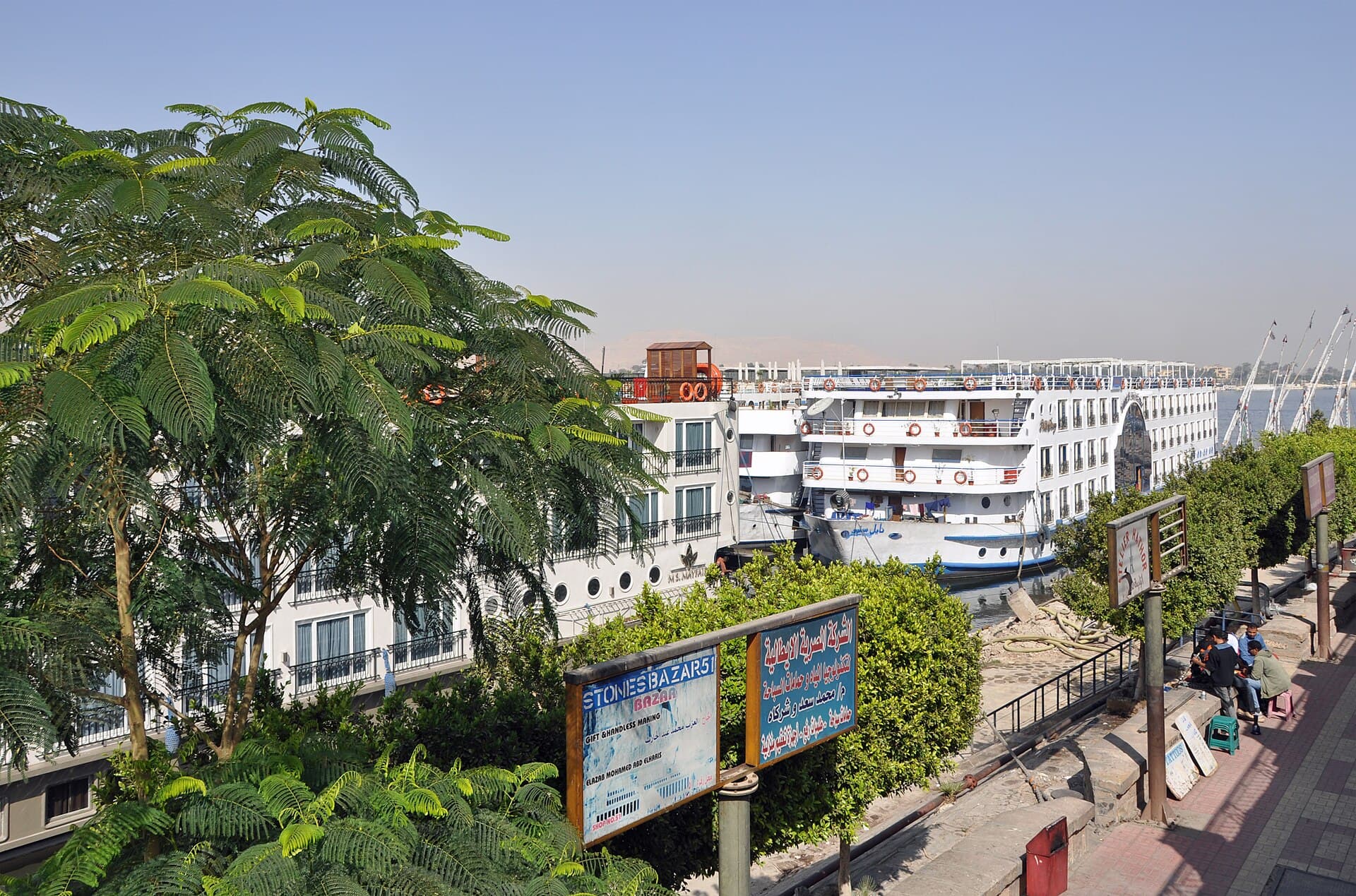
Boats do not each get their own stretch of bank. At Luxor, Edfu, Kom Ombo and Aswan they raft two, three or four deep, and berths are allocated by the port rather than by the operator. You may walk through two other boats' lobbies to reach land, and your cabin window may face a hull for an entire evening. This happens to people who booked a year ahead as well, and no amount of money moves you up the queue.
With children this is worth explaining in advance rather than discovering. Walking through a stranger's lounge in a swimming costume is a mild indignity for an adult and a genuine puzzle for a six-year-old. It also means the view from your window is not a reliable source of entertainment, so do not sell a cabin window to a child as the main attraction.
Occasionally a boat does not sail at all. Low water, a long lock queue or a mechanical problem leaves it where it is, and the operator moves the group to the sites by road instead. The itinerary survives; the sailing does not. It is uncommon, and worth knowing, because the temples are the guaranteed part of the week and the river is not.
Walking into town from the mooring is usually fine in Luxor and Aswan, where boats tie up near the corniche. Tell reception when you go and when you expect to be back, and note the name of your boat and the ones on either side of it, because moorings shift during the day and the hull you stepped off may not be the one you come back to. That is a small thing on your own and an unpleasant fifteen minutes with a tired child.
Which stops work with children, and which drag
Kom Ombo is the easiest win. The temple sits on the riverbank a few steps from where the boat ties up, so there is no coach and no long walk in the sun. Crocodile carvings, and the crocodile museum beside it, give children something to look at that is not another row of columns.
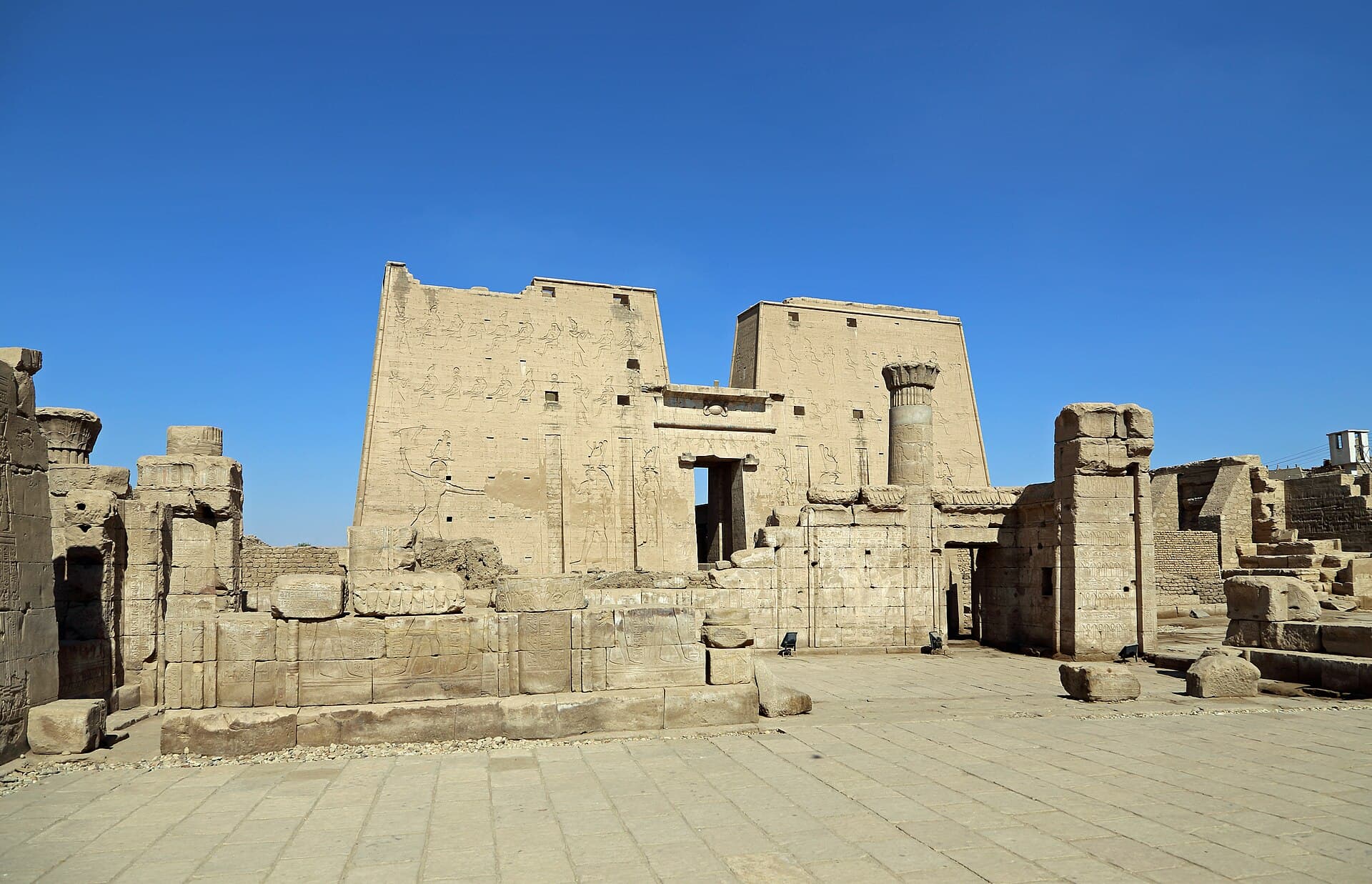
Edfu needs a ride from the mooring, usually by horse-drawn carriage or minibus depending on the day. Plenty of children enjoy the ride more than the temple at the end of it. If carriages are running, look at the horses before you get in; if any look poorly kept, ask for a minibus instead. Nobody will mind, and it saves an awkward conversation with a child who notices.
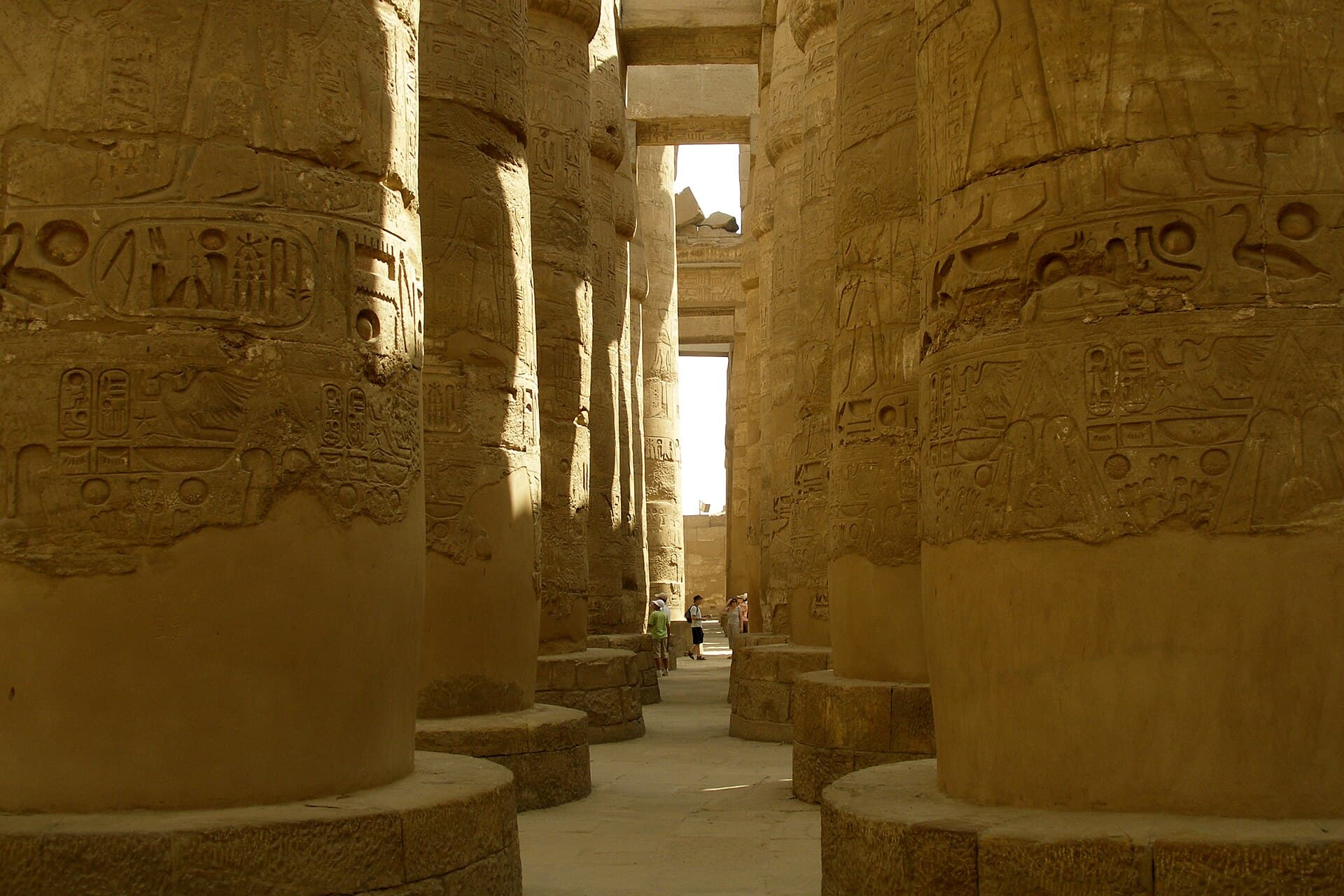
Karnak and the Valley of the Kings are the hardest with young children. Karnak is enormous and mostly unshaded. The Valley is a hot, dusty bowl with steep tomb entrances and no pushchair access worth the name. Both are still worth doing. Go early. The standard ticket covers three tombs, and two may be plenty with a flagging child; a few famous tombs need a separate ticket anyway.
Two things about the Valley are worth knowing before you go in with children. Guides are not allowed to give commentary inside the tombs, so the briefing happens outside at the shaded panels and you walk down alone, which suits children rather well. And the ground from the visitor centre to the tombs is about ten minutes on foot with no shade at all; a small electric train runs the same stretch for a few pounds and is worth every one of them.
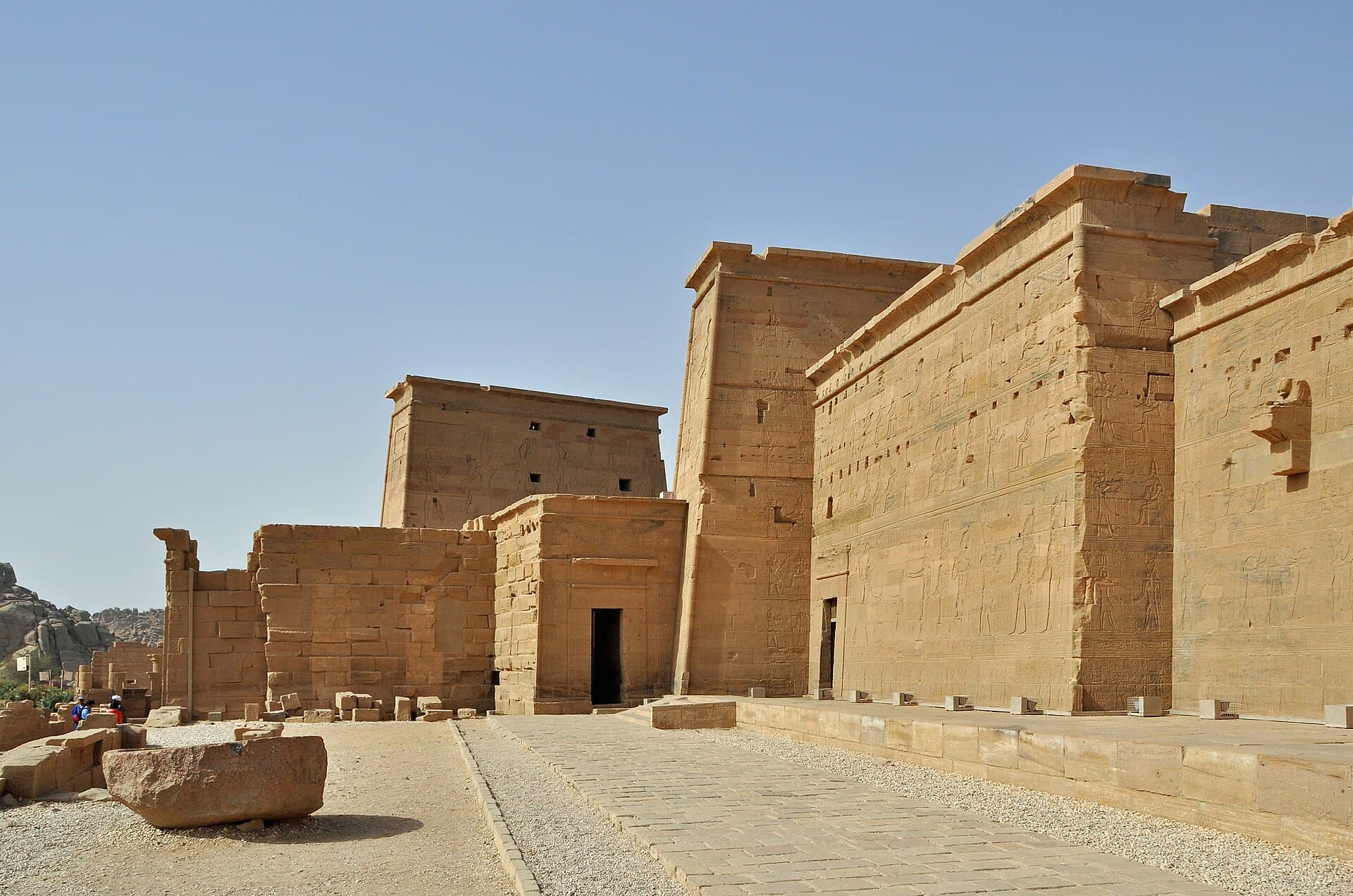
Philae is the stop children usually like more than anyone expects, and the reason is the boat. The temple sits on an island and you cross in a small motorboat from a harbour south of the old dam, ten or fifteen minutes each way, with the temple coming into view side-on as you round the corner. Sit facing forward. For a child, a short boat ride at either end turns a temple visit into an outing.
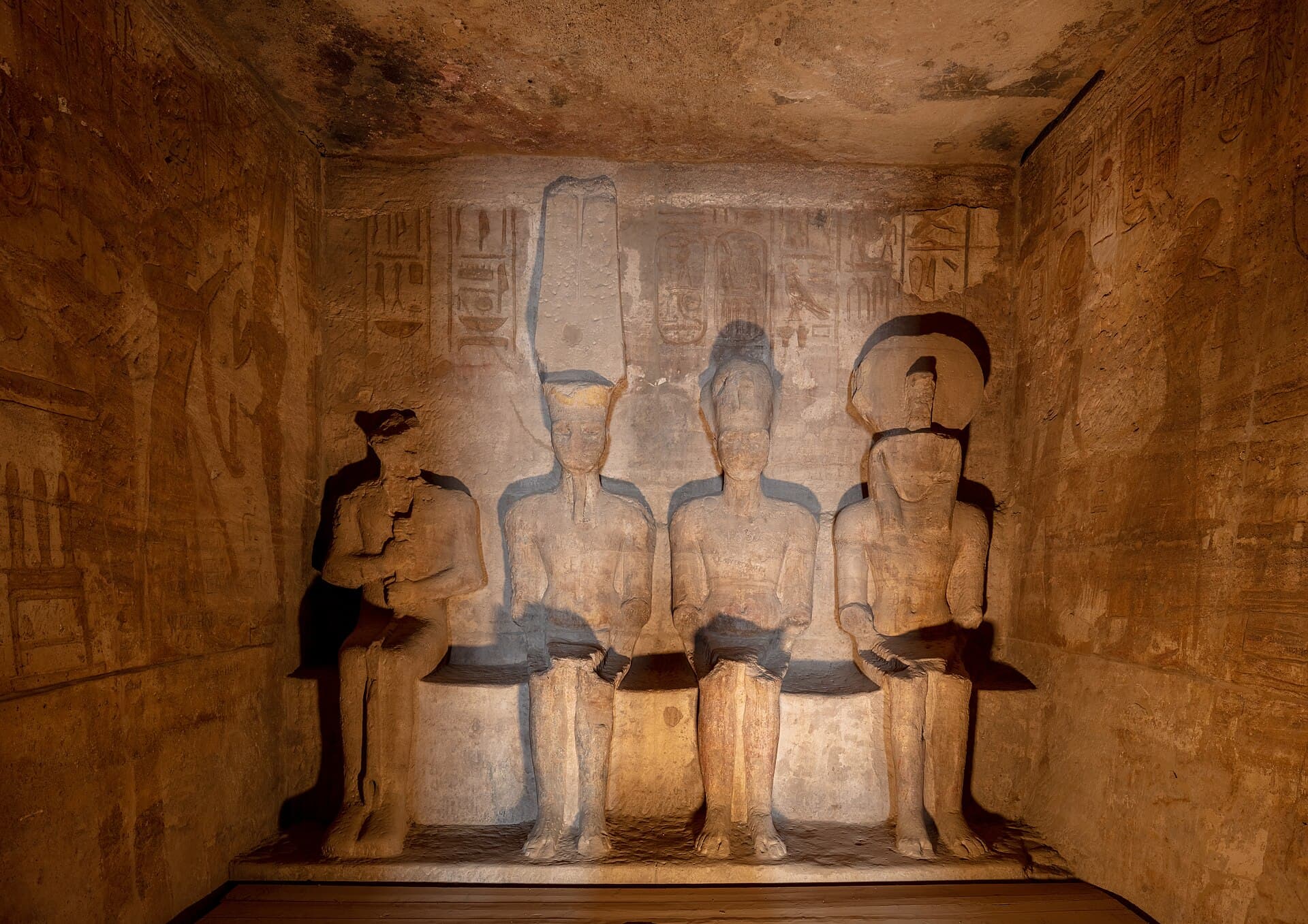
Set expectations about what is not on the river. Abu Simbel is a separate excursion from Aswan on every itinerary, roughly three hours each way by road or about forty-five minutes by scheduled flight, and any cruise advertised as including it means a coach at dawn. Dendera and Abydos lie north of Luxor and no standard boat sails there. And the royal mummies are in Cairo, not in the tombs you will visit, which is the single most common disappointment for a child who was promised them.
Aswan, and the night after the boat
Most cruises finish in Aswan and most passengers fly out the morning the boat docks for the last time, so their Aswan is a rushed Philae stop wedged between disembarkation and the airport. Adding a single hotel night at the end changes a family trip more than almost any other decision on it, and it costs less than another night afloat.
What that night buys with children is the easy half of Upper Egypt. An hour on a felucca late in the afternoon is slow, breezy and quiet, needs no booking and works at any age; if the wind drops you drift, which with children is usually a feature rather than a fault. A pool in the middle of the day. An evening on the corniche where nobody has to be anywhere at eight the next morning.
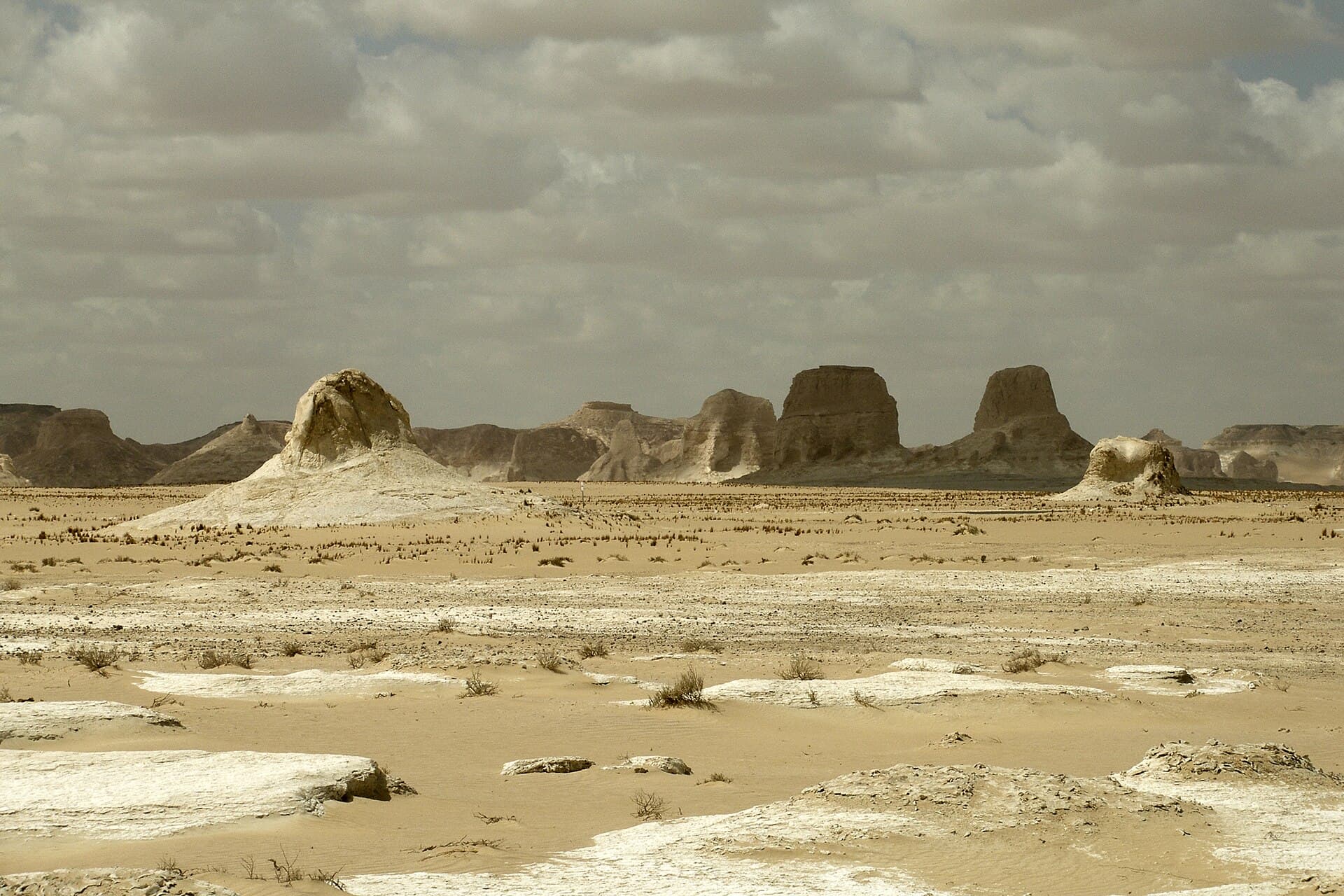
It also decides whether Abu Simbel is possible without misery. Squeezed against a sailing schedule it means a start before four in the morning. With a hotel night after the boat it becomes a normal long day, or a half-day if you fly. Be honest about whether a young child will get anything from it: it is a single temple at the end of a long journey, which is a good bargain for adults and a poor one for a six-year-old.
The same argument applies at the Luxor end for families who want the west bank properly. No cruise gives you two full days there, because the boat sails when it sails. A night or two in a Luxor hotel before boarding buys the Valley of the Kings at opening and Luxor Temple after dark, which are the two versions of those sites that work best with children.
Bigger boat or dahabiya: which suits your family
A larger cruise boat gives you space, and space matters with children. More deck, usually a pool, a lounge for a windy afternoon, and other families aboard. That last point cuts both ways. Some children want someone their own age to muck about with by day two. Others are content with their own family, a pack of cards and a book.
A dahabiya is a small sailing boat carrying far fewer passengers. It is quieter, slower and moors at places the bigger boats pass. There are usually few or no other children aboard, and rarely a pool. That suits a family with older children who read, draw and watch the bank go by. It suits a bored eight-year-old badly.
Either way, put the questions to the operator in writing before you commit. Is there a pool, and is it in use in your month? What cabin layouts exist for a family of four, and are connecting cabins or triples available? What is provided for young children? Do not assume a facility exists because a photograph showed one.
There is a third category that gets overlooked, and for some families it is the right one: the small motor boat. Fewer passengers than a large ship, a quieter deck and more comfort than a sailing boat, but still engine-driven and still keeping to a schedule at the main quays. If you want small numbers without the uncertainty of the wind, that is the thing to ask for, and nobody should let you call it a dahabiya.
Taking a whole small boat is also a real option rather than a fantasy, because a dahabiya may have only five or six cabins. For two families travelling together, or a family group of six or eight, buying out the passenger list is sometimes close to what the same people would pay for good cabins on a large ship. What it buys is control: mealtimes, the order of the sites, how long you linger, and the absence of anyone else's holiday happening at the next table. Ask for the per-cabin rate and the whole-boat rate for your dates and compare them.
Two honest warnings about small boats with children. When the wind fails, most are towed for part of the way, so anyone claiming otherwise is overselling. And the access is harder than on a ship, not easier: steep companionways rather than stairs with a rail on both sides, narrow side decks, and going ashore sometimes by tender onto a bank nobody has levelled. That is manageable with a nine-year-old and tiring with a toddler.
What to ask about the boat itself
Start with the fact that ruins most comparisons: Egyptian boat ratings are not comparable with hotel ratings elsewhere. The same five-star label covers boats refitted last season and boats with tired cabins and weak air conditioning. Ask the date of the last refit and what it covered. That answer is more useful than the star rating, and with children the air conditioning in particular is not a detail.
Then ask how many passengers the boat carries and how large the excursion groups are. A full boat filing through Edfu behind one guide is a different morning from a small group, and with a child in tow the difference is between staying near the front and spending an hour at the back of a crowd hearing nothing. Ask which deck the cabin is on, because upper decks are quieter and lower-deck windows sit close to the waterline.
Ask what is actually included. Drinks are rarely in the price, and bottled water on board costs considerably more than it does ashore, which with a family drinking properly in the heat is a real line in the budget rather than a rounding error. Ask whether entrance fees are included or paid at the gate. Ask which currency the contract is in and whether the balance is due in that currency.
Ask the family questions plainly and get the answers in writing: connecting cabins or a triple, what the railings are like, whether the pool has any barrier, whether child life jackets are on board, and whether cots or bed guards exist. Ask about special diets too, which are usually manageable if the operator is told well before you board and awkward if they hear about it at the first lunch.
Finally, ask whether the horse carriage at Edfu can be swapped for a minibus. It usually can, and it is better settled in the office than at the mooring in front of a child who has already seen the horses.
Ages, trip length, and the two things parents actually manage
Toddlers are hardest. They will not remember the temples, their naps clash with the excursions, and open railings need watching all day. Primary age is the sweet spot: old enough to walk a site, young enough to be taken with painted tomb walls, hieroglyphs and animal-headed gods. Teenagers are easy on the walking and harder on the enthusiasm, and the river Wi-Fi they counted on is unreliable.
Temple fatigue arrives faster for children than for adults. Three or four nights carries less risk than seven: the trip ends before the children do. A shorter cruise with a couple of nights on land at each end gives everyone a break from the same corridor. If your child cannot sit through a guided walk, the temples will be a battle whatever the transport.
The two things parents really manage are the railings and the sun. Walk the deck when you board and decide where a small child may and may not go on their own. Then take the sun seriously: hats, long sleeves, cream reapplied through the day, water on every excursion. There is almost no shade at the sites, and stone and sand throw the light back.
Mixed ages are the genuine problem rather than any single age. A nine-year-old and a two-year-old want opposite days, and on a boat there is nowhere for the mismatch to go. Two things help. Accept in advance that one parent will skip a site and stay aboard, which is not a failure of the holiday but the thing that makes the rest of it work. And keep at least one day with nothing booked, because you should plan around a bad day rather than hope for none.
If your youngest is very small, it is worth asking whether this is the year. A toddler who still naps twice will spend the week being managed rather than looking at anything, and you will spend it managing. Waiting two or three years often turns the same trip into a much better one. We would rather say that now than sell you a week you regret.
Heat, water and the sun on the river
Children overheat faster than adults and notice it later. They have less to sweat with, they run instead of walking, and they will not say they are thirsty until they are already miserable. Carry more water than feels sensible on every excursion, and treat shade as something you plan for rather than something you find. An adult can push through a hot hour with bad grace; a seven-year-old cannot, and the rest of the day pays for it.
The boat helps in one specific way that a land itinerary does not: the hard part of the day is bounded. You are out early in full sun with almost no shade, then back aboard behind glass and air conditioning by the time the heat is serious. That makes a warm month survivable afloat in a way it is not on a coach tour. It does not make a hot month sensible with young children.
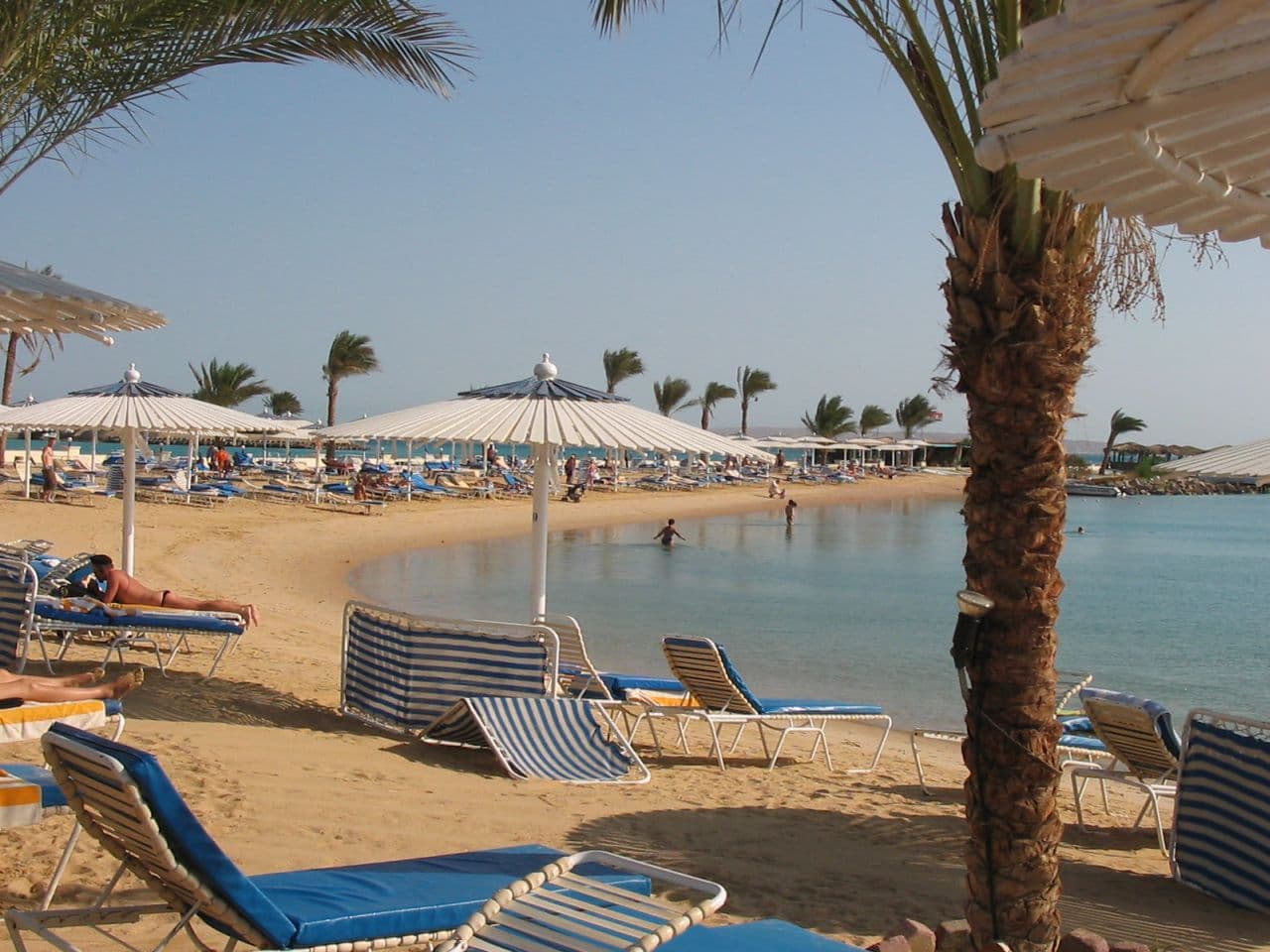
Do not count on the pool as the answer. On many boats it is small, cold and overlooked from three decks, and on some there is no pool at all. It is a place to cool a child down for twenty minutes rather than an afternoon's entertainment, and if a real pool matters to your family that is an argument for hotel nights at each end rather than a fifth night afloat.
Winter brings the opposite mistake. In December and January evenings on deck are cool enough for a jacket, and the desert nights nearby can approach freezing. Families pack for a hot country and then spend the best hour of the day indoors because nobody has anything warm. Bring layers for the evenings, especially for children, who sit still on deck after a day of running about.
On stomachs: bottled water only, including for cleaning teeth with small children. Be firm about ice from carts and small stands, and treat fresh juice carefully for the same reason. Bring the rehydration sachets you already trust from home, because you will want them at three in the morning rather than at a counter. Egyptian pharmacies are good, everywhere and cheap, so there is little point carrying a full medicine cabinet, though sunscreen is the exception: choice is limited and it is expensive.
Food on board with a fussy eater
Boat food is safe and repetitive. Buffets are international with a few Egyptian dishes, cooked for a room of mixed nationalities, so nothing is bad and little is memorable. For a fussy child that is close to ideal: bread, rice, chips, plain pasta, grilled chicken and fruit are there every day, and nobody is asking anyone to try anything.
Ashore, koshari is the one dish worth pressing on a suspicious child. It is the national dish, rice, macaroni, lentils and chickpeas in one bowl with tomato sauce and fried onions, and it is cheap, filling and about as unthreatening as food gets. Beyond that, do not fight the food battle abroad. A week of dull eating harms nobody and it buys you a calmer child at seven in the morning at Karnak.
The rules that matter are about water rather than menus. Hot dishes cooked to order, fruit you peel yourself, bottled water throughout. If a child has a real allergy or an unusual diet, tell the operator in writing well before you board, because a small galley can plan for it and cannot improvise it.
The guide makes or breaks the week
The guide shapes the week more than the ship does, and with children that is not a close call. A guide who talks to your children instead of over them changes the whole trip. The bad version recites dynasties at the adults while the seven-year-old kicks a stone. The good version asks what your daughter thinks the carving is, tells the story of the god with the jackal head, and turns a boring wall into a puzzle.
So say the ages when you enquire, not after the itinerary arrives. It should change who is sent. Egypt licenses its guides and the good ones hold degrees in Egyptology, but the gap between a competent guide and an excellent one with children is enormous, and an operator who does not know there are children coming cannot close it.
Do some groundwork at home as well. A children's book on ancient Egypt, a film, a few names they recognise before they land, and the sites stop being old stones. Then tell them plainly what the days will be like: early starts, heat, waiting and stretches of nothing. Children handle a hard morning they were warned about far better than a pleasant one they were not.
Read the itinerary for shopping stops before you sign it. Papyrus, perfume and alabaster workshops are sales rooms with a demonstration bolted on the front, and they eat the hours you came for. With children they are worse than a waste of time, because the one thing a tired child cannot do is stand politely in a shop. Say plainly that you do not want them.
Budget for tipping at the planning stage rather than discovering it at the end. On a cruise there is usually a communal crew box, put at 5 to 10 euros per person per night, which exists so the kitchen, engine room and housekeeping staff you never see get a share. A private Egyptologist guide is put at around 10 to 15 euros per person per day and a driver at about 5. Carry Egyptian pounds in small notes from early in the trip; the amounts are not the difficult part, having the right notes is.
Packing for a family cabin
Pack the day bag for the sites rather than for the boat: water, a hat each, sunglasses, sunscreen, small notes, tissues and hand gel. Toilets at the sites frequently have neither paper nor soap and there is usually an attendant expecting a coin. Closed shoes rather than sandals, because the ground at the temples and in the Valley is sand, grit and broken stone.
Leave the pushchair at home if your child will accept a carrier. Sand, gravel, steps and narrow tomb corridors defeat most wheels, and you end up carrying the child and the buggy. If you must bring one, bring the cheap folding kind you would not mind losing rather than the large one with fixed wheels.
For the boat itself: books, cards, drawing things and downloaded films. River Wi-Fi is unreliable and a teenager who planned their week around it will be unhappy on the first afternoon. A torch is useful in the tombs and on deck after dark. Layers for winter evenings. And swimming things packed where you can reach them, because the pool moment usually arrives straight after a hot morning and before anyone has unpacked.
Which month to take children on the river
Roughly October to April is the sensible window, and within it the months are not equal. Luxor sits around 29C in March and 34C in October, which is warm enough to feel like a holiday and cool enough that a full morning at a temple is comfortable rather than an endurance test. If the dates are yours to choose, those two are the answer.
Midwinter gives the best walking weather and costs the most for it. Luxor runs around 24C in December, 23C in January and 25C in February, which is close to ideal for a morning at Karnak or the west bank. It is also when the boats raft up deepest, the Esna lock queues are most tiresome, and Christmas and New Year carry the highest prices in the Egyptian calendar. February keeps almost all of January's weather without the Christmas peak, apart from the half-term fortnight in the middle of the month.
April runs around 35C, May around 39C, and June to August around 41C all the way through. Summer on a boat is cheaper for exactly that reason: the sun deck is unusable from mid-morning until late afternoon and excursions move to first light. For heat-tolerant adults that is a fair trade. With young children it is not, and heat exhaustion in Upper Egypt in July is a practical risk rather than a caveat in small print. We would rather say so than sell it.
Two smaller things move the calendar. Ramadan shifts about eleven days earlier each year and affects opening hours and the mood ashore rather than the sailing, so check where it falls before fixing dates. And the khamsin, a hot southerly wind, can arrive from late March and carry sand for a day or two; it rarely stops a boat but it flattens the light and the photographs. November is comfortable at around 28C, but the days are short, and an itinerary that assumes a long afternoon on the west bank will run out of light before it runs out of temples.
The awkward part for families is that Christmas, New Year and Easter all sit inside the comfortable window and inside the European school holidays, so the sites are fuller and the prices higher in exactly the weeks most families can travel. If you have any flexibility at all, the weeks either side are noticeably easier.
When a cruise is the wrong choice for your family
Skip the boat if you want time rather than movement. Luxor's west bank rewards two full days and no cruise gives you that. A hotel in Luxor, a hotel in Aswan, a car between them with a stop at Edfu and Kom Ombo on the way, and you cover the same temples on your own timetable, usually for less. With children, being able to abandon a morning without asking anyone's permission is worth a great deal.
Hotels also win in high summer, when a real pool beats a hot deck, and for anyone in the party with limited mobility, because gangplanks, other boats' decks and steep river steps are unavoidable afloat. They win again if your youngest is at the age where the day runs entirely on their clock rather than the boat's.
And if the budget only stretches to a boat we would not put our own families on, the better answer is a shorter trip on a good boat than a longer one on a poor one. Egypt with children rewards seeing fewer places slowly. Cheap Egypt trips are frequently subsidised on the ground by shop stops and extras sold hard once you have arrived, which is the last thing you want with a tired child in tow.
For most families, though, the cruise is the right call for the southern half of the trip. It solves the hardest part of Upper Egypt, which is moving between the sites without losing days to transfers, and it does it overnight while everyone is asleep. Three or four nights, a boat chosen on its refit and its guide rather than its stars, a night ashore at each end, and the sea afterwards. That is the version that works.
Common questions
What age suits a Nile cruise best?+
Roughly five to twelve is the easiest. Children that age can walk a temple and remember it afterwards. Set expectations first, though: the royal mummies are in Cairo, not in the tombs you visit on the river, so a child promised mummies will come away flat. Under-threes are hard work, because naps clash with the excursions and railings need constant watching. Teenagers manage the days easily but need something to do on board, so bring cards, books and downloaded films rather than relying on the Wi-Fi.
How many nights should we book with children?+
Three or four nights rather than seven. Children tire of temples faster than adults do, and by day five the same deck starts to feel small. If you have a fortnight, add nights on land rather than nights afloat. A short cruise plus a few days by the Red Sea is an easier trip than a long cruise with restless children.
Is a Nile cruise safe for young children?+
The river itself is not the issue; the deck is. Railings vary from boat to boat, some pools have no barrier, and a small child can be somewhere they should not be in seconds. Ask the operator what the railings are like and whether child life jackets are on board. Then set your own rules on day one and hold to them.
When should we go with kids, and when should we not?+
Roughly October to April is the sensible window. Summer in Luxor and Aswan is extreme, and it is genuinely not a good idea with young children whatever the price. Christmas, New Year and Easter sit inside that window and inside the European school holidays, so expect fuller sites and higher prices in those weeks. Travel outside the school holidays if you can, and remember October and April are warmer than midwinter, so plan around the middle of the day.
Do the boats have pools, and are they any good for children?+
Most larger boats have one and some do not, so confirm it in writing and ask whether it is in use in your month. Be realistic about what it is: usually small, often cold, and overlooked from three decks. It cools a child down after a hot morning rather than filling an afternoon. If a proper pool matters to your family, put the money into hotel nights at each end instead of a fifth night on the boat.
Can we get a family cabin, or connecting cabins?+
Sometimes, and it varies far more by boat than the brochures suggest. Ask specifically what layouts exist for a family of four, whether connecting cabins or triples are available on your dates, and what is provided for a young child, such as a cot or a bed guard. Get the answer in writing. Cabin rates are built around two people sharing, so how children are charged in the same cabin is a question to settle at the quote stage rather than assume.
Is Abu Simbel worth doing with children?+
It depends on the age and on how you get there. By road from Aswan it is roughly three hours each way for a single temple, which is a fine day for a curious eleven-year-old and a brutal one for a toddler. Scheduled flights take about forty-five minutes and turn it into a half-day, which is the version that works with a family. Either way it is a separate excursion from Aswan on every itinerary, so a cruise advertised as including it means a coach at dawn.
Can children go up in a hot-air balloon at Luxor?+
Operators usually set a minimum age, so ask before promising anything. Beyond the age limit, the practical issues are that everyone stands for about an hour in a shared basket with nothing to lean on, and that the burner fires directly overhead and is very loud for a few seconds. Small children often find the burner more alarming than the height, and it is not something you can warn them about convincingly in advance. If you do book it, book it for your first morning in Luxor rather than your last, because flights blow out in bad wind and you want a second chance.
What should we budget for tipping as a family?+
Tipping in Egypt is not a bonus for good service; it is part of how people in tourism are paid, so treat it as a line in the budget. On a cruise there is usually a communal crew box at the end, put at 5 to 10 euros per person per night. A private Egyptologist guide is put at around 10 to 15 euros per person per day and a driver at about 5. Carry Egyptian pounds in small notes from early in the trip, because being short of change is what causes the awkwardness, not the amounts.
Will a fussy eater cope on board?+
Almost certainly. Boat buffets are international and repetitive, which is exactly what a suspicious child wants: bread, rice, chips, plain pasta, grilled chicken and fruit are there every day. Stick to hot dishes, peel fruit yourself and use bottled water including for teeth. Tell the operator in writing before you board about any real allergy or unusual diet, because a small galley can plan for one and cannot improvise it.
Will there be other children on the boat?+
On a large cruiser in the school holidays, usually yes, and for some children that is the difference between a good week and a long one. On a dahabiya, almost certainly not, and there is rarely a pool either. If your child wants company their own age, book a larger boat in a holiday period or accept that the family is the company. Nobody can promise you a particular passenger list, so do not plan on it.
Is a cruise better than staying in hotels with children?+
For most families, yes, because it removes the transfer days and you unpack once. It is the wrong choice if you want two full days on the Luxor west bank, if you are travelling in high summer and want a real pool, if anyone in the party has limited mobility, or if your youngest is small enough that the day has to run on their clock. In those cases a hotel in Luxor, a hotel in Aswan and a car between them covers the same temples on your own timetable.
Official sources
Entry rules, opening hours, security advice and exchange rates all move. Check them at the source, not here.
Written and checked by the Nile Trip Guide editorial team · Last reviewed . Entry rules, prices and opening hours change — check anything critical against the official sources linked on this page.
Plan this trip
Tell us your dates and we will price it
A real itinerary with real prices, usually within 24 hours. Nothing is booked and nothing is charged until you say yes.
The route most people take first, at the length it was built for: Giza and the Grand Egyptian Museum, then a flight to Luxor and four nights sailing down to Aswan.
No boat on this one. Giza and the Grand Egyptian Museum, a night in Luxor for both banks, two nights on the Red Sea, then back to Cairo for the Citadel, Coptic Cairo and the Royal Mummies.
Five nights in Cairo either side of a four-night sail from Luxor to Aswan. The Cairo days are private, just your party and a guide; the sightseeing off the boat is shared with a small group.