Five days in Egypt is enough to do one part of the country properly, and not enough to do two without spending most of it in transit. The search usually comes from people who want the pyramids and the Nile in one short trip, and the honest answer is that you pick a shape rather than squeeze everything in. Below are the two routes that work at this length, day by day, with what each covers and what it quietly leaves out.
Is five days enough for Egypt?
Five days on the ground is one region done well or two done badly. That is the whole of it. Egypt is a long country, the famous sites are clustered at opposite ends of it, and the time you lose moving between them is the time you do not get to spend looking at anything. So the useful question is not whether five days is enough for Egypt in general, but which single shape you want five days to take.
Be clear about what five days means if you are flying from Europe. The arrival day and the departure day both go largely to airports and transfers, which leaves three full days in the middle doing the actual sightseeing. That is plenty for Cairo, or for Cairo plus a short hop south, but it is not a fortnight, and a plan that pretends otherwise ends with everyone tired and nobody really seeing the thing they came for.
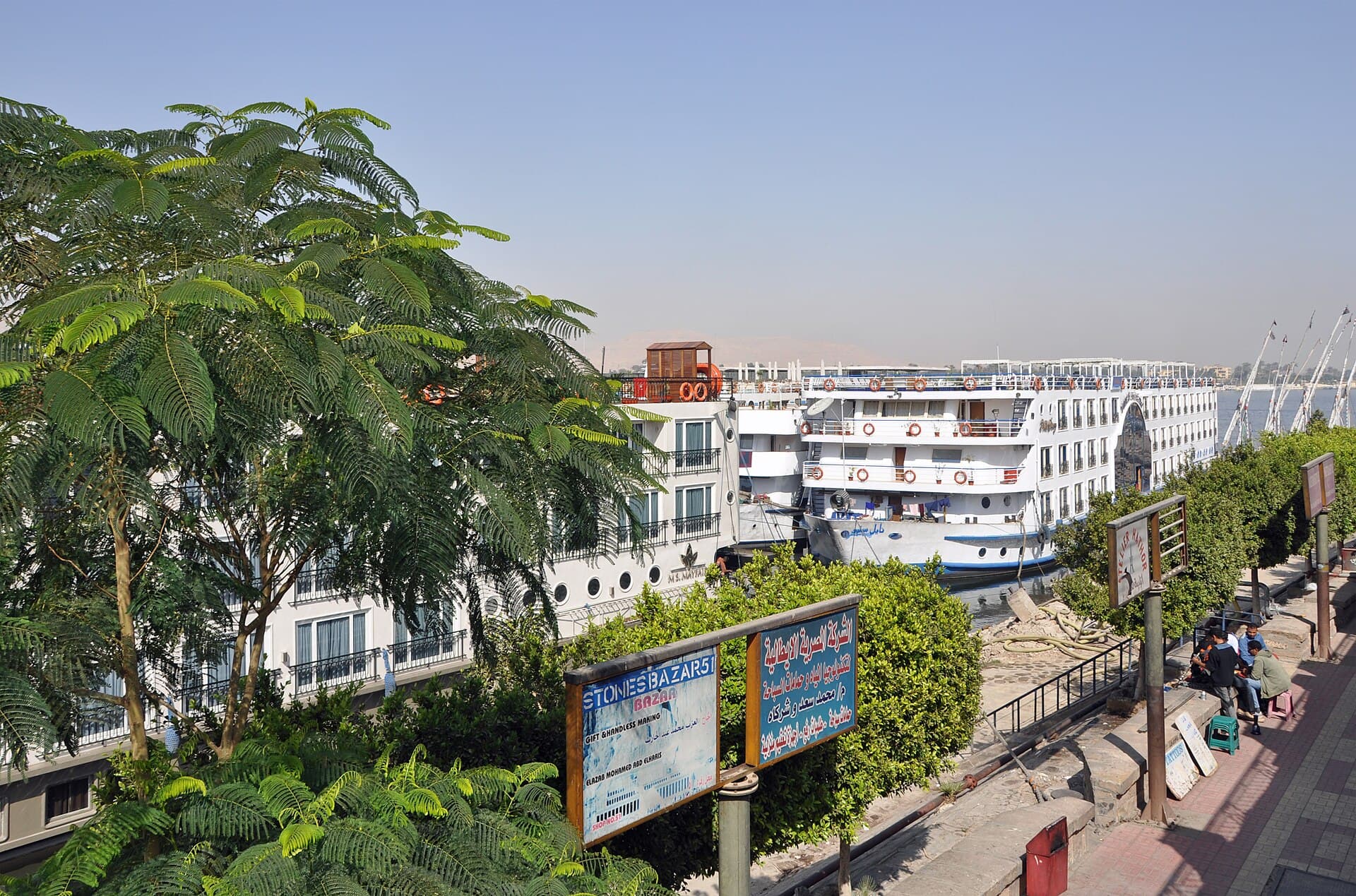
One option you can rule out now is a Nile cruise. The shortest boats run three nights, and the transfers at each end, plus the flights to reach Luxor and leave from Aswan, would eat almost everything you have. A cruise needs seven days to make sense and eight to be comfortable. In five days you see the same temples far better from a hotel, or you leave the river for a longer trip. Everything below is built around that fact.
That leaves two routes that genuinely work. The first keeps the classic ambition of seeing both the pyramids and the Nile temples, and pays for it with one internal flight and a faster pace. The second gives up the flight and the south entirely, stays in Cairo, and goes deep into a city that most itineraries rush through in a day and a half. Neither is a compromise exactly; they are two different trips that happen to share a length.
Route A: Cairo and the temples of Luxor
This is the compressed version of the trip almost everyone takes first, and it is the right choice if seeing both the pyramids and an ancient temple in the same week matters more to you than doing either slowly. Three nights in Cairo, a short flight south, two nights in Luxor, and home. It moves quickly, it involves early starts, and it works.
Day one is arrival. You land at Cairo, are met and transferred to your hotel, and the rest of the day is yours to lose to the flight. If you arrive early there is time for a first walk along the Nile corniche, but do not plan anything that needs energy. Where you stay shapes the days that follow: Giza puts you beside the plateau and the Grand Egyptian Museum, while Zamalek or downtown sit closer to the medieval city. Sleep in Cairo.
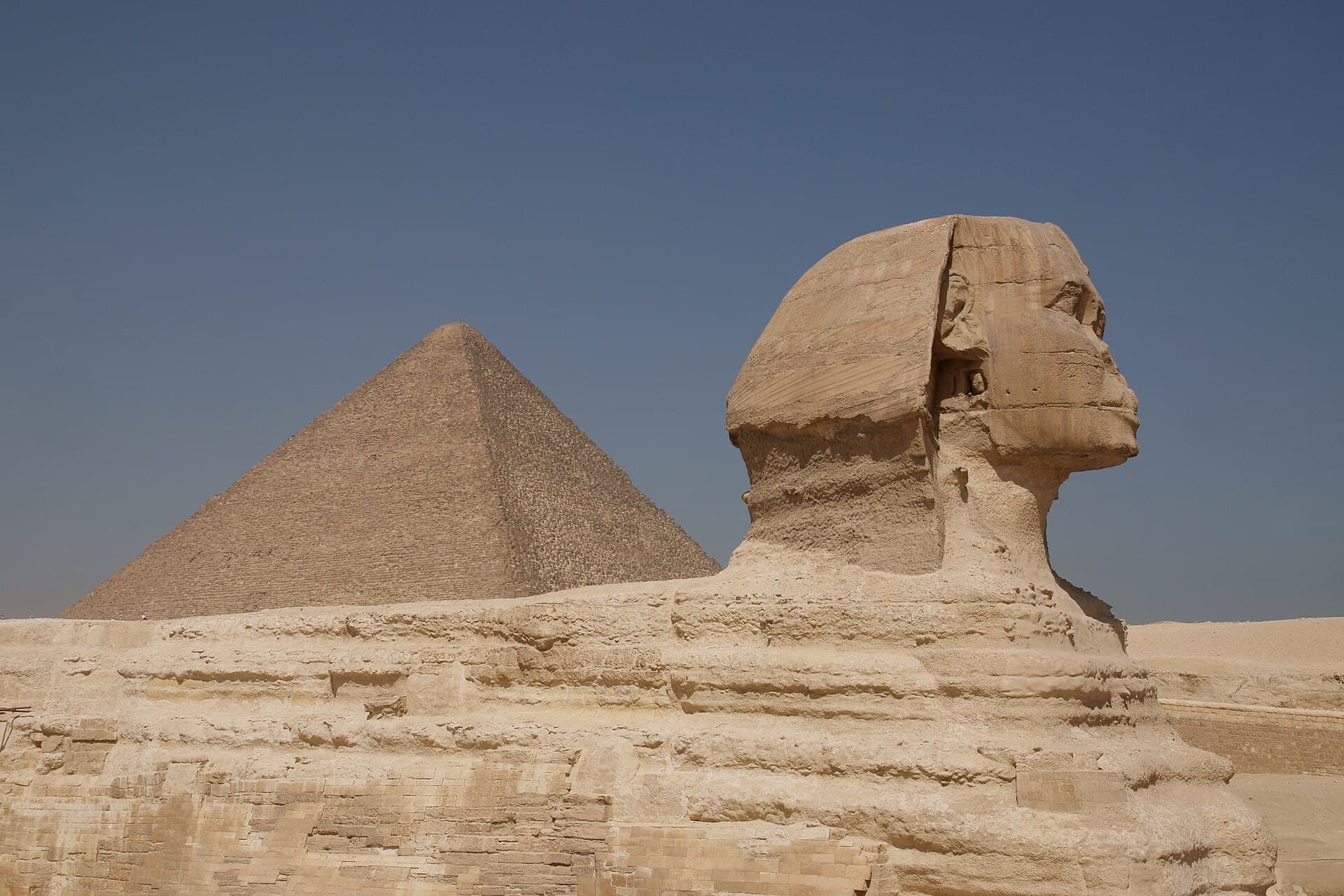
Day two is the pyramids. Go to Giza at opening, before the plateau heats up and the coach groups arrive: the three pyramids of Khufu, Khafre and Menkaure, the Sphinx below them, and the viewpoint on the southern rim where all three line up. In the afternoon, cross to the Grand Egyptian Museum a couple of kilometres away, where the Tutankhamun collection is held together for the first time. It deserves longer than an afternoon, and on a five-day trip an afternoon is what it gets. Sleep in Cairo.
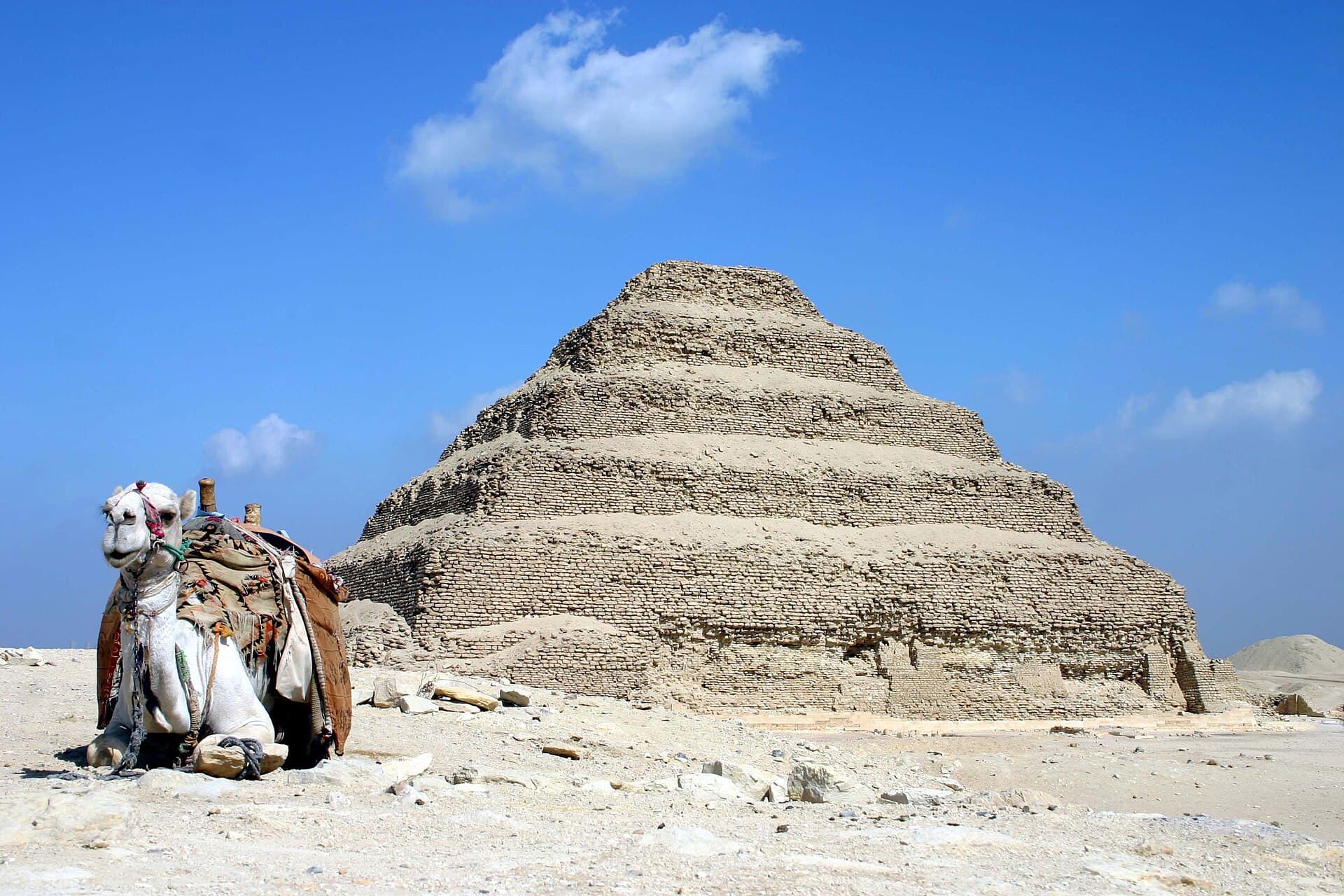
Day three is Saqqara and old Cairo. Saqqara is about forty minutes south of Giza and is the better half of most pyramid days: the Step Pyramid of Djoser, the oldest large stone building anywhere, and the painted mastaba tombs around it, which are often finer than anything on the Giza plateau. Back in the city, spend the late afternoon on foot in Islamic Cairo along al-Muizz street, or in the Khan el-Khalili when the heat has gone and the lanes are busiest. Sleep in Cairo.
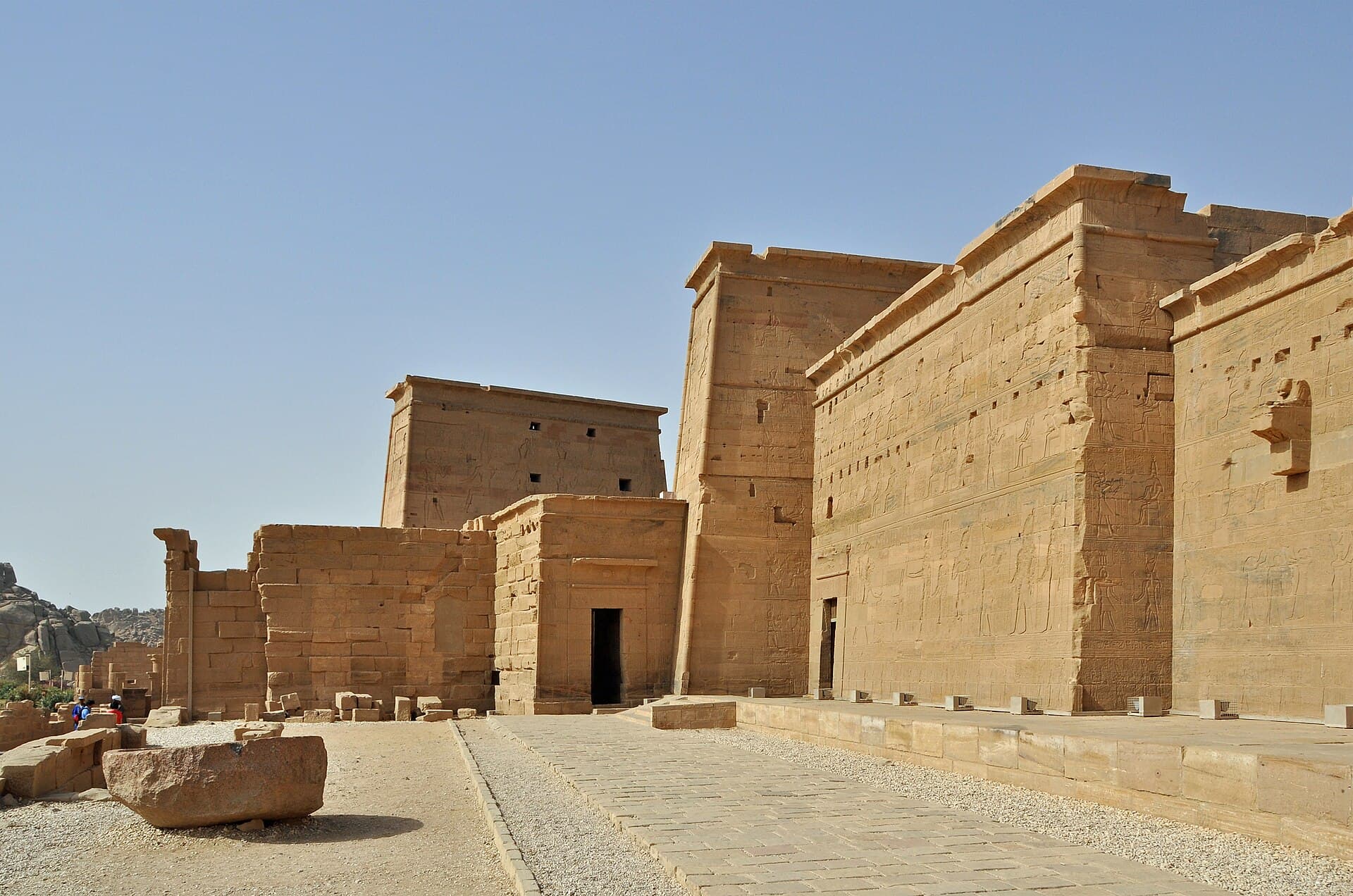
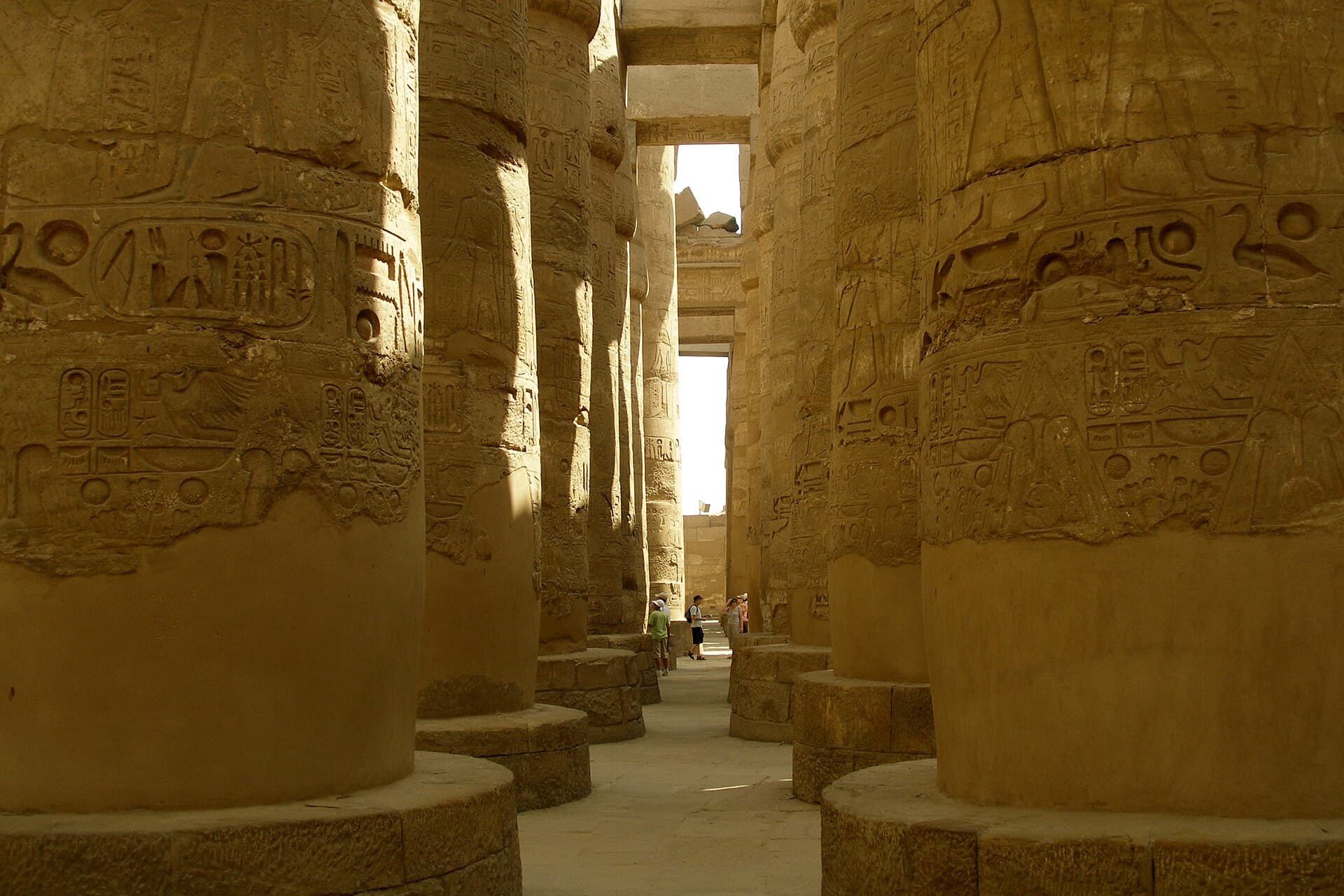
Day four moves you south. Take a morning flight to Luxor, roughly an hour, and you are there for lunch. Luxor divides in two: the living city and its temples on the east bank, the royal tombs on the west. Spend the afternoon at Karnak, a walled precinct thirty pharaohs added to over two thousand years, with light coming in low between the columns once the cruise groups have gone back to their boats. End the day at Luxor Temple after dark, when it is floodlit and quiet and the heat has dropped. Sleep in Luxor.
Day five is the west bank, and it starts before it is light. The tombs are cut into rock with no airflow and hold the heat of every group that walks through, so the Valley of the Kings, the temple of Hatshepsut at Deir el-Bahari and the Colossi of Memnon are a first-thing morning, not a midday one. Your standard Valley ticket covers three tombs from the rotating set open that day, which is enough. Then back across the river and on to the airport. If you are connecting to a long-haul flight, route through Cairo with time to spare rather than straight off a domestic arrival.
Who it suits: first-timers who would rather see the whole sweep of it, pyramids and a temple and the Nile, than linger anywhere. Couples who want the river at least in passing. Anyone for whom this is a once-in-a-while trip and the icons are the point. It is not for people who hate early mornings or airports, and it is not the gentle introduction that Route B is.
Route B: Cairo in depth, at a walking pace
The second route gives up the flight and the south and stays put. It is the choice most people do not consider and the one a surprising number should take: Cairo holds several thousand years in one metropolitan sprawl, and seen slowly it is a richer five days than a dash between two cities. No internal flights, no packing twice, no four in the morning alarm. One hotel, one city, and time to let it come into focus.
Day one is arrival and a soft start. Transfer in, settle, and give the evening to Islamic Cairo: the medieval quarter around al-Muizz street and the Khan el-Khalili, which is at its best after dark. You are not trying to see anything definitively yet, just getting the measure of the city at the hour it is most alive. Sleep in Cairo, ideally somewhere central like Zamalek or downtown so the old city is close.
Day two is Giza and the Grand Egyptian Museum, done properly rather than at a run. The pyramids at opening, with time for the southern viewpoint and a slow look at the Sphinx and Khafre's valley temple. Then, with no flight to catch and no second city pulling at you, the museum gets the half day it asks for: the grand staircase lined with royal statuary, and the Tutankhamun galleries. This is the day Route A has to rush; here you do not. Sleep in Cairo.
Day three goes south of Giza to the part most itineraries miss. Saqqara and its painted tombs, then twenty minutes on to Dahshur, usually near-empty, where Sneferu built the Bent Pyramid, its angle changing halfway up because the design was failing, and the Red Pyramid, the first successful smooth-sided one, which you can climb down into. Memphis, the old capital, sits on the same road and takes half an hour. A full day of pyramids older than anything at Luxor. Sleep in Cairo.
Day four is Alexandria on the fast train. It is about two and a half hours each way by the quick service, which makes it a real day out rather than the six-hour car slog that puts people off. Do not come for ancient ruins; most of the Ptolemaic city lies under the harbour. Come for the corniche, the seafood, the catacombs and the faded early twentieth-century streets, and the wetter, cooler sea air that is a genuine change from Cairo. Back to Cairo in the evening. Sleep in Cairo.
Day five ties off what the city still owes you. Coptic Cairo, inside the walls of a Roman fort, takes about two hours and is reachable by metro: the Hanging Church, the Ben Ezra synagogue, the quiet Coptic museum. If churches are not your thing, give the morning to the old Egyptian Museum on Tahrir Square instead, still cramped and still worth two hours, or simply walk more of al-Muizz street by day. Then transfer out whenever your flight leaves.
Who it suits: returners who have already done the Nile and want Cairo on its own terms. Families with young children, for whom the long drives and dawn starts of the southern route are a poor trade. Anyone nervous about internal flights or short on patience for airports. And slow travellers generally, who would rather know one city than skim two.
Which route suits you?
If it is your first trip and you are not sure you will be back, take Route A. The pull of Egypt is the combination, the pyramids and then a temple on the Nile, and five days is just enough to touch both if you accept the pace. You will see the headline sights, you will be tired, and you will almost certainly want to return for longer, which is no bad outcome. Go in knowing it is a taster, not the full meal.
If you have been before, or if the idea of two flights and a pre-dawn tomb visit inside five days sounds like hard work rather than a holiday, take Route B. It is the better trip for families with small children, for anyone with limited mobility who would rather not be rushed through airports, and for travellers who get more from knowing a place than from counting sights. It is also the more weather-robust choice in the shoulder months, because Cairo is a degree or two kinder than Luxor in the heat.
Couples tend to split along a simple line: one of you wants the river and the romance of it, the other wants to not be exhausted. Route A gives the first, Route B protects the second, and if you genuinely want both, the honest advice is to find two more days and look at a seven-day trip, where the Nile stops being a stretch. If the beach is the real draw and the pyramids are a bonus, five days forces you to choose one or the other, and a longer culture-and-coast trip is the trip you actually want.
What shapes the price of a five-day trip
Because neither route involves a cruise, the single biggest cost lever on longer Egypt trips, the boat, is absent here, and the price is driven by more ordinary things. The first is whether you add the internal flight south at all. Route A carries a Cairo to Luxor flight, a second hotel, a second set of transfers and a guide in two cities; Route B has one base and no domestic air. For the same standard of everything else, staying in Cairo is the cheaper trip.
After that, the usual drivers apply. Private guide and driver versus a shared group: a five-day trip almost always runs private or tailor-made, because there is no group cruise to build a fixed departure around, so you are mostly comparing private arrangements and the quality of the guiding within them. Hotel category in Cairo moves the total more than anything else on the land side, and where you stay, a pyramid-view room at Giza against a quieter place in Zamalek, changes both the price and the character of the days.
Season moves everything on top of that. The same route over Christmas and New Year costs noticeably more than the same days in May, and the better hotels fill first. Entrance fees stack up quietly too, and several of the best things are ticketed separately: going inside the Great Pyramid, the separately priced tombs of Seti I or Ramesses VI at Luxor, the Grand Egyptian Museum. We build these routes to your dates and budget rather than selling a fixed price, so the sensible way to pin a number down is to tell us which shape you want and when.
When to do this trip
October to April is the season for both routes. Those are the months when Cairo is comfortable and Luxor is bearable; outside them the south in particular turns punishing. December and January are the coolest and the busiest, with Cairo prices peaking over the holidays, while February and March give the best balance of weather and crowds and are the months to aim for if you can pick. See our guide on when to go for the month-by-month detail.
The two routes cope with heat differently, which matters if your dates are fixed. Cairo regularly passes the high thirties in high summer, with heavy smog on the worst days, but it is survivable with early starts and midday breaks, so Route B can be done later into spring and earlier in autumn than you might expect. Luxor is the harder case: summer afternoons in the Valley of the Kings run well past forty, and a five-day trip has no slack to lose to the heat, so for Route A lean towards the cooler half of the season.
If you are travelling at the edges of the season, read the specific month before you commit, for example Egypt in October, when the heat is dropping but the south can still be warm. The shoulder months reward a little planning: the sites are quieter, the light is kinder, and the prices sit below the winter peak without the July penalty of not being able to stand outside after ten in the morning.
How to pace five days
Fly, do not drive, between Cairo and Luxor on Route A. The road is the better part of a day and shows you very little; the flight is about an hour and there are several a day. The overnight sleeper train is the one alternative worth considering, and only for its economics, because it saves a hotel night. The cabins are basic and sleep is patchy, so take it for the maths, not the comfort, and do not build a dawn tomb visit onto the back of a bad night on a train.
In Cairo, judge the day by traffic, not distance. Giza to downtown can take half an hour early or most of two hours at the wrong time, so plan two stops a day in the same part of the city rather than four spread across it, and put the long transfers first. Two major sites in a day is realistic; four is a fantasy that ends with everyone worn out. This is why both routes pair sites by which side of the river they sit on.
In Luxor, the order is the thing people most often get wrong. Do the west bank first and early, because the tombs have no airflow and are hot and full by ten; keep Karnak for late afternoon, when the light drops and the coaches leave; and see Luxor Temple after dark. Arriving from elsewhere at midday and going underground at the hottest hour is the version of Luxor that disappoints people, and on a trip this short you cannot afford a wasted afternoon.
Across both routes, build the day around the heat rather than fighting it. Start early, take the middle of the day slowly, and do the open-air sites in the late afternoon and evening when you can. Five days is tight enough that an afternoon lost to exhaustion is a real cost, and guides will fill every hour you hand them, so it is on you to keep a little back.
Common questions
Can you see the pyramids and do a Nile cruise in five days?+
Not sensibly. The shortest Nile cruises run three nights, and once you add the flight to Luxor, the flight home from Aswan and the transfers at each end, there is no room left for Cairo and the pyramids. Five days buys the pyramids plus the Luxor temples by air, which shows you the same monuments from a hotel, or it buys Cairo on its own. For a cruise, allow at least seven days.
Is five days enough for Egypt?+
It is enough for one region done properly, not two done well. You can cover Cairo and a fast hop to Luxor, or Cairo in real depth, but not the full classic loop of Cairo, a cruise and Aswan. Go in treating it as a focused trip rather than a tour of the whole country and five days works; try to see everything and it does not.
Can you see both Cairo and Luxor in five days?+
Yes, with one internal flight and a brisk pace. Three nights in Cairo for the pyramids, Saqqara and the Grand Egyptian Museum, then a one-hour flight to Luxor for two nights covering Karnak, Luxor Temple and the Valley of the Kings. There is no cruise in this version and no spare day, so it asks for early starts, but it is the route that gives you both the pyramids and the Nile temples.
Do you have to fly between Cairo and Luxor?+
For a five-day trip that includes Luxor, effectively yes. The flight is about an hour against most of a day by road, and on a trip this short that time is decisive. The overnight sleeper train is the only alternative worth a look, mainly because it saves a hotel night, but the cabins are basic and you should not follow a poor night on it with a dawn start at the tombs.
Can you add Abu Simbel or the Red Sea in five days?+
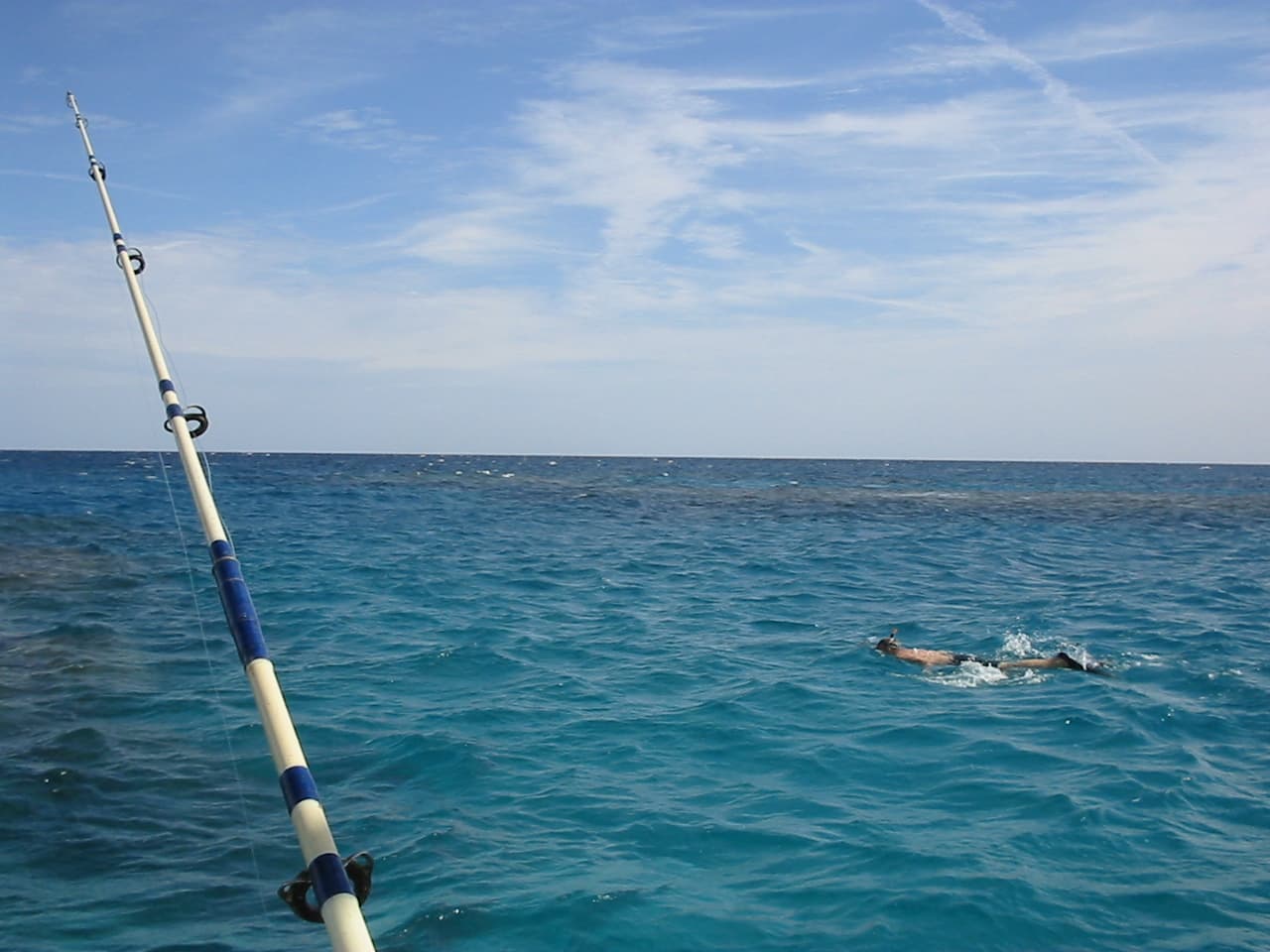
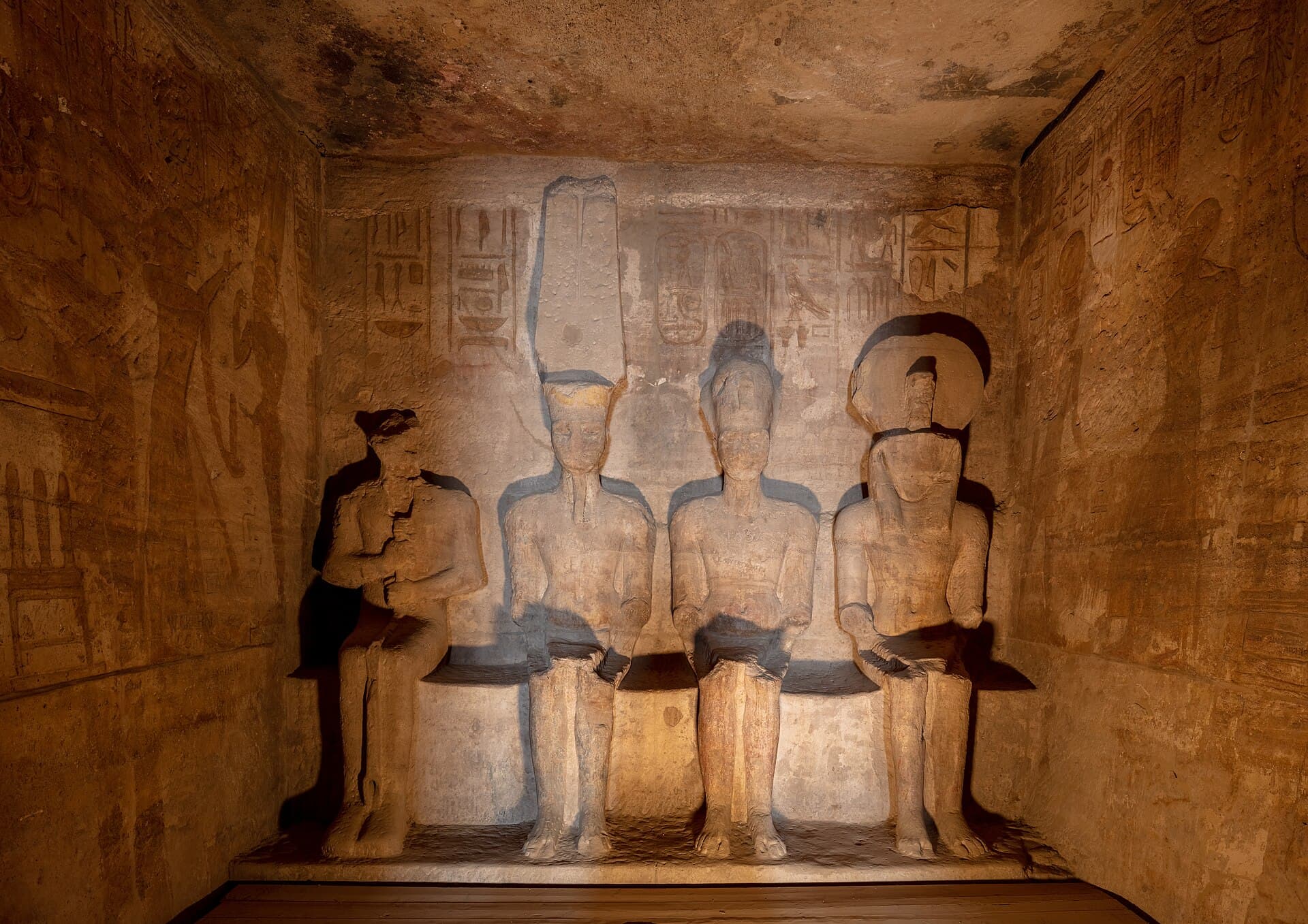
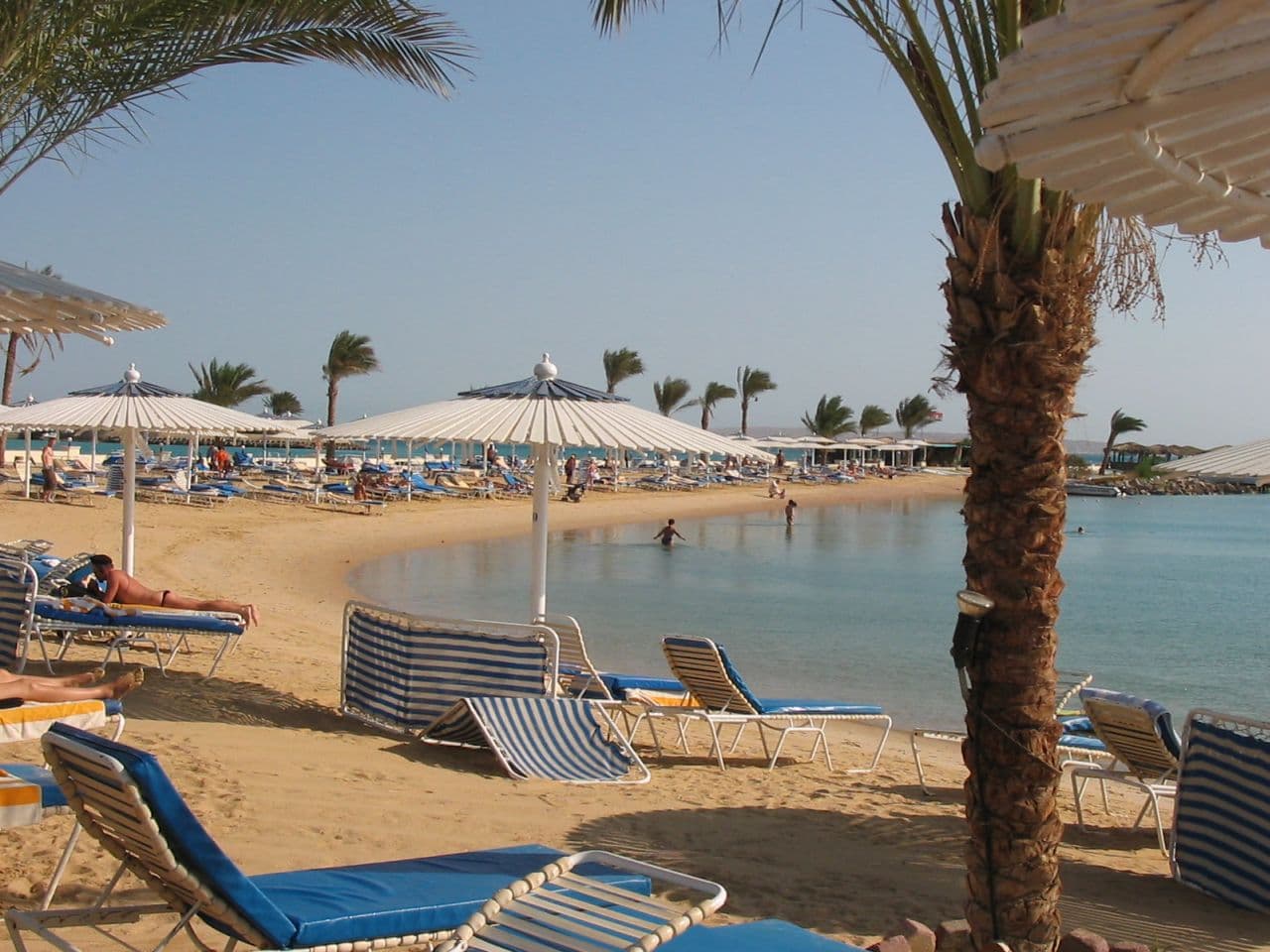
Realistically, no. Abu Simbel is a three-hour drive or a flight beyond Aswan, which a five-day trip does not reach at all. The Red Sea is a separate base four hours from Luxor or a flight from Cairo, so adding it means giving up either the pyramids or the temples. Both belong to longer trips; at five days you are choosing one focus, not stacking extras onto it.
Is five days too short for a first trip to Egypt?+
It is short but not wasted, provided you pick one shape and commit to it. A first-timer who wants the icons should take the Cairo-and-Luxor route and accept that it is a taster that will leave them wanting to return. Anyone who would rather not rush should stay in Cairo and go deep. What does not work on a first trip is trying to do the whole classic route in the time.
When is the best time for a five-day trip?+
October to April for either route, with February and March the sweet spot for weather and crowds. The Cairo-only route tolerates the shoulder months and even early summer better than the Luxor route, because the south gets genuinely punishing from June onwards. December and January are coolest and busiest, with holiday prices in Cairo. Check the specific month before booking if your dates are fixed.
Is a five-day trip private or a group departure?+
Almost always private or tailor-made. Group departures in Egypt are built around fixed cruise dates, and neither five-day route involves a cruise, so there is no group to join. That means you compare private arrangements and the quality of the guiding rather than shopping for a seat on a set tour, and it is why we build these routes around your own dates rather than selling them at a fixed price.
Official sources
Entry rules, opening hours, security advice and exchange rates all move. Check them at the source, not here.
Written and checked by the Nile Trip Guide editorial team · Last reviewed . Entry rules, prices and opening hours change — check anything critical against the official sources linked on this page.
Plan this trip
Tell us your dates and we will price it
A real itinerary with real prices, usually within 24 hours. Nothing is booked and nothing is charged until you say yes.
The route most people take first, at the length it was built for: Giza and the Grand Egyptian Museum, then a flight to Luxor and four nights sailing down to Aswan.
No boat on this one. Giza and the Grand Egyptian Museum, a night in Luxor for both banks, two nights on the Red Sea, then back to Cairo for the Citadel, Coptic Cairo and the Royal Mummies.
Five nights in Cairo either side of a four-night sail from Luxor to Aswan. The Cairo days are private, just your party and a guide; the sightseeing off the boat is shared with a small group.