Best Time to Visit Egypt and Jordan: A Month-by-Month Guide
The best time to visit Egypt and Jordan is October to April, when both countries are out of the summer heat. That is the short answer, and it hides a real difference: Jordan in midwinter is cold, wet and sometimes snowy, while Egypt at the same time is merely pleasant. Timing a two-country trip means deciding which country you want to be comfortable in.
Why do Egypt and Jordan share the same season?
Both countries sit in a dry belt where summer is the problem and winter is the reward. From October to April the daytime heat in Luxor, Aswan, Petra and Wadi Rum drops to something you can walk around in for six hours. Outside that window, sightseeing becomes a morning-and-evening activity with a long, dead middle to the day.
The similarity ends there. Jordan's main sites sit high. Amman spreads across hills at roughly 800 to 1,000 metres, Wadi Musa above Petra is higher still, and Wadi Rum is desert at altitude, so winter nights are genuinely cold and rain is normal. Egypt's headline sites sit low, along the Nile and the Red Sea. Same months, different clothes.
The practical consequence is that Jordan sets the calendar, not Egypt. Egypt has a usable month in every part of the year: if the Nile valley is too hot, the Red Sea is at its best, and the country simply shifts its centre of gravity from temples to water. Jordan has no such escape valve. Petra and Wadi Rum are the trip, they are outdoors, and they are at altitude. When they are cold and wet, the Jordanian half of the holiday is diminished in a way the Egyptian half never quite is.
Rain is the other dividing line. Egypt barely has weather in the ordinary sense. Cairo averages only around 20mm of rain a year, Luxor and Aswan can go years without meaningful rain, and Alexandria and the north coast are the only places that get a proper scattering of wet days in winter. Jordan does have weather, and between November and March it arrives in bursts rather than steadily. Planning a combined trip is therefore an exercise in reading one country's forecast and largely ignoring the other's.
What is each month like in both countries?
October opens the season. Egypt is still warm, and Luxor can push past 35C in the first half of the month, while Jordan is mild and dry, with warm days in Petra and cool evenings. November is the point where both countries line up: comfortable walking weather in Cairo and Amman, and desert nights that start needing a jacket rather than a jumper.
December to February is the split. Egypt is pleasant: Cairo in the high teens, Luxor and Aswan in the mid-twenties, cold only after dark. Jordan is a different country in these months. Amman and Petra sit near freezing at night, rain closes in for days at a time, and snow in Petra in January is unusual but not unheard of. Sites stay open; the experience changes.
March and April are the best-matched months of the year. Jordan warms up, the hills turn briefly green, and Egypt has not yet become punishing. May is the last usable month and already one-sided: Jordan is fine, Upper Egypt is not. From June the pair stops working as a combined trip.
September is worth a separate mention, because it is the month the market has not repriced. Upper Egypt is still demanding in the first half and noticeably better in the last ten days, Jordan is warm but no longer extreme, and rates on both sides are largely still at summer levels. A trip departing in the final week of September often buys close to October conditions at August prices. It is the one genuine loophole in this calendar.
Read the year as a curve rather than a list. It runs uphill through October and November to a comfortable but crowded winter in Egypt and a cold one in Jordan, then peaks for both countries at once in March and April, then falls away sharply from May. Two peaks, one trough, and a soft edge in September.
What temperatures should you actually expect in Egypt?
Egypt's figures are worth having in front of you, because they are the half of the trip that can be pinned to numbers. Typical daytime highs in Luxor run at about 23C in January, 25C in February, 29C in March, 35C in April and 39C in May, before the summer plateau of roughly 41C from June through August. They come back down to 38C in September, 34C in October, 28C in November and 24C in December. Cairo sits several degrees below Luxor in every month.
Those numbers explain the shape of the season better than any adjective. The gap between March at 29C and May at 39C is ten degrees, and it is the difference between a full morning on the west bank and a dawn raid followed by a long retreat indoors. April at 35C is the hinge: still workable if you start early, already hard work by the end of the month.
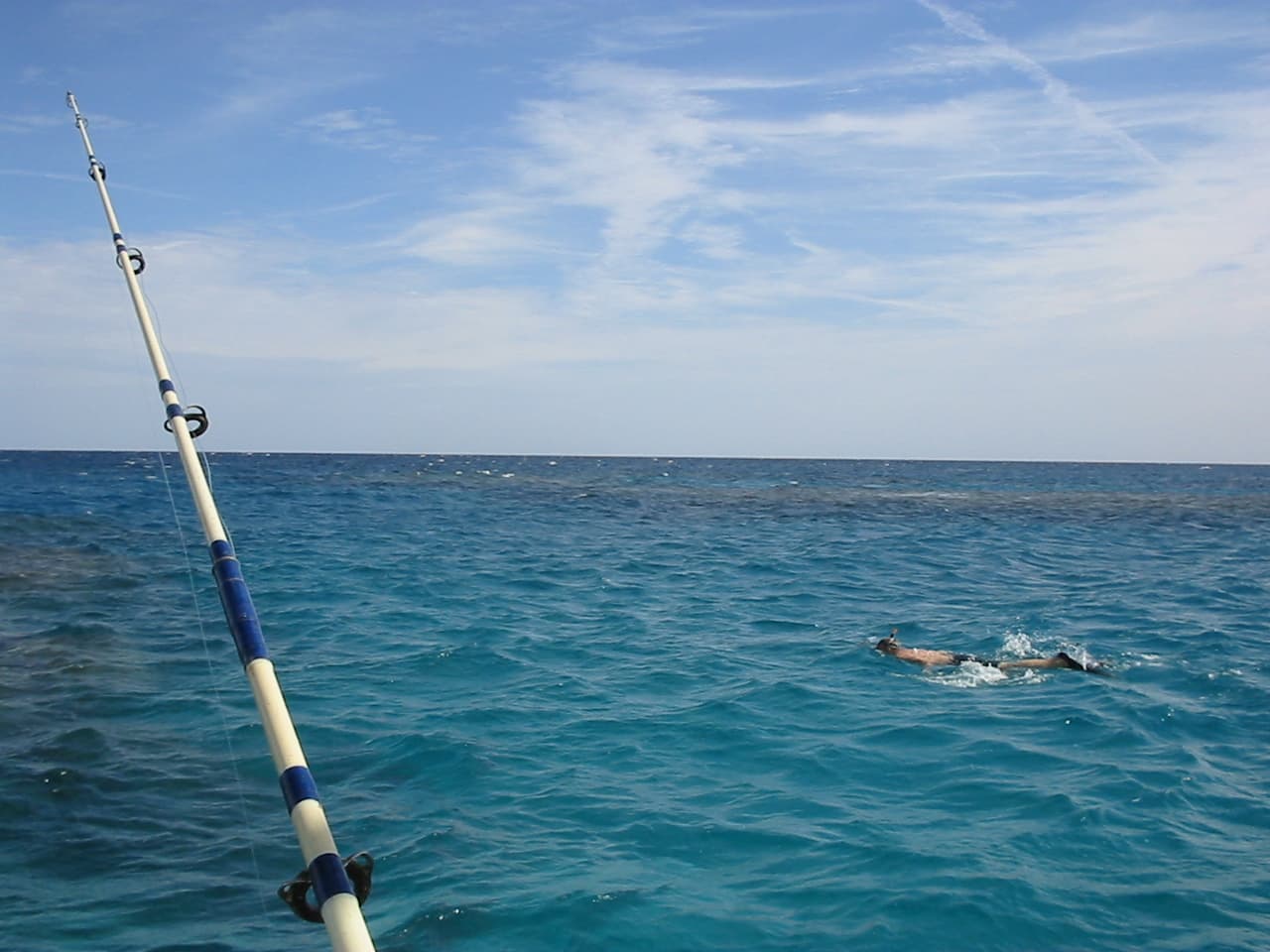
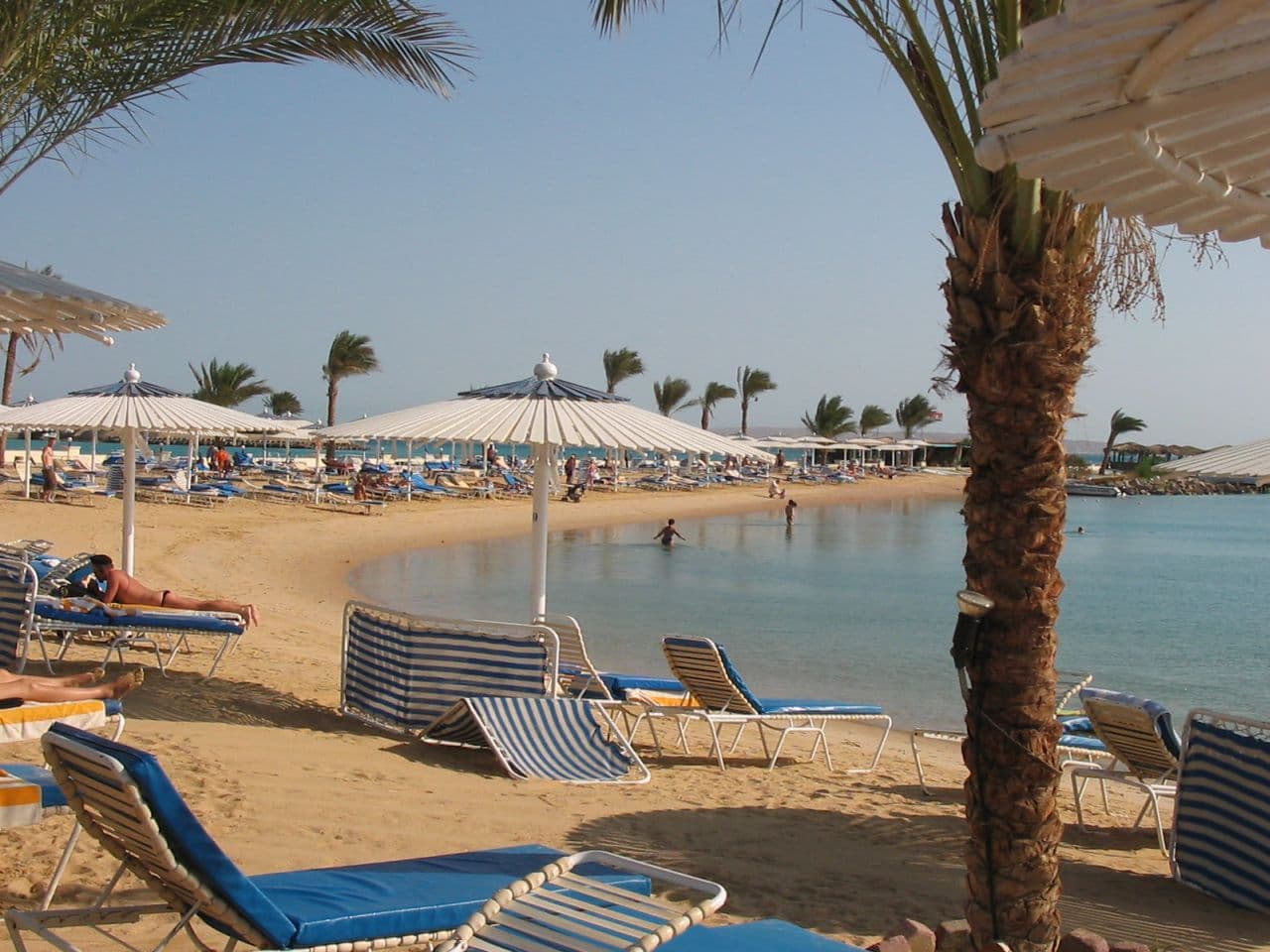
The Red Sea moves on its own schedule and lags the air by a couple of months. Water temperatures around Hurghada sit near 22C in January and February, 23C in March, 25C in April, 27C in May and 30C or above from July to September, holding 28C in October and 26C in November. That matters for a combined trip, because a Red Sea stop is the obvious way to soften a winter itinerary and it is the one element that does not work well in the months when Jordan is at its coldest.
Treat all of these as typical rather than guaranteed. They are approximations drawn from long-run averages, and any given week can run several degrees either side of them. What they are reliable for is the relative shape of the year, which is what you are actually choosing between.
What changes in Jordan from month to month?
Jordan's year is governed by altitude rather than latitude, and that is why it behaves so differently from Egypt on the same dates. Amman sits on hills at roughly 800 to 1,000 metres and Petra at around 1,000 metres, so every month there is cooler than the same month in Cairo, and the gap widens after dark. Autumn arrives earlier and spring later than most visitors expect from a country they have filed under desert.
Autumn, from late September through November, is dry, clear and progressively cooler. Petra in October is warm in the middle of the day and cool enough for a jacket by evening. By late November the evenings need more than a jacket and the nights in Wadi Rum are cold.
Winter, from December to February, is the season that surprises people. Rain is normal rather than exceptional, it comes in multi-day spells, and the high ground can hold cloud for days. Snow reaches Petra in some years. None of this makes travel impossible, but it changes what the days are for: shorter outdoor stretches, more time indoors, and a real chance of losing part of a day to weather.
Spring is the reward. March and April bring warmth back to the hills, the landscape greens for a few weeks, and the desert is at its most comfortable for both walking and sleeping. By May Jordan is hot but still perfectly workable, which is precisely when Egypt has stopped cooperating. From June to September the Jordanian sites are hot in the same way Upper Egypt is: manageable early and late, punishing in between.
When is the best time to visit Egypt and Jordan together?
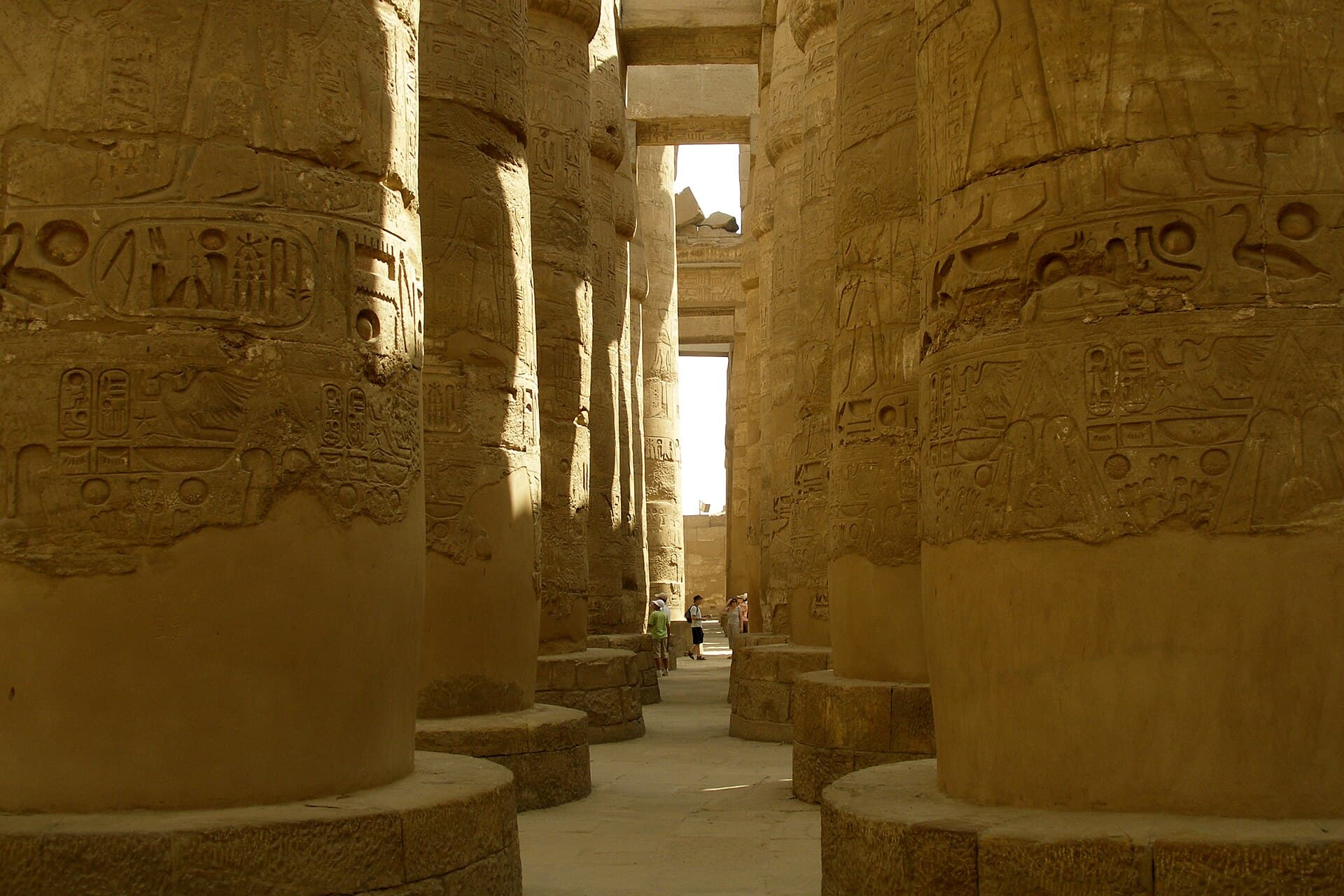
March, April, October and November. In those four months you can stand in front of the Treasury in Petra without a coat and walk Karnak at midday without hiding. Nights in Wadi Rum are cold but sleepable. Rain is possible in Jordan in March and unlikely by late April.
The cost is company. These are the months everyone else has worked out too, so Petra's main trail, the Valley of the Kings and Abu Simbel are busy from opening time, and good hotels and Nile boats go early. If you want the same weather with fewer people, late November and very early March are the quieter edges.
If you are forced to pick one month, take March. Luxor at around 29C is warm enough to feel like a holiday and cool enough for a full morning on the west bank, Jordan has shaken off the worst of the winter rain, and the days are lengthening rather than shortening. October is its near equal and has the advantage of a warmer sea at the Egyptian end, at about 28C, which makes a Red Sea extension genuinely worthwhile rather than nominal.
The difference between the two is mostly about what you are adding to the core trip. October suits anyone who wants to finish in the water. March suits anyone whose priority is long days at the sites and who would rather not gamble on a hot southerly wind, which becomes a possibility in Egypt from late March onwards.
Which month suits which kind of trip?
The right month depends less on a general verdict than on what the trip is for. If the point is the ancient sites and nothing else, December to February is the best weather Egypt offers, and the honest trade is a cold, wet Jordanian half and the highest prices of the year. Shorten Jordan, lengthen Egypt, and it works.
If the trip has a beach or diving element, October and April are the two months that carry both halves. The sea holds around 28C in October and reaches about 25C in April, while Petra and Wadi Rum are comfortable in both. May and September are the value versions of the same idea, with a hotter Egyptian inland leg as the price.
If you are travelling with children or with anyone who does not tolerate heat, stay inside November to March and accept that Jordan will need warm clothes. Heat is the harder constraint for most families, because a tomb with no airflow at 40C is not a negotiable experience, whereas cold in Petra is solved by a coat.
If budget is the deciding factor, the cheapest workable combination is late September or the first half of October, before the season fully reprices. Genuine low-season pricing in Egypt runs from June to August, but that is also when the Nile valley is at its most brutal, so the saving is paid for in lost daytime hours rather than money.
If photography matters, March and November give the best light with the fewest compromises: low sun, long shadows on the temple reliefs, and green banks along the Nile in spring. Winter light is good too, but the short days compress your working window at either end.
How cold does Jordan actually get?
Colder than most people expect. Petra sits at roughly 1,000 metres, and winter nights there drop to freezing or below. Snow reaches Petra in some Januaries and Februaries, occasionally enough to shut the site for a day. Heating in Wadi Rum camps varies a great deal, so ask what yours has before you book a winter night in the desert.
Two places stay warm: the Dead Sea, several hundred metres below sea level, and Aqaba on the Red Sea. Both are comfortable in December and January when Amman is grim. If you are travelling in deep winter, shift the weight of the trip towards Egypt and treat Jordan as three or four days rather than a week.
The Wadi Rum question deserves more than a line, because the desert night is one of the two reasons people add Jordan at all. A camp in January is a genuinely cold place to sleep, and the quality of what you are given varies enormously: some camps have proper heating and thick bedding, others have a tent and a blanket. This is worth confirming in writing before you book rather than discovering after dark. The compensation is real, though. Winter nights in the desert are the clearest of the year, with no haze and very little moisture in the air.
The same altitude logic works in your favour in summer. Jordan's high ground is cooler after sunset than Egypt's river valley, so a July evening in Amman is more pleasant than a July evening in Luxor even when the daytime numbers are not far apart. Altitude is the whole story in both directions.
How does the season change the Nile half of the trip?
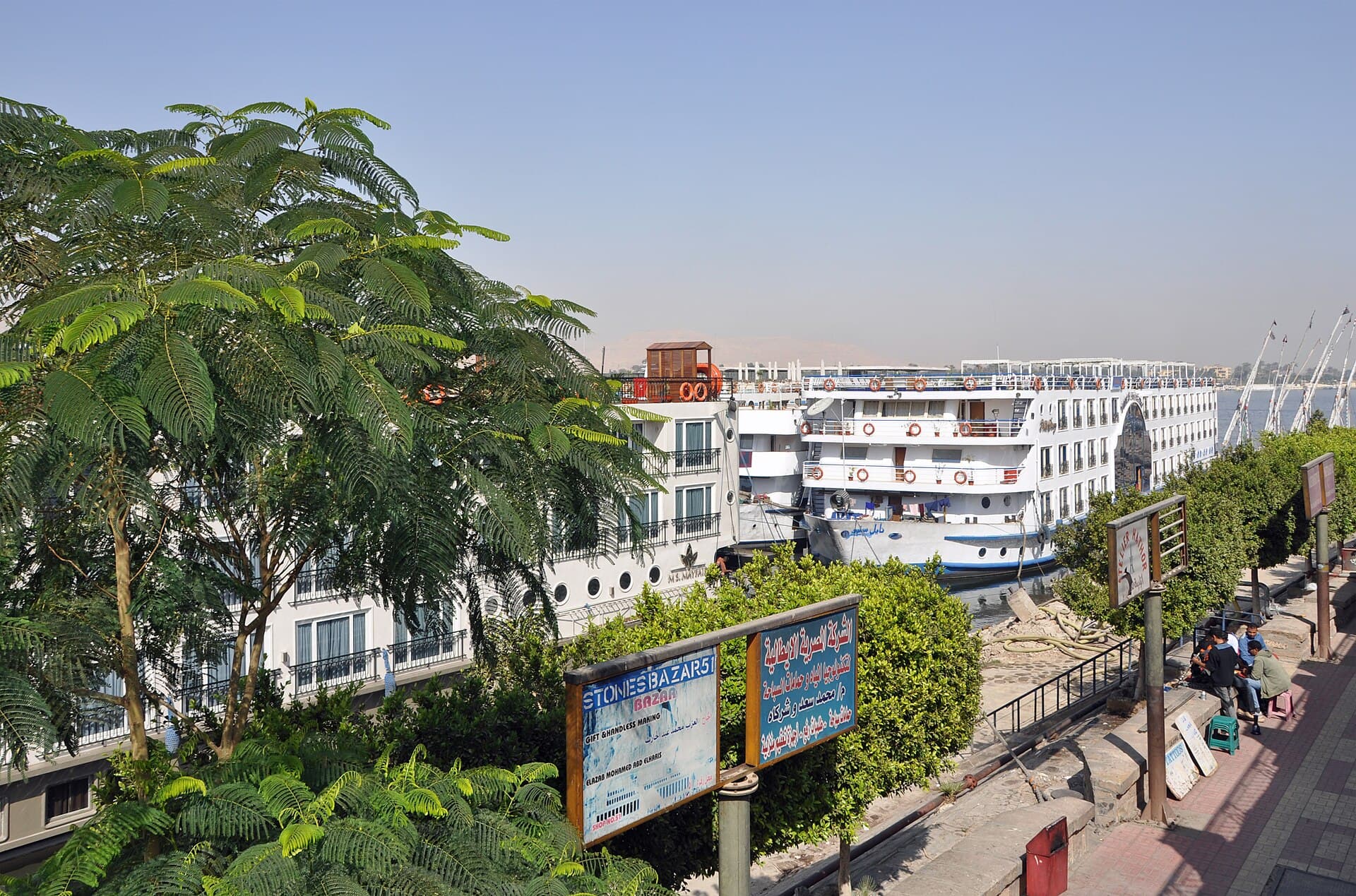
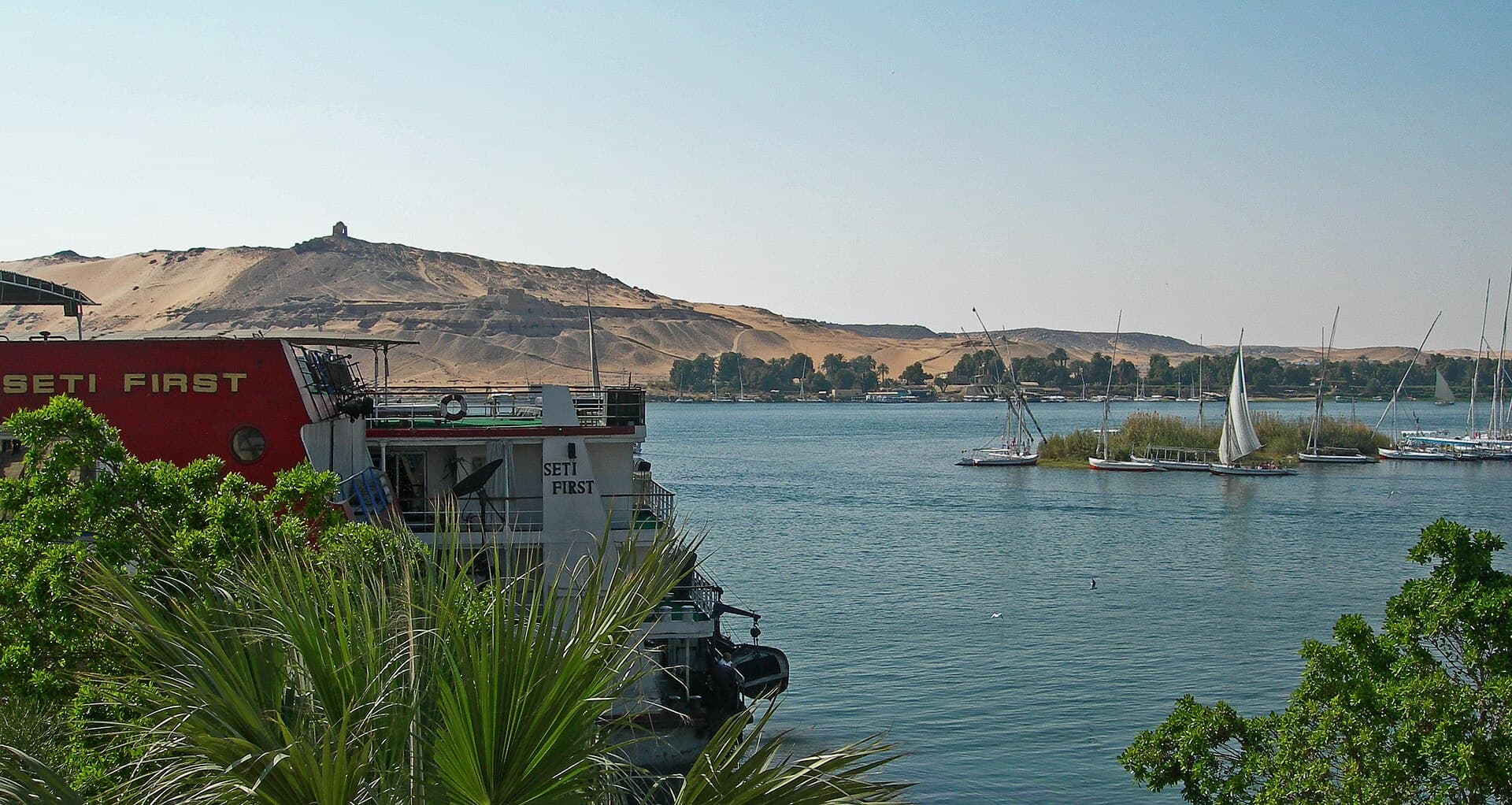
The river itself is season-proof. Nile water levels are steady year-round because of the High Dam, so cruising works in any month and there is no low-water period that shortens itineraries. What changes is the comfort of being on deck and the price of being there at all.
From December to February the deck after sunset is genuinely cold, and this is the single most common packing mistake on an Egypt trip. People pack for a hot country, spend the evenings indoors, and miss the best part of a cruise. A warm layer solves it entirely.
Pricing runs the opposite way to the weather. Nile boats are at their cheapest in high summer and dearest from December to February, when the sightseeing is at its best, with Christmas and New Year the most expensive fortnight of the Egyptian year by a clear margin. The smaller and better boats sell out first, so late booking in winter costs you quality rather than just money.
Daylight matters more than people allow for in the winter months. November and December have short days, and on the Luxor west bank that translates directly into fewer usable hours at the Valley of the Kings and the surrounding temples. Start early rather than assuming a long afternoon, and build the day around the morning.
If your dates fall in the hot half of the year, the Nile leg is the part that bends most. Guides will start at first light and have you indoors by eleven, which works, but it changes the character of the trip from leisurely to tactical. A guide proposing a nine o'clock departure for the Valley of the Kings in June is not doing you a favour.
How does the season change Petra and Wadi Rum?
Petra is an outdoor site that takes far more walking than most visitors expect. The Siq alone is about 1.2 kilometres before you reach the Treasury, and the path up to the Monastery is roughly 800 uneven steps. Season and time of day therefore matter more here than at any Egyptian site except the Valley of the Kings.
Wet weather changes the site in two ways. The stone becomes slippery underfoot, which is a nuisance rather than a hazard on the main trail but a real consideration on the climbs. More importantly, heavy rain can send flash floods through the Siq, and the site is closed when that risk is present. This is a safety measure and it is not negotiable, so a winter itinerary should have a spare half-day in it somewhere.
Heat changes it differently. In summer the exposed sections beyond the Treasury are hard work by the middle of the morning and the climb to the Monastery is best abandoned until late afternoon. The site is at its best early and late in every season, which is one reason a one-day Petra ticket is false economy: two days lets you use both ends of the day rather than the hot or crowded middle.
Crowding follows the same daily pattern year-round. The Siq is quiet at opening and heaving by mid-morning, so being at the gate early is worth more than picking a clever month. Petra by Night runs only on certain evenings rather than nightly, so if that appeals, check the current schedule against your dates before fixing them.
Wadi Rum is a night-time destination as much as a daytime one, and that is what ties it to the calendar. Spring and autumn give warm days and cool but comfortable nights. Winter gives cold nights and the best skies. Summer gives daytime conditions that make the jeep tours a matter of endurance. The drive between Petra and Wadi Rum is only about an hour and a half, which means neither one has to be rushed in a sensible itinerary.
What does summer really mean in both countries?
June to September in Upper Egypt means 40C and often more. Luxor and Aswan stay above 40C through most of July and August, with spells well past 45C. You can still see everything: start at six, stop by eleven, go back out after five. But it is work, and it is a poor introduction to Egypt for anyone with children or a low tolerance for heat.
Jordan's summer is drier and slightly kinder. Amman in July is hot but bearable in shade; Petra at midday is not, and Wadi Rum is worse. Summer does buy lower prices, thinner crowds and easier availability, and Red Sea diving is unaffected. Whether that trade works depends on how you handle heat.
There is one paradox worth knowing about the Egyptian summer. While the Red Sea resorts fill with European school-holiday traffic in July and August, Luxor and Aswan are as empty as they ever get. If you can genuinely tolerate the conditions, August is the month you can stand in a tomb more or less alone, which is not possible at any price in January.
Heat exhaustion in an Egyptian July is a practical risk rather than a theoretical one, particularly inside tombs, which have no airflow and hold the heat long after the outside temperature starts to fall. Carry more water than feels sensible, treat shade as compulsory rather than optional, and do not plan a summer trip around a schedule you would use in March.
What do crowds and prices do through the year?
Egypt's crowd calendar is straightforward. December and January are the busiest and the dearest, with Christmas and New Year in a class of their own. February is the quiet, sensible version of the same weather, interrupted only by a week or two of European half-term traffic in the middle of the month. March and November are busy but well short of the winter peak. From May the crowds fall away inland and the coast takes over.
Prices lag the weather at both ends of the season, which is where the value lies. Rates in September often sit at summer levels for two or three weeks after the temperature has started to ease, and October climbs steadily through the month, so the first half is usually better value than the second for essentially identical conditions.
Easter moves and takes prices with it. April looks like a quiet month on paper and is not, if Easter falls inside your dates, so check where it lands before assuming the shoulder-season logic applies. International flights track European school holidays rather than Egyptian or Jordanian weather, which is why a week in July can cost more to fly to than a week in November.
The one fortnight where nothing is cheap in either country is Christmas and New Year, and in Jordan that fortnight also happens to be cold. It is the worst combination of price, crowding and conditions on the whole calendar for a combined trip, and it is nevertheless one of the most requested.
What weather quirks can spoil a date that looks perfect?
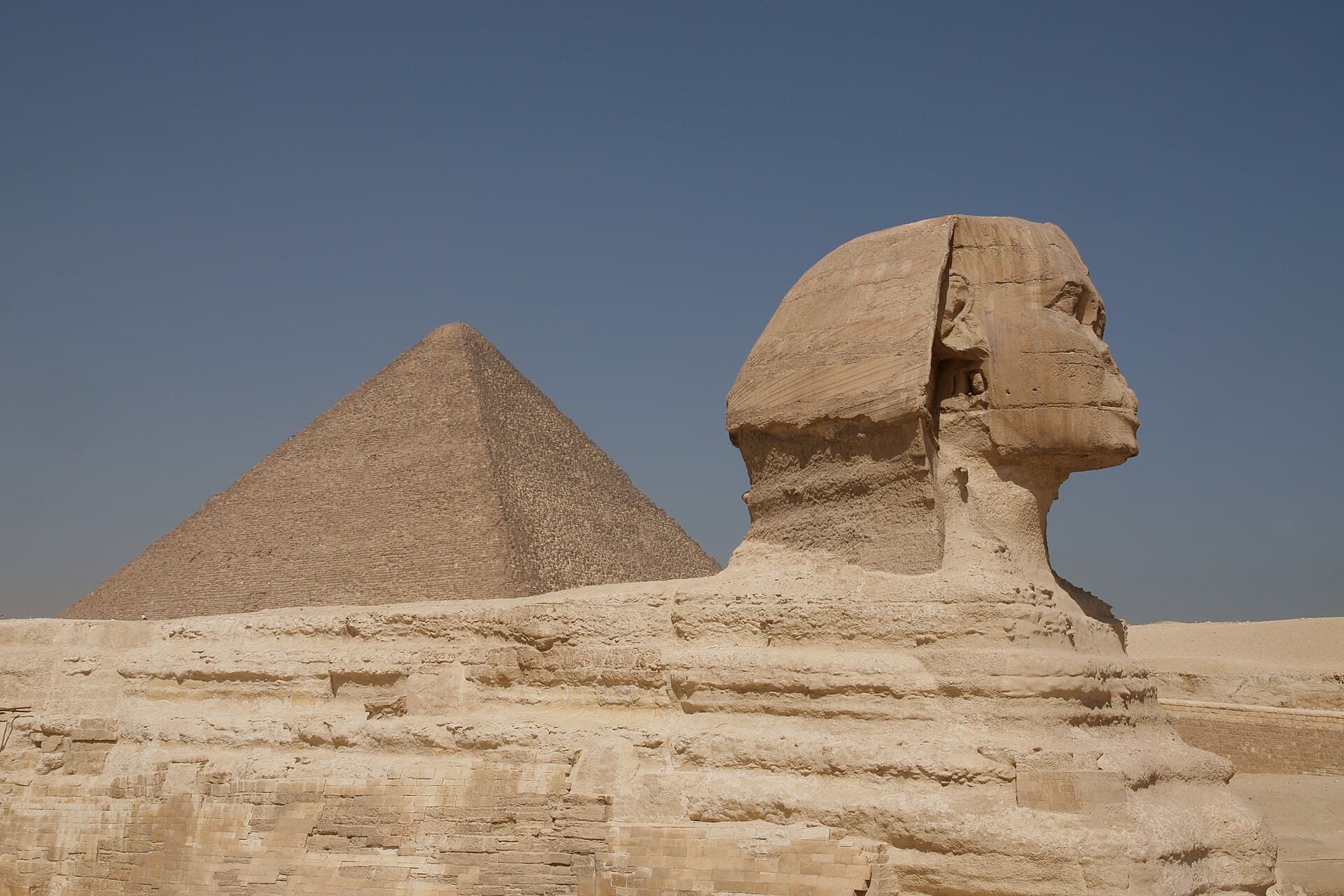
The khamsin is the main one on the Egyptian side. It is a hot southerly wind that blows in off the desert for a day or two at a stretch, usually from late March and possible into April, carrying enough sand to flatten visibility. It is unpredictable, it rarely ruins a trip, and it can comfortably ruin a day's photographs. If it arrives, that is the day for the Grand Egyptian Museum rather than the Giza plateau.
Balloon flights over the Luxor west bank need calm mornings, and they are cancelled when the wind is wrong. March and the winter months give calm mornings more often than the shoulder edges do, but no month guarantees them. Book the flight for an early morning in your stay rather than the last one, so a cancellation has somewhere to move to.
On the Jordanian side the equivalent is winter rain and the flash-flood closures it can trigger at Petra. Two or three genuinely wet days in a fortnight is normal between November and March; a completely washed-out week is not. The flood risk is short-lived and site closures are usually measured in hours rather than days, but they are unpredictable enough to warrant slack in the itinerary.
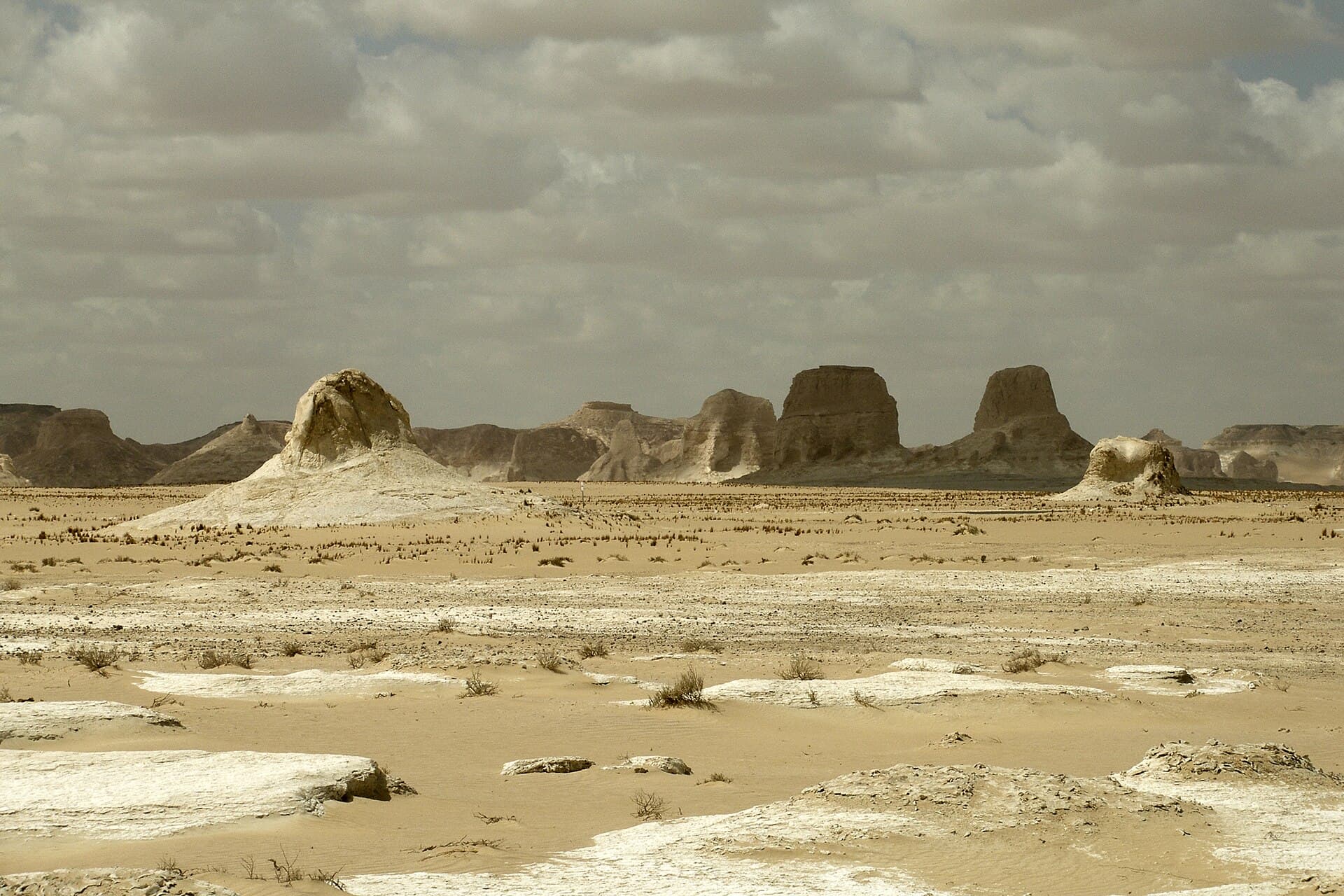
Egypt has its own version of the flood problem, even in a country with almost no rain. Rare heavy storms can send flash floods through desert wadis, which is why desert excursions are sometimes rerouted or postponed at short notice in winter. It is uncommon, and it is the one Egyptian weather risk worth respecting.
What else should shape your dates?
Ramadan moves about eleven days earlier each year, so it drifts through the good season. Sites stay open and trips run normally, though restaurant hours change. Christmas and New Year is the busiest and dearest fortnight in both countries, and Petra then is cold as well as crowded.
Egypt and Jordan do not share a land border, so most people link the two by air between Cairo and Amman. The alternatives are a ferry across the Gulf of Aqaba between Nuweiba and Aqaba, or an overland route through Israel, and both add time and paperwork. Schedules and crossing arrangements change, so check your own government's current travel advice for every country on your route before booking and again close to departure.
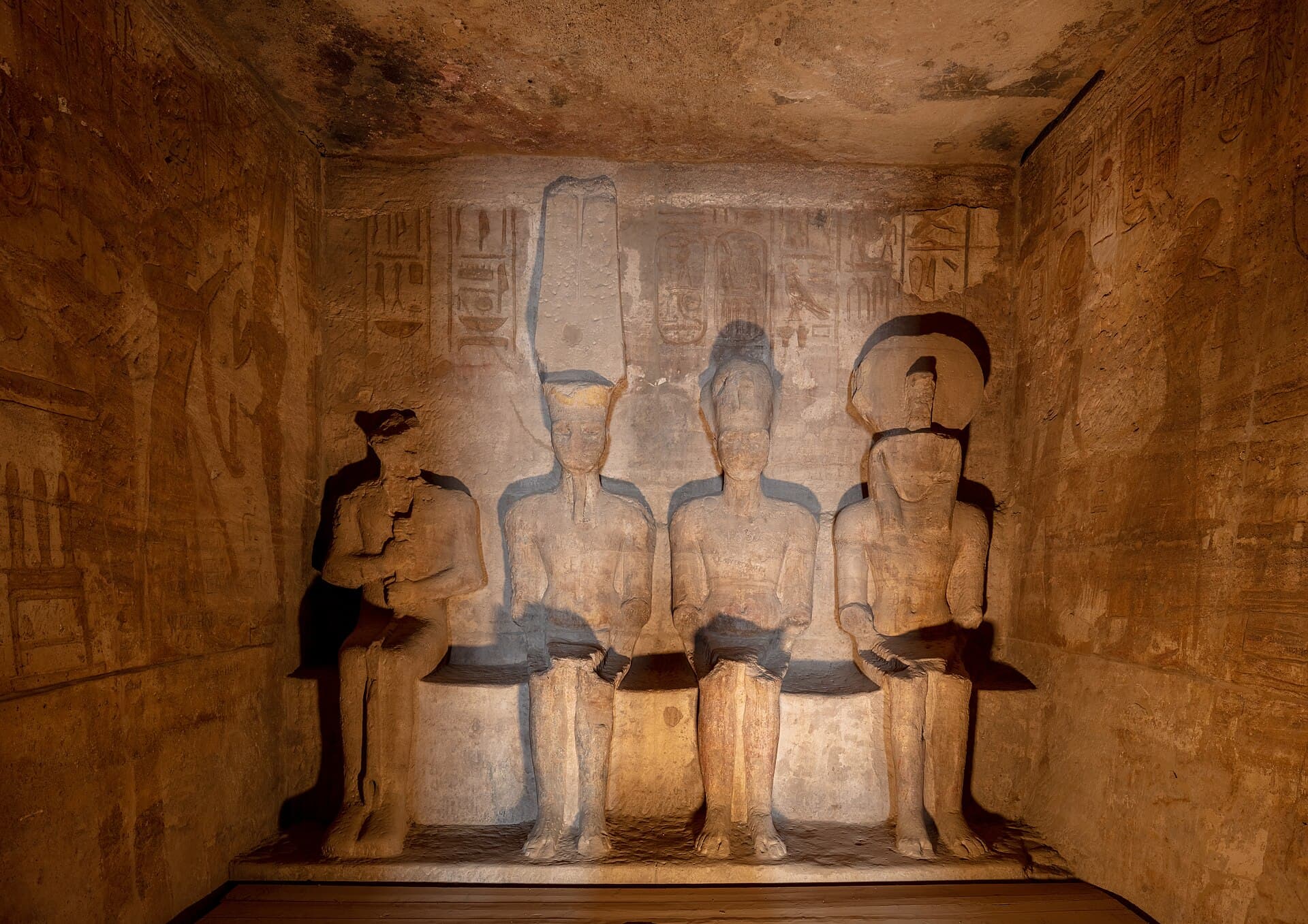
A few fixed dates in the Egyptian calendar are worth checking against your own. The sun alignment at Abu Simbel falls around 22 February and 22 October, when the rising sun reaches the inner sanctuary; it draws large crowds, requires a very early start from Aswan, and is a fair reason to fix your dates if it appeals. Coptic Christmas is 7 January rather than 25 December and is a public holiday. No official notice says sites close that day. Sham el-Nessim, the spring festival, falls on the Monday after Coptic Easter and fills the parks and riverbanks; it is a good day to be in a city rather than at a site.
Practical timing runs alongside the weather. Cairo to Amman is roughly an hour and a half in the air with several departures a day, and Queen Alia airport is about 45 minutes from central Amman, so allow most of a day door to door once airport time at both ends is counted. That transfer day is worth placing where it costs you least: at the start or end of a weather-sensitive leg rather than in the middle of it.
The Jordan Pass has to be bought online before you arrive. It bundles the Petra ticket with the tourist visa fee and cannot be bought at the border, and the visa waiver carries a minimum-stay condition, so check the current terms against your itinerary. This is a booking deadline rather than a weather question, but it catches people who leave the Jordanian half until late.
How far ahead should you book for the season you want?
For December and January, four to six months ahead is not excessive, particularly for the smaller Nile boats and for the Christmas fortnight. Those boats sell out early and the alternatives are noticeably worse. Winter is the one part of an Egypt trip where booking late costs you quality rather than only money.
For November, March and April, two to three months is usually enough to have a real choice. For summer, a few weeks will do and you will still be choosing rather than taking what is left.
The Jordanian half is generally less time-critical than the Egyptian one, because the country is compact and the road transfers between Amman, Petra and Wadi Rum are short. The exceptions are the better Wadi Rum camps in spring and autumn, and Petra accommodation over the peak fortnight.
Trips like this are quoted from an enquiry rather than bought online, which has one practical benefit for timing: the dates get checked against what is actually available on the ground before anything is committed, and a bad month gets flagged. Name a week in July for a first trip with young children and you will be told so.
What should you pack for the season you have chosen?
Winter is the season people get wrong, and they get it wrong in the same direction every time. They pack for a hot country and then spend the evenings cold. From December to February you want a proper jacket rather than a light layer, particularly for the deck of a Nile boat after sunset, for Egyptian desert nights, and for everything in Jordan above the Dead Sea and Aqaba.
A winter trip to Jordan also needs rain gear that works, not a token windbreaker, and footwear with grip. Wet stone at Petra is the specific problem, and the steps up to the Monastery are uneven in any weather.
Spring and autumn are the easy packing months: light clothing for the day, one warm layer for the evening, and something windproof for Wadi Rum. Sun protection is not seasonal in either country. The March and April sun in Upper Egypt burns as effectively as the July sun does, just at a temperature that stops you noticing.
For a summer trip, the packing list is mostly about water, shade and schedule rather than clothing. More water than you think you need, a hat that actually shades your neck, and the acceptance that the middle of the day belongs indoors.
How does the season change the shape of the itinerary?
Twelve to sixteen days is the honest range for both countries done properly, with Egypt taking the larger share, usually eight or nine nights against four or five in Jordan. That split holds in the good months. It is the winter months that bend it.
In deep winter, shorten Jordan and lengthen Egypt. Three or four days covers Petra and one desert night, and the time you would have spent on slower outdoor days in Jordan is better used on the Nile, where the weather is on your side. If you want a warm element inside a winter trip, the Dead Sea and Aqaba both work when Amman does not.
In spring and autumn the balance can go the other way, because Jordan is comfortable enough to justify a full week: two days at Petra, a night in Wadi Rum, Jerash from Amman and a Dead Sea afternoon. Amman to Petra is about three hours by road and Petra to Wadi Rum about an hour and a half, so the country absorbs extra days without long transfers eating them.
Order matters less than direction of travel, and ending in Amman avoids doubling back. Egypt first and Jordan second usually works better in any season, because the Egyptian half involves earlier mornings, longer distances and more sites, and Jordan is the easier second half once you have found your rhythm.
Who should ignore this advice?
Divers, first. The Red Sea is good all year and best in the months this page otherwise warns you off. Water at 29C to 31C from June to August with empty resorts and low prices is a genuine reason to travel in the Egyptian summer, and Aqaba gives Jordan a modest equivalent. A diving-led trip should be planned around the water rather than the temples.
Anyone who wants the sites to themselves, second. August in Luxor and Aswan is as empty as Egypt gets. If solitude at the Valley of the Kings matters more to you than comfort, the trade is available and nobody else is taking it.
Anyone whose dates are fixed by work or school, third. A July trip planned properly, with dawn starts and a Red Sea back half, is better than a March trip that never happens. The calendar on this page is about optimising a choice, not about disqualifying the dates you actually have.
What nobody should do is take a first trip to both countries in high summer with young children and expect the itinerary to behave. That is the one combination where the heat stops being an inconvenience and starts dictating the whole holiday.
Common questions
How long do we need for both countries?+
Ten to fourteen days is the honest minimum for a trip that includes Cairo, the Nile and Jordan's main sites. Under ten days you are choosing: Cairo and Petra with nothing else, or Egypt properly with a three-day Jordan add-on. Winter shortens the Jordan half naturally, because there is less you want to do outdoors.
Does rain actually disrupt Jordan in winter?+
Sometimes. Jordan's rain arrives in bursts between November and March rather than steadily. A wet day in Petra is slippery on the stone steps, and heavy rain can send flash floods through the Siq, so the site is closed when that risk is there. Two or three such days in a fortnight is normal; a whole washed-out week is not.
Which country should we visit first?+
It rarely matters for weather, since both follow the same season. It matters for pacing. Egypt first, Jordan second usually works better: Cairo and the Nile are the harder, busier half, and Jordan's walking is easier once you have found your rhythm. In deep winter, the reverse can help, taking Jordan while you still have energy for the cold.
Is the low season genuinely cheaper?+
Yes, but not evenly. Jordan's summer rates drop noticeably and availability opens up. Egypt's Nile boats are generally cheapest in high summer and dearest from December to February, when the weather is at its best. Christmas and New Year is the one fortnight where nothing is cheap in either country.
Is there a single best month for both countries?+
March, narrowly. Luxor sits at about 29C, which is warm without being punishing, Jordan has usually shaken off the worst of the winter rain, and the days are getting longer rather than shorter. October is its equal on everything except the risk of a hot southerly wind in Egypt, and it has the better sea temperature if you plan to swim.
Does it really snow at Petra?+
Occasionally, in January or February. Petra sits at roughly 1,000 metres, so it is high enough for snow in a cold year, and there have been occasions when enough fell to close the site for a day. It is not an annual event and it is not a reason to avoid winter, but it is a reason not to pack for a desert holiday.
Can we do this trip over Christmas and New Year?+
You can, and it is the least favourable fortnight on the calendar for it. Egypt is at its most crowded and most expensive, Jordan is cold and can be wet, and Petra is both at once. If the dates are fixed, weight the itinerary towards Egypt, book the Nile boat four to six months ahead, and pack properly for the cold.
Is the Red Sea worth adding when Jordan is cold?+
It depends on the month rather than the idea. The Egyptian Red Sea sits at around 22C in January and February, which is swimmable but not warm, and reaches about 25C in April and 28C in October. A Red Sea extension makes most sense at the shoulder ends of the season; in midwinter it is a mild beach rather than a warm one.
How does Ramadan affect a two-country trip?+
Less than people fear, but it is worth knowing your dates. Ramadan moves about eleven days earlier each year, so it drifts through the good season. Sites stay open, sometimes on shorter hours, restaurant hours change and traffic before sunset is bad in the cities. Evenings are genuinely good. If you want a frictionless sightseeing trip, pick dates either side of it.
Official sources
Entry rules, opening hours, security advice and exchange rates all move. Check them at the source, not here.
Written and checked by the Nile Trip Guide editorial team · Last reviewed . Entry rules, prices and opening hours change — check anything critical against the official sources linked on this page.
The route most people take first, at the length it was built for: Giza and the Grand Egyptian Museum, then a flight to Luxor and four nights sailing down to Aswan.
No boat on this one. Giza and the Grand Egyptian Museum, a night in Luxor for both banks, two nights on the Red Sea, then back to Cairo for the Citadel, Coptic Cairo and the Royal Mummies.
Five nights in Cairo either side of a four-night sail from Luxor to Aswan. The Cairo days are private, just your party and a guide; the sightseeing off the boat is shared with a small group.