Marsa Alam: An Honest Guide to Egypt's Southern Red Sea Coast
Marsa Alam is the southernmost of Egypt's three main Red Sea resort areas, and the one divers choose when the reef matters more than the resort. It is quieter than Hurghada, less developed, and has better coral. It is also spread thin along a long coast road, with almost nothing to walk to.
Where is Marsa Alam, and what is actually there?
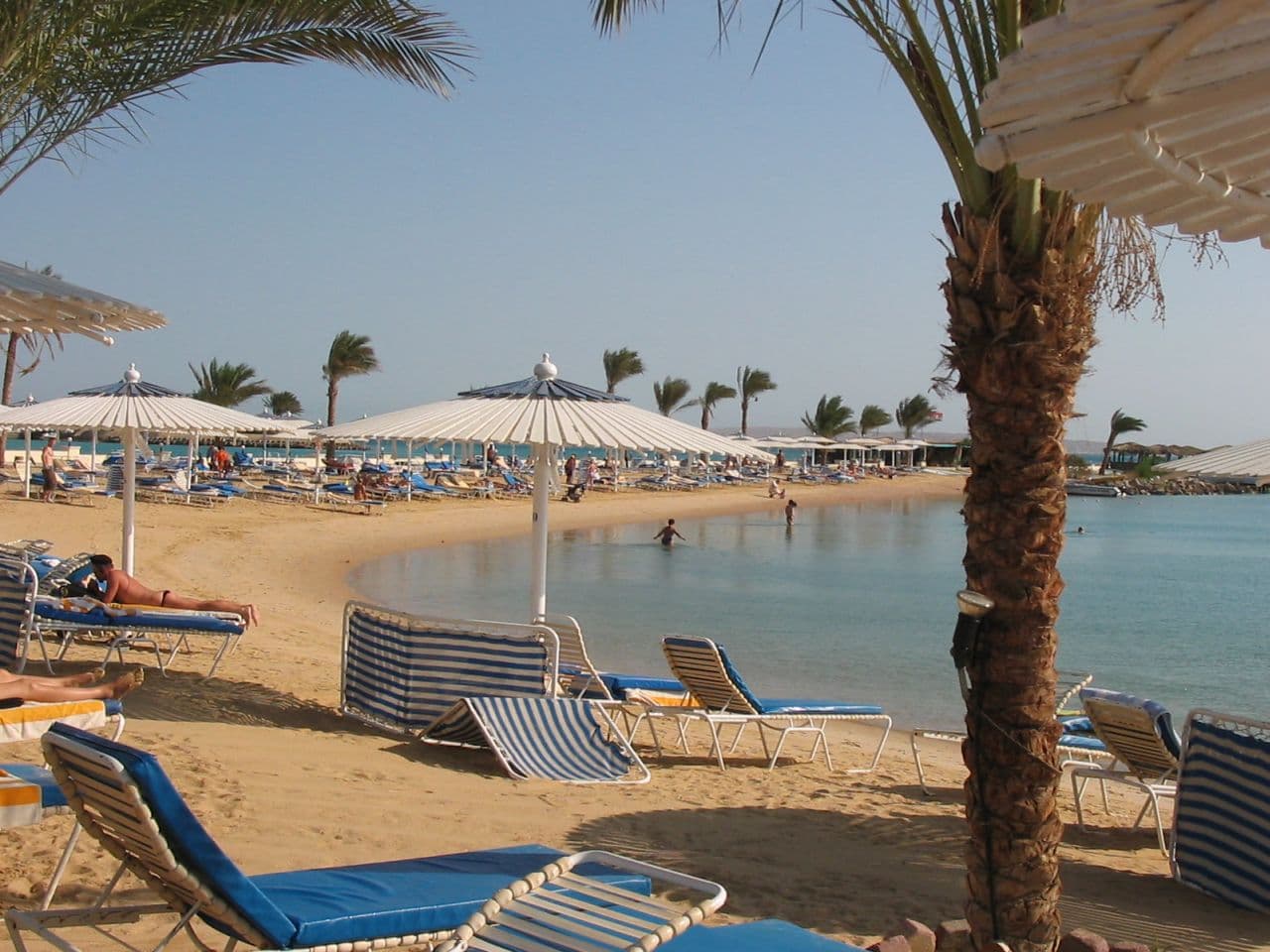
Marsa Alam is three things: a small town, an airport well to the north of it, and a long strip of coast either side. The hotels sit in their own compounds, spaced kilometres apart along a single desert road, each with its own stretch of beach. The town itself is a working place with a fishing harbour and a few shops, and there is nothing in it for visitors.
That isolation cuts both ways. It keeps the coast quiet, but it also means all-inclusive is effectively compulsory: you eat where you sleep for the whole week, and the gap between properties on the same nominal star rating is wide. Ask what the house reef is actually like and how the beach entry works. Those two details will shape your week far more than the buffet.
The name itself causes confusion. Marsa Alam is used for the town, for the airport and for a long stretch of coast on both sides of it, which is why two hotels both described as being in Marsa Alam can be several hours apart. A marsa is simply a bay, so the marsa names you see on excursion lists are places on the shoreline, not resorts. Port Ghalib, north of the town, is a separate development with its own marina, and a good deal of what is sold as Marsa Alam actually happens there.
Which stretch of the coast should you stay on?
The coast splits into four rough zones, and which one you book in decides your week more than the hotel does. North of the airport, up towards the old port of El Quseir, the resorts are older and the drive from the plane is short. Port Ghalib, just south of the airport, is the marina development and the one place on this coast with an evening to speak of. Then comes the long middle stretch either side of the town, which holds most of the beach hotels and the seagrass bays. Finally there is the far south, past Wadi el Gemal towards Hamata and Wadi Lahami, the quietest and least built part of the whole coast.
The trade-off runs the same way all the way down. The further south you go, the better the reefs and the emptier the shoreline, and the longer the transfer at both ends of the holiday. A northern hotel puts you close to the airport and within reach of a road trip to Luxor. A southern one puts you beside reefs that a day boat from the town would need half a morning to get to. Neither choice is wrong, but a two-hour drive after a late charter flight is a real cost, and people consistently underestimate it.
One more thing to settle before you commit: what actually lies in front of the hotel. Some properties sit on a fringing reef you can swim off. Some sit on a sandy bay with no coral at all. Some have a channel cut through the reef flat and marked with buoys, others a jetty running out to the drop-off. Hotel photography is no help whatsoever here. The dive centre on the property will usually tell you straight if you email and ask, and that one reply is worth more than a page of reviews.
Why do divers pick Marsa Alam over Hurghada?
Hurghada's inshore reefs have carried day boats since the 1980s. Marsa Alam was developed much later, and its reefs started their tourist life decades behind. It shows in hard coral cover, in the amount of anchor damage, and in how many other groups you share a site with. This is the honest reason divers come south.
The practical differences matter as much. Many hotels sit on a reef you can swim to, so a day's diving needs no boat at all. Where you do take a boat, the run is often twenty minutes rather than an hour. Elphinstone, the offshore reef most people have heard of, is a deep drift with real current and oceanic whitetips more likely in autumn, not a site for a fresh open water card. The southern reefs around Fury Shoals and Hamata are gentler and less visited.
Hurghada still wins on flights, choice of departure days, package price, and having somewhere to go when the hotel palls. So the verdict splits cleanly on one question: if diving or snorkelling is the reason for the trip, Marsa Alam is the better buy and worth the extra travel. If the water is a side interest, stay in Hurghada and spend the difference.
The dive sites, north to south
Elphinstone is the name on every brochure: a long offshore reef out from the coast north of the town, with steep walls down both sides and a plateau at either end. It is dived as a drift, in current, with open water below you. It is also the site people most often find themselves out of their depth on, in both senses, and it is among the first to be cancelled when the wind gets up. A good operator will ask about your recent diving before they take you there, and the ones that do not ask are telling you something.
Closer in are the marsas, the shallow bays notched into the coastline, and this is where most guests spend most of their week. Abu Dabbab and Marsa Mubarak hold the seagrass and the turtles. Others are straightforward coral gardens in sheltered water: two tanks, a short boat ride or a walk down the beach, nothing deep, no drama. This is the unglamorous majority of the diving here and it is very good.
South of the town the reefs improve again and see fewer people. Fury Shoals is a scattered complex of shallow reefs, coral gardens and swim-throughs that suits ordinary recreational divers well, and Sataya, at its southern end, is another horseshoe reef where spinner dolphins rest. Beyond that sit the exposed offshore reefs that southern liveaboard routes exist for: deeper, with genuine current and a real chance of sharks. Those are not day trips from a hotel beach, whatever is pinned to the noticeboard by the pool.
Much of this coastline sits inside protected areas, and where a park fee applies it is normally collected on the boat on the day rather than added to what you booked. Carry small cash for it. The same protection is the reason the reefs here still look the way they do, so it is money worth handing over without a discussion.
Liveaboards out of Port Ghalib and Hamata
A liveaboard is a boat you sleep on for roughly a week, diving three or four times a day and moving between sites overnight. Port Ghalib and Hamata are the two southern departure points, and these southern routes are the reason a lot of divers fly to Marsa Alam rather than Hurghada. A liveaboard reaches reefs no day boat from a hotel can get to, and it removes the travel time from the front and back of every day.
It also puts you in a small cabin, out of phone signal, with a dozen strangers, and nothing to do between dives but eat and sleep. If that sounds like a bad week, it will be one. Southern routes are the more demanding half of Egyptian liveaboard diving as well: stronger currents, deeper sites, drifts in open water. Operators set a minimum experience level for them, and a first liveaboard is no place to argue about it.
If you are travelling with somebody who does not dive, a liveaboard is close to unworkable, and a hotel with a proper house reef is the obvious answer instead. That mixed group is the common case on this coast and the place is set up for it: one of you takes the day boat in the morning, the other swims off the beach, and you meet for lunch.
Dugongs, turtles and the seagrass bays
Several bays along this coast have seagrass beds in shallow, sheltered water, and Abu Dabbab and Marsa Mubarak are the two most people are taken to. Green turtles graze there and are seen most days. Dugongs are a different matter. There are very few along the whole coast, they move, and any operator promising you one is selling something they cannot deliver.
Manage the conditions too. These bays are shallow and sandy, and the water in them is often cloudy, nothing like the clarity on the reef walls. Go early, before the hotel groups arrive. Keep your distance and stay off the fins-first pursuit. Crowding these animals has been a real problem here, and a guide who lets you chase one is not a good guide.
Sha'ab Samadai, sold as Dolphin House, is a horseshoe reef where spinner dolphins rest during the day. The lagoon is zoned and you cannot enter the core area where they sleep, which is right. Some days you see them from the boundary, some days you do not, and the reef itself is pleasant but busy.
The rules on these sites have tightened over the years, and that is a good thing rather than a nuisance. Some bays are zoned, boat numbers and entry points are controlled, and guides are expected to brief you before anybody gets in the water. Take the briefing seriously. The animals here are used to people but they are not tame, and a dugong harried off its feeding ground simply leaves, which is how a bay stops being worth visiting at all.
Snorkelling if you do not dive
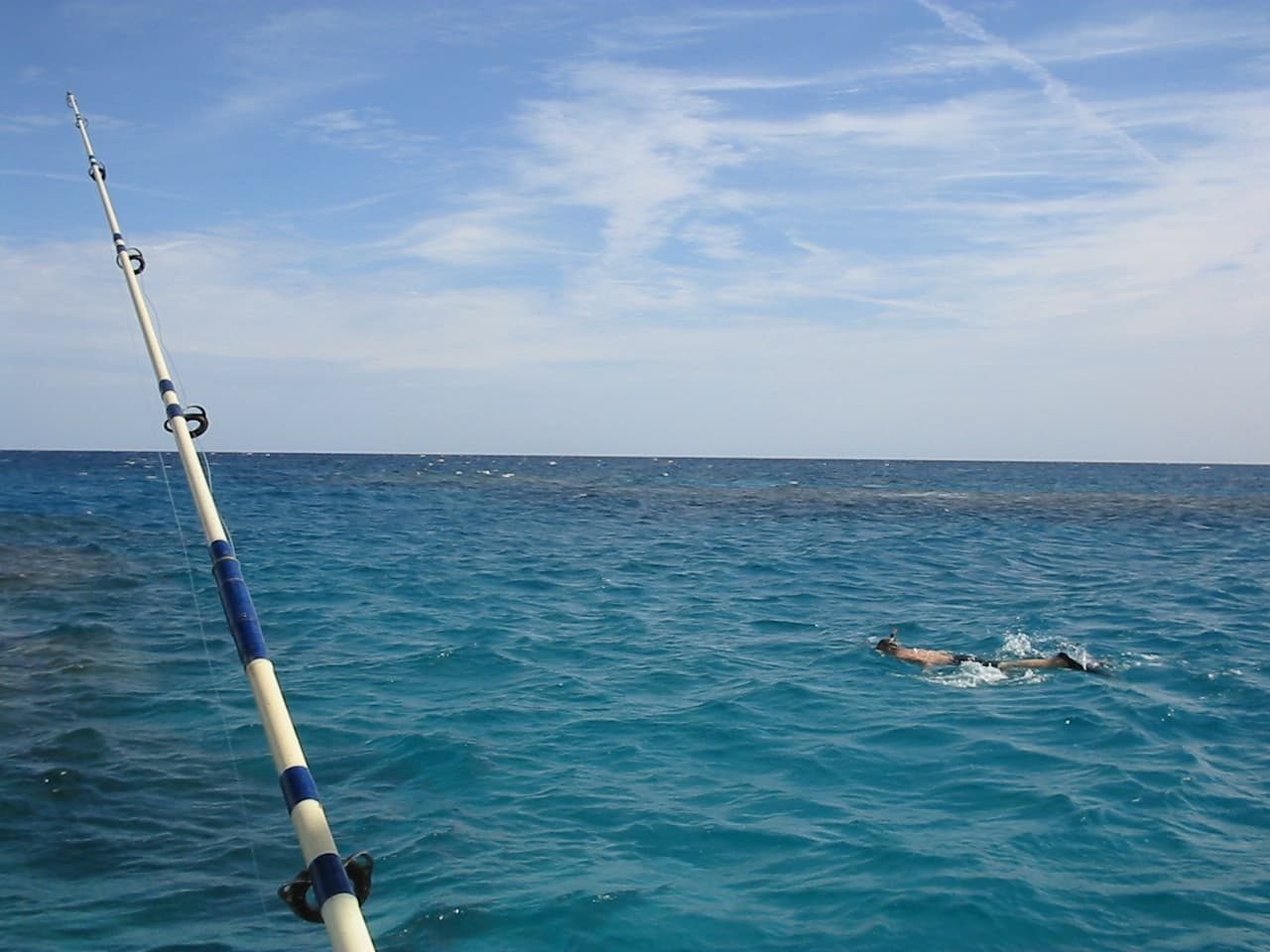
This is the strongest single argument for Marsa Alam over almost anywhere else in Egypt. A good share of the reef sits within a few metres of the surface, and along this coast you can often reach it straight from the beach, without a boat, a licence or a guide. Snorkellers see much of what the divers see on the shallow sites: coral heads, reef fish in real numbers, turtles grazing over the seagrass in the sheltered bays.
Sheltered bays beat dramatic walls for snorkelling, and the marsas here are exactly that. It is why families keep choosing this coast over the Sinai. If you do book a boat trip, ask whether it actually stops on shallow reef, because some are built around deep sites where a snorkeller floats above blue nothing for an hour and wonders what the fuss was about.
A few practical points. Reef shoes for getting in and out, because the shallows are coral and stone rather than sand. A rash vest or an old t-shirt rather than repeated sun cream on your back, which is better for you and better for the reef. And go at your own pace rather than chasing a guide's fins, because a reef flat in half a metre of water is the easiest thing in the sea to damage by accident, usually with a kick you never noticed.
What the hotels are actually like
All-inclusive is how this coast works, and the range of quality inside that one phrase is enormous. You will eat every meal in the same two or three restaurants for a week, so the food matters far more here than it would in a town where you could walk out and find an alternative. Ask what is genuinely included. Some properties fence off the speciality restaurants, the imported drinks, the jetty or the water sports behind a supplement, and the price you compared online was never the price you were going to pay.
The dive centre is usually a separate business renting space from the hotel, which means the hotel's star rating tells you nothing at all about it. Judge it on its own terms: how many divers each guide takes underwater, whether it runs a check dive before anything serious, whether it asks to see your logbook. The centres that never ask are the ones to avoid. Look at the state of the rental kit, and look at whether the boat carries oxygen.
Outside the gate there is very little, and behaviour changes at that line. Swimwear around the pool and on the hotel beach is completely ordinary and nobody gives it a thought. Walk out to a shop, a pharmacy or a taxi and you are in working Egypt, where it is not. Ordinary clothes off the property is simple courtesy, costs you nothing, and saves a certain amount of unwanted attention on both sides.
Is Wadi el Gemal worth a day?
Wadi el Gemal starts south of the town and runs inland: a protected area of dry mountains, gravel plains, mangroves and offshore islands, with Ababda families still living and herding in it. The draw for most people is Sikait, where the Romans mined emeralds, the main source in their world, leaving shrines cut into the rock of a narrow valley. You need a 4x4, a guide and park permission.
Be clear about what the day is. It is hot, dusty and long, with big empty stretches between anything. Gazelle and ibex are in the park but you are unlikely to see them. Go because you want quiet desert and ruins with nobody else standing in them. If you are expecting a game drive, skip it and spend the day in the water instead.
What else is there to do out of the water?
Honestly, not a great deal, and that is rather the point of the place. The desert behind the coast is the main answer: half-day trips run inland into the hills, and Wadi el Gemal is the full-day version of the same idea. Some operators run evenings with Ababda families. Those are worth doing when they feel like a visit rather than a performance, and you can usually tell which you are being sold from the way the trip is described.
The sky is the underrated one. There is almost no artificial light along this coast and the air is dry, so on a moonless night the stars are about as good as most visitors will ever have seen them. It costs nothing, needs no guide and no booking, and it is a better use of an evening than the hotel entertainment.
El Quseir, up the coast to the north, is the nearest thing to an old town on this shore: a Red Sea port with centuries of trade behind it, an Ottoman-era fort above the harbour and a small, low-rise waterfront. It is a half-day out rather than a destination, but it is a real place in a way the resort strip is not. Port Ghalib is the other evening option, purpose-built and pleasant, with a promenade and a run of restaurants you can walk between.
Getting there: the airport and the long drives
Marsa Alam International sits well north of the town, roughly an hour's drive from it and about half that from Port Ghalib. It runs mostly on charter and seasonal scheduled flights from Europe, thickest in the winter months. Many routes fly once a week, which quietly fixes your trip at seven or fourteen nights. Check which day your flight runs before you settle on anything else.
Then check where on the coast your hotel actually is. From the airport, a northern property is a short drive. One down near Hamata can be two hours or more, at both ends of the holiday. Hurghada is three to four hours by road. Luxor is four to five hours across the desert via Edfu. Cairo is a flight, not a drive.
Out of the charter season the options thin considerably, and you may find yourself connecting through Cairo instead, which turns a direct flight into most of a day. That is worth checking early, because it can make Hurghada the sensible arrival airport even when Marsa Alam is where you intend to stay. If you do fly into Hurghada, factor in the drive south honestly rather than optimistically.
Can you combine Marsa Alam with Luxor and the Nile?
Yes, and it is usually the better shape for a first trip to Egypt. Fly into Cairo, do the pyramids and the museum, take the Nile between Luxor and Aswan, then cross the desert to the coast and fly home from Marsa Alam if a charter fits your dates. Do the sightseeing first. Nobody wants a 4am start after a week of doing very little.
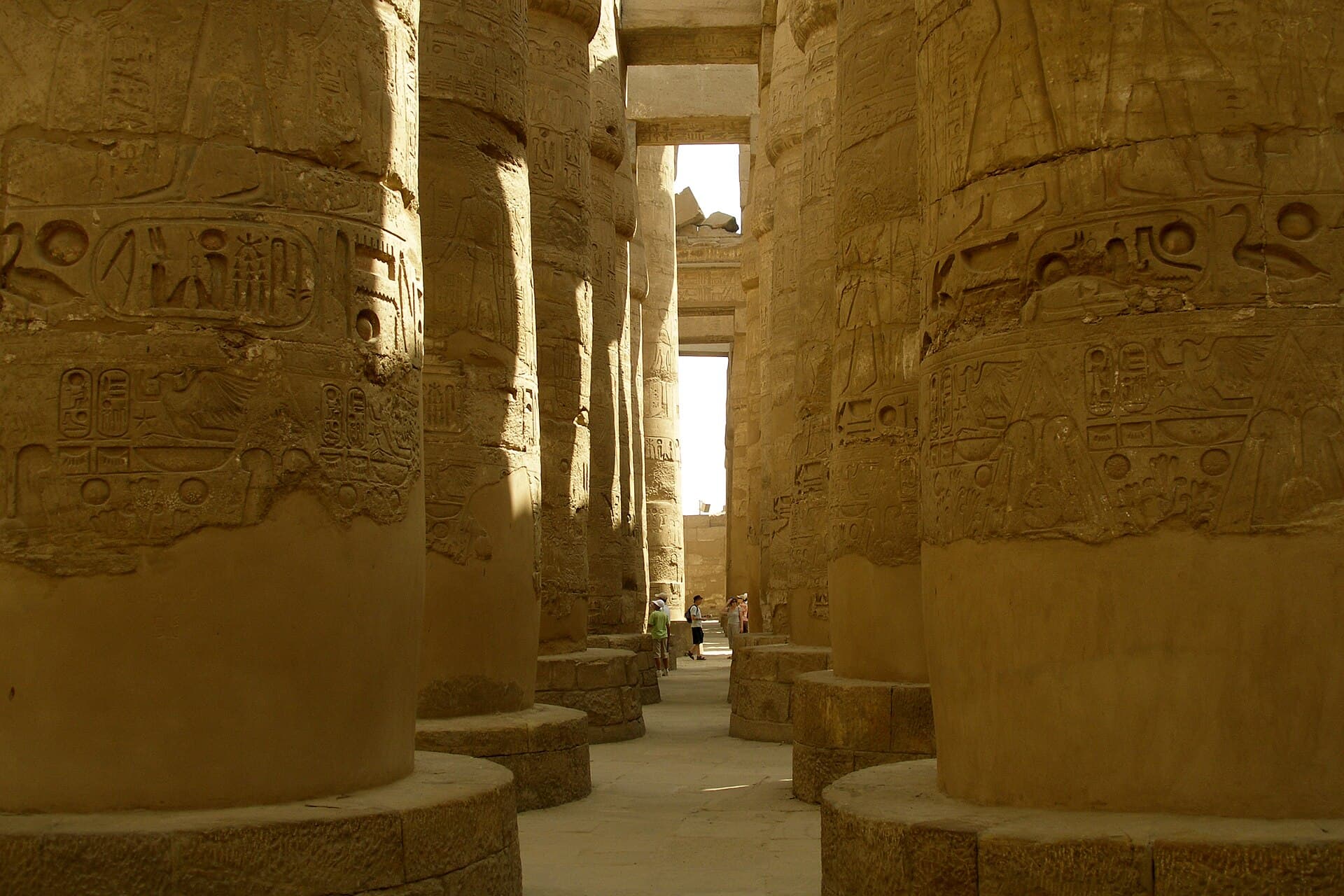
What does not work is the day trip. Luxor from Marsa Alam means leaving before dawn, four to five hours each way, and three sites walked through in the heat with a long drive still ahead. It is a poor way to see one of the densest concentrations of ancient building anywhere. Give it a night or two, or leave it for another trip.
Two weeks is the length this shape really wants: Cairo at the front, four or five nights on the river, then seven on the coast with a flight home from the sea rather than a second crossing of the desert. Ten days can be made to work if you cut Aswan short, but you will feel it. Under that, choose one half of the country and do it properly.
When should you go, and what does the wind do to your plans?
The water is warm all year, roughly high twenties Celsius in late summer and low twenties in midwinter. Most people want a 5mm suit in January and February. Air temperatures in June to August are punishing, and anything inland is unpleasant then. Spring and autumn are the best compromise, and early autumn holds the warmest water of the year.
Wind is the variable that ruins plans. A northerly blow is normal here and stronger in winter, and when it gets up, the exposed offshore sites are cancelled, sometimes several days running. Build slack into a diving week, and treat a house reef as insurance rather than a luxury: it is what turns a blown-out morning into a dive instead of a wait.
Month by month the pattern is simple enough. December to February give mild days, genuinely cool evenings and the thickest wetsuit of the year. March to May warm up steadily and are the windiest stretch. June to August are hot enough that the desert is effectively out and the sea is the only comfortable place to be. September to November hold the warmest water, the calmest run of days and the best odds of the offshore sites running as planned. If you can pick your dates freely, pick autumn.
Marsa Alam with children
It works well, with caveats. The sheltered bays are calm and shallow, journeys once you have arrived are short, and a week in one place with a pool and a beach is exactly what small children want out of a holiday. The turtles in the seagrass bays are the sort of thing a six-year-old remembers for years, and they can be seen with a mask and a snorkel rather than a tank.
The caveats are the reef flat and the heat. A fringing reef with a jetty over it is not a paddling beach, so toddlers need either a genuinely sandy bay or a hotel with a protected lagoon, and you have to check which you are getting before you book. Midsummer air temperatures are hard on small children, and the sun coming off water and pale sand burns faster than most people expect. Cover up rather than rely on reapplying cream.
Plan around the transfer as well. A charter landing late at night followed by a two-hour drive south is a miserable start to a family week, and the same drive at the end will cost you the last morning. With young children, pay whatever premium is required for a hotel nearer the airport and spend the hours you save in the water.
Practical things that catch people out
Take cash. Card acceptance thins out quickly beyond the hotel desk, tipping is a real and expected part of how things work here, and boat fees and park fees are normally collected in cash on the day. Egyptian pounds for anything local. The hotel will change money for you at a rate you would not have chosen, so bring enough that you are not forced into it every second day.
Distances turn everything into an excursion. There is no walking to a chemist, no strolling out for dinner, no nipping into town for an hour. A taxi has to be arranged and paid for in both directions, because it will not find another fare waiting out there for the return leg. Plan the week on the assumption that you are staying put, and treat anything else as a proper day out with a cost attached.
Insurance deserves more thought than it usually gets if you are diving. Standard travel policies often exclude diving altogether, or cover it only to a shallow depth limit, and treatment for a serious decompression injury is expensive. Buy specific dive cover, and ask your centre where the nearest chamber is. There are recompression facilities on this stretch of coast, but the coast is long, which is an argument for diving conservatively rather than for staying out of the water.
Finally, flying after diving decides your last day for you. Training agencies advise a surface interval before you fly, commonly at least twelve hours after a single dive and longer after several days of repeated diving. Follow whatever your own agency specifies, and count the domestic hop to Cairo as flying. Plan a week around four or five diving days rather than seven, and you will not spend the holiday watching a clock.
Who does Marsa Alam suit, and who should go elsewhere?
It suits divers first, keen snorkellers second, and people who are content to stay in one place for a week. It works for families with young children who want a calm bay and short journeys. It works as the last leg of a Nile trip, when what you want is to stop moving. And it suits anyone who found Sharm or Hurghada too busy.
It does not suit short breaks, because the flight schedule and the transfers eat too much of them. It does not suit anyone who wants a market, a bar or a choice of restaurants in walking distance. And if the sea is not the reason you are coming, there is little left: apart from the desert ruins inland, the ancient Egypt most people picture is on the Nile, hours away.
Common questions
Is Marsa Alam only for experienced divers?+
No. Most of the coast is easy diving: sheltered bays, gentle walls, shore entries with no boat involved. The advanced sites are the offshore ones, Elphinstone in particular, where depth and current are serious and a recent, honest logbook matters more than the card. Ask which sites your operator actually runs in the week you are there. There are recompression facilities on this stretch of coast.
Can I snorkel straight off the beach?+
At many hotels, yes, and that is one of the real advantages here. Some have a reef table you cross by jetty or ladder, others a sandy lagoon with a marked channel out to the drop-off. But not every beach has a reef in front of it. Check before booking, because a sand-only bay changes your week from swimming out to waiting for a boat.
What is Port Ghalib, and should I stay there?+
It is a purpose-built marina development north of the town, with a promenade, shops, restaurants and liveaboard berths. It is the one place on this coast where you can walk somewhere in the evening, which some people need. The trade-off is distance: the good southern reefs are farther away, and you spend more time on boats getting to them.
Is it cheaper than Hurghada or Sharm el Sheikh?+
Hotel rates are broadly similar and often a little lower, because there is less competition for your evening spending. Flights are the swing factor: fewer routes and fewer departure days can push the total higher rather than lower. Excursions cost more here as well, since everything is farther apart and the driving time has to be paid for.
How many nights are worth booking?+
Seven is the practical minimum, and the flight schedule usually decides it for you. Divers wanting the southern reefs should think about ten to fourteen, because the far sites need full days and wind will take one or two of them away. If the reefs are the whole point, a liveaboard out of Port Ghalib or Hamata covers more ground than a hotel week.
Is there anything in the water to be careful of?+
Sea urchins, fire coral and well-camouflaged stonefish and scorpionfish sit on shallow reef flats, so reef shoes are worth packing if you are wading in. Currents can pick up at some entries even close to shore. None of this is a reason to stay out of the water; it is a reason to ask the dive centre about your particular beach.
Do I need a visa, or is there a permit like the one at Sharm?+
You need the full Egyptian tourist visa. The free Sinai-only entry permit that some arrivals at Sharm El Sheikh are given does not exist on this coast, and would be no use here in any case, since the Red Sea coast south of Suez is mainland Egypt rather than Sinai. Applying online in advance is the simplest route for most nationalities. Entry rules change, so confirm the current position before you fly rather than trusting anything written months earlier, this page included.
Are there sharks, and should that worry me?+
There are, and for many divers that is part of why they came. Reef sharks are an ordinary sight on the southern reefs, and oceanic whitetips are more likely at the exposed offshore sites in autumn, Elphinstone above all. Incidents are rare. The standard advice is dull and worth following: never feed fish, stay with your group, and do what the briefing tells you.
Is Marsa Alam worth it if nobody in the group dives?+
Only if you are happy snorkelling, or happy doing very little. The reefs are still the attraction, and a good house reef gives a snorkeller most of what the divers get on the shallow sites. Take the water away and what remains is a hotel compound, a desert road and a long drive to anything else. If that is your group, Hurghada or El Gouna will serve you better.
How far is Marsa Alam from Hurghada airport?+
Three to four hours by road, depending on where along the coast you are staying. People do fly into Hurghada when the fares or the departure days work out better, and it can be the right call, but it costs the better part of a day at each end of the holiday. For a hotel in the far south, past Wadi el Gemal, the drive stops being sensible at all.
Is all-inclusive worth taking here?+
Usually yes, because there is no realistic alternative within reach of most hotels. The question is not whether to take it but what it covers. Check whether the speciality restaurants, the imported drinks, the jetty and the water sports are included or charged separately, and weigh what other guests say about the food rather than what the brochure says. You will be eating there fourteen times in a week.
Can I visit Wadi el Gemal on my own?+
Not sensibly. It is a protected area, entry needs permission, the tracks need a 4x4, and there is nothing out there if something goes wrong with the vehicle. Book it through a licensed operator. Ask who is actually driving and whether an Ababda guide comes along, because the versions of this day that are worth doing tend to be the ones that do.
Official sources
Entry rules, opening hours, security advice and exchange rates all move. Check them at the source, not here.
Written and checked by the Nile Trip Guide editorial team · Last reviewed . Entry rules, prices and opening hours change — check anything critical against the official sources linked on this page.
No boat on this one. Giza and the Grand Egyptian Museum, a night in Luxor for both banks, two nights on the Red Sea, then back to Cairo for the Citadel, Coptic Cairo and the Royal Mummies.
Egypt in three parts: two days in Cairo, three nights sailing Aswan to Luxor, then three nights on the Red Sea with nothing scheduled. The temples first, the sea afterwards.
The 10 day Nile-and-Red-Sea route with one more day in Cairo at the end, spent on the Citadel, Coptic Cairo and the Royal Mummies. Two days in Cairo, three nights on the river, three on the sea.