Egypt and Greece Tours: Combining the Nile with Athens and the Islands
Egypt and Greece tours work because the two countries sit close together and tell parts of the same story. Cairo to Athens is a short flight, and the ancient sites either side of it are different enough to be worth the effort. The hard part is timing: the two countries peak in opposite seasons.
How do you get between Egypt and Greece?
Cairo and Athens are linked by direct flights, and the hop takes about two hours. That is the spine of any combined trip, and it is the one link you can plan around. There are no reliable direct flights from Athens to the Red Sea airports, so Hurghada or Sharm el-Sheikh means a connection in Cairo. If you want a Greek island and Luxor in the same fortnight, you will change planes in Athens or Cairo.
There is no scheduled passenger ferry between Greece and Egypt, whatever older guidebooks suggest. Flying is the only sensible link. From Athens, Santorini is about 45 minutes in the air, or roughly five to eight hours by ferry depending on the boat. Plan a night in Athens either side of the Cairo flight rather than connecting from an island on the same day.
Cairo is also the hub for the Egyptian half of the trip. Domestic flights run from Cairo down to Luxor and Aswan in about an hour, and that is what most itineraries use rather than the overnight train or a long drive south along the Nile valley.
One practical warning about how you buy these legs. The Cairo to Athens flight, the Egyptian domestic flight and the Greek island flight are frequently three separate tickets, which means no through-checked bags and no airline responsible for you if the first one runs late. Egyptian domestic baggage allowances are also lower than the international ticket you arrived on. Build a buffer night into Cairo or Athens at the changeover rather than trusting a same-day connection across two ticket numbers.
When is the best time to visit each country?
Egypt is a winter country. December to February gives you daytime temperatures in the low to mid twenties at Luxor and Aswan, which is what you want when you are walking through open desert sites with no shade. November and March are warmer, closer to the high twenties. By June the same places sit around 40C and often higher, so people see less because they stop early each day.
Greece runs the other way. The islands are built around a summer season that opens around April and closes in late October. Outside it, many hotels, restaurants and ferry routes on the smaller islands simply shut. Athens works all year and is arguably better in winter, but a January island trip is a quieter and much emptier thing than the one most people picture.
Egyptian winter nights are colder than visitors expect, which matters if you are packing for a trip that also contains a Greek beach. Aswan can drop to around 8C after dark and Cairo lower, and a felucca at dusk or an early start for the Valley of the Kings is a jacket occasion rather than a light-layer one. The daytime figures are the ones people plan around; the evening figures are the ones that catch them out.
Why do spring and autumn suit both countries?
Spring and autumn are the only windows where both halves are close to their best. Late March to May, and late September to October, give you Egypt before or after the worst heat and Greece with the islands still running. The sea around the Cyclades holds its warmth into late September, well after the air has cooled from the August peak.
Both shoulder seasons have a catch. In spring, Egypt gets the khamsin: hot southerly winds that carry dust, grey out a day at the pyramids and cancel balloon flights at Luxor. In late October the Greek season winds down mid-month, so ferry timetables thin out and some island hotels close while you are still there. Early October is the safer half.
There is a pricing wrinkle in the same window. Airfares from northern Europe follow school holidays rather than the weather in either country, so Easter and late May half-term weeks cost more on both legs at once. If your dates can move, the first half of October and the first half of May are the two cheapest good weeks of the year for this particular trip. Ramadan is worth checking against your dates as well: it shifts about eleven days earlier each year, Egyptian sites stay open on shorter hours, and traffic before sunset is bad everywhere.
How long do you need for both?
Roughly two weeks is the honest minimum. Egypt takes seven or eight days without rushing: two or three in Cairo and Giza, then three or four nights between Luxor and Aswan, on a boat or by road. Cut it shorter and you spend the trip in transit between sites rather than at them.
Greece then needs five to seven days. Two full days covers Athens, the Acropolis and the Acropolis Museum properly. That leaves one island, not three. Island hopping looks efficient on a map and then eats the week in ferry queues and hotel changes. Pick one island, stay put, and use day trips if you want to see another.
If your leave is fixed at ten days, the honest advice is to pick one country. Ten days is a good Egypt trip, covering Cairo, Luxor, Aswan and Abu Simbel without a punishing schedule, or a genuinely restful week on one Greek island with a couple of days in Athens. Split across both, ten days becomes four changeover mornings, two airport days and very little sitting still. Three weeks, if you can get it, is where the combination stops feeling compressed and starts feeling like two trips that happen to share a plane ticket.
What does a two-week Egypt and Greece trip actually look like?
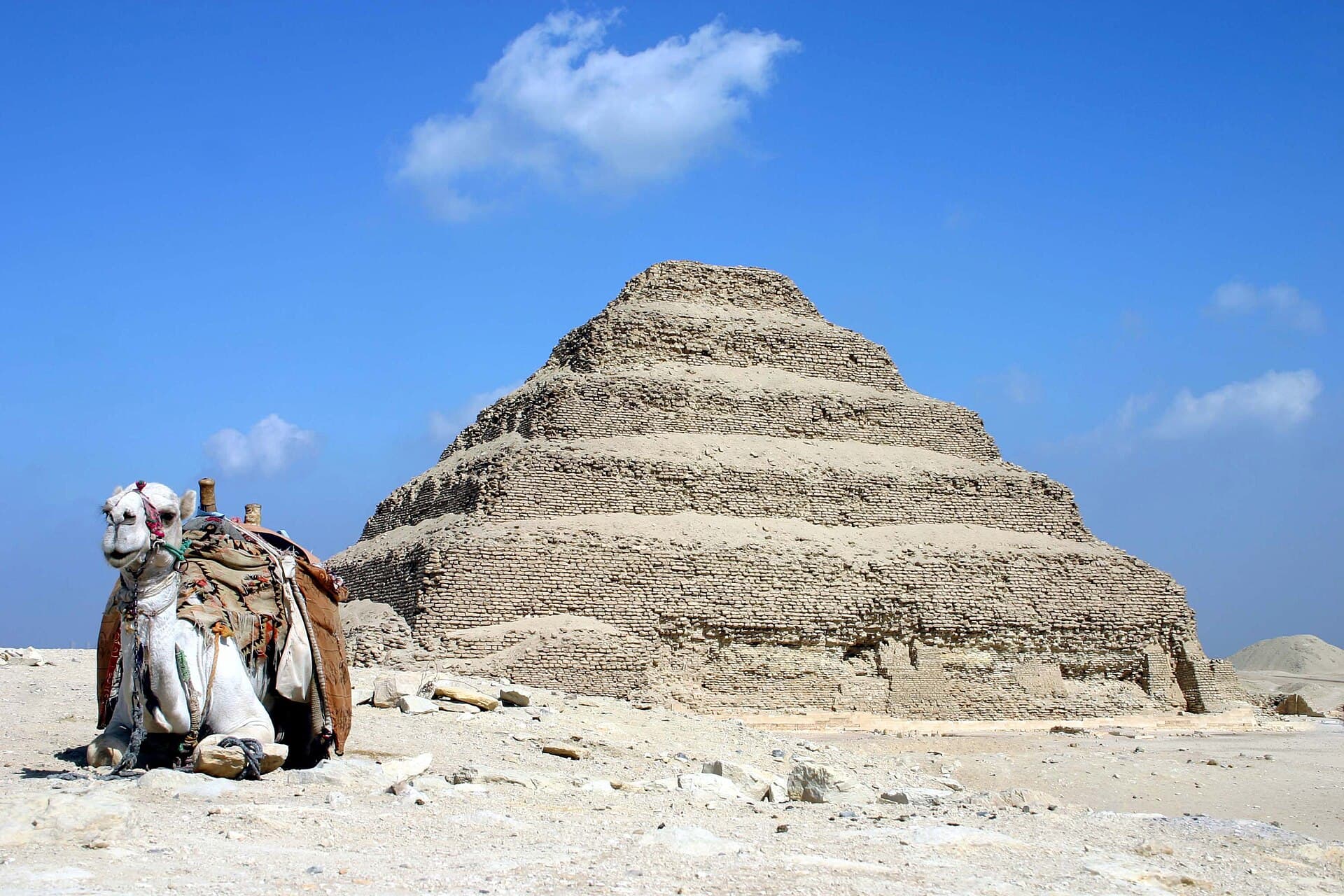
The standard shape is eight nights in Egypt, six in Greece, with the Cairo to Athens flight in the middle. In Egypt that means three nights in Cairo at the start, giving you the Giza plateau, Saqqara and the Grand Egyptian Museum on the approach to the pyramids. The museum deserves three hours as an absolute floor, because the Tutankhamun material sits at the far end of a long walk rather than near the entrance, and a ninety-minute visit arrives there with nothing left.
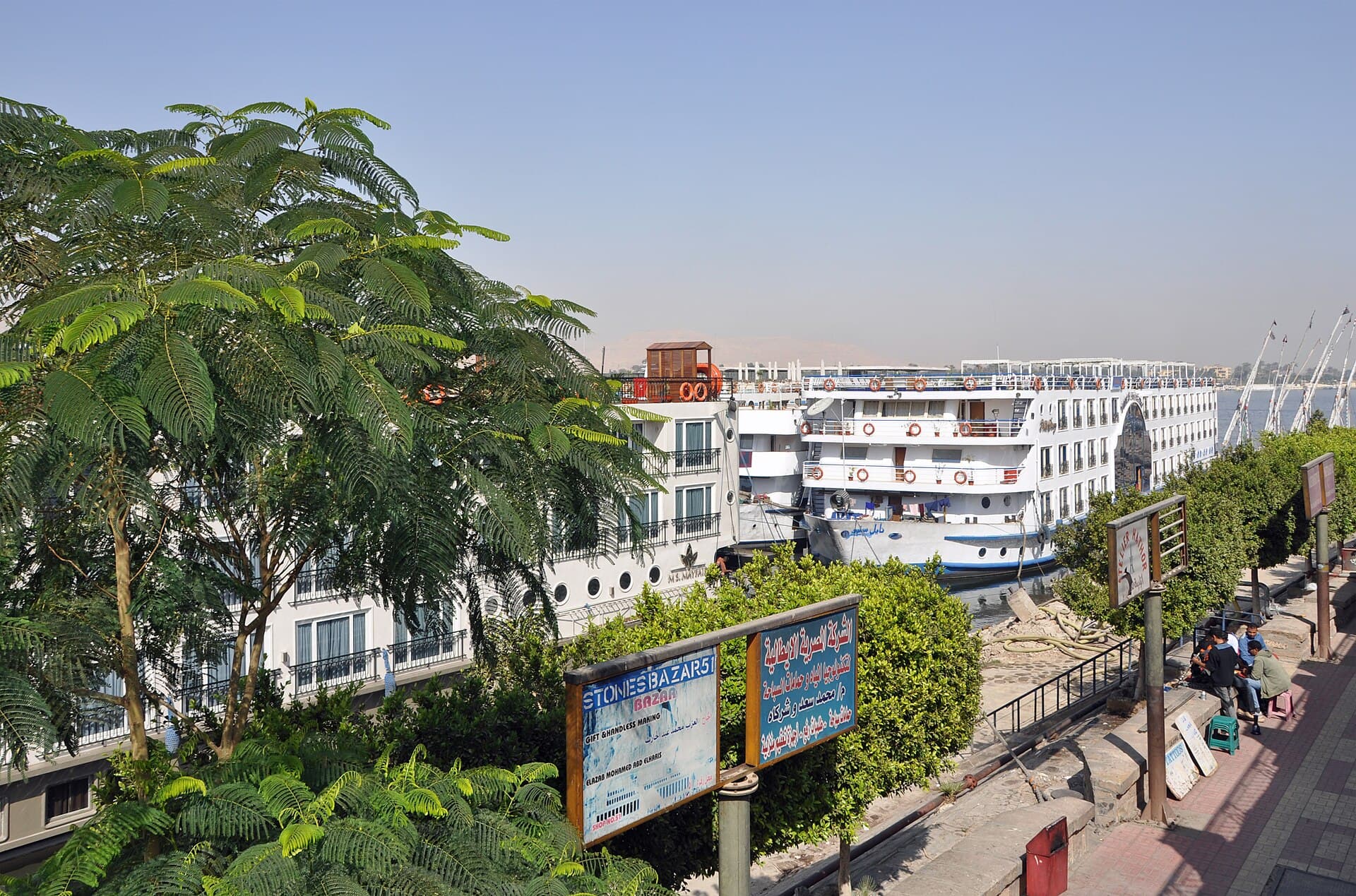
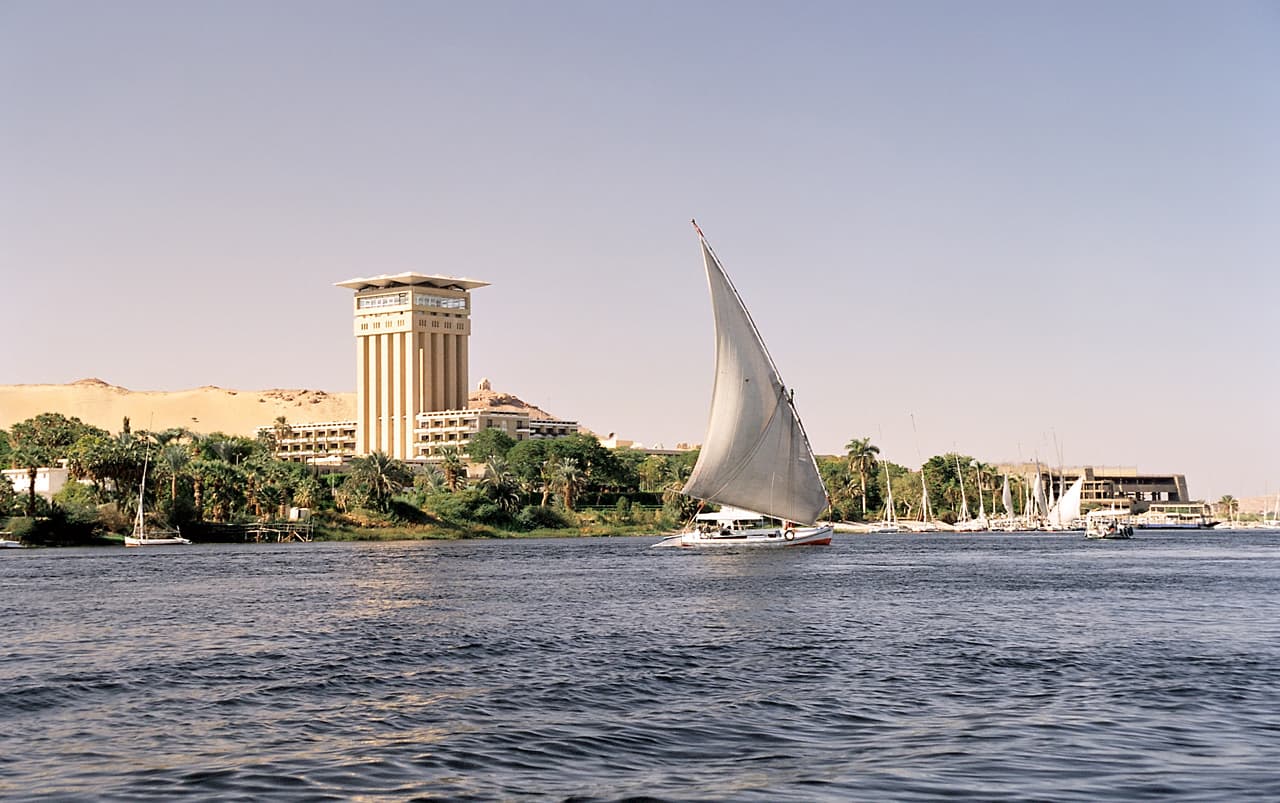
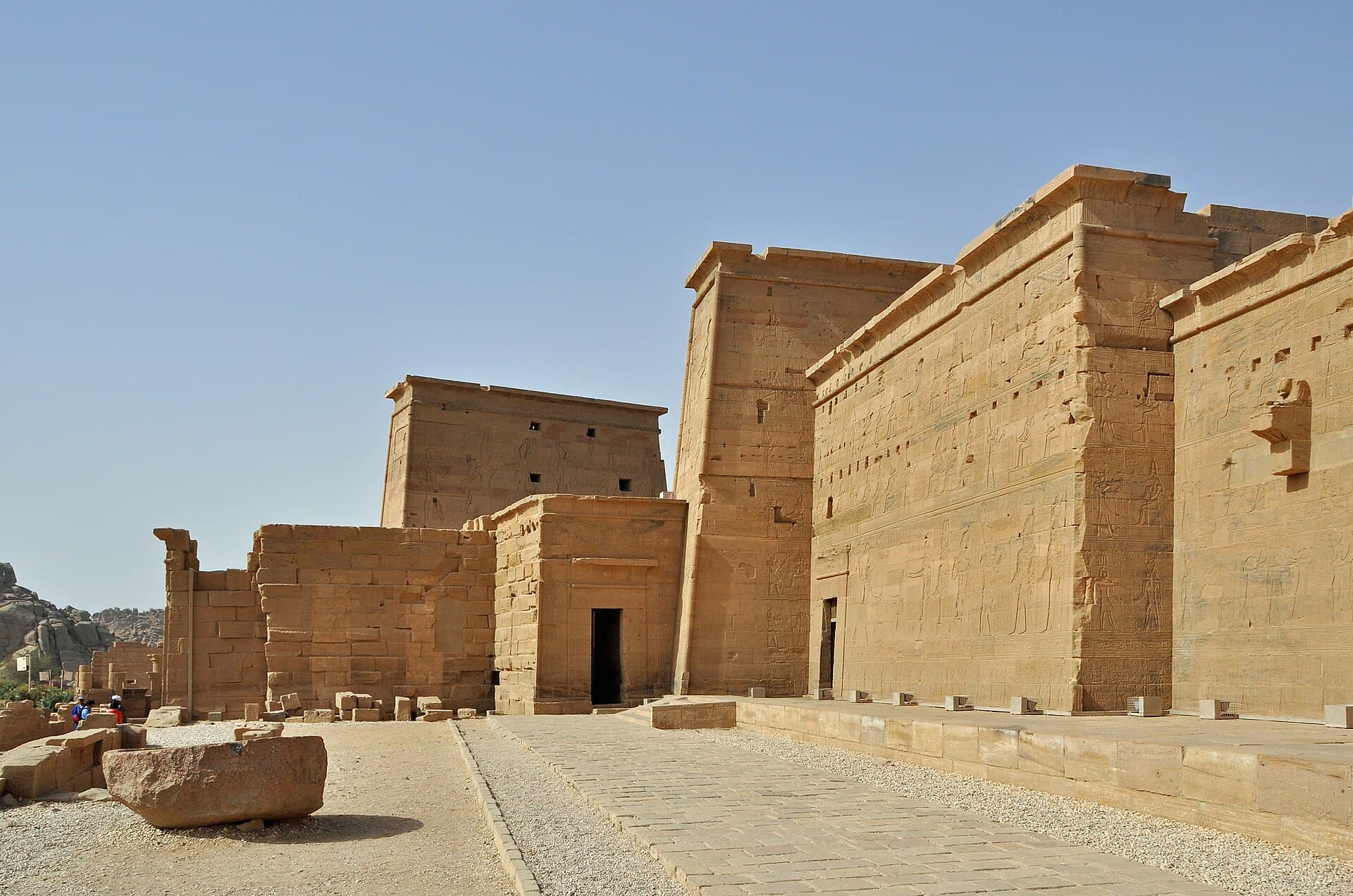
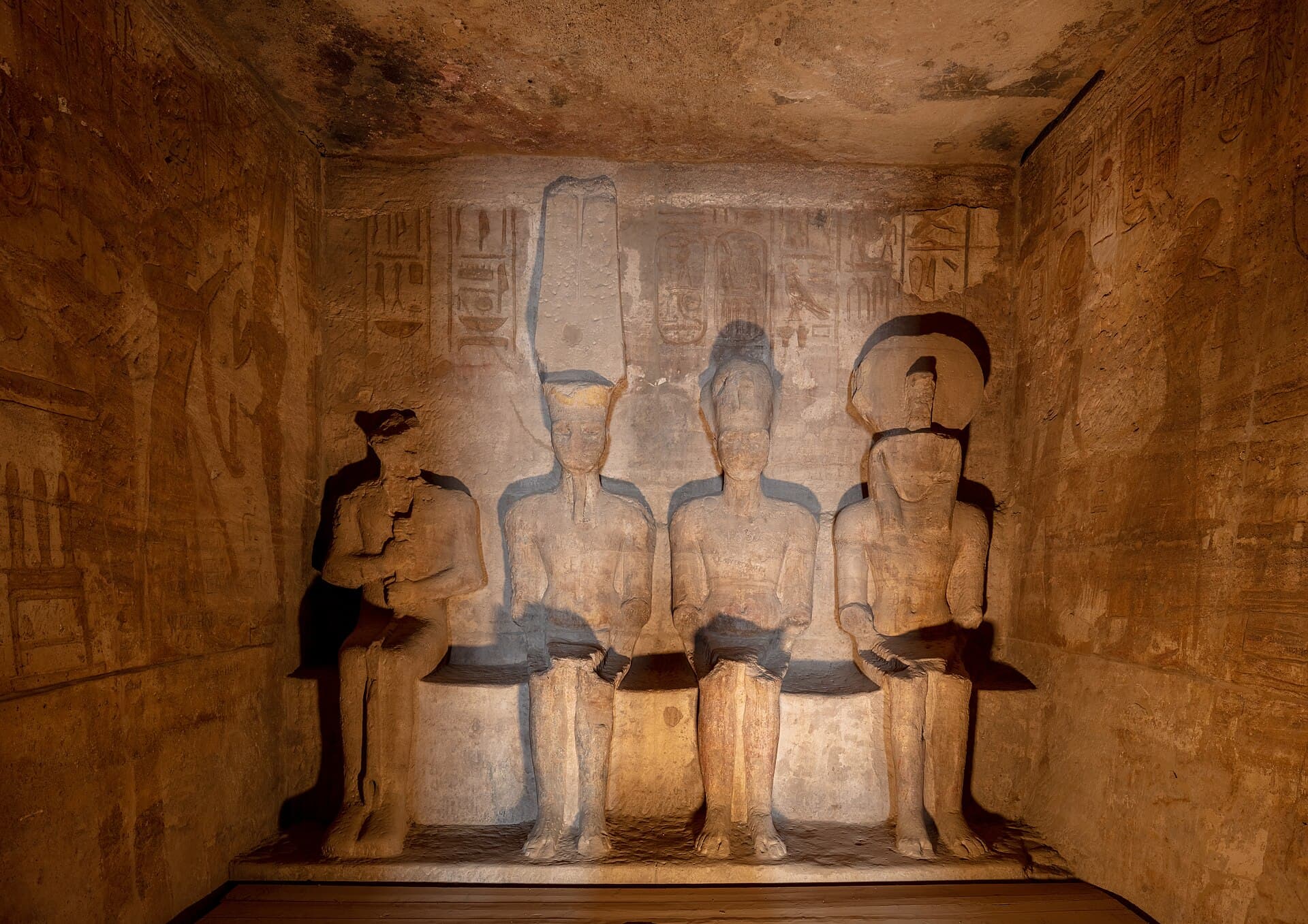
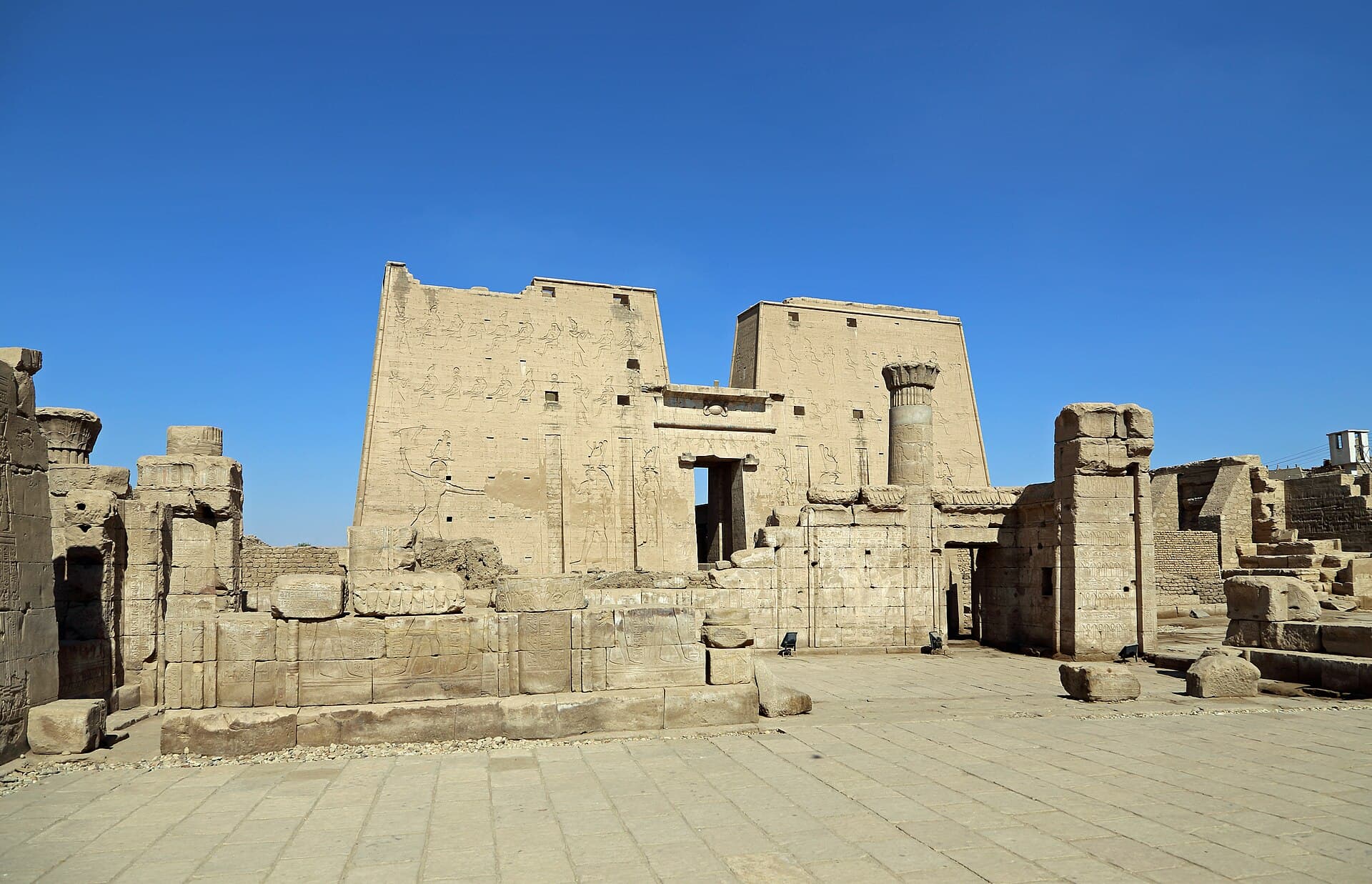
Then fly south. An hour in the air puts you in Luxor for the east bank temples and the west bank tombs, and three or four nights on the river takes you down to Aswan past Edfu and Kom Ombo, both of which sit on the bank and are awkward to reach any other way. Abu Simbel goes in from Aswan, by road or on a short flight timed around the temples opening hours. Fly back to Cairo, and take the Athens flight the following morning rather than the same evening.
The Greek half is simpler and should stay that way. Two nights in Athens covers the Acropolis, the Acropolis Museum and the old city below them, and Athens is the one place in Greece where a half-day of organised sightseeing actually pays. Then four nights on a single island, reached by a 45-minute flight or a ferry, and a return to Athens the day before you fly home. That last buffer night is not padding: it is what stops a cancelled ferry from costing you the flight.
Reverse it and the sequence works just as well on paper. What changes is how the fortnight feels, and that is the next question.
Which country should come first?
Egypt first, for almost everybody. The Egyptian half is the demanding one: dawn starts to beat the heat and the coaches, several hours a day on stone in full sun, and a different hotel or a moving boat most nights. Doing that on legs already softened by a week of swimming and long lunches is a real handicap, and people who try it tend to shorten their Egyptian days rather than their Greek ones.
Greece afterwards works as a decompression rather than a warm-up. A Greek island asks nothing of you, which is exactly what you want after the Valley of the Kings, and it means the trip ends with you rested instead of wrung out. That is not a small thing on a fortnight that includes four flights.
Flight routing rarely forces the decision. Both Cairo and Athens are well connected to northern Europe, and an open-jaw ticket into one and out of the other usually prices close to a straight return while saving you a backtrack of most of a day. Price the open jaw both ways round before committing, because it occasionally lands well apart, but the order should be chosen on energy rather than on fares.
What do the ancient sites give you on each side?
The two countries are not doing the same thing, and this is the reason to combine them rather than choose. Greece's classical sites are mostly floor plans. At Delphi, Olympia and most of Crete you are looking at foundations, column bases and a good museum, and doing the rest in your head. The Acropolis is the exception and it is a half-day. What Greece keeps above ground is later: Byzantine churches, Venetian harbours, hill monasteries and whole island towns people still live in.
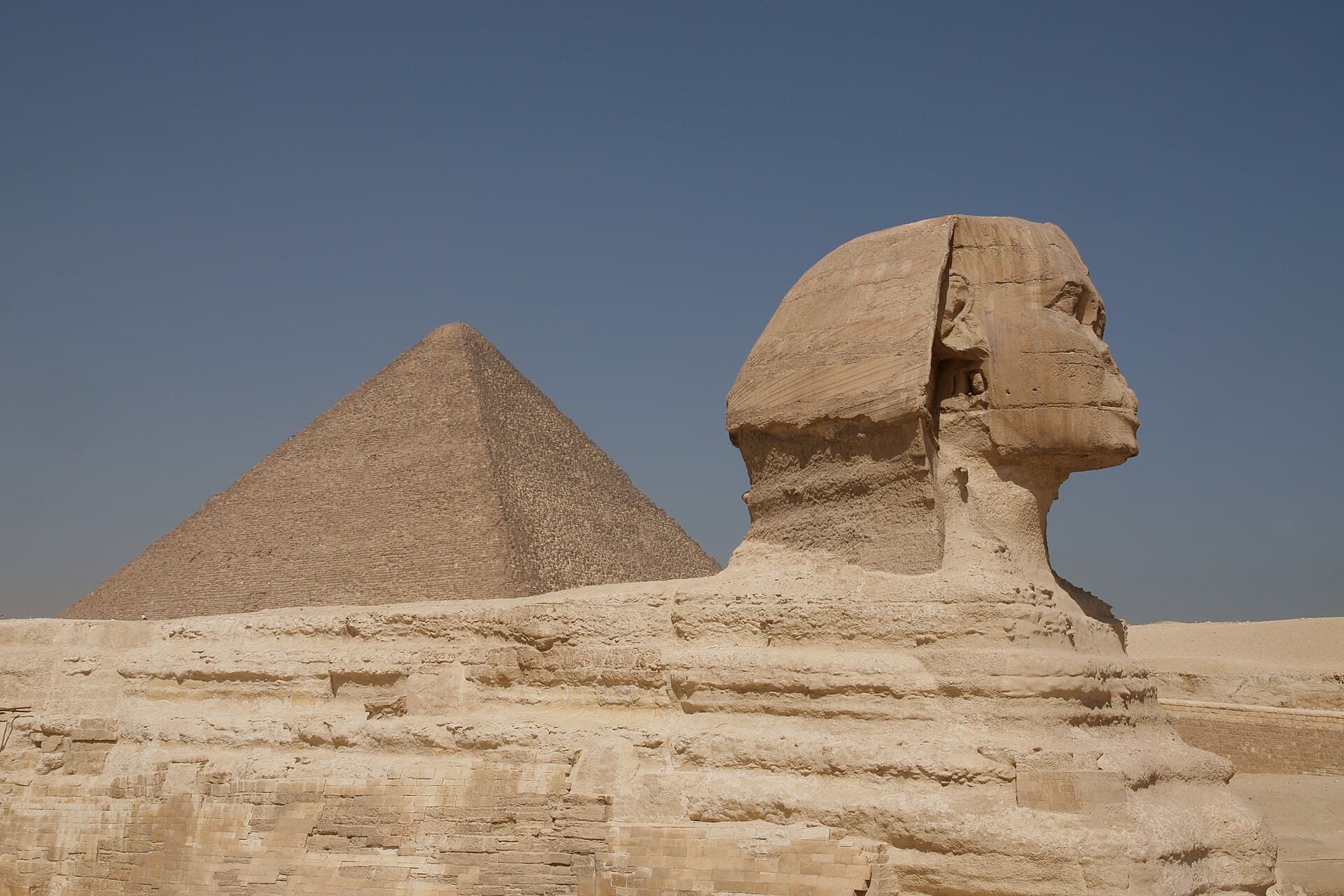
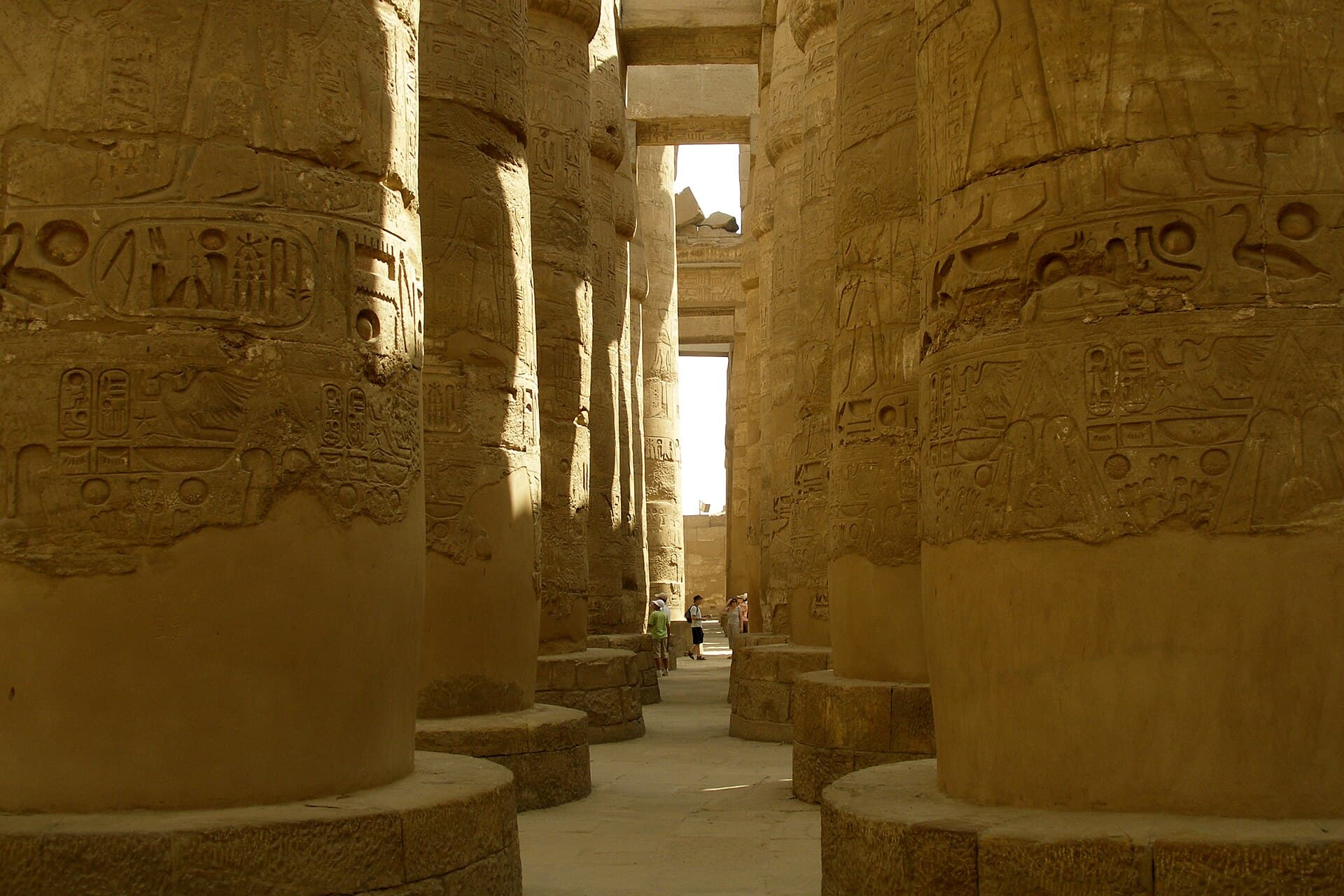
Egypt's sites are standing, roofed and painted. Karnak still has its columns and part of its ceiling. Tombs in the Valley of the Kings hold their colour after three thousand years, which no photograph prepares you for. The chronology is worth holding in your head as you move between the two halves: the Giza pyramids were already about two thousand years old when the Parthenon was built. Seeing them in one fortnight, in that order, is the clearest lesson in deep time most travellers ever get.
The honest caveat is setting. Giza sits on the edge of Greater Cairo with the ring road and suburbs directly behind the plateau, so the famous photographs are true from one angle and misleading from every other. Luxor's west bank is better, still farmland and desert, but nowhere in Egypt is as quiet as a small Greek island site on a weekday morning. If solitude among ruins is what you are after, Greece supplies it and Egypt does not.
How much harder is Egypt than Greece, day to day?
This is the gap that surprises people who have only done the Greek half before. Greece can be self-planned in an evening: hire a car at the airport, book ferries online, and nobody needs to meet you anywhere. English is spoken everywhere a visitor goes, cards work, and if a plan falls through you improvise. The main friction is ferries, whose timetables shift with the weather and whose connections between island groups are poor.
Egypt is the opposite in every respect. Cairo traffic has no rules you can read, tourist vehicles are stopped at road checkpoints, and at Giza and on Luxor's west bank you are approached constantly, for camel rides, scarves, photographs and small tips for a door being opened. None of it is dangerous and all of it is wearing. It drops away almost entirely with a driver and a guide, which is the practical case for arranging the Egyptian half properly.
Tipping is the other structural difference. In Egypt it is constant and expected, from drivers to tomb guardians, and it needs to be treated as a real line in the budget rather than loose change. Greece has nothing comparable. Carry small notes for the Egyptian half and stop thinking of each one as a decision; thinking about it is more tiring than paying it.
How are Egypt and Greece tours usually arranged?
The two halves are not equally hard to organise. In Greece you can book flights, ferries and hotels yourself in an evening, and most people should. Egypt is different: guides at the main sites have to be licensed, internal flights and cruise boats are booked in blocks well ahead, and the gap between a good Egyptologist guide and a poor one decides how much of the day you actually understand.
So the usual shape is a planned Egypt section run by a ground operator in Cairo, with the Greek leg either arranged alongside it or left to you. Trips like this are normally quoted after an enquiry rather than sold from a checkout page, because dates, boat availability and the order of the two countries change what is possible.
Two things are worth asking about before you accept an Egyptian quote. First, whether shopping stops at papyrus, perfume or alabaster workshops are in the programme; those pay commission, they eat a morning, and you can ask for them to be dropped. Second, which currency the contract is written in. The Egyptian pound has moved sharply in recent years, so operators quote and hold prices in dollars or euros, and a figure given far ahead in Egyptian pounds is an estimate rather than a price.
What does a combined trip cost?
Take the two halves separately, because they are priced on different logic. For seven to ten days on the ground in Egypt, most quotes land somewhere between roughly £1,000 and £3,500 per person before international flights, and the width of that band is down to your choices rather than to Egypt. The bottom is a group departure, simple hotels and a standard boat; the middle buys a private guide and better rooms; the top is private throughout on a high-standard boat and has no real ceiling. Solo travellers should assume the upper part of whichever level they pick.
Greece moves on season far more than on standard. The same island room can cost several times more in August than in early June, and flights follow, which is one more reason the shoulder months suit this trip. Day to day Egypt is the cheaper country once you have arrived, although foreigner entry fees at the major Egyptian sites have risen steeply and are no longer the bargain they once were.
Then add what the quote leaves out, which is where combined trips get mispriced. International flights are almost never included. Nor are visas, insurance, most lunches and dinners on land, or the paid Egyptian extras: the chamber inside the Great Pyramid, the tombs of Seti I and Nefertari, Abu Simbel, a balloon flight over Luxor. Tipping in Egypt runs to roughly 15 to 20 euros per person on a guided day, plus 5 to 10 per night into the communal crew box on a cruise. Over an eight-day Egyptian leg that is a real number, not a rounding error.
Visas, entry rules and the paperwork for two countries
Greece is in the Schengen area, so for many visitors it needs only a passport, plus an ETIAS authorisation once that requirement applies. Egypt is a separate system with no relationship to the Greek one. Most British, Irish, EU, US, Canadian and Australian visitors need a tourist visa, available as an e-visa online in advance or bought on arrival at the airport. Rules differ by nationality and change, so check your own case with the Egyptian authorities rather than reading it off a travel page.
If you buy the visa on arrival at Cairo, it is sold at the bank desks before passport control, in cash and in hard currency, and you want that money in your hand before you join the queue rather than after. Egyptian entry rules also ask for a passport with a comfortable margin of validity left beyond your stay; confirm the current requirement, since it is one of the few things that will actually stop you boarding.
One trap is specific to combined trips. Visitors staying inside the South Sinai resort area around Sharm el-Sheikh can often get a free limited entry stamp rather than a full tourist visa. It does not cover Cairo or the Nile valley. If a cheap Athens to Sharm routing tempts you into entering Egypt that way and then flying on to Luxor, you have the wrong permission, so get the full visa.
What do you pack for a trip that covers both?
This is the one genuinely awkward part of combining the two, because the packing lists barely overlap. Egypt wants covered shoulders and knees for mosques and for a quieter time in Cairo and Luxor, a hat, proper sun cover, shoes that cope with uneven stone and sand, and a warm layer for evenings and dawn starts. Greece in season wants swimwear, sandals and almost nothing else, plus something respectable for a monastery or a church.
The marble underfoot on the Acropolis is worn smooth and slippery, so the sturdy shoes you brought for the Valley of the Kings are the right ones there too; that is the single item that genuinely serves both halves. Take a soft bag rather than a hard case if a Nile boat is in the plan, keep within the lower Egyptian domestic baggage allowance rather than the international one, and carry small notes in hard currency for the Egyptian leg. Almost everything else can be bought in Athens if you have miscalculated.
Where do you eat better, and does it matter?
Greece, comfortably, and on a two-country trip the contrast is stark enough to notice. The taverna format of grilled fish, oil, tomatoes, cheese and a jug of local wine is hard to get wrong, so you can walk into somewhere at random and eat well. Egypt cannot match that consistency for a visitor, mainly because what most visitors are served is hotel and cruise buffet, which is dull almost everywhere.
Egyptian food itself is better than its reputation, but you have to be taken to it: koshari, ful and taameya for breakfast, molokhia, slow-cooked lamb, bread straight off the oven floor. It is starchy, meat-heavy and light on vegetables by Mediterranean standards. Alcohol is available but limited, and Egyptian wine is expensive and not good. If eating is a main reason you travel, front-load your expectations onto the Greek half and ask your guide in Egypt to take you somewhere local at least twice.
What is worth skipping?
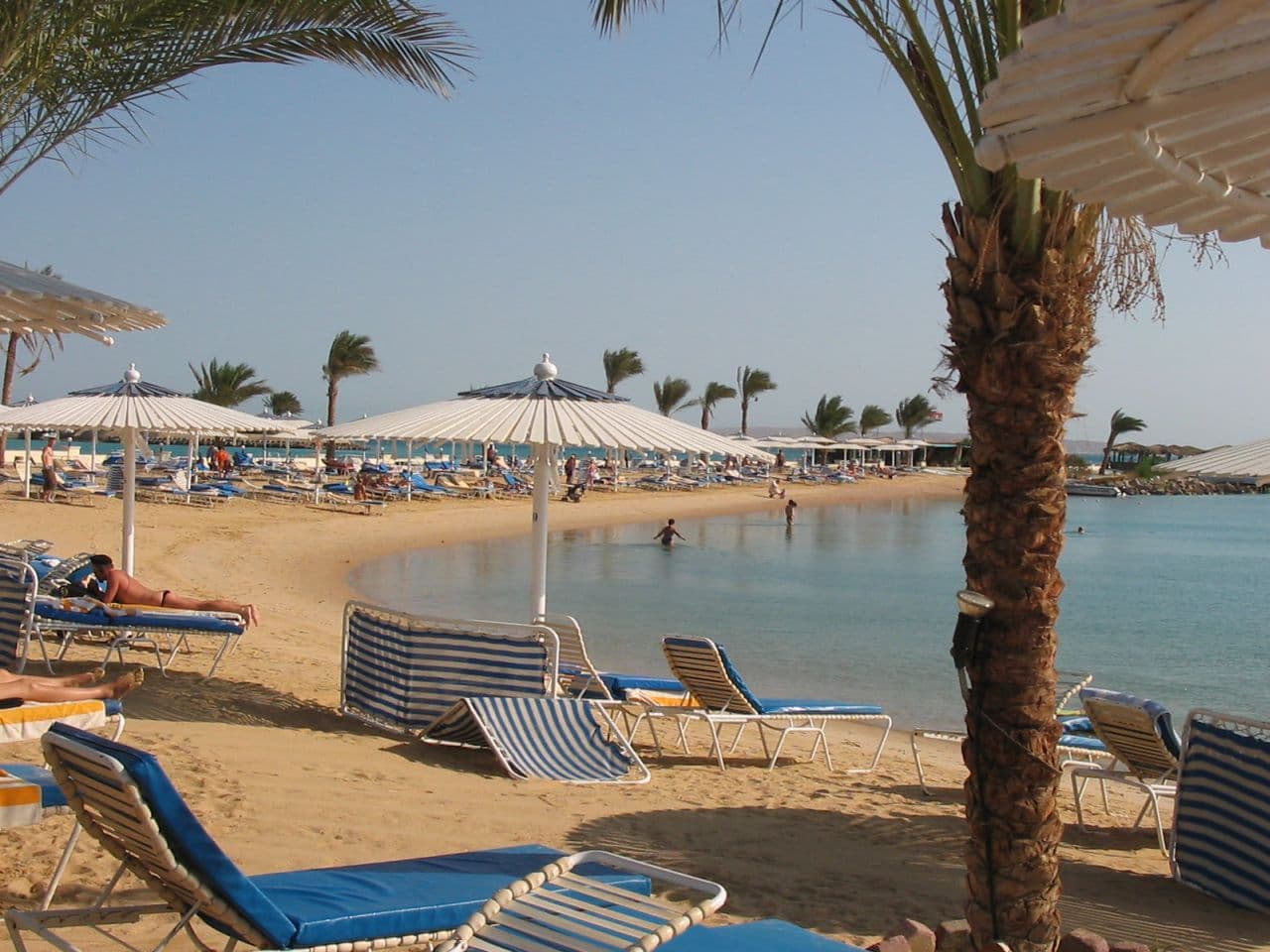
Skip the Red Sea resorts if you already have Greek islands in the plan. Hurghada and Sharm el-Sheikh do a similar job less well in that context, and they cost you days you do not have. Skip Alexandria too on a first trip unless you have a specific reason for it: it is about three hours from Cairo each way, so it takes a full day, and most of the ancient city is gone or under water.
On the Greek side, a single night on Santorini is not worth the ferry or the flight. And do not pair peak-summer Greece with Upper Egypt in the same fortnight. July and August work for the islands and punish you at Luxor, where the temples are open to the sun and the useful part of the day ends by mid-morning.
Two more that look tempting on a map. Adding a third country, whether Jordan, Turkey or Israel, turns a fortnight into a series of airports; if you have three weeks it is a fair question, and under that it is not. And resist stacking Delphi, Meteora and an island into the Greek half. Each is a real journey from Athens, and a combined trip has already used its transit budget on the Egyptian side.
Who should not combine Egypt and Greece?
Families with young children, in most cases. Greece is one of the easiest countries in Europe to travel with small children, and Egypt with them works only when the trip is built around it: a boat so your room moves with you, two sites a day rather than four, and an afternoon pool. Bolting the two together in a fortnight generally produces a rushed version of both. Around seven upwards is when the Egyptian half starts to land properly.
Anyone whose dates are locked to July, August or midwinter should also think again. Summer punishes the Egyptian half and midwinter shuts much of the Greek one, and no amount of clever routing fixes either. And if the point of the holiday is rest, do Greece and leave Egypt for a year when you have an appetite for early mornings, heat and long days on your feet. Egypt is worth being tired for, but it should be a decision rather than a surprise.
Common questions
Do we need a separate visa for Egypt?+
Greece is in the Schengen area, so many visitors need only a passport, plus an ETIAS authorisation once that requirement applies. Egypt is separate. Most British, Irish, EU, US, Canadian and Australian visitors need a tourist visa, available online in advance or on arrival at the airport. Rules differ by nationality, so check your own.
Which country should we visit first?+
Egypt first, in most cases. It is the demanding half: early starts, heat, long days on your feet. Greece afterwards works as a slower end to the trip rather than a warm-up for it. Flight routing rarely forces the decision either way, so choose on energy rather than logistics.
Is there a ferry between Greece and Egypt?+
No scheduled passenger service, despite what older guidebooks and forum posts suggest. Flying is the only practical link, and Cairo to Athens takes about two hours. Any sea crossing you find advertised is likely to be a cruise itinerary rather than a point-to-point ferry you can use to move between the two halves of a trip.
Is a Nile cruise worth it, or should we stay in hotels?+
A cruise earns its place if you have three or four nights for it. Sailing between Luxor and Aswan removes the long drives and the boat doubles as your hotel. For one or two nights it is not worth the packing and unpacking. Stay in Luxor instead and travel out to the sites by road.
Can we swap Santorini for a quieter island?+
Yes, and often you should. Naxos, Paros and Milos are all reachable from Athens by ferry, less crowded in shoulder season, and easier to get around. Santorini is genuinely striking but takes cruise-ship crowds most days from spring onwards. Crete is worth considering if you want more than a beach and a view.
How far ahead should we book?+
For spring and autumn, several months ahead. The better guides and the smaller Nile boats fill first for the shoulder months. Greek ferry timetables for the coming season are usually only published over the winter, so island legs often cannot be fixed until then. The Cairo and Athens flights are the flexible part.
Can we do both countries in ten days?+
You can move through both in ten days, but you will not see much of either. Ten days is a complete Egypt trip covering Cairo, Luxor, Aswan and Abu Simbel, or a proper week on one Greek island with two days in Athens. Split across both, four of the ten become changeover and airport days. If your leave is fixed at ten, pick one country and do it well.
Do we need a guide in Greece as well as in Egypt?+
Not in the same way. Athens is the one place where a couple of hours with a guide at the Acropolis genuinely adds something, and everywhere else in Greece you can read a sign and manage. Egypt is the opposite: guides at the main sites have to be licensed, and the difference between a good Egyptologist and a poor one decides how much of the day you actually understand.
Is the Grand Egyptian Museum worth building the Cairo days around?+
It is worth a proper half-day rather than an hour squeezed between other stops. The museum sits on the approach to the Giza plateau and holds the complete Tutankhamun find, roughly five thousand objects shown together, alongside the reassembled Khufu solar boat of more than forty metres. Three hours is the floor for a first visit, and anyone with a real interest should plan on five or six.
Should we add Jordan or Turkey to the same trip?+
Only with three weeks or more. A fortnight across Egypt and Greece already contains four flights and several hotel changes, and a third country turns the holiday into a sequence of airports. If you have the time, Jordan pairs more naturally with Egypt than Greece does, because the seasons match. If you do not, give the two countries you have chosen the days they need.
How much cash should we carry for the Egyptian half?+
More than you would in Greece, and in small notes. Tipping in Egypt is constant and expected, from drivers to tomb guardians, and it runs to roughly 15 to 20 euros per person on a guided day plus 5 to 10 a night into the crew box on a cruise. A visa bought on arrival is also cash in hard currency at the bank desks before passport control. Cards work in hotels and larger restaurants, but not for any of the above.
Official sources
Entry rules, opening hours, security advice and exchange rates all move. Check them at the source, not here.
Written and checked by the Nile Trip Guide editorial team · Last reviewed . Entry rules, prices and opening hours change — check anything critical against the official sources linked on this page.
Plan this trip
Tell us your dates and we will price it
A real itinerary with real prices, usually within 24 hours. Nothing is booked and nothing is charged until you say yes.
The route most people take first, at the length it was built for: Giza and the Grand Egyptian Museum, then a flight to Luxor and four nights sailing down to Aswan.
No boat on this one. Giza and the Grand Egyptian Museum, a night in Luxor for both banks, two nights on the Red Sea, then back to Cairo for the Citadel, Coptic Cairo and the Royal Mummies.
Five nights in Cairo either side of a four-night sail from Luxor to Aswan. The Cairo days are private, just your party and a guide; the sightseeing off the boat is shared with a small group.