Tours to Egypt from the USA: routes, visa and how long to allow
Tours to Egypt from the USA are not a different product from tours to Egypt from anywhere else. The temples do not change. What changes is everything around them: a long eastbound journey that eats a day, a time difference that decides what your first morning is worth, a visa you should sort before you leave home, and a holiday calendar that puts American school breaks in the months Egypt is at its least pleasant. This page deals with those four things honestly, and says plainly where an American booking habit works against you.
Tours to Egypt from the USA: what actually changes
Start by separating the two halves of the decision, because most American travellers conflate them and then pay for the confusion. The first half is the trip in Egypt: which cities, how many nights on the river, whether the Red Sea is attached. That half is identical whether you fly from Denver or from Dusseldorf, and it is the half this site spends most of its time on. The second half is the journey and the paperwork, and that is where an American booking is genuinely its own case.
Three things follow from the distance. You lose the best part of two days to travel, which pushes the sensible minimum length of the trip up. You arrive with a time difference large enough that the first morning is not a sightseeing morning, which changes how the itinerary should be sequenced. And you are buying across a currency and a set of consumer protections that do not match the European package conventions much of the Egypt market is built around. None of these is a reason not to go. All three are reasons to plan differently from a visitor flying in from London.
The fourth difference is the calendar, and it is the one that costs the most money and comfort. Egypt is at its best between roughly November and March. American holiday weeks cluster at Thanksgiving, Christmas, a February long weekend, a spring break that varies by district, and then a summer that runs from June to August. Two of those land squarely in Egypt's best and most expensive fortnights, and one of them lands in a season where Luxor sits around 41C and the middle of the day is unusable. Getting the month right is worth more to the quality of your trip than any other single choice on this page.
Routes from the main US hubs, and which hub to connect through
The pattern from North America is straightforward and worth stating without embellishment: non-stop service to Cairo is limited to a few east coast departures, and everything else connects, usually through a European or a Gulf hub. We do not publish airline schedules or flight times here, because carriers add and drop Egyptian routes with more enthusiasm than they do most destinations and a number printed on this page in September is a liability in March. Check live schedules for the month you are actually flying, not the one a blog post described last year.
The choice between a European and a Gulf routing is a real trade-off rather than a right answer. A European hub is the shorter total journey and drops you into a time zone close to Egypt's, which makes the adjustment gentler; the connection windows on those itineraries are often tight, and a slipped first leg can leave you with few options the same day. A Gulf routing adds hours in the air, frequently prices lower, is generally more generous on baggage, and carries far higher frequencies on the Egypt leg, which means a better chance of a same-day alternative when something goes wrong. On a two-week trip the Gulf version is usually defensible. On a short trip the hours matter more than the fare.
Two practical rules apply regardless of hub. Book the whole journey on one ticket wherever you can, because on a single through-booked ticket a missed connection is the airline's problem and on two separate tickets it is a wasted fare that is yours. And consider an open-jaw ticket, into one airport and home from another, which on a Cairo-then-Nile trip often removes a whole doubled-back day. Our page on flights to Egypt sets out which airport suits which shape of trip, and it is worth reading before you price anything, because the ground arrangements are built around where you land and where you leave.
What the journey costs you in days rather than hours
The honest unit for an American trip to Egypt is not flight hours but calendar days, and the arithmetic is unkind at both ends. An eastbound departure in the afternoon or evening lands you in Cairo the following day, usually late morning at the earliest and often in the evening; that day is gone as a sightseeing day whatever the timetable says, because you spent it in a seat. On the way home the time difference works for you and you can arrive back in the States on the same date you left, but the day is still consumed. Two days of a ten-day holiday is a fifth of it.
This is why we push back on the very short trips when the enquiry comes from the United States. A four-day Nile cruise from US$840 and a five-day Cairo short break from US$935 are honest, good-value products, and they make complete sense for someone flying in from Europe for a long weekend. Bought from Chicago, the same trips mean four days of flying attached to four or five days on the ground, and the ratio is absurd. They are worth booking from America only as a component bolted onto something longer, or as a second visit.
The corollary is that the marginal day is cheap once you are there. The difference between our eight-day Cairo and Nile cruise at US$2,135 and the ten-day version at US$2,635 is five hundred dollars per person for two more nights in Cairo and a considerably less compressed schedule. Set against the cost of the airfare that got you there, buying those extra days is the best-value decision available to a traveller from the United States, and the one most often skipped in favour of shaving the headline price.
Jet lag, and what to do with your first day in Cairo
Egypt sits several hours ahead of every American time zone, roughly seven from the east coast and around ten from the west, with the exact gap moving depending on where daylight saving has each country at the time. Eastbound travel of that size is the harder direction for most people: your body wants to sleep when Cairo wants you awake, and the first two mornings are the worst of it. That is a physiological fact rather than a scheduling opinion, and an itinerary that ignores it produces a very expensive walk round the Grand Egyptian Museum that you will not remember.
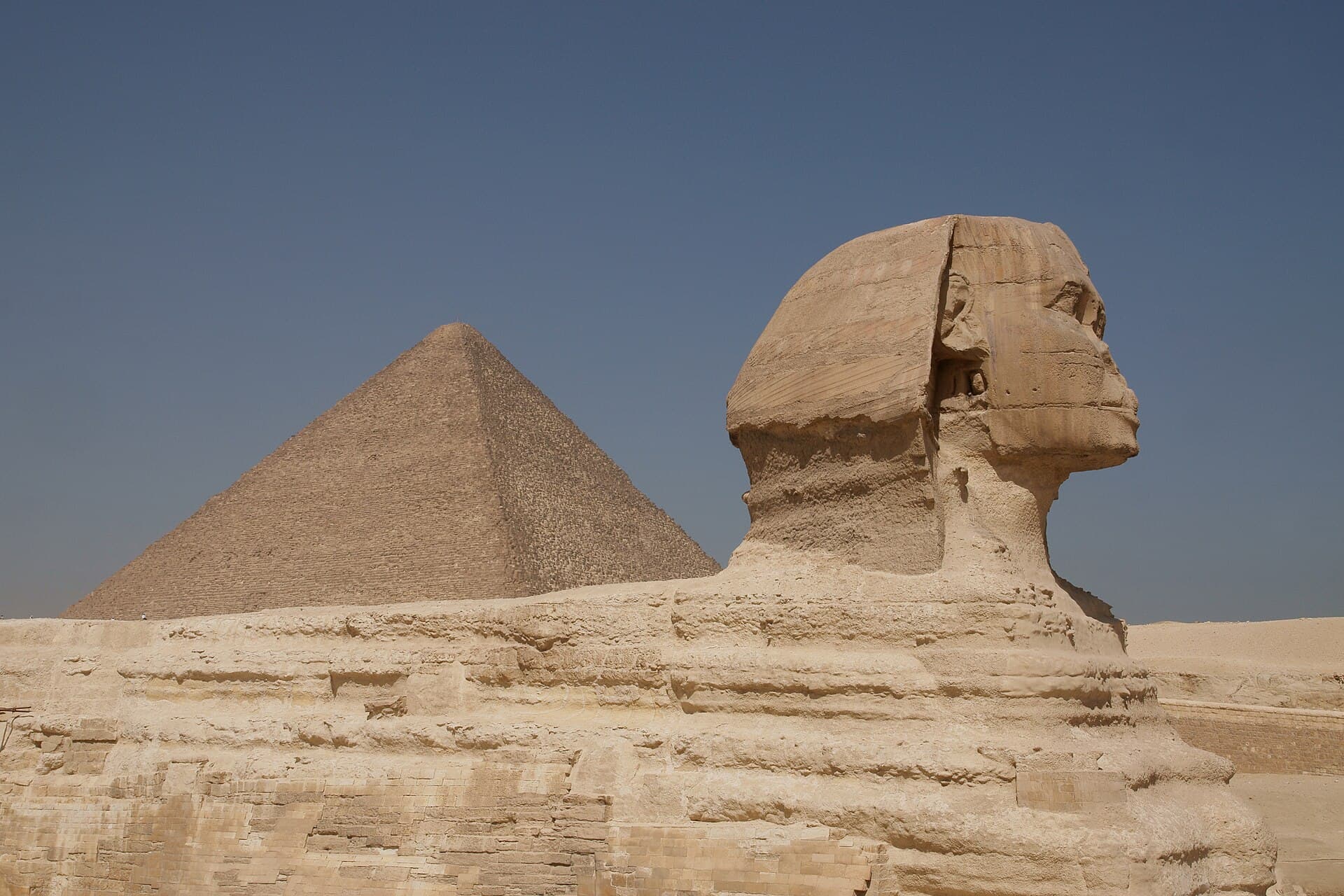
Our itineraries are already built this way, which is not an accident. Every one of them gives day one to arrival and nothing else: you are met at the airport by the operator's own representatives, driven to the hotel in a private air-conditioned vehicle, and left alone. Giza and the Grand Egyptian Museum come on day two. If you are assembling a trip independently rather than taking one of ours, copy that structure, and resist the temptation to squeeze a site into the afternoon you land.
Two further adjustments earn their keep. First, do not put your domestic flight south on the same day as your arrival: Cairo's immigration hall, its terminals and its traffic are exactly where a tired margin disappears, and the transfer across the city is a real piece of the day rather than a formality. Second, use the heat pattern in your favour for the first forty-eight hours. Upper Egypt's working shape is an early start, a dead middle of the day and a late afternoon, and an American body clock that wants to wake at four in the morning is unusually well suited to a pre-dawn start on the Luxor west bank.
The visa: apply online before you fly
Apply for the e-visa. For most visitors the online route is the better of the two available, and the reason has little to do with the visa itself: it removes one queue at the end of a long flight, and it settles a conversation at your own departure gate before anyone in Egypt has a view on you. Visa on arrival is a fair fallback rather than a mistake, the counters sit in the arrivals hall before immigration, and they are run by banks rather than the government. Neither route is a trap. One is simply smoother when you are tired.
We do not quote a fee for either, here or on our main visa page, because stated fees change and a wrong figure costs you real money standing at a bank counter. The official portal at visa2egypt.gov.eg is the only source worth reading on price and eligibility. What we will say with confidence is the cost in time, where the e-visa wins clearly: one queue on arrival instead of two, on the leg of the journey where you have the least slack and the least patience.
Three failure modes are worth knowing before you start. An e-visa is tied to the passport number it was issued against, so a passport renewed between applying and flying strands the approval and needs a fresh application: if a renewal is anywhere in your next few months, do it first. Print the approval rather than trusting a phone, because phones go flat and airport wifi is unreliable. And if there is any chance of leaving Egypt and coming back, a side trip to Petra being the usual case, a single-entry visa does not cover it and the fix is arranged before you fly, not improvised at a border. Our full comparison of the two routes is linked below.
Your passport, and the desk that rules on it first
The first authority to rule on your documents is not Egyptian. It is the check-in agent at your own departure airport, hours before Cairo has any view on you, and the rule they apply is passport validity. Airlines commonly want six months beyond arrival, and they read it off the date printed in the passport rather than the one you half-remember. A marginal passport is therefore a missed flight in Atlanta, not a problem in Egypt, and no visa of any kind rescues it.
Condition and blank pages count too. A passport down to its last couple of pages will cause an argument somewhere on a trip that crosses a border, and a water-warped data page, a torn laminate or a detached cover can all be refused. Again, the refusal usually comes from the airline first. American passport renewals also take longer than people expect at busy times of year, which is an argument for checking the date the week you start planning rather than the week you fly.
Get the sequence right and most of this disappears: check the passport date now, renew it first if it is close, apply for the e-visa at the point you book the flights rather than the week you travel, print the approval, and put it physically with the passport. That ordering exists so that a rejected photograph or a query still has weeks of runway behind it instead of days.
The best months for Egypt, read off an American calendar
The weather answer is not in dispute. Typical daytime highs for Luxor run around 23C in January, 25C in February, 29C in March, 35C in April, 39C in May, then 41C through June, July and August, easing to 38C in September, 34C in October, 28C in November and 24C in December. Cairo sits several degrees below that all year. Aswan generally runs a little warmer than Luxor. These are approximations rather than promises, but the shape is reliable, and it says plainly that the sightseeing season runs from roughly late October to March.
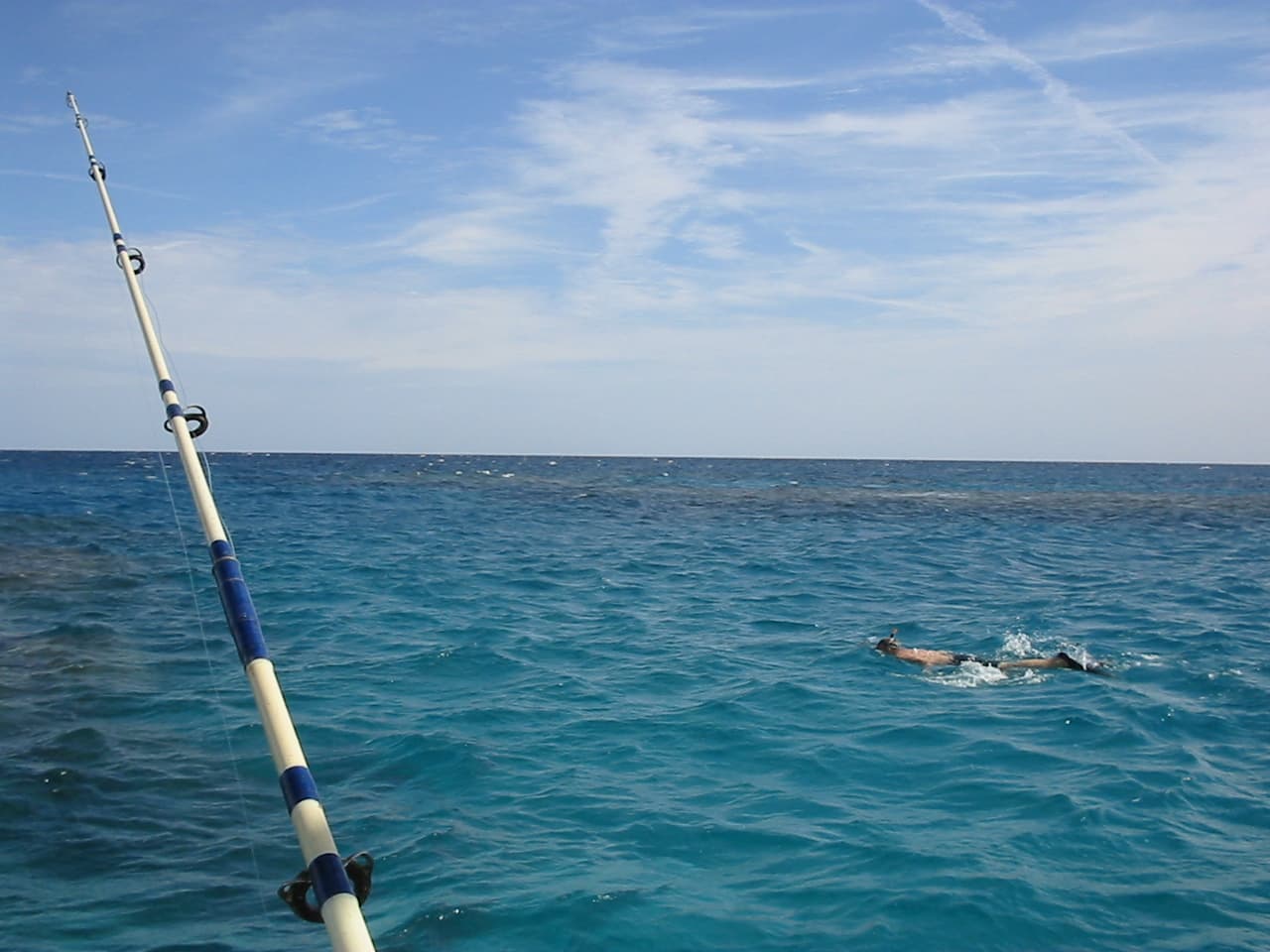
The Red Sea follows a different curve, and it is the one most people forget. Sea temperatures at Hurghada are around 22C in January and February, 25C by April, 29C in June and a peak of about 31C in August, falling back through 28C in October and 26C in November. In other words the water is coldest exactly when the temples are best. November and March are where the two curves cross most kindly, with Luxor at 28C and 29C and the sea still at 26C and 23C; April and October are the other crossing point. If your trip is meant to include both a Nile cruise and a beach week, you are choosing a compromise month rather than a perfect one, and anyone who tells you otherwise is selling something.
Laid against American holidays, that produces a short list. Thanksgiving week falls in the best month of the whole year for Egypt and is a genuinely good time to go, with the caveat that it is a peak week for transatlantic airfares out of the United States. The Christmas and New Year fortnight is the busiest and most expensive period across the entire country, with flights, hotels and Nile boats all climbing together. A February long weekend is too short to be worth the journey on its own. Spring break, where the dates fall in March or very early April, is close to ideal weather and one of the better compromises available to a family. The American summer is the month range to avoid for anything involving Upper Egypt.
If summer is your only option
Plenty of American families can only travel between mid-June and late August, and pretending otherwise helps nobody. Egypt in high summer is cheap for a reason: Luxor and Aswan sit above 40C, the middle of the day is unusable for sightseeing, and a full-day temple itinerary in July is a bad experience regardless of how much water you carry. If those are your only weeks, the honest advice is to change the trip rather than to push through it.
Two versions work. The first is a Red Sea-weighted holiday, where the coast is genuinely at its best in summer and the Nile temples are an excursion rather than the spine of the trip. Our eight-day Cairo, Luxor and Red Sea itinerary at US$2,040 and the ten-day Nile cruise and Hurghada combination at US$2,310 are both built that way, and Hurghada connects to Luxor by road across the Eastern Desert in roughly four hours, which is why that pairing exists at all.
The second version is to accept a half-day rhythm: sightseeing that starts before dawn and stops by late morning, an empty afternoon in an air-conditioned room, and a temple such as Luxor after dark, which genuinely improves under floodlight. That is a real way to do Egypt in summer, but it covers fewer sites per day than the same itinerary in February, so plan for a shorter list rather than the same list compressed. There is one exception to all of this: the total solar eclipse crossing Upper Egypt on 2 August 2027, where the date cannot move and the heat is simply part of the price. We cover that date separately, and it is linked below.
The dates that move, and the two that do not
Egypt runs three calendars at once and only one of them stays still. The Islamic year moves about eleven days earlier each time, so Ramadan and the two Eid festivals land in a different season every few years. The Coptic Easter cycle moves as well. Ramadan is the one to check against your own dates: sites stay open, often on shorter hours, some restaurants close during daylight, alcohol is harder to find, and traffic before sunset is bad everywhere. The evenings are genuinely good. If you want a frictionless sightseeing trip with no adjustments, pick dates either side of it.
Coptic Christmas on 7 January is the public holiday that matters most in practice. Banks and government offices close, museums and archaeological sites stay open, and Cairo traffic is noticeably lighter that day. Sham el-Nessim, the spring festival, falls on the Monday after Coptic Easter and fills the parks and riverbanks, which makes it a better day to be in a city than at a site.
The two fixed dates worth building a trip around are the sun alignments at Abu Simbel, around 22 February and 22 October, when the rising sun reaches the inner sanctuary. Both need accommodation in Aswan booked well ahead and a very early start. Beyond those, remember that the Egyptian working week runs Sunday to Thursday, that Fridays bring more domestic visitors to the sites, and that Egyptian school holidays fill them on a schedule with nothing to do with the American calendar.
How many days to allow when you are flying from the United States
Eight days on the ground is the realistic floor for a first trip from America, and ten to twelve is the length we would actually recommend. Eight covers Giza and the Grand Egyptian Museum, a flight south, and four nights sailing between Luxor and Aswan, which is the classic shape and the one most first visitors want. Our eight-day Cairo, Luxor and Nile cruise runs from US$2,135 per person, and it is the single most requested itinerary we have.
Ten to twelve days buys the thing eight days cannot: unhurried Cairo. The ten-day Cairo and Nile cruise from US$2,635 puts five nights in Cairo around the same four-night sail, which is enough to add Saqqara and Dahshur, the Egyptian Museum and Coptic Cairo without the day that eventually blurs. The twelve-day Cairo, Luxor and Nile cruise from US$3,160 adds two nights in Luxor itself, which is where Karnak stops being ninety minutes on a cruise timetable and becomes the two to three hours it actually needs.
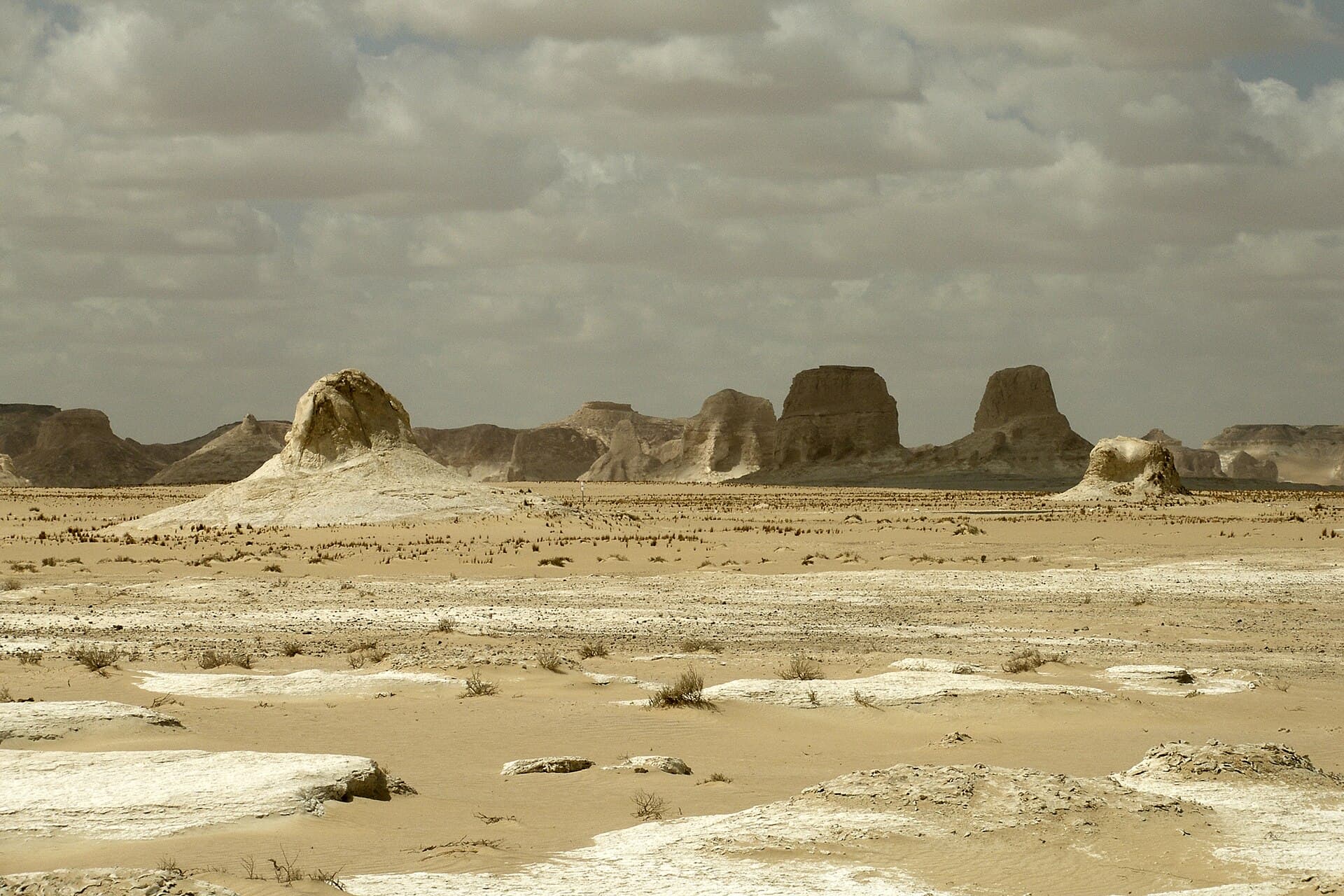
Beyond twelve days you are into the trips that add a third element rather than more of the first two. The fourteen-day Cairo, Nile and White Desert route from US$3,815 adds a night in the desert. The sixteen-day Grand Tour from US$3,910 adds Hurghada and an extra Aswan night. Both are reasonable uses of a long American vacation, but be honest about appetite: sixteen days is a lot of ancient Egypt, and the people who enjoy that length are usually the ones who wanted the Red Sea or the desert at the end anyway.
What our trips include, and what they do not
Every price on this site is in US dollars, per person, land only. Land only means exactly what it says: international flights are not included, and neither is the Egypt entry visa. That convention is the norm for the Egypt market and it is worth understanding rather than resenting, because it lets you book the flights from your own city on your own airline and your own miles, which is almost always better than accepting whatever an operator would have bought on your behalf.
What is included is substantial and specific. Being met at the airports by the operator's own representatives. All transfers in a private air-conditioned vehicle. The domestic flights inside Egypt, which on the eight-day trip means Cairo to Luxor and Aswan back to Cairo. All accommodation at the plan level you choose. All Cairo sightseeing as private tours, just your party and an English-speaking Egyptologist guide, with the cruise sightseeing run as a shared group of around fifteen. Bottled water in the vehicle. Breakfast daily, lunch on the Cairo sightseeing days, and full board on the cruise nights. Porterage where needed, and all service charges and taxes.
What is not included, beyond the flights and the visa: extra meals and drinks beyond those listed, optional tours including the day trip to Abu Simbel, tipping, and additional entry tickets such as going inside one of the pyramids or into the tomb of Tutankhamun, both of which are paid at the gate. That last category is small money but it is real, and it is the one people are surprised by, because the tickets are bought in cash in a queue rather than added to an invoice.
The three plan levels, with the real hotels and boats
Each itinerary comes at three levels, and the difference is entirely the hotels and the boat rather than the sightseeing, the guiding or the vehicles. On the eight-day Cairo and Nile cruise the standard plan at US$2,135 puts you in the Flamenco Hotel in Cairo and aboard the MS Radamis II. The comfort plan at US$3,120 is the Steigenberger Hotel El Tahrir and the Movenpick Royal Lily. The luxury plan at US$4,225 is the Four Seasons First Residence and the Sonesta St. George Nile Cruise.
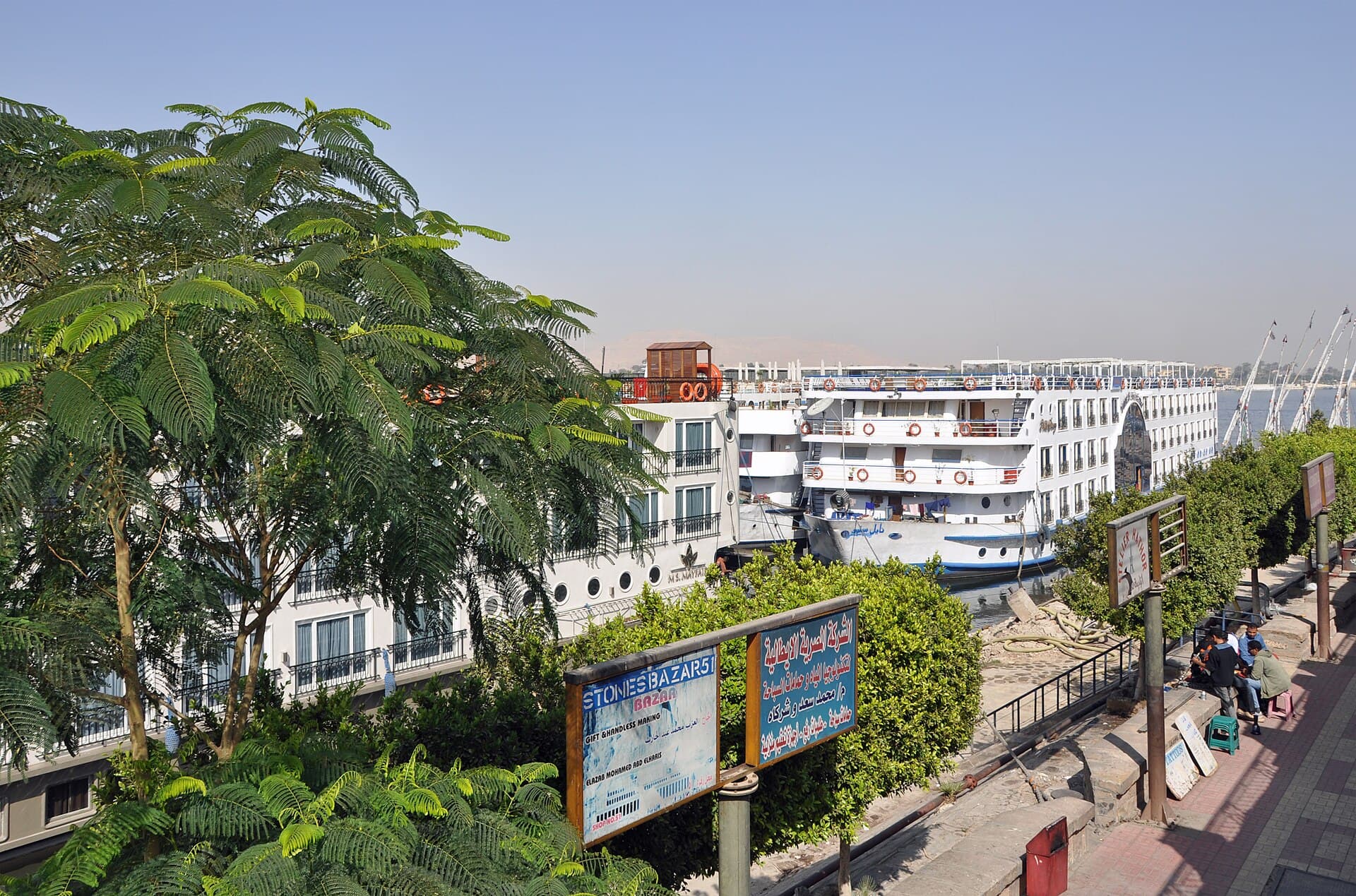
The step that changes your trip most is the boat rather than the hotel, and it is worth being clear about why. You sleep in a Cairo hotel and spend the day elsewhere; on the river you are aboard for four nights, eating every meal there, and the sun deck is where you spend the afternoons. If the budget only stretches to upgrading one half of the trip, upgrade the boat. If you would rather not move up a whole tier, say so at the enquiry stage, because the plans are a starting point rather than a fixed menu.
There is no version of this where the standard plan is a bad trip. It is a three-star-plus shape with the same private guiding, the same private transfers and the same domestic flights as the luxury plan, and on the shortest products the gap is small: the four-day Nile cruise runs US$840, US$1,425 and US$2,135 across the three levels, which is a wide spread on a small base. On the longer itineraries the multiplier compounds, which is why the fifteen-day trip runs from US$3,985 to US$6,765. Work out which half of the trip you care about before you compare totals.
How this differs from a typical American package
American-marketed Egypt packages tend to bundle the international airfare into the headline price, run a fixed departure date with a coach group of thirty or more, and quote one number that covers everything including tips. That model has genuine advantages: one invoice, one company responsible end to end, and no decisions left to make. It also has a well-known cost, which is that you pay a margin on the airfare you could have bought yourself, you travel at the group's pace rather than your own, and the sightseeing at Giza and Karnak happens when thirty other people are ready.
Our shape is the other one: land only, private guiding in Cairo, a small shared group of around fifteen for the cruise sightseeing, and dates built around yours rather than a published departure calendar. The trips are arranged by enquiry rather than bought online, which is slower than clicking a button and has one real benefit: your dates get checked against what is genuinely available on the ground before anything is committed, and a bad month gets flagged. Name a week in July for a first trip with young children and you will be told so.
Which model suits you is a question about temperament and about what you want to be true when something goes wrong. If the idea of arranging your own transatlantic flights is genuinely unwelcome, a fully bundled American package is a reasonable purchase and we would not argue you out of it. If you have airline miles, a preferred routing, or any interest in the pace of your own days, the land-only version costs less and gives more. Note also that ATOL and similar package protections are European rather than American consumer schemes, so whichever route you choose, check what financial protection actually attaches to your booking and consider travel insurance on its own merits.
Domestic flights, trains and the internal legs
Egypt's domestic network hubs at Cairo, which is why almost every itinerary that includes Upper Egypt routes through it. Cairo to Luxor or Aswan is a short flight that replaces an overnight train or a long day's drive, and on our trips those legs are already inside the price rather than an extra to buy. That matters more for an American booking than a European one, because assembling them separately means a second ticket, a second baggage allowance and a connection you own if it breaks.
Not every leg is worth flying, and it is worth knowing which. Luxor to Aswan is the clear example: check-in, transfers and waiting cost more time than the drive, and the drive is only about 220 km on a straightforward valley road. Hurghada to Luxor is roughly four hours by road across the Eastern Desert and rarely has a useful flight at all, because the coastal airports connect well to Cairo and poorly to each other. Aswan to Abu Simbel is the one optional internal flight that regularly earns its price, since the alternative is roughly three hours of desert road each way.
Two cautions on internal flights in general. Egyptian domestic schedules are retimed often, sometimes by hours and sometimes the day before, so the buffer before an international departure is the last place to economise. And domestic baggage allowances are lower than the transatlantic ticket you arrived on, which is a specifically American problem given how many US carriers allow two checked bags. Pack for the smaller number.
Dollars on the page, cash in your pocket
The prices here are in US dollars, which removes one layer of friction for an American buyer, but the on-the-ground money is a separate question and it catches people out. The Egyptian pound is a closed currency, which means you cannot sensibly buy it before you leave and you should arrive with hard currency in cash. Dollars are fine and widely accepted at exchange counters; bring them clean, unmarked and not ancient, because tired notes get refused. Change money in stages rather than all at once, and treat ATMs as a top-up rather than a plan.
Tipping is the line most American visitors underestimate, not because the amounts are large but because the number of occasions is. On a ten-day private trip the working figure is roughly 180 to 220 euros per person across the whole stay, or around 360 to 440 between two people, most of it handed over at the ends of things rather than spread evenly: a guided land day runs 15 to 20 euros per person, a cruise night adds 5 to 10 into the crew box, and the rest goes in small notes at hotels, temples and taxis. Carry a float of small notes deliberately, because the failure mode is never having tipped too little across a fortnight, it is standing in front of somebody with nothing smaller than a two hundred pound note.
Budget the extras honestly alongside that: the visa fee if you did not sort it online, additional entry tickets at the gate, any optional tours such as Abu Simbel, and a modest daily float for taxis, water and markets. Our pages on how much a trip to Egypt costs and how much cash to take work both of those through line by line, and neither invents a figure it cannot stand behind.
How far ahead to book from the United States
For December and January travel, four to six months ahead is not excessive, particularly for the smaller Nile boats and for the Christmas fortnight. The good boats sell out early and the alternatives are noticeably worse, which makes this the one part of an Egypt trip where booking late costs you quality rather than only money. For November, March and April, two to three months is usually enough. For summer a few weeks will do and you will still have a choice.
Transatlantic airfares follow their own logic and not Egyptian weather, so a week that is quiet in Luxor can still be expensive out of the United States because it sits against Thanksgiving or a domestic holiday weekend. Price the flights and the land arrangement at the same time rather than in sequence, because a shift of three or four days occasionally moves the airfare far more than it moves the land cost, and the land side is the more flexible of the two.
Fixed dates are the exception to all of the above. The Abu Simbel alignments around 22 February and 22 October need Aswan accommodation secured well ahead, and the 2 August 2027 eclipse is in a category of its own: rooms in Luxor for that night have been going for years, and anyone starting now is late rather than early. For a date that cannot move, secure the bed first, then the flights, then everything else, and read the cancellation terms before paying anything.
Adding Jordan, Israel or a stopover on the way
Because you are already crossing an ocean, adding a second country is a more rational idea from the United States than from Europe, and Jordan is the usual and best candidate. Petra and Wadi Rum sit close enough to be a genuine extension rather than a second holiday, and the combination is one of the few that improves both halves. Our Egypt and Jordan page covers the shapes that work, and the Egypt, Jordan and Israel page handles the three-country version, which needs noticeably more time than people assume.
The visa point from earlier becomes load-bearing here. Leaving Egypt for Jordan and returning means a second Egyptian entry, which a single-entry visa does not cover; that is arranged before you fly rather than negotiated at a border. Check the Jordanian entry requirements for US passport holders separately, and if the itinerary crosses land borders, make sure your passport has blank pages to spare.
A stopover in the connecting hub is the other option worth considering, since you are changing planes anyway. It is a way of turning an unavoidable layover into a day or two somewhere, and on a Gulf routing the Egypt and Dubai combination is the obvious version. Whether that improves the trip or merely lengthens it depends entirely on how much holiday you have; on fourteen days it is a reasonable addition, and on ten it is a distraction from the country you came for.
The mistakes American travellers make most often
The first is booking the cheapest fare into a Red Sea airport and then discovering the pyramids and the Nile temples are a long way off. Hurghada to Luxor is roughly four hours by road and reaching Cairo from the coast means a domestic flight or most of a day's driving. If the trip is mainly ancient sites, fly into Cairo. Almost everything visitors come for sits on a narrow strip of Nile valley, and the road from Cairo to Aswan runs the better part of 900 km; no clever booking shortens that.
The second is compressing the itinerary to protect the headline price, which is precisely backwards once the airfare is already paid. The third is scheduling Giza for the afternoon of arrival. The fourth is buying every day trip online in advance at a markup, when domestic flights, Abu Simbel transport and cruise cabins are the things that genuinely need booking ahead and most bazaar-adjacent activities do not.
The fifth is a matter of expectation rather than logistics. The hassle at major sites is persistent and rarely threatening: expect offers of camels, scarves and unrequested help at ticket gates and inside tombs, usually ending in a tip request. It is at its worst at Giza and mild almost everywhere else. Carry small notes, decide in advance what you want, and say no once and clearly. Visitors who arrive expecting an American service culture find this wearing; visitors who expect it find it unremarkable by day three.
So what should an American traveller actually book?
For a first trip, the eight-day Cairo, Luxor and Nile cruise from US$2,135, taken in November, February or March, stretched to ten days if the vacation allows it. That covers Giza, the Grand Egyptian Museum, Karnak, the Valley of the Kings, Edfu, Kom Ombo and Philae, includes both domestic flights, and gives you the river for four nights rather than three. Add a day either side rather than adding a third region, and put the arrival day aside for nothing at all.
For a second trip, or for anyone who has decided the temples are the point rather than a highlight, the twelve to sixteen day routes are where Egypt stops being a checklist. For a family travelling in summer, the Red Sea-weighted itineraries at US$2,040 and US$2,310 are the honest answer, and the temple half becomes an excursion rather than the spine. For a short American trip of under a week, our advice is genuinely to wait until you have more days, because the journey is too long to justify the ratio.
Whichever shape fits, the order of operations is the same: check the passport, pick the month before the itinerary, secure the boat or the fixed-date accommodation first, then the flights, then everything else. Tell us your dates and the shape you have in mind and we will tell you what is actually available on the ground, including when the month you have chosen is the wrong one.
Common questions
Do American citizens need a visa for Egypt?+
Yes, and the practical choice is between applying online in advance or buying one at a bank counter in the arrivals hall. We recommend the e-visa: it removes a queue at the end of a long flight and gives you a document your airline can see at check-in. We do not quote fees for either route, because stated fees change and the official portal at visa2egypt.gov.eg is the only source worth trusting on that.
Are international flights included in your prices?+
No. Every price here is in US dollars, per person, land only, which means international airfare and the Egypt entry visa are not included. The domestic flights inside Egypt are included, so on the eight-day trip that covers Cairo to Luxor and Aswan back to Cairo. Land only is the normal convention for this market, and it lets you book your own transatlantic routing and use your own miles.
How many days should I allow flying from the United States?+
Eight days on the ground is the realistic minimum and ten to twelve is better. You lose the best part of two days to the journey in each direction, so a trip shorter than a week has a poor ratio of flying to being there. The marginal day in Egypt is also cheap relative to the airfare: ten days instead of eight on our Cairo and Nile cruise is five hundred dollars per person for two extra Cairo nights and a much less compressed schedule.
When should I go if I am tied to American school holidays?+
Thanksgiving week and a March or early April spring break are the two that work well, with Luxor around 28C and 29C respectively. The Christmas and New Year fortnight also has excellent weather but is the busiest and most expensive period of the year across the whole country. The American summer is the one to avoid for Upper Egypt, where Luxor sits above 40C and the middle of the day is unusable for sightseeing.
Is a non-stop flight worth paying extra for?+
Sometimes, and not automatically. Non-stop service from North America is limited to a few east coast departures, so for most of the country the question is which hub to connect through rather than whether to connect at all. A European hub is a shorter total journey with tighter connections; a Gulf routing adds hours but usually prices lower and carries far higher frequencies, which means better recovery options when a leg slips. Compare door-to-door time, not fare alone.
How much cash should I bring, and in what currency?+
Bring hard currency in cash, and US dollars are fine. The Egyptian pound is a closed currency, so buying it before you leave is not practical. Budget tipping separately from the tour price: on a ten-day private trip the working figure is roughly 180 to 220 euros per person across the stay. Bring clean, unmarked notes, change money in stages, and carry a deliberate float of small notes for temples, hotels and taxis.
Can I add Jordan or Israel to an Egypt trip from the USA?+
Yes, and because you are already crossing an ocean it makes more sense from America than from Europe. Jordan is the strongest pairing. The catch is the visa: leaving Egypt and coming back needs a multiple-entry visa or a second application, arranged before you fly rather than at the border. The three-country Egypt, Jordan and Israel version needs noticeably more time than most people allow for it.
What is the difference between your standard, comfort and luxury plans?+
Only the hotels and the boat. The sightseeing, the private guiding in Cairo, the transfers and the domestic flights are identical across all three. On the eight-day Cairo and Nile cruise that means the Flamenco Hotel and the MS Radamis II at US$2,135, the Steigenberger Hotel El Tahrir and the Movenpick Royal Lily at US$3,120, or the Four Seasons First Residence and the Sonesta St. George Nile Cruise at US$4,225. If you can only upgrade one half, upgrade the boat.
Official sources
Entry rules, opening hours, security advice and exchange rates all move. Check them at the source, not here.
Written and checked by the Nile Trip Guide editorial team · Last reviewed . Entry rules, prices and opening hours change — check anything critical against the official sources linked on this page.
Plan this trip
Tell us your dates and we will price it
A real itinerary with real prices, usually within 24 hours. Nothing is booked and nothing is charged until you say yes.
The route most people take first, at the length it was built for: Giza and the Grand Egyptian Museum, then a flight to Luxor and four nights sailing down to Aswan.
No boat on this one. Giza and the Grand Egyptian Museum, a night in Luxor for both banks, two nights on the Red Sea, then back to Cairo for the Citadel, Coptic Cairo and the Royal Mummies.
Five nights in Cairo either side of a four-night sail from Luxor to Aswan. The Cairo days are private, just your party and a guide; the sightseeing off the boat is shared with a small group.