Is Egypt safe for women? A practical guide for solo female travellers
Is Egypt safe for women? Yes for most trips, as long as you go expecting a lot of unwanted attention. Staring, comments and persistent approaches are common in the cities, and for most women they are tiring more than dangerous. Below: the official advice, how Cairo, Upper Egypt and the Red Sea differ, and practical tips for taxis, the metro, markets and evenings out.
What the official travel advice says about women in Egypt
Read your own government's Egypt page before you book, and again in the week you fly. For Americans that is the US State Department's Egypt page at travel.state.gov. For British travellers it is the Foreign Office (FCDO) page at gov.uk. Both are written region by region and can change overnight. We do not summarise their overall level here, because any summary goes stale.
The FCDO page has its own section on sexual assault and harassment. When we checked in October 2026, it said most assaults reported to the British Embassy took place in Red Sea tourist resorts. They were often committed by someone the victim had already met, including hotel workers and excursion staff. It also asks women travelling alone to take care in taxis, particularly at night. That page was last updated on 4 August 2026.
Its list of precautions is short, and it works anywhere in Egypt. Do not let hotel staff into your room when you are alone. Avoid taking a taxi alone. If you must, share the driver's details, the trip and your live location with a friend. Book excursions with reputable providers you have researched. Keep your phone number and social media details to yourself. The FCDO gives the tourist police number as 126.
Travelling to Egypt as a woman: what the attention looks like
Most women describe the same pattern. Men stare, call out, ask where you are from and offer to show you somewhere. Some follow you for a street or two. In tight crowds, groping happens occasionally.
Most of it stays verbal. The build-up is the real problem. By day four, a woman walking alone through downtown Cairo has often had enough. Plenty of women have an excellent trip and would go back tomorrow. Others find the attention grinding. Both groups are telling the truth, so plan for the second.
A few habits help. Say a firm la shukran, which means no thank you, and keep walking. Skip eye contact afterwards. Sunglasses and headphones close off a busy street. You owe nobody politeness in the face of harassment. Women who have dealt with an incident often say that a loud response worked better than walking away quietly.
Cairo, Upper Egypt and the Red Sea: how it changes by region
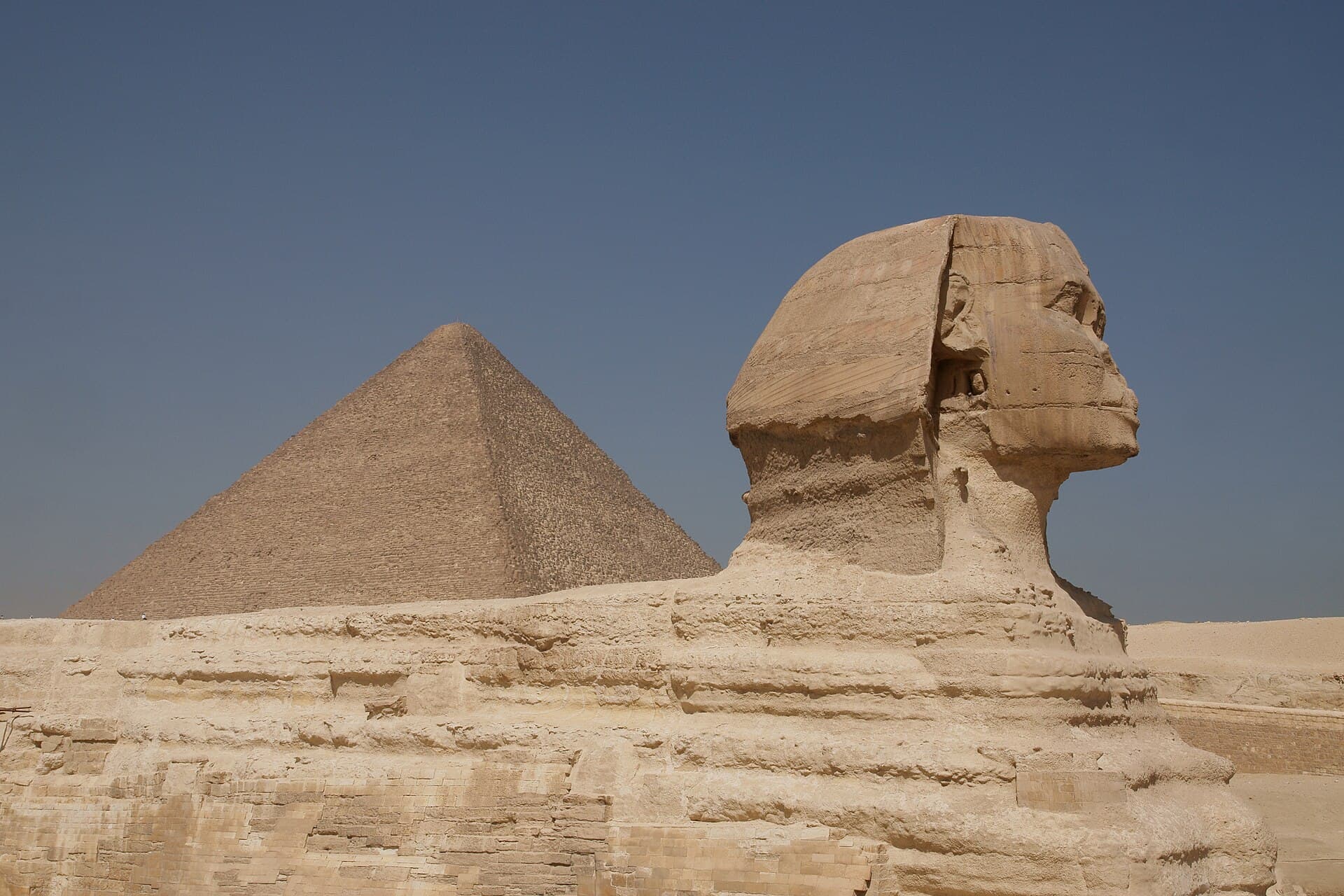
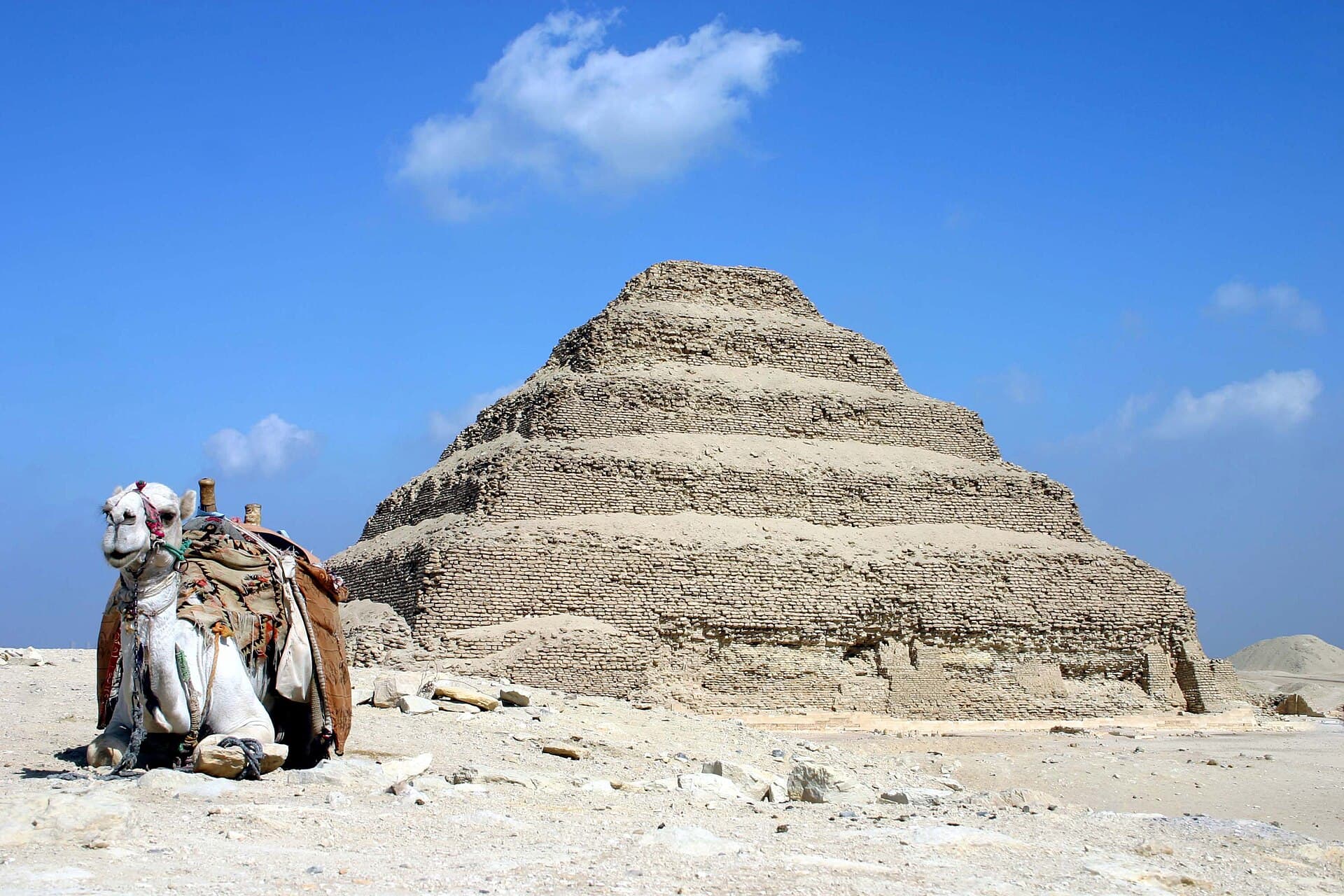
Cairo brings the most attention, because it is the biggest and busiest place you will visit. Downtown, the streets around Khan el-Khalili and the metro at rush hour are the hardest. Zamalek, Maadi and the smarter restaurants are much calmer. At Giza the issue is persistent camel and horse sellers. They work hardest once the car parks fill, so arrive when the gates open.
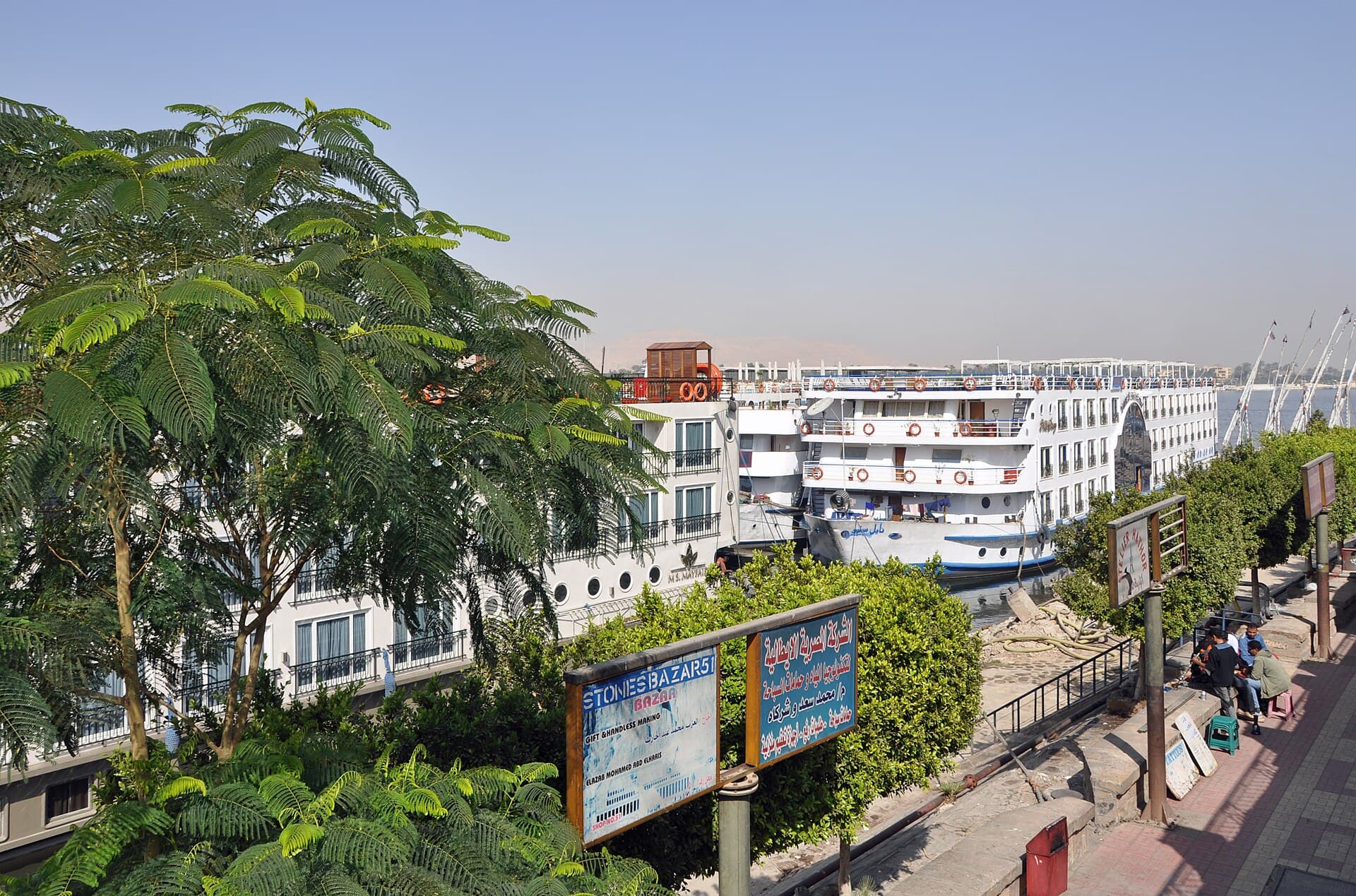
Luxor and Aswan are small, conservative towns where foreigners stand out. The Luxor west bank and the corniche bring steady selling. Aswan is noticeably calmer, and travellers report less hassle there than in Luxor. Dress more conservatively in both than you would in Cairo. A moored Nile boat is its own bubble. Step onto the corniche and you are back in town.
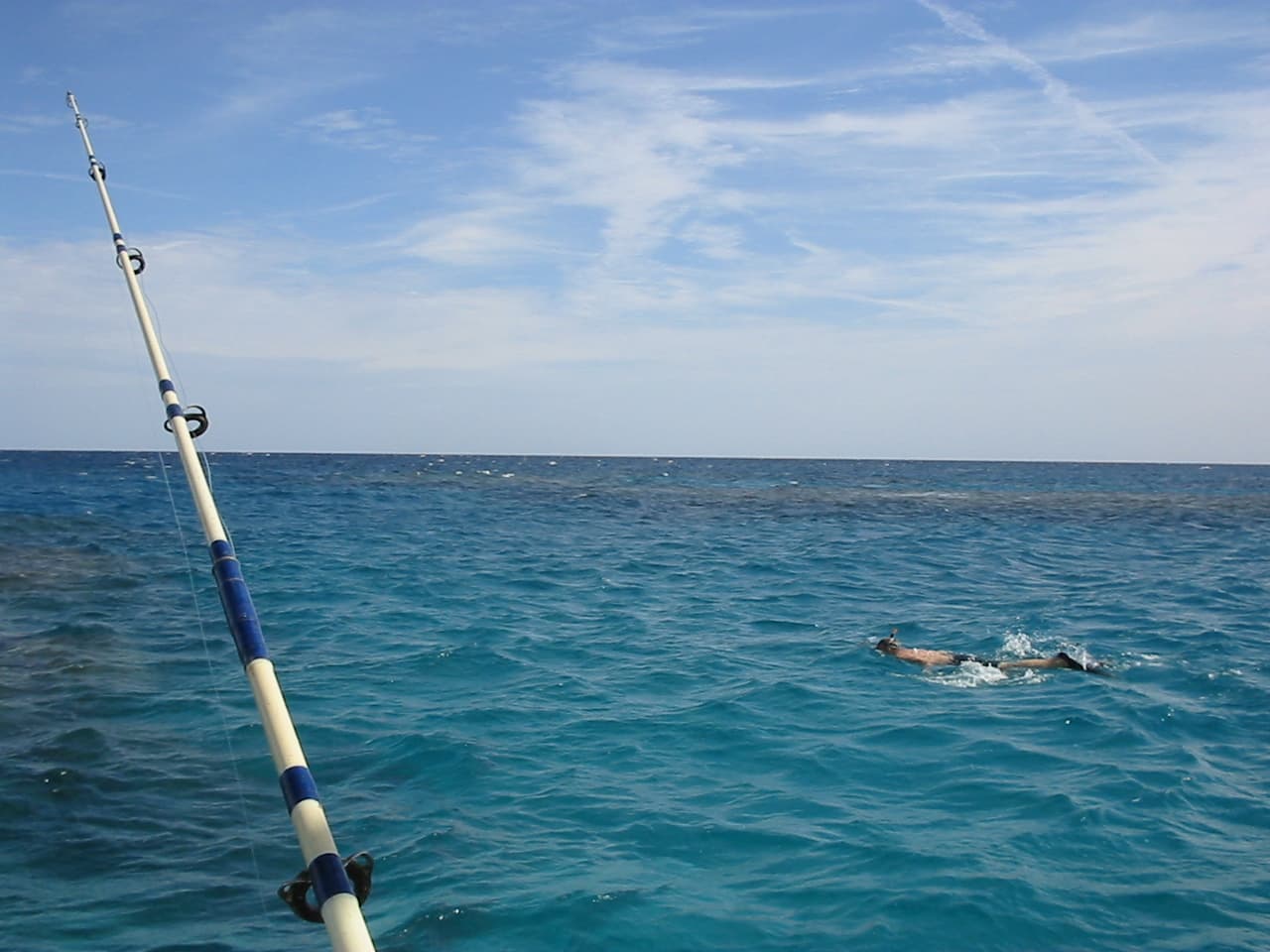
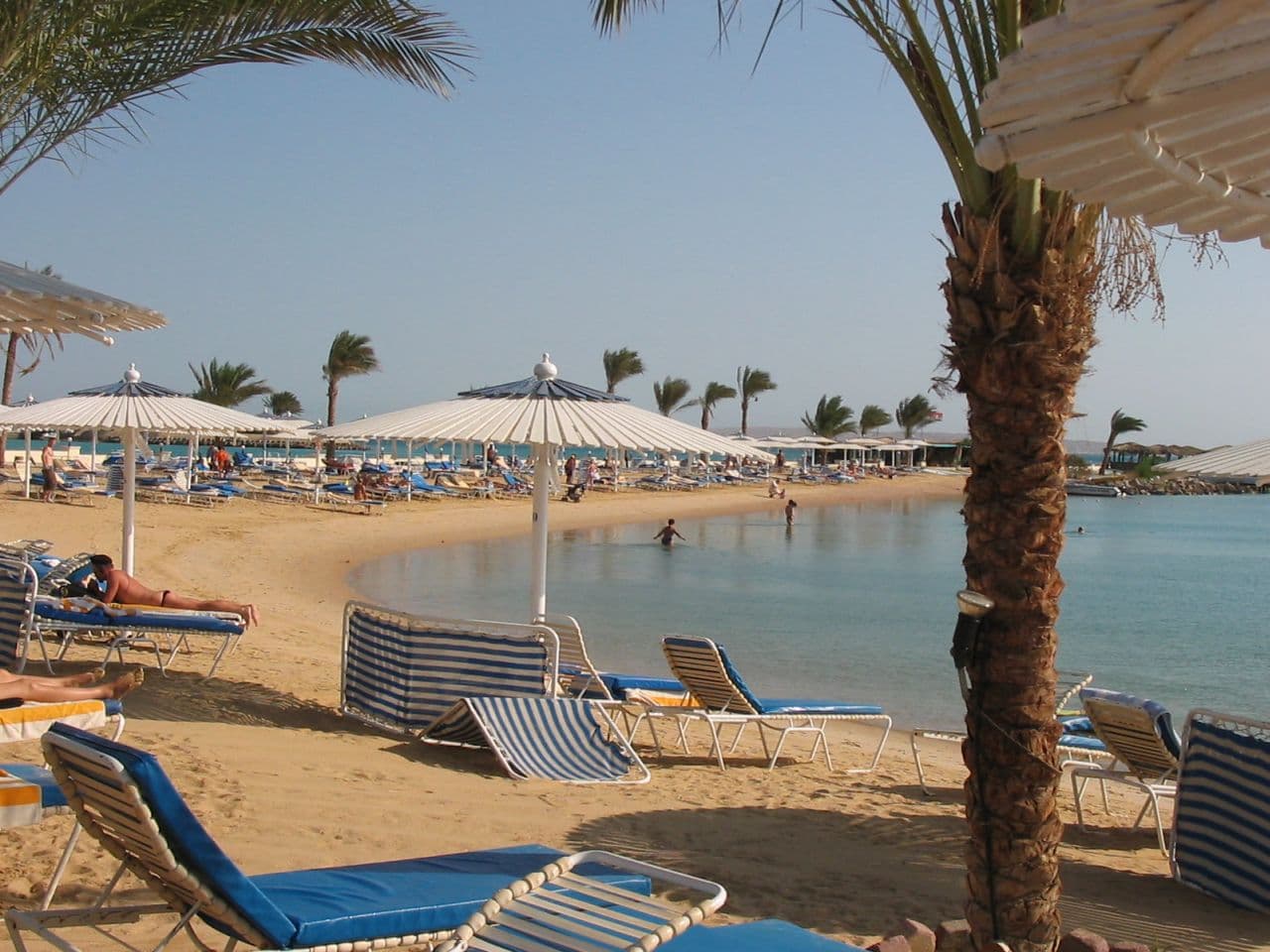
The Red Sea resorts feel the most relaxed, and resort dress is normal inside them. They are also where most assaults reported to the British Embassy took place (see the FCDO section above). Keep the boundaries you would keep at home, and check any excursion company before you book. Our page on whether Hurghada is safe covers the resort towns in more detail.
Siwa and the Nubian villages around Aswan are more conservative again. Women who want to swim there usually need a private pool, or a quiet spot a local guide knows. Ask before photographing anyone, and accept a refusal.
Taxis, ride-hailing and the Cairo metro
If you do take a car alone in Cairo, use a ride-hailing app. Uber and Careem both operate widely. The fare is fixed before you get in, and the driver and route are recorded. That removes the fare argument, which is where many bad taxi rides start. Sit in the back and share the trip with a friend through the app. You need mobile data, so sort out a local SIM or an eSIM when you land.
Avoid flagging down a street taxi alone after dark. Ask your hotel to book a car, or use the app. On an organised trip, transfers are in a private vehicle booked by the operator, which settles the question.
The Cairo metro has women-only carriages, marked on the platform. Many women use them by choice at busy times and find them far more comfortable than the mixed cars. The network does not reach the Giza plateau or most tourist hotels. It does work well for Coptic Cairo, where the station sits at the gate of the old quarter.
Markets, feluccas and evenings out
Khan el-Khalili and the big bazaars are crowded, and crowds are where groping happens. Keep your bag in front of you and walk with purpose. Never accept anything placed in your hand, because the free gift has a price. A guide makes a first visit much easier. Once you know the layout, going back alone is far simpler.
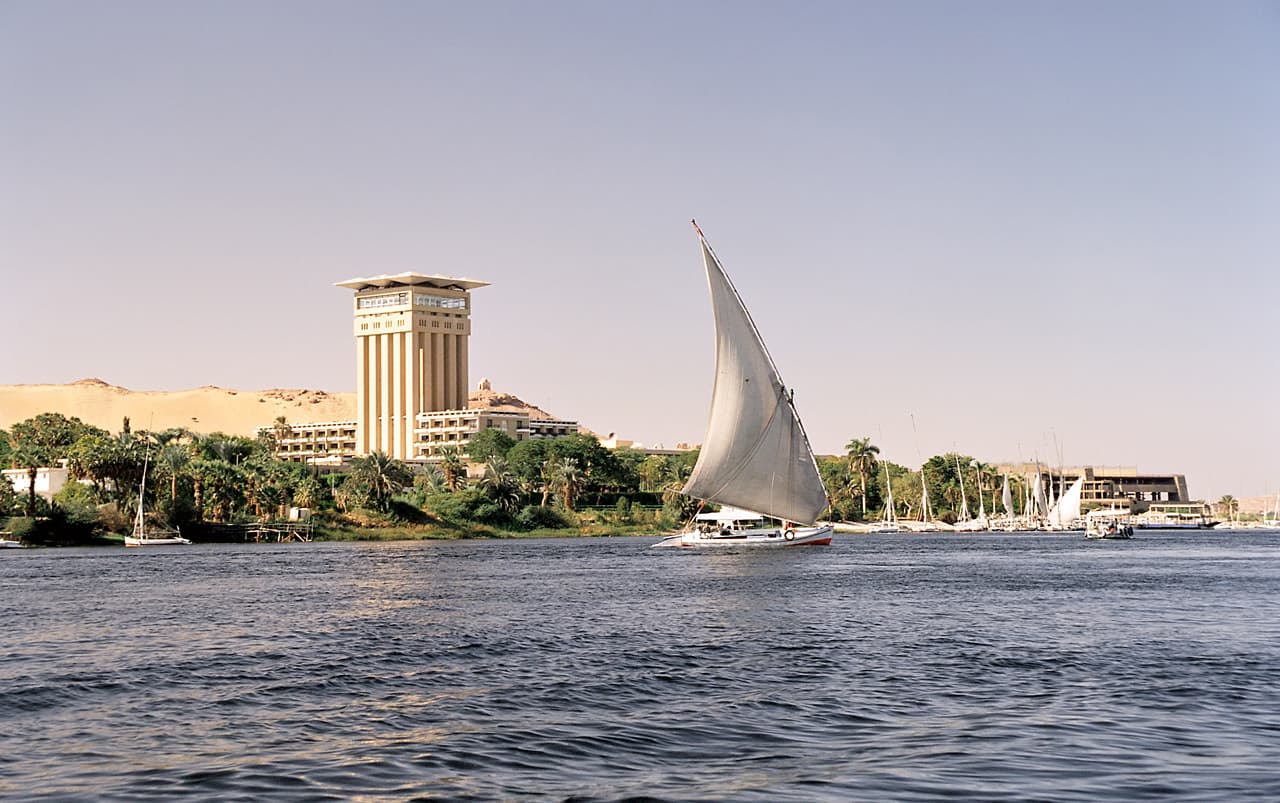
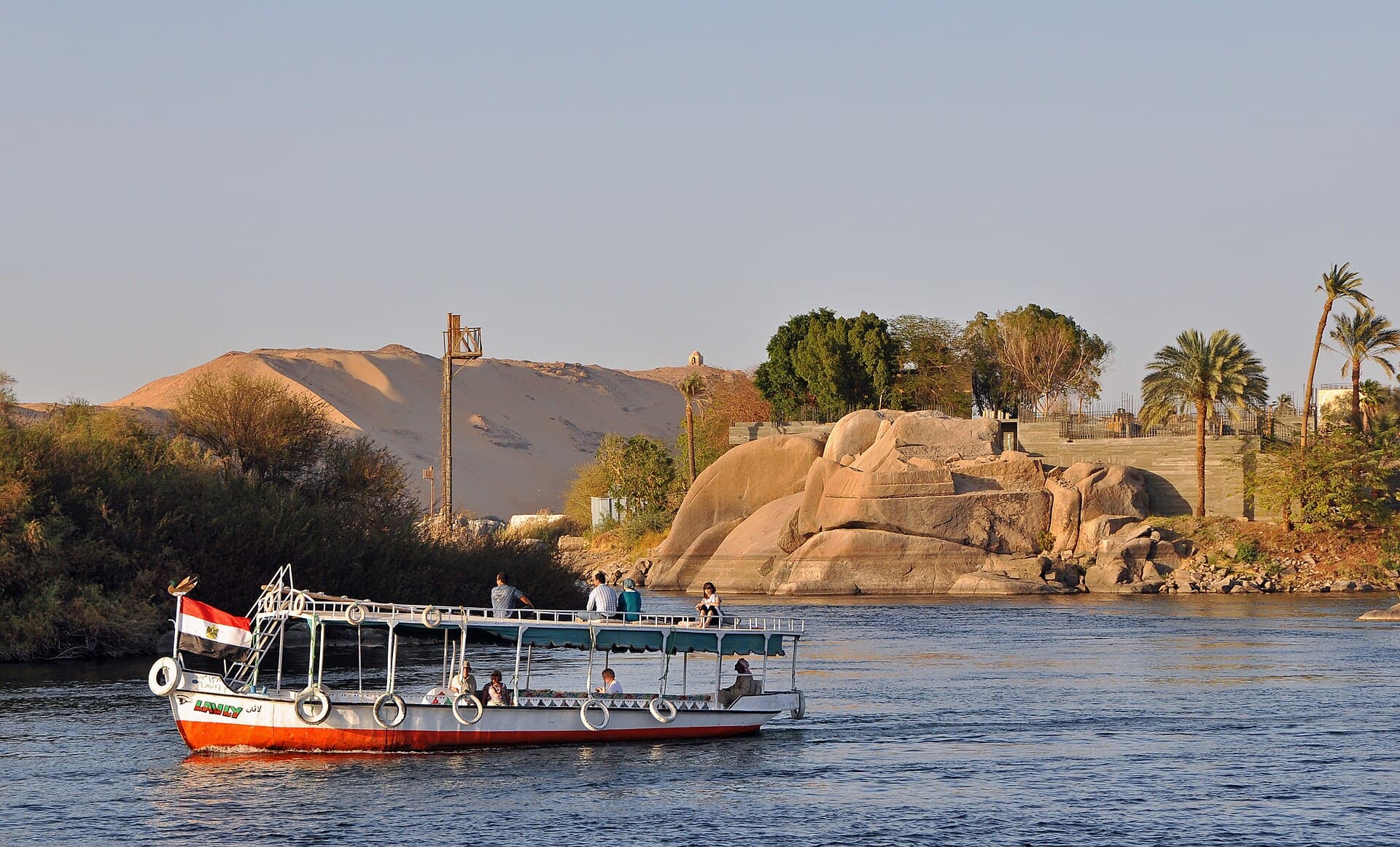
A felucca is a small sailing boat, and an afternoon on one at Aswan is one of the easiest things to do alone. Book it through your hotel, your boat or your guide, or share it with other travellers. Agree the price and the length of the trip before you board. Late afternoon has the best light and gets you back before dark. Skip the solo sunset sail with a boatman you met ten minutes earlier.
Evenings are fine in busy, well-lit places: hotel restaurants, Zamalek, and the corniches at Luxor and Aswan. Avoid walking alone through quiet streets late at night, as you would in most big cities. Back at the hotel, use the door chain. If your room needs housekeeping or a repair, ask for it while you are out.
What to wear, in one paragraph
Clothing changes how often attention comes and how it sounds. Some attention comes whatever you wear. Away from the beach, loose clothes covering shoulders and knees are the norm, and the standard tightens in Upper Egypt. Inside Red Sea resorts, resort dress is normal. Carry a scarf for mosques. Our guide to what to wear in Egypt covers the detail, region by region.
Egypt solo female travel: which kind of trip suits you
Independent travel suits women with experience of busy, conservative countries. You handle every taxi, ticket and seller yourself, and that is where most of the wear comes from. Choose a well-run hotel, use apps for transport, and book a guide for Giza and the Luxor west bank. Downtown Cairo is the poorest base for a first solo trip, because it puts you in the busiest streets every day.
A small group suits a first trip alone. You have company at meals and on the sites, and a guide stands between you and the sellers. On our Nile cruises the sightseeing is shared with a group of around 15 people from the boat. The five-day cruise from Luxor to Aswan starts at US$1,095 per person, land only. The four-day cruise from Aswan to Luxor starts at US$840. Domestic flights are extra on both.
A private trip gives you a guide and driver for most of each touring day. The guide changes when you move city. For a woman alone, this helps most. You are rarely on a street working out where to go. The five-day Cairo short break is private touring with an English-speaking guide, from US$935 per person. The eight-day Cairo, Luxor and Nile cruise trip starts at US$2,135. It has private touring in Cairo and group sightseeing from the boat.
All four trips include an airport meeting by the operator's representative. Guest relations support runs for the whole stay. You are met when you land, and a local team is on hand until you fly home.
Travelling alone adds a single supplement, because hotel rooms and cruise cabins are priced per room. Ask for it as a separate line in your quote, so you can compare like with like. On a private trip you also carry the guide and car yourself. That makes it noticeably dearer than a group departure for one person.
Common questions
Is Egypt safe for solo female travellers?+
For most women on most trips, yes. The common problem is persistent attention: staring, comments and occasional groping in crowds. It is worst in Cairo and calmest in Aswan. A guide, ride-hailing apps and a well-run hotel take away most of the friction. Check the US State Department or UK FCDO Egypt page before you book.
What is it like travelling to Egypt as a woman?+
Expect to be noticed everywhere outside the resorts. Men will call out and offer help you did not ask for, and sellers will be persistent. Most of it stays verbal. Many women love the trip and go back. Others find it wearing by the end of the first week. Build in quieter days, such as Aswan or the boat.
Is Egypt safe for American women?+
The practical picture is the same for any foreign woman. Americans should read the US State Department's Egypt page at travel.state.gov before booking and again before flying. It covers each region separately. Ask your insurer in writing how your policy treats that advice. Everything else on this page applies whatever your passport.
Is it safe for women to travel to Egypt alone and go out at night?+
In busy, lit areas such as hotel restaurants, Zamalek and the Nile corniches, evenings are fine. Avoid quiet streets late at night and street taxis alone after dark. The UK FCDO asks women alone to take care in taxis at night. Use a ride-hailing app or a car booked by your hotel, and share the trip with a friend.
Are the Red Sea resorts safer for women than Cairo?+
You get far less street attention in the resorts. Even so, the UK FCDO says most sexual assaults reported to the British Embassy happened in Red Sea resorts. The people involved were often hotel or excursion staff the victim had met. Keep your room closed to staff when you are alone, and use reputable excursion companies.
Can women use the Cairo metro?+
Yes. The metro has women-only carriages, marked on the platform, and many women use them at busy times. It is cheap and fast. It does not reach the Giza pyramids plateau or most tourist hotels. For Coptic Cairo it is the easiest option.
Do I need a guide as a woman travelling alone?+
A guide is optional, and at the busiest sites it changes the day. Giza, the Luxor west bank and Khan el-Khalili are where sellers are most persistent, and a guide handles them for you. On a private trip a guide and driver stay with you for each day of touring, with a new guide in each city. A Nile cruise gives you a group of around 15 on the sites.
What should I do if something happens?+
Get somewhere safe and call the tourist police on 126, the number the UK FCDO gives. Tell your operator, who can help with translation and the next steps. Contact your embassy as well. The FCDO notes reports of hotel staff discouraging guests from going to the police. You are still entitled to report.
Official sources
Entry rules, opening hours, security advice and exchange rates all move. Check them at the source, not here.
WHO travel health: Egypt ↗General health guidance. Your own travel clinic knows your history; ask them too.
Written and checked by the Nile Trip Guide editorial team · Last reviewed . Entry rules, prices and opening hours change — check anything critical against the official sources linked on this page.
Plan this trip
Tell us your dates and we will price it
A real itinerary with real prices, usually within 24 hours. Nothing is booked and nothing is charged until you say yes.
The route most people take first, at the length it was built for: Giza and the Grand Egyptian Museum, then a flight to Luxor and four nights sailing down to Aswan.
No boat on this one. Giza and the Grand Egyptian Museum, a night in Luxor for both banks, two nights on the Red Sea, then back to Cairo for the Citadel, Coptic Cairo and the Royal Mummies.
Five nights in Cairo either side of a four-night sail from Luxor to Aswan. The Cairo days are private, just your party and a guide; the sightseeing off the boat is shared with a small group.