Is Egypt Worth Visiting? The Pros, the Cons and Who Should Go
Egypt is worth visiting for most people. It has sights that exist nowhere else, and the Nile is better than its reputation. The cost is heat, long distances and a lot of selling around the big sites. The table below sets out the pros and cons. After it: who should go now, and who should wait.
Pros
Cons
Pros
Cons
Sights
The pyramids, Karnak and the painted tombs in the Valley of the Kings. Nothing elsewhere matches their age or scale
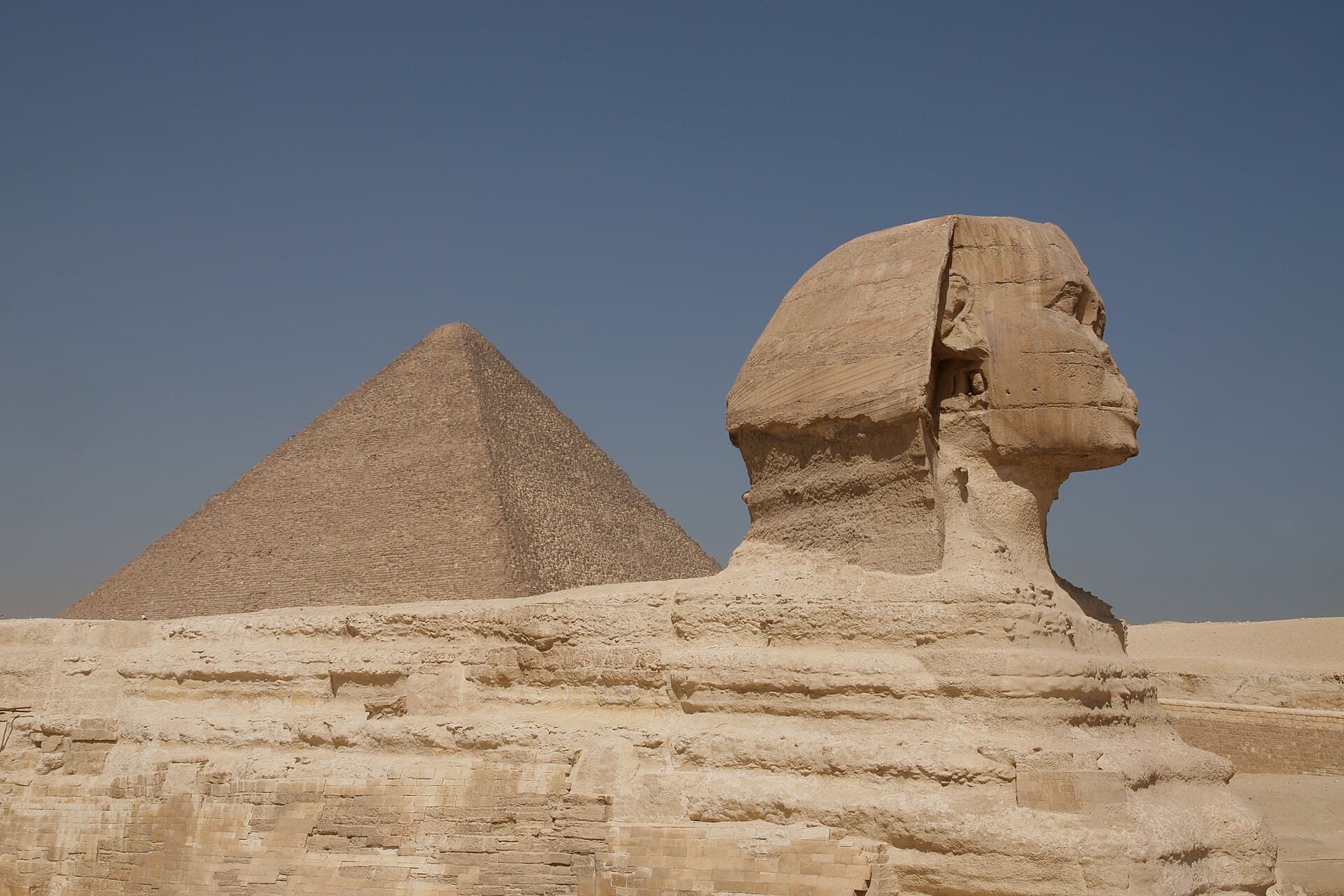
The Sphinx is smaller than you expect, and the big sites fill up by mid-morning
The Nile
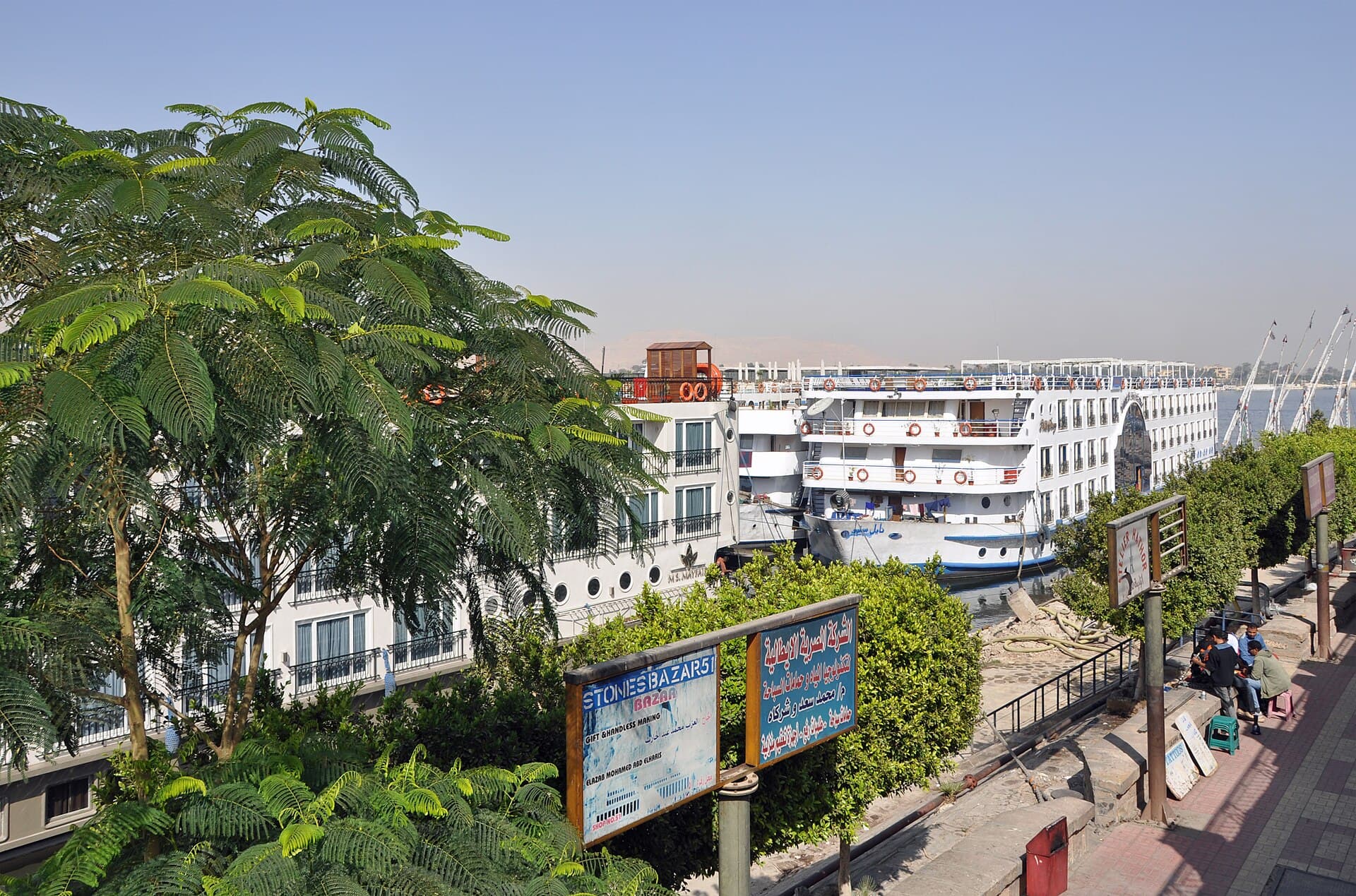
From the water you see the green strip end and the desert start. Edfu and Kom Ombo were built to be approached this way
Most large boats keep the same schedule, so you meet the same crowd at every temple
Weather
November to March is warm by day in the south and cool enough at night for a jacket
June to August routinely passes forty degrees in Luxor and Aswan
People
Egyptian hospitality is genuine and often generous
Around the big sites you are approached again and again to buy something
Cost
Meals, taxis, drivers and domestic flights cost less than in Jordan
Entry fees have risen sharply, and tips run through every day
Getting around
Domestic flights link Cairo with Luxor, Aswan, Hurghada and Sharm el-Sheikh
Cairo to Aswan is too far to drive in comfort, and flights are often retimed
Culture
Islamic Cairo, the food and the Red Sea give you more than the pharaohs
Away from the resorts it is conservative. Covered shoulders and knees is the norm
Time
Ten days covers Cairo, Luxor, the Nile and Aswan without racing
Squeezed into a week, it becomes long drives and a blur. Plans move during the day
The short answer
Yes, for most people. Go between October and April, allow ten days and book a good guide. Wait if your only window is July or August, or if what you need right now is rest.
Who should go, and who should wait
Go if you have a real interest in history and can put up with discomfort to see it. Go if being hassled annoys you without wounding you. Reading a little beforehand changes the trip more here than almost anywhere. So much of what you are looking at is inert without context. Arrive cold and you see impressive stonework. Arrive prepared and you see a civilisation.
You will not enjoy it if you want rest, if constant low-level negotiation drains you, or if you need a schedule to hold. Families do better than expected, as the section on children below explains.
There are honest reasons to wait a year, and an operator who never mentions any of them is selling to you. If your only window is July or August and the trip could sit a year, wait. You will see the same country in half the discomfort for a fairly modest amount more money. If you can spare only five or six days for a trip you care about this much, wait until you can give it ten.
If you are going mainly because it is cheap, wait until you want it for itself. The friction is much easier to absorb when you care about what is on the other side of it. And if what you need at the moment is rest, go somewhere else and come back to this later. Egypt is a trip you return from tired. The people who come home disappointed are almost never the ones who found it hard. They are the ones who expected it to be easy.
Pro: sights that exist nowhere else
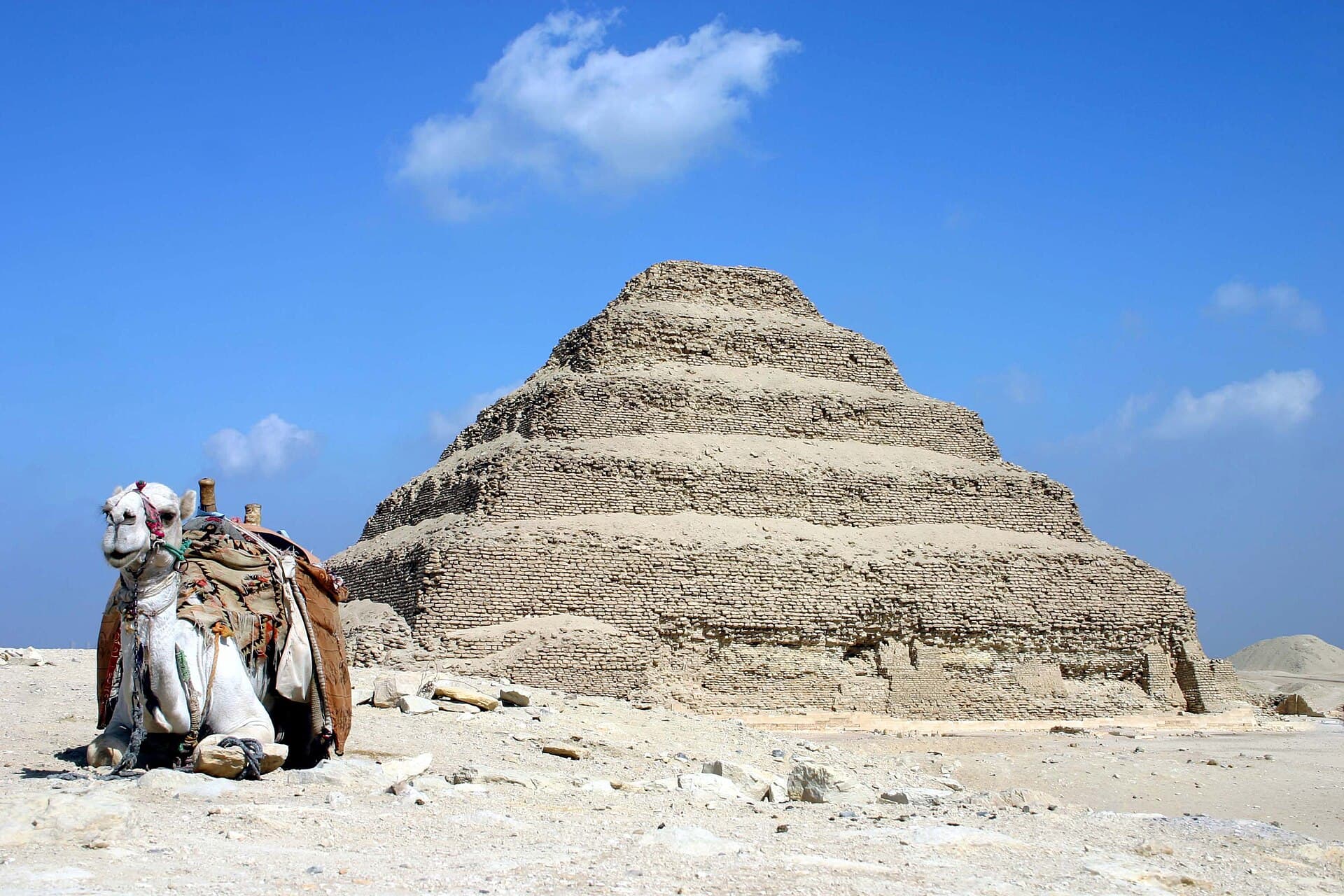
The pyramids at Giza are roughly 4,500 years old, a number that means nothing until you are standing under one. Cleopatra lived closer in time to the invention of the mobile phone than to the building of the Great Pyramid. Rome and Athens feel modern next to it.
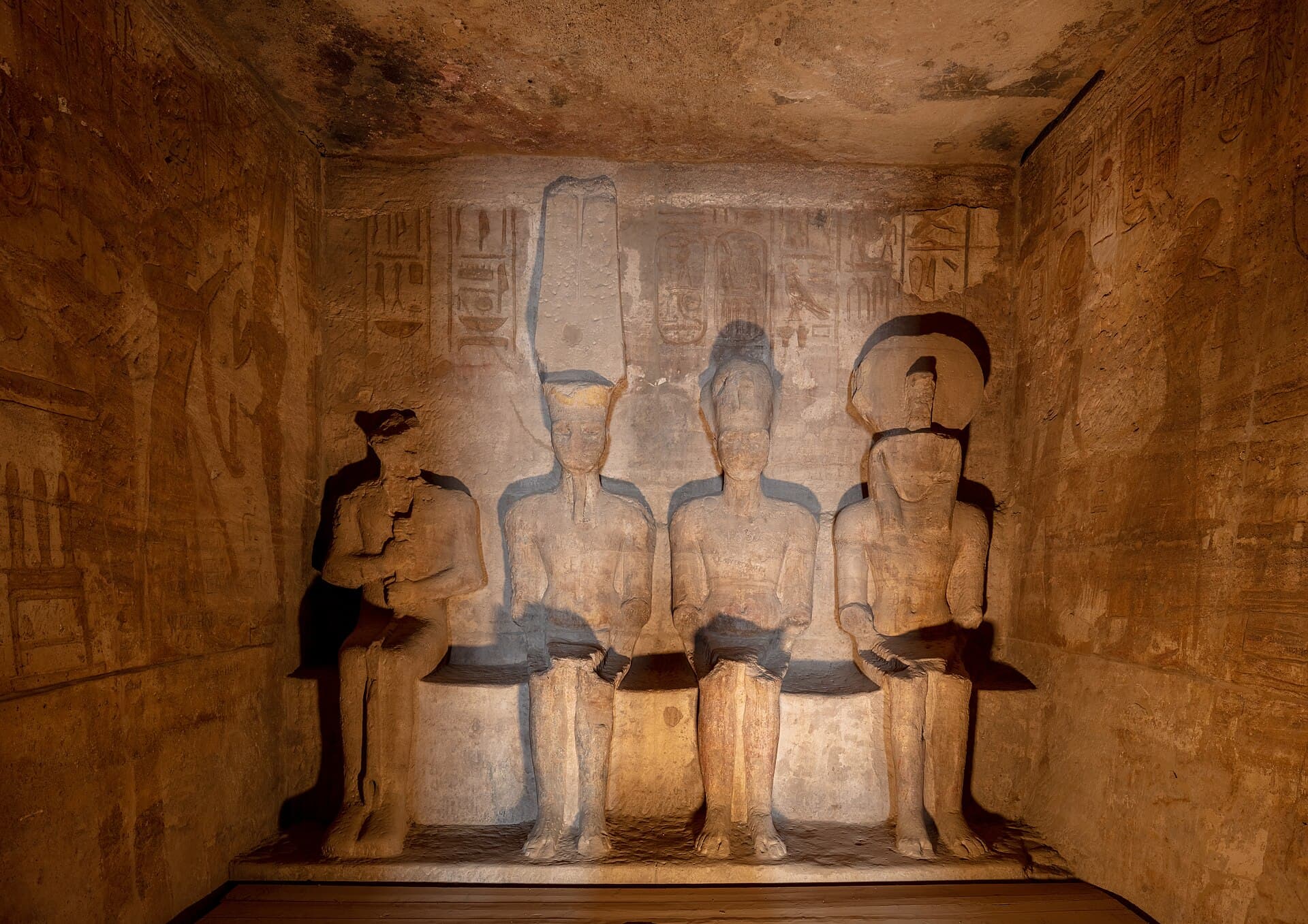
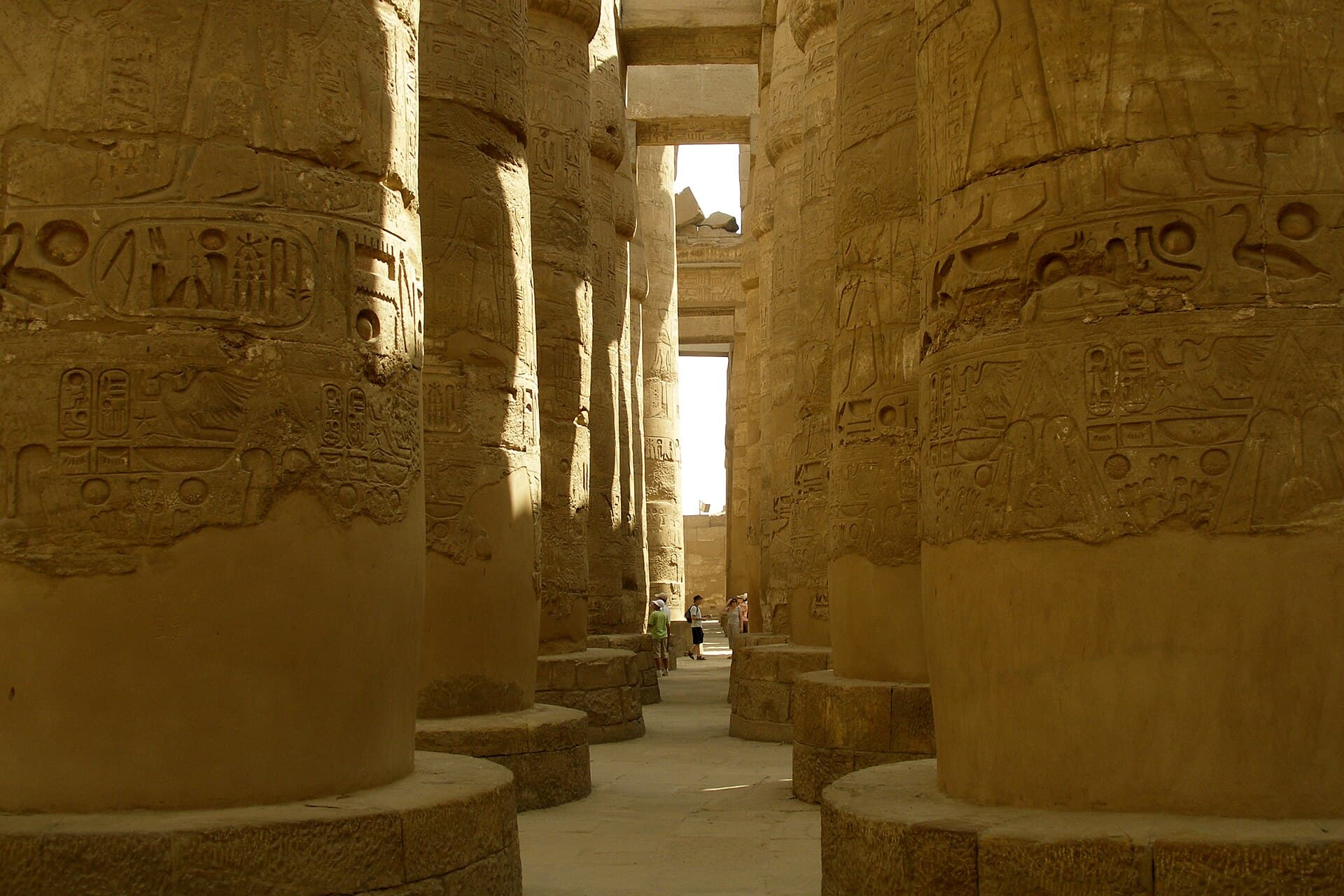
Scale is what photographs fail at. The Hypostyle Hall at Karnak holds one hundred and thirty-four columns in one room. In the best-preserved tombs in the Valley of the Kings, the painted ceilings still carry their original pigment after three thousand years. Nothing on a screen prepares you for how saturated that blue still is.
The Grand Egyptian Museum has changed the arithmetic of a first visit. It sits a couple of kilometres from the plateau and now shows the complete Tutankhamun collection in one place. The objects and the tombs they came out of can finally be understood in relation to each other. Give it half a day, and go there before the pyramids. A rushed hour is wasted money, and the order matters more than most itineraries admit.
Pro: the Nile, seen from the water
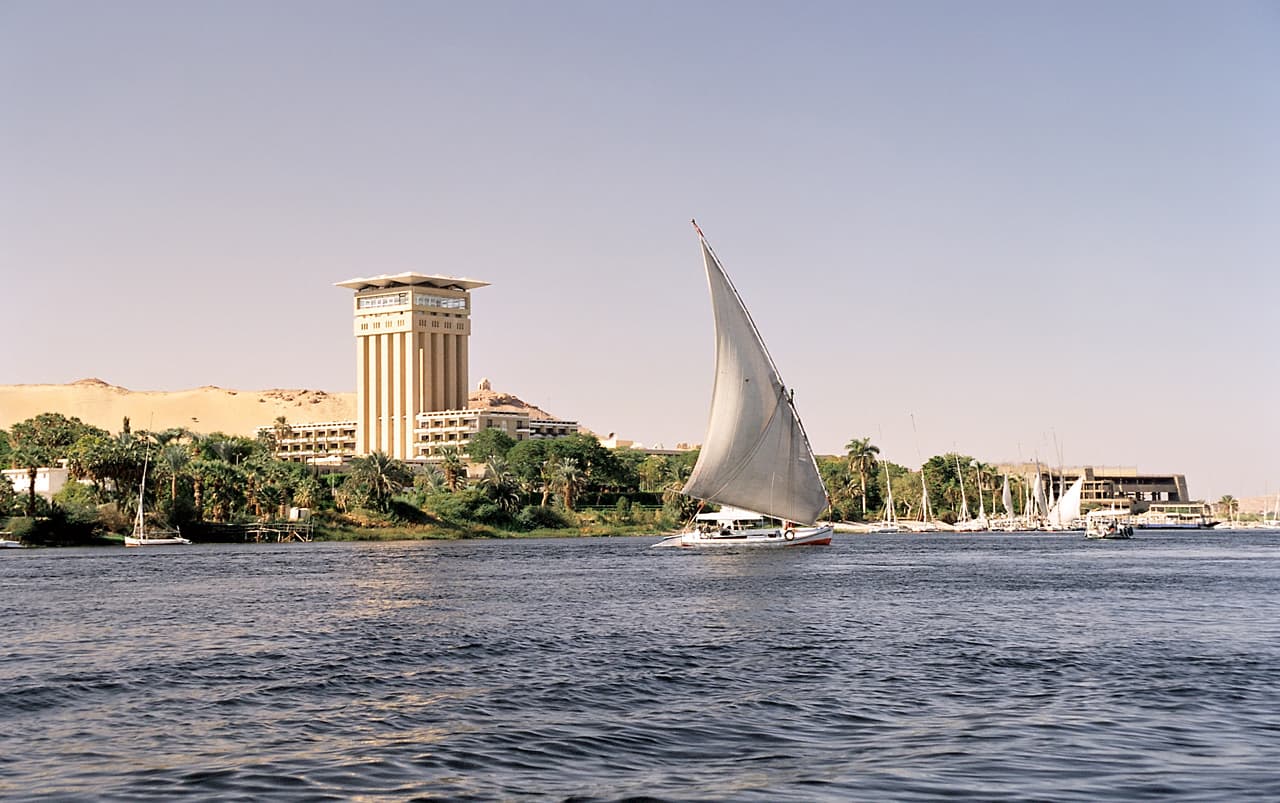
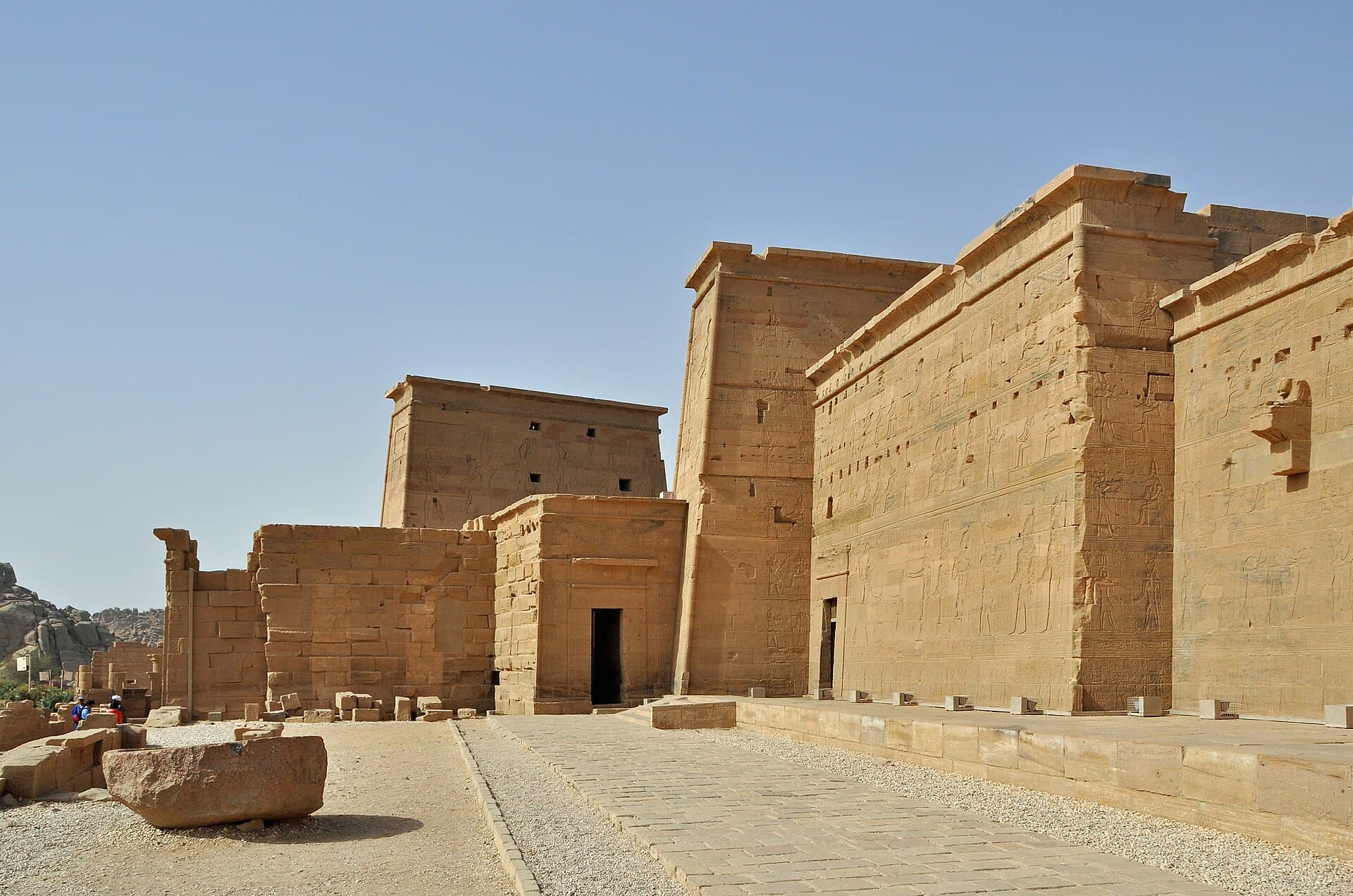
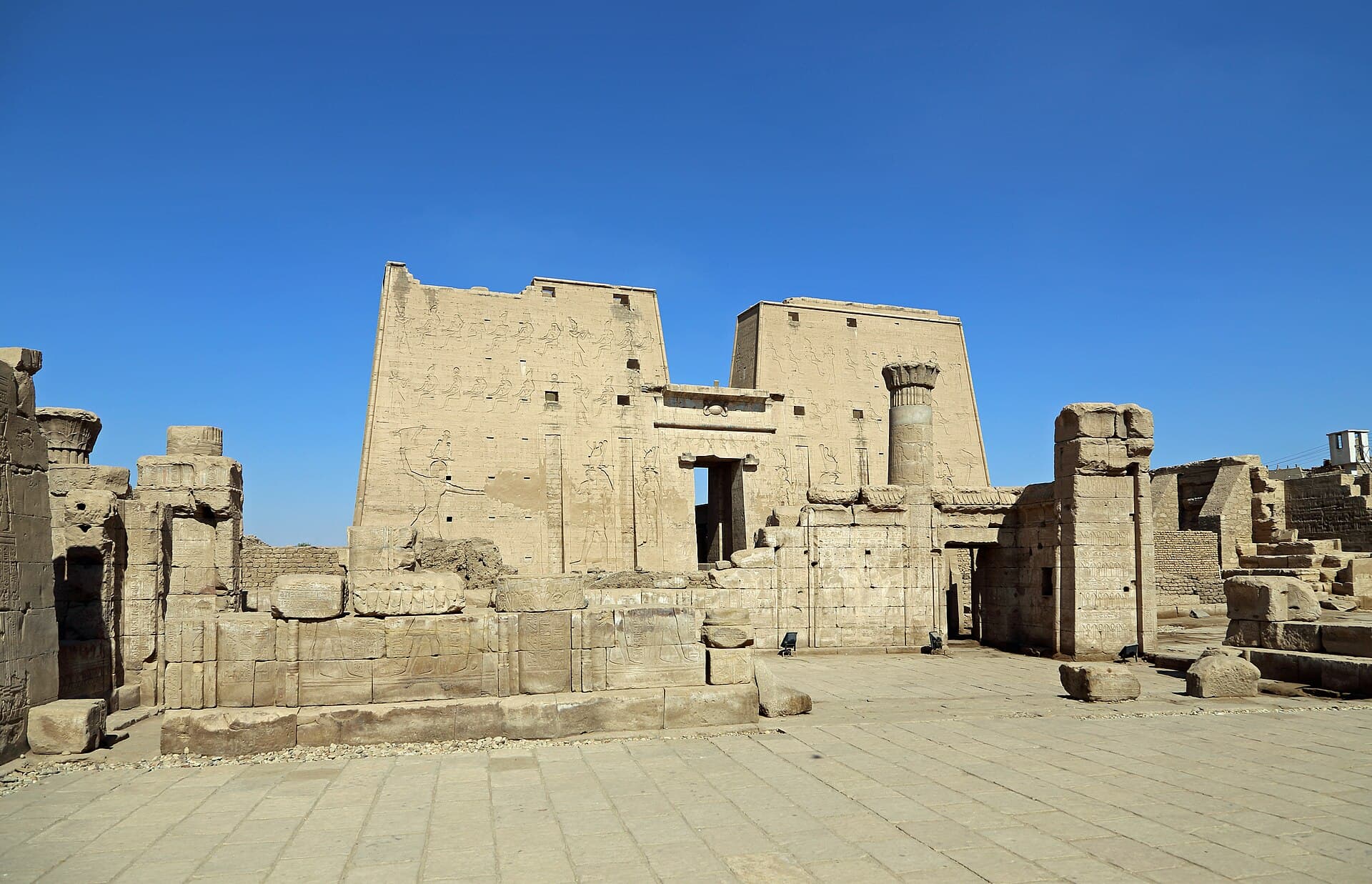
Ask people what surprised them about Egypt and it is rarely the pyramids, which arrive more or less as advertised. It is the river. Egypt is a thin green line drawn through a desert. You only really see that from the water, where the cultivated strip ends a few hundred metres from each bank and the sand starts. The temples at Edfu and Kom Ombo were built to be approached this way. Coming up to Kom Ombo from the river at dusk feels different from arriving at a coach park.
The catch is traffic. Most large boats sail the same three or four nights on the same schedule between Luxor and Aswan. You meet the same boats at each mooring and the same crowd at each temple. Going early is the only real fix. Dahabiyas, the small sailing boats carrying a dozen or so passengers, moor on sandbanks and keep no fixed timetable. They cost more and cover less ground, which is the point of them. If the river is your reason for coming, spend the money there and save on the hotel in Cairo.
You can also skip the cruise. Luxor and Aswan can be reached by a short flight or the overnight sleeper and visited from a hotel in each. You lose the sailing, which is most of the argument for the river. Every temple is still there, and the trip costs less.
Pro: more than the pharaohs
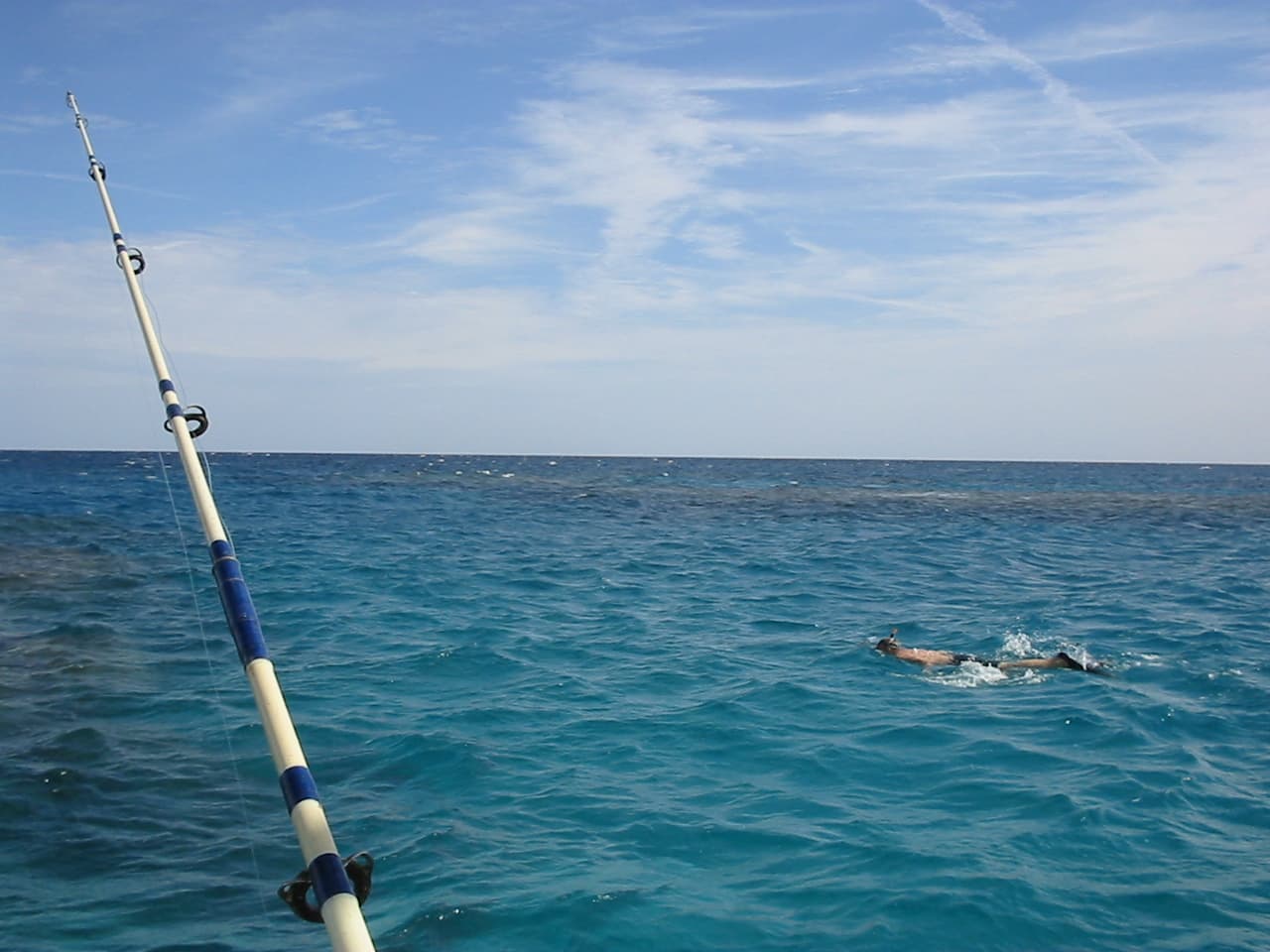
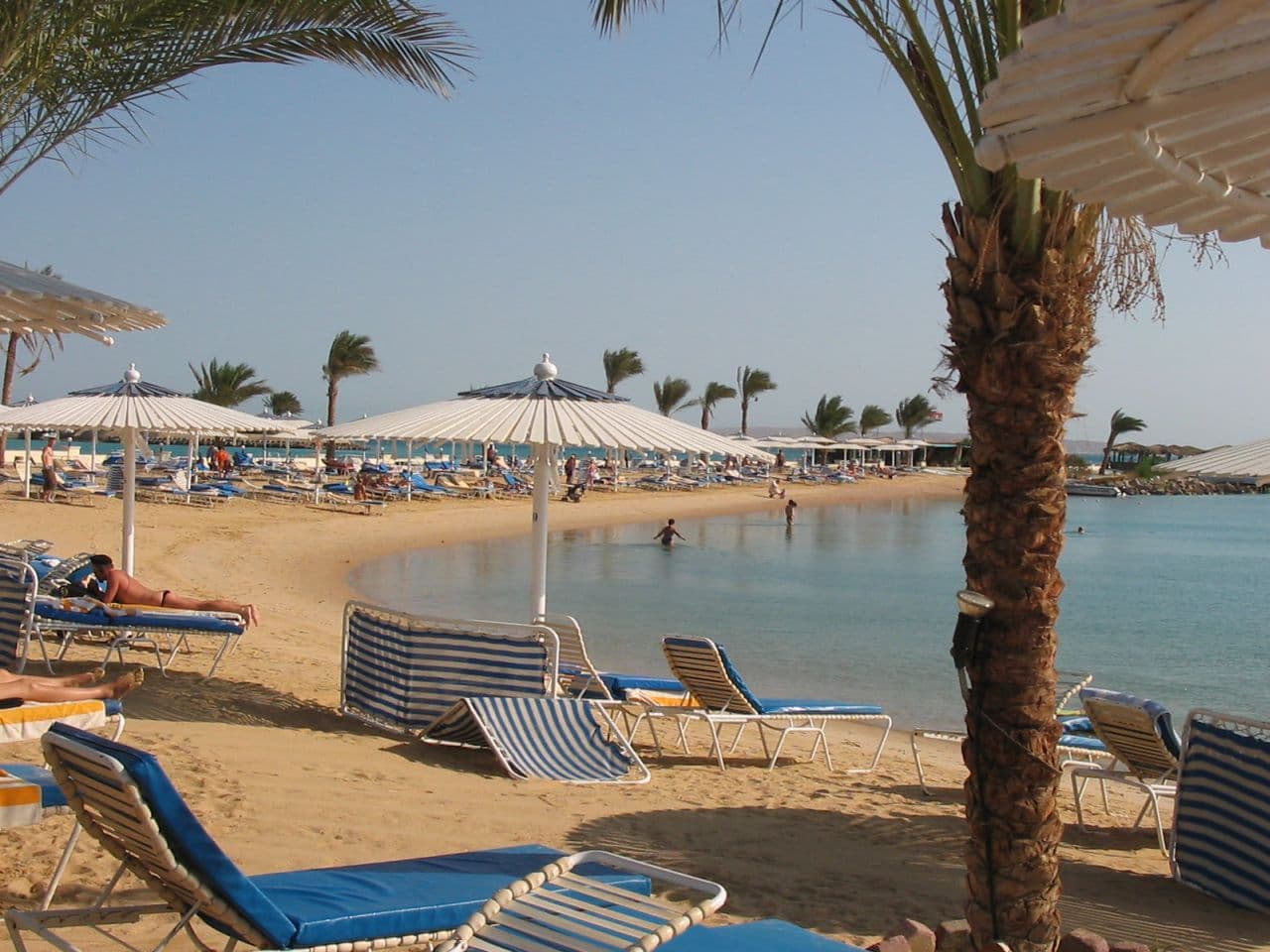
This is where second visits tend to go. The Red Sea is the strongest non-pharaonic reason to come. The reefs off Sharm el-Sheikh and Marsa Alam are in decent condition by world standards, and the wrecks are famous among divers. The diving works all year round. The resort towns themselves are dull. Fly in, get on a boat, and expect nothing at all of the streets.
Islamic Cairo is the most underrated thing in the country. Al-Muizz street, the mosque of Ibn Tulun with its spiral minaret and the working lanes behind Khan el-Khalili make up a medieval city still in daily use. It costs almost nothing to walk through. Give it a full day on foot, best in the late afternoon. Saqqara and Dahshur, forty minutes or so south of Giza, let you walk into a pyramid without queueing. You hear nothing, which the Giza plateau cannot offer at any price.
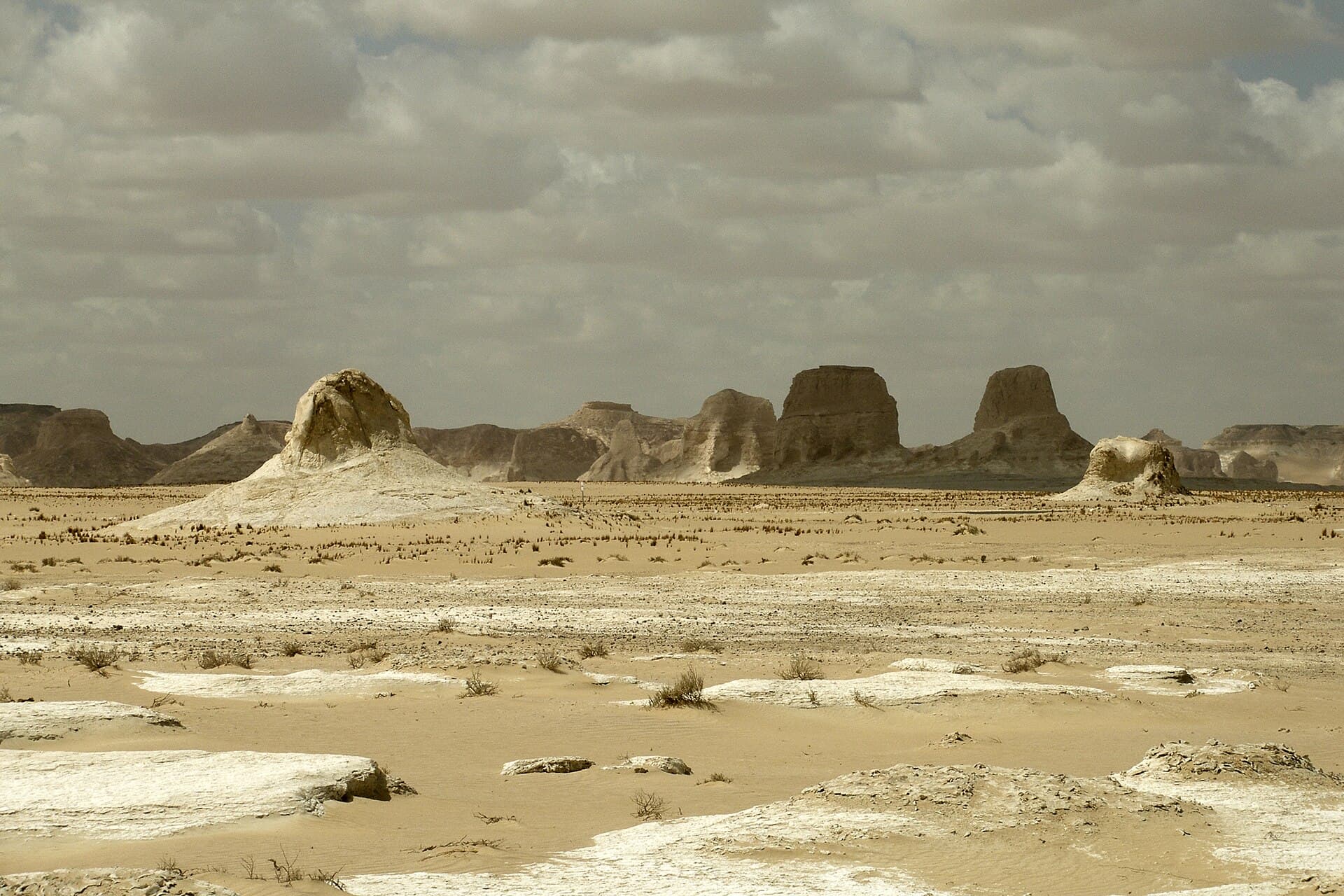
Further out, the White Desert reached from Bahariya oasis is chalk eroded into mushrooms and towers. It is better camped in than driven through, though access has been restricted at times and needs checking. Siwa is eight to ten hours from Cairo out towards the Libyan border: salt pools, a collapsing mud-brick fortress, and a slower pace than anywhere else here. Alexandria is a half-truth. Almost nothing of the ancient city survives above ground. Go for the corniche, the fish, the catacombs of Kom el Shoqafa and the modern library, and go by train.
The food is a genuine pleasure that almost no itinerary makes room for. Koshari is the national dish: rice, macaroni, lentils and chickpeas in one bowl. With ful medames and taameya, it is cheap, filling and vegetarian without anyone having to think about it. The best of it comes from small shops. Hotel buffets flatten everything to the same mild standard, and boat food follows the same rule. Eat those meals for convenience and do your real eating on land.
Con: parts of the standard route are oversold
Cairo's traffic gets sold to you as chaotic and thrilling. In practice it is a tax on your day, and crossing the city at the wrong hour can swallow most of an afternoon. The sights are also further apart than a map suggests. The pyramids and the Grand Egyptian Museum sit out on the Giza side. The old Islamic city and the Khan el-Khalili bazaar are across the river. Pair your days by which side of the Nile you are on.
The camel ride at Giza is a photograph with a price argument attached. Papyrus workshops, perfume houses and alabaster factories on group itineraries are sales rooms with a demonstration bolted on the front. The Sphinx is smaller than everyone expects and viewed from behind a fence. The Red Sea diving is excellent, and the resort strip attached to it is indistinguishable from Spain.
Tour desks push two more hard. Going inside the Great Pyramid means a hot, crouched climb up a narrow passage to an empty granite room. It is worth it only if the confined space itself is the draw. The evening sound and light show at Giza is dated, and we would not book it. Neither is a scandal. Both are money that buys you more somewhere else.
Con: the hassle, and how bad it really is
This is the commonest reason people come home disappointed, so it deserves a straight answer. At Giza, on Luxor's west bank, at Karnak and along the Aswan waterfront you will be approached repeatedly. For a camel ride, a scarf, a photograph you did not request and will then be charged for, a tip for someone pointing at a carving. In the first hour it feels relentless.
It is limited to a few places and stops quickly. A firm no, no eye contact and no break in your stride ends most approaches in seconds. What prolongs it is politeness that reads as interest, or accepting anything offered as a gift. Nothing handed to you is free. A guide absorbs most of it, and arriving at opening time removes much of the rest. Away from the big monuments it stops entirely.
Separate the selling from the hospitality. For the first day they look identical, and after that they stop looking alike at all. Egyptian hospitality is genuine and often overwhelming: tea appears constantly, invitations are frequent, and most of the time it is exactly what it looks like. Around the major sites, though, friendliness is sometimes an opening move. Someone who tells you a site is closed, offers a shortcut, or presses a small gift into your hand is generally selling something. Telling the two apart quickly is most of what makes the trip pleasant. La shukran, said pleasantly, is the single most useful phrase you will learn here.
Con: the summer heat
From June to August, daytime temperatures in Luxor and Aswan routinely pass forty degrees Celsius and can climb into the mid-forties. September is still close to forty in its first half. That is no weather for sightseeing. The Valley of the Kings is a treeless limestone bowl that behaves like an oven, and heat exhaustion catches people out there every summer. If August is your only window, do everything before ten in the morning and stay indoors until evening.
November to March is comfortable in the south, warm by day and cool enough at night to want a jacket on the water. It is also the busiest and most expensive stretch. April and October are the sensible compromise: hot but workable, thinner crowds, lower rates. May is already close to forty degrees in Luxor, so treat it as early summer. Spring brings the khamsin, a hot dry wind that occasionally throws dust across the country and flattens visibility for a day or two.
Winter has a second cost that nobody mentions in the brochure. The good boats and the better hotels fill months ahead over Christmas, New Year and Easter, and the sites are at their most crowded. An early start is worth more in January than at any other time of year. In winter you get comfortable weather or an empty Karnak, and only an early start gets you close to both.
Con: distances, money and prices
Egypt is long and thin where it matters. Cairo to Luxor is roughly 650 kilometres by road, Luxor to Aswan about 215, and Cairo to Aswan about 900. Fly the long legs and drive or sail the short ones. Domestic flights run from Cairo to Luxor, Aswan, Hurghada and Sharm el-Sheikh. They are retimed often, sometimes by hours and sometimes the day before, so leave a buffer before any international connection. Cairo airport's terminals are far apart, so confirm which terminal each flight uses.
The overnight sleeper saves a hotel night and a travel day. Its berths are narrow, the ride is noisy and departures tend to run late. Try it once if you are curious, travelling as a couple and happy to trade sleep for a day. Skip it with small children, a bad back, or an early start at Karnak the morning you arrive. Security checkpoints sit on most main roads, and foreign passengers are routinely asked for passport details. Keep a passport or a copy within reach. Most checks take a couple of minutes, and occasionally one takes far longer.
The Egyptian pound is closed in practice, so you get it after you land. Bring euros or US dollars, clean and unmarked. Banks and exchange offices refuse torn, written-on or badly creased notes, and often turn away Scottish and Northern Irish sterling. Change money at a bank or a licensed office. Anyone who approaches you with a special rate is selling you a short count. In Cairo, hotels, supermarkets, pharmacies, chain cafés and most mid-range and upper restaurants take Visa and Mastercard. A growing number of major sites sell tickets by card. Taxis, juice bars, market stalls, boatmen, toilets and every tip run on cash. Outside Cairo, treat a working card terminal as luck. If one offers to charge you in sterling or euros, choose pounds. That rate is set by the machine's operator and it is always worse.
Carry small notes, because nobody has change. Baksheesh is part of how people in tourism are paid: the man watching the cars, the porter, the person who fetches a chair. On a guided day with a private Egyptologist and a driver, budget 15 to 20 euros per person for tips, plus 5 to 10 a night for the crew box on a cruise. Haggle in markets and in taxis without a meter. Shops with marked prices, hotels and restaurants are fixed.
Our six tours of 7 to 10 days have from-prices between US$1,890 and US$2,635 per person, land only. Domestic flights are in the price on all six, and international flights are not. Entry fees have risen sharply in recent years and change often enough to be worth checking. Our trip costs guide breaks down the rest, including how party size and group departures change the price.
Con: how to read a cheap price
A quote far below everything else you have seen is usually subsidised somewhere. On Egyptian itineraries that is generally shop commission. Papyrus, alabaster and perfume stops appear on the programme as cultural visits. The guide earns on what you buy, so the demonstration is short and the sales room is long. Ask the operator whether shop visits are in the itinerary. A trip with none costs more up front and often less in total.
A low headline price also hides what sits outside it. Almost every Egypt quote is a ground package: hotels, transport, guiding and the river portion if you have one. International flights are nearly always separate. Operators differ on whether entry tickets, domestic flights, tips, drinks and optional sites are included. Two quotes that look far apart can be near-identical once you add back what the cheaper one leaves out. Compare inclusion lists before you compare totals.
Most Egypt trips sold in Europe are run on the ground by a fairly small number of Egyptian operators. The website you book through is often a reseller adding a margin to the same cars, guides and boats. That is why identical programmes come back at very different prices. Booking closer to the ground operator usually costs less for the same trip.
Party size moves the per-person price more than almost anything else. A private car, driver and guide costs much the same whether two or four people use it. Four sharing pay noticeably less each than a couple on the same itinerary. At six or more, a private trip often costs less than the equivalent small-group departure. For one or two people a scheduled group is cheaper. What it costs you is timing. A coach group rarely reaches the Valley of the Kings or Karnak before the crowds.
Is Egypt worth visiting with children?
Better than most people expect, with one hard constraint. Children respond to pyramids in a way they never respond to cathedrals, and a tomb you can walk into beats any amount of explaining. A river boat helps too. It gives them a deck and a pool between sites, the closest thing an Egyptian itinerary offers to a rest day that still moves you forward.
The constraint is heat. Summer in Luxor and Aswan is a bad idea with young children, and the compromise months matter more for a family than for anybody else. Beyond that, cut the itinerary and keep the pace gentle: two sites done properly beat four endured. A few days of digestive trouble is common for everyone on a first trip. Carry rehydration sachets and keep one flexible day in the middle. Put the long drives and the pre-dawn starts where a rough night would not wreck them.
How does it compare to an easier first trip?
Greece is easier in every practical respect, with better roads and almost nobody selling you anything. It has nothing on the scale of Karnak. If Egypt sounds like too much, Jordan is a good trip in its own right, with short distances, far less hassle and Petra. Egypt asks more of you and gives more back. That is the whole trade.
Jordan is the comparison most people are weighing. Jordan fits into five to seven days, and Egypt wants ten. Jordan has one great sight in Petra, with Wadi Rum, the Dead Sea and Jerash in support. Egypt has roughly a dozen sights of the first rank. Jordan costs more day to day, especially accommodation and the Petra ticket. A one-day Petra ticket is 50 Jordanian dinars if you spend a night in Jordan, and 90 if you do not. Those prices are from Petra's official site, visitpetra.jo, checked October 2026. Egypt is cheaper on the ground and harder to move around.
Two weeks does both Egypt and Jordan. Most people fly Cairo to Amman. The land and ferry routes via Aqaba exist but cost most of a day. Our Egypt vs Jordan guide compares the two in full.
What actually makes people regret going
Rushing causes most of it. Egypt gets compressed into a week because that is what leave allows. The result is four hours of driving a day and a blur by Thursday. Ten days is a substantially better trip than seven. If you only have a week, cut sites out and keep the time you spend at each. Nobody regrets seeing less, slowly.
Guide quality matters more here than almost anywhere. A licensed Egyptologist turns a wall of carvings into a story you can follow. A guide reciting a memorised script leaves you looking at old stone and checking your phone. Large coach groups compound the problem: they arrive at the hottest, fullest hour and build shopping stops into the day. Asking an operator who specifically will be with you is a fair question.
The other recurring regret is the right price at the wrong time of year. Summer is the cheapest the same programme gets, sometimes dramatically so. That is exactly why people book it, and then discover the saving bought them a trip they did the first three hours of each day. If that price difference is what makes Egypt possible at all, take it with your eyes open and plan every day around dawn. If it is merely convenient, wait for October or April and spend the difference on a better guide.
So, is Egypt worth visiting?
Yes, with conditions. Go outside the deep summer if your calendar allows. Go with enough days that you are not sprinting, and with somebody who can explain what you are looking at. Do not go if what you want is rest, or if the only window you have is August and the trip could wait a year.
Common questions
What are the pros and cons of visiting Egypt?+
The pros are sights that exist nowhere else, the Nile seen from the water, Islamic Cairo, the Red Sea and low day-to-day costs. The cons are summer heat above forty degrees in Luxor and Aswan, persistent selling around the big sites, long distances and rising entry fees. For most people the pros win, provided they avoid July and August and allow ten days.
Is Egypt overrated?+
Parts of it are. The camel ride at Giza, the shop stops on group tours and the sound and light show are oversold. Karnak, the painted tombs and the Nile live up to their reputation, and Islamic Cairo is underrated.
Is Egypt friendly to American tourists?+
Yes. Egyptian hospitality is genuine and extends to Americans as much as anyone. Around the big sites, some friendliness is an opening move to sell you something, whatever your passport. US dollars are the easiest foreign currency to change. For current safety advice, read the US State Department page on Egypt before you book, and the UK FCDO page for a second view.
Should I visit Morocco or Egypt?+
Pick Egypt for the ancient world and Morocco for living cities, mountains and desert. Morocco is the easier first trip and works well in a week. Egypt is the bigger trip and wants ten days. Combining them means a flight of several hours, so treat it as two trips in one holiday.
Can women wear shorts in Egypt?+
At the Red Sea resorts, yes. At Giza, Karnak and the Valley of the Kings, shorts are tolerated and nobody is turned away for them. In Cairo, Luxor and Aswan, covered shoulders and knees is the practical standard for women and men alike. Loose, light clothing is cooler in the heat anyway. Carry a scarf for mosques.
Is Egypt safe for tourists at the moment?+
The main sites and the roads between them have a heavy security presence, and checkpoints are routine. For current advice, read the US State Department and UK FCDO pages on Egypt before booking. Check your own government's advice too, because insurance follows it.
How many days do I need in Egypt?+
Ten days is roughly where the trip stops feeling like a race. That covers two or three days in Cairo, three or four around Luxor and the Nile, and a couple in Aswan without spending every morning in a vehicle. Seven works if you drop something entirely. Adding the Red Sea needs ten or eleven days, or a fortnight if you want a proper week on the coast.
Do I need a guide, or can I do it independently?+
You can do it independently and plenty do. Transport is cheap and the practical friction is manageable. The real cost is comprehension: temples and tombs are covered in narrative that means little without somebody to read it aloud. Independent travellers usually say the guide is the one thing they would add next time.
What should I budget for tipping?+
On a guided day with a private Egyptologist and a driver, budget 15 to 20 euros per person. Add 5 to 10 euros per person a night for the crew box on a cruise. Tips also cover restaurant staff and whoever opens a gate or watches your shoes, so carry small notes constantly. Small and frequent works better than large and occasional.
Will I get ill from the food or water?+
Do not drink the tap water anywhere, including for teeth. Bottled water is cheap and everywhere. Mild stomach upsets in the first few days are common and usually pass quickly. Hot, freshly cooked food is generally fine. Raw salad and unpeeled fruit carry more risk. Bring rehydration sachets and something for diarrhoea.
When is the best time to visit Egypt?+
November to March has the most comfortable weather in Upper Egypt. It is also the busiest and most expensive stretch, especially over Christmas, New Year and Easter. June to August regularly passes forty degrees in Luxor and Aswan, which cuts sightseeing back to the early morning. April and October are the sensible compromise on weather, crowds and price.
Is a Nile cruise essential, or can I skip it?+
You can skip it. Fly or take the sleeper to Luxor and Aswan and stay in a hotel in each. Every temple on the cruise route is also reachable by road. You lose the sailing, which is the part most people remember.
Do I need a visa, and can I get one on arrival?+
Most visitors can choose an e-visa in advance or a visa at the arrival counter. The e-visa is the better choice for most people. It saves a queue and settles any question at your departure gate. Not every nationality can use either route. Check the official portal at visa2egypt.gov.eg (checked October 2026) and your own foreign ministry before booking anything non-refundable.
Can I use cards, or do I need cash?+
Both, with cash as the default. Cairo hotels, supermarkets, pharmacies and mid-range restaurants take Visa and Mastercard. Outside the capital, treat a working card terminal as luck. Tips, taxis, market stalls and small shops take cash only. The Egyptian pound is closed in practice, so bring clean euros or dollars and change them after you land.
Is Egypt worth visiting as a solo traveller?+
Yes, and solo travellers are common here. The main downside is cost. Single supplements on hotels and boats are real, and you pay the upper end of any budget level. A scheduled group departure often costs less than a private trip. Solo women travel here often. Expect unwanted comment, from tedious to unpleasant.
Will Ramadan spoil a trip?+
Ramadan changes a trip without spoiling it. Many Egyptians fast from dawn to sunset, so days are quieter and service can be slower. Evenings are festive. Restaurants in tourist areas stay open, and nobody expects visitors to fast. Eating, drinking or smoking openly in the street by day is poor manners. Ramadan moves about eleven days earlier each year, so check the dates.
Why is there no online booking, just an enquiry?+
Egypt trips are built around your dates, group size and pace. The guide, the vehicle and the order you visit sites in all change with who is travelling. You send your dates, the number of people and what matters most. You get a written itinerary and a price for that trip. Nothing is booked until you are happy with it.
Official sources
Entry rules, opening hours, security advice and exchange rates all move. Check them at the source, not here.
WHO travel health: Egypt ↗General health guidance. Your own travel clinic knows your history; ask them too.
Written and checked by the Nile Trip Guide editorial team · Last reviewed . Entry rules, prices and opening hours change — check anything critical against the official sources linked on this page.
The route most people take first, at the length it was built for: Giza and the Grand Egyptian Museum, then a flight to Luxor and four nights sailing down to Aswan.
No boat on this one. Giza and the Grand Egyptian Museum, a night in Luxor for both banks, two nights on the Red Sea, then back to Cairo for the Citadel, Coptic Cairo and the Royal Mummies.
Five nights in Cairo either side of a four-night sail from Luxor to Aswan. The Cairo days are private, just your party and a guide; the sightseeing off the boat is shared with a small group.