The best time for a Nile cruise is October to April, and if you can pick freely, March or October. That is roughly the same answer as for Egypt as a whole, but the reasoning is not: a boat has shade, air conditioning and a cabin an hour from wherever you are standing, and a temple has none of those. Heat hurts you at the sites, not on board. Cold, when it arrives, hurts you on deck in the evening, which is where you were planning to spend your nights.
Why the river is a different question from the country
Most timing advice for Egypt describes standing outside in Upper Egypt, and rightly so. What changes on a cruise is that the hard part of the day is bounded. You are out early, at a temple, in full sun with almost no shade; then you are back aboard, and the rest of the day happens under an awning or in an air-conditioned cabin. That makes a hot month survivable in a way it is not on a land tour, where the afternoon is a coach and a hotel lobby.
The reverse is true in midwinter. Evenings on deck are the thing people picture when they book, and in December and January they are cool enough for a jacket. It is the most common packing mistake on the river: people pack for a hot country and spend the best hour of the day indoors because they have nothing warm with them.
The temperatures below are typical daytime highs for Luxor, and they are approximations rather than promises. Our month-by-month pages carry Cairo and Red Sea figures alongside them, and the country-wide verdict is on the best time to visit Egypt page. This one is only about the boat.
There is a second difference, and it is structural rather than meteorological. A cruise runs to a fixed sequence. The boat sails when it sails, moors where it is allotted a berth, and delivers you to Esna, Edfu and Kom Ombo in an order you did not choose. On a land tour a hot afternoon can be rescheduled; on a boat it can only be spent indoors. That makes the month you pick a decision about the hours you will have rather than the places you will see, because the places do not change.
So the useful way to read what follows is not as a hunt for a perfect month. There is not one. Every month on the Nile trades heat against crowds against price against daylight, and the question is only which of those four you are least willing to pay. People who know which one that is book well. People who do not tend to book December, which is the most expensive way of finding out.
How the month changes the shape of a cruise day
A day on a cruise boat has four parts: an excursion, some sailing, some time on deck, and an evening. The month leaves the excursion list untouched and rearranges everything else. In winter the morning starts at a civilised hour, a full morning at Karnak is comfortable, the deck is usable from breakfast onwards, and the evening moves indoors or under a layer. In high summer the excursion moves to first light, the deck dies from mid-morning until late afternoon, and the evening becomes the best part of the day rather than an afterthought.
Daylight matters more than most people allow for, because Upper Egypt does not have a long dusk to bail you out. Sunrise at Luxor is roughly an hour and a half later in midwinter than it is at midsummer, and the afternoon closes at the other end to match. November and December are comfortable months with short days, which is a real constraint on the West Bank: an itinerary that assumes a long afternoon among the tombs will run out of light before it runs out of temples.
The tombs themselves behave differently from the open sites. They are cut into rock, airless, and they hold heat and visitor humidity rather than shedding it, so a tomb in September is not cooled by the fact that the shade is technically indoors. That is why the summer advice is a dawn start rather than a midday one, and why a guide who proposes nine in the morning for the Valley of the Kings in June is not doing you a favour.
Ask the operator for the actual start times used in your month rather than the ones in the brochure. Pickups and excursion departures shift through the year by an hour or more, and a schedule written for March tells you very little about what July looks like at six in the morning.
December to February: the best walking weather, the worst moorings
Luxor sits around 24C in December, 23C in January and 25C in February. That is close to ideal for a full morning at Karnak or a long walk on the West Bank. It is also why these are the busiest and most expensive weeks of the year. Christmas and New Year are the two dearest weeks in the Egyptian calendar, and the boats worth being on fill months ahead. January cabins usually go by autumn, and what remains is what nobody wanted.
February is the quiet win. It keeps almost all of January's temperature and misses the Christmas peak, though European half-term traffic lifts prices for a week or two in the middle of the month. The Abu Simbel sun alignment falls around 22 February, which is an Aswan excursion rather than a cruise stop, and it needs accommodation booked well ahead.
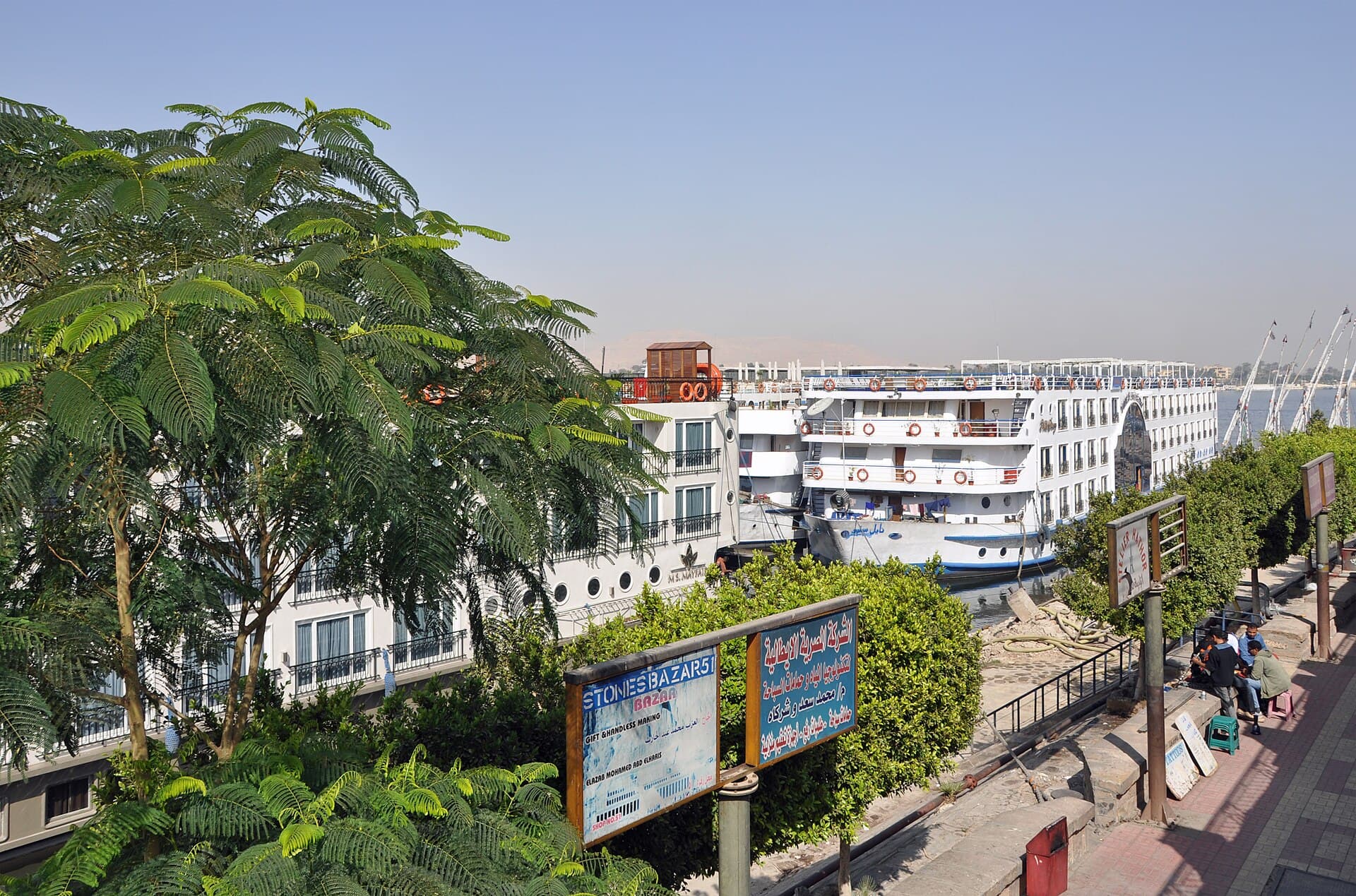
The catch in all three months is congestion rather than weather. High season is when boats raft up two, three or four abreast at the smaller moorings, so a river view can become a view into another boat's lounge, and when queues at the Esna lock are at their most tiresome. Book early enough to choose the boat, not just the week.
The festive weeks carry a cost that is easy to miss when you compare fares. A gala dinner on 24 or 25 December or on 31 December can be an extra charge. Several festive packages from Memphis Tours, the operator behind our trips, leave a gala dinner in Cairo out of the price. Ask whether your hotel or boat adds one, whether it is compulsory and whether it is in the quoted total. It can be quoted separately from the cruise price, so ask for the all-in figure for your dates rather than the headline one. Two gala suppers can move a Christmas and New Year sailing a long way from the number you were comparing against February.
Winter also changes which onboard facilities matter. The pool is the obvious one: at 23C to 25C by day and cool after dark, an unheated pool is decoration rather than a facility, so confirm in writing that it is open and heated in the month you travel rather than assuming the photograph was taken in your season. Cabin position matters for the opposite reason to summer, when you want shade. In January you want the deck chair that gets the sun, and by the middle of the afternoon there are fewer of those than you expect.
March and October: the two months where nothing is a compromise
Luxor is around 29C in March and 34C in October. Both are warm enough to feel like a proper holiday and cool enough that a full morning at a temple is comfortable rather than an endurance test, and the deck is usable all day in both. If someone asks for one month for a Nile cruise, March is usually the answer, with October its near-identical counterpart at the other end of the summer.
March has one variable worth knowing. The khamsin, a hot southerly wind, can arrive from late March and carry sand for a day or two at a stretch. It rarely ruins a trip, and it does not usually stop a boat, but it flattens visibility and it will spoil the photographs you came for.
October has a pricing quirk instead. Rates climb through the month as the season starts, so the first half is usually better value than the second for identical weather. The second Abu Simbel alignment falls around 22 October and draws the same crowds as February.
These are also the two months when the optional extras behave. Balloon flights over the West Bank need calm mornings and get them more often in March than at any other time of year, with the khamsin as the one qualifier late in the month. Felucca sailing at Aswan is at its best in March as well, with warm afternoons, cool evenings and reliable wind. If your trip has a list of things that can be cancelled by weather, March is the month with the fewest of them.
For small sailing boats the same two months are the peak of a shorter season. A dahabiya has open decks and limited cooling, which suits 29C and does not suit 41C, so March, October and the winter months either side of them are when those boats are at their best and their busiest. If a dahabiya is the point of the trip rather than a preference, treat March and October as the target and book accordingly.
April, May and September: the edges of the season
April runs around 35C in Luxor. It still works if you build the day properly: out early, back aboard before the worst of it. April is also the month where a cruise combines best with time on the Red Sea, because the sea reaches about 25C and both halves of the trip work rather than one carrying the other. Easter moves year to year and takes prices and crowds with it, so check where it falls before assuming April is quiet.
May is around 39C and the balance tips. The temples become a dawn job and the middle of the day is not usable for sightseeing, which is a smaller problem afloat than ashore but still shortens what you see. September is the mirror image, and the better bet of the two. Around 38C in the first half, noticeably easier in the last ten days, and rates that lag the improving weather by two or three weeks. If your dates in September are flexible, push them later.
April has one date worth knowing about because it is a national one rather than a tourist one. Sham el-Nessim, the spring festival, falls on the Monday after Coptic Easter and fills parks and riverbanks across the country. It is a good day to be in a city among Egyptians rather than at an archaeological site, and it is the sort of thing a fixed cruise itinerary will sail straight past unless you notice it in advance.
Khamsin winds remain possible into April, so the caveat attached to late March does not stop at the end of the month. It is worth repeating the honest version: the khamsin costs you photographs and a day of long views, not a sailing. Nobody should move a trip to avoid a risk that behaves that way, but people who have planned their holiday around a particular photograph should know that the risk exists.
September deserves one more line, because it is the month our own figures argue for most strongly and the one people book least. The sea is still at 30C, the coast is empty of summer crowds, the temples are cooling week by week, and the market has not repriced any of it. A late September sailing followed by a few days on the Red Sea is close to the best value combination in the calendar, provided you accept that the first week of the month is still summer in everything but name.
June to August: cheap for a reason, and not always the wrong call
Luxor runs around 41C through all three months. On a boat that has three effects. The sun deck is unusable from mid-morning until late afternoon, excursions move to first light, and the day divides into a hard two hours and a long air-conditioned pause. Boats are cheaper in summer for exactly this reason, and the discount is substantial rather than token.
August has a genuine oddity attached to it. European school holidays fill the Red Sea resorts while Luxor and Aswan are as empty as they ever get, so the Valley of the Kings can be close to yours alone. If you tolerate real heat and travel without children, that is a serious trade to consider.
It is a poor idea with young children, or with anyone who struggles in heat, and we would rather say so than sell it. Heat exhaustion in Upper Egypt in July is a practical risk, not a caveat in small print.
Summer also narrows the kind of boat that makes sense. On a large ship the heat is bounded by glass and air conditioning; on a small sailing boat with open decks and limited cooling it follows you back on board. Some small boats go into dry dock for maintenance in the hottest months, which is part of why the sailing season is shorter than the cruise season. In practice a July trip on the river means a conventional cruise ship, and asking for a dahabiya in July is asking for the wrong boat at the wrong time.
If the summer price is what brings you, the sensible shape of the trip is to move its weight. Cairo sits around 34C to 35C from June to August, which is unpleasant but manageable, and the major museum is air-conditioned. The Red Sea runs from 29C to 31C and is at its best. A short cruise with dawn excursions, bracketed by indoor Cairo and a week on the coast, is a defensible summer holiday. A fortnight built around standing outside in Upper Egypt is not, at any price.
What the month does to the boat you can actually get
Fares move with the season, but the thing that really changes is choice. In December and January the constraint is supply rather than price: the good boats are taken, and what is left late in the season tends to be worse rather than cheaper. In June the constraint is the opposite, and booking close in costs you very little. Between the two, in March, October and November, you can still choose the boat if you book early and are left choosing the week if you do not.
High-season moorings are the most under-reported part of a winter cruise. When boats raft up two, three or four abreast at the smaller quays, the cabin you paid a premium for looks into somebody else's lounge for the evening. That is not a fault in the boat and no operator can promise otherwise, but it is worth knowing before you pay extra for a particular deck in the busiest fortnight of the year.
Boats age quickly on this river, in heat, dust and humidity, and they are refitted between seasons rather than during them. Two questions cut through most of the marketing: when was this boat last refitted, and when were these photographs taken? An operator who will put a date on both is telling you something useful. One who will not has already answered.
The month also decides which questions are worth asking at all. In winter: is the pool heated, and is there a gala supplement. In summer: what time do excursions leave, and how much of the boat is air-conditioned rather than shaded. In March and October there is not much to ask, which is part of what makes them the easy answer.
Khamsin, lock queues and the things that actually disrupt a sailing
Weather is rarely what goes wrong on the Nile. The Esna lock is the commonest thief of an afternoon: boats pass through it between Luxor and Edfu, and at busy times the queue runs to a few hours. It rarely breaks an itinerary, nobody can schedule around it, and it is at its worst in the same high-season weeks that give you the best walking weather. On a three-night sailing an afternoon is a meaningful share of the trip.
Occasionally a boat does not sail at all. Low water, a lock queue or a mechanical problem can leave a vessel where it is, and the operator then moves the group to the sites by road. The itinerary survives; the sailing does not. It is uncommon and it is not tied to a particular month, but it is the risk worth understanding before you build a whole holiday around the idea of a moving hotel.
The khamsin is the only genuinely seasonal disruption, and it is a photographic one. From late March it can carry sand for a day or two at a stretch, flattening visibility and turning the long view down the river into a beige haze. Boats keep going. Balloons often do not, which brings us to the one excursion that is genuinely at the mercy of the calendar.
Balloon flights over Luxor are cancelled for wind more often than most people expect, sometimes the evening before and sometimes at the field with the envelope half inflated. The planning consequence for cruise passengers is specific: book the flight for the first morning your boat is at Luxor, not the last, and check whether your itinerary gives you two consecutive mornings there at all. A boat that arrives in the evening and sails the next day contains exactly one chance, and no amount of goodwill from an operator can invent a second one.
The excursions that care about the month more than the cruise does
The sailing itself is fairly indifferent to the calendar. The things bolted onto it are not. A balloon flight wants calm air, which is why March is the month with the best odds of actually flying and November is the other strong one. The flight always goes at first light, because that is the only part of the day the air behaves, so the relevant temperature is not the afternoon figure on any chart. From late autumn to early spring you will stand in a dark field in the cold before dawn and want a fleece; in high summer the pre-dawn air is mild and a shirt is enough.
The Abu Simbel sun alignments, around 22 February and 22 October, are the two fixed dates in the Egyptian tourist year. Both are Aswan excursions rather than cruise stops, both need a very early start, and both need accommodation booked a long way ahead. If one of them is the reason for the trip, build the cruise around it rather than hoping the itinerary happens to line up.
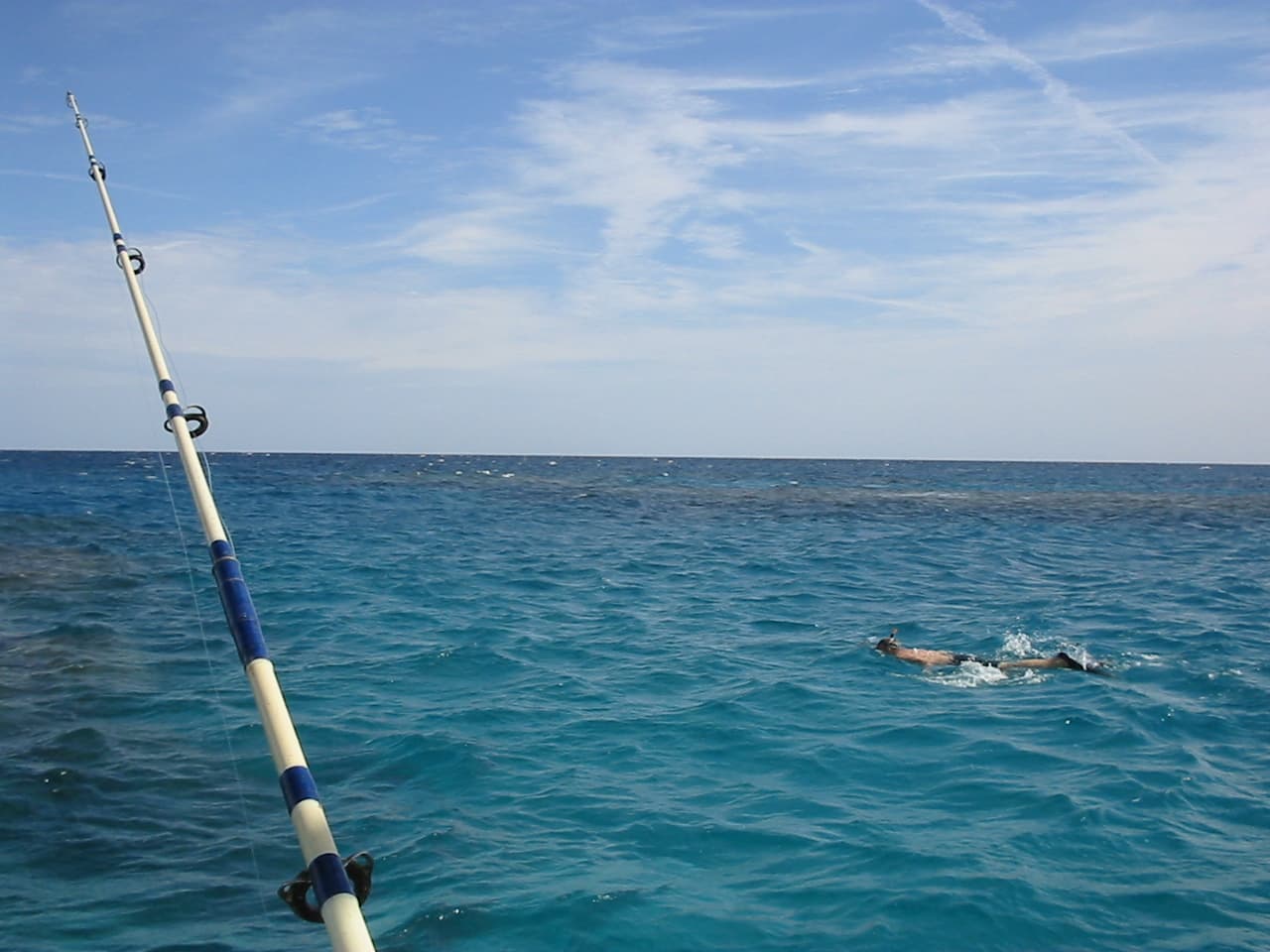
Feluccas at Aswan want wind rather than calm, and March gives them the most reliable of it alongside warm afternoons and cool evenings. Diving and snorkelling, if you are adding the Red Sea, want warm water: 27C in May, 29C in June, 30C in July and September, and 31C in August, which is close to bathwater and not to every diver's taste. In January and February the sea is around 22C, swimmable but cool enough that most people wear a full wetsuit rather than a shortie.
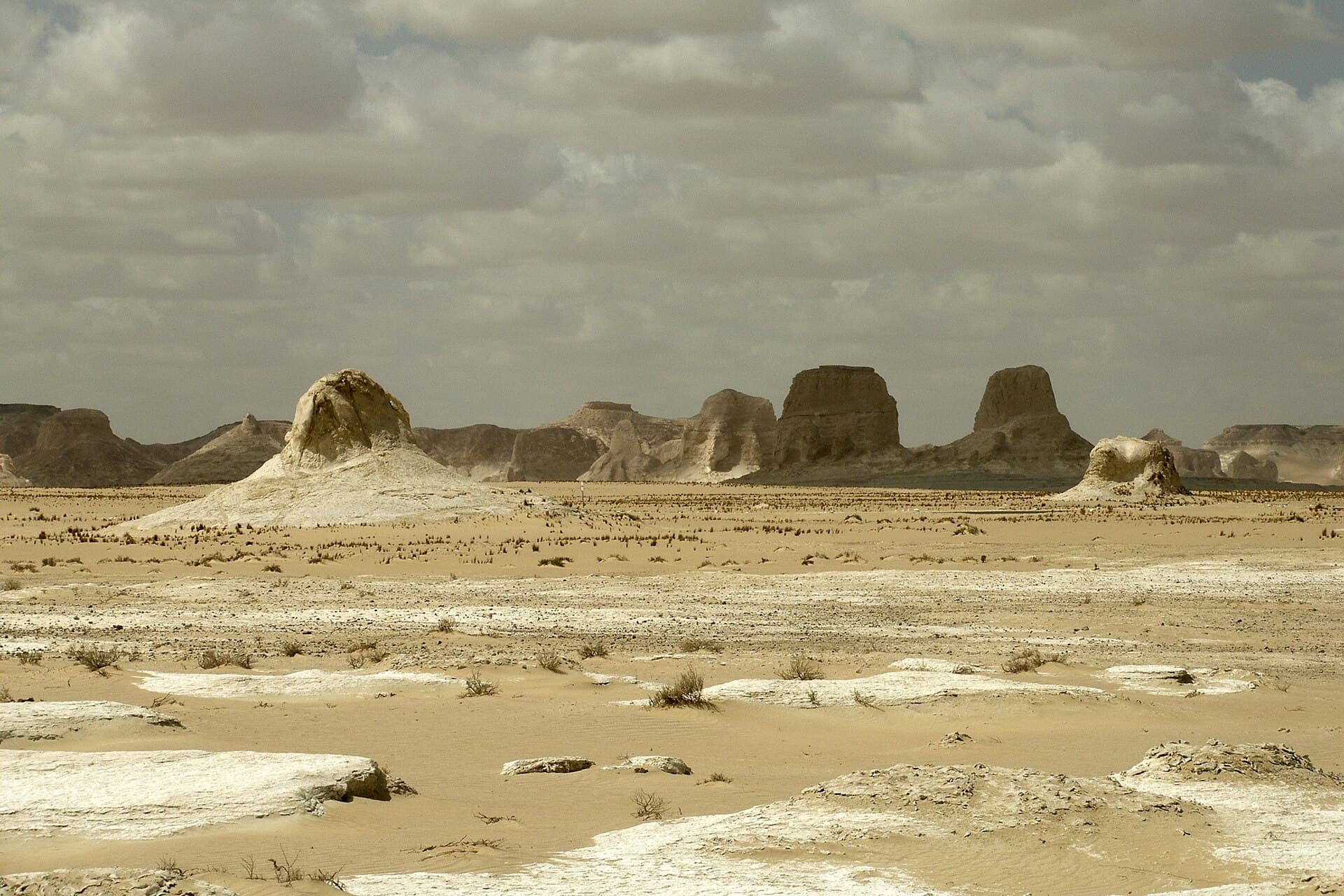
Desert extensions pull in the opposite direction to the coast. The White Desert is at its best in January, when the nights are cold, the skies clear and the haze absent, which is precisely when the Red Sea is at its least appealing. A trip that wants both is a trip that has to pick one, and the honest answer is usually that the desert belongs to a winter itinerary and the sea to an autumn one.
Pairing the cruise with Cairo, the coast or the desert
Almost nobody flies to Egypt for the boat alone, so the right month is usually the one that suits the whole trip rather than the sailing. Cairo runs around 19C to 21C in January and February, 24C in March, 28C in April, then up through the low thirties to 35C at the height of summer, easing back to 29C in October and 24C in November. Winter Cairo is genuinely pleasant for walking, which is the argument for pairing a December or January cruise with several days in the city rather than two rushed ones.
The Red Sea moves on a different schedule from the river. At 22C to 23C from December to February the water is swimmable but not warm, and evenings on the coast can want a jacket. It reaches about 25C in April, 26C in November, and 28C in October. That is why April, October and November are the three months where a Nile cruise and a beach week both work at full strength rather than one half of the trip carrying the other.
December and January are the months to consider skipping the coast entirely. A winter trip built around Upper Egypt rarely regrets it, and the alternative pairing is better anyway: the temples in the best walking weather of the year, Cairo at its most comfortable, and a desert excursion in the season that suits it. Alexandria and the Delta are a different matter again, humid, wet enough to get real winter rain, and capable of being grey and windy from December to February, which surprises people who expect one weather system across the whole country.
From May to September the weighting reverses. The cruise becomes the short, early-morning part of the holiday and the coast becomes the rest of it. That is a perfectly good trip, and it is the one the summer prices are designed for. What does not work is a summer itinerary that treats Luxor and Aswan as the main event and the sea as a coda.
Two things that move independently of the weather
Ramadan shifts through the calendar each year, so it lands in a different season every time. It affects opening hours and the mood ashore rather than the sailing. Check where it falls before you fix dates. Coptic Christmas on 7 January is a public holiday. No official notice says sites close that day.
Daylight is the other one. November is comfortable at around 28C, but the days are getting short, and on the West Bank that matters more than people expect. An itinerary that assumes a long afternoon in November will run out of light before it runs out of temples.
Because the Islamic calendar is lunar, Ramadan moves about eleven days earlier each year against the Western one, which is why it cannot be pinned to a season. The Eid holiday at the end of it is a genuine peak for domestic travel, when families move and transport and hotels tighten, and that is felt more at the airports and on the roads than on the river. Sites stay open through Ramadan, but published hours are unreliable, so have them checked locally rather than trusting a schedule found online.
The Christian calendar moves too, in its own way. The Coptic Easter cycle shifts year to year, taking Sham el-Nessim with it, and Western Easter moves the European school holidays that set April's prices. Only 25 December stays put, and in Egypt it is the date that carries the least weight of any of them.
That is the broader point about holidays here: prices on the river follow the school calendars of northern Europe far more closely than they follow the thermometer in Luxor. Half-term in February and Easter in April both cost more than the weather can explain, and the fortnights either side of them cost noticeably less for conditions that are effectively identical.
Choosing the month for the people travelling
With young children, the answer is October to April and nothing else. Summer is not a marginal call with small children in Upper Egypt; it is the wrong trip. Within the window, check the pool question for December and January, and remember that short winter days shorten the afternoon that a tired family was relying on. The awkward part is that Christmas, New Year and Easter all sit inside the comfortable window and inside the school holidays, so the sites are fullest and the prices highest in exactly the weeks most families can travel.
For older travellers, or anyone with limited mobility or a heart or breathing condition, heat is the constraint that matters and November to March is the range. The tombs are the specific problem rather than the walking: airless, humid, reached by ramps and steps, and several degrees less forgiving than the open sites they sit beneath.
Photographers should want low sun and clear air, which points at March, October and November, with the khamsin as March's asterisk. Divers adding the Red Sea should want the opposite end of the year, from May to September, and will find the river hard work in exactly those months, which is an argument for treating the two halves as separate holidays rather than compressing them.
If price is the deciding factor, the last ten days of September are the best value in the calendar, and June to August are cheaper still if you know what 41C asks of you. And if your dates are fixed by an employer rather than a preference, February and November are the two months least likely to disappoint anyone, which is why they are the answer we give most often when nobody has a choice to make.
When to book, and what to ask when you do
For December, January and the February half-term, book months ahead and accept that you are buying availability rather than a discount. January cabins are usually gone by autumn, and Christmas and New Year go earlier still. For March, October and November, book early enough to choose the boat: these are busy months in which late bookers get a week rather than a vessel. For June to August, there is little penalty in booking close in, and a fair amount of leverage in it.
Whatever the month, ask for the all-in number. A cruise fare that excludes the excursion package, the Abu Simbel extension or the festive supplements is not comparable with one that includes them, and the gap widens in exactly the weeks when the fare is already highest. Ask what is included in the price and what is charged on board, and get the answer in writing.
Then ask the three questions that change with the season: what time do excursions leave in my month, is the pool open and heated on my dates, and how many nights does the boat actually spend moving rather than tied up. The first tells you what the day looks like, the second whether the deck is usable, and the third whether you have bought a cruise or a floating hotel with a view of the quay.
Month by month, in one pass
January, 23C in Luxor: the best temple weather of the year, the busiest moorings and peak prices, with a cool deck after dark and Coptic Christmas on the 7th. February, 25C: almost the same weather without the Christmas peak, the Abu Simbel alignment around the 22nd, and a half-term fortnight in the middle to book around. March, 29C: the best all-round month on the river, with the khamsin possible late in it.
April, 35C: workable with early starts, and the first month the Red Sea is properly warm at 25C, though Easter moves prices and crowds. May, 39C: dawn excursions and unusable afternoons inland, excellent on the coast at 27C, and cheap. June, 41C: the bottom of the market, the sun deck written off from mid-morning, and the sea at 29C.
July, 41C: the hardest month inland, tolerable only with first-light starts and a long indoor afternoon. August, 41C: the same heat, the warmest sea of the year at 31C, full resorts on the coast and near-empty temples in Upper Egypt. September, 38C easing through the month: the value month, better in its last ten days than its first, with the sea still at 30C.
October, 34C: March's counterpart, everything working at once, prices climbing through the month and the second Abu Simbel alignment around the 22nd. November, 28C: comfortable everywhere, the sea still swimmable at 26C, firmly high season and noticeably short of daylight. December, 24C: superb walking weather, the highest prices in the calendar, cool evenings on deck and gala suppers on the 24th or 25th and the 31st, which can cost extra.
So when is the best time for a Nile cruise?
March or October if the dates are yours to choose. November if they are not, because it is comfortable everywhere and the sea is still warm enough to swim at around 26C. February if you want winter conditions without the December bill, avoiding the half-term fortnight.
The last ten days of September if value matters more than certainty, and June to August only if the price is the deciding factor and you know what 41C asks of you. December and January give the best walking weather in the country and cost the most for it — book those months early enough to pick the boat, because by autumn the choice has usually gone.
One closing caution, because it is the mistake we see most often. People spend weeks choosing between two months whose daytime highs differ by three degrees, then book a boat nobody asked questions about, on dates nobody checked against Ramadan or a school holiday. The month is the smaller half of the decision. Get it roughly right, then spend the remaining effort on the vessel, the inclusions and the itinerary, which is where a cruise is actually won or lost.
Common questions
What is the best month for a Nile cruise?+
March, with October a close second. Luxor sits around 29C in March and 34C in October, which is warm without being punishing, and neither month forces you to plan the day around the heat. February and November are the next best, and December and January give the coolest temple weather at the highest prices of the year.
Can you do a Nile cruise in summer?+
Yes, and it is the cheapest time to do it, but know what you are buying. Luxor runs around 41C from June to August, the sun deck is unusable from mid-morning until late afternoon, and excursions move to first light. It is a fair trade for heat-tolerant adults and a bad idea with young children.
Do I need warm clothes on a Nile cruise?+
In December and January, yes. Daytime highs in Luxor run around 23 to 24C. Evenings on deck are cool enough for a jacket, and the desert nights nearby can approach freezing. Packing only for a hot country is the most common mistake people make on winter sailings, and it costs them the evenings.
Which month is cheapest for a Nile cruise?+
June to August, by a wide margin, because Upper Egypt is at around 41C and demand collapses. September is the interesting one: temperatures ease through the month while rates often still lag the weather by two or three weeks. May and early September are the shoulder of that discount.
Does the month change which temples I visit?+
No. The route between Luxor and Aswan is fixed and the stops are the same all year — Esna, Edfu, Kom Ombo, with the Luxor and Aswan sites at either end. What changes is the time of day you see them, how many other boats are moored alongside, and whether the middle of the day is usable.
How far ahead should I book for the winter months?+
Several months, and earlier still for Christmas and New Year. The constraint is supply rather than price: January cabins are usually gone by autumn, and what remains late in the season tends to be worse rather than cheaper. In summer the reverse holds and booking closer in costs you little choice.
Is November a good month for a Nile cruise?+
It is one of the best, and the one we suggest most often to people whose dates are fixed. Luxor sits around 28C, the Red Sea is still swimmable at about 26C, and nothing about the trip has to be worked around. The two caveats are that it is firmly high season, so book the cruise element early, and that the days are short enough to matter on the West Bank.
What is a Nile cruise like in December?+
Weather at its best and prices at their worst. Luxor runs around 24C, which is close to ideal for walking temples all day, while December is the busiest and dearest month of the year. Evenings on deck are cool enough for a jacket. A gala dinner on 24 or 25 December or on 31 December can cost extra. Ask whether your boat adds one and whether it is compulsory.
Does the khamsin stop a Nile cruise?+
Very rarely. The khamsin is a hot southerly wind that can arrive from late March and carry sand for a day or two at a stretch. It flattens visibility and spoils photographs rather than halting a boat, though it is a common reason for a balloon flight to be cancelled. It is unpredictable and not a reason to avoid March, which is otherwise the best month on the river.
Which month gives the best chance of a balloon flight over Luxor?+
March, because calm mornings arrive more often then than at any other time of year, with November the next best. Cancellations for wind are common in every month, so book the flight for the first morning your boat is at Luxor rather than the last, and check whether your itinerary gives you two consecutive mornings there at all. Many do not.
Is there a month when Nile cruises do not run?+
Large cruise ships sail year-round, including through the hottest months, when fares fall sharply. Small sailing boats are different: some dahabiyas go into dry dock for maintenance in high summer, which is why their season is shorter than the cruise season. Individual sailings can also be cancelled at any time of year for low water, a lock queue or a mechanical problem, in which case the operator usually moves the group to the sites by road.
What is the best month to combine a Nile cruise with the Red Sea?+
April, October and November. The sea reaches about 25C in April, 28C in October and 26C in November, while Luxor runs at 35C, 34C and 28C respectively, so both halves of the trip work rather than one carrying the other. In December to February the water is only around 22 to 23C, and in May to August the coast is superb while the river is hard work.
Does Ramadan affect a Nile cruise?+
It affects the shore rather than the sailing. Ramadan moves about eleven days earlier each year against the Western calendar, so it can land in any season, and its main effects are on opening hours and the mood in towns. Published times become unreliable, so have them checked locally. The Eid holiday at the end is a peak for domestic travel, which tightens transport and hotels more than boats.
Official sources
Entry rules, opening hours, security advice and exchange rates all move. Check them at the source, not here.
Written and checked by the Nile Trip Guide editorial team · Last reviewed . Entry rules, prices and opening hours change — check anything critical against the official sources linked on this page.
Plan this trip
Tell us your dates and we will price it
A real itinerary with real prices, usually within 24 hours. Nothing is booked and nothing is charged until you say yes.
Three nights sailing north from Aswan to Luxor, taking in Philae, Kom Ombo, Edfu, the Valley of the Kings and finally Karnak. Full board on board, and the sightseeing runs as a shared group of about fifteen.
Four nights sailing south from Luxor to Aswan: Karnak and Luxor temples on the first afternoon, the Valley of the Kings, Edfu, Kom Ombo and Philae. Full board throughout, with sightseeing in a shared group of about fifteen.