Elephantine Island in Aswan: the ruins, the Nilometer and the Nubian lanes
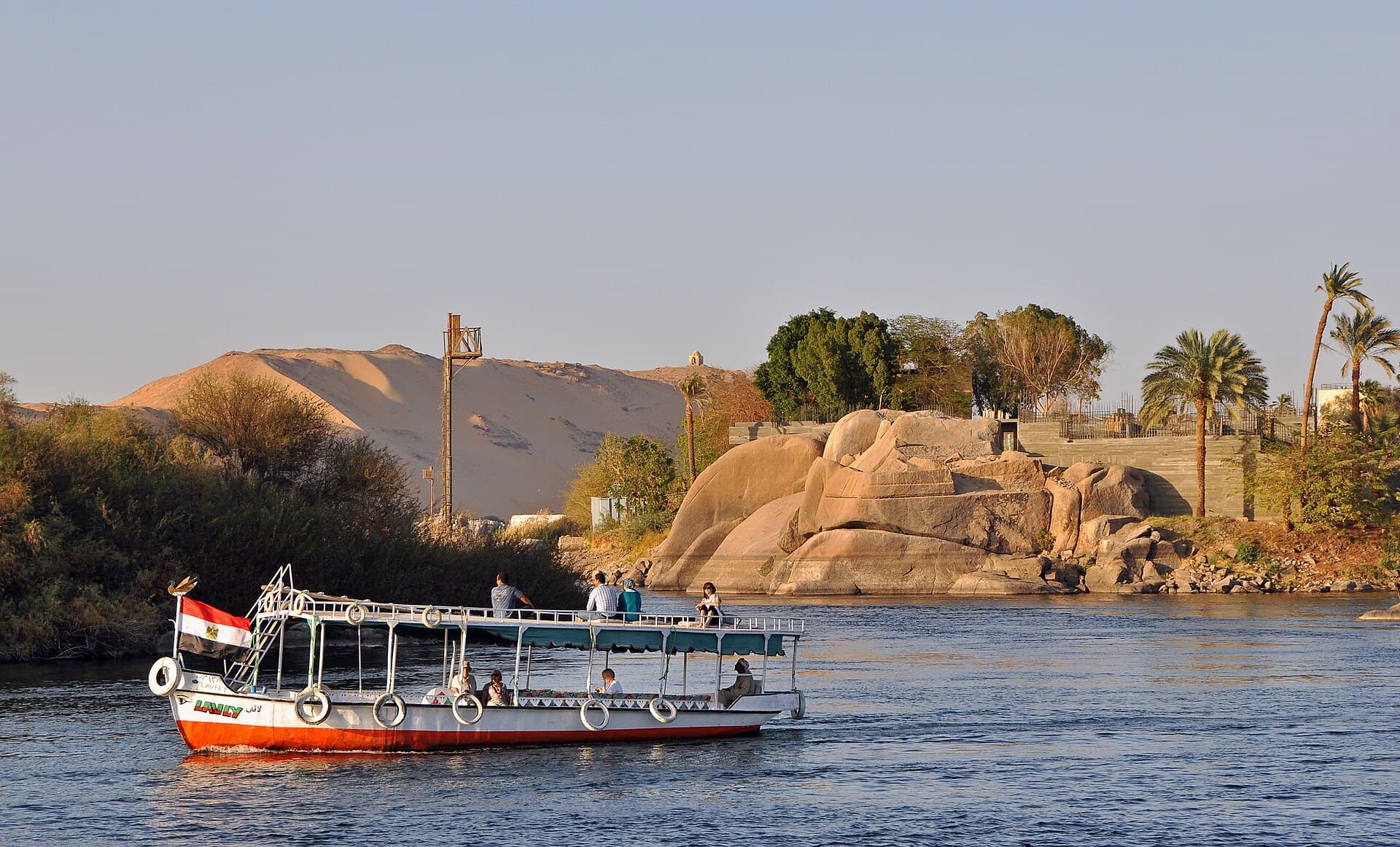
Elephantine Island sits in the Nile opposite Aswan's corniche, a short public ferry ride away. Its southern end holds the ruins of an ancient border town: the temples of Khnum and Satet, a Nilometer and a small museum. The ministry lists it as open daily from 8am to 4pm, at EGP 200 for a foreign adult. The northern half is two Nubian villages you can walk through for free. Give it two hours, ideally in the morning or late afternoon.
What is Elephantine Island?
Elephantine sits in the Nile opposite Aswan, at what was Egypt's southern border. The Ministry of Tourism and Antiquities describes it as the gateway for every trader coming north from Nubia.
Two things share the island today. The southern end is an archaeological site with a ticket. The rest is home to two Nubian villages, Koti and Siou.
The island is part of the UNESCO World Heritage site Nubian Monuments from Abu Simbel to Philae, inscribed in 1979. Abu Simbel and Philae draw the crowds. Elephantine gets very few visitors, which is much of its appeal.
What to see at the archaeological site
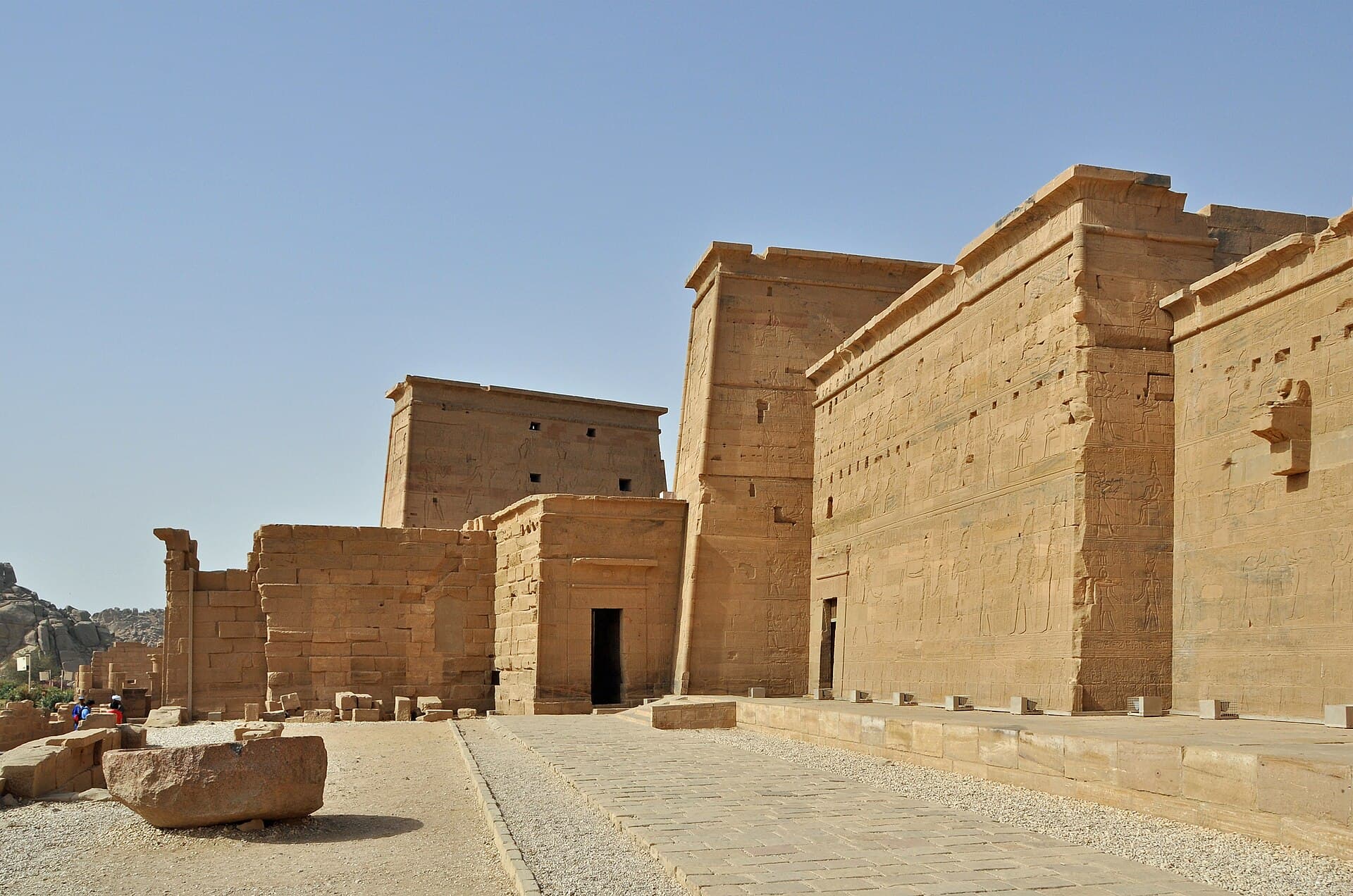
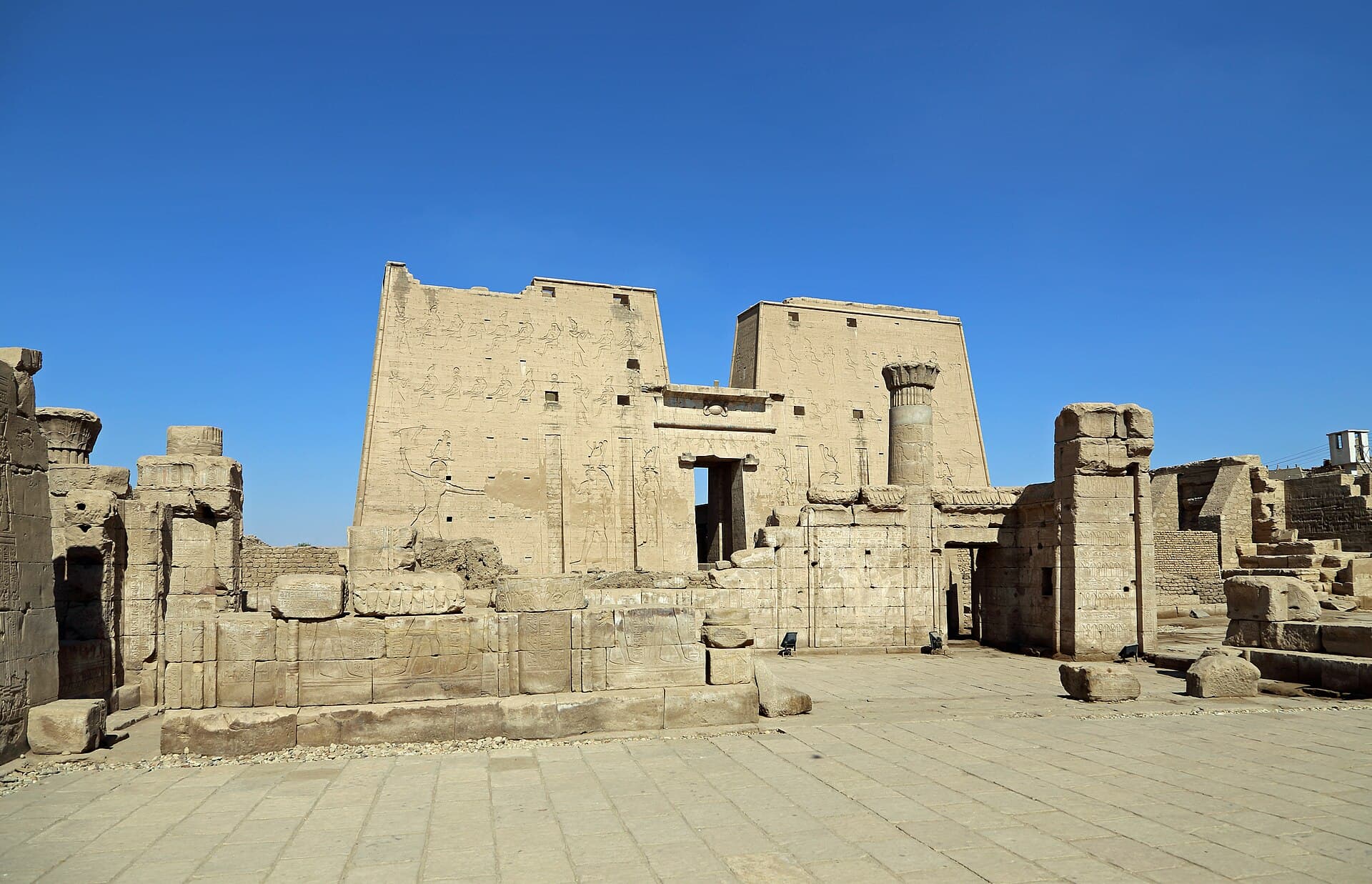
The site is a field of mud-brick walls and stone foundations rather than one big temple. Start with the temple of Khnum, the god of the annual Nile flood.
Next is the temple of Satet. She guarded Egypt's southern frontier and was also linked to the flood. Around both temples are the remains of houses from the town that grew up at the border.
Find the Nilometer on the river side. A Nilometer measured the height of the yearly flood, and the ministry singles this one out as a sight not to miss.
The small museum on the site shows objects found by the German archaeological mission that works on the island. Check it is open when you buy your ticket, as museum and site hours can differ.
Elephantine Island tickets and opening hours
The ministry lists the archaeological site as open every day from 8am to 4pm. A foreign adult ticket costs EGP 200 and a student ticket EGP 100, on the ministry's site as checked in November 2026. Prices change, so treat these as a guide.
The villages need no ticket. You can walk through Koti and Siou at any time of day, though early morning and late afternoon are cooler and kinder to the people who live there.
Bring cash in small notes for the ferry and the ticket.
How to get to Elephantine Island
Take the public ferry from Aswan's corniche. It is the cheapest crossing you will make in Egypt. Ask at the landing which boat goes to which village.
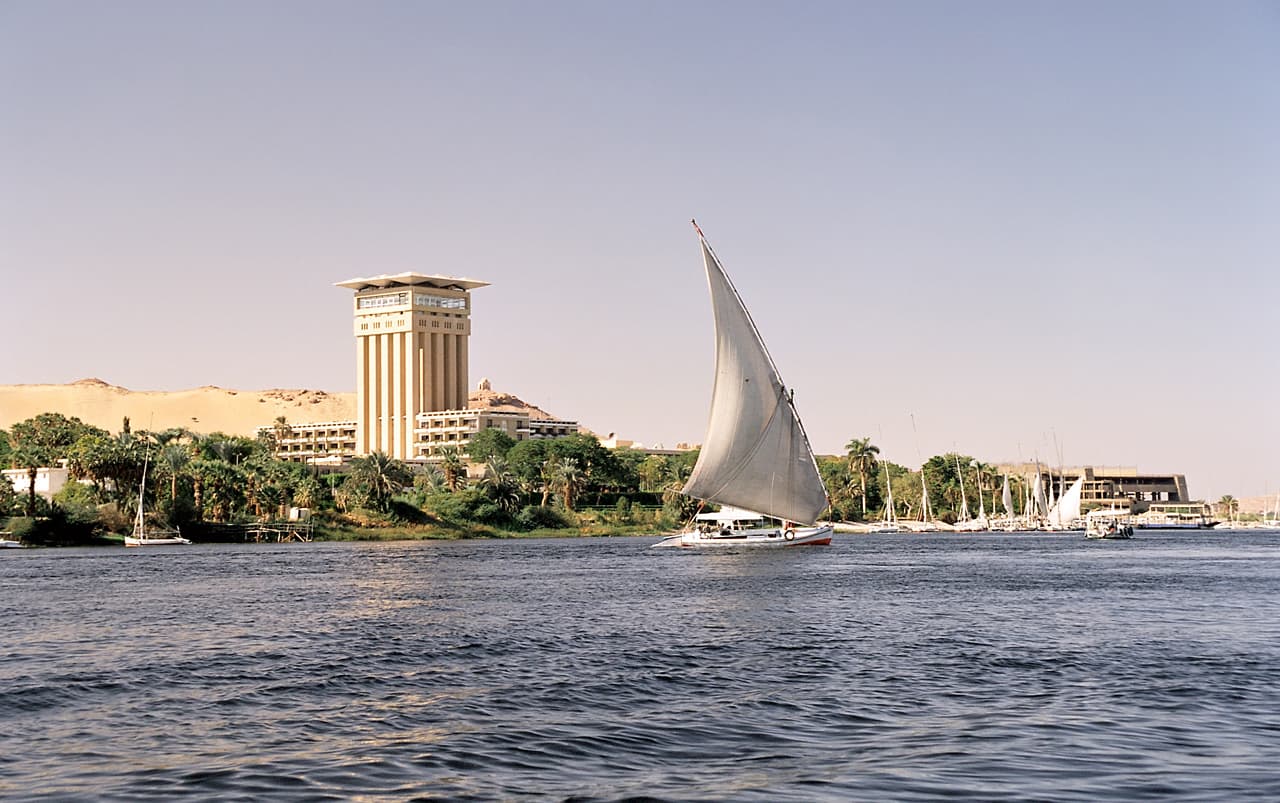
A felucca is the slower option. Many visitors combine Elephantine with a felucca afternoon around the islands, then step off for an hour on foot. Agree the price and the stops before you sail.
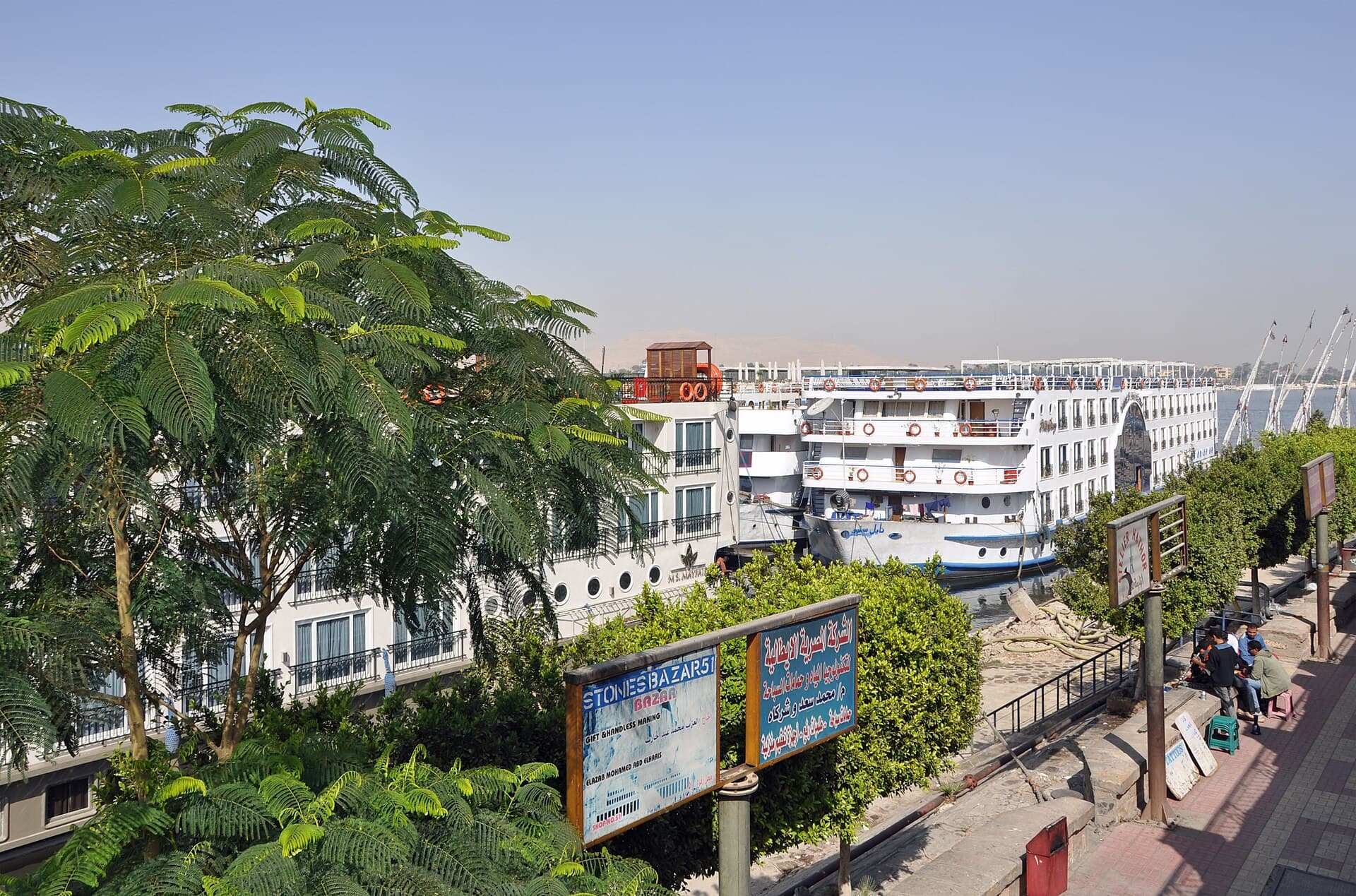
If you are on a Nile cruise, the island fits a free afternoon in Aswan before or after your sailing.
Walking the Nubian villages
Koti and Siou are living villages, not a show. Walk the lanes and accept tea if you are offered it. Dress modestly and ask before you photograph people or their homes.
If you would rather visit a Nubian village with a host, our Nubian village guide covers Gharb Soheil and how to go without the staged version. Elephantine is the quieter, do-it-yourself alternative.
How Elephantine fits an Aswan day
Aswan's headline sights are Philae, the High Dam, the Unfinished Obelisk and Abu Simbel. Most tours fill the mornings with those. Elephantine is the easy addition for the afternoon.
A simple plan: Philae in the morning, lunch on the corniche, then the ferry to Elephantine at about 2pm. Walk the ruins first, as the site closes at 4pm, then the villages, then back across for sunset.
None of our tours lists Elephantine as a stop. Every one of our Nile cruises starts or ends in Aswan, though, so you can ask for a free afternoon there when you send your request.
Common questions
Is Elephantine Island worth visiting?+
Yes, if you have a free afternoon in Aswan. The ruins are modest, but the Nilometer, the Khnum and Satet temples and the Nubian villages together make a calm two hours with few other visitors.
How much is the Elephantine Island ticket?+
The Ministry of Tourism and Antiquities lists EGP 200 for a foreign adult and EGP 100 for a student, checked November 2026. The Nubian villages are free.
What are the opening hours?+
The ministry lists the archaeological site as open daily from 8am to 4pm. Arrive by 3pm to see it without rushing.
How do you get to Elephantine Island?+
Take the public ferry from Aswan's corniche. It is a short, cheap crossing. A felucca is the slower, scenic option.
What is the Nilometer on Elephantine?+
A structure for measuring the height of the yearly Nile flood. The ministry lists it among the sights not to miss on the island.
Is Elephantine part of a UNESCO site?+
Yes. It belongs to Nubian Monuments from Abu Simbel to Philae, inscribed on the World Heritage List in 1979.
Official sources
Entry rules, opening hours, security advice and exchange rates all move. Check them at the source, not here.
Written and checked by the Nile Trip Guide editorial team · Last reviewed . Entry rules, prices and opening hours change — check anything critical against the official sources linked on this page.
Plan this trip
Tell us your dates and we will price it
A real itinerary with real prices, usually within 24 hours. Nothing is booked and nothing is charged until you say yes.
The route most people take first, at the length it was built for: Giza and the Grand Egyptian Museum, then a flight to Luxor and four nights sailing down to Aswan.
No boat on this one. Giza and the Grand Egyptian Museum, a night in Luxor for both banks, two nights on the Red Sea, then back to Cairo for the Citadel, Coptic Cairo and the Royal Mummies.
Five nights in Cairo either side of a four-night sail from Luxor to Aswan. The Cairo days are private, just your party and a guide; the sightseeing off the boat is shared with a small group.