Ramadan in Egypt 2027: what changes when you visit
Ramadan in Egypt in 2027 is expected to begin around 8 February. Eid al-Fitr follows on 9 or 10 March. You can travel normally. Sites stay open, and hotels and tourist restaurants keep serving. Site hours are often shorter, and the evenings are the liveliest of the year. This page covers what changes for a visitor and how to plan a trip inside the month.
When is Ramadan in Egypt in 2027?
Ramadan 2027 is expected to start on Monday 8 February, with the first fast that day. Eid al-Fitr is expected on Tuesday 9 or Wednesday 10 March. The exact days depend on the moon.
These dates are estimates from Egypt's National Research Institute of Astronomy and Geophysics. They were reported in the Egyptian press. Dar al-Ifta, Egypt's official religious authority, confirms each date after the new crescent is sighted. That announcement comes on the evening before, so treat any date as expected until then. Checked October 2026.
Ramadan follows the Islamic lunar calendar, which runs about eleven days shorter than the Western year. So the month moves about eleven days earlier each year. In 2027 it falls in February and March, the heart of Egypt's high season. In later years it moves into January, then December.
Every day of the month begins at dawn and ends at sunset. Fasting Muslims neither eat nor drink in that time. The fast is broken at sunset with iftar, and a lighter meal called suhoor is eaten before dawn.
Is it a good time to visit Egypt during Ramadan?
For most travellers, yes. The weather in February and March is among the best of the year, and nothing you came to see closes. You trade a little daytime ease for evenings that are livelier than at any other time.
It suits people who like atmosphere and do not mind adjusting the day. Early starts work well, since mornings are when sites are calm and open. Evenings are for walking, eating and sitting in cafes until late.
It suits you less if you want a trip with no adjustments at all. Daytime hours at sites can be shorter. Some local restaurants and cafes close until sunset. If any of that would spoil the trip, pick dates either side of the month.
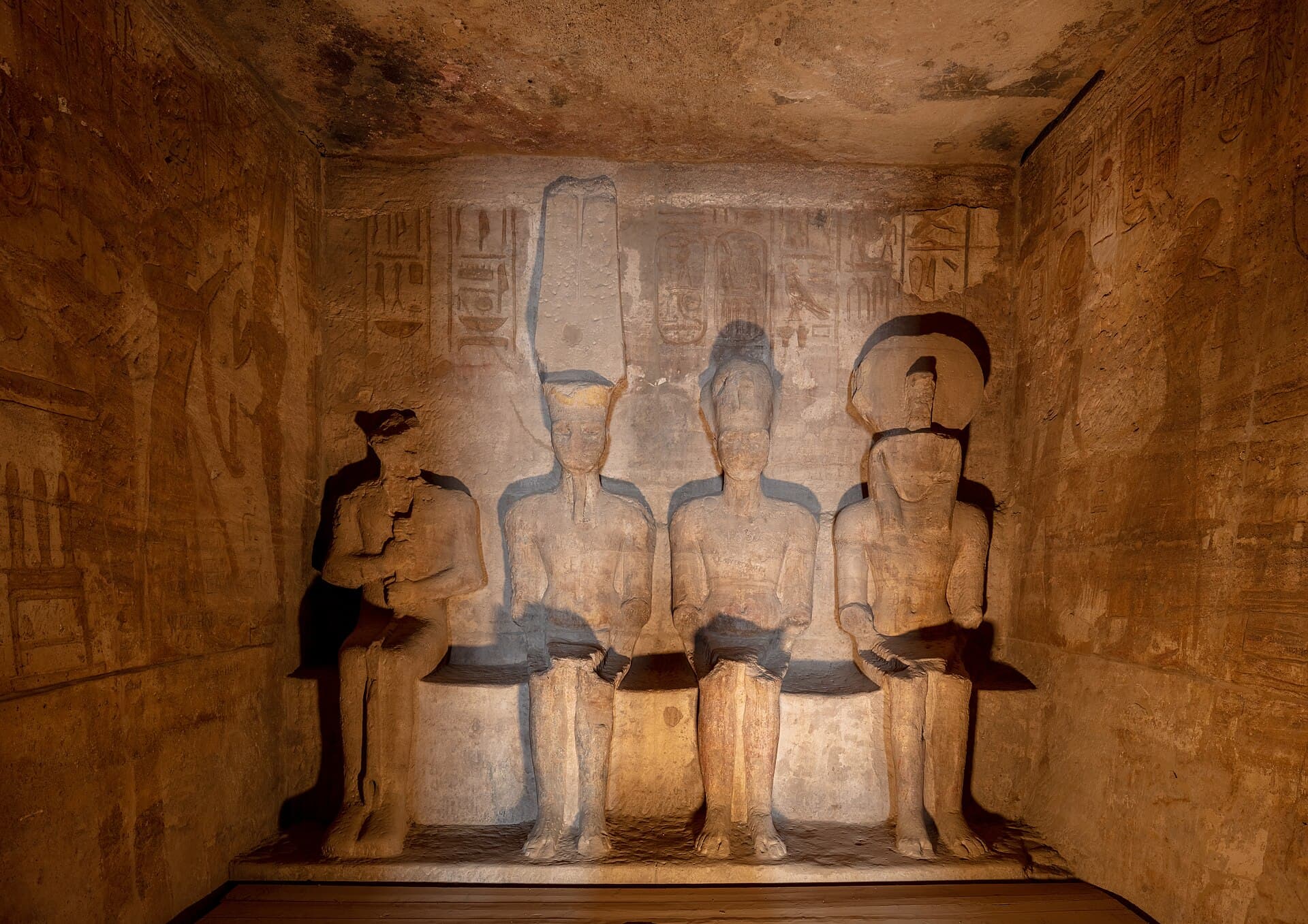
Two calendar points fall inside Ramadan 2027. The Abu Simbel sun alignment happens around 22 February. And mid-February brings European half-term traffic, which lifts prices for a week or two. Both are covered on our February page.
What changes during the day
Many Egyptians fast from dawn to sunset. Nobody expects visitors to fast. Hotels, cruise boats and restaurants in tourist areas serve as normal through the day.
Outside tourist areas, many local places close or sell only takeaway until sunset. Street food is quieter in the afternoon. Plan daytime meals around your hotel, your boat or a tourist restaurant, and do your street eating after dark.
Eating, drinking or smoking openly in the street during daylight is poor manners. Nobody will stop you drinking water in the heat. Do it discreetly, in a vehicle, a cafe or inside a site, and you will cause no offence.
Your guide and driver may well be fasting. In February the days are shorter and cooler than in summer, so it is easier on them. Still, a little patience late in the afternoon goes a long way.
The hour before sunset is the one to avoid on the road. Everyone races home to eat, and traffic in Cairo is at its worst. Then the streets go almost empty while the city eats. Plan transfers and airport runs away from that window if you can.
Opening hours at sites and museums
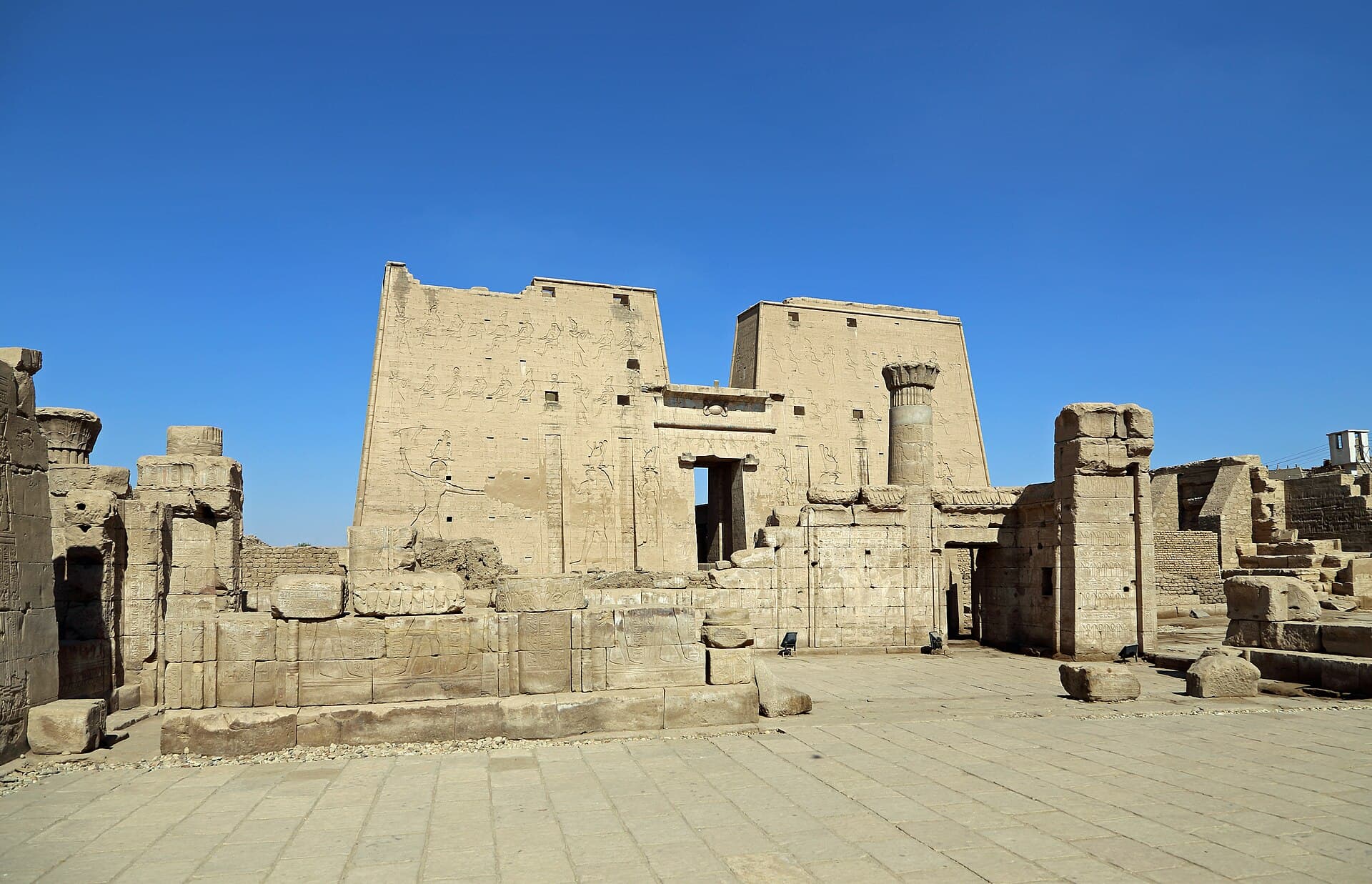
Sites and museums stay open during Ramadan, often on shorter hours.
The Ministry of Tourism and Antiquities site, egymonuments.gov.eg, showed no Ramadan schedule when we checked in October 2026. Confirm the hours on the day, at the gate or through your guide or hotel.
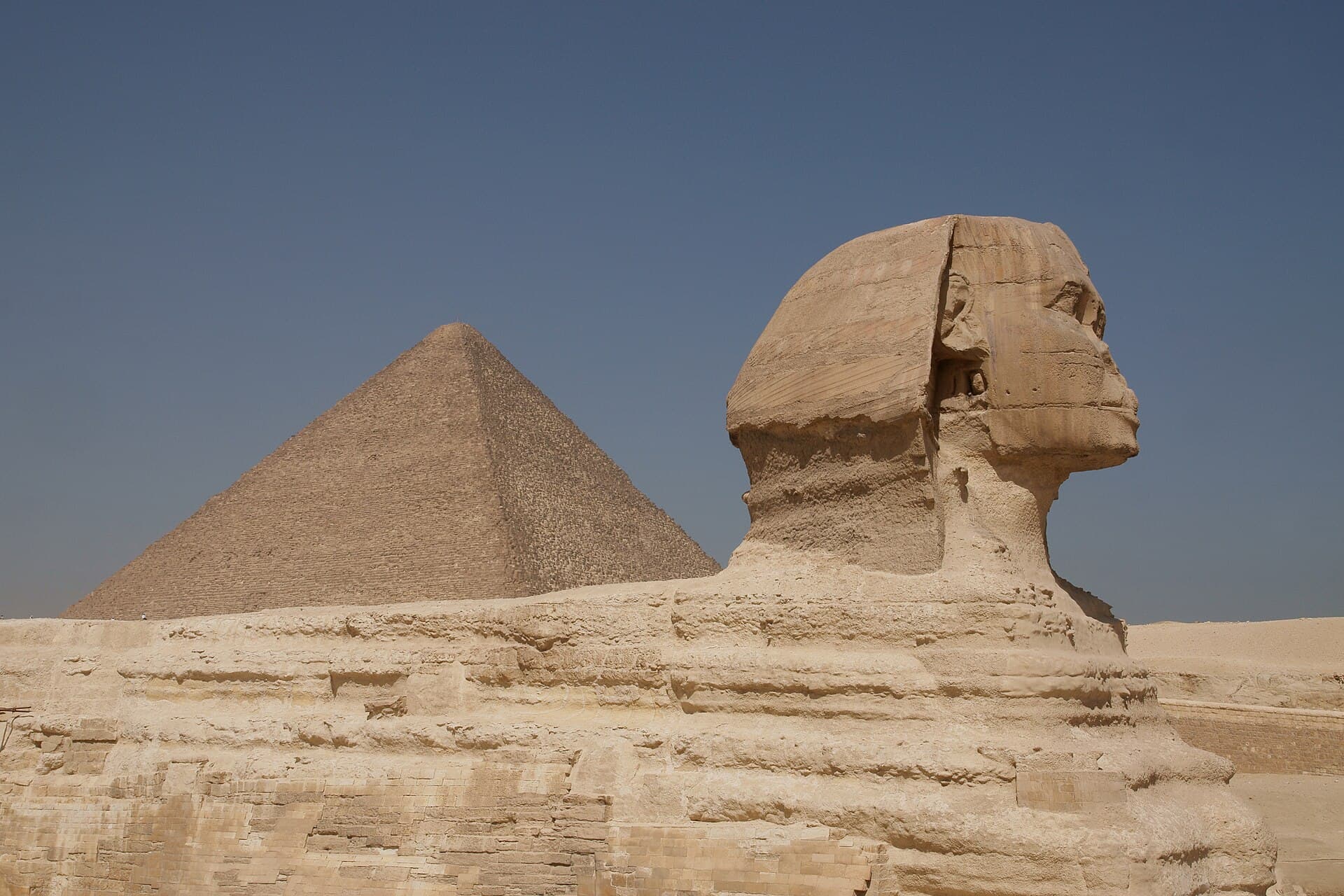
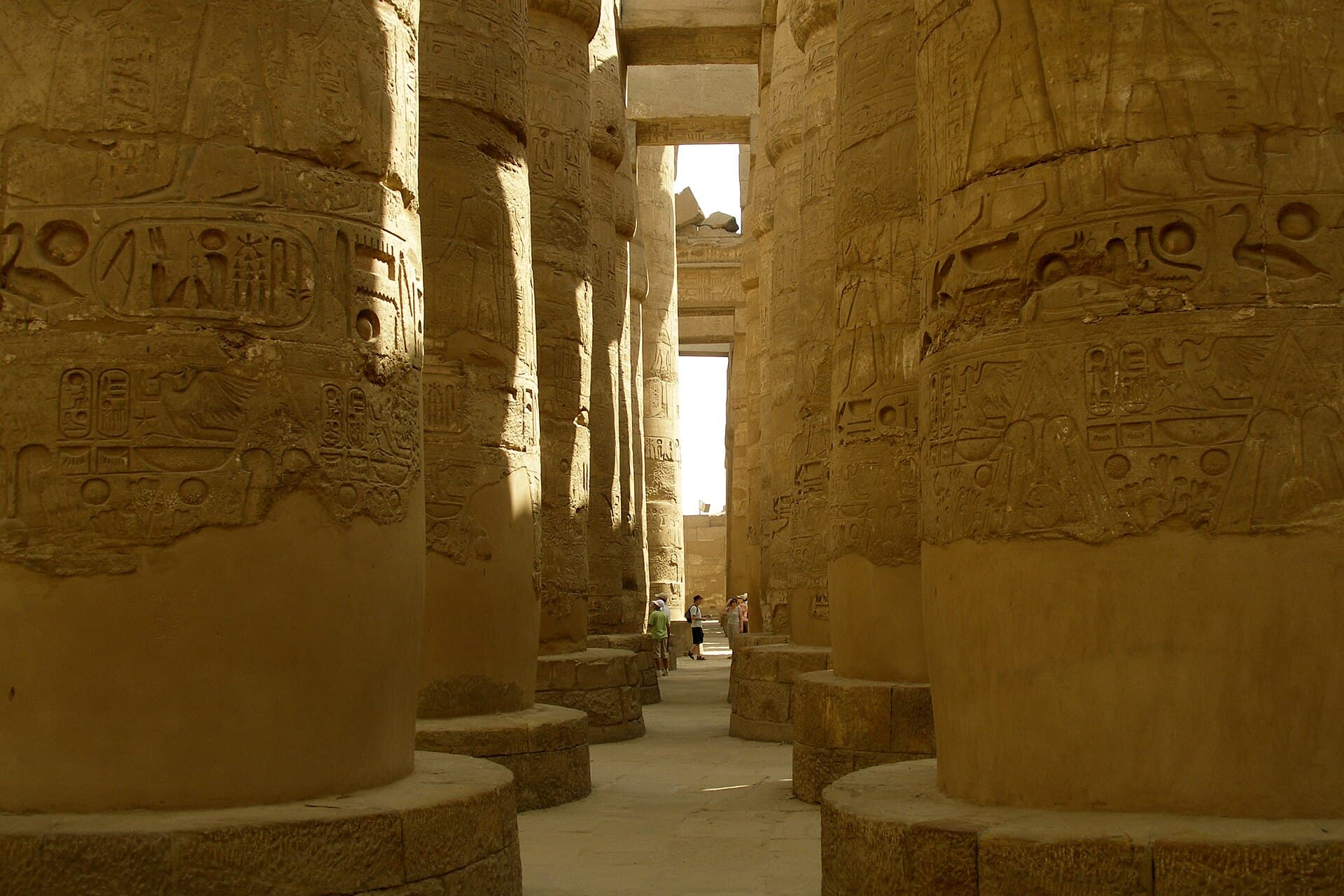
The practical answer is to sightsee in the morning. Giza, the Valley of the Kings and Karnak are all better early anyway. Keep the afternoon for the hotel, the boat or a slow lunch, and go out again after iftar.
Iftar and the evenings
The evenings are the best part of Ramadan in Egypt. At sunset the streets clear as families sit down to iftar. Within the hour they fill again, and the mood stays warm and social until very late.
Many neighbourhoods set out free tables for anyone who needs a meal. Strangers are sometimes waved over to share. If someone waves you over, you do not need to fast to accept. Either answer is fine, as long as it is polite.
Ramadan has its own sweets. Look for qatayef, small pancakes stuffed with nuts or cream, and trays of kunafa in every pastry shop. Go after dark, when the shops are busiest. Our Egyptian food page has more.
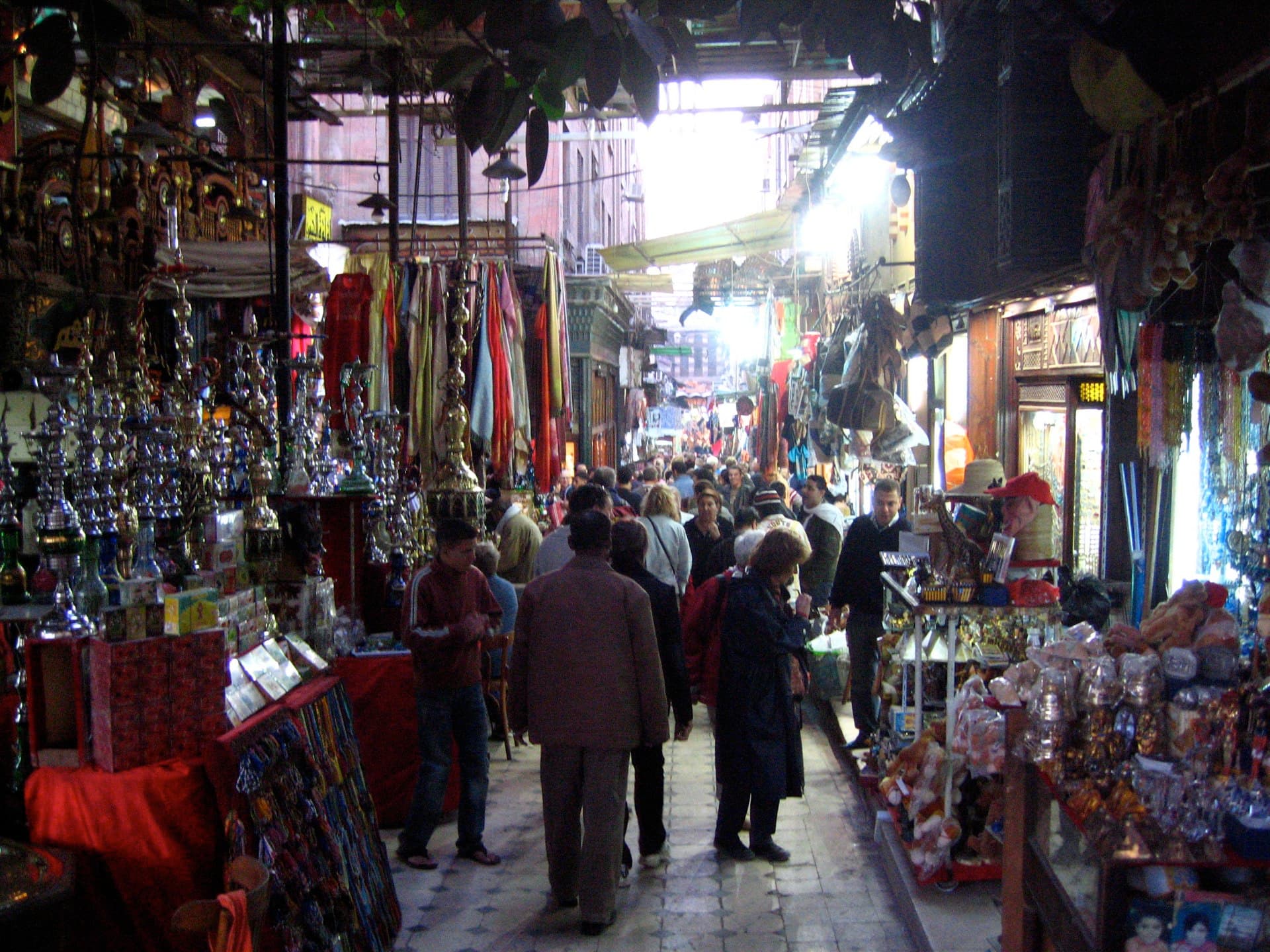
Khan el-Khalili in Cairo is at its liveliest after sunset during Ramadan. The lanes are quiet through the day. At night the square by al-Hussein Mosque fills, the lights go up, and the quarter stays awake for hours. It is the hardest time to browse or eat casually, because everyone else is there too. Go with a plan, and keep shopping for another day.
Dress and manners
The dress standard does not change during Ramadan. Shoulders and knees covered works everywhere outside the beach resorts. Dressing a little more modestly costs you nothing while your hosts are fasting.
Beachwear belongs at the resort and the pool, at any time of year. In town during Ramadan it stands out more than usual.
Alcohol is still sold in hotels, cruise boats and licensed restaurants, though it is harder to find during the month. Our alcohol in Egypt page has the details.
Eid al-Fitr in Egypt
Eid al-Fitr marks the end of Ramadan. In 2027 it is expected on 9 or 10 March, confirmed by moon sighting. It is a public holiday, and the mood is celebratory.
Eid is a peak for domestic travel. Egyptian families visit relatives or head to the coast. Trains, domestic flights and hotels fill up, and city streets can be quiet one day and packed the next. If your trip starts or ends around Eid, book transport and hotels early.
A second festival, Eid al-Adha, comes about ten weeks later. It is also a public holiday and a domestic travel peak. Our festivals in Egypt page covers the rest of the calendar.
Ramadan on a Nile cruise or a private tour
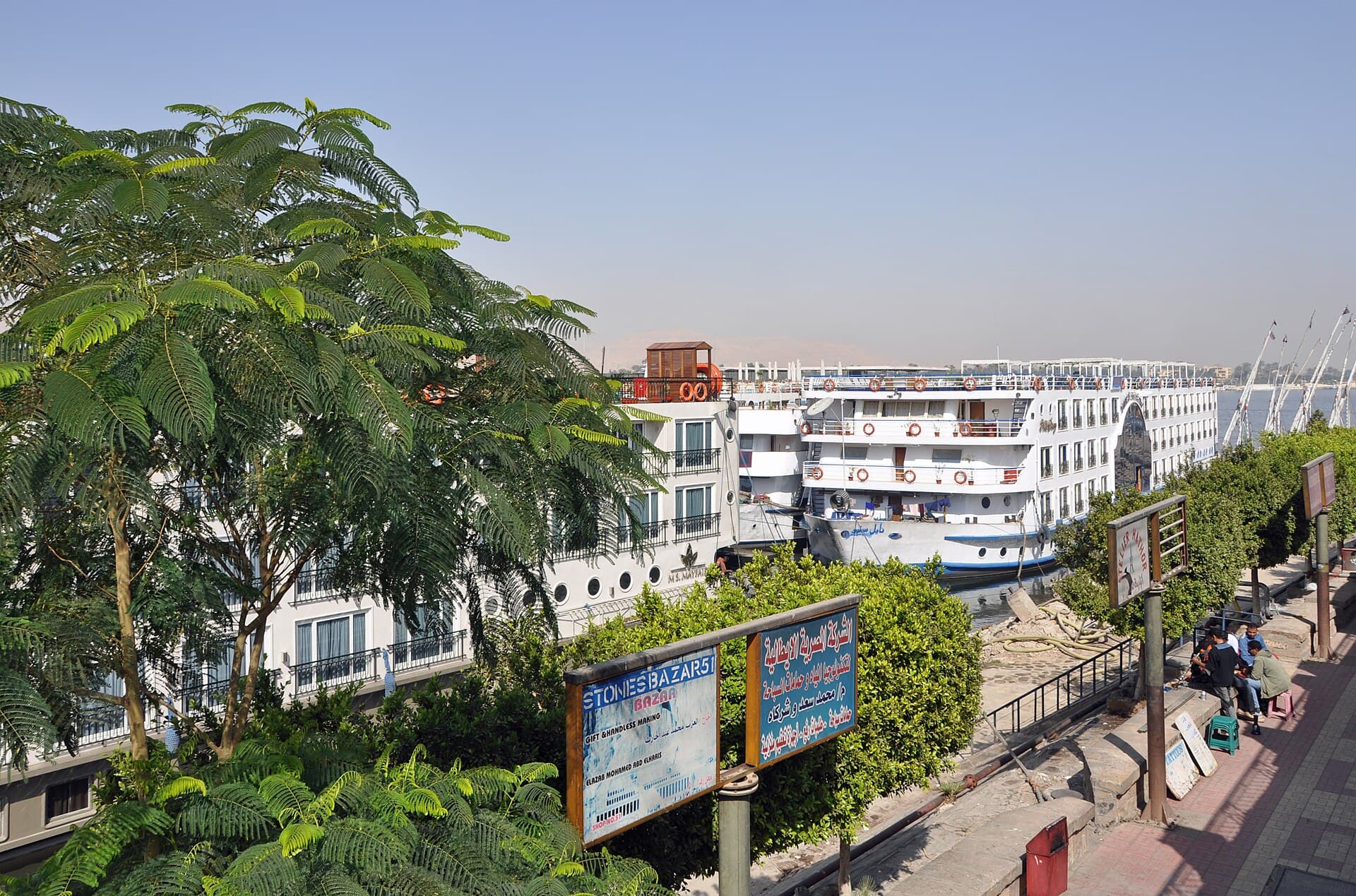
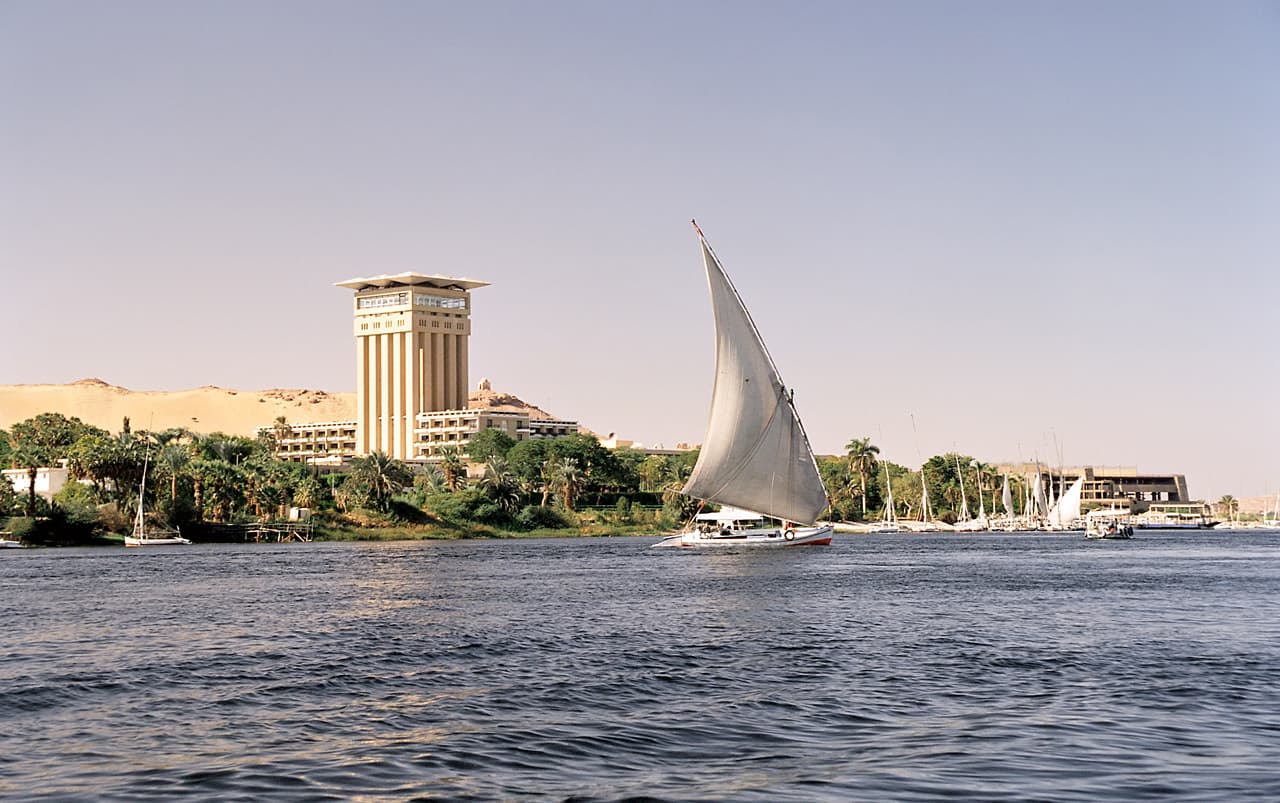
A Nile cruise is one of the easiest ways to travel during Ramadan. The boat is full board, so lunch and dinner are on board while towns are quiet. Daytime closures ashore matter much less.
Our Nile Cruise from Aswan to Luxor runs three nights, full board, from US$840 per person. Cairo, Luxor and a Nile Cruise runs eight days, with three nights in Cairo and four on the river, from US$2,135 per person. The cruise price excludes all flights, so you book your own way to Aswan and home from Luxor. The eight-day price includes the domestic flights but excludes international ones.
For Cairo, the Cairo Short Break covers Giza, three museums, the Citadel, Coptic Cairo and Khan el-Khalili. It runs five days from US$935 per person. The included lunches are at local restaurants, which may close in daylight in Ramadan. Ask what replaces them on your dates. Every sightseeing day is private, so the pace is yours to set. That matters in Ramadan, when an early start and a free evening suit the city best.
If your dates fall in Ramadan, say so when you enquire. We will ask Memphis Tours, who run these trips, what changes on your days.
How to plan a trip that falls in Ramadan
Check your dates against the expected start and end. Remember the first and last days can move by one day.
Sightsee in the morning, rest in the afternoon, and go out after iftar. Treat that as the shape of every day.
Keep the hour before sunset free of transfers and airport runs.
Carry water and snacks for daytime, and drink discreetly in public.
Book flights, trains and hotels early if you travel around Eid al-Fitr.
Confirm site hours on the day.
Common questions
When is Ramadan in Egypt in 2027?+
It is expected to start on Monday 8 February 2027 and end on 8 or 9 March. Eid al-Fitr follows on 9 or 10 March. These dates come from astronomical calculations. Dar al-Ifta confirms them after the moon is sighted, on the evening before. Checked October 2026.
Can tourists eat and drink in Egypt during Ramadan?+
Yes. Hotels, cruise boats and restaurants in tourist areas serve as normal all day. Many local places close until sunset. Avoid eating, drinking or smoking openly in the street in daylight. Drinking water discreetly is fine.
Are the pyramids and temples open during Ramadan?+
Yes. Sites and museums stay open, often on shorter hours. Confirm the hours on the day with your guide, your hotel or at the gate. Plan your sightseeing for the morning.
Is Egypt during Ramadan a good time to visit?+
For most people, yes. In 2027 the month falls in February and March, when the weather is at its best. Days need a little adjusting, and evenings are the liveliest of the year. If you want no adjustments at all, choose dates either side.
When is Eid in Egypt in 2027?+
Eid al-Fitr is expected on 9 or 10 March 2027, at the end of Ramadan. It is a public holiday and a peak for domestic travel. Book transport and hotels early. Eid al-Adha follows about ten weeks later.
Will my guide and driver be fasting?+
Many will be. February days are cooler and shorter than in summer, which makes the fast easier. Some patience late in the afternoon helps.
Can I join an iftar meal?+
Sometimes. Many neighbourhoods set out free tables at sunset for anyone who needs a meal. They are there for people in need, so wait to be invited. Strangers are sometimes waved over to share, and you do not need to fast to accept.
Does Ramadan affect a Nile cruise?+
Less than a city stay. Cruises are full board, so lunch and dinner are on the boat. The changes are ashore: site hours may be shorter and local cafes close until sunset. Ask what changes on your dates when you enquire.
Do I need to dress differently in Ramadan?+
No. The usual standard applies: shoulders and knees covered in towns and at religious sites. Dressing a little more modestly is a kind gesture while your hosts are fasting. Keep beachwear for the resort.
Official sources
Entry rules, opening hours, security advice and exchange rates all move. Check them at the source, not here.
Written and checked by the Nile Trip Guide editorial team · Last reviewed . Entry rules, prices and opening hours change — check anything critical against the official sources linked on this page.
Plan this trip
Tell us your dates and we will price it
A real itinerary with real prices, usually within 24 hours. Nothing is booked and nothing is charged until you say yes.
The route most people take first, at the length it was built for: Giza and the Grand Egyptian Museum, then a flight to Luxor and four nights sailing down to Aswan.
No boat on this one. Giza and the Grand Egyptian Museum, a night in Luxor for both banks, two nights on the Red Sea, then back to Cairo for the Citadel, Coptic Cairo and the Royal Mummies.
Five nights in Cairo either side of a four-night sail from Luxor to Aswan. The Cairo days are private, just your party and a guide; the sightseeing off the boat is shared with a small group.