Luxury
A Luxury Egypt Itinerary in Seven Days: Three Suggested Routes
Luxury in Egypt is not the marble lobby, and a week is long enough to prove it. What changes your seven days is a private Egyptologist rather than a group guide, a boat chosen for its condition rather than its star plaque, a higher category of hotel, a slower pace, and the hour you walk into each site. Below are three suggested routes built from the things we actually run: a private sail aboard a dahabiya, a land trip through Cairo and Luxor at a walking pace, and a larger refurbished Nile ship for those who want a pool and a programme. None is a fixed package with a price. Each is honest about what it cuts, and each spends the luxury budget where it earns its keep rather than on thread count.
Is seven days enough, or too much, for a luxury trip?
Seven days is enough for one cultural spine done slowly and well, which is precisely what the luxury version is for. The trap on a short trip is not that you run out of things to see; it is that you hand every spare hour to a guide who fills it, and arrive home needing a holiday from the holiday. A week spent doing less, at your own pace, with early starts and long unhurried afternoons, is the whole argument for paying more. Too much is never the problem on seven days. Too little slack is.
Subtract the edges honestly first. A long-haul flight lands in Cairo on day one, often late, and leaves on day seven, often early, so a seven-day booking is really five or six useful days on the ground. Luxury does not buy that time back, but private arrangements protect it: a fast-track meet at the airport, a car waiting rather than a transfer that collects four other parties, and a guide who starts when you want to start rather than when the coach is full. The difference shows most on the two travel days at either end.
There is one place where a week genuinely strains, and it is worth saying plainly: a dahabiya. A sailing boat wants more nights than a motor ship, because the sailing itself is the reason to be aboard and rushing it defeats the point. Route A below fits a short sail into seven days by keeping it to the Esna-to-Aswan stretch and treating Luxor as a land day, which works, but anyone whose heart is set on a long, slow sail should read this as the argument for ten days rather than seven. The other two routes carry a week more comfortably.
Route A - Cairo and a private dahabiya sail
Day one is arrival in Cairo. You are met inside the terminal, cleared through quickly, and driven to a hotel chosen for its position as much as its category - close enough to Giza to be useful if the pyramids are the reason you came, or on the river if you would rather be central. There is nothing scheduled. The value of the first evening of a private trip is that it has no programme: a quiet dinner, an early night, and no 7am coach the next morning.
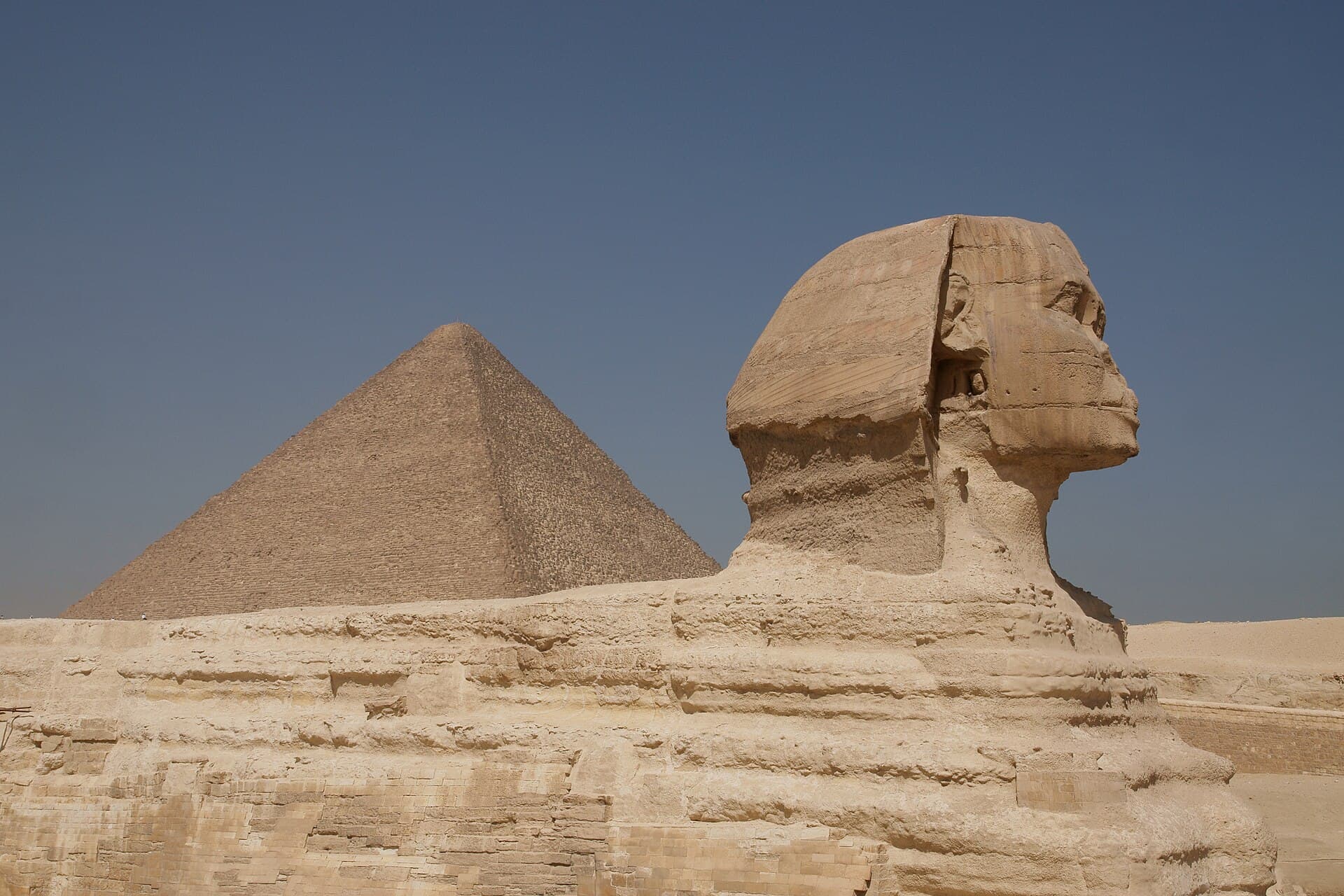
Day two is Giza and the Grand Egyptian Museum, and this is where private guiding starts to pay. You are on the plateau at opening, before the coach groups and before the heat, with an Egyptologist who reads the causeways and the boat pits rather than reciting dates at the entrance. The afternoon is the Grand Egyptian Museum, a couple of kilometres away, given the three unhurried hours it deserves and the whole Tutankhamun collection in one place. You sleep the second night in Cairo.
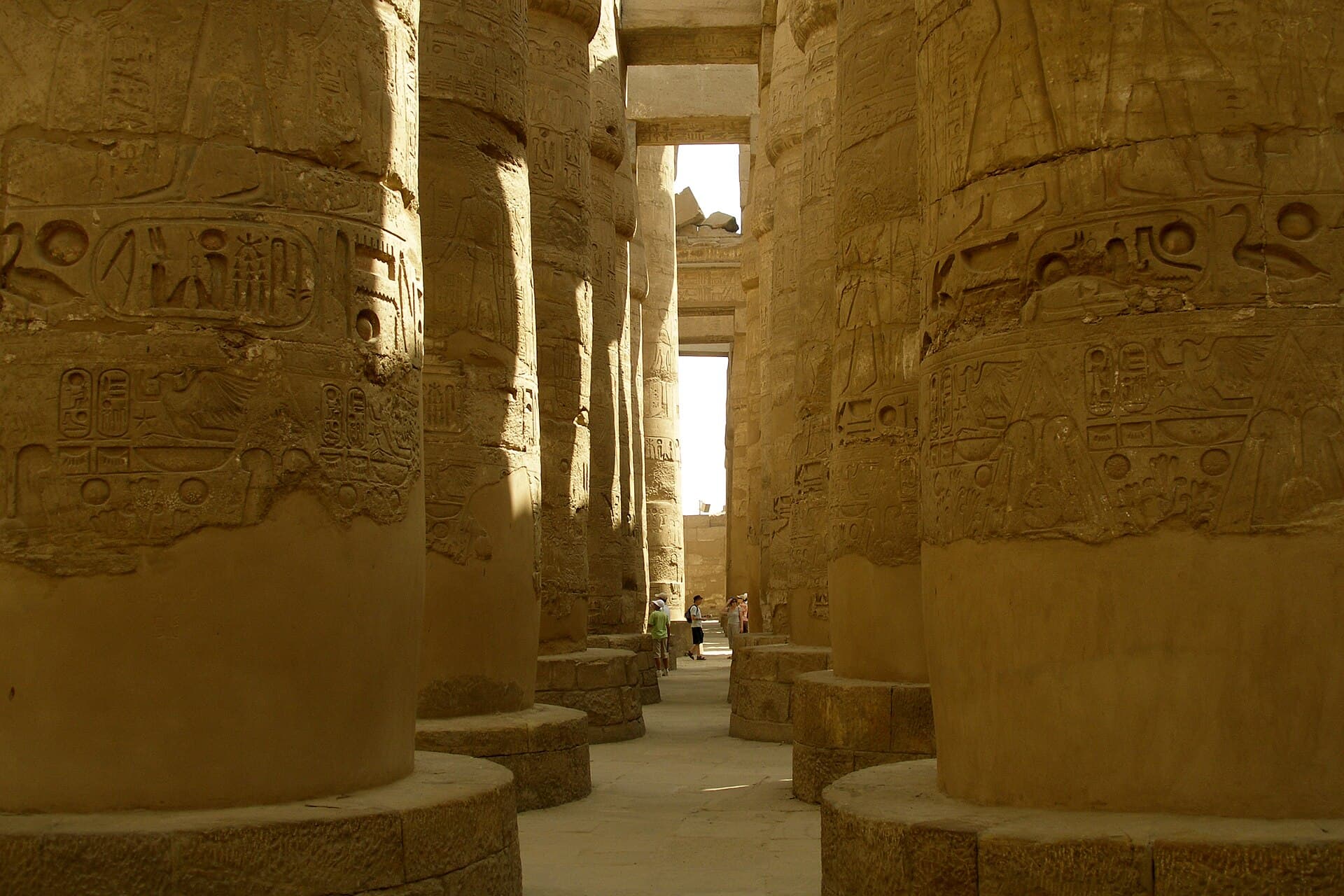
Day three flies you south - the Cairo to Luxor hop is about an hour, against most of a wasted day on the road - and Luxor is a land day because the dahabiya sails from Esna, upstream. You see the west bank early: the Valley of the Kings before the tombs fill with the warmth of every group ahead of you, Hatshepsut at Deir el-Bahari, and, because your pace is your own, one quieter tomb or Medinet Habu that a timetabled trip would skip. Karnak comes in the late-afternoon light. You sleep in a high-category Luxor hotel, not yet aboard.
Days four to six are the sail. You transfer the short distance to Esna and board the dahabiya - a small flat-bottomed sailing boat of a handful of cabins, which on a luxury trip is often chartered whole so the only group aboard is your own. Under sail there is no engine: you hear water, birds and the crew, who by the second day know how you take your coffee. The boat moors at Edfu, among the best-preserved temples in Egypt, and at Kom Ombo, a double temple right on the bank where you arrive at the steps rather than by coach, with long empty afternoons between them and stops at sandbanks the big ships pass without slowing. When the wind drops a tender tows you; any operator who claims otherwise is overselling. You sleep aboard, moored in silence.
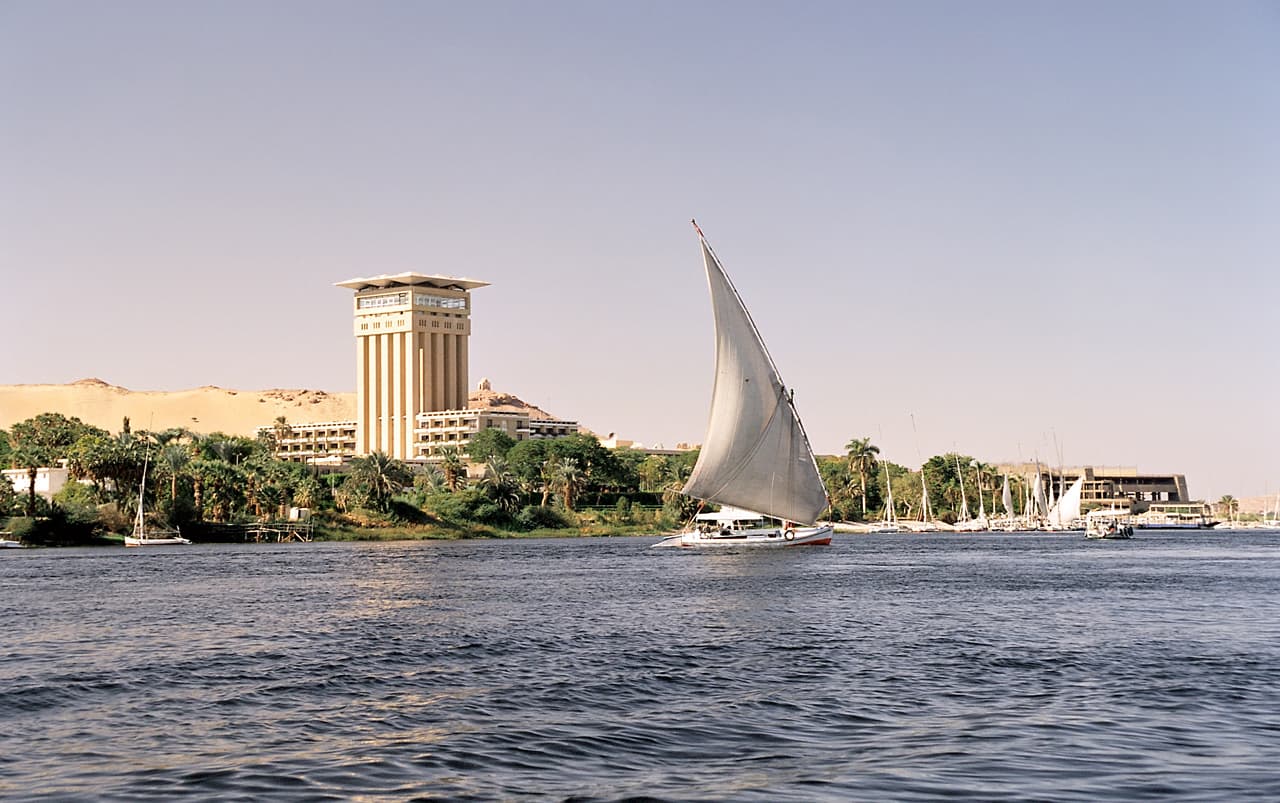
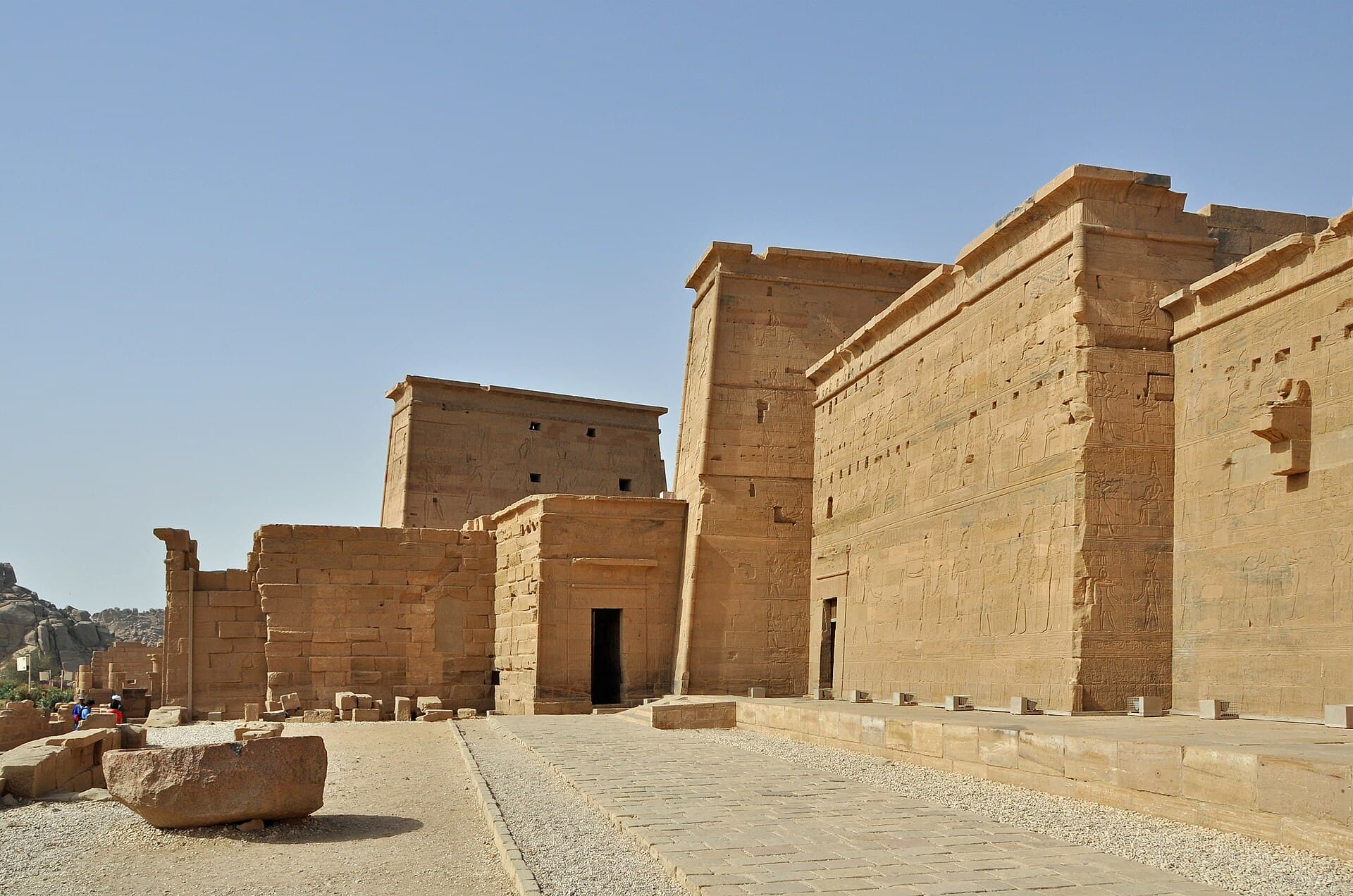
Day seven reaches Aswan, the calmest city on the route, for Philae Temple on its island and a felucca towards Elephantine before the flight home through Cairo. Who it suits: couples and small parties who would rather have the river than a programme, who judge a trip by a slow morning well spent rather than by sites counted, and who are honest that a dahabiya trades pace, facilities and a fixed timetable for quiet. It is the wrong boat for anyone wanting a pool, a lift or nightly entertainment, and the sail here is short by design - the unhurried version of it wants ten days.
Route B - Cairo and Luxor by land, at a walking pace
This route drops the boat entirely, stays on land in two cities, and spends the luxury budget on depth rather than movement. It buys the two things no cruise can give you: the hour before the coaches arrive, and the evening after they leave. It suits returners who have done the Nile, photographers who want first and last light, and anyone who finds an organised boat claustrophobic and would rather have a quiet, high-category hotel to come back to each afternoon.
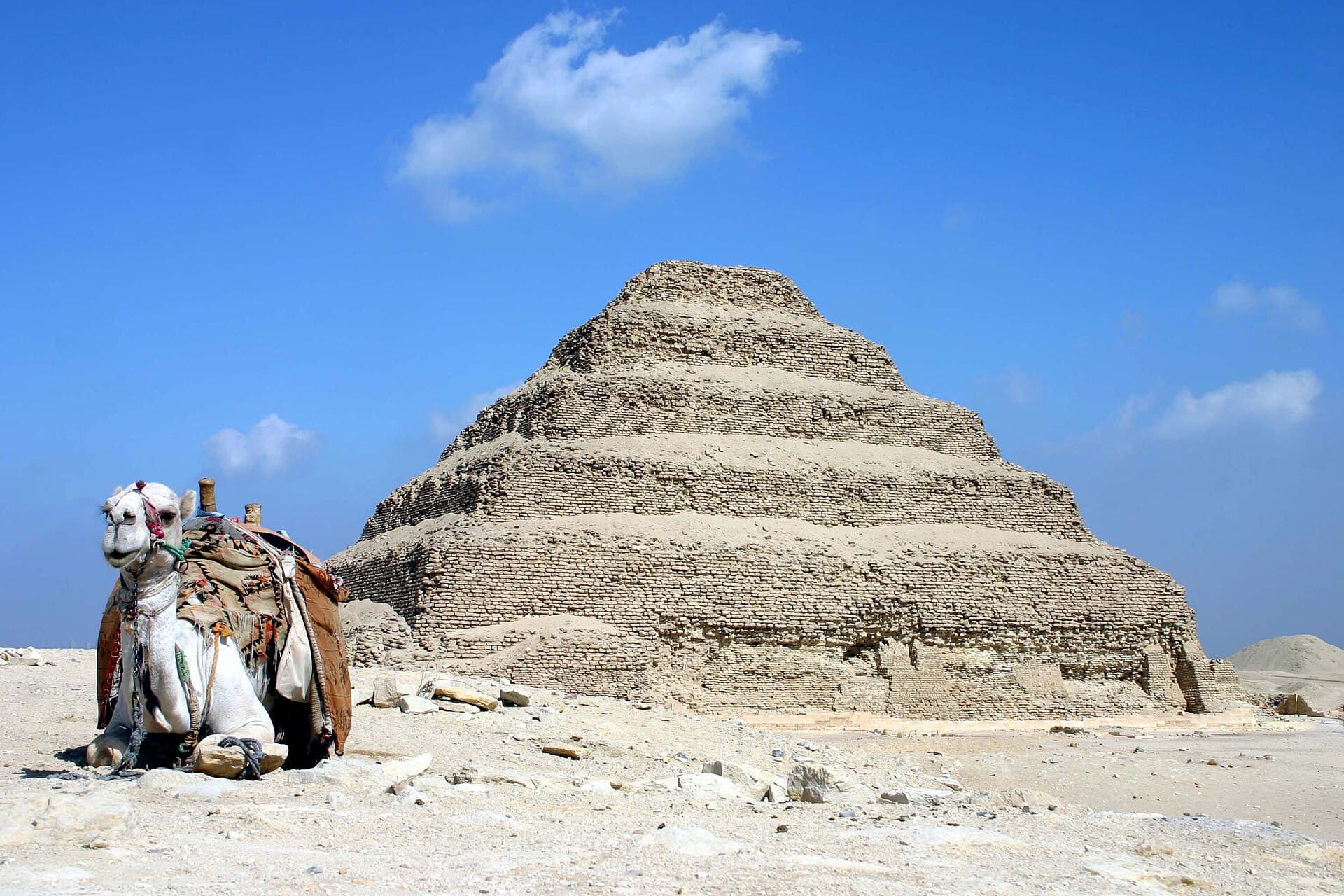
Days one to three are Cairo, unhurried and private. Day one you land and settle, with the fast-track arrival and a car waiting. Day two is Giza at opening and the Grand Egyptian Museum in the afternoon, exactly as in Route A, with your own guide and your own pace. Day three is the half most itineraries skip and the one a private trip does best: Saqqara, about forty minutes south, where the Step Pyramid of Djoser is the oldest large stone building anywhere and the painted nobles' tombs around it are better preserved than much on the Giza plateau, then on to near-empty Dahshur for Sneferu's Bent and Red Pyramids. An evening on foot in Islamic Cairo closes the leg.
Day four flies you to Luxor, and because you are not tied to a boat you can see Luxor Temple that night - the one major site that genuinely improves after dark, floodlit, the heat gone and the crowd down to a fraction. You sleep in a Luxor hotel chosen for position and recent refurbishment rather than its star rating. Day five is the west bank done properly and early: the Valley of the Kings, Hatshepsut and Medinet Habu, which still holds colour on its walls and almost no groups, with a private guide who picks the two or three tombs worth your legs rather than marching you through six. A sunrise balloon over the west bank rewards the early alarm, booked for your first Luxor morning so a wind cancellation still leaves a second chance.
Day six is the east bank at your own pace: Karnak given the two or three hours it actually needs rather than the ninety minutes a cruise allows, and the small, under-visited Luxor Museum, with a slow afternoon out of the midday sun. Day seven flies you home through Cairo. Who it suits: travellers who would rather go deep in two places than skim four, who value the edges of the day over the middle of the country, and for whom a still, comfortable hotel matters more than a moving one. You give up the south entirely - no Edfu, Kom Ombo, Philae or Aswan - so choose it only if the river between the temples is not what you came for.
Route C - Cairo, a five-star Nile ship and Aswan
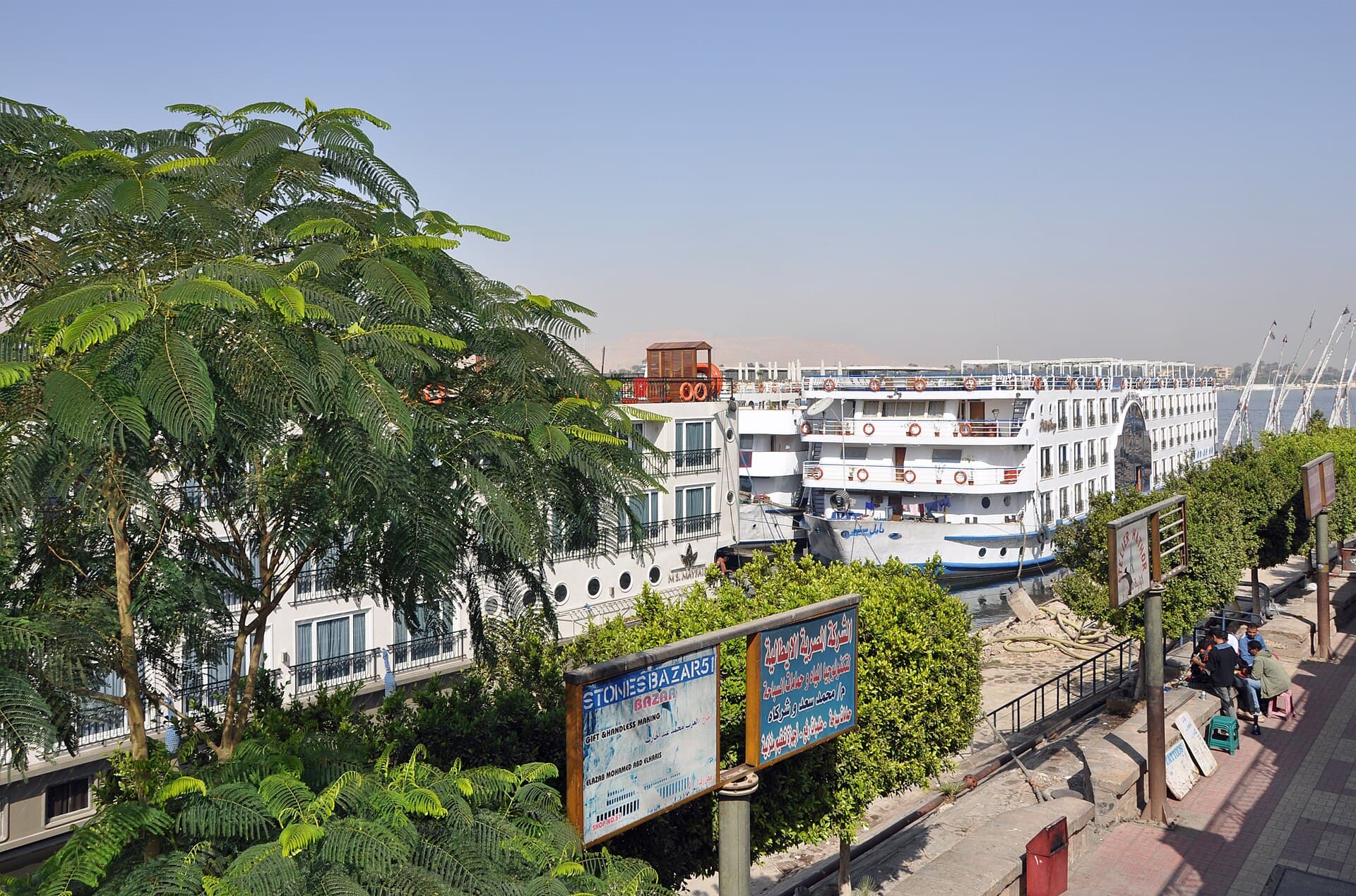
This is the comfort version, and it is an honest choice rather than a lesser one. A larger refurbished Nile ship is a genuine step up from the budget fleet: food you want to eat, air conditioning that holds through the night, a working pool, and proper windows. It also carries scores of passengers, which means fixed timings at the gangway and at each temple, so what you are buying here is comfort and facilities, not quiet. On a luxury trip the shore days are still private - your own guide and car meet the ship - even though the boat itself runs to a group timetable.
Days one and two are Cairo, as in the other routes: fast-track arrival, a settling evening, then Giza at opening and the Grand Egyptian Museum in the afternoon with a private Egyptologist. You sleep two nights in Cairo. Day three flies you to Luxor and you board the ship before lunch, with Karnak in the late-afternoon light. The ship has the things a dahabiya deliberately lacks, which is the point of choosing it: a sun deck, a pool to sit beside in the worst of the midday heat, and a lift rather than stairs, all of which matter more than they sound to families and to anyone who wilts in the sun.
Day four is the west bank early - the Valley of the Kings and Hatshepsut before ten - and back aboard as the ship sails upstream. Days five and six are the river and the south: Edfu and Kom Ombo, with the pool and the deck filling the long hot middle of each day, then Aswan for Philae Temple on its island, the granite quarries and a felucca at sunset. Because the ship holds a timetable you see the headline stretch of the Nile reliably, which is exactly why it suits travellers who want certainty over a boat that bends to the wind. If Abu Simbel matters to you, this is the route to add it to, by the short flight from Aswan rather than the dawn road convoy.
Day seven flies you home through Cairo. Who it suits: families with children who need a pool and other children aboard, couples who want the icons with comfort rather than quiet, and anyone for whom air conditioning, a lift and a fixed, dependable schedule outweigh the appeal of a small sailing boat. The one question to settle before you commit to any ship is when it was last refurbished - the Nile fleet ages fast under heat and constant use, and a boat two years out of refit and one twelve years out can carry the same star rating at a similar price.
Which route suits you?
Take Route A, the dahabiya, if your best holiday memory is a slow morning spent doing very little, and if quiet matters more to you than facilities. You get the river at its most private - few passengers, moorings the big ships cannot use, meals when you want them - and you give up the pool, the lift and the nightly programme in exchange. It is the most distinctive of the three and the one that feels least like a tour. Be honest that the sail is short on a week, and that some stretches are motored when the wind fails.
Take Route B, the land route, if you have been to Egypt before, travel slowly, or dislike the idea of a scheduled boat. Two cities at a walking pace, with early mornings and lit evenings from a still, comfortable base, is a richer week than four cities skimmed from a deck. The trade is the whole of the south: no Aswan, no Philae, no temples between Luxor and the dam. Photographers and anyone who hates unpacking onto a boat land here naturally, as do returners who want depth over coverage.
Take Route C, the five-star ship, if you want the classic Luxor-to-Aswan picture with comfort and certainty, or if you are travelling with children. It reaches Edfu, Kom Ombo and Philae on a dependable timetable, gives you a pool for the brutal middle of the day, and is the only one of the three to which Abu Simbel adds cleanly. You are buying comfort, not quiet, and that is the right trade for plenty of people - just not for anyone whose picture of luxury is an empty deck and no one else's schedule.
One note across all three: luxury here is overwhelmingly about the guide, the condition of the boat or hotel, and the hour you reach each site - not the suite. A room you use for six hours while asleep is the cheap part of the trip to upgrade, and the expensive part, the private early starts and the right Egyptologist, is where a week is won or lost.
What shapes the price of a seven-day luxury trip
We do not quote a figure here, because an honest one depends on choices you have not made yet, and a single headline price hides more than it tells. The drivers are predictable, though, and knowing them lets you move the cost up or down deliberately. The first and largest is the boat, or the absence of one. A dahabiya costs more per person per night than a large ship and more again if you charter it whole, because you are paying for a crew that is large relative to the passenger list and for the empty space around you. A larger five-star ship spreads its cost across many cabins and is usually the cheaper way to sail. A land route prices separate hotels, drivers and guides and moves independently of any boat.
The second driver is how private the trip is. Everything above is built private - your own guide and car, your own pace - which is the heart of what luxury buys in Egypt and also the clearest line on the invoice. The shore days on the ship route are private even though the boat itself is shared; the dahabiya is as private as you choose to make it. A private Egyptologist, more than anything else you can buy, is what separates a good week from a forgettable one, and it is the last place to economise.
The third is timing at the sites, which sounds free and is not. Early entry, a guide willing to start before dawn, a breakfast taken as a box rather than at seven in the restaurant, and a car and driver held for your schedule all cost money, and they are the part of luxury that is hardest to buy off the shelf because a group departure cannot move its clock. This is where the real value sits, far more than in the room. The fourth is the category of hotel and boat - and here the number that matters is the refurbishment date, not the star rating, which in Egypt is a national classification rarely revisited and close to meaningless.
The last drivers are season and the add-ons. Prices climb into the cool winter months and spike hard over Christmas and New Year, when the small boats and the best guides book up months ahead. Domestic flights, the choice between a dawn road convoy and a flight to Abu Simbel - markedly dearer by plane - and genuine luxuries that rarely repay their cost, such as a suite, the business-class seat on the hour-long Cairo hop, or a helicopter transfer, all move the total. Spend instead on the guide, the condition of the boat, the early starts and an extra night, and our tailor-made trips are costed only once the route is fixed, so nothing is booked until the shape and the number both suit you.
When to do this trip
The comfortable window for everything south of Cairo is November to March. Luxor summers pass 45C in the Valley of the Kings and Aswan is the hottest of the Nile cities, regularly over 40C in the afternoon with very little shade, so a sail or a land trip through the south in July or August is hard work rather than a holiday - and a dahabiya with open decks and limited air conditioning is a poor place to sit through it. Cairo is a little more forgiving but still bakes, with July and August routinely over 38C. For the full month-by-month picture, see our guide on when to go.
The sailing season is shorter than the touring season. Dahabiyas run roughly October to April, and some go into dry dock for maintenance in the hottest months, which is one more reason Route A is a cool-season trip and one more reason to book it early. December and January are pleasant by day and genuinely cold on the water after dark, so pack something warm whichever boat you choose. May and September sit in between: hotter in the south, quieter, and often better value.
Book the small boats far ahead. A dahabiya may have only five or six cabins, so the good ones for Christmas, New Year and the February-to-March window go many months out, and if you want to charter one whole the lead time is longer still. Larger ships and Cairo hotels are easier, though the same peak weeks tighten up. Within the week itself, flights and cruise departures cluster on certain days, so a seven-day luxury trip sometimes flexes by a day at each end to catch the right boat - worth knowing before you fix annual leave.
How to pace seven days
Fly between Cairo and Luxor rather than drive. The road is roughly 650 kilometres and nine to ten hours and shows you very little; the flight is about an hour with several a day. On a luxury trip the hour saved is not spent standing in departures - a private arrangement means a car to the gate at each end and a guide who meets you on the other side, so the travel day stays a travel morning and you reach the first site with the afternoon intact.
Build every day around the heat, not the clock, and let the private pace do its work. In Luxor that means the west bank and its tombs early, before ten, when the airless chambers hold the warmth of every group before you, and the open-air temples - Karnak, Luxor Temple - in the late afternoon and evening once the light drops and the coaches have gone. The middle of the day is for the boat, the pool, the museum or simply the hotel. The commonest mistake first-timers make is arriving at midday and going underground at the hottest hour; the point of paying for control over timing is to never do that.
If you sail, go upstream, Luxor to Aswan. The Nile flows north, so south is the slower, more relaxed direction and it ends at Aswan, the calmest point on the route and a better place to finish than Luxor, where the selling is relentless. A dahabiya takes this stretch under sail with the prevailing northerly wind behind it, which is why the old boats sailed up and drifted down, and why a tow is part of the honest bargain when the wind fails. Aswan also has the airport and the jump-off for Abu Simbel, so nothing is retraced.
Above all, leave slack, because a seven-day trip has none to spare. Resist bolting Abu Simbel onto the dahabiya or land routes as a matter of course - it is a full day for two hours on site and it eats the quiet that the whole trip is built around, so save it for the ship route or for a ten-day return. Put the long transfers at the start of a day rather than the end, pair Cairo sights by which side of the river they sit on, since there the constraint is traffic rather than distance, and protect the unhurried afternoons. A luxury week that does a little less arrives home as a holiday rather than a recovery, which is the entire point of spending more.
Common questions
What does a luxury Egypt itinerary actually buy you in a week?+
Three things, mostly: a private Egyptologist instead of a group guide, a boat or hotel chosen for its condition rather than its star plaque, and control over the hour you reach each site. The suite, the airport greeter and the rose petals are comfort, and comfort is the cheap part. Egypt in season is hot, crowded and physically demanding, and money spent on shade, expertise and early starts does more for your week than money spent on thread count.
Is a dahabiya or a five-star ship better for a seven-day trip?+
Neither is better; they are different trips. A dahabiya gives you quiet, few passengers and moorings the big ships cannot reach, and asks you to give up the pool, the lift, a fixed timetable and some pace. A larger five-star ship gives you comfort, facilities and a dependable schedule, and carries a hundred or more passengers with fixed timings at every temple. Route A is the sailing boat; Route C is the ship. Choose on whether you value quiet or comfort more.
Can you charter a whole dahabiya for a private group?+
Yes, and on a luxury trip it is common. A dahabiya has only a handful of cabins, so taking the whole boat means the only group aboard is your own, which solves the one real drawback of a small boat - sharing the quiet, and the single set of steps and galley, with strangers. It costs more than booking individual cabins, and the good boats for peak weeks must be reserved many months ahead.
Is seven days long enough for a dahabiya sail?+
It is enough for a short sail on the Esna-to-Aswan stretch, which is what Route A does, with Luxor treated as a land day before you board. But a dahabiya wants more nights than a motor ship, because the slow sailing is the reason to be on one and rushing it defeats the point. If a long, unhurried sail is what you are after, read a week as the argument for ten days, or take the ship on Route C, which covers the same river on a tighter schedule.
Can you really get early or private access to the sites?+
Partly, and honestly. Nobody empties Karnak, but a private car and a guide willing to start before dawn put you inside it at opening, before the cruise groups arrive mid-morning, and the Valley of the Kings is bearable early and grim by ten. Abu Simbel calms in the afternoon once the first coaches and flights have gone. After-hours or truly private access can occasionally be arranged but usually costs far more than the pleasure it returns; the reliable win is simply being first, which a group departure cannot offer.
How far ahead should we book a luxury trip?+
Book early for the small boats. A dahabiya for Christmas, New Year or the February-to-March window goes many months ahead, and longer still if you want to charter one whole. Larger ships and Cairo hotels are easier, though the same peak weeks tighten up, and the best private Egyptologists are reserved well in advance too. Outside the peak weeks a few months is usually enough, but the small-boat routes reward planning early more than any other part of the trip.
Should we add Abu Simbel to a seven-day luxury itinerary?+
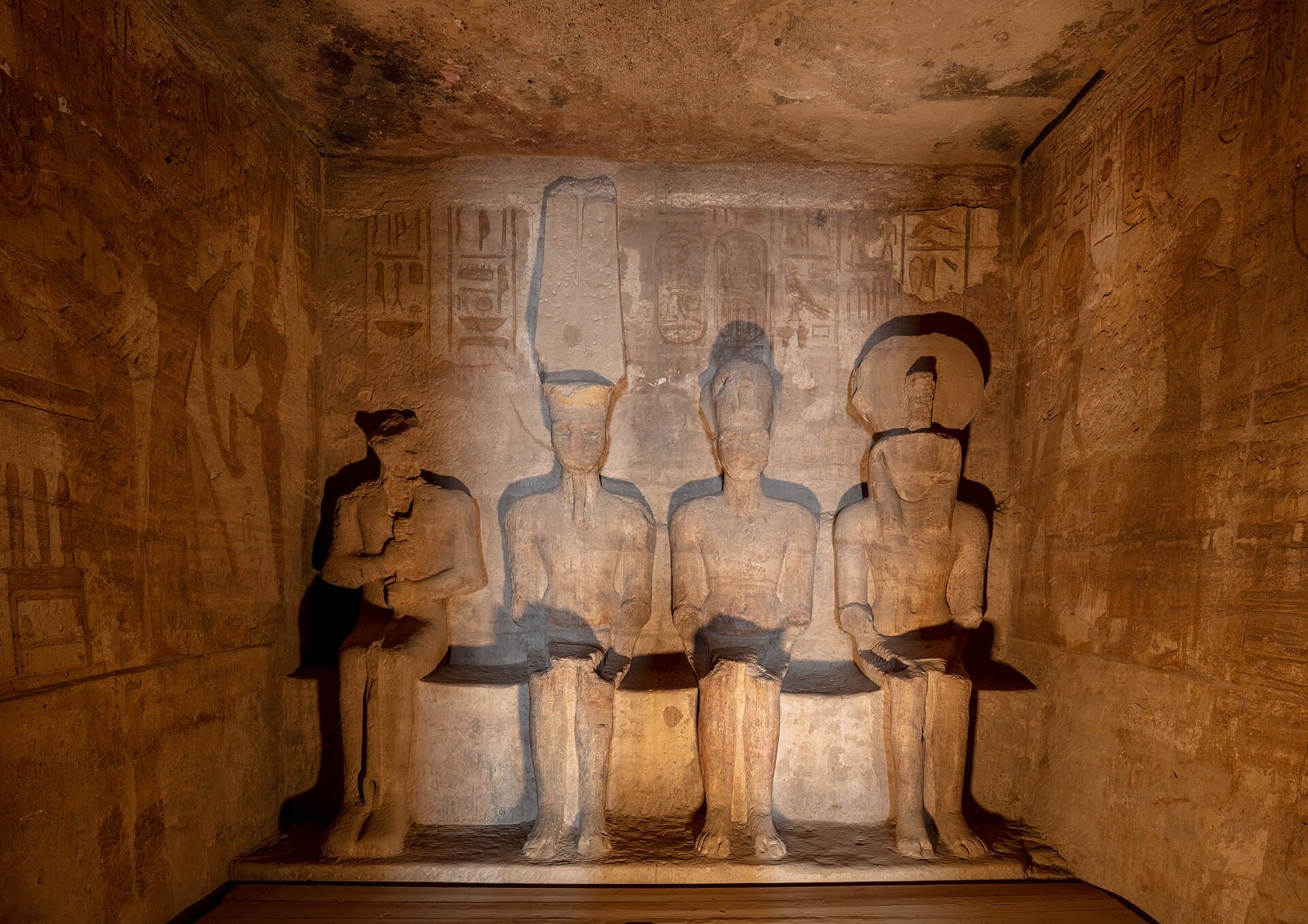
Only on the ship route, and only if it matters to you. Abu Simbel is a full day for roughly two hours on site, reached by a dawn road convoy of about three hours each way or a short flight from Aswan, which is the dearer but easier option. On the dahabiya or the land route it eats the slack that keeps the week calm, so most people are better off saving it for a ten-day return when an overnight at the temples is possible.
How does pricing work if there is no price on the page?+
Everything is quoted per trip rather than sold from a shelf, because the cost swings on the boat, the season and how much is private. You send your dates, the number of people and what matters most, and you get a written itinerary and a price for that trip, with the boat and its refurbishment year named. Nothing is booked until the route and the number both suit you, and you can change the shape before anything is confirmed.
Official sources
Entry rules, opening hours, security advice and exchange rates all move. Check them at the source, not here.
- Egyptian Ministry of Tourism and Antiquities ↗The ministry lists which tombs and temples currently open.
- UK FCDO travel advice for Egypt ↗It updates continuously, and most UK travel insurance follows it.
Written and checked by the Nile Trip Guide editorial team · Last reviewed . Entry rules, prices and opening hours change — check anything critical against the official sources linked on this page.
Plan this trip
Tell us your dates and we will price it
A real itinerary with real prices, usually within 24 hours. Nothing is booked and nothing is charged until you say yes.
Itineraries to start from