Cruise ship
Alexander the Great: Nile Cruise Ship
The Alexander the Great Nile cruise is run by an Egyptian operator, on the stretch of river that almost every Nile boat works. This page gives you no spec sheet, because details of individual boats change often and go out of date fast. It explains what this style of boat is like, who it suits, and what to check before you book.
The Alexander the Great Nile cruise: what sort of boat this is
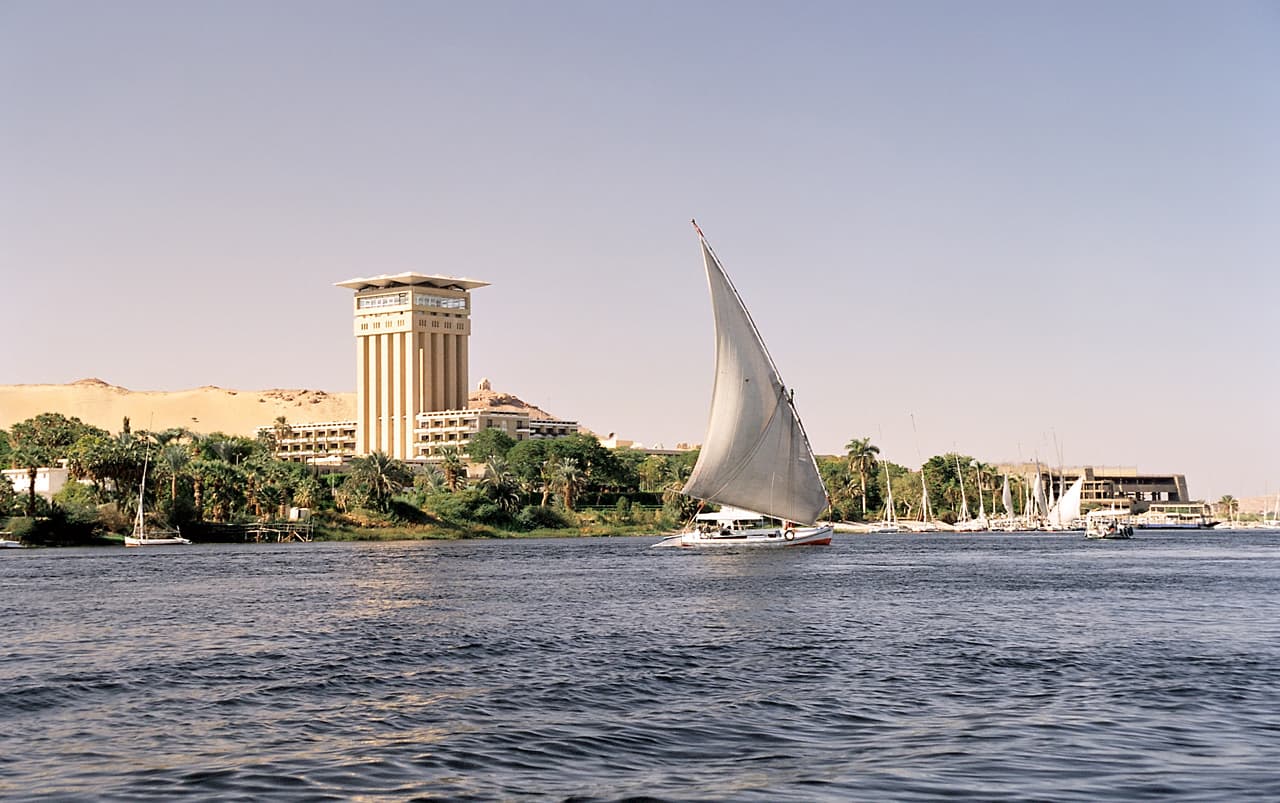
Alexander the Great is a motor cruise ship rather than a small boat or a sailing dahabiya. Ships of this class work the river under engine power and to a fixed timetable, and they carry far more people than a dahabiya does. Scale is what these boats sell: air conditioning that copes with the heat, room to sit away from everyone else, and comfort that does not depend on the wind. The layout and the facilities on board are for the operator to confirm in writing.
Cruise ship, small ship or dahabiya
The three options on the river are genuinely different holidays. A cruise ship of this size is the steadiest and usually the cheapest way to do it. A small ship covers the same route with fewer people aboard. A dahabiya sails rather than motors, carries a handful of guests, and moors at places the big ships cannot reach.
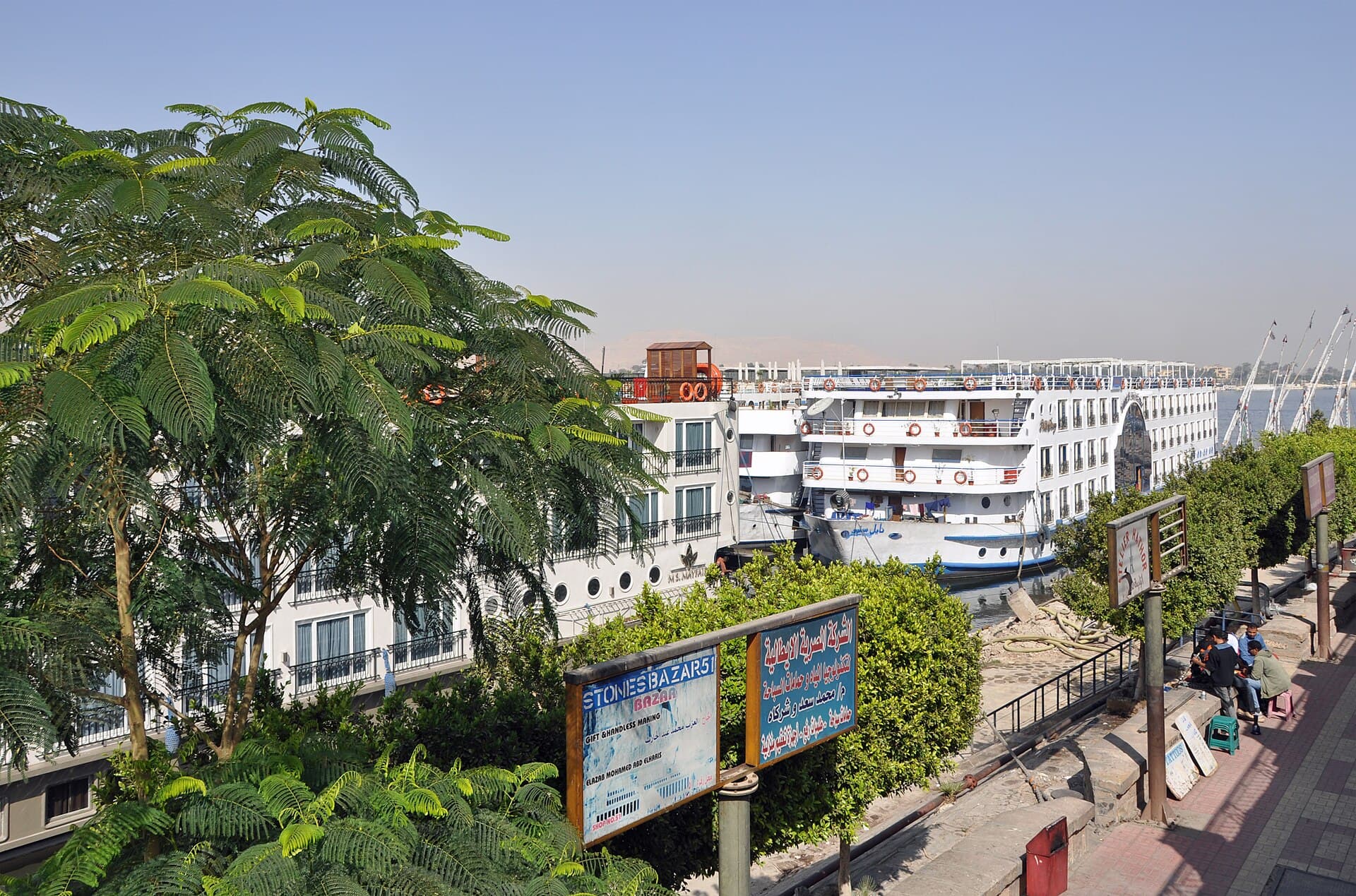
The trade-off runs the other way too. Big boats moor at the main quays in Luxor, Esna, Edfu, Kom Ombo and Aswan, and at busy times they raft up two, three or four abreast. If you are on the inside, your window looks at another boat's window. Dahabiyas avoid that, but they cost far more per person and the sailing schedule bends to the wind.
The Luxor to Aswan route
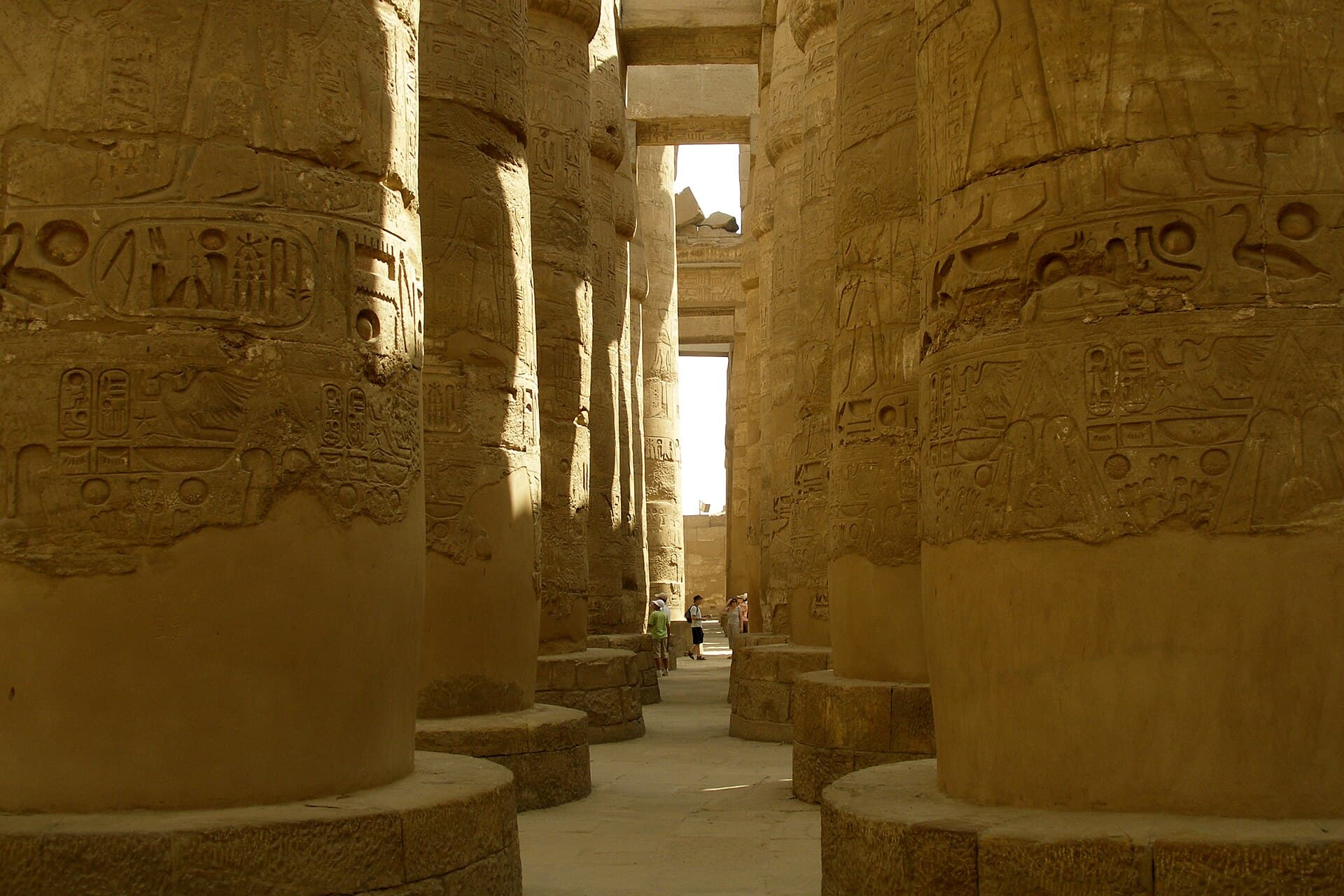
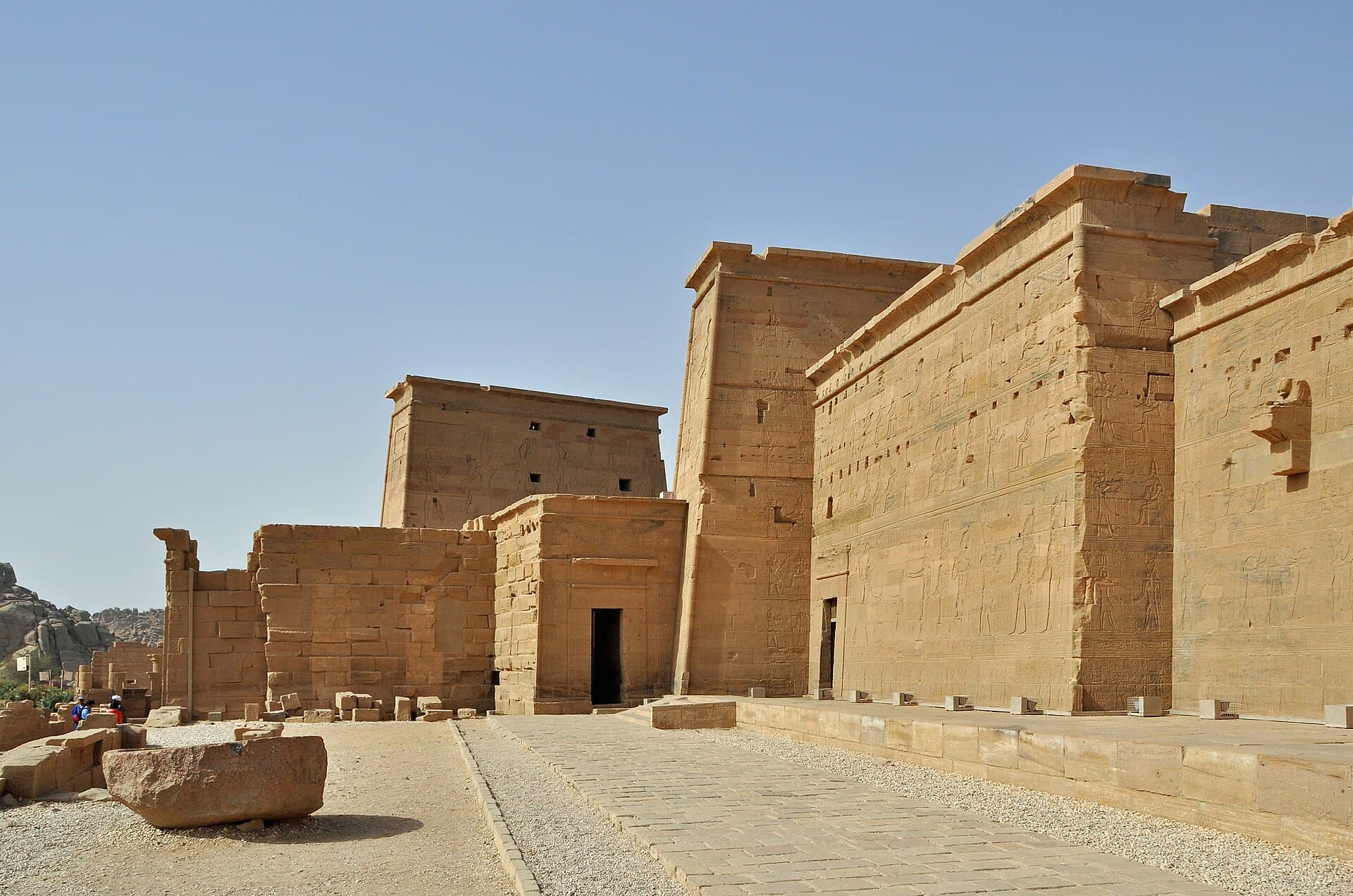
Luxor to Aswan is a little over 200 kilometres of river, and the stretch nearly all Nile boats work. The sights are the same whatever the boat: Karnak and the Theban west bank at one end, Philae and the High Dam at the other, with Edfu and Kom Ombo in between. What changes is the rhythm. A ship this size moves everyone ashore in coaches at set times, which usually means reaching temples when several other ships are doing the same. Mornings are better than afternoons for that reason.
Who it suits, and who it does not
This style suits first-time visitors, families, older travellers and anyone who wants the main sites of the Nile without much effort. You unpack once, the guiding is organised, and the day is decided for you. Where mobility is a concern, a bigger ship is usually the easier boat to be on, though you should still ask about lifts, steps and how guests get ashore.
It suits other people less well. If you want quiet, or the river itself rather than a schedule, or the feeling of being somewhere rather than in a floating hotel, a big ship will disappoint you. Anyone who has cruised at sea should expect a smaller, plainer version of that, not a match for it. If crowds at temples would spoil the trip, look at a dahabiya instead.
Questions to ask before you book
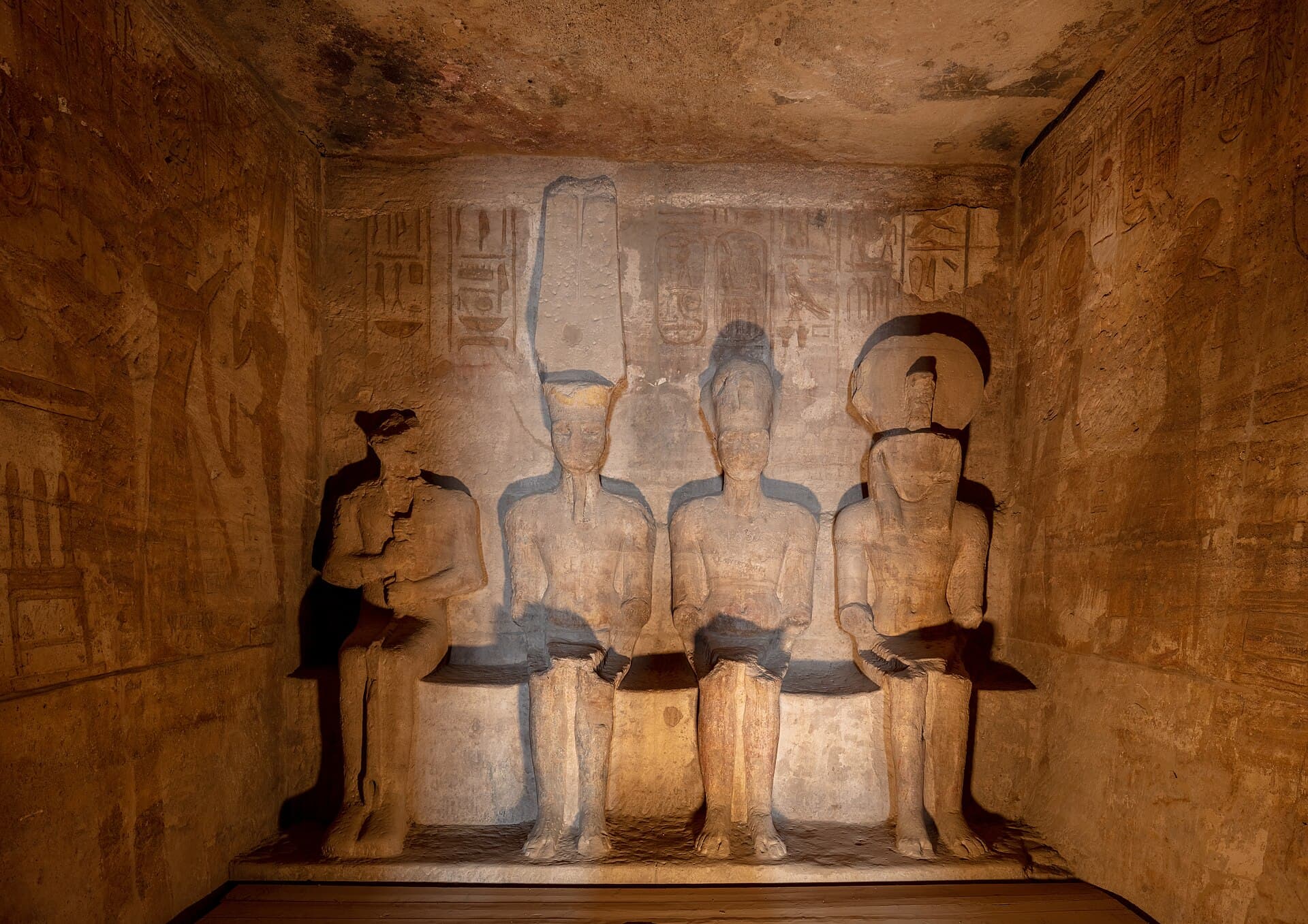
Five questions separate a good Nile week from a mediocre one. When was the boat last refurbished, and which parts? Which side does the cabin face, and on which deck? Does the boat moor alongside the quay or rafted between others? What is actually included, from drinks and tips to entrance fees and any trip to Abu Simbel? And which guide, in which language, for how many people?
The refurbishment question matters most. Nile boats work hard in heat and dust, and a boat that has not been touched for years shows it in the cabins first. Ask for recent photographs of the exact cabin type you are offered, not the brochure suite. Any honest operator will send them, and will put the answers in an email you can keep.
Specifications, dates and star ratings
Treat anything you read about a specific Nile boat, here or elsewhere, as needing confirmation at the time of enquiry. Fleets on the river change hands, get refitted, get renamed and get moved between routes. A page written last year can describe a boat that no longer exists in that form. Current cabins, sailing dates and what a fare covers should come from the operator, in writing, before you pay anything.
Star ratings deserve the same scepticism. Nile boat ratings are Egyptian domestic ratings, not an international standard, and they are not comparable with hotel stars in Europe. A five-star Nile boat is not a five-star hotel that floats. Judge it on recent photographs and recent traveller reports instead, and on what the operator will put in writing.
The trips we sell use three boats: MS Radamis II, Movenpick Royal Lily and Sonesta St. George.
For the cruise on its own: Nile Cruise from Aswan to Luxor or Nile Cruise from Luxor to Aswan.
Common questions
How many cabins does Alexander the Great have?+
We do not publish cabin numbers, deck plans or capacity for this boat, because those details change with refits and ownership, and we would rather be right than complete. Ask the operator for a current deck plan and for photographs of the exact cabin category you are quoted before you commit to anything.
Is a big cruise ship better than a dahabiya on the Nile?+
Neither is better. A cruise ship is steadier, cheaper and easier if you want the main temples with minimum effort. A dahabiya is quieter, moors where big boats cannot, and costs considerably more per person. Choose by how much you mind crowds and noise, and by how much of the trip you want decided for you.
Which cabin side should I ask for?+
Ask which side the cabin faces and how high up it sits. Lower cabins sit close to the water and the engine. When boats raft together at Edfu or Kom Ombo, an inside berth can look straight into another ship for hours. A higher outside cabin is usually worth paying for, so ask what the upgrade costs.
Does Alexander the Great sail Luxor to Aswan?+
Nile cruise ships work the Luxor to Aswan stretch in both directions, and this is that kind of ship. We will not state the direction, the departure days or the number of nights here, because those are set season by season and change with the fleet. Confirm all three with the operator when you enquire.
Official sources
Entry rules, opening hours, security advice and exchange rates all move. Check them at the source, not here.
- Egyptian Ministry of Tourism and Antiquities ↗The ministry lists which tombs and temples currently open.
- UK FCDO travel advice for Egypt ↗It updates continuously, and most UK travel insurance follows it.
Written and checked by the Nile Trip Guide editorial team · Last reviewed . Entry rules, prices and opening hours change — check anything critical against the official sources linked on this page.