Cruise ship
Oberoi Philae: What a Large Luxury Nile Ship Is Actually Like
The Oberoi Philae is a large Nile cruise ship operated by Oberoi Hotels and Resorts on the Luxor to Aswan stretch. We do not publish its deck plan, its cabin details or its rates, because those change and a stale spec sheet helps nobody. What follows is the part that stays true: what this class of boat is like, who it suits, and what to check before you commit.
Oberoi Philae: what a large luxury ship is like on the Nile
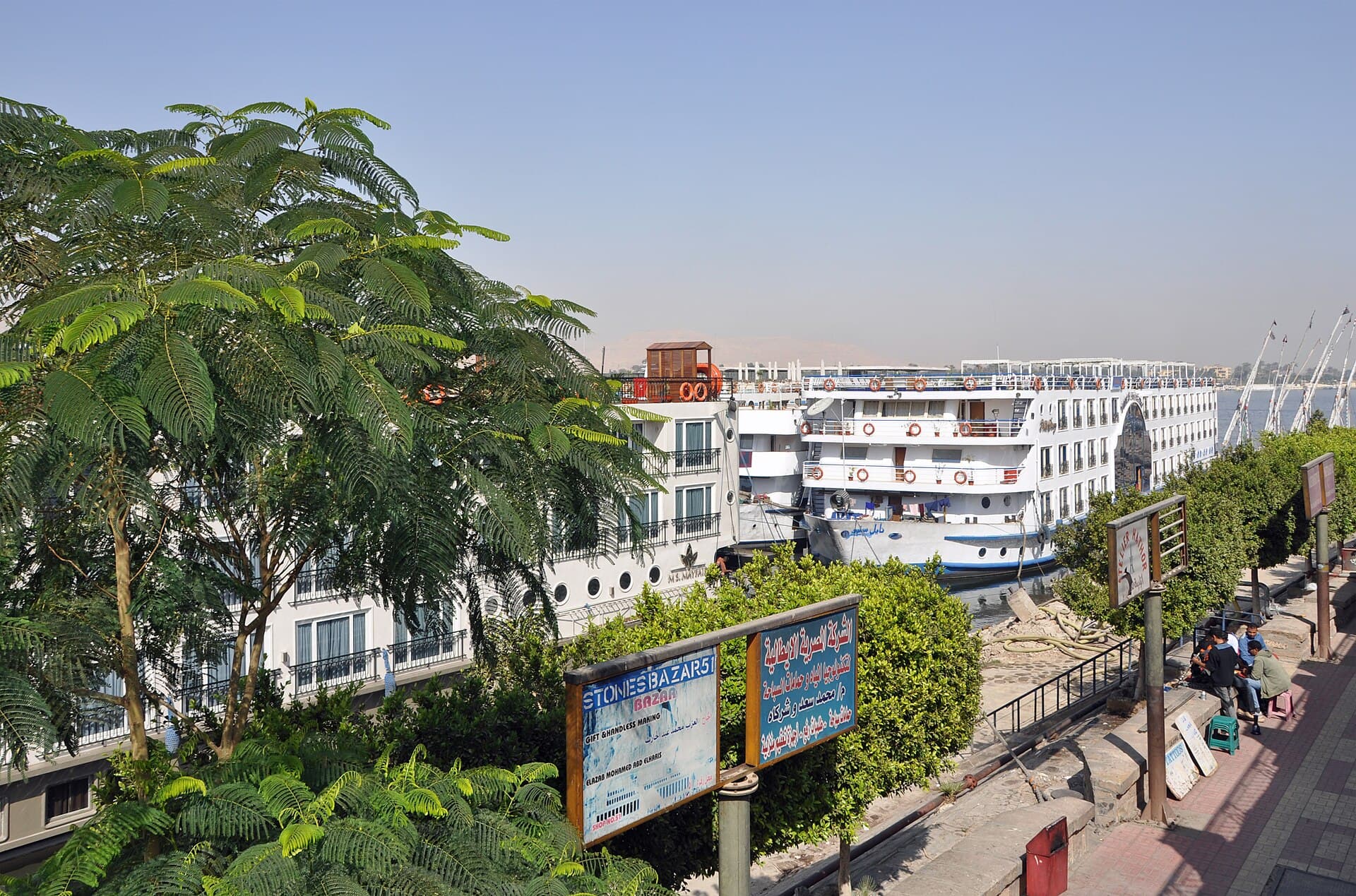
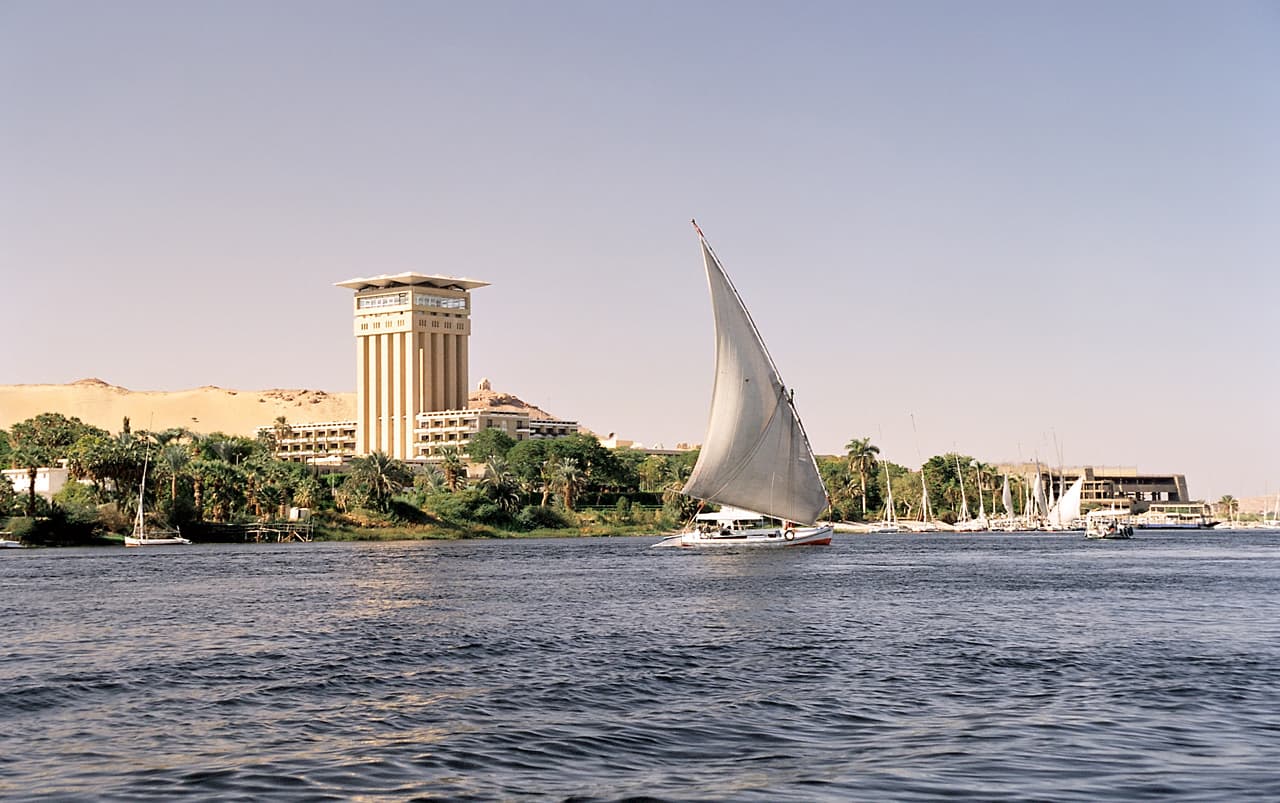
A large Nile ship is a floating hotel. Boats in this class generally have proper corridors, a sun deck, air conditioning that runs hard, and a kitchen with the scale to cook to a consistent standard every night. Cabins are hotel cabins rather than berths, and the ride is smooth because the boat is heavy and engine-driven. If you want the Nile without giving up hotel comfort, this is the format that does it.
The trade-off is distance. You watch the river through glass, from a deck several metres above the water. Large ships moor at the main quays in Luxor, Edfu, Kom Ombo and Aswan, alongside every other large ship, and the daily pattern is set by lock slots and site opening times rather than by wind or whim. Days are efficient and slightly regimented: sail, moor, temple, back on board.
Oberoi is a hotel company rather than a shipping line, and that is the useful thing to know here. The reference point for a boat run by a hotel group is hotel-style service and housekeeping brought onto the river. What that looks like in practice still depends on the vessel's current condition and crew, which is worth asking about at the point of enquiry rather than reading off a brochure.
Large ship, small ship or dahabiya
A dahabiya is a small sailing boat, usually a handful of cabins, no pool, no lift and no entertainment. It moors on sandbanks and in villages the big boats cannot reach, and it moves slowly because it partly relies on wind and tow. The river feels close. Bathrooms are smaller, air conditioning is often limited to certain hours, and if the wind is wrong the schedule shifts. Some people find that the point. Others find it stressful.
Small motor ships sit in between: more comfort than a dahabiya, fewer passengers than a large ship, still tied to the main quays. A large ship like the Philae gives you the most reliable comfort and the least intimacy with the river. Nobody is wrong here, but choose deliberately. Booking a large luxury ship and then hoping for silence and sandbanks is the most common way to be disappointed on the Nile.
Who this style suits, and who it does not
It suits travellers who want the temples without roughing it: anyone who sleeps badly in small cabins, families who need space and somewhere to sit out on deck, people travelling in the hot months who want dependable air conditioning, and anyone who would rather the boat handled everything. It suits first-time visitors to Egypt, where the sites themselves are demanding enough without the accommodation being an adventure too.
It does not suit people looking for quiet water and few other travellers. On a big ship you arrive at temples at the same time as other big ships, so Edfu and Kom Ombo are busy when you are there. It also does not suit anyone whose main pleasure is the sailing itself. If you want to hear the river rather than the generator, look at a dahabiya and accept the comfort you lose.
The Luxor to Aswan route, whichever boat you take
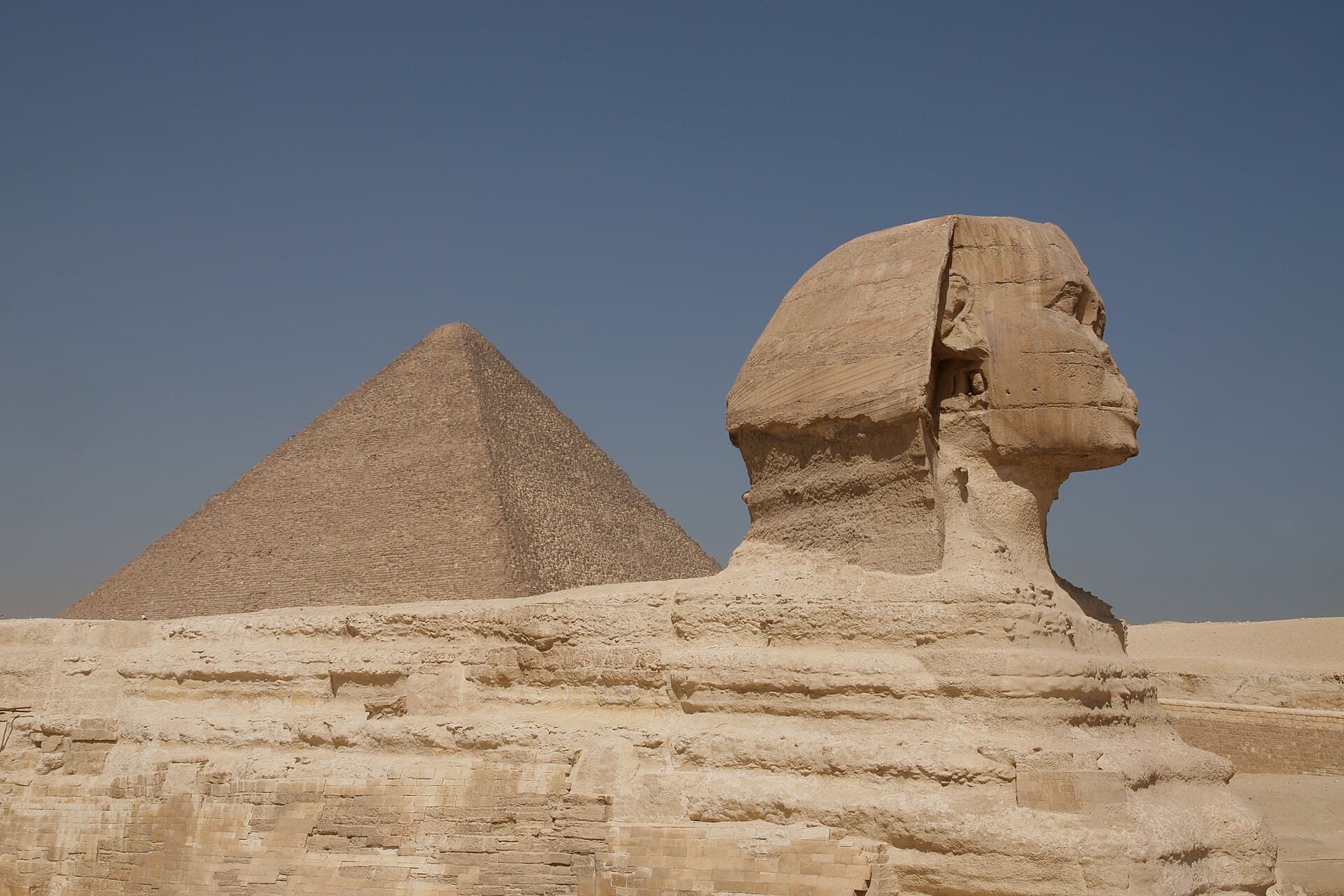
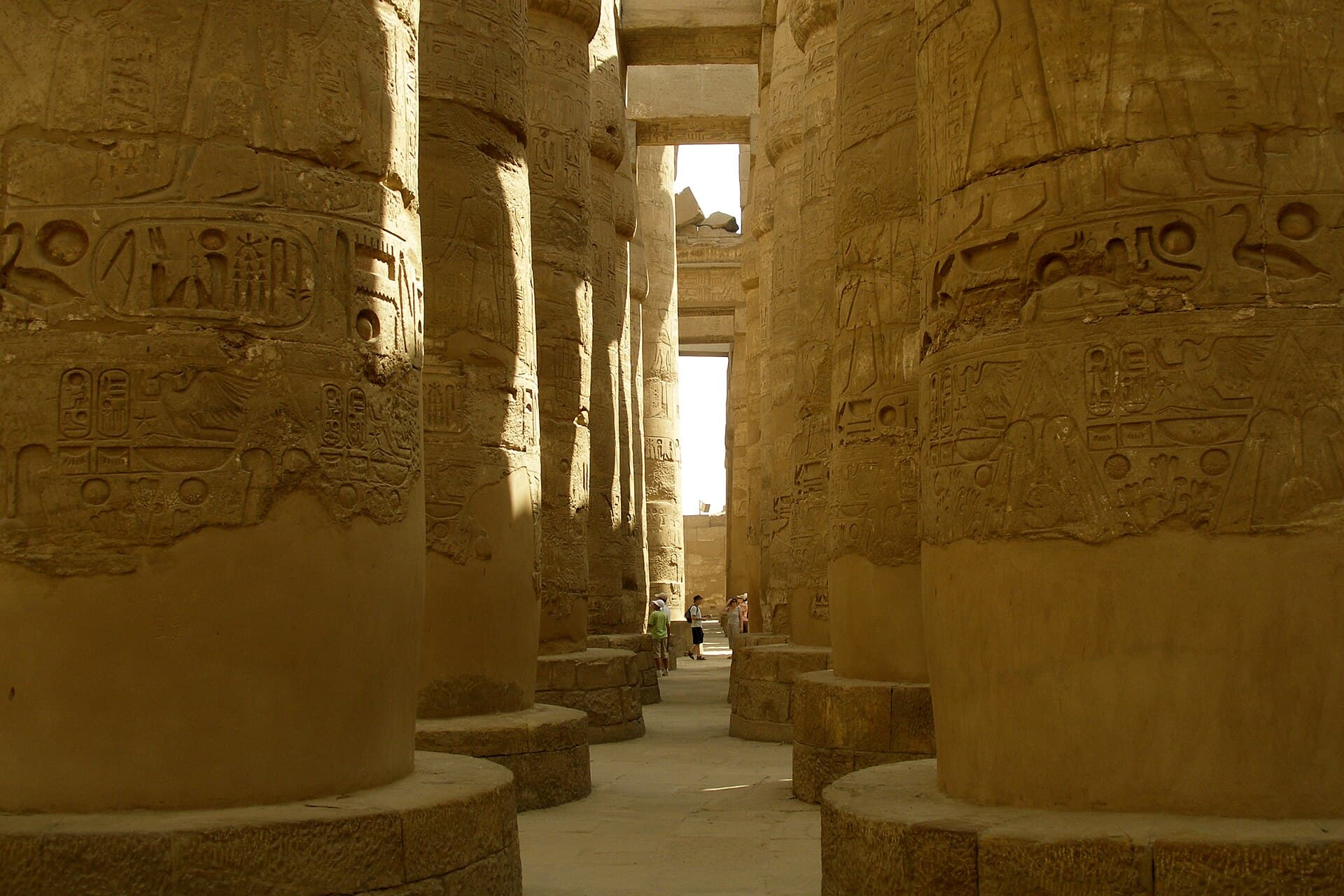
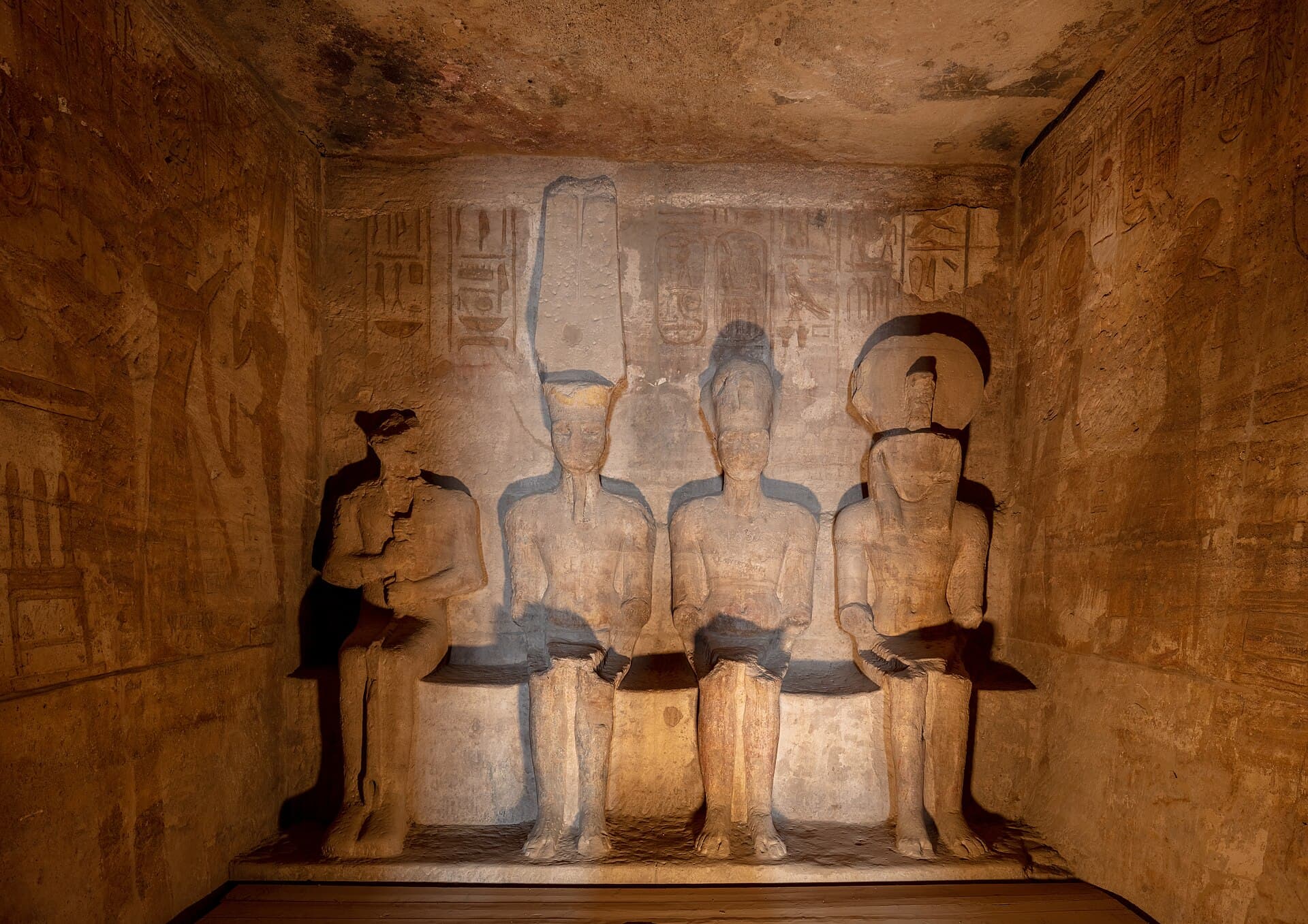
Nile cruises run the same stretch of river in both directions. Between Luxor and Aswan the fixed points are the Luxor temples and the west bank tombs at one end, Aswan and its dam and island temples at the other, with Edfu and Kom Ombo in between. Abu Simbel is a separate excursion by road or air, not a stop on the cruise. The route is short. The interest is in the sites, not the distance.
What the boat changes is how the hours between the temples feel. On a large ship the river is scenery viewed from a lounge or sun deck, and the days are tight and predictable. On a small boat the river is the experience and the pace is looser. The temples you see are largely the same either way, so choose the boat for the travelling rather than for the sightseeing.
Questions worth asking before you book any Nile boat
Ask when the vessel was last refurbished, and what was actually done. Nile boats work hard in a harsh climate, and a refit five years ago is a different boat from a refit last season. Ask which side and which deck the cabin is on, since moored views and engine noise vary a lot. Ask whether the boat moors alongside the quay or rafted between other boats, because rafted means your window looks into someone else's cabin.
Ask exactly what the fare covers: which meals, which drinks, which site entry tickets, guiding, the Abu Simbel trip and tipping. These vary between operators far more than people expect, and the gap between a fare that includes entrances and one that does not is significant. Ask about the guide, too, as an Egyptologist guide is the single biggest factor in how much you get from the temples.
One point of context. Nile boat star ratings are issued locally and are not comparable to hotel star ratings in Europe or North America. Five stars on the river is a domestic classification, not a global standard. Judge a boat on its operator, its most recent refit and recent traveller reports, and treat the stars as background noise.
Specifications, dates and prices change
We deliberately do not list cabin counts, deck layouts, sailing days or rates for this vessel. Nile fleets change hands, get refitted, get repositioned to different stretches of the river and occasionally come out of service for a season. Anything we published would be out of date without warning, and on a booking this size that is worse than saying nothing.
Confirm the current specification, the sailing pattern and the price at the time of enquiry. Our ground operator in Cairo checks availability and the current condition of a vessel before quoting, and will tell you if a boat is not the right fit for what you have described. Trips here are arranged by enquiry rather than online booking, which is precisely so those details are verified for your dates rather than assumed.
The trips we sell use three boats: MS Radamis II, Movenpick Royal Lily and Sonesta St. George.
For the cruise on its own: Nile Cruise from Aswan to Luxor or Nile Cruise from Luxor to Aswan.
Common questions
Is the Oberoi Philae a good choice for a first Nile cruise?+
For most first-time visitors, a large ship of this kind is the sensible format. Egypt's sites are hot, busy and physically demanding, and coming back to a proper hotel-standard cabin with reliable air conditioning matters more than people expect. Choose it if comfort and predictability rank above intimacy with the river. Choose a dahabiya if the opposite is true.
How does it compare with a dahabiya?+
They are different holidays. The Philae is a large engine-driven ship, and boats in that class moor at the main quays and keep to a set daily pattern. A dahabiya is a small sailing boat with a handful of cabins, no pool, and moorings at sandbanks and villages. The dahabiya gives you the river; the large ship gives you comfort and reliability. Neither is better in the abstract.
What does the cruise fare include?+
That varies far more than travellers assume, and we will not guess for a specific vessel. Meals are usually covered, but drinks, site entry tickets, guiding, the Abu Simbel excursion and tipping often are not. Ask for the inclusions in writing before comparing prices between boats, because a cheaper fare without entrance tickets is frequently the more expensive trip.
Are Nile boat star ratings reliable?+
They are local classifications, issued in Egypt, and they do not map onto European or North American hotel stars. A five-star Nile boat is not automatically equivalent to a five-star city hotel. Judge a vessel on which company operates it, how recently it was genuinely refurbished, and what recent travellers report about its condition rather than on the rating itself.
Why can I not see the cabin count, deck plan or sailing dates here?+
Because we cannot verify them at the moment you read this, and a wrong number is worse than a missing one. Nile fleets change ownership, get refitted and get moved between stretches of river. Current specifications, availability and rates are confirmed at the point of enquiry, checked against the vessel's actual condition and schedule for your travel dates.
Official sources
Entry rules, opening hours, security advice and exchange rates all move. Check them at the source, not here.
- Egyptian Ministry of Tourism and Antiquities ↗The ministry lists which tombs and temples currently open.
- UK FCDO travel advice for Egypt ↗It updates continuously, and most UK travel insurance follows it.
Written and checked by the Nile Trip Guide editorial team · Last reviewed . Entry rules, prices and opening hours change — check anything critical against the official sources linked on this page.