Cruise ship
Farah Nile Cruise: what this boat is like, and who it suits
The Farah Nile Cruise is a ship operated by Jaz Hotels & Resorts, so it is a floating hotel rather than a small sailing dahabiya. We are an independent guide and will not print a specification we cannot verify. What follows is what this class of boat is like to travel on, and who it suits.
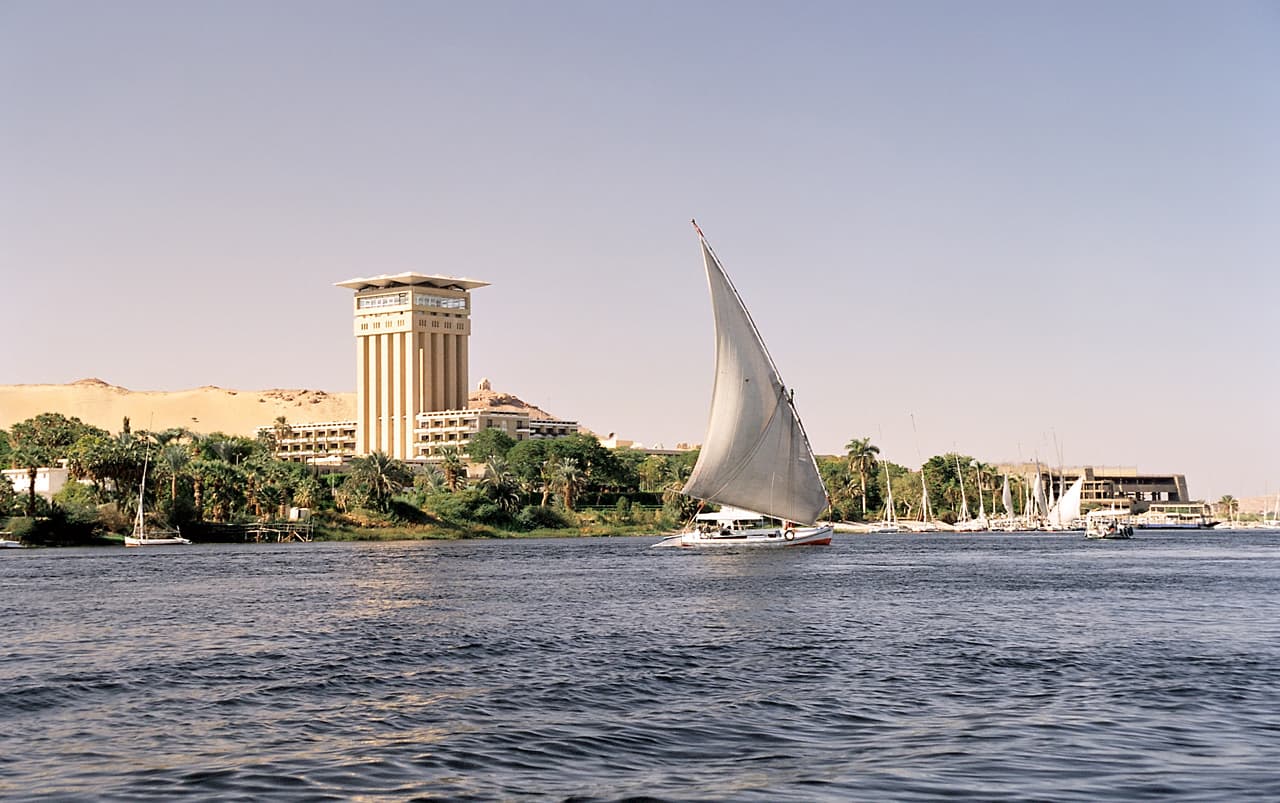
Farah Nile Cruise: what a large Nile cruise ship is like
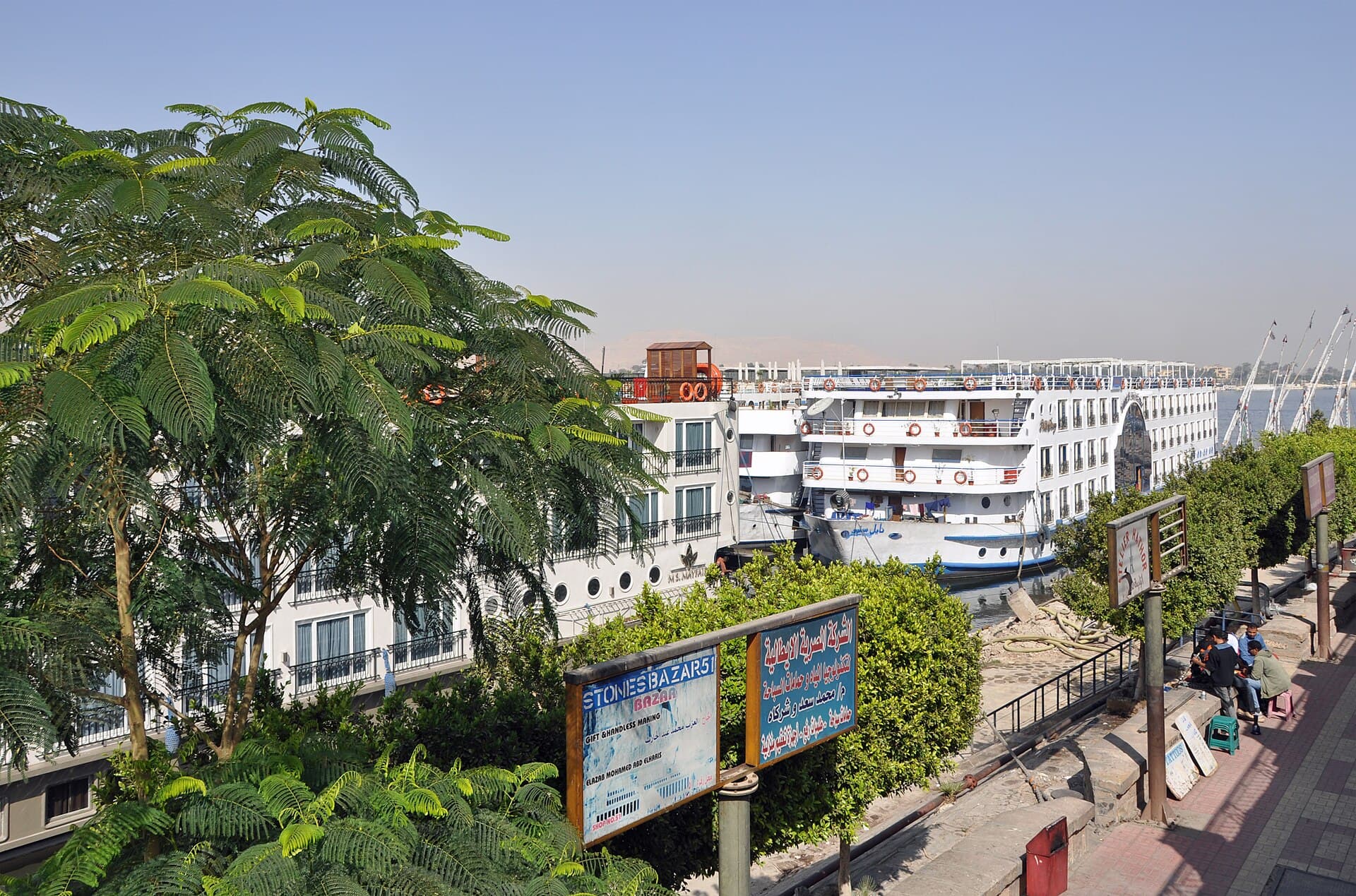
Boats in this class are floating hotels. Cabins are usually hotel rooms with a window on the river, and the public rooms are shared: somewhere to eat, somewhere to sit in the evening, and open deck space upstairs. Layouts differ from boat to boat, so ask for the current deck plan rather than trusting a description like this one.
The scale is both the appeal and the limitation. You get dependable air conditioning, hot water and a bed that barely moves. You also get a fixed timetable, excursions that leave as one group, and a boat full of people on the same schedule. Nothing about this kind of trip is quiet or spontaneous, and that is the honest trade.
Large ship, small ship or dahabiya
A dahabiya is a small sailing boat with only a few cabins. It moors at riverbanks, reaches villages and quiet sites the large boats sail past, and at night you hear water rather than a generator. It usually costs more per person, has far fewer facilities and can be slow when the wind fails. If the river itself is the reason you are going, it is the better boat.
A large ship gives you the temples with the least friction and the most comfort for the money. The trade is that you see the Nile mostly from a sun deck, moored in a line of near-identical boats at the same towns. Small ships sit between the two and are worth asking about if the budget stretches. Neither extreme is wrong; they are different holidays.
Who this style suits, and who it does not
This suits first-time visitors, families, and anyone who wants the major sites covered without arranging transport and guides themselves. It does not suit anyone who wants silence, small groups, late starts, or the freedom to spend two hours alone in one tomb. If a fixed timetable and a crowded sun deck would irritate you, look at a dahabiya instead.
The Luxor to Aswan stretch
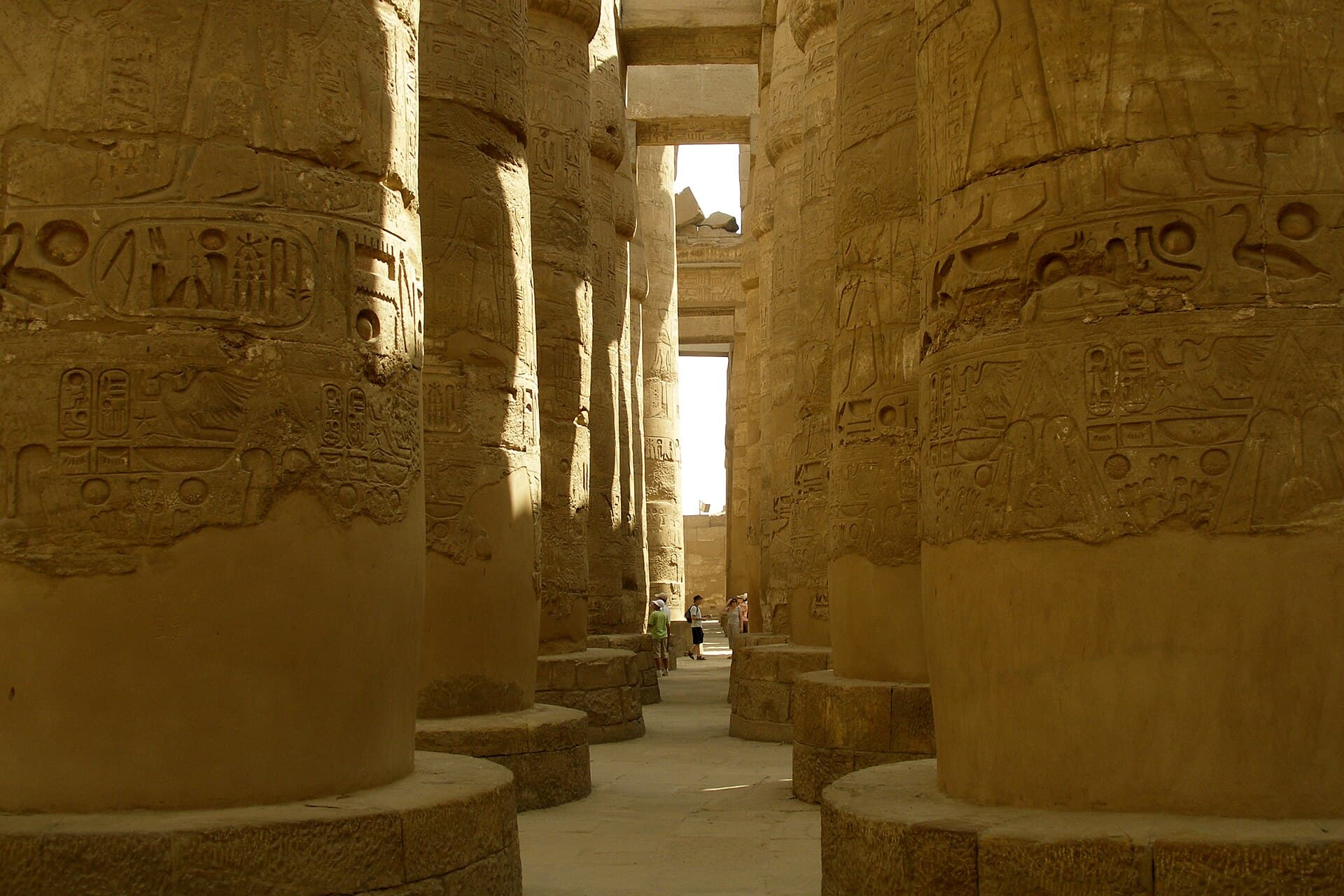
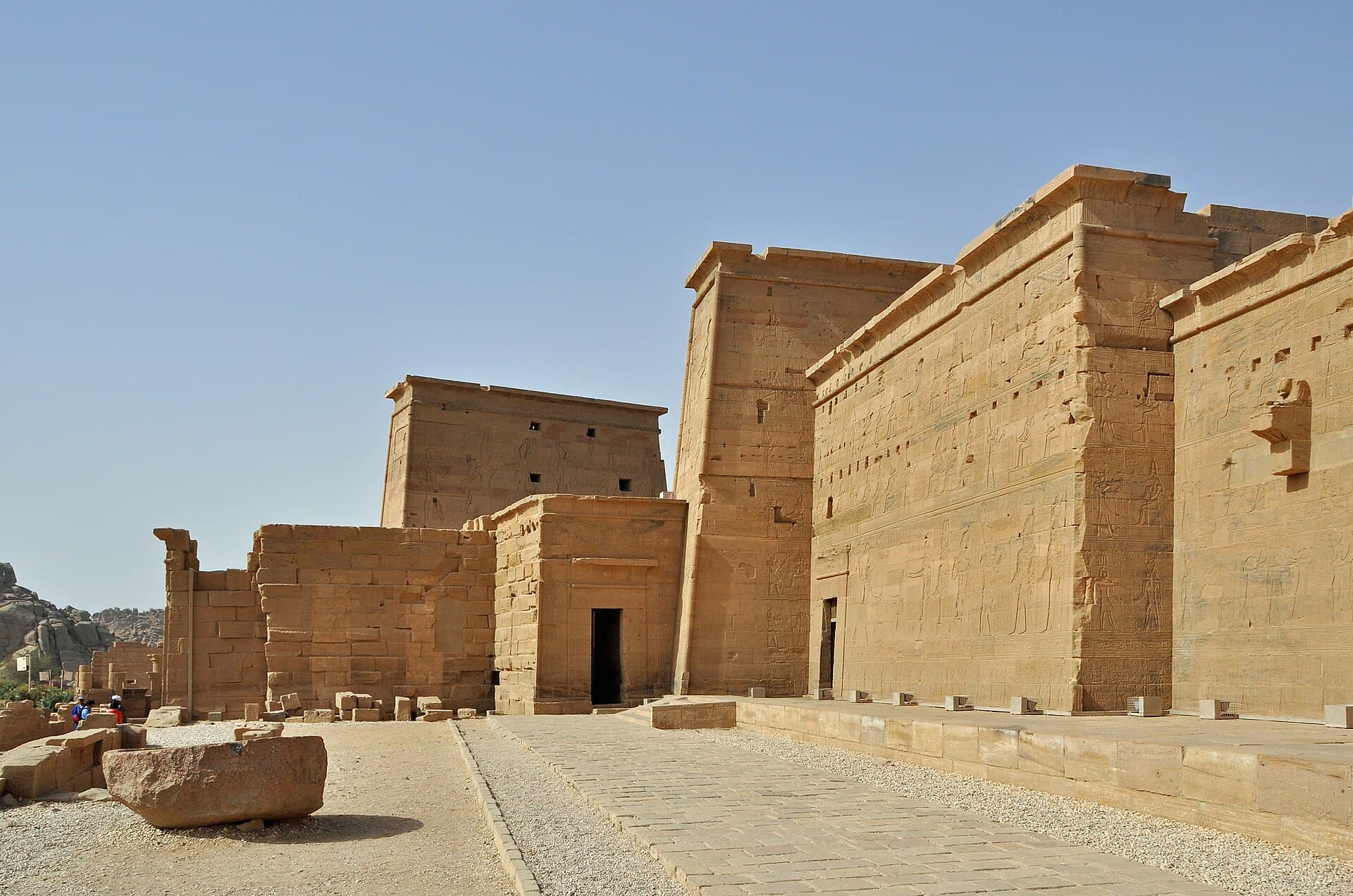
Almost every Nile boat works the same water between Luxor and Aswan, and the same places appear on most itineraries: Karnak and Luxor temples, the west bank tombs, then Esna, Edfu, Kom Ombo and Aswan. Starts are early because the heat wins by late morning. You will not sail all day: for a good share of it the boat is tied up, and sites are busiest when several boats moor together and everyone goes ashore at once. The boat you choose changes the comfort, not the itinerary.
What to ask before booking any Nile boat
Ask when the boat was last refurbished, and ask for photographs of the cabin grade you are actually buying rather than the best one on board. Ask which deck and which side the cabin is on: lower cabins sit nearer the waterline and the engine, and a moored boat can leave you looking at a concrete quay. Ask exactly what the fare covers: entrance tickets, drinks, guiding and tips.
Ask whether the boat moors alongside the bank or rafted between other boats. Rafting is normal at busy moorings, but it means your window can look into another cabin and you cross two or three boats to reach the shore. Ask how many guests share one guide, and whether excursions are fixed or optional. Ask all of this of any boat, not just this one.
Star ratings, specifications and prices
Nile boat star ratings are issued locally and do not translate to European or North American hotel standards. A boat rated highly on the river is not the same as a highly rated city hotel, and two boats carrying the same rating can be a long way apart. Treat the rating as a rough class marker inside Egypt, then judge the boat on recent photographs and on recent accounts from people who have sailed it.
We do not publish cabin counts, deck plans, build dates, prices or sailing dates for this boat, and we would be sceptical of any independent page that does. Nile fleets change hands, get refitted and move between routes, so a description written a couple of years ago can be wrong in every particular. Confirm the current specification, availability and price in writing, with the operator or the agent, before you pay anything.
The trips we sell use three boats: MS Radamis II, Movenpick Royal Lily and Sonesta St. George.
For the cruise on its own: Nile Cruise from Aswan to Luxor or Nile Cruise from Luxor to Aswan.
Common questions
Who operates the Farah Nile Cruise?+
Jaz Hotels & Resorts, an Egyptian hotel and cruise group. It is a large cruise ship rather than a small sailing dahabiya, so expect the floating-hotel experience described above. Ownership and management of Nile boats do change over time, so confirm the operator, the current specification and the itinerary in writing when you enquire.
Is a large cruise ship or a dahabiya better on the Nile?+
Neither is better outright. A large ship gives you dependable air conditioning, more comfort for the money and no fuss between temples. A dahabiya gives you quiet, small numbers and moorings the big boats cannot use, usually at a higher price per person. Pick by what you want your evenings to feel like.
Why are there no cabin details, dates or prices on this page?+
Because we cannot verify them. Nile boats are refitted, sold and moved between routes, and published details go stale quickly. Rather than repeat a brochure we have not seen, we would rather tell you what to ask. Get the current deck plan, cabin photographs, itinerary and price in writing before you pay anything.
What do star ratings mean on Nile boats?+
Less than you might assume. Ratings are awarded locally and do not compare with European or North American hotel gradings. Two boats carrying the same stars can be very different inside. Use the rating to place a boat roughly within the Egyptian market, then judge it on recent photographs of the exact cabin grade you are being sold.
Official sources
Entry rules, opening hours, security advice and exchange rates all move. Check them at the source, not here.
- Egyptian Ministry of Tourism and Antiquities ↗The ministry lists which tombs and temples currently open.
- UK FCDO travel advice for Egypt ↗It updates continuously, and most UK travel insurance follows it.
Written and checked by the Nile Trip Guide editorial team · Last reviewed . Entry rules, prices and opening hours change — check anything critical against the official sources linked on this page.