
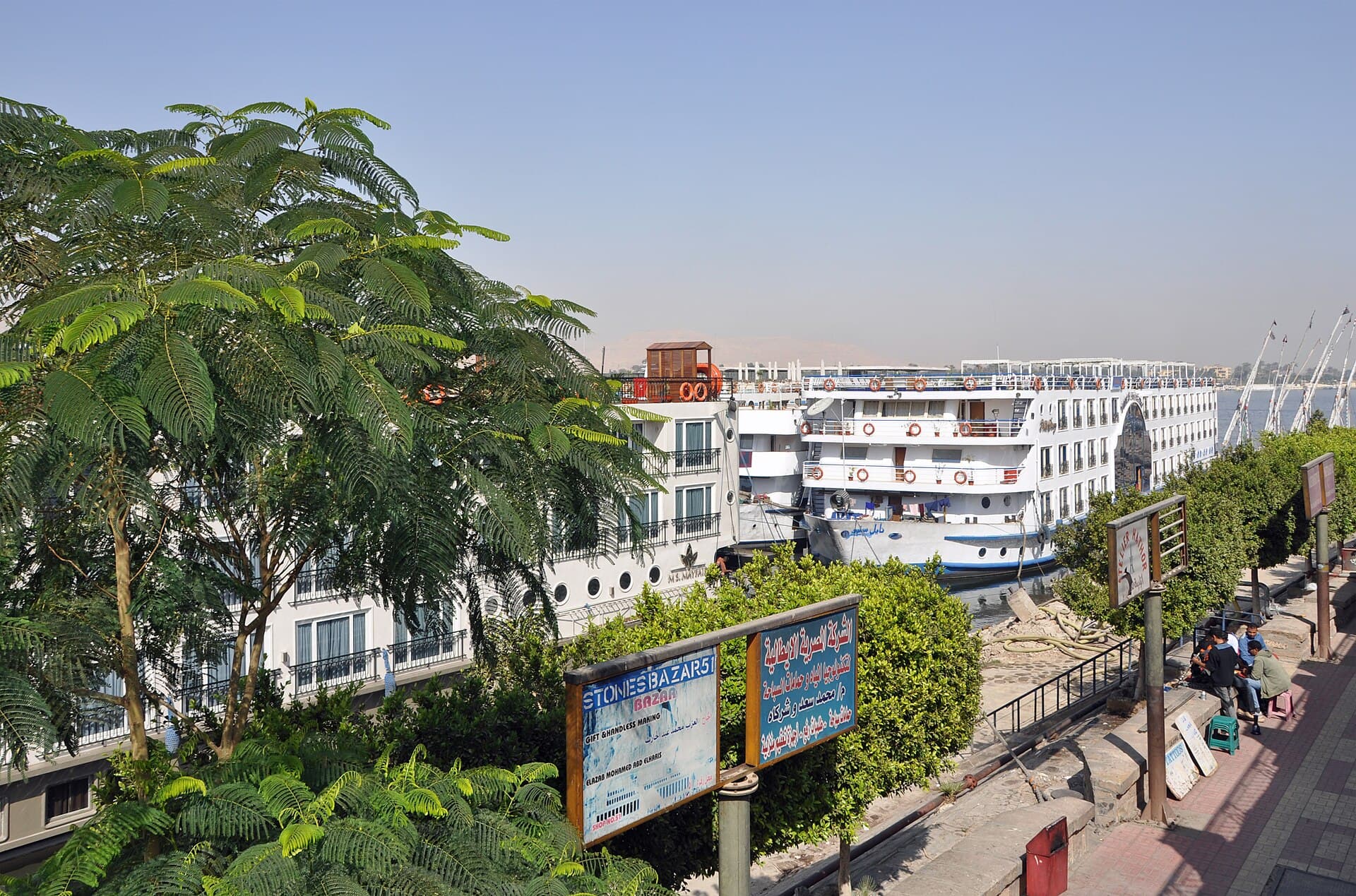
Cruise ship
Oberoi Zahra: what to expect from a large luxury Nile cruise ship
The Oberoi Zahra is a large cruise ship on the Nile, operated by Oberoi Hotels & Resorts. This page carries no specification sheet, because those details change and we would rather not guess at them. What it does explain is what this style of boat is like to travel on, who it suits, and what to ask before you commit to any Nile vessel.
Oberoi Zahra: what a large Nile cruise ship is like to travel on
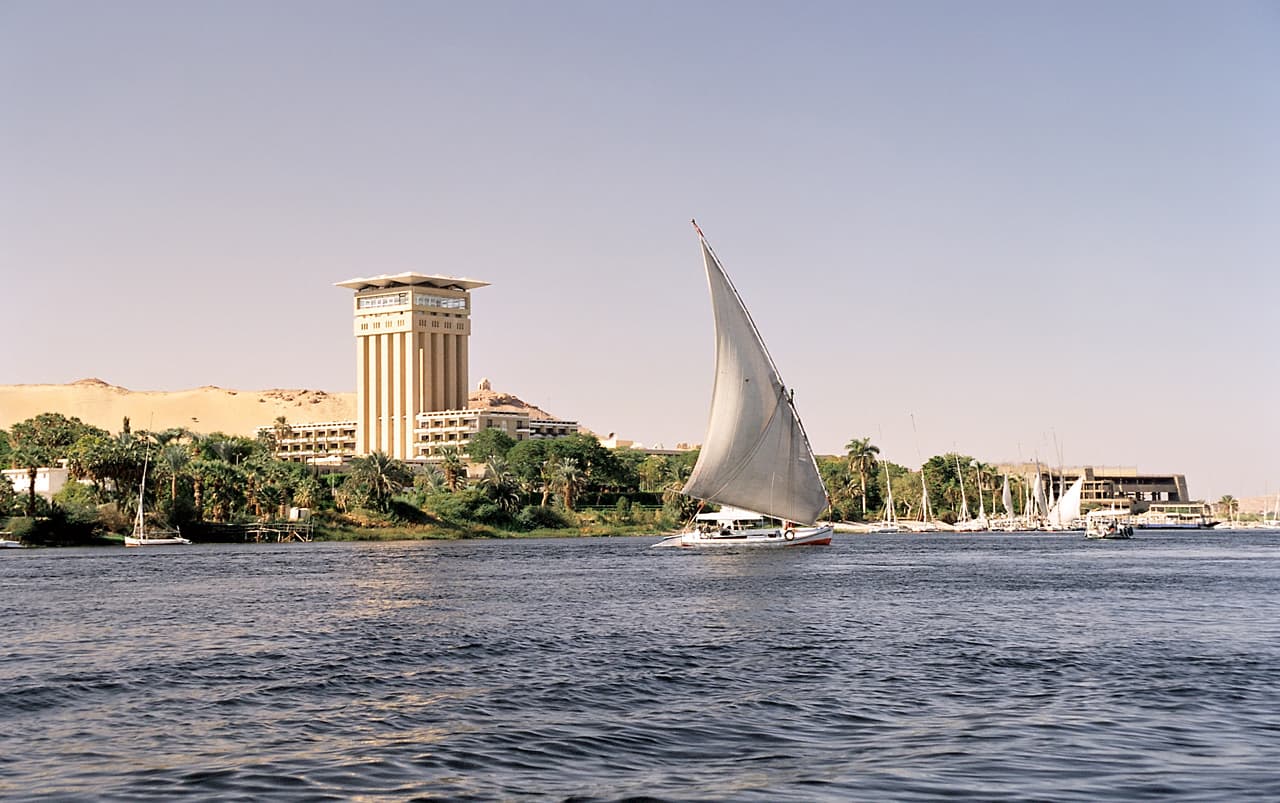
A big Nile ship works like a floating hotel. It runs under engine power, keeps to a set schedule, and carries enough guests to support a full kitchen and a proper service team. You unpack once and the scenery moves past you instead. Whether any particular vessel has balconies, how the cabins are laid out and what is on each deck are things to confirm with the operator.
The trade-off is scale. The river feels further away from a high deck than from a low one, and you hear the engines. Movement to the temples is usually organised in groups, which means coach transfers and arriving when everyone else arrives. That is the cruise ship format, and it is what you are buying into, whichever company runs the vessel.
Big ship, small ship or dahabiya
Three broad options exist on this stretch of river. Large ships such as the Zahra offer the steadiest comfort and the most fixed schedule, because a bigger vessel can carry more staff and more equipment. Small ships sit in the middle. Dahabiyas are sailing boats, towed or under sail, carrying a handful of guests and mooring at sandbanks and villages the larger boats cannot reach.
A dahabiya is the better boat if the river itself is the point and you can accept simpler cabins and a schedule that bends to the wind. A large ship is the better boat if you want dependable comfort and few surprises. Neither is superior. They answer different questions, and people who book the wrong one are usually disappointed for reasons they could have predicted.
Who this style suits, and who it does not
It suits travellers who want hotel-grade comfort on the water, who are travelling in the hot months, who have mobility to consider, or who simply do not want to rough anything. It suits people who are happy to sightsee on a set timetable and who would rather have the day arranged for them than work it out each morning at the quayside.
It suits you less if you want quiet mornings on a small deck, or if crowds at the temples would spoil the trip, or if you would rather not pay towards facilities you have no intention of using. If your priority is being close to the river and away from other tourists, look at a dahabiya instead and put the difference into a better guide.
What the Luxor–Aswan route actually involves
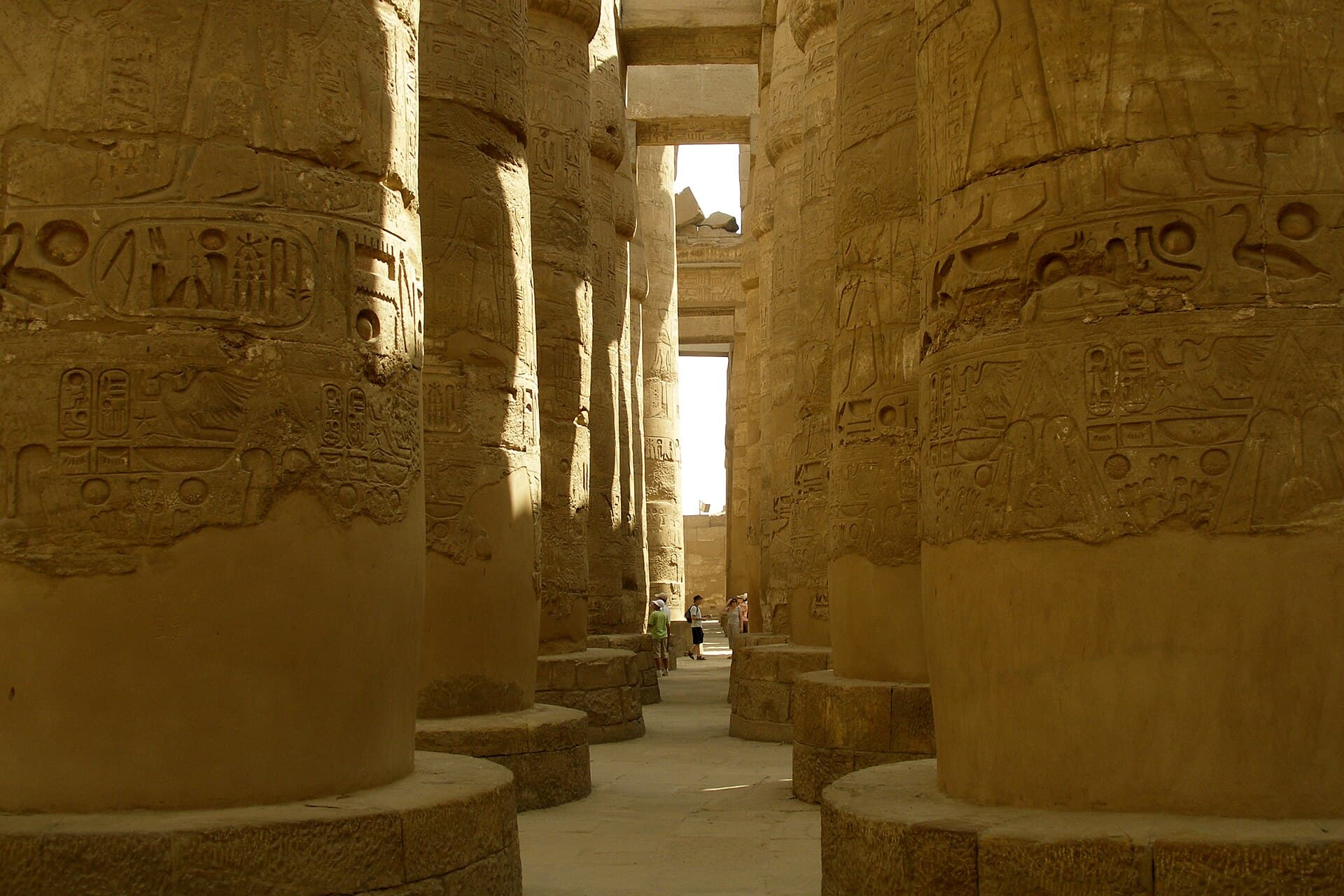
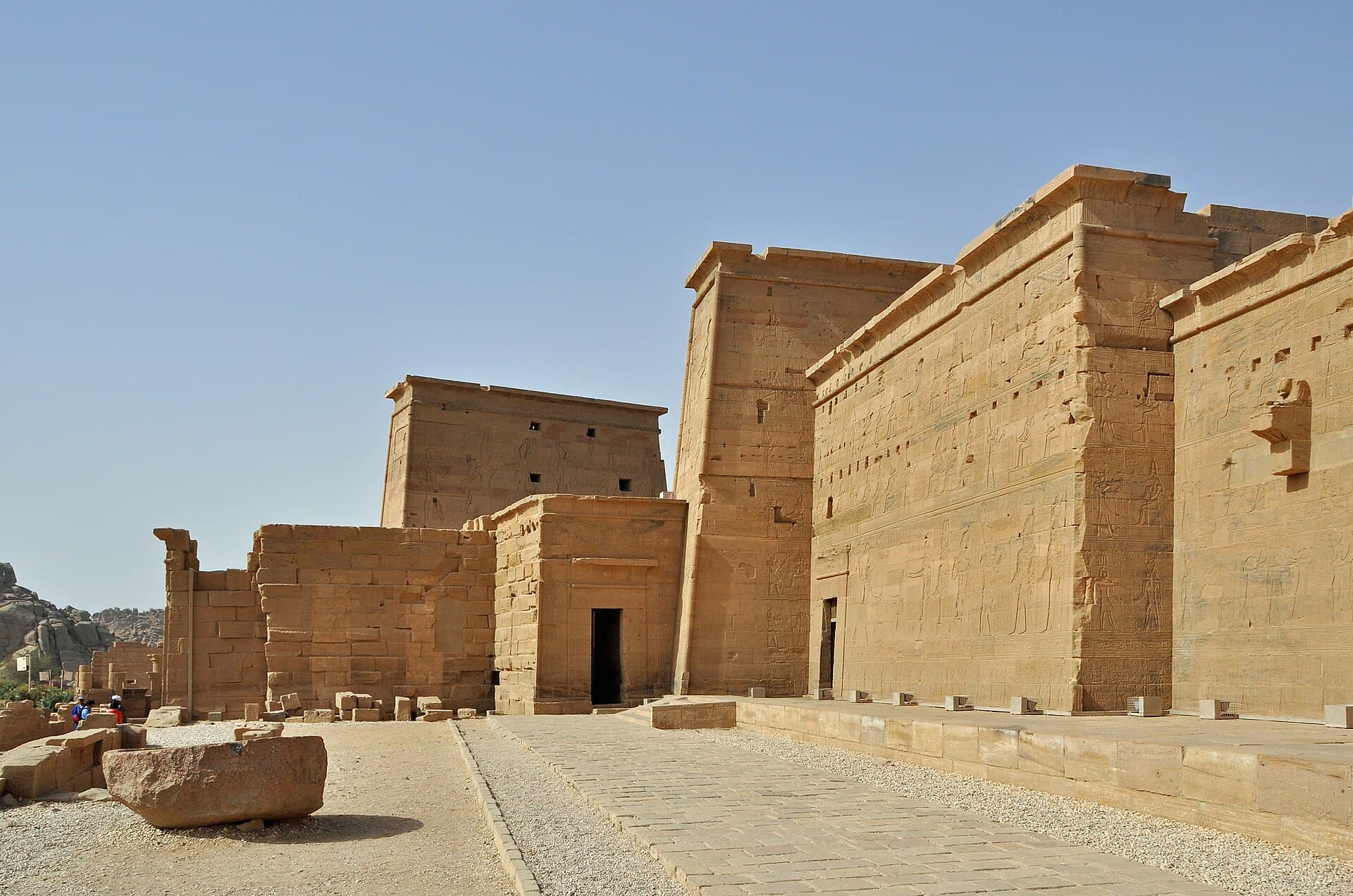
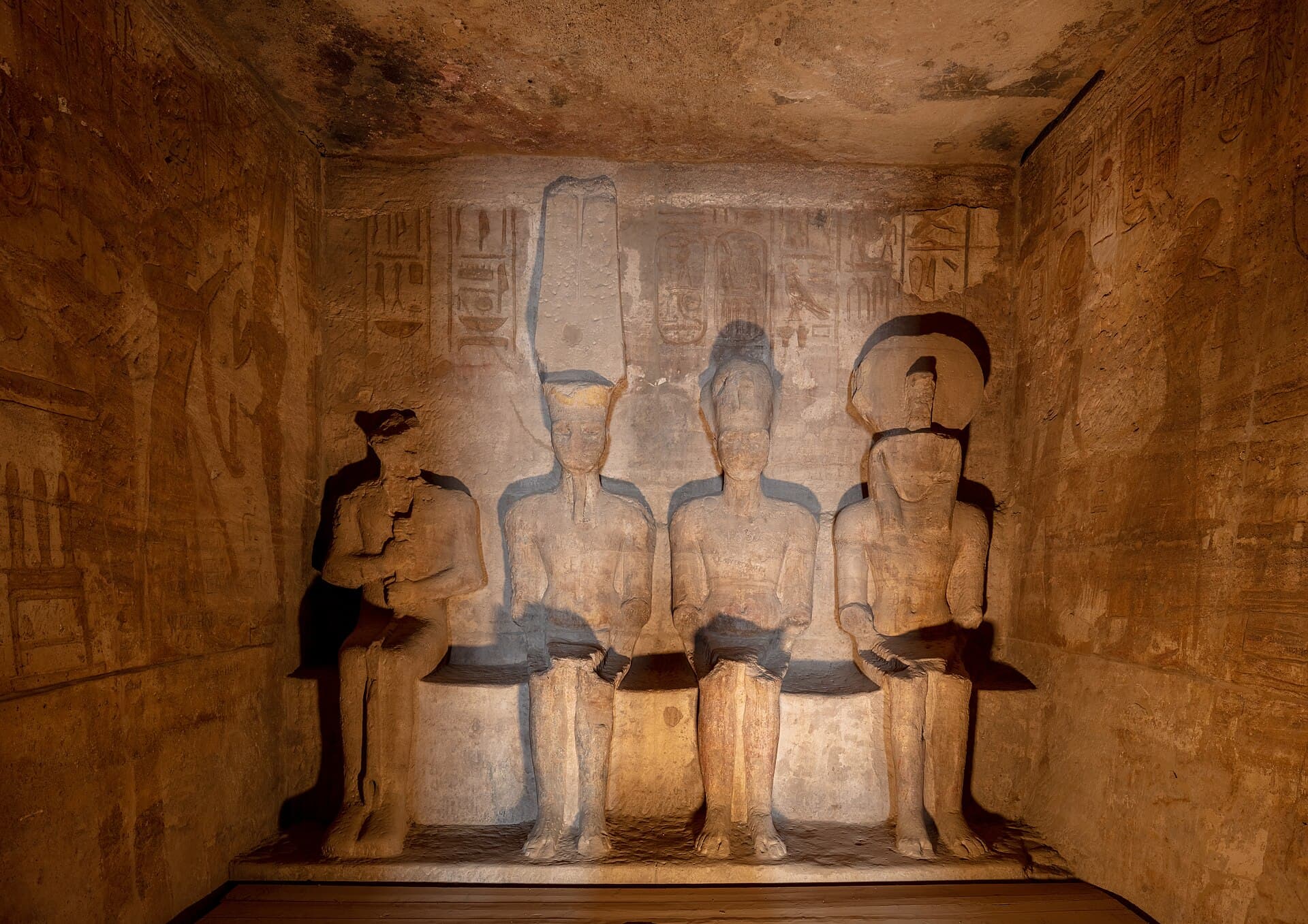
Nile cruises generally work the Luxor to Aswan stretch, in one direction or the other. The fixed points are much the same for nearly every boat: the Luxor temples and the west bank tombs at one end, Aswan and the Philae temple at the other, with Edfu and Kom Ombo in between. Abu Simbel is a separate excursion from Aswan rather than part of the sailing.
The boat changes the texture, not the sights. On a large ship you will often reach the temples at the busiest hours, because docking slots and the wider fleet schedule dictate the timing. Ask your operator whether visits can be timed away from the crush, and whether the guide is a qualified Egyptologist. That one choice shapes your days more than any cabin does.
Questions worth asking before you book any Nile boat
Ask when the vessel was last refitted, and whether the cabins were done at the same time as the public areas. Ask which side your cabin faces and on which stretch, because the view differs. Ask whether the boat moors alongside the bank or rafts up between other boats, since rafted mooring can mean looking straight into another ship's windows from your own.
Ask exactly what the fare covers. Drinks, excursions, the guide, entrance fees, Abu Simbel and tips are all handled differently by different operators, and that is the main reason two quotes for the same boat can look nothing alike. Ask how many guests are sailing and how many guides are looking after them, then get the answers confirmed in writing before you pay anything.
One more thing on ratings. Star ratings for Nile vessels are issued under local criteria and do not map onto European or North American hotel grading, so the same number can mean very different things. Judge a boat on recent photographs, the date of its last refit, and what the operator will put in writing rather than on the star count.
Confirm the current details when you enquire
Nile fleets are unusually fluid. Boats change hands, come out of service for refits, get repositioned along the river, and occasionally get renamed. A specification published a year ago may describe a vessel that no longer exists in that form, which is why we have not reproduced one here for the Zahra.
So treat cabin layouts, facilities, sailing dates, durations and prices as things to confirm at the time of enquiry, not as fixed features of the Oberoi Zahra. Our team checks current availability and condition with the operator directly before quoting, which is the only honest way to tell you what you would actually be getting.
The trips we sell use three boats: MS Radamis II, Movenpick Royal Lily and Sonesta St. George.
For the cruise on its own: Nile Cruise from Aswan to Luxor or Nile Cruise from Luxor to Aswan.
Common questions
Is the Oberoi Zahra worth the money?+
That depends on what you want from the trip. If you value hotel-standard comfort and consistent service, a large ship earns its keep, particularly in the hot months. If what you really want is closeness to the river and quiet, you will be paying for facilities you barely touch and seeing the same temples at the same busy hours as everyone else.
How does the Zahra compare with a dahabiya?+
They are different kinds of holiday. The Zahra is a large motorised ship keeping to a set schedule, with the comfort and staffing that size allows. A dahabiya is a small sailing boat carrying a handful of guests, mooring at quiet spots and moving at the pace of the wind. The dahabiya wins on atmosphere and privacy, the large ship on reliability.
What route does it sail?+
Nile boats generally work the Luxor to Aswan stretch, taking in the Luxor temples, the west bank tombs, Edfu, Kom Ombo, Aswan and Philae. Direction and duration vary by operator and season, and we will not quote night counts or departure days for this vessel without checking them first. Abu Simbel is arranged separately from Aswan and is not normally part of the sailing.
Are Nile cruise star ratings reliable?+
Not in the way you might assume. Ratings for Nile vessels are issued under local criteria and do not translate directly into European or North American hotel grading. Judge a boat by recent photographs, the date of its last refit, the operator's reputation and what is confirmed to you in writing, rather than by the number of stars attached to it.
Why can you not give exact cabin numbers, dates or prices?+
Because we do not hold verified current specifications, and inventing them would not help you. Nile fleets change hands, get refitted and get repositioned often enough that published details go stale quickly. We would rather this page be short and accurate than long and wrong. Our team confirms layout, condition, availability and cost with the operator when you enquire.
Official sources
Entry rules, opening hours, security advice and exchange rates all move. Check them at the source, not here.
- Egyptian Ministry of Tourism and Antiquities ↗The ministry lists which tombs and temples currently open.
- UK FCDO travel advice for Egypt ↗It updates continuously, and most UK travel insurance follows it.
Written and checked by the Nile Trip Guide editorial team · Last reviewed . Entry rules, prices and opening hours change — check anything critical against the official sources linked on this page.