Cruise ship
Sonesta Star Goddess: an honest guide to this Nile ship
The Sonesta Star Goddess is a Nile cruise ship run by the Sonesta Cruise Collection, one of the fleets working the river between Luxor and Aswan. This page is not a spec sheet. It explains what this style of boat is like, who it suits, and what to check with the operator before you commit.
Sonesta Star Goddess: what sort of boat this is
The Sonesta Star Goddess belongs to the Sonesta Cruise Collection, a fleet that runs boats on the Nile. It is a motor cruise ship rather than a sailing boat, and that is the honest limit of what we will state here. Cabin categories, layouts and capacity change with refits and changes of owner, so ask the operator for current details rather than trusting any page online, this one included.
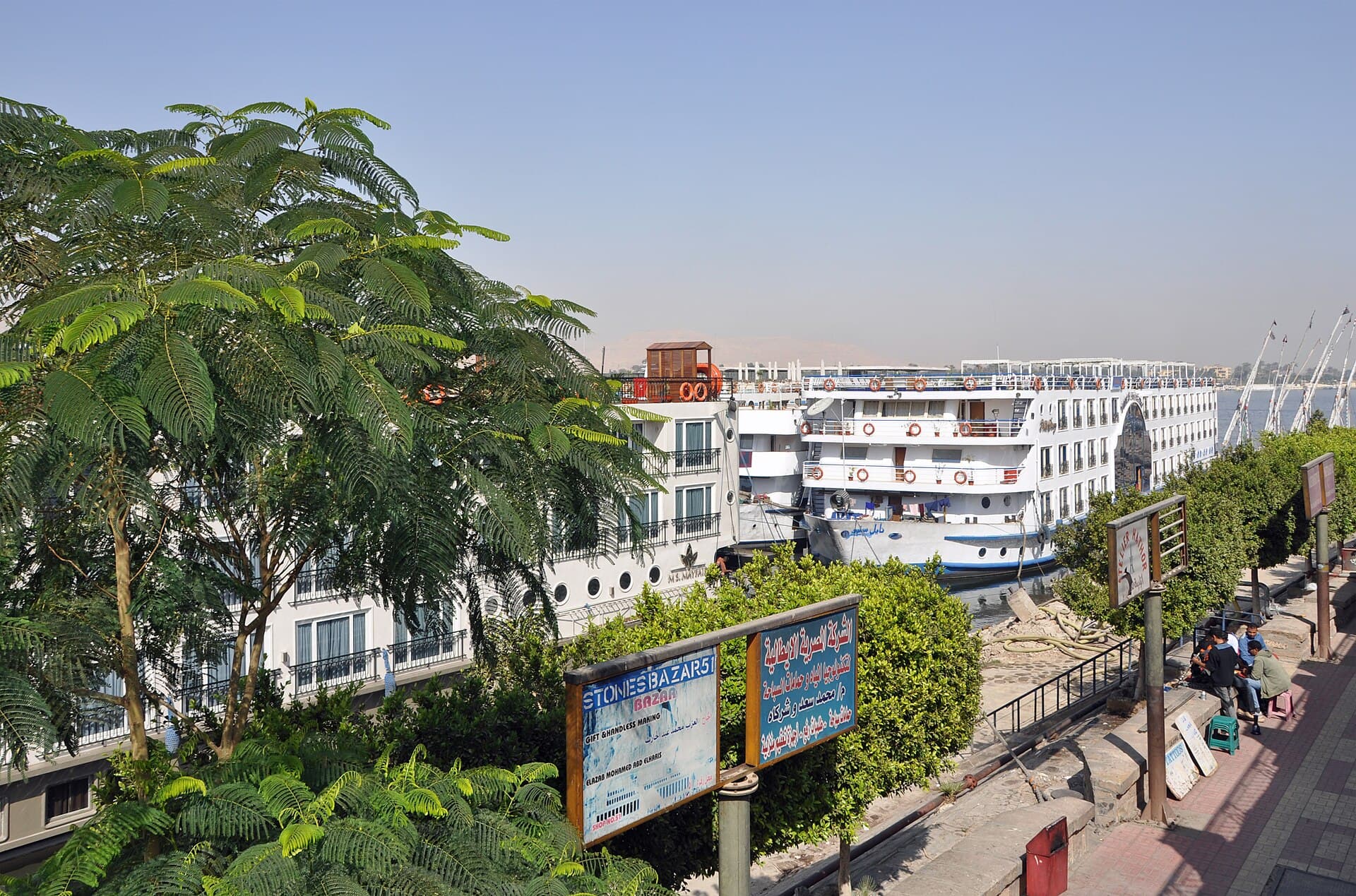
A river cruise ship of this kind runs on engines and keeps to a fixed timetable, set by the guiding programme and by the traffic on the river. It carries a group rather than a handful of people, and it moors where the other large boats moor. The style of cabin you book changes your room, not the pace of the trip.
Large ship, small ship or dahabiya
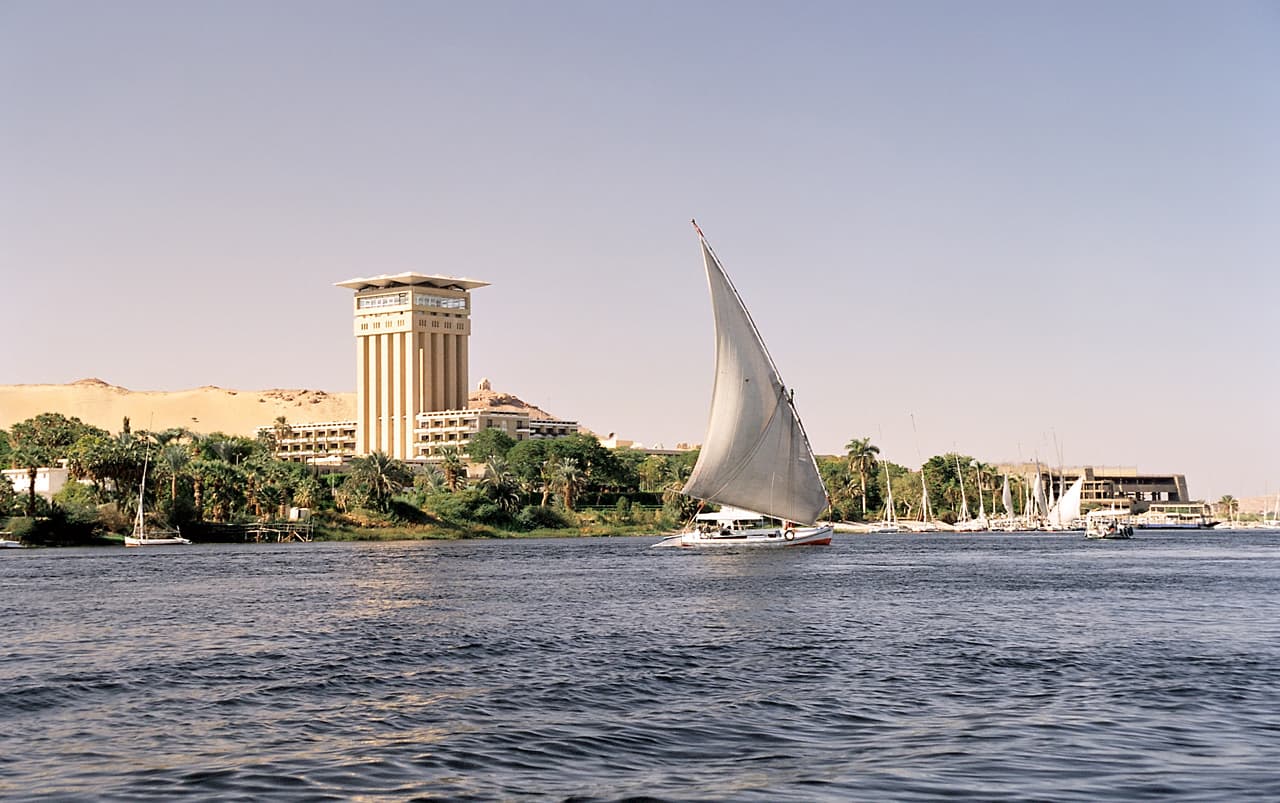
Three broad choices exist on this stretch of water. The standard Nile cruise ship is the largest: more room to spread out, indoor space away from the sun and a full programme of guided visits, though what is on board differs from boat to boat. Small ships carry fewer people and feel quieter. A dahabiya is a sailing boat with a handful of cabins that can moor at banks the big boats cannot reach.
The trade-off is honest either way. A larger boat usually costs less per night, gives you somewhere cool to sit through the Upper Egypt heat, and covers the main sites on a set schedule. A dahabiya gives you quiet and small numbers, but it costs more, moves slowly, and offers far less to do on board when you want to sit still for a day.
Who this suits, and who it does not
A ship like this suits people who want the temples without the logistics, who like having somewhere to retreat to in the afternoon heat, and who do not mind travelling with a group. It works well for families and for first visits to Egypt, where the sites matter far more than the boat you sleep on.
It suits you less if you came for solitude. The large boats moor at the same handful of quays, the temple visits happen at much the same hours, and the onboard evenings are alike across the fleet. If that sounds wearing, a dahabiya or a land-based trip using hotels in Luxor and Aswan will serve you better.
What the Luxor to Aswan route involves
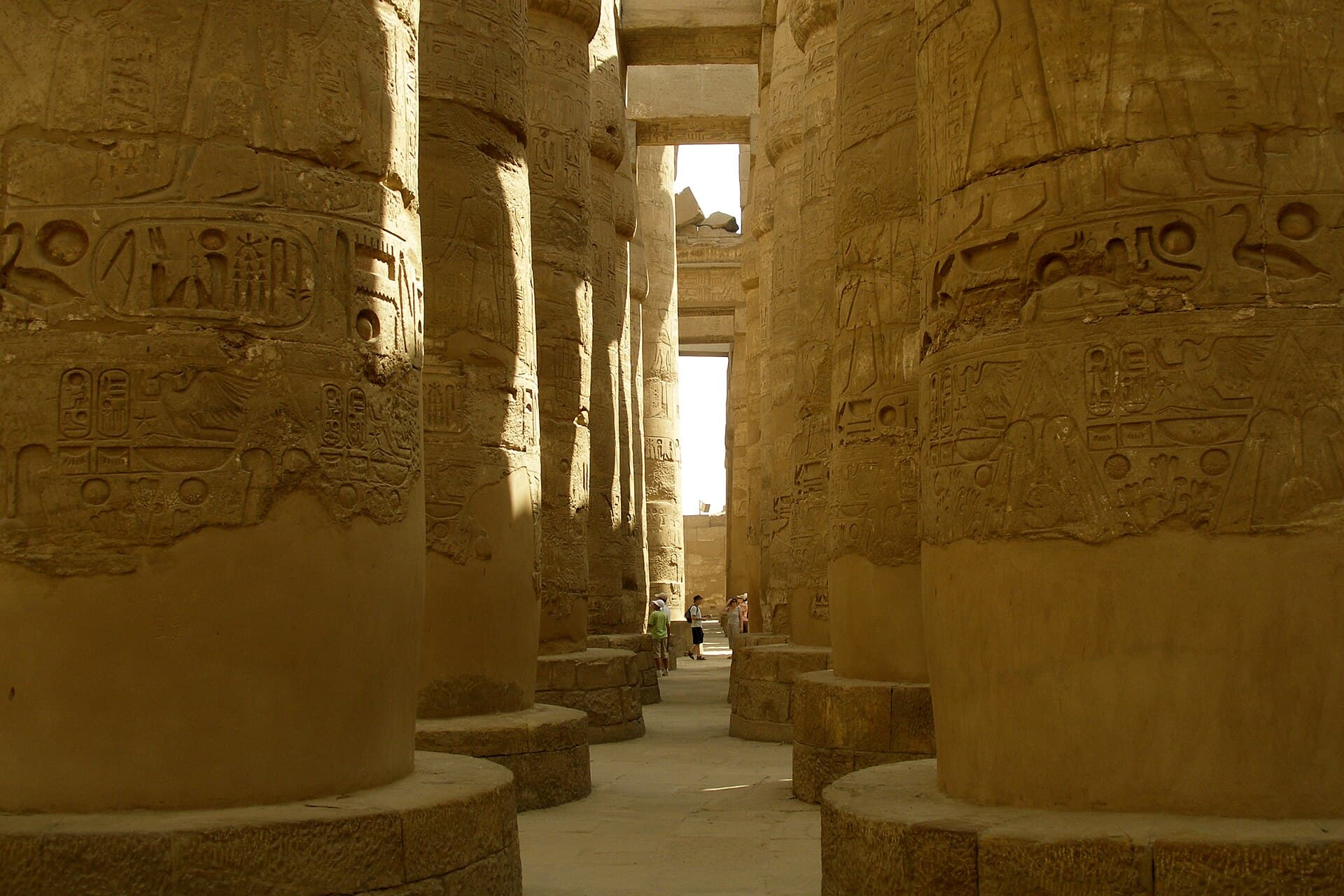
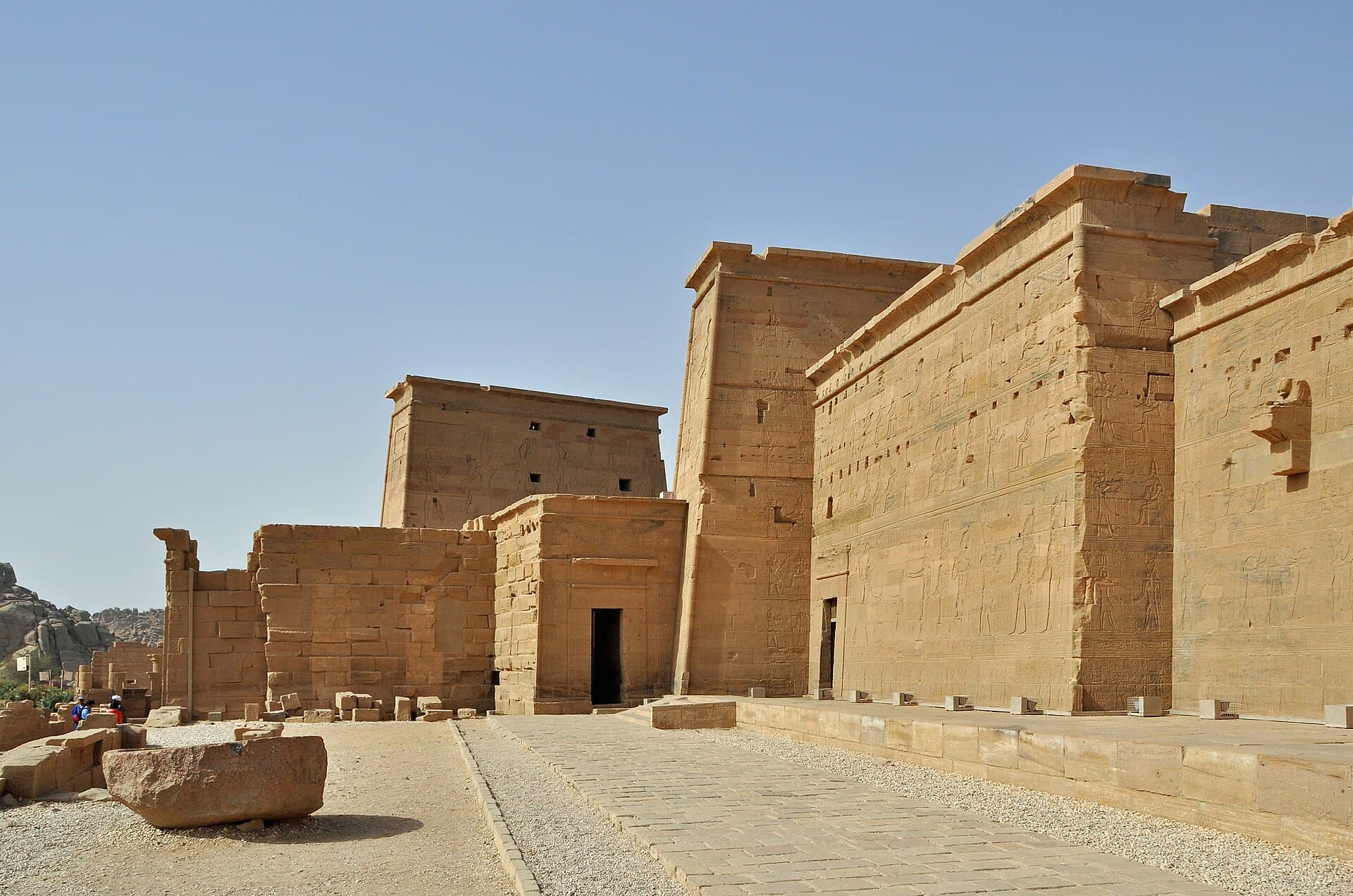
Nile boats work the stretch between Luxor and Aswan, and the sites do most of the work: Karnak and the Theban west bank at one end, Edfu and Kom Ombo along the way, Philae and the quarries at Aswan. Which of them your booking actually includes depends on the operator and the programme you buy, so check that in writing. Hours on deck between sites are genuine rest, and the view of fields, palms and villages is what most people remember.
Questions to ask before booking any Nile boat
Ask when the boat was last refurbished, and ask for recent photographs rather than brochure images. Ask which side your cabin faces and whether the view is river or bank. Ask whether the boat moors alongside the quay or is rafted between other boats, because rafting can leave you looking into someone else's cabin. Ask what the fare covers: meals, drinks, entrance tickets, guiding and the extras usually paid locally.
Ask about group size and how the shore visits are run. One guide for a coachload is a different day from one guide for a handful of people. Ask which sites are included and which are optional extras paid on the spot. These answers depend on the operator and on the departure you book as much as on the boat itself.
Confirm the current details when you enquire
Nile fleets change hands. Boats are sold, renamed, refitted and moved between operators more often than in most cruise markets, and cabin layouts, inclusions and sailing patterns change with them. Treat anything you read online, this page included, as a starting point. Current specifications, sailing dates and prices should be confirmed with the operator or your agent at the time of enquiry.
Star ratings need the same caution. Nile boat ratings are issued locally and do not map onto European or North American hotel standards, so a highly rated boat on the river is not the same thing as a highly rated hotel in a capital city. Judge by recent photographs, recent guest reports and the refurbishment date instead.
The trips we sell use three boats: MS Radamis II, Movenpick Royal Lily and Sonesta St. George.
For the cruise on its own: Nile Cruise from Aswan to Luxor or Nile Cruise from Luxor to Aswan.
Common questions
Is the Sonesta Star Goddess a large ship or a small boat?+
It is a motor cruise ship rather than a sailing dahabiya. We do not state its capacity or cabin numbers, because published figures for Nile boats change with refits and changes of owner and cannot be checked reliably from outside. Ask the operator for current numbers before you decide.
Is a Nile cruise ship better than a dahabiya?+
Neither is better outright. A cruise ship usually costs less per night, is more comfortable in the heat and covers the main sites efficiently. A dahabiya is quieter, carries very few people and moors in calmer places, but it costs more, moves slowly and gives you less to do on board.
What should I ask about my cabin?+
Which deck it sits on, which side it faces, and whether the boat is likely to be rafted alongside others at the quays. A rafted mooring can block your view entirely. Ask when the cabins were last refurbished, and ask for photographs taken recently rather than brochure shots.
Can I rely on the star rating?+
Not on its own. Nile boat star ratings are awarded locally and are not equivalent to European or North American hotel ratings. A river boat can sit a full grade lower than its rating suggests by international standards. Recent photographs and recent guest reports tell you more than the rating does.
Official sources
Entry rules, opening hours, security advice and exchange rates all move. Check them at the source, not here.
- Egyptian Ministry of Tourism and Antiquities ↗The ministry lists which tombs and temples currently open.
- UK FCDO travel advice for Egypt ↗It updates continuously, and most UK travel insurance follows it.
Written and checked by the Nile Trip Guide editorial team · Last reviewed . Entry rules, prices and opening hours change — check anything critical against the official sources linked on this page.