Is a Nile Cruise Worth It? An Honest Look at What You Get
Is a Nile cruise worth it? For most first-time visitors to Egypt, yes — the boat moves you between the temples overnight, you unpack once, and the transfer days disappear. But it suits some travellers badly, and the gap between a good boat and a poor one is wider than the brochures suggest.
What does the boat give you that a hotel does not?
The product you are buying is position. Standard boats work the stretch between Luxor and Aswan, and the two temples in the middle of it, Edfu and Kom Ombo, sit close to the water. Covering them from a hotel base means a long transfer day with your luggage in the boot, and the same road back again.
The second thing is that you unpack once. Egypt in two weeks otherwise means three or four hotel changes, each with a check-in, a bag drag and a wasted afternoon. On a boat, the room follows you. The third thing is timing: boats reach Edfu and Kom Ombo early or late, before or after the road groups from Luxor and Aswan arrive, so the temples are quieter than a coach itinerary usually manages.
It is worth naming the day the boat actually saves, because it is a specific one. Done by road, Edfu and Kom Ombo become a single long out-and-back from a hotel, and it is reliably the weakest day of a land itinerary: an early departure, a detour into Edfu town, a second stop at Kom Ombo, and an arrival in Aswan tired, usually having seen both in harsh midday light. On a boat that day does not exist. The temples arrive while you are eating lunch.
Which temples are actually on the river?
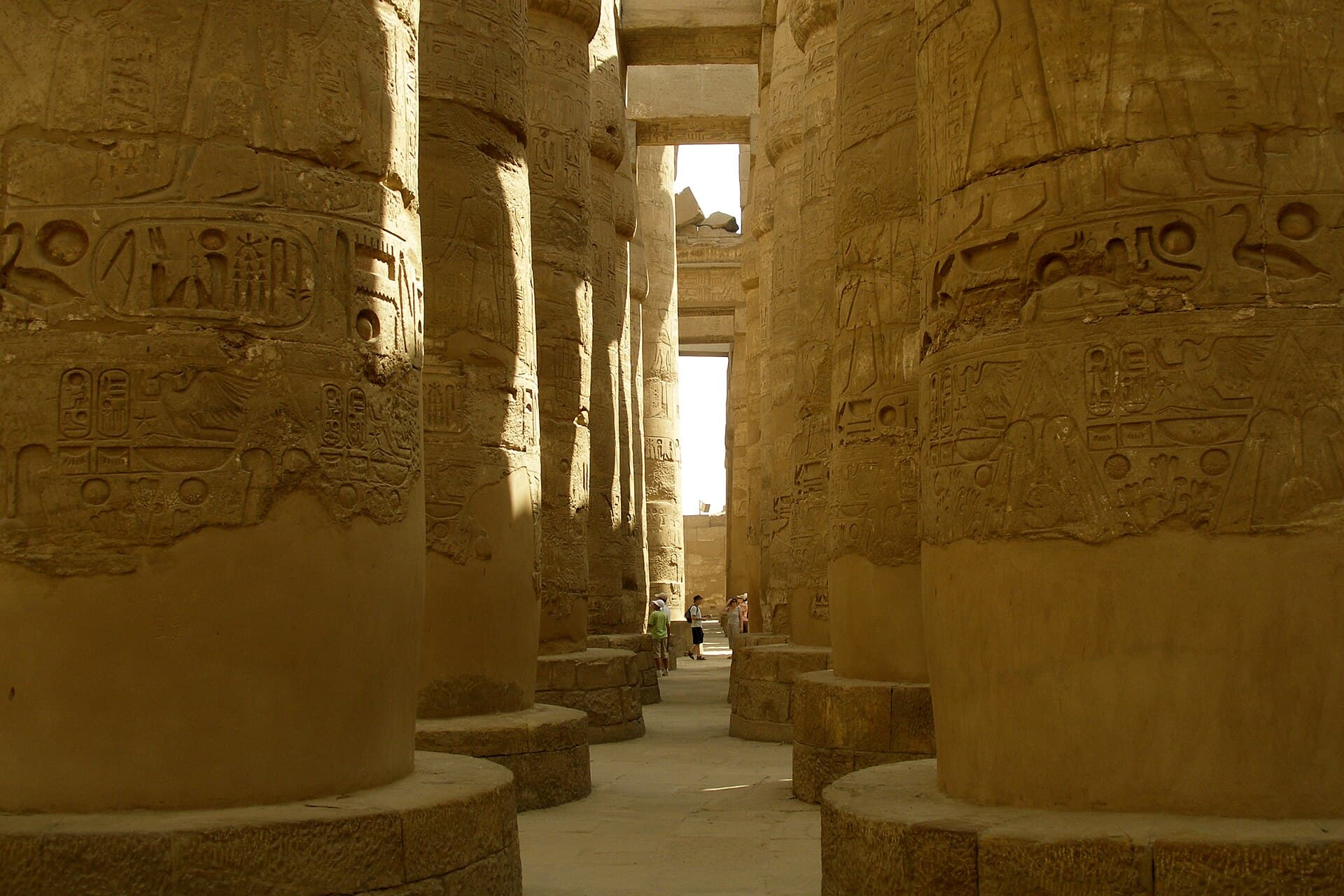
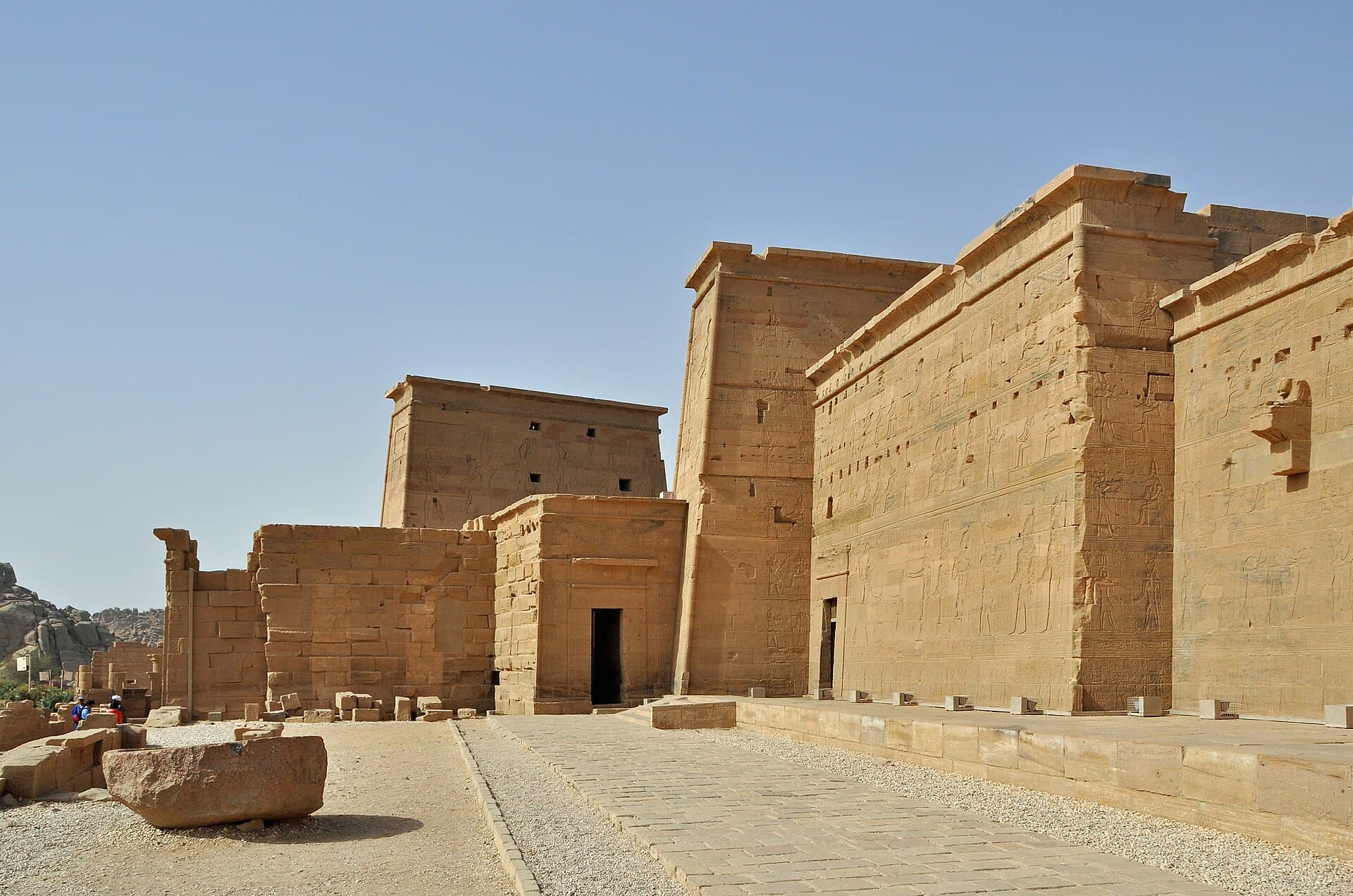
Fewer than the marketing implies. Kom Ombo is the only major site you can genuinely step off the boat and walk to, up the steps from the mooring. Edfu sits inland, so you take a horse carriage or a minibus. In Luxor, Karnak and Luxor Temple are a few minutes away by road, and the Valley of the Kings is across the river on the west bank, so that is a coach morning like any other. In Aswan, Philae is on an island and reached by motorboat from a jetty outside town.
What the river does not cover matters as much. Abu Simbel is far south of Aswan and reached by an early road trip of roughly three hours each way, or a short flight. Dendera and Abydos are north of Luxor and standard boats do not sail there. If an itinerary claims a cruise that includes Abu Simbel, it means a coach at dawn, not a boat.
Esna sits in the middle of the stretch and is a case of its own: the temple stands well below the level of the modern town that grew over it, and whether you see it at all depends on your operator rather than on the river. The places genuinely reached only from the water — the rock-cut tombs at El Kab, the quarries at Gebel el-Silsila — need a shallow hull that can tie up where a deep one cannot, which means a small sailing boat rather than a standard cruiser. A motor boat passes both without stopping.
How much of a Nile cruise is spent sailing?
Less than people expect. Cruise nights are counted generously — you board around midday and leave after breakfast — so four nights is closer to three usable days, and part of that is spent tied up in port. Direction matters more than most people realise. The four-night run upstream from Luxor to Aswan gives more time on the water and ends in the calmer of the two towns. The three-night run north to Luxor finishes with the heaviest sightseeing of the week in the busiest place.
Do that arithmetic before you pay, because it is where most of the disappointment comes from. A four-night sailing buys three mornings of sightseeing rather than four days on the river, and a three-night sailing buys two. Then subtract the afternoon the boat may spend waiting its turn at the Esna lock, where the queue runs to a few hours at busy times. None of this makes the boat a poor idea. It makes the number on the ticket a poor measure of it.
The honest translation of how many nights do I need is how many full days you want between Karnak at one end and Philae at the other, and the answer is one fewer than the number you are quoted. Longer sailings on this route do not add temples, because the temple list between Luxor and Aswan does not get longer. Anything past four motorised nights is buying you more time on the same water, which is either the point or a waste, depending entirely on why you booked.
Which direction should you sail, and does it change the price?
Direction is not a detail. It is the choice that most changes the shape of the week, and it is settled before you have looked at a single cabin photograph. Southbound from Luxor to Aswan is the classic run and normally four nights. You open with the heavyweight sites — Karnak, Luxor Temple, the Valley of the Kings and Hatshepsut on the west bank — then ease through Edfu and Kom Ombo and finish at Philae in Aswan, the calmest of the three cities. Sailing south is upstream, against the current, so there is more engine time and longer afternoons on deck.
Northbound from Aswan down to Luxor is normally three nights and typically 10 to 15 per cent cheaper on the same boat, because the current does the work. That is a structural discount rather than a promotion, and it buys a different week rather than a shorter version of the same one. It front-loads the quiet stretch, finishes with the busiest and hottest sites when you are already tired of temples, and puts you ashore at dawn on the last morning.
Two situations settle it. If budget decides, take the northbound sailing and accept the shape of it, because it is not a bad trip and the saving is real. If you are carrying on to the Red Sea afterwards, take it anyway: Luxor is about four hours by road from Hurghada, so finishing there rather than in Aswan saves you a backtrack across the desert. Otherwise sail south. It costs more for the plain reason that you get more river, and the river is what you came for.
What a day on board actually looks like
Cruise days have a shape, and it is close to identical on every standard boat. Sites are usually visited early, while the air is still cool, which means a knock at the cabin door before most people would choose to be awake. You are back for a late breakfast or an early lunch, and the middle of the day is spent either sailing or moored. Afternoon and evening visits are normal too: Kom Ombo at the end of the afternoon when the boat has come up from Edfu, Philae and the High Dam after lunch, Luxor Temple after dark when it is lit.
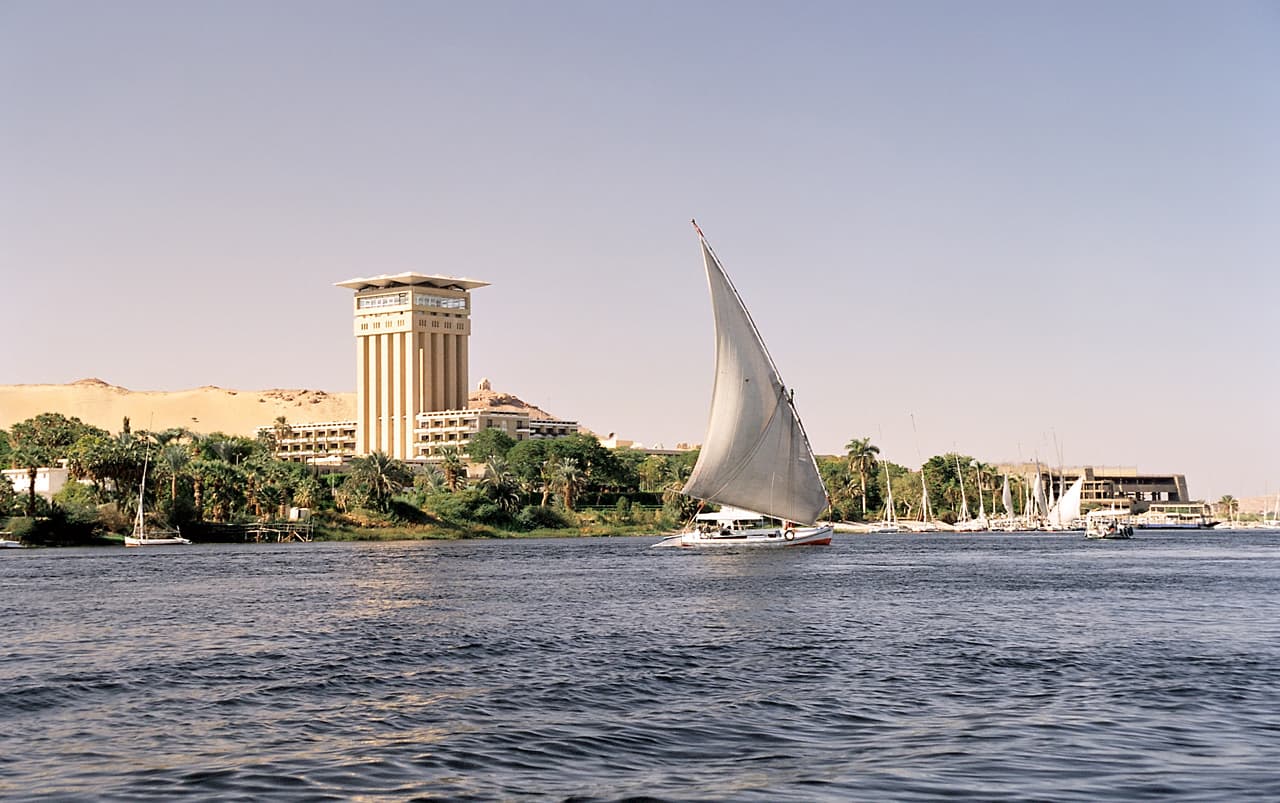
The long middle stretch is the part worth booking for. Buffalo on the bank, children waving from rowing boats, a heron lifting off ahead of the bow, the cultivated strip ending in a line you could draw with a ruler and the desert starting immediately behind it. Nothing happens for two hours and it is the best part of the day. Passengers who board expecting a programme find those hours empty. Passengers who board expecting a river find them the reason they came.
Evenings are the weakest part of the product and nobody should book for them. Dinner is the same buffet as lunch with the lights lower, and the entertainment is the galabeya night and the on-board shop, neither of which improves on a second telling. Declining is normal and declining twice is also normal. Wi-Fi, where it exists, is a phone signal borrowed from the bank rather than a service, so it comes and goes; anyone planning to work from the river should plan otherwise.
The downsides worth knowing before you book
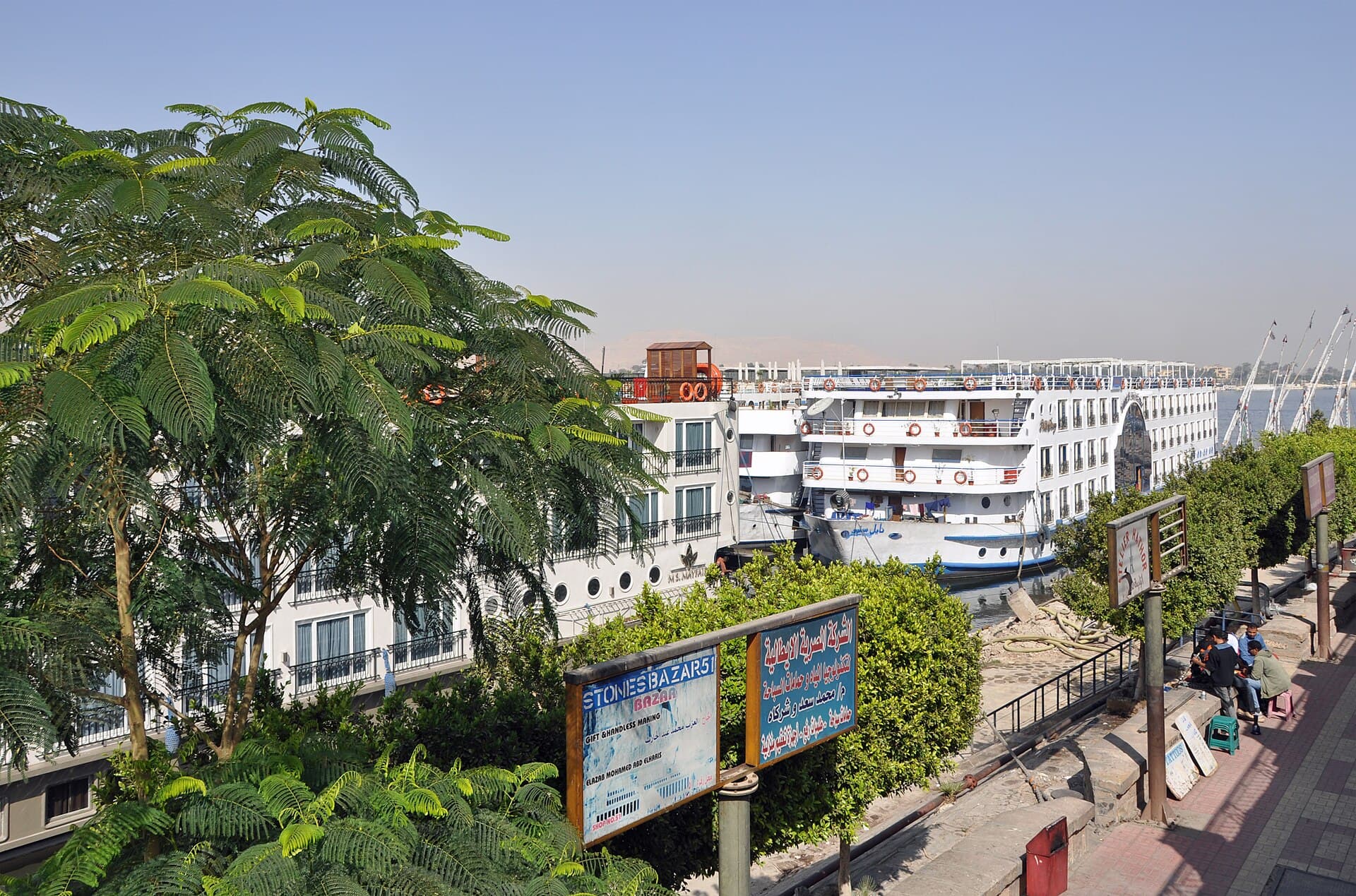
Boats moor several deep. At Edfu, Kom Ombo and in Luxor you often walk through two or three other boats' lobbies to reach the bank, and your cabin window can face another hull for an entire evening. Nobody mentions this before you arrive. It is not ruinous, but the photograph of a boat alone on the water is a photograph taken at the one moment it was true.
The schedule is not yours. Sailing times and the queue at the Esna lock set the day, so you get an hour or two at each temple, with your group, and that is that. Karnak deserves half a day and will not get it. The evening programme — the galabeya night, the onboard shop, the rowing boats that pull alongside to sell things — is skippable, and so is the pool on most boats, which is small, cold and overlooked from three decks.
The cabin is the third thing worth saying plainly. Cabins on standard boats are smaller than a hotel room of the same rating, the bathrooms smaller again, and the windows do not open. You hear the engine at night when the boat is moving and the generator when it is not. None of that ruins a week. It does mean that anyone who judges a holiday by where they sleep is buying the wrong product, because for the same money a hotel room in Luxor or Aswan gives you more space, a better shower, a balcony and a pool that works in the afternoon.
What the fare covers, and what it does not
Full board is standard on the river, and that is the generous-looking part of the fare. Drinks are the part that is not. Bottled water, soft drinks, beer and wine are rarely included, on-board prices run to several times what the same bottle costs ashore, and the tab is usually settled in one go at the end of the week, which is the moment people notice. Ask before boarding what is included beyond meals, and treat a yes as something you want in writing.
Entrance fees are the second line to check, because they move between quotes. Some fares include the standard tickets and some do not, and the separately ticketed tombs in the Valley of the Kings sit outside almost every version. So do transfers, the internal flight to Luxor or out of Aswan, lunches and dinners on the land days, and whether a guide travels with you throughout or meets you at each site. Put two inclusion lists side by side and tick each item off on both. It is dull work and it is the whole job of comparing prices.
Tipping is the third, and in Egypt it is not optional in practice. On a cruise the crew are normally tipped through a communal box at the end rather than individually, at something like 5 to 10 euros per person per night, with the guide and the driver separate again at roughly 10 to 15 and 5 euros per person per day. Across a ten-day trip with four nights on the river that comes to roughly 180 to 220 euros per person and covers everyone: guide, driver, crew, porters and the constant small change. Budget it at the planning stage and bring small notes, because hunting for change becomes a daily chore otherwise.
The excursions that sit outside the cruise
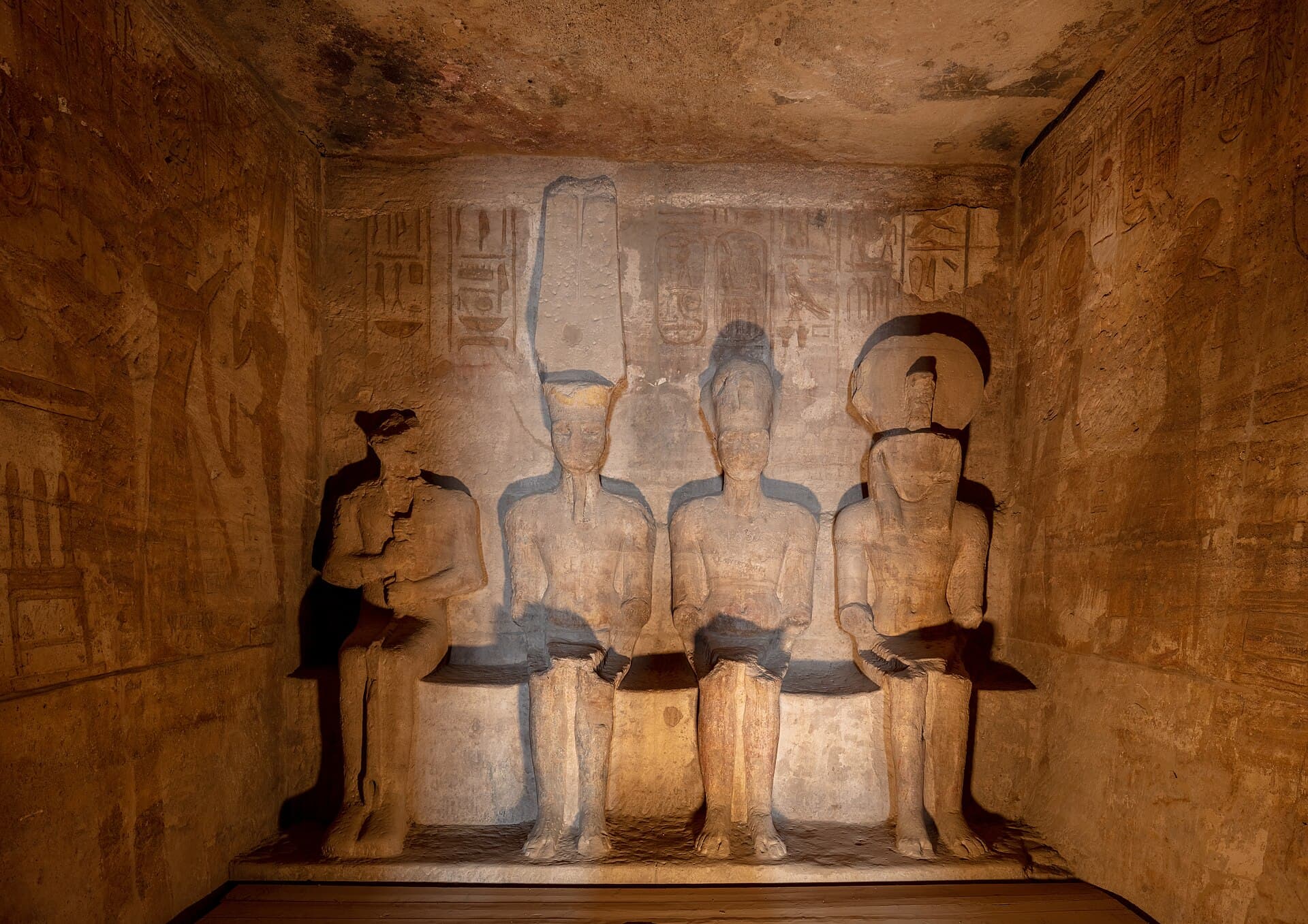
Abu Simbel is the clearest yes of any add-on in Egypt, and it is not on any boat itinerary between Luxor and Aswan whatever the brochure wording implies. It is about three hours south of Aswan by road, usually leaving before dawn, or a short flight timed around the temple opening hours. It costs a real fare and an early start and almost nobody regrets it. If your cruise finishes in Aswan, a hotel night after the boat turns it from a 4am squeeze against a sailing schedule into an ordinary morning.
The balloon over the Luxor west bank is the excursion cruise itineraries handle worst. Flights go at first light and are cancelled for wind often enough that you want a spare morning in reserve. A boat moored at Luxor for two consecutive mornings gives you that second chance; a boat that arrives in the evening and sails the following day does not, and no amount of goodwill from an operator can invent a morning your itinerary does not contain. If the balloon matters to you, pick the cruise around it rather than the other way round.
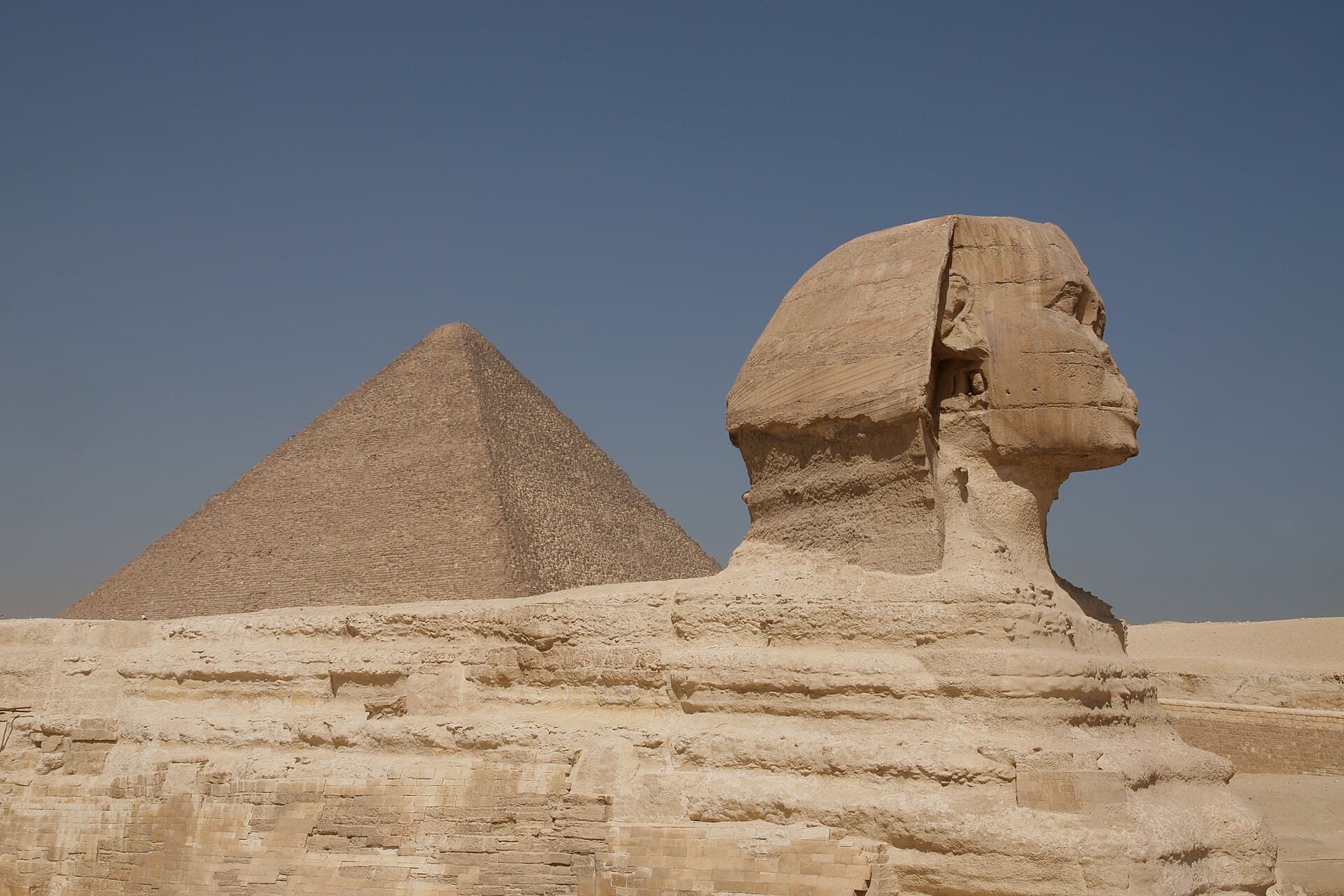
Dendera and Abydos are the two great temples no cruise reaches. Both lie north of Luxor, off the sailing stretch entirely, and both are a long day by road from Luxor. If they are on your list, add a land day rather than hunting for a boat that goes there, because on a standard schedule none does. Lake Nasser is the same story in the other direction: the Nubian temples moved when the reservoir filled — Kalabsha, Wadi es-Sebua, Amada — belong to a separate and much smaller fleet running south from Aswan, not to the Luxor boats.
What separates a good boat from a poor one?
Three things, and none of them is the star rating. Egyptian boat ratings are not comparable with hotel ratings elsewhere: the same five-star label covers boats refitted last season and boats with tired cabins and weak air conditioning. So ask the date of the last refit and what it covered. Ask which deck the cabin is on, because upper decks are quieter and lower-deck windows sit close to the waterline. Then ask about the guide, who shapes the week more than the ship does.
Ask how many passengers the boat carries and how large the excursion groups are. Standard cruisers range from a few dozen passengers to well over a hundred, and a full boat filing through Edfu behind one guide is a different morning from a small group. Ask what drinks cost, because they are rarely included and the bill mounts. Ask whether entrance fees are in the price. And ask, plainly, whether the horses at Edfu can be swapped for a minibus. They usually can, and some of the carriage horses are in poor condition.
Finally, get the boat named. Fleets are sold, refitted and repositioned, so a vessel that was excellent three years ago may not be now, and the brochure photographs are the oldest thing in the transaction. Substitutions happen, and the phrase same category does not mean similar — it is the sentence that allows a tired boat to replace a refitted one without anybody breaching anything. Ask what happens if the named boat changes, and get the answer before you pay a deposit rather than after.
Who you are actually buying the cruise from
Most Egypt trips sold in Europe are run on the ground by a fairly small number of Egyptian operators. The website taking your booking is often a reseller adding a margin to the same boats, the same cars and the same pool of guides. That is not dishonest, and the margin can buy genuine support when a flight moves at two in the morning, but it explains why identical programmes come back at very different prices. Ask who operates the trip in Egypt and get that company named, so you know whether the person answering the telephone is the one who can rebook you.
Then settle the money properly. Ask which currency the balance is due in: operators quote in dollars or euros and hold that figure, because the Egyptian pound has moved sharply in recent years, so a price given far ahead in pounds is an estimate rather than a fixed sum. Ask whether paying by card carries a surcharge. Read the cancellation terms before the deposit leaves your account rather than afterwards, when they become somebody else's document.
A quote that will not commit to the boat, the deck, the hotels and the inclusions is not a cheaper quote. It is a vaguer one, and vagueness on a Nile cruise has a reliable direction of travel.
When to go, and which months are cheap for a reason
October to April is the sensible window, and it is not one temperature inside. October and April still reach the mid-30s by day. Midwinter is mild, roughly 22 to 25C, and genuinely cool on deck after dark in January, which catches out people who packed for Egypt rather than for a river at night. February and March are the months to pick if your dates are free.
Summer is cheap for a reason that sits on a thermometer. Luxor and Aswan run around 41C in June, the sun deck is unusable from mid-morning until late afternoon, every excursion moves to first light and there is almost no shade at the sites. Boats still sail, prices fall, and the sites are as empty as they ever get. A summer trip weighted towards the Red Sea is a genuinely good holiday. A summer trip weighted towards temples is a test of character.
The winter peak carries a cost of its own. Christmas, New Year and Easter add a premium on the better boats, the good ones fill months ahead, and the moorings stack up, so the rafting is at its worst exactly when the weather is at its best. Late December and early January are pleasant weeks in crowded company. If your dates are fixed to a school holiday, book early and choose the boat carefully, because what is left late in those weeks is usually what nobody else wanted.
What can go wrong, and how often
The Esna lock is the commonest thief of an afternoon. Boats pass through it between Luxor and Edfu, and at busy times the queue runs to a few hours. It rarely breaks an itinerary, nobody can schedule around it, and on a three-night sailing an afternoon is a meaningful share of the trip. That is one more argument for the longer of the two standard sailings if your days are tight.
Mooring is the second, and it is worth understanding why no one can fix it for you. Berths are allocated by the port rather than by the operator, so a river view cannot be promised at any price, and an inside berth turns it into a view of somebody else's corridor for the evening. Booking more nights does not solve this. It simply gives you more evenings on which it might happen.
Then there is the boat that does not move at all. Low water, a long lock queue or a mechanical problem can leave it tied up, and the operator takes the group to the sites by road instead. It is uncommon, and it is the clearest possible statement of what you are buying: the temples are the guaranteed part of the week and the sailing is not, which is the reverse of the way the photographs sell it. Ask what an operator does in that situation before you book, because the answer separates the companies with a plan from the ones with an apology.
Who a Nile cruise suits badly
Anyone with limited mobility should think hard before booking one. Boats are reached by gangplank, decks are connected by stairs rather than lifts, and at rafted moorings you cross other boats to get ashore. The temple approaches are sand and uneven stone. That makes almost every standard boat difficult for a wheelchair user and hard work for anyone unsteady on steps. A few newer boats manage better, and a land-based Luxor and Aswan trip avoids the worst of it. Raise it before booking and insist on a specific answer rather than a reassuring one.
Families with toddlers get the worst of both worlds. Naps clash with the excursions, open railings need watching all day, and a two-year-old will not remember Karnak. Primary-age children, by contrast, do well on a boat: it is easier than the same trip by road, because you unpack once and the air-conditioned cabin is a minute from the deck at the point where they have had enough. Teenagers handle the walking easily and struggle with the evenings, and the Wi-Fi they were counting on will not rescue them.
Repeat visitors usually do better ashore. If you have already seen Karnak, the Valley of the Kings and Philae once at cruise pace, a second trip is about the things the boat cannot give you: two full days on the west bank, Dendera and Abydos, Luxor Temple after dark when it is lit and half empty. And anyone who would be irritated by a fixed timetable — who likes to skip a morning, or stay at a site longer than the guide intended — should not buy a product whose entire premise is that it leaves when it leaves.
Who should take a dahabiya instead?
A dahabiya is a small sailing boat with a handful of cabins, usually towed when the wind fails, moored at sandbanks and villages rather than in a line of hulls. It suits people who want quiet, who travel in a small group or take the whole boat, and who have five nights or more. It costs considerably more per night than a standard cruiser, and it is worth it only if the quiet is the point.
Be honest about the trade. Dahabiyas have no lift, smaller cabins, simpler food and a schedule that bends to the wind. Many start from Esna rather than Luxor, so you lose a little of the river to a road transfer. If someone in your party wants a gym, a big buffet or a predictable arrival time, they will be happier on a motor boat. Sailing quietly past fields is not everyone's idea of a good week.
What the extra nights buy is places rather than pace: the rock-cut tombs at El Kab, the quarries at Gebel el-Silsila, sandbanks to swim off, villages to walk into, and afternoons with nothing scheduled at all. They do not buy more temples. If your measure of a good trip is how many sites you got through, a dahabiya is money badly spent, and we would rather say so than take the enquiry.
When are hotels in Luxor and Aswan the better choice?
Skip the boat if you want time rather than movement. Luxor's west bank rewards two full days and no cruise gives you that. A hotel in Luxor, a hotel in Aswan, the train or a car between them — three to four hours — and a stop at Edfu and Kom Ombo on the way covers the same temples on your own timetable, usually for less. Hotels also win in high summer, when a real pool beats a hot deck, and for anyone with limited mobility, since gangplanks, other boats' decks and steep river steps are unavoidable afloat.
On price the comparison is closer than it looks. A cruise fare bundles the cabin, all meals, the guiding on board and the transfers between boat and site; a land tour looks cheaper line by line until you add the guide, the car and driver, the meals you were paying for anyway, and that one very long transfer day. At the budget end land is genuinely cheaper, because a simple hotel in Luxor undercuts even a modest boat. At the top end land wins on quality rather than price, because the best hotels in Luxor and Aswan are considerably better than the best standard cruise boats.
The hybrid often beats both, and it is the version we most often end up recommending. Sail one leg — three or four nights — and spend a couple of nights ashore at either end, paying cruise rates only for the nights that buy you sailing and hotel rates for the nights that buy you a room. The single best form of it is one hotel night in Aswan after the boat docks. Most passengers fly out the morning they disembark, so their Aswan is a hurried Philae stop between the gangplank and the airport; one night ashore buys an unhurried afternoon on the water, an evening on the corniche, and Abu Simbel without an argument.
How a cruise fits into the rest of the trip
Eight days is the common first-trip shape and most itineraries are built around it: two nights in Cairo for Giza and the Grand Egyptian Museum, a flight of about an hour south, four nights on the river, and a night at the end to fly home. It covers the headline sites without a punishing schedule, and it leaves no room at all for Abu Simbel or the Red Sea.
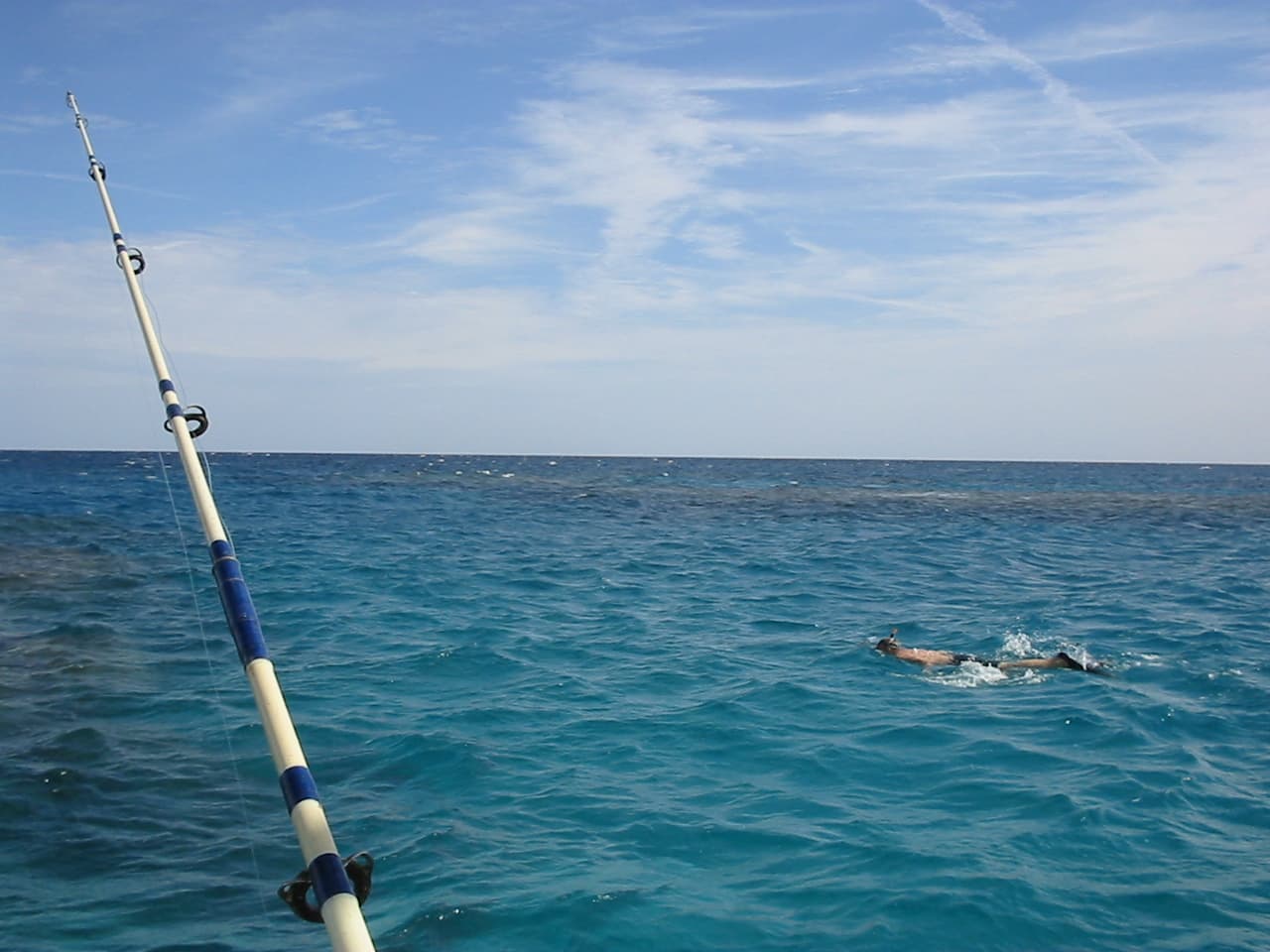
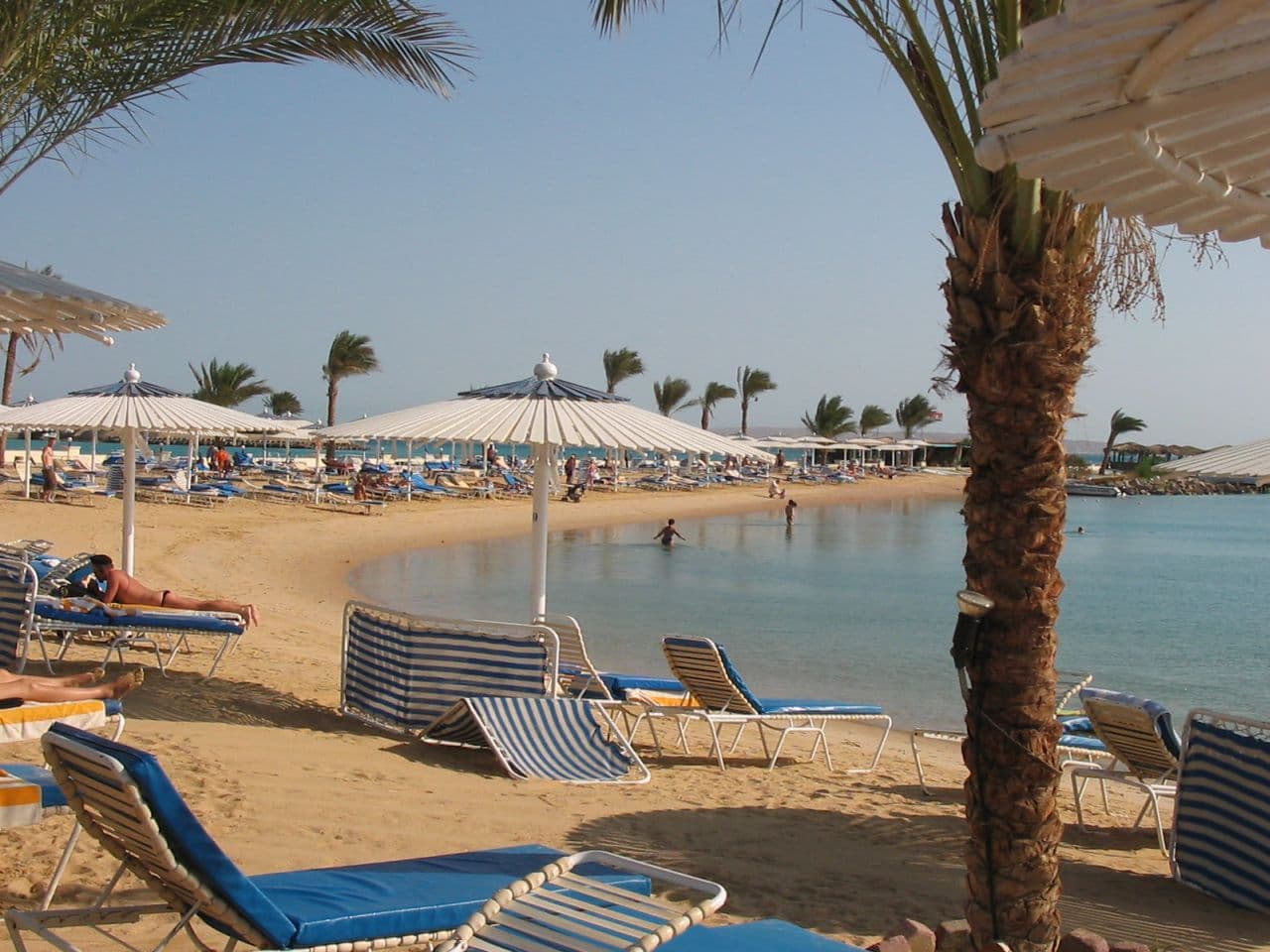
Ten days is the better version of the same trip rather than a different one. It buys Abu Simbel without a fight, a slower Luxor, and a morning that is not spent packing. Two weeks is where the Nile and the Red Sea combination sits: Cairo, four nights on the river, then a week on the coast at Hurghada or Marsa Alam with a direct flight home. The transfer from Luxor to Hurghada is roughly four hours across the desert on a decent road, which is why that pairing sells as well as it does.
Order matters more than length. Do Cairo, Luxor and Aswan first and the coast afterwards, so the demanding days fall while you are fresh and the sea becomes the part where you rest; temples after a week by a pool feel like a punishment. Fix the arrival and departure airports early as well, because every transfer, hotel night and cruise embarkation is built around them. An open-jaw ticket — into Cairo and out of Luxor, or into Luxor and out of Hurghada — frequently removes a wasted day and sometimes an internal fare with it, provided the ground arrangements can follow the route.
So, is a Nile cruise worth it?
For most people on a first trip to Egypt, yes. The cruise solves the hardest part of Upper Egypt — moving between the sites without losing days to transfers — and it does it overnight, at quieter hours. Judged as a holiday it is ordinary: transport with beds and a buffet, not a destination. With that expectation, and a boat chosen on its refit and its guide rather than its stars, it is money well spent. If you want long days on the west bank, or struggle with steps, book hotels instead.
There is one last way of putting it. The question is not really whether a Nile cruise is worth the money, because in the middle of the market it prices close to the land alternative once the guide, the car and the meals are added back in. The question is whether you want the days handled for you or handled by you. On a first trip, with a fortnight or less and a list of temples to get through, having them handled for you is the best answer Egypt has. If you would rather set the clock yourself, no boat will give that back at any price, and no refit date changes it.
Common questions
Is the food on Nile cruise boats any good?+
It is safe and repetitive. Boats serve international buffets with a few Egyptian dishes, cooked for a room of mixed nationalities, so nothing is bad and little is memorable. Drinks are rarely included and bottled water on board costs far more than it does ashore. Special diets are usually manageable if the operator is told well before you board.
What is the worst time of year to be on the river?+
June to August. Upper Egypt runs well past 40C, the sun deck is unusable from mid-morning until late afternoon, and there is little shade at the sites. Boats are cheaper then for a reason. Late December and early January are pleasant but crowded, and the moorings stack up. October, November, February and March are the sensible months.
Can I leave the boat on my own when it is moored?+
Usually, yes. Boats tie up near the corniche in Luxor and Aswan, and walking into town is normally fine — tell reception when you go and when you expect to be back. Take a note of the boat's name and its neighbours, because moorings shift during the day and the one you left from may not be the one you return to.
Are the optional extras sold on board worth taking?+
Some. The Abu Simbel excursion is worth the early start if you have not already booked it. Sound and light shows at Karnak and Philae are theatrical and expensive, and most people would rather have the sleep. On-board massages, shop purchases and the photographer are easy to decline, and declining twice is normal.
Do boats ever fail to sail?+
Occasionally. Low water, a long queue at the Esna lock or a mechanical problem can leave a boat where it is, and the operator then moves the group to the sites by road. The itinerary survives; the sailing does not. It is uncommon, but worth knowing that the temples are the guaranteed part of the week and the river is not.
How many nights on a Nile cruise are worth paying for?+
Four nights southbound from Luxor to Aswan if you are choosing on the trip, three nights northbound if you are choosing on the price, since the shorter run is typically 10 to 15 per cent cheaper on the same boat. Remember that a cruise night is not a cruise day: you board around midday and leave after breakfast, so four nights is closer to three usable ones. Seven nights only makes sense on a small sailing boat, where the slow days are the point. If you have one spare night in the budget, spend it ashore in Aswan rather than afloat.
Is a Nile cruise worth it with children?+
For primary-age children, yes, and it is easier than the same trip by road because you unpack once and the shaded deck is a minute from the cabin when they have had enough. Kom Ombo is the easy win, since the temple sits a few steps from the mooring. Toddlers are hard work: naps clash with the excursions and open railings need watching all day. Three or four nights carries less risk than seven, because children tire of temples faster than adults do.
Can you take a Nile cruise from Cairo?+
Not on a normal schedule. The regular fleet works the stretch between Luxor and Aswan, and long-distance Cairo sailings exist only as occasional charters at high prices, because the barrages and shallow stretches make the run impractical for standard boats. A cruise sold as starting in Cairo is almost always Cairo nights plus a flight south to join a boat. Anyone advertising routine Cairo departures is worth questioning closely before you pay a deposit.
Will the boat make me seasick?+
It is very unlikely. This is a slow, shallow river rather than open sea, and the boats are flat-bottomed, so there is little motion to speak of even under way. The complaints people actually have are about noise rather than movement: the engine at night when the boat is sailing, and the generator when it is moored. A cabin on an upper deck, away from the stern, is the practical answer to both.
Is a Nile cruise worth it on a second visit to Egypt?+
Usually not, unless you want the river itself rather than the temples. Once you have done Karnak, the Valley of the Kings and Philae at cruise pace, what is left is exactly what a boat cannot give you: two full days on the west bank, Dendera and Abydos north of Luxor, and Luxor Temple after dark. Hotels in Luxor and Aswan with a car between them cover that better, and usually for less. The exception is a dahabiya, which is a different trip rather than the same one repeated.
How much should we budget for tips on a Nile cruise?+
The crew are normally tipped through a communal box at the end of the week rather than individually, at something like 5 to 10 euros per person per night. The guide and the driver are separate, at roughly 10 to 15 and 5 euros per person per day. Over a ten-day trip with four nights on the river that is about 180 to 220 euros per person covering everybody. Bring it in small notes from the start, because finding change becomes a daily chore.
Official sources
Entry rules, opening hours, security advice and exchange rates all move. Check them at the source, not here.
Written and checked by the Nile Trip Guide editorial team · Last reviewed . Entry rules, prices and opening hours change — check anything critical against the official sources linked on this page.
Plan this trip
Tell us your dates and we will price it
A real itinerary with real prices, usually within 24 hours. Nothing is booked and nothing is charged until you say yes.
Three nights sailing north from Aswan to Luxor, taking in Philae, Kom Ombo, Edfu, the Valley of the Kings and finally Karnak. Full board on board, and the sightseeing runs as a shared group of about fifteen.
Four nights sailing south from Luxor to Aswan: Karnak and Luxor temples on the first afternoon, the Valley of the Kings, Edfu, Kom Ombo and Philae. Full board throughout, with sightseeing in a shared group of about fifteen.