Things to Do in Hurghada: What Is Actually Worth Your Time
Hurghada is a resort town on the Egyptian Red Sea, not a historic one, and almost every disappointed review of it comes from someone who did not know that before they landed. There is nothing ancient here. What there is instead is very clear warm water with living reef in it, a forty-kilometre strip of hotels built to sell that water, and a road running west to Luxor that makes the place useful to people who came to Egypt for the temples. This page ranks the things to do in Hurghada on that basis: what the water gives you, what the town gives you, what the desert behind it gives you, and which of the standard excursions we would not book at all.
What Hurghada is, and what it is not
Start with the geography, because it explains most of the complaints. Hurghada is not a single resort with a centre. It grew out of a small fishing settlement and now runs roughly forty kilometres along the coast road, and the parts of it are genuinely different places. Dahar, the old quarter at the northern end, holds the souk, the bus station and the cheap fish restaurants. Sakkala, immediately south of it, holds the marina and most of the noise. Past that the coast becomes a chain of gated resorts, some of them twenty kilometres from anything you could walk to. Book one of those without checking a map and your holiday is the hotel, the beach and a taxi.
There is no ancient site here and no old town in the sense a visitor to Luxor or Cairo would recognise. Nothing in Hurghada is old. That is not a criticism, it is a description: the town exists because of the reef and the charter flights, and it has been built accordingly. If you want pharaonic Egypt you want the four-hour road west, dealt with further down this page, or one of the itineraries that builds the coast onto a Nile trip rather than replacing it.
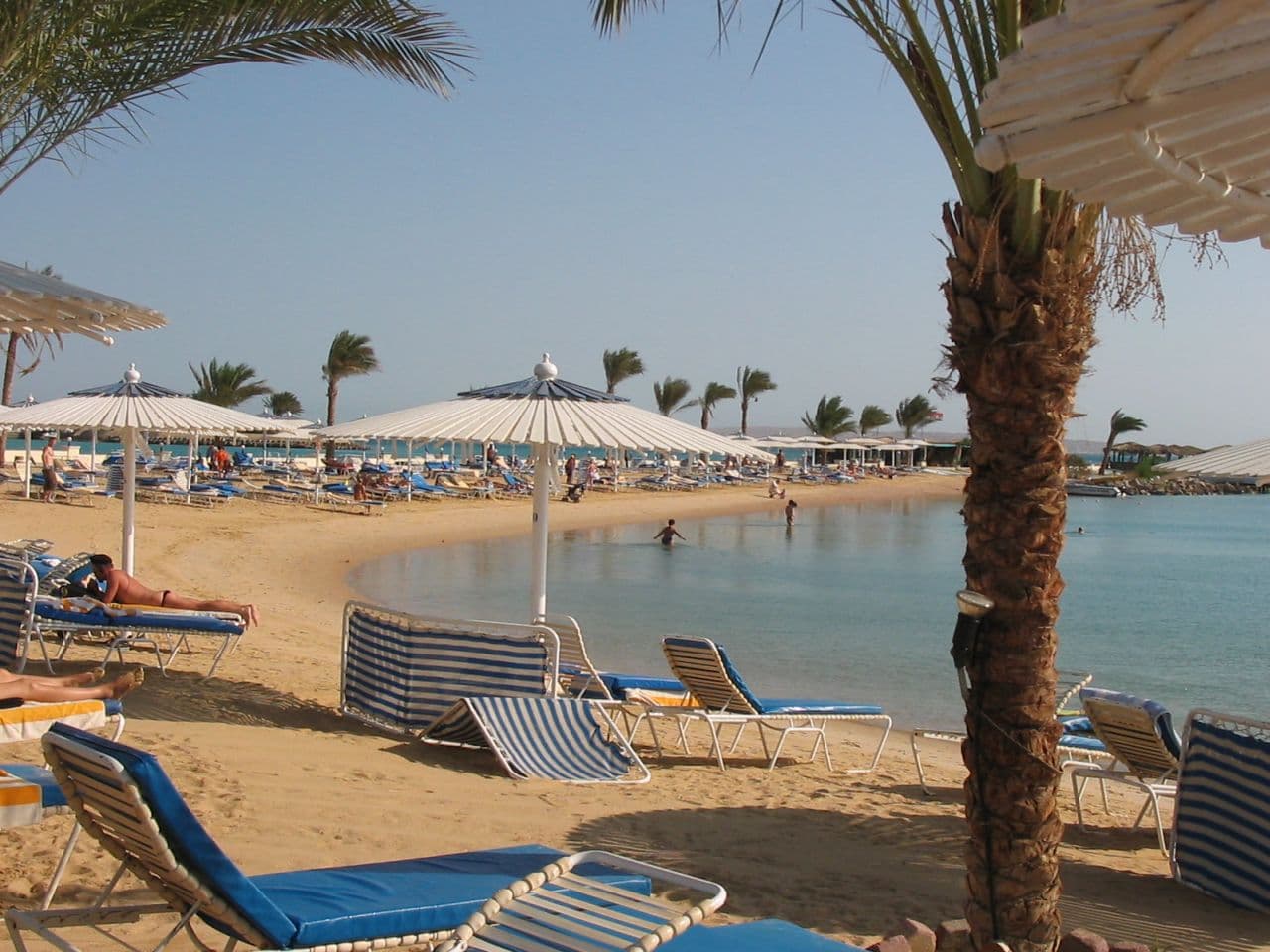
One physical fact catches more people out than any other. Much of this coast is fringing reef rather than sand. Hotel beaches often end in a shallow reef flat and then a drop-off, reached by a jetty laid over the coral. That is excellent for snorkelling and awkward with small children, and it is not laziness on the hotel's part: walking across the shelf breaks the coral and cuts your feet. The made beaches of the newer bays south of town are the exception. If a wide sandy swimming beach matters to you, confirm that a specific hotel has one instead of assuming, because it varies enormously along this coast.
Snorkelling the reef, which is the real reason to come
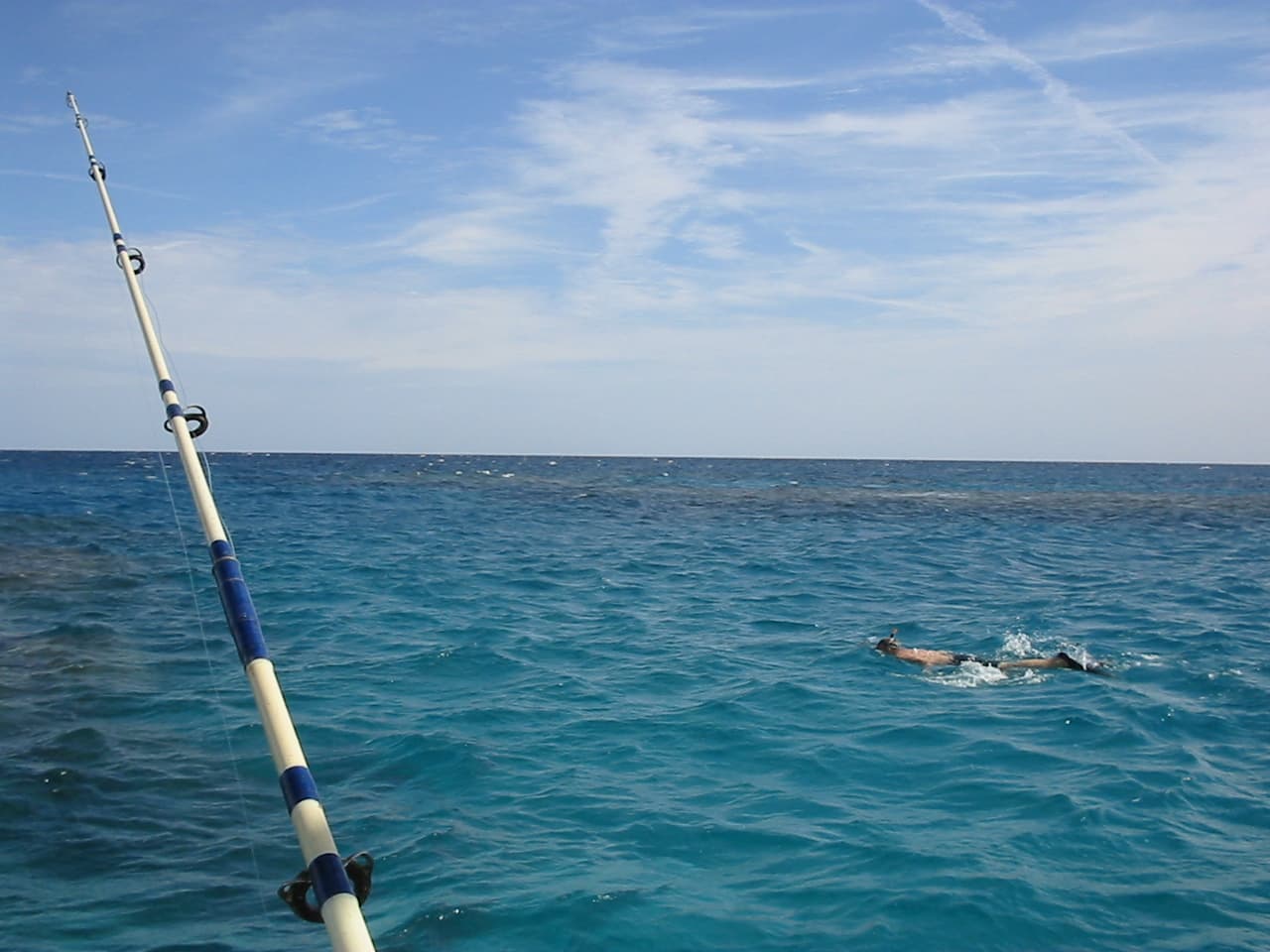
The single best thing to do in Hurghada is put your face in the water. Visibility here runs routinely to twenty or thirty metres, which is better than most people get at home and better than the average tropical destination, and the reef top sits within a few metres of the surface, so a snorkeller sees a fair share of what the divers below are looking at. Coral, reef fish in numbers, the occasional turtle. This is the part of an Egypt trip that most reliably exceeds expectations, largely because expectations for it are low.
Where you swim decides what you see. Sheltered bays with coral near the surface beat dramatic walls every time for snorkelling, and some boat trips are built around deep dive sites where a snorkeller floats above blue nothing. Before booking any excursion, ask what the stops actually are rather than what the photographs show. If your hotel has a house reef, use it early in the morning when the water is clearest and the day boats have not yet stirred anything up.
Two things are worth packing, and both are cheaper at home than on the strip. Reef shoes, because the shoreline here is frequently coral and stone rather than sand. And a rash vest, because the sun on a shallow reef is unforgiving and you will not notice what it is doing to your back until the evening. Bring your own mask if you have one that fits. Rental masks that leak turn the best thing in Hurghada into an irritating hour.
Giftun Island: the standard boat day, and how to book it well
Almost every visitor does a version of the same day, and it is worth doing. Early pickup, about an hour out to the Giftun islands, two or three snorkelling stops, lunch aboard, a couple of hours on a beach, back by late afternoon. The islands are a protected area and a park fee per person is collected on the boat rather than included in the price you were quoted, so carry small notes in Egyptian pounds and hand it over without argument, because that protection is the reason the reef still looks the way it does.
The snorkelling half is the good part: shallow, bright, busy with fish and manageable for people who have never used a mask before. The beach half is where the quality swings. The licensed concession on the larger island charges separately and is comfortable. The free landing spots get crowded and carry very little shade, which matters more than it sounds when you are three hours from the boat's departure and the sun is overhead.
The boats vary far more than their prices suggest, and this is the one place where asking the right question saves the day. Ask how many passengers the boat takes before you ask what it costs. A crowded deck with a queue for the ladder is a completely different day out from a quiet one, and the difference between the two is usually a few dollars rather than a different category of trip. Ask the same question of any dive centre: how many divers go in the water at once.
Diving from Hurghada, and what the sites are actually like
Hurghada is one of the cheapest places anywhere to learn to dive, and the conditions are forgiving in a way that matters when you are nervous. Water warm all year, mild current at most sheltered sites, a reef structure steep enough that shallow and deep diving sit close together. An entry-level certification normally runs over three to four days: theory, skills in shallow water, then a handful of open-water dives. That is a real chunk of a week's holiday, so decide before you fly whether you want the qualification or just a taster session in a pool and a bay.
The named sites are pinnacles, walls and coral gardens an hour or two out from the marina: Umm Gamar, Careless Reef, Fanadir, Abu Ramada, Shaab El Erg. Two or three dives and back by late afternoon is the normal shape of the day. None of these is a bad dive. They are honestly a rung below Ras Mohammed and the Straits of Tiran over in Sinai, which is the whole argument of our comparison of Hurghada against Sharm el-Sheikh, and if diving is the only reason you are coming to Egypt then Sinai or the far south is the better water. If you dive on holiday rather than for a living, the gap will not register.
The trade-off here is volume, not quality. The reef tops nearest town have carried day boats since the 1980s and they look it, with broken heads and worn patches where hundreds of people a day get in. Go further out and the picture improves quickly. So ask an operator which sites it actually uses, look at the state of the rental kit, check whether the boat carries oxygen, and note whether they want to see your logbook before anything demanding. The centres that never ask are the ones to avoid. Buy specific dive insurance too, because standard travel policies often exclude diving outright or cover it only to a shallow depth limit.
Wreck diving at Abu Nuhas, the one thing this coast does better
If you dive and you are choosing between the Red Sea resorts, wrecks are the argument for this one. Abu Nuhas is a reef sitting in the shipping approach to the Gulf of Suez, and it has been catching ships for more than 150 years. Four wrecks lie along its northern side, most of them within recreational depth at roughly five to thirty metres, which is unusual: elsewhere the famous wrecks are deep enough to need training that a holiday diver does not have.
The two people remember are the Giannis D, broken into three pieces with its stern still readable, and the Carnatic, a P&O steamer lost in 1869, now grown over and open enough to swim through. From Hurghada it is a full day, about two hours each way, and it is the first trip cancelled when the wind gets up. Build that into the week rather than pinning it to your last available day.
Divers who want the wrecks and the Sinai walls in one trip usually stop picking a resort altogether and take a northern liveaboard route, which links the wreck fields of the Strait of Gubal with the reefs off Sinai over roughly a week and removes the daily commute. The price of that is a small cabin, no phone signal and a week with strangers. Our diving guide covers the routes and how to judge an operator in more detail.
The marina, Sakkala and Dahar: Hurghada on foot
The marina at Sakkala is the one part of the strip that works as an evening out. It is a promenade of restaurants, cafes and boat berths, it is pleasant enough after dark, and it is entirely built for visitors. Nobody should go expecting anything Egyptian about it beyond the language on the menus. It does the job it was built for, and on a week where every other evening is a hotel buffet, that job is worth something.
Dahar, at the northern end, is the closer thing to an ordinary town: the souk, the bus station, small fish restaurants where the catch is priced by weight and grilled in front of you. This is where you go if the all-inclusive gate is starting to feel like a compound. Expect persistent selling along the main tourist lanes of the souk, rarely threatening and reliably tiring. Decide in advance what you want, say no once and clearly, and agree any taxi fare before you get in rather than after.
Be realistic about what walking around Hurghada gives you. The built-up seafront is not attractive, the traffic is heavy and the distances between the parts are long enough that you will be taking taxis rather than strolling. This is not Dahab and it is not a place that rewards wandering. Treat the town as somewhere to eat outside the hotel two or three evenings, not as a sight in itself, and it will not disappoint you.
Desert trips: the quad safari, and the one worth arranging
The standard desert excursion sold in every hotel lobby is a quad-bike convoy into the flats behind town, a staged Bedouin camp, dinner and a show. Our honest view is that it is dusty and brief and tells you almost nothing about the desert or about the people who live in it. Some visitors enjoy the bikes, and if that is why you are booking it, book it knowing that the bikes are the whole product and the cultural half is theatre. It is not an introduction to anything.
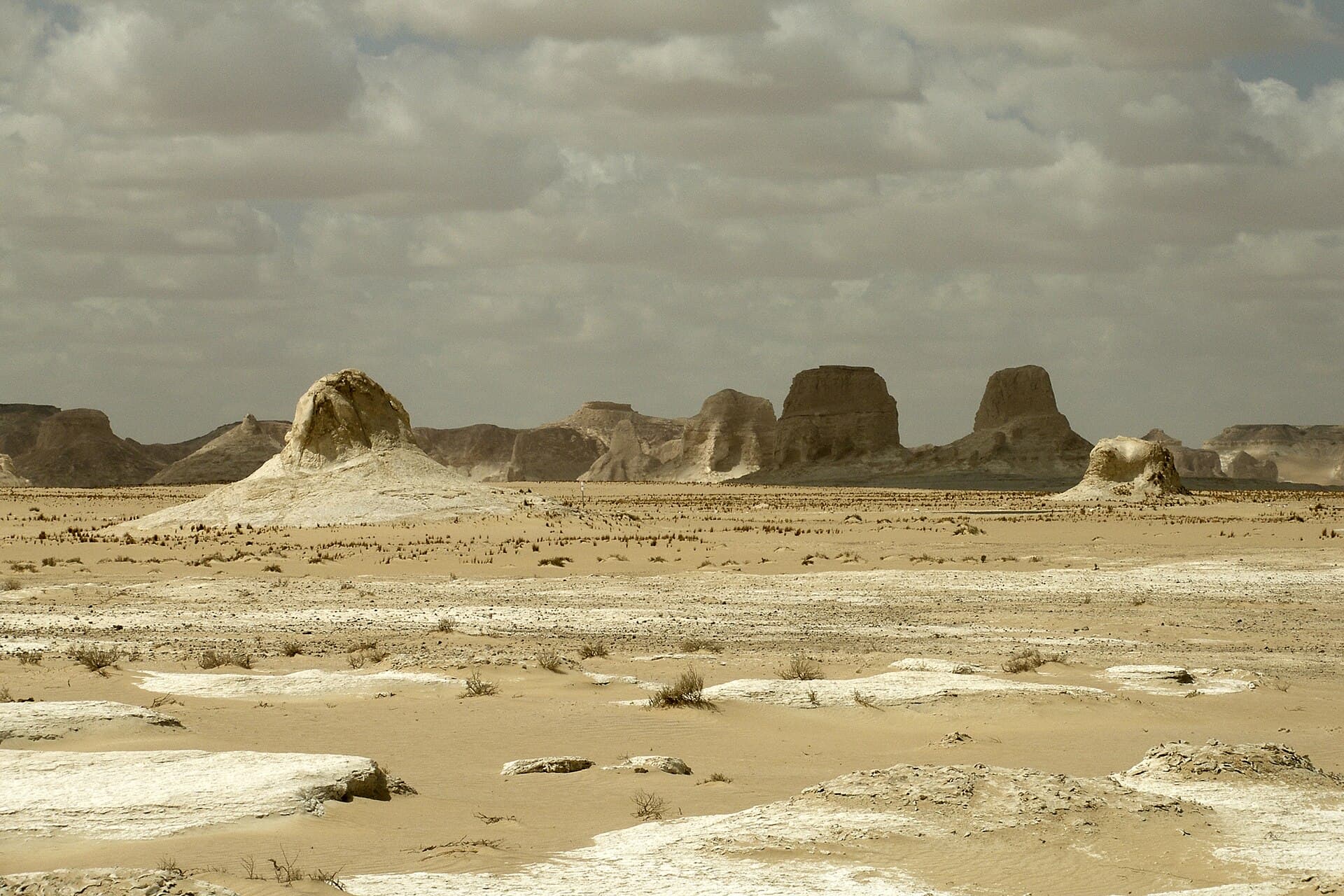
The real thing is much further in, and almost nobody sells it off a lobby board. The Red Sea Mountains hold the Roman quarries at Mons Porphyrites and Mons Claudianus, where purple porphyry and grey granite were cut, hauled overland to the Nile at Qena and shipped to Rome. What survives is ruined workshops, unfinished columns still lying where they cracked, and the remains of the settlements that housed the workers. There is essentially nobody there. Both need a 4x4, a full day and arranging in advance, which is exactly why the lobby sells quad bikes instead.
If you do go into the desert, go early or late. The middle of the day out there is unpleasant for most of the year and genuinely punishing in summer, and the light at either end of the day is the only time the mountains look like anything other than brown. Take far more water than you think you need, and confirm what the vehicle carries before you commit to a full day away from the coast road.
The day trip to Luxor by road, and whether to do it in a day
This is the single most useful fact about Hurghada, and it is the reason the town appears in so many Egypt itineraries at all. Luxor is about 300 kilometres away, roughly four hours by road across the Eastern Desert to Safaga and Qena and then south along the Nile valley. The road is good and the drive is dull. What it buys you is the greatest concentration of ancient monuments anywhere, reachable from a beach hotel without another flight.
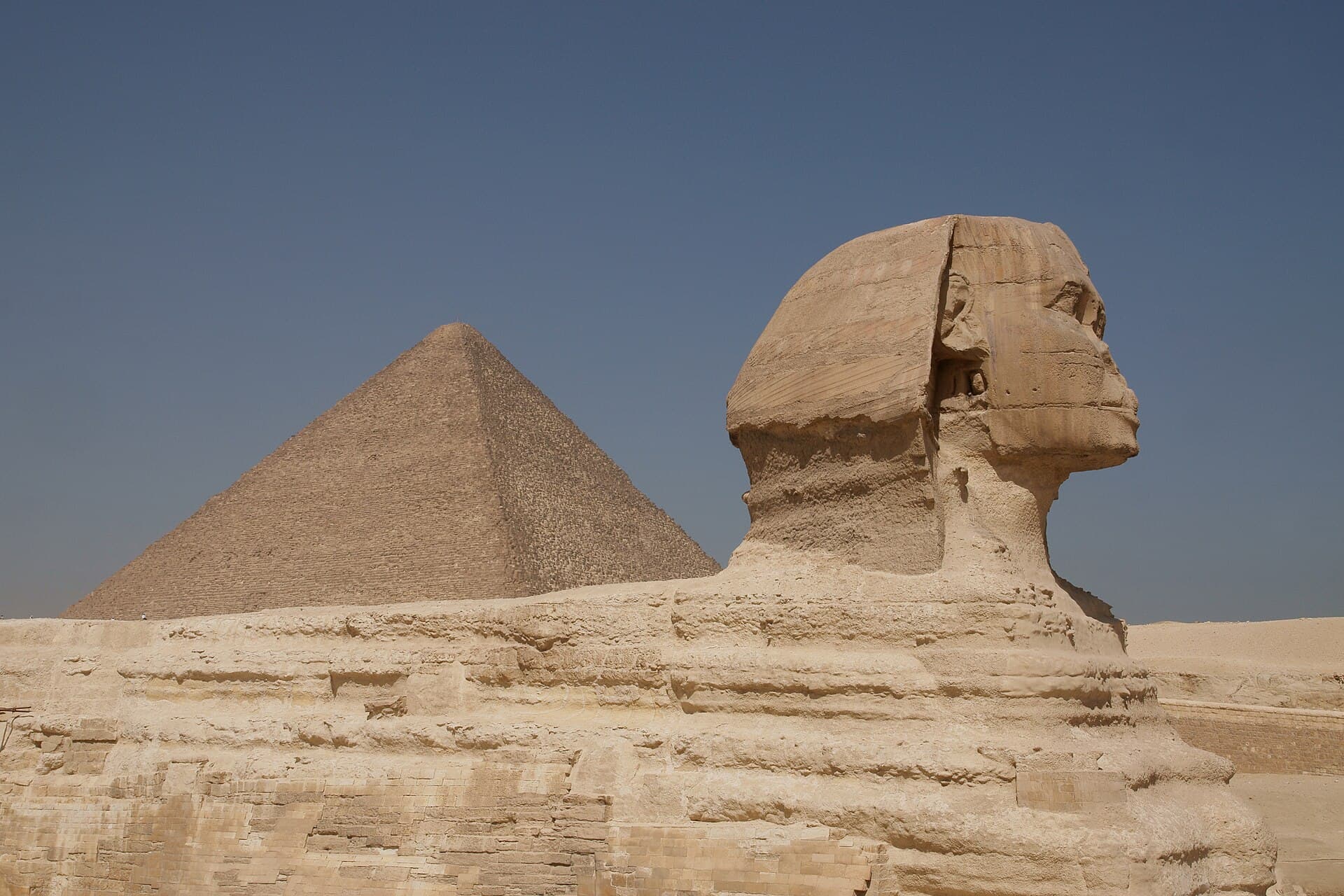
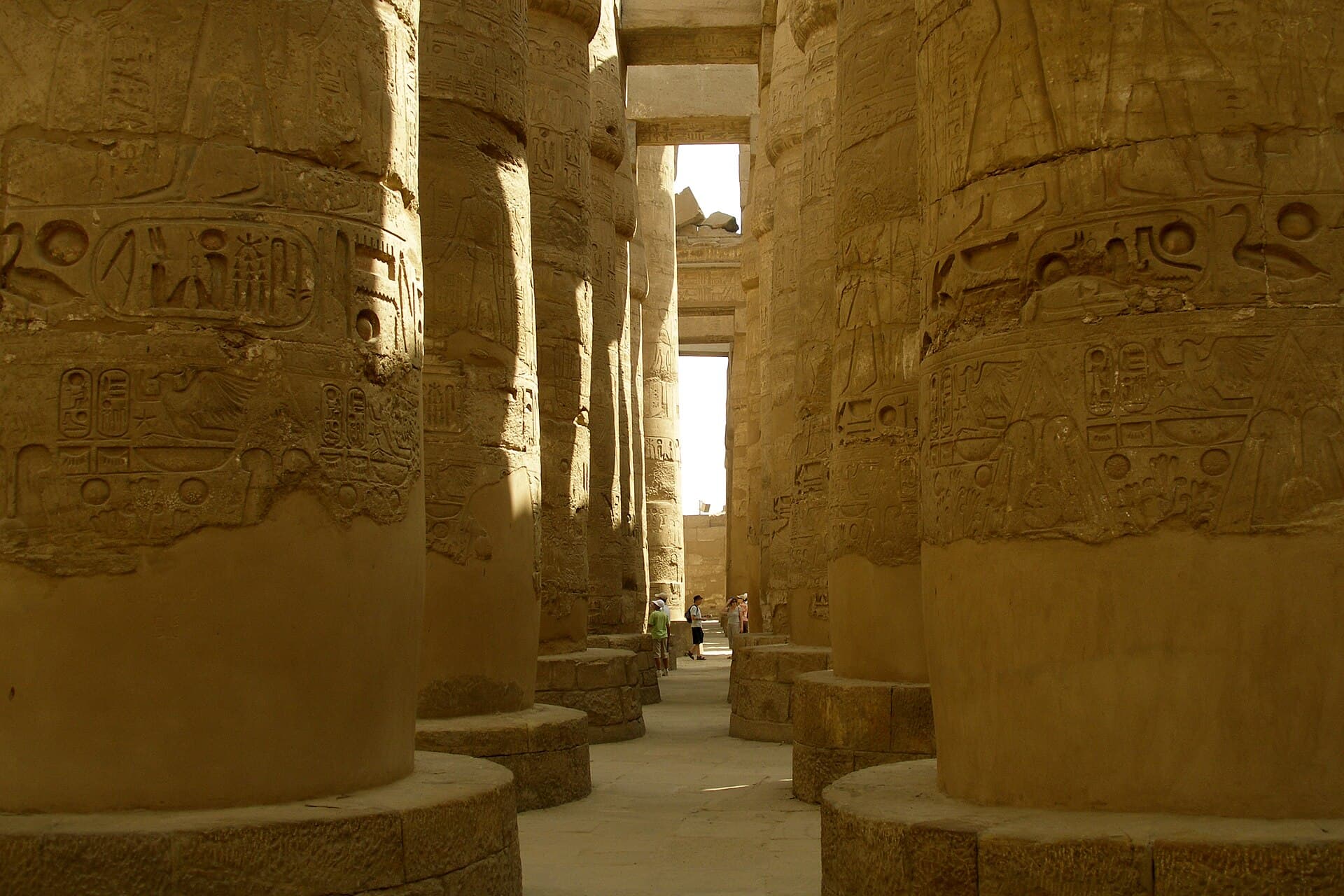
Done as a single day it is a very long day and an early start, and you will see the Valley of the Kings, Hatshepsut's temple and the Colossi of Memnon on the west bank, then Karnak and Luxor Temple on the east, with eight hours of driving wrapped around them. That is possible, thousands of people do it, and it is the wrong shape for what Luxor deserves. Karnak alone is not one temple but a walled precinct that around thirty pharaohs added to across two thousand years, and two hours there is the realistic minimum.
The better version is an overnight. Drive over, do the west bank at first light the next morning when the tombs are still cool and the light is low, see the east bank temples in the late afternoon, and drive back the following day. It costs one hotel night and it turns a forced march into a proper visit. If the balloon flight over the west bank appeals, that also only works on an overnight, since it goes up before dawn.
Whichever you choose, budget for tipping separately, because it is a real line in an Egypt budget rather than loose change. Reckon on roughly US$10 to 15 per person per day for a guide and about US$5 for a driver. Our guide to tipping in Egypt sets out where else it is expected.
Cairo and the pyramids from Hurghada, by air
Cairo is sold from Hurghada as a day trip by air, and it is the excursion to think hardest about before booking. It can be done. Internal flights link the coast to Cairo, and the tour desks run a version that has you at Giza and back in a day. The problem is arithmetic rather than principle: the flights and the airport time swallow most of the day, Cairo traffic takes a bite out of what is left, and you arrive at the Pyramids with a rushed couple of hours in what is often the worst heat.
The Grand Egyptian Museum makes that worse rather than better. It now shows the complete Tutankhamun collection in one place and needs half a day as a floor, a full day if you read the labels. It cannot be bolted onto a flying visit to the plateau, and the itineraries that try produce two rushed halves instead of one good day.
Our recommendation is straightforward. If Cairo and the ancient sites genuinely matter to you, build them into the trip as their own leg with at least two nights, rather than buying them as an excursion from a beach hotel. If they do not, skip the day trip entirely and spend the money on a better boat and an extra day in the water. The one thing we would not do is pay for a day that consists mostly of airports.
Wind sports, and why this coast has so many kites
The prevailing northerly that ruins a diving day is the same wind that makes this stretch of coast one of the more dependable places in the world to kitesurf and windsurf. It blows hardest in spring, and there are flat-water lagoons and shallow bays along the coast where a beginner can stand up while learning, which is the reason schools cluster here rather than somewhere prettier.
El Gouna, roughly twenty-five kilometres north, is the stronger base for it and has the better scene. Safaga, the working port about an hour south, has dependable wind of its own and some of the best reefs on this stretch of coast, which makes it the quiet choice for people who want both. Hurghada itself has schools and shallow water, and it is perfectly serviceable if you are learning rather than chasing conditions.
The obvious planning conflict is worth naming. The season that suits the kites is the season that cancels the offshore dive boats, and a strong northerly day is a good day for one and a lost day for the other. If your party is split between the two, base the week on the diving schedule and treat windy days as the kiting days rather than the reverse, because a dive boat that does not sail cannot be rescheduled into a week that has no slack in it.
Where to base yourself: the strip, the bays, El Gouna
Booking Hurghada as though it were one place is the usual mistake. Dahar and Sakkala put you within walking distance of a souk, a marina and food that is not a buffet, at the cost of noise and a scruffier seafront. The resort strip south of that is where most of the large all-inclusive hotels sit, and the further out you go the more the holiday becomes the hotel.
South of town the pattern changes to bays rather than towns. Sahl Hasheesh is one wide bay with a promenade and a house reef, calm and frankly dull if resort life does not suit you. Makadi is similar. Soma Bay sits further south beside Safaga, about an hour from Hurghada, with reliable wind and good reef. These are quieter and the beaches are made rather than fringing reef, which is the trade you are making: easier swimming, less coral underfoot, a boat trip for the good snorkelling.
El Gouna, twenty-five kilometres north, is a privately built town of lagoons, bridges and small islands with its own marina and hospital. It is tidy, walkable, expensive by Egyptian standards and barely feels like Egypt. It suits people who want to eat somewhere different each night without a taxi. Its weakness is under the water: the lagoons are cut channels of seawater over sand and there is no house reef to speak of, so everything you snorkel or dive there arrives by boat, roughly half an hour to an hour out. Pay the premium for the evenings, not for the swimming.
Two questions decide the quality of a week here more than the star rating does, and Red Sea star ratings are local ratings rather than anything comparable to European ones. Ask what the house reef is actually like. Ask how the beach entry works. The dive centre on the property will usually answer both straight if you email, and one honest reply is worth more than a page of reviews.
Hurghada with children
The coast works well for families and the reason is simple: shallow warm water with something to look at in it, at a temperature children will stay in for hours. A first mask-and-snorkel in a sheltered bay is the kind of thing people remember for decades, and it costs nothing beyond the kit. Several of the big resorts have pools, kids' clubs and water parks, and the all-inclusive model means you arrive and stop spending, which for a family is real value rather than a marketing line.
The caution is the same coral shelf that makes the place worth visiting. Reef starting in very shallow water and a jetty over it is awkward with toddlers, and the shore is often stone rather than sand. This is where the made beaches of the bays south of town earn their keep. Check the specific hotel, not the resort's reputation, and pack reef shoes for everyone rather than for the adults.
On excursions, be honest about stamina. The Giftun day is a long one for small children, with an hour out, an hour back and a lot of sun in between, and the Luxor day trip is eight hours of driving wrapped around temples in the heat, which is a hard sell for anyone under about ten. Our page on a Nile cruise with kids covers the same trade-off on the river, and the underlying rule is identical: fewer things, more slowly.
When to go, and what the wind does to your plans
March to May and September to November are the best months here: high twenties to low thirties on land, water warm enough without a thick suit, long usable days, and rates below the Christmas and Easter peaks. If you can choose your dates freely, autumn is the pick, with the warmest water and the calmest run of days.
Midsummer is genuinely hot. Inland Egypt passes 40C comfortably in July and August, and on the coast it is the wind that makes it bearable at all. The sea is at its warmest at roughly 28C then, which makes the diving easy and the land unpleasant, and it is the season where any thought of pairing the coast with the temples should be abandoned. Winter is mild rather than warm, around 20 to 23C by day with evenings that need a jacket, and the water bottoms out near 21 to 22C in February, which means a 5 mm wetsuit and a hood for most people rather than the shorty they packed.
Wind matters more than temperature on this coast, and it is the thing to plan around. The prevailing northerly blows hardest in spring, and a strong day cancels the offshore boats: the long run to Abu Nuhas goes first, and the Giftun trips can go with it. Plan a week around four or five days on the water rather than seven, and a blown-out morning is an inconvenience rather than the end of the holiday. Our month-by-month guides set out the wider Egyptian calendar if you are combining the coast with the Nile.
What things in Hurghada cost, and the fees taken on the day
We are not going to quote prices for excursions that will be wrong by the time you read this, and any page that does should be treated with suspicion. What is stable is the shape of the bill. The headline items, a boat day or a dive, are cheap by European standards. The costs that catch people out are attached to a vehicle, a boat or a protected area.
Ask what a quoted price includes before you compare two operators. Equipment rental is often separate from the dive itself and full kit hire over a week adds up. On boat days, ask whether lunch, nitrox and the second or third dive are inside the number or charged afterwards. On desert days, ask whether the vehicle and the driver's time are included for the whole day or only to a set hour.
Then there are the fees collected in cash on the day. The Giftun islands are a protected area and the park fee is taken per person on the boat. Tipping the crew is customary and real. Carry small notes in Egyptian pounds for both, because the alternative is handing over a large note and not getting change. Our guide to how much cash to take to Egypt covers the wider pattern, and the short version is that Egypt runs on small notes more than most places you have been.
The things in Hurghada we would not book
The submarine and semi-submarine trips sold along the strip put you behind glass looking at a reef you could be swimming on for less. If nobody in the party can swim, they have a purpose. Otherwise a snorkelling stop on a quiet boat beats them on every measure including price.
Dolphin encounters that promise contact are the other one to avoid, and the reason is not squeamishness. Sha'ab Samadai further south, sold as Dolphin House, is zoned so that you cannot enter the core area where spinner dolphins rest during the day, which is correct and should not be argued with. Any trip promising you a guaranteed swim with a wild dolphin is either selling you a zoned reef with a good story attached or crowding the animals, and a guide who lets a boat chase a pod is not a good guide.
The third is any excursion that promises four things in one day. The Luxor day trip is the honest limit of what a day out of Hurghada can hold, and even that is stretched. Combining a desert morning with a boat afternoon, or a city and a reef, produces two rushed halves. This coast rewards doing less. The best days here are a boat out at seven with two good stops and nothing else booked.
How Hurghada fits into a wider Egypt trip
The order that works is temples first, coast second, and the reasoning is practical rather than aesthetic. Cairo and the Nile valley are hard work: early starts, heat, a great deal of walking. Doing that after a week of lying on a beach feels like a punishment, and doing it first turns Hurghada into the part where you recover. Our own itineraries are built that way, and so is almost every well-made Egypt trip.
The tours we sell that include the coast show the shape clearly. Cairo, Luxor and Hurghada over eight days, with two nights on the Red Sea, starts at US$2,040 per person, land only. A Nile cruise with three nights at Hurghada over ten days starts at US$2,310. The eleven-day version that adds more of Cairo starts at US$2,560, and the thirteen-day version starts at US$2,945. In each case the Luxor to Hurghada leg is the road transfer described above, not a flight, which is exactly the saving this coast exists to give you.
How many beach nights to add depends on whether you are diving. Three or four nights is enough for a flat tail end after the temples, which is what most of these itineraries allow. For a diving trip, four nights is the sensible minimum and a week is better, since you want two or three days of two-tank dives with slack for weather and a rest day before flying. Anything under three nights is rarely worth the transfer time.
One rule decides your last day and it catches people out. Training agencies advise a surface interval before flying, commonly at least twelve hours after a single dive and around eighteen after several days of repeated diving, and an internal hop to Cairo counts as flying just as the flight home does. Your final day on the coast is not a diving day. Plan it as a snorkelling day or a nothing day and the itinerary holds together.
Common questions
Is Hurghada worth visiting?+
For the water, yes. The reefs are genuinely good, visibility is reliable year round and the snorkelling is the part of an Egypt trip that most often exceeds expectations. For anything historic, no. It is a resort strip with nothing ancient in it and it does not pretend otherwise. Go knowing which of those two things you are buying.
How many days do you need in Hurghada?+
Three or four nights is enough as a flat ending to a Nile trip: a boat day, a day doing nothing, and a day for whatever the wind cancelled. If you are diving, four nights is the minimum and a week is better, because you want several days of two-tank dives plus slack for weather and a rest day before flying.
Can you do a day trip to Luxor from Hurghada?+
Yes. Luxor is about 300 kilometres away, roughly four hours by road each way, and the day trip is a standard booking. It is a very long day with around eight hours of driving wrapped around the sites. An overnight costs one hotel night and turns a forced march into a proper visit, which is what we would do.
Is the Giftun Island trip worth it?+
The snorkelling half is, reliably. It is shallow, bright and easy for people who have never used a mask. The beach half swings in quality between the licensed concession on the larger island and the crowded free landing spots, which carry little shade. Ask how many passengers the boat takes before you ask the price, because that decides the day.
Do you need to dive, or is snorkelling enough?+
Snorkelling is enough for most people. Much of the reef sits within a few metres of the surface, so a snorkeller sees a good share of what the divers see at the shallow sites. Learn to dive here if you want the qualification, since it is one of the cheapest and most forgiving places to do it, but not simply to see fish.
When is the best time to visit Hurghada?+
March to May and September to November, with autumn the pick for the warmest water and calmest days. July and August are very hot on land, around 40C inland, though the sea is at its warmest. Winter is mild at about 20 to 23C with the water near 22C by February, which means a thicker wetsuit than most people pack.
Is the quad bike desert safari any good?+
Not really. It is a convoy into the flats behind town, a staged Bedouin camp, dinner and a show, and it tells you very little about the desert. Book it if riding the bikes is the point. If you want the real thing, the Roman quarries at Mons Porphyrites and Mons Claudianus in the Red Sea Mountains need a 4x4, a full day and arranging in advance.
Should you choose Hurghada or Sharm el-Sheikh?+
Hurghada if the temples are part of the trip, because the four-hour road to Luxor removes an internal flight and Sinai has no equivalent. Sharm if this is purely a diving holiday, since Ras Mohammed and the Straits of Tiran are better water than anything off Hurghada. The exception is wrecks, where Abu Nuhas gives Hurghada the clear advantage.
Official sources
Entry rules, opening hours, security advice and exchange rates all move. Check them at the source, not here.
Written and checked by the Nile Trip Guide editorial team · Last reviewed . Entry rules, prices and opening hours change — check anything critical against the official sources linked on this page.
Plan this trip
Tell us your dates and we will price it
A real itinerary with real prices, usually within 24 hours. Nothing is booked and nothing is charged until you say yes.
The route most people take first, at the length it was built for: Giza and the Grand Egyptian Museum, then a flight to Luxor and four nights sailing down to Aswan.
No boat on this one. Giza and the Grand Egyptian Museum, a night in Luxor for both banks, two nights on the Red Sea, then back to Cairo for the Citadel, Coptic Cairo and the Royal Mummies.
Five nights in Cairo either side of a four-night sail from Luxor to Aswan. The Cairo days are private, just your party and a guide; the sightseeing off the boat is shared with a small group.