Things to do in Siwa: salt lakes, the Oracle of Amun and the Great Sand Sea
The best things to do in Siwa are floating in the salt pools, a 4x4 trip into the Great Sand Sea, and sunset at Fatnas. Add a walk up the old Shali fortress and visits to the Oracle of Amun and the Mountain of the Dead. Siwa is a palm oasis in Egypt's Western Desert, near the Libyan border. It is about ten hours by road from Cairo. Give it three nights at least, and four if you can.
Is Siwa worth the long drive?
Siwa is worth it if you have time and like slow days and empty landscape. It suits a second or third trip to Egypt best. The oasis has salt lakes, hot and cold springs, old ruins and a Berber culture with its own language.
The catch is the road. Cairo to Siwa takes about ten hours, and there are no scheduled flights or trains. With under ten days in Egypt, Luxor or Aswan will give you more for the same time.
Float in the salt lakes and salt pools
The salt pools are the picture most people take home: white crust and bright water. The water is so salty that you float. The pools people swim in are old salt quarry workings. The oasis also has real salt lakes, which are best for looking at.
Rinse off in fresh water afterwards, so bring a bottle. Skip the pools if you have cuts or have just shaved. Salt from the lakes is sold in town as lamps and bath crystals.
Walk up Shali, the old salt fortress
Shali is the old town, a fortress of salt rock and mud brick in the middle of the modern village. Heavy rain in the 1920s dissolved much of it, and people moved out.
You can walk up through its lanes in about half an hour. From the top you look out over the modern village and the palm groves.
Visit the Temple of the Oracle of Amun
The Oracle of Amun stands above the palms at Aghurmi. Alexander the Great is said to have consulted it in 331 BC. That visit is what made Siwa famous in the ancient world.
Little of the temple survives, but the setting is the reason to go. A fragment of a second temple, usually called Umm Ubayda, stands nearby and takes two minutes.
Swim at Cleopatra's Spring
Cleopatra's Spring is the famous one, a stone-lined pool by the road. It is often busy, and women may feel watched if they swim there.
Siwa has other springs among the palm groves, and the dune trip ends at a hot spring and a cold pool. Ask your guesthouse which quieter spot suits you.
Drive into the Great Sand Sea
An afternoon by 4x4 in the Great Sand Sea is the best half day in Siwa. Trips run with a local driver and usually end at a hot spring and a cold pool near the dunes.
The dune driving is rough on purpose. Tell the driver beforehand if you have a bad back or want a gentler ride. Your guesthouse or a local operator can book it.
Climb the Mountain of the Dead
Gebel al-Mawta, the Mountain of the Dead, is a low hill on the northern edge of the village. It is full of rock-cut tombs from late in ancient Egypt's history. A few still have painted walls inside.
Some tombs were used as shelters when Siwa was bombed in the Second World War. The walk up is short and steep, and the view over the palms is half the reason to go.
Watch the sunset at Fatnas
Fatnas is a palm-covered spit reaching into a salt lake west of town. It is the usual place to watch the sun go down. It is quiet, a short ride out, and there is little to buy beyond tea.
Getting around and what to eat
The centre is flat and small. Hire a bicycle, or flag down a caretta, a small cart pulled by a motorbike or a donkey. You only need a 4x4 and a driver for the dunes and the far salt pools.
Siwa farms dates and olives, and both turn up at most meals. Food is simple, fresh and cheap, and vegetarians do well. The date harvest around October is the busiest and liveliest time. Alcohol is not sold openly.
How to get to Siwa and when to go
Most people drive via Alexandria or Marsa Matruh on the Mediterranean coast, then turn south for about four hours across the desert. A night in Alexandria turns one long day into two easy ones. Carry your passport for the checkpoints.
October to April is the time to go. Summer reaches around 40C, with little shade. From November to February the days are comfortable but the nights drop into single figures, so bring a warm layer.
Bring cash from Cairo or Marsa Matruh. Cards are rarely accepted and cash machines are few. Cover shoulders and knees in town, and ask before you photograph anyone.
Can you visit Siwa on one of our tours?
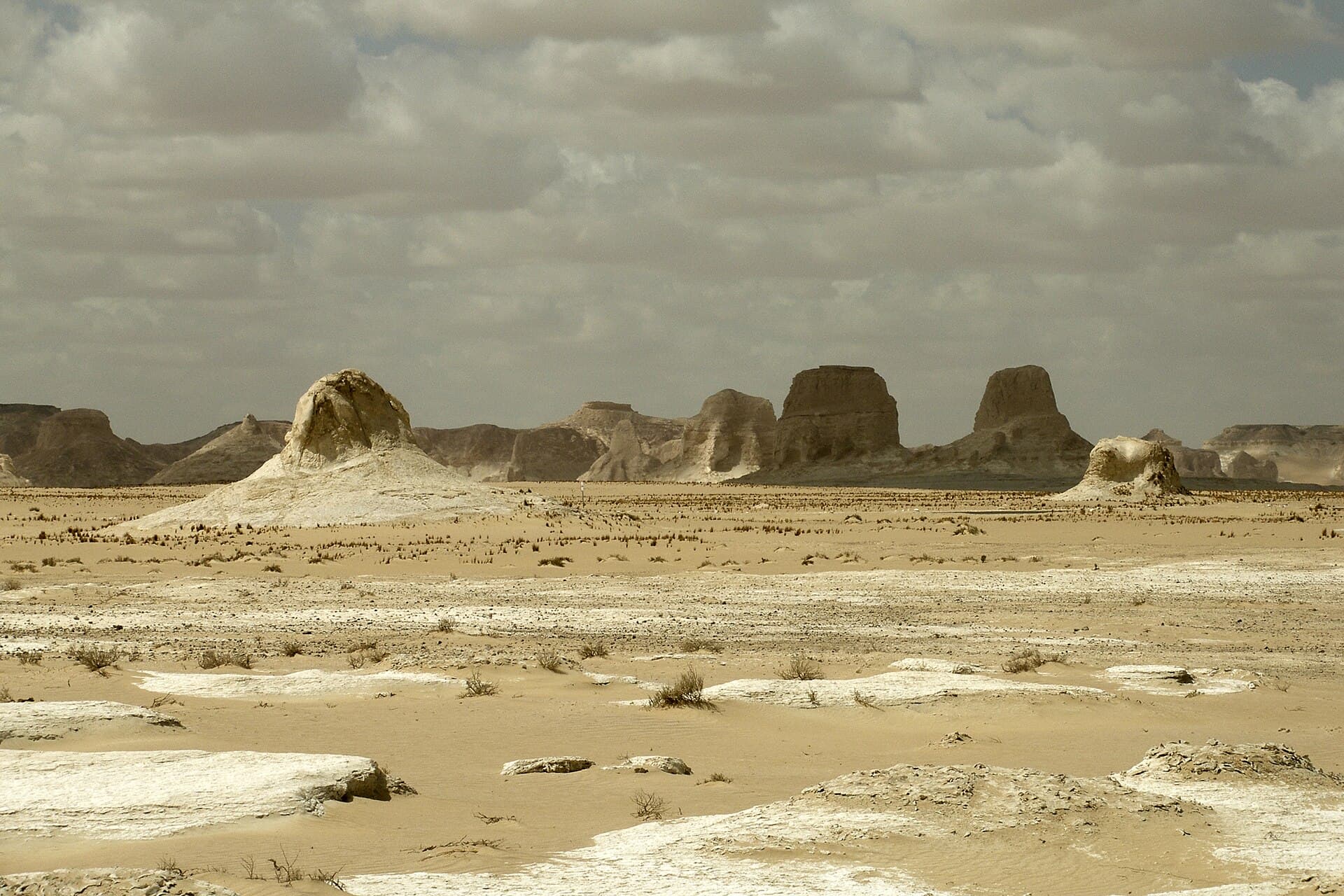
We sell the tours of one Egyptian operator, Memphis Tours. None of its set itineraries includes Siwa. Its one desert tour goes to Bahariya Oasis and the White Desert instead, much closer to Cairo.
That trip is Cairo, Luxor, a Nile Cruise and the White Desert, 14 days, from US$3,815 per person. If you want Siwa, send us a request for a tailor-made trip. Plan at least three nights in the oasis, plus a night on the coast each way.
Common questions
How many days do you need in Siwa?+
Three nights is the working minimum: one to arrive, one day for the town and temples, and one for the dunes. Four nights is better. Add a night in Alexandria or on the coast each way to split the drive.
How do you get to Siwa from Cairo?+
By road. It takes about ten hours, usually via Alexandria or Marsa Matruh. There are no scheduled flights and no railway. Overnight buses run, or you can hire a car with a driver.
Can you swim in Siwa's salt lakes?+
Yes, at the salt pools, which are old quarry workings. The water is salty enough to float in. Rinse in fresh water afterwards, and skip it if you have cuts or have just shaved.
What is the best time to visit Siwa?+
October to April. Summer reaches around 40C. Winter days are pleasant, but nights fall into single figures and rooms are often unheated, so bring a fleece. October is date harvest season.
What should you wear in Siwa?+
Clothes that cover shoulders and knees, for men and women. Siwa is more conservative than most of Egypt. Bring sandals for the salt water, a warm layer for the nights and a hat for the sun.
Can you visit Siwa as a day trip?+
Not from Cairo. From Marsa Matruh it is about four hours each way, which leaves only a few hours in the oasis. The salt pools and the dunes are best at either end of the day, so stay at least three nights.
Do your tours go to Siwa?+
No. None of the set itineraries we sell includes Siwa. The closest is our partner's White Desert tour, which visits Bahariya Oasis. We can plan a tailor-made trip with Siwa if you send us a request.
Is Siwa safe to visit?+
Read the current US State Department and UK FCDO travel advice for Egypt before you plan the trip. Check what each says about the Western Desert and the area near the Libyan border.
Official sources
Entry rules, opening hours, security advice and exchange rates all move. Check them at the source, not here.
Written and checked by the Nile Trip Guide editorial team · Last reviewed . Entry rules, prices and opening hours change — check anything critical against the official sources linked on this page.
Plan this trip
Tell us your dates and we will price it
A real itinerary with real prices, usually within 24 hours. Nothing is booked and nothing is charged until you say yes.
Our partner's desert tour (White Desert, not Siwa)
Fourteen days that add the Western Desert to the usual route: Cairo, two days of Luxor on land, four nights sailing to Aswan, then a drive west to Bahariya and a night out among the white chalk formations.