Egypt travel guide: where to go, when to go and how to plan it
Most of what visitors come to Egypt for sits on one line: the Nile, from Cairo south to Luxor, Aswan and Abu Simbel. Add the Red Sea for a beach, or the Western Desert for something wilder. October to April is the comfortable season. Ten days covers the classic route without rushing. This guide gives the short answer on each part of planning, with a link to the full guide for each.
Where to go in Egypt
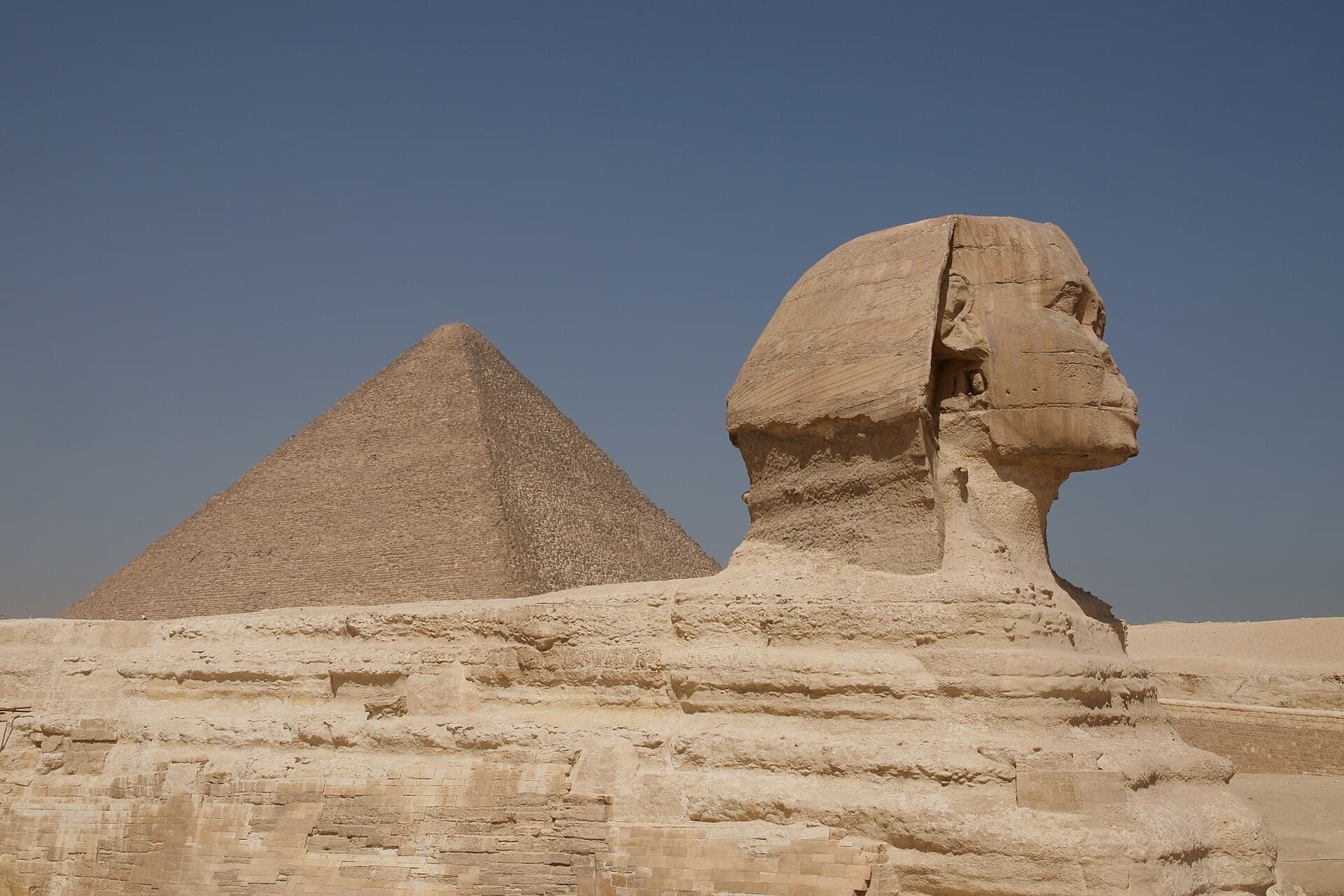
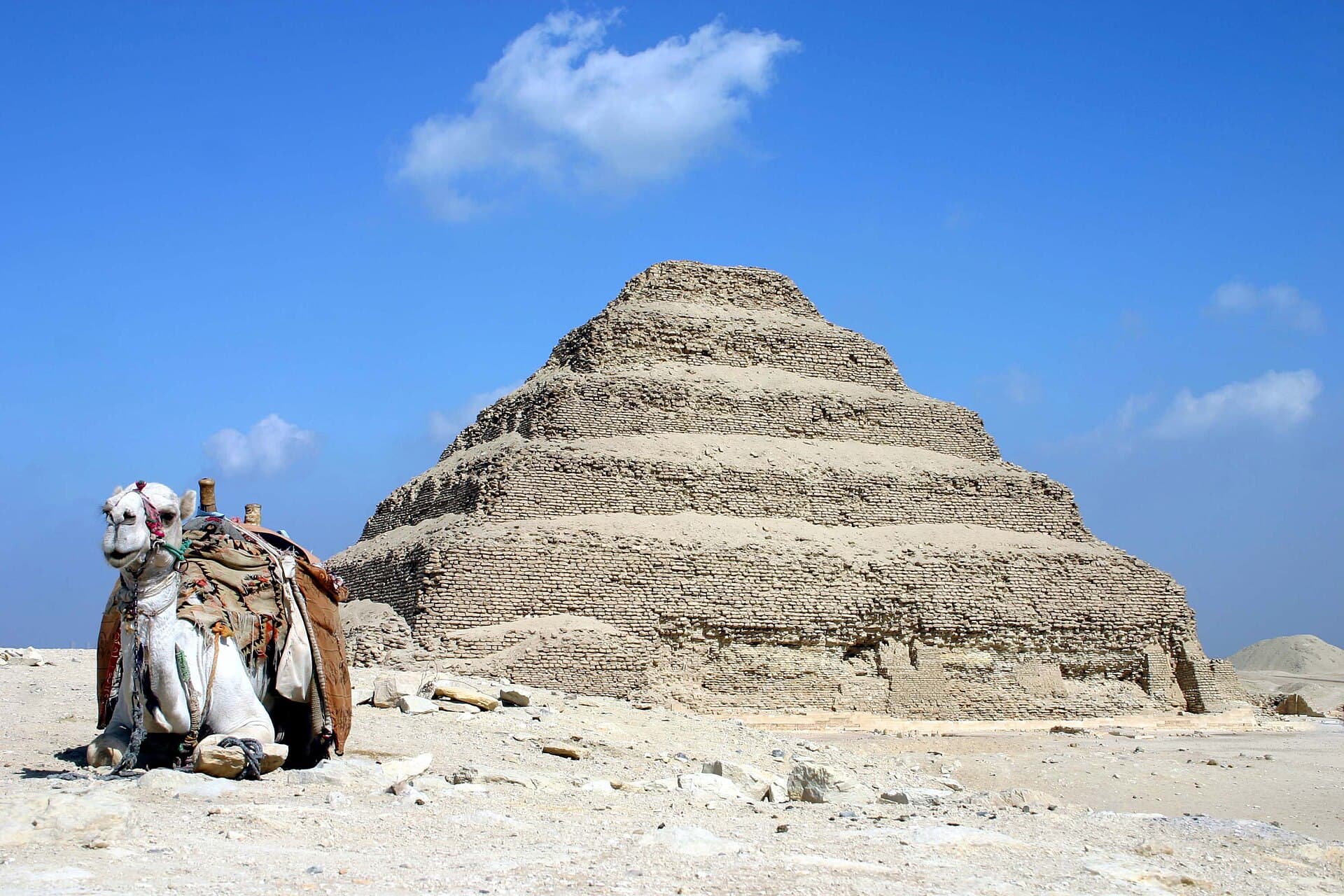
Cairo and Giza come first. The pyramids, the Sphinx and the Grand Egyptian Museum need two days at least, and Islamic and Coptic Cairo reward a third.
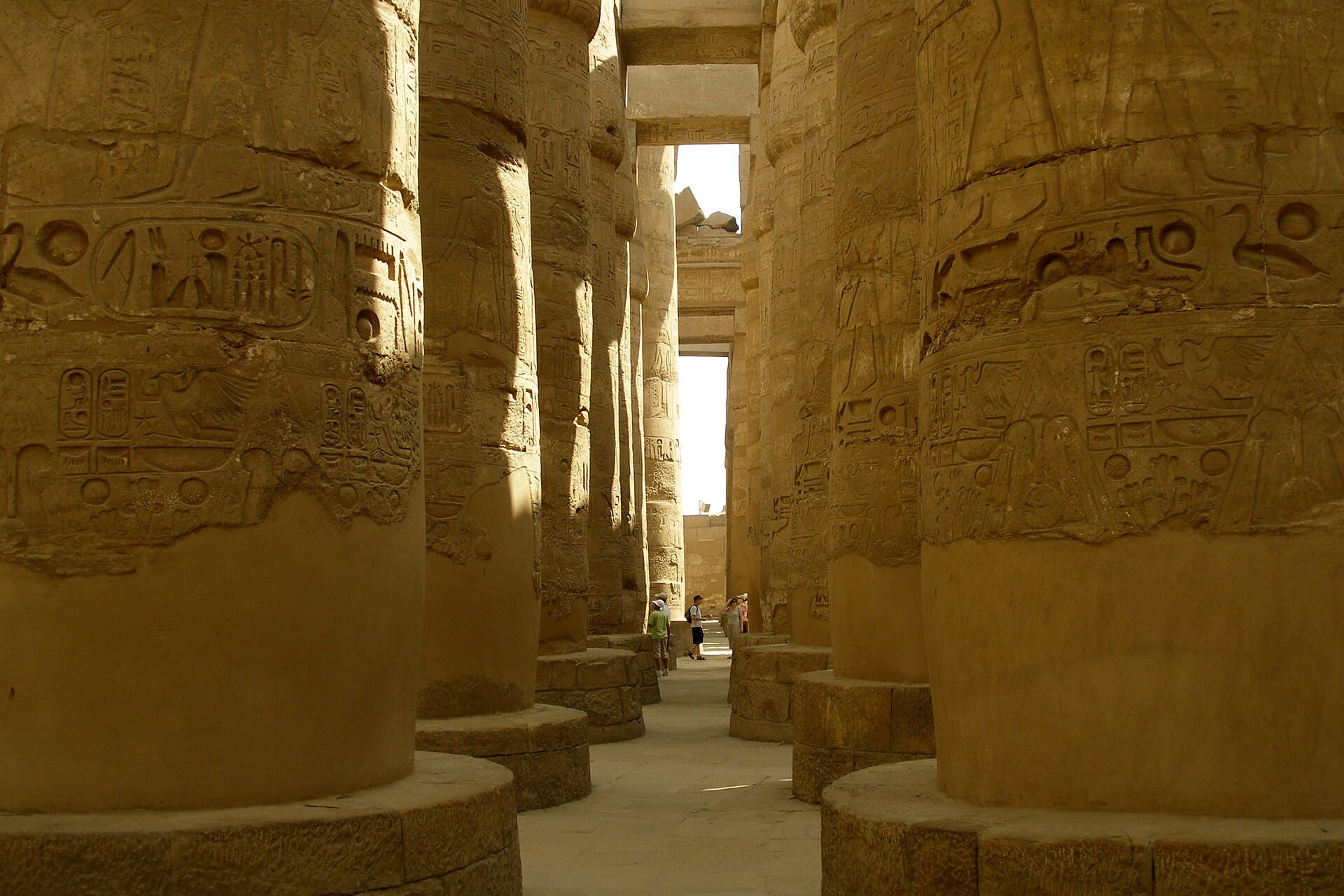
Luxor holds the densest set of temples and tombs in the country: Karnak and Luxor Temple on the east bank, the Valley of the Kings and Hatshepsut's temple on the west.
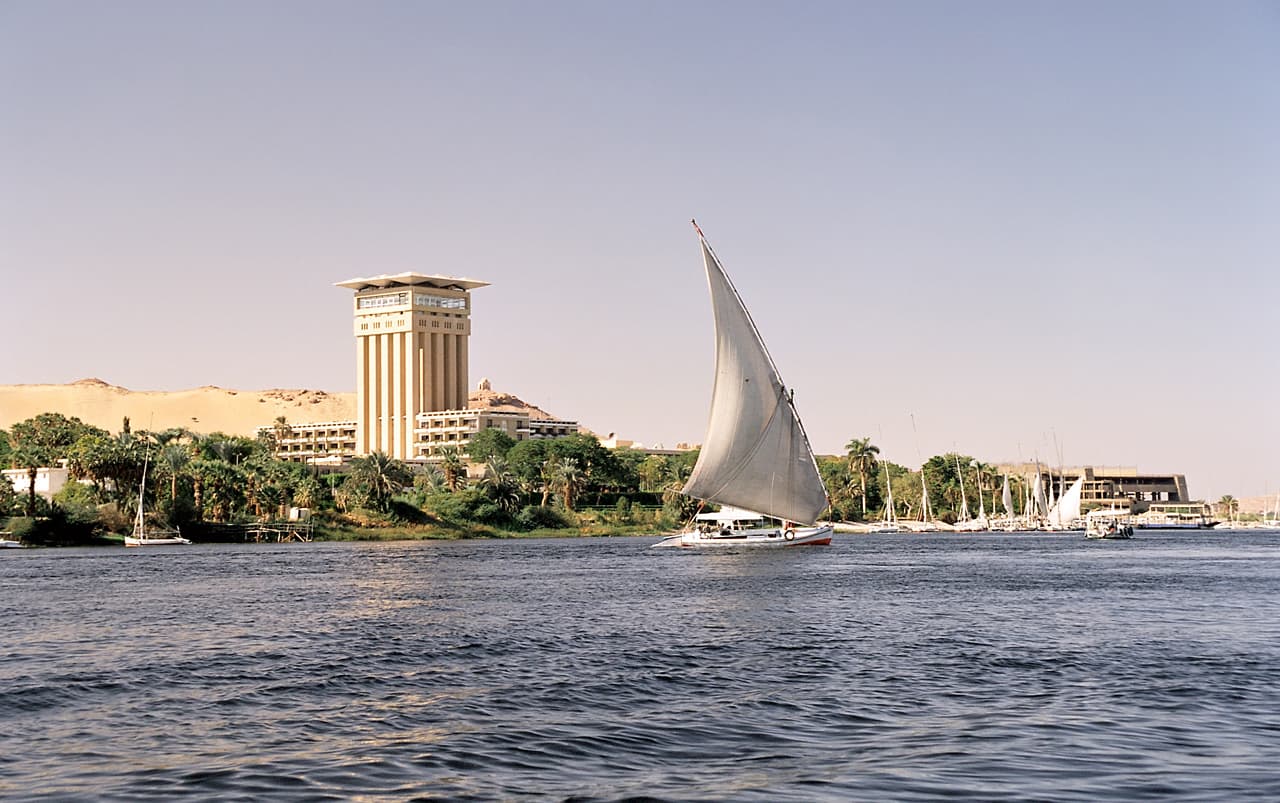
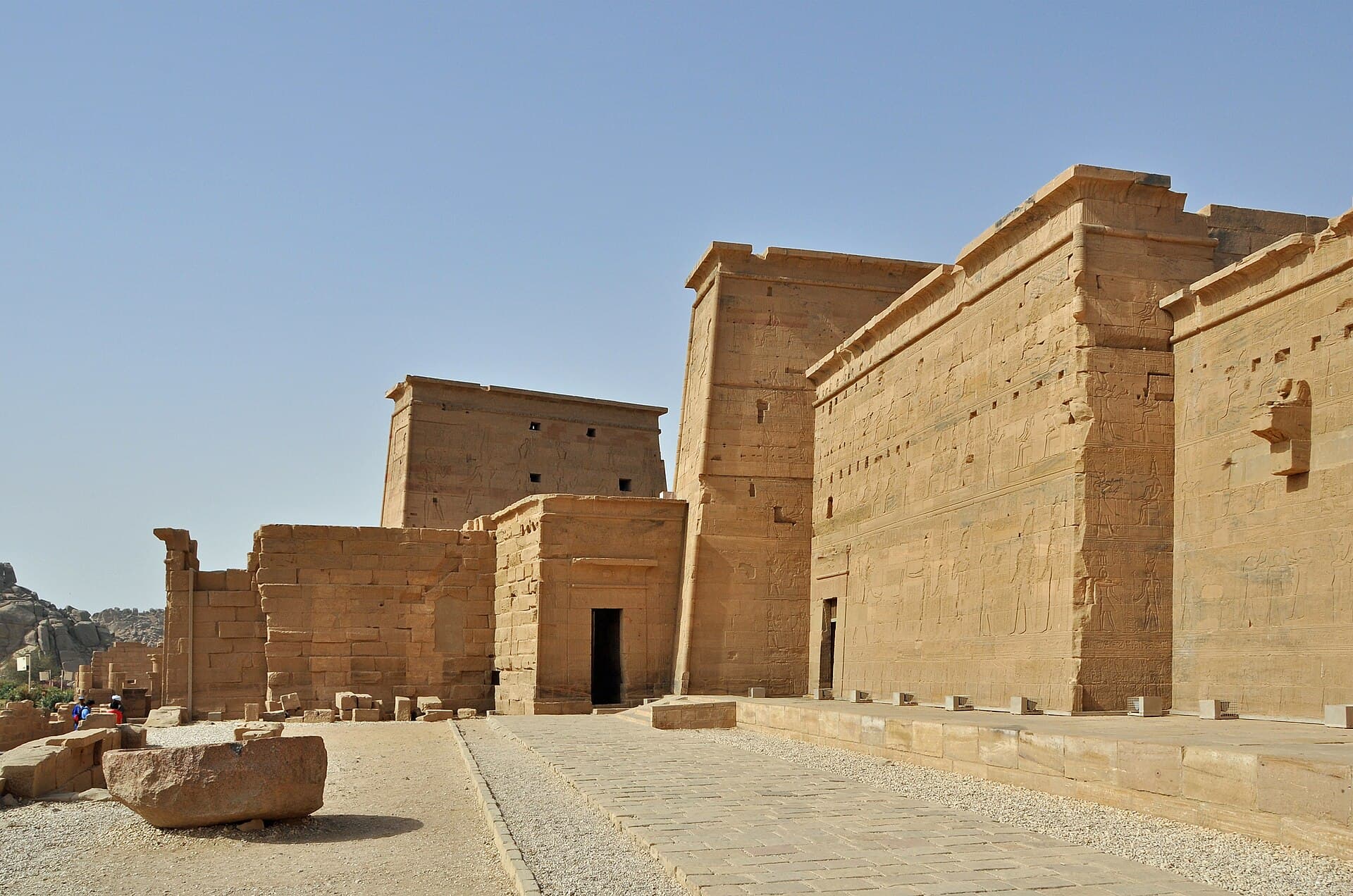
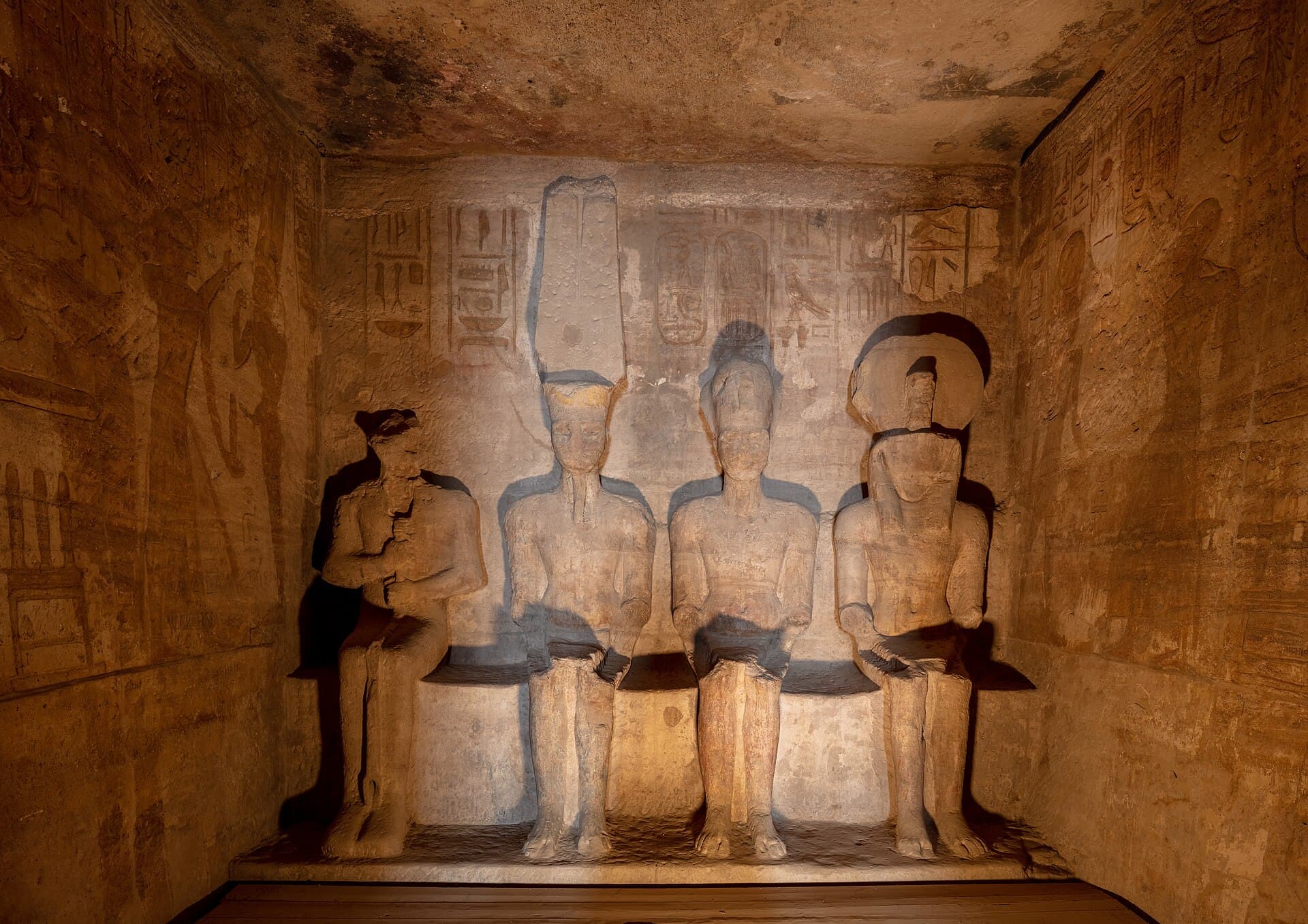
Aswan is the calm south, with Philae, Elephantine Island and the Nubian villages. Abu Simbel is a long day trip from there.
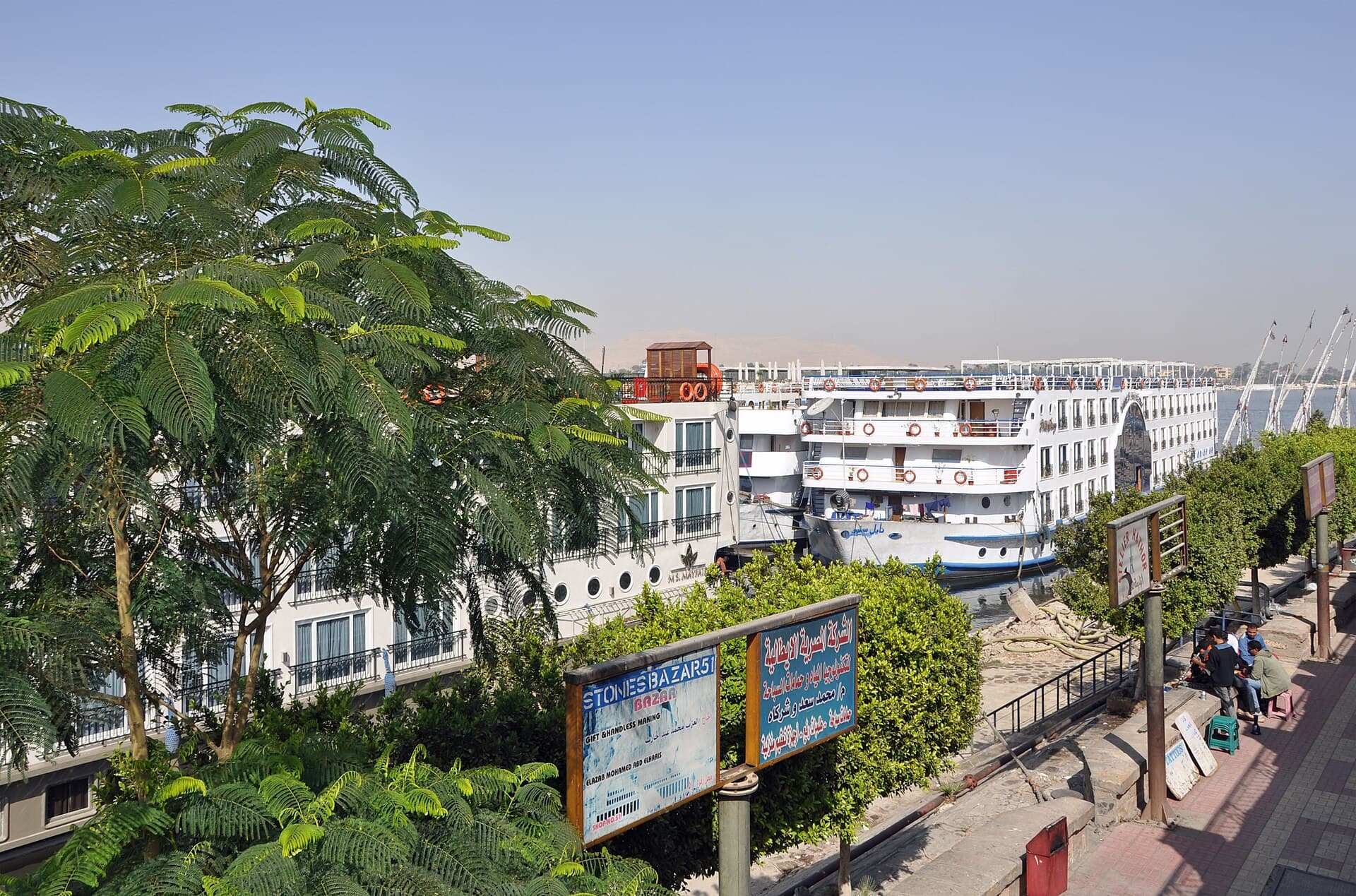
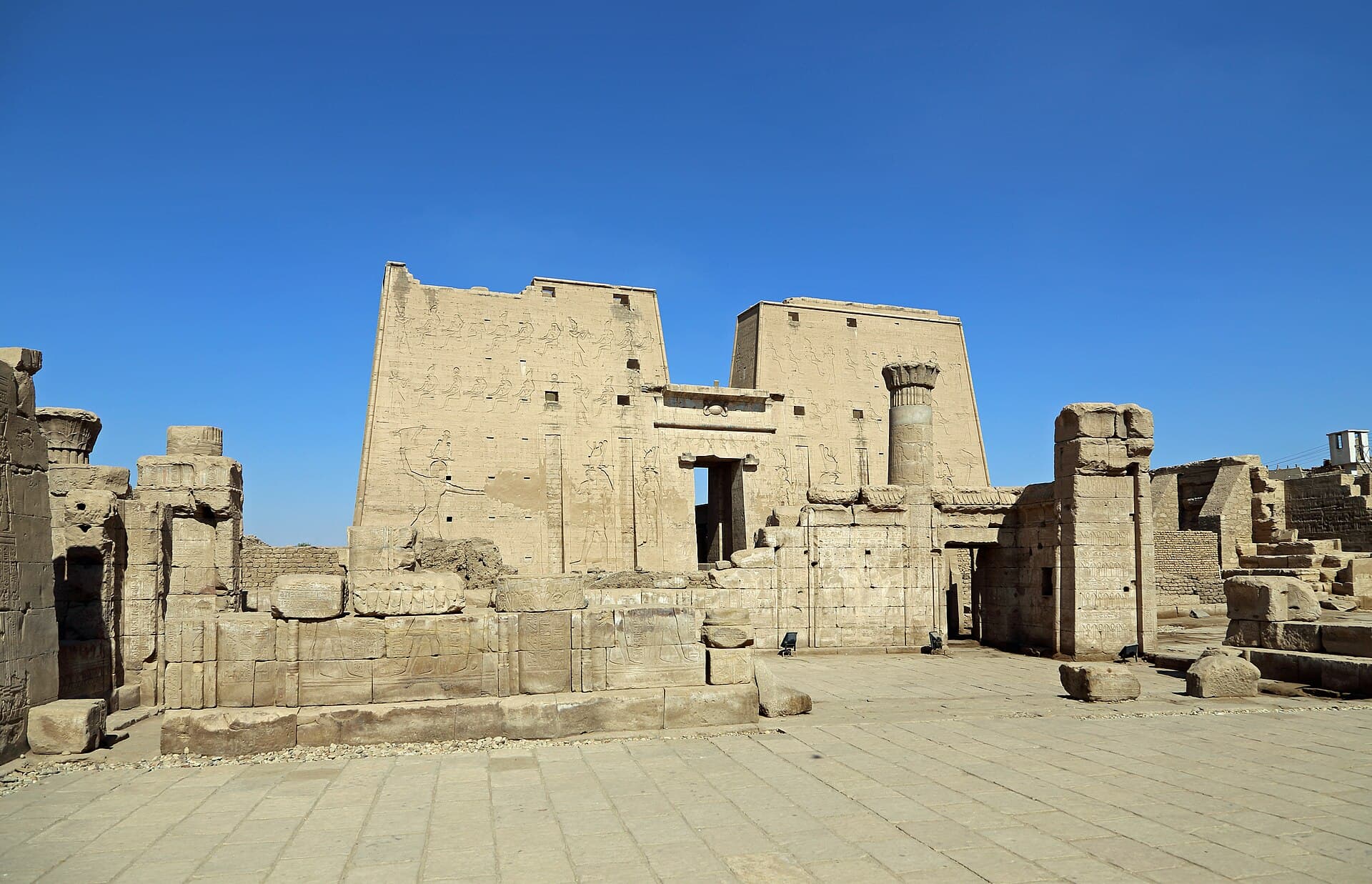
Between Luxor and Aswan, a Nile cruise stops at Edfu and Kom Ombo. For many visitors the river is the highlight.
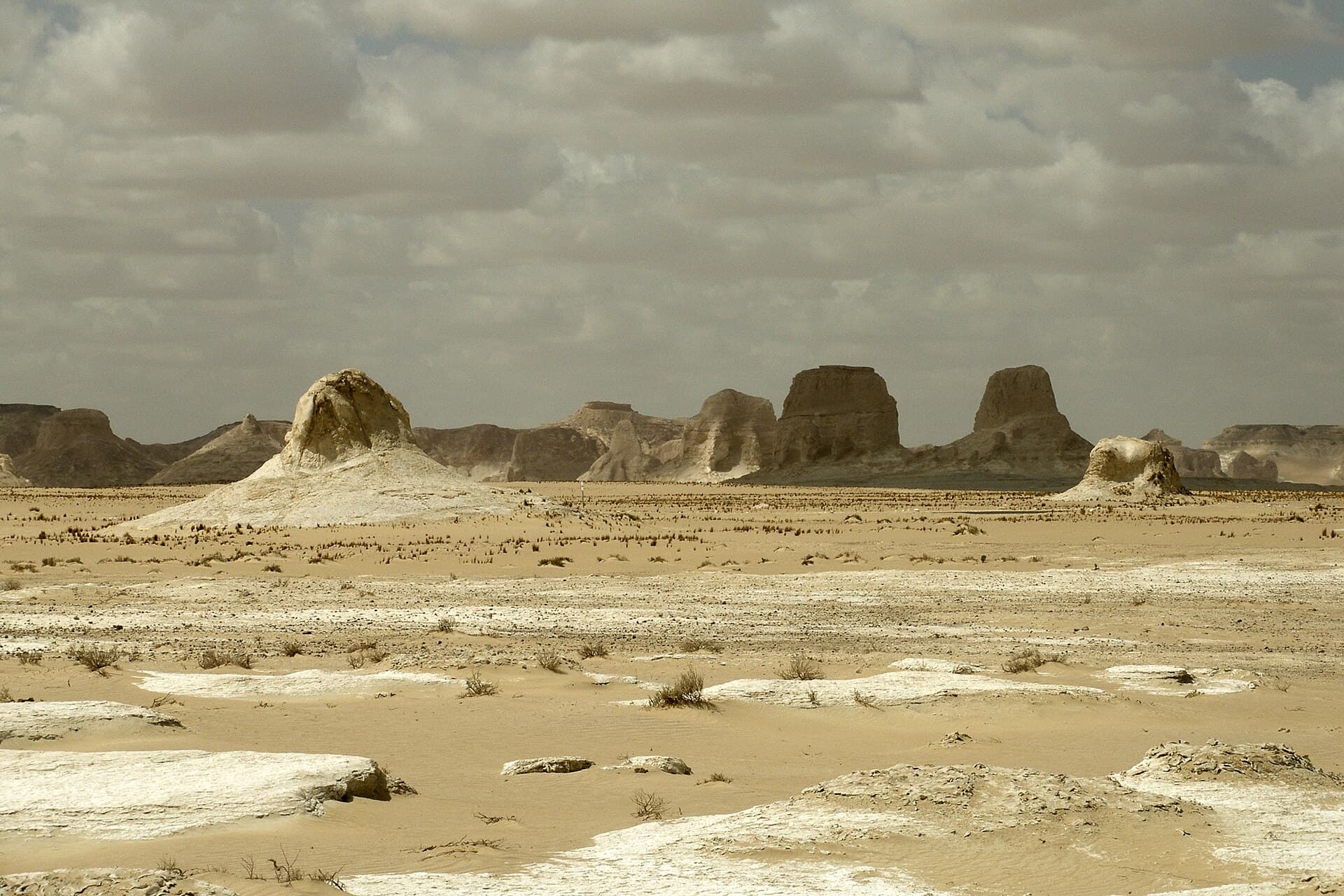
Then choose an add-on. The Red Sea at Hurghada, El Gouna, Marsa Alam, Sharm el-Sheikh or Dahab is for reefs and rest. The White Desert and Bahariya are for a night under the stars. Alexandria is for the Mediterranean and Greek and Roman Egypt.
When to go to Egypt
October to April is the comfortable season for sightseeing. Luxor's typical daytime high is around 23C in January and 24C in December, against 41C from June to August.
Christmas and New Year are the busiest and dearest weeks. November, February and March give the same good weather with more room.
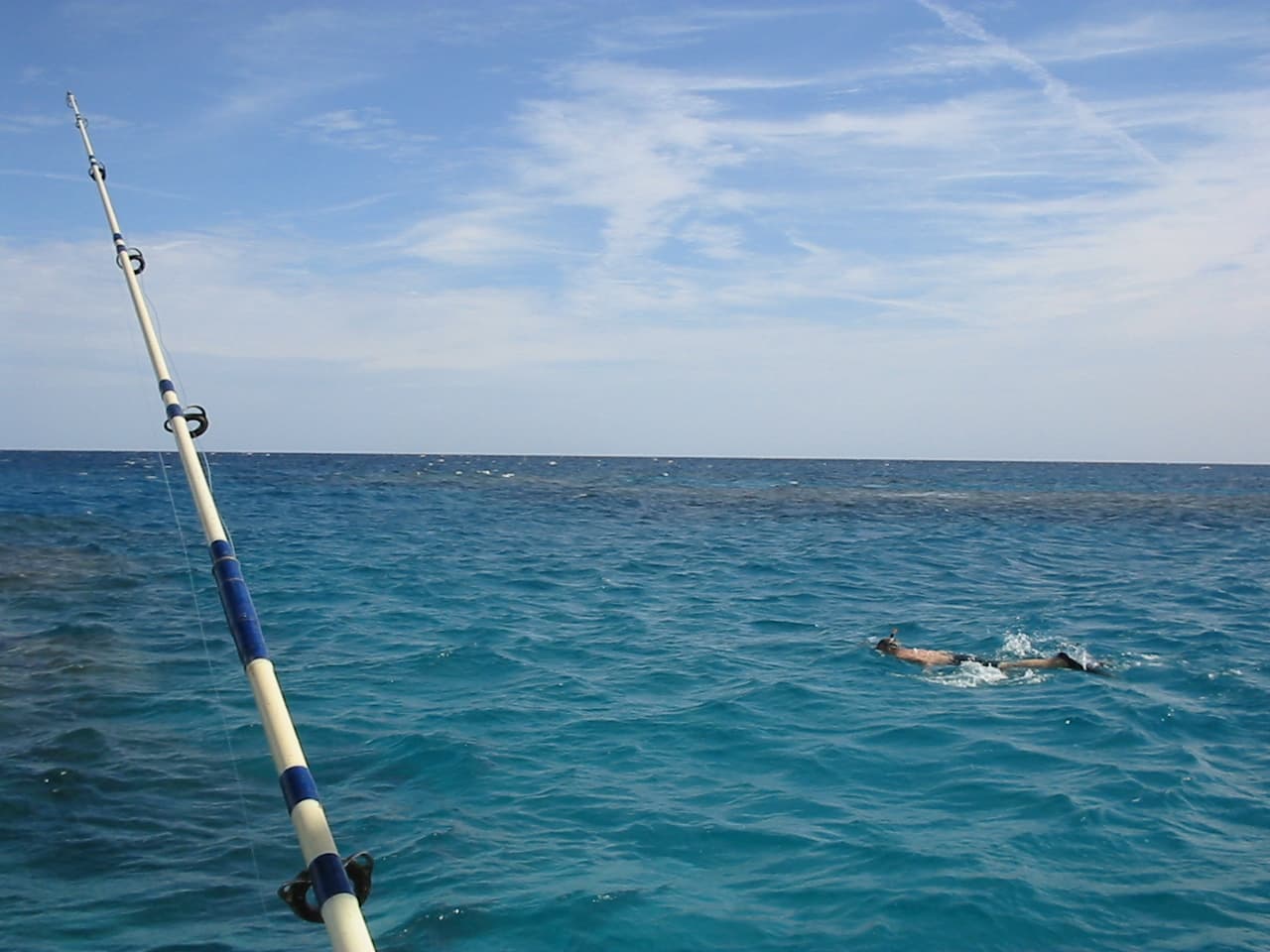
The Red Sea runs to its own calendar. The water is around 22C in January and February and close to 30C in late summer, so a beach-first trip suits spring or autumn best.
Egypt weather by month
Typical daytime highs in Luxor, with Cairo and the Red Sea below.
23°
25°
29°
35°
39°
41°
41°
41°
38°
34°
28°
24°
JanFebMarAprMayJunJulAugSepOctNovDec
Cairo daytime high
19°21°24°28°32°34°35°35°32°29°24°20°
Red Sea water (Hurghada)
22°22°23°25°27°29°30°31°30°28°26°23°
Luxor daytime high, for sightseeing:BestGoodHotVery hot
Typical values, rounded. Single days vary.
Egypt weather by month
Luxor daytime high, for sightseeing
Cairo daytime high
Red Sea water (Hurghada)
January
23°C
19°C
22°C
February
25°C
21°C
22°C
March
29°C
24°C
23°C
April
35°C
28°C
25°C
May
39°C
32°C
27°C
June
41°C
34°C
29°C
July
41°C
35°C
30°C
August
41°C
35°C
31°C
September
38°C
32°C
30°C
October
34°C
29°C
28°C
November
28°C
24°C
26°C
December
24°C
20°C
23°C
How many days you need
Ten days is the classic length: Cairo, a flight south, a Nile cruise between Luxor and Aswan, and time for Abu Simbel.
Seven or eight days still works if you fly between Cairo and the Nile. Five days suits Cairo with one other place, such as Luxor.
Two weeks lets you add the Red Sea or the White Desert without rushing the temples.
Getting around Egypt
Distances are long. Cairo to Luxor is about 640 km by road, so most visitors fly, or take the overnight sleeper train.
Luxor to Aswan is about 215 km. Sail it on a three or four night cruise, or cover it in about three hours by train or road.
Inside the cities, a driver or a ride-hailing app is simpler than buses. The Cairo metro is cheap and useful for central sights.
What a trip to Egypt costs
On the ground Egypt is good value: meals, taxis and domestic flights cost little against European prices, because the pound has fallen.
The trips we book with Memphis Tours start at US$840 for a 4-day Nile cruise and run to US$3,985 for 15 days, with guiding and, on most routes, domestic flights included.
Budget separately for tips, entrance extras such as the inside of the Great Pyramid, and drinks.
Visa, money and phones
Most visitors need a visa. Apply for the e-visa on the official portal before you fly, at US$30 for single entry (checked October 2026), or buy one on arrival.
The currency is the Egyptian pound. Cards work in hotels, larger restaurants and proper shops. Cash covers tips, markets, taxis and small cafes, so carry small notes.
Tipping, or baksheesh, is part of how people in tourism are paid. Budget around ten euros a person a day for it.
For data, buy a tourist SIM from Vodafone, Orange, e& or WE after you land, or install a travel eSIM before you fly.
Safety, dress and customs
The main sites and the roads between them have a heavy security presence. Read the current US State Department and UK FCDO advice for Egypt before you book, and check it again before you fly.
Dress modestly in towns, and cover shoulders and knees at mosques and churches. Light, loose clothes are cooler anyway.
Expect persistent selling around the big sites. A calm la shukran, no thank you, and walking on is all it takes.
Five words of Egyptian Arabic
As-salamu aleikum is hello. Shukran is thank you. La shukran is no thank you. Min fadlak is please. Bikam? is how much.
Our Egyptian Arabic phrases page has the rest, each checked against two published sources.
Common questions
Can you drink the tap water in Egypt?+
No. Stick to bottled water, which is sold everywhere and costs very little. Be careful with ice and salads rinsed in tap water outside hotels and busy restaurants.
What plug type does Egypt use?+
Egypt runs on 220V with the round two-pin European plug. British, Irish and American visitors need an adapter, and Americans should check their chargers handle 220V. Bring two adapters.
What language do they speak in Egypt?+
Egyptian Arabic. Guides and staff in the tourist areas speak English, and a few words of Arabic go a long way.
Do I need a visa for Egypt?+
Most nationalities do. The official e-visa portal lists a single-entry visa at US$30 (checked October 2026). A visa on arrival is also sold in the arrivals hall.
Is Egypt cheap to visit?+
Day to day, yes: food, taxis and domestic flights are good value. The big costs are the trip itself, entrance tickets and tips. Our trips start at US$840.
How much should I tip in Egypt?+
Plan around ten euros a person a day in total, and carry small notes. Guides, drivers and boat crews are tipped at the end of their part of the trip.
Can I use cards in Egypt?+
In hotels, larger restaurants and proper shops, yes. Markets, taxis, small cafes and tips need cash in Egyptian pounds.
Is Egypt safe to visit?+
The main sites are heavily guarded. Read the current US State Department and UK FCDO advice before you book; we do not summarise it, because it changes.
What is the best month to visit Egypt?+
November, February or March: comfortable temperatures without the Christmas peak. October and April work too if you start early and rest at midday.
Official sources
Entry rules, opening hours, security advice and exchange rates all move. Check them at the source, not here.
Written and checked by the Nile Trip Guide editorial team · Last reviewed . Entry rules, prices and opening hours change — check anything critical against the official sources linked on this page.
Plan this trip
Tell us your dates and we will price it
A real itinerary with real prices, usually within 24 hours. Nothing is booked and nothing is charged until you say yes.
The route most people take first, at the length it was built for: Giza and the Grand Egyptian Museum, then a flight to Luxor and four nights sailing down to Aswan.
No boat on this one. Giza and the Grand Egyptian Museum, a night in Luxor for both banks, two nights on the Red Sea, then back to Cairo for the Citadel, Coptic Cairo and the Royal Mummies.
Five nights in Cairo either side of a four-night sail from Luxor to Aswan. The Cairo days are private, just your party and a guide; the sightseeing off the boat is shared with a small group.